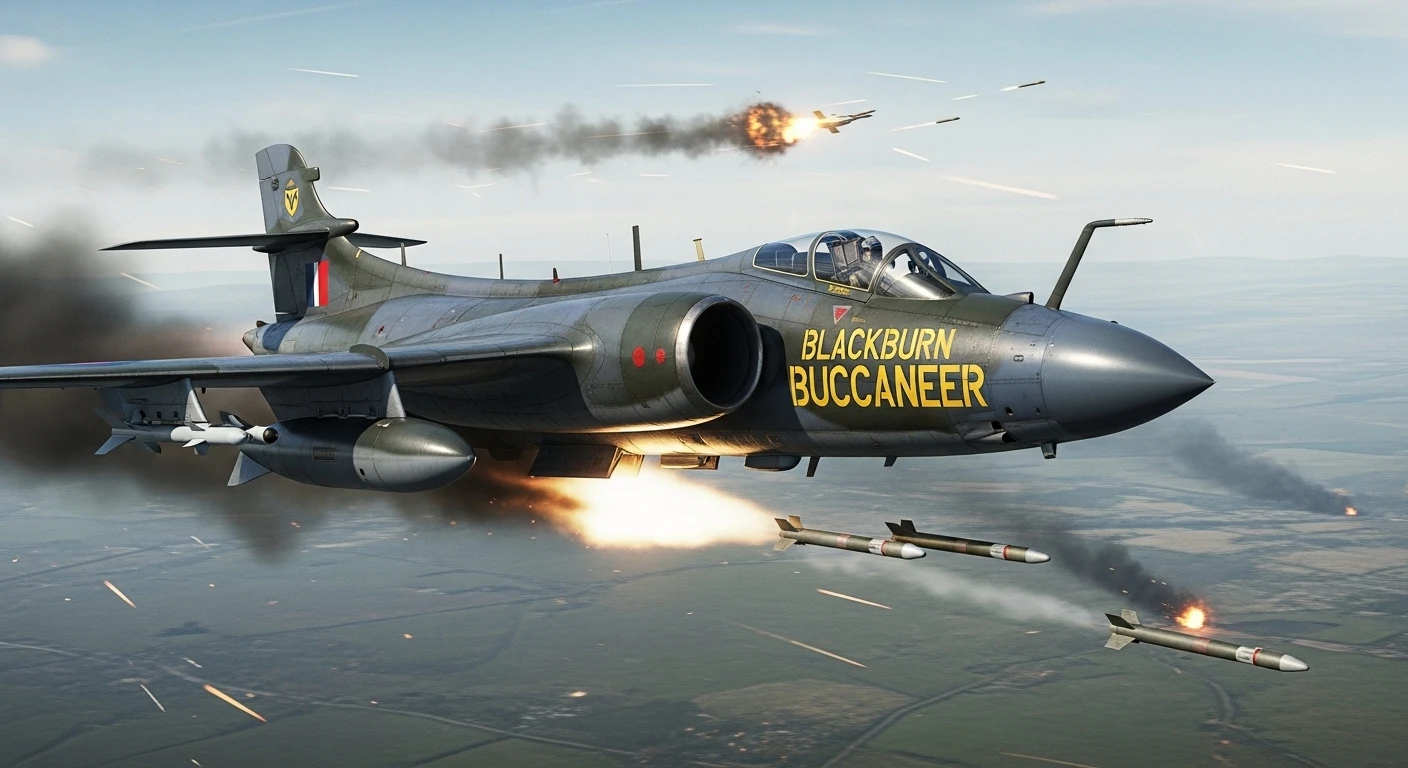
ブラックバーン・バッカニア | |
|---|---|
| 国 | 英国 |
| 役割 | 攻撃機 |
| 初飛行 | 1958年4月30日 |
| 構築 | 211 |
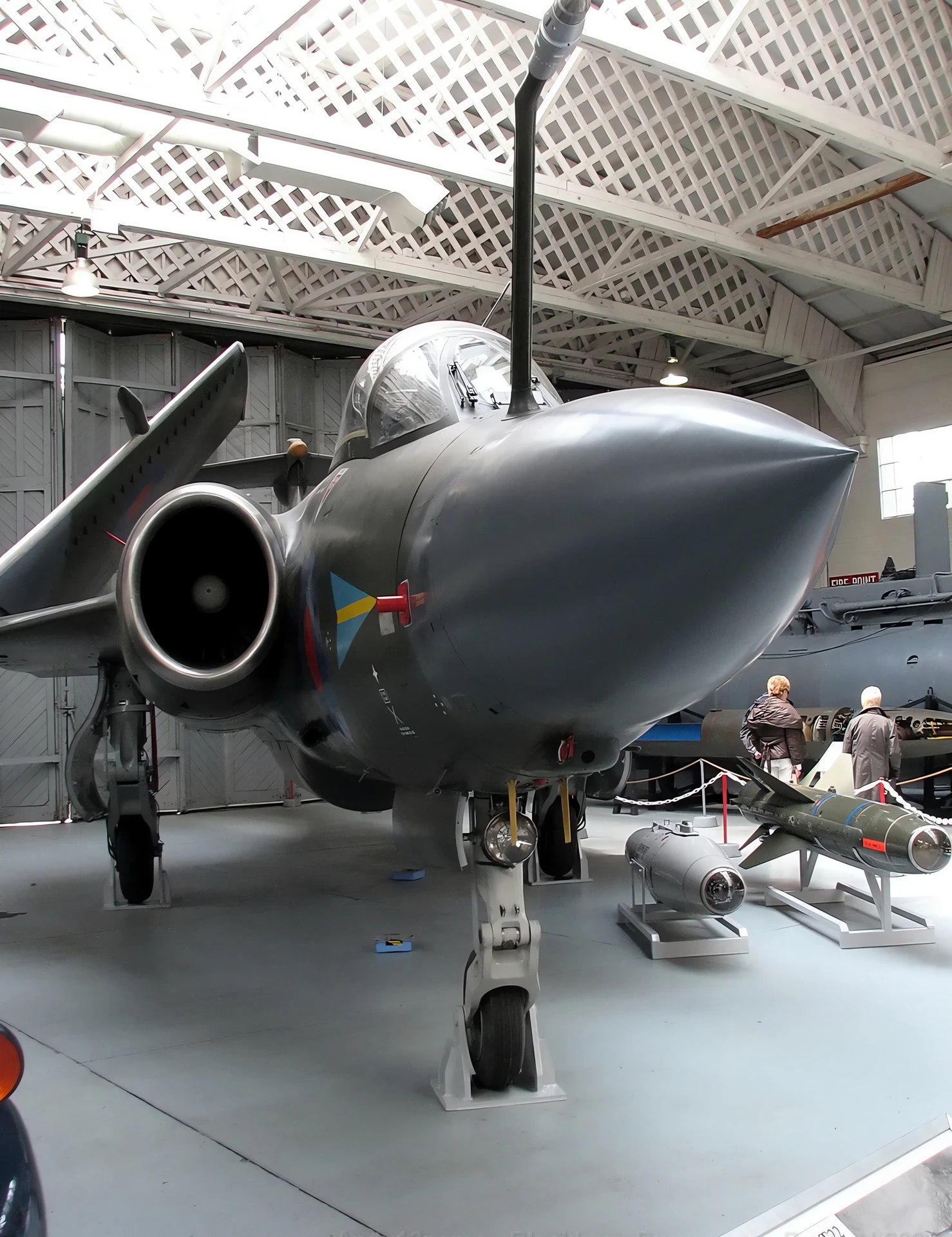
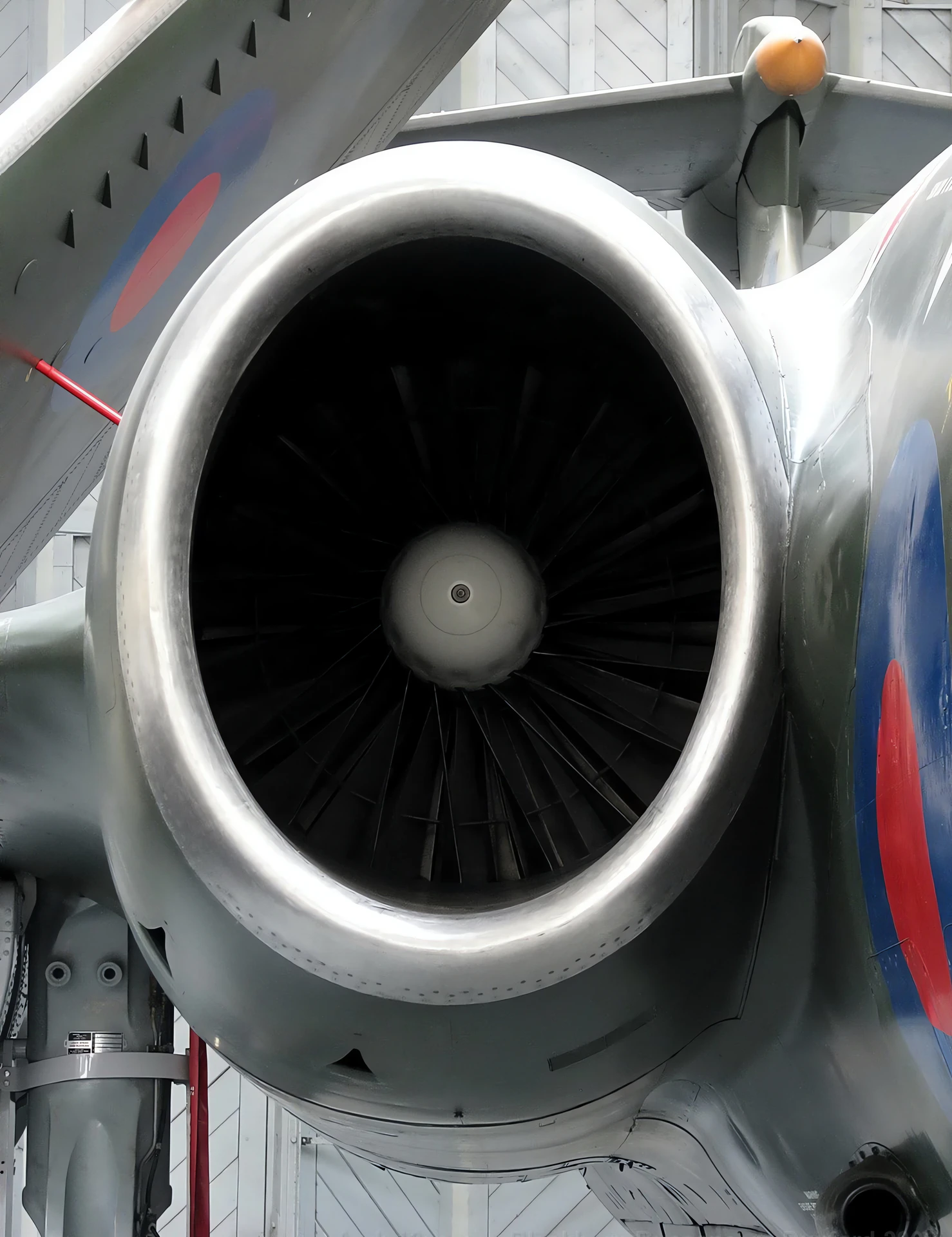
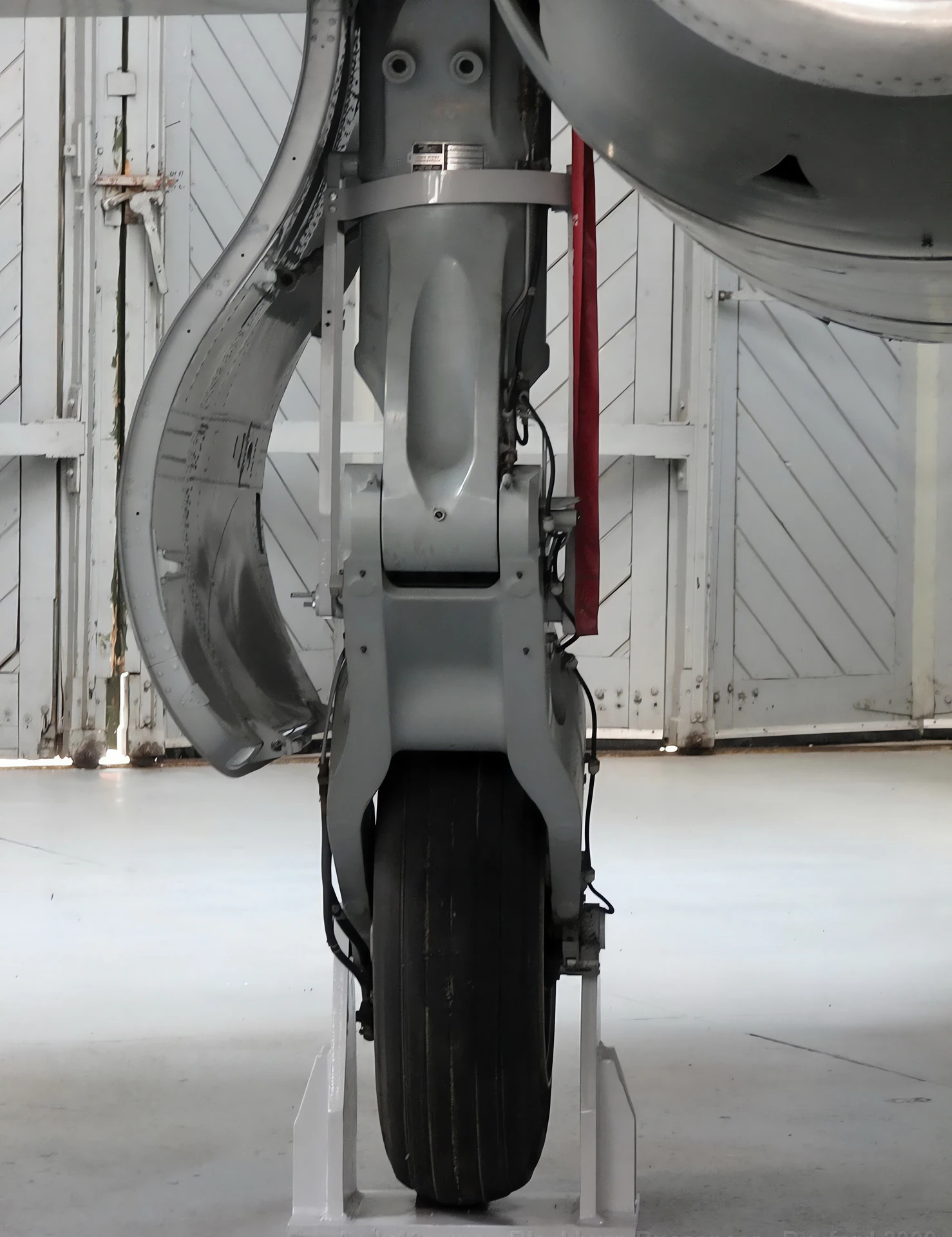
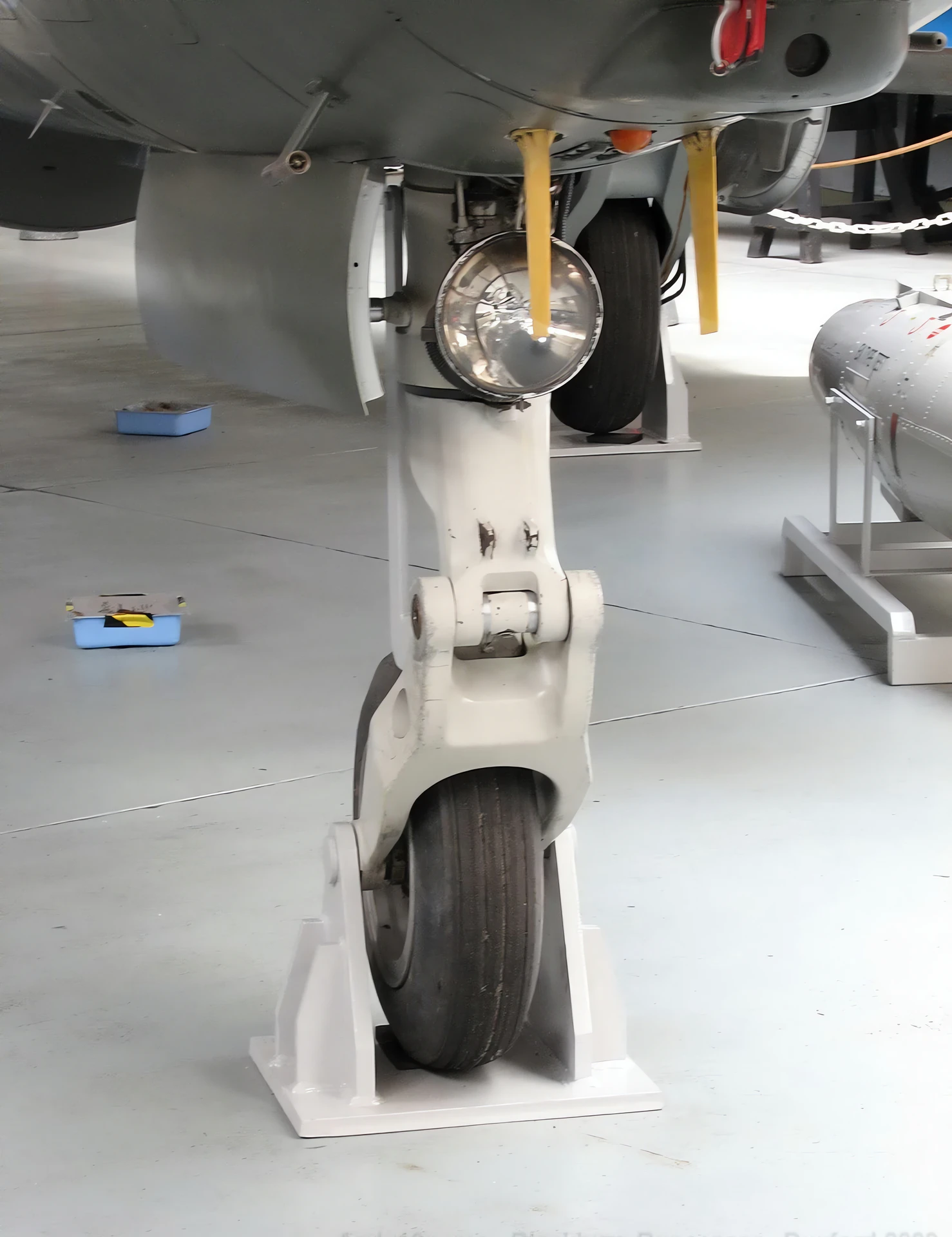
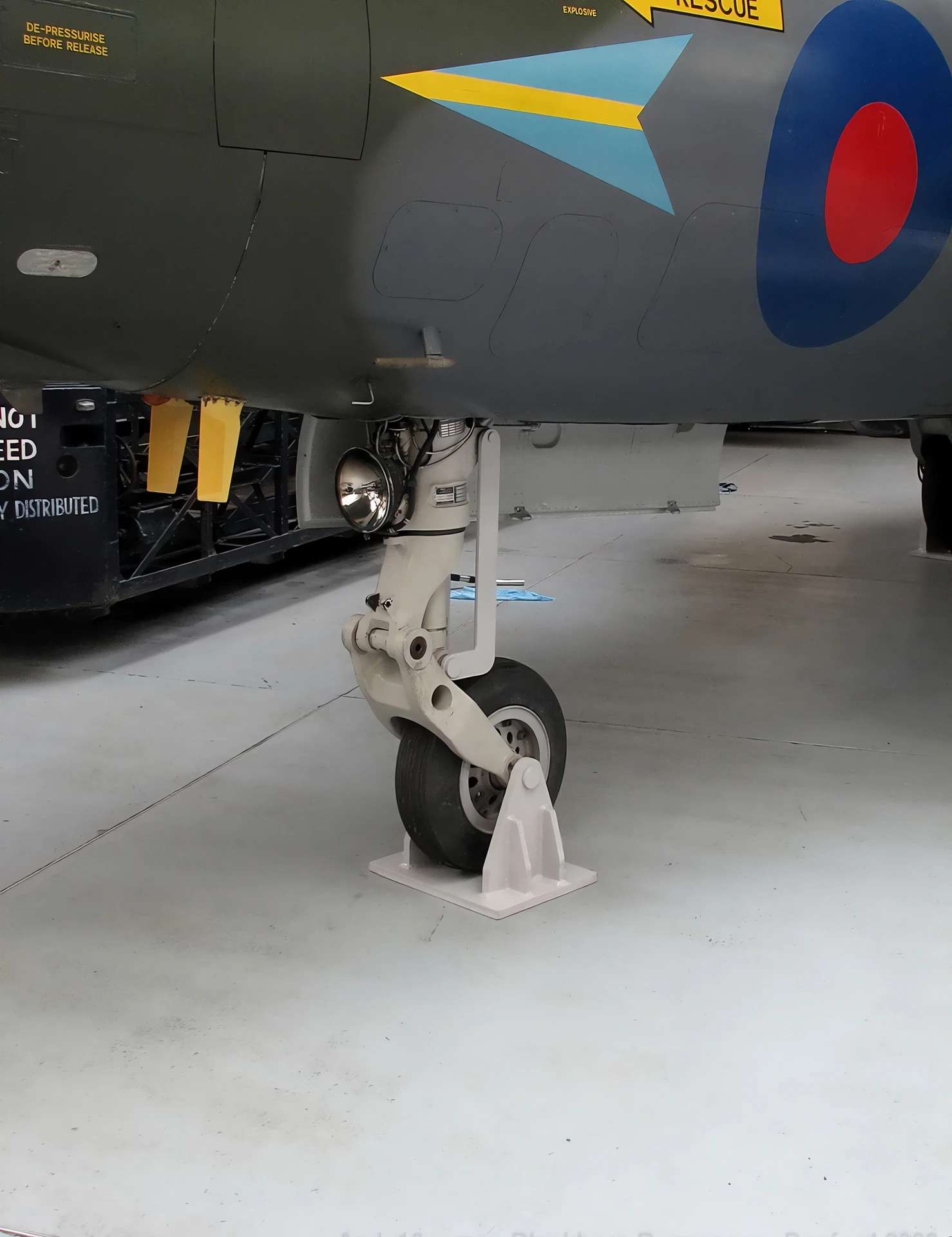
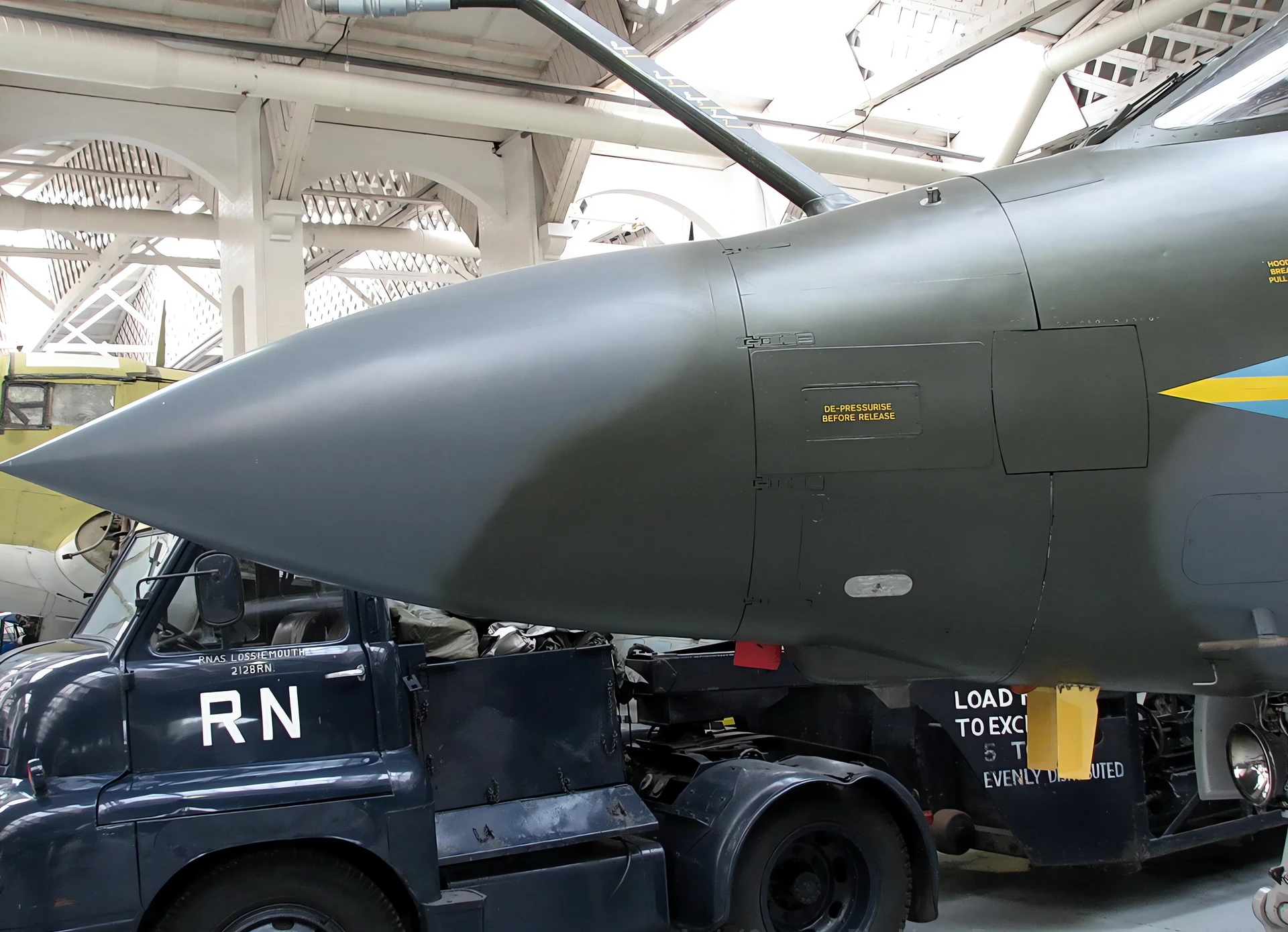
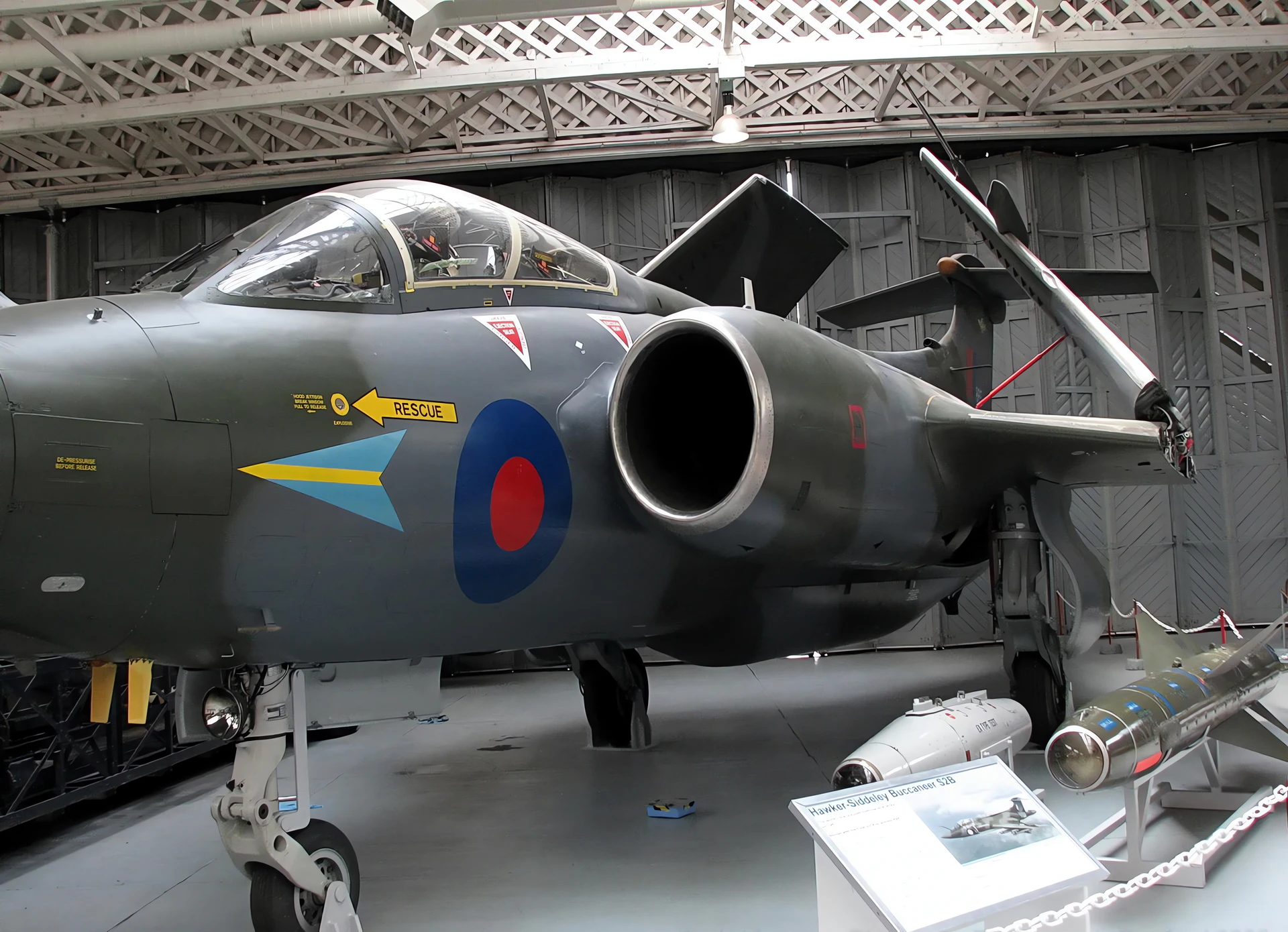
フォトギャラリー ブラックバーン・バッカニア in Imperial War Museum Duxford, The Blackburn Buccaneer was a Royal Navy (RN) carrier-borne attack aircraft designed in the 1950s. Designed and initially produced by Blackburn Aircraft at Brough, it was later officially known as the Hawker Siddeley Buccaneer when Blackburn became a part of the Hawker Siddeley group, but this name was rarely used.
ソース: ブラックバーン・バッカニア・オン・ウィキ
| Blackburn Buccaneer | |
|---|---|
| カメラマン | Andrey Ieshkin |
| ローカライズ | 知りません |
| 写真 | 46 |

 コーヒーを買って
| Buccaneer S.2 Walk Around | |
|---|---|
| カメラマン | Michael Benolkin |
| ローカライズ | 知りません |
| 写真 | 24 |
関連項目:


| Blackburn Buccaneer S Mk.1 Walk Around | |
|---|---|
| カメラマン | Meindert de Vreeze |
| ローカライズ | 知りません |
| 写真 | 30 |
A Maritime Specialized Powerhouse
The Blackburn Buccaneer was designed in the 1950s for the Royal Navy to counter the threat of the Soviet Sverdlov-class cruisers. Its mission was precise: penetrate enemy radar defenses by flying at transonic speeds just 50 feet above the waves. To survive the extreme turbulence and G-loads of high-speed, low-altitude flight, Blackburn engineered an exceptionally rugged airframe—so strong that it outlived many of its intended successors. Originally serving on carriers, it later became a staple of the RAF, where its legendary stability made it the premier strike platform during the 1991 Gulf War.
| Attribute | Technical Specification (Buccaneer S.2B) |
|---|---|
| 役割 | Low-Level Strike and Reconnaissance |
| 乗組員 | 2 (Pilot and Observer/Navigator) |
| パワープラント | 2 x Rolls-Royce Spey Mk 101 turbofans (11,100 lbf each) |
| 最高速度 | 1,070 km/h (667 mph) / Mach 0.95 at sea level |
| 長さ | 19.33 meters (63 ft 5 in) |
| Internal Armament | Rotating Bomb Bay (4,000 lb capacity) |
| External Payload | Up to 12,000 lbs on 4 underwing hardpoints |
| Combat Radius | Approx. 3,700 km (2,300 miles) with external fuel |
Innovative Aerodynamics and Features
- Boundary Layer Control (BLC): To allow a heavy jet to land on small British carriers, the Buccaneer used a “supercirculation” system. High-pressure air was bled from the engines and blown over the wings and tail, doubling the lift at low speeds.
- Rotating Bomb Bay: Instead of traditional doors that cause massive drag when opened at high speeds, the Buccaneer featured a rotating door. The weapons were attached to the door itself, which flipped 180 degrees in a split second to expose the payload.
- Area Rule Design: The fuselage features a distinct “waisted” or “Coke bottle” shape. This area-ruling minimizes transonic drag, allowing the aircraft to maintain high subsonic speeds near the ground without using fuel-heavy afterburners.
- Rear Split Airbrake: The tail cone of the aircraft split laterally into two halves to act as an incredibly effective airbrake, crucial for rapid deceleration during carrier approaches or weapon releases.
The “Banana Jet” Legacy
- Naming Roots: The nickname “Banana Jet” came from its original development designation, BANA (Blackburn Advanced Naval Aircraft).
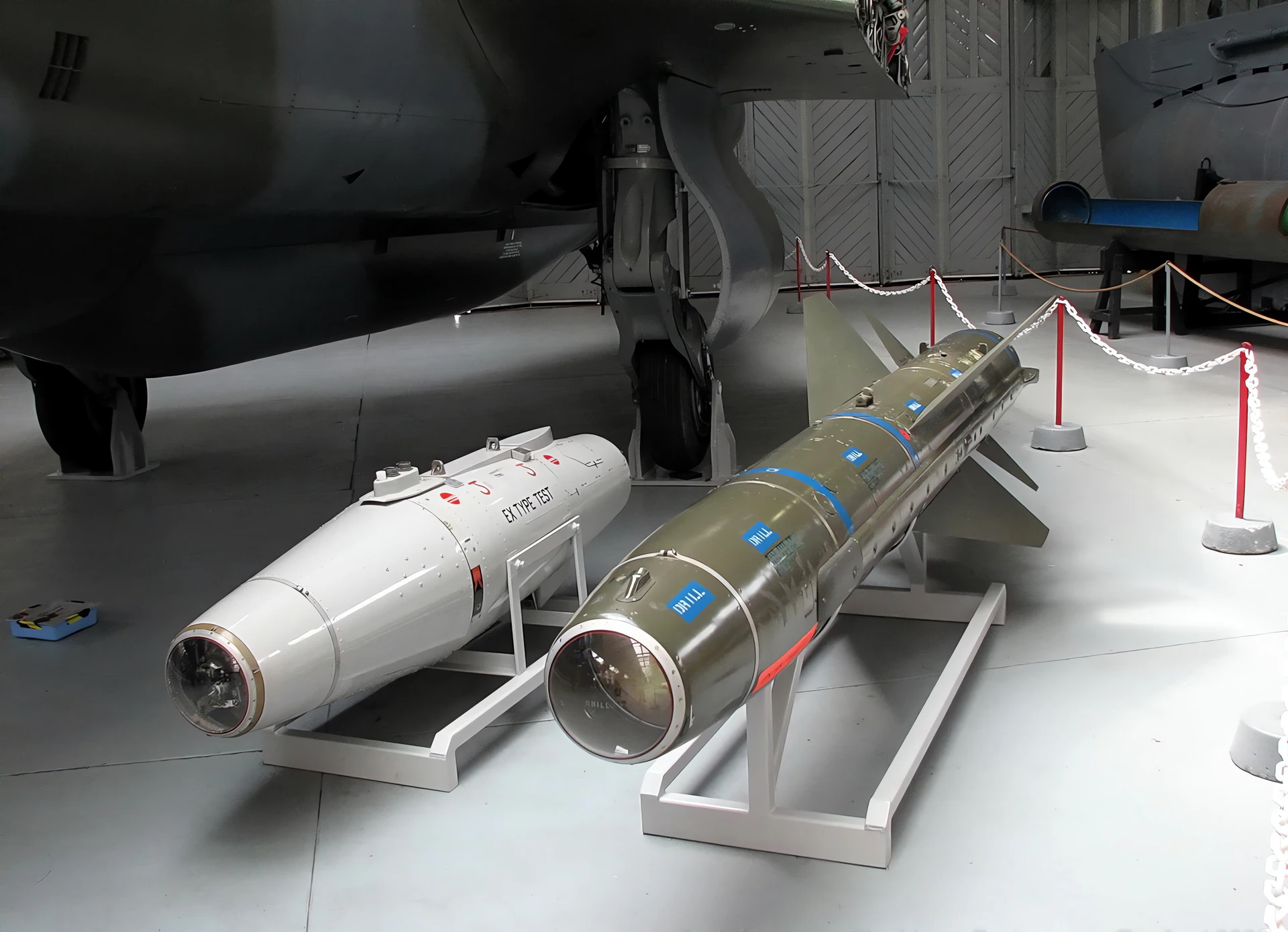
- Desert Storm Swansong: In 1991, aging Buccaneers were deployed to the Gulf to provide laser designation for RAF Tornados. They proved so reliable that they eventually began dropping their own “Paveway” laser-guided bombs, achieving a 100% mission success rate.
- Structural Integrity: The airframe was built using large monolithic slabs of alloy rather than many small parts riveted together. This made the Buccaneer famous for being “built like a brick outhouse,” capable of pulling high Gs even after decades of service.
再生 : 4811