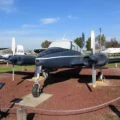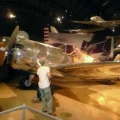
Bell P-39 Airacobra | |
|---|---|
| 国 | 米国 |
| 役割 | 戦闘機 |
| ファーストフライ | 1938年4月6日 |
| 構築 | 9588 |
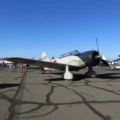
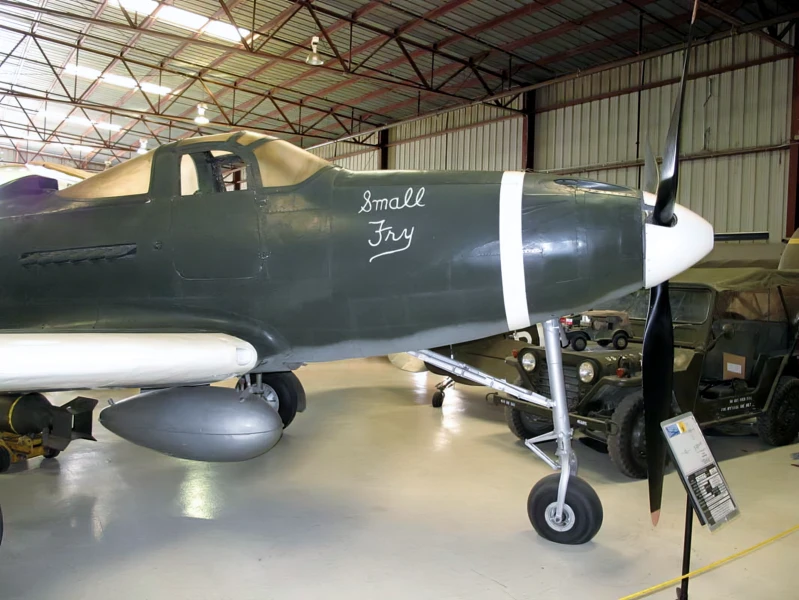
ザ ベル P-39 アイラコブラ アメリカが第二次世界大戦に入ったとき、アメリカの主要な戦闘機の一つでした。P-39はソ連空軍によって使用され、個々のソ連のパイロットは、任意の紛争で任意の空軍によって飛行された任意の米国の戦闘機タイプに起因する殺人の最大数を収集することができました。その他の主要なユーザーには、フリーフレンチ、イギリス空軍、アメリカ陸軍空軍、イタリアの共同戦順空軍が含まれていました。
| Bell P-39N Airacobra | |
|---|---|
| カメラマン | 知りません |
| ローカライズ | 知りません |
| 写真 | 49 |

| Bell P-39Q Airacobra | |
|---|---|
| カメラマン | スチュワート・ベイリー |
| ローカライズ | 知りません |
| 写真 | 120 |
| P-39Q Airacobra Walk Around | |
|---|---|
| カメラマン | David Spurgeon-Jackson, Michael Benolkin |
| ローカライズ | 知りません |
| 写真 | 21 |
関連項目:


| Bell P-39Q Airacobra Walk Around | |
|---|---|
| カメラマン | Unknow |
| ローカライズ | 知りません |
| 写真 | 116 |
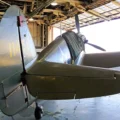
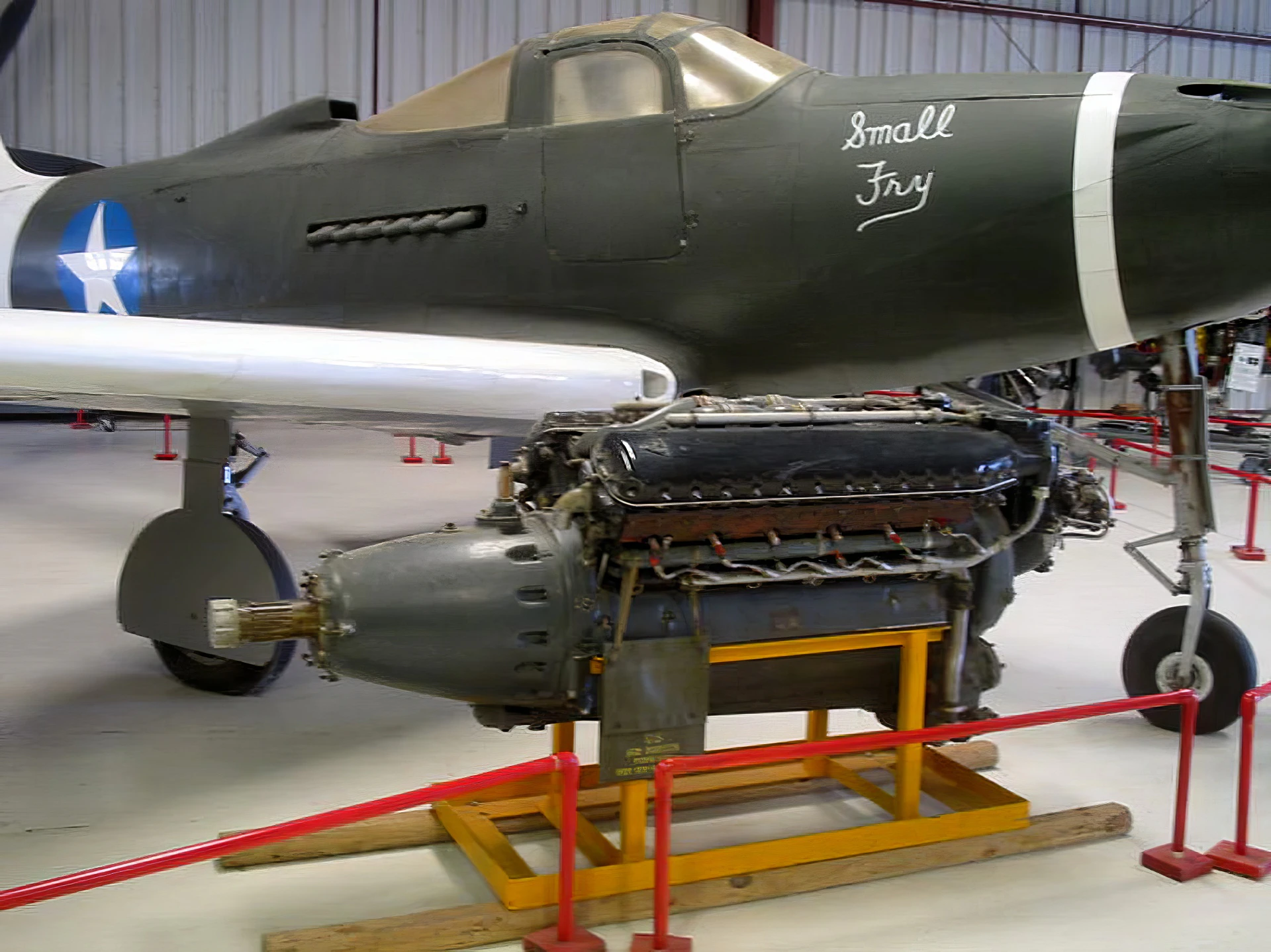
The Bell P-39 Airacobra was one of the United States’ principal fighter aircraft in service at the start of World War II. The P-39N was a major production variant, focusing on structural lightening and using an upgraded engine. The aircraft’s highly unconventional design placed the engine behind the pilot, driving the propeller through a long shaft.
While the P-39’s performance was considered poor by US and British pilots for high-altitude interception due to the absence of an effective turbo-supercharger, its heavy nose-mounted cannon armament and excellent low-to-medium altitude performance made it highly successful when operated by the Soviet Air Force on the Eastern Front, primarily in the tactical fighter and ground-attack roles.
Unique Design and Key Features
Mid-Engine Configuration and Drivetrain
- Engine Placement: The Allison V-1710 V-12 liquid-cooled engine was mounted in the fuselage center, behind the pilot. This novel layout was intended to shift the center of gravity and free up the nose.
- Driveshaft: The propeller was driven by a long extension shaft that ran beneath the cockpit floor to a gearbox in the nose, a distinguishing engineering feature.
- Armament Bay: The space vacated by the engine in the nose allowed for the mounting of the aircraft’s powerful primary weapon, a large-caliber cannon, to fire through the propeller hub.
Structural and Operational Characteristics
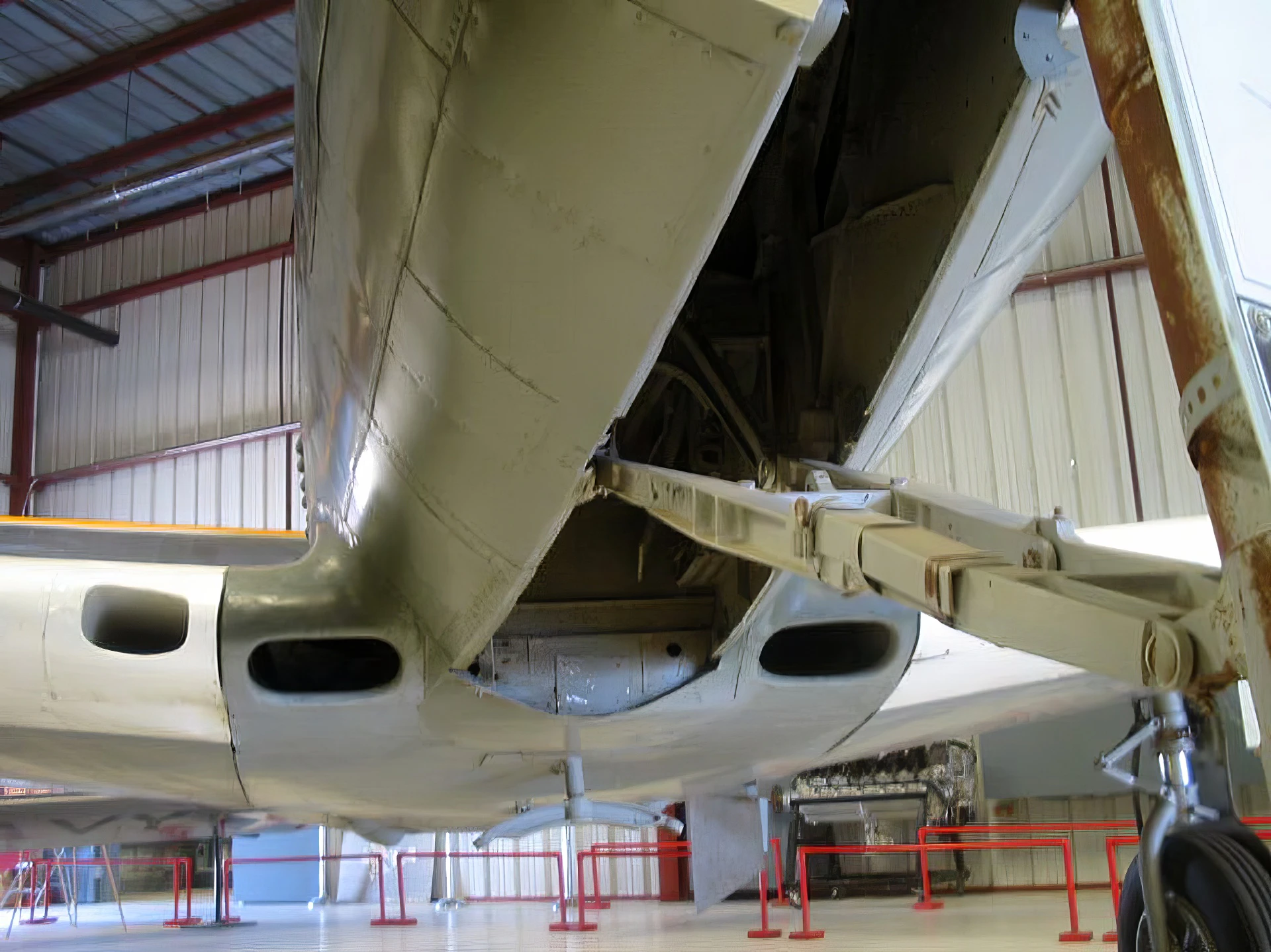
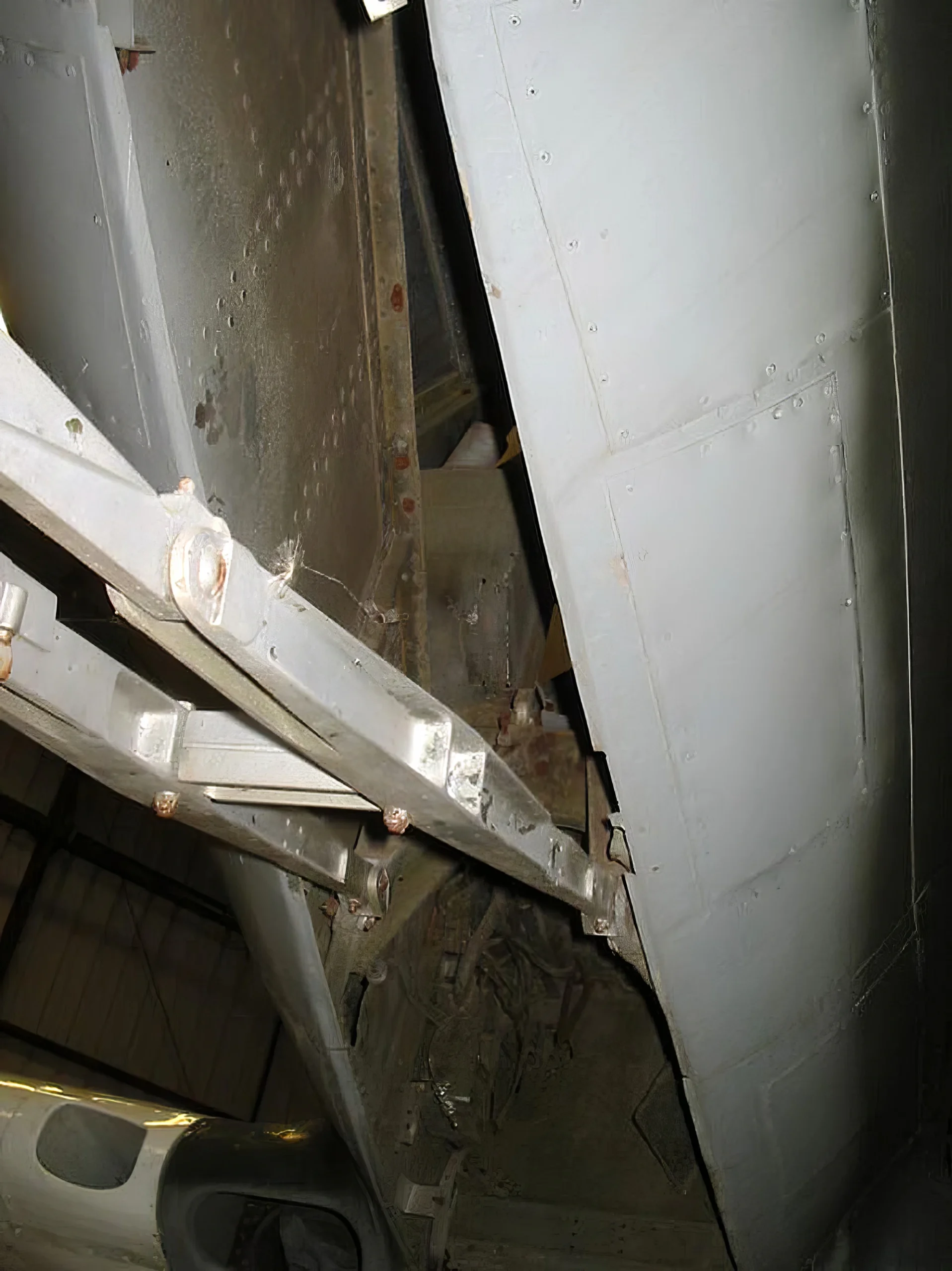
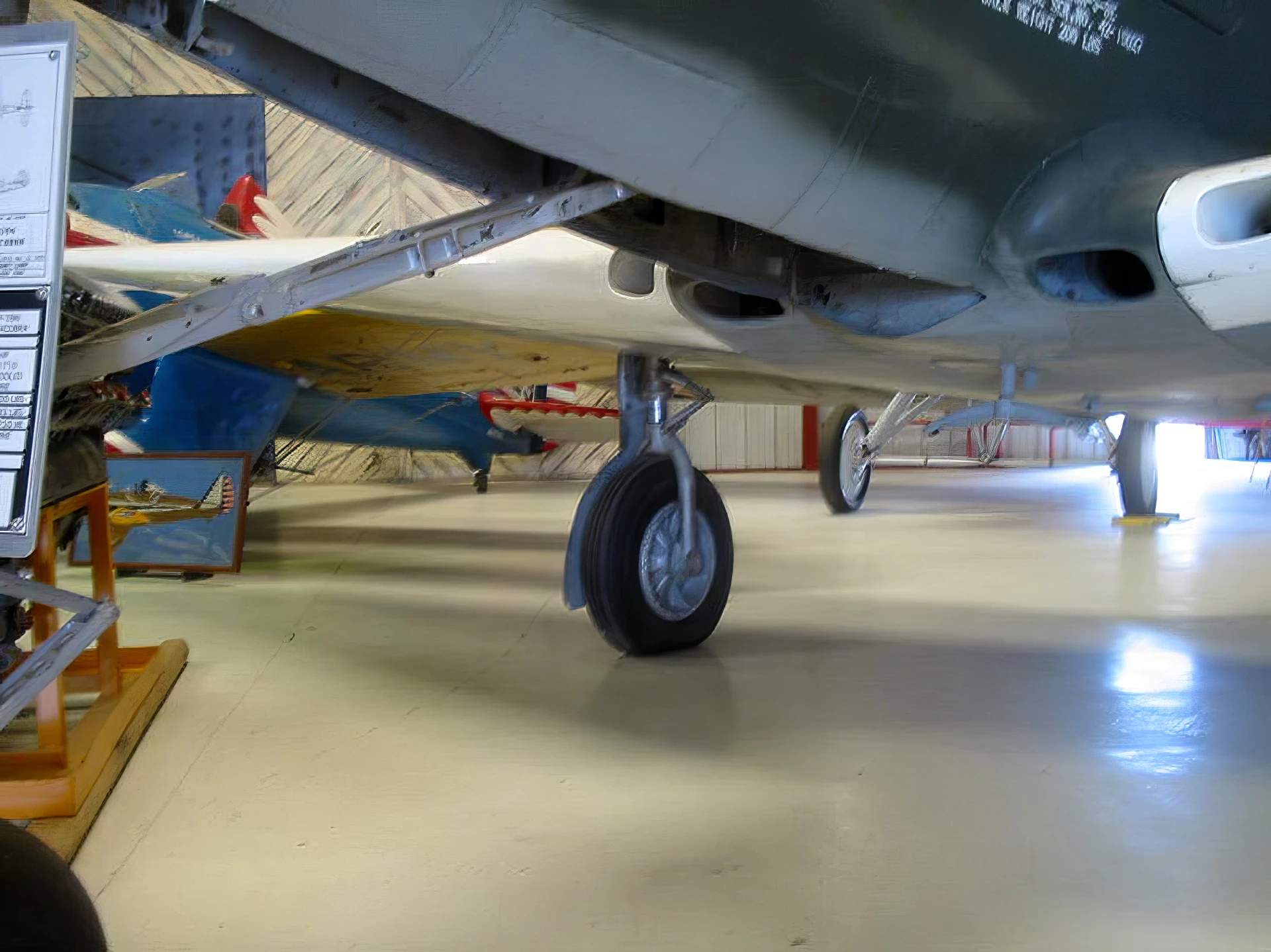
- Landing Gear: The P-39 was the first American fighter to feature a tricycle landing gear configuration, which provided excellent visibility and easier ground handling.
- Cockpit Entry: Uniquely, the pilot entered the cockpit via automobile-style doors with roll-down windows on either side, rather than a sliding canopy.
- Altitude Limitation: The production P-39s were limited to a single-stage, single-speed supercharger. The lack of an efficient turbo-supercharger severely handicapped its performance above 15,000 feet (4,500 m), rendering it unsuitable for high-altitude air combat over Western Europe.
P-39N Variant Specifications and Armament
P-39N Specifics
The P-39N series (including N-1 and N-5 sub-variants) were the most numerous production run, incorporating efforts to reduce weight (sometimes by reducing internal fuel capacity) and installing the more powerful V-1710-85 engine. The P-39N-1 introduced a wider 11 ft 7 in (3.53 m) Aeroproducts propeller.
Armament (Typical P-39N Configuration)
| Weapon Type | 口径 | 場所 | Purpose/Note |
|---|---|---|---|
| Cannon (M4) | 37 mm | Nose (firing through propeller hub) | Primary anti-aircraft/ground attack weapon (low rate of fire, high impact) |
| Machine Guns (Synchronized) | 2 × .50 cal (12.7 mm) | Nose (firing through propeller arc) | Heavy machine guns for close-range fighting |
| Machine Guns (Wing) | 4 × .30 cal (7.62 mm) | Wings | Additional firepower (sometimes replaced by two .50 cal guns in the later Q-model) |
Performance Data (P-39N)
| 仕様 | Detail |
|---|---|
| メーカー | Bell Aircraft Corporation |
| Engine Power | 1,200 hp (Allison V-1710-85) |
| Max Speed | Approx. 385 mph (620 km/h) at optimal altitude |
| Service Ceiling | Approx. 35,000 ft (10,670 m) (though effective performance was lower) |
| Total P-39N Production | 2,095 aircraft |
ビュー: 8891