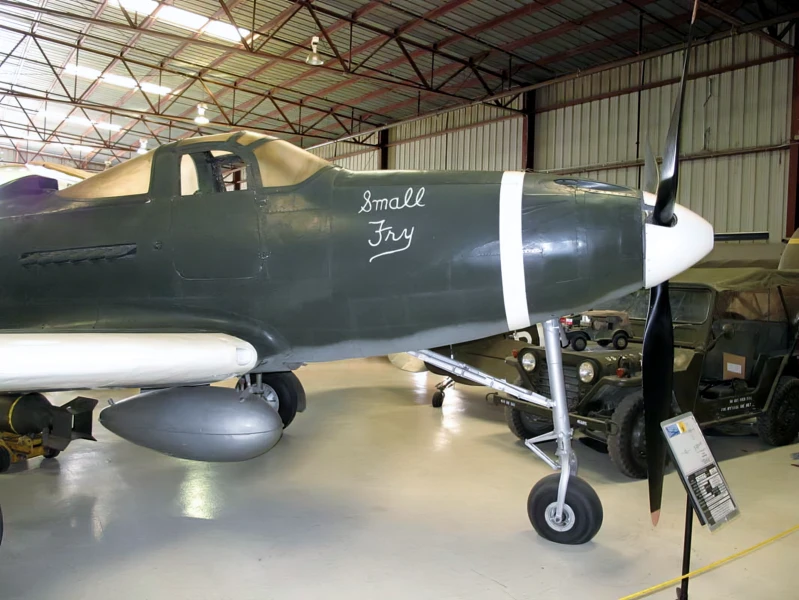
Bell P-39 Airacobra | |
|---|---|
| Zemlja | Sad |
| Ulogu | Borac |
| Prva muva | 6 April 1938 |
| Izgradio | 9588 |
Čaj Zvono P-39 Airacobra bio je jedan od glavnih američkih borbenih aviona u službi kada su Sjedinjene Države ušle u Drugi svetski rat. P-39 su koristile sovjetske vazduhoplovne snage i omogućile pojedinačnim sovjetskim pilotima da prikupe najveći broj ubita pripisanih bilo kom američkom borbenom tipu kojim je letela bilo koja vazduhoplovna snaga u bilo kom sukobu. Među drugim velikim korisnicima tog tipa bili su Slobodni Francuzi, Kraljevsko vazduhoplovstvo, Vazduhoplovne snage Vojske Sjedinjenih Država i italijansko ko-ratoborno vazduhoplovstvo.
| Bell P-39N Airacobra | |
|---|---|
| Fotograf | Nepoznato |
| Lokalizacija | Nepoznato |
| Fotografije | 49 |
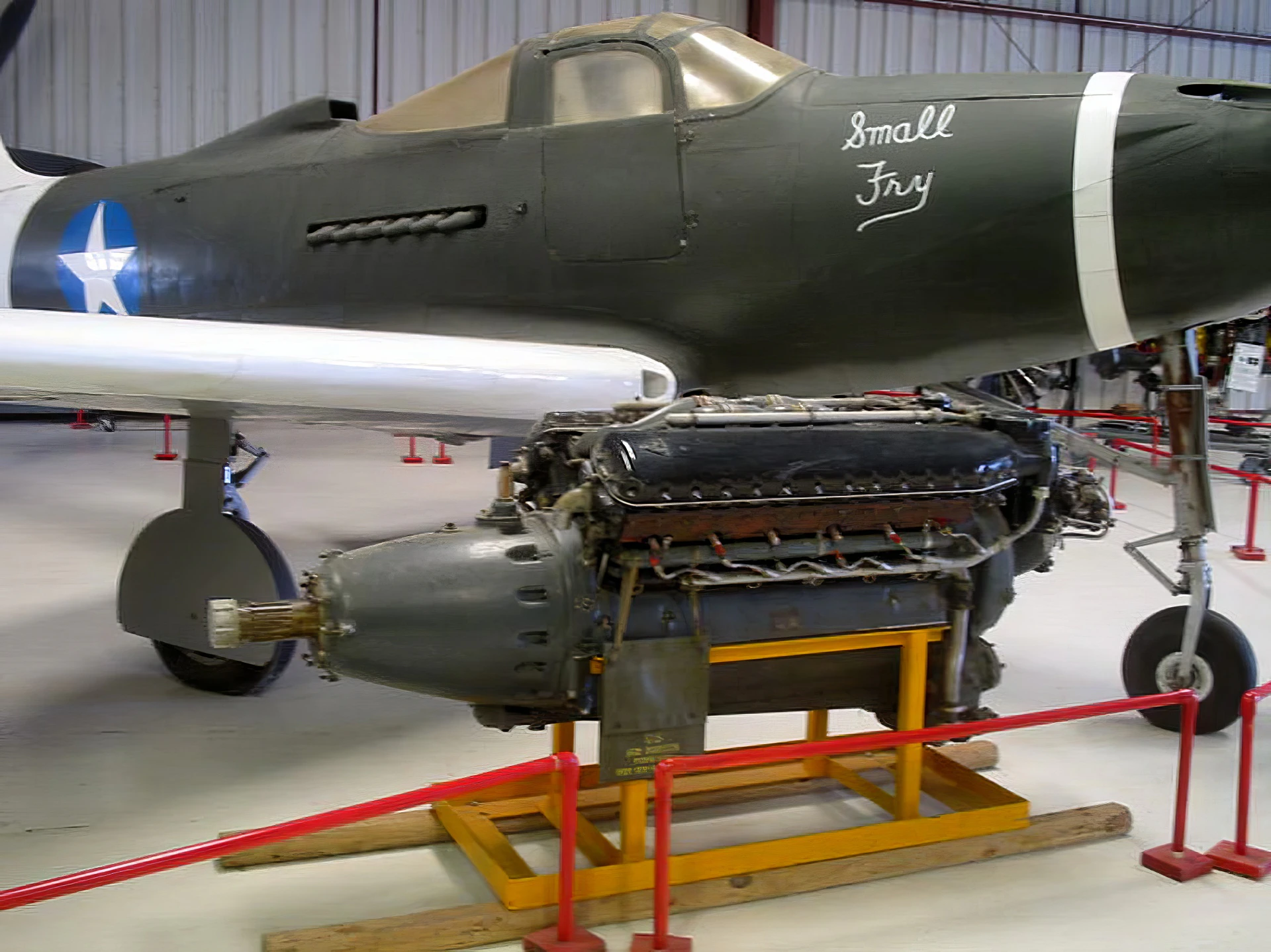
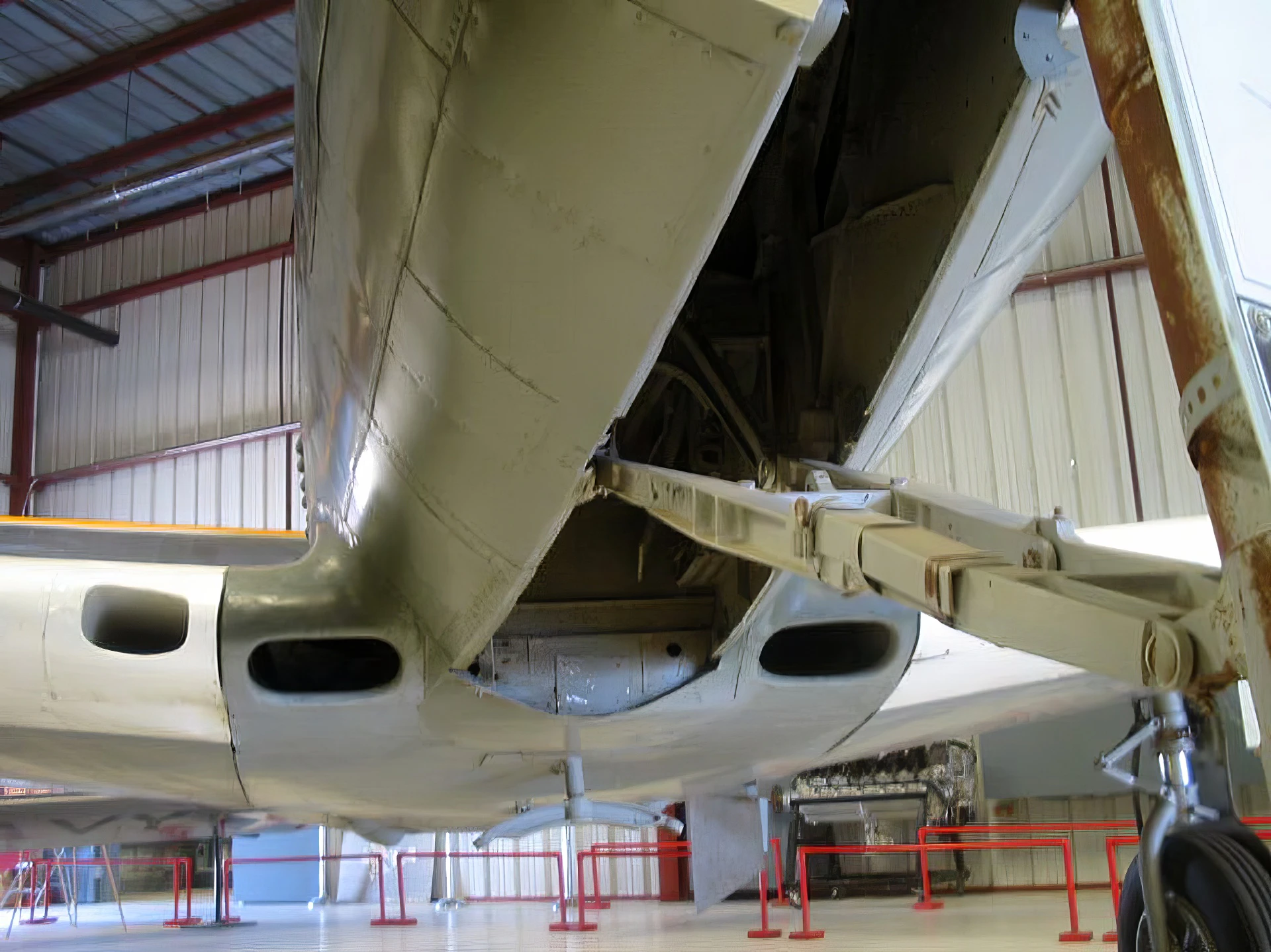
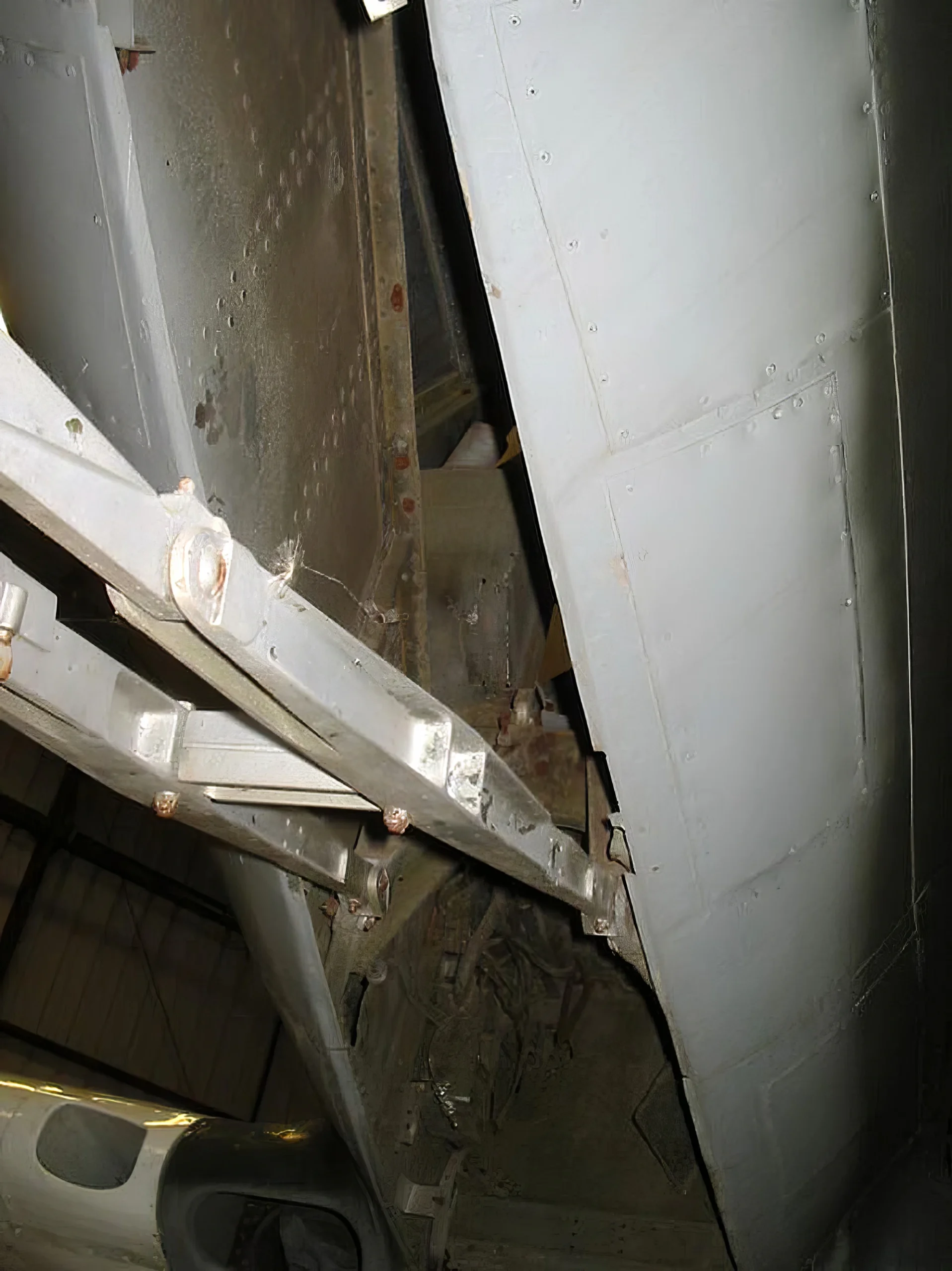
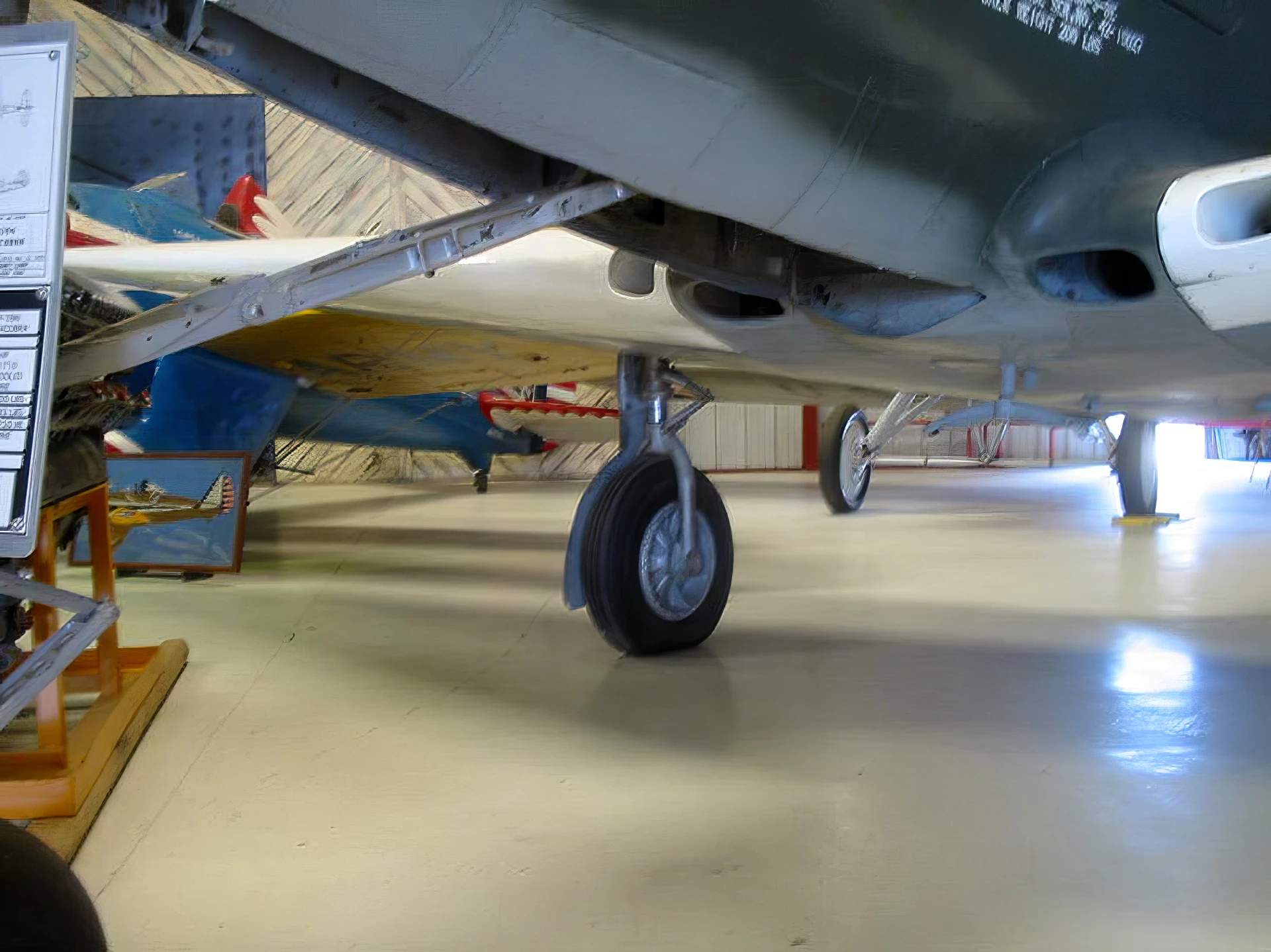

| Bell P-39Q Airacobra | |
|---|---|
| Fotograf | Stjuart Bejli |
| Lokalizacija | Nepoznato |
| Fotografije | 120 |
| P-39Q Airacobra Walk Around | |
|---|---|
| Fotograf | David Spurgeon-Jackson, Michael Benolkin |
| Lokalizacija | Nepoznato |
| Fotografije | 21 |
Pogledajte i:


| Bell P-39Q Airacobra Walk Around | |
|---|---|
| Fotograf | Unknow |
| Lokalizacija | Nepoznato |
| Fotografije | 116 |
The Bell P-39 Airacobra was one of the United States’ principal fighter aircraft in service at the start of World War II. The P-39N was a major production variant, focusing on structural lightening and using an upgraded engine. The aircraft’s highly unconventional design placed the engine behind the pilot, driving the propeller through a long shaft.
While the P-39’s performance was considered poor by US and British pilots for high-altitude interception due to the absence of an effective turbo-supercharger, its heavy nose-mounted cannon armament and excellent low-to-medium altitude performance made it highly successful when operated by the Soviet Air Force on the Eastern Front, primarily in the tactical fighter and ground-attack roles.
Unique Design and Key Features
Mid-Engine Configuration and Drivetrain
- Engine Placement: The Allison V-1710 V-12 liquid-cooled engine was mounted in the fuselage center, behind the pilot. This novel layout was intended to shift the center of gravity and free up the nose.
- Driveshaft: The propeller was driven by a long extension shaft that ran beneath the cockpit floor to a gearbox in the nose, a distinguishing engineering feature.
- Armament Bay: The space vacated by the engine in the nose allowed for the mounting of the aircraft’s powerful primary weapon, a large-caliber cannon, to fire through the propeller hub.
Structural and Operational Characteristics
- Landing Gear: The P-39 was the first American fighter to feature a tricycle landing gear configuration, which provided excellent visibility and easier ground handling.
- Cockpit Entry: Uniquely, the pilot entered the cockpit via automobile-style doors with roll-down windows on either side, rather than a sliding canopy.
- Altitude Limitation: The production P-39s were limited to a single-stage, single-speed supercharger. The lack of an efficient turbo-supercharger severely handicapped its performance above 15,000 feet (4,500 m), rendering it unsuitable for high-altitude air combat over Western Europe.
P-39N Variant Specifications and Armament
P-39N Specifics
The P-39N series (including N-1 and N-5 sub-variants) were the most numerous production run, incorporating efforts to reduce weight (sometimes by reducing internal fuel capacity) and installing the more powerful V-1710-85 engine. The P-39N-1 introduced a wider 11 ft 7 in (3.53 m) Aeroproducts propeller.
Armament (Typical P-39N Configuration)
| Weapon Type | Kalibar | Lokaciju | Purpose/Note |
|---|---|---|---|
| Cannon (M4) | 37 mm | Nose (firing through propeller hub) | Primary anti-aircraft/ground attack weapon (low rate of fire, high impact) |
| Machine Guns (Synchronized) | 2 × .50 cal (12.7 mm) | Nose (firing through propeller arc) | Heavy machine guns for close-range fighting |
| Machine Guns (Wing) | 4 × .30 cal (7.62 mm) | Wings | Additional firepower (sometimes replaced by two .50 cal guns in the later Q-model) |
Performance Data (P-39N)
| Specifikaciju | Detail |
|---|---|
| Proizvođača | Bell Aircraft Corporation |
| Engine Power | 1,200 hp (Allison V-1710-85) |
| Max Speed | Approx. 385 mph (620 km/h) at optimal altitude |
| Service Ceiling | Approx. 35,000 ft (10,670 m) (though effective performance was lower) |
| Total P-39N Production | 2,095 aircraft |
Views : 8894
Možete videti i :
 Cessna 310 – Photos & Videos
 Curtiss P-36 Hawk – Photos & Videos
 Cessna T-37 Tweet – Photos & Videos
 Boeing KC-97 Stratofreighter – Photos & Videos
 Fokker S.14 Machtrainer – Photos & Videos
 Aichi D3A – Photos & Videos
 Curtiss P-40 Warhawk – WalkAround
 Messerschmitt Me 163B – WalkAround
 McDonnell Douglas F-4 Phantom II – WalkAround
 Sukhoi Su-32FN – WalkAround