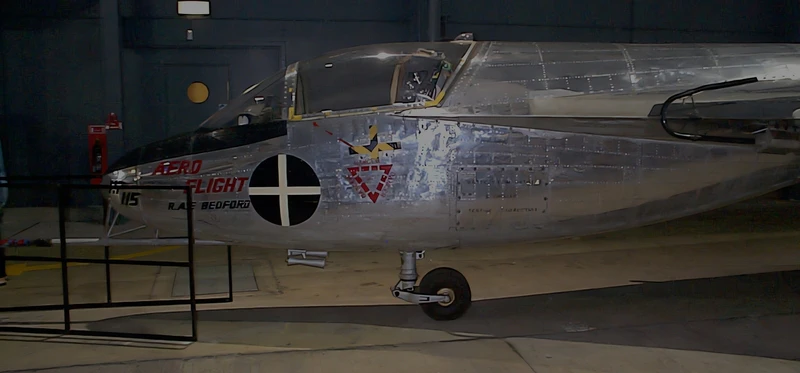
Handley Page HP.115 | |
|---|---|
| Paese | Regno unito |
| Ruolo | Aerei sperimentali |
| Primo volo | 17 agosto 1961 |
| Costruito | 1 |
Le Pagina handley HP.115 Era un aereo di ricerca britannico ad ala delta costruito dalla Handley Page per testare le caratteristiche di maneggevolezza a bassa velocità che ci si aspetta da un aereo di linea supersonico di sottile configurazione delta. Faceva parte del programma di ricerca britannica sui velivoli supersonici, condotto negli anni '60 e sponsorizzato dal Ministero dell'Approvvigionamento, che alla fine produsse il Concorde.
fonte: Handley Page HP.115 su Wikipedia
| HP.115 Walk Around | |
|---|---|
| Photographer | Howard Mason |
| Localisation | Fleet Air Arm Museum |
| Photos | 23 |
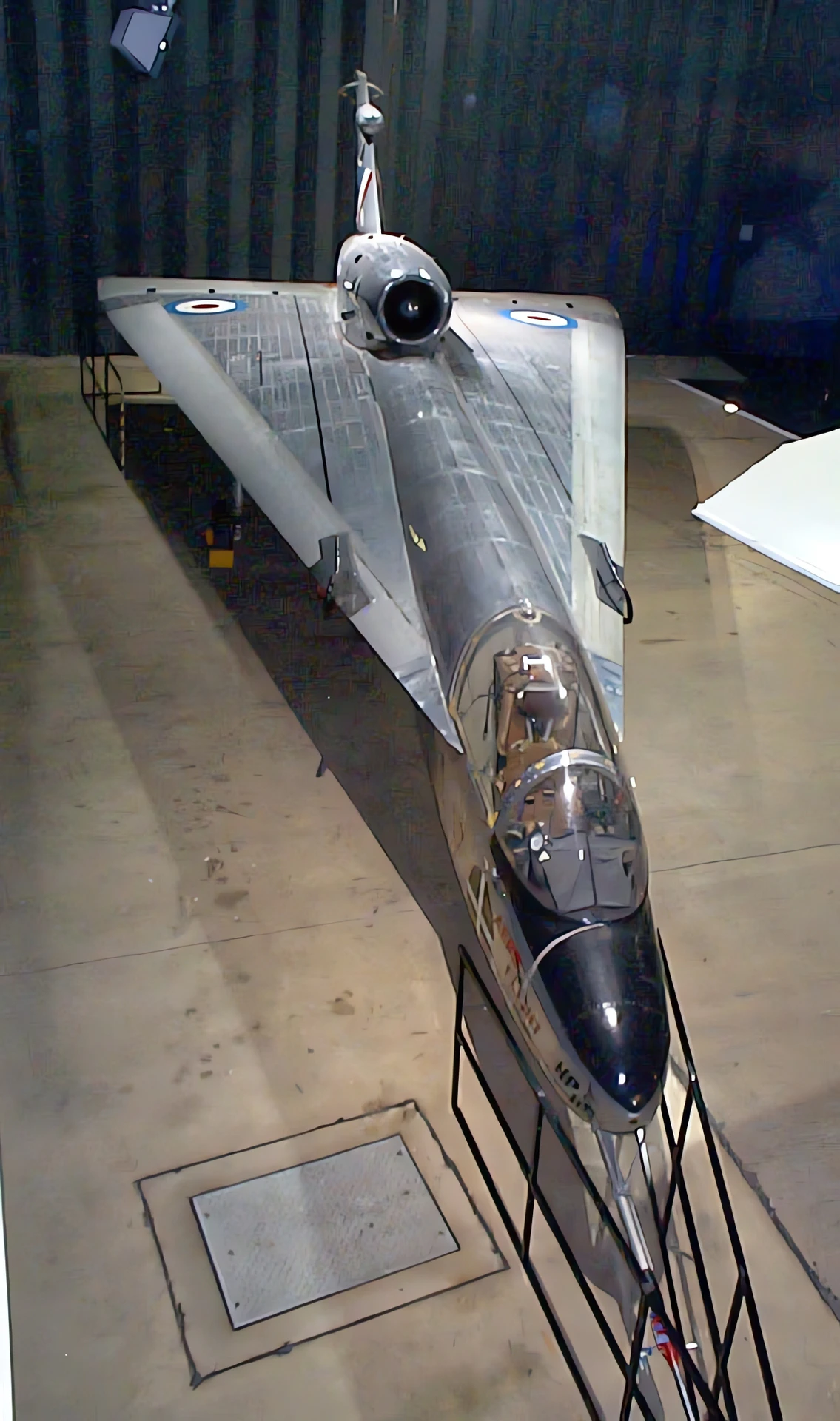
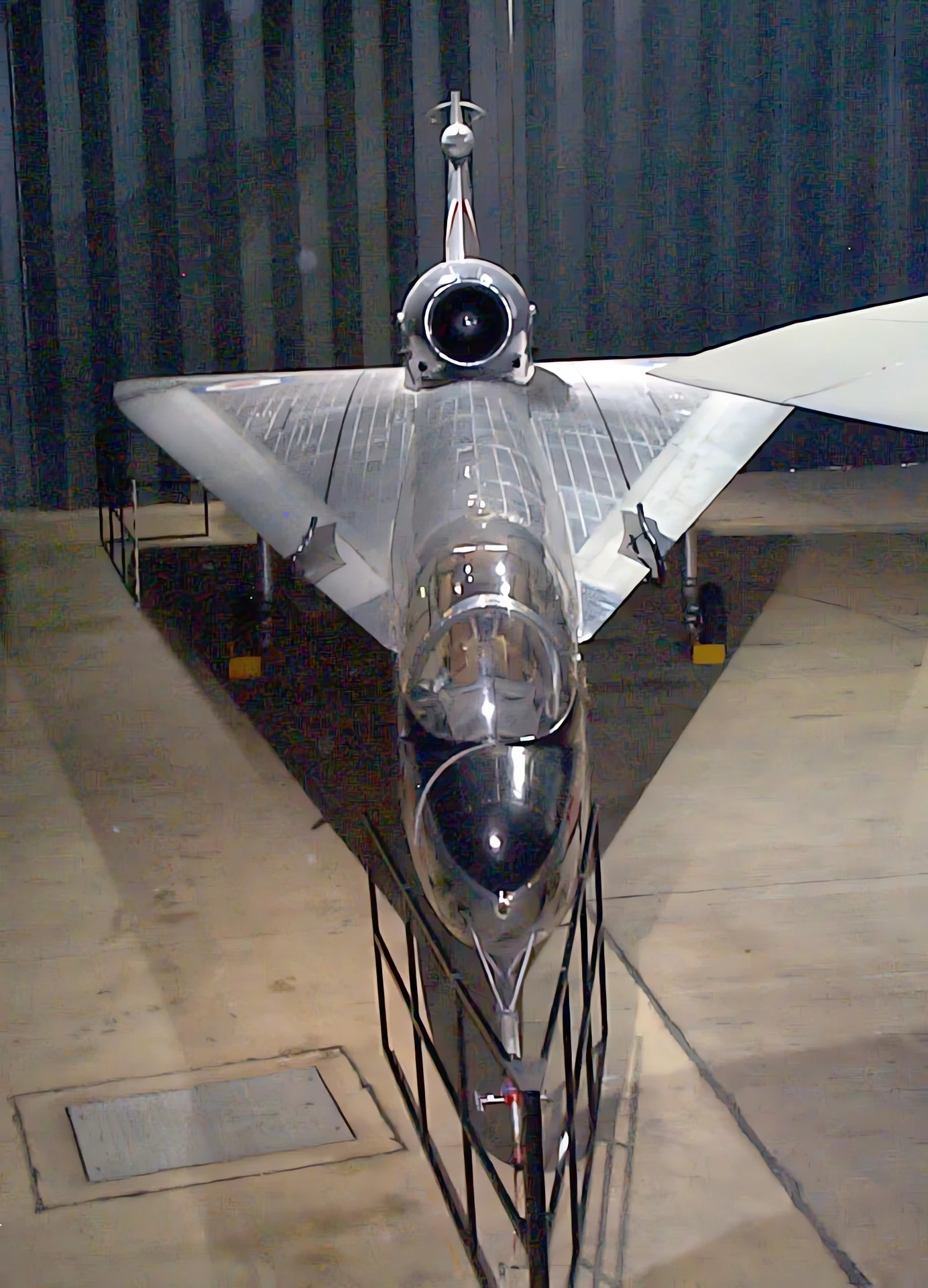
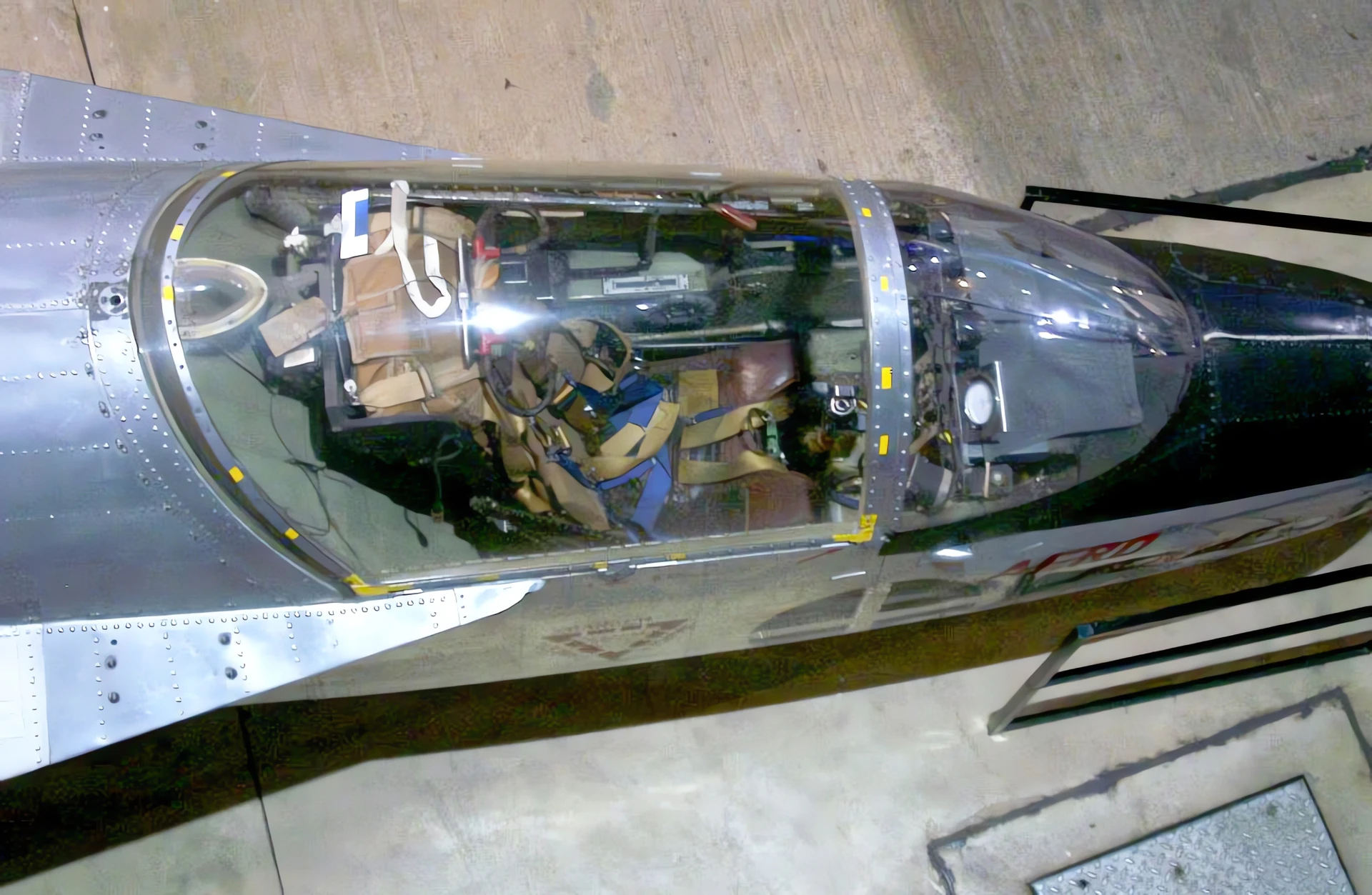
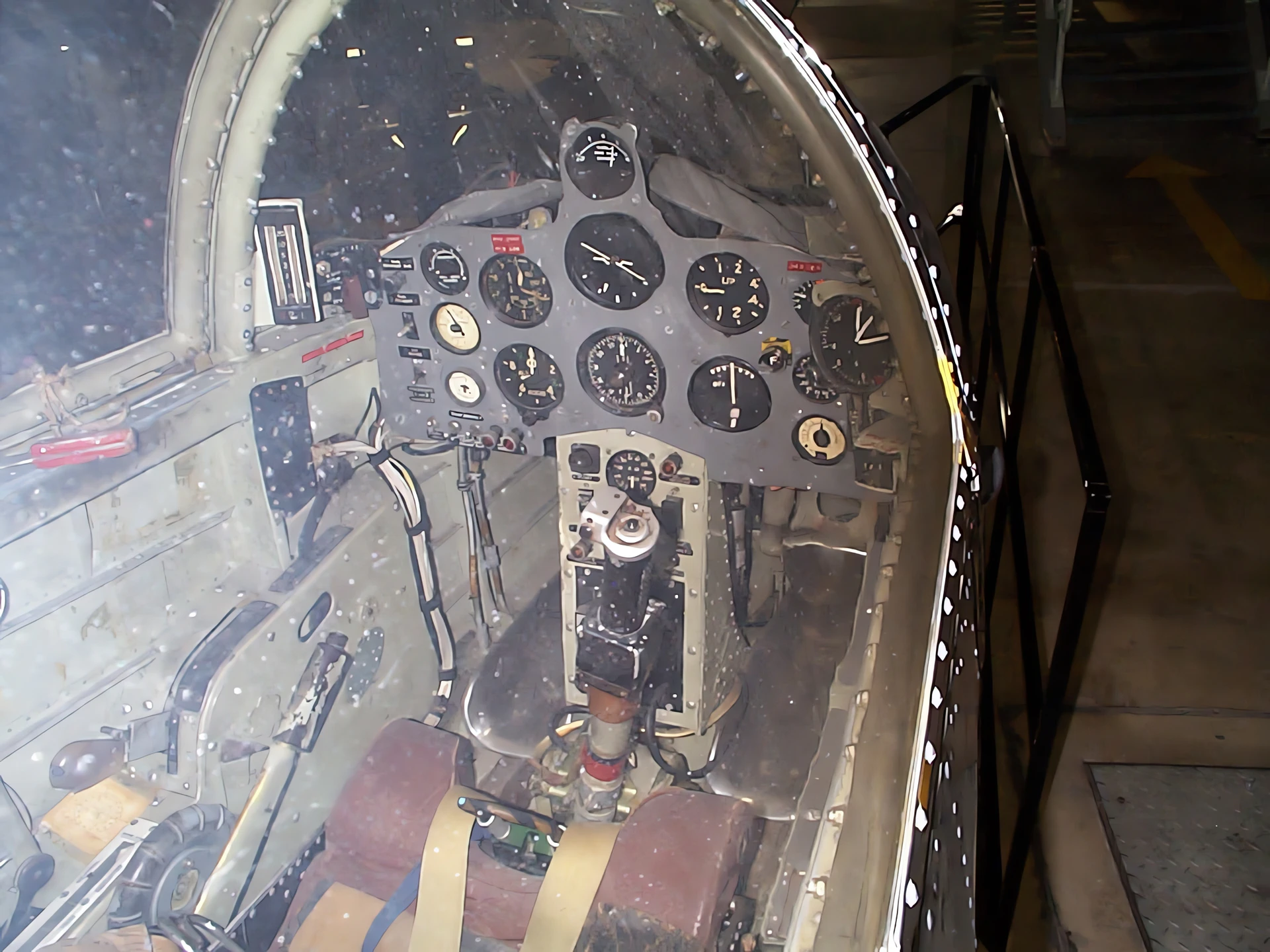
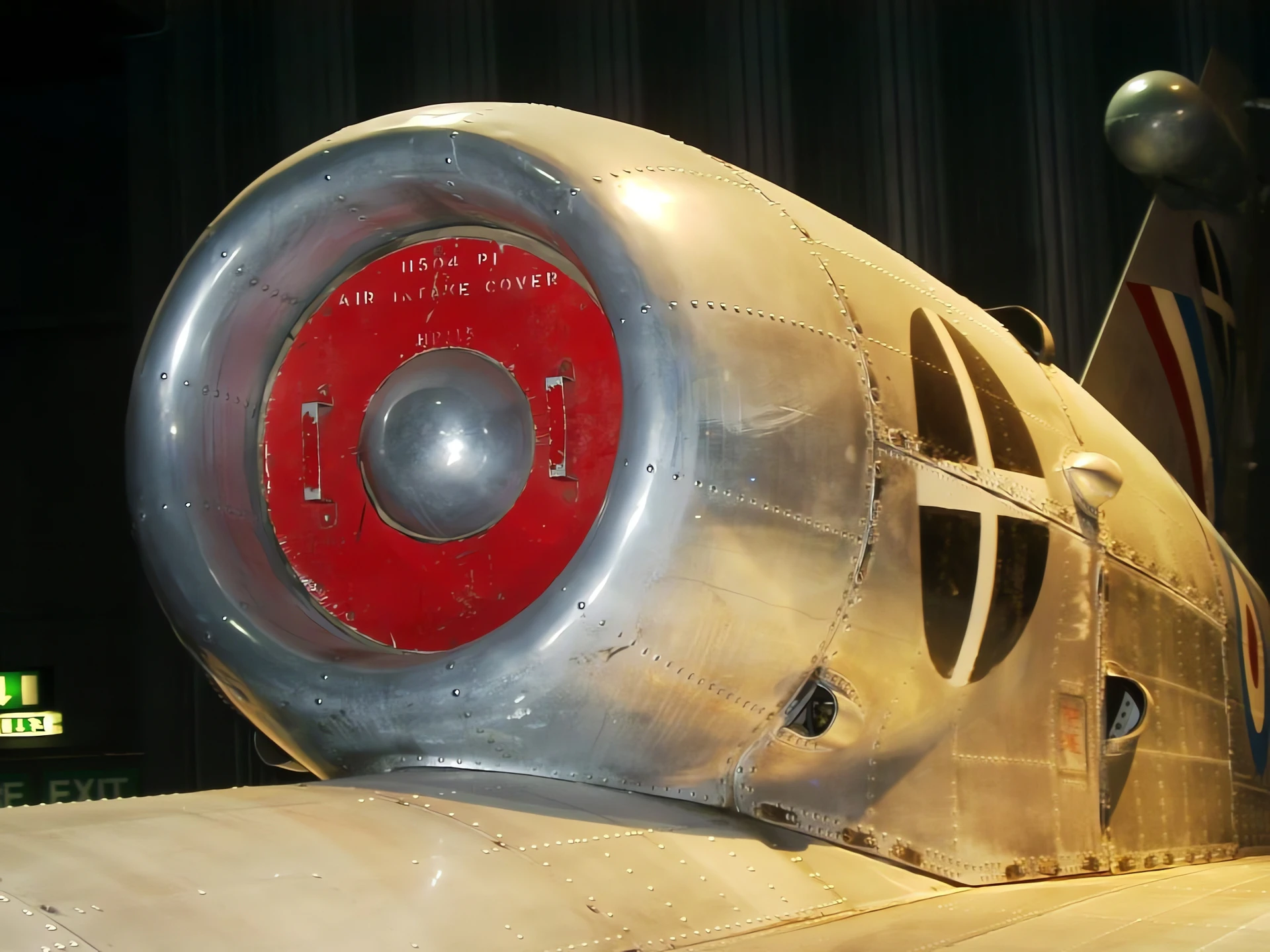
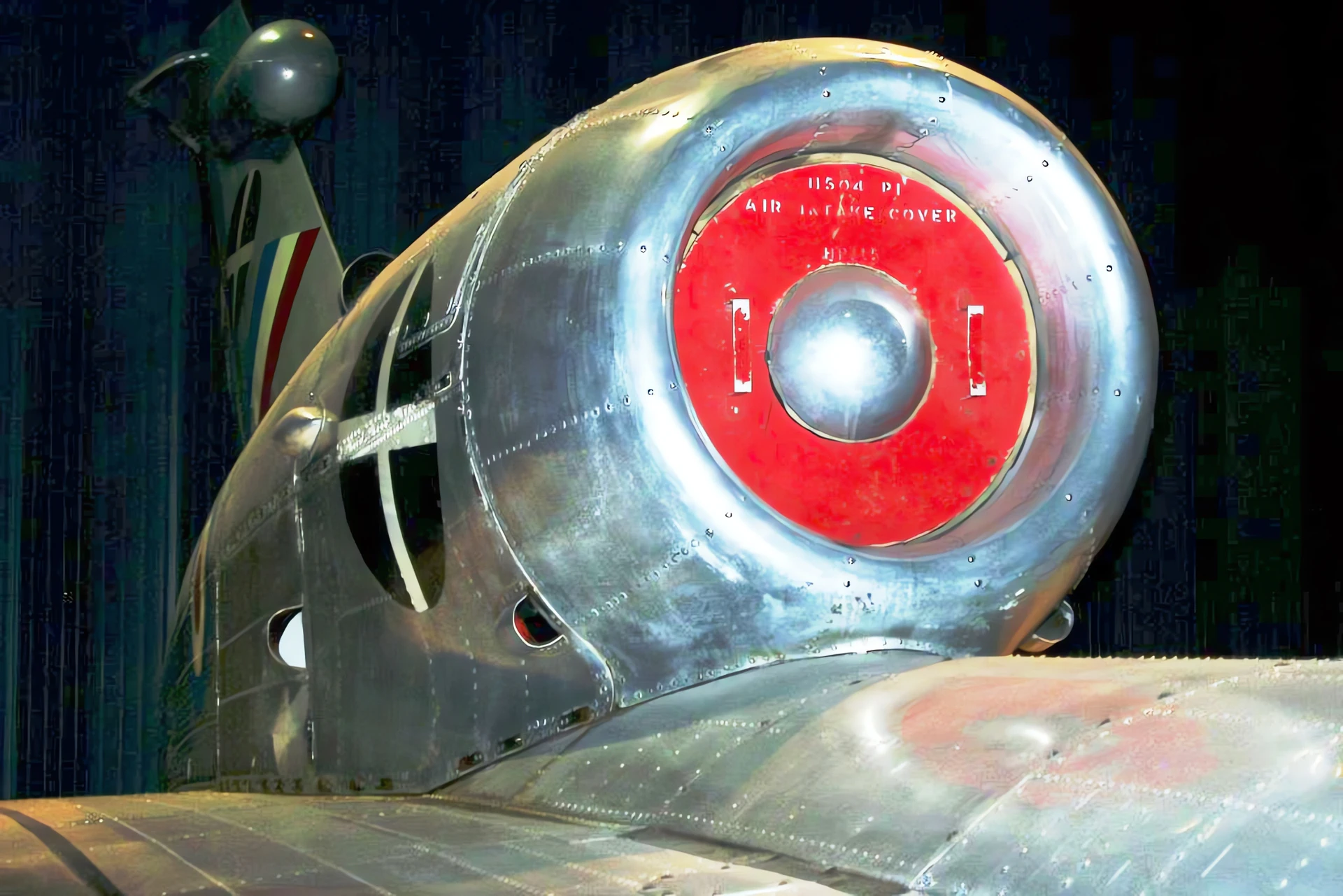
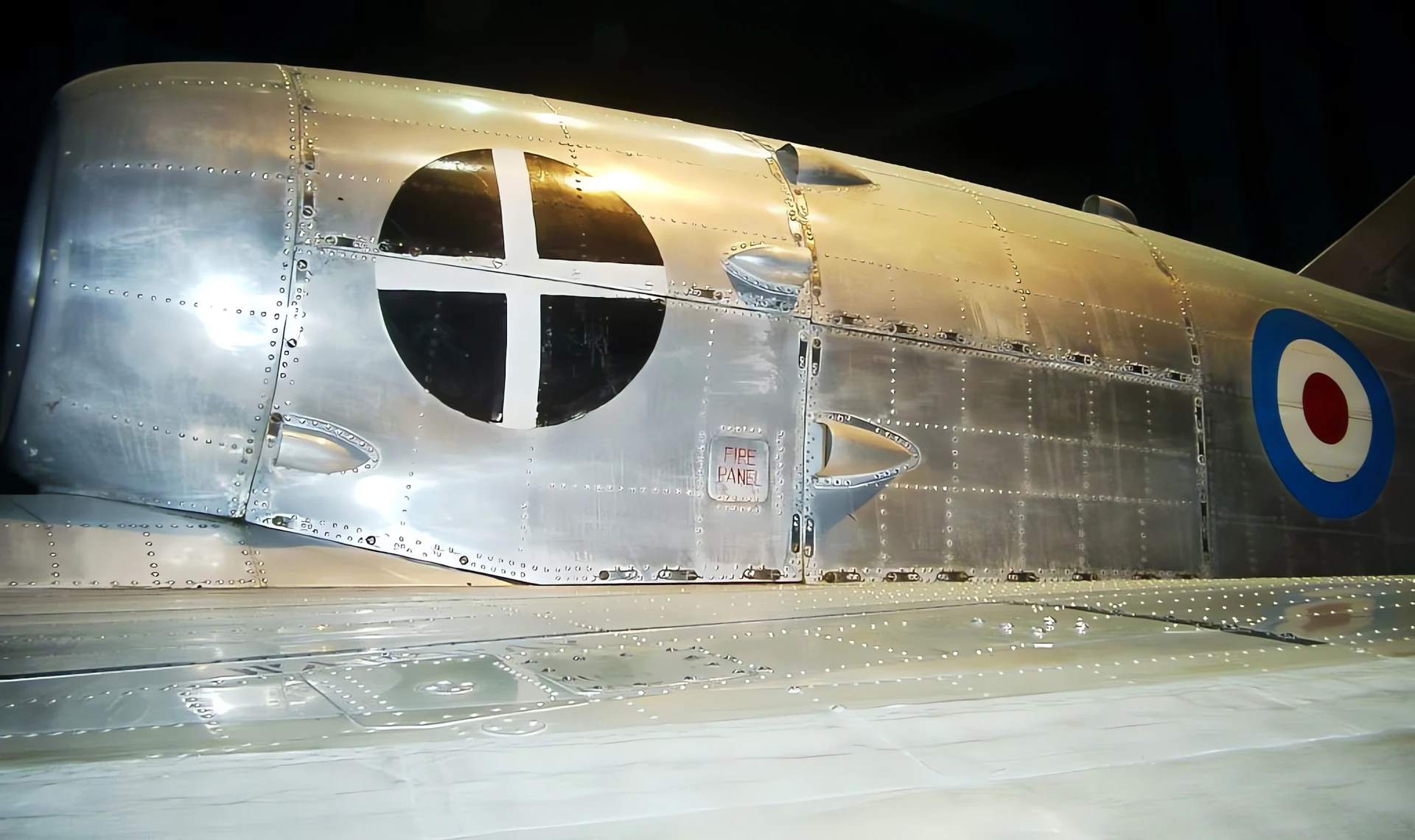
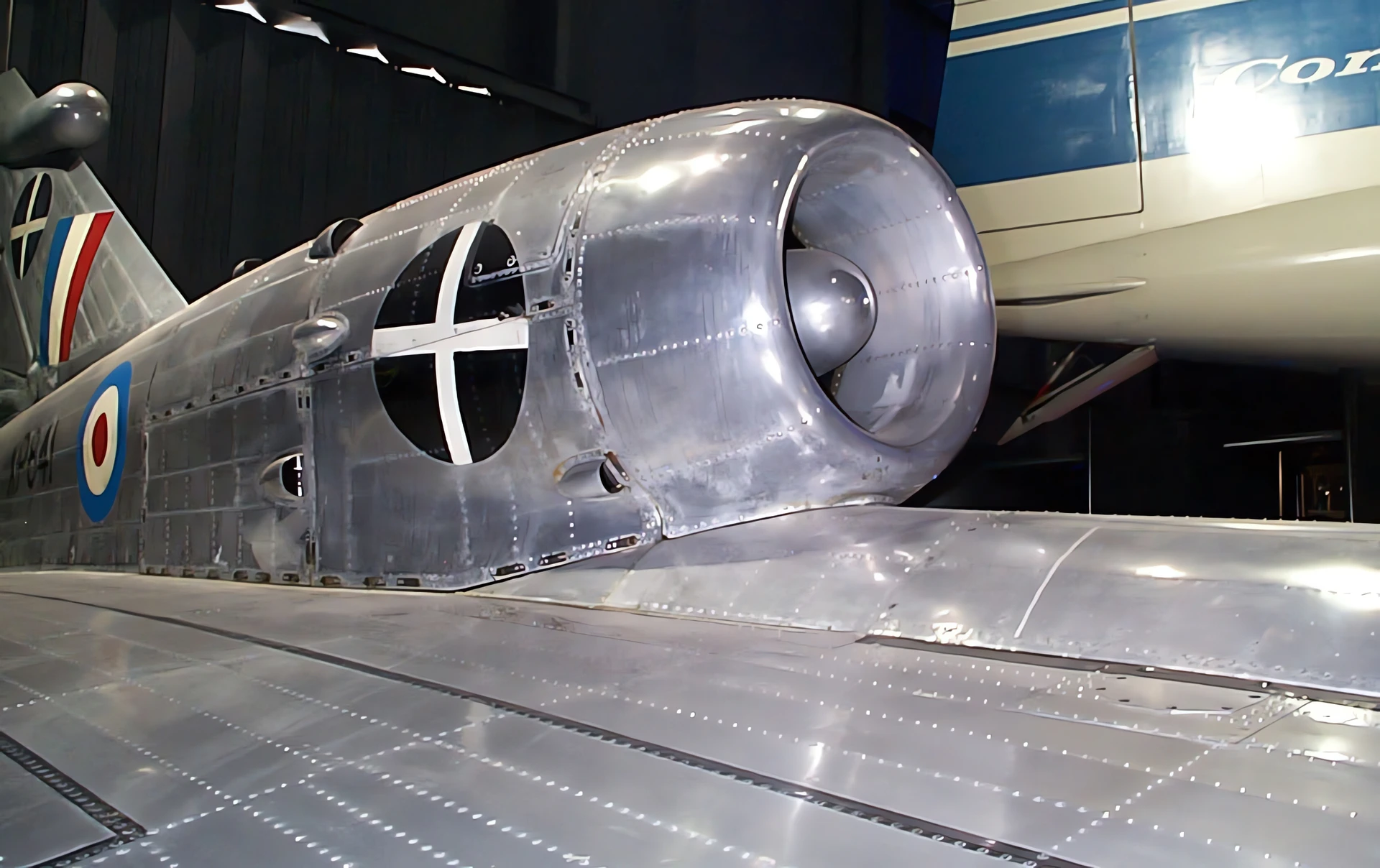
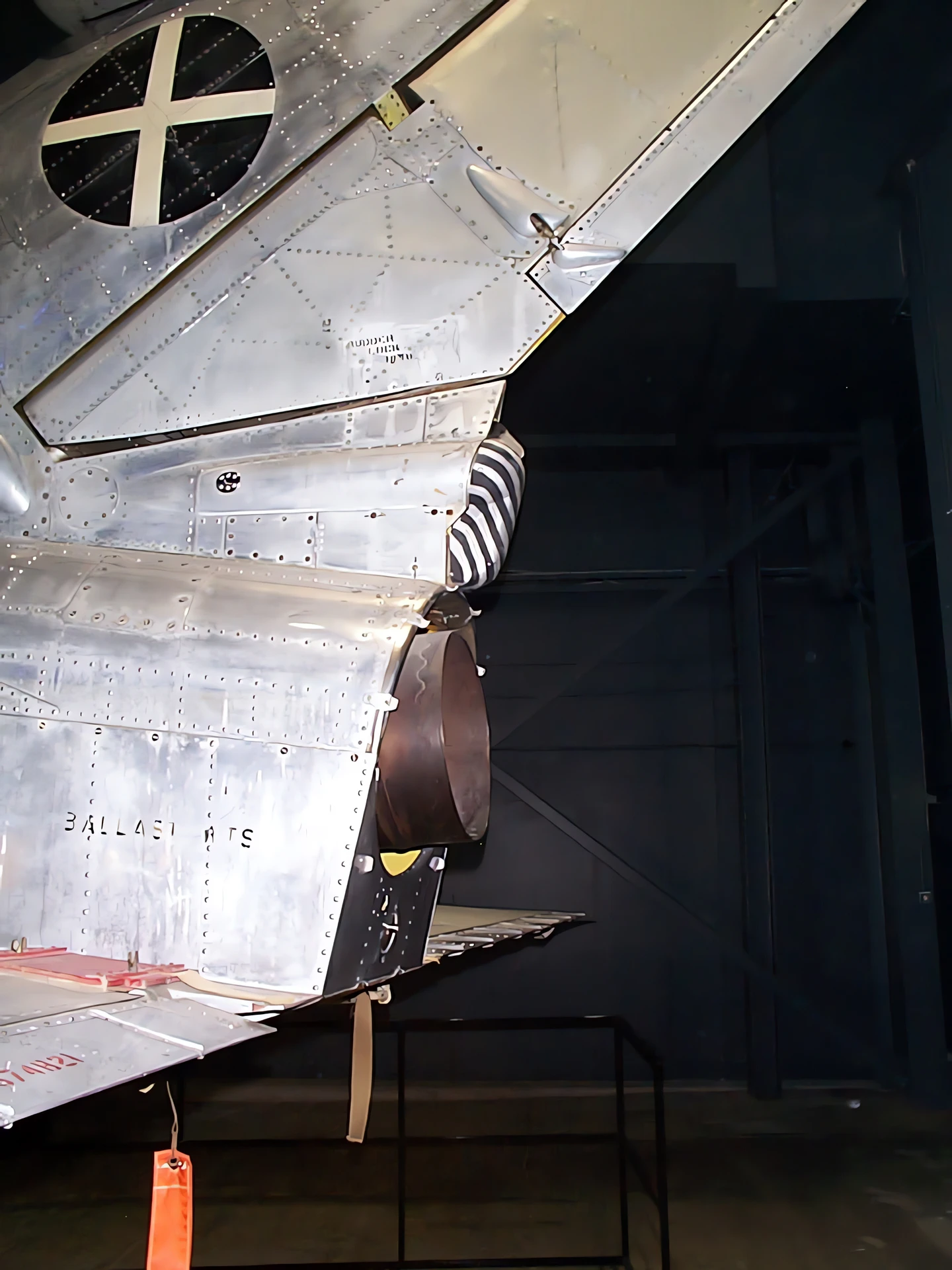

| Handley Page HP.115 (Prototype) Walk Around | |
|---|---|
| Fotografo | Unknow |
| Localizzazione | Inconsapevole |
| Foto | 21 |
Vedi anche:


General Characteristics and Role
The Handley Page HP.115 was a small, experimental British research aircraft built to investigate the flight characteristics of an extremely slender delta wing at low speeds. It was part of a major research program in the United Kingdom aimed at developing the supersonic transport—the eventual Concorde. The HP.115’s specific purpose was to determine the handling qualities and low-speed stability needed for landing the proposed supersonic airliner. The aircraft had a fixed tricycle undercarriage and a high-mounted engine. Only one prototype was ever built (serial number XP841). Although limited in speed and range, the HP.115 successfully completed its research objectives, logging nearly 400 flights before being retired. [Image of the T-60 light tank]
| Property | Typical Value (HP.115) |
|---|---|
| Ruolo | Experimental Research Aircraft |
| National Origin | Regno Unito |
| Produttore | Handley Page Aircraft Company |
| First Flight | 17 agosto 1961 |
| Equipaggio | 1 (Pilot) |
| Lunghezza | 15.47 m (50 ft 9 in) |
| Apertura alare | 6.60 m (21 ft 8 in) |
| Wing Area | 37.2 m² (400 sq ft) |
| Empty Weight | 2,240 kg (4,940 lb) |
| Max Takeoff Weight | 3,450 kg (7,600 lb) |
Powerplant and Performance
- Engine: 1 x Bristol Siddeley Viper 9 turbojet engine.
- Thrust: 8.41 kN (1,890 lbf).
- Wing Sweep: Extremely slender delta wing with a 74.7° leading-edge sweep, which was the key experimental feature.
- Maximum Speed: Approx. 399 km/h (248 mph; 215 kn).
- Service Ceiling: 5,000 m (16,400 ft).
- Crucial Contribution: The flight data collected from the HP.115 was vital in confirming the stability and control characteristics that would be incorporated into the Concorde’s design.
Status and Legacy
- Testing Period: The HP.115 carried out research flights at the Royal Aircraft Establishment (RAE) Bedford between 1961 and 1974.
- Retirement: The sole prototype was retired from flying in 1974.
- Preservation: The single Handley Page HP.115 is now preserved and on public display at the Fleet Air Arm Museum at RNAS Yeovilton, Somerset, UK.
Visualizzazioni : 2361
Puoi anche vedere:
 North American FJ-4 Fury – Foto e Video
 Messerschmitt Me 410 – Foto e Video
 McDonnell Douglas F/A-18 Hornet – Foto e video
 Mitsubishi A6M Zero - Passeggiata
 Hawker Hurricane - Cammina in giro (Walk Around)
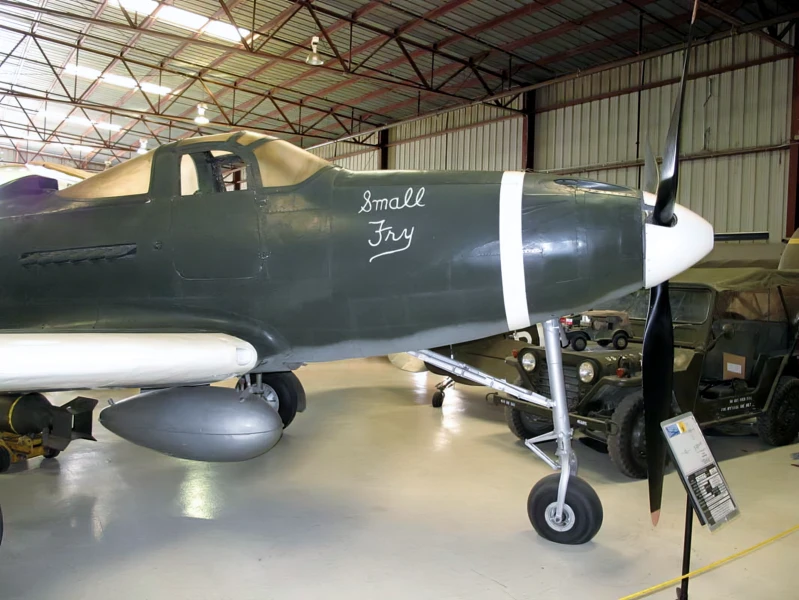 Bell P-39N Airacobra - Walkaround
 Liberatore B-24M consolidato - WalkAround
 P-47D Thunderbolt - WalkAround
 A-20 Havoc - Walkaround
 TBM-3E Avenger – Walk Around