Guerra del Vietnam Iran-Iraq Guerra del Libano 1982 Guerra del Golfo
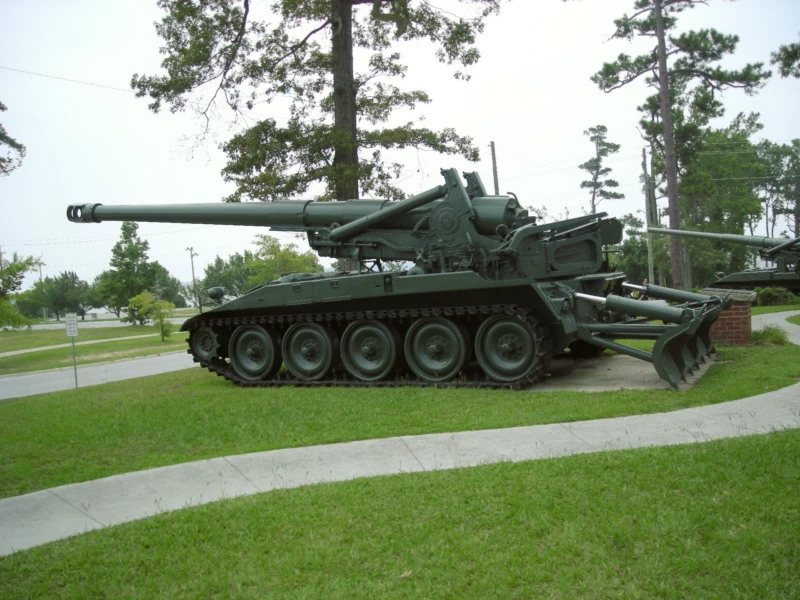
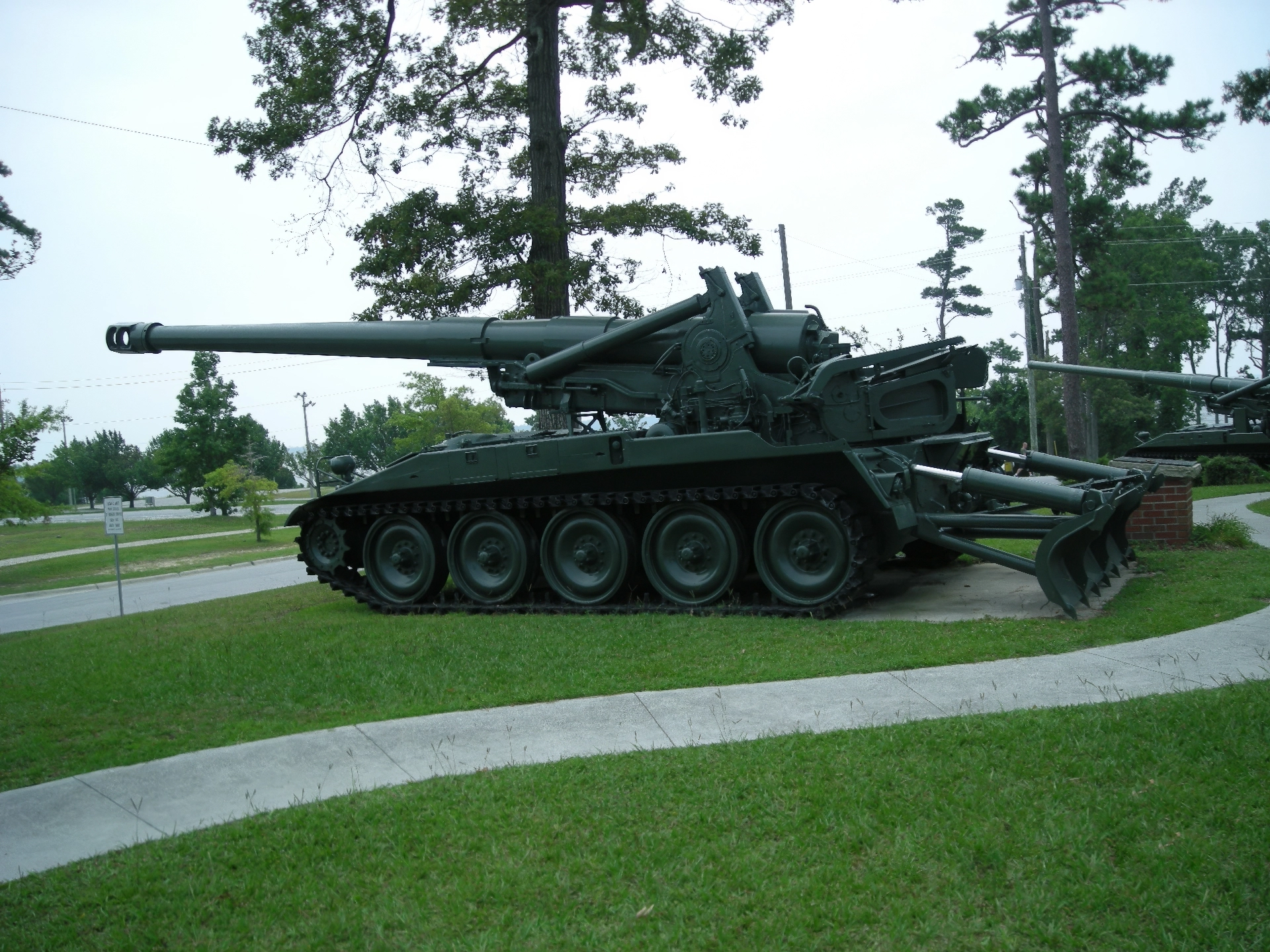
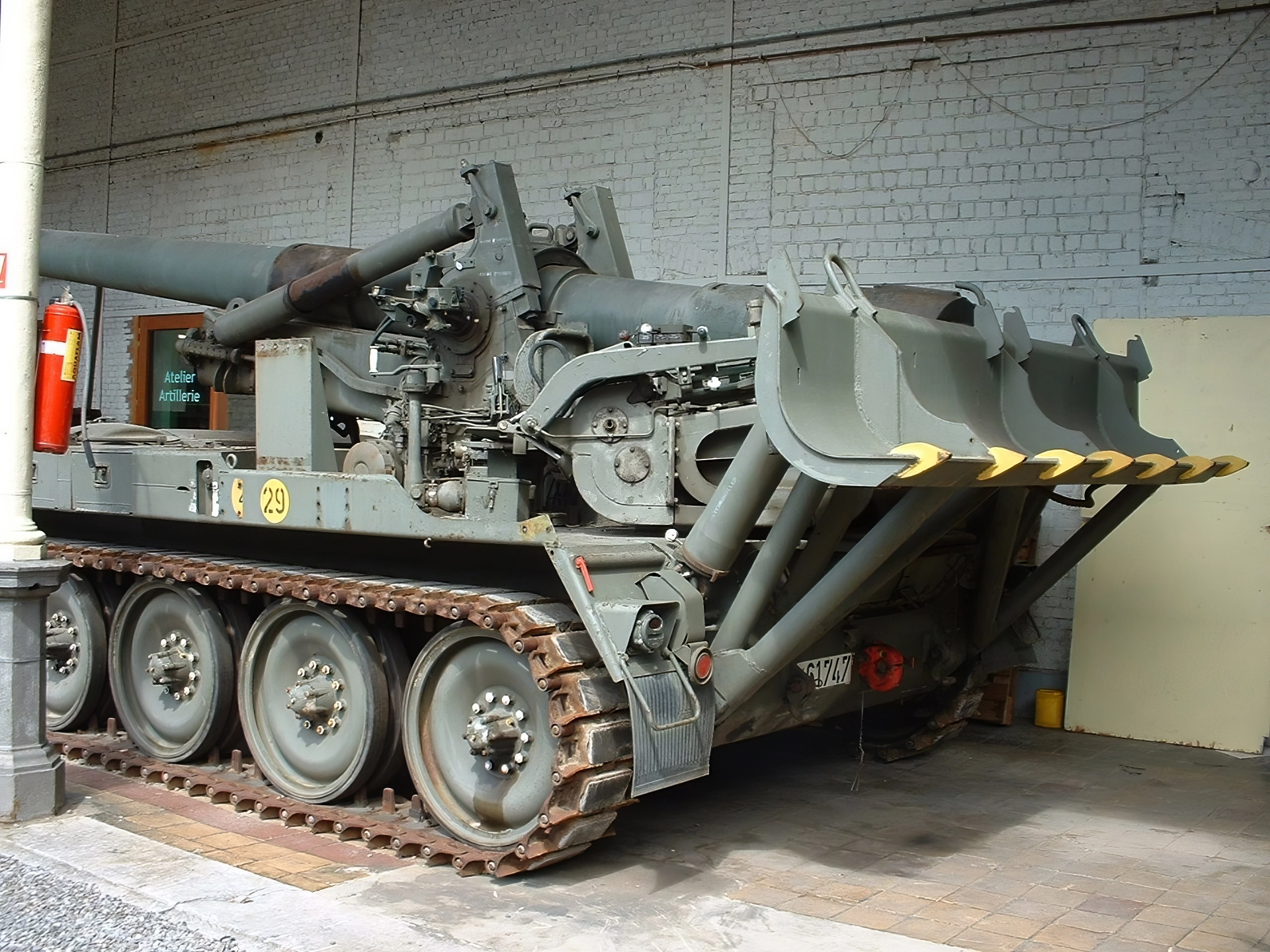
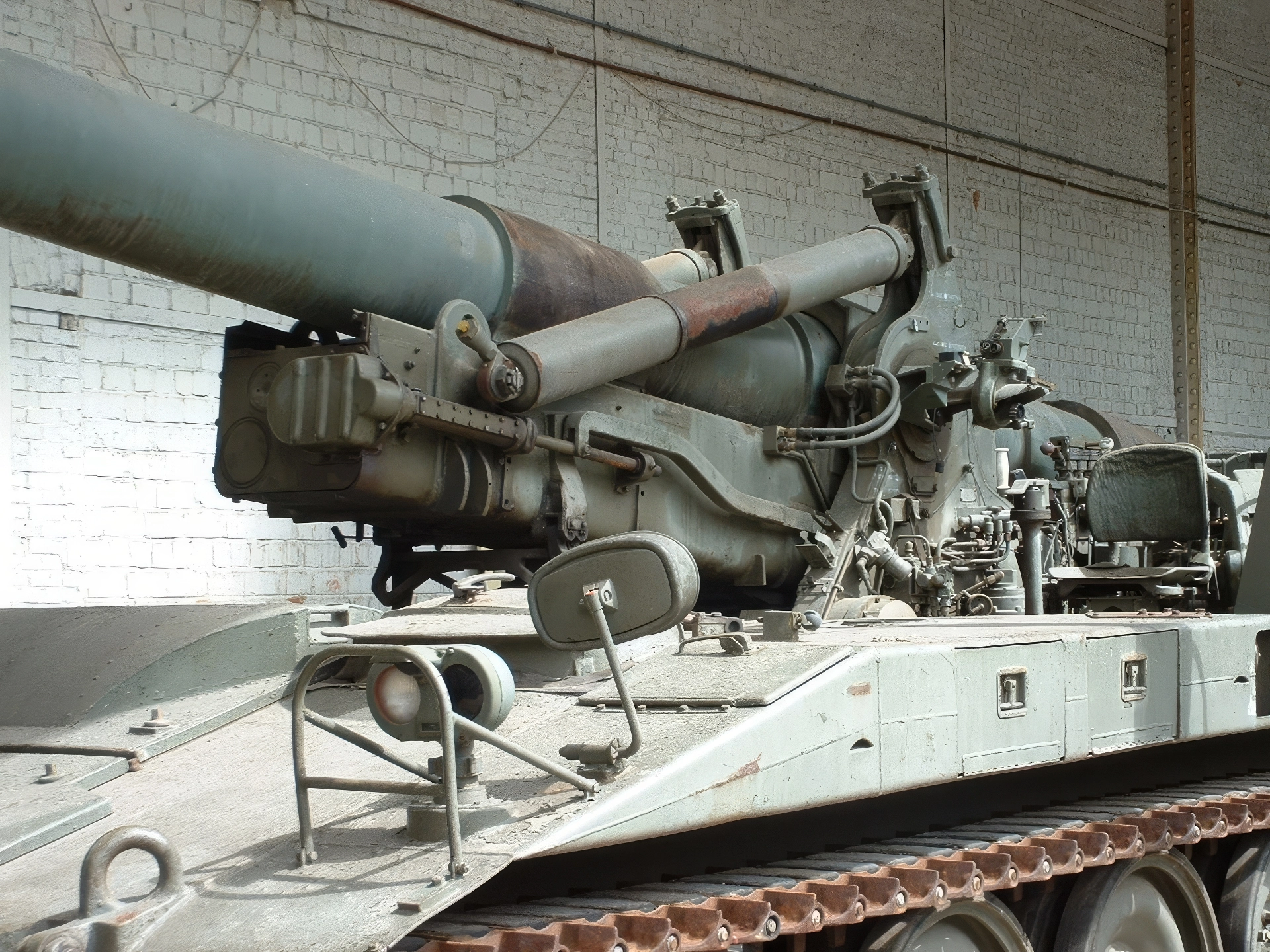
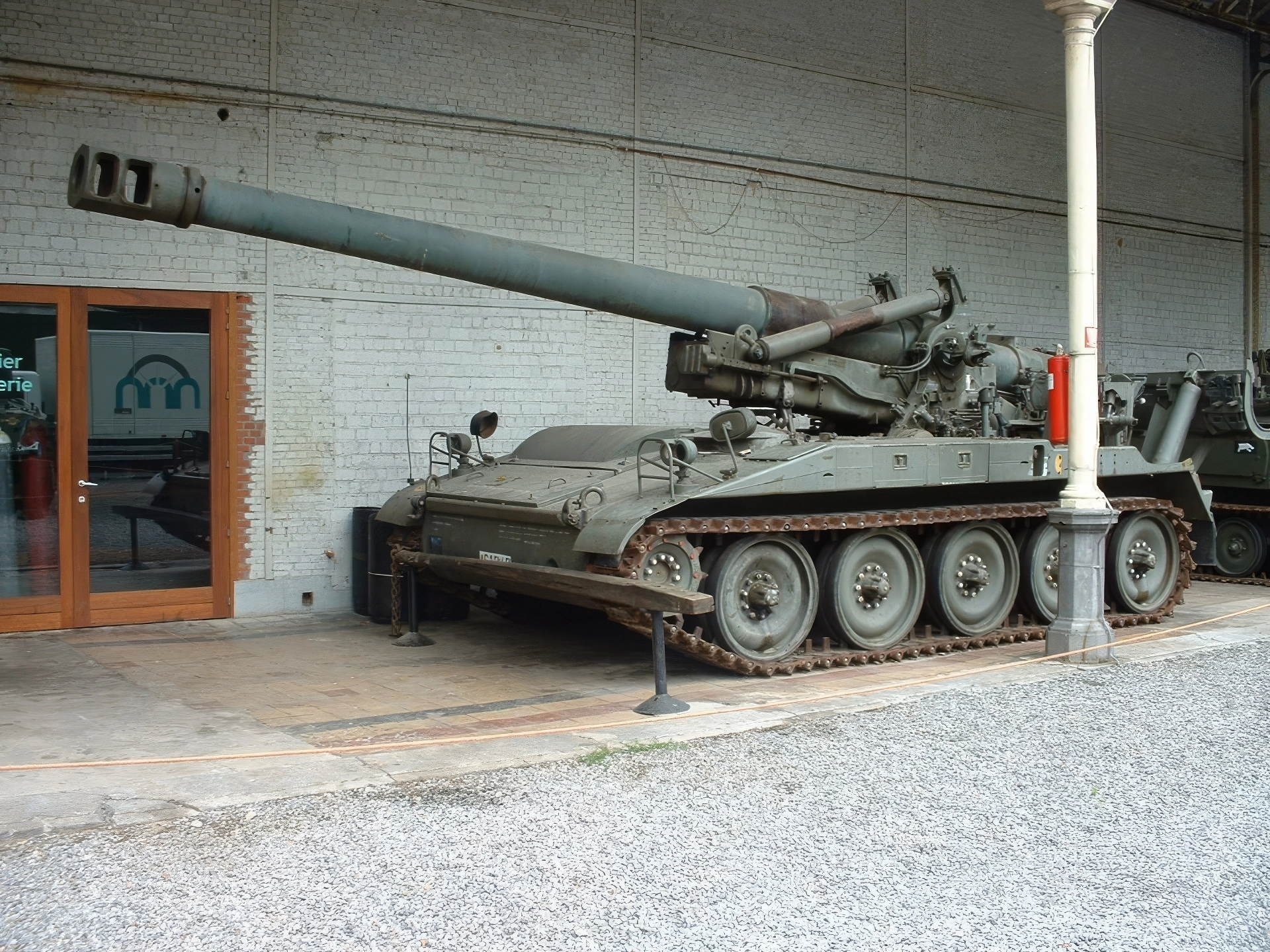
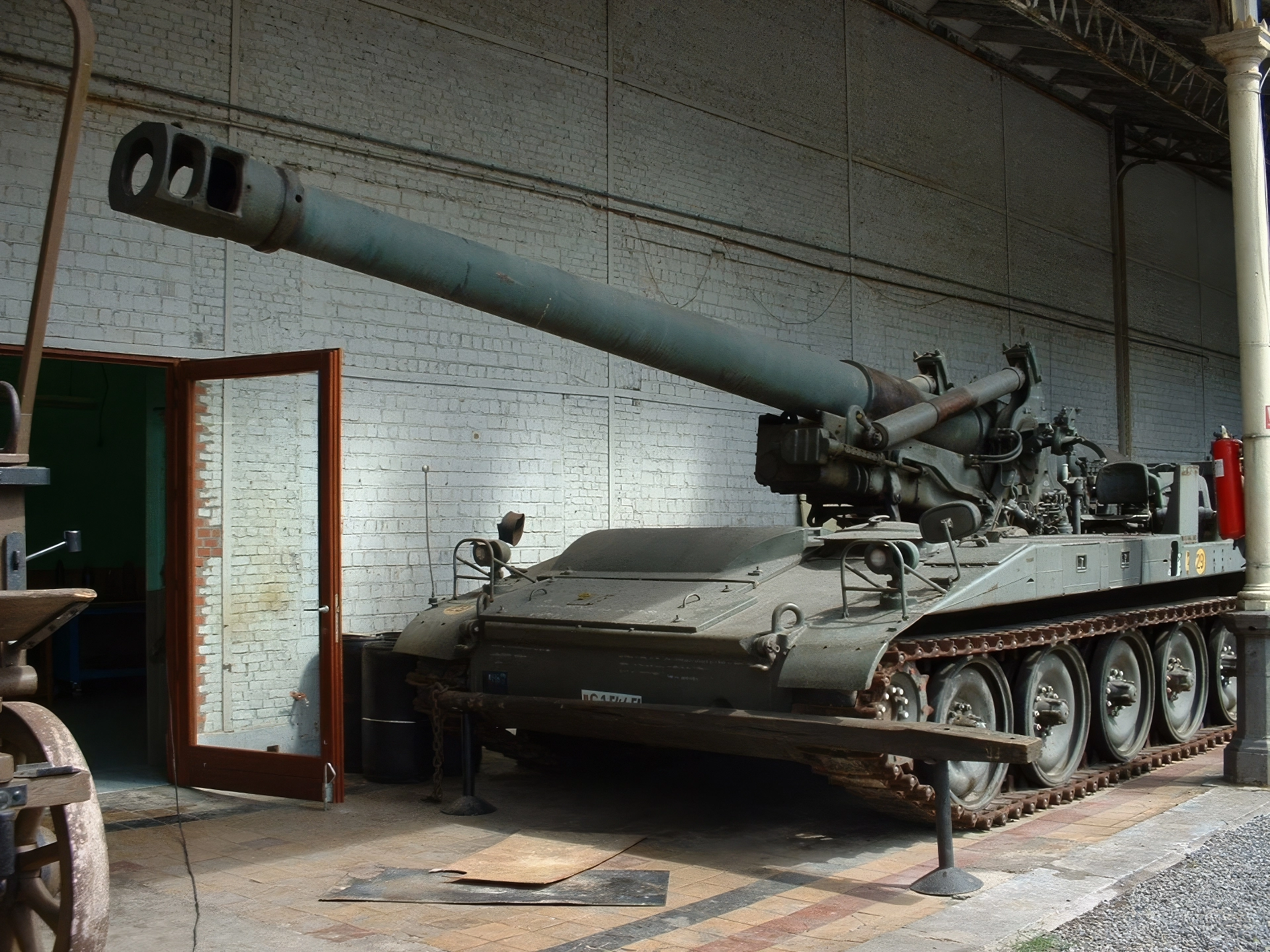
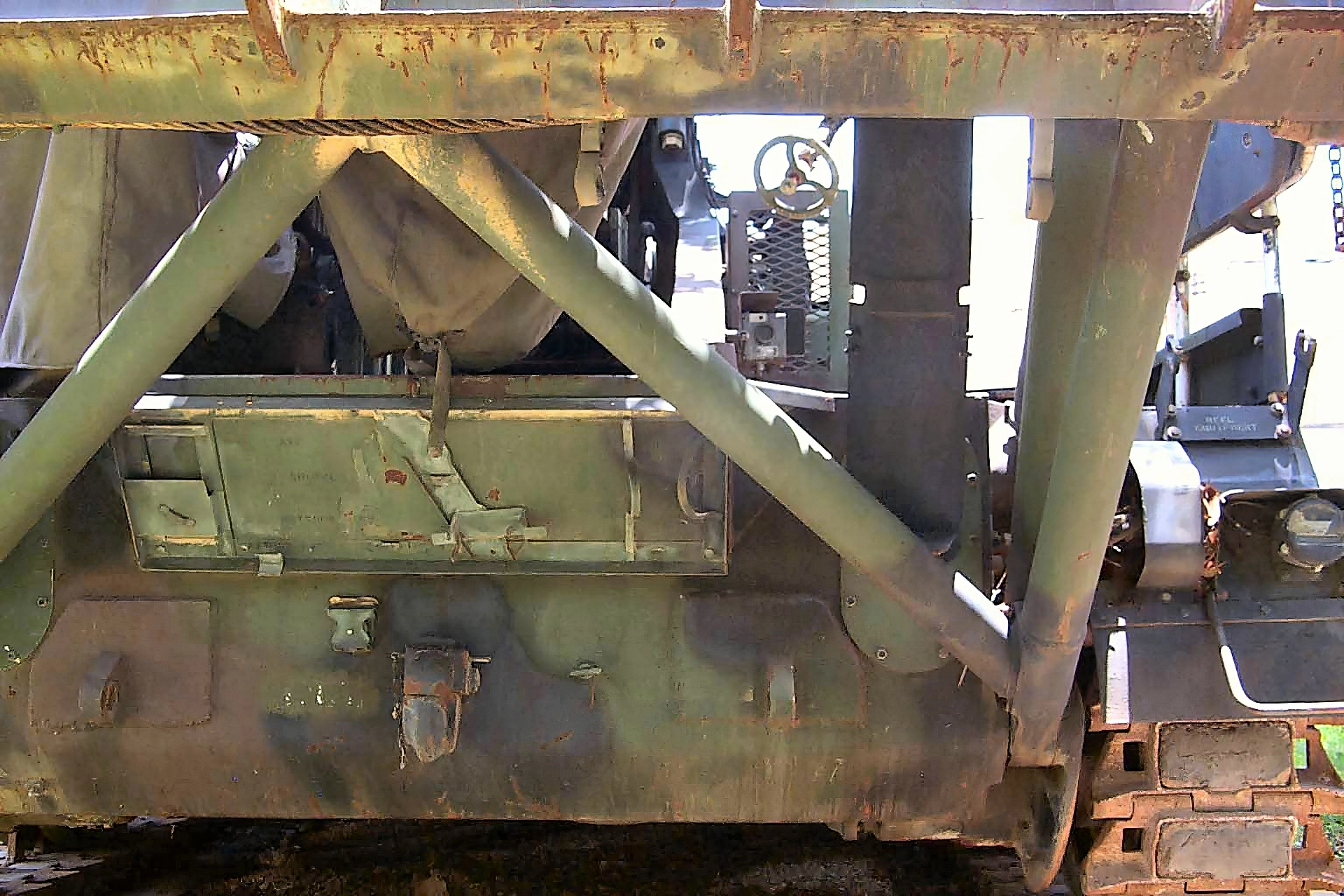
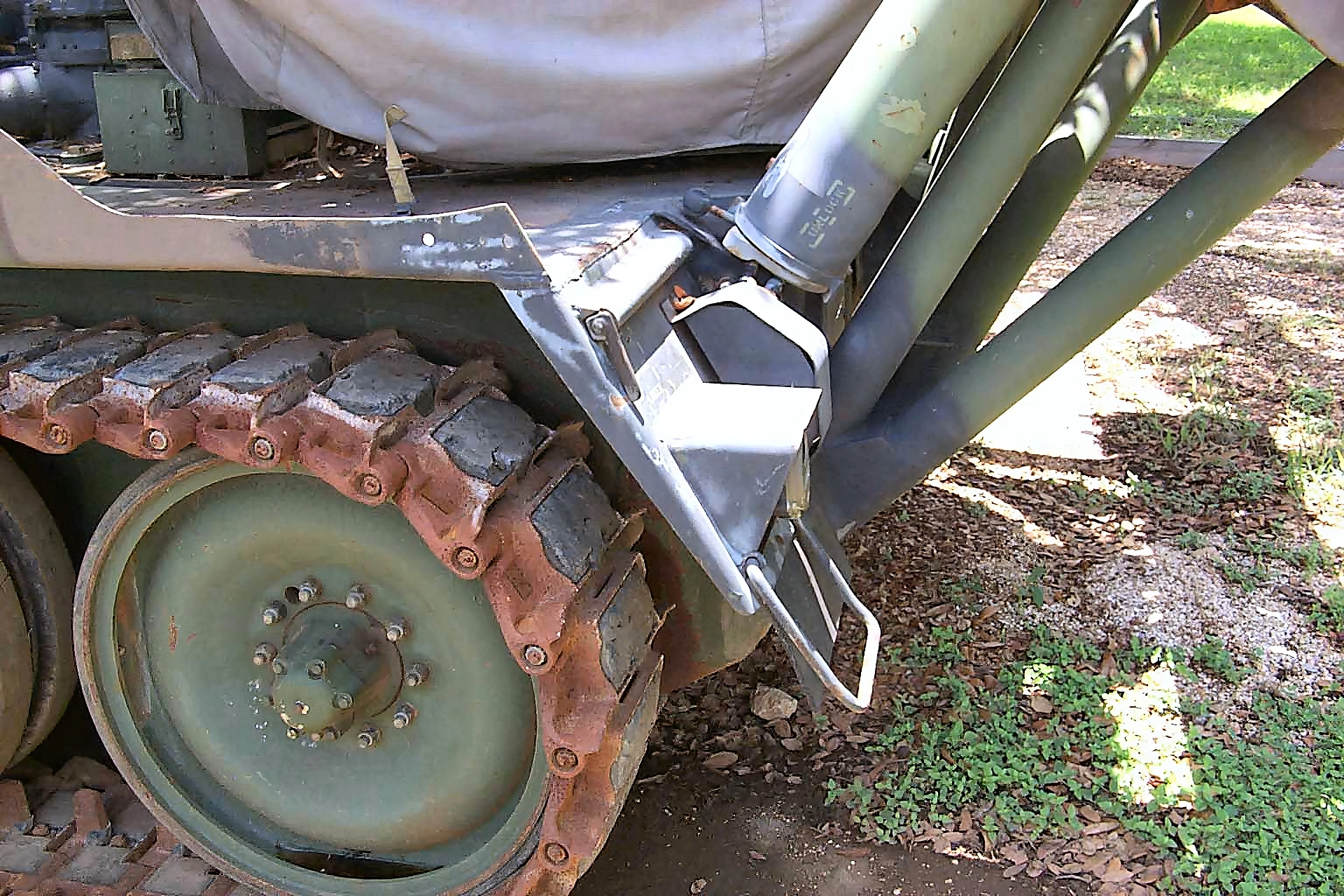
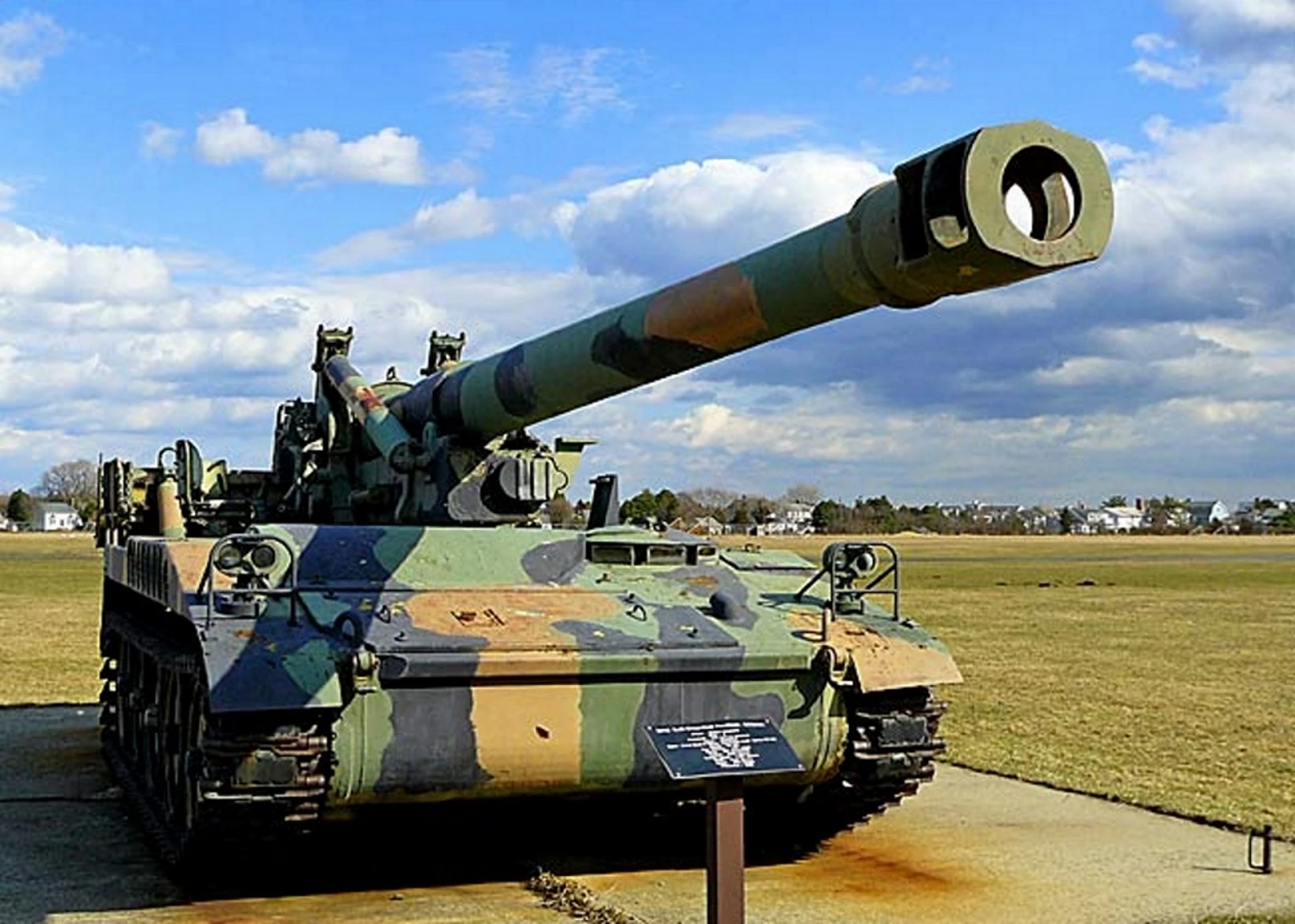
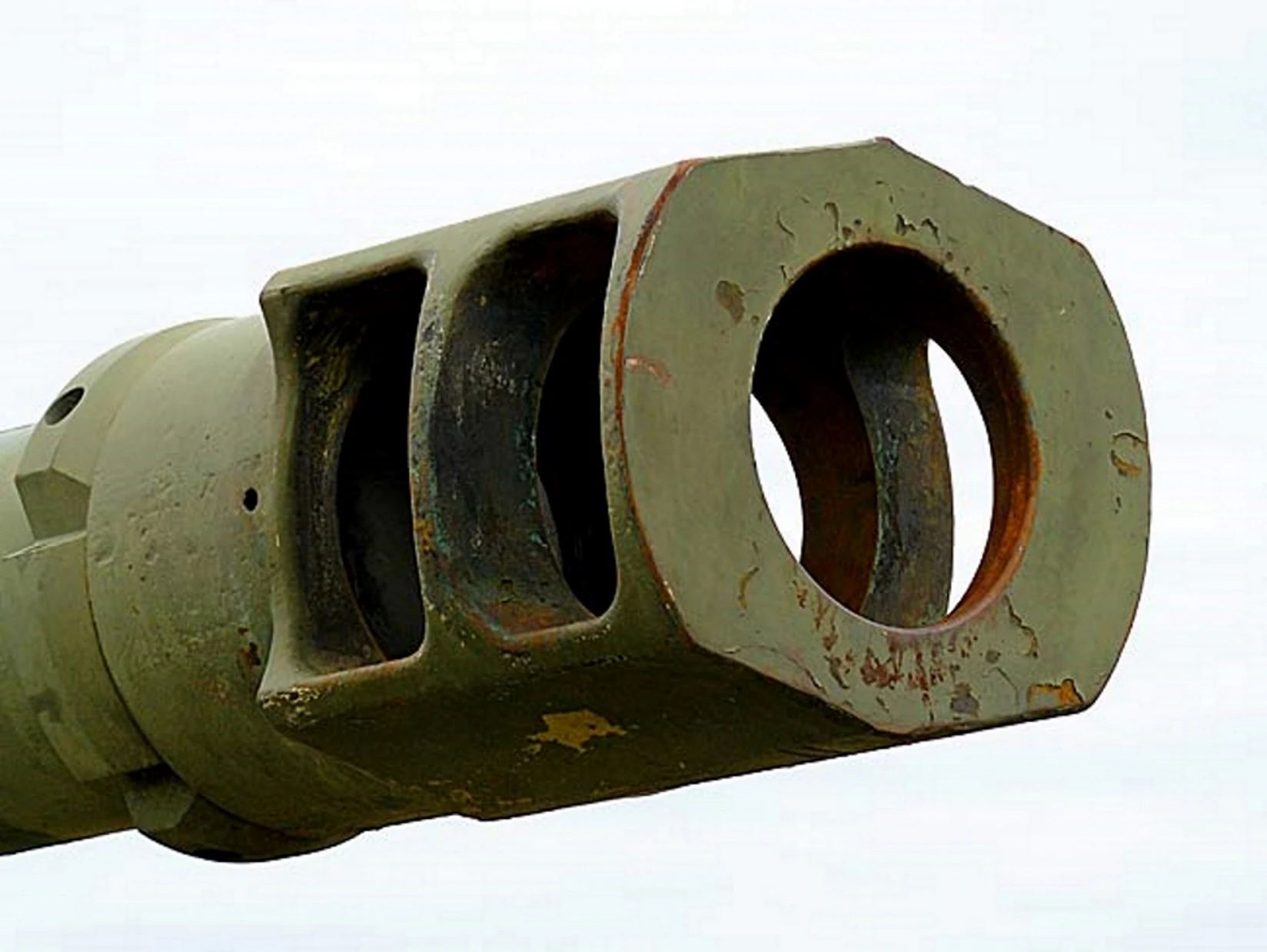
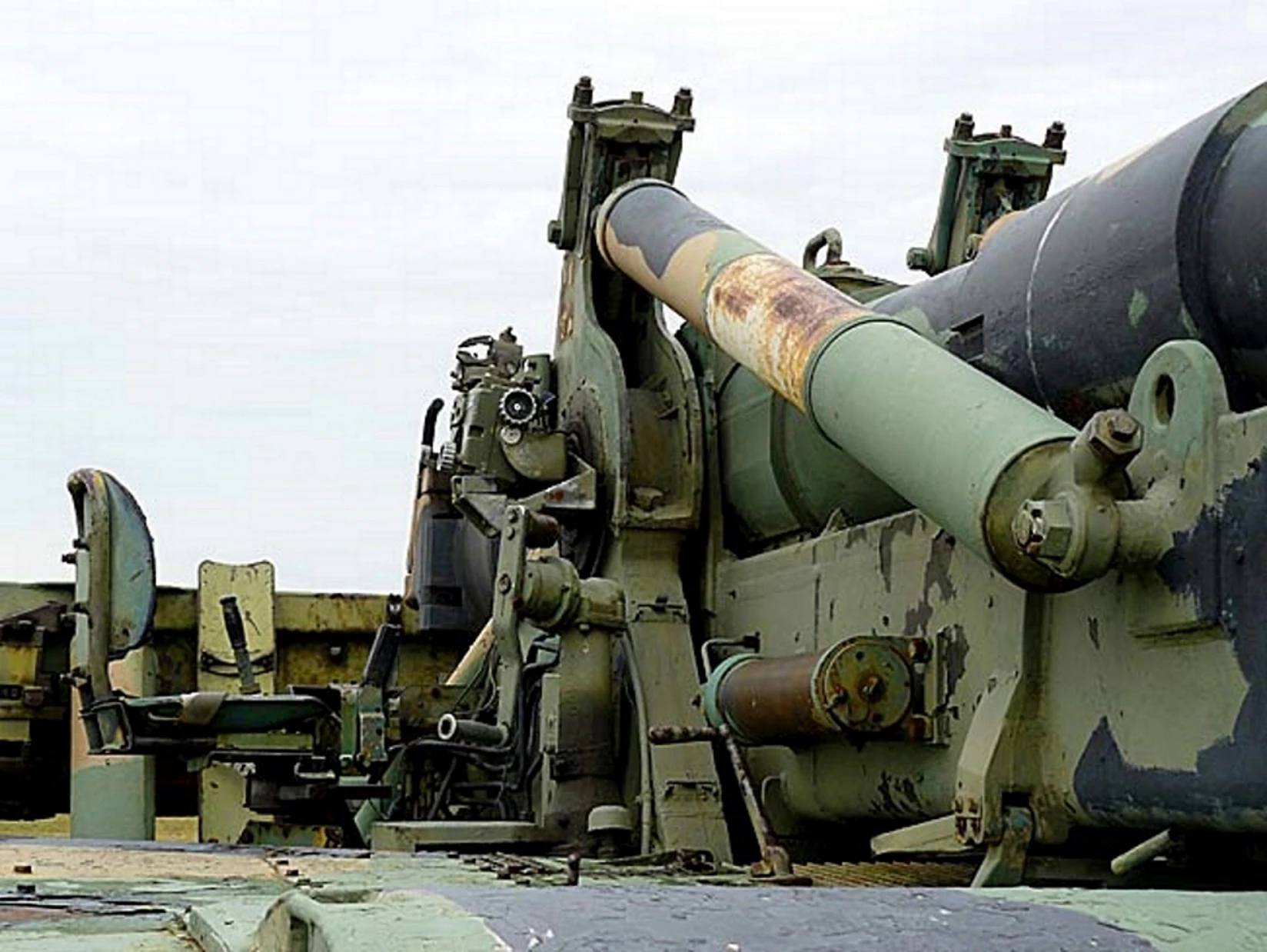
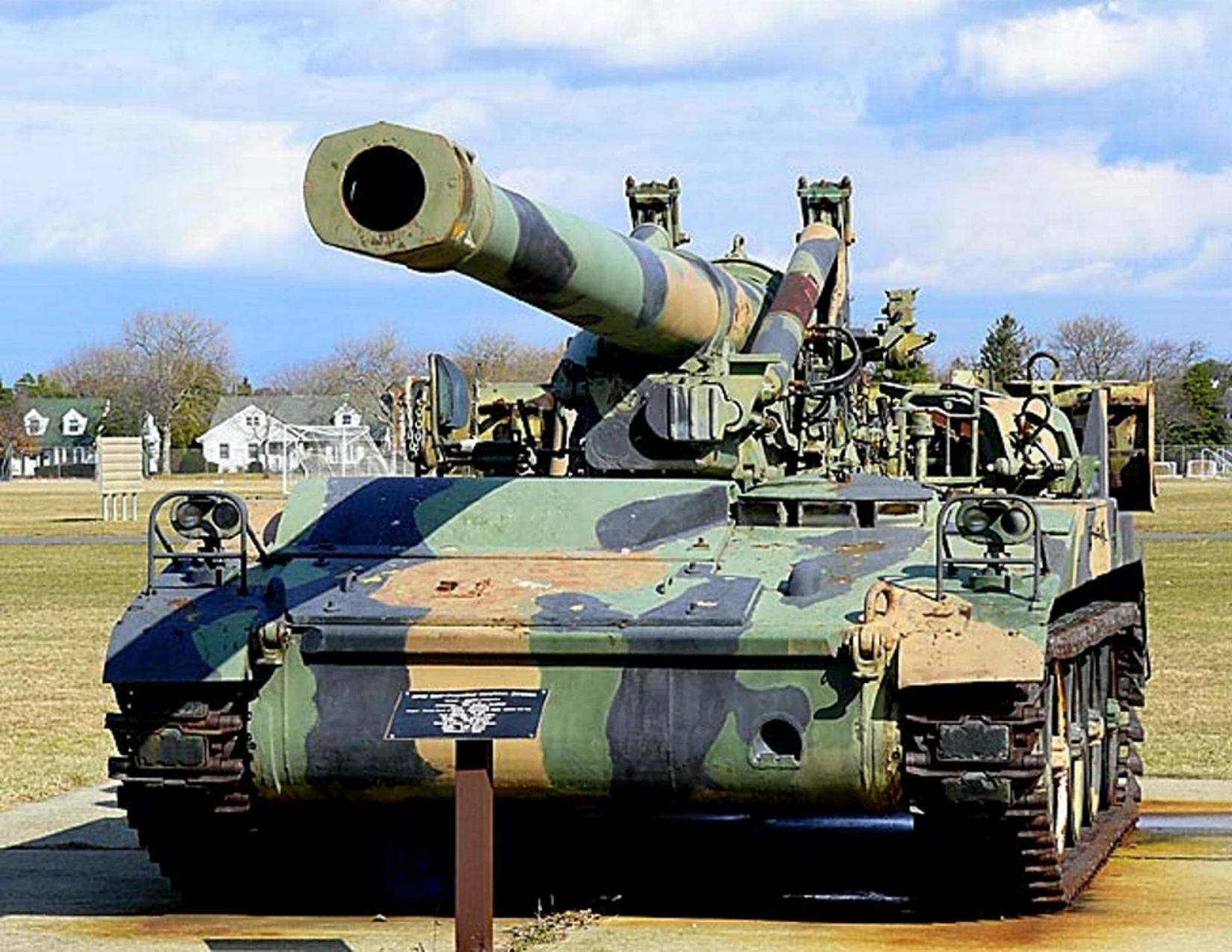
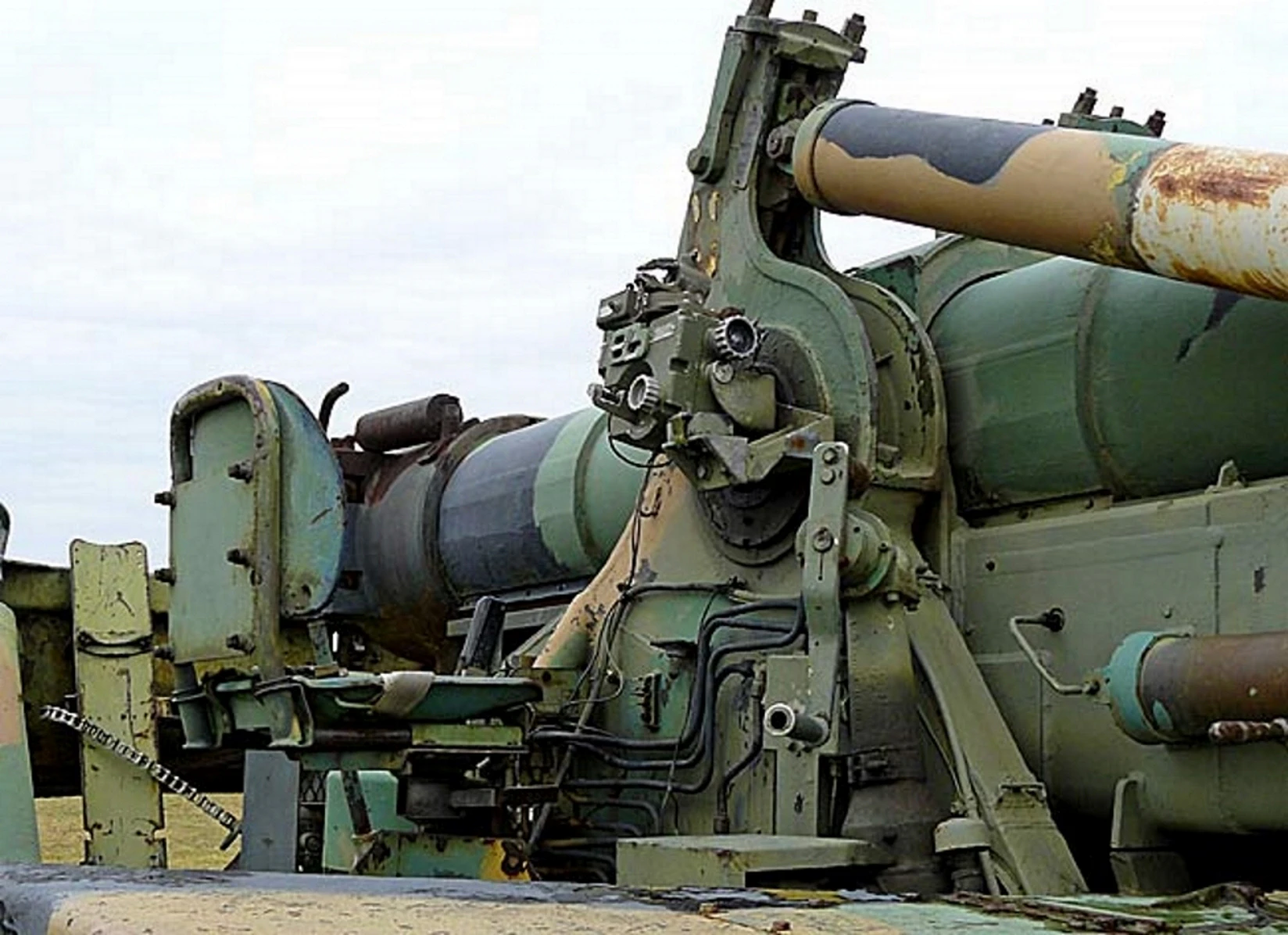
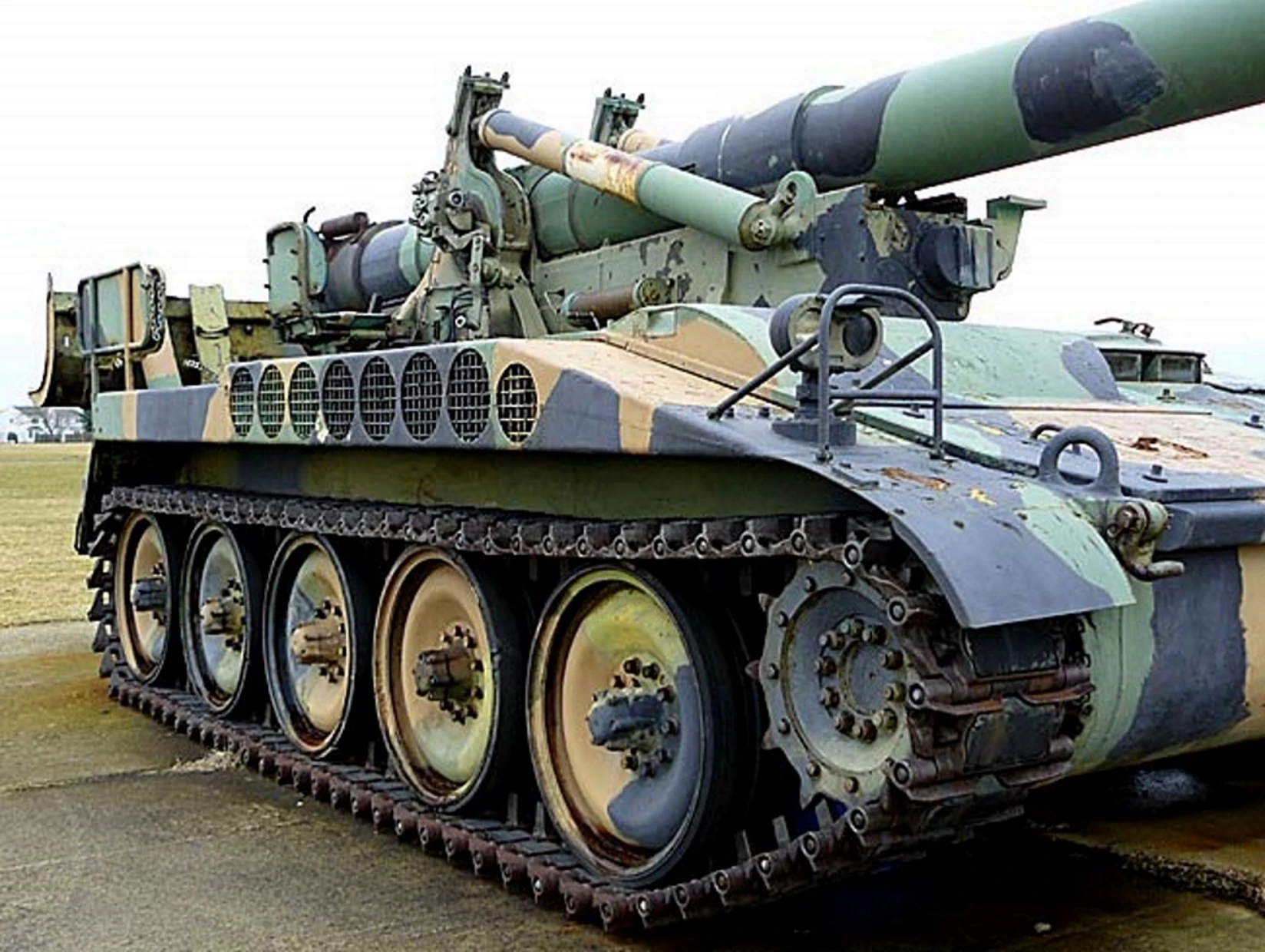
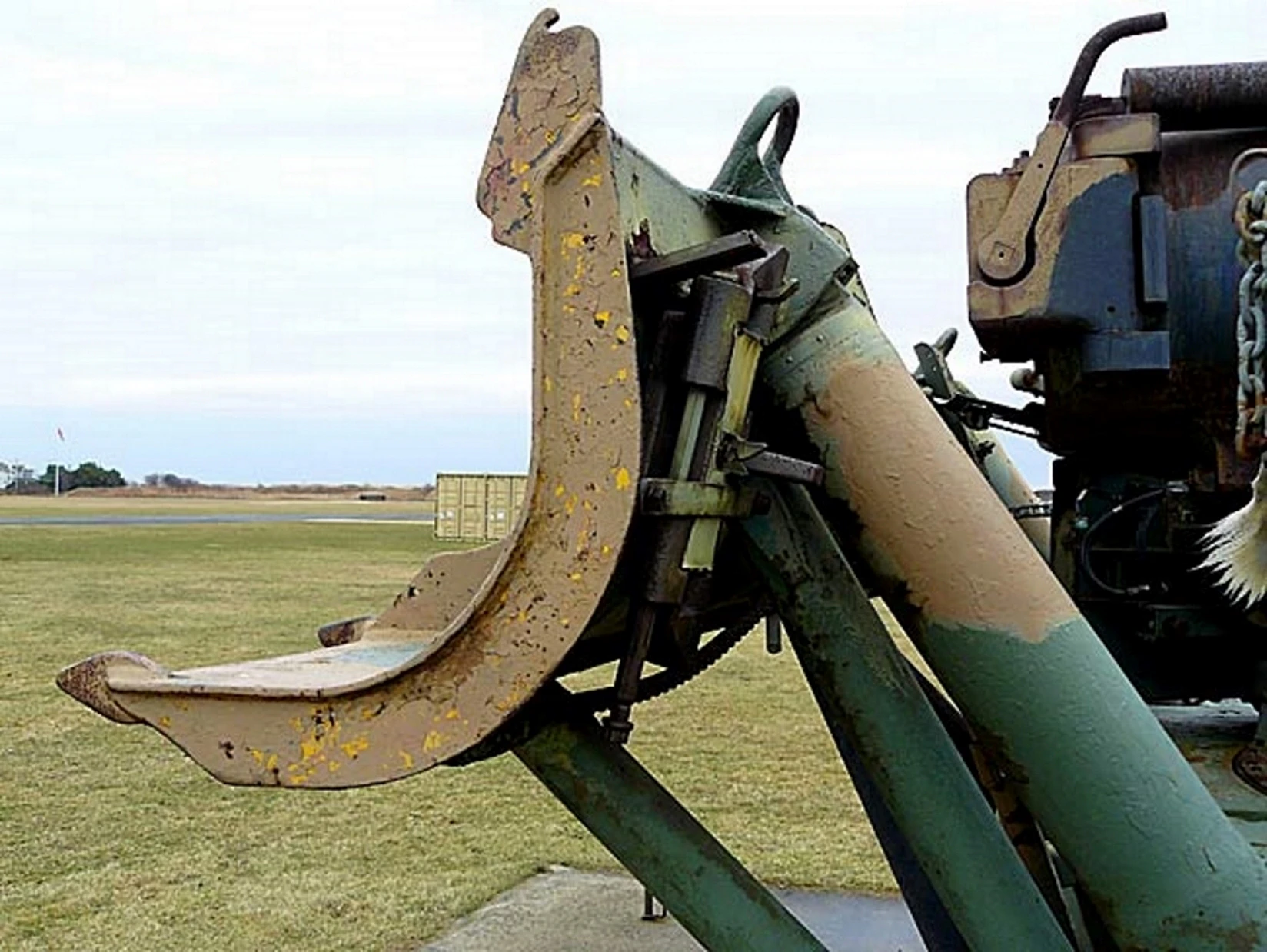
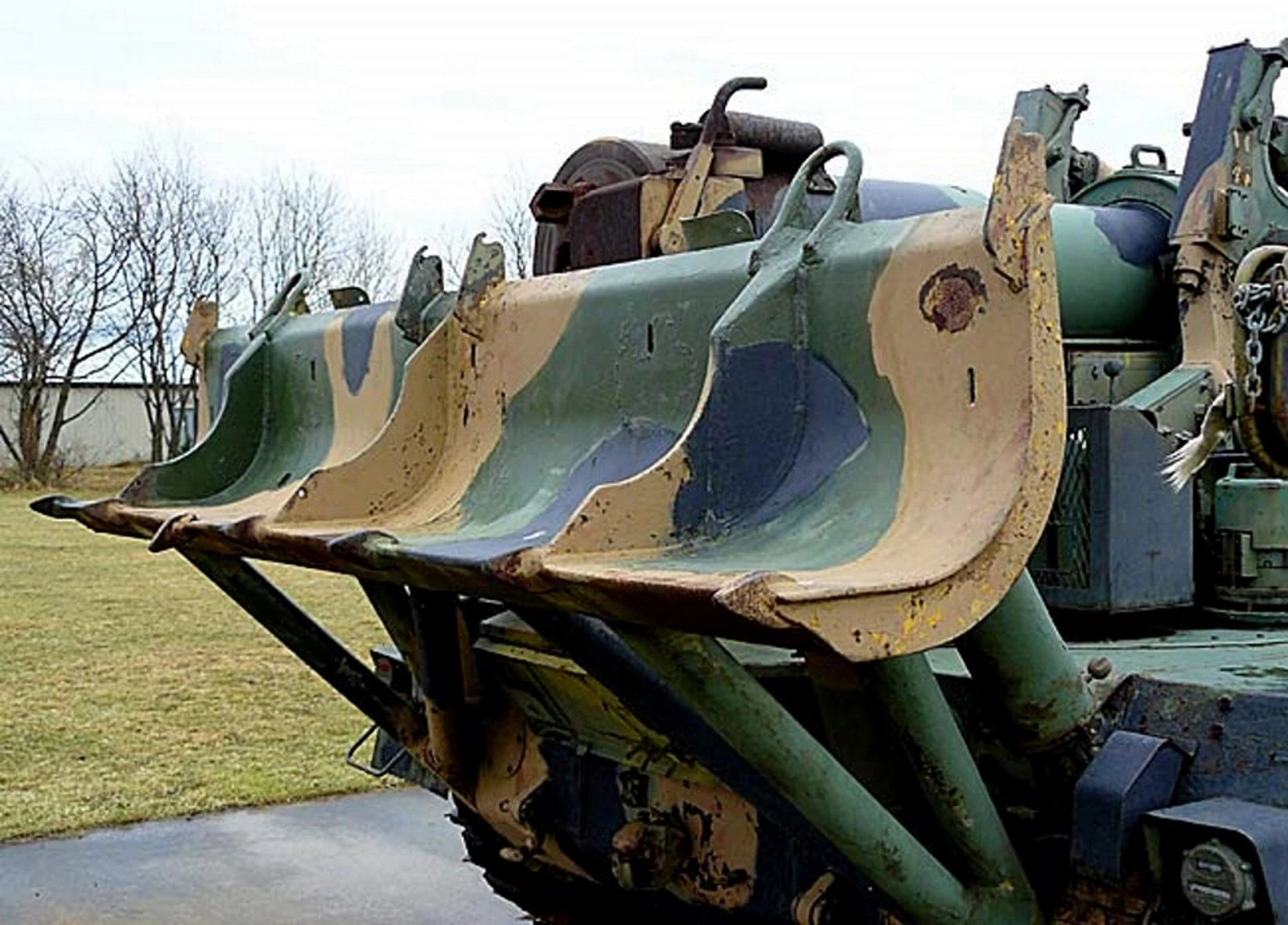
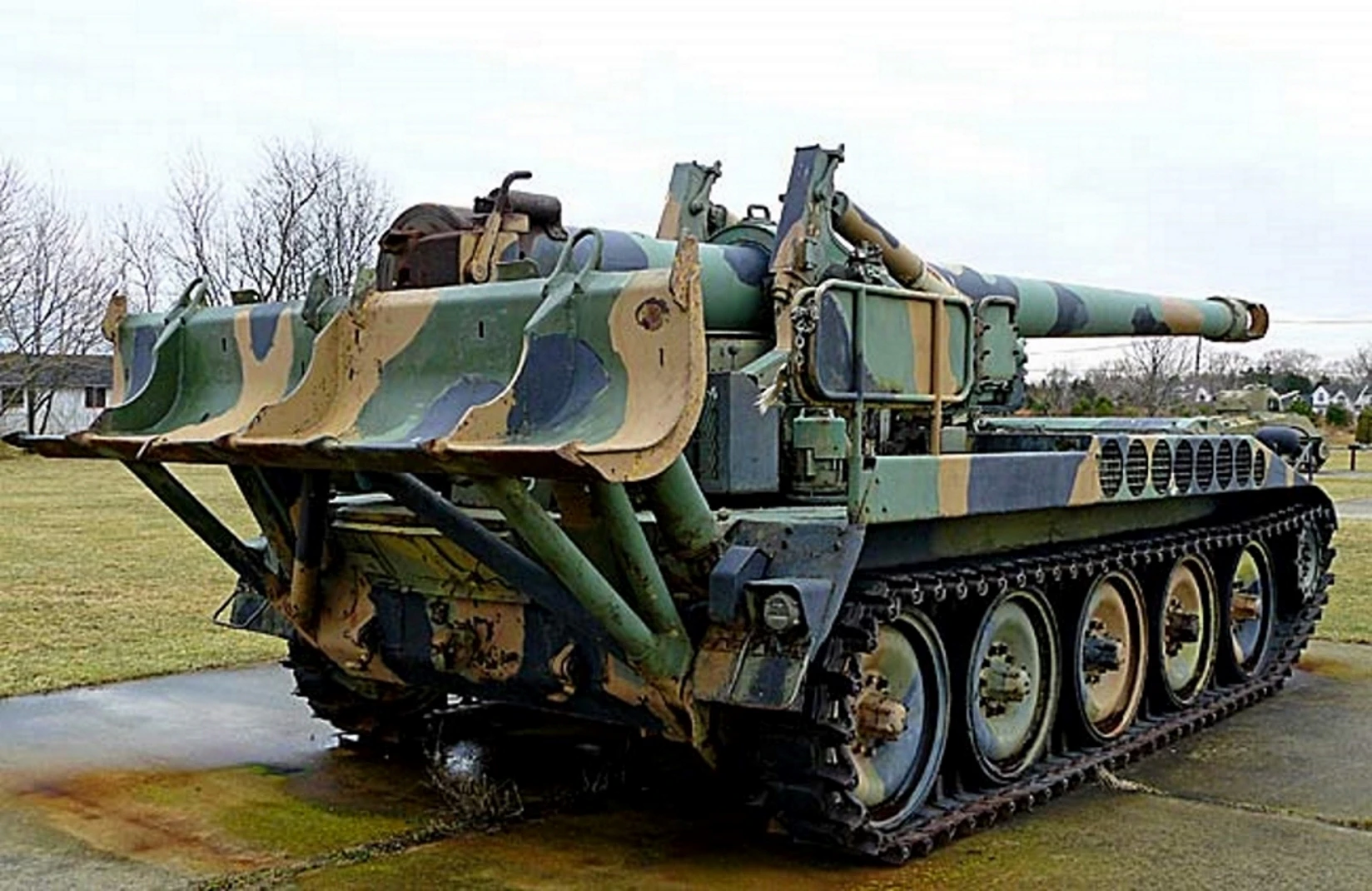
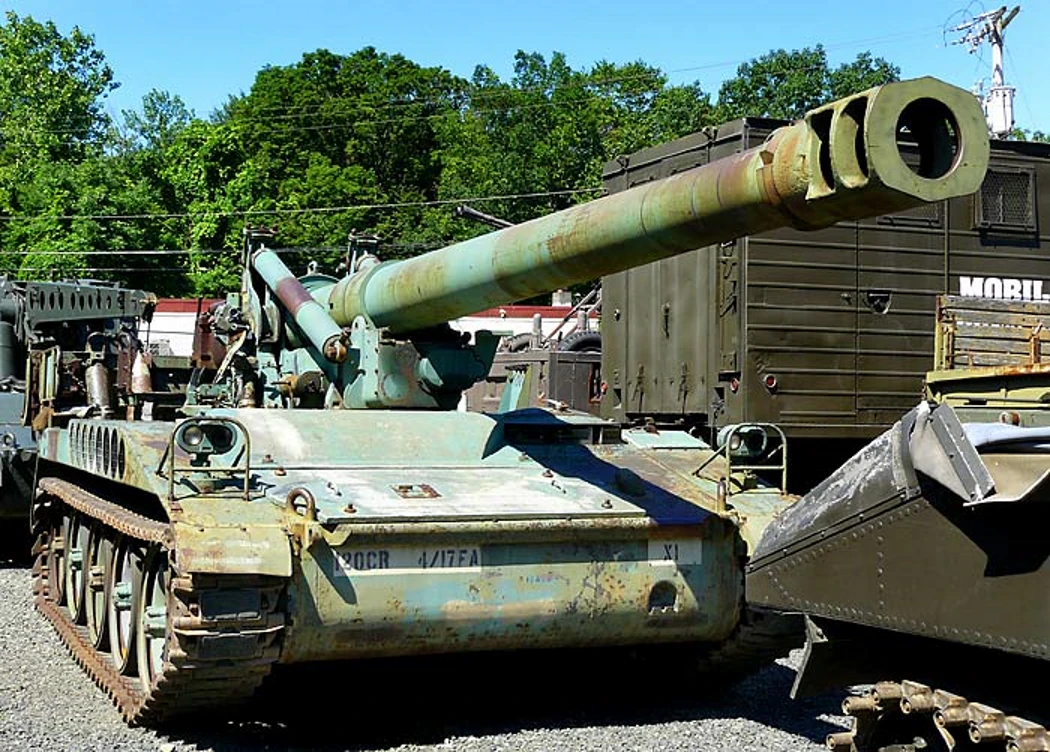
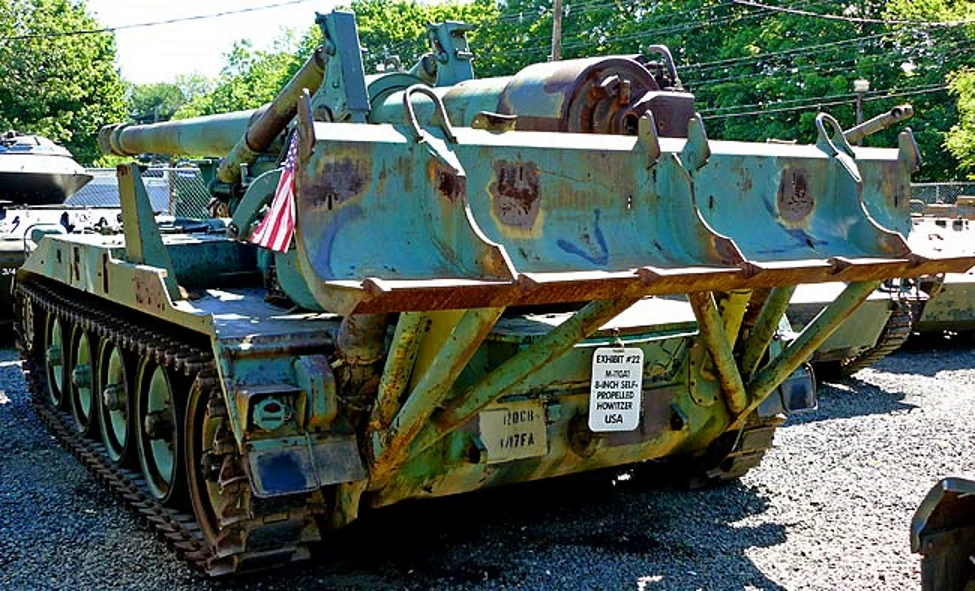
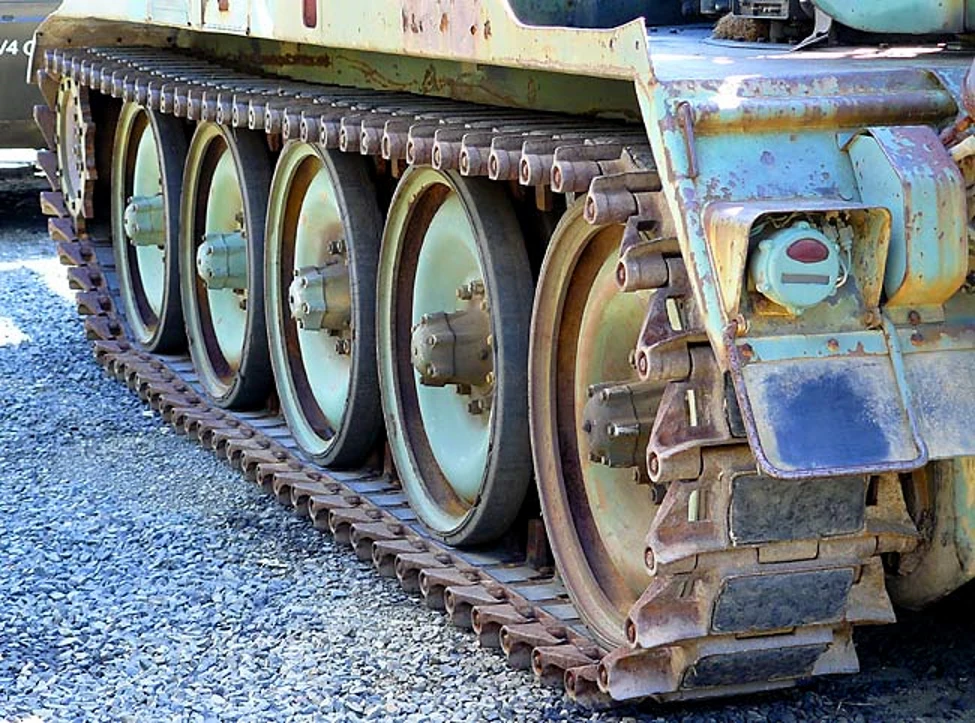
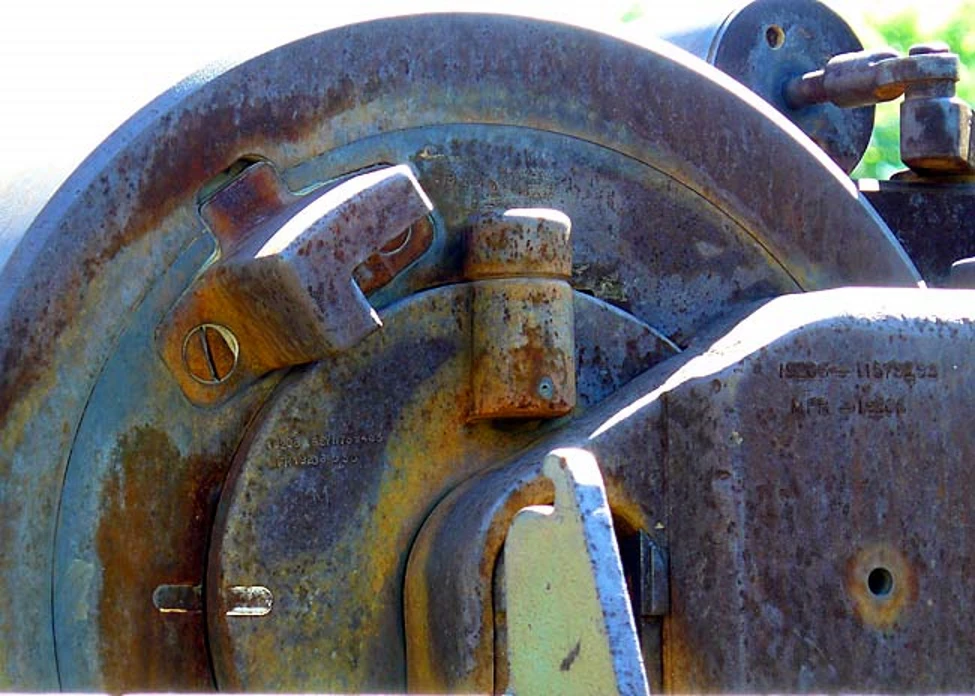
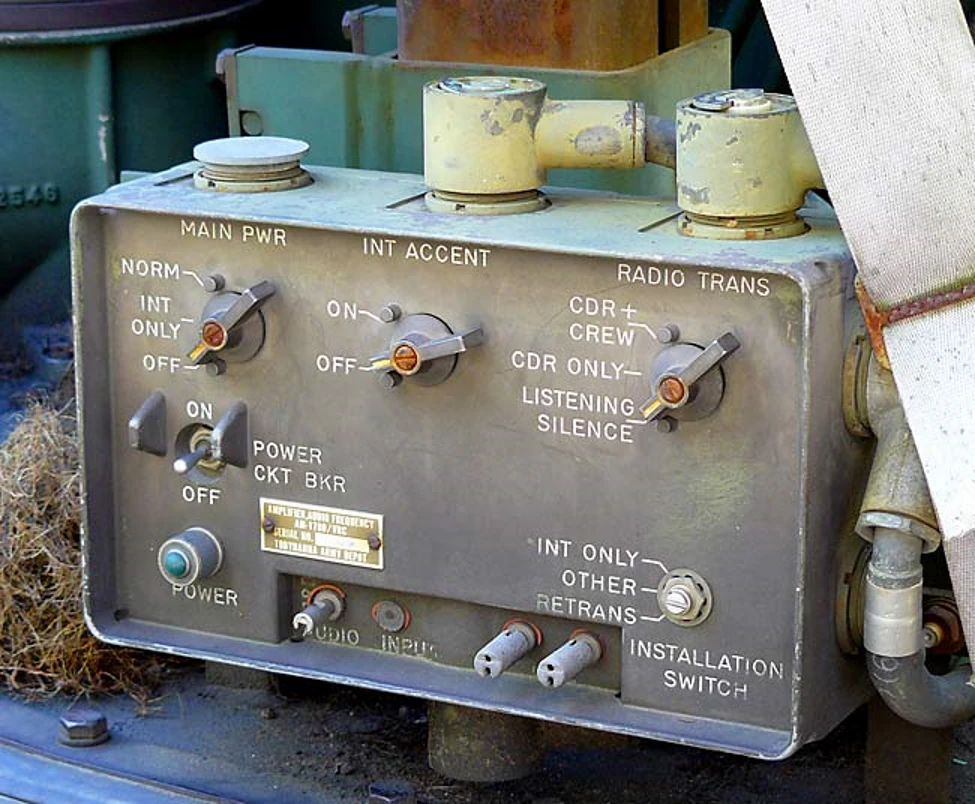
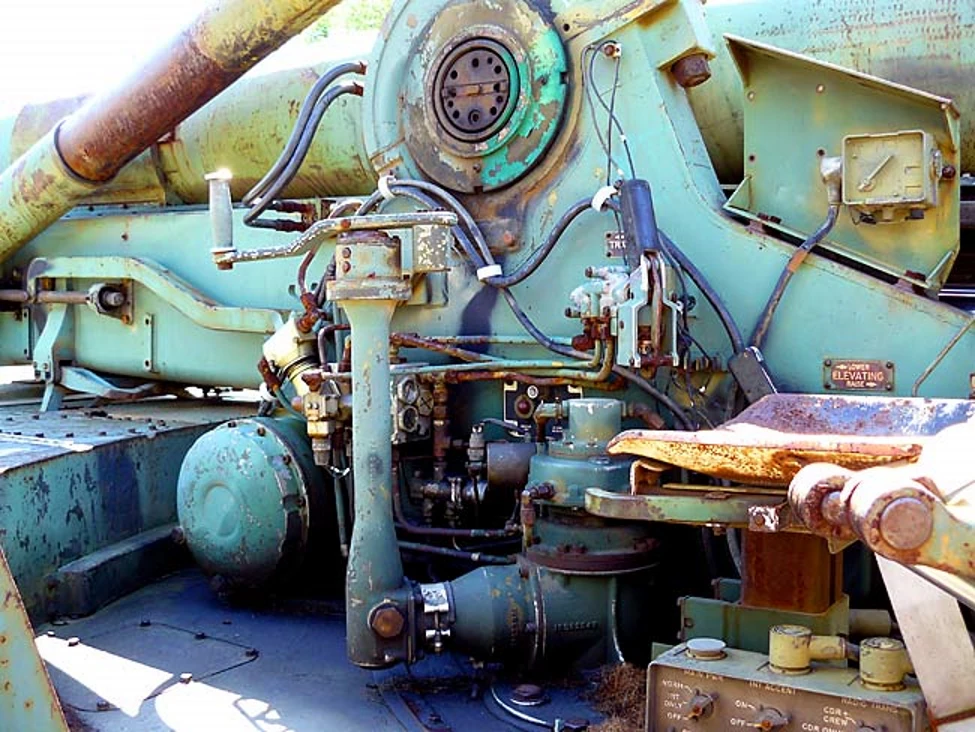
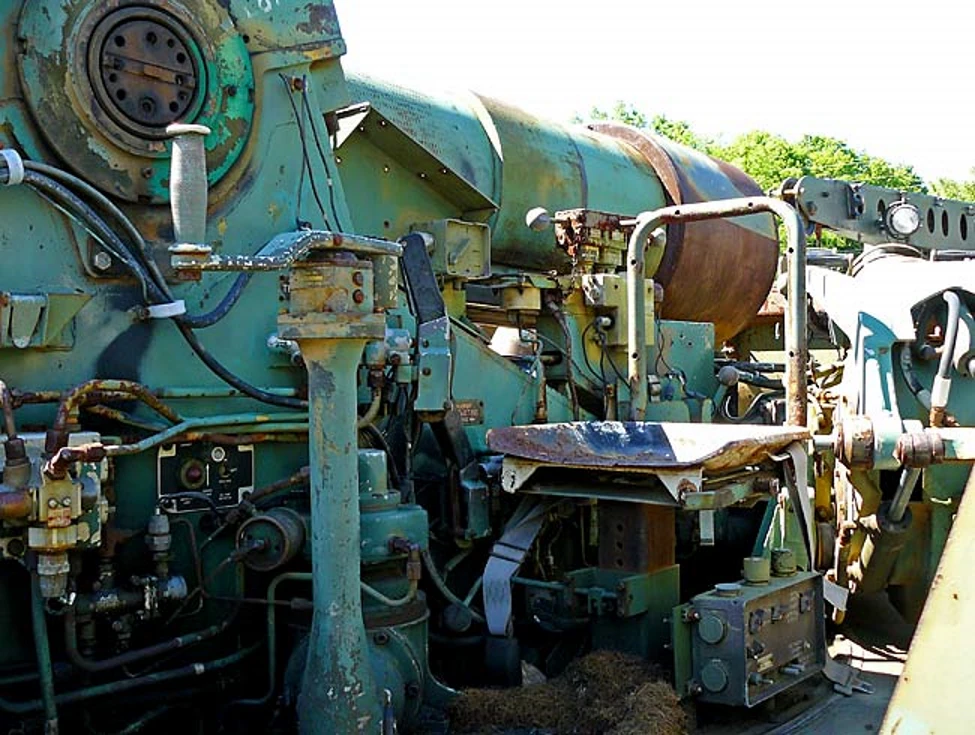
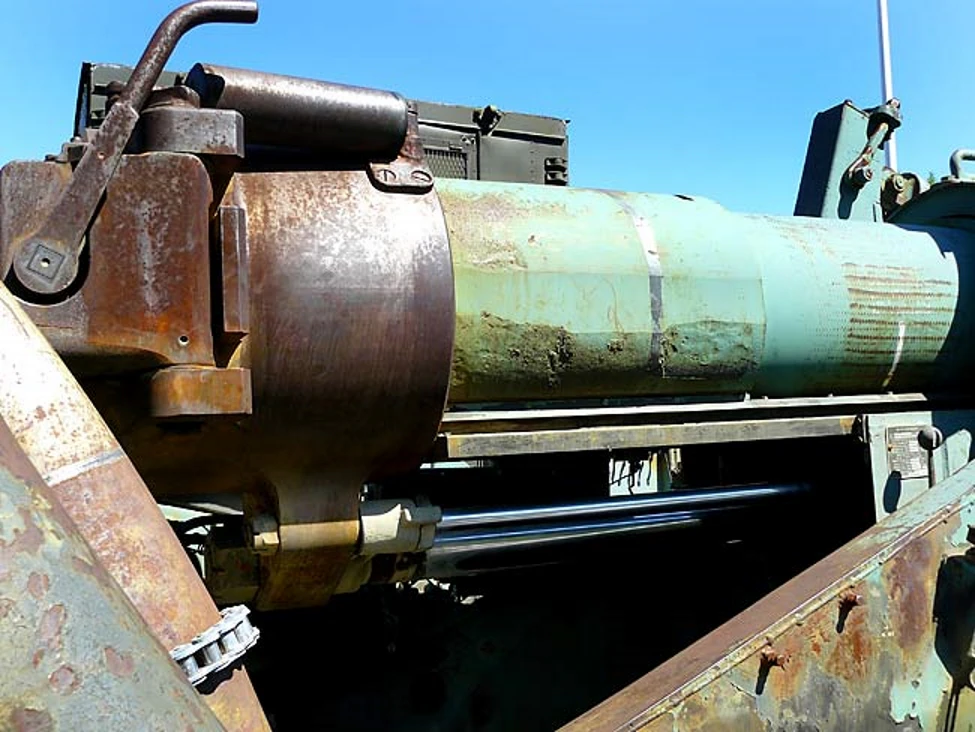
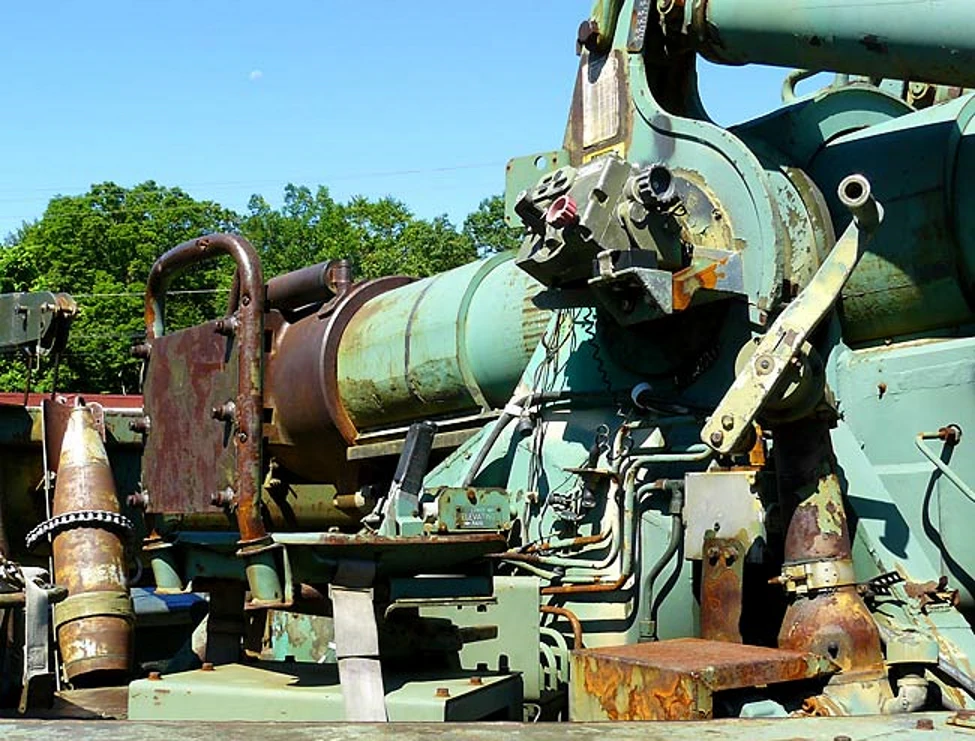
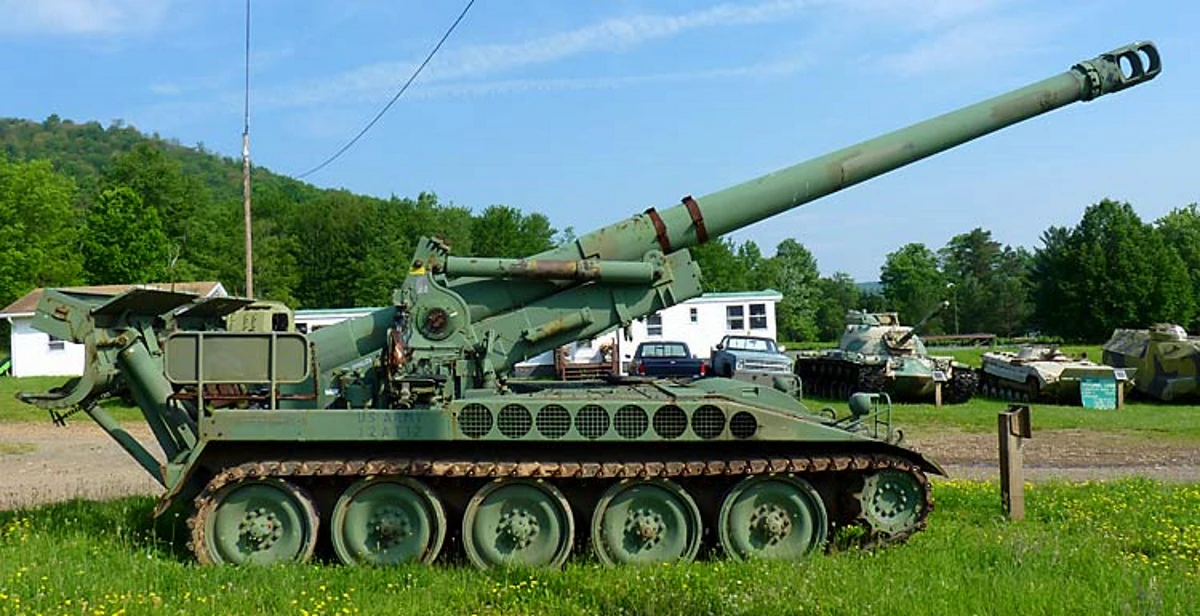
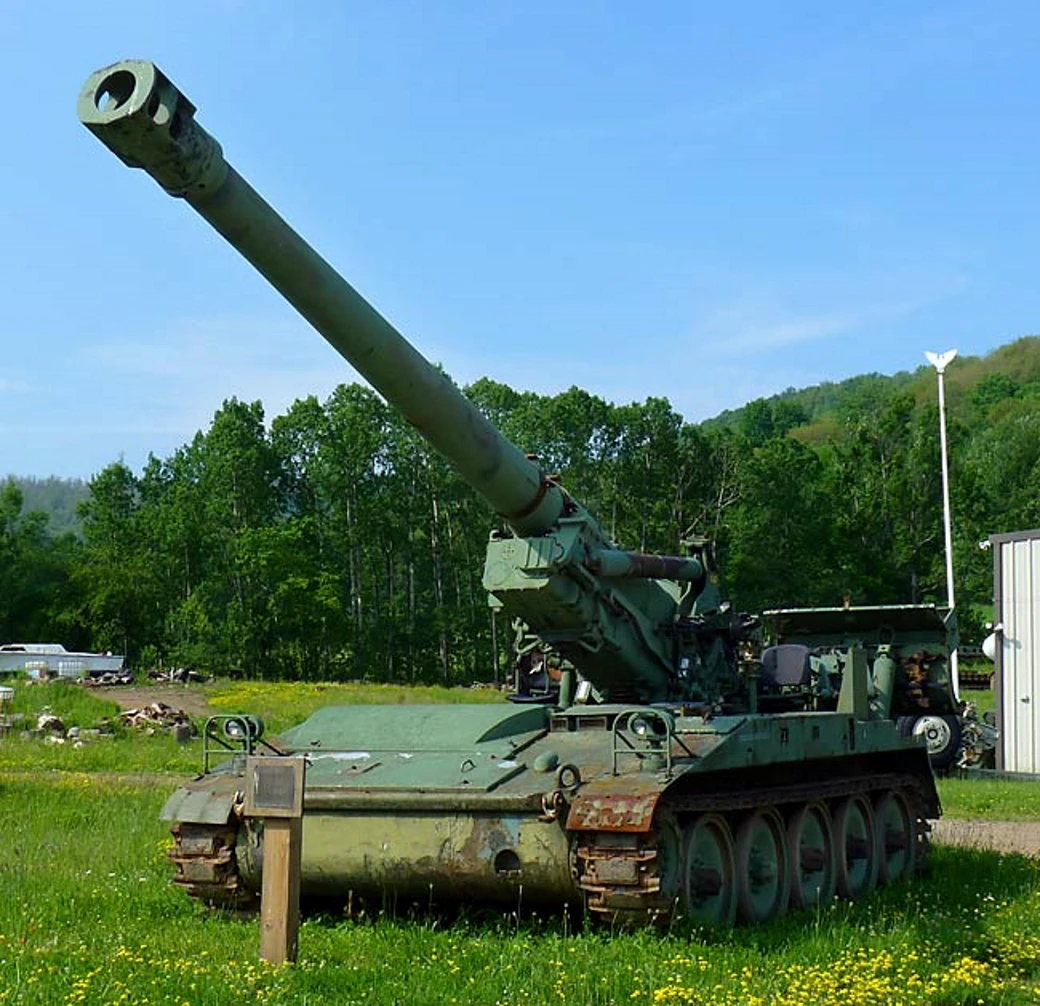
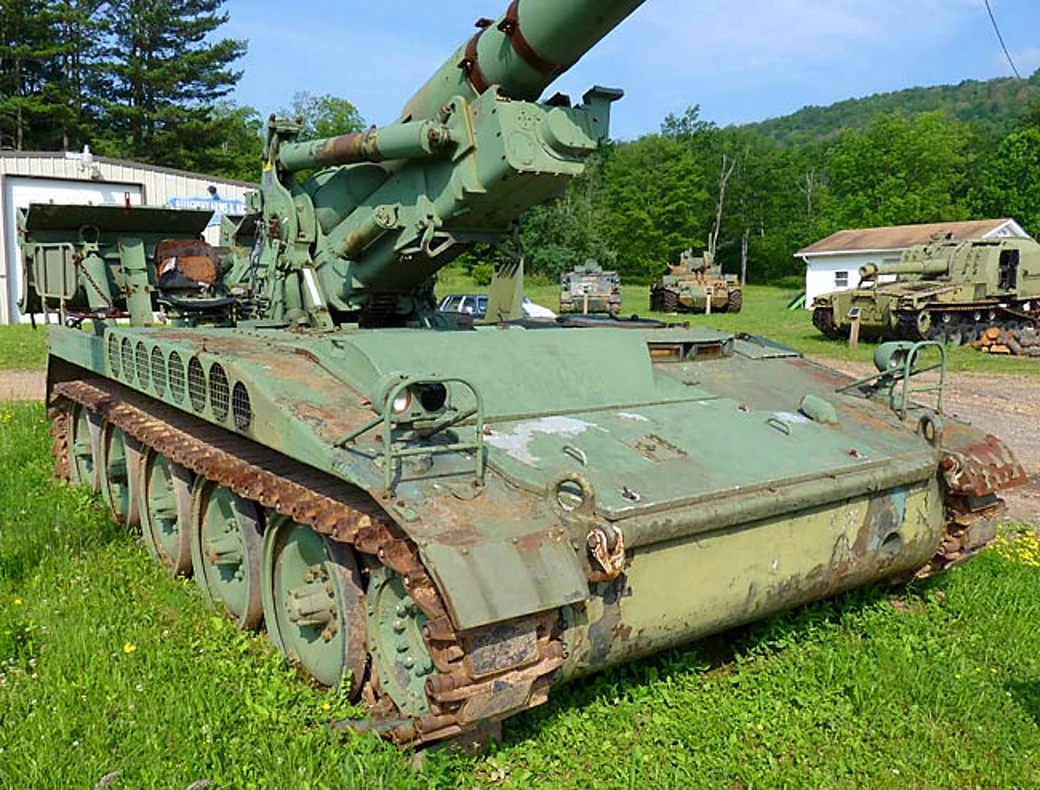
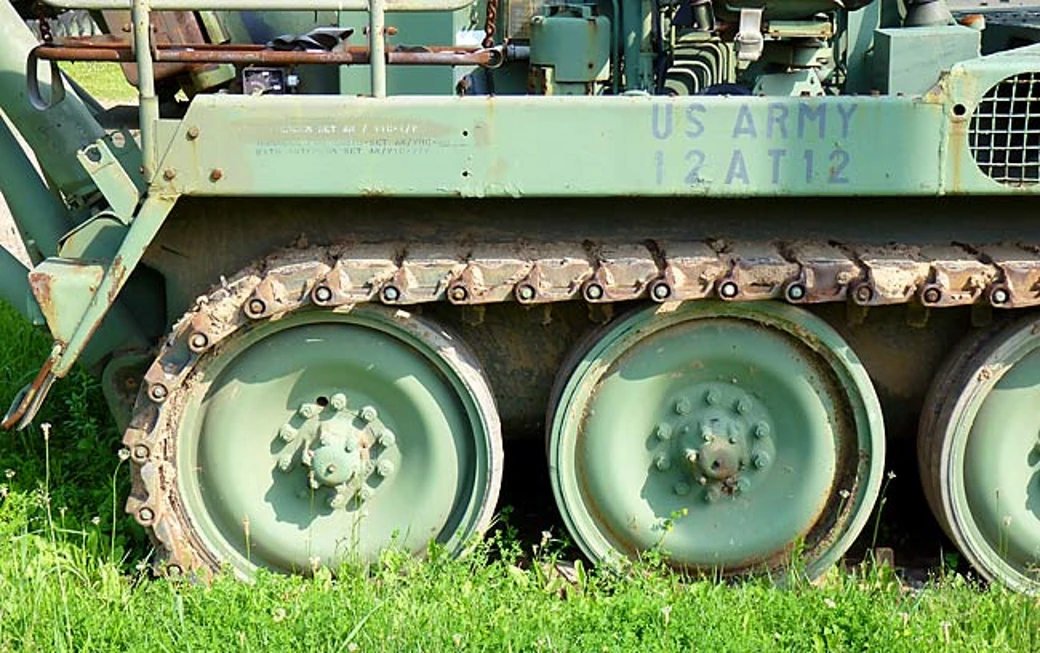
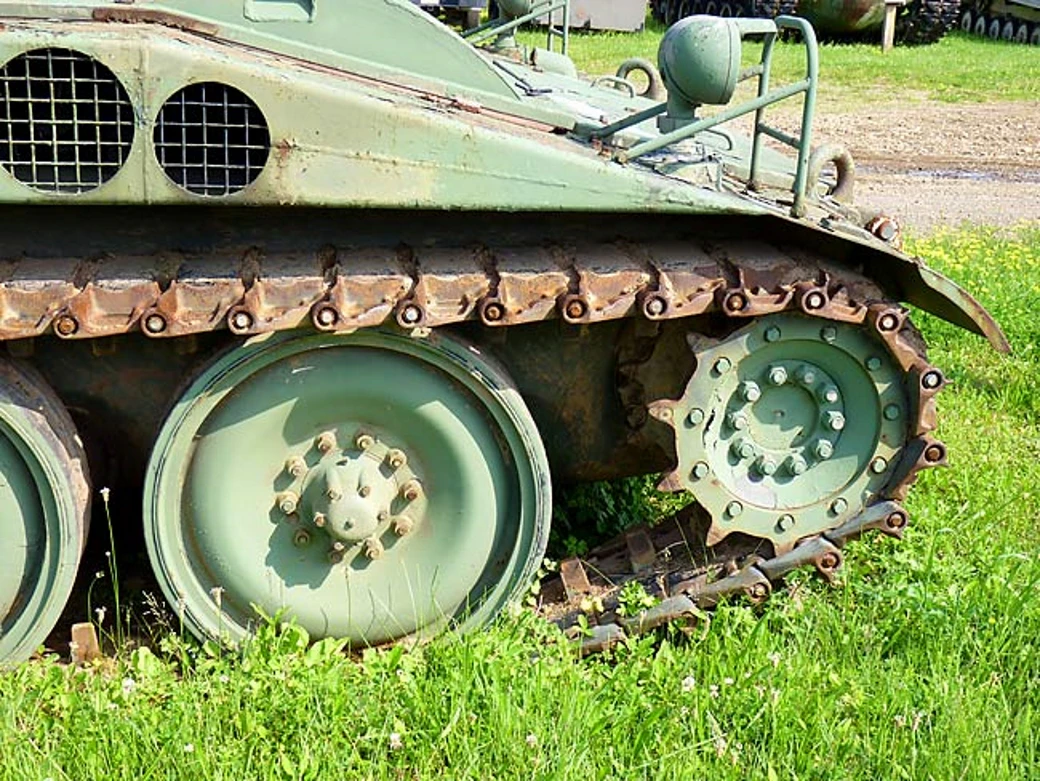
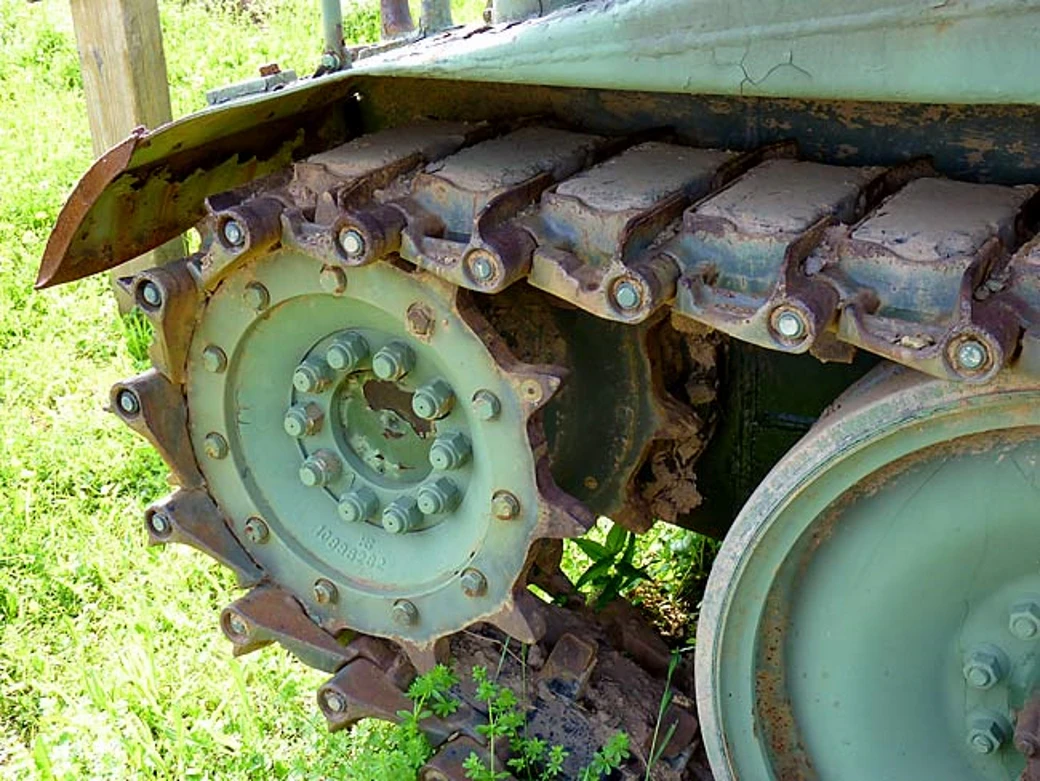
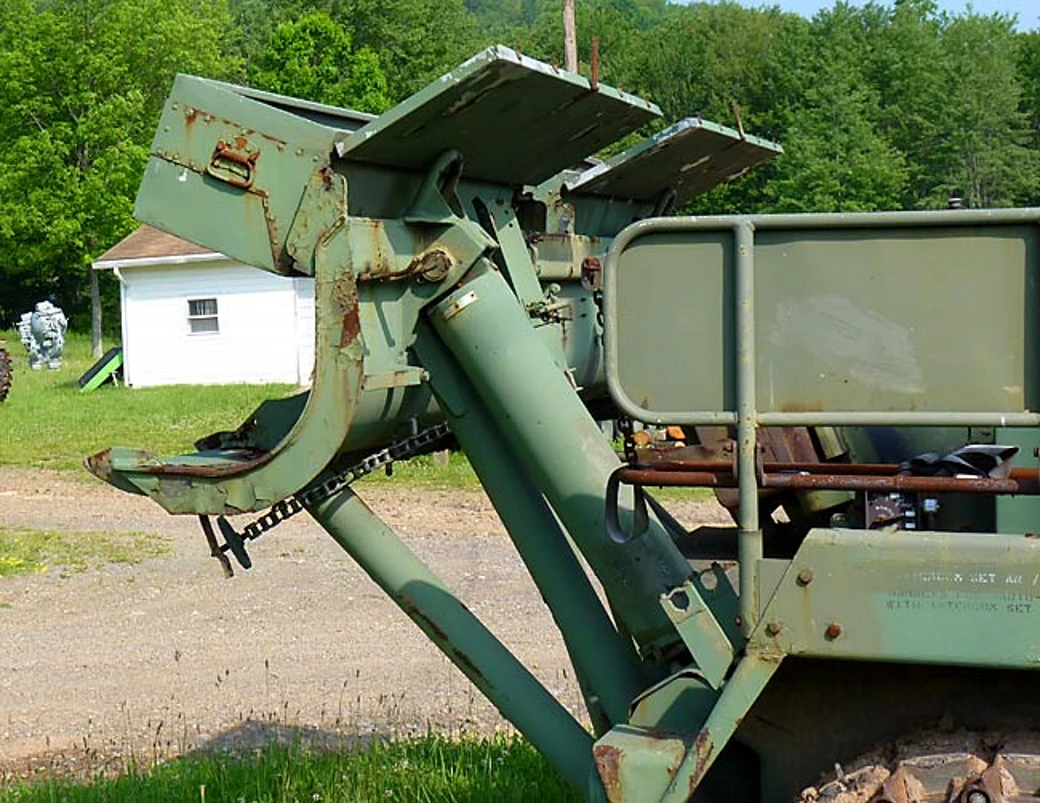
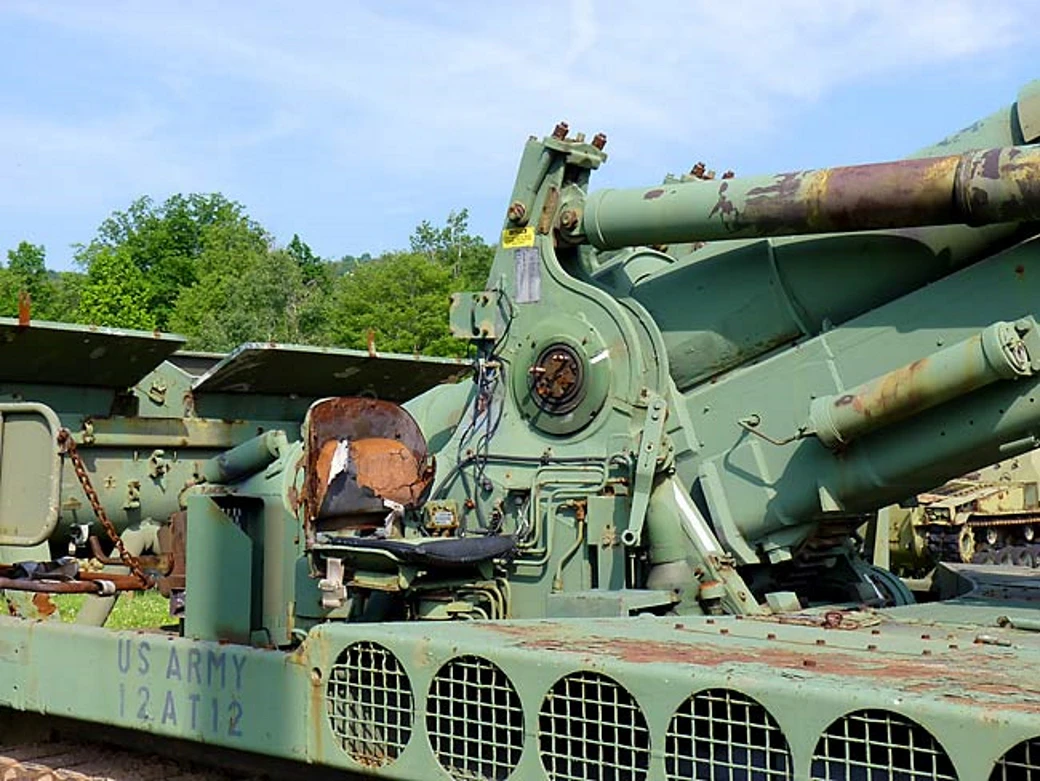
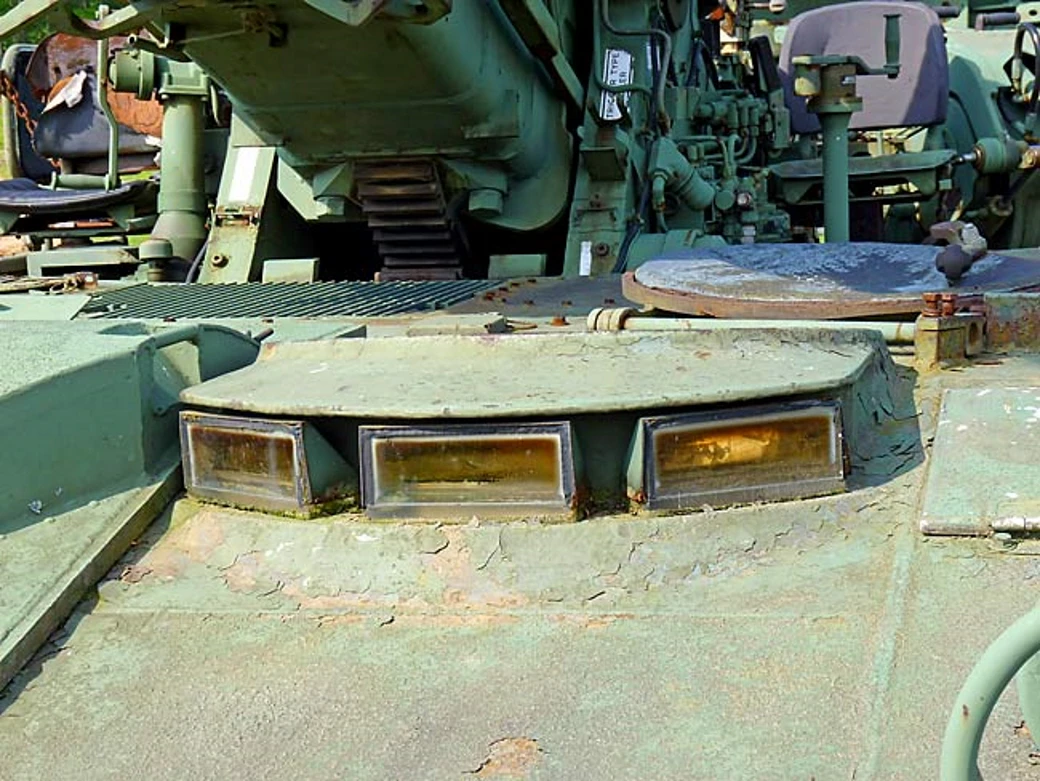
Foto galeria di un Obice M110A2, L'obice semovente M110 da 8 pollici (203 mm) era il più grande obice semovente disponibile nell'inventario dell'esercito degli Stati Uniti. Fu schierato in artiglieria di divisione in battaglioni di supporto generale e in battaglioni separati a livello di corpo d'armata e esercito. Le missioni includono il supporto generale, il fuoco contro-batteria e la soppressione dei sistemi di difesa aerea nemici. L'M110 è stato esportato in diversi paesi. L'M110A2 è l'ultima versione con freno a doppio muso, la precedente versione A1 aveva un muso semplice.
Le M110A2was the ultimate evolution of the M110 series, designed to provide long-range, heavy-fire support to NATO corps. Unlike the turreted M109, the M110A2 featured an open-mount design to accommodate its massive 8-inch (203mm) barrel. It was a weapon of extremes: it could fire a 200-pound shell over 30 kilometers with pinpoint accuracy, or deliver tactical nuclear warheads to blunt a Soviet armored thrust. By the time the A2 variant arrived in 1978, it featured a massive double-baffle muzzle brake and a longer barrel to maximize the range of the newest high-explosive projectiles.
Attribute
Technical Specification (M110A2)
Ruolo
Self-Propelled Heavy Howitzer
Equipaggio
5 on vehicle (up to 8 additional in support vehicle)
calibro
203 mm (8 inches)
Barrel Length
M201A1 cannon (approx. L/37)
Maximum Range
22,900 m (Standard) / 30,000 m (Rocket Assisted)
Rate of Fire
1 round every 2 minutes (Sustained) / 1.5 per minute (Burst)
Motore
Detroit Diesel 8V71T Turbocharged (405 hp)
Combat Weight
28.3 tonnes
Design Engineering: Physics of the Big Gun
The Double-Baffle Muzzle Brake:To handle the violent recoil of the 8-inch shells, the A2 variant was equipped with a large muzzle brake. This diverted the gasses outward and forward, pulling the barrel “away” from the vehicle during firing to reduce the stress on the chassis.
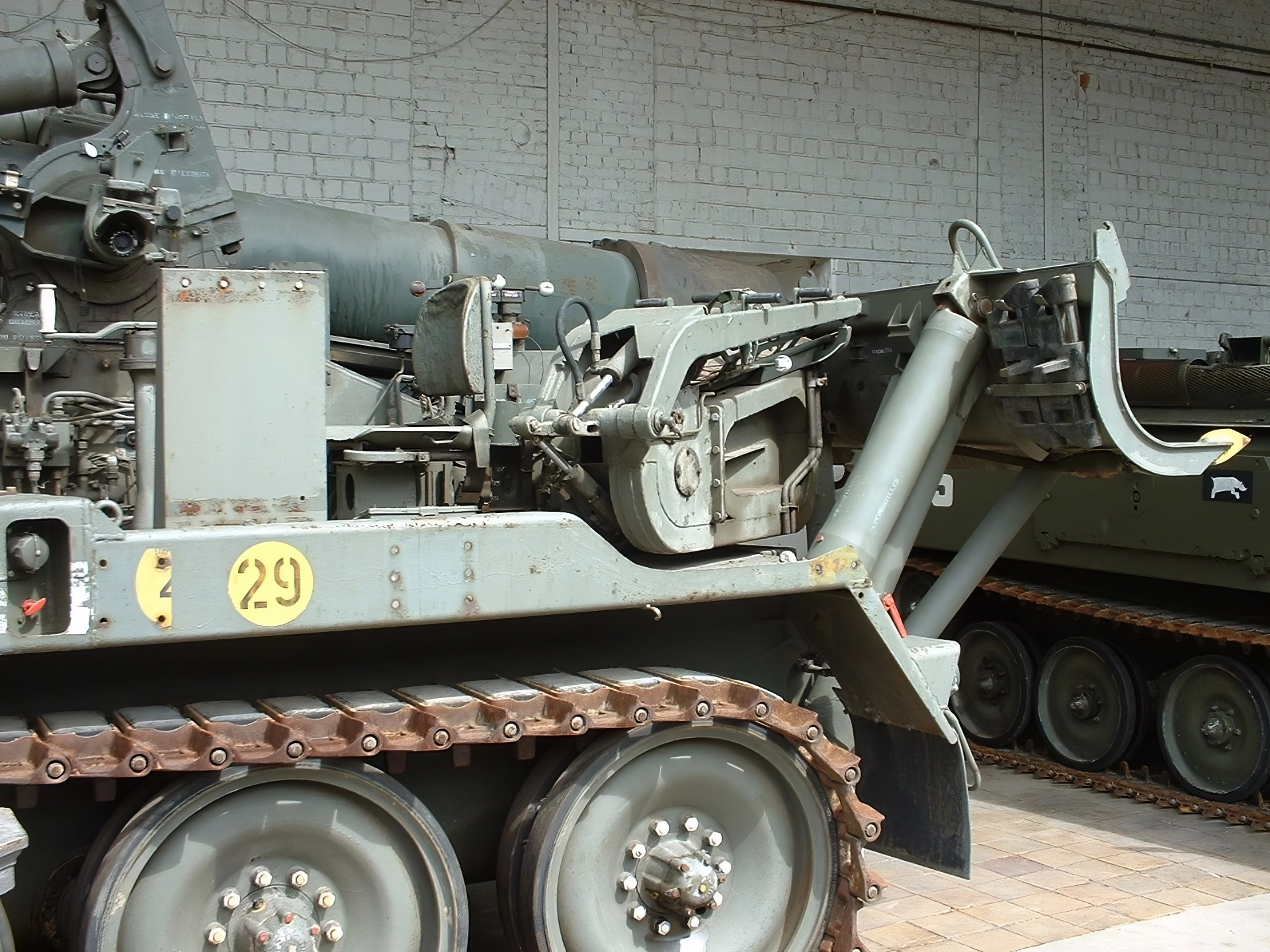
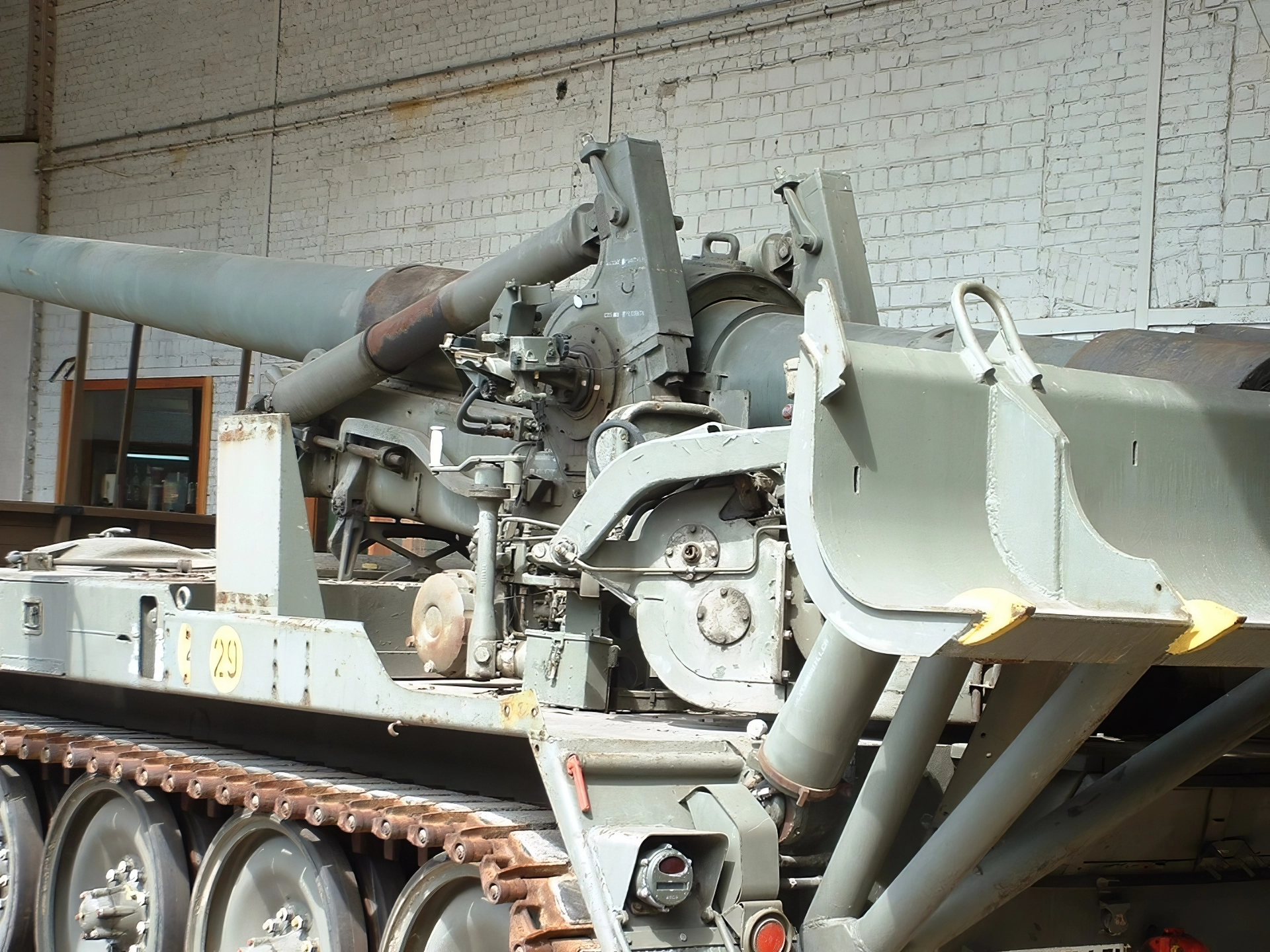
The Rear Hydraulic Spade:Because the vehicle was relatively light compared to the size of its gun, it would literally flip over or roll backward from the recoil if not anchored. A massive hydraulic spade was lowered into the earth at the rear to transfer the energy of the shot directly into the ground.
The Loader-Rammer:Loading a 200lb shell by hand is impossible for a sustained period. The M110A2 used a hydraulic loading arm at the rear that lifted the shell from the ground or a support truck and rammed it into the breech automatically.
Open-Air Vulnerability:To keep the weight down and allow for the gun’s massive traverse and elevation, the crew worked in the open. They had zero protection from small arms fire, shrapnel, or NBC (Nuclear, Biological, Chemical) threats while firing, relying on speed and distance for survival.
Operational History: The Corps Level Asset
Nuclear Capability:During the Cold War, M110 units were a key part of NATO’s tactical nuclear deterrent, trained to fire the W33 and later the W79 nuclear shells.
Operation Desert Storm:The M110A2 saw its final major combat service during the 1991 Gulf War. British and American units used them to pulverize Iraqi fortifications, as the 8-inch shell’s explosive yield was significantly more effective than the standard 155mm for destroying deep bunkers.
The MLRS Replacement:The US Army retired the M110A2 in the 1990s, replacing its role with theM270 MLRS(Multiple Launch Rocket System), which offered even greater range and area saturation with fewer crew requirements.
Global Survivors:While retired by the US, the M110A2 remains in service with countries like Taiwan, Japan, and Turkey, where its massive “firepower per shot” is still highly valued for coastal and mountain defense.
 Comprami un caffè


 Obice da 155 mm M50 BF – Foto e video
 220 mm TR mle 1915/1916 – Foto e Video
 Obice QF da 3,7 pollici – Foto e Video
 2S1 Gvozdika – Foto e Video
 Obice da 122 mm M1910/30 – Foto e Video
 Obice britannico da 9,2 pollici – Foto e Video
 M55 Self Propelled Howitzer – Foto e Video
 21cm Morser 18 Obice - Cammina intorno
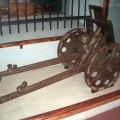 Obice Type 92 da 70 mm - WalkAround
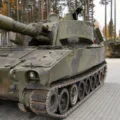 M109A3GN – WalkAround