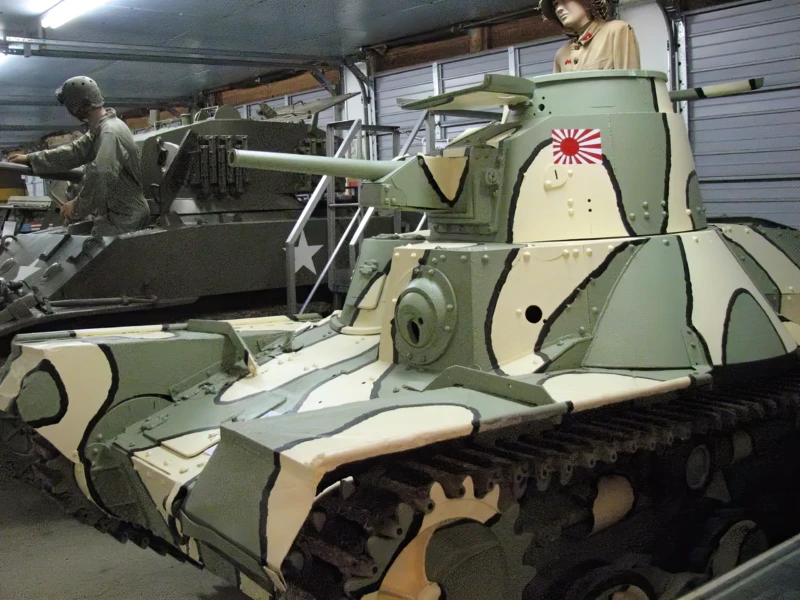
Serbatoio Tipo 95 Ha-Go | |
|---|---|
| Paese | Giappone |
| digitare | Carro leggero |
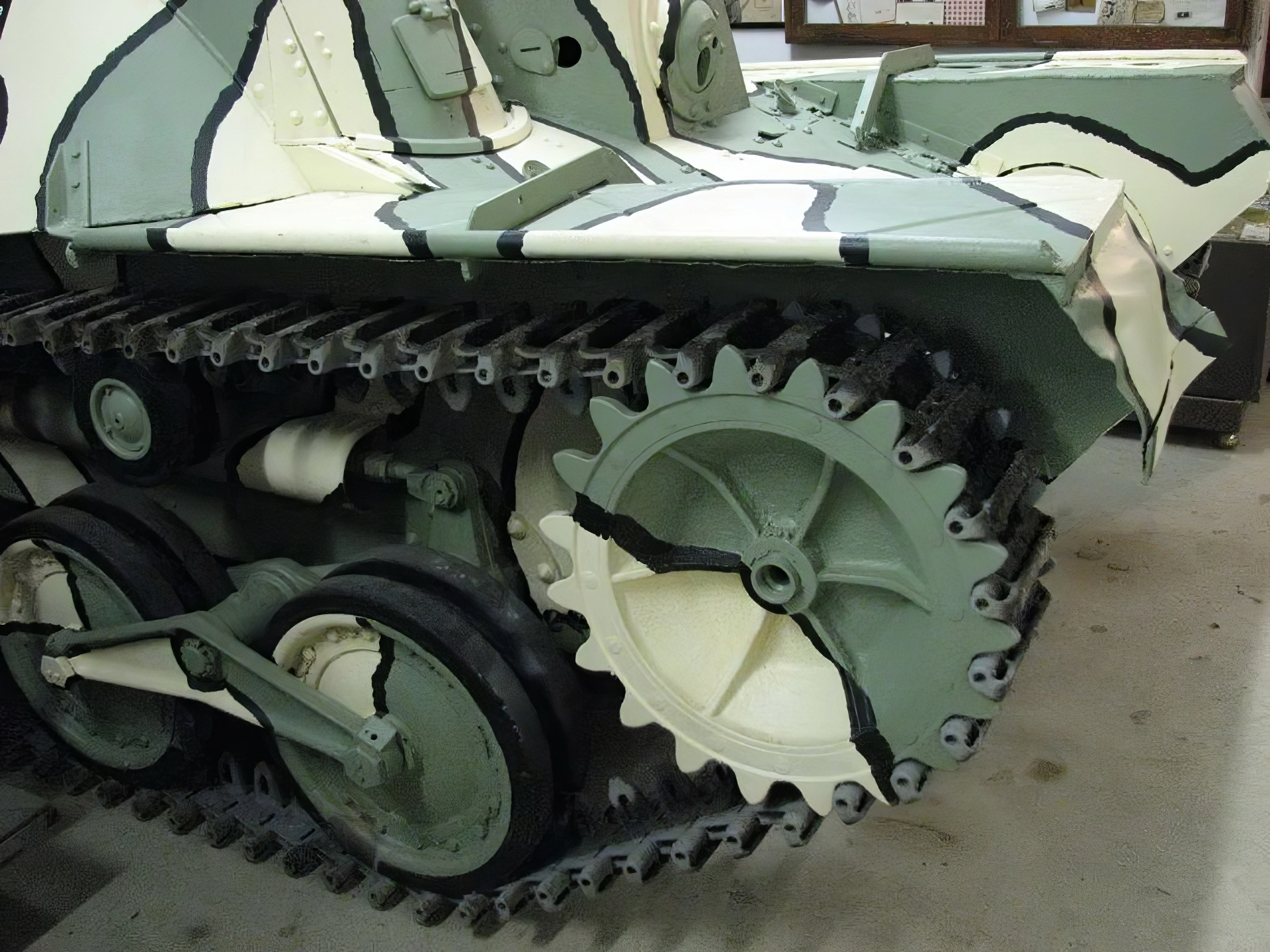
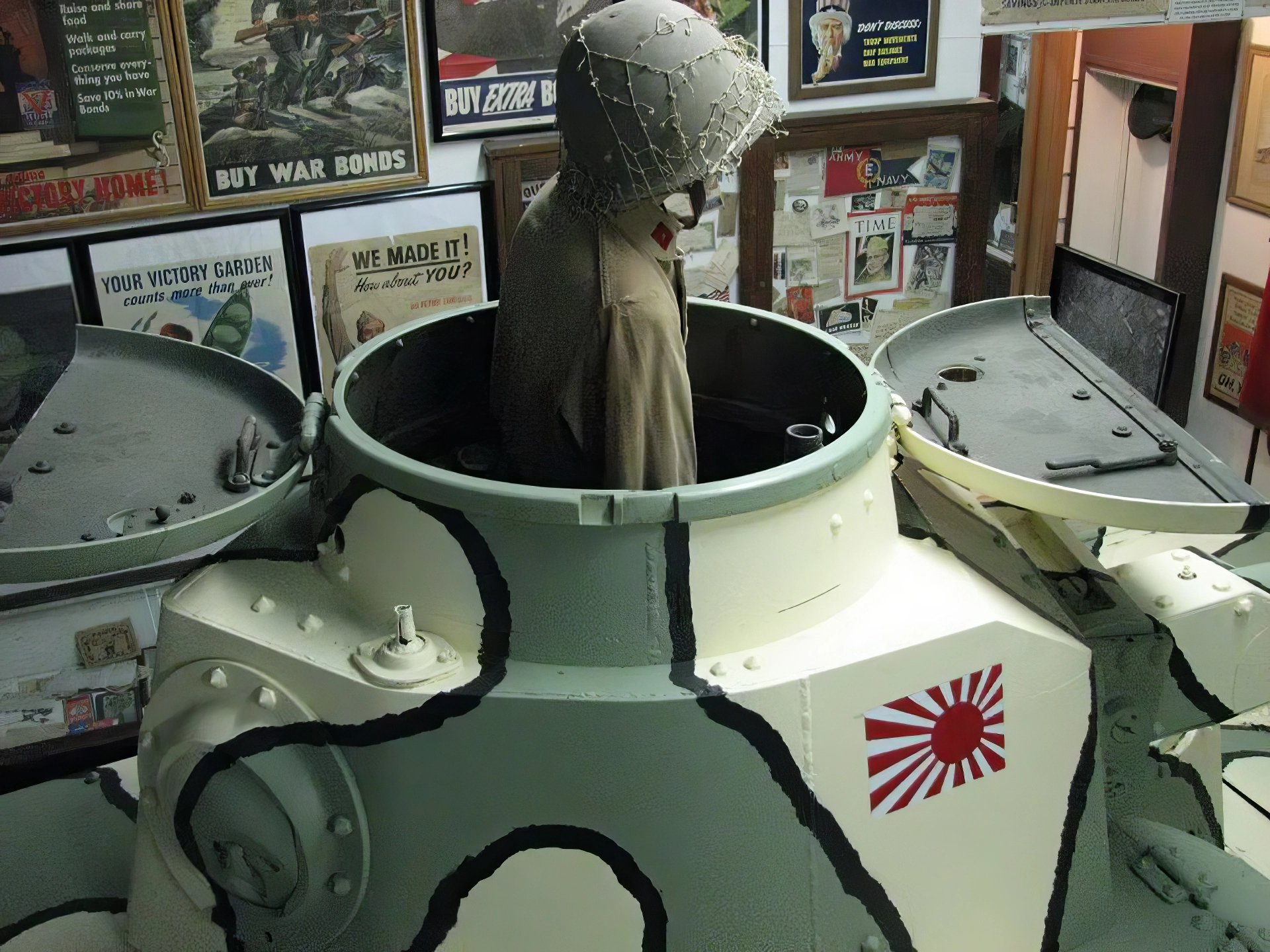
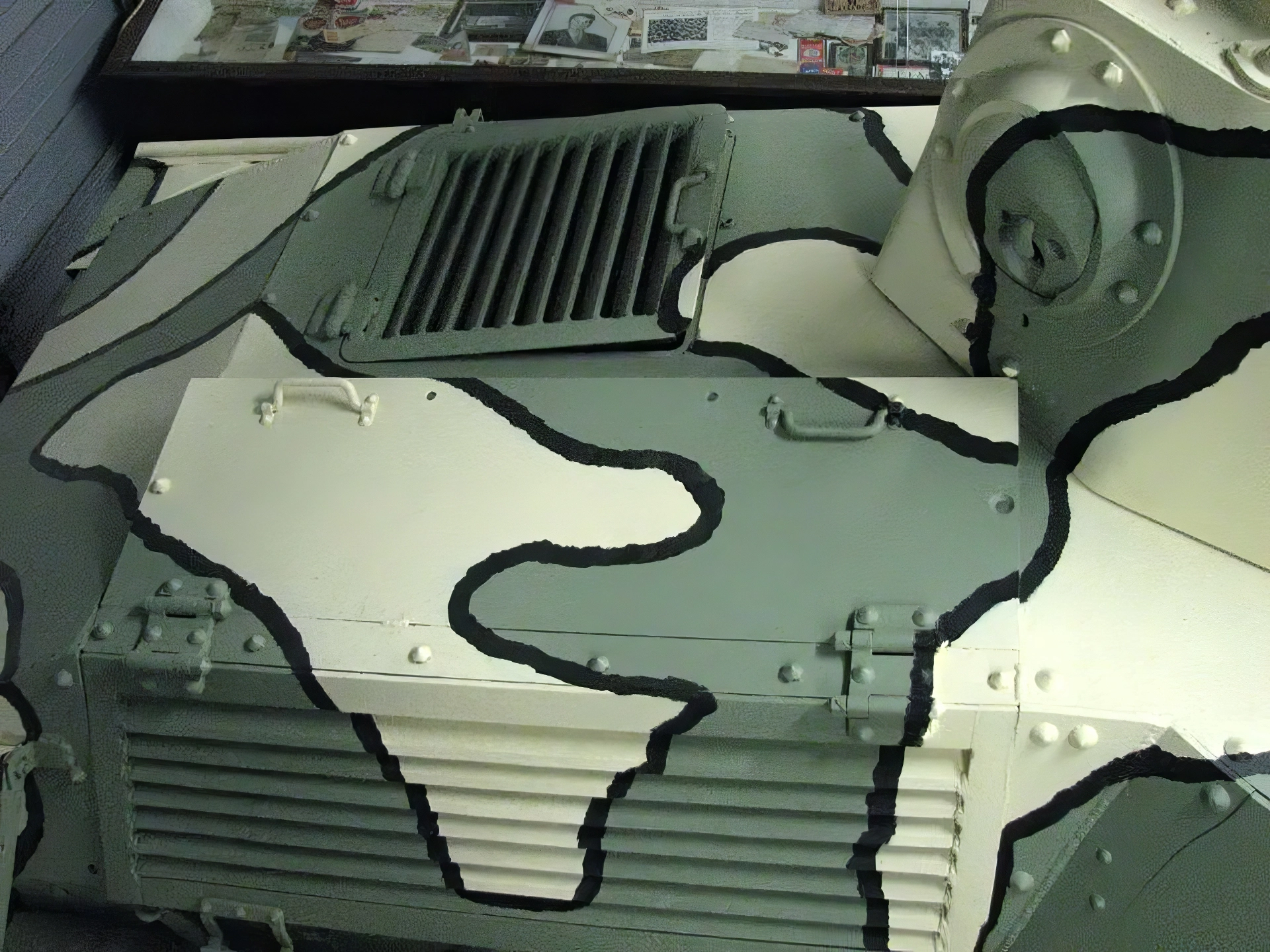
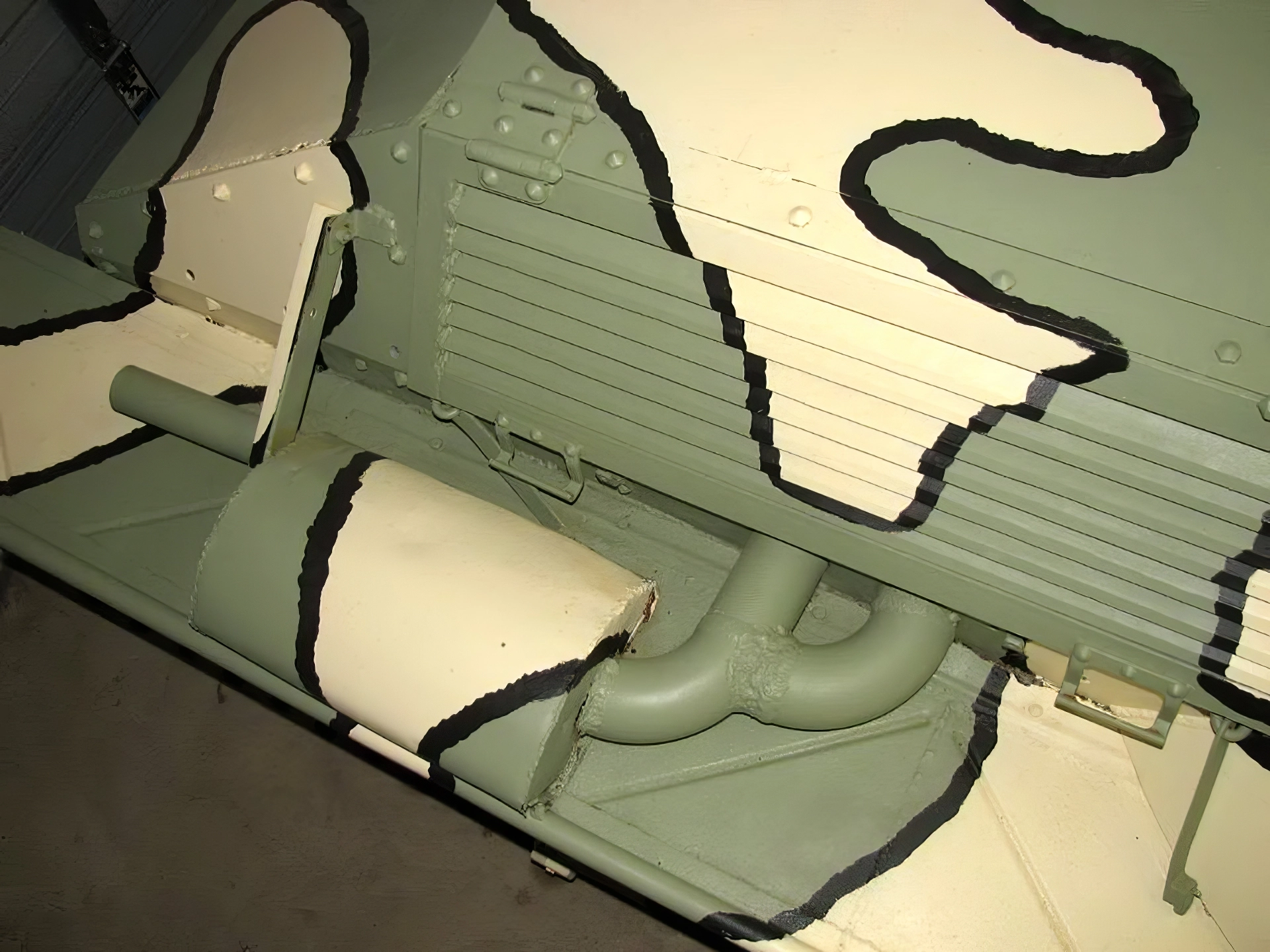
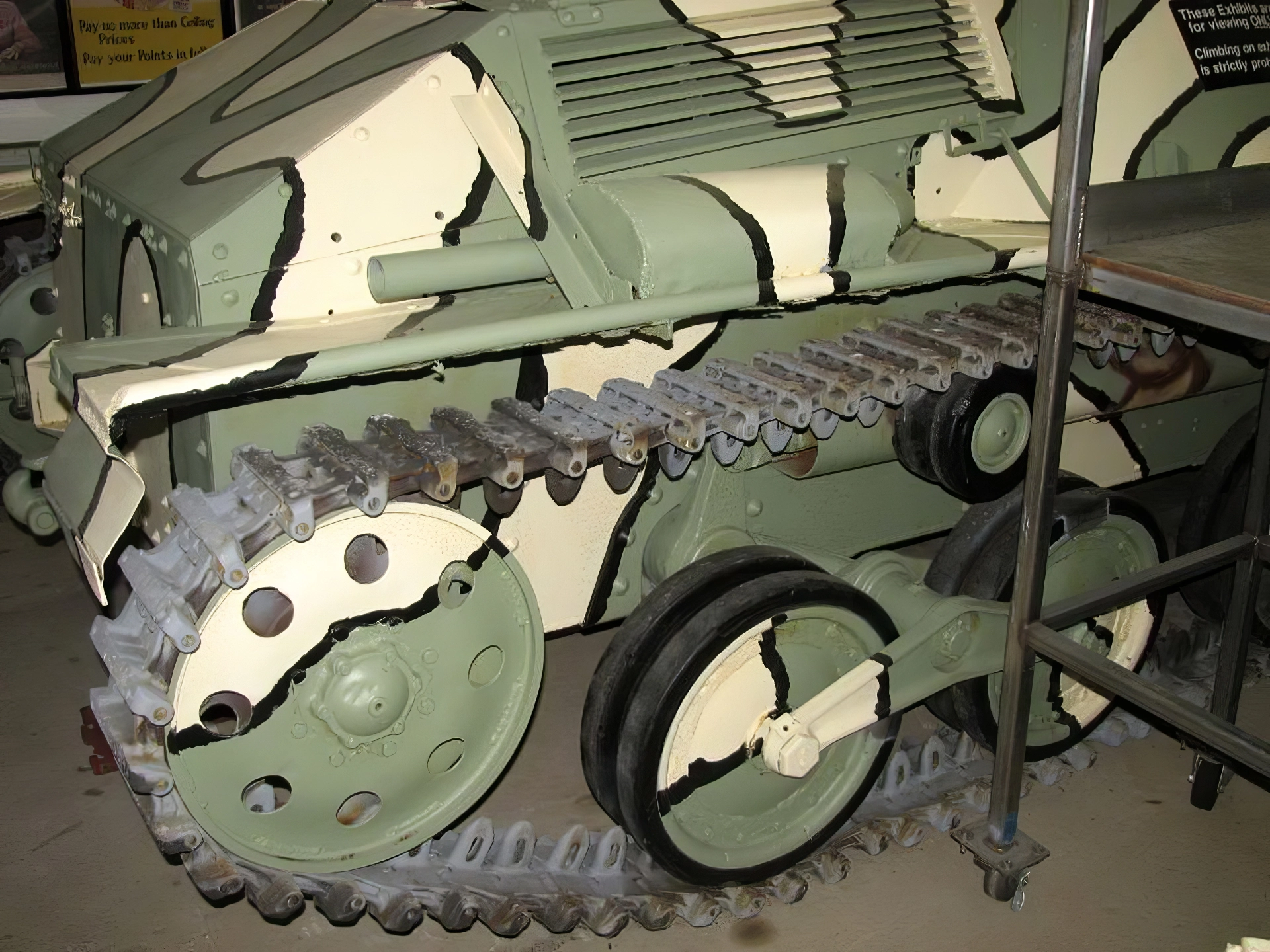
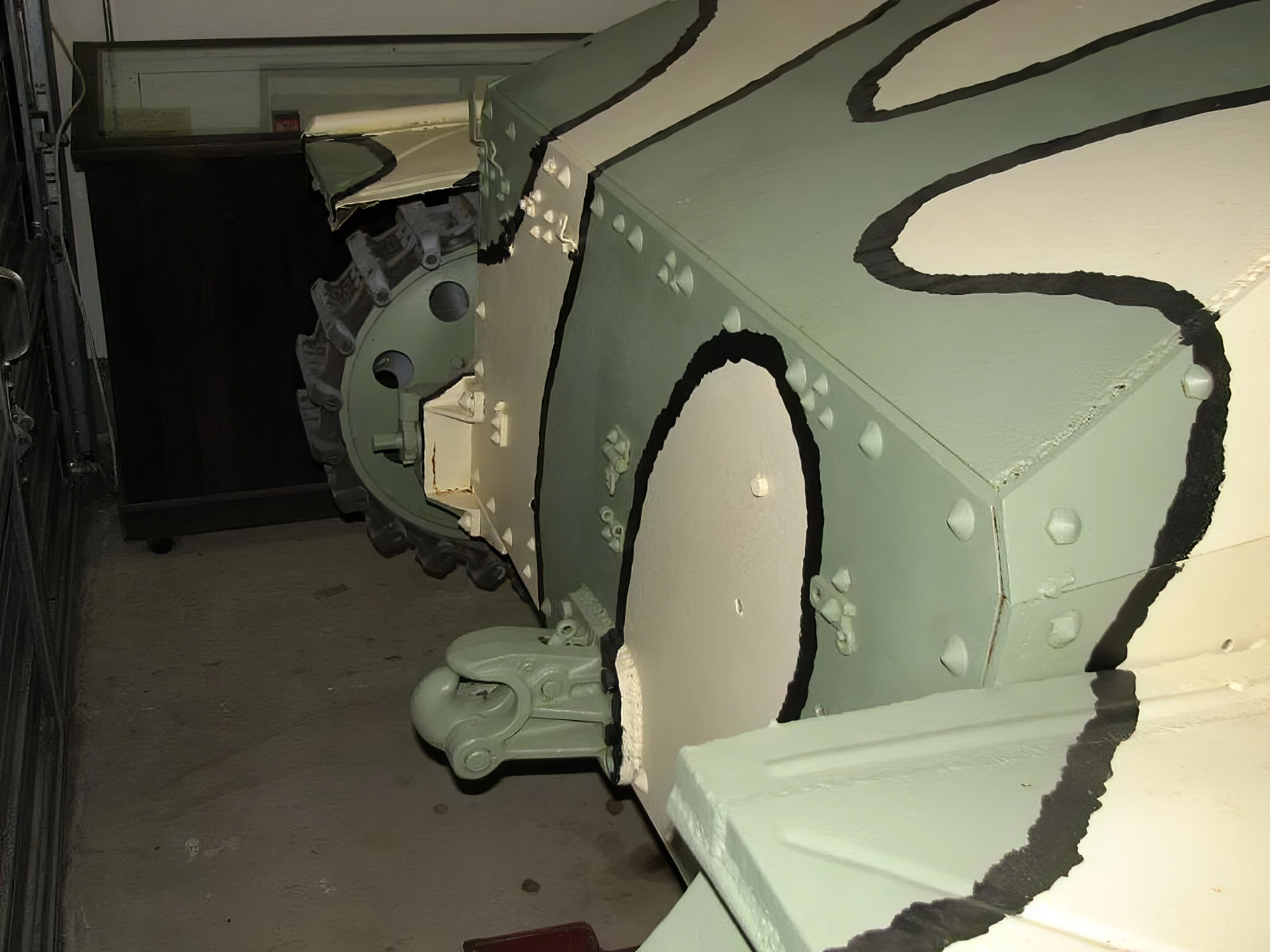
| Descrizione | Album di 28 foto walk-around di un serbatoio «Tipo 95 Ha-Go» |
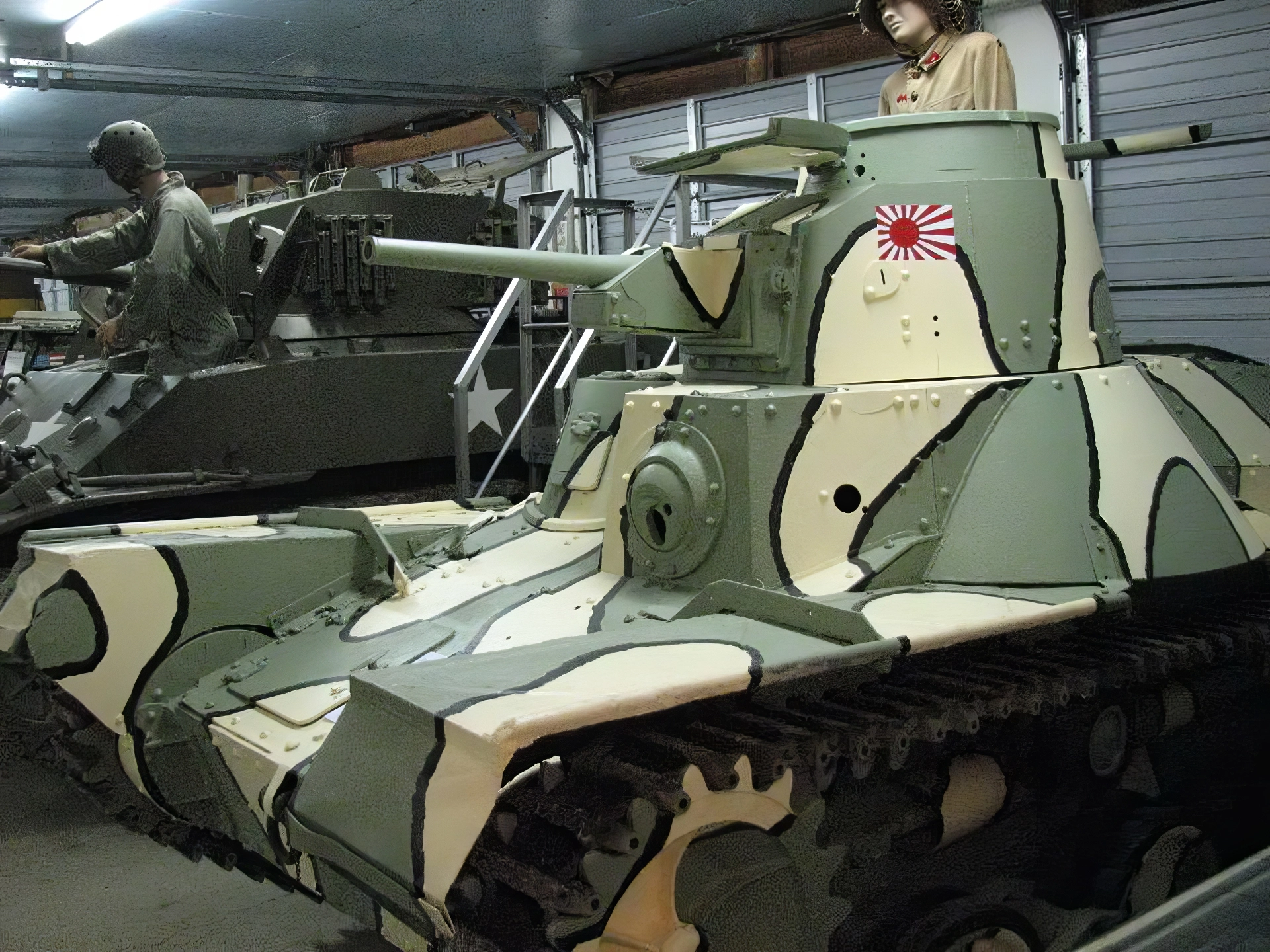
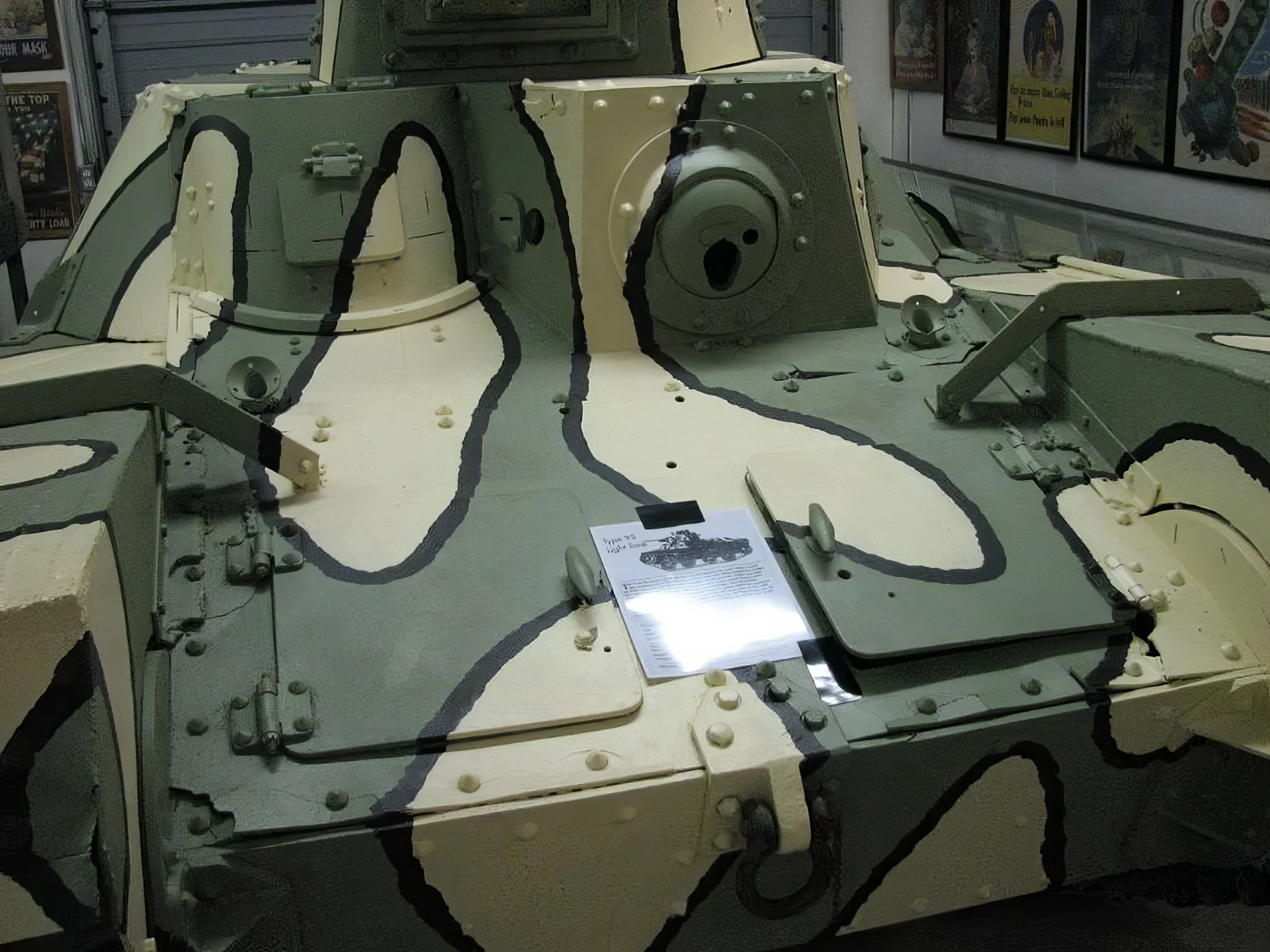
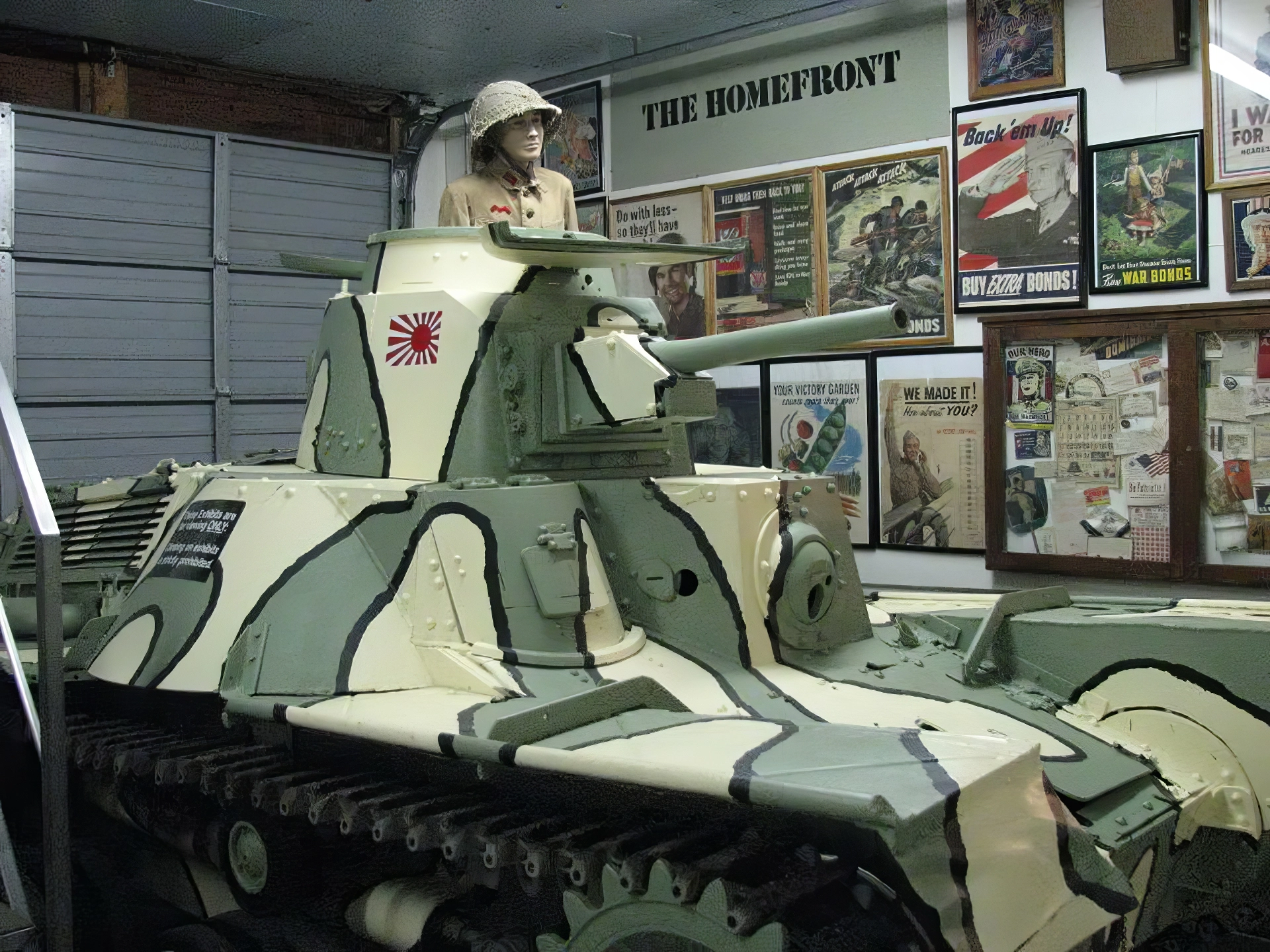
Galleria fotografica di un serbatoio Tipo 95 Ha-Go, Il Tipo 95 Ha-Gō era un carro armato leggero utilizzato dall'esercito imperiale giapponese nelle operazioni di combattimento della seconda guerra sino-giapponese, a Nomonhan contro l'Unione Sovietica e nella seconda guerra mondiale. Si dimostrò sufficiente contro la fanteria, tuttavia, come l'americano M3 Stuart, non fu progettato per combattere altri carri armati. Furono prodotte circa 2.300 unità, rendendolo il più numeroso veicolo da combattimento corazzato giapponese dell'epoca.
fonte: Wikipedia

Vedi anche:


The Most Numerous Japanese Tank of the War
Le Tipo 95 Ha-Go was Japan’s definitive light tank, designed in the mid-1930s to keep pace with motorized infantry. At a time when many nations were still experimenting with tankettes, the Ha-Go provided a fully tracked, 37mm-armed vehicle that was light enough to be transported across the vast island networks of the Pacific. While it excelled in the jungles of Malaya and the plains of China, by 1942 it found itself hopelessly outmatched by Allied armor, earning it the grim reputation of being “tissue-paper” thin against modern anti-tank fire.
| Attribute | Technical Specification (Standard Production) |
|---|---|
| Ruolo | Light Infantry Support / Cavalry Tank |
| Equipaggio | 3 (Commander/Gunner/Loader, Hull Gunner, Driver) |
| Motore | Mitsubishi A6120VD air-cooled 6-cylinder diesel (120 hp) |
| Velocità massima | 45 km/h (28 mph) on road / 29 km/h off-road |
| Armamento principale | 37 mm Type 94 or Type 98 tank gun (119 rounds) |
| Armamento secondario | 2 × 7.7 mm Type 97 machine guns (one hull, one rear turret) |
| Armatura | 6 mm to 12 mm (Maximum 12 mm on front) |
| Peso | 7.4 tonnes (Combat weight) |
Design Engineering: Speed Over Steel
- The “Hara” Suspension: Designed by Tomio Hara, the “bell-crank” suspension system used two pairs of bogie wheels per side connected to horizontal coil springs. This allowed for decent speed but was notorious for a “pitching” motion that made accurate firing on the move nearly impossible.
- Innovative Diesel Power: Japan was a pioneer in using air-cooled diesel engines for tanks. The Mitsubishi diesel was less flammable than gasoline and didn’t require water—a massive advantage in the sweltering, humid jungles where maintenance was difficult and overheating was common.
- The Overworked Commander: The turret was tiny and designed for a single man. The commander had to spot targets, load the 37mm gun, aim it, fire it, and occasionally operate the machine gun at the back of the turret. This led to very slow reaction times in high-intensity combat.
- Asbestos Lining: Because the engine and the tropical sun made the thin armor plates incredibly hot, the interior was lined with asbestos padding to prevent the crew from suffering “armor burns” just by touching the walls.
Combat History: Jungle King to Static Bunker
- Blitzkrieg in the Jungle: During the 1941 Malayan Campaign, the British believed tanks couldn’t operate in the jungle. The Japanese proved them wrong, using Ha-Gos to bypass roadblocks via narrow plantation paths, leading to the rapid fall of Singapore.
- “The Door Knocker”: Against the American M3 Stuart or M4 Sherman, the Ha-Go’s 37mm gun was ineffective. U.S. Marines discovered that even the .50 caliber machine gun could sometimes penetrate the Ha-Go’s thin side armor at close range.
- Night Terror at Milne Bay: In New Guinea, two Ha-Gos used their headlights to terrorize Australian infantry during night attacks. They were eventually neutralized when they became hopelessly bogged down in the deep, tropical mud.
- Island Defenses: By the end of the war, surviving Ha-Gos were often buried up to their turrets to serve as static pillboxes on islands like Iwo Jima and Peleliu, where they were eventually silenced by flamethrower tanks and naval gunfire.
Visualizzazioni : 3292
Puoi anche vedere:
 M8 Armored Gun System – Foto e Video
 M3A1 Stuart vol2 – Foto e Video
 Vickers Mk VIb vol2 - Cammina in giro (Walk Around)
 T-26 - WalkAround
 Renault R35 - WalkAround
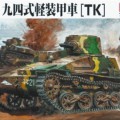 IJA Tipo 95 Serbatoio Leggero HA-GO Manciuria Settentrionale – Stampi Fini FM18
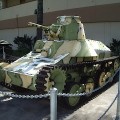 Char léger Type 95 Ha-Go - Walkaround
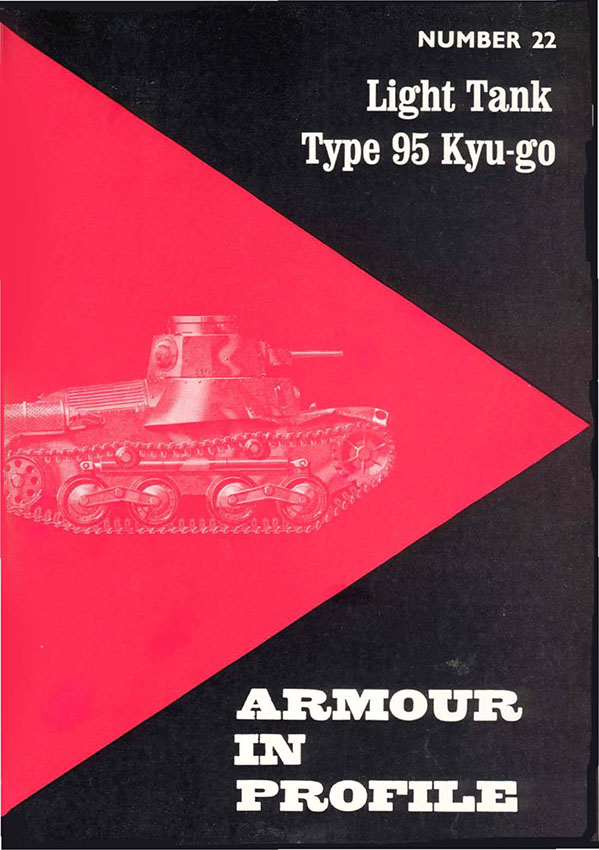 Carro Armato Leggero Tipo 95 Ha-Go – Corazzatura In Profilo 022
 M22 Locust - Passeggiata
 BT-5 Fast Tank - Girova