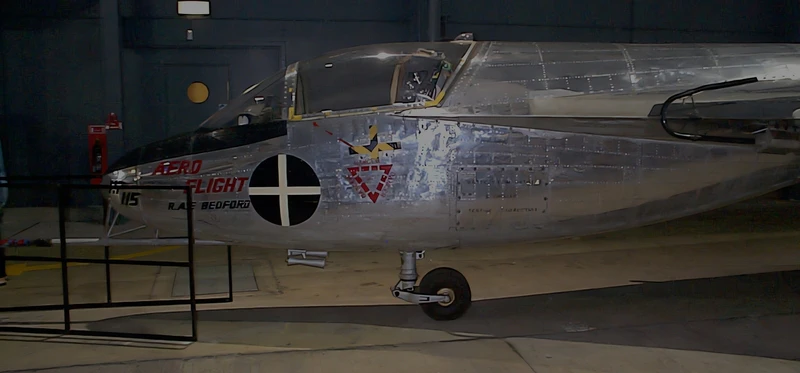
Handley Page HP.115 | |
|---|---|
| Zemlja | Velike britanije |
| Ulogu | Eksperimentalni avioni |
| Prvi let | 17 Avgust 1961 |
| Izgradio | 1 |
Čaj Handley Page HP.115 bio je britanski delta wing istraživački avion koji je napravio Handley Page kako bi testirao karakteristike rukovanja niskom brzinom koje se očekuju od supersoničnog putničkog aviona vitke delta konfiguracije. Ona je formirala deo britanskog supersoničnog programa istraživanja aviona, sprovedenog šezdesetih godina prošlog veka i pod pokroviteljstvom Ministarstva snabdevanja, koji je na kraju proizveo Konkord.
Izvor: Handley Page HP.115 on Wikipedia
| HP.115 Walk Around | |
|---|---|
| Photographer | Howard Mason |
| Localisation | Fleet Air Arm Museum |
| Photos | 23 |
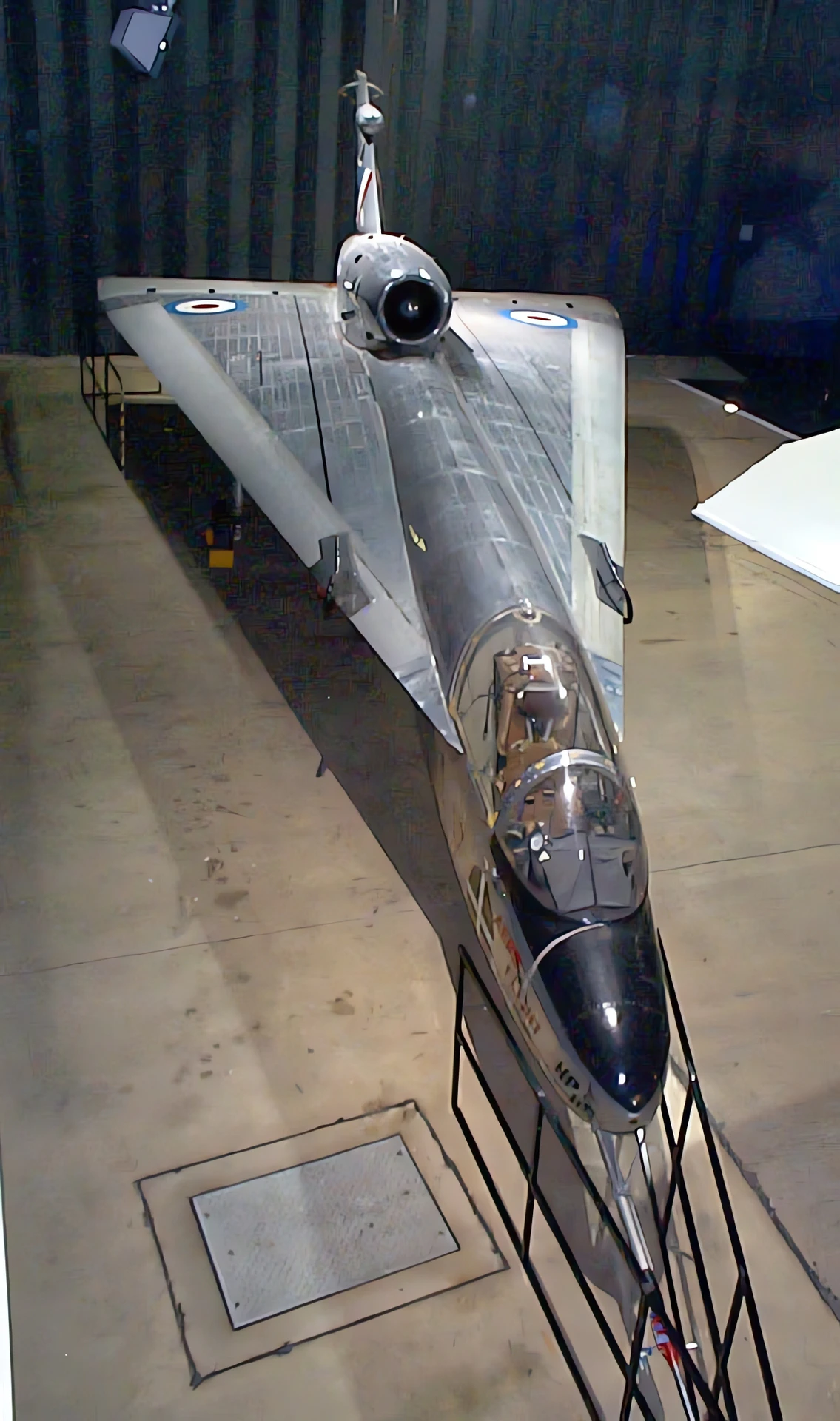
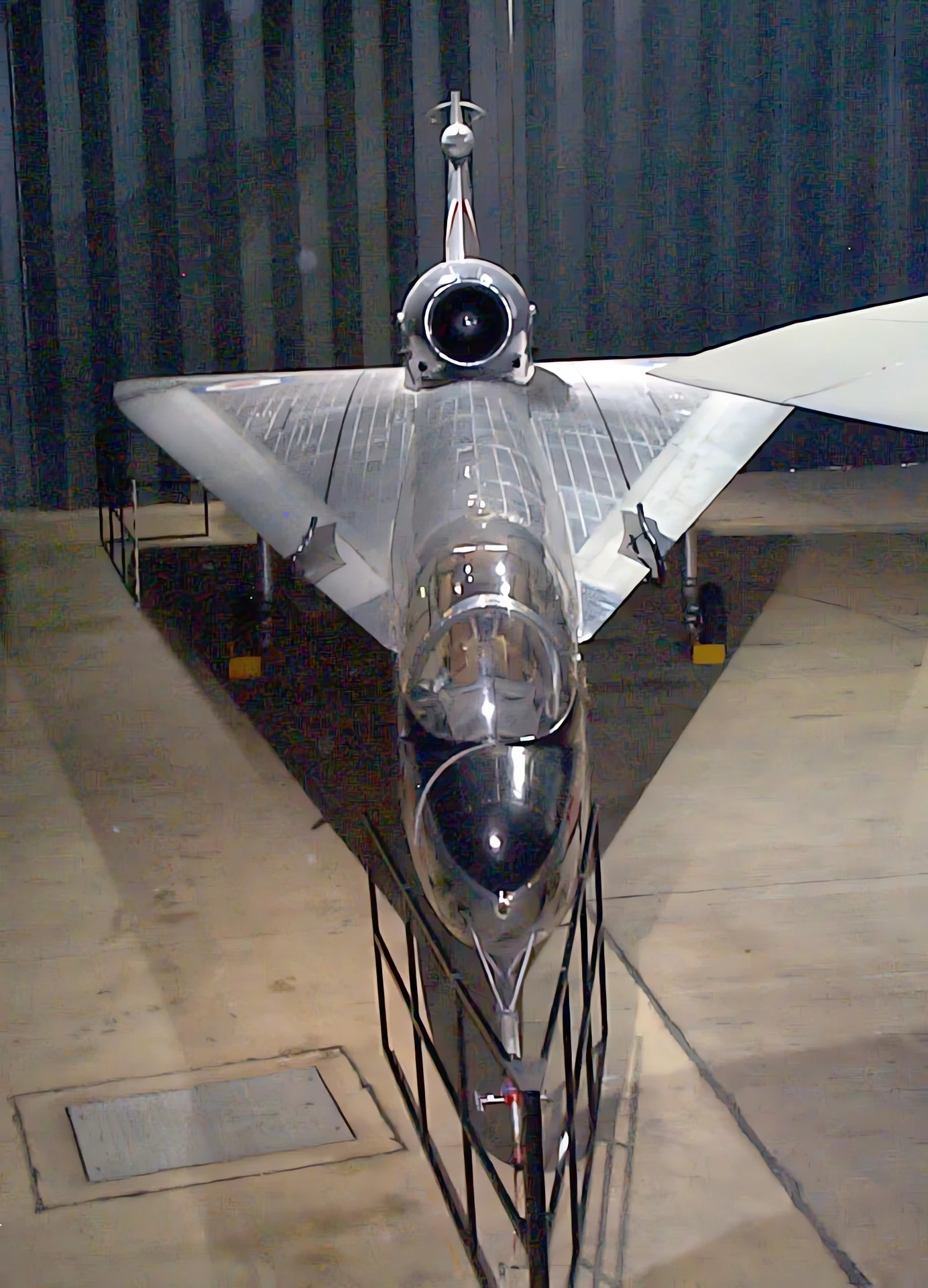
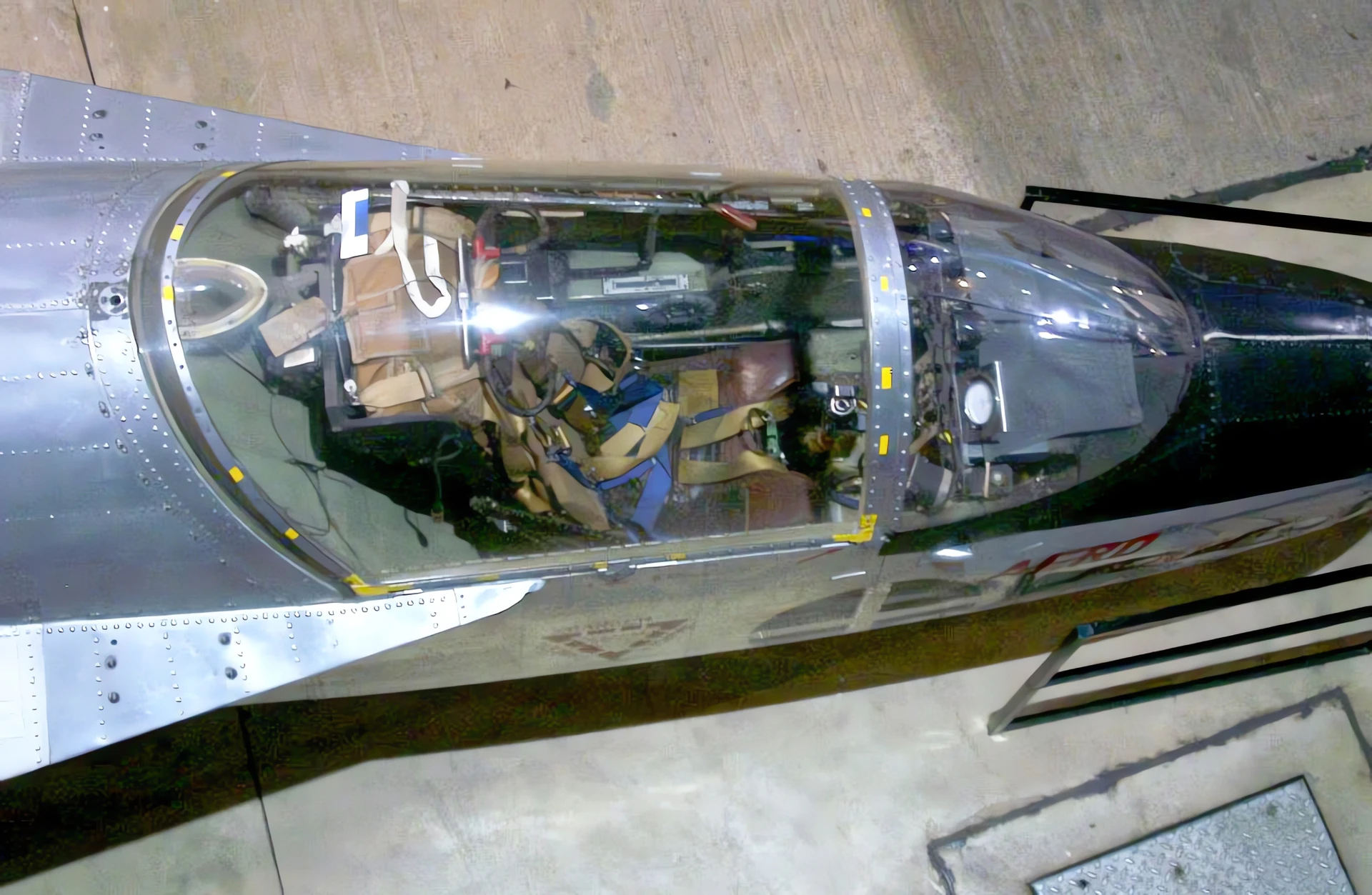
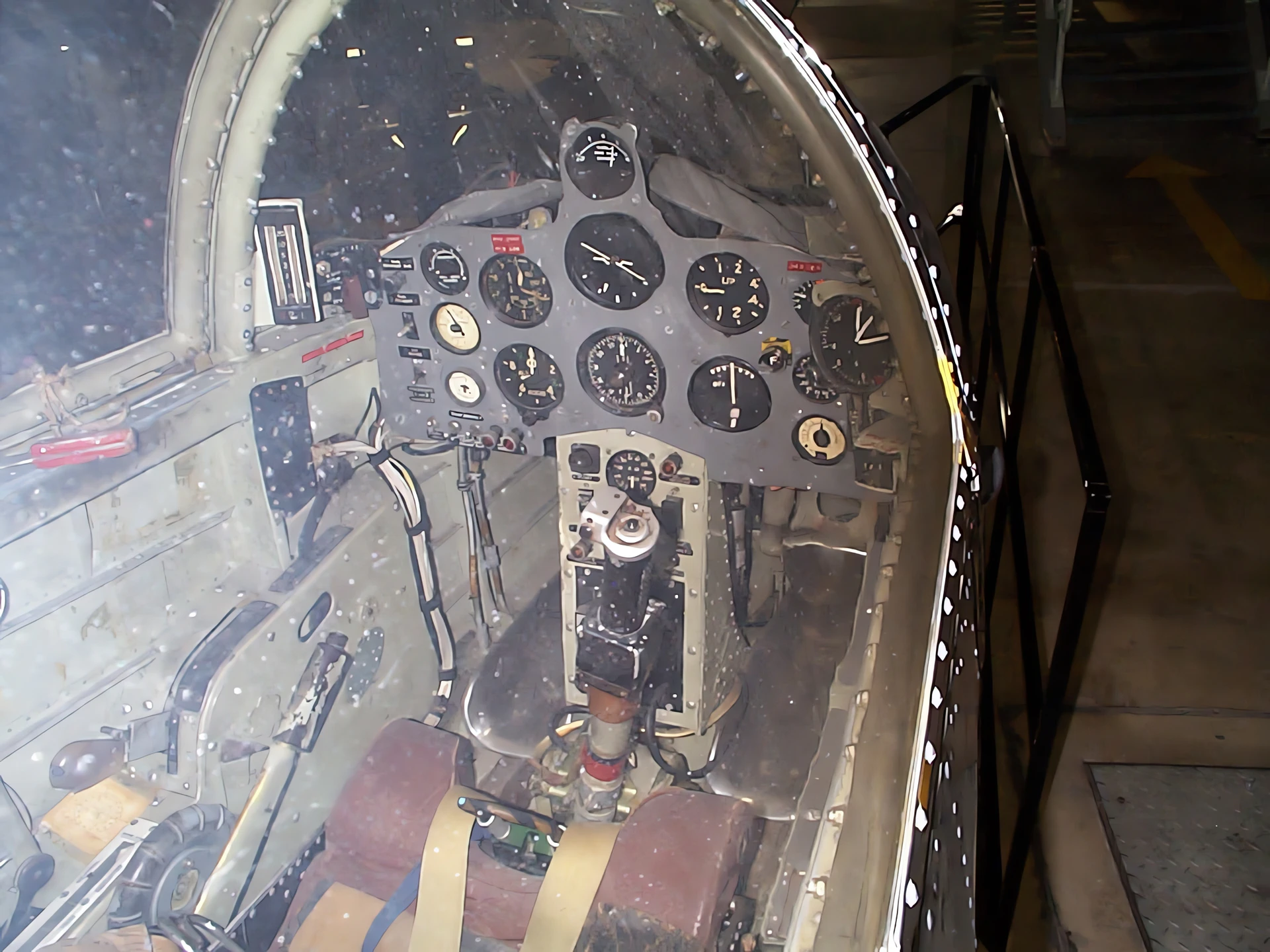
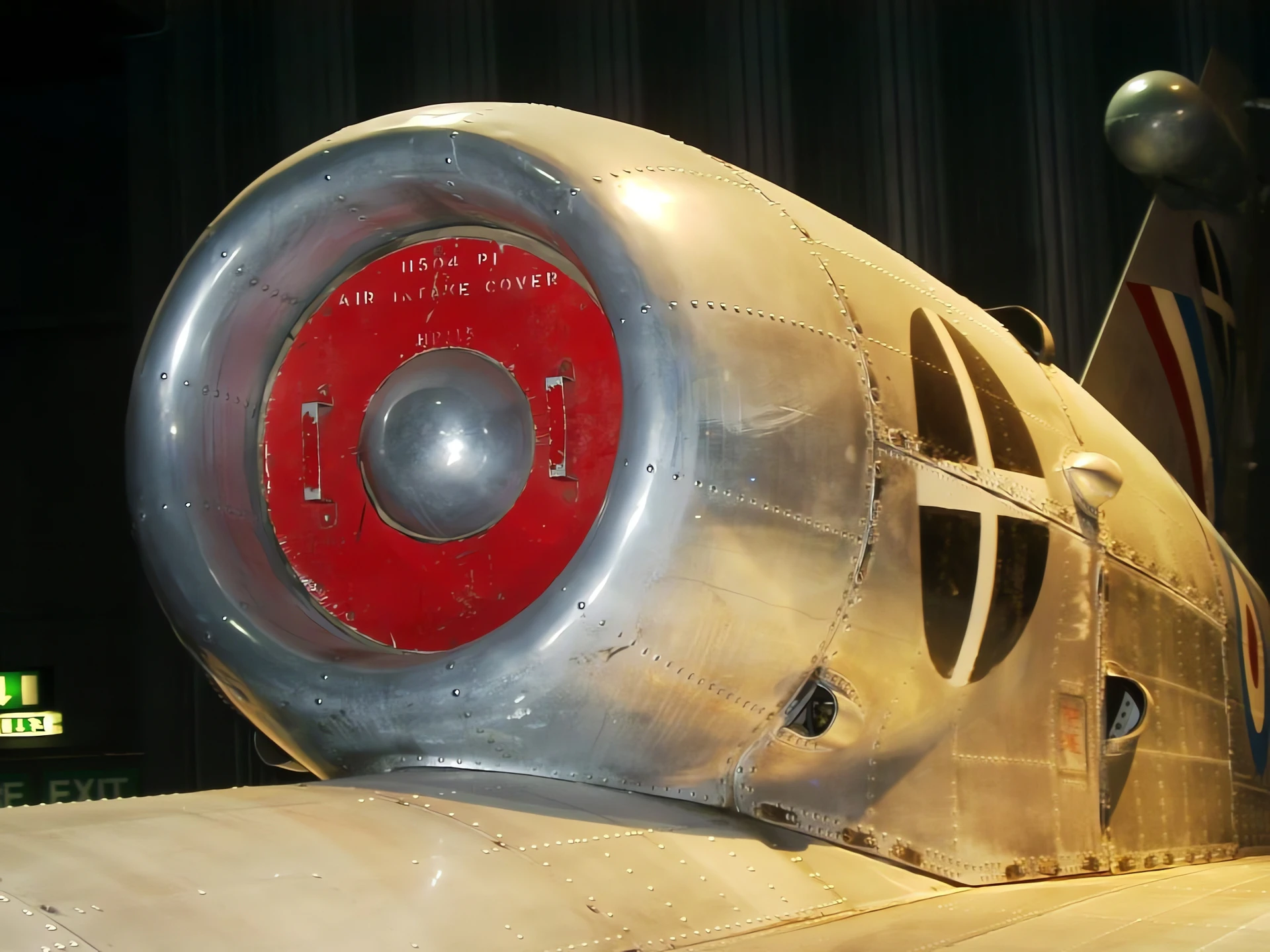
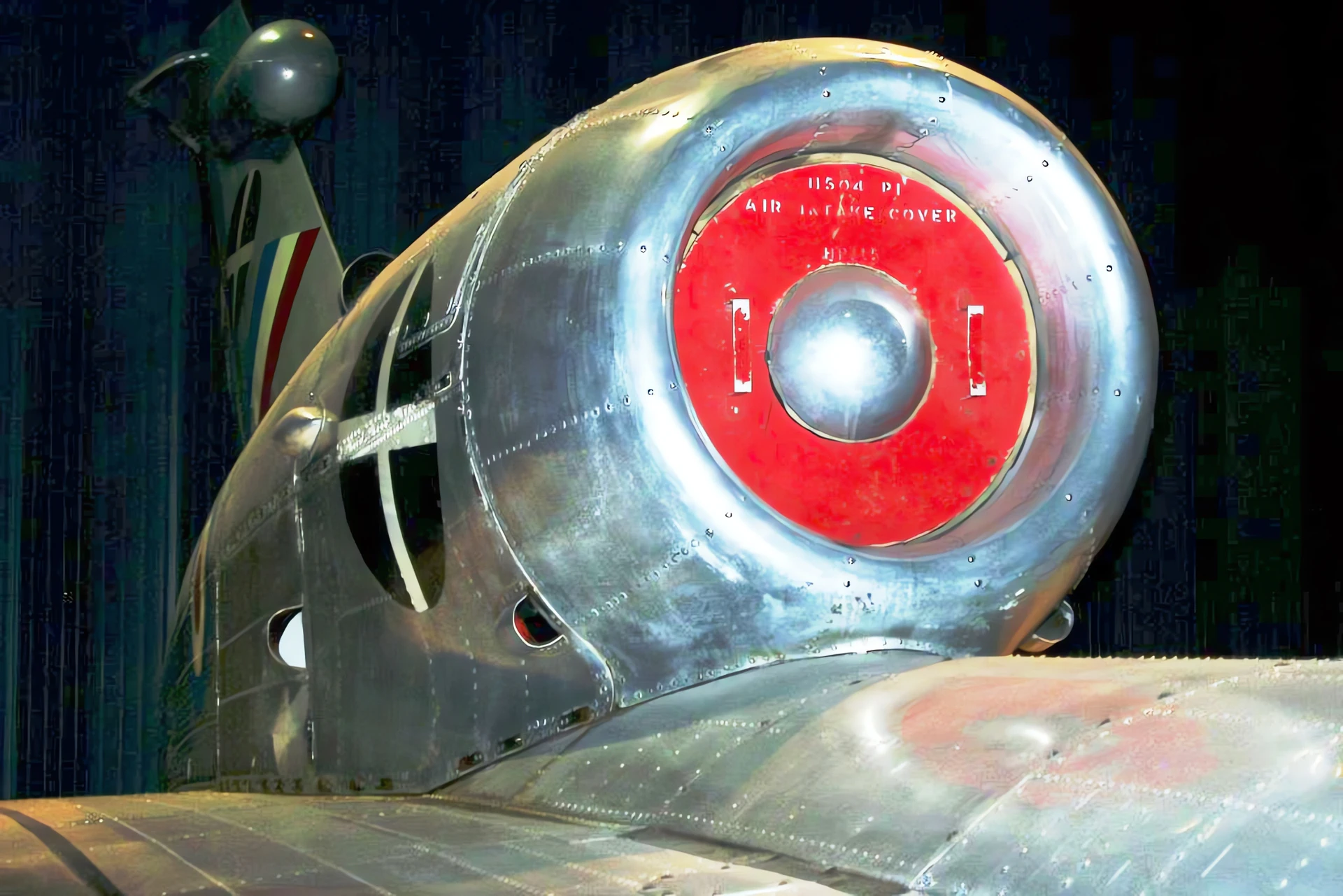
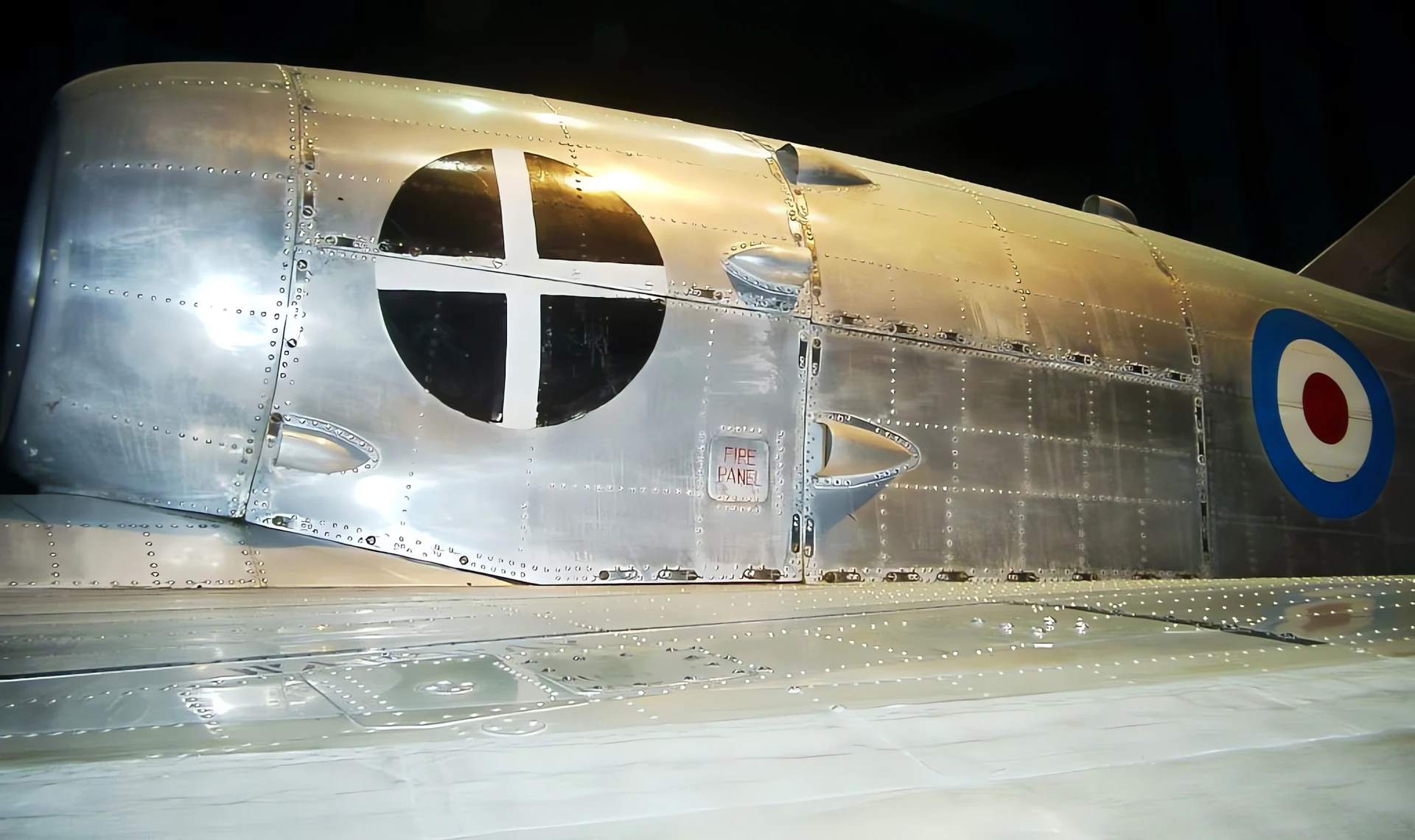
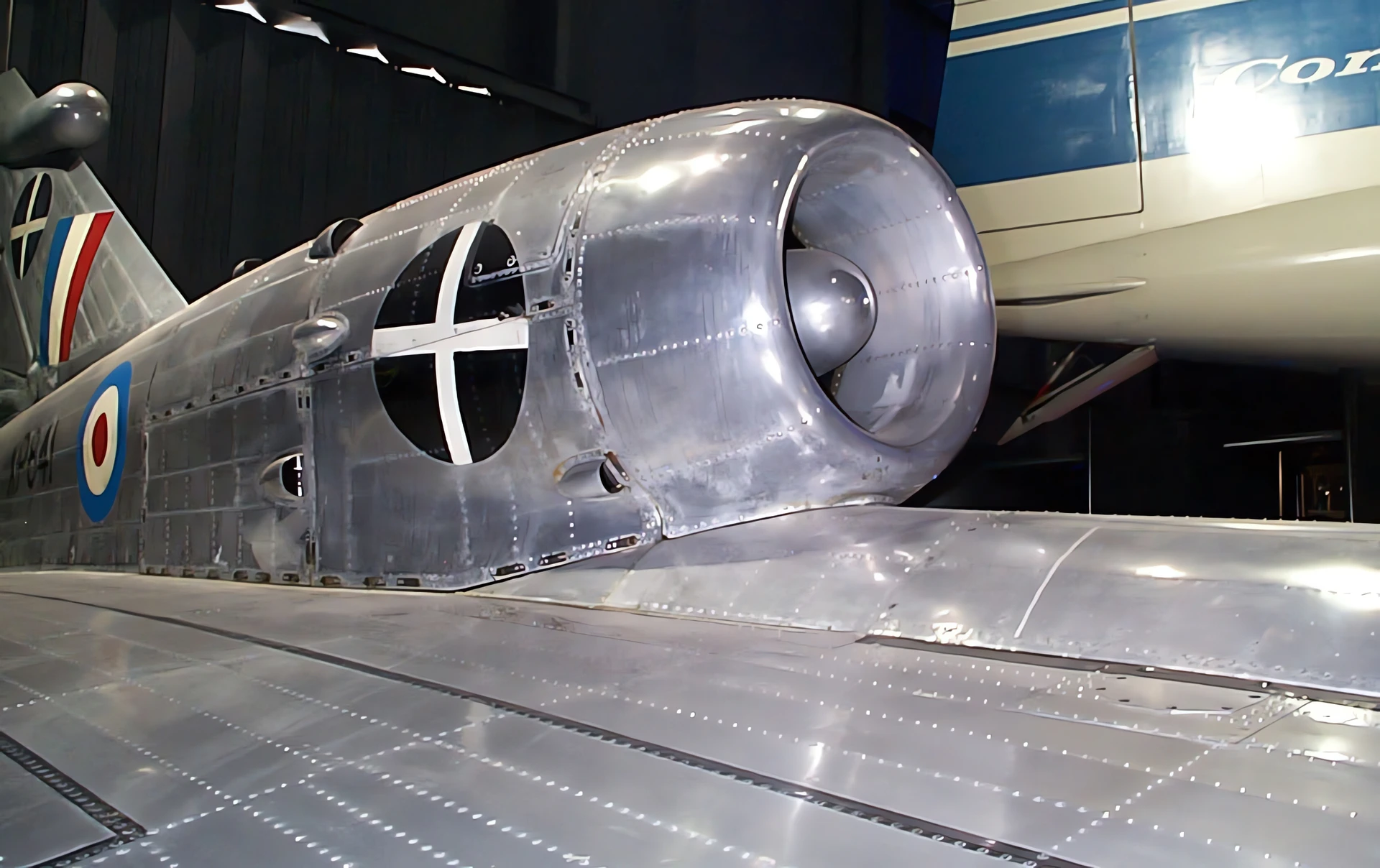
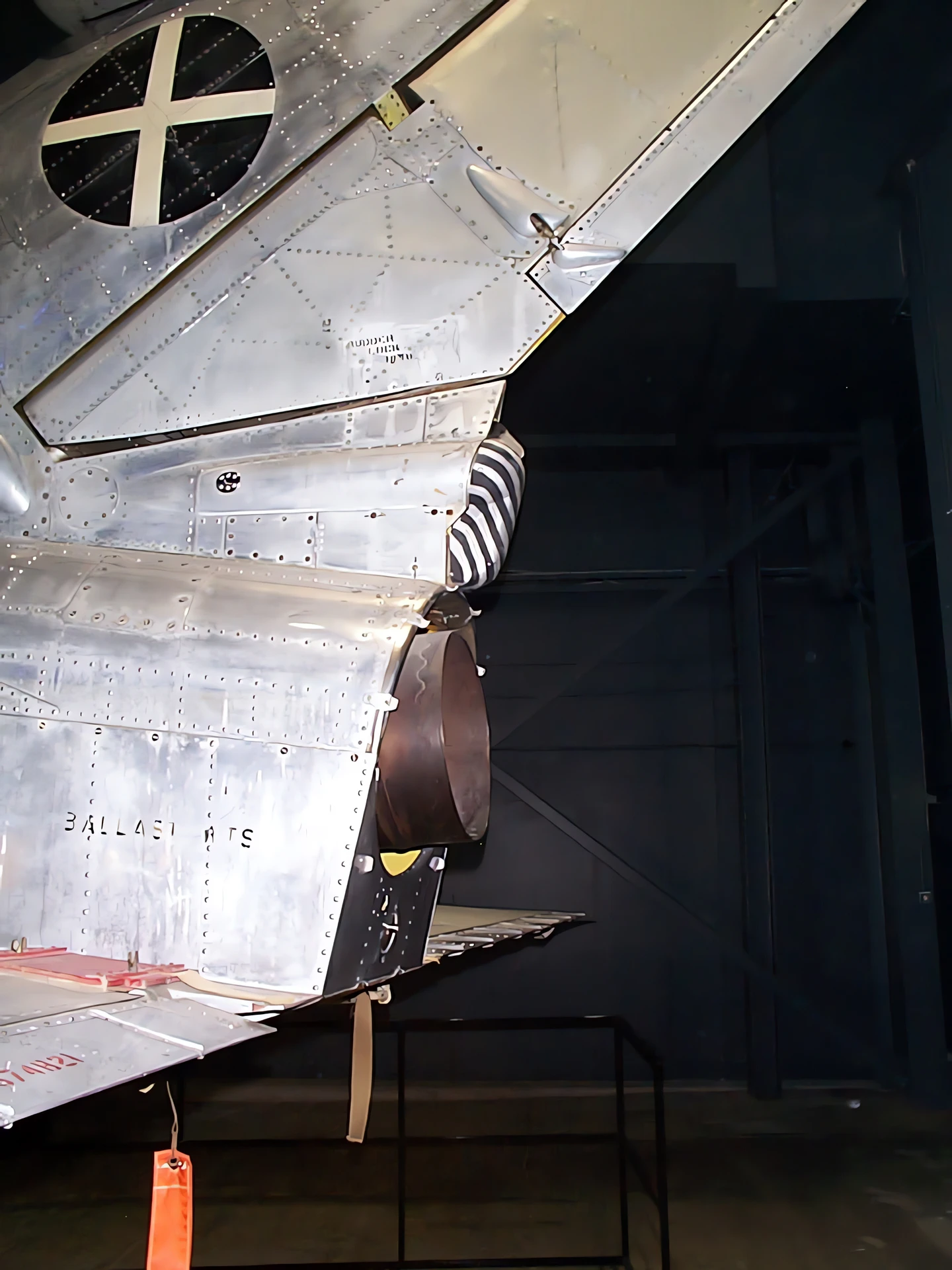

| Handley Page HP.115 (Prototype) Walk Around | |
|---|---|
| Fotograf | Unknow |
| Lokalizacija | Nepoznato |
| Fotografije | 21 |
Pogledajte i:


General Characteristics and Role
The Handley Page HP.115 was a small, experimental British research aircraft built to investigate the flight characteristics of an extremely slender delta wing at low speeds. It was part of a major research program in the United Kingdom aimed at developing the supersonic transport—the eventual Concorde. The HP.115’s specific purpose was to determine the handling qualities and low-speed stability needed for landing the proposed supersonic airliner. The aircraft had a fixed tricycle undercarriage and a high-mounted engine. Only one prototype was ever built (serial number XP841). Although limited in speed and range, the HP.115 successfully completed its research objectives, logging nearly 400 flights before being retired.
| Property | Typical Value (HP.115) |
|---|---|
| Ulogu | Experimental Research Aircraft |
| National Origin | Ujedinjeno Kraljevstvo |
| Proizvođača | Handley Page Aircraft Company |
| First Flight | 17 Avgust 1961 |
| Posada | 1 (Pilot) |
| Dužina | 15.47 m (50 ft 9 in) |
| Raspon krila | 6.60 m (21 ft 8 in) |
| Wing Area | 37.2 m² (400 sq ft) |
| Empty Weight | 2,240 kg (4,940 lb) |
| Max Takeoff Weight | 3,450 kg (7,600 lb) |
Powerplant and Performance
- Engine: 1 x Bristol Siddeley Viper 9 turbojet engine.
- Thrust: 8.41 kN (1,890 lbf).
- Wing Sweep: Extremely slender delta wing with a 74.7° leading-edge sweep, which was the key experimental feature.
- Maximum Speed: Approx. 399 km/h (248 mph; 215 kn).
- Service Ceiling: 5,000 m (16,400 ft).
- Crucial Contribution: The flight data collected from the HP.115 was vital in confirming the stability and control characteristics that would be incorporated into the Concorde’s design.
Status and Legacy
- Testing Period: The HP.115 carried out research flights at the Royal Aircraft Establishment (RAE) Bedford between 1961 and 1974.
- Retirement: The sole prototype was retired from flying in 1974.
- Preservation: The single Handley Page HP.115 is now preserved and on public display at the Fleet Air Arm Museum at RNAS Yeovilton, Somerset, UK.
Broj posetilaca: 2396
Možete videti i :
 FVM Ö1 Tummelisa – Photos & Videos
 Morane-Saulnier Alcyon – Photos & Videos
 Nanchang Q-5 – Photos & Videos
 Savoia-Marchetti SM.82 – Photos & Videos
 Ilyushin Il-28 – Photos & Videos
 Stout Bushmaster 2000 – Photos & Videos
 Petlyakov Pe-2 – Photos & Videos
 Fiat G.91 – Photos & Videos
 B-35 – de Havilland Mosquito – WalkAround
 Mirage IIIC – WalkAround