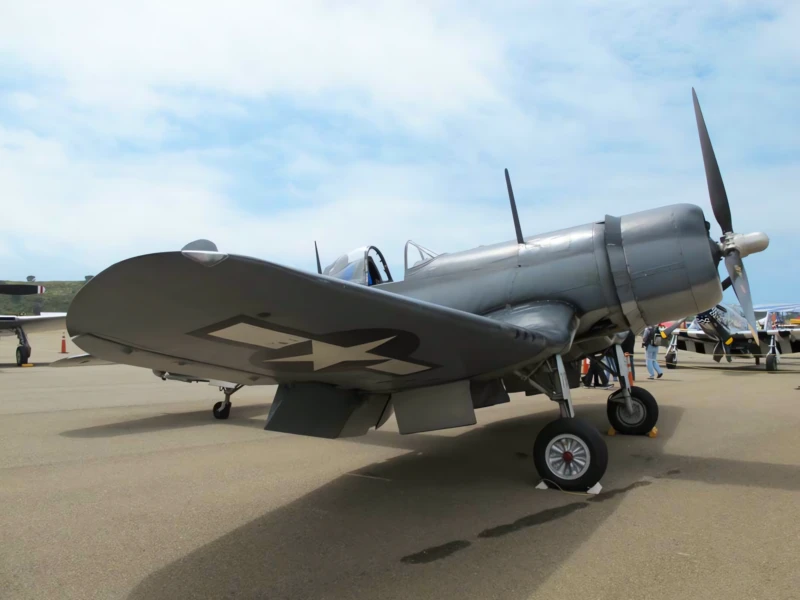
Vought F4U Corsair | |
|---|---|
| Pays | Usa |
| Rôle | Chasseur-bombardier basé sur le porte-avions |
| Produit | 1942–53 |
| Nombre construit | 12571 |
Lla Vought F4U Corsair est un avion de chasse américain qui a vu le service principalement pendant la Seconde Guerre mondiale et la guerre de Corée. La demande pour l’avion bientôt dépassé Vought’capacité de fabrication, ce qui a donné lieu à la production par Goodyear et Brewster : Les Corsairs construits à Goodyear ont été désignés avions F3A construits par FG et Brewster. De la première livraison de prototypes à l’US Navy en 1940, à la livraison finale en 1953 au Français, 12 571 Corsairs F4U ont été fabriqués, en 16 modèles distincts, dans la plus longue série de production de tous les chasseurs à moteur à pistons de l’histoire des États-Unis (1942-1953)
Source: Vought F4U Corsair sur Wiki
| Vought F4U-1A Corsair Se promener | |
|---|---|
| Photographe | Vladimir Yakubov |
| Localisation | Machines pacific coast dream 2014 |
| Photos | 98 |
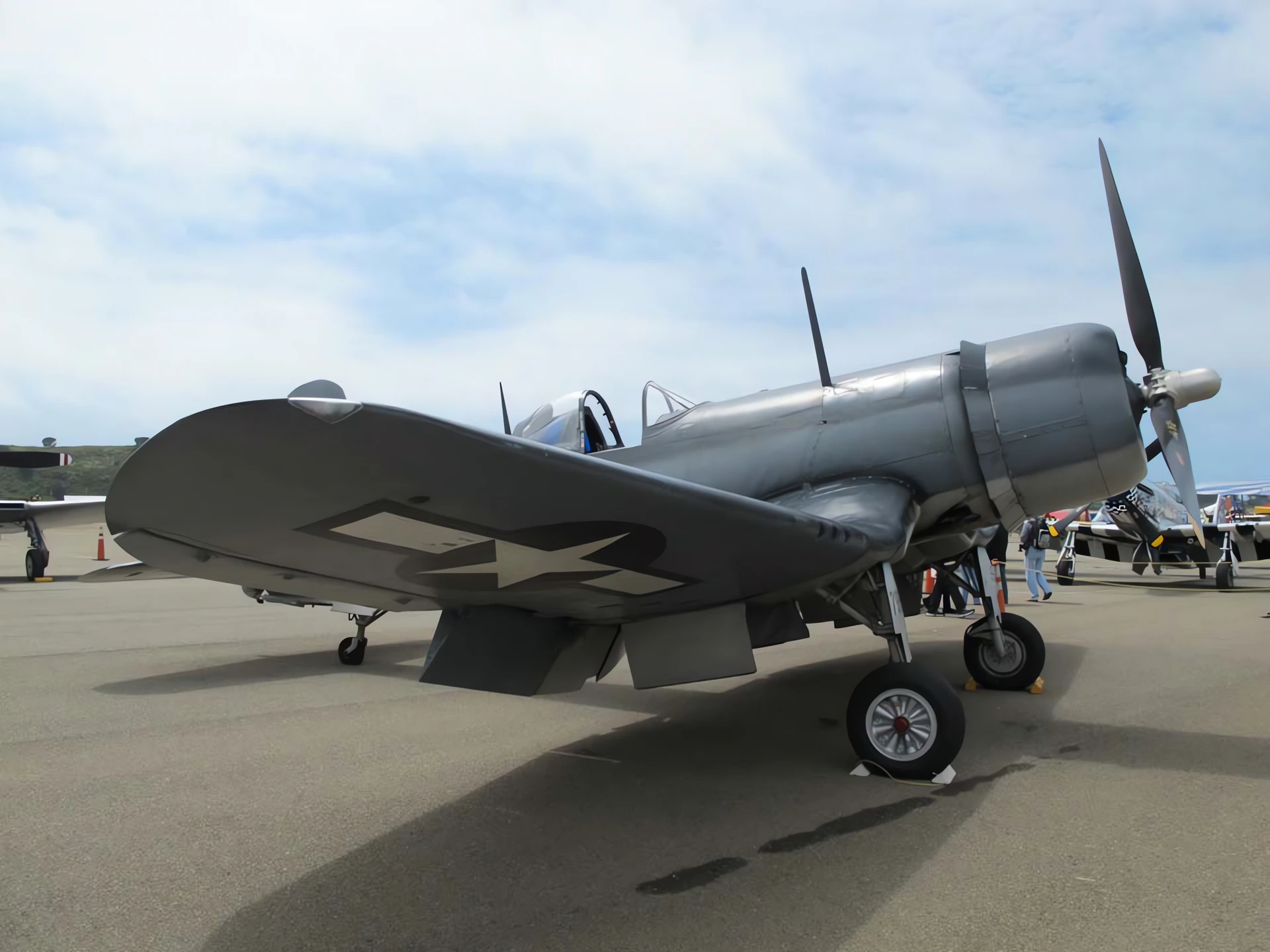
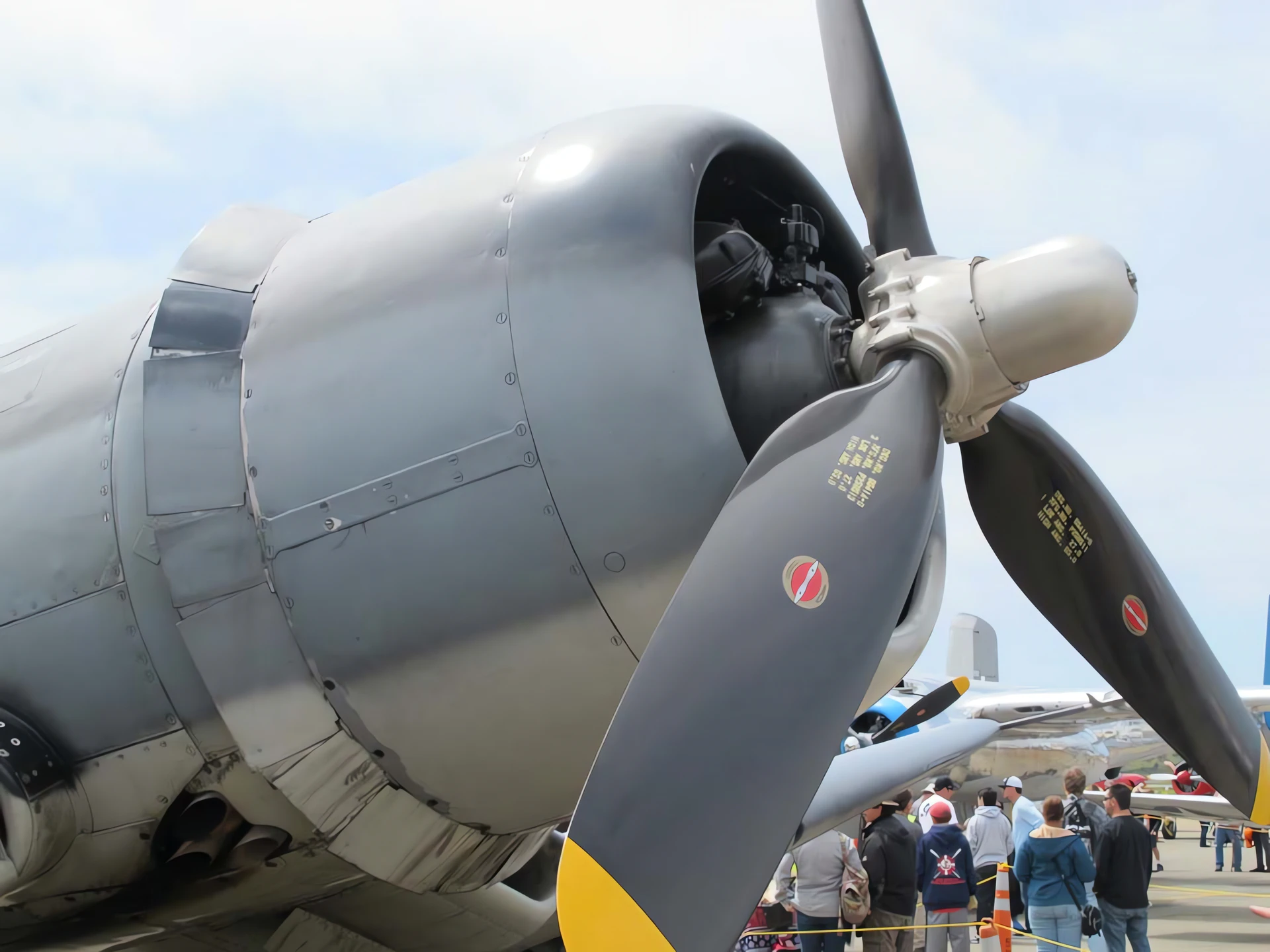
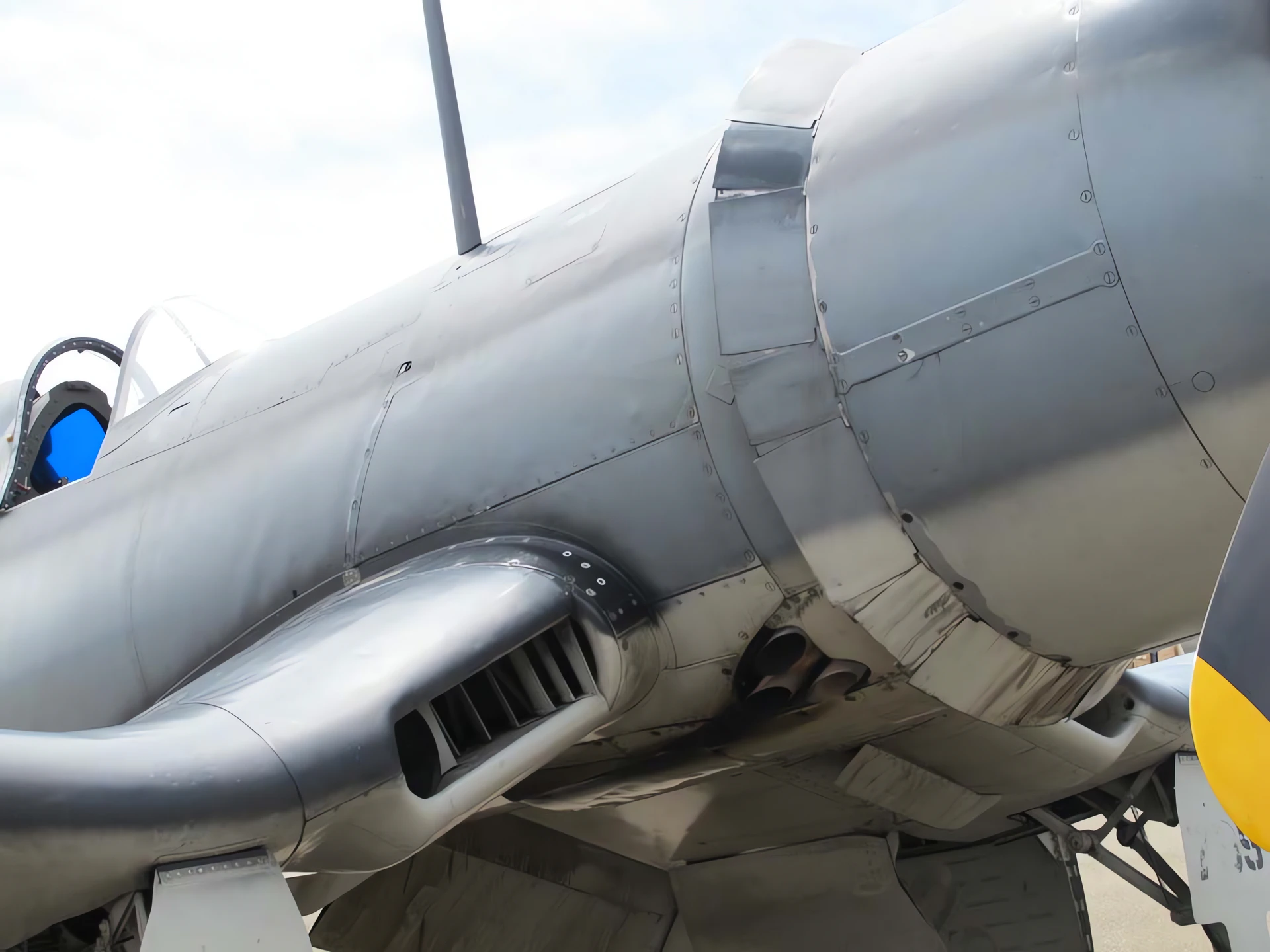
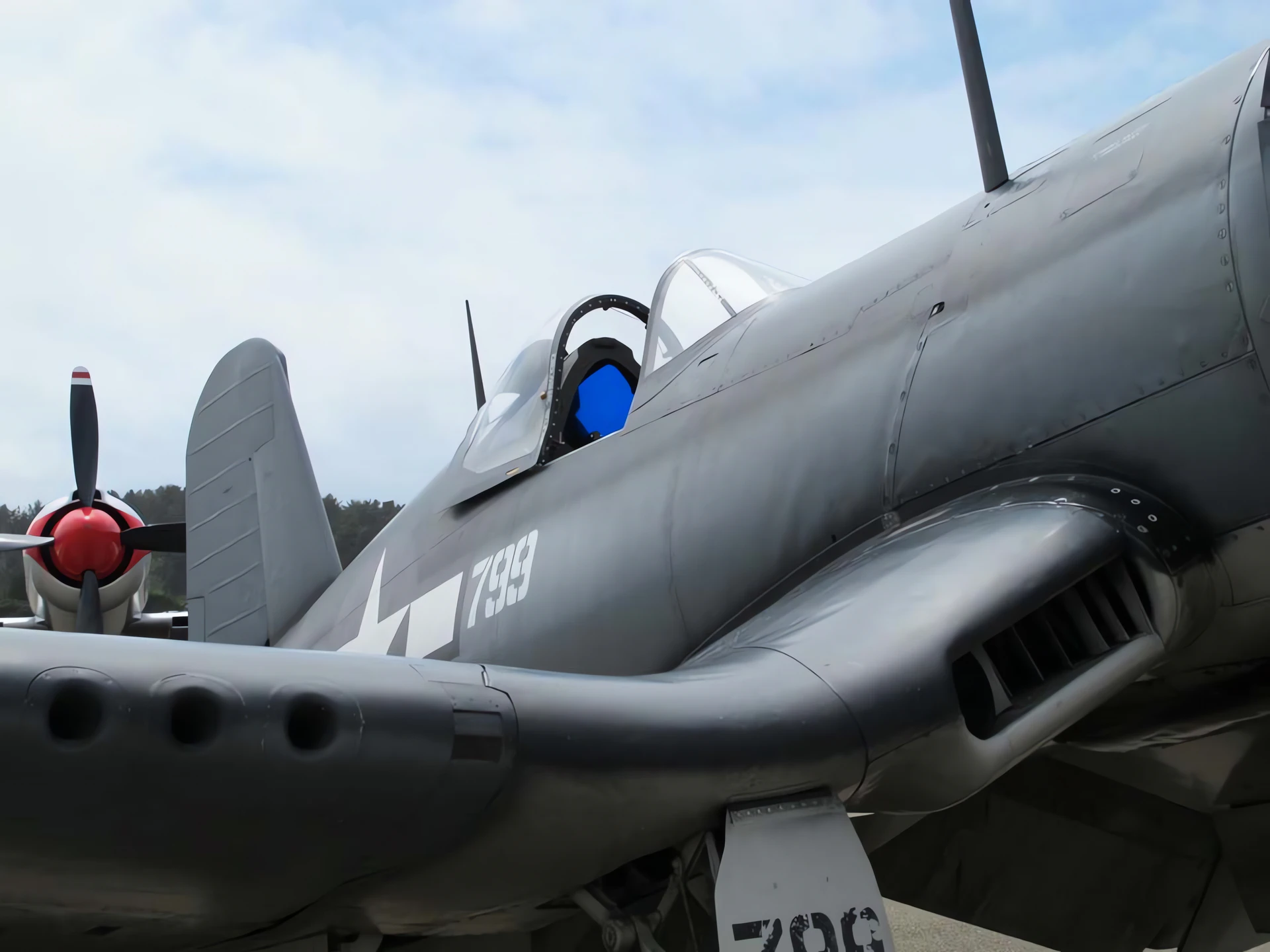
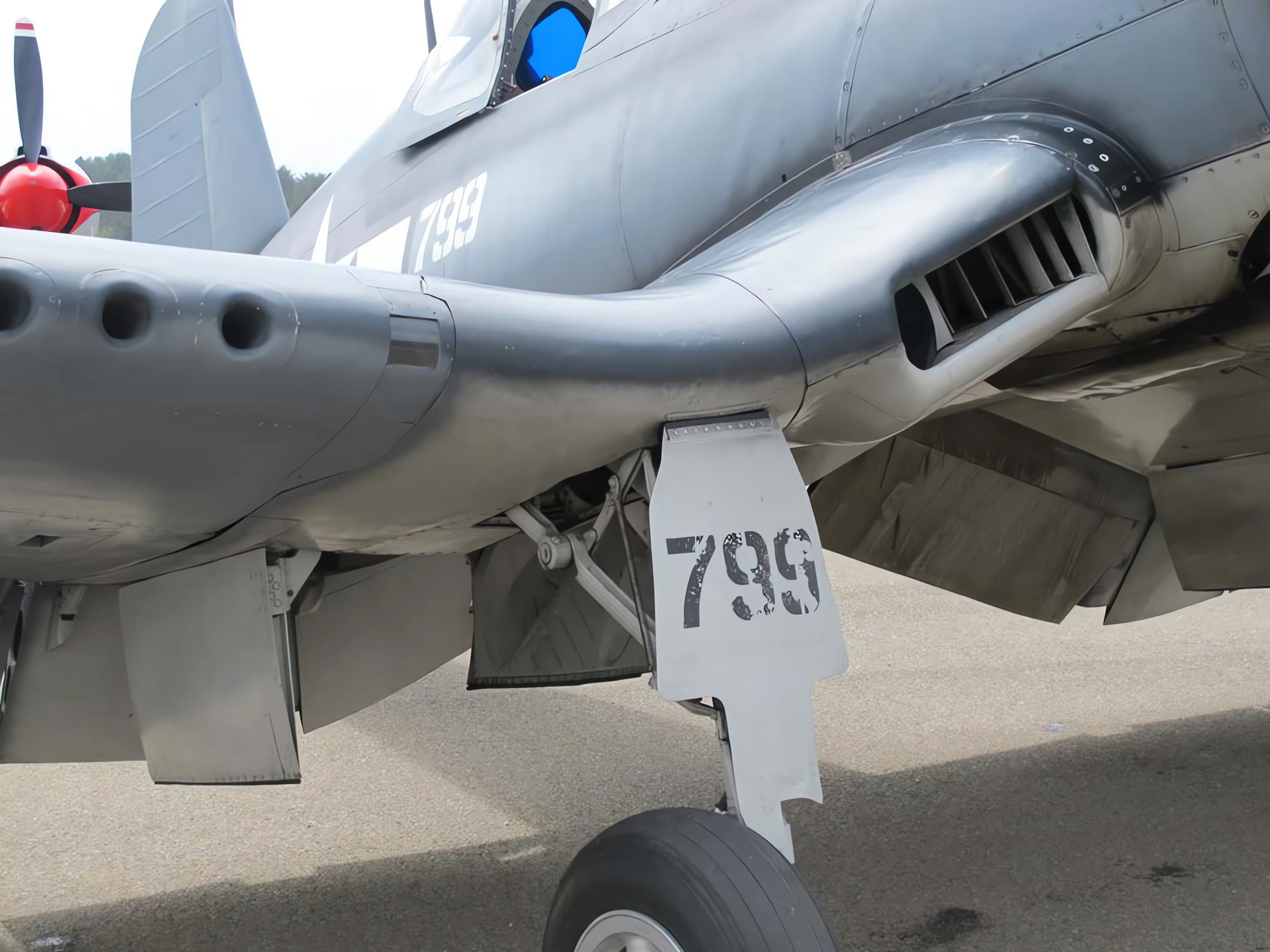
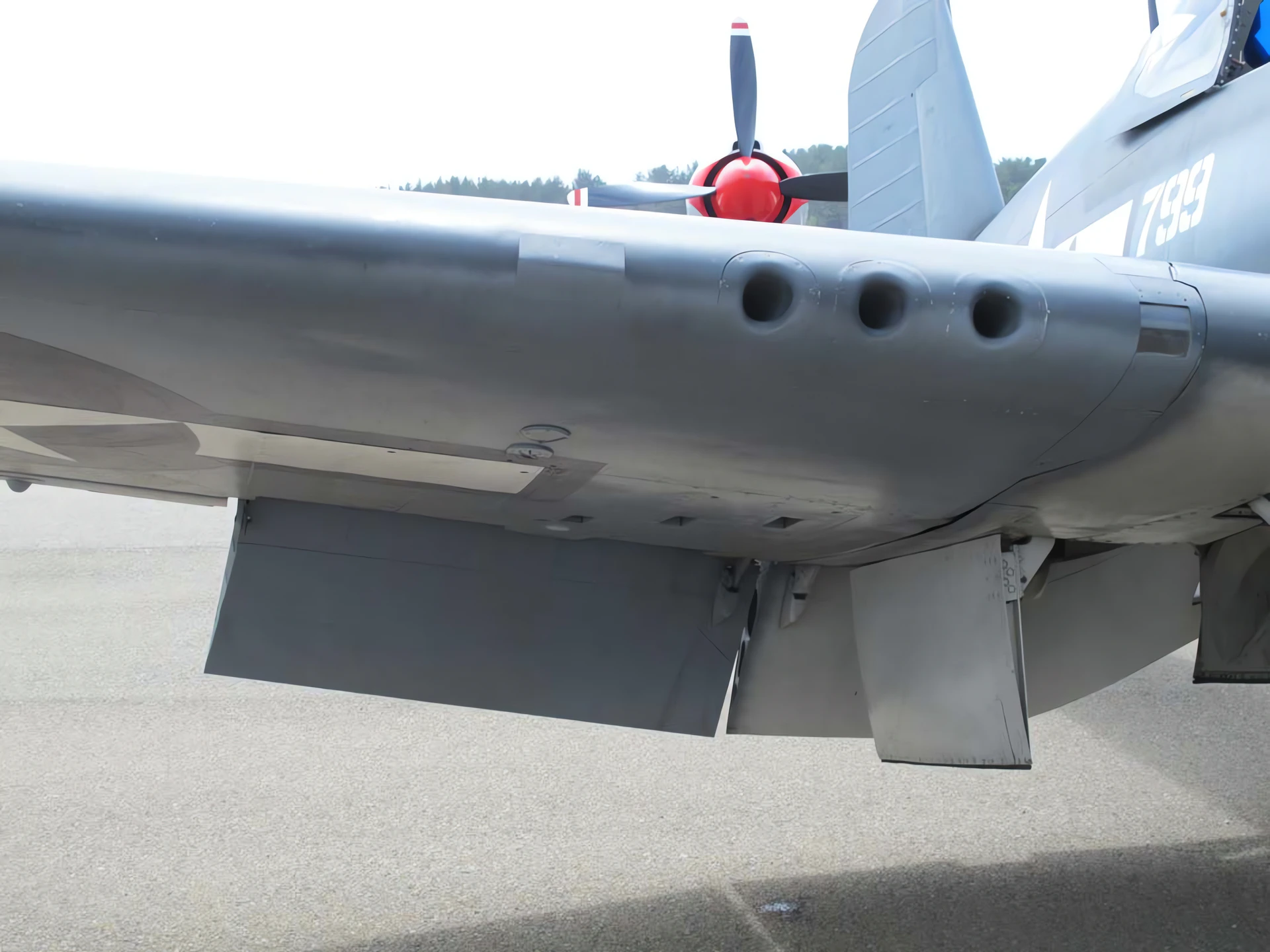
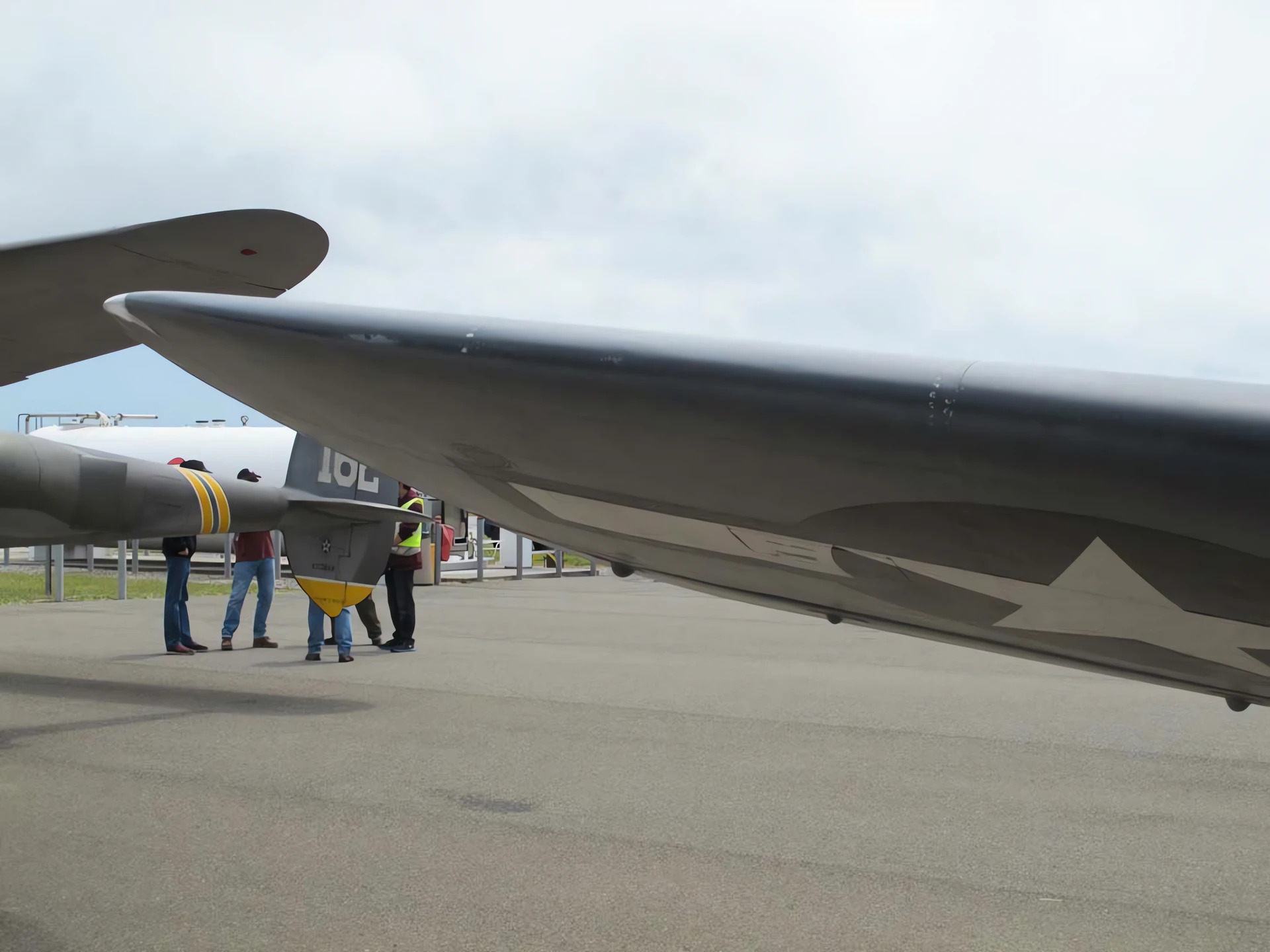
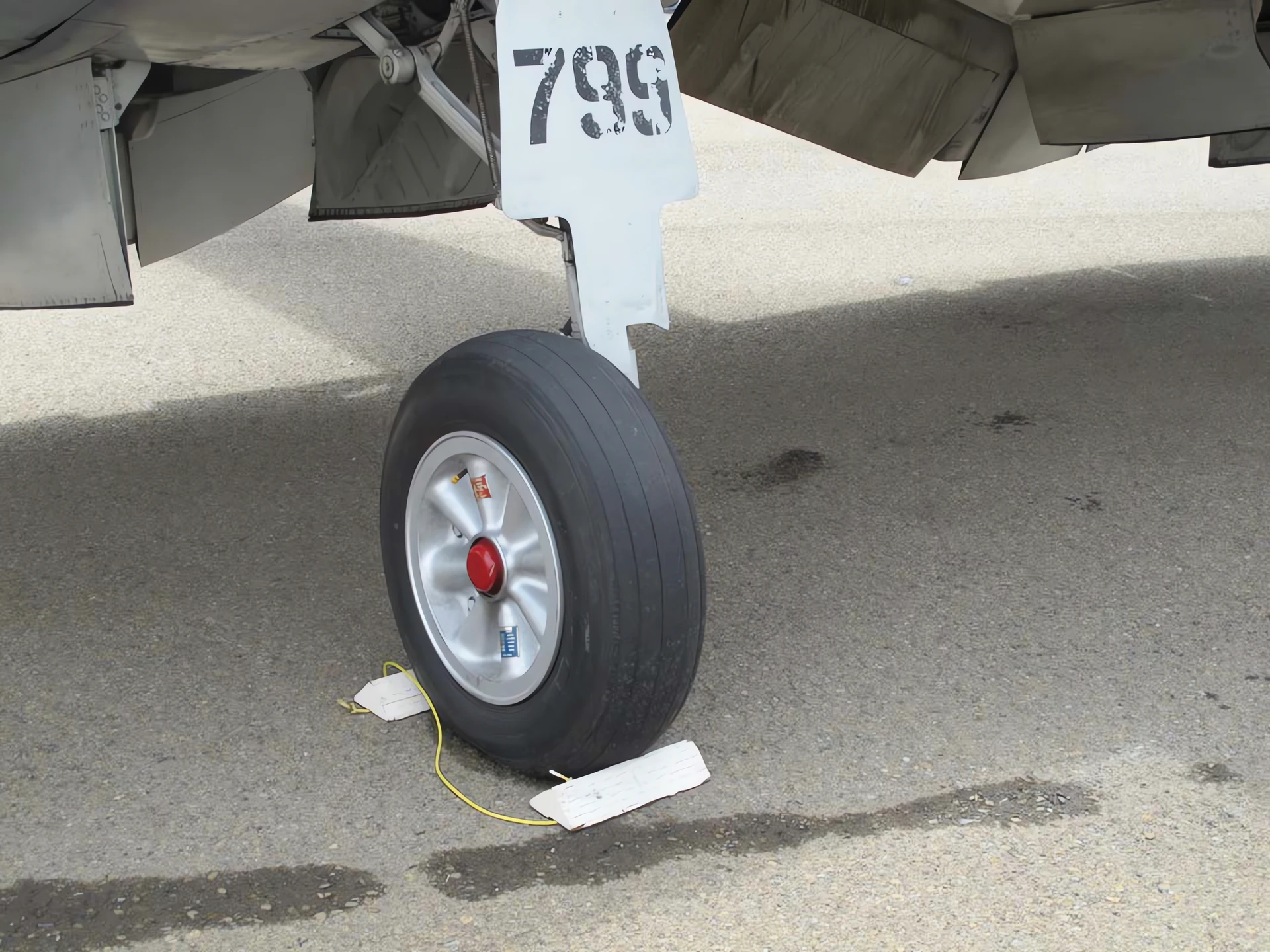
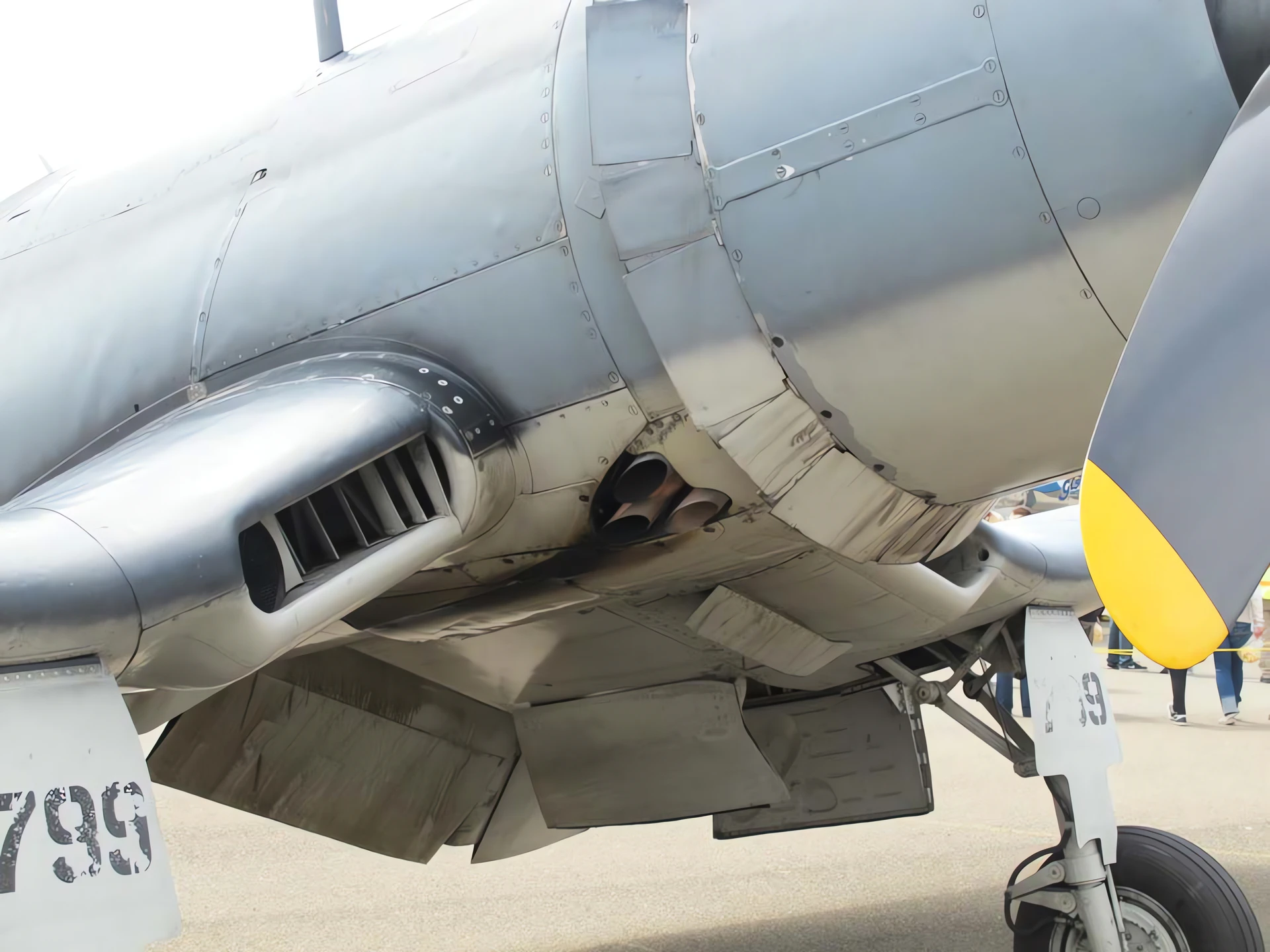

| FG-1D Corsair Walk Around | |
|---|---|
| Photographe | Cees Hendriks |
| Localisation | Inconnu |
| Photos | 106 |
| F4U-1D Corsair | |
|---|---|
| Photographe | Cees Hendriks |
| Localisation | Inconnu |
| Photos | 51 |

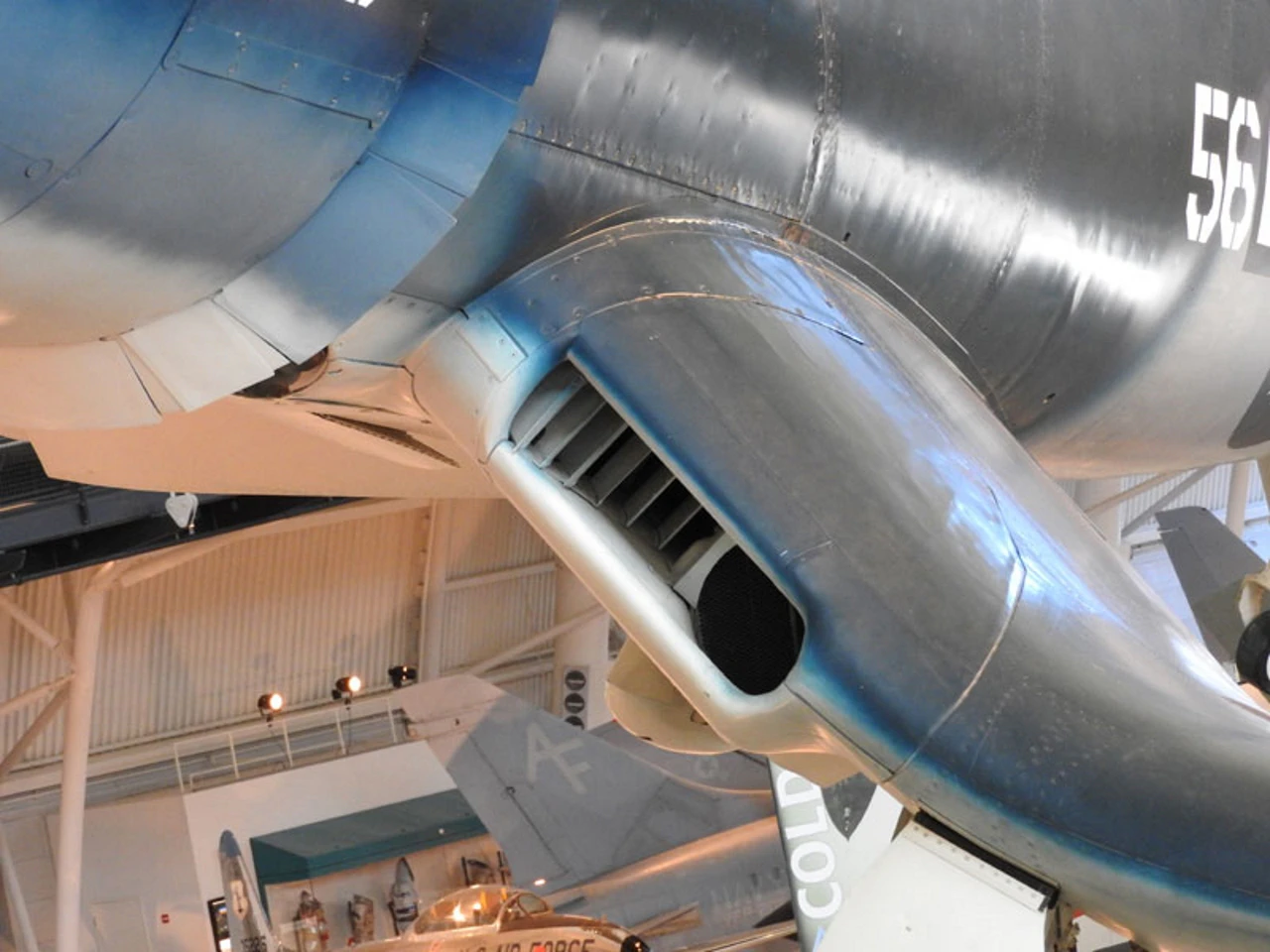
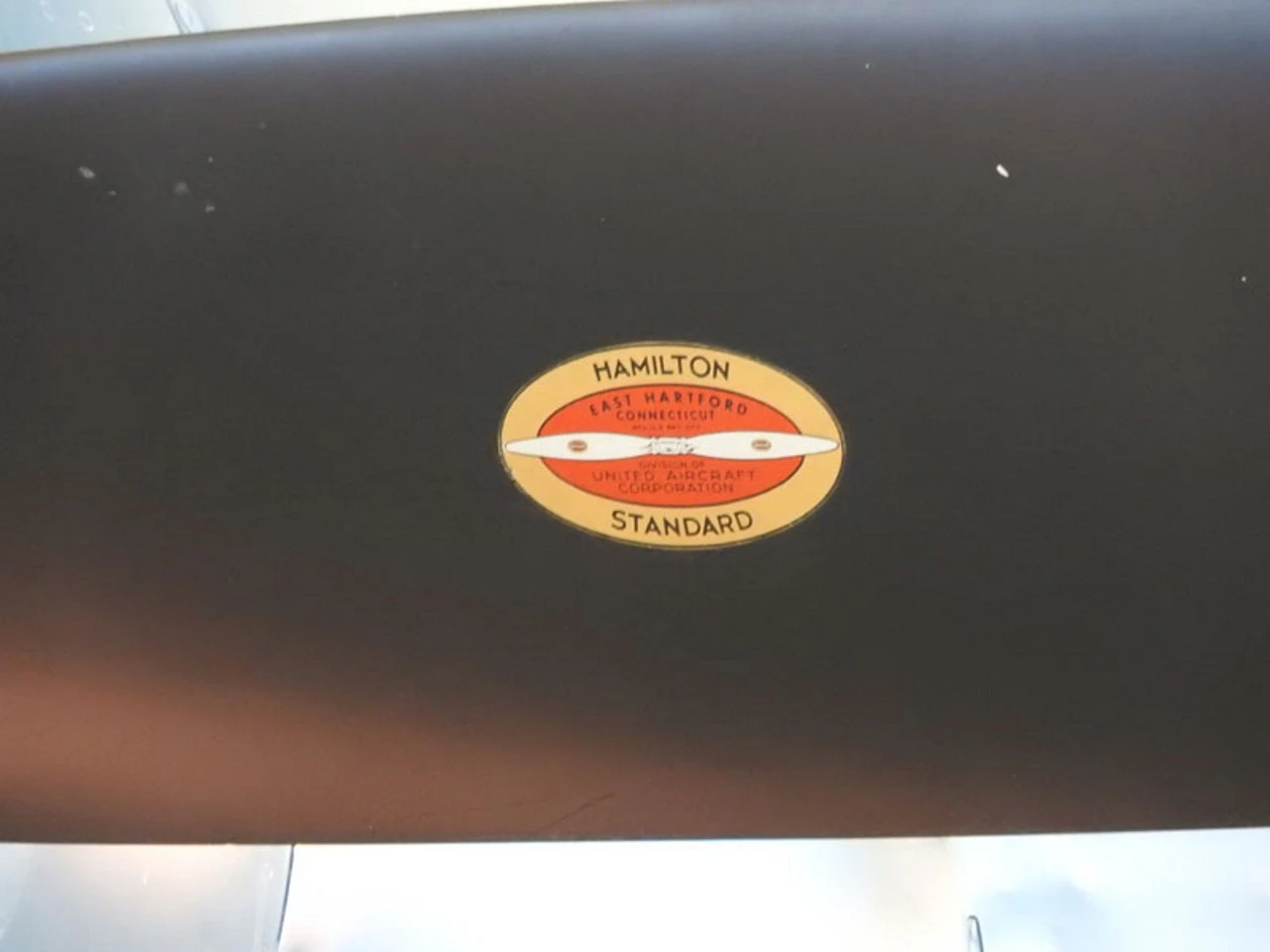
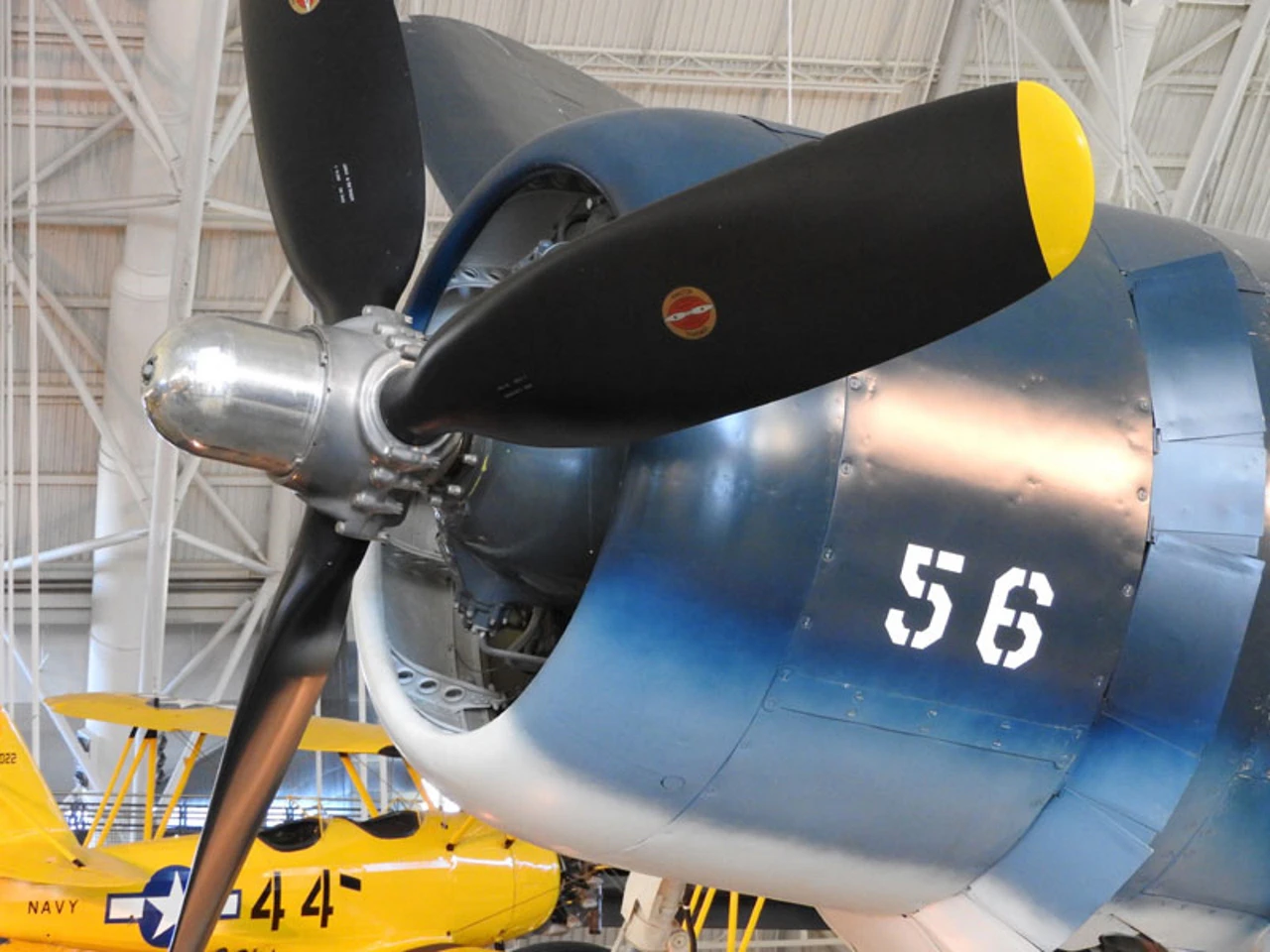
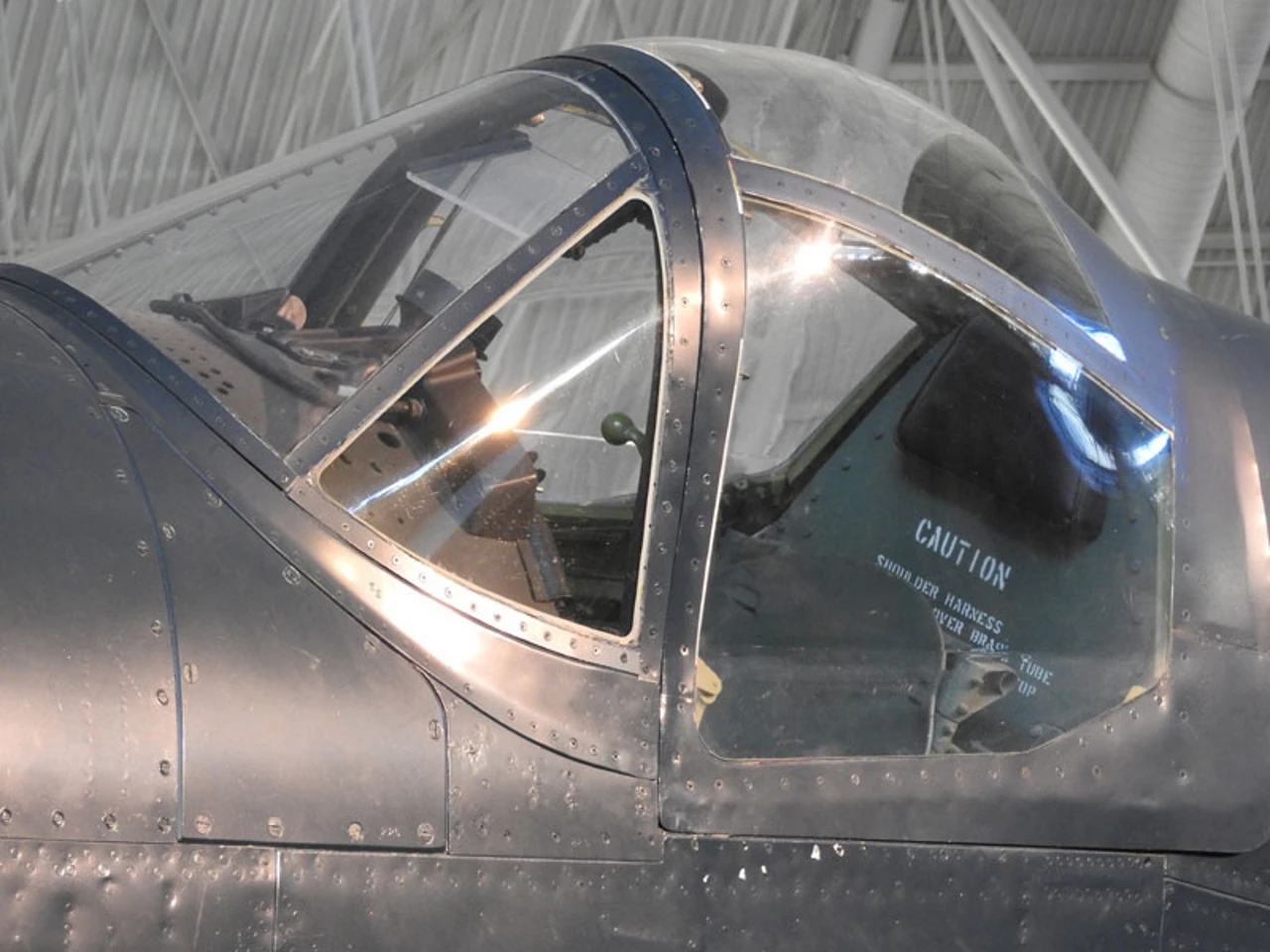
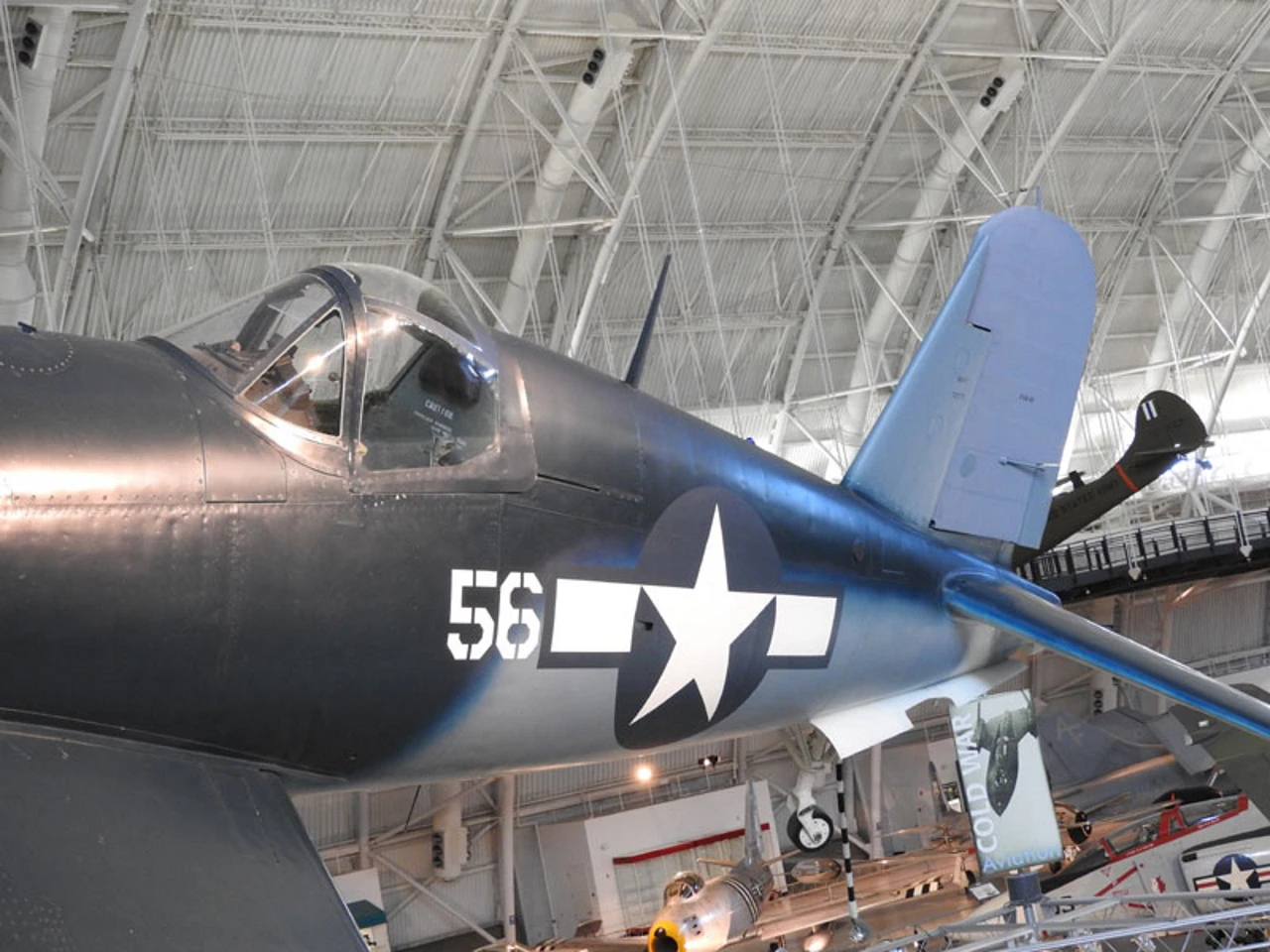
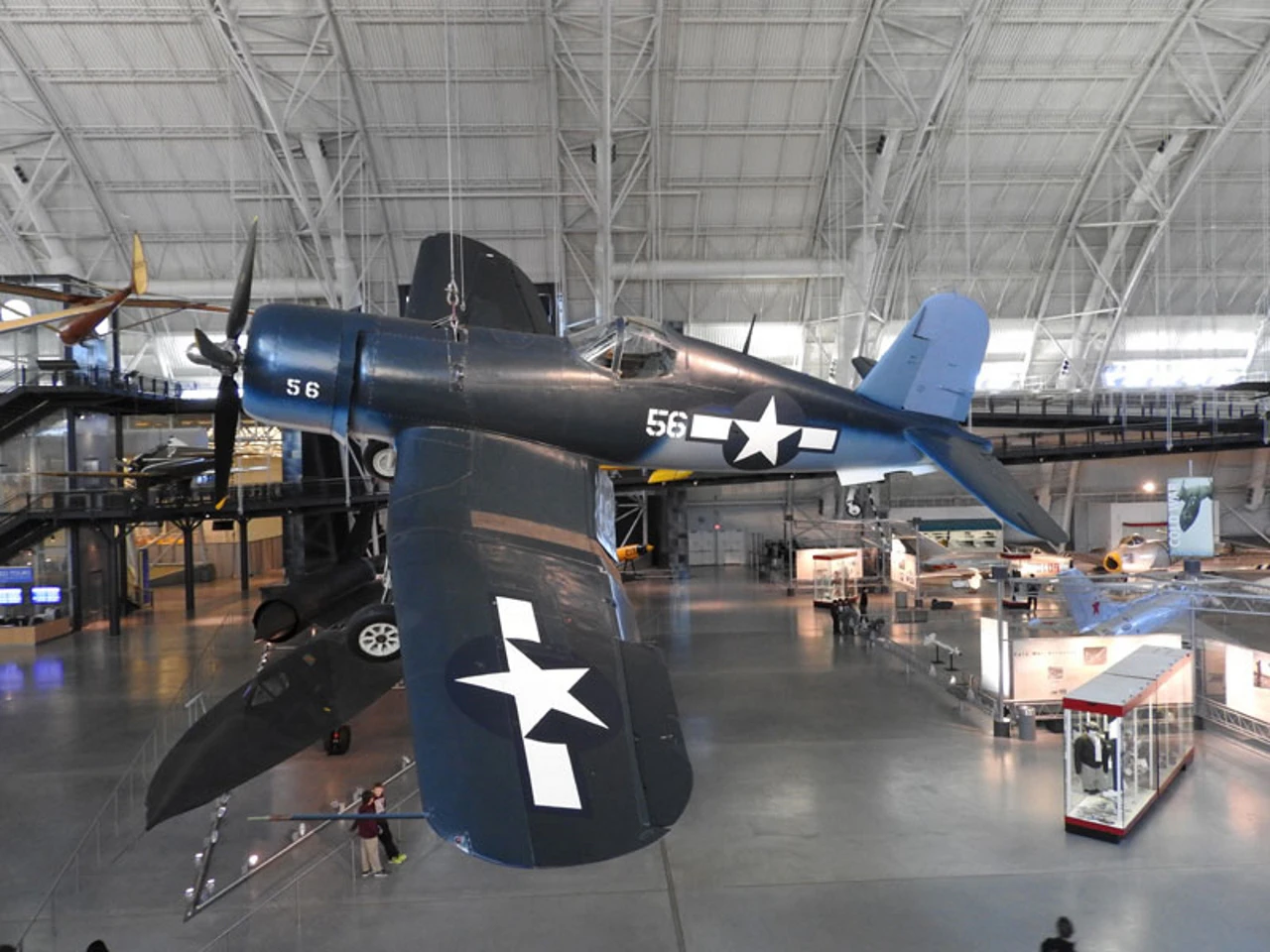
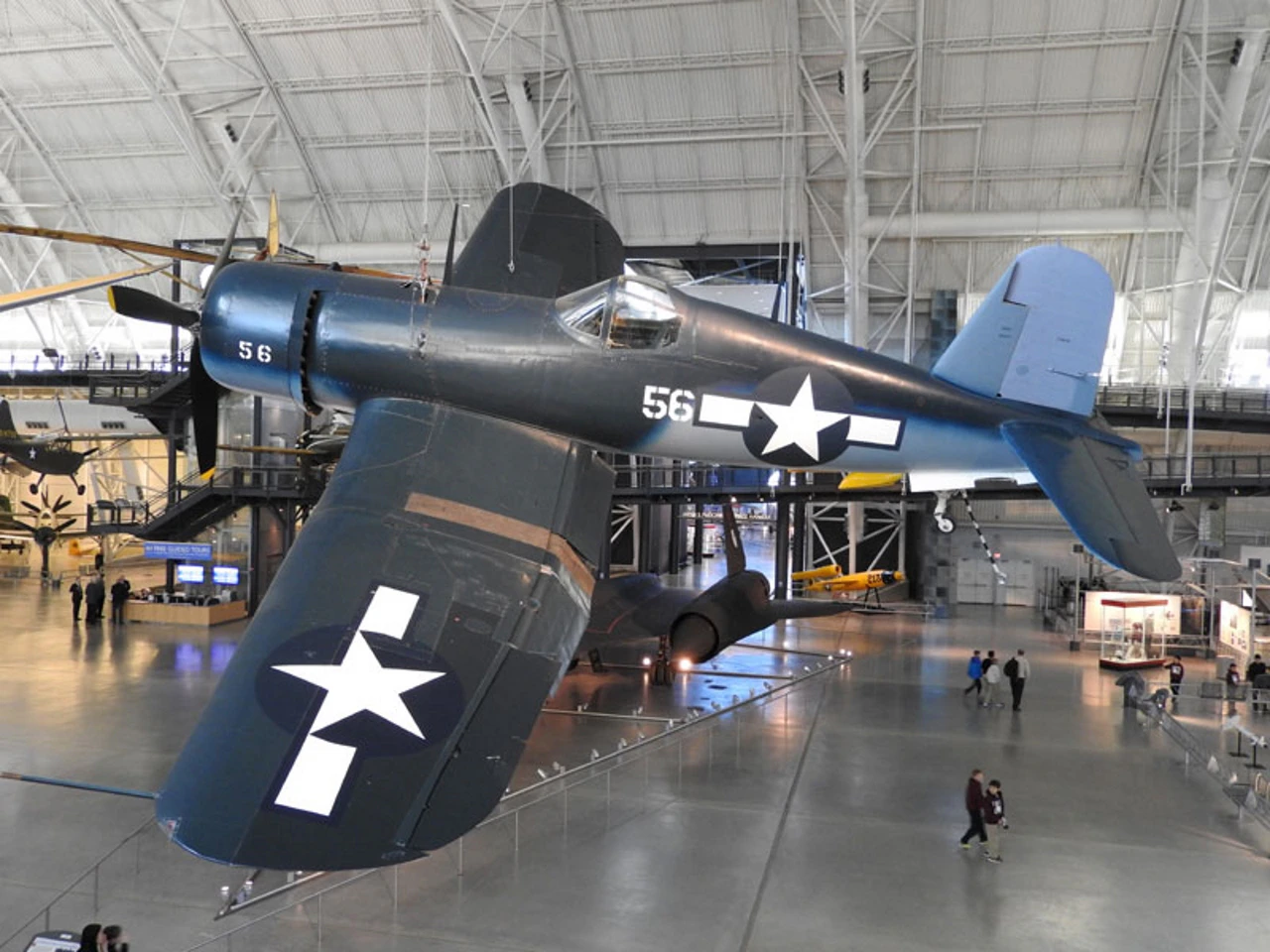
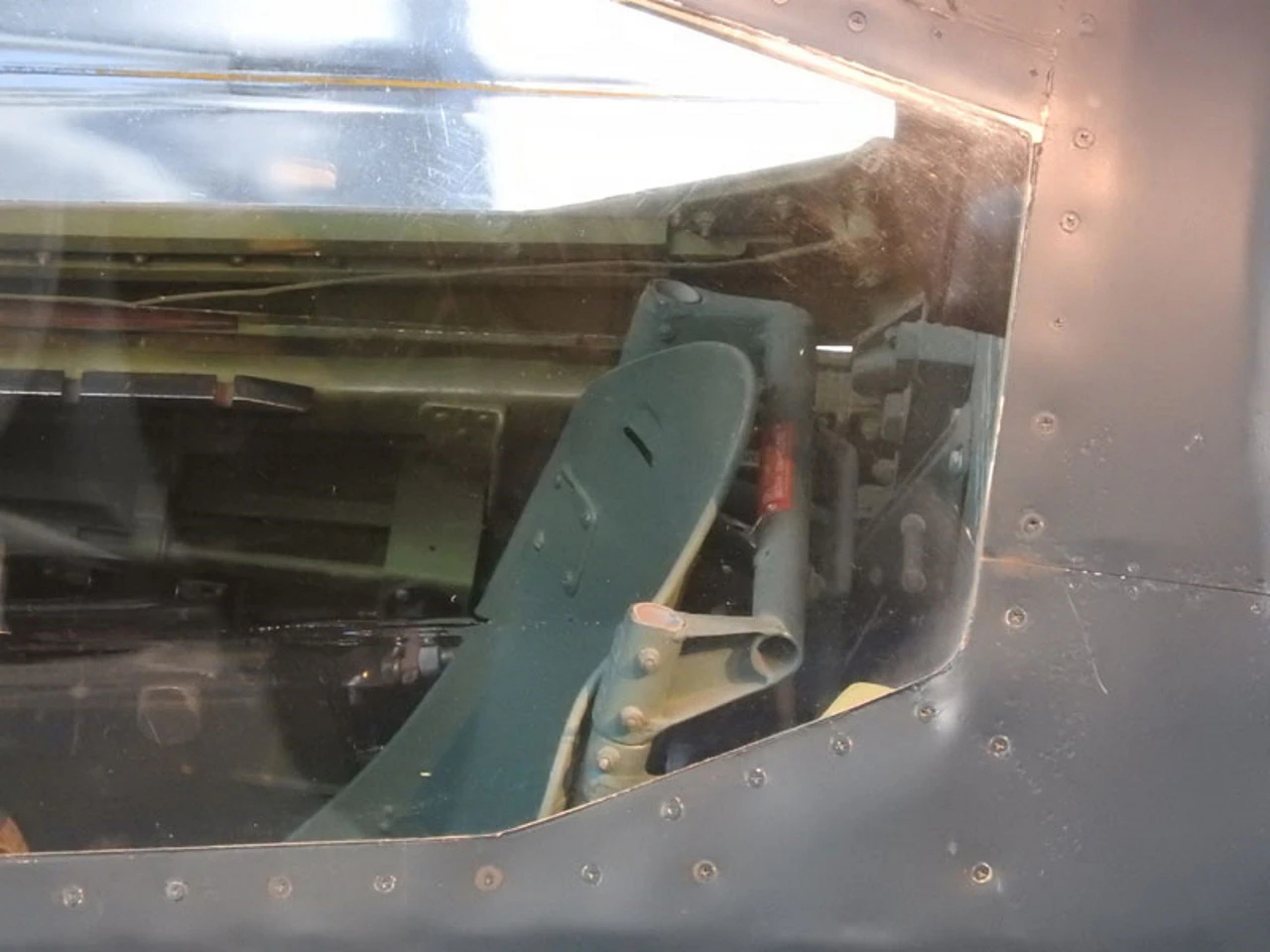
| F4U-5N Corsair Walk Around | |
|---|---|
| Photographe | Cees Hendriks |
| Localisation | Inconnu |
| Photos | 47 |
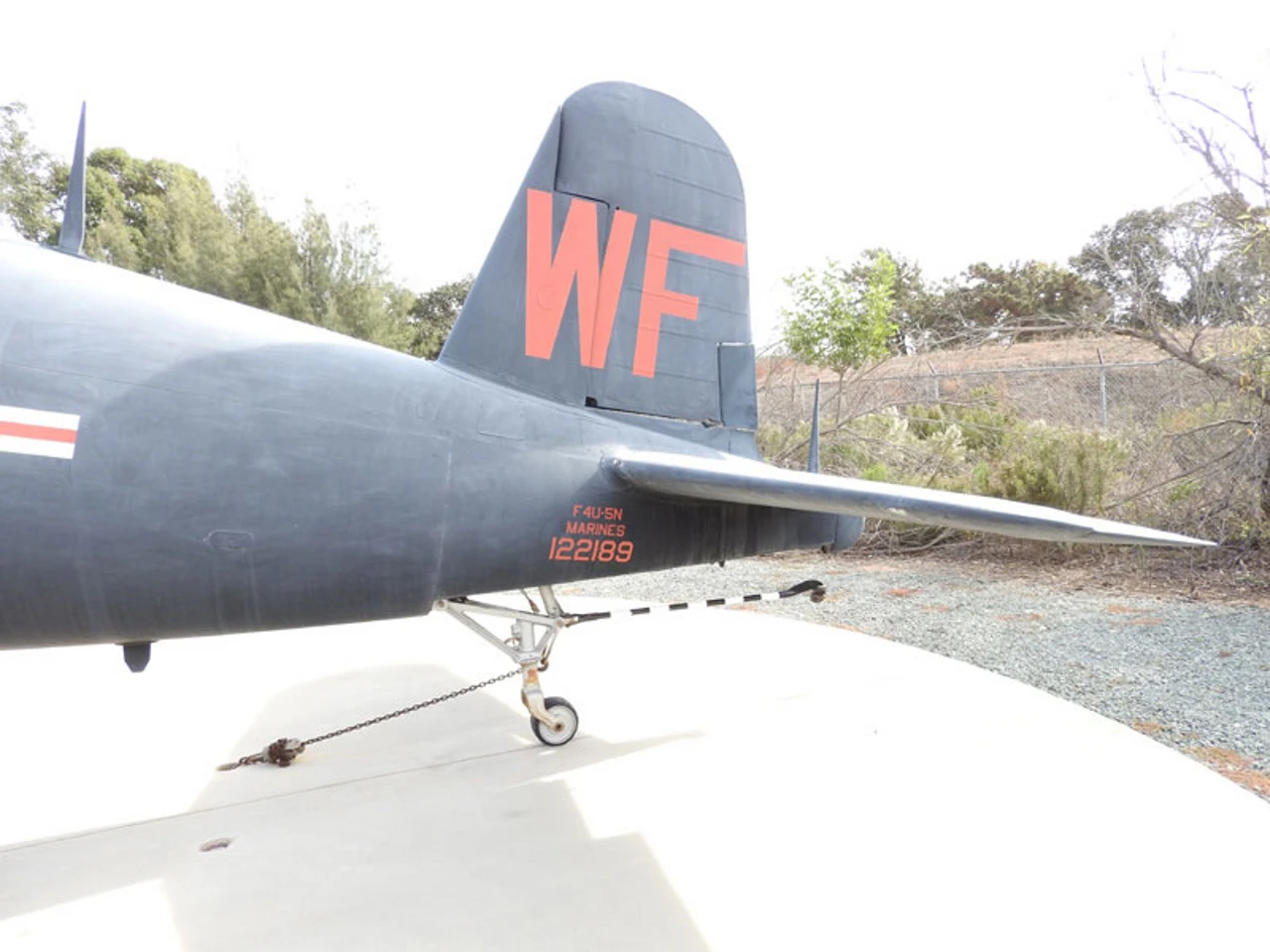
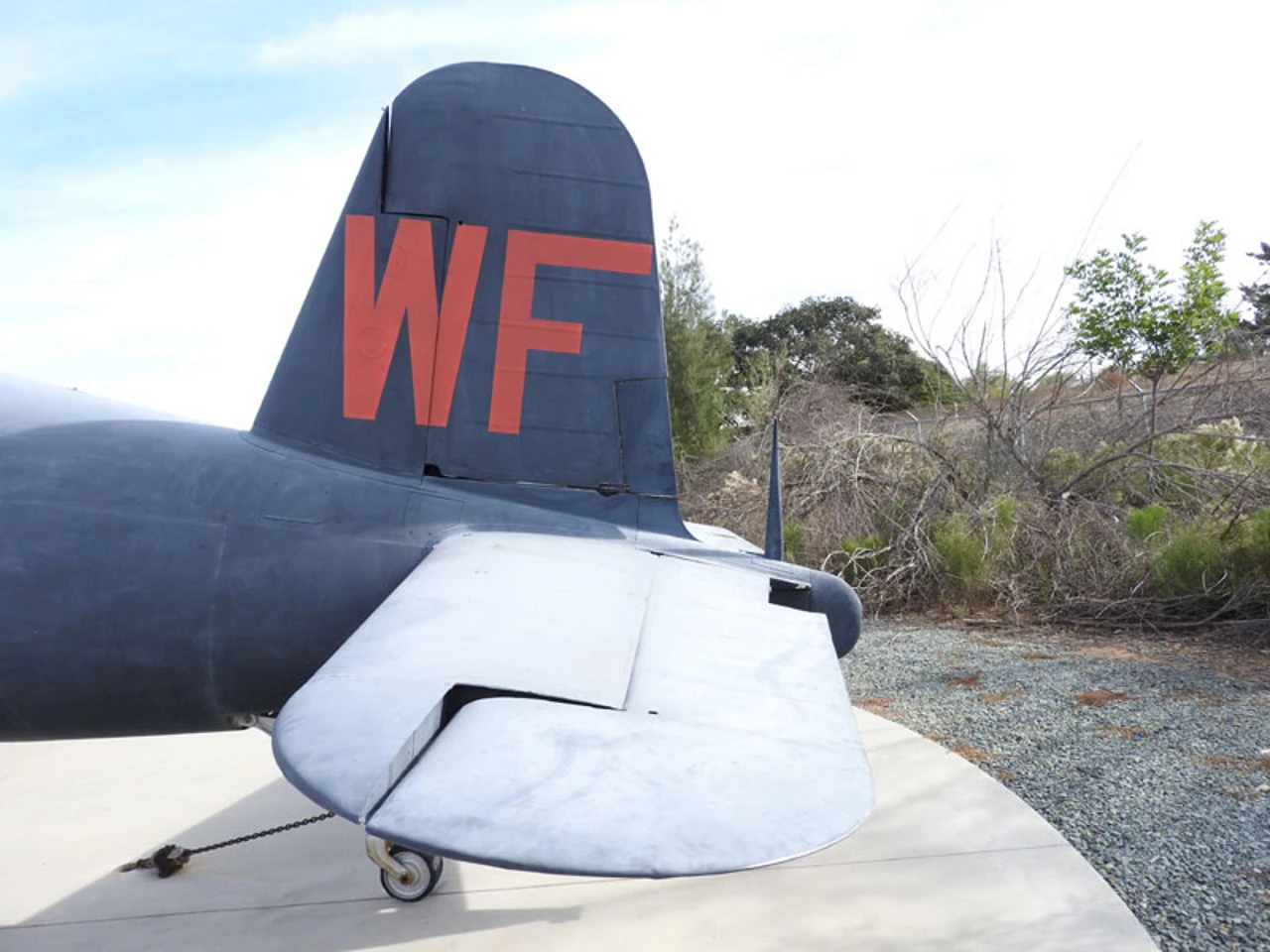
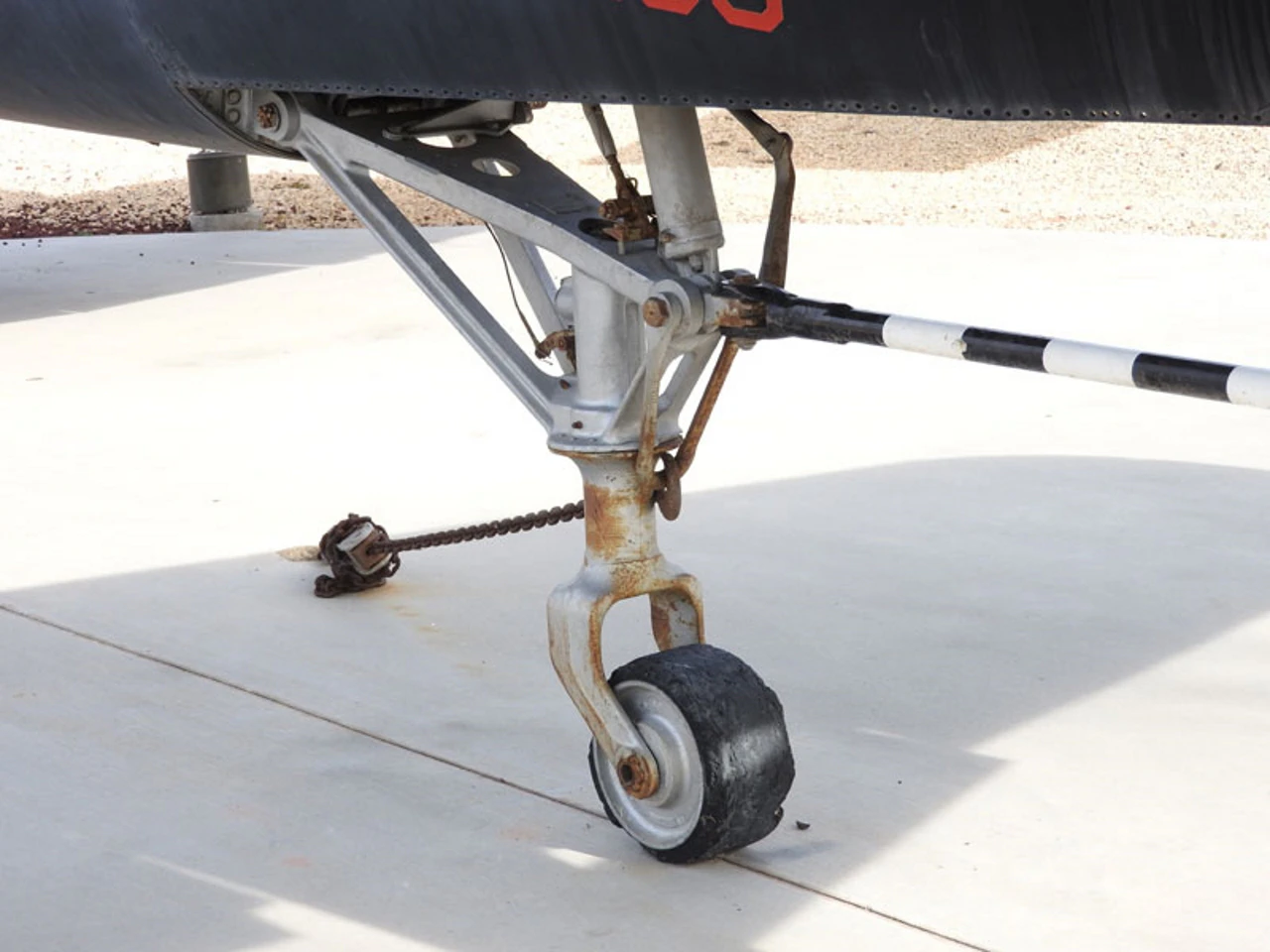
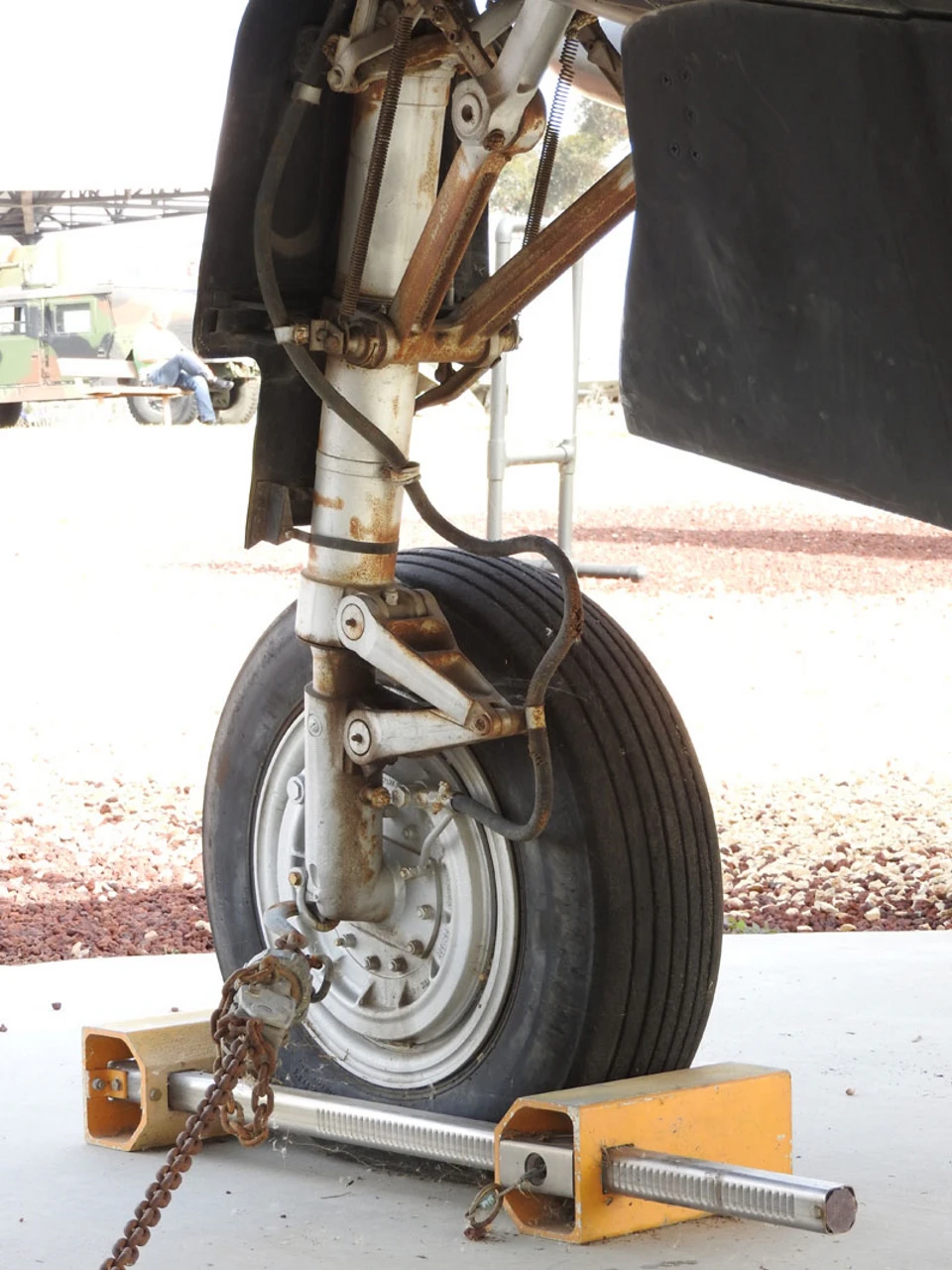
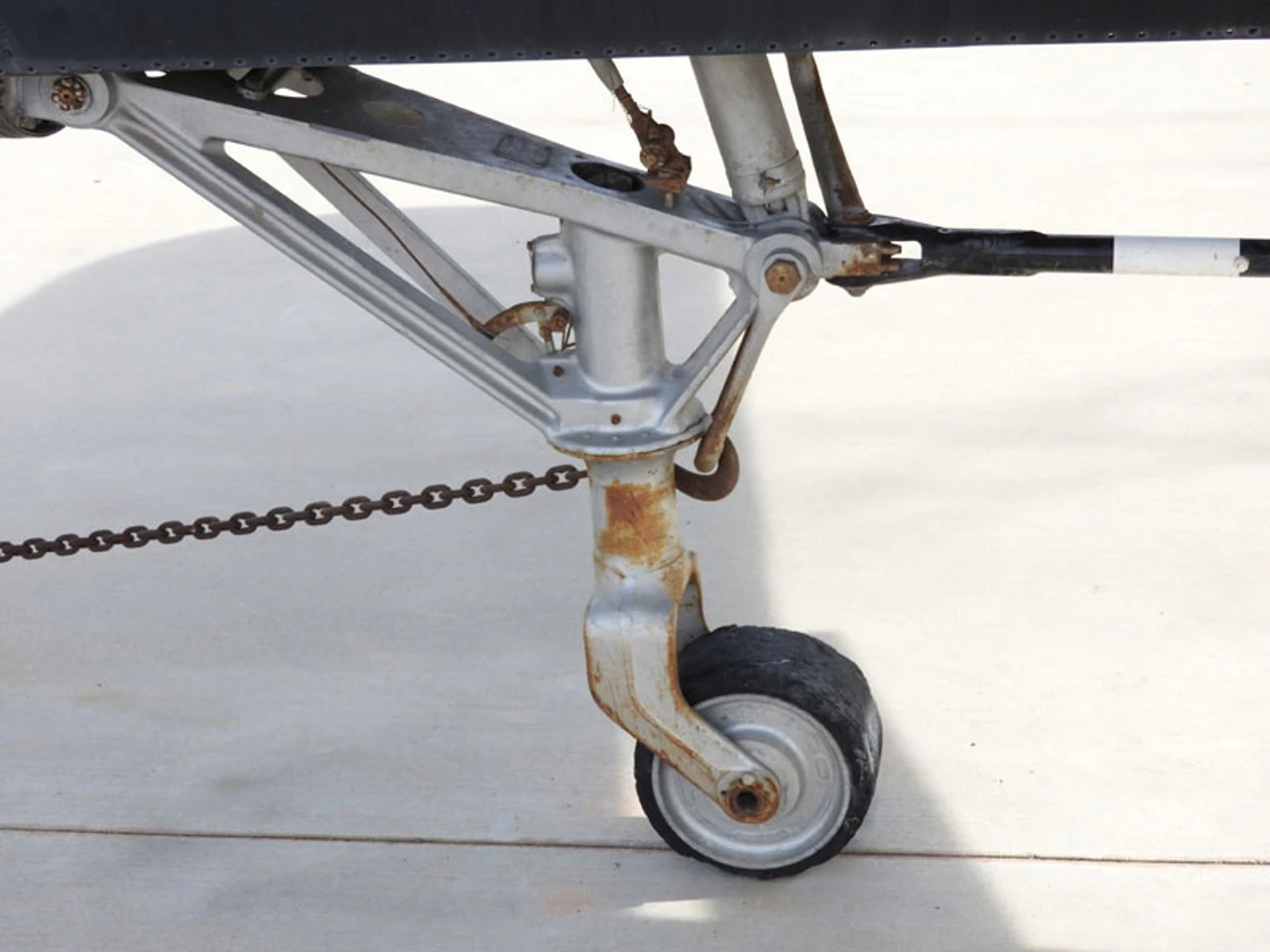
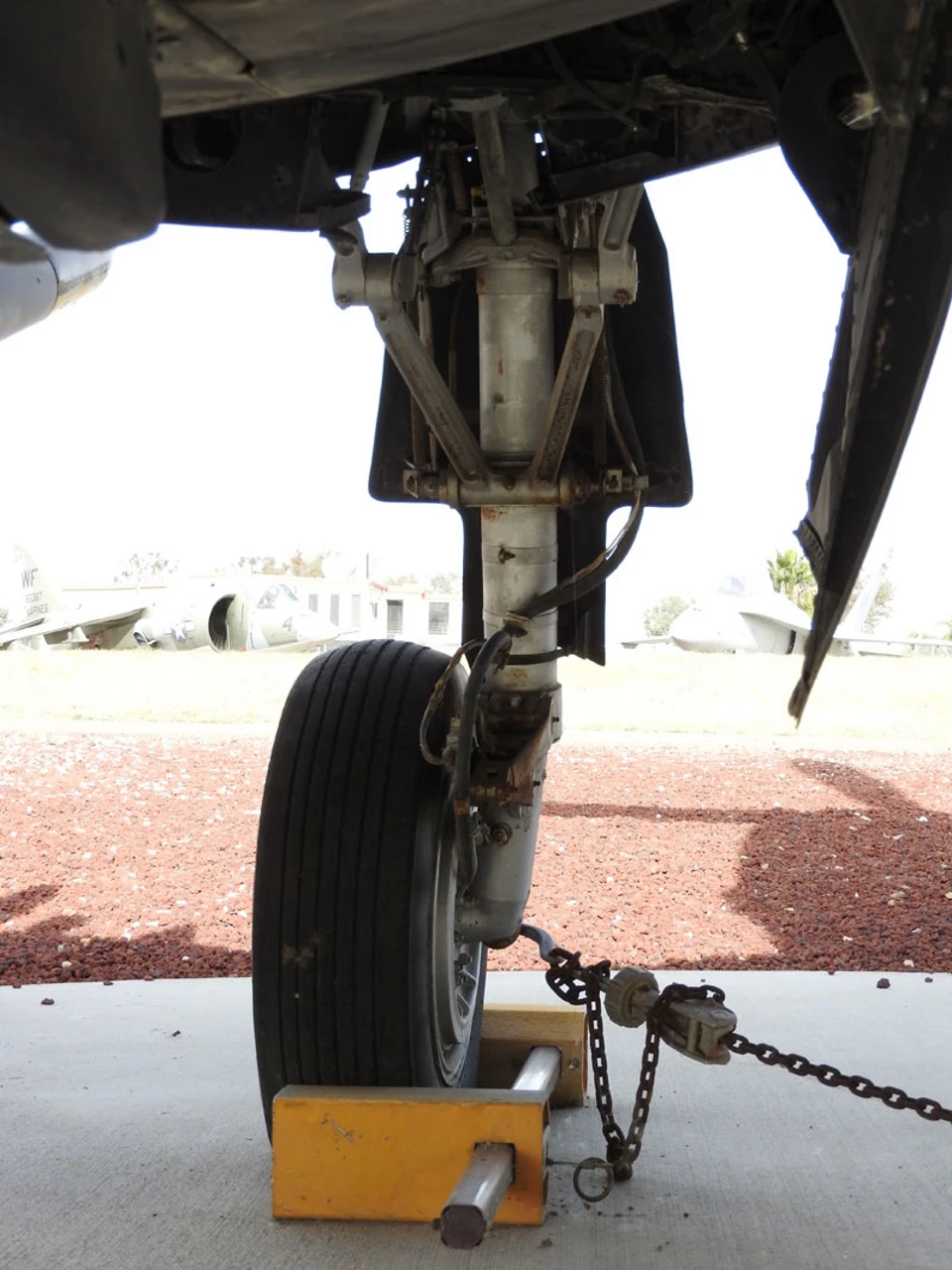
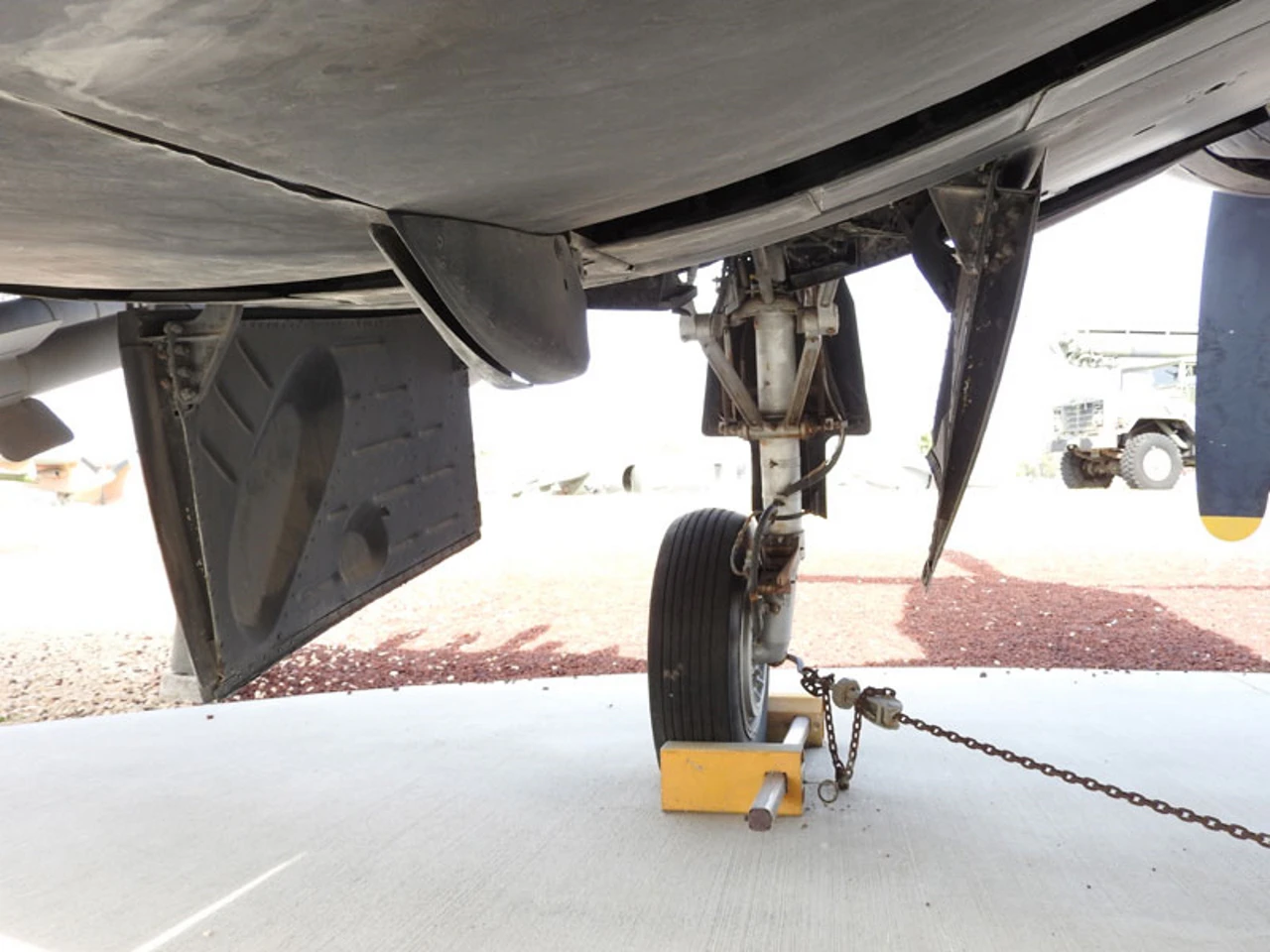
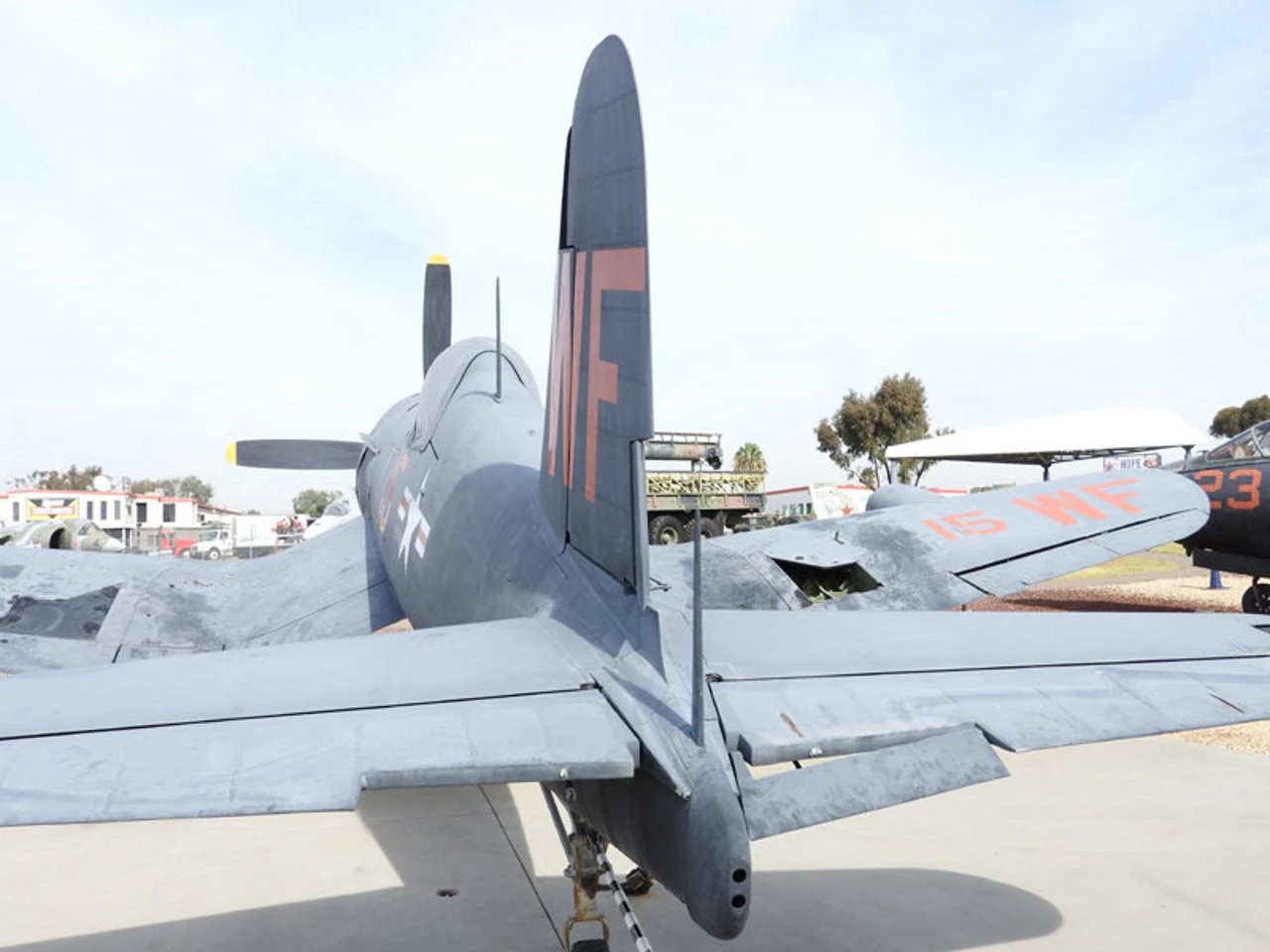
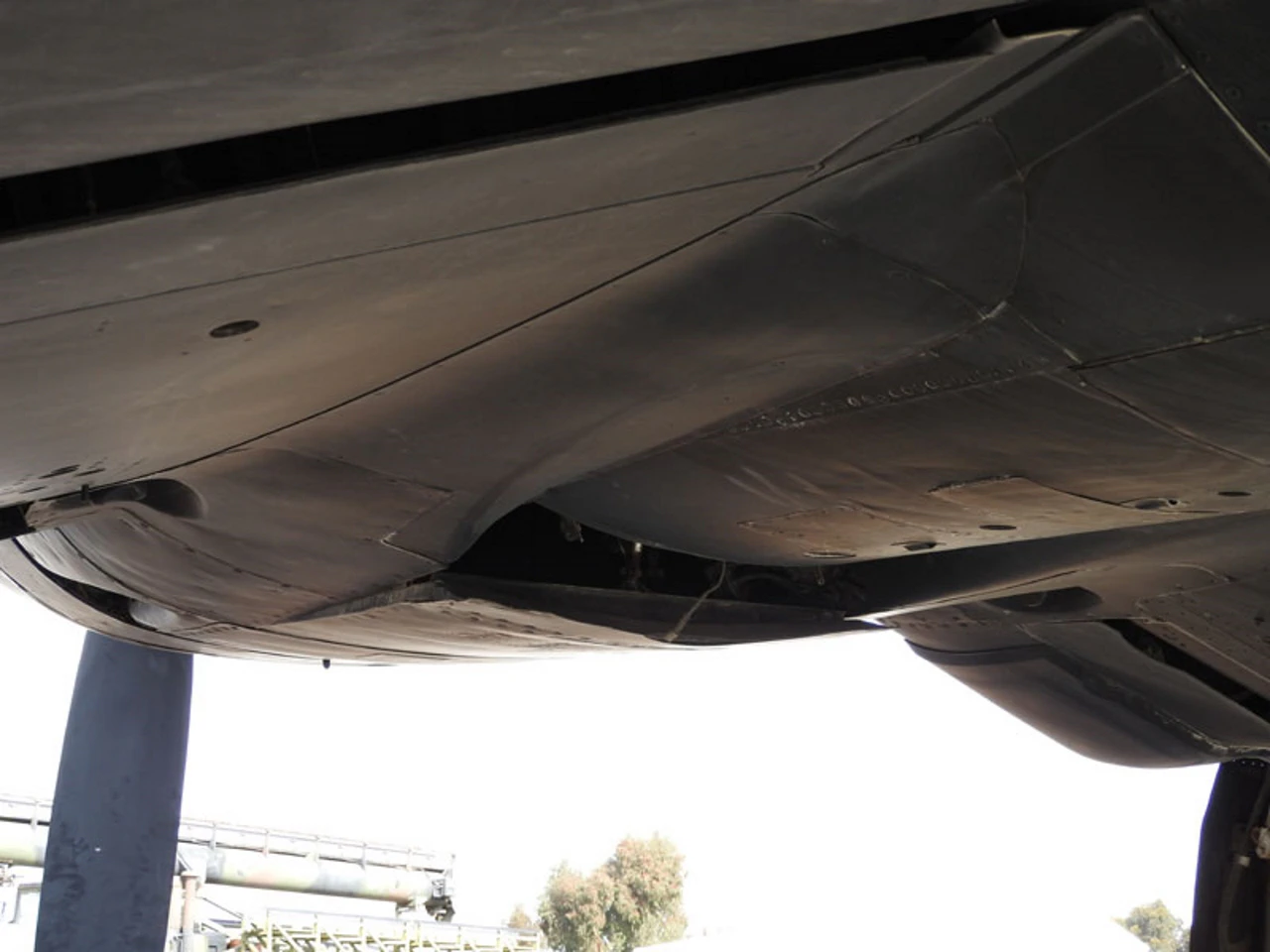
| Chance Vought F4U-4 Corsair Walk Around | |
|---|---|
| Photographe | Inconnu |
| Localisation | Inconnu |
| Photos | 62 |
Voir aussi :


The Legend of the Gull Wing
Lla F4U-1A Corsair was the first major refinement of Vought’s revolutionary fighter. While the initial F4U-1 « Birdcage » was plagued by visibility issues that made carrier landings nearly impossible, the 1A introduced the raised « bubble » canopy and a taller tail wheel. These changes, along with a simplified engine cowling, finally allowed the Corsair to transition from a land-based Marine Corps fighter to the dominant carrier-based interceptor of the U.S. Navy. Its distinctive silhouette and the screaming sound of its oil coolers earned it a fearful reputation among Japanese pilots.
| Attribute | Technical Specification (F4U-1A) |
|---|---|
| Rôle | Carrier-based Fighter / Fighter-Bomber |
| Crew | 1 (Pilot) |
| First Flight (F4U-1) | May 29, 1940 |
| Groupe motopropulseur | 1 × Pratt & Whitney R-2800-8 (B) Double Wasp radial |
| Horsepower | 2,000 hp (1,491 kW) |
| Vitesse maximale | 417 mph (671 km/h) |
| Service Ceiling | 36,900 feet (11,247 m) |
| Armement | 6 × .50 cal (12.7 mm) M2 Browning machine guns |
Engineering Excellence: Why the Bent Wing?
- The Inverted Gull Wing: To harness the 2,000 hp of the R-2800 engine, Vought needed a massive 13-foot propeller. To provide enough ground clearance for this prop without using dangerously long, spindly landing gear, the wings were bent downward and then up.
- Raised Pilot Seating: The 1A variant raised the pilot’s seat by 7 inches and replaced the multi-framed « birdcage » canopy with a clearer, blown-glass version. This vastly improved the pilot’s view over the long nose during the tricky curved approach to a carrier deck.
- Intercooler Air Intakes: The air for the engine’s intercoolers was drawn through slots in the leading edge of the wing roots. At high speeds, the air rushing through these slots created a high-pitched moan, leading the Japanese to nickname the aircraft « Whistling Death. »
- Lla « Oleostrut » Fix: The 1A introduced a simplified landing gear oleo strut that didn’t bounce as violently upon landing, solving one of the primary reasons the Navy had initially rejected the Corsair for carrier use.
Combat Record and « Black Sheep »
- Pappy Boyington and VMF-214: The F4U-1A is most famously associated with Major Greg « Pappy » Boyington and the « Black Sheep » squadron. Operating from island bases like Guadalcanal, they used the Corsair’s superior speed and climb to dominate the Mitsubishi Zero.
- 11:1 Kill Ratio: By the end of WWII, the Corsair had flown over 64,000 sorties and achieved an astonishing kill-to-loss ratio of 11:1 in aerial combat.
- Ground Attack Power: Beyond its air-superiority role, the Corsair became a devastating ground-attack aircraft. It could carry a heavier bomb load than many twin-engine medium bombers, earning it the nickname « Mudfighter » among ground troops.
- Longest Production Run: The Corsair remained in production until 1953, serving with distinction through the Korean War as both a night fighter and a rugged close-air-support platform.
Vues : 18603
Vous pouvez voir aussi :
 Vought F7U Cutlass – Photos & Vidéos
 Boeing 80 – Photos & Vidéos
 Lockheed C-5 Galaxy – Photos et vidéos
 Canadair CF-104 Starfighter – Photos et vidéos
 SPAD S.XIII – Photos & Vidéos
 Vought SB2U Vindicator - Photos et vidéo
 CASA 2.111 vol3 - WalkAround
 AV-8B Harrier II Plus - WalkAround
 Mikoyan MiG-29 - WalkAround
 C-17 Globemaster - WalkAround