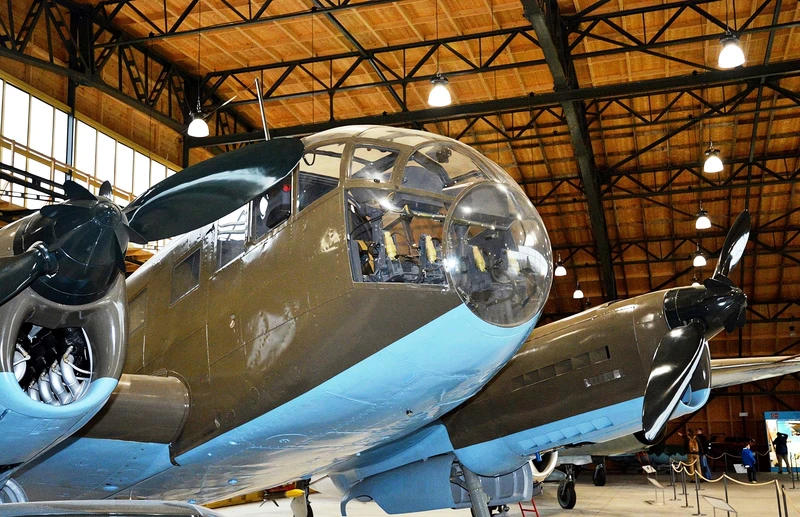
Siebel Si 204 | |
|---|---|
| Pays | Germany |
| Type | Transport léger/formateur |
| Premier vol | 25 mai 1940 |
| Construit | 1216 |
Lla Siebel Si 204 était un petit avion bimoteur de transport et d’entraînement développé pendant la Seconde Guerre mondiale. Il était basé sur le Fh 104 Hallore. Conçu à l’origine en réponse à une commande de développement du ministère de l’Aviation pour un petit avion de transport civil en 1938, il a finalement été produit pour la Luftwaffe.
Source: Wikipedia
| Aero C-3A Walk Around | |
|---|---|
| Photographe | Pavel Senk |
| Localisation | Inconnu |
| Photos | 41 |
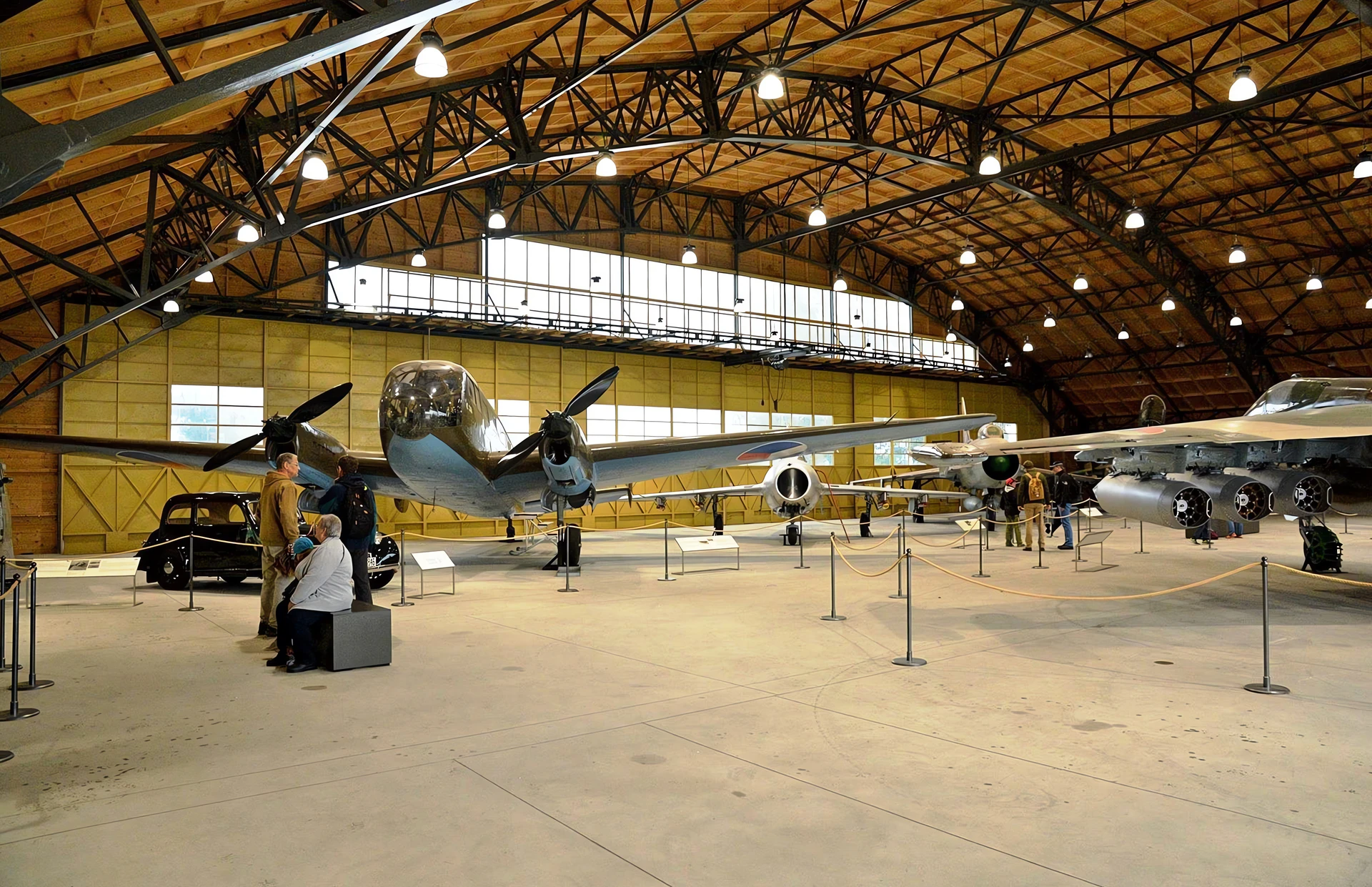
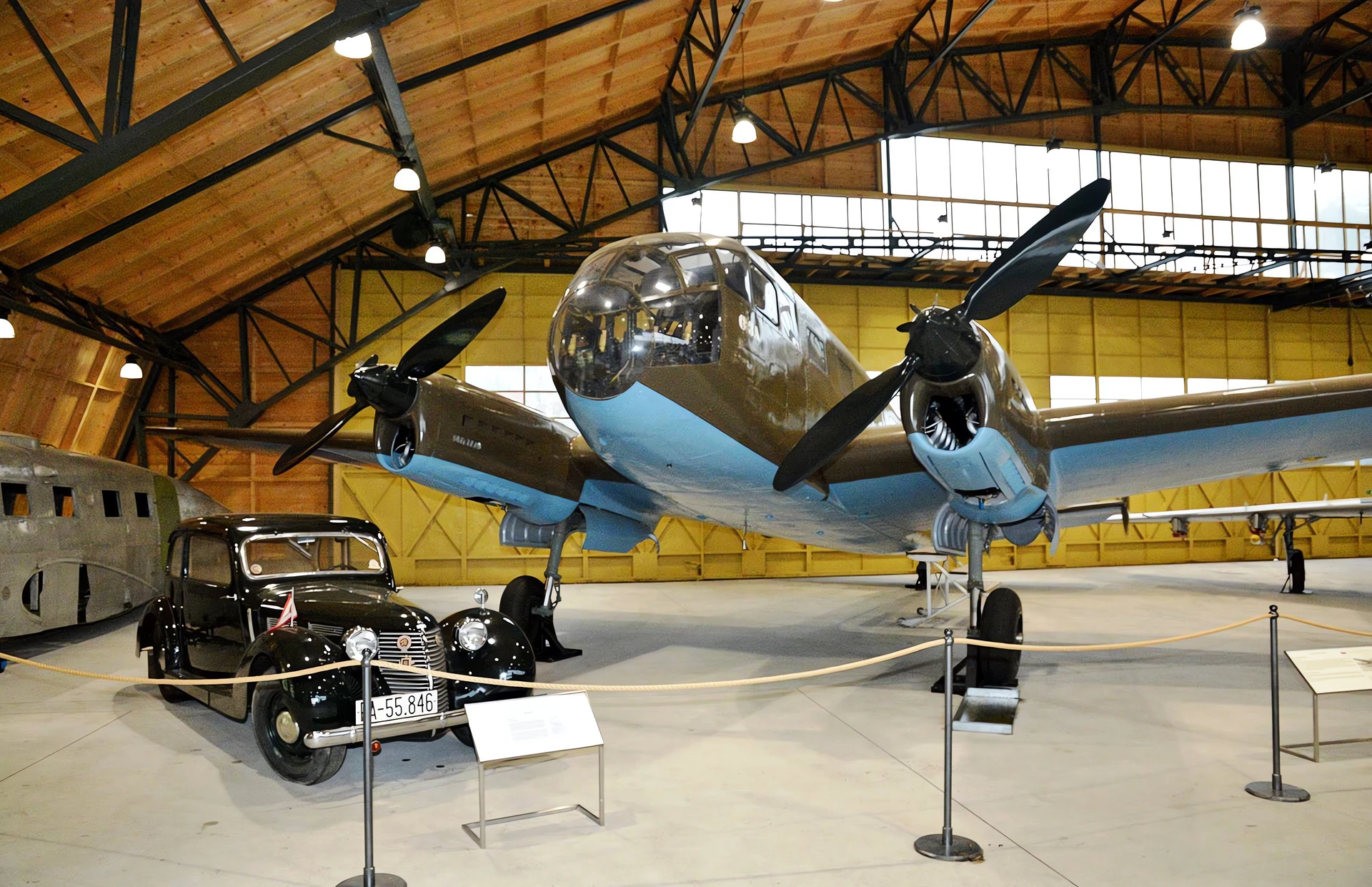
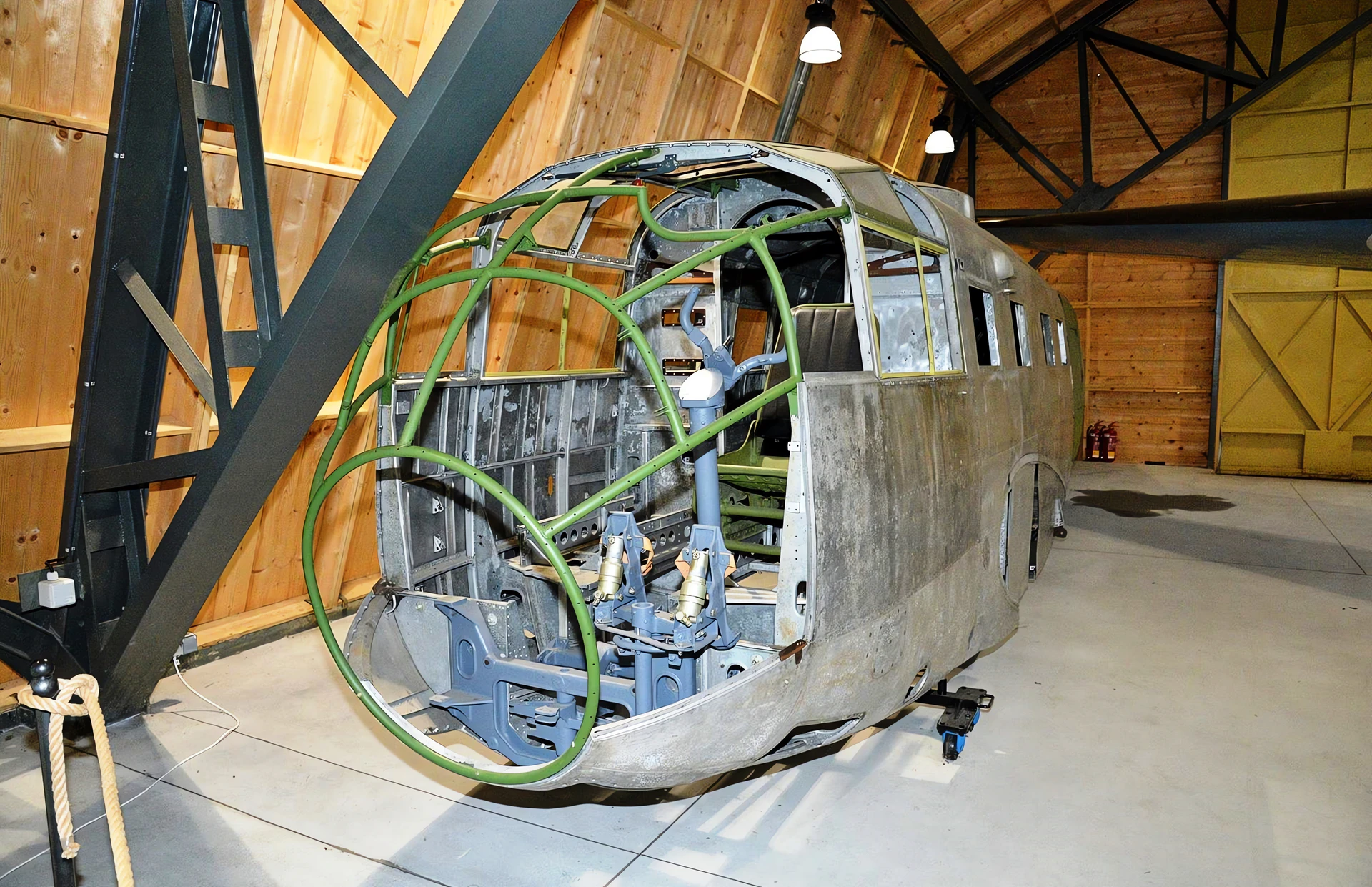
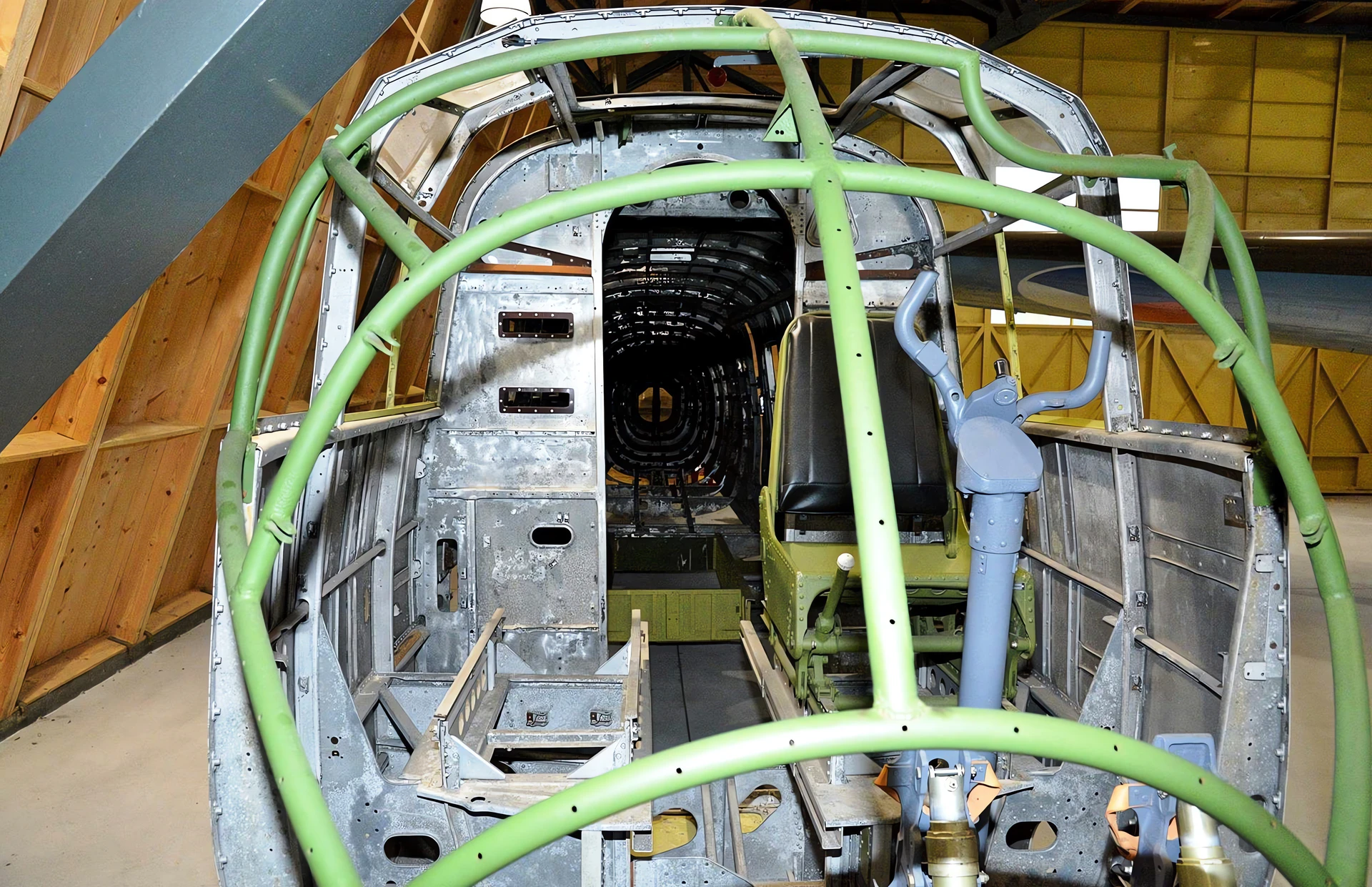
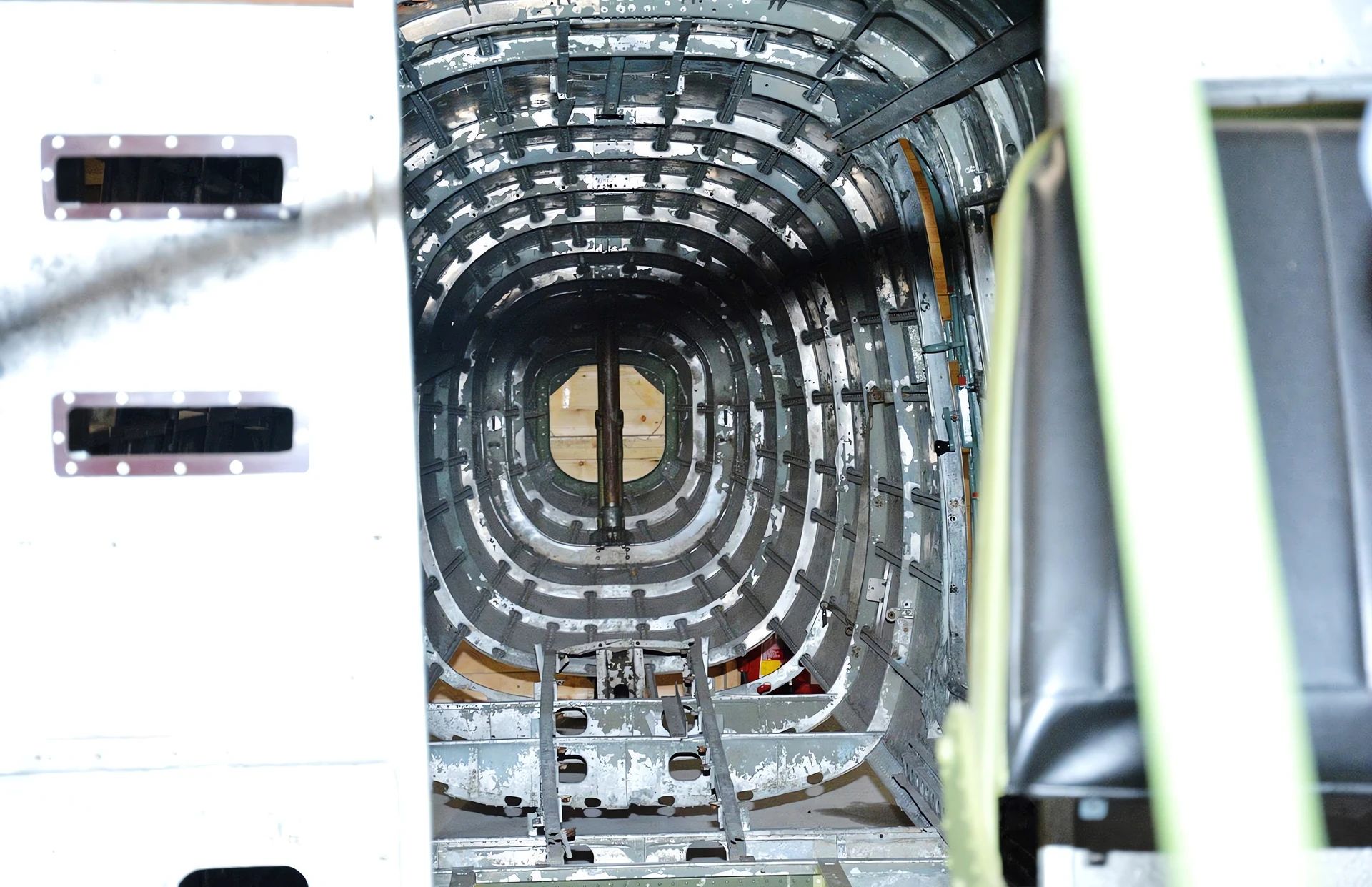
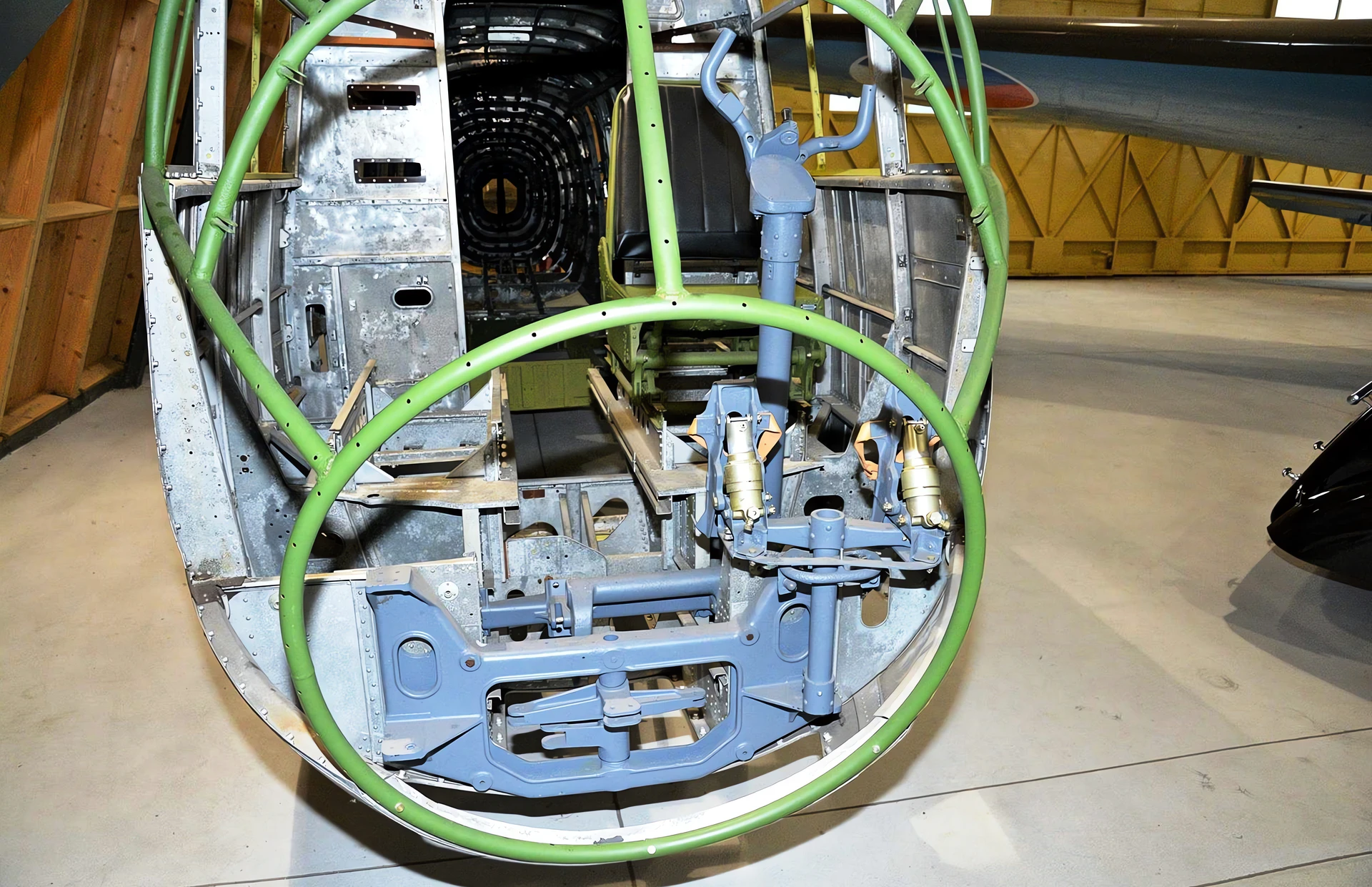
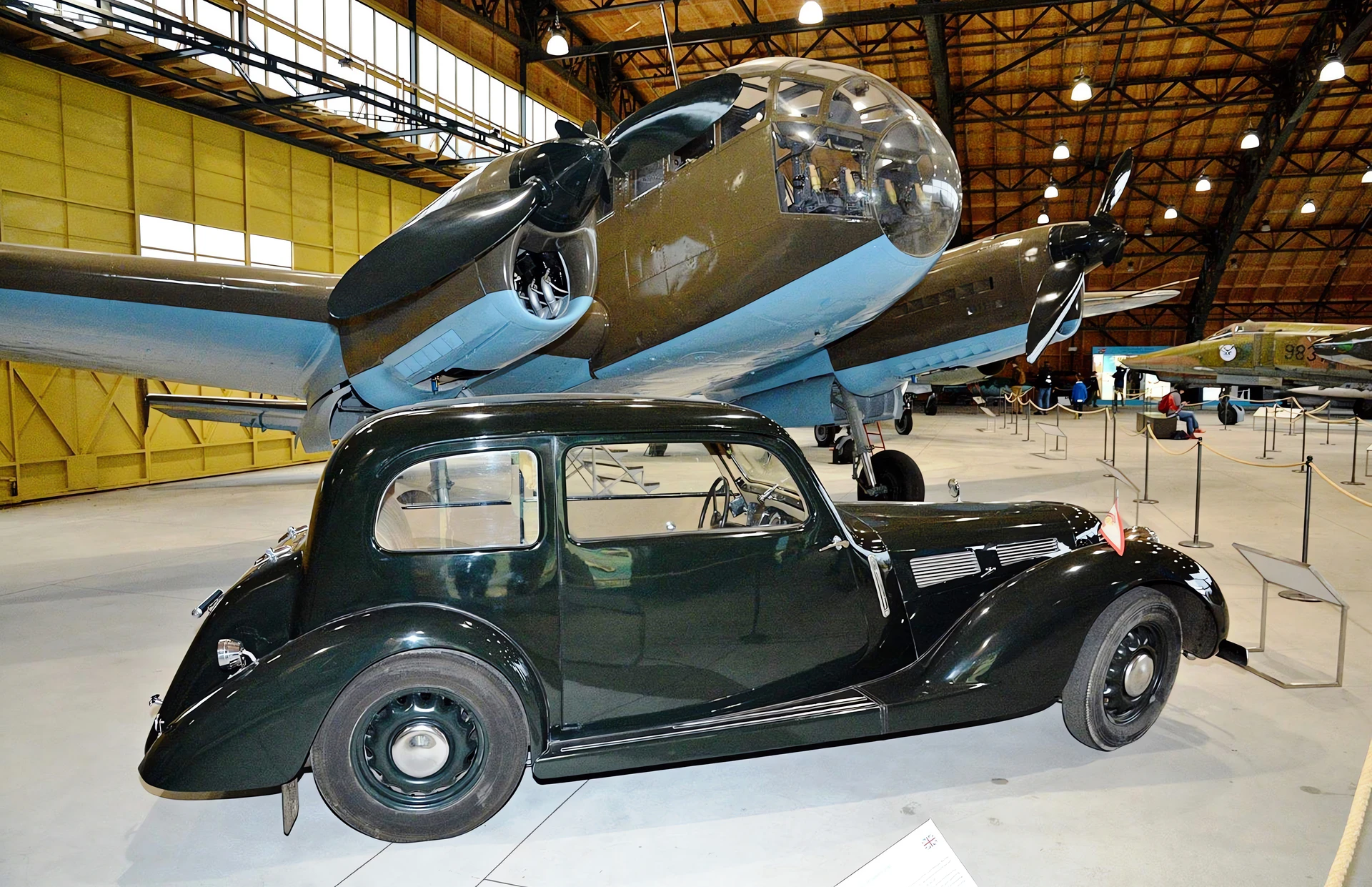


Voir aussi :


General Characteristics
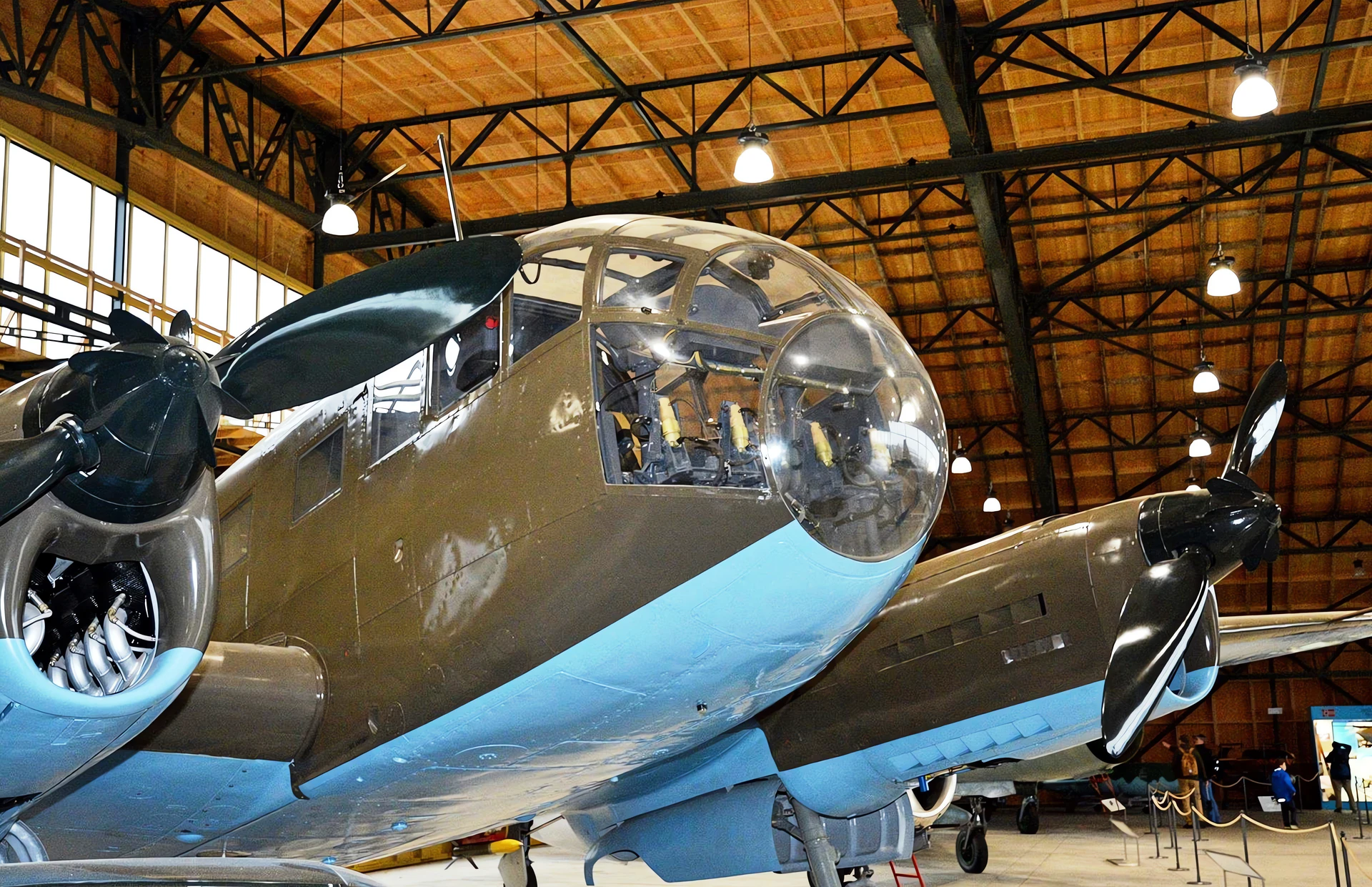
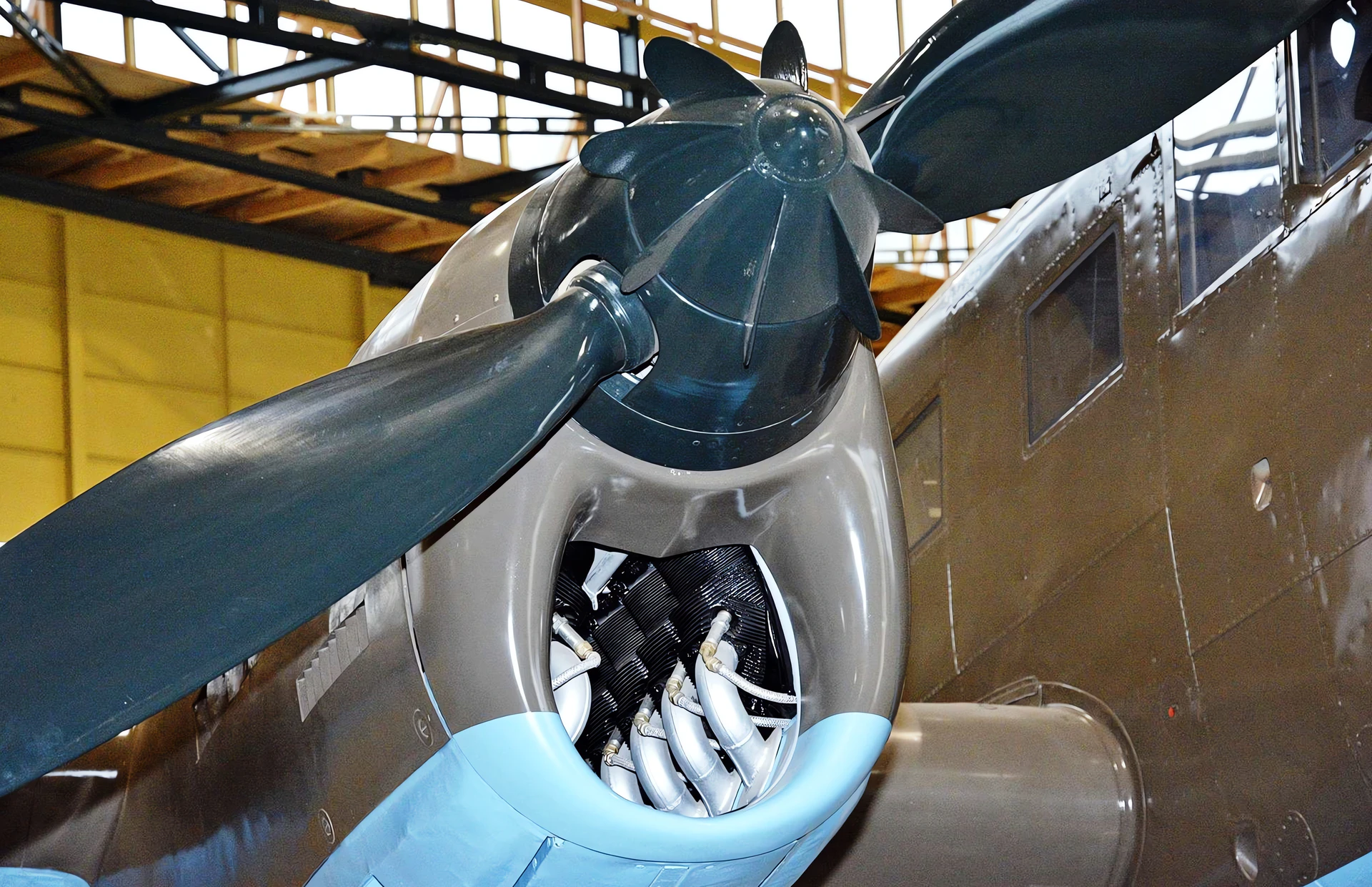
The Aero C-3A was the Czechoslovak post-war production variant of the German Siebel Si 204D, a small, twin-engined transport and instrument trainer aircraft. Production took place at the Aero and ČKD-Praga plants during the German occupation and continued after the liberation of Czechoslovakia. The C-3A variant was specifically used by the Czechoslovak Air Force for training pilots on multi-engine aircraft, earning the nickname « Sibly. »
| Property | Typical Value (Aero C-3A) |
|---|---|
| Rôle | Multi-Engine Trainer / Light Transport |
| Fabricant | Aero Vodochody (Czechoslovakia) |
| In Service (Post-War) | 1945–c. 1960s |
| No. Built (C-3 Series) | 541 (by Aero, plus 492 by BMM/ČKD) |
| Crew | 2 (Pilot and Co-pilot/Trainee) |
| Capacity (Passengers) | Up to 8 passengers (Civilian C-103 variant) |
| Length | 11.95 m (39 ft 2 in) |
| Envergure | 21.28 m (69 ft 10 in) |
| Max Takeoff Weight | 5,600 kg (12,346 lb) |
Design and Powerplant
- Engines: Two Argus As 411TA-1 12-cylinder, inverted V-12 air-cooled piston engines (Often referred to as M-411 in Czechoslovakia).
- Power Output (each): Approximately 426 kW (571 hp) to 433 kW (580 hp).
- Structure: All-metal low-wing cantilever monoplane. It featured a distinctive twin vertical stabilizer tail unit (similar to its predecessor, the Si 204).
- Landing Gear: Fully retractable main landing gear, folding into the engine nacelles, plus a fixed tail wheel.
- Cockpit: The C-3A trainer variant had dual controls and a « stepped » cockpit canopy similar to the original Si 204, providing good visibility for both pilot and instructor.
Performance and Service
- Maximum Speed: Up to 359 km/h (223 mph, 194 knots).
- Max Cruise Speed: 319 km/h (198 mph, 172 knots).
- Service Ceiling: 7,500 m (24,606 ft).
- Range: Approximately 1,600 km (994 mi, 864 nmi).
- Variantes:
- C-3A: Trainer version with dual controls (the subject of this request).
- C-3B: Bombardier training version, equipped with a bomb sight and a defensive machine gun turret.
- C-103: Civilian passenger transport variant.
- Other Uses: C-3 aircraft were also used for non-military purposes, including fighting forest pests and crushing ice on the Danube River.
Vues : 1368
Vous pouvez voir aussi :
 Fokker D.VII – Photos & Vidéo
 McDonnell F3H Demon – Photos & Vidéo
 McDonnell Douglas KC-10 Extender – Photos et vidéo
 McDonnell FH Phantom – Photos et vidéos
 C-130J Hercules – Photos & Vidéo
 Macchi MC-200 – WalkAround
 PZL P.11 – WalkAround
 P-51 Mustang vol2 – Walk Around
 Bell P-63E KingCobra – WalkAround
 Vought F4U Corsair - WalkAround