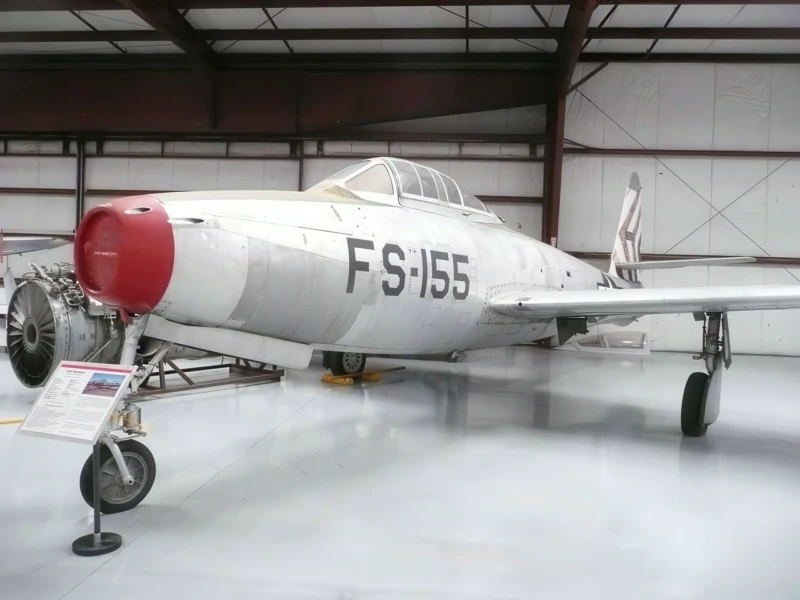
République F-84 Thunderjet | |
|---|---|
| Pays | Usa |
| Rôle | Chasseur-bombardier |
| Premier vol | Le 28 février 1946 |
| Construit | 7524 |
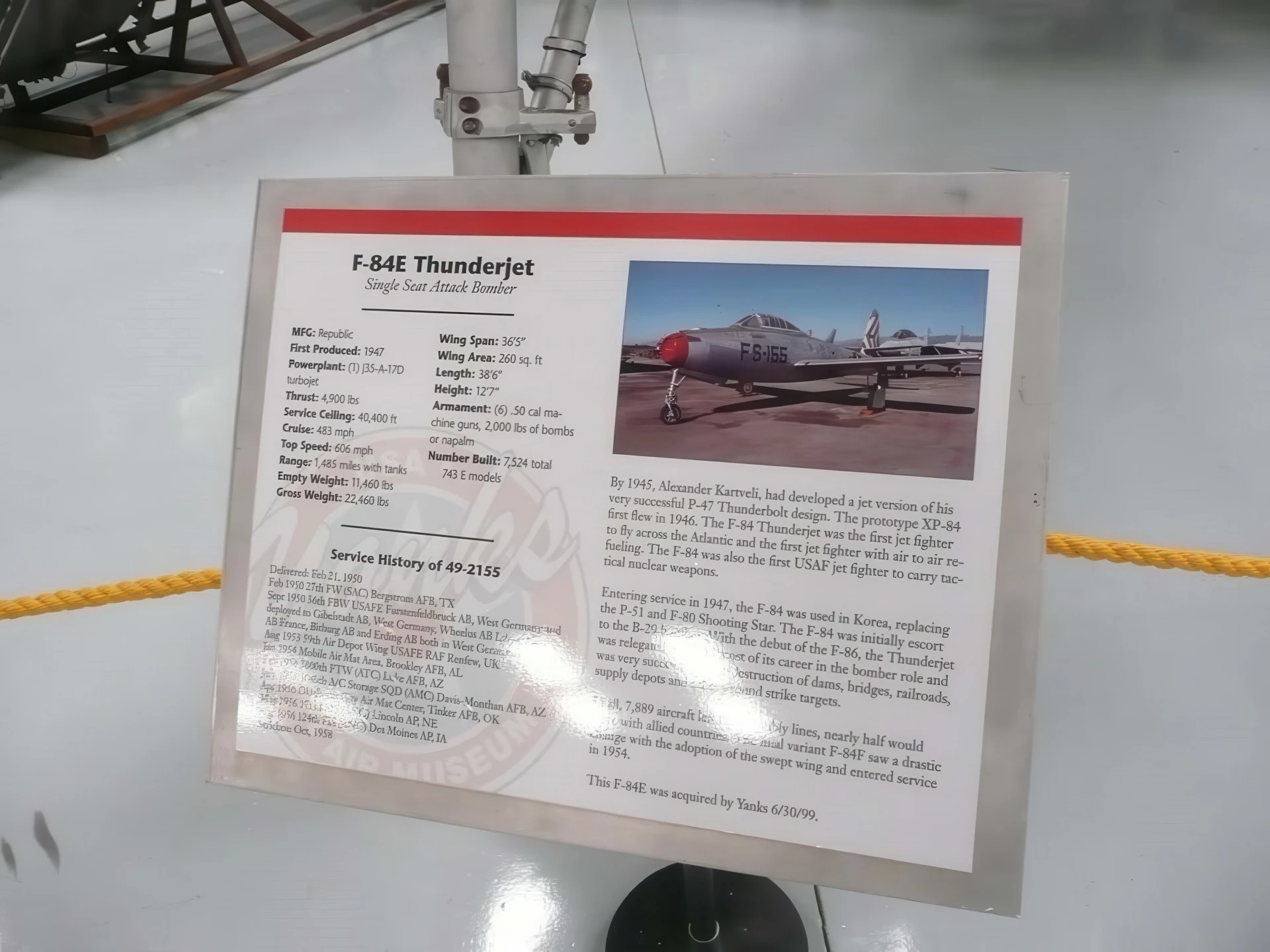
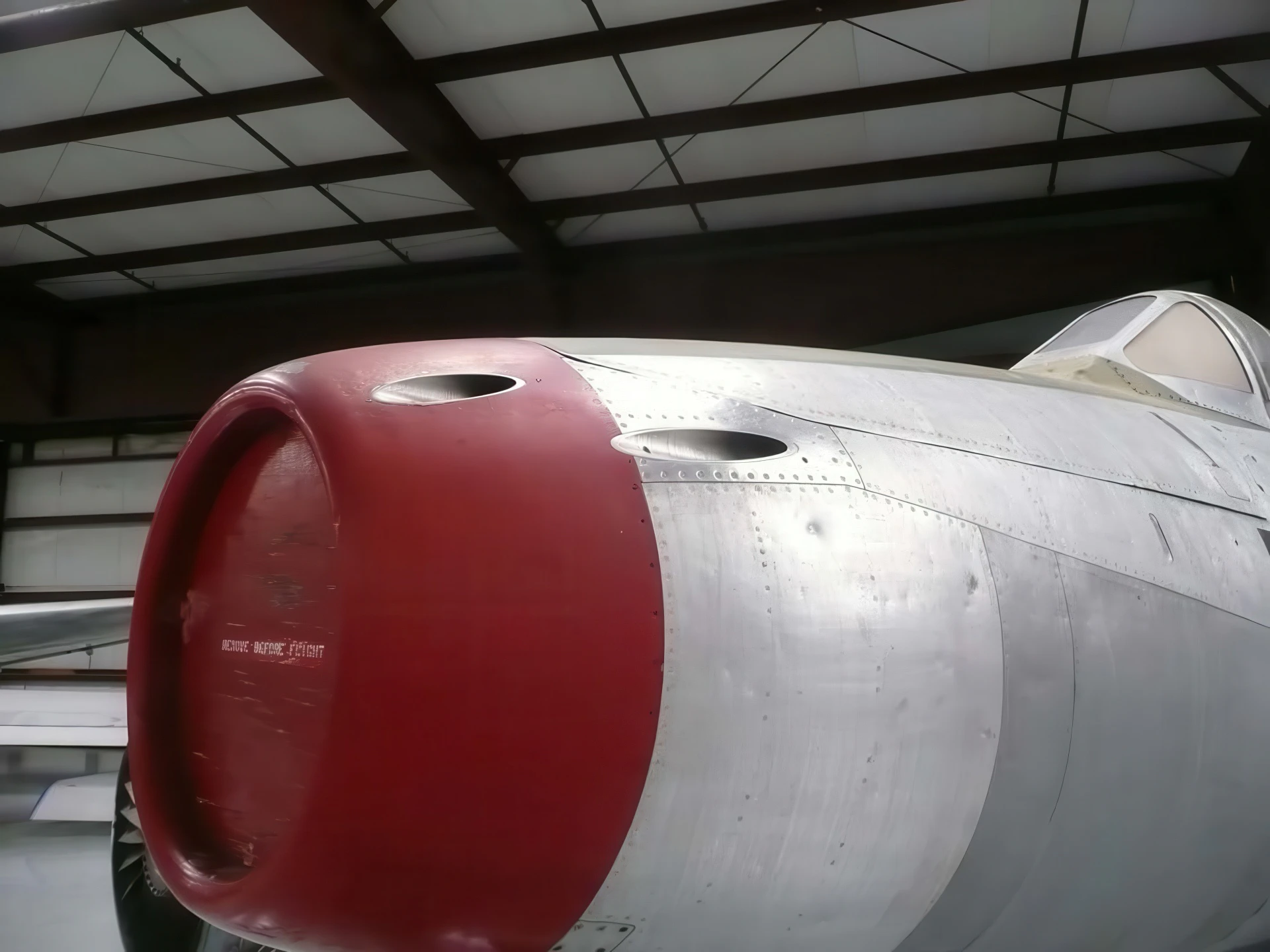
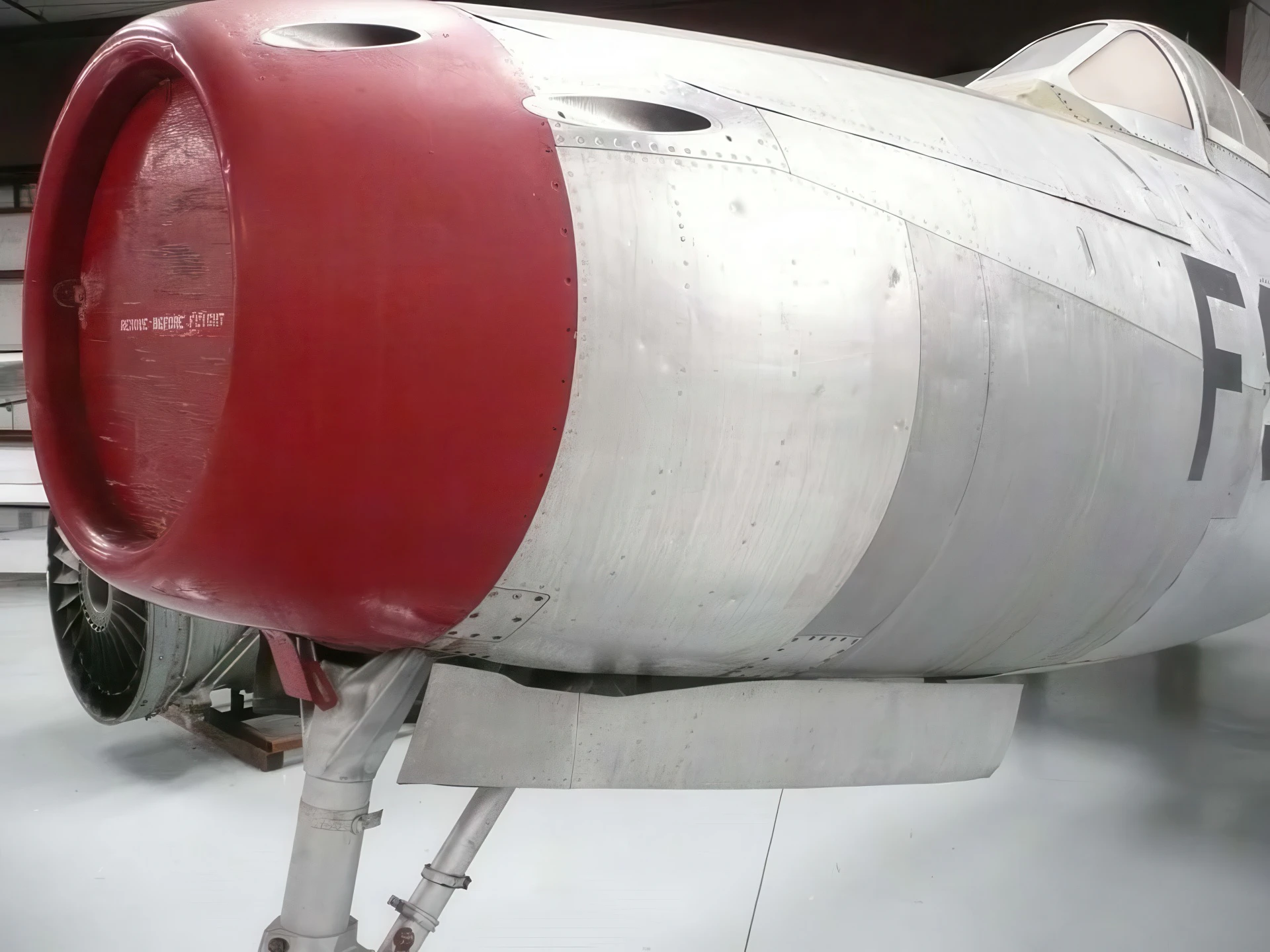
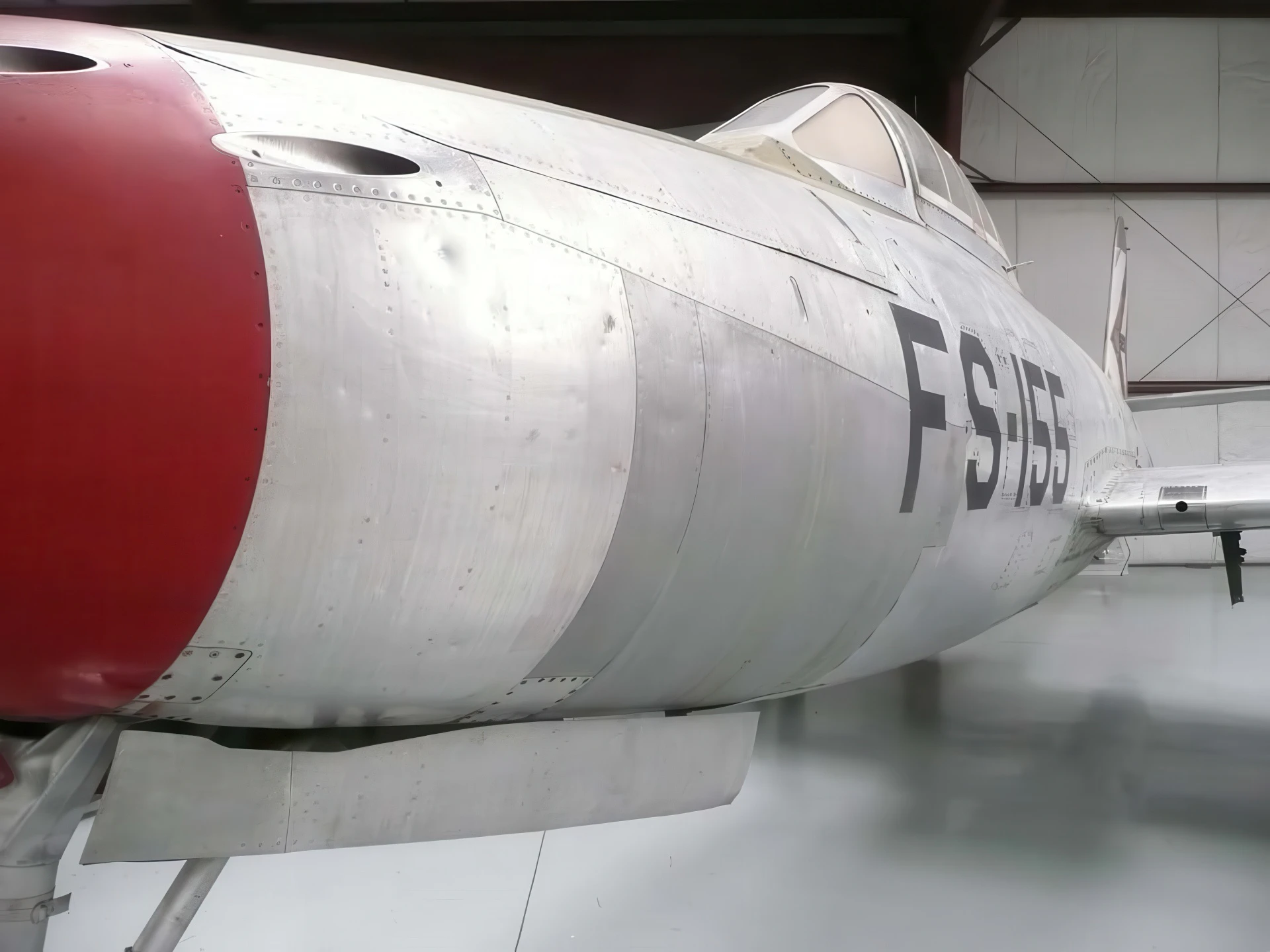
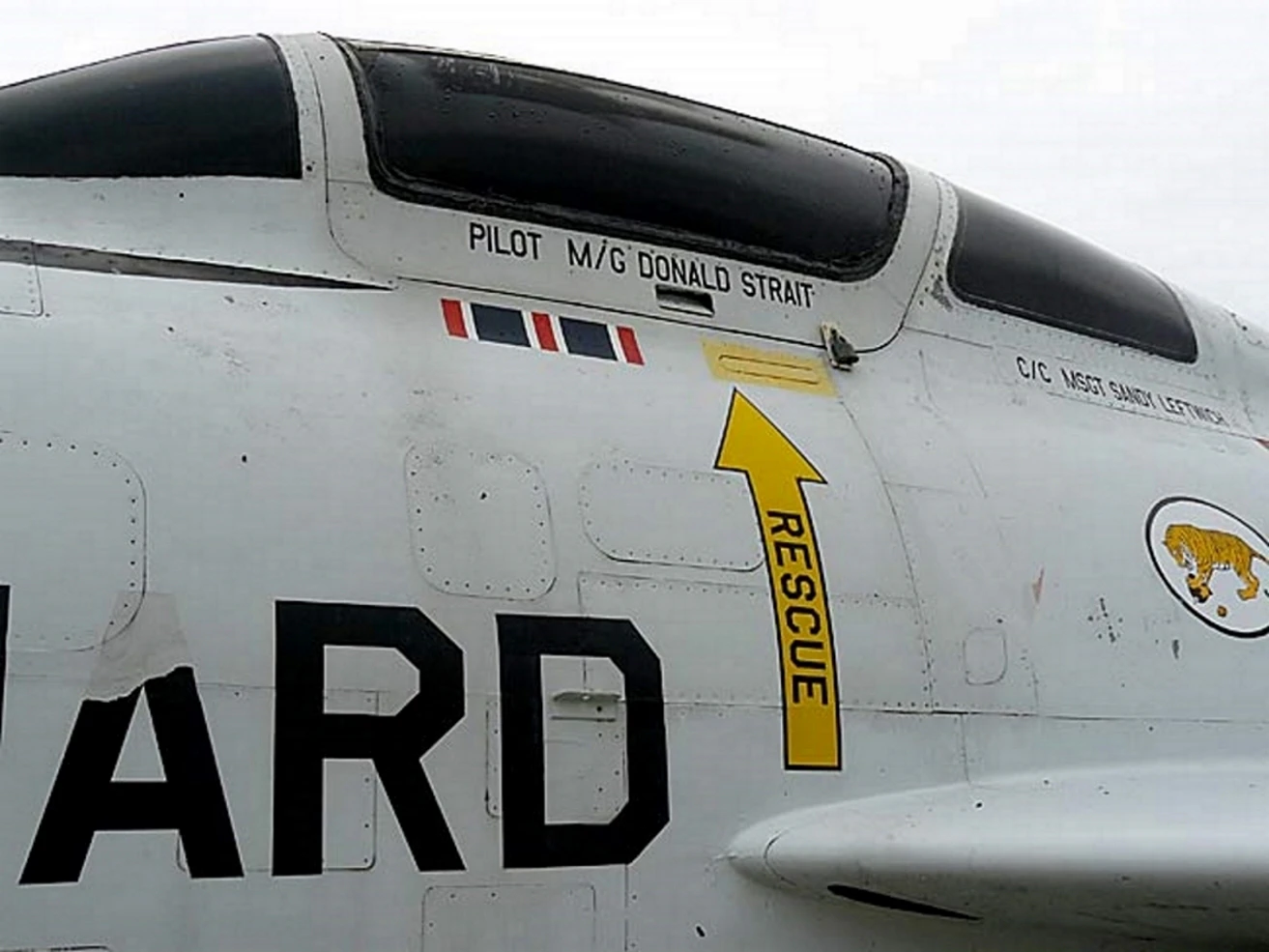
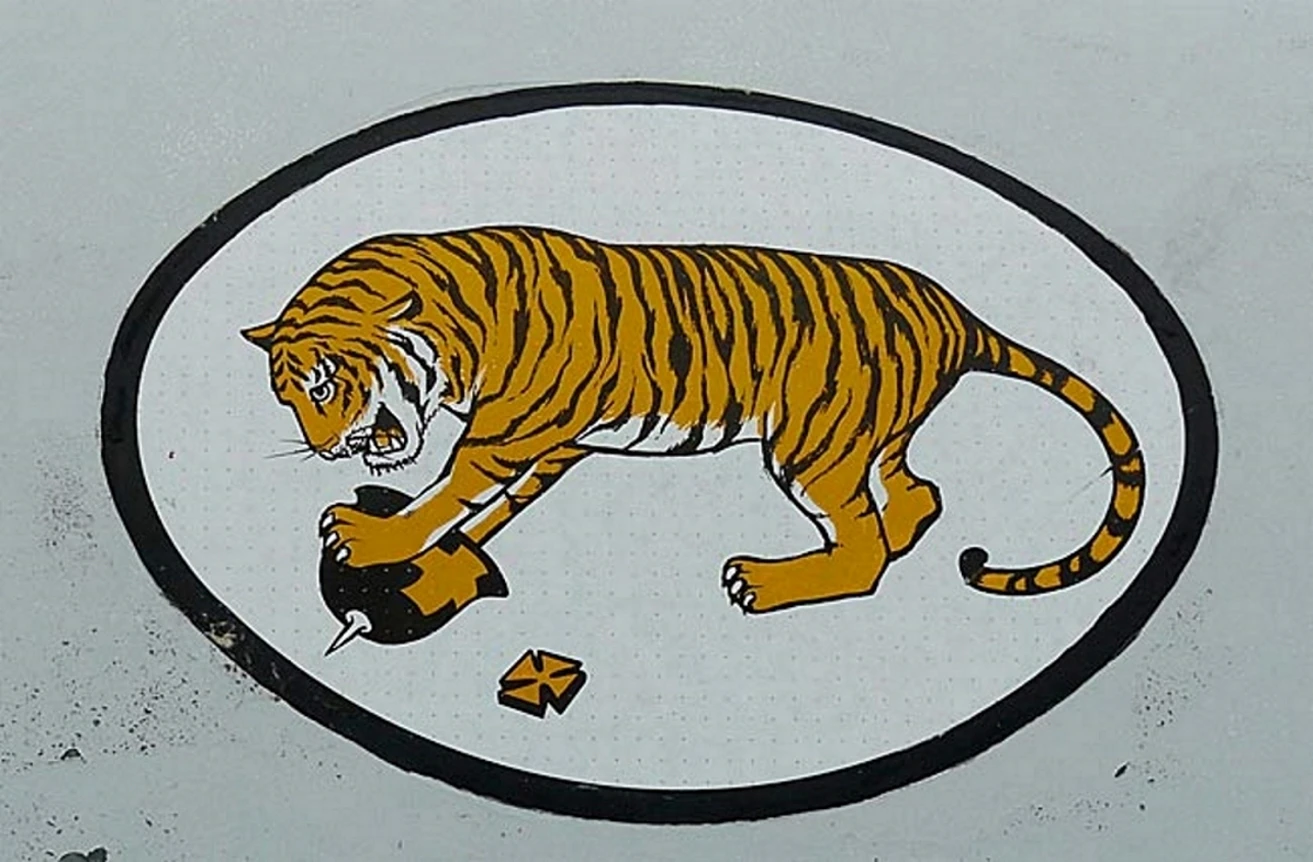
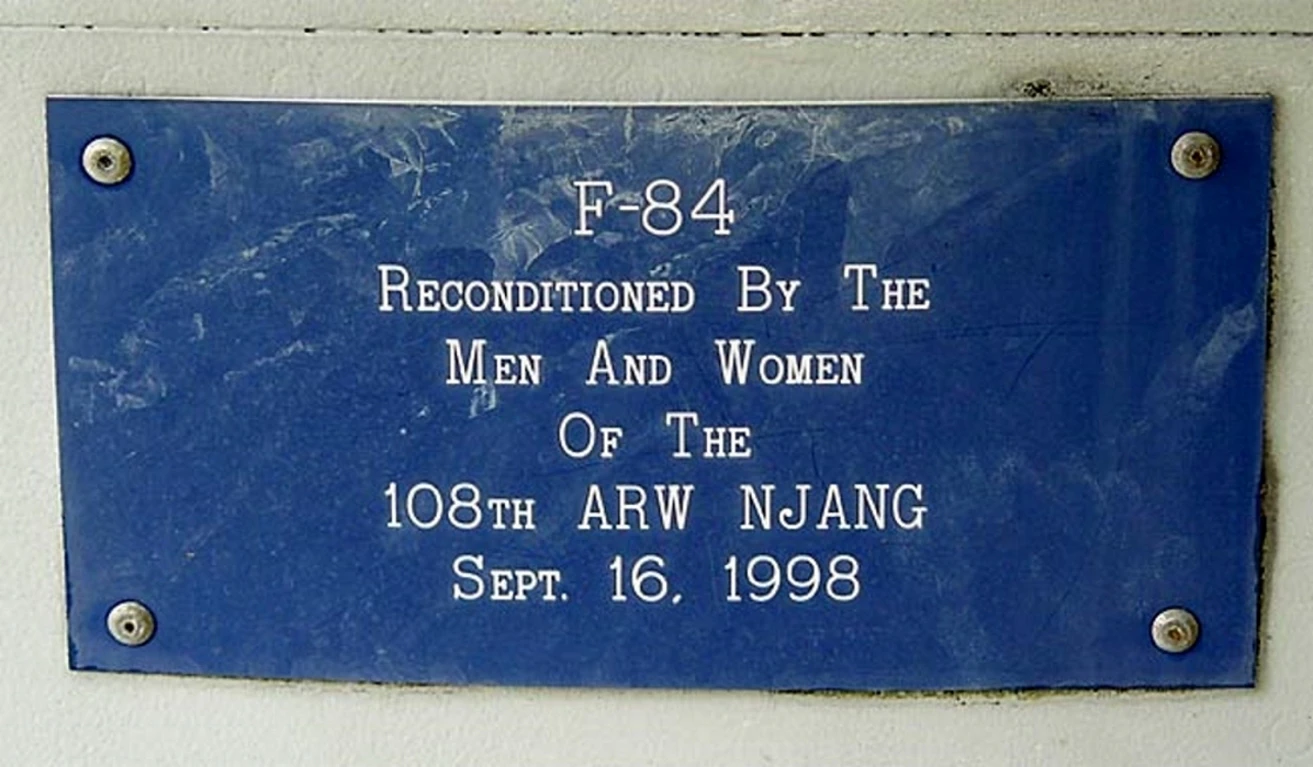
Galerie de photos d’un République F-84 Thunderjet, The Republic F-84 Thunderjet was an American turbojet fighter-bomber aircraft. Originating as a 1944 United States Army Air Forces (USAAF) proposal for a « combattant de jour », le F-84 a volé pour la première fois en 1946. Bien qu’il soit entré en service en 1947, le Thunderjet a été en proie à tant de problèmes structurels et moteurs qu’un examen de l’US Air Force de 1948 a déclaré qu’il ne pouvait exécuter aucun aspect de sa mission prévue et a envisagé d’annuler le programme. L’avion n’a pas été considéré comme pleinement opérationnel jusqu’à ce que le modèle F-84D de 1949 et la conception n’a mûri qu’avec le F-84G définitif introduit en 1951. En 1954, le Thunderjet à voilure droite a été rejoint par le chasseur F-84F Thunderstreak à ailes balayées et l’avion de reconnaissance photo RF-84F Thunderflash.
| Republic F-84 Thunderjet | |
|---|---|
| Photographe | Vladimir Yakubov |
| Localisation | Musée de l’air de Yanks |
| Photos | 99 |
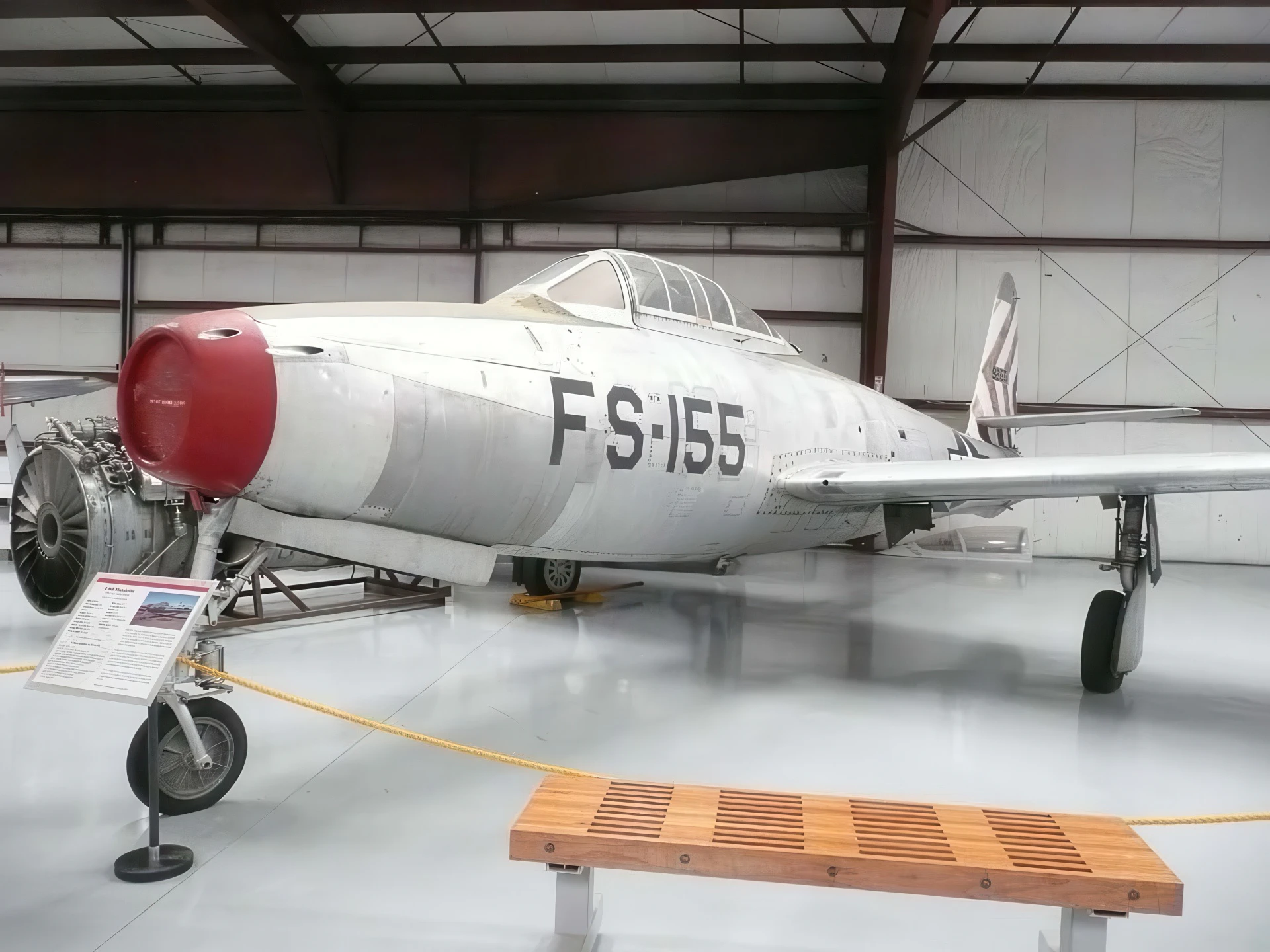
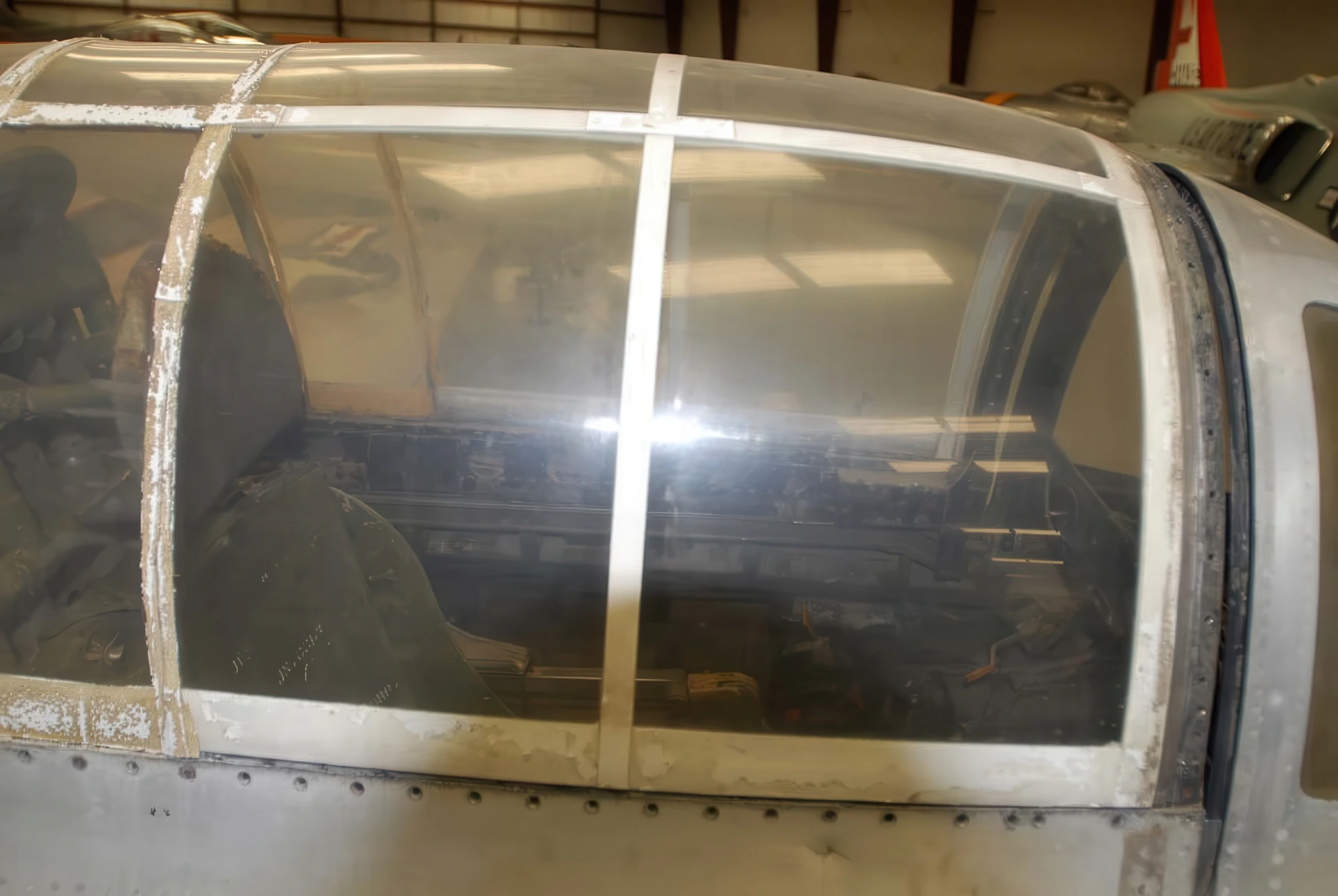
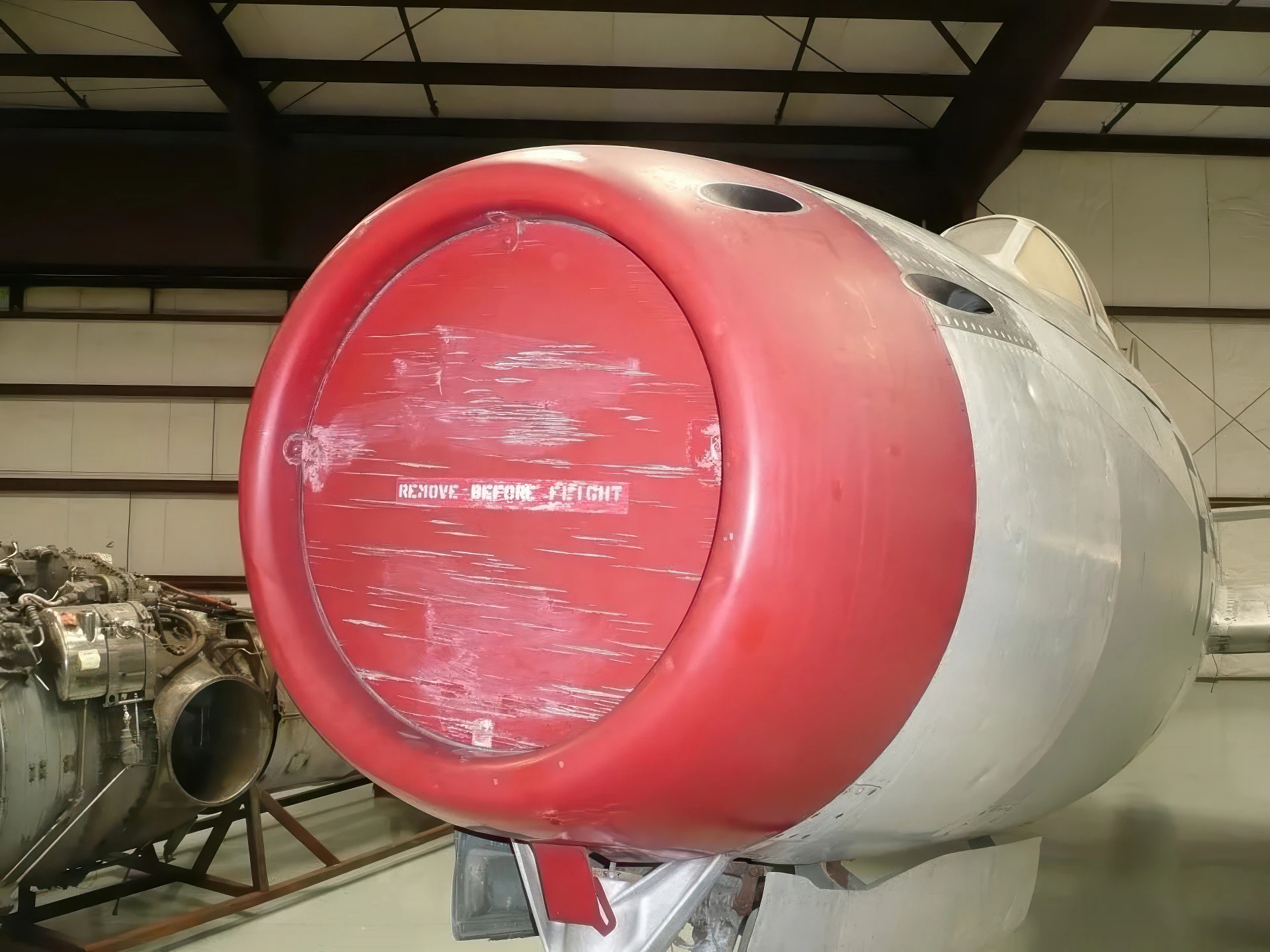
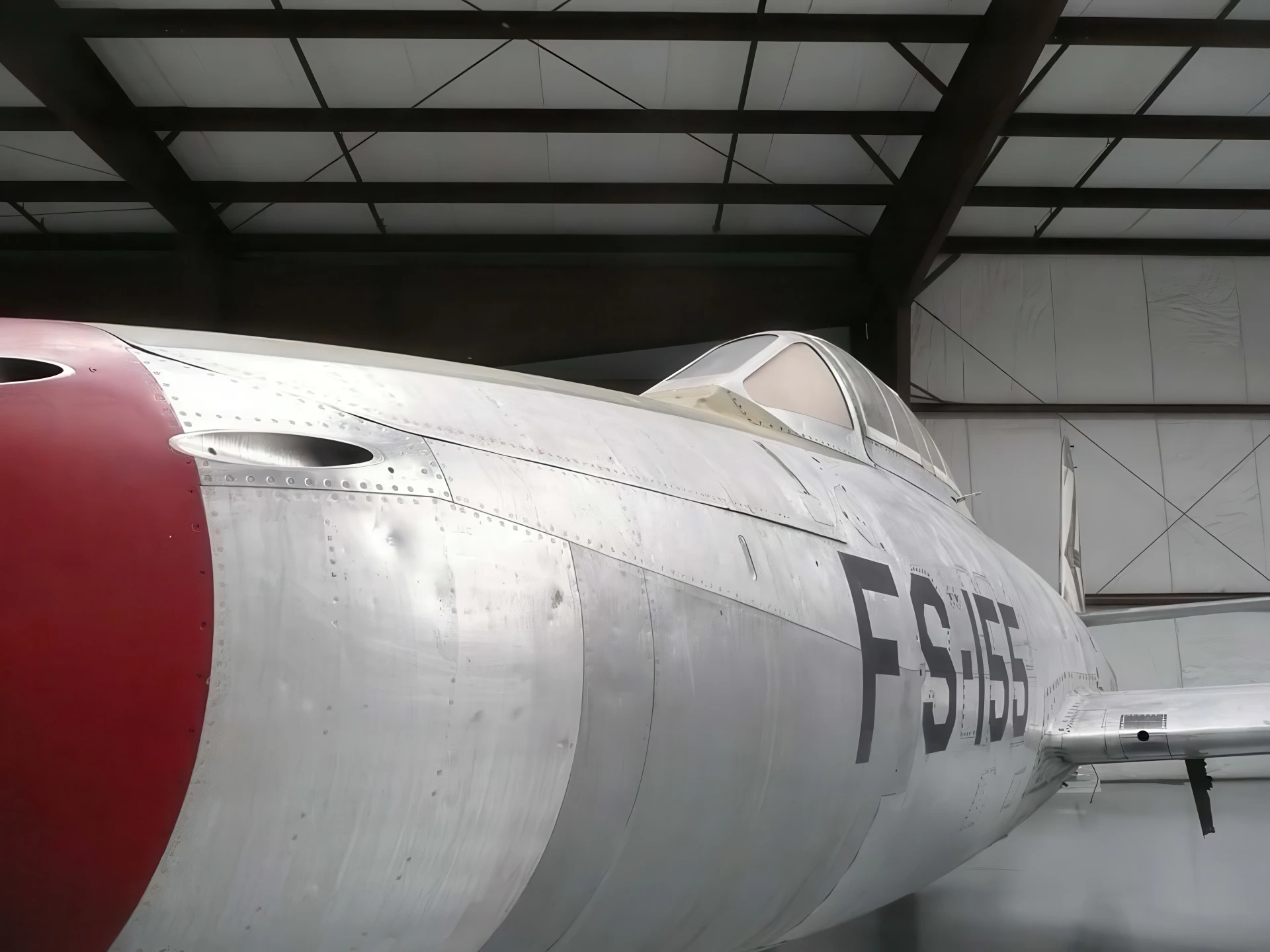
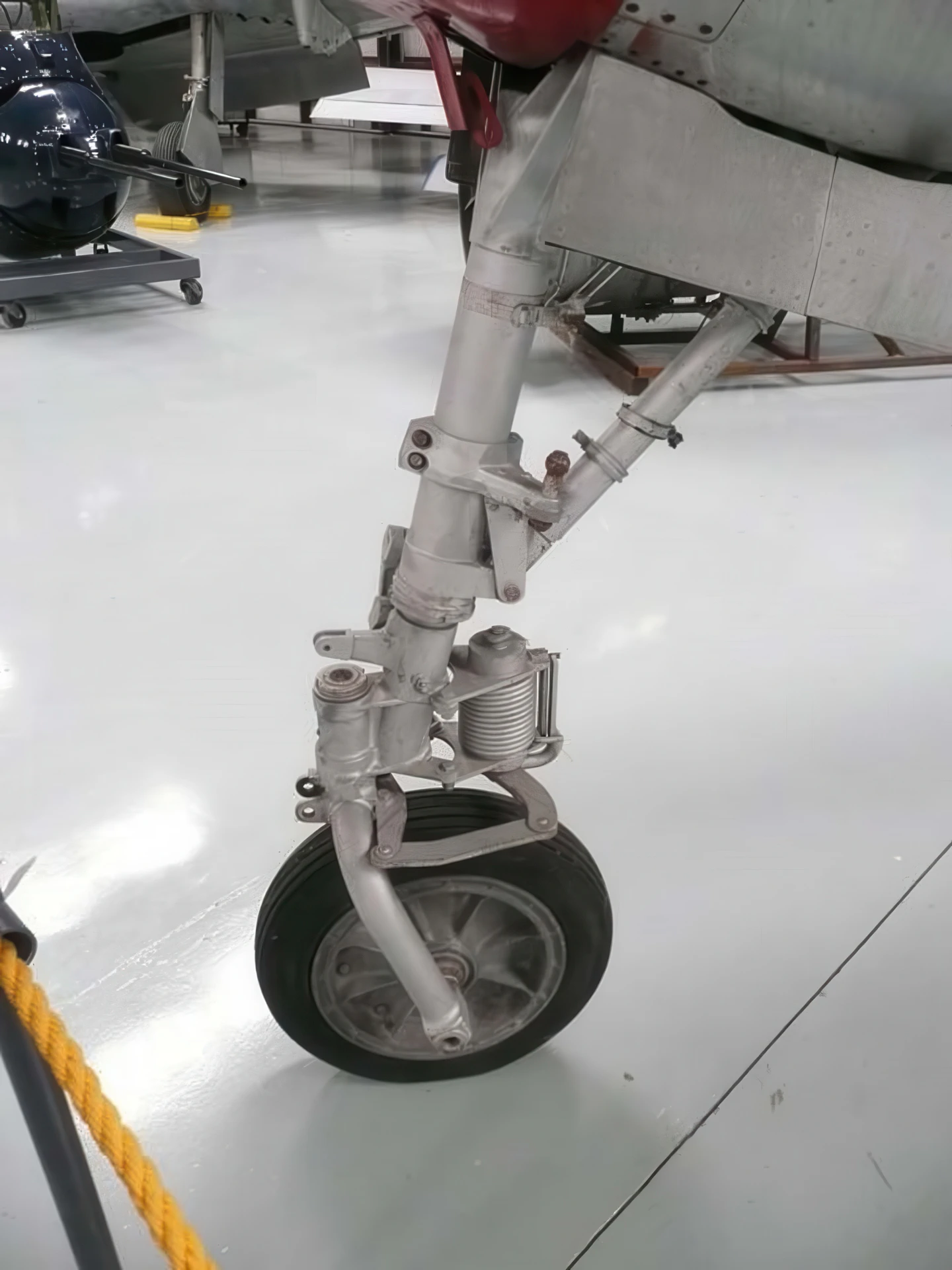

| République F-84F Thunderstreak Walk Around | |
|---|---|
| Photographe | Allex |
| Localisation | Inconnu |
| Photos | 24 |
 Achetez-moi un café
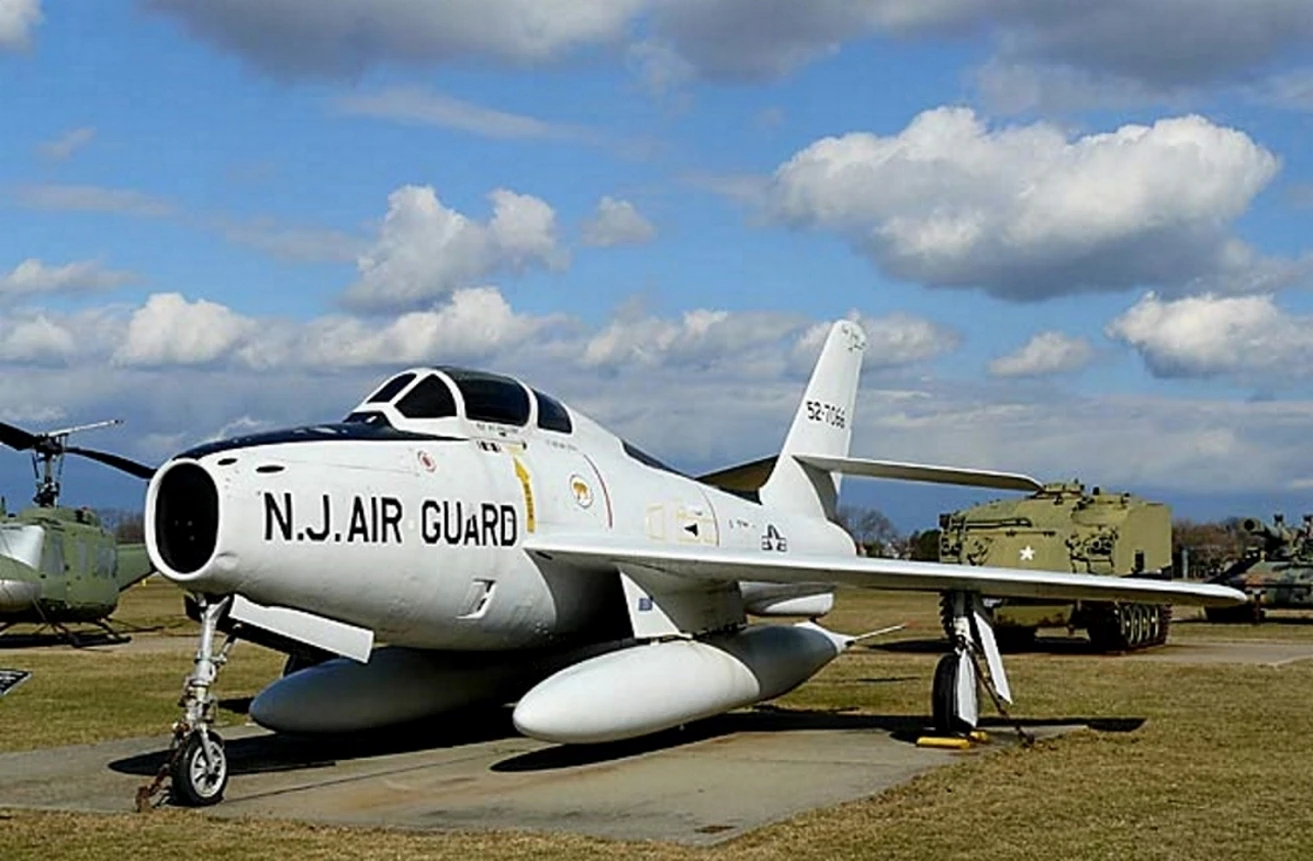
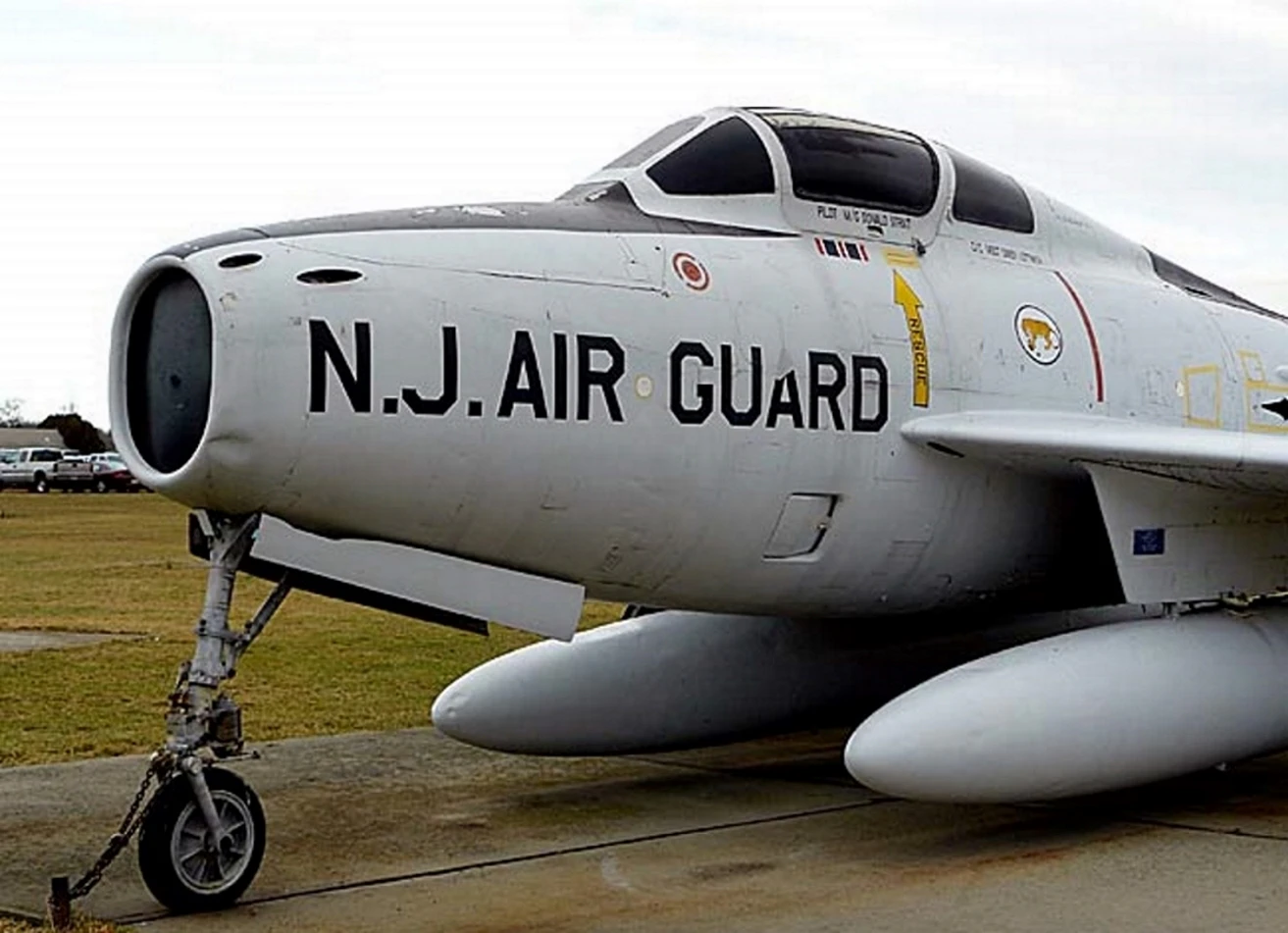
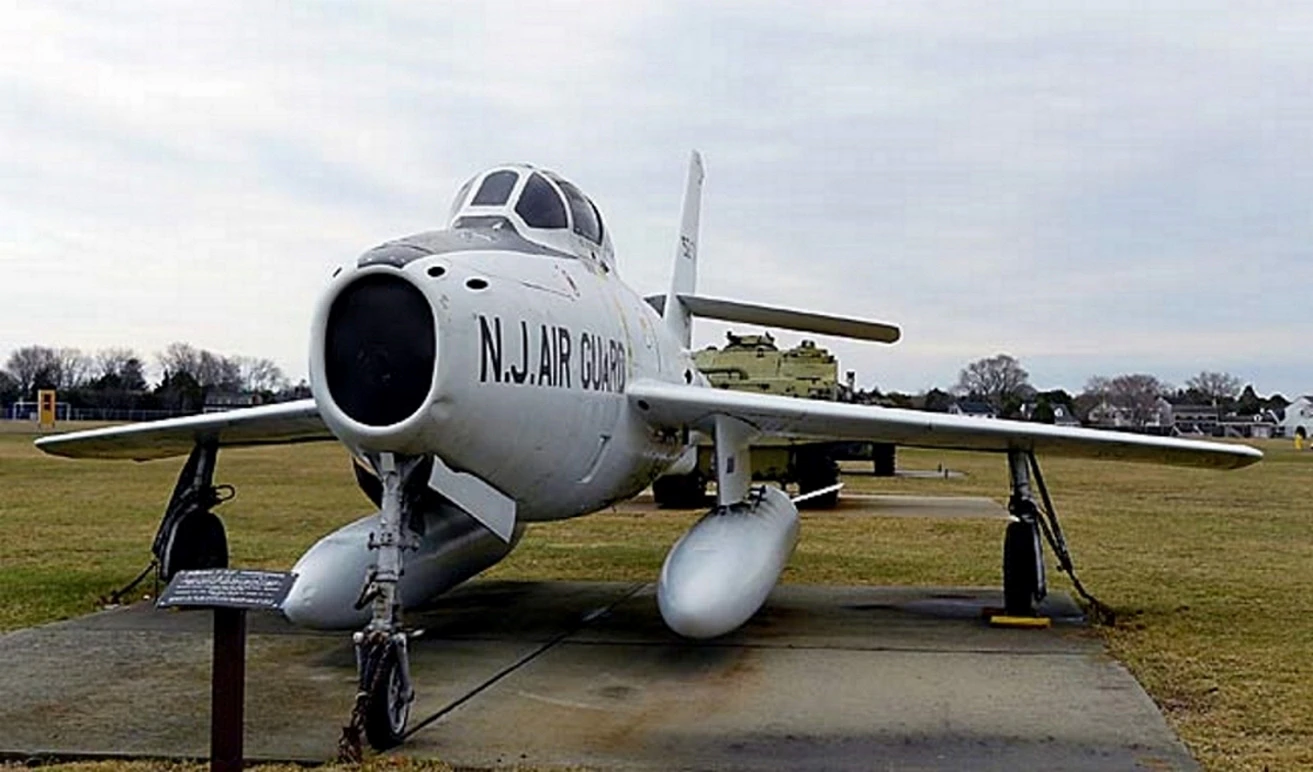
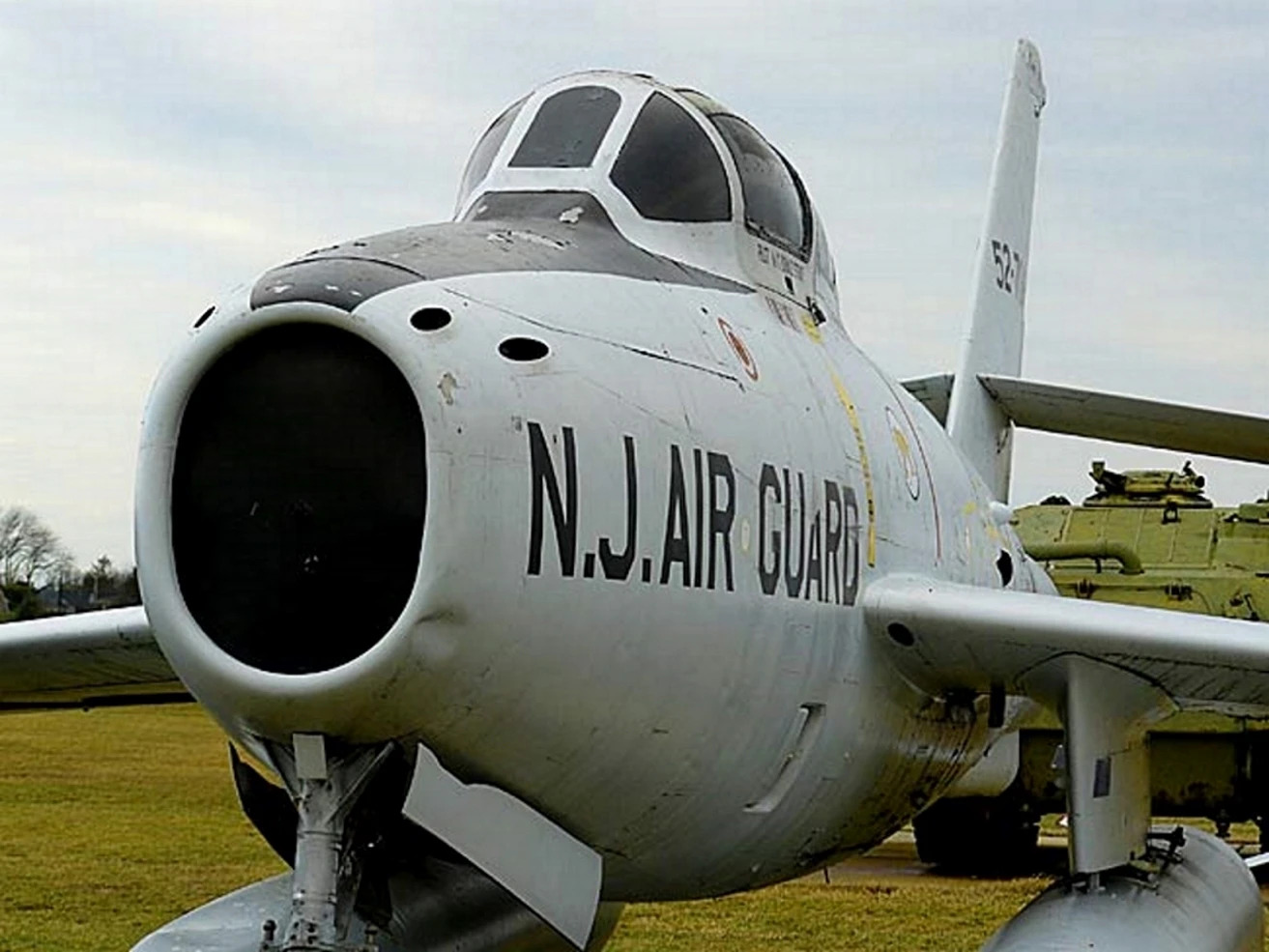
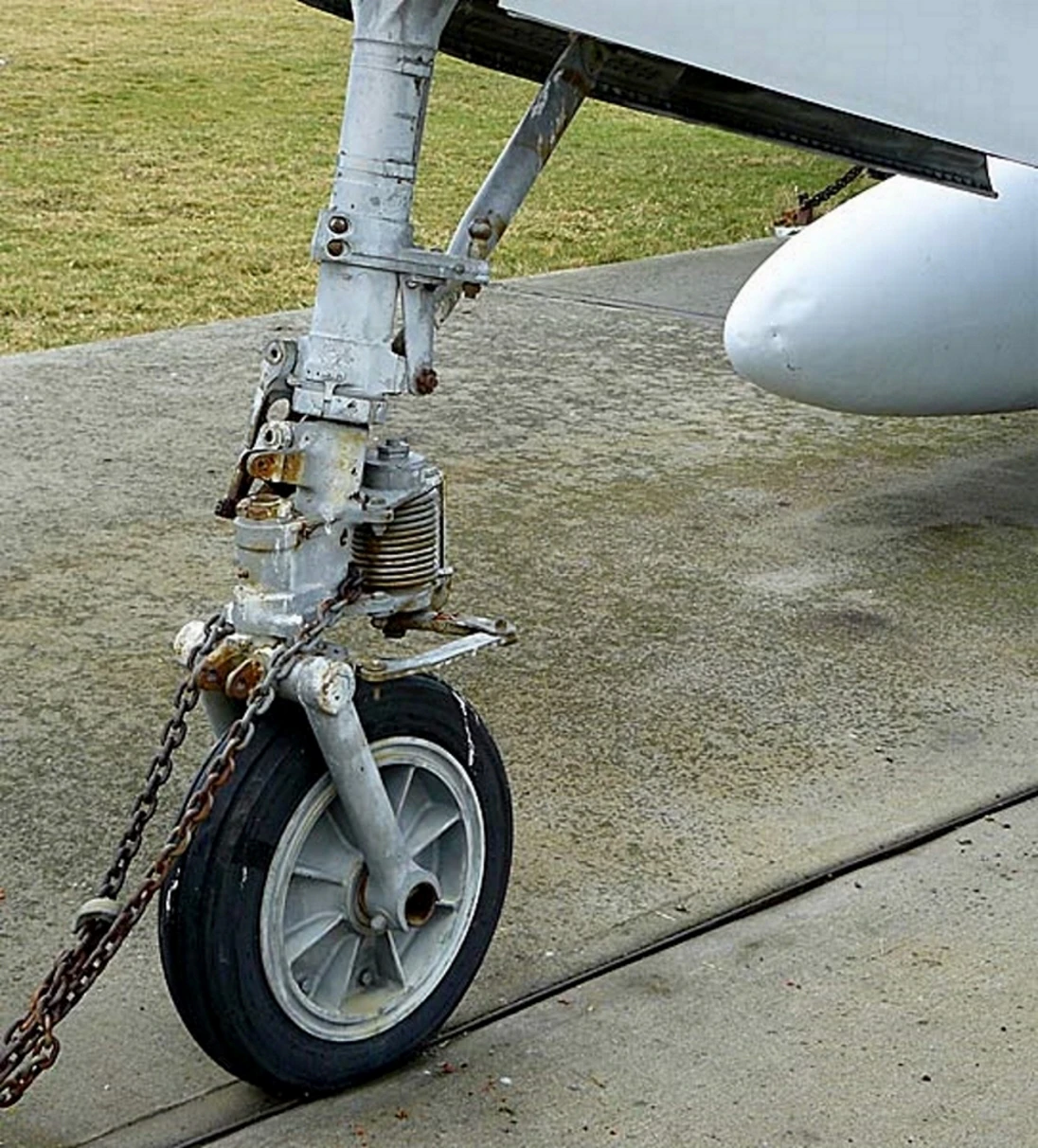
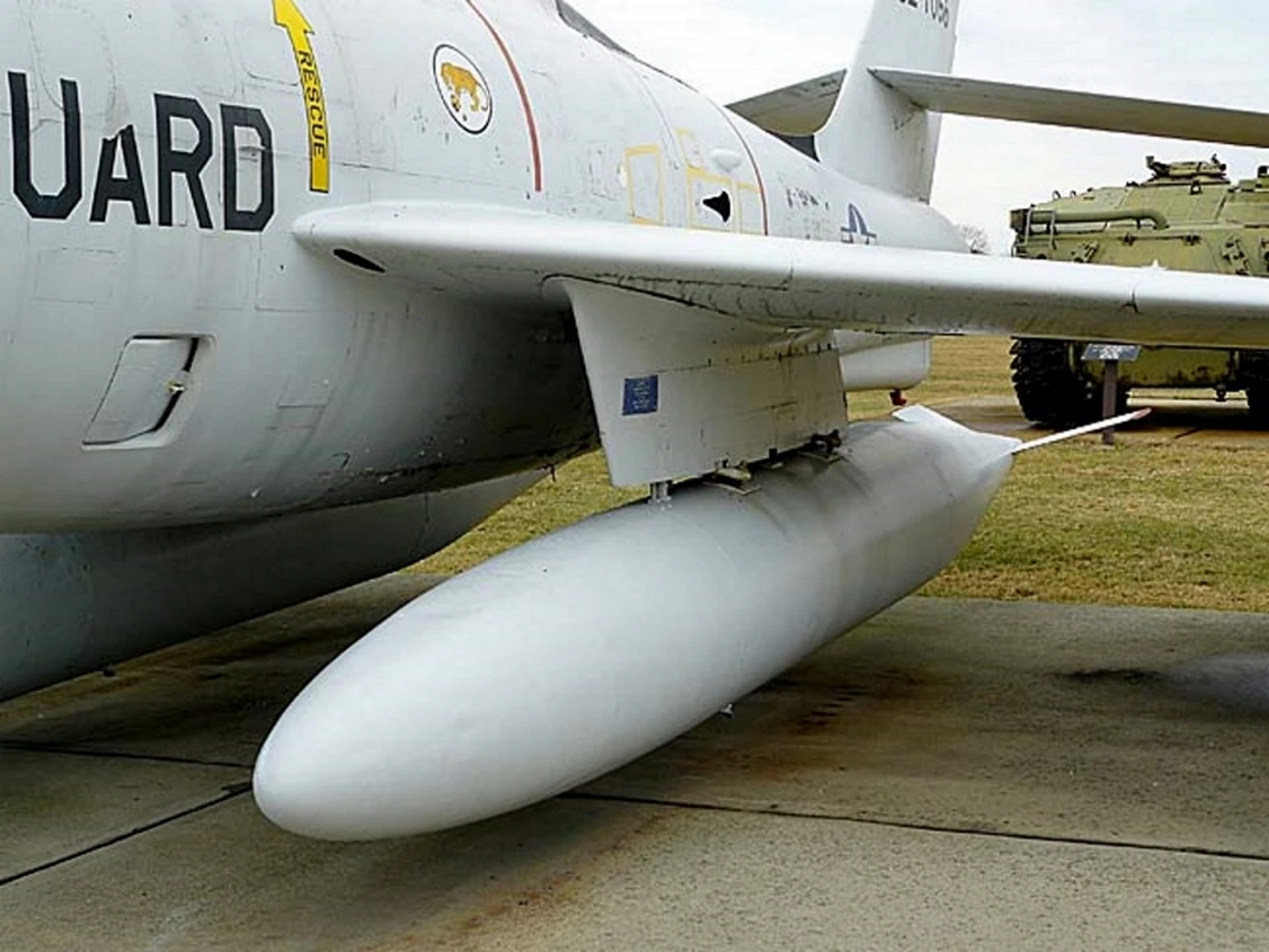
| Republic F-84F Thunder Streak Walk Around | |
|---|---|
| Photographe | Bill Maloney |
| Localisation | Musée de milice du New Jersey |
| Photos | 17 |
Voir aussi :


The Blue-Collar Jet
Lla République F-84 Thunderjet was the United States’ primary strike fighter during the early Cold War. While the F-86 Sabre grabbed the headlines for dogfighting MiGs, the Thunderjet did the heavy lifting on the ground. It was the first « second-generation » American jet, designed to replace the P-47 Thunderbolt’s rugged legacy. Known for its massive fuel capacity and ability to carry heavy ordnance, it became a cornerstone of NATO’s early defense and the first jet fighter capable of carrying a nuclear weapon.
| Attribute | Technical Specification (F-84E) |
|---|---|
| Rôle | Fighter-Bomber / Escort Fighter |
| Crew | 1 (Pilot) |
| Groupe motopropulseur | 1 × Allison J35-A-17 turbojet |
| Thrust | 4,900 lbf (21.8 kN) |
| Vitesse maximale | 1,001 km/h (622 mph / Mach 0.82) |
| Combat Radius | 1,370 km (850 miles) with external tanks |
| Armement | 6 × .50 cal (12.7mm) M3 Browning machine guns |
| Artillerie | Up to 2,020 kg (4,450 lb) of bombs and rockets |
Design Engineering: Straight Wings and Tip Tanks
- Lla « Lead Sled »: Pilots gave it this nickname because the F-84 required enormous amounts of runway to take off when fully loaded. Its straight-wing design provided excellent stability for ground attack but made it sluggish to climb compared to swept-wing aircraft.
- Integrated Tip Tanks: To solve the short range of early jet engines, Republic added permanent fuel tanks to the wingtips. This increased range significantly but also acted as « end plates, » actually improving the aerodynamic efficiency of the wings at certain speeds.
- Nose Intake: The J35 engine breathed through a simple, direct nose intake. This design was efficient for air intake but meant the pilot sat high above a long air duct, giving the fuselage its deep, tubular appearance.
- Nuclear Strike Modification: The F-84G model introduced the LABS (Low-Altitude Bombing System), which allowed the pilot to perform a « toss bombing » maneuver to deliver a Mark 7 nuclear bomb while escaping the blast radius.
Combat History: Korea and the Cold War
- The Korean War: The F-84 flew over 86,000 sorties in Korea. While it couldn’t match the MiG-15 in a dogfight, it was devastatingly effective at destroying bridges, dams, and supply lines. It was responsible for 60% of all ground targets destroyed by the Air Force during the conflict.
- Lla « Thunderscreech (Thunderscreech) »: One of the most famous (and painful) offshoots was the XF-84H, a turboprop version. Its propeller tips moved at supersonic speeds even while idling, creating a noise so intense it made ground crews physically ill.
- Parasite Experiment (FICON): The F-84 was used in the FICON project, where it was carried under a B-36 Peacemaker and launched mid-flight to act as a high-speed scout or escort, then « re-docked » to the bomber’s trapeze.
- NATO Proliferation: The F-84 was the « standard » fighter for many early NATO air forces, including France, Italy, Belgium, and Turkey, helping to rebuild European airpower in the late 1940s and 50s.
Vues : 7910
Vous pouvez voir aussi :
 Republic XF-84H Thunderscreech – Photos & Vidéos
 Republic XF-91 – Photos & Vidéos
 Republic RC-3 Seabee – Photos & Vidéos
 Fieseler Fi 156 – Photos & Vidéo
 Curtiss C-46 Commando – Photos & Vidéo
 Northrop N-9MB – Photos et vidéos
 Republic F-105 Thunderchief – Photos et vidéo
 A-20 Havoc – WalkAround
 TBM-3E Avenger – Walk Around
 Fiat G-55 Centauro – Walk Around