Messerschmitt Bf 110 | |
|---|---|
| Pays | Allemagne nazie |
| Rôle | Chasseur lourd – Avion d’attaque au sol – Chasseur-bombardier/chasseur de nuit |
| Premier vol | Le 12 mai 1936 |
| Construit | 6170 |
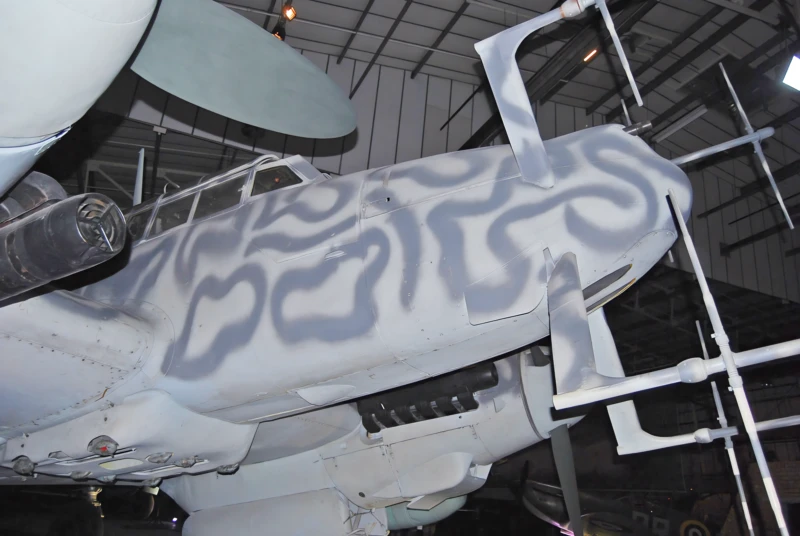
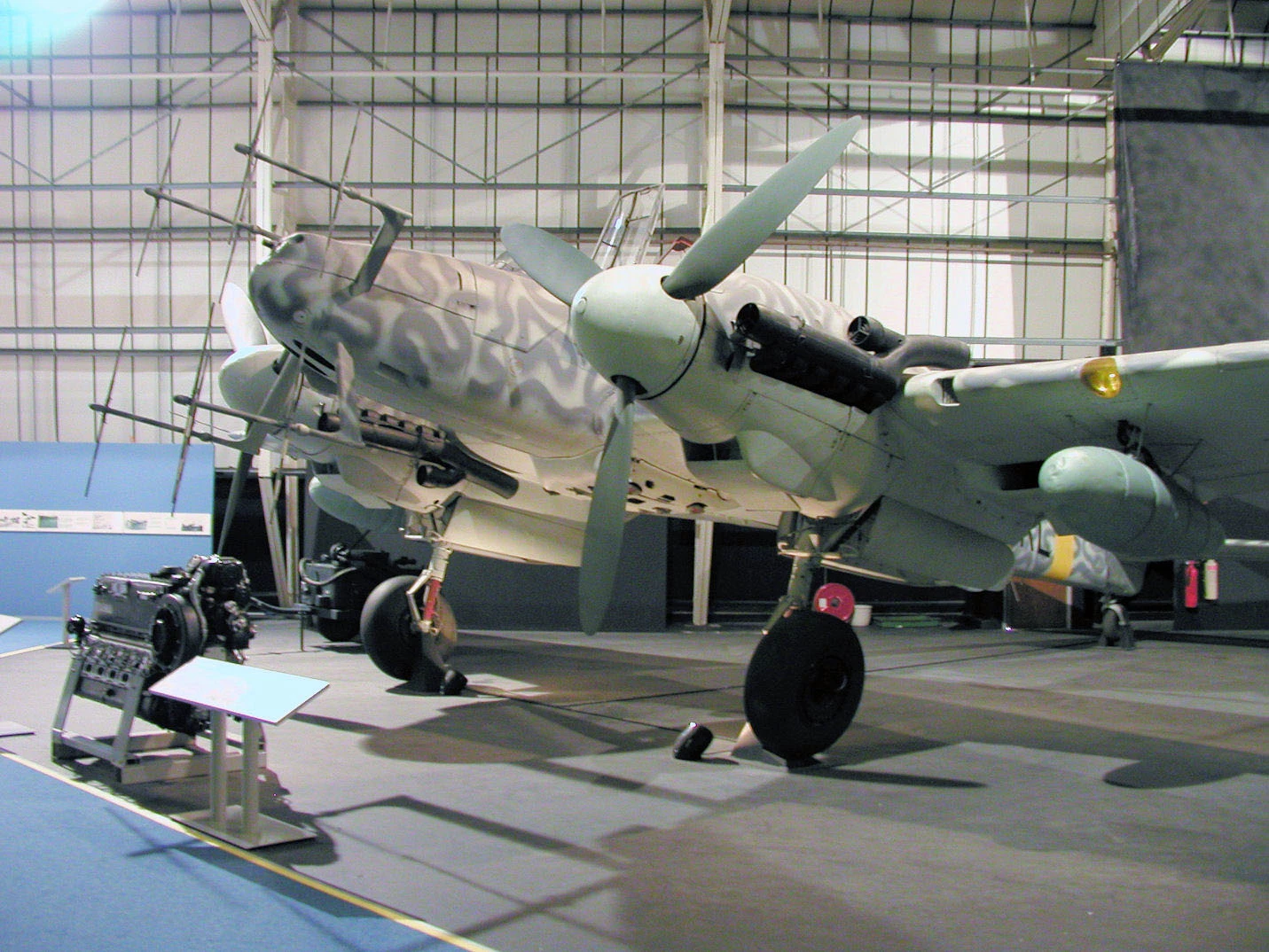
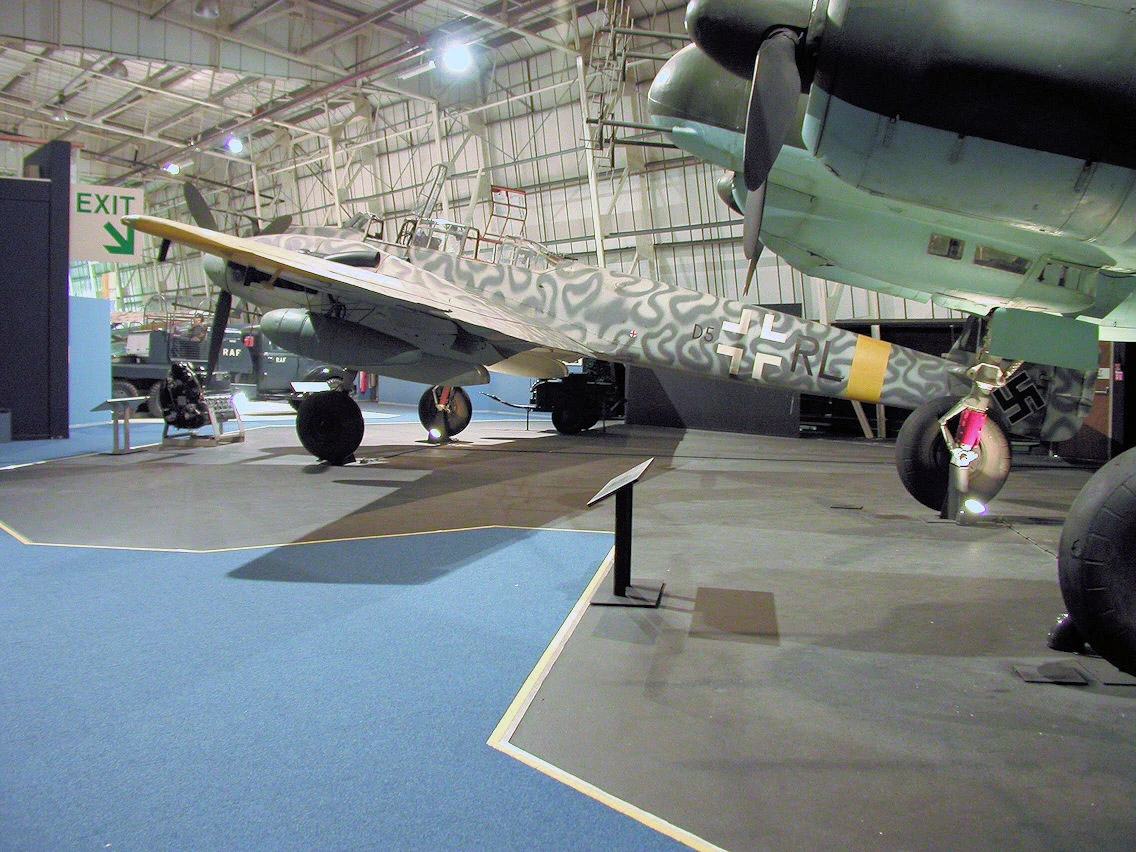
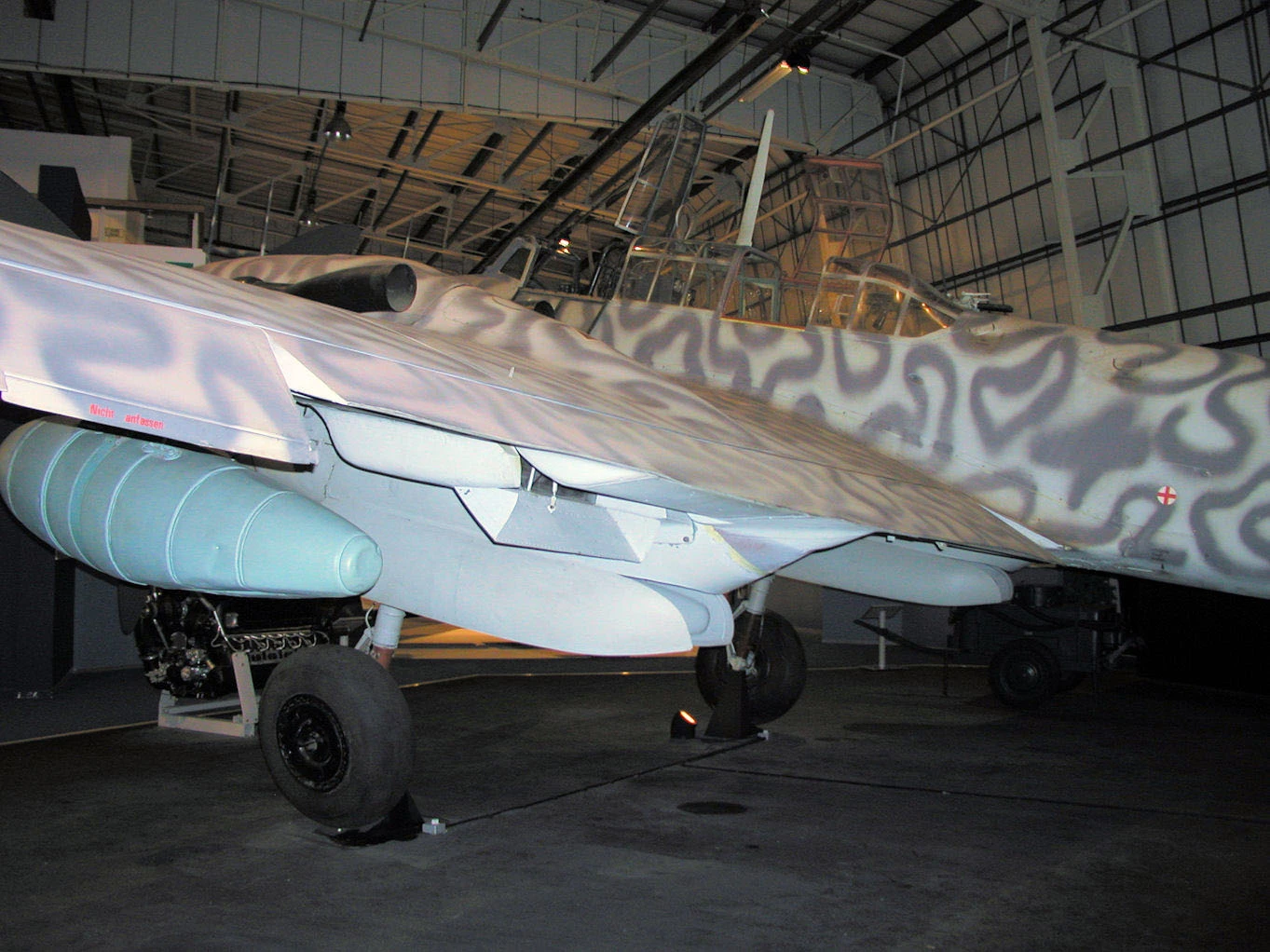
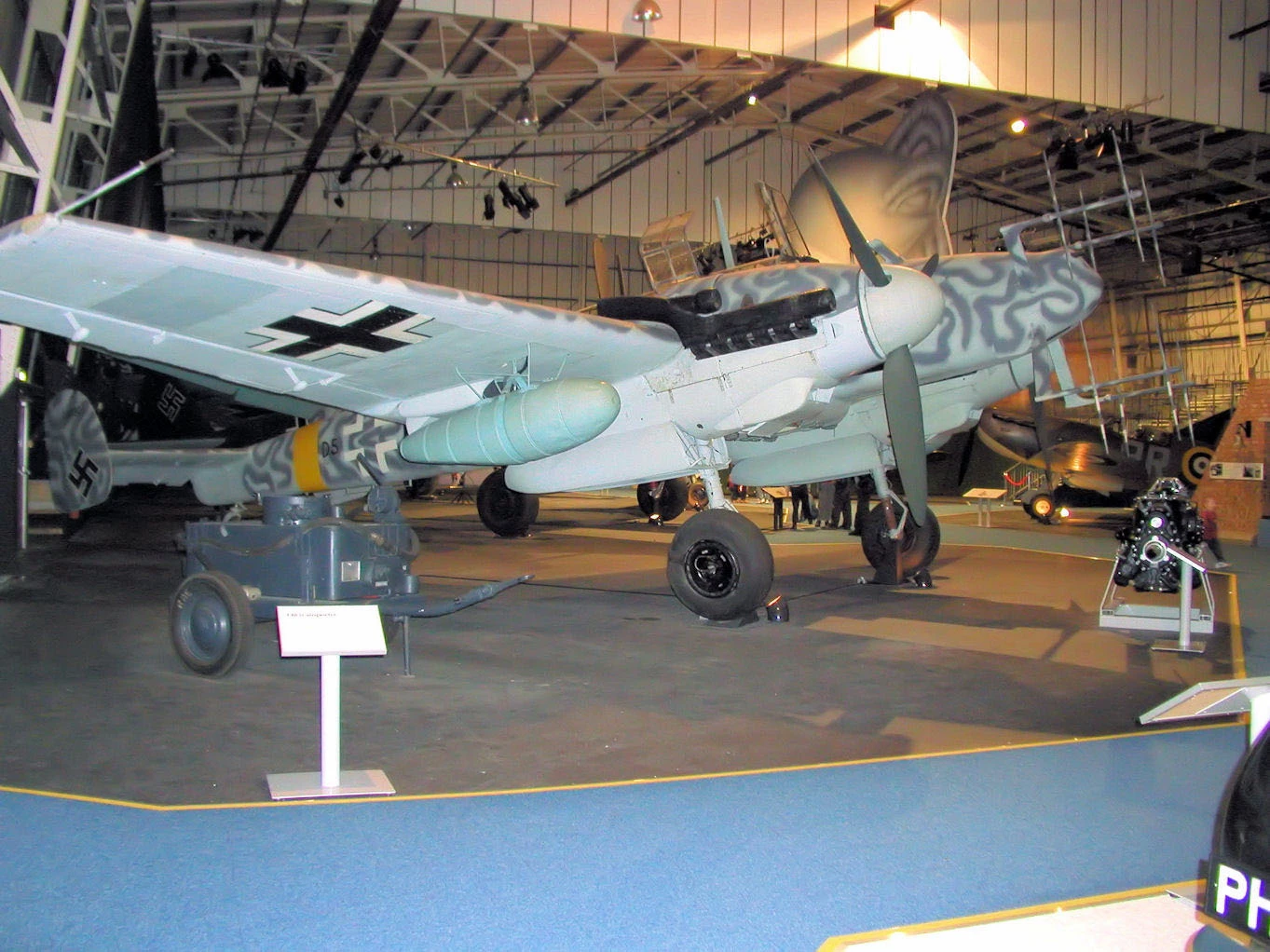
Galerie de photos d’un Messerschmitt Bf 110, The Messerschmitt Bf 110, often (erroneously) called Me 110, was a twin-engine heavy fighter (Zerstörer—German for « Destroyer ») et chasseur-bombardier (Jagdbomber ou Jabo) développé dans l’Allemagne nazie dans les années 1930 et utilisé par la Luftwaffe et d’autres pendant la Seconde Guerre mondiale. Hermann Göring était un partisan du Bf 110. Il était armé de deux canons MG FF de 20 mm, de quatre mitrailleuses MG 17 de 7,92 mm (0,312 po) et d’une mitrailleuse MG 15 de 7,92 mm (0,312 po) ou d’un mg 81Z à canon double pour la défense. Les travaux de développement sur un type amélioré pour remplacer le Bf 110, le Messerschmitt Me 210 a commencé avant le début de la guerre, mais ses problèmes de dentition de son aérodynamique a abouti à la Bf 110 soldat jusqu’à la fin de la guerre dans divers rôles, aux côtés de ses remplacements, le Me 210 et le 410 Hornisse sensiblement amélioré.
Source: Messerschmitt Bf 110 sur Wiki
| Messerschmitt Bf 110 | |
|---|---|
| Photographe | Maxwell Williams |
| Localisation | Inconnu |
| Photos | 79 |
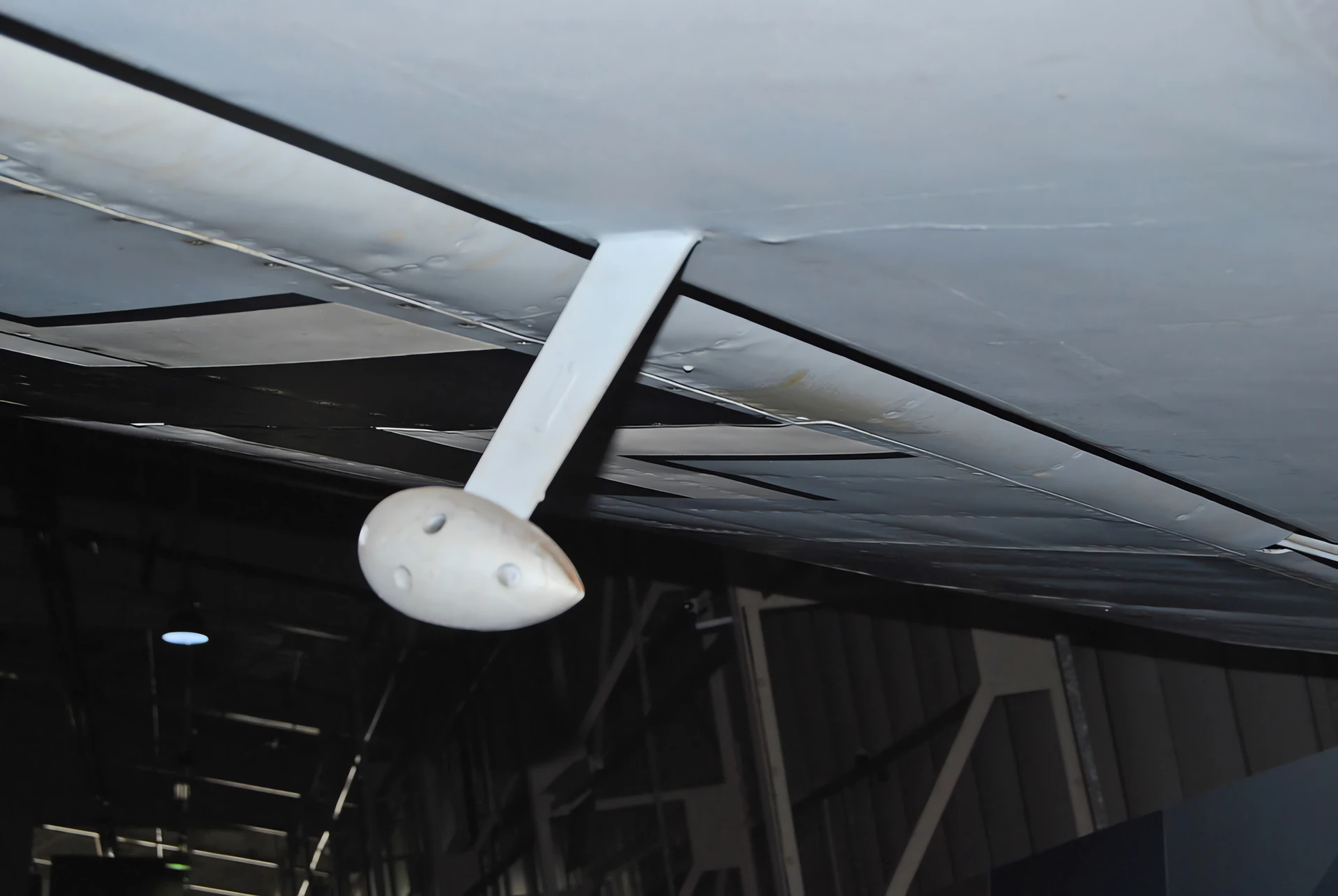
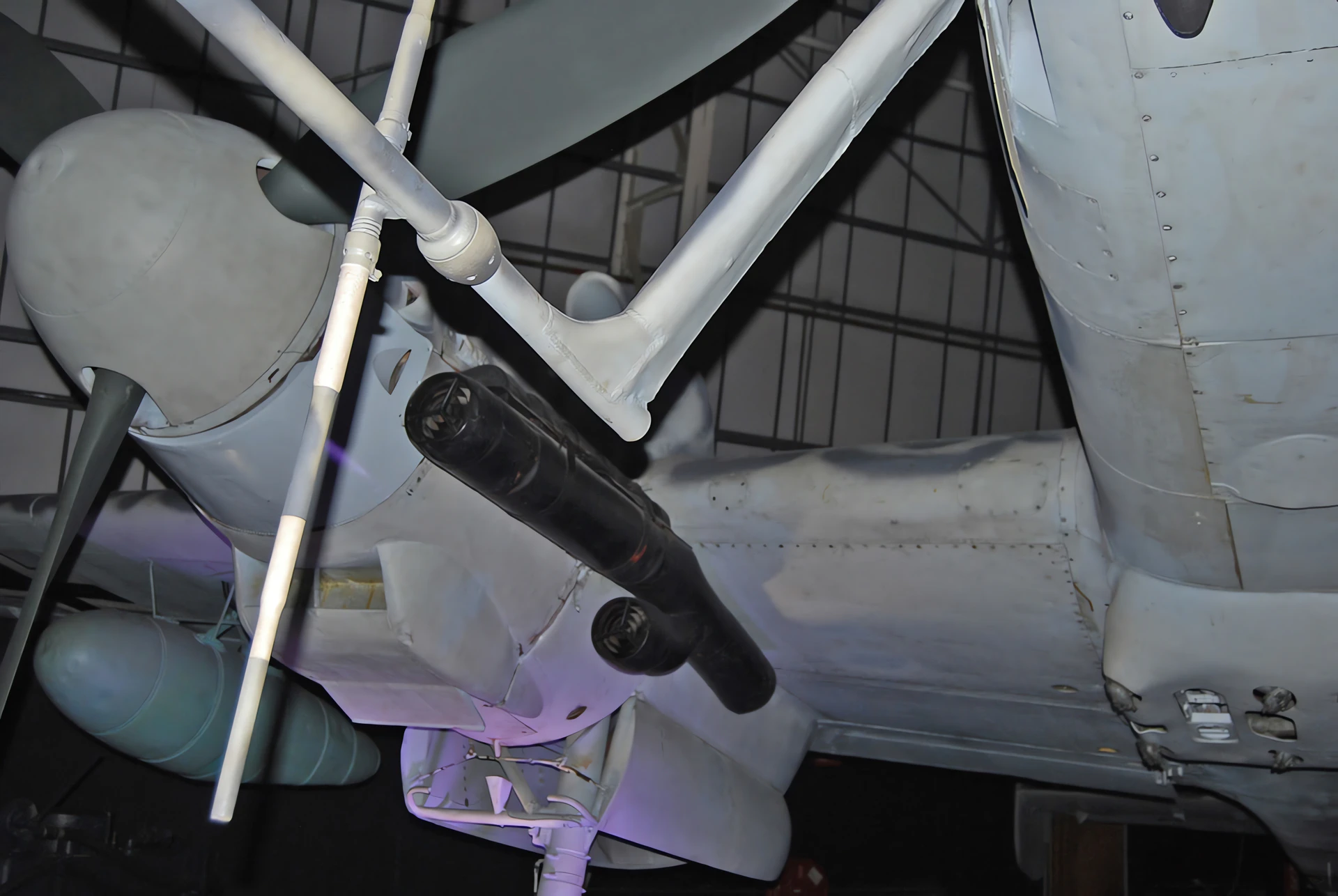
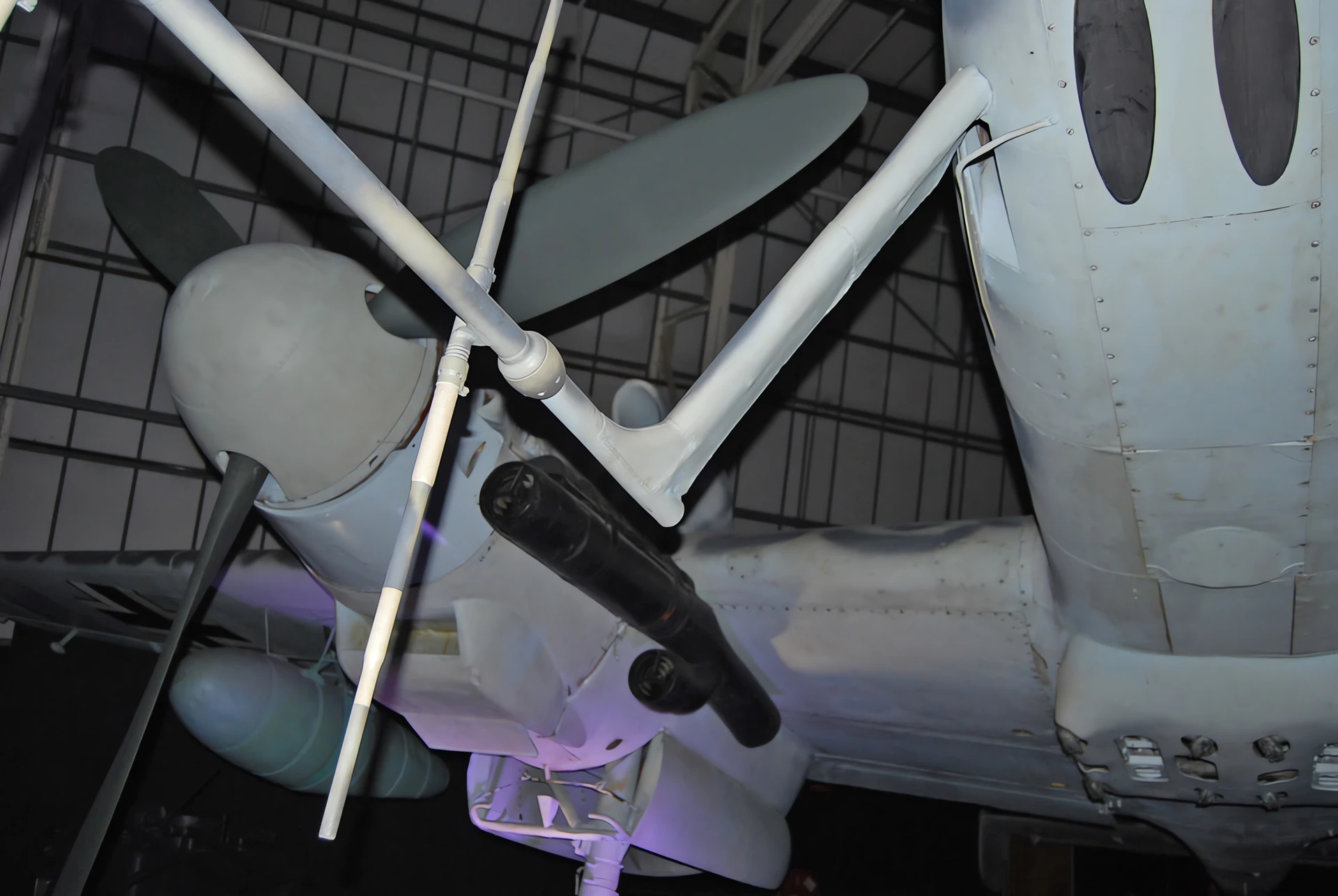
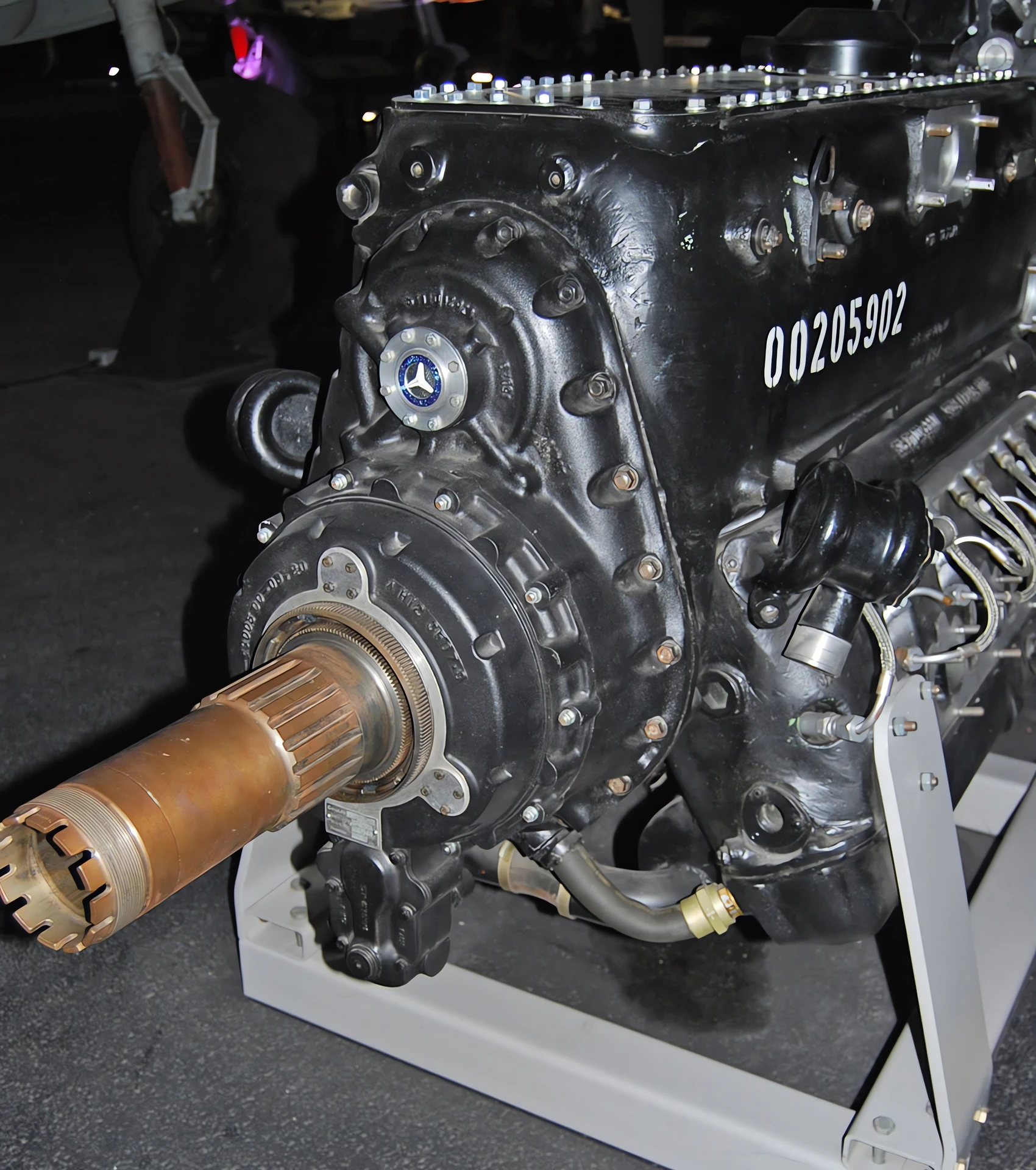
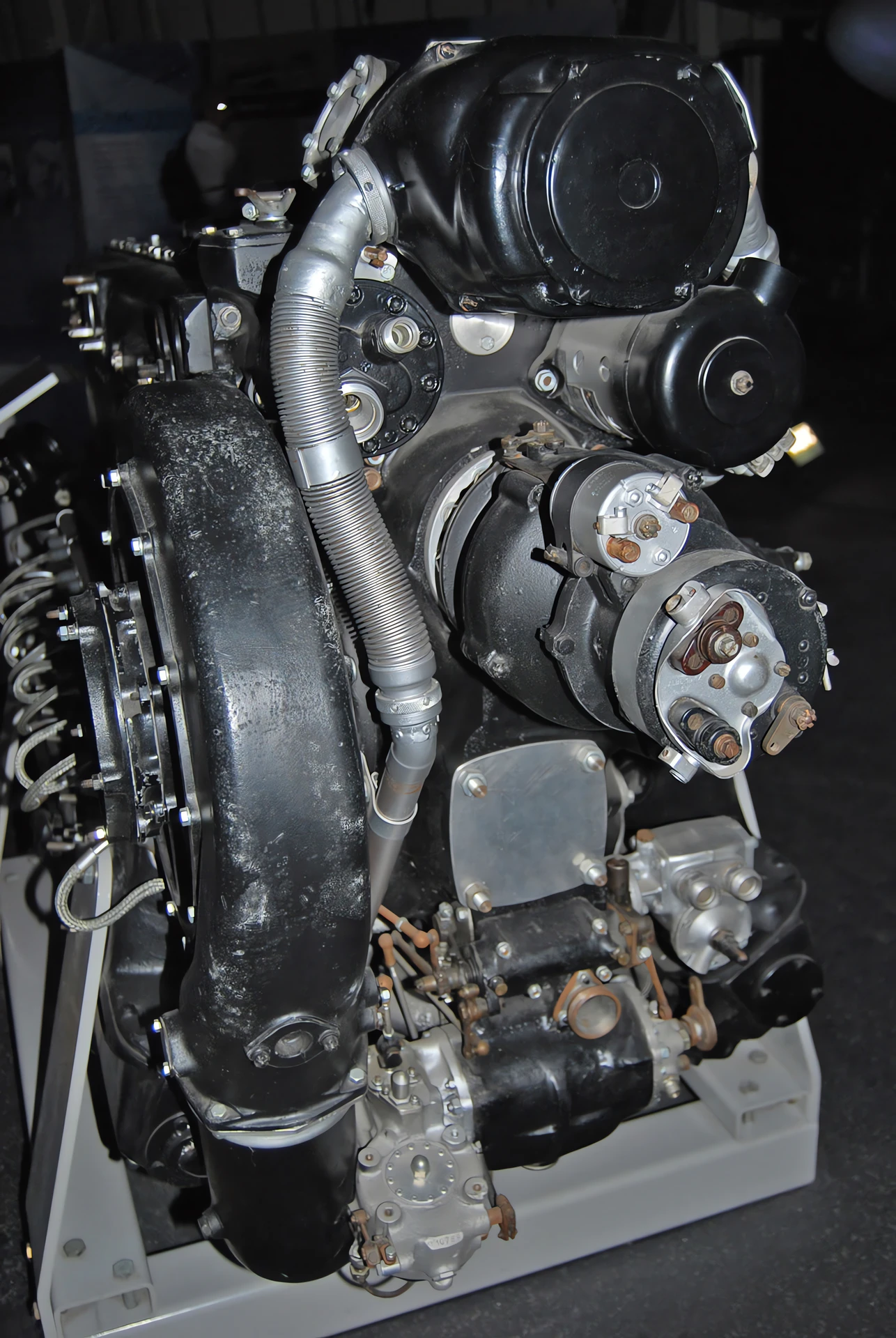
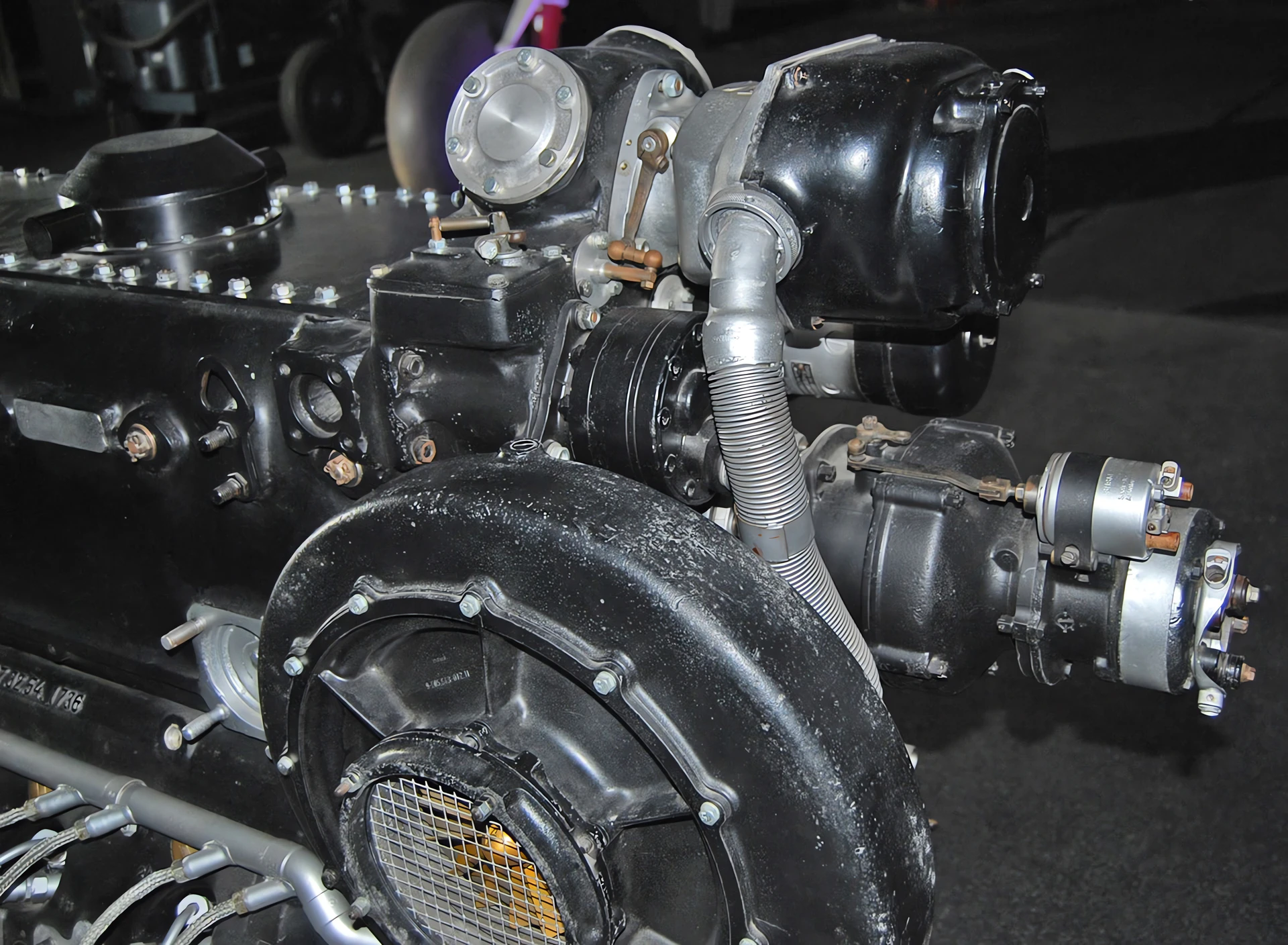
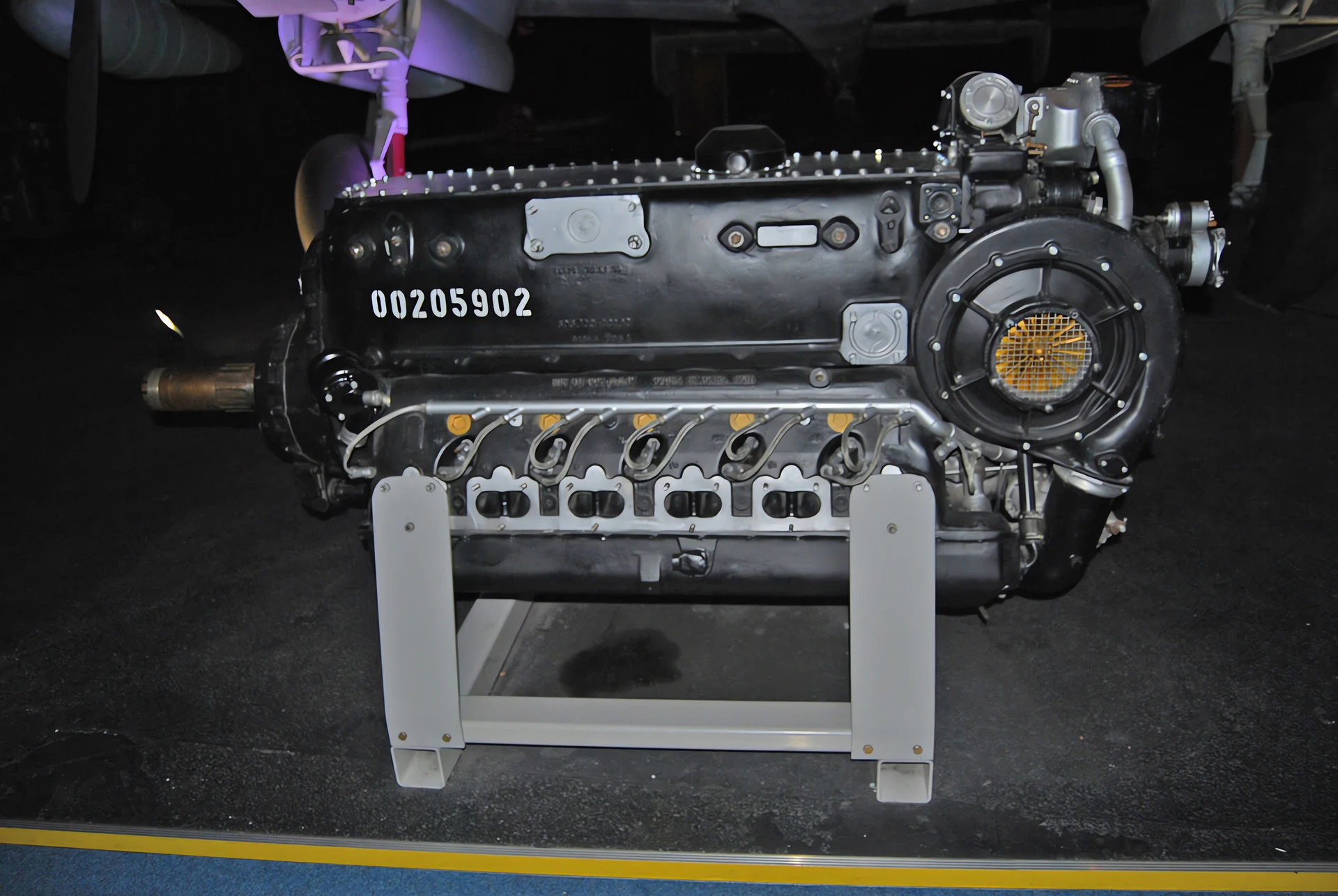
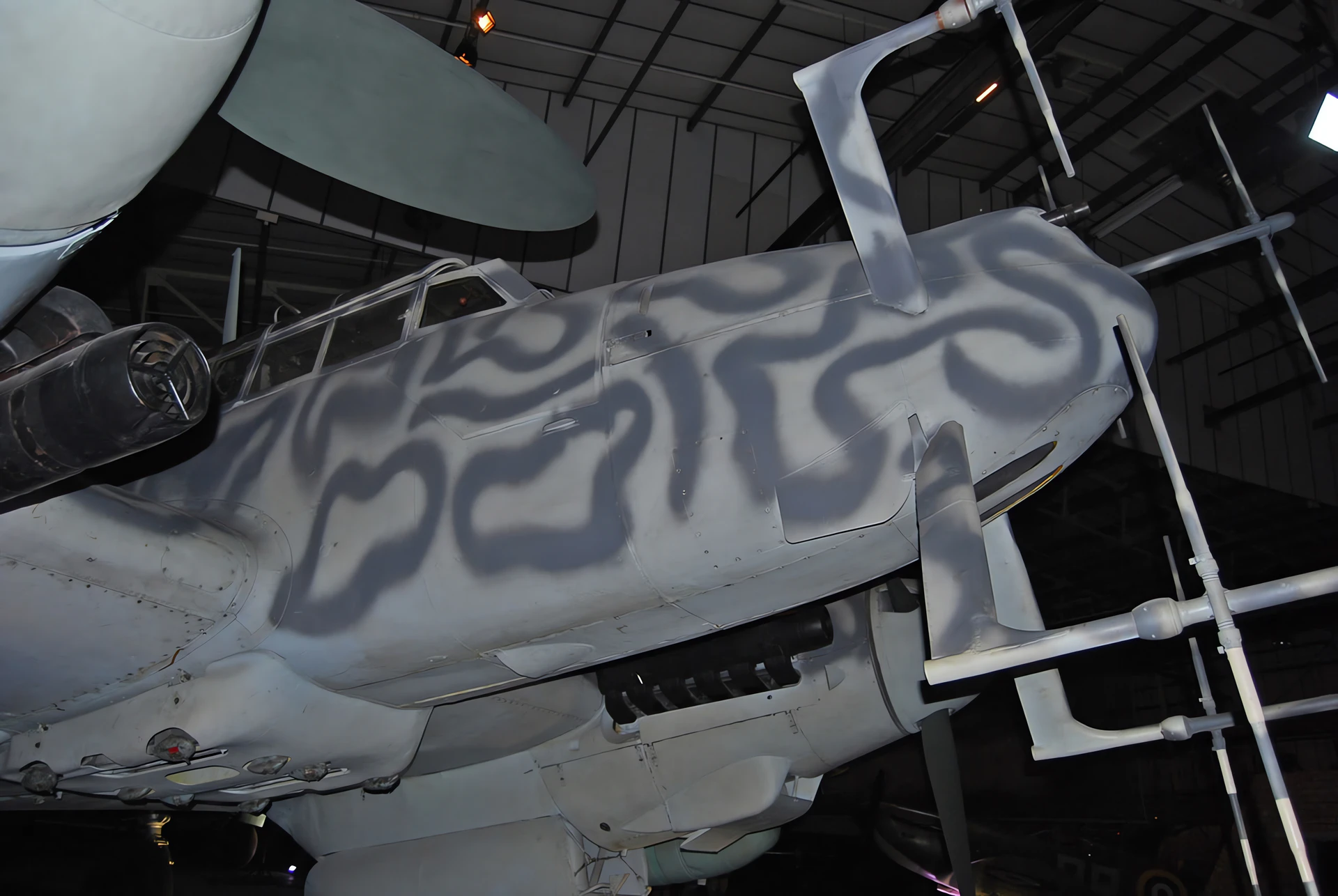
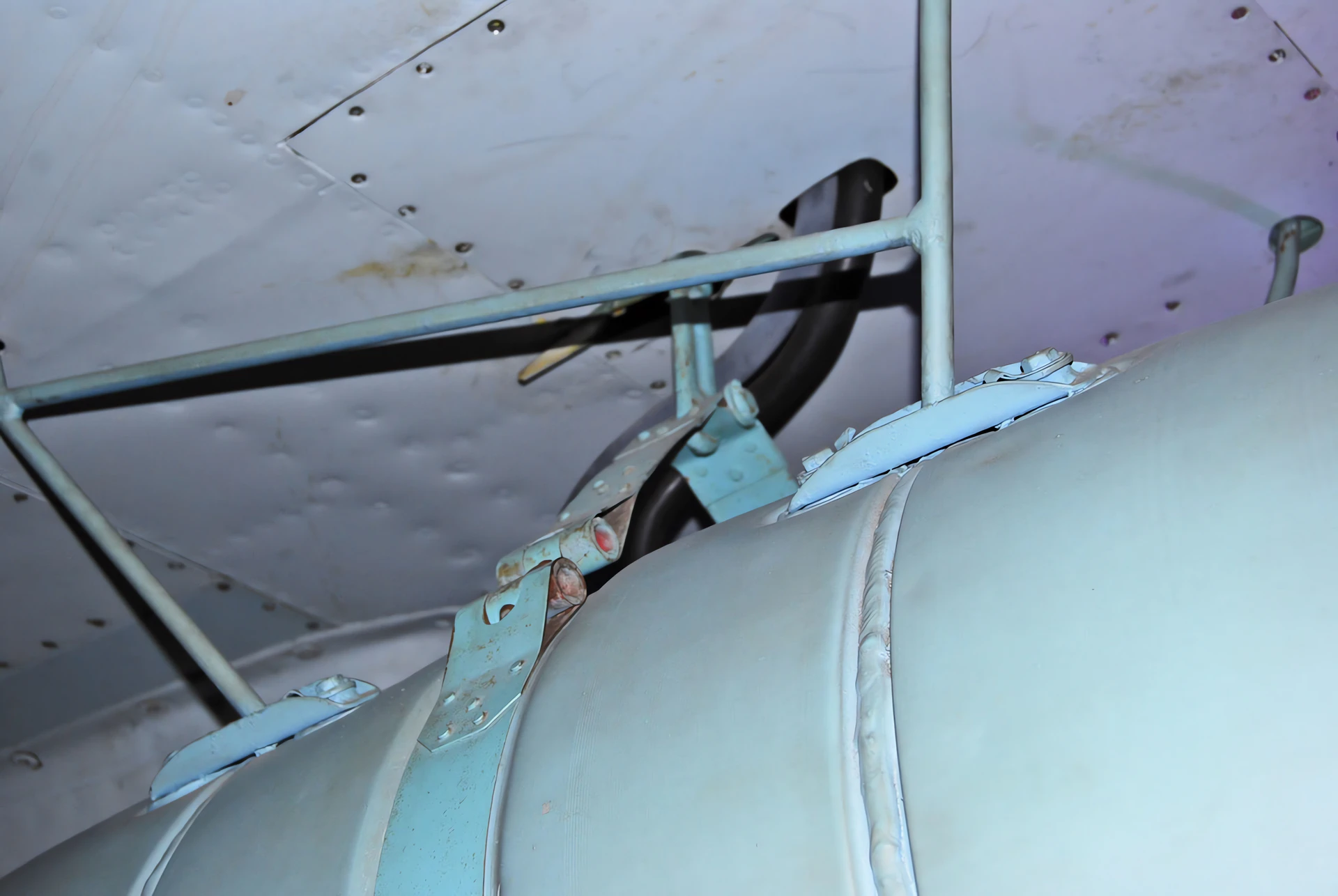

| Bf 110G Nachtjager Walk Around | |
|---|---|
| Photographes | Michael Benolkin, David Spurgeon-Jackson |
| Localisation | Inconnu |
| Photos | 38 |
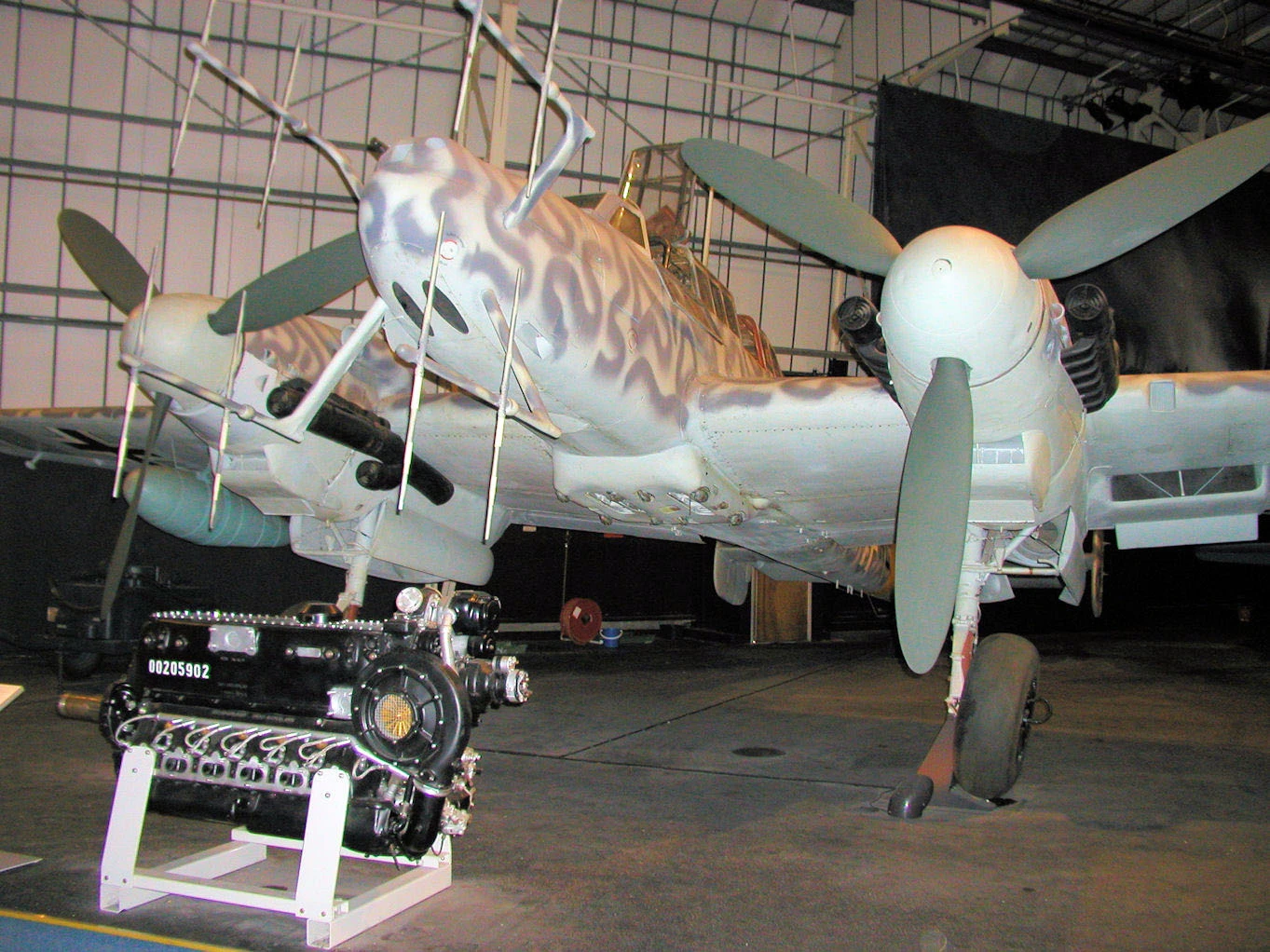
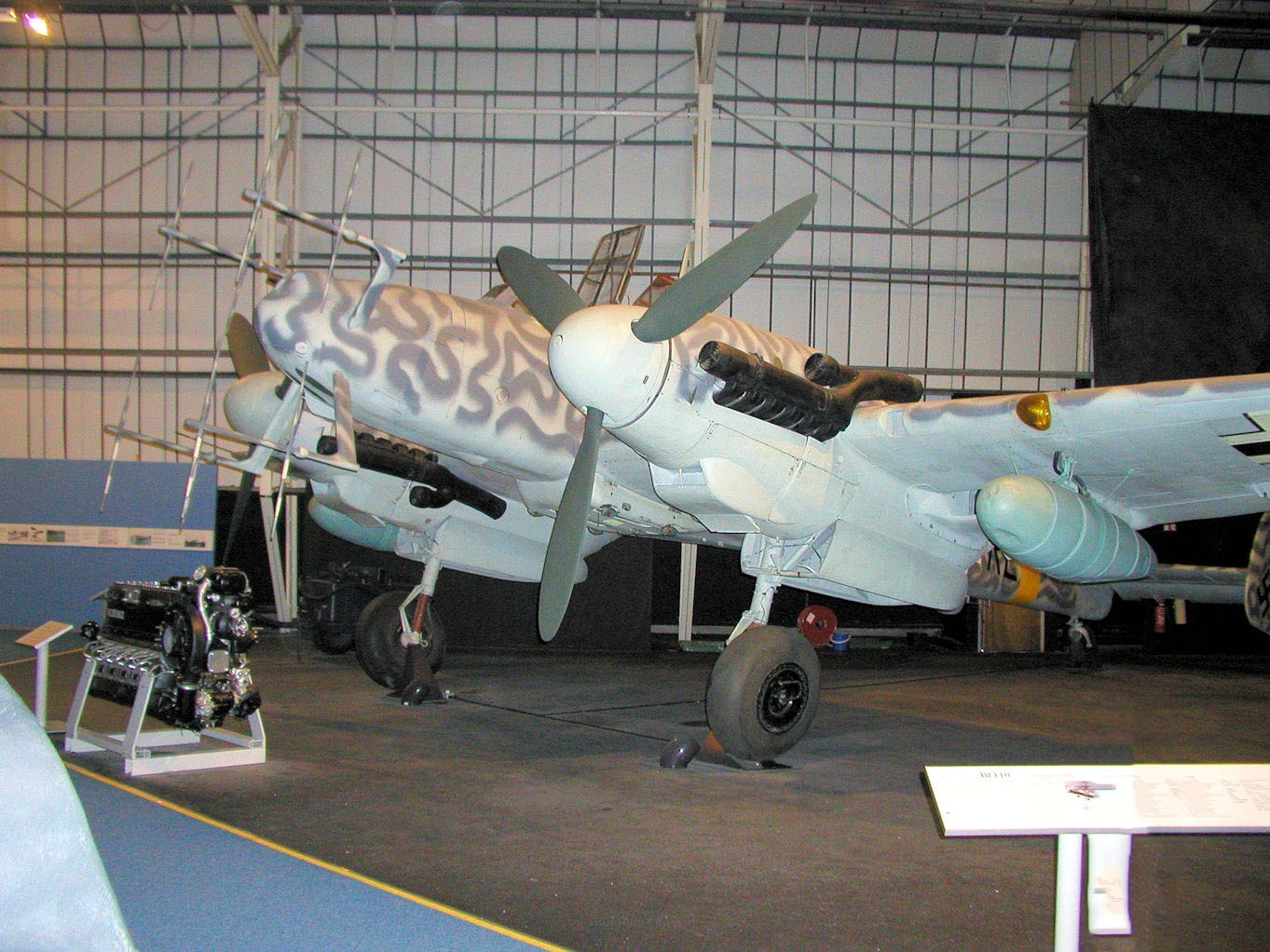
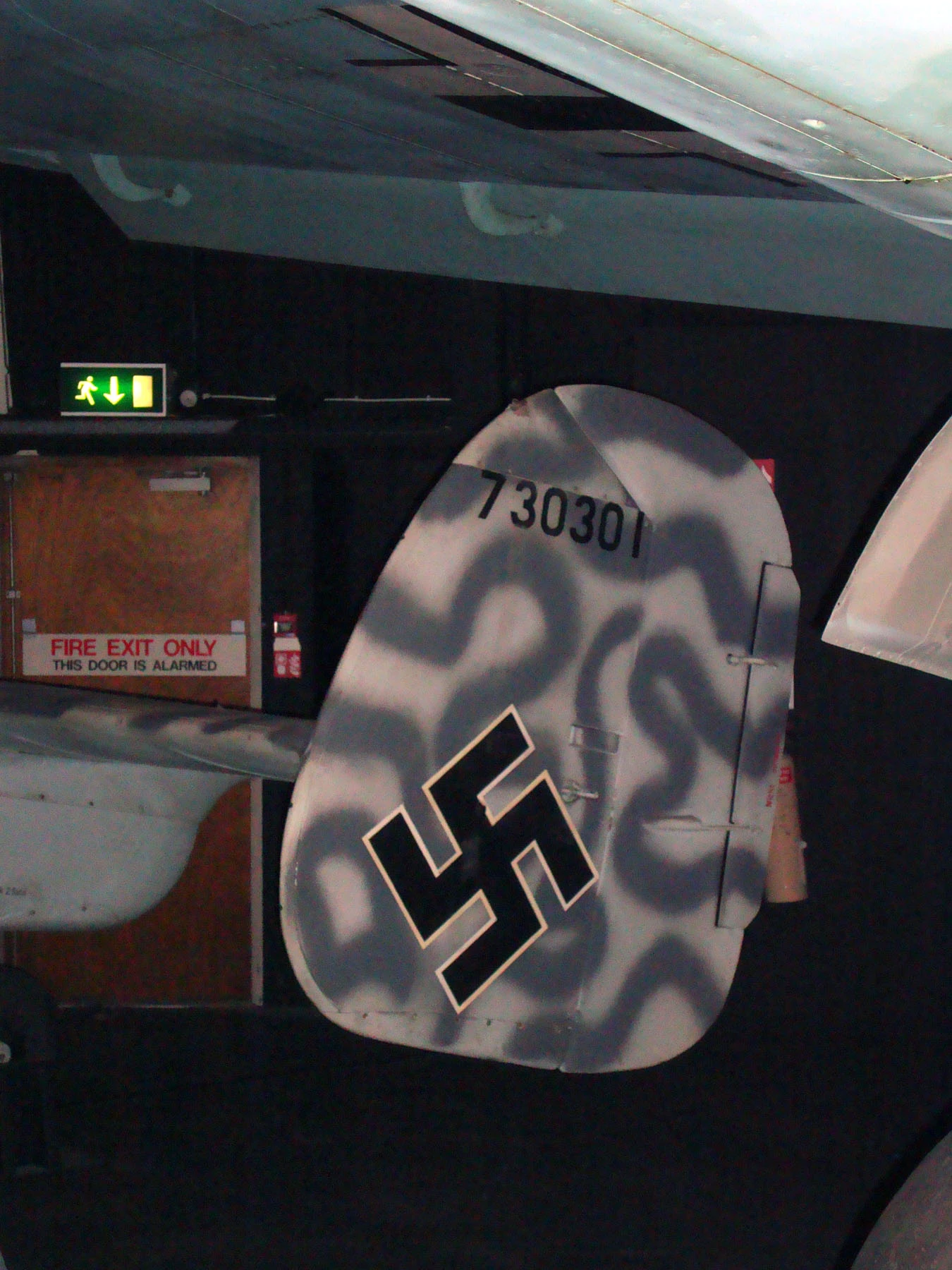
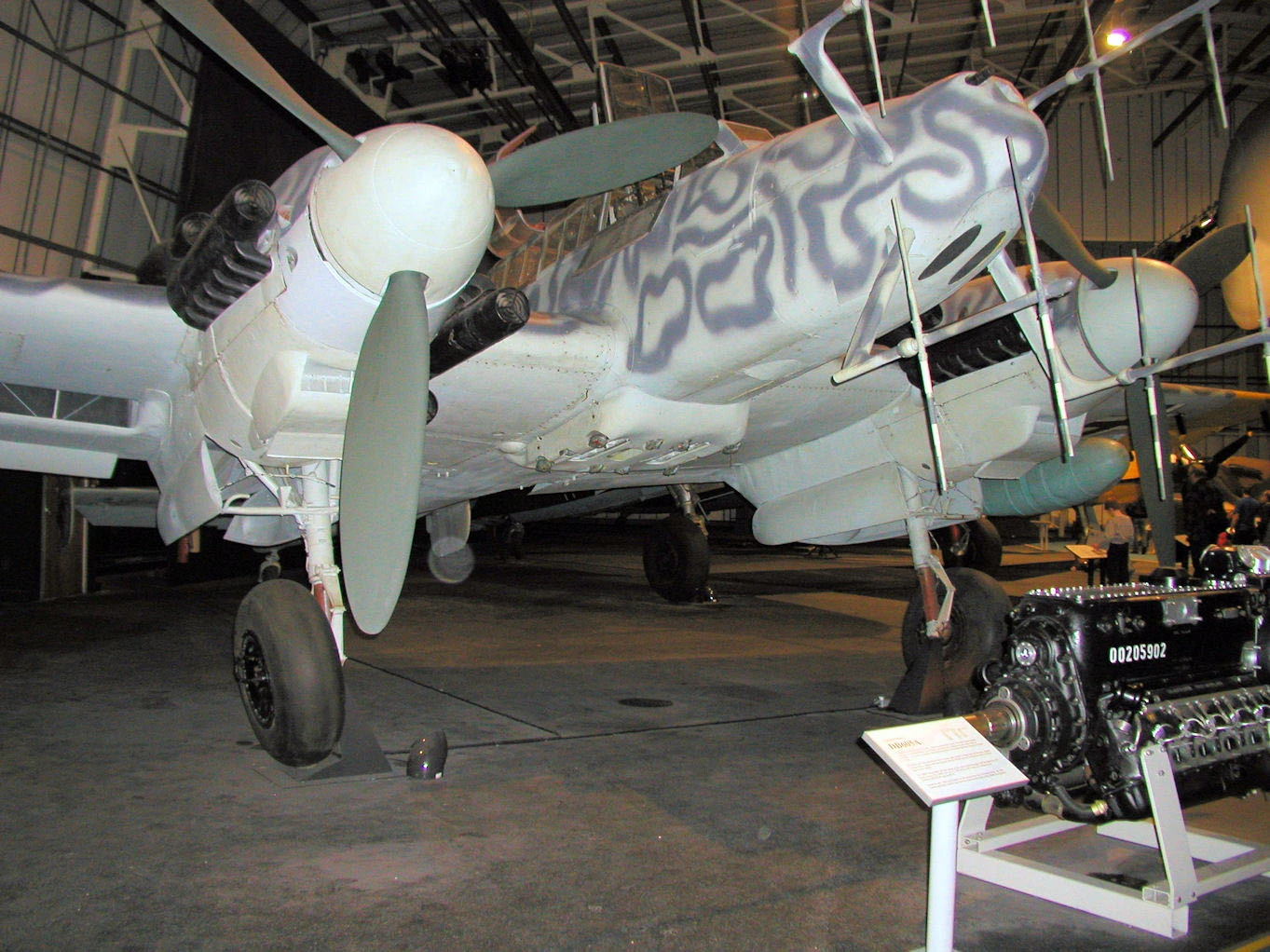
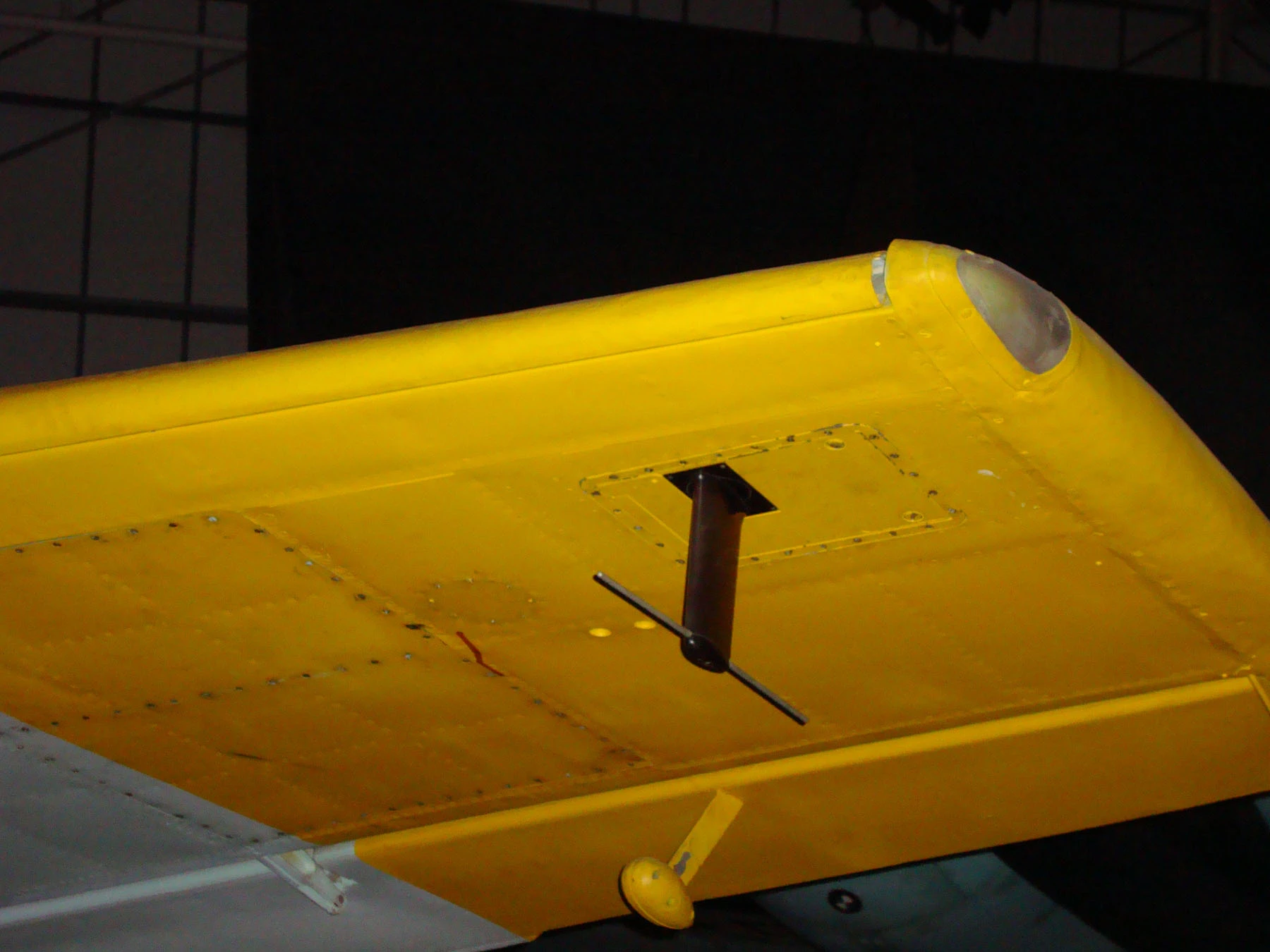
Voir aussi :


| Messerschmitt Bf 110G-4 Walk Around | |
|---|---|
| Photographe | Maxwell Williams |
| Localisation | Inconnu |
| Photos | 79 |
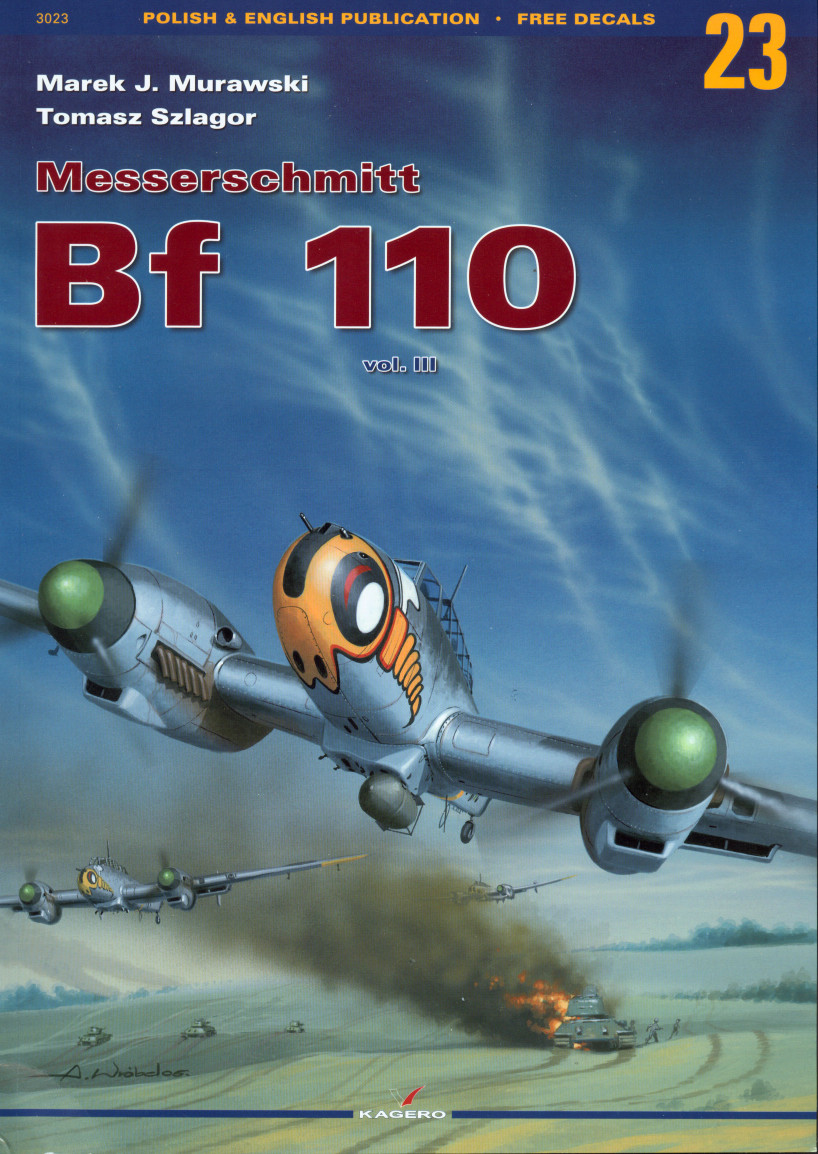
| Messerschmitt Me Bf 110 G-2 Walk Around | |
|---|---|
| Photographe | Unknow |
| Localisation | Inconnu |
| Photos | 51 |
The Heavy Fighter Concept
Lla Messerschmitt Bf 110 was the embodiment of Hermann Göring’s Zerstörer concept: a heavy, twin-engine fighter with enough range to escort bombers deep into enemy territory and enough firepower to blast anything out of the sky. While it famously struggled against the agile Spitfires and Hurricanes during the Battle of Britain, it found a second, highly successful life as a potent night fighter and ground-attack aircraft. It remained in production throughout the war, proving that a solid airframe could be adapted to almost any role.
| Attribute | Technical Specification (Bf 110 C-4) |
|---|---|
| Rôle | Heavy Fighter / Night Fighter |
| Crew | 2 or 3 (Pilot, Radio Operator/Gunner) |
| First Flight | May 12, 1936 |
| Groupe motopropulseur | 2 × Daimler-Benz DB 601N inverted V12 |
| Horsepower | 1,175 hp (876 kW) each |
| Vitesse maximale | 560 km/h (348 mph) |
| Armement principal | 2 × 20 mm MG FF/M cannons; 4 × 7.92 mm MG 17 machine guns (all in nose) |
| Defensive Armament | 1 × 7.92 mm MG 15 in rear cockpit |
Design Engineering: Concentrated Firepower
- Nose-Concentrated Armament: Unlike single-engine fighters with wing guns, all of the Bf 110’s primary weapons were clustered in the nose. This eliminated the need for « convergence » and allowed the pilot to fire a laser-straight stream of lead and high explosives.
- Automatic Leading-Edge Slats: To improve low-speed handling and prevent stalls in tight turns, the Bf 110 featured automatic slats on the outer wings. These would pop out mechanically when the angle of attack became too high.
- Lla « Schräge Musik » Innovation: Late-war night fighter variants were fitted with upward-firing 20mm cannons. This allowed the Bf 110 to fly underneath British heavy bombers and fire into their unarmored bellies without being seen.
- Radar Array: The night fighter versions (G-4 series) were equipped with the « Lichtenstein » radar. The distinctive « antler » antennas on the nose increased drag significantly but made the aircraft a deadly hunter in total darkness.
A Complicated Combat Legacy
- Battle of Britain Disaster: The Bf 110’s lack of maneuverability made it easy prey for RAF fighters. It reached a point where Bf 109s had to be assigned to protect the Bf 110s that were supposed to be protecting the bombers—a tactical irony that nearly ended the aircraft’s career.
- The Night Ace’s Mount: Major Heinz-Wolfgang Schnaufer, the highest-scoring night fighter ace in history (121 victories), flew the Bf 110 almost exclusively. In the dark, the plane’s stability and heavy armament were far more important than its turning circle.
- « Wespe » (Wasp) Formations: In the Mediterranean and Eastern Fronts, the Bf 110 was used as a « bomber destroyer, » utilizing massive 37mm or 50mm BK cannons and under-wing rockets to break up Allied formations.
- Successor Failures: The Bf 110 remained in service much longer than planned because its intended replacements—the **Me 210** and **Me 410**—suffered from severe development problems and aerodynamic instability.
Views : 10363
Vous pouvez voir aussi :
 Messerschmitt Me 410 – Photos & Vidéo
 Messerschmitt Me-108 Taifun – Photos & Vidéo
 Messerschmitt Me208 – Photos & Vidéo
 HA-1112-M1L Buchon – Promenez-vous
 Messerschmitt Bf 109G - WalkAround
 Messerschmitt Me 163B - WalkAround
 Messerschmitt Bf 109G-2 – Walk Around
 Messerschmitt Bf 109G-6 – Walk Around
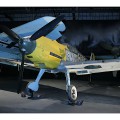 Messerschmitt Me-109E – Walk Around
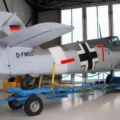 Messerschmitt Bf 109G-4 Rot 7 – Walk Around