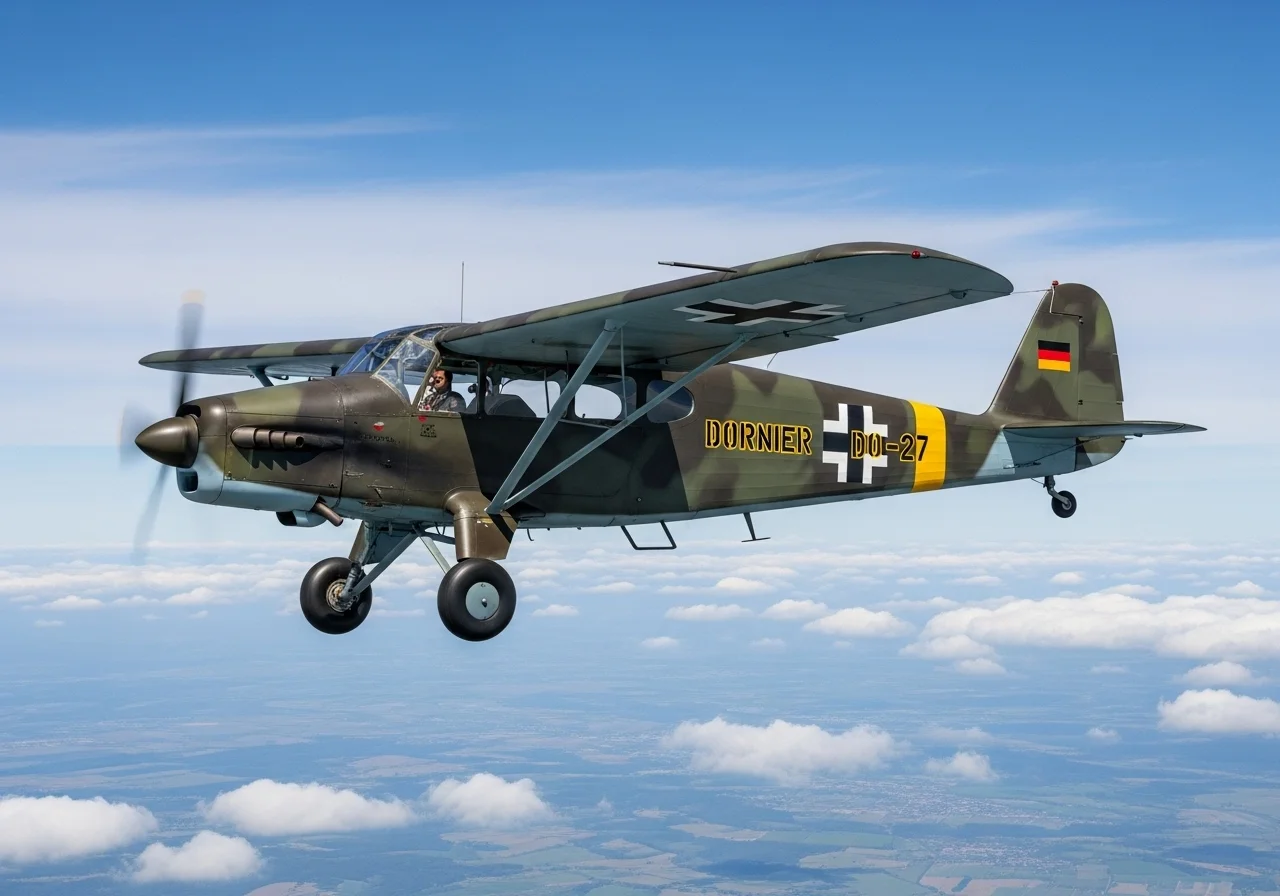
Dornier Do-27 | |
|---|---|
| Pays | Germany |
| Rôle | Aéronef utilitaire léger ADAC |
| Premier vol | 27 juin 1955 |
| Construit | 628 |
Lla Dornier Do 27 était un avion utilitaire monomoteur allemand STOL, construit par Dornier GmbH (plus tard DASA Dornier, Fairchild-Dornier). La configuration était une aile haute classique, « dragueur de queue » aéronefs à train d’atterrissage fixe.
Source: Dornier Do-27 sur Wikipédia
| Dornier Do.27 J-1 Se promener | |
|---|---|
| Photographe | Meindert de Vreeze |
| Localisation | Inconnu |
| Photos | 20 |
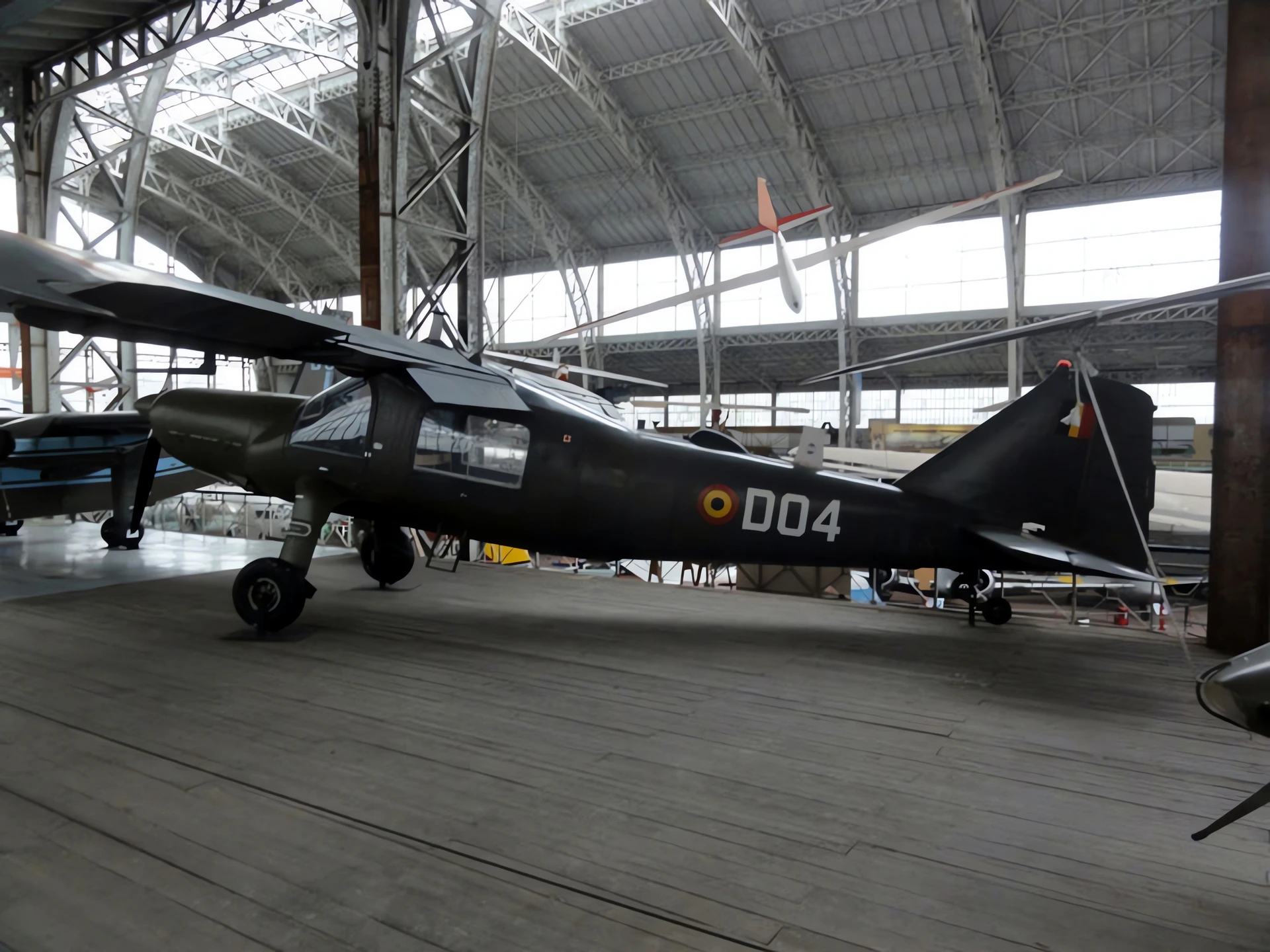
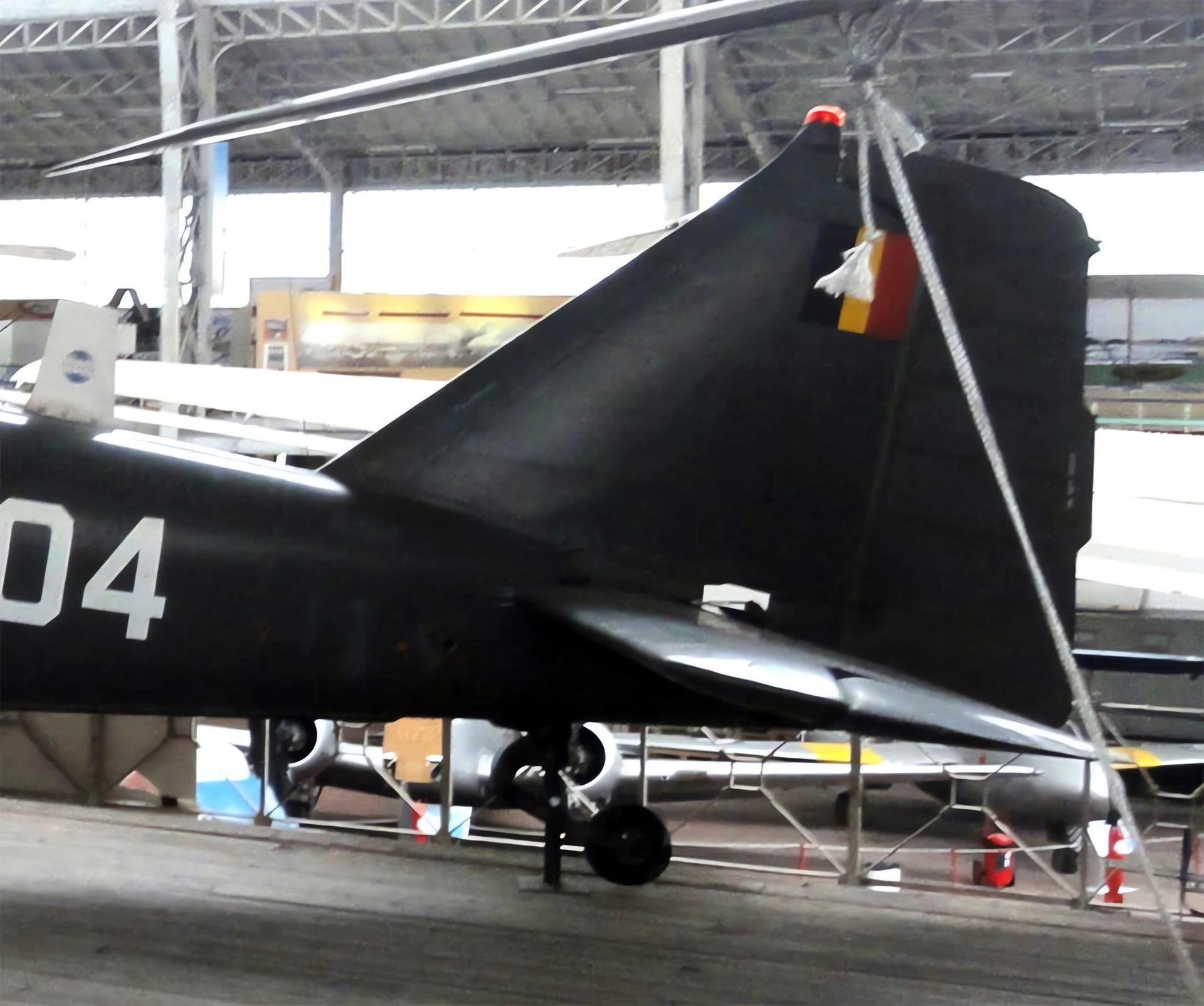
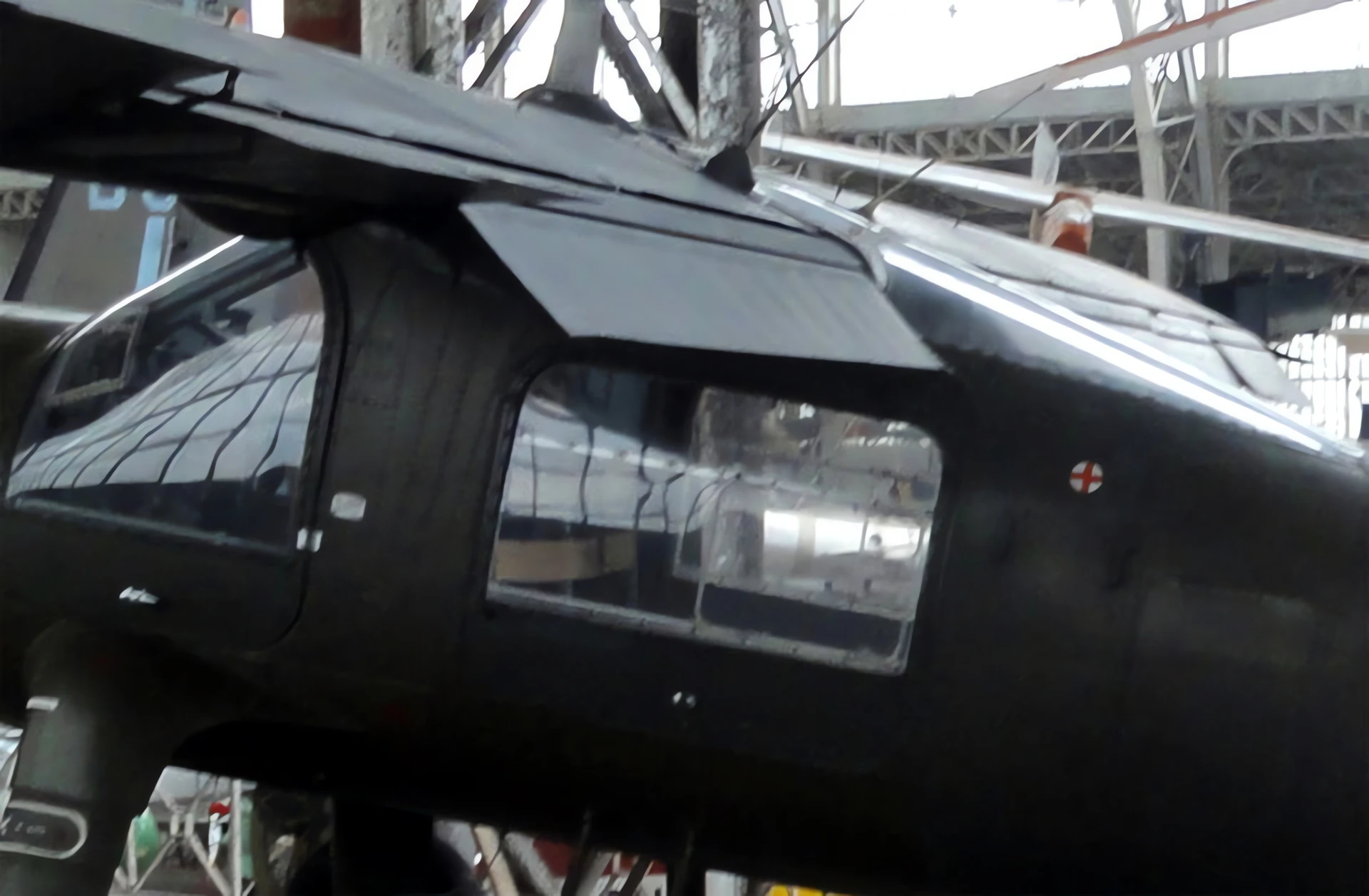
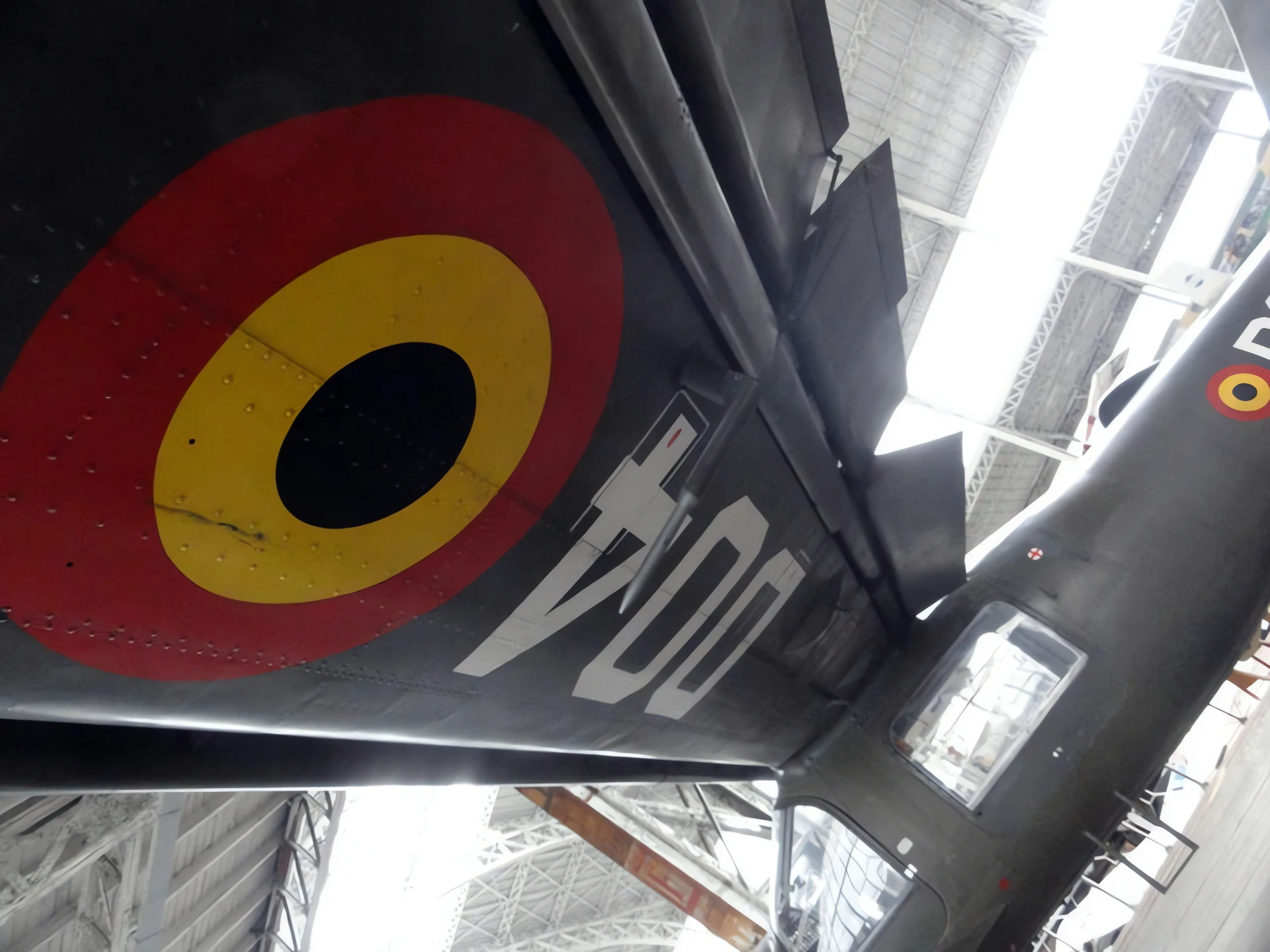

 Achetez-moi un café
| Dornier Do 27 (100) Promenade | |
|---|---|
| Photographe | Isaac Gershman |
| Localisation | Inconnu |
| Photos | 38 |
Voir aussi :


Lla « Slow-Motion » Flyer
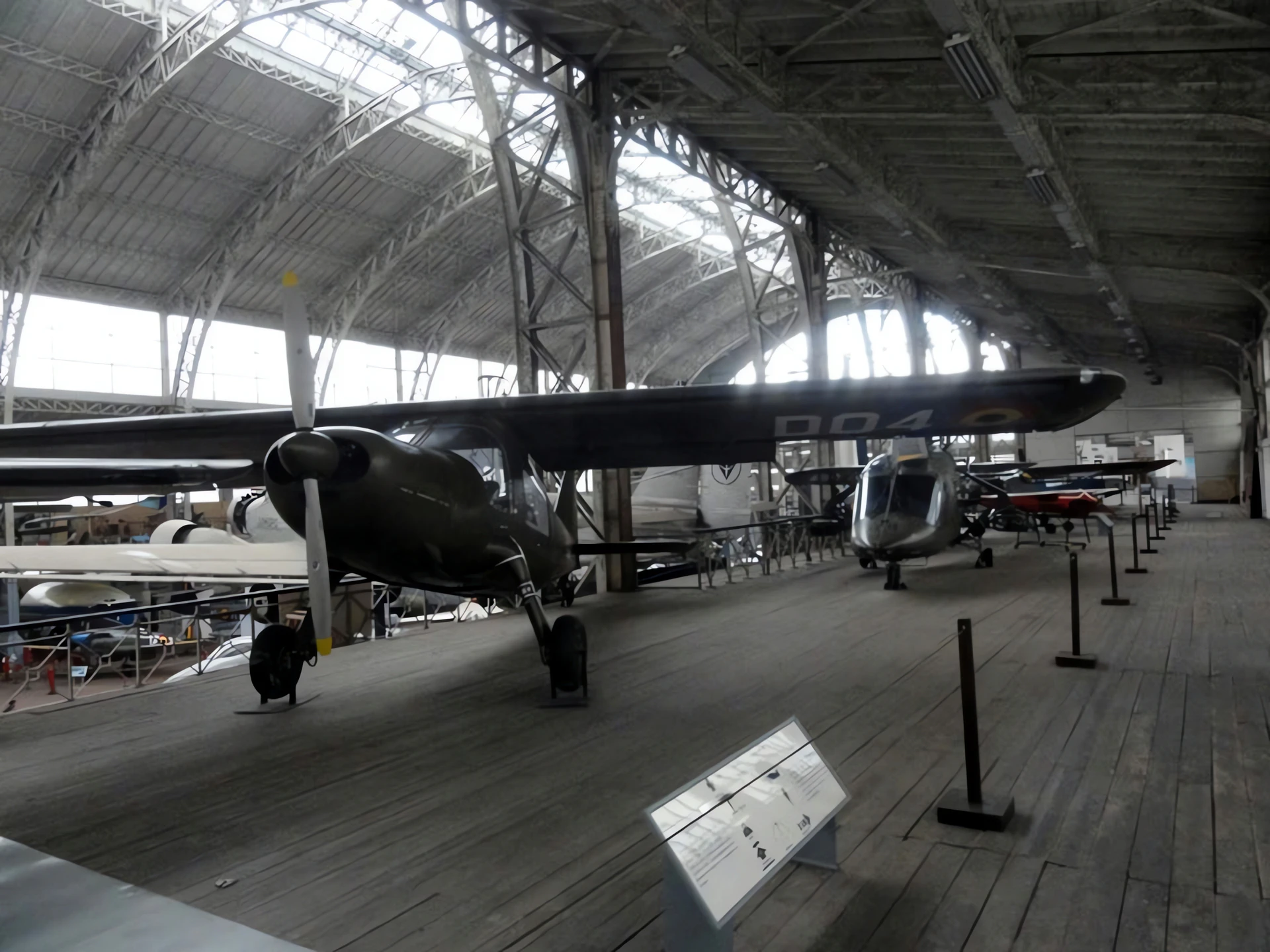
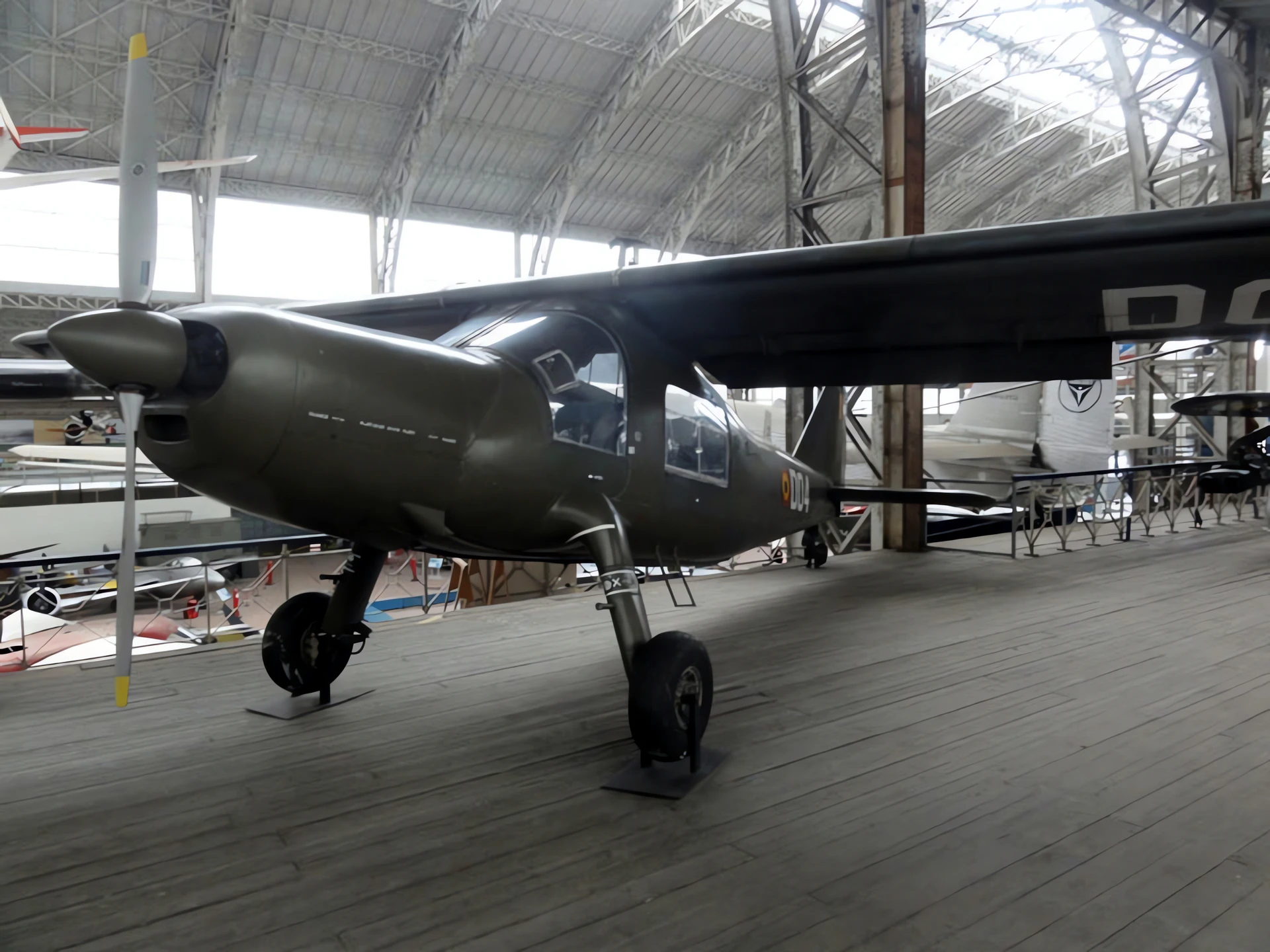
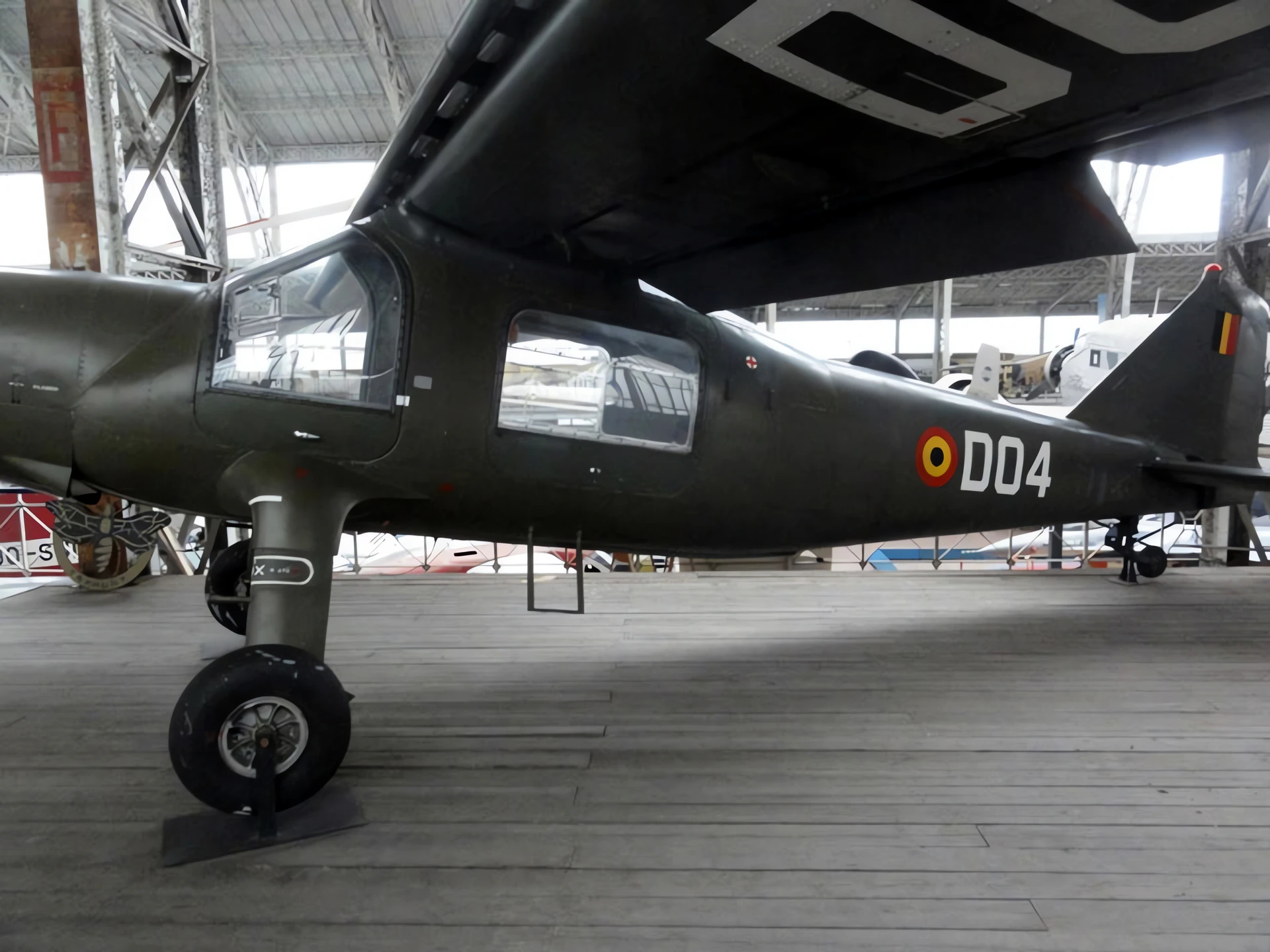
Lla Dornier Do 27 was the first mass-produced aircraft developed in Germany after World War II. It was famous for its extraordinary Short Take-Off and Landing (STOL) capabilities. The J-1 variant was the specific production model for the Belgian Army, though it was based on the standard military A-model used by the Luftwaffe. With its high wing, oversized cockpit windows, and ability to stay airborne at incredibly low speeds, it became the quintessential light utility and observation aircraft of the 1950s and 60s.
| Attribute | Technical Specification (Do 27 J-1) |
|---|---|
| Rôle | STOL Utility / Observation / Liaison |
| Crew / Capacity | 1 Pilot + 3 to 5 Passengers |
| First Flight (Series) | April 8, 1955 (Spain) / October 17, 1956 (Germany) |
| Groupe motopropulseur | 1 × Lycoming GO-480-B1A6 flat-six engine |
| Horsepower | 274 hp (204 kW) |
| Vitesse maximale | 144 mph (232 km/h) |
| Stall Speed | Approx. 36 mph (58 km/h) |
| Takeoff Roll | Less than 250 feet (approx. 75 m) |
Engineering for Maximum Lift
- Fixed Leading-Edge Slats: To achieve its legendary low-speed stability, the Do 27 utilized fixed slats along the entire leading edge of the wing. This delayed the stall by keeping airflow « attached » to the wing at very high angles of attack.
- Trailing-Edge Flaps: The aircraft featured large, drooping flaps that increased camber and lift, allowing it to perform « helicopter-like » steep approaches into tiny clearings.
- Visibility-First Cockpit: The fuselage was designed with a very low beltline and large, bulged side windows. This allowed the pilot and observers to look almost directly downward, which was critical for its role in spotting and artillery fire correction.
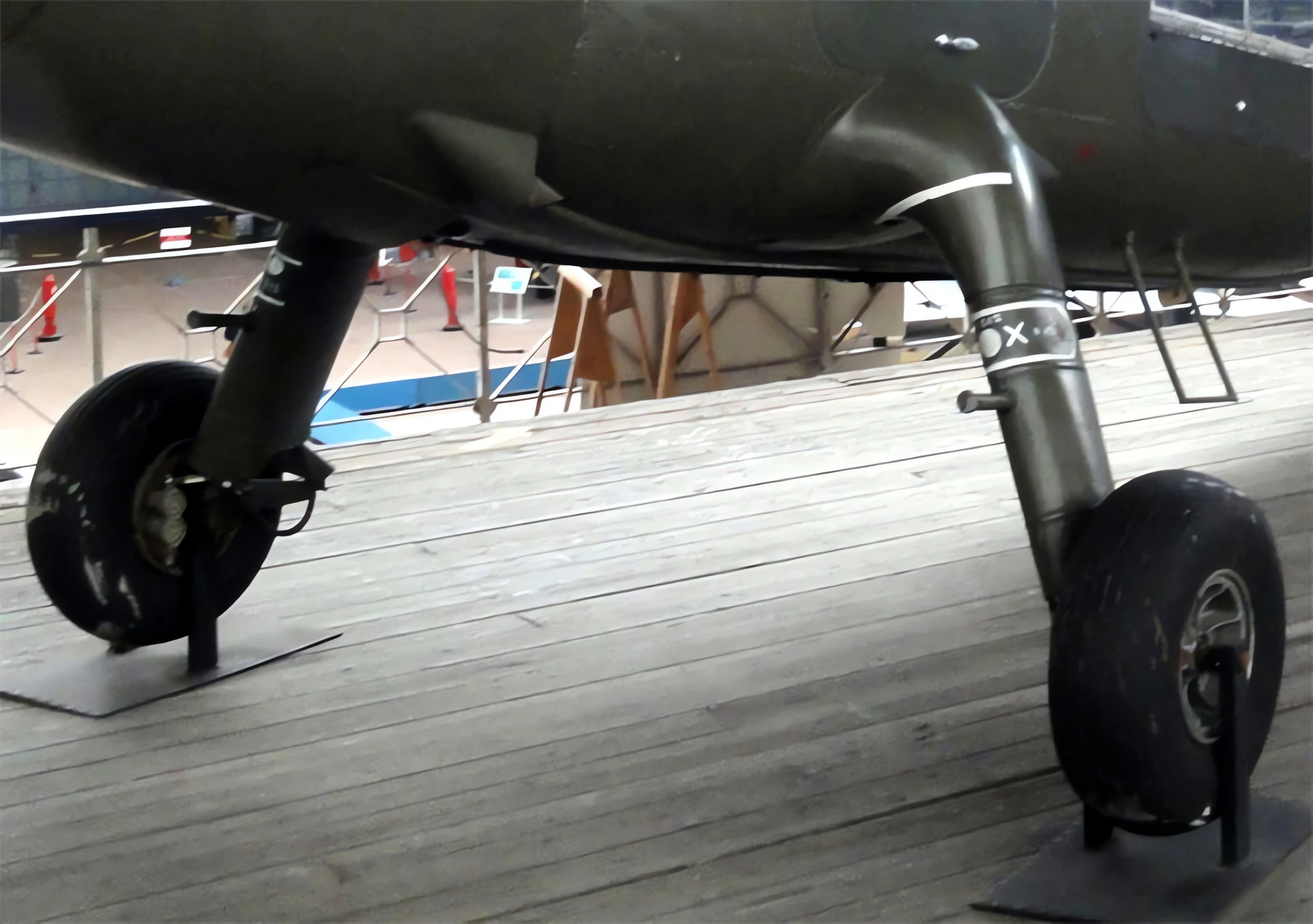
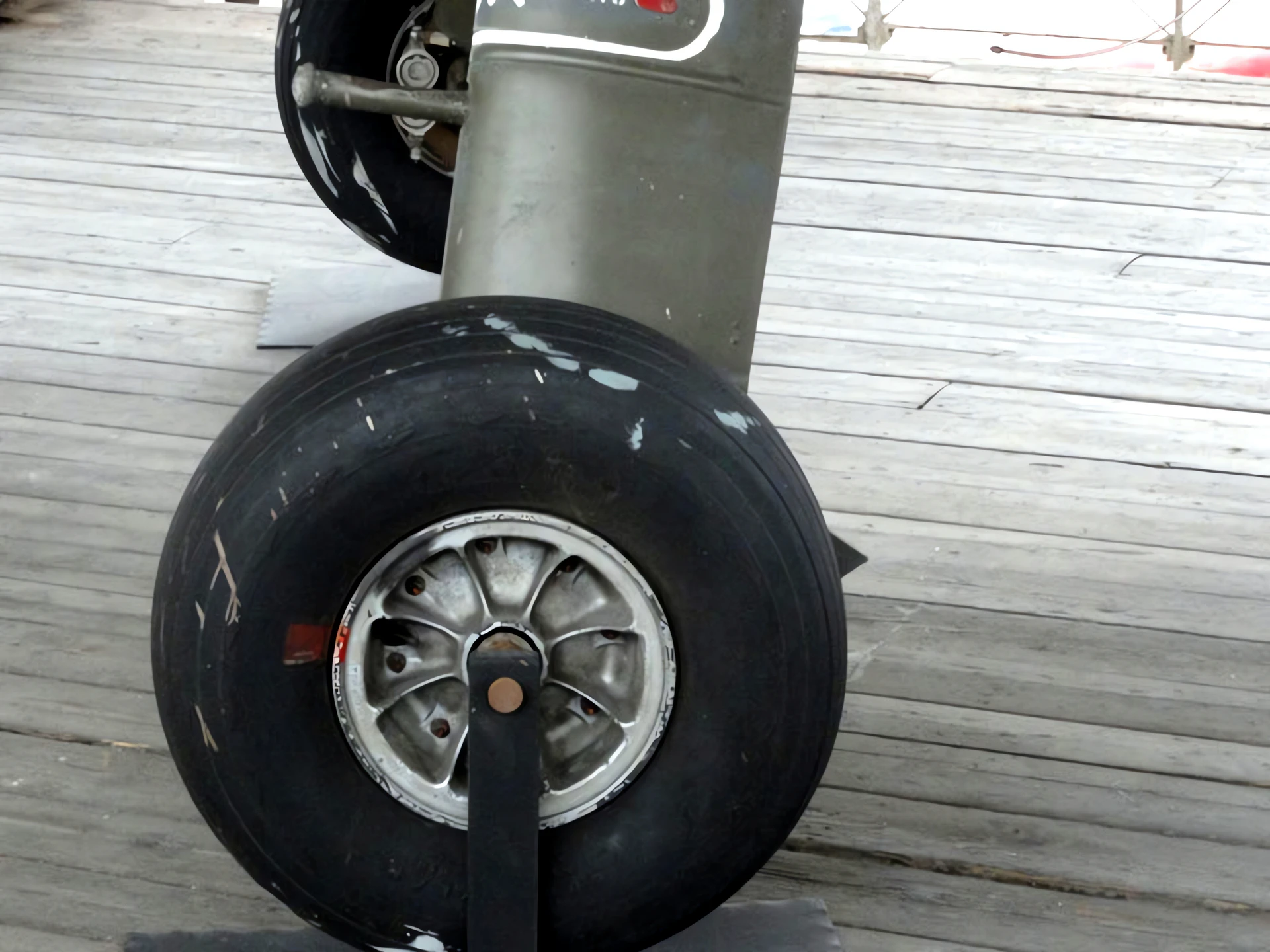
- Rugged Taildragger Gear: The wide-track, fixed conventional landing gear was designed to handle rough, unpaved fields and high-impact landings that would collapse lighter civilian aircraft.
Service and Conservation Legacy
- Lla « Grzimek » Connection: The Do 27 gained worldwide fame through Bernhard Grzimek, who used a zebra-striped Do 27 for wildlife conservation and counting in the Serengeti. This proved the aircraft’s value as a rugged bush plane.
- Belgian « J-1 » Service: The Belgian Army (Aviation Légère de la Force Terrestre) operated the J-1 variant for liaison and reconnaissance duties, valuing its ability to land on narrow roads or small farm fields.
- Liaison and Medevac: In military service, the rear seats could be quickly removed to accommodate two stretchers or bulky cargo, making it a versatile « flying ambulance. »
- Enduring Design: Its success led directly to the development of the twin-engine Dornier Do 28, which utilized the same basic wing and fuselage design but added the safety of two engines for over-water or remote operations.
Vues : 2108
Vous pouvez voir aussi :
 Dornier Do-28 – Photos et vidéos
 Fairey Delta 2 – Photos & Vidéos
 Handley Page Halifax – Photos et vidéos
 Grumman G-21 Goose – Photos & Vidéos
 Dornier Do-228 – Photos & Vidéo
 Dornier Do-24 – Photos & Vidéo
 Dornier Do.335 – Photos & Vidéo
 Dornier Do 31E3 – Photos & Vidéo
 Dassault / Dornier Alpha Jet - WalkAround
 Focke-Wulf FW-190 – Promenez-vous