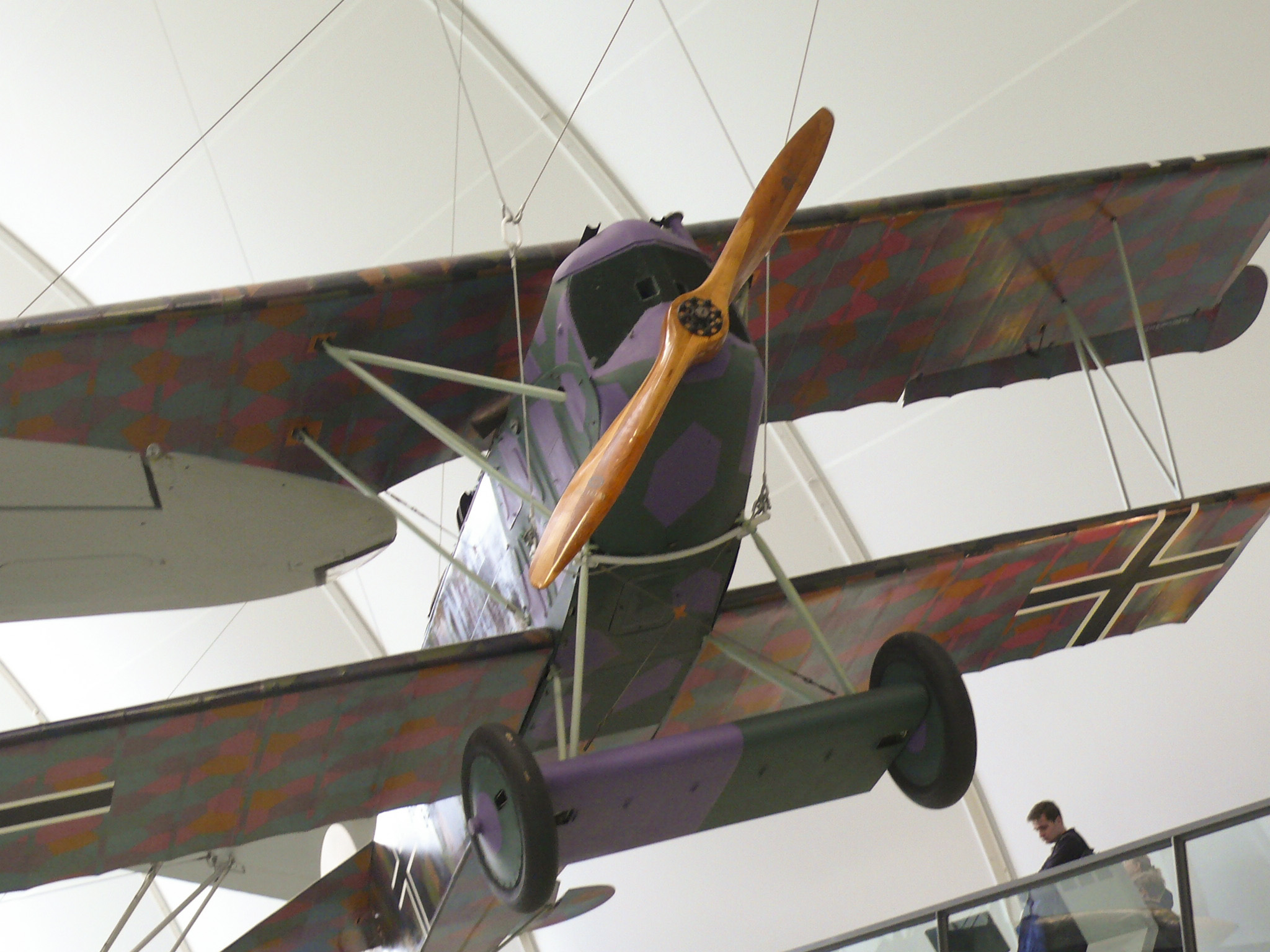
Nniiden Fokker D.VII Oli saksalainen ensimmäinen maailmansotahävittäjäkone, jonka suunnitteli Reinhold Platz Fokker-Flugzeugwerkesta. Saksa tuotti vuoden 1918 jälkipuoliskolla noin 3 300 D.VII-konetta. Luftstreitkräften palveluksessa oleva D.VII osoittautui nopeasti valtavaksi lentokoneekseen. Sodan päättävä aselepo vaati Erityisesti Saksaa luovuttamaan kaikki DVI:t liittoutuneille. Eloonjääneet lentokoneet olivat paljon yhteydessä moniin maihin ensimmäisen maailmansodan jälkeen.
Nniiden Fokker D.VIIis widely considered the finest fighter aircraft produced during World War I. Entering service in April 1918, it arrived just in time to restore German air superiority. It was so formidable that the Allied powers included a specific clause in the Armistice agreement (Article IV) demanding that Germany surrender every single D.VII in its inventory. It was noted for being exceptionally easy to fly, famously described as being able to “turn a mediocre pilot into a good one, and a good pilot into an ace.”
Attribute
Technical Specification (BMW Engine Variant)
Rooli
Fighter / Interceptor
miehistö
1 (Pilot)
First Flight
Tammikuu 1918
Voimalaitos
1 × BMW IIIa 6-cylinder water-cooled inline
Horsepower
185 hp (High-altitude optimized)
Enimmäisnopeus
124 mph (200 km/h)
Service Ceiling
21,000 feet (6,400 m)
Aseistus
2 × 7.92mm Spandau LMG 08/15 machine guns
Revolutionary Engineering
Cantilever Wing Design:Unlike contemporary biplanes that relied on a complex web of external bracing wires, the D.VII used thick “cantilever” wings. This reduced aerodynamic drag significantly and made the wings incredibly strong, allowing the plane to dive at speeds that would have ripped the wings off other aircraft.
Welded Steel Tube Fuselage:While most aircraft of the era used wooden frames, Anthony Fokker utilized a frame of welded steel tubing. This made the aircraft more durable in combat and better at protecting the pilot during crash landings.
The “Propeller Hang”:The D.VII had a unique ability to “hang on its prop”—essentially flying at a nose-high angle in a near-stalled condition while remaining fully controllable. This allowed pilots to fire upward into the unprotected bellies of Allied aircraft.
BMW IIIa Engine:The later “F” variants were equipped with the high-compression BMW engine. This motor was designed to maintain power as the air thinned at high altitudes, giving the D.VII a massive advantage over Allied fighters like the Sopwith Camel.
A Legacy Smuggled into History
The Great Smuggle:After the war, Anthony Fokker successfully smuggled several trains full of D.VII components and engines across the border into his native Netherlands, defying the Armistice terms and allowing his company to continue production post-war.
Global Service:Because it was so advanced, the D.VII served for years after the war in the air forces of Poland, Belgium, the Netherlands, and even the United States, where captured examples were used for research.
The Red Baron’s Input:Manfred von Richthofen personally flew the prototype (the V.11) during the January 1918 fighter competition. His enthusiastic recommendation was a key reason the aircraft was rushed into mass production.
Preservation:Only about seven original D.VIIs survive today. One of the most famous is displayed at theKansallinen ilma- ja avaruusmuseoin Washington, D.C., still wearing its original “lozenge” camouflage fabric.


 Aero A.32 – Valokuvat ja videot
 Polikarpov I-15 – Valokuvat & Videot
 Beechcraft Model 17 Staggerwing – Valokuvat & Videot
 SPAD S.XIII - Valokuvat ja videot
 Beechcraft Model 17 – Valokuvat & Videot
 Loening OL – Valokuvat & Video
 IMAM Ro 37bis – Valokuvat & Video
 Fokker C.X – Valokuvat & Video
 Fokker Dr.I – Valokuvat & Video
 Royal Aircraft Factory BE2A – Valokuvat ja video