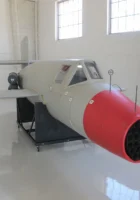
Bachem Ba 349 Natter

Bachem Ba 349 Natter

RiikSaksamaa
TüüpRaketi jõul töötav pealtkuulaja
FotograafVladimir Jakubov
Teema

Album 65 fotod jalutuskäigul «Bachem Ba 349 Natter»

Fotogalerii Bachem Ba 349 Natter, The Bachem Ba 349 Natter (English: Colubrid, grass-snake) was a World War II German point-defence rocket-powered interceptor, which was to be used in a very similar way to a manned surface-to-air missile. After a vertical take-off, which eliminated the need for airfields, most of the flight to the Allied bombers was to be controlled by an autopilot. The primary role of the relatively untrained pilot was to aim the aircraft at its target bomber and fire its armament of rockets. The pilot and the fuselage containing the rocket-motor would then land using separate parachutes, while the nose section was disposable. The only manned vertical take-off flight on 1 March 1945 ended in the death of the test pilot, Lothar Sieber.

Allikas: Bachem Ba 349 Natter Vikipeedias

Jätka lugemist

Views : 3955

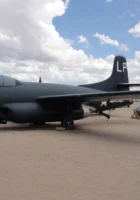
Douglas TF-10B Skyknight

Douglas TF-10B Skyknight

RiikUSA
TüüpHävituslennukid
Esimene lend23. märts 1948
Ehitatud265

Fotogalerii Douglas TF-10B Skyknight, The Douglas F3D Skyknight (later designated F-10 Skyknight) was a United States twin-engined, mid-wing jet fighter aircraft manufactured by the Douglas Aircraft Company in El Segundo, California. The F3D was designed as a carrier-based all-weather night fighter and saw service with the United States Navy and United States Marine Corps. The mission of the F3D was to search out and destroy enemy aircraft at night.

Allikas: Douglas TF-10B Skyknight Vikipeedias

Jätka lugemist

Vaadatud : 4569

Panzer 61

Panzer 61

RiikŠveits
TüüpKeskmine paak
FotoGunther Neumahr
Teema

Album 46 fotod paagist Panzer 61

Panzer 61 oli Šveitsi külma sõja aegne keskmine tank, mis hiljem klassifitseeriti ümber teise põlvkonna peamiseks lahingutankiks. Paagi kaal oli 36,5 tonni ja selle jõuallikaks oli 630 hj diiselmootor, mis andis sellele tippkiiruseks maanteel 31 miili tunnis (50 km/h). Panzer 61 esmane relvastus oli 105 mm pikkune peamine relv.

Allikas: Panzer 61 Vikipeedias

Jätka lugemist

Vaadatud : 1652

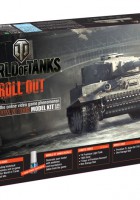
Tankide maailm - PZ.KPFW.VI TIGER - ITALERI 36502

Italeri

Ref 36502
SerieTankide maailm
Skaala1/35
Teema

PZ.KPFW.VI TIIGER

THE BOX CONTAIN: 1 MODEL KIT – 1 LIQUID CEMENT – 1 TANK GUIDE – WORLD oF TANKS DECALS – 3 INVITE CODES – 1 BONUS CODE

The final official German designation for the tank was Panzerkampfwagen VI Tiger Ausf.E, often shortened to just “Tiger I”. The Tiger’s development was started in 1937 by the company, Henschel. Mass production began in 1942 with a total of 1347 vehicles being manufactured over its production run. The initial model used suspension similar to that of the Panther. The hull extended over the tracks to accommodate the wide-ringed turret which could mount the infamous 8,8cm Kw.K 36 L/56. The Tiger first saw combat in the fighting for Leningrad and soon found itself featured in the majority of German armoured engagements. Even though production was discontinued in the summer of 1944, the Tiger I continued to see action until the end of the war. It was the first German heavy tank in WWII and soon proved itself to be extremely formidable against Allied and Soviet units which mostly consisted of Sherman tanks and T-34s at the time.

Allikas: Italeri

Jätka lugemist

Views : 1526

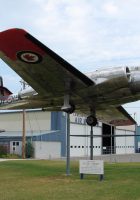
CF-100 Canuck

Avro Kanada CF-100 Canuck

RiikKanada
TüüpJet interceptor
Esimene lend19. jaanuar 1950
Ehitatud692

Fotogalerii Avro Kanada CF-100 Canuck, The Avro Canada CF-100 Canuck (affectionately known as the “Clunk”) was a Canadian jet interceptor/fighter serving during the Cold War both in NATO bases in Europe and as part of NORAD. The CF-100 was the only Canadian-designed fighter to enter mass production, serving primarily with the RCAF/CAF and in small numbers in Belgium. For its day, the CF-100 featured a short takeoff run and high climb rate, making it well suited to its role as an interceptor.

Allikas: Avro Canada CF-100 Canuck Vikipeedias

Jätka lugemist

Vaadatud : 4753

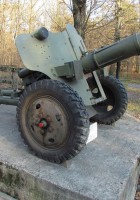
85 mm jagatud relv D-44
,

85 mm jagatud relv D-44

RiikNõukogude Liit
TüüpJagamispüstol
Perioodi1944-1953
Ehitatud10.800

2007 85 mm jagatud relv D-44 (vene keeles 85-мм дивизионная пушка Д-44) oli Nõukogude diviisi 85 mm kaliibriga välisuurtükipüstol, mida kasutati Teise maailmasõja viimases tegevuses. See oli mõeldud 76 mm jagunemispüstoli M1942 (ZiS-3) asendajaks. Relv ei ole enam Vene maavägede eesliiniteenistuses, kuigi umbes 200 Hiina tüüp 56 variandist on endiselt Pakistani armee teenistuses. Sõjaaegne teenistus hõlmas kommunistlike jõudude kasutamist Vietnami sõja ajal ja Araabia vägede kasutamist konfliktide ajal Iisraeliga.

Allikas: 85 mm divisjonipüstol D-44 Vikipeedias

Jätka lugemist

Vaadatud : 2657

Pz38

Panzer 35 (t)

RiikSaksamaa
TüüpKeskmine paak
Toodetud1936–1940
Ehitatud434

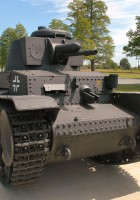
Panzerkampfwagen 35(t), tavaliselt lühendatud kui Panzer 35(t) või lühendatult Pz.Kpfw. 35(t), oli Tšehhoslovakkia projekteeritud kerge tank, mida kasutas peamiselt Natsi-Saksamaa Teise maailmasõja ajal. Täht (t) tähistas tschechischi (saksa: "tšehhi"). Tšehhoslovakkia teenistuses oli sellel ametlik nimetus Lehký tank vzor 35 (Light Tank Model 35), kuid seda nimetati tavaliselt LT vz-ks. 35 või LT-35. Ehitati nelisada kolmkümmend neli; neist sakslased hõivasid kakssada nelikümmend neli, kui nad okupeerisid 1939. aasta märtsis Böömi-Moraavia, ja slovakid omandasid viiskümmend kaks, kui nad samal ajal Tšehhoslovakkiast iseseisvuse välja kuulutasid. Teised eksporditi Bulgaariasse ja Rumeeniasse. Saksa teenistuses nägi see lahinguid Teise maailmasõja algusaastatel, eriti Poola invasioon, Prantsusmaa lahing ja Nõukogude Liidu sissetung, enne kui see 1942. aastal pensionile jäi või maha müüdi. Seda kasutasid ülejäänud sõja ajal teised riigid ja 1950. aastatel Bulgaarias väljaõppetankina.

Allikas: Panzer 38(t) Vikipeedias

Jätka lugemist

Views : 3581

Panzerwrecks vol 5

Panzerwrecks

KeelInglise
TeemaSaksa soomus 1944-45
Leheküljed96 lk.
ISBN-13978-0-9555940-1-4

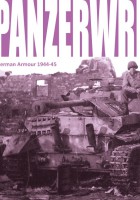
-27 page feature revisiting the wrecks and units in Panzerwrecks 1 -More photos of the uparmoured Panthers of I./Pz.Rgt.26 in Italy -Unique coverage of the Pz.Beob.Wg.III, inside and out, includes never seen before images of its massive TBF 2 periscope -10 page feature about German wrecks in the Korsun pocket -Sturmgeschütz III Ausf.G with ‘swinging’ Schürzen -m.SPW and le.SPW being driven without armour bodies – naked! -Famous US wrestler Bozo Miller posing with a Pz.Kpfw 38(t) and making it look small -Loads more

Features: Panzerwrecks 1 Revisited Tiger II Joyride Wrecks in Russian Newsreels Three Maus at Meppen ISBN: 978-0-9555940-1-4 Date: 2007. Reprinted 2012 No of Photos: 153 No of Pages: 96 Size: 280x210mm (L)

Allikas: Panzerwrecks

Jätka lugemist

Vaatamisi : 1362

MGM-18 Lacrosse

MGM-18 Lacrosse

RiikUSA
TüüpTaktikaline ballistiline relv
FotograafDavid Lueck
Teema

Album 78 fotod «MGM-18 Lacrosse'i» jalutuskäigust

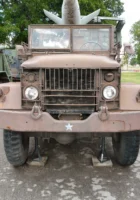
Fotogalerii MGM-18 Lacrosse, The MGM-18 Lacrosse was a short-ranged tactical ballistic weapon intended for close support of ground troops. Its first flight test was in 1954 and was deployed by the United States Army beginning in 1959, despite being still in the development stage. The program’s many technical hurdles proved too difficult to overcome and the missile was withdrawn from field service by 1964.

Allikas: MGM-18 Lacrosse Vikipeedias

Jätka lugemist

Views : 2590

Lockheed SR-71A Musträstas

Lockheed SR-71 Blackbird

RiikUSA
TüüpStrateegilise luure õhusõidukid
Esimene lend22. detsember 1964
Ehitatud32

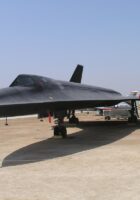
Fotogalerii Lockheed SR-71 Blackbird, The Lockheed SR-71 “Blackbird” is a long-range, Mach 3+ strategic reconnaissance aircraft that was operated by the United States Air Force. It was developed as a black project from the Lockheed A-12 reconnaissance aircraft in the 1960s by Lockheed and its Skunk Works division. Renowned American aerospace engineer Clarence “Kelly” Johnson was responsible for many of the design’s innovative concepts. During aerial reconnaissance missions, the SR-71 operated at high speeds and altitudes to allow it to outrace threats. If a surface-to-air missile launch was detected, the standard evasive action was simply to accelerate and outfly the missile. The SR-71 was designed to have basic stealth characteristics and served as a precursor to future stealth aircraft.

Allikas: Lockheed SR-71 Blackbird Wikipedias

Jätka lugemist

Views : 8285