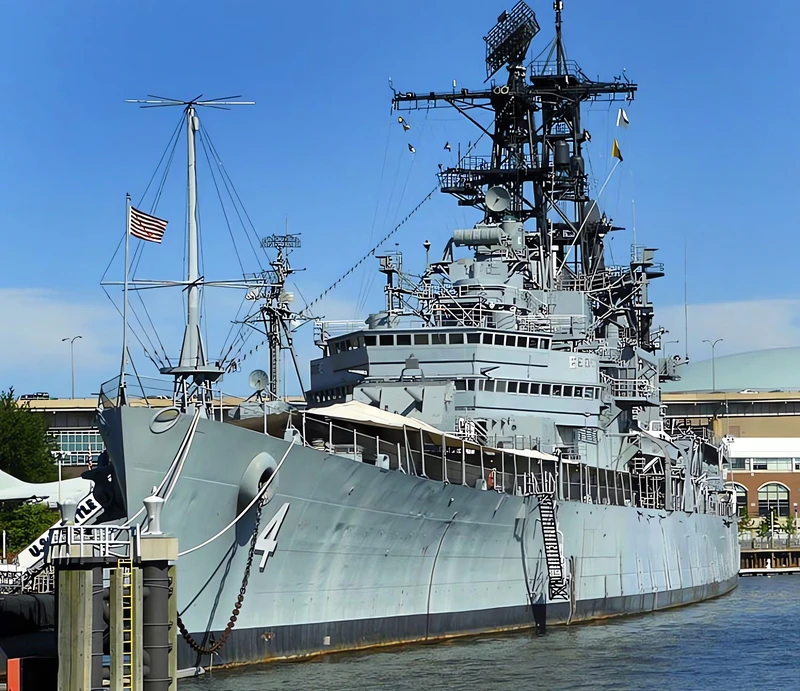
USS Little Rock | |
|---|---|
| País | E.e.u.u |
| Clase y tipo | Crucero ligero clase Cleveland |
| Lanzado | 27 de agosto de 1944 |
| Desarmado | 22 de noviembre de 1976 |
USS Little Rock (CL-92/CLG-4/CG-4) fue uno de los 27 cruceros ligeros de la clase Cleveland de la Armada de los Estados Unidos completados durante o poco después de la Segunda Guerra Mundial, y uno de los seis en ser convertidos en cruceros de misiles guiados. Fue el primer buque de la Armada de los Estados Unidos en ser nombrado en honor a Little Rock, Arkansas. Puesto en servicio a mediados de 1945, se completó demasiado tarde para entrar en servicio durante la Segunda Guerra Mundial. Después de un crucero inicial por América del Sur, pasó los siguientes años sirviendo en la costa este de los EE. UU., en el Caribe y en el Mediterráneo. Al igual que todos menos uno de sus buques gemelos, fue retirado en los recortes de defensa de la posguerra, pasando a formar parte de la Flota de Reserva del Atlántico en 1949.
Fuente: USS Little Rock en Wikipedia
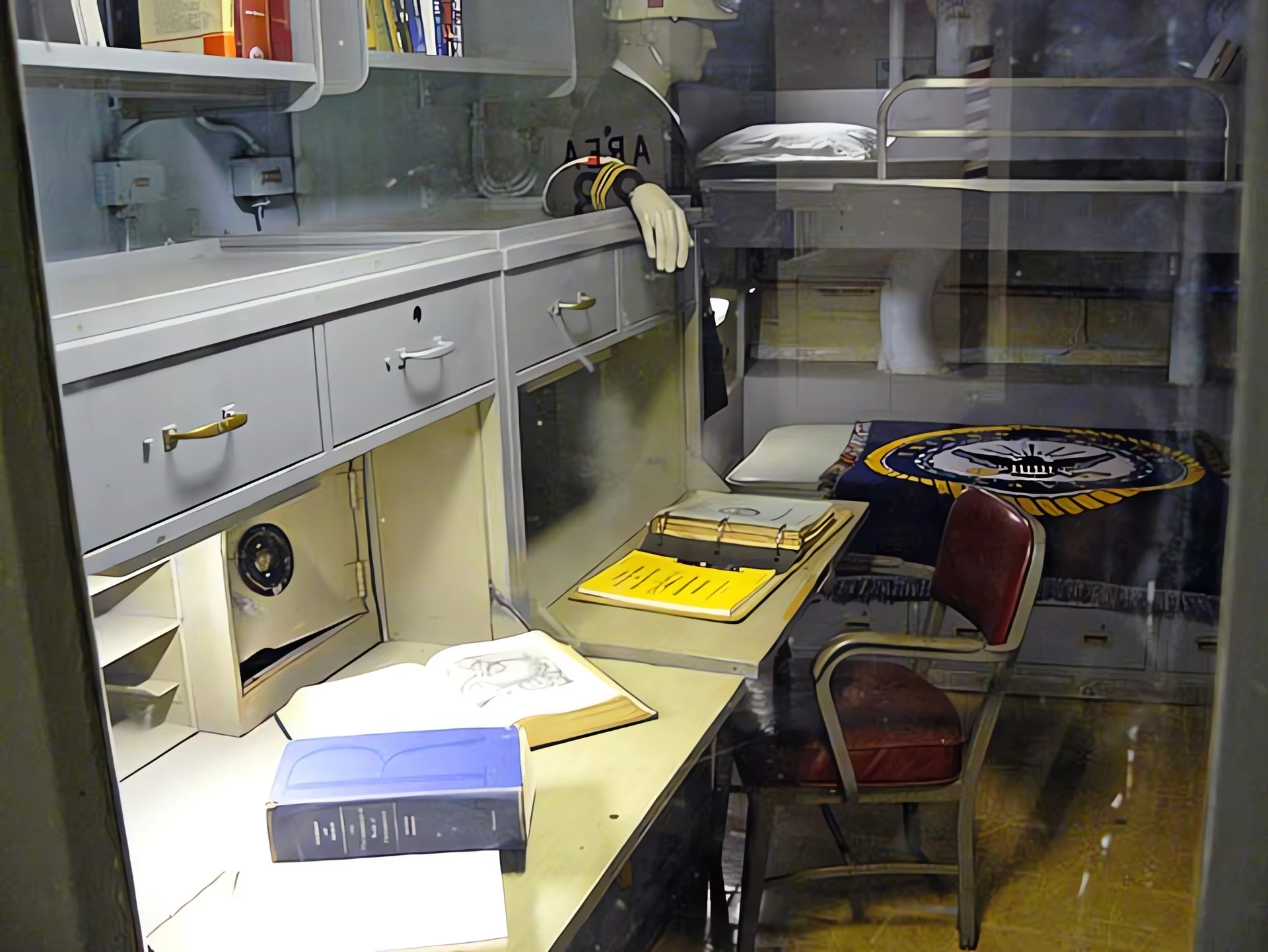
| USS Little Rock Walk Around | |
|---|---|
| Fotógrafo | Bill Maloney |
| Localización | Unknow |
| Fotos | 193 |
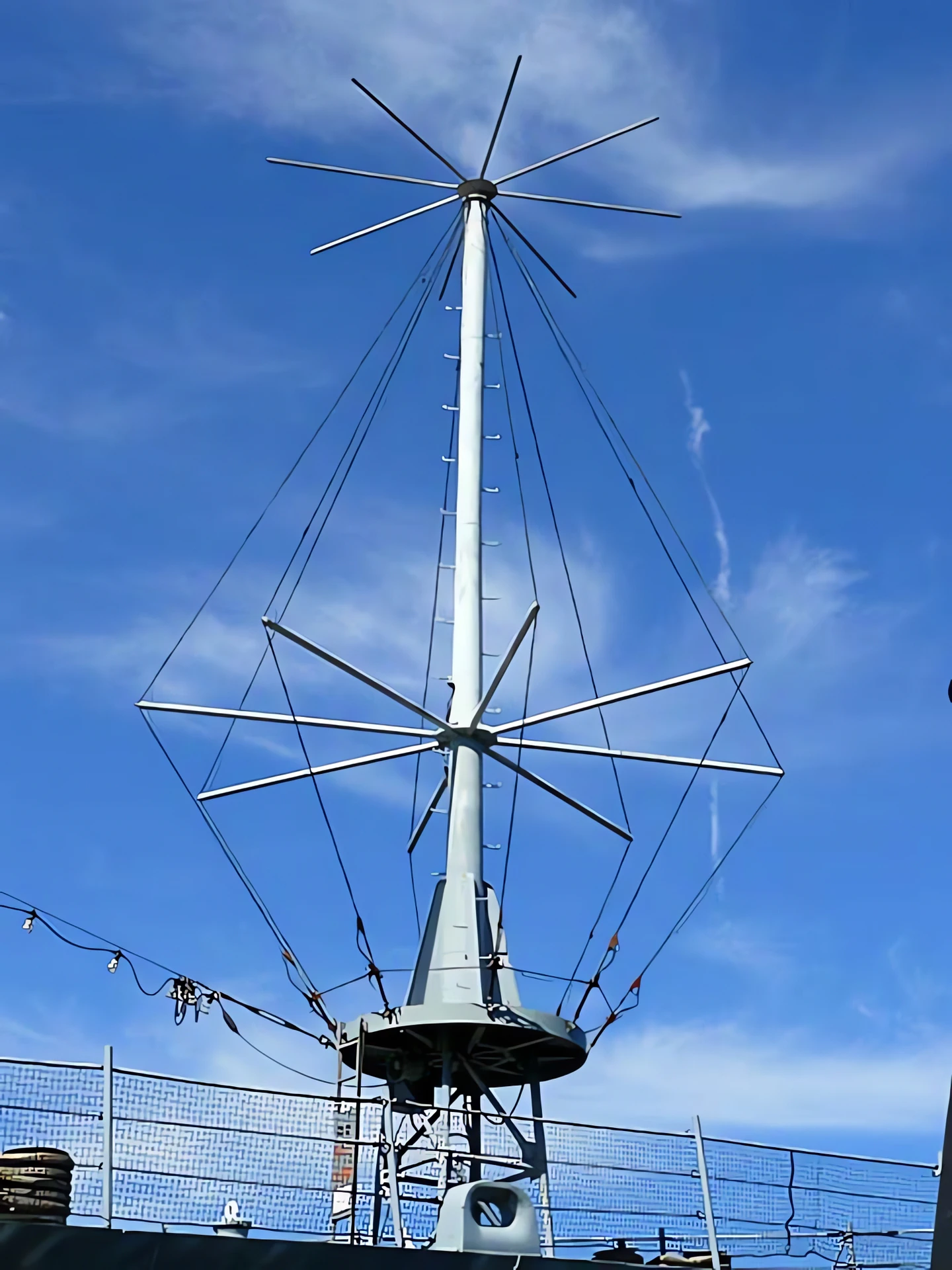
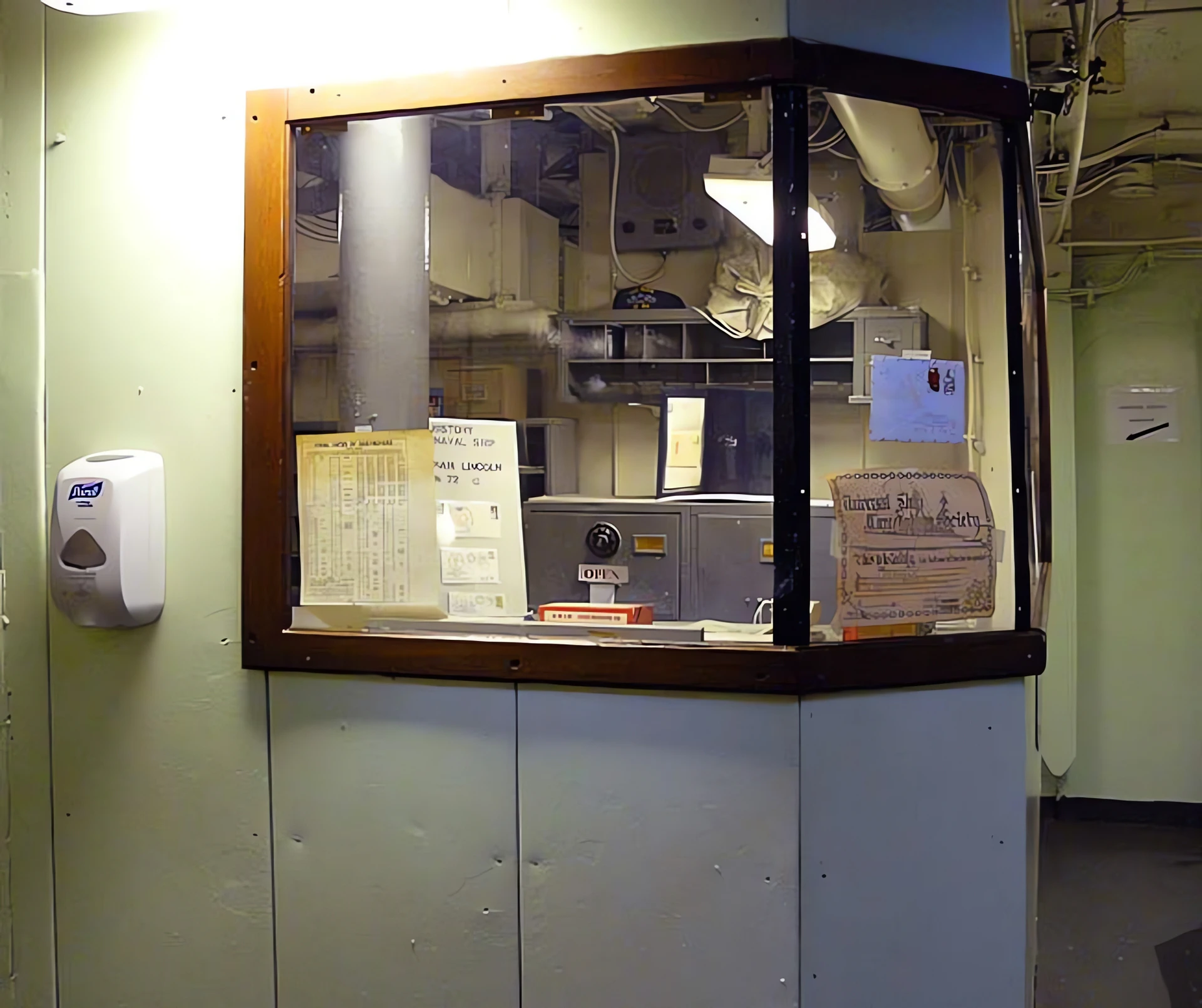
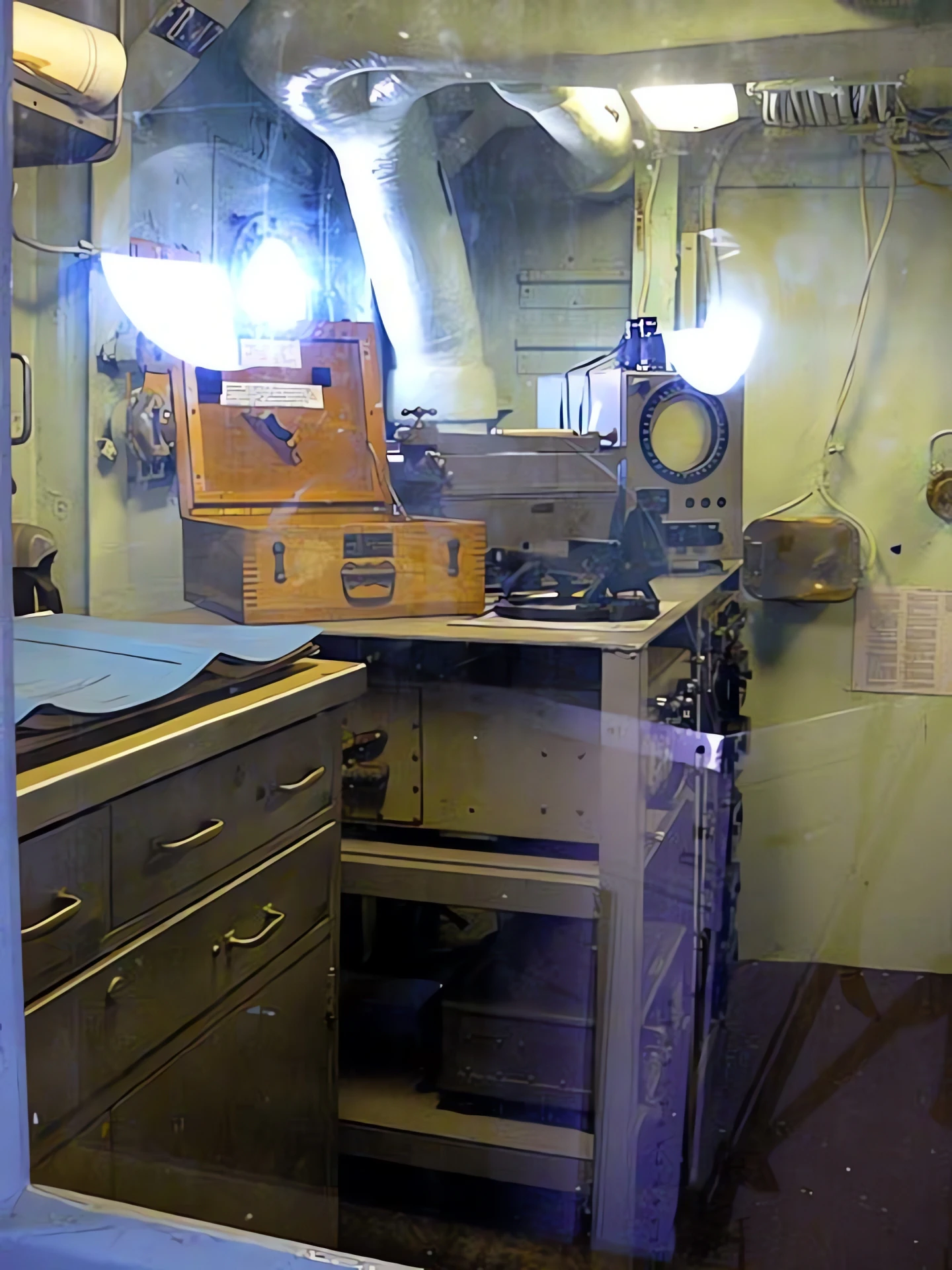
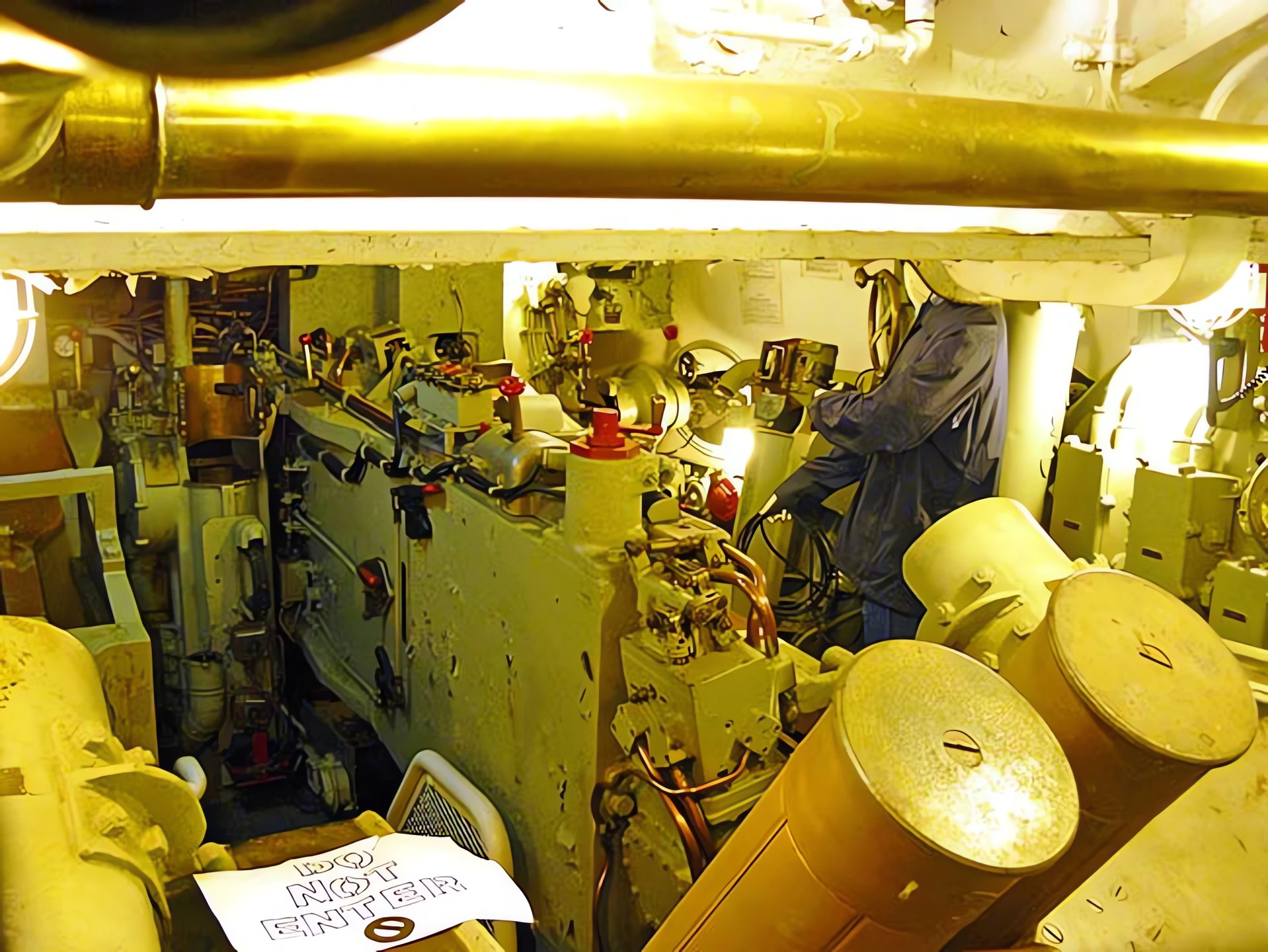
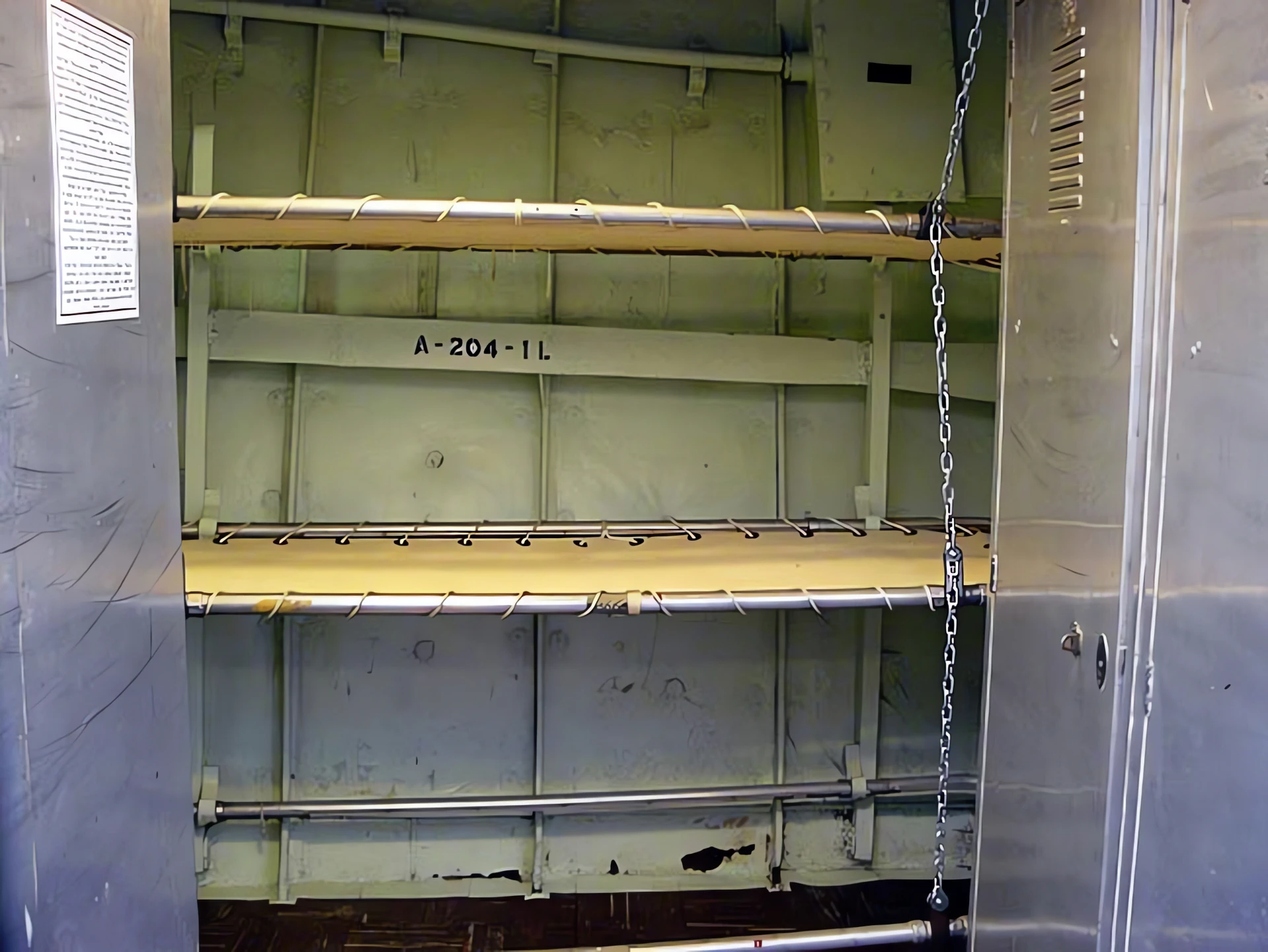
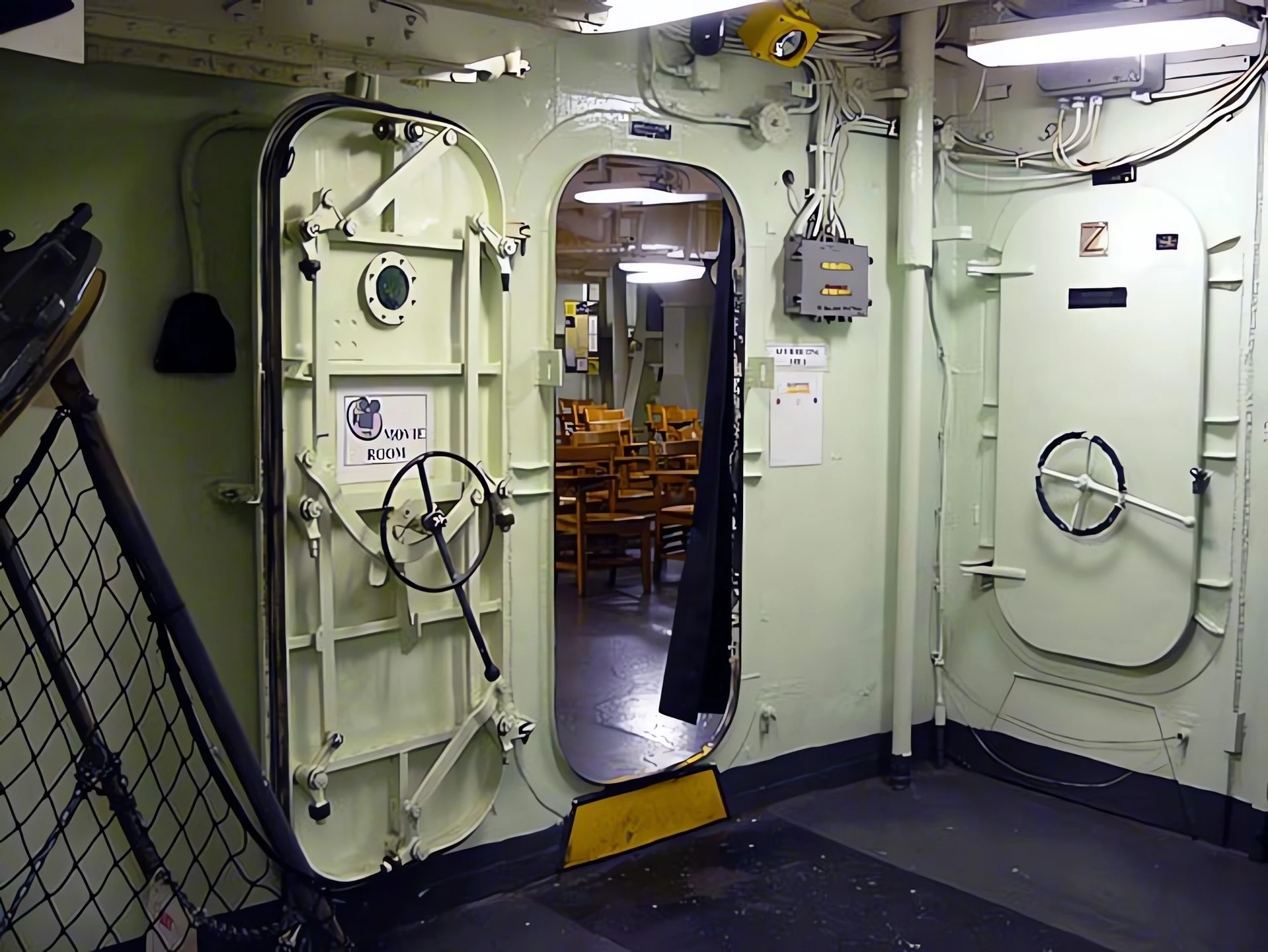
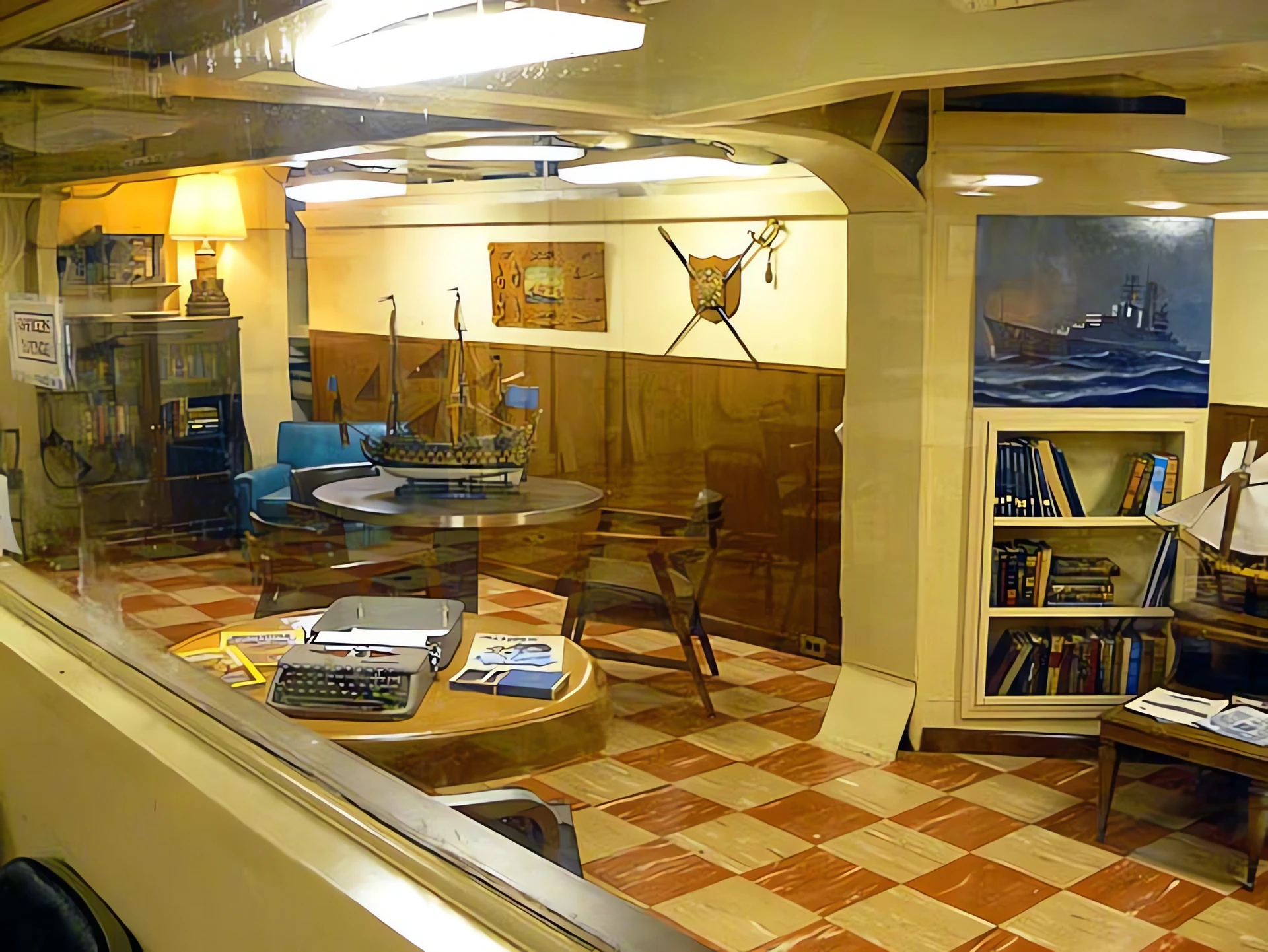


Ver también:


General Characteristics and Role
The USS Little Rock was initially commissioned as a Cleveland-class light cruiser (CL-92) during World War II, though it was completed too late to see action. In the late 1950s, it underwent a massive conversion, being stripped of most of its conventional armament and rebuilt as a Galveston-class guided missile light cruiser (CLG-4). Its new primary role was to act as a fleet air defense commander and anti-air missile platform. After a further reclassification, it became a guided missile cruiser (CG-4). It served as the flagship for the U.S. Second Fleet and the U.S. Sixth Fleet in the Mediterranean for many years during the Cold War. It is the only surviving ship of the Cleveland-class and is now a museum ship at the Buffalo and Erie County Naval and Military Park.
| Property | Typical Value (As CLG-4/CG-4) |
|---|---|
| Class & Type | Galveston-class Guided Missile Cruiser (originally Cleveland-class Light Cruiser) |
| National Origin | Estados Unidos |
| Constructor | William Cramp & Sons Shipyard, Philadelphia |
| Commissioned (As CL-92) | 17 June 1945 |
| Displacement | Approx. 15,200 long tons (full load) |
| Length Overall | 186.0 m (610 ft 5 in) |
| Beam | 20.2 m (66 ft 4 in) |
| Draft | 7.6 m (25 ft 0 in) |
| Complement | Approx. 1,180 officers and enlisted men |
Powerplant and Performance
- Powerplant: 4 x General Electric geared steam turbines; 4 x Babcock & Wilcox boilers.
- Shaft Horsepower: 100,000 shp.
- Propulsion: 4 x propellers.
- Maximum Speed: 32 knots (59 km/h).
- Range: 11,000 nautical miles at 15 knots.
- Design Note: The conversion to a guided missile cruiser significantly increased the displacement and superstructure weight, affecting the ship’s stability and speed.
Armament and Modernization
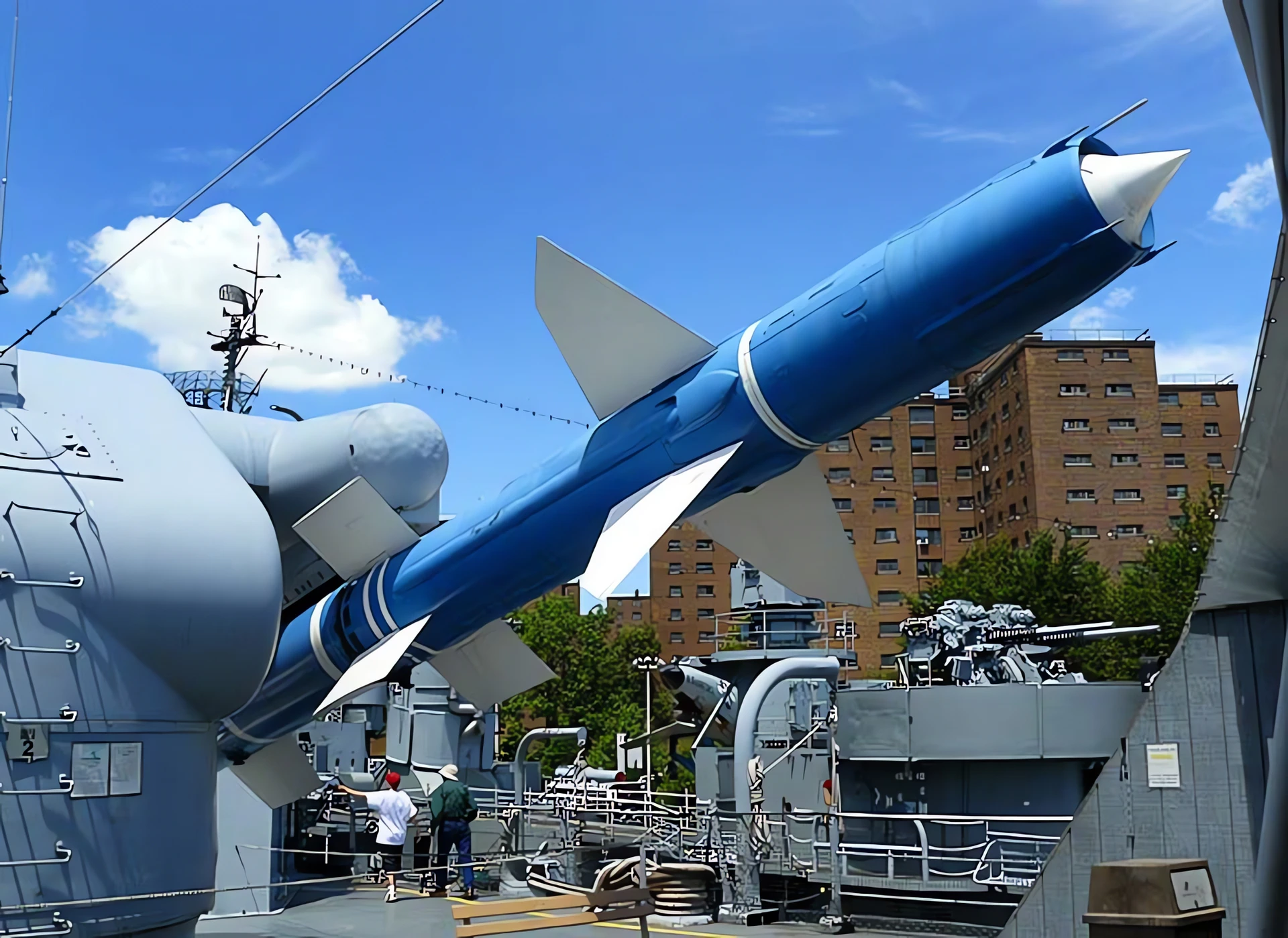
- Main Missile Armament: 1 x Talos surface-to-air missile launcher (located aft).
- Talos Missiles: Carried up to 52 Talos missiles, primarily for long-range air defense.
- Forward Gun Armament: 2 x twin 6-inch (152 mm) / 47 caliber gun mounts.
- Secondary Gun Armament: 3 x twin 3-inch (76 mm) / 50 caliber gun mounts.
- Aft Guns: The entire aft section, which originally housed 6-inch and 5-inch gun turrets, was removed and replaced by the large Talos missile magazine and launcher.
- Decommissioning: Decommissioned in 1976. Since 1977, it has served as a static museum ship in Buffalo.
Vistas : 1648
También puede ver:
 USS Becuna – Fotos y Videos
 Crucero ruso Aurora – Fotos y videos
 USS Bunker Hill (CG-52) – Fotos y videos
 SS Jeremiah O'Brien – Fotos y Videos
 USS Salem – Fotos y Videos
 USS Joseph P. Kennedy – Fotos y Videos
 USS Blueback (SS-581) – Fotos y Video
 USS Elrod – Fotos y Video
 USS Lionfish SS-298 – Fotos y Video
 U-505 Tipo IXc U-Boat – Fotos y Video