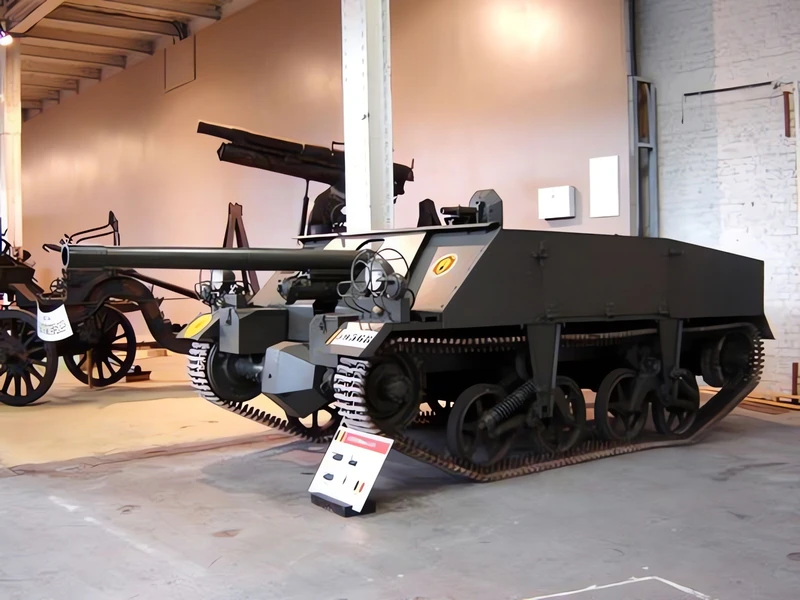
Transportista de Loyd | |
|---|---|
| País | Uk |
| Papel | Portaaviones blindado |
| En servicio | Década de 1939 -1960 |
| Construido | 26000+ |
el Transportista de Loyd fue uno de una serie de pequeños vehículos de orugas utilizados por las fuerzas británicas y de la Commonwealth en la Segunda Guerra Mundial para transportar equipos y hombres en el campo de batalla. Junto con los Bren, Scout y Machine Gun Carriers, también movieron armas de apoyo de infantería.
Fuente: Loyd Carrier en Wikipedia
| CATI 90 mm Walk Around | |
|---|---|
| Fotógrafo | Unknow |
| Localización | Unknow |
| Fotos | 68 |
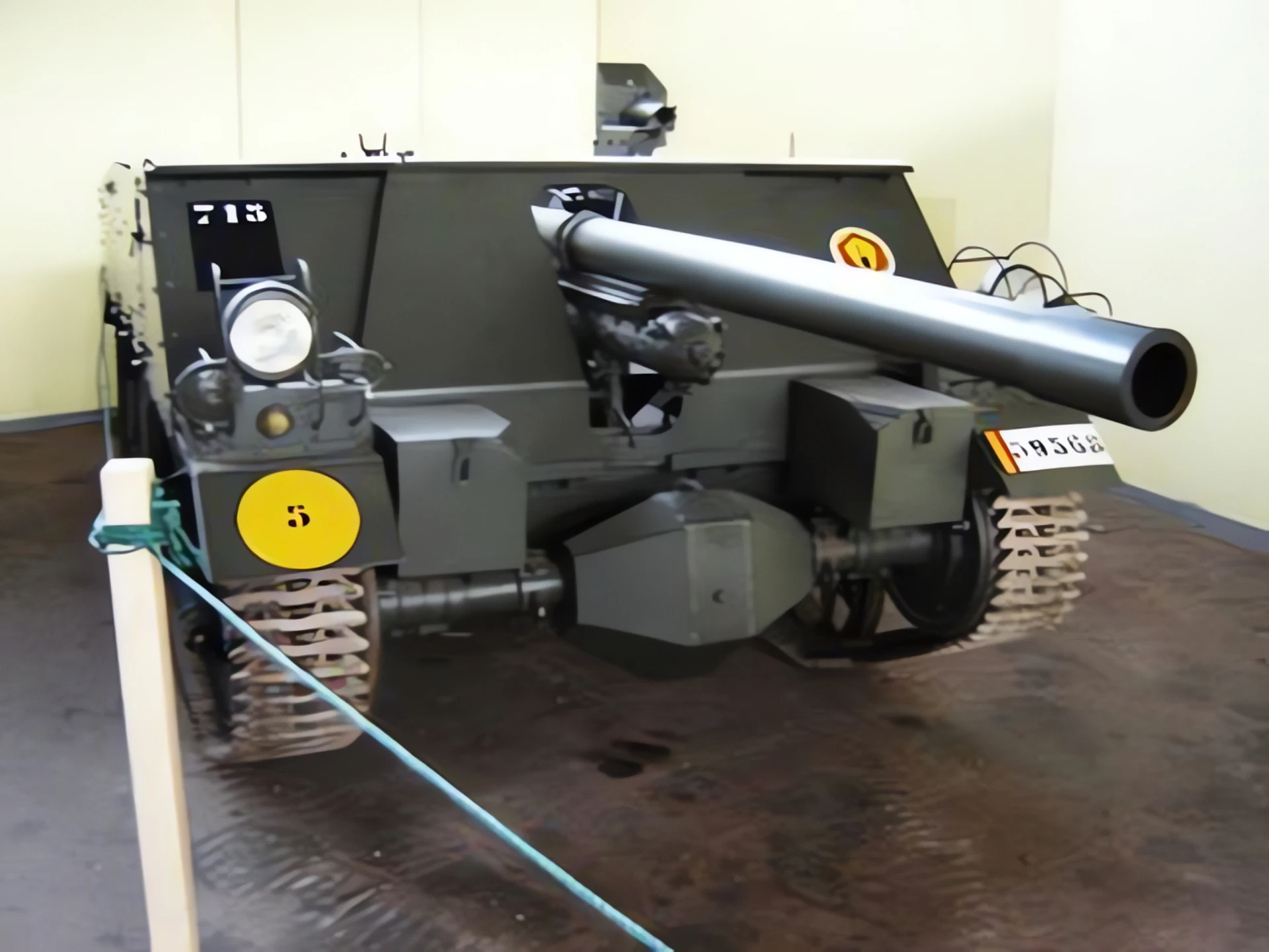
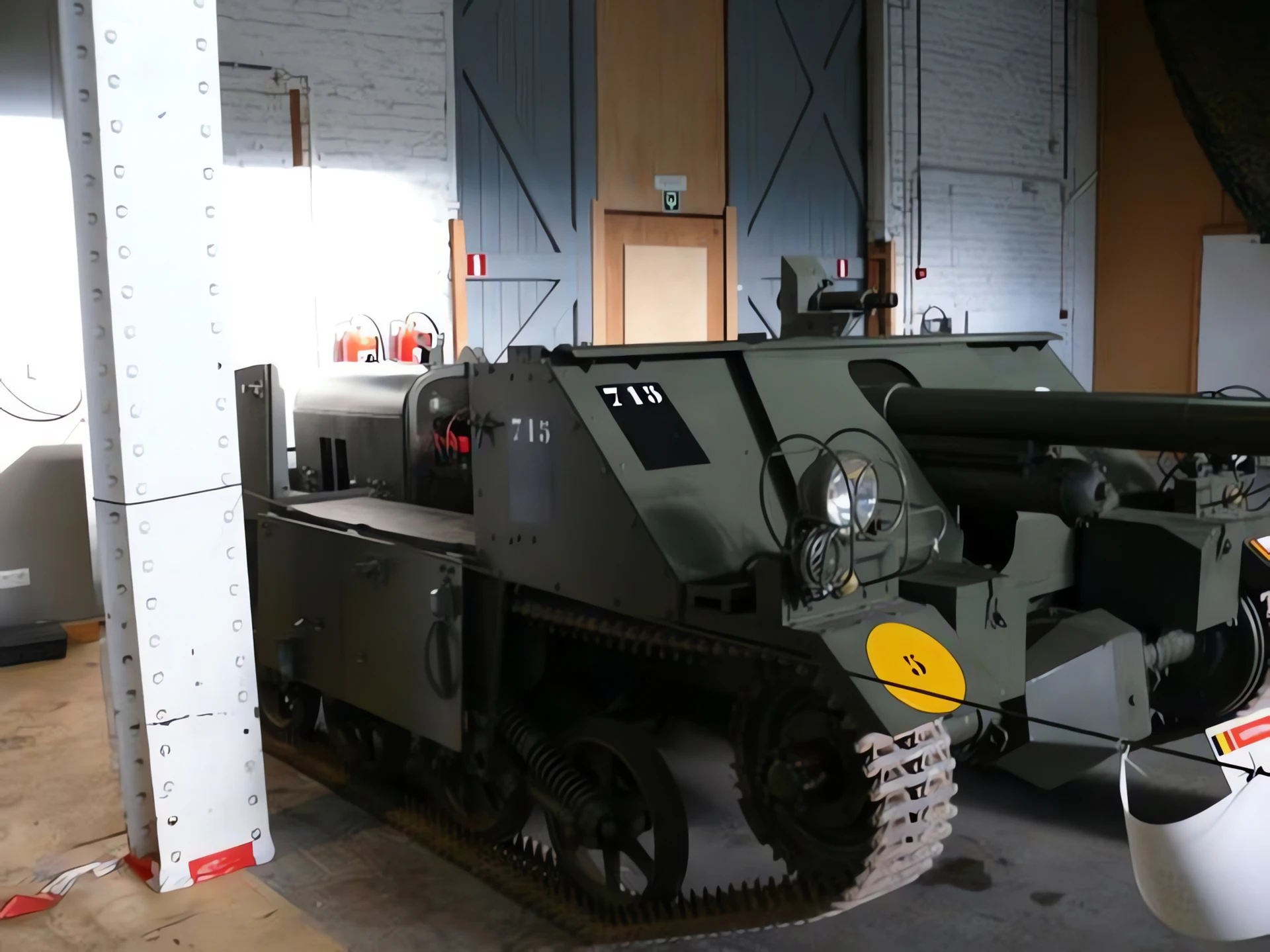
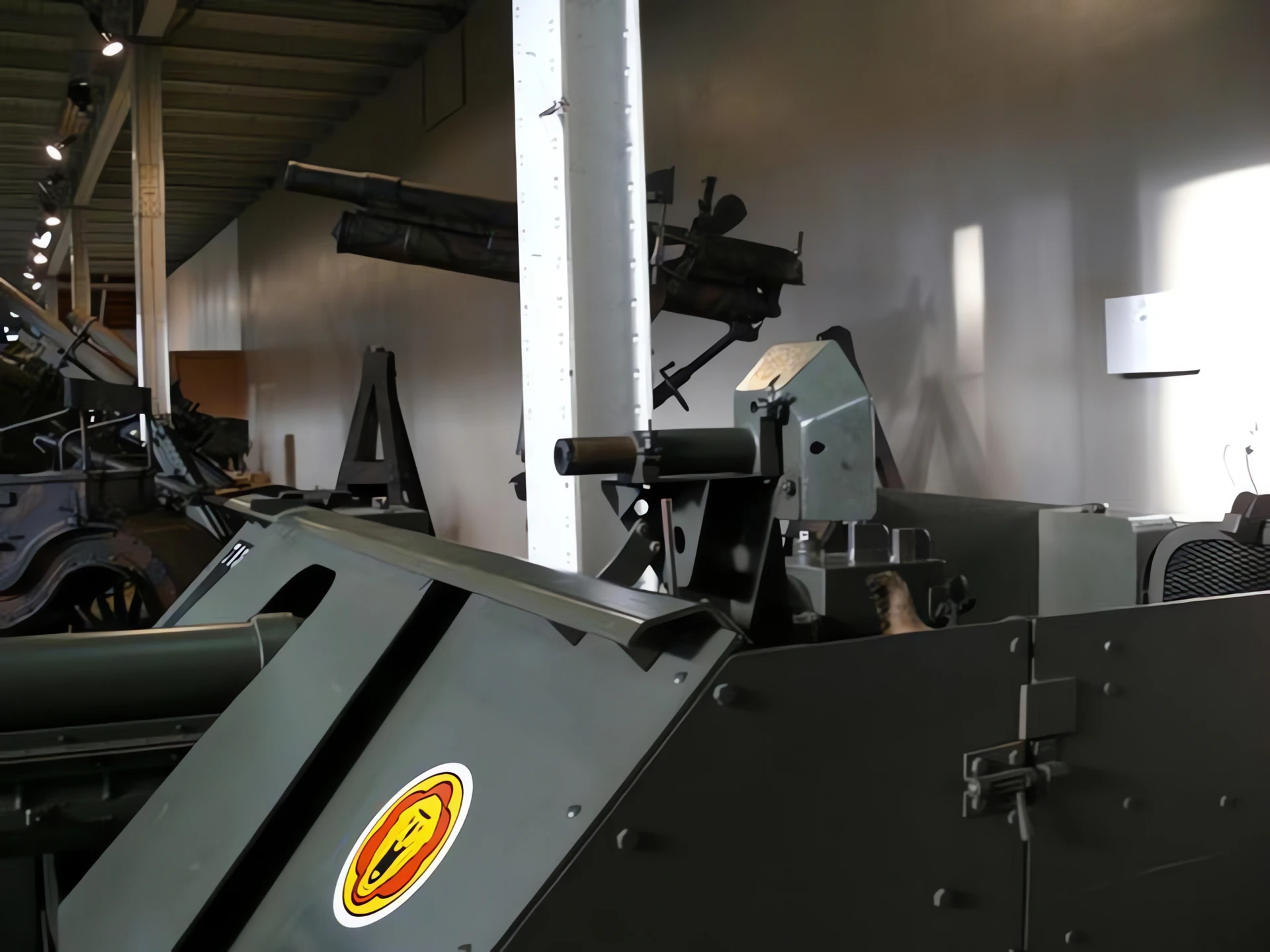
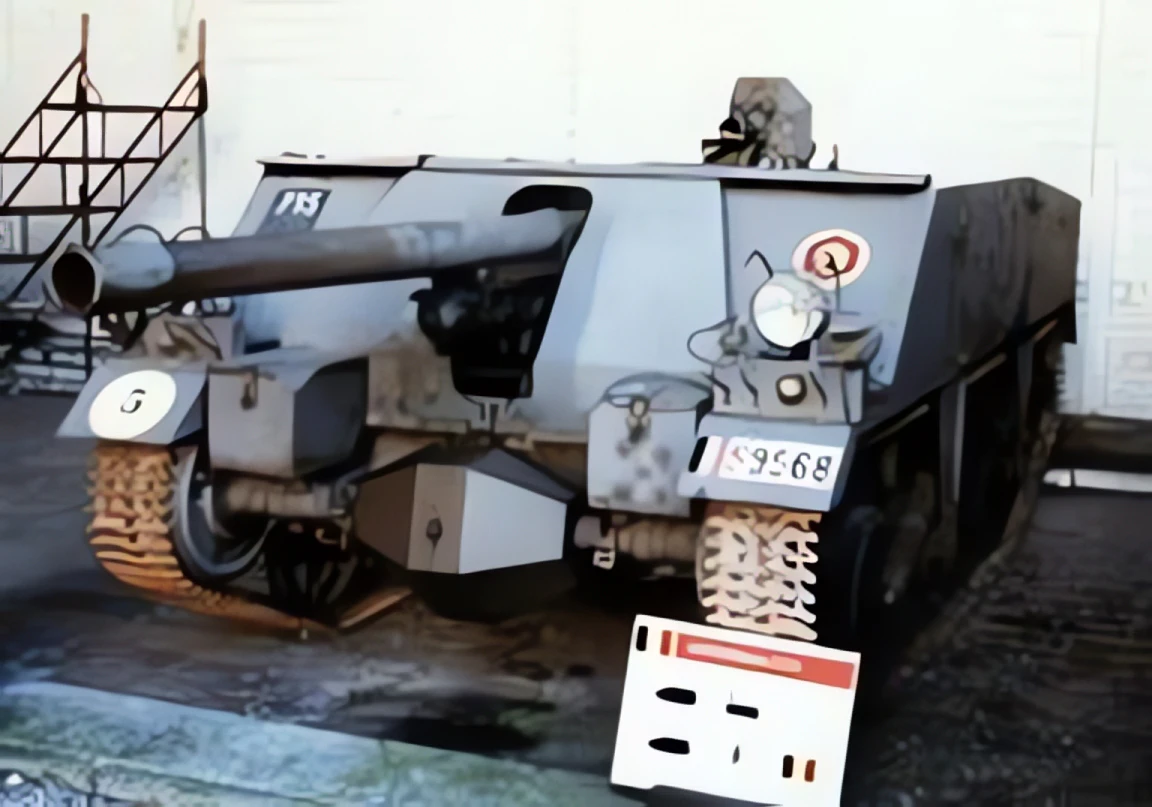
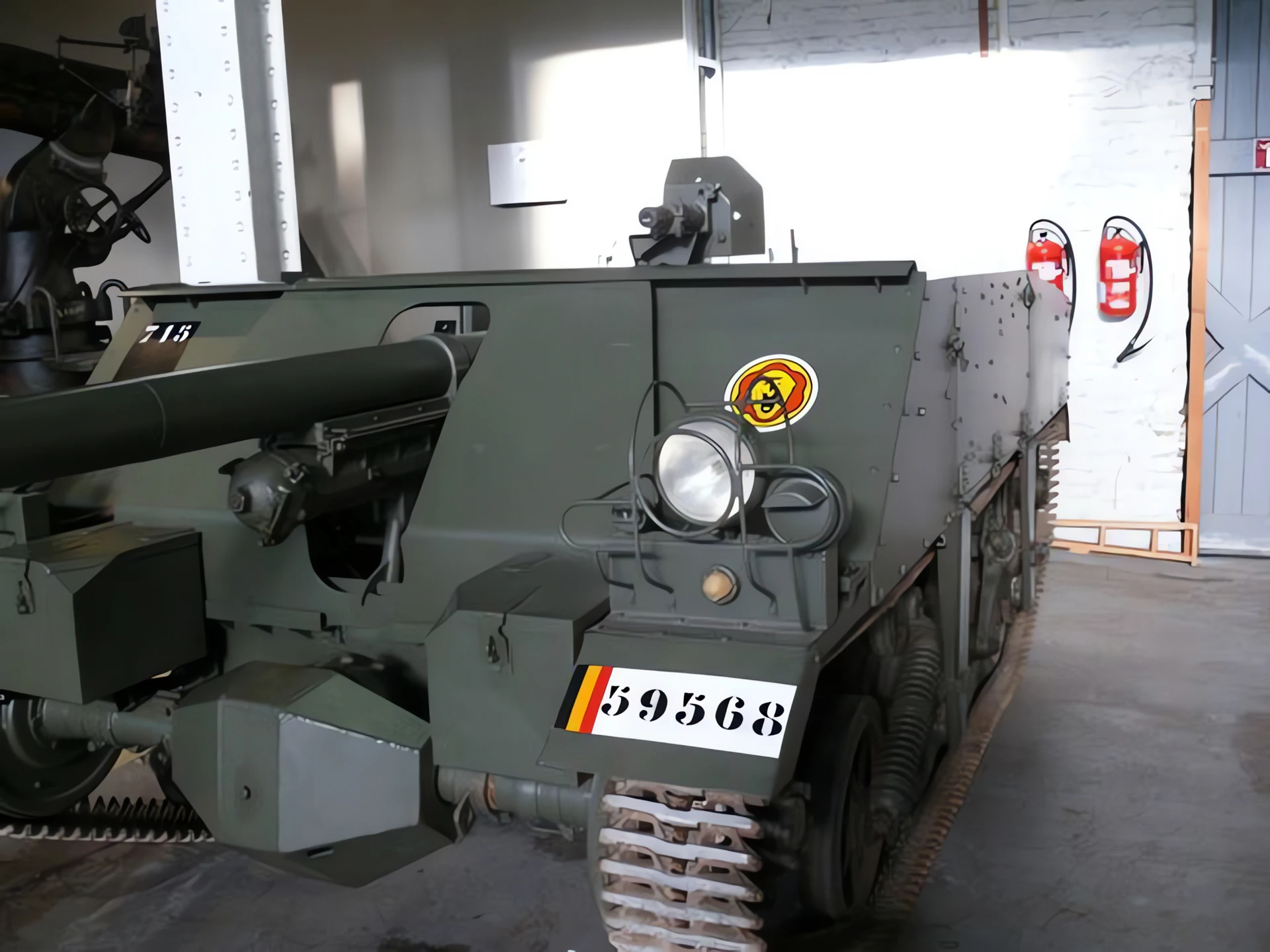
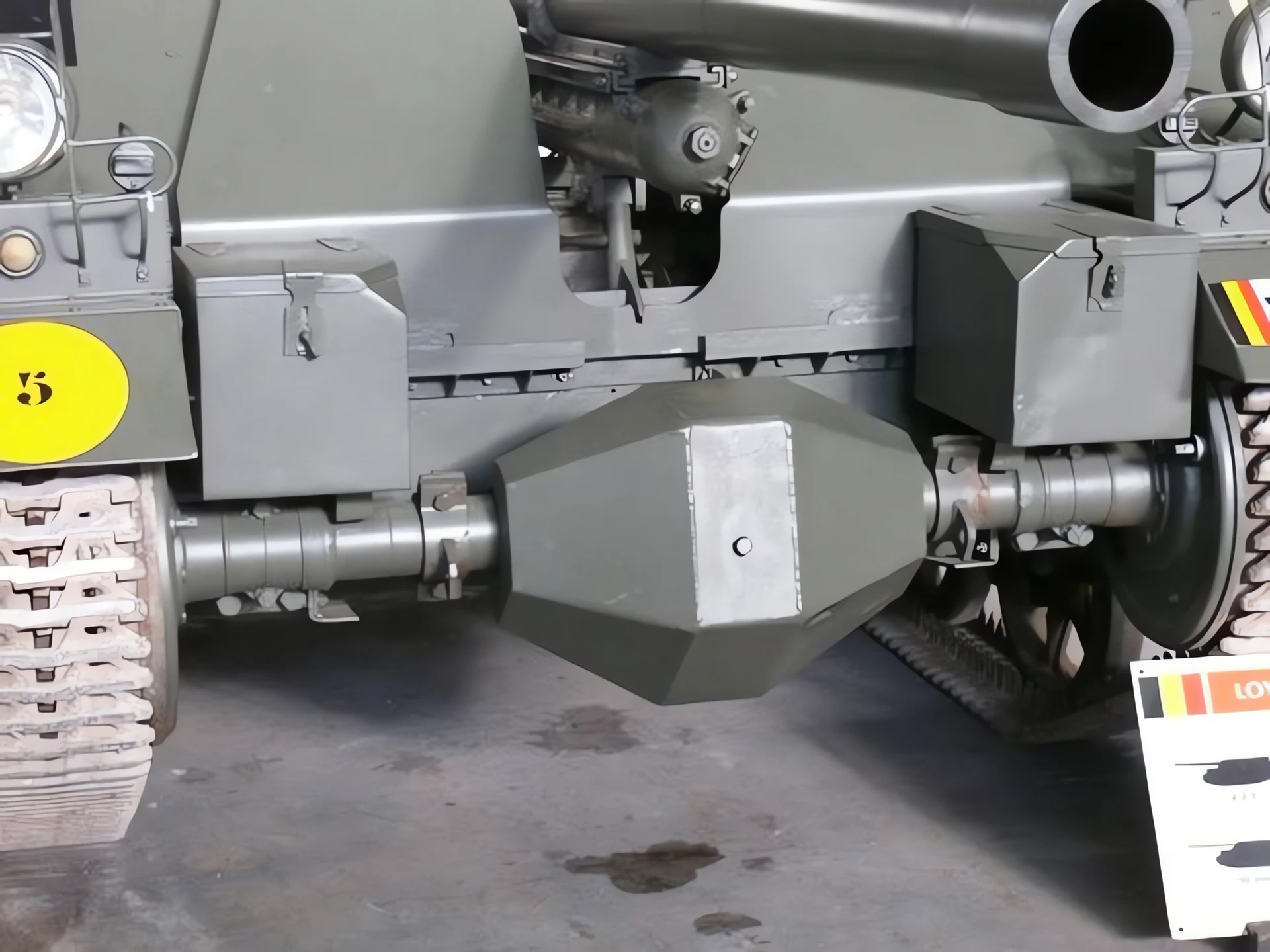
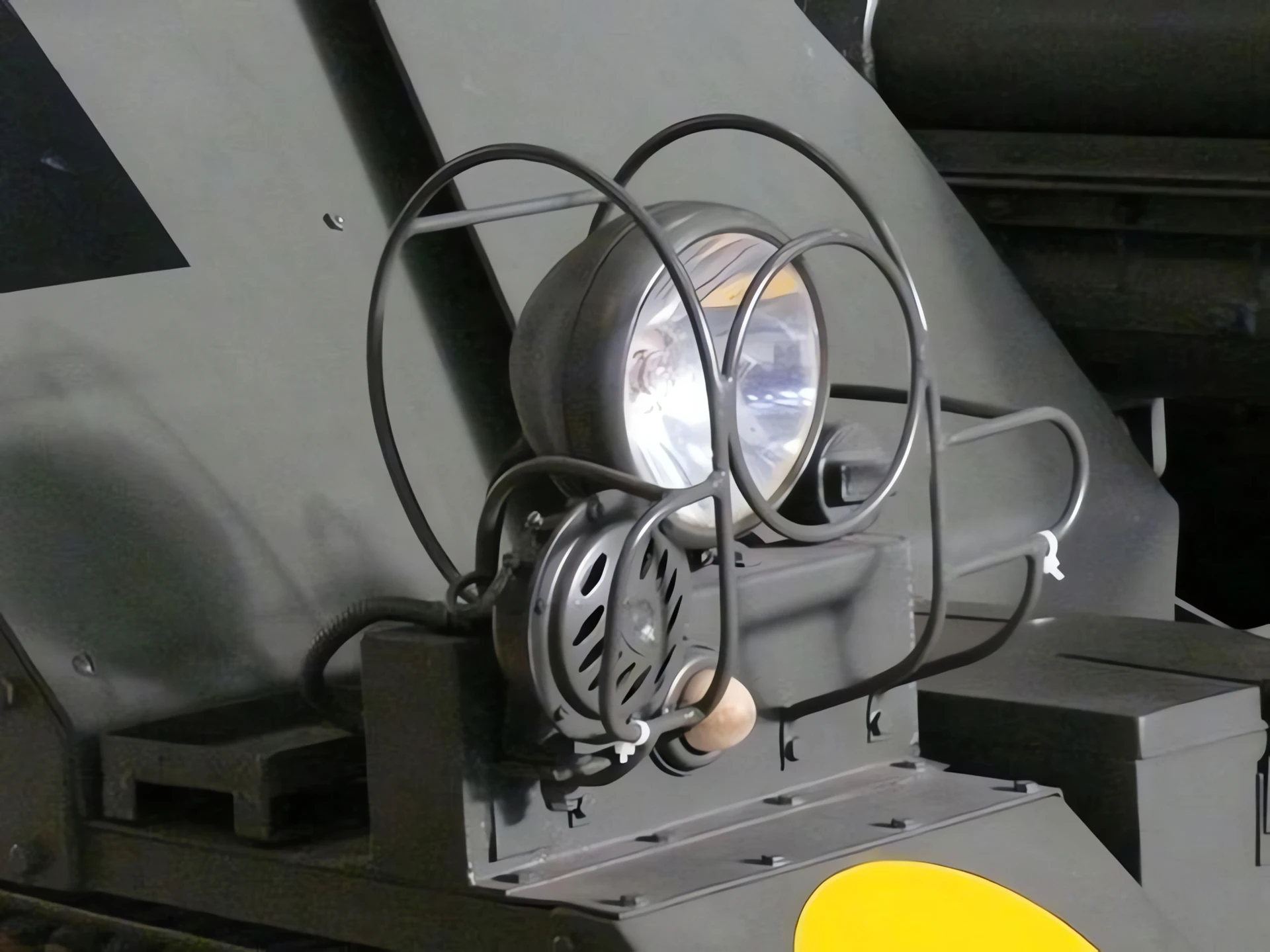
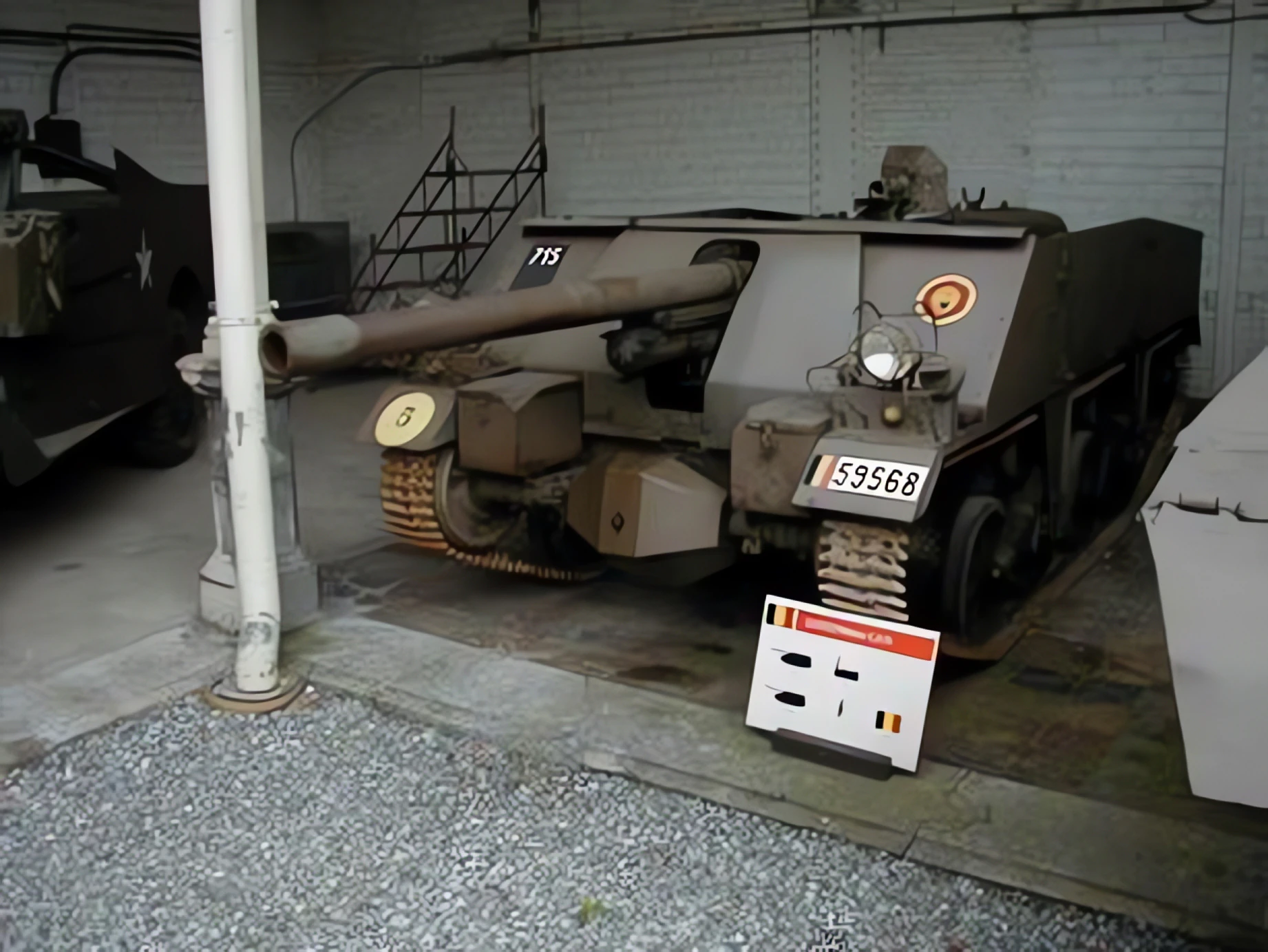
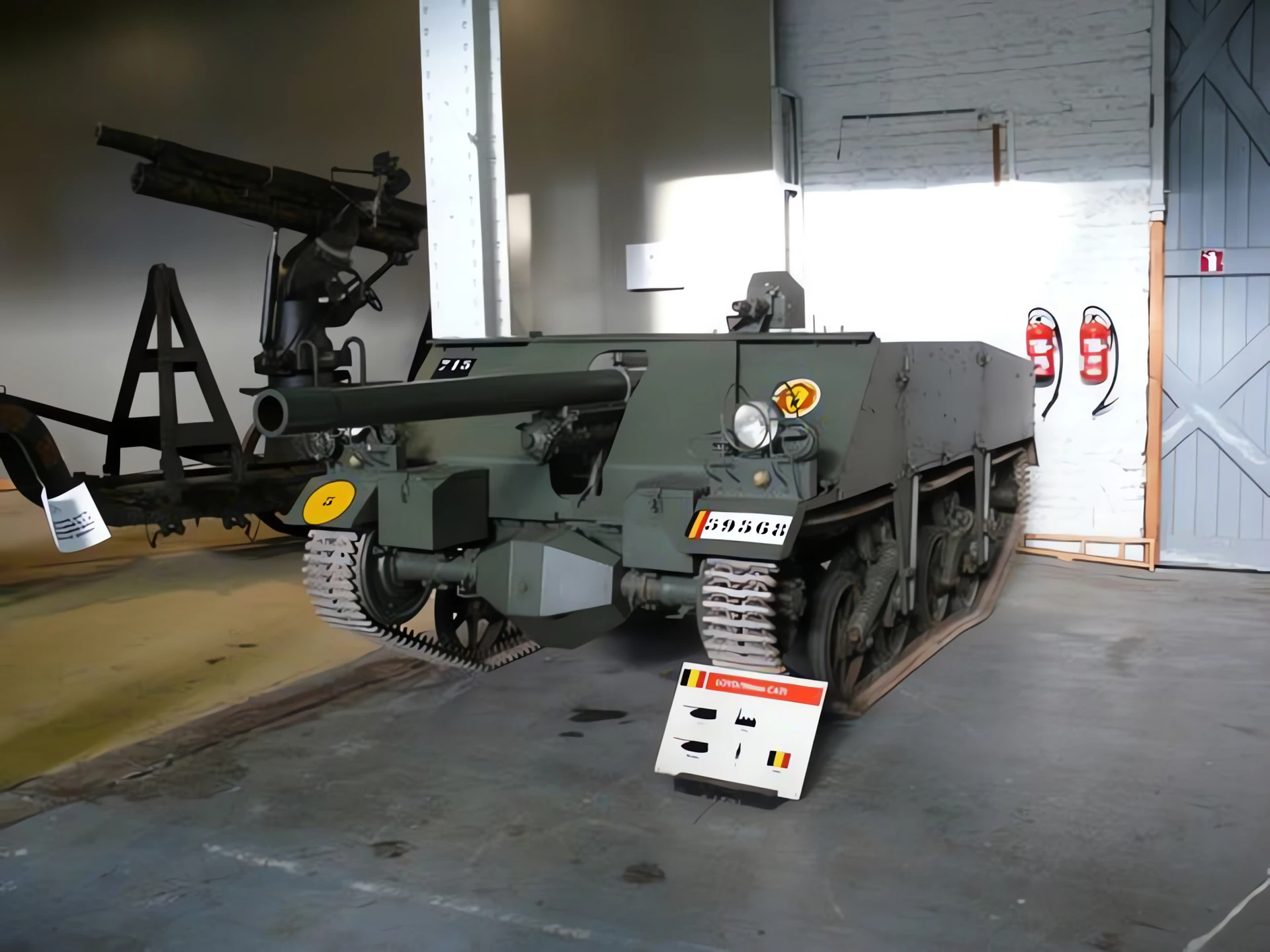


| Loyd Carrier Walk Around | |
|---|---|
| Fotógrafo | Robert Blokker |
| Localización | Unknow |
| Fotos | 119 |
Ver también:


General Characteristics
The Loyd Carrier, officially the ‘Carrier, Tracked, Personnel Carrying’ (TPC) or ‘Tracked Towing’ (TT), was a British light tracked vehicle used extensively by British and Commonwealth forces during World War II. Designed by Captain Vivian Loyd (co-designer of the Carden Loyd tankette), it was intended as an **artillery tractor** and general-purpose vehicle to transport personnel and materials across the battlefield, particularly for towing anti-tank guns and mortars. Its design prioritized simplicity and low cost, utilizing many components from the **Fordson 7V 15 cwt truck**, including the engine and gearbox. It was a utilitarian, reliable vehicle, with over 26,000 units built.
| Property | Typical Value (Loyd Carrier TT/TPC) |
|---|---|
| Papel | Artillery Tractor, Personnel Carrier, Liaison |
| National Origin | Reino Unido |
| diseñador | Vivian Loyd |
| Service Entry | 1939 |
| No. Built (Total) | ~26,000 |
| Equipo | 1 (Driver) + up to 5/6 passengers/gun crew |
| Combat Weight | ~4.5 tonnes (4.43 long tons) |
| Longitud | 4.24 m (13 ft 11 in) |
| Ancho | 2.06 m (6 ft 9 in) |
| Height (Hull Top) | 1.42 m (4 ft 8 in) |
Powerplant and Mobility
- Engine: Ford V8-cylinder, liquid-cooled, side-valve petrol engine.
- Power Output: 63 kW (85 hp) (British or Canadian) or 67 kW (90 hp) (US).
- Transmission: Ford 4-speed, manual gearbox.
- Maximum Speed (Road): 48 km/h (30 mph).
- Operational Range: 200–220 km (125–137 miles).
- Suspension: Horstmann suspension units (same as Universal Carrier).
- Steering: Controlled by two levers which activated brakes on the front drive sprockets and rear idlers to slow or stop one track.
- Design Note: The engine and radiator were mounted in the **rear** of the vehicle, with the drive shaft running forward to the front-mounted drive sprockets.
Armor and Variants
- Armour: Light, sloped mild steel plate (often known as ‘BP Plate’ – Bullet Proof) was bolted to the front and upper sides of the hull, offering protection only against small arms fire and shrapnel.
- Thickness: Up to 7 mm.
- The hull was open-topped and open at the rear, though a canvas cover was a standard fitment.
- Armament: Generally unarmed in production roles, though a single Bren Light Machine Gun was often carried for crew defense.
- Key Variants:
- Tracked Towing (TT): Most common version, used to tow the 2-pounder and 6-pounder anti-tank guns and 4.2-inch mortars, carrying the gun crew and ammunition.
- Tracked Personnel Carrier (TPC): Equipped with bench seating for personnel.
- Tracked Starting and Charging (TS&C): Fitted with generators and batteries to jump-start other armored vehicles.
- Tracked Cable Layer Mechanical (TCLM): Used by Royal Signals for laying cables.
Vistas: 1529
También puede ver:
 Pansarbandvagn 202 – Photos & Video
 OT-64 SKOT – Fotos y Videos
 VBTP-MR Guaraní – Fotos y Videos
 Schützenpanzer SPz 11-2 Kurz – Fotos y Video
 Tracked Rapier – Fotos y Video
 OT-62 TOPAS – Fotos y Video
 IDF Achzarit – Fotos y Video
 Pansarbandvagn 302 – Fotos y Video
 Pansarbandvagn 301 – Fotos y Video
 BTR-40 – WalkAround