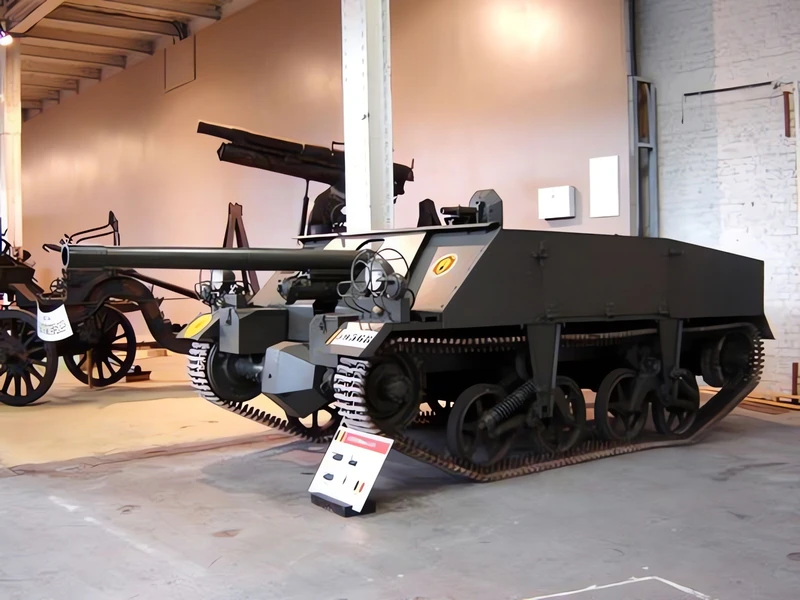
Loyd Vervoerder | |
|---|---|
| Land | Uk |
| Role | Gepantserde personeelsdrager |
| In gebruik | Jaren 1939 -1960 |
| Gebouwd | 26000+ |
De Loyd Vervoerder was een van een aantal kleine rupsvoertuigen die in de Tweede Wereldoorlog door de Britse en Gemenebesttroepen werden gebruikt om uitrusting en mannen over het slagveld te vervoeren. Naast de Bren, Scout en Machine Gun Carriers verplaatsten ze ook infanteriesteunwapens.
| CATI 90 mm Walk Around | |
|---|---|
| Fotograaf | Unknow |
| Lokalisatie | Onbewust |
| Foto 's | 68 |
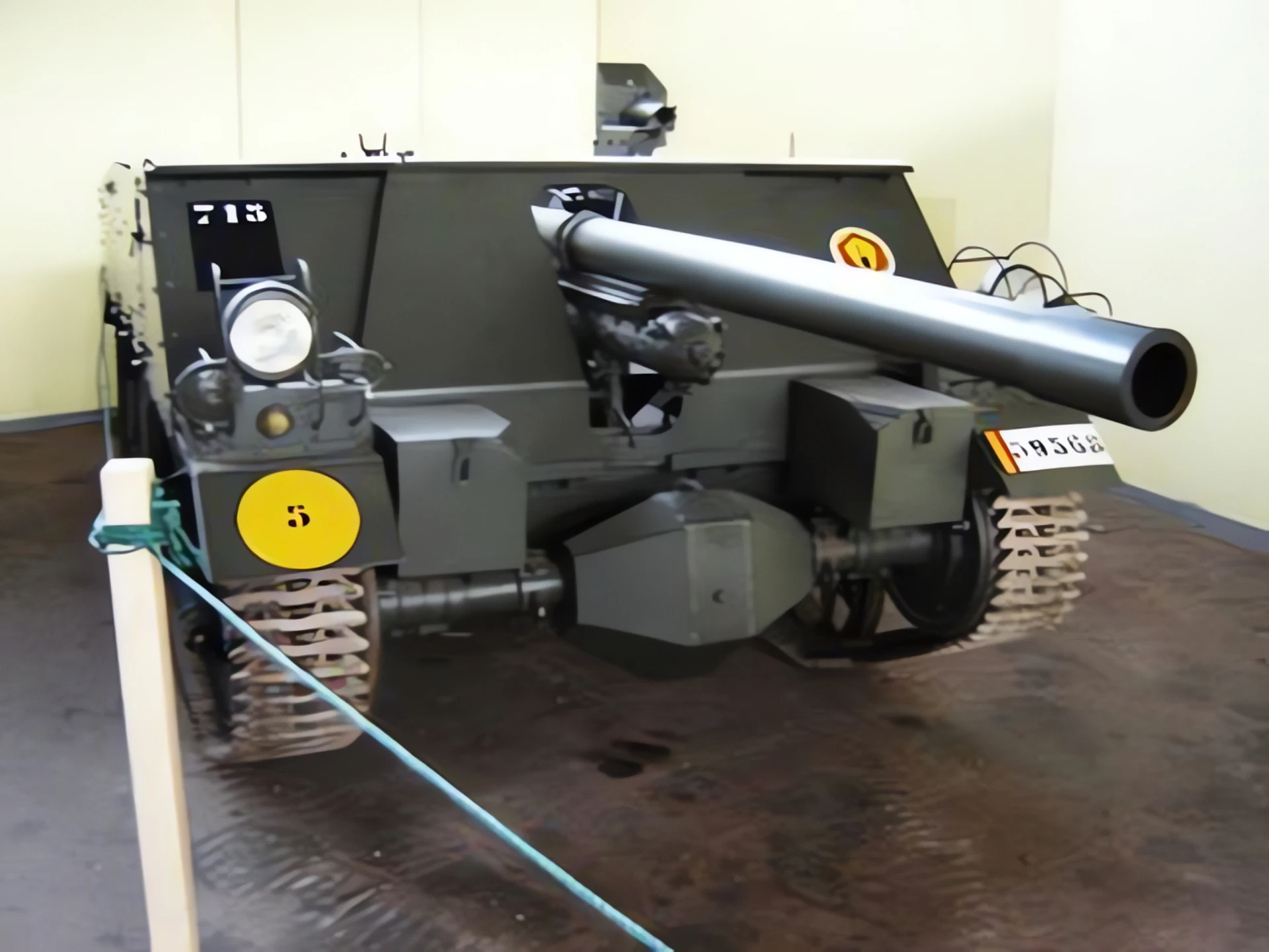
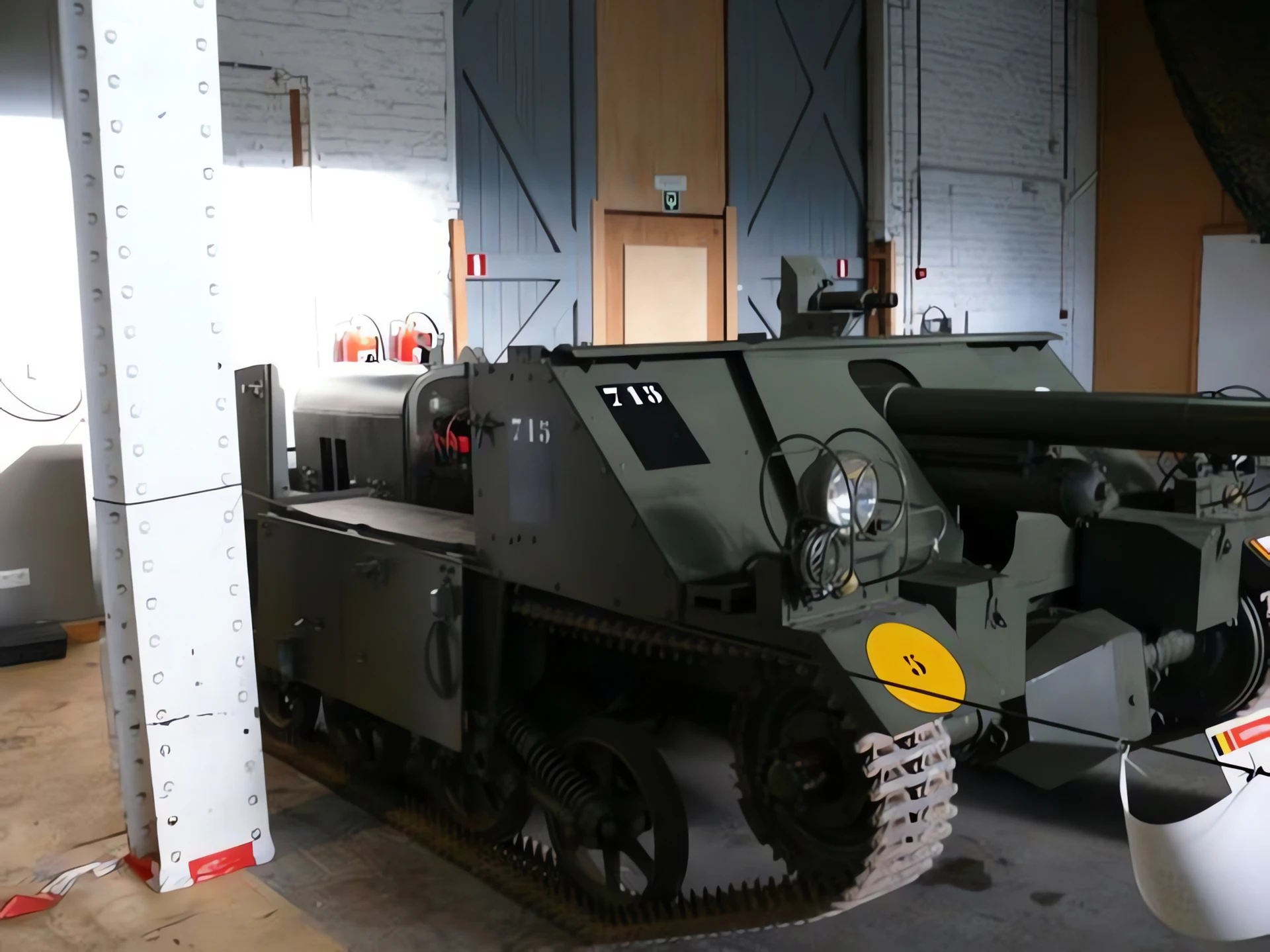
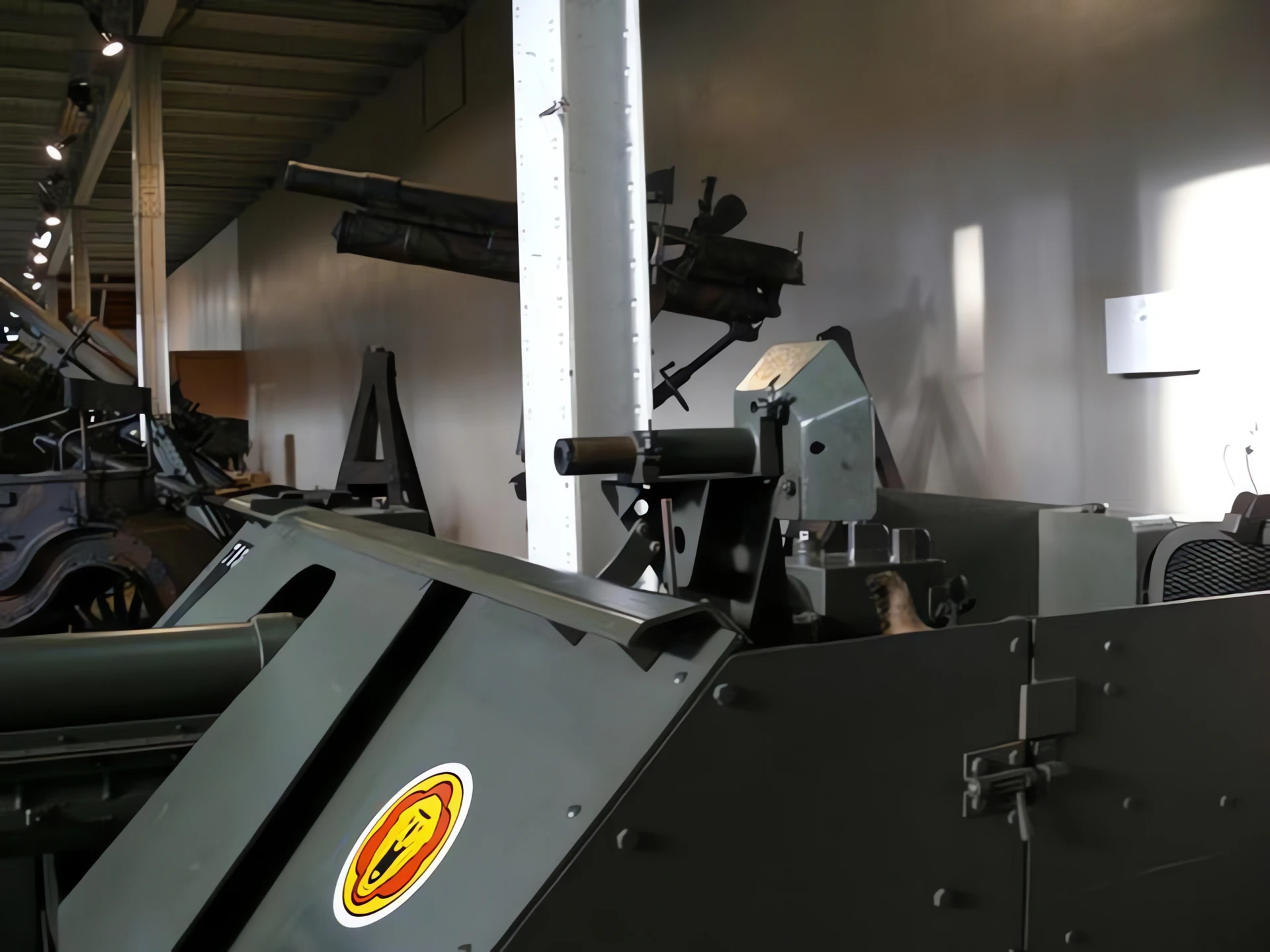
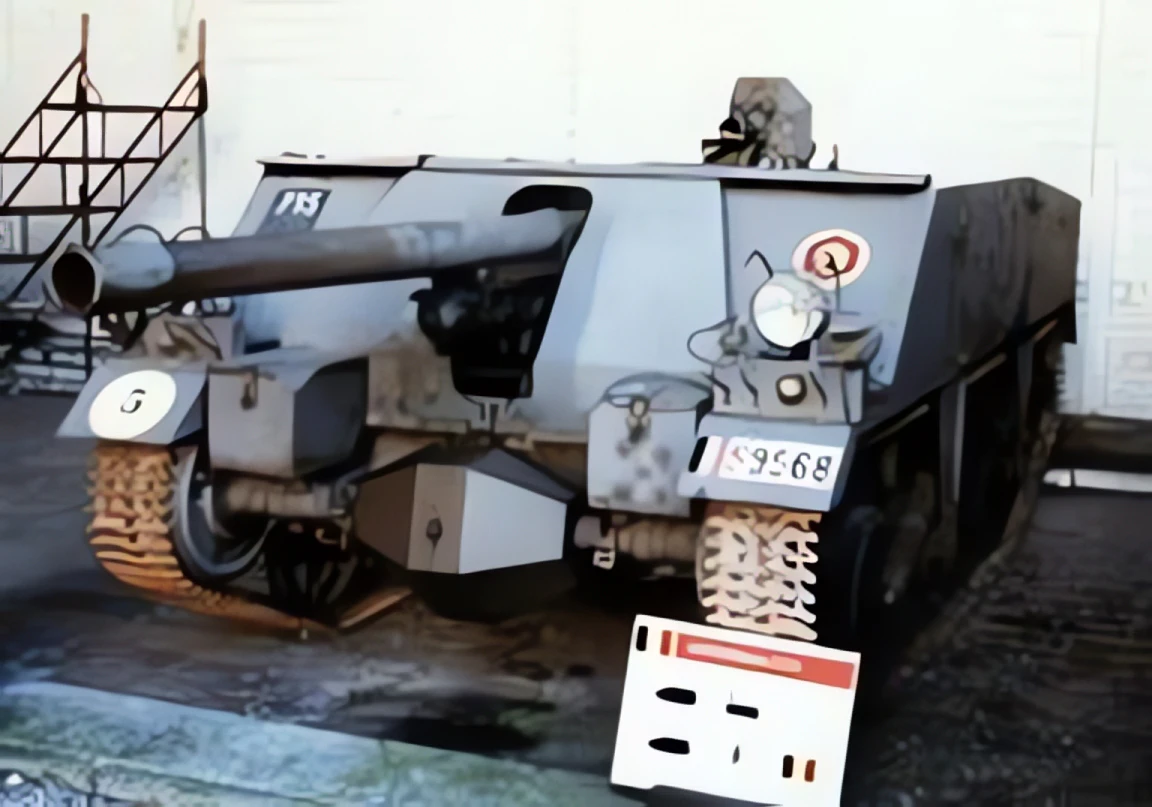
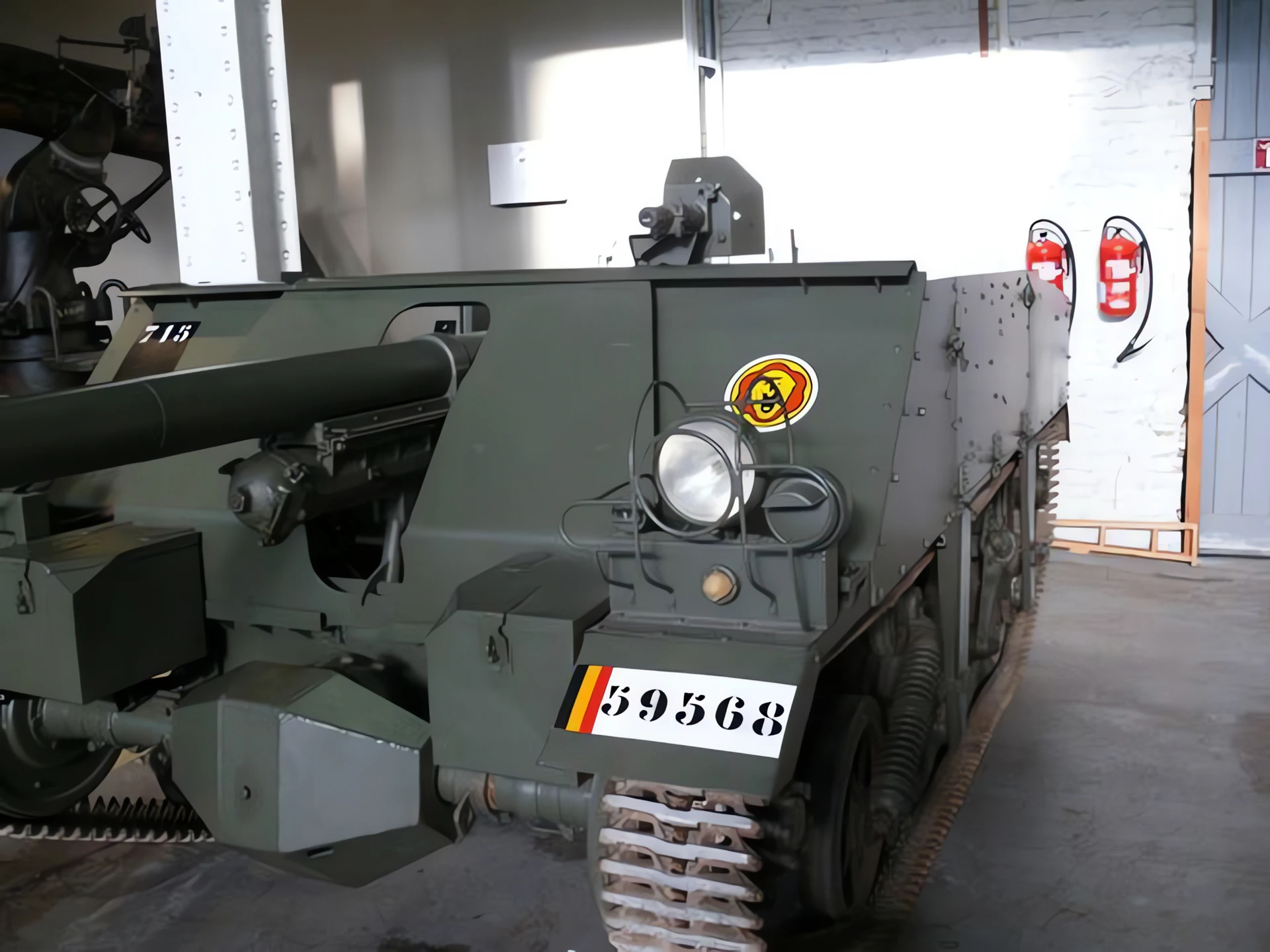
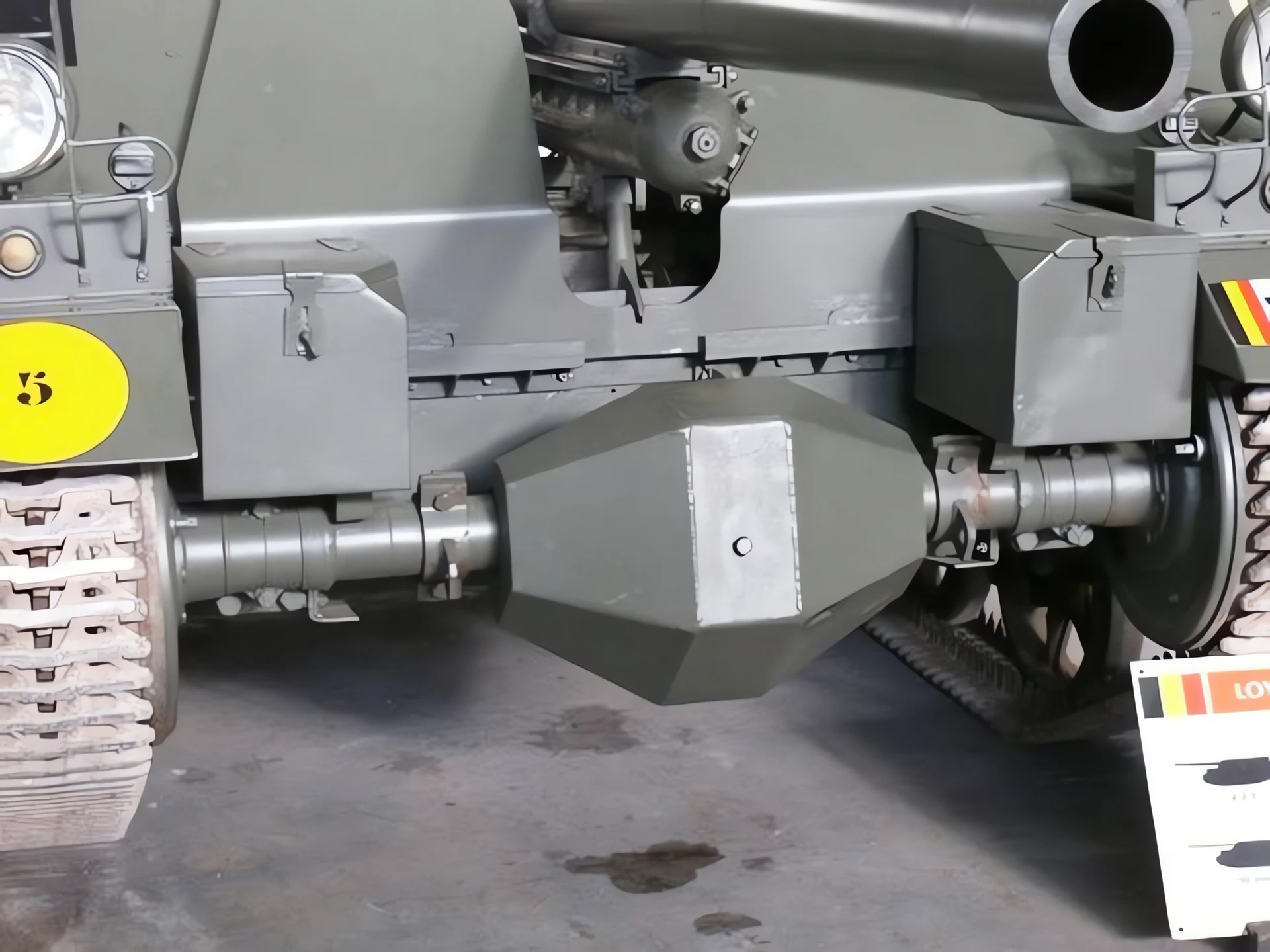
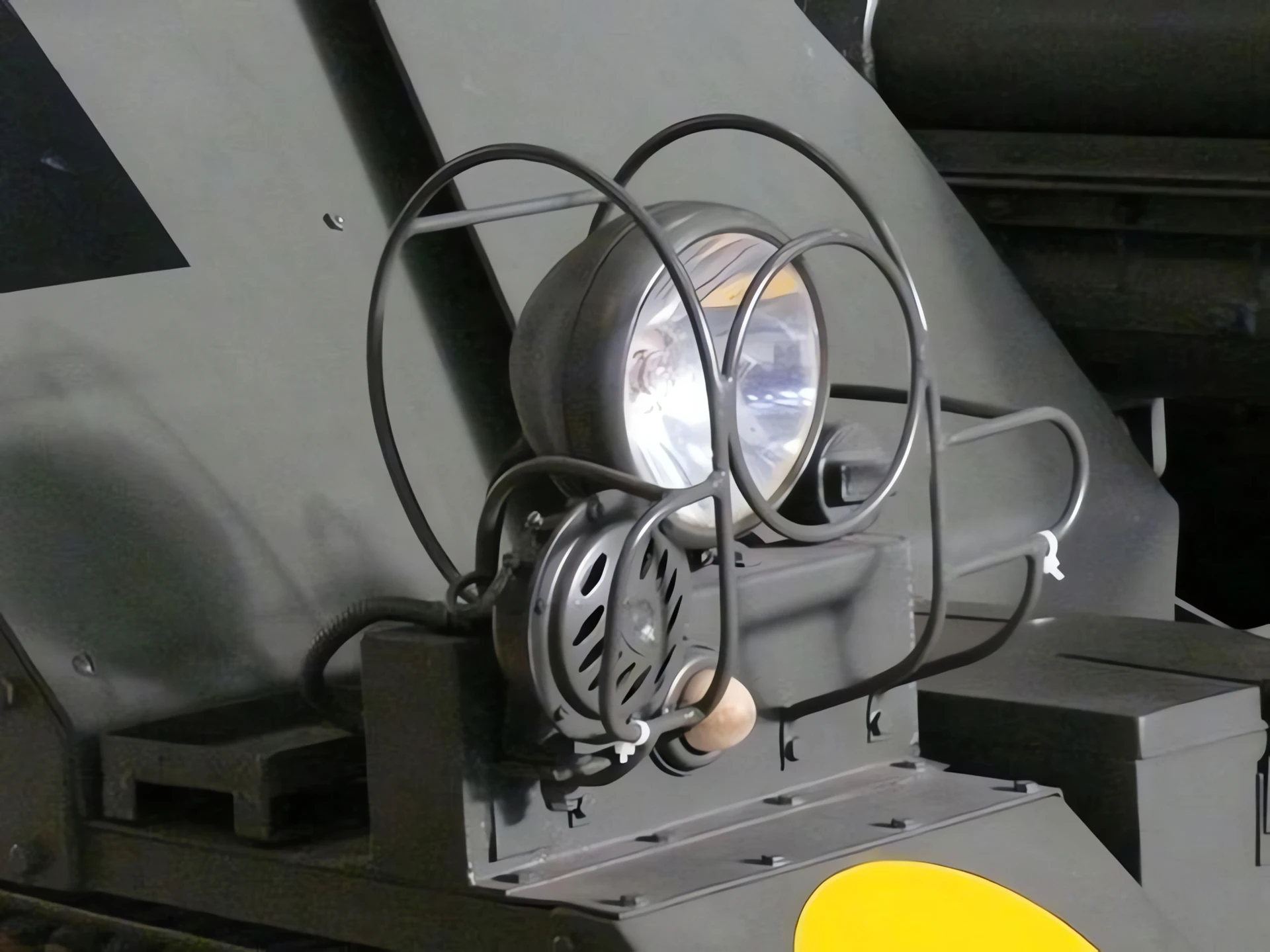
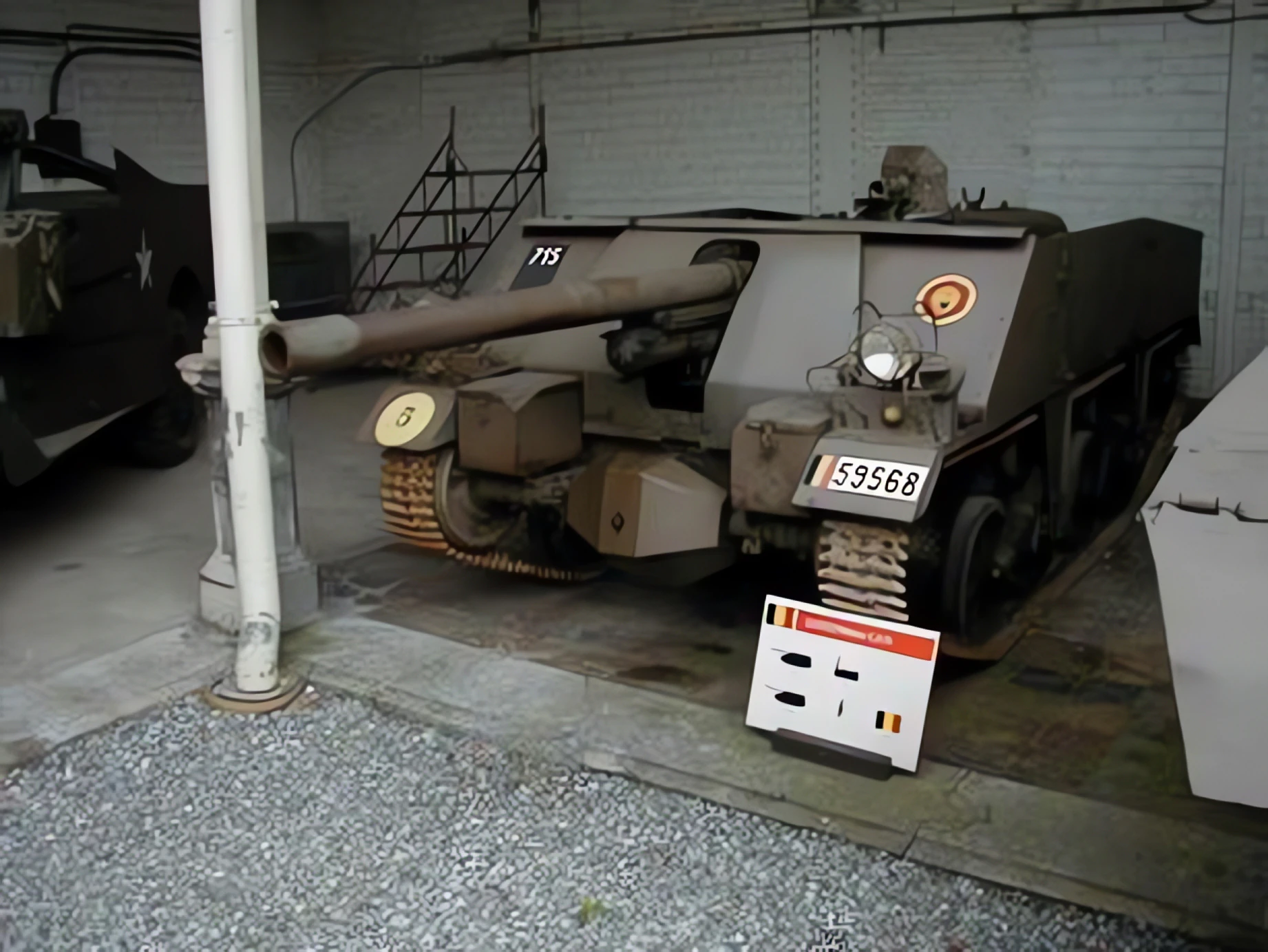
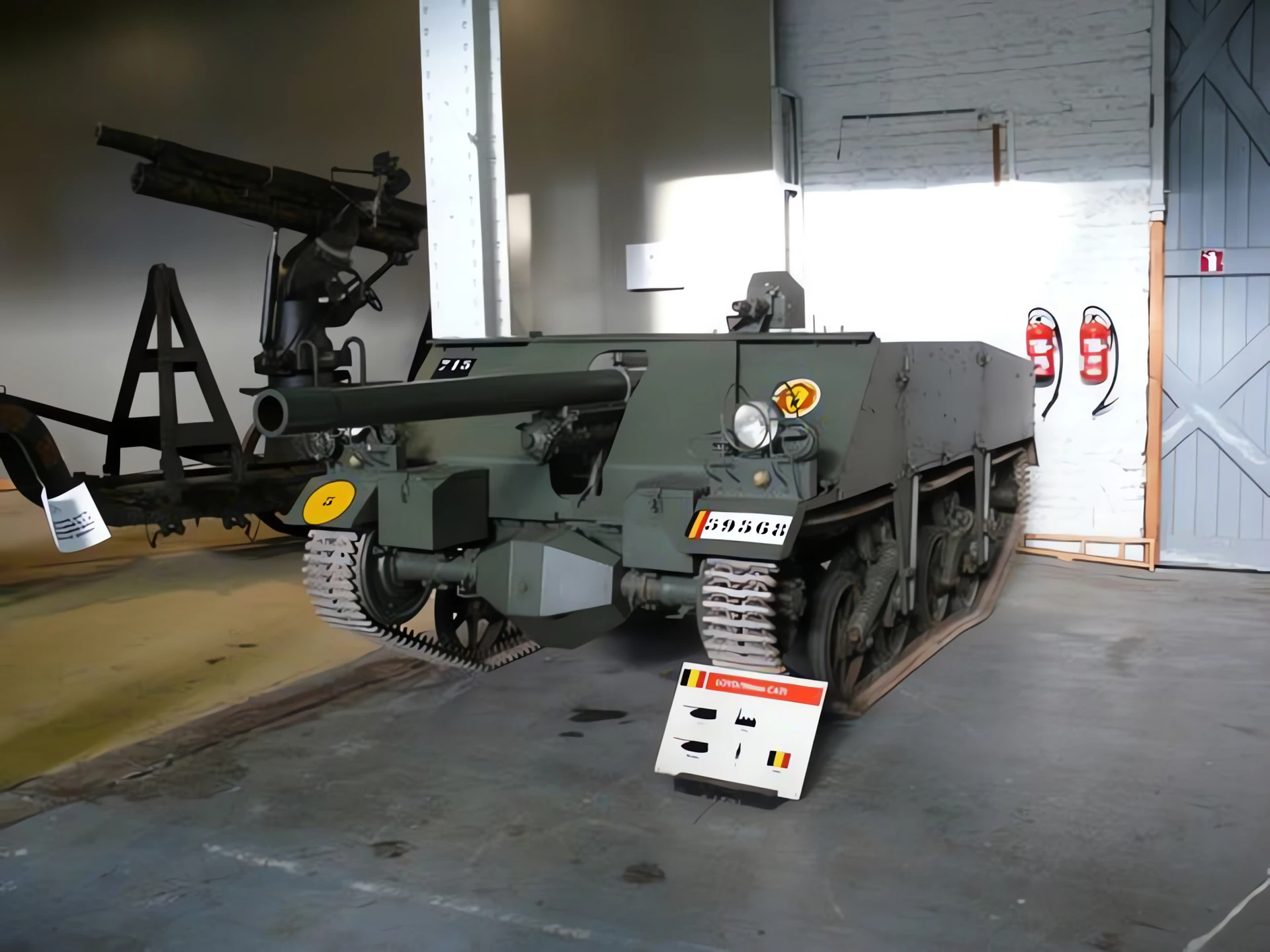


| Loyd Carrier Walk Around | |
|---|---|
| Fotograaf | Robert Blokker |
| Lokalisatie | Onbewust |
| Foto 's | 119 |
Zie ook:


General Characteristics
The Loyd Carrier, officially the ‘Carrier, Tracked, Personnel Carrying’ (TPC) or ‘Tracked Towing’ (TT), was a British light tracked vehicle used extensively by British and Commonwealth forces during World War II. Designed by Captain Vivian Loyd (co-designer of the Carden Loyd tankette), it was intended as an **artillery tractor** and general-purpose vehicle to transport personnel and materials across the battlefield, particularly for towing anti-tank guns and mortars. Its design prioritized simplicity and low cost, utilizing many components from the **Fordson 7V 15 cwt truck**, including the engine and gearbox. It was a utilitarian, reliable vehicle, with over 26,000 units built.
| Property | Typical Value (Loyd Carrier TT/TPC) |
|---|---|
| Role | Artillery Tractor, Personnel Carrier, Liaison |
| National Origin | Verenigd Koninkrijk |
| Designer | Vivian Loyd |
| Service Entry | 1939 |
| No. Built (Total) | ~26,000 |
| Bemanning | 1 (Driver) + up to 5/6 passengers/gun crew |
| Combat Weight | ~4.5 tonnes (4.43 long tons) |
| Lengte | 4.24 m (13 ft 11 in) |
| Breedte | 2.06 m (6 ft 9 in) |
| Height (Hull Top) | 1.42 m (4 ft 8 in) |
Powerplant and Mobility
- Engine: Ford V8-cylinder, liquid-cooled, side-valve petrol engine.
- Power Output: 63 kW (85 hp) (British or Canadian) or 67 kW (90 hp) (US).
- Transmission: Ford 4-speed, manual gearbox.
- Maximum Speed (Road): 48 km/h (30 mph).
- Operational Range: 200–220 km (125–137 miles).
- Suspension: Horstmann suspension units (same as Universal Carrier).
- Steering: Controlled by two levers which activated brakes on the front drive sprockets and rear idlers to slow or stop one track.
- Design Note: The engine and radiator were mounted in the **rear** of the vehicle, with the drive shaft running forward to the front-mounted drive sprockets.
Armor and Variants
- Armour: Light, sloped mild steel plate (often known as ‘BP Plate’ – Bullet Proof) was bolted to the front and upper sides of the hull, offering protection only against small arms fire and shrapnel.
- Thickness: Up to 7 mm.
- The hull was open-topped and open at the rear, though a canvas cover was a standard fitment.
- Armament: Generally unarmed in production roles, though a single Bren Light Machine Gun was often carried for crew defense.
- Key Variants:
- Tracked Towing (TT): Most common version, used to tow the 2-pounder and 6-pounder anti-tank guns and 4.2-inch mortars, carrying the gun crew and ammunition.
- Tracked Personnel Carrier (TPC): Equipped with bench seating for personnel.
- Tracked Starting and Charging (TS&C): Fitted with generators and batteries to jump-start other armored vehicles.
- Tracked Cable Layer Mechanical (TCLM): Used by Royal Signals for laying cables.
Bekeken : 1529
U ook zien :
 Pansarbandvagn 202 – Photos & Video
 OT-64 SKOT – Foto's & Video's
 VBTP-MR Guarani – Foto's & Video's
 Schützenpanzer SPz 11-2 Kurz – Foto's & Video
 Tracked Rapier - Foto's & Video
 OT-62 TOPAS – Foto's & Video
 IDF Achzarit – Foto's &Video
 Pansarbandvagn 302 – Foto's & Video
 Pansarbandvagn 301 – Foto's & Video
 BTR-40 – WalkAround