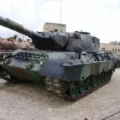
De Luipaard 2 is een belangrijke gevechtstank ontwikkeld door Krauss-Maffei in de jaren 1970 voor het West-Duitse leger. De tank kwam voor het eerst in dienst in 1979 en volgde de eerdere Leopard 1 op als de belangrijkste gevechtstank van het Duitse leger. Verschillende versies hebben gediend in de strijdkrachten van Duitsland en 12 andere Europese landen, evenals verschillende niet-Europese landen, waaronder Canada (Leopard 2A4M CAN), Chili, Indonesië, Singapore en Turkije. De Leopard 2 werd gebruikt in Kosovo met het Duitse leger en heeft ook actie gezien in Afghanistan met de Deense en Canadese bijdragen aan de International Security Assistance Force, evenals het zien van actie in Syrië met de Turkse strijdkrachten tegen IS en de YPJ
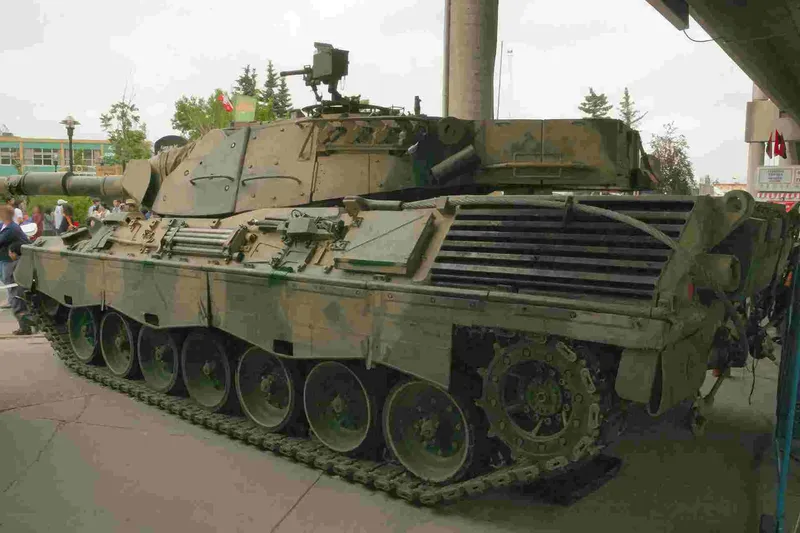
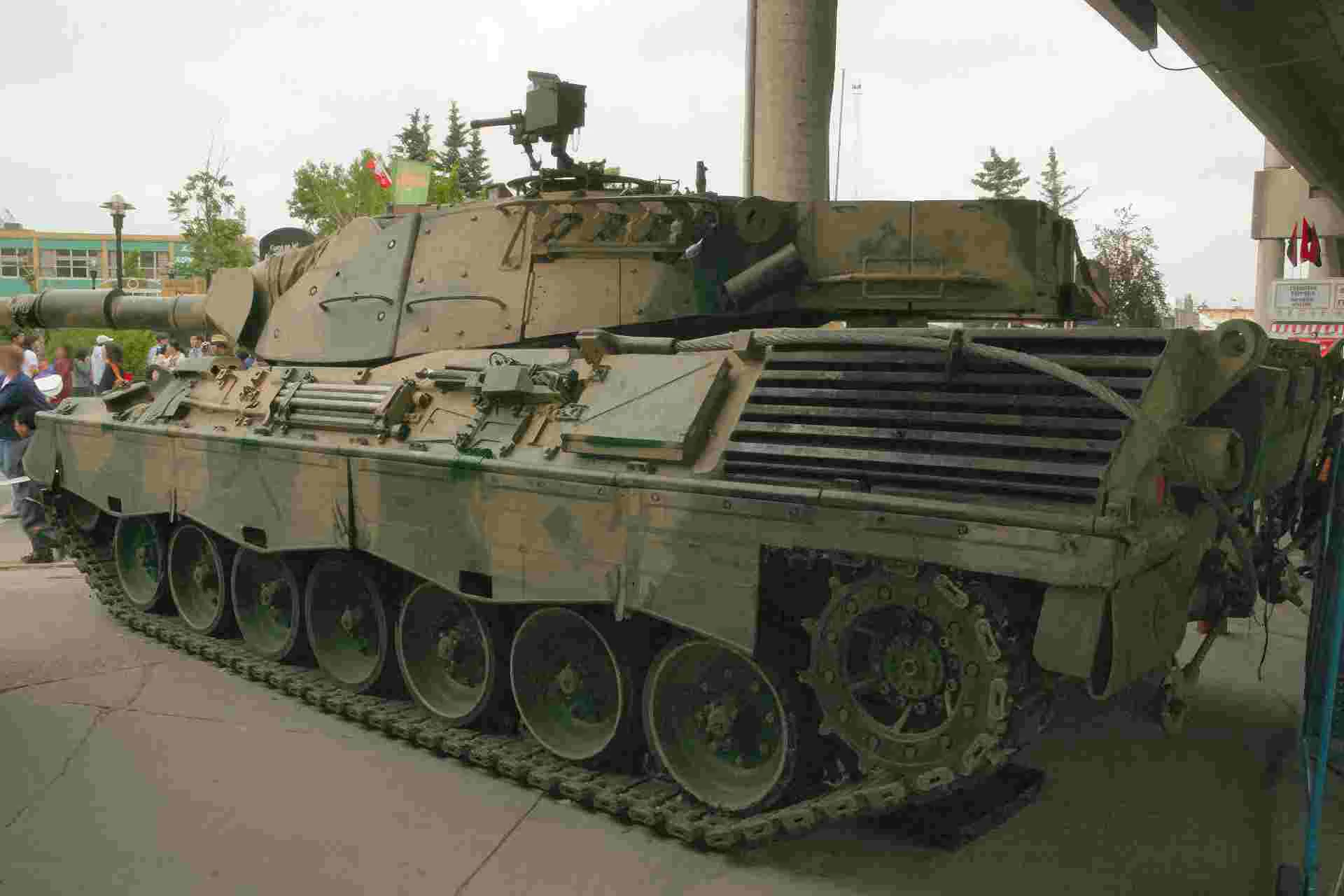
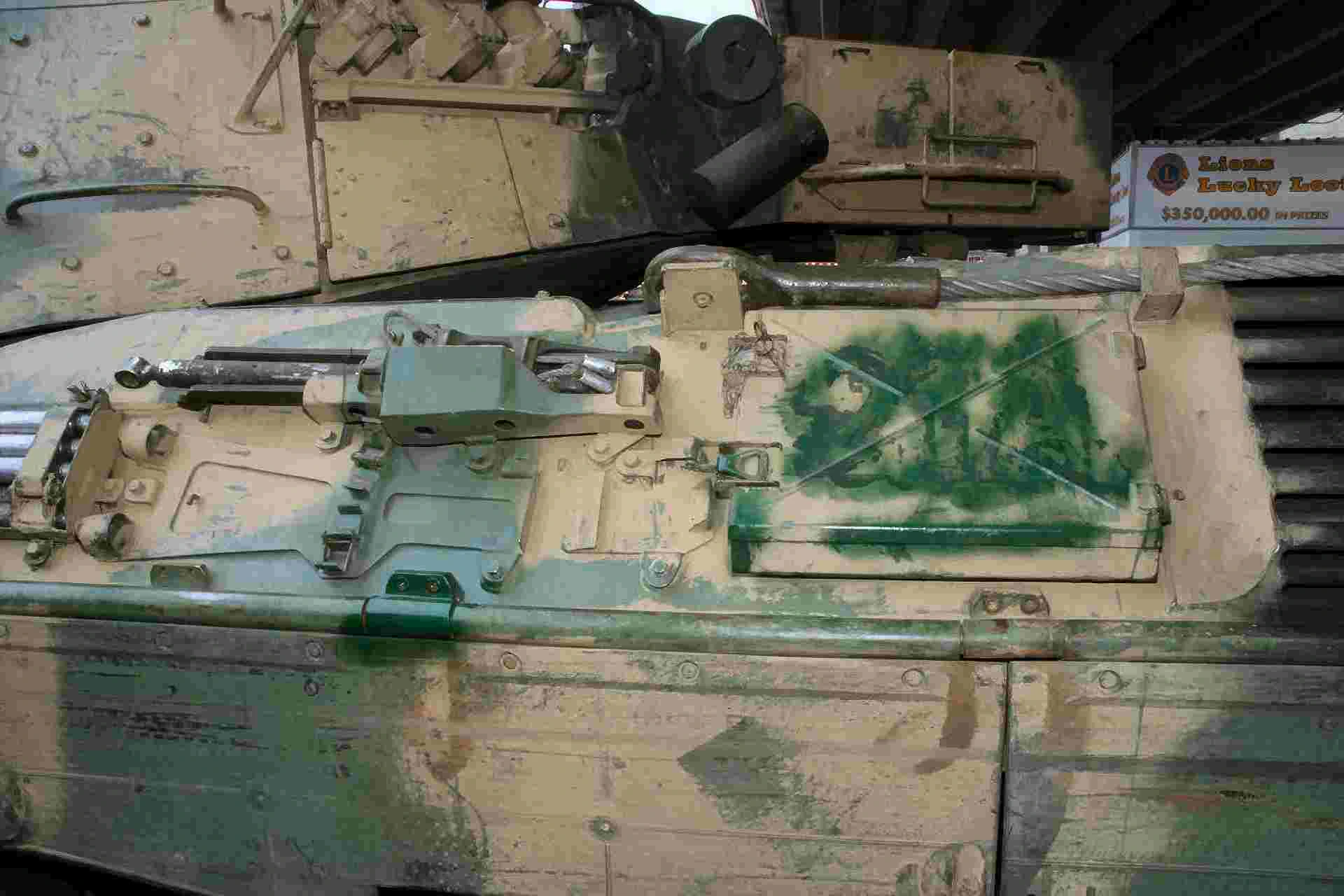
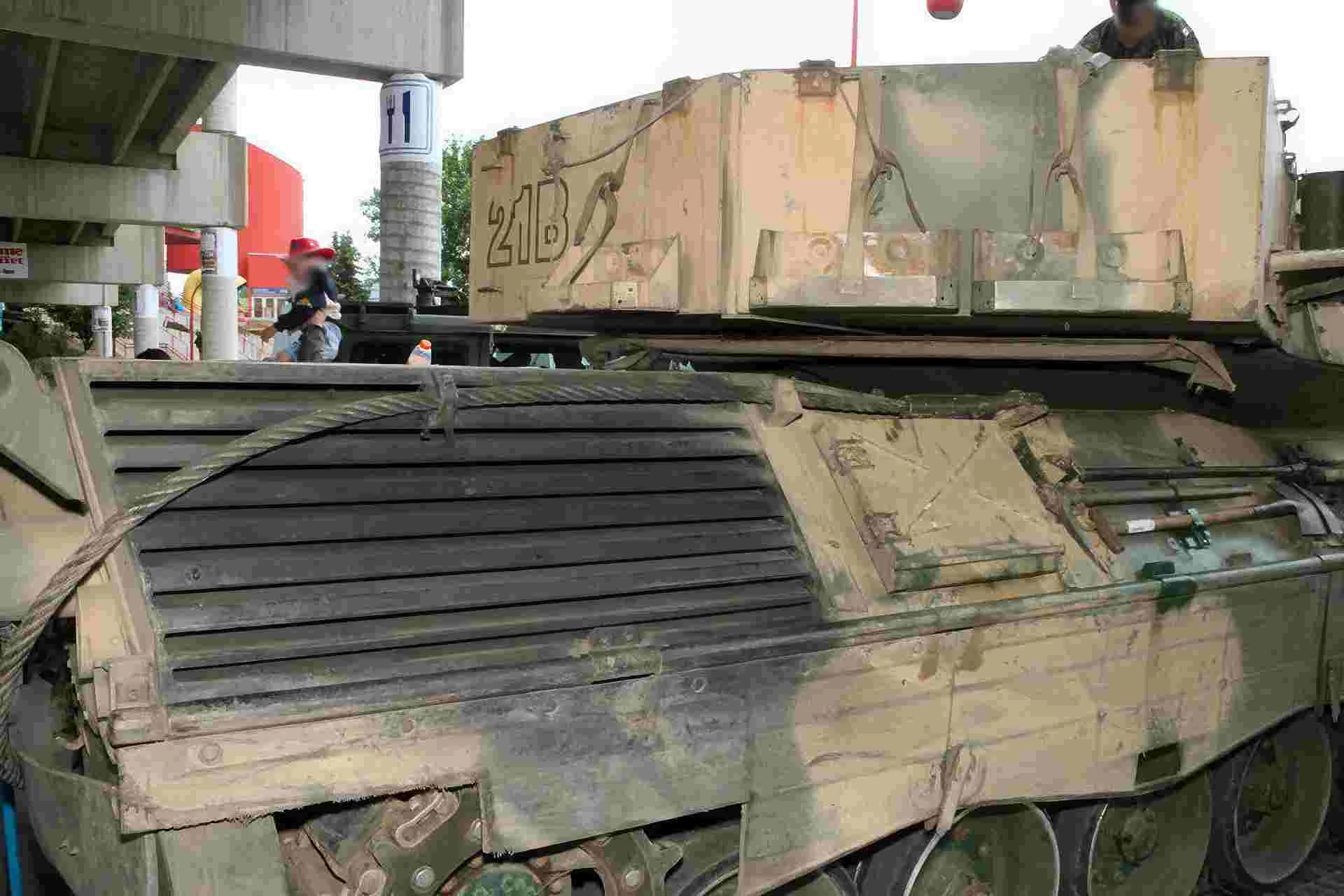
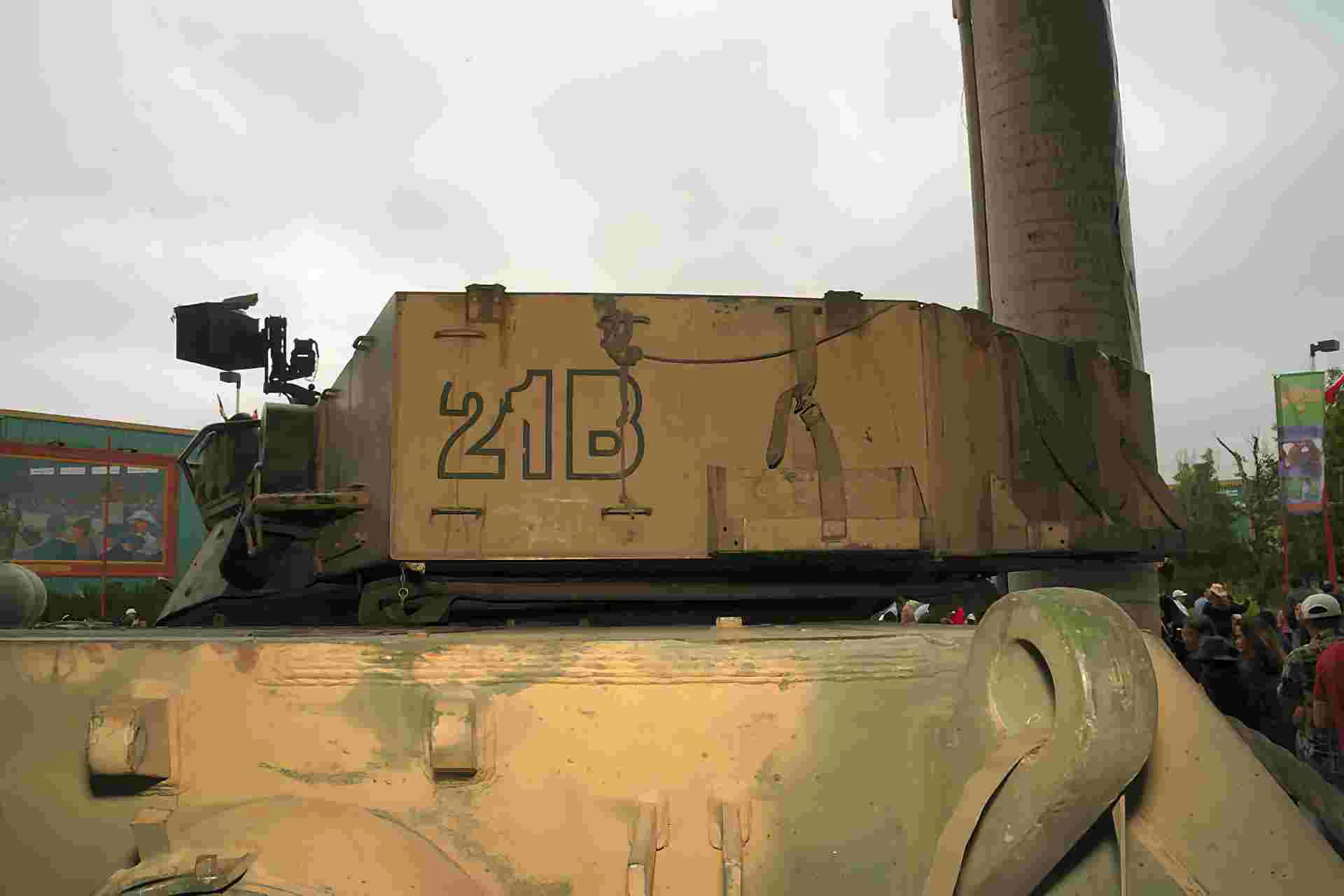
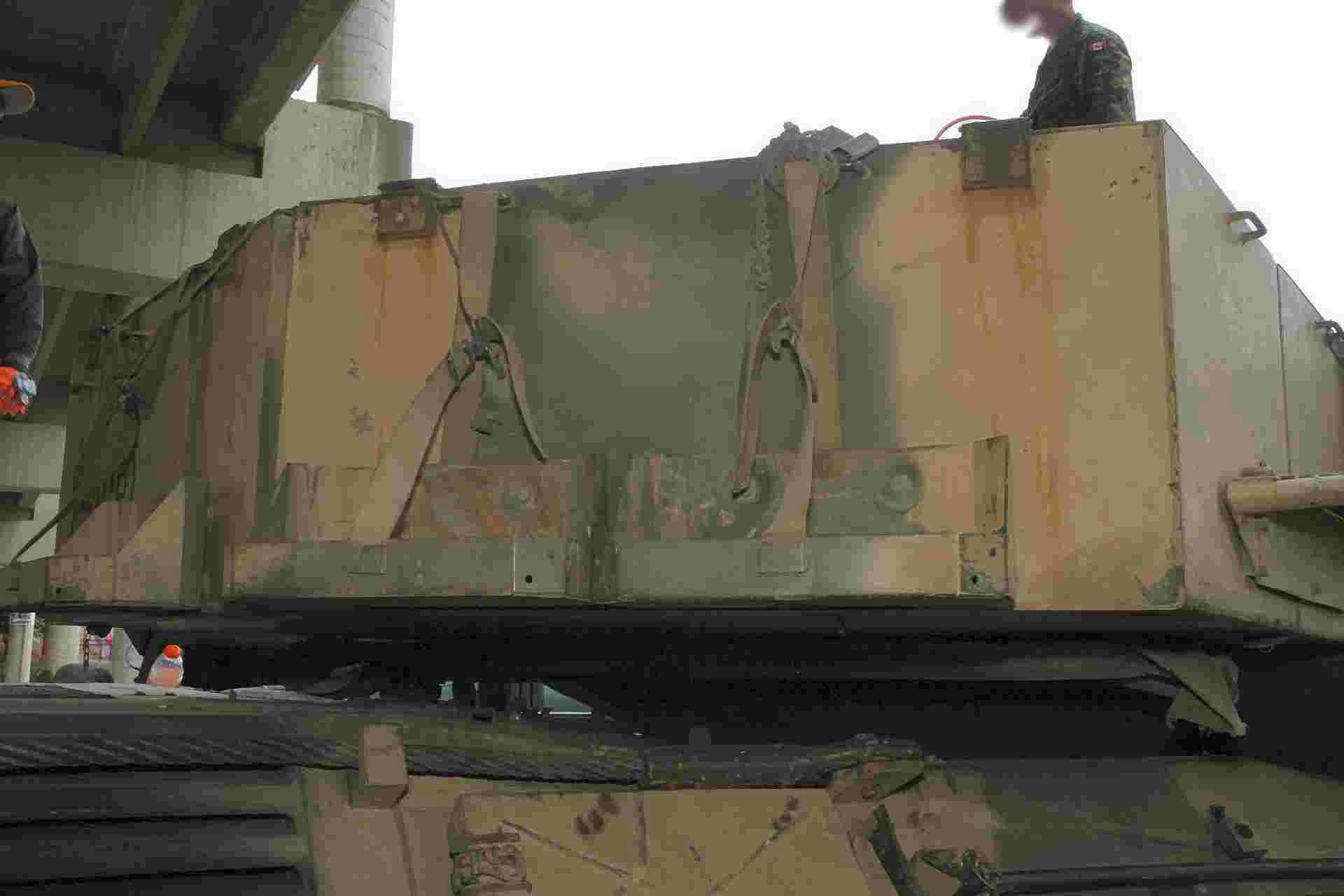
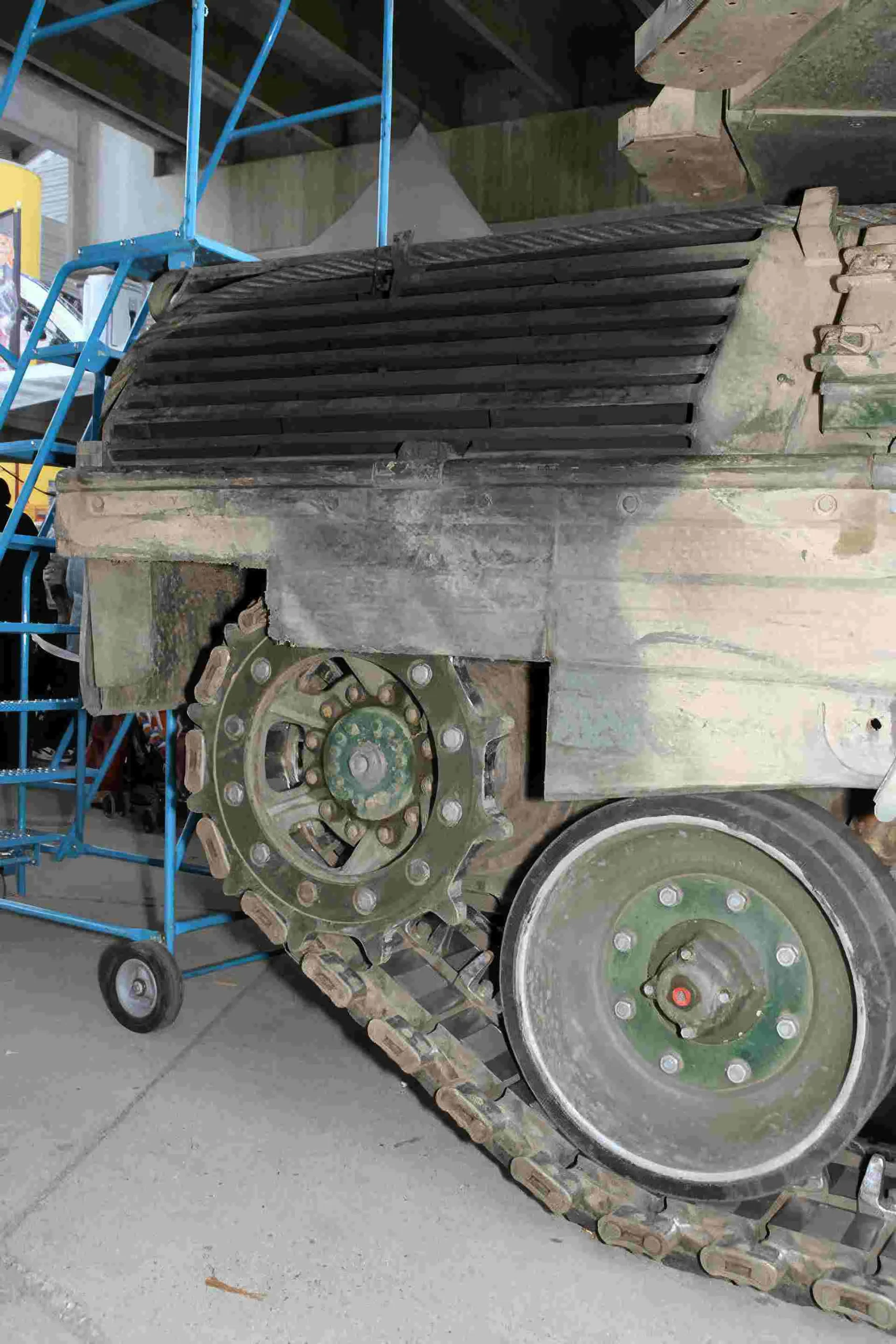
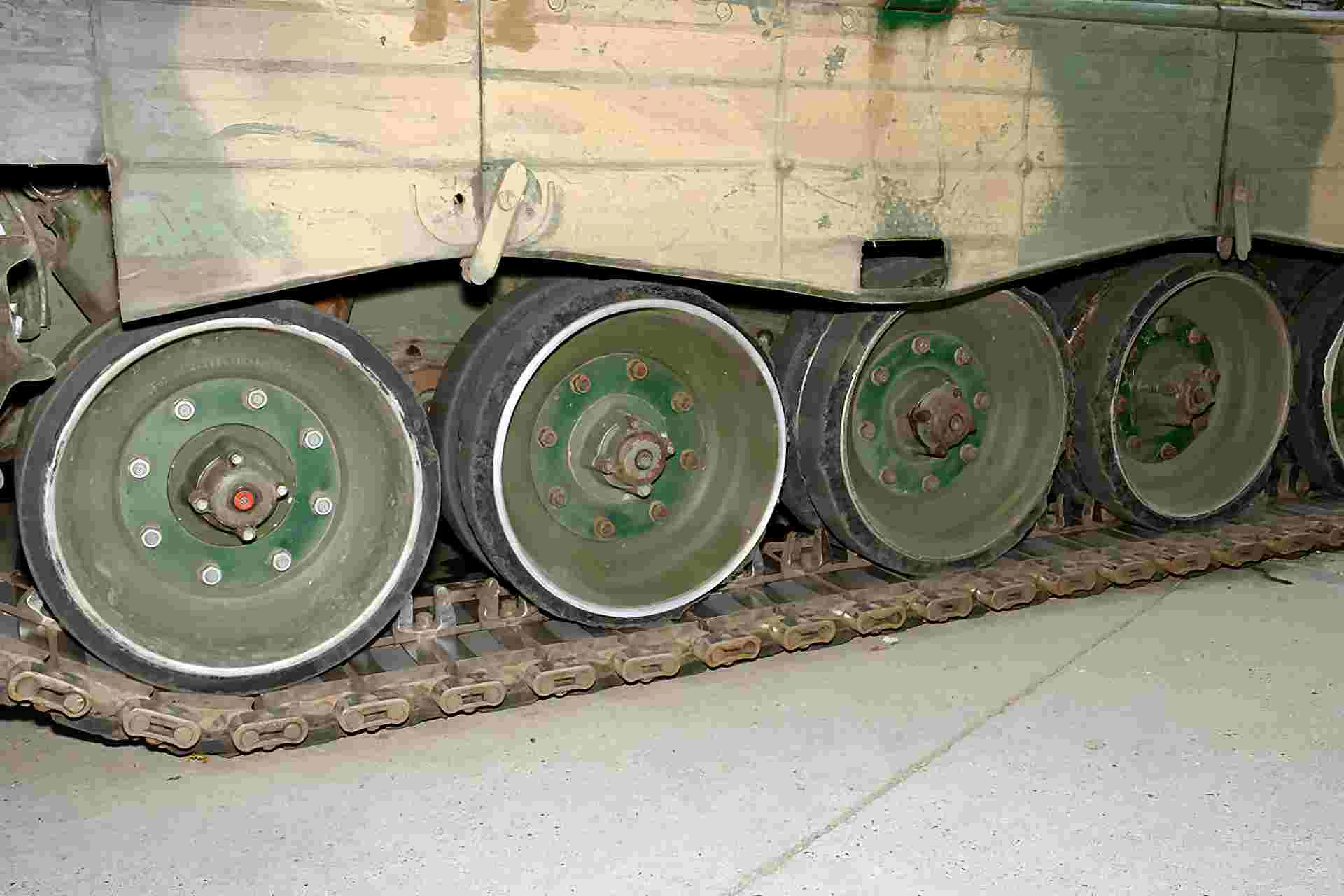
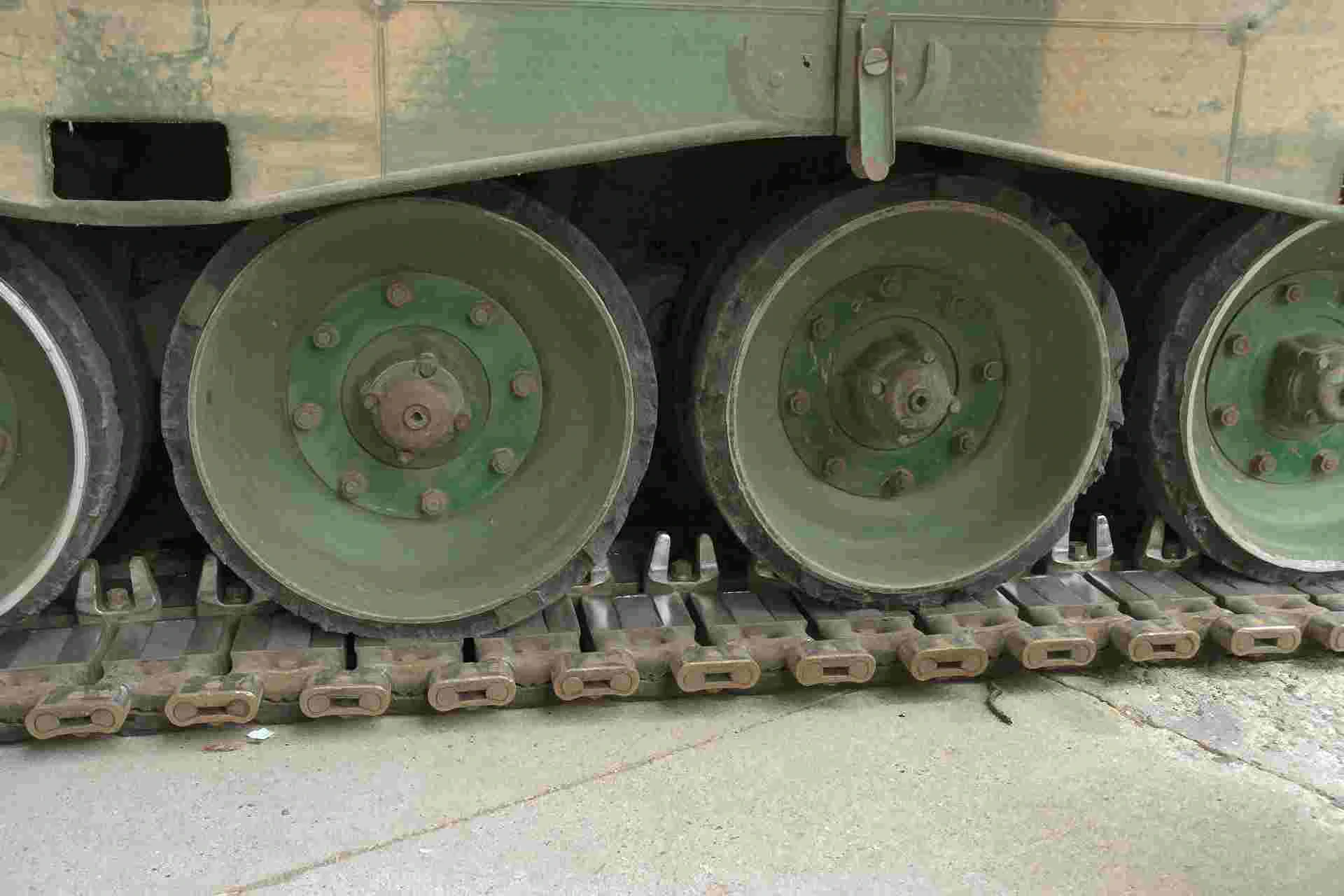
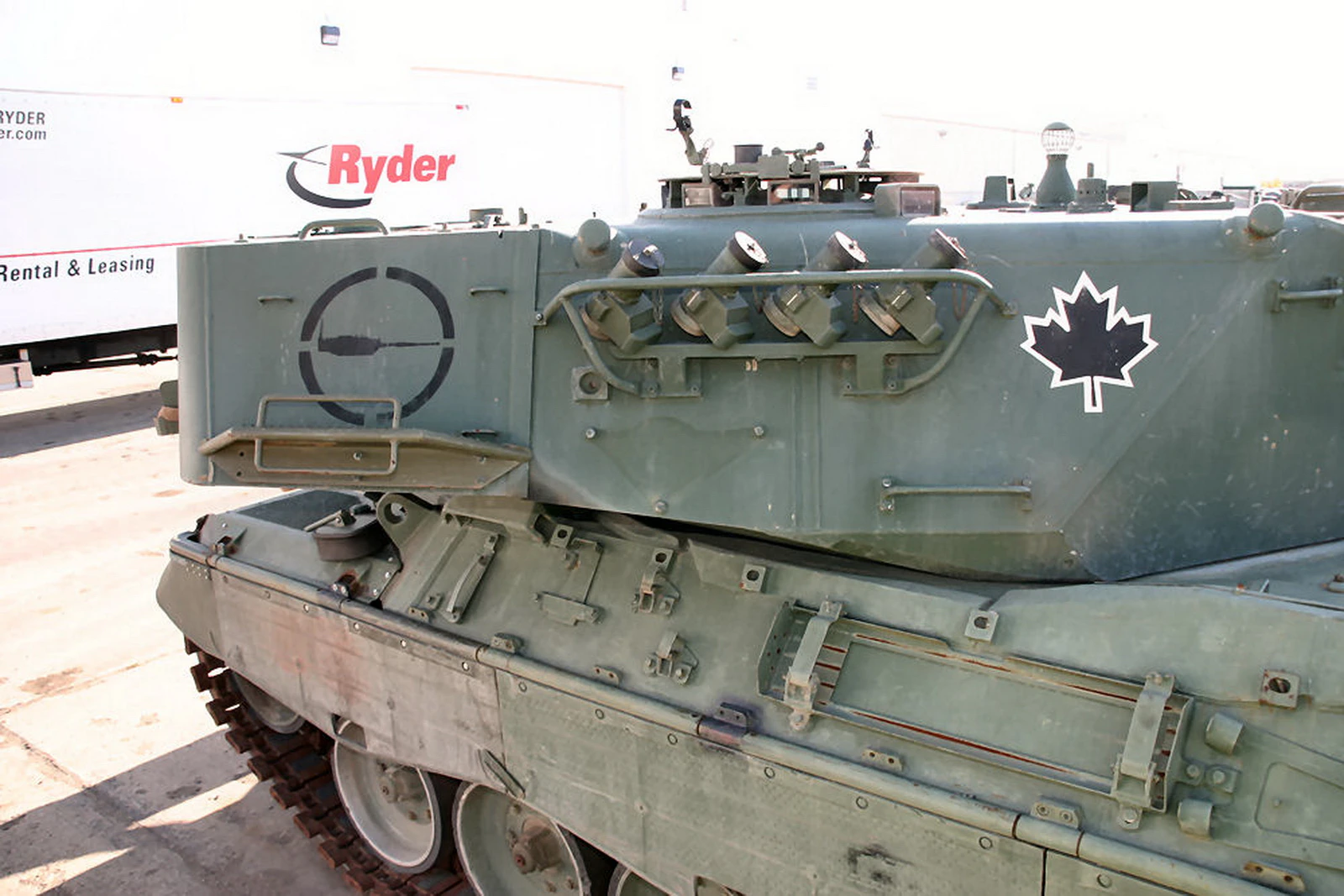
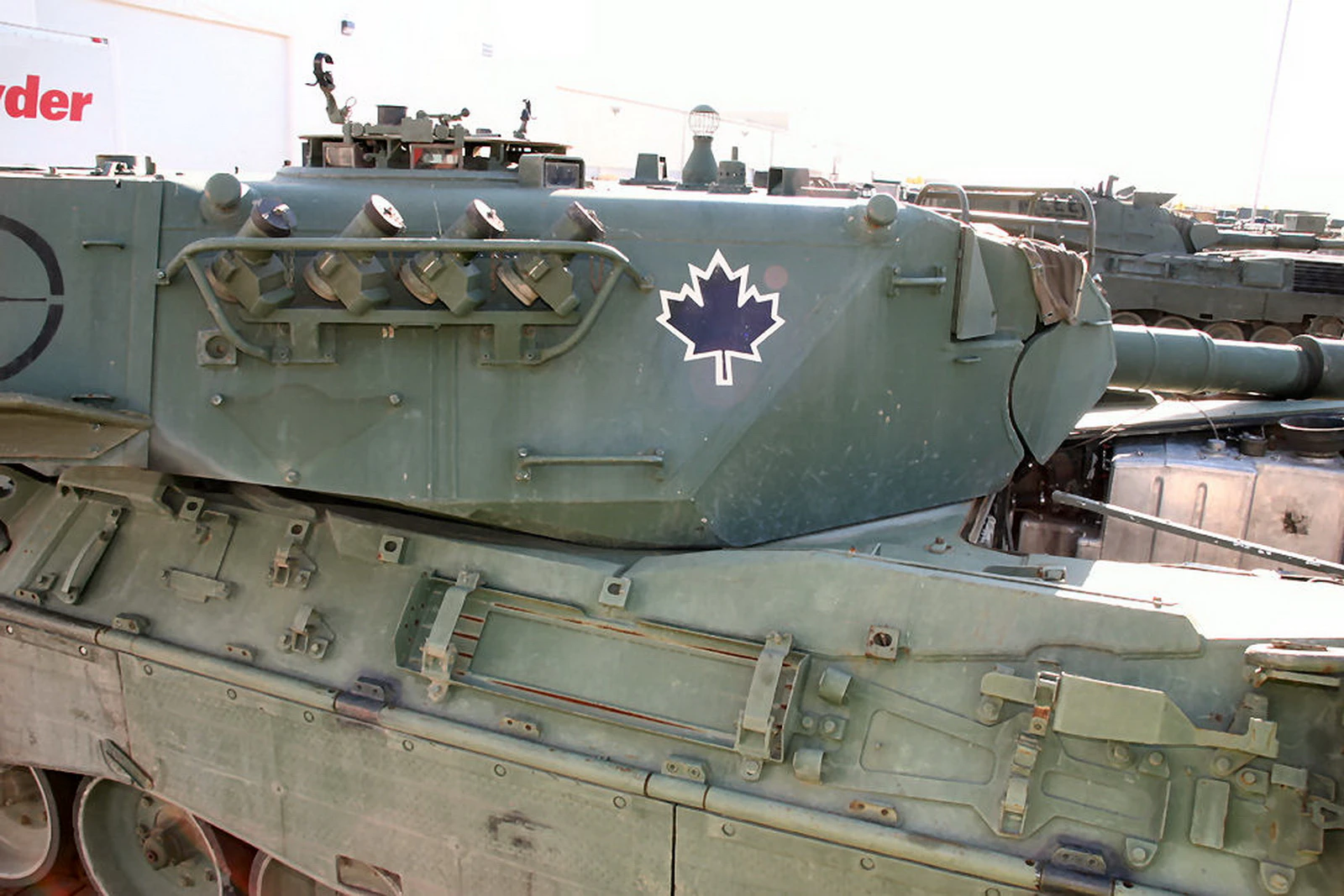
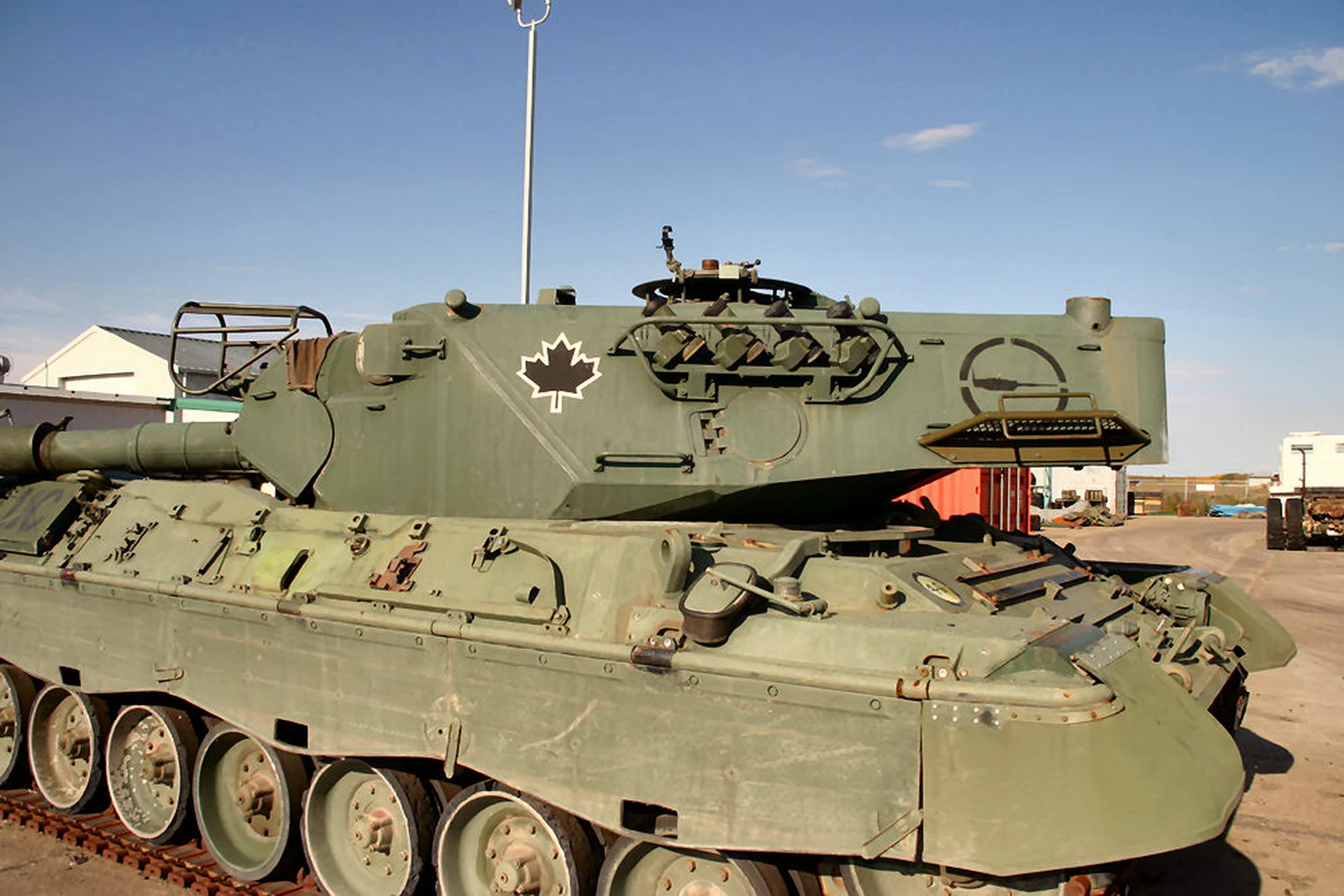
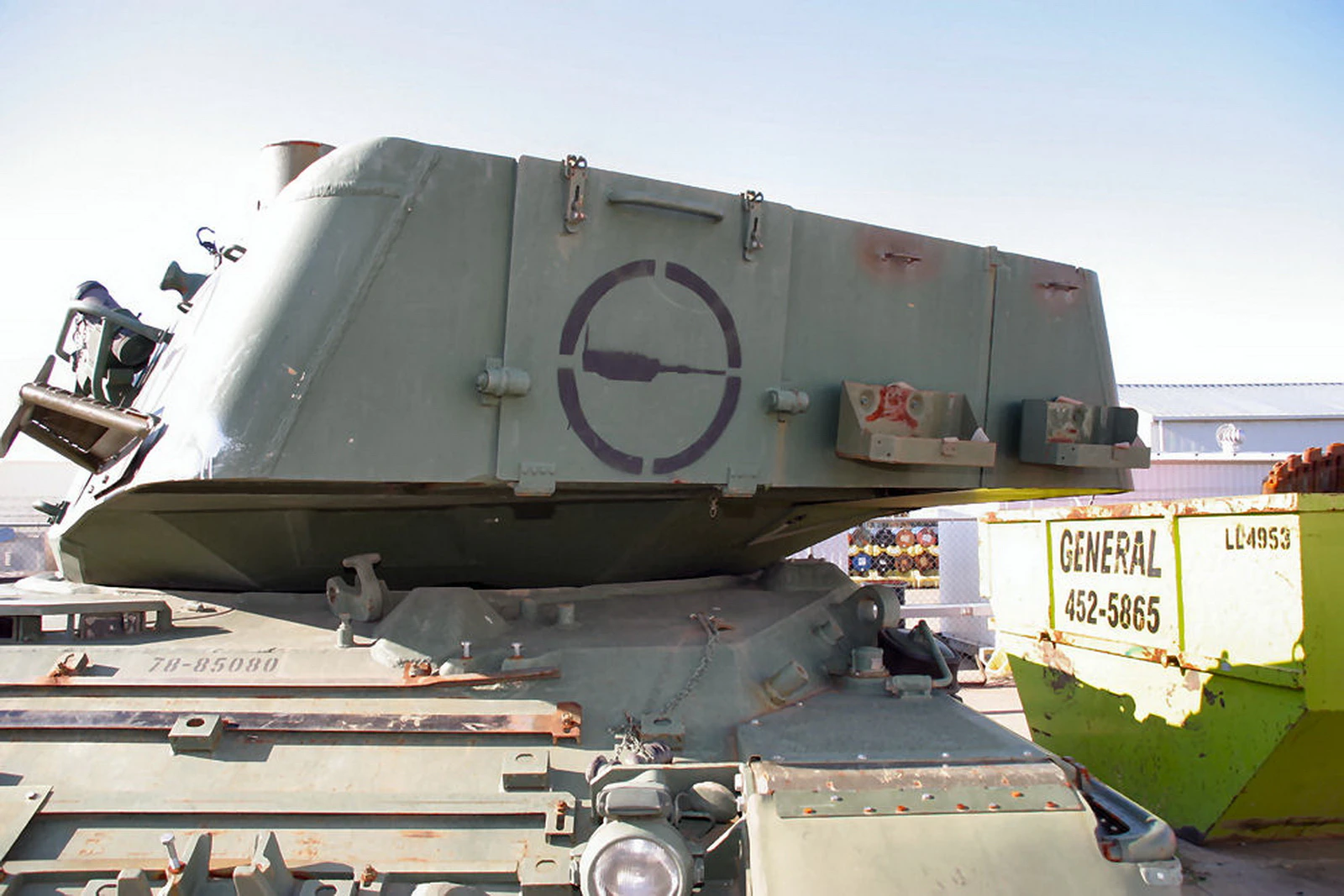
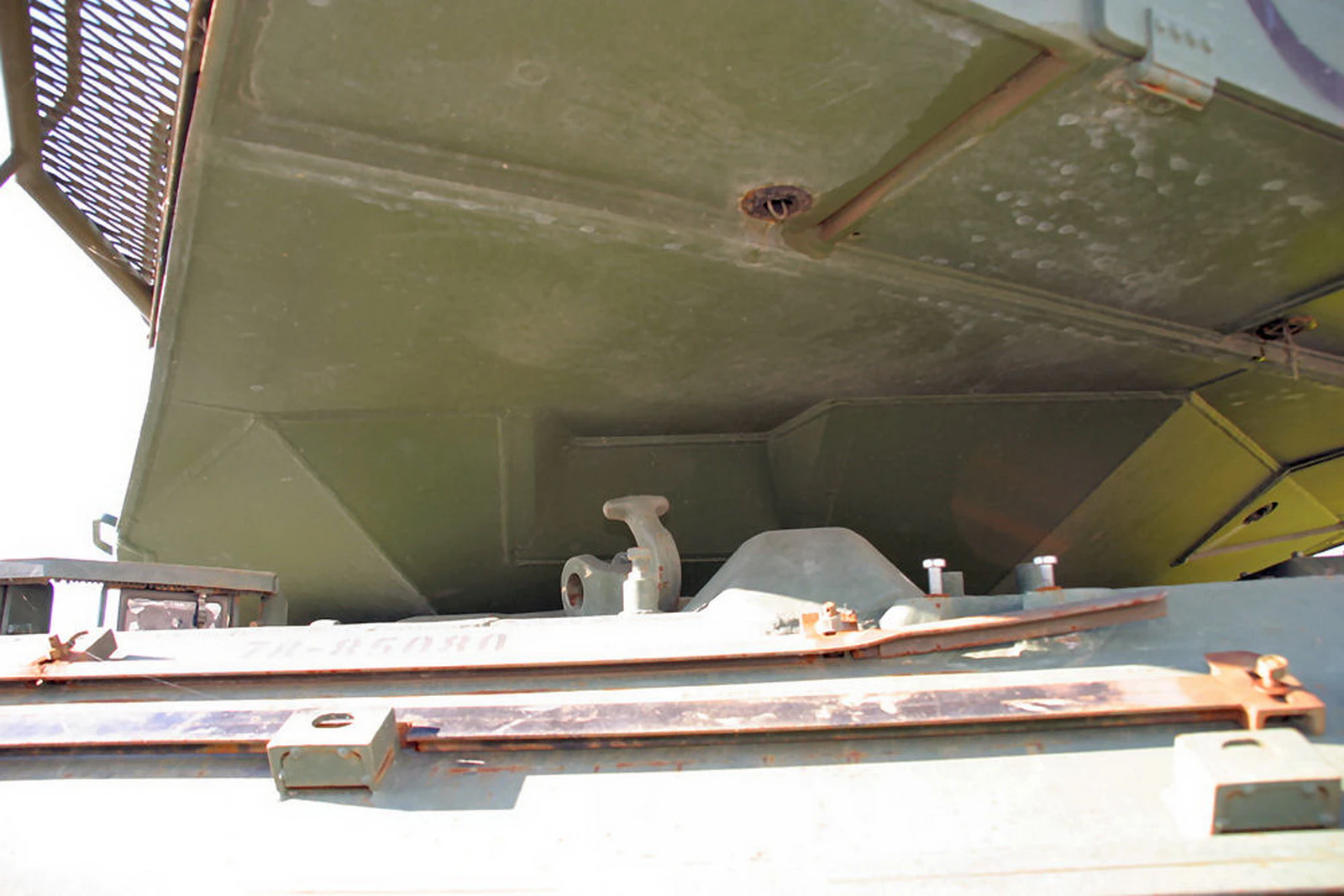
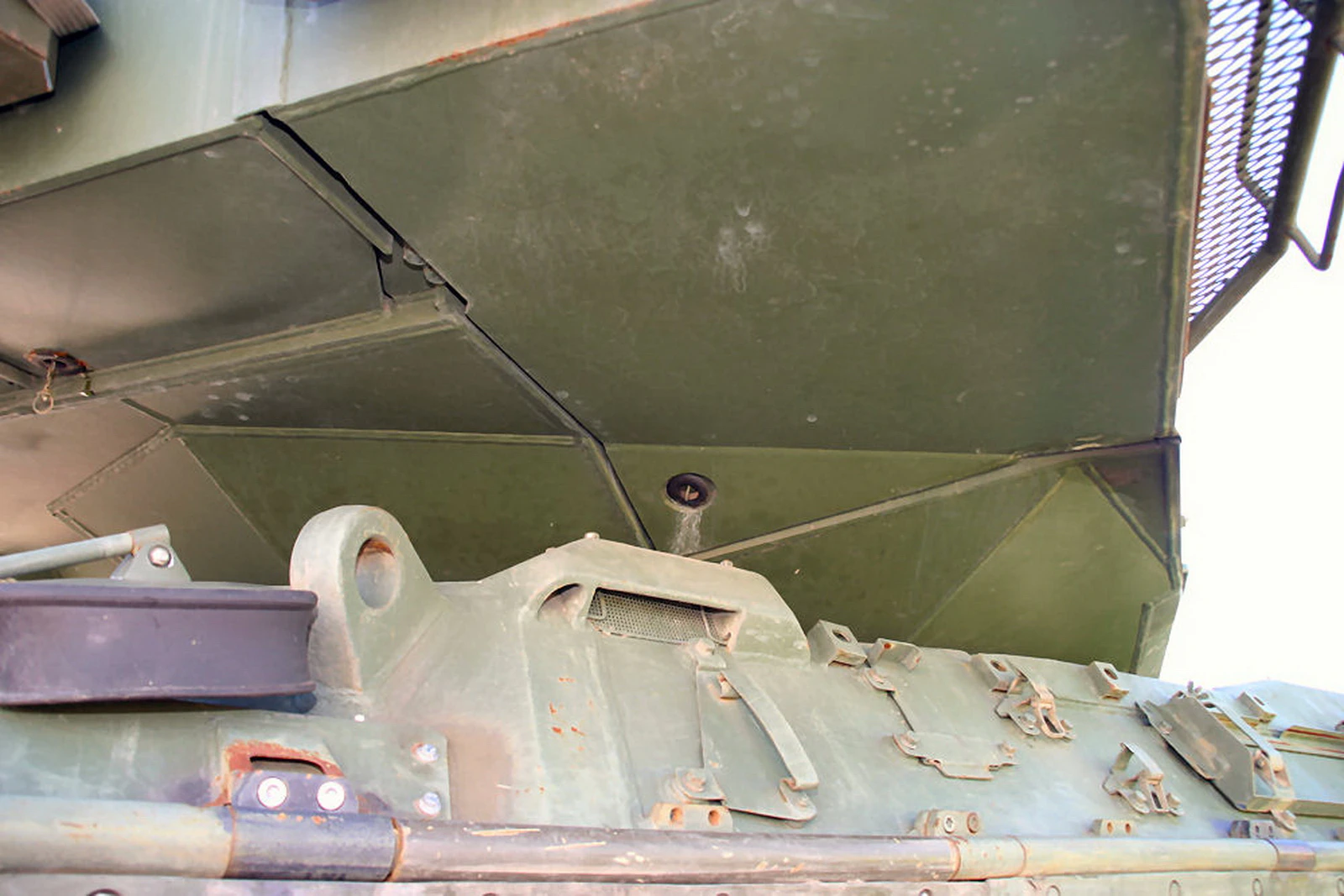
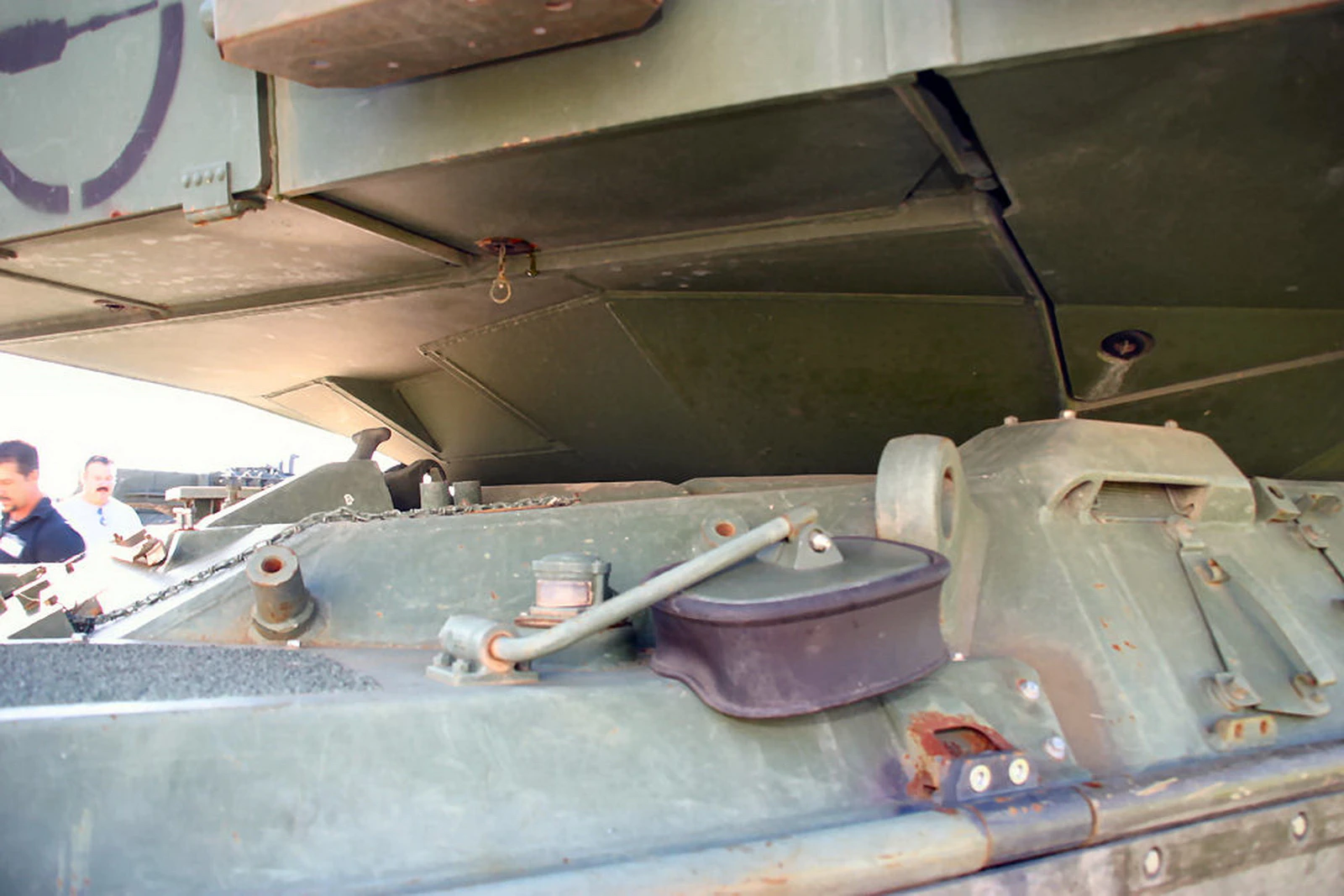
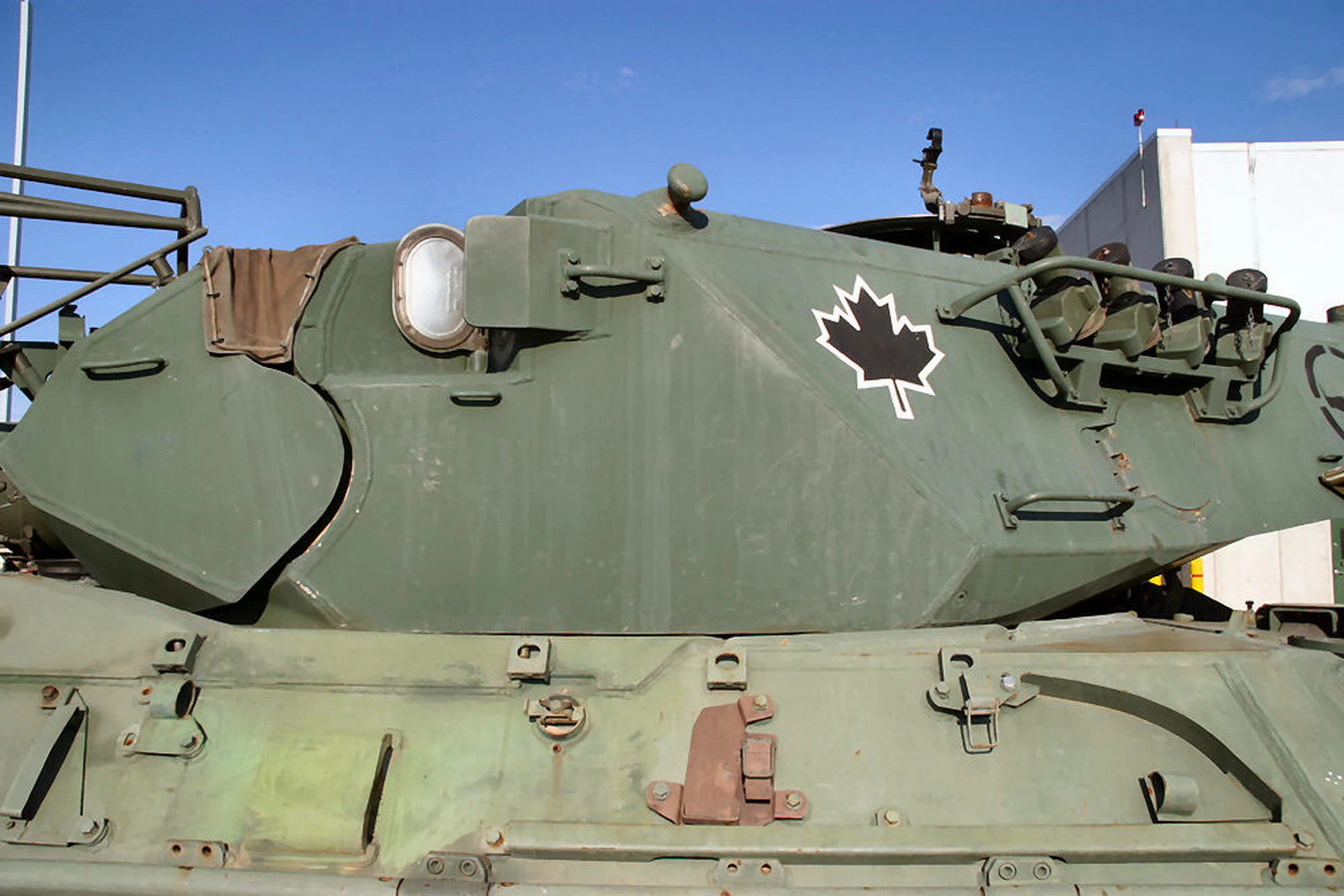
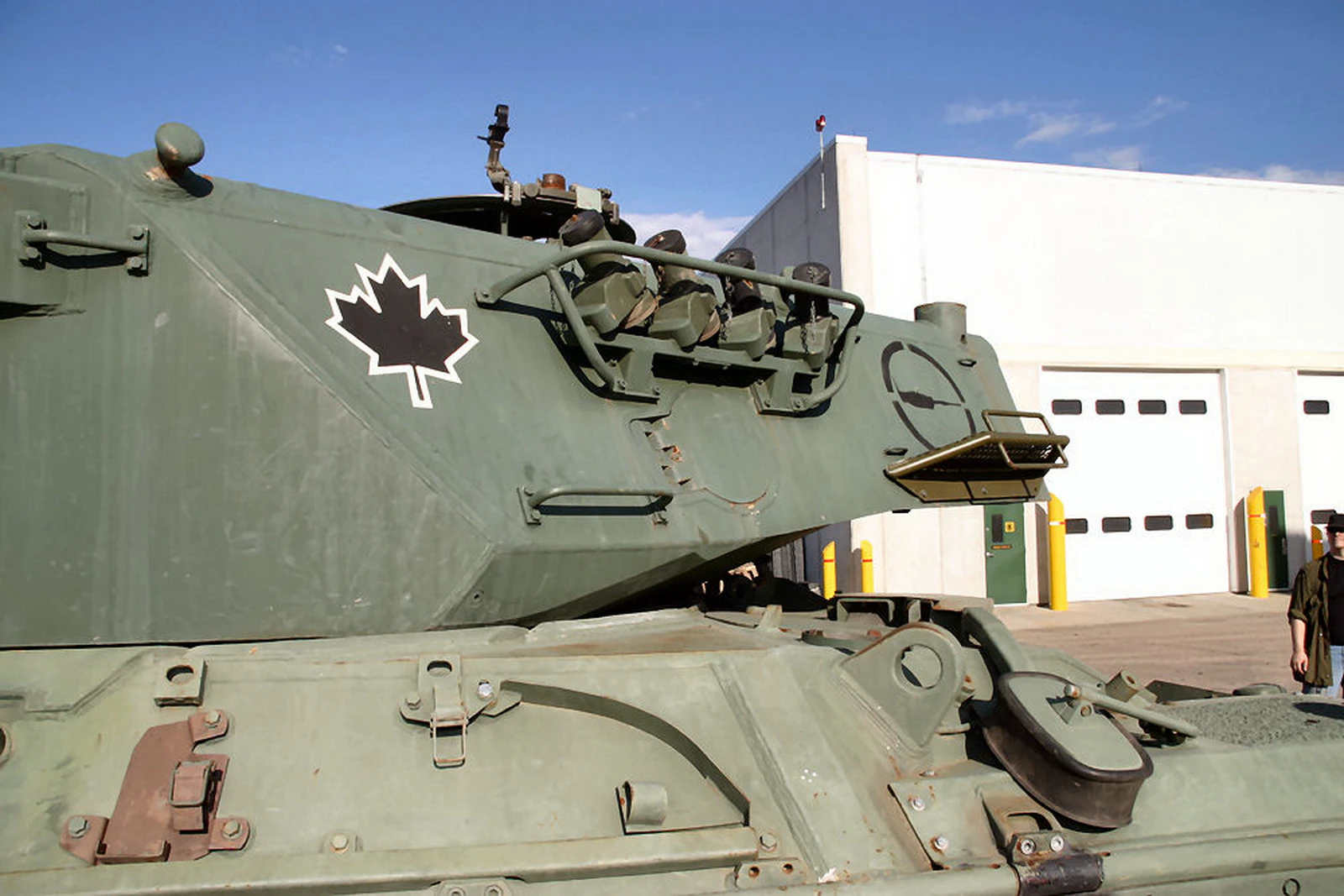
De Luipaard C2was Canada’s definitive upgrade of the German Leopard 1. By the late 1990s, the original Canadian Leopard C1s were aging, so the Canadian Forces purchased surplus Leopard 1A5 turrets from Germany and mated them to existing Canadian hulls. The result was the C2. However, it earned its place in history during the war in Afghanistan, where it was fitted with theMEXAS (Modular Expandable Armor System). This gave the sleek, lightly armored scout tank a bulky, muscular look and the protection needed to survive modern IEDs and RPGs, making it the only NATO Leopard 1 variant to see intense 21st-century tank combat.
Attribute
Technical Specification (Leopard C2 MEXAS)
Role
Main Battle Tank (MBT)
Bemanning
4 (Commander, Gunner, Loader, Driver)
Motor
MTU MB 838 Ca M-500 10-cylinder multi-fuel (830 hp)
Maximum Speed
65 km/h (40 mph)
Main Armament
105 mm L7A3 rifled gun
Fire Control
EMES-18 (Laser rangefinder & thermal imaging)
Harnas
Steel base + MEXAS ceramic/composite add-on blocks
Gewicht
42.5 tonnes (Basic) / ~46 tonnes (with MEXAS)
Design Engineering: Precision and Protection
The L7 Gun:The 105mm L7 is one of the most successful tank guns ever made. While smaller than the 120mm on the Leopard 2, it is incredibly accurate. Canadian crews in Afghanistan used it with “sniper” precision to eliminate insurgent positions from kilometers away.
MEXAS Armor:The Leopard 1 was originally designed with thin armor on the assumption that modern shells would pierce anything anyway. The MEXAS kit changed that—it consists of ceramic composite blocks that break up the “jet” of a shaped charge (like an RPG), allowing the old tank to survive hits that would have previously destroyed it.
EMES-18 Sights:Moving to the 1A5 turret gave Canada the EMES-18 fire control system. This included a high-quality thermal sight, allowing the Leopard C2 to “see” heat signatures of hidden enemies through dust, smoke, and total darkness.
Hydraulic Cooling:Because the Leopard was operating in the 50°C heat of Kandahar, Canadian engineers had to add external cooling units and thermal covers to the turret to prevent the crew and the electronics from “cooking” in the desert sun.
Operational History: The Hammer of Kandahar
Operation Medusa (2006):After years of assuming tanks were obsolete for modern “peacekeeping,” Canada rushed the Leopard C2 to Afghanistan. In Operation Medusa, the tanks provided vital mobile firepower that saved countless infantry lives during heavy fighting in the Panjwaii district.
Psychological Impact:The Taliban reportedly nicknamed the Leopard “The Black Beast.” The mere sound of its 10-cylinder engine or the sight of its massive profile often caused insurgents to retreat without a fight.
Mine Plows and Rollers:Many C2s were fitted with heavy front-mounted mine rollers. They led convoys through IED-infested routes, “clearing the way” for the lighter LAV III vehicles.
Retirement:The C2 proved so useful that Canada realized they couldn’t give up tanks entirely, leading to the purchase of the much heavier Leopard 2. The C2 was officially retired in 2017, marking the end of the Leopard 1 era in Canadian service.