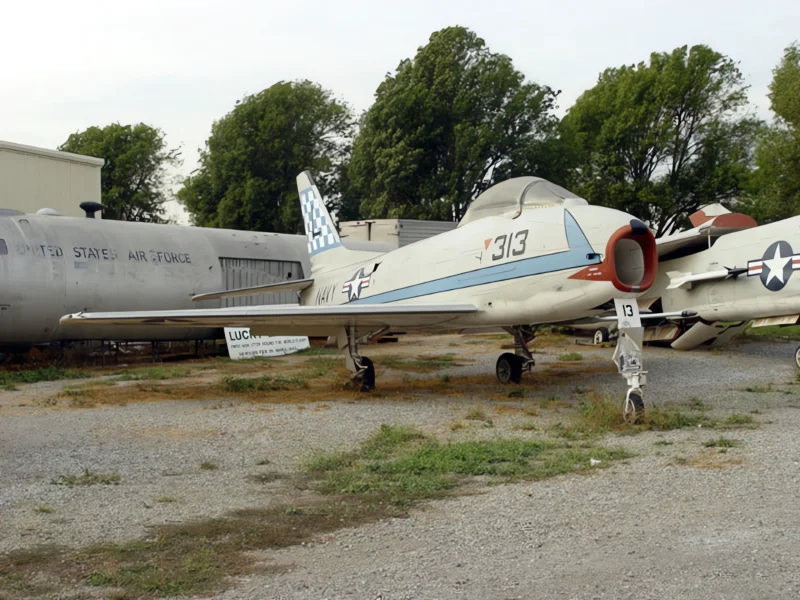
Βορειοαμερικανική μανία FJ-3 | |
|---|---|
| Χώρα | Ηνωμένες Πολιτείες |
| Ρόλο | Μαχητικά αεροσκάφη |
| Πρώτη πτήση | 27 December 1951 |
| Χτισμένο | 741 |
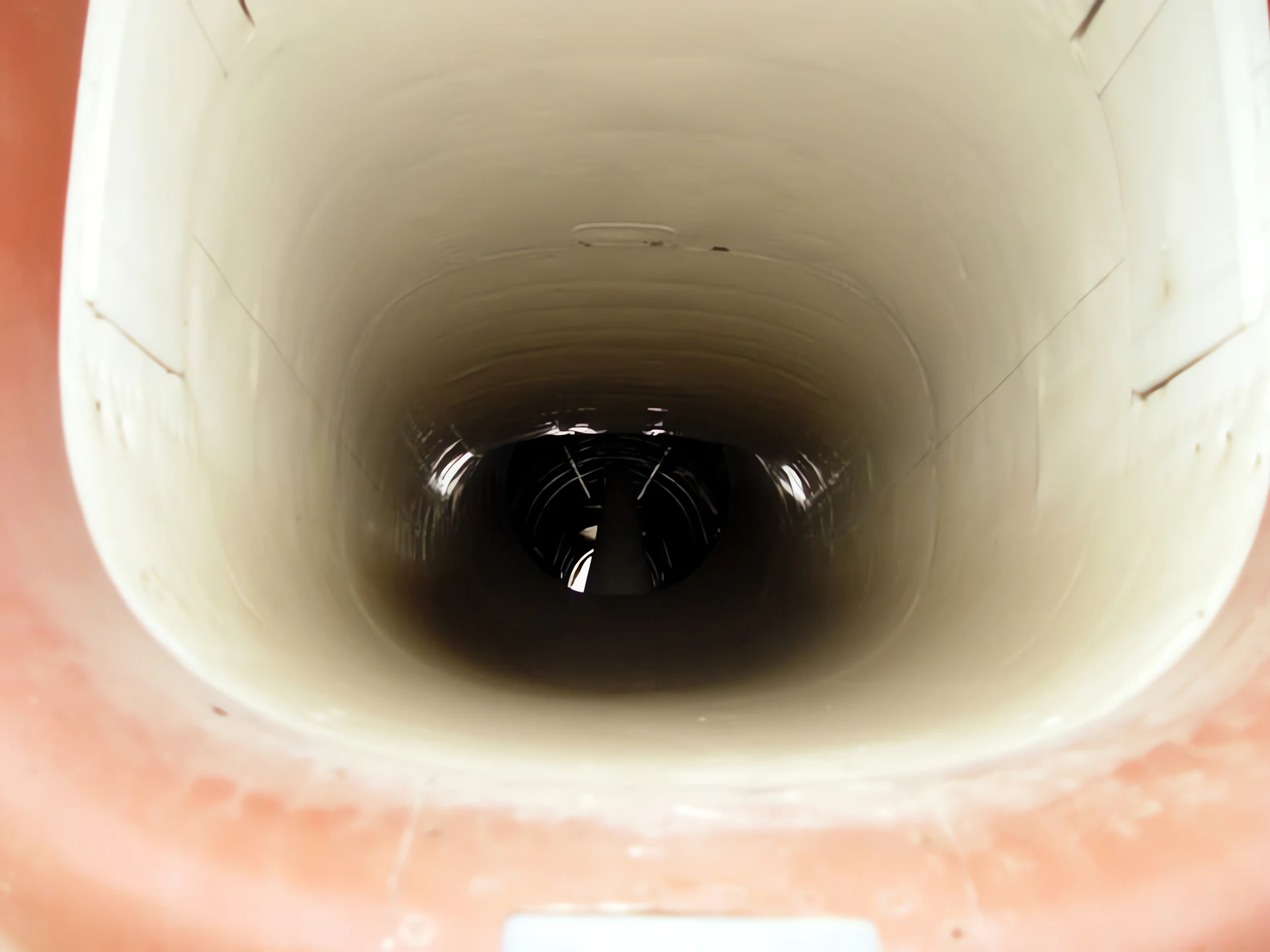
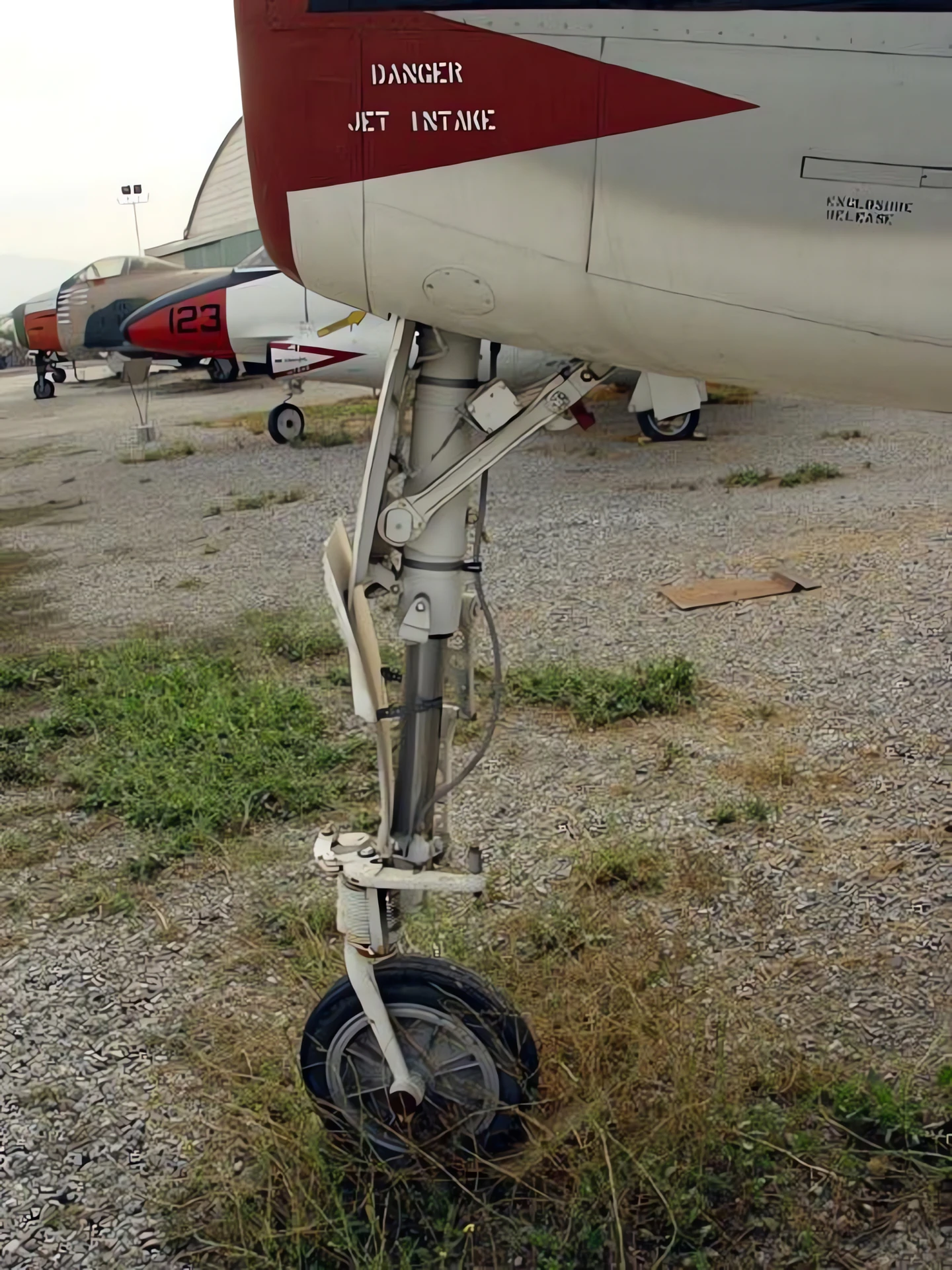
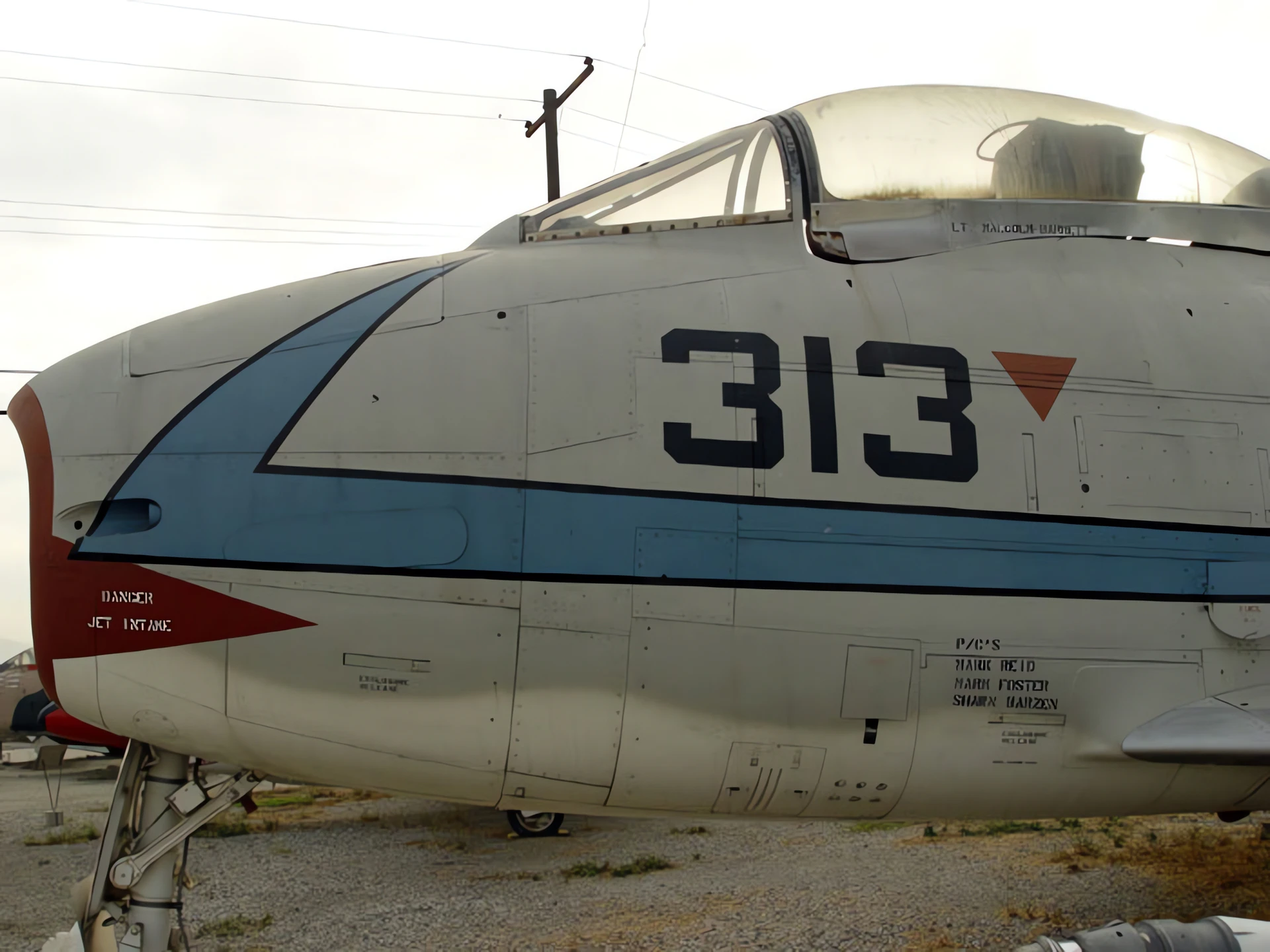
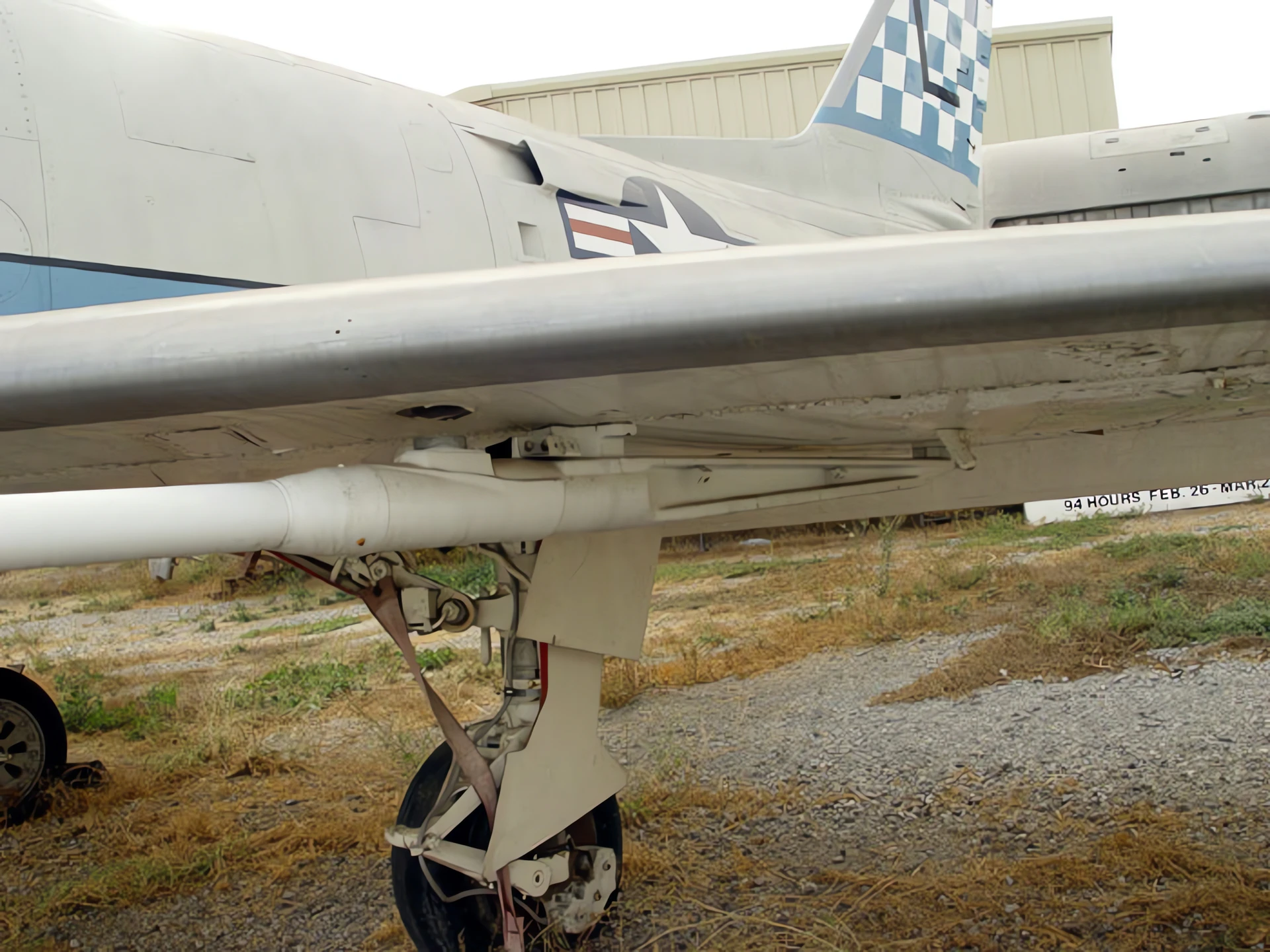
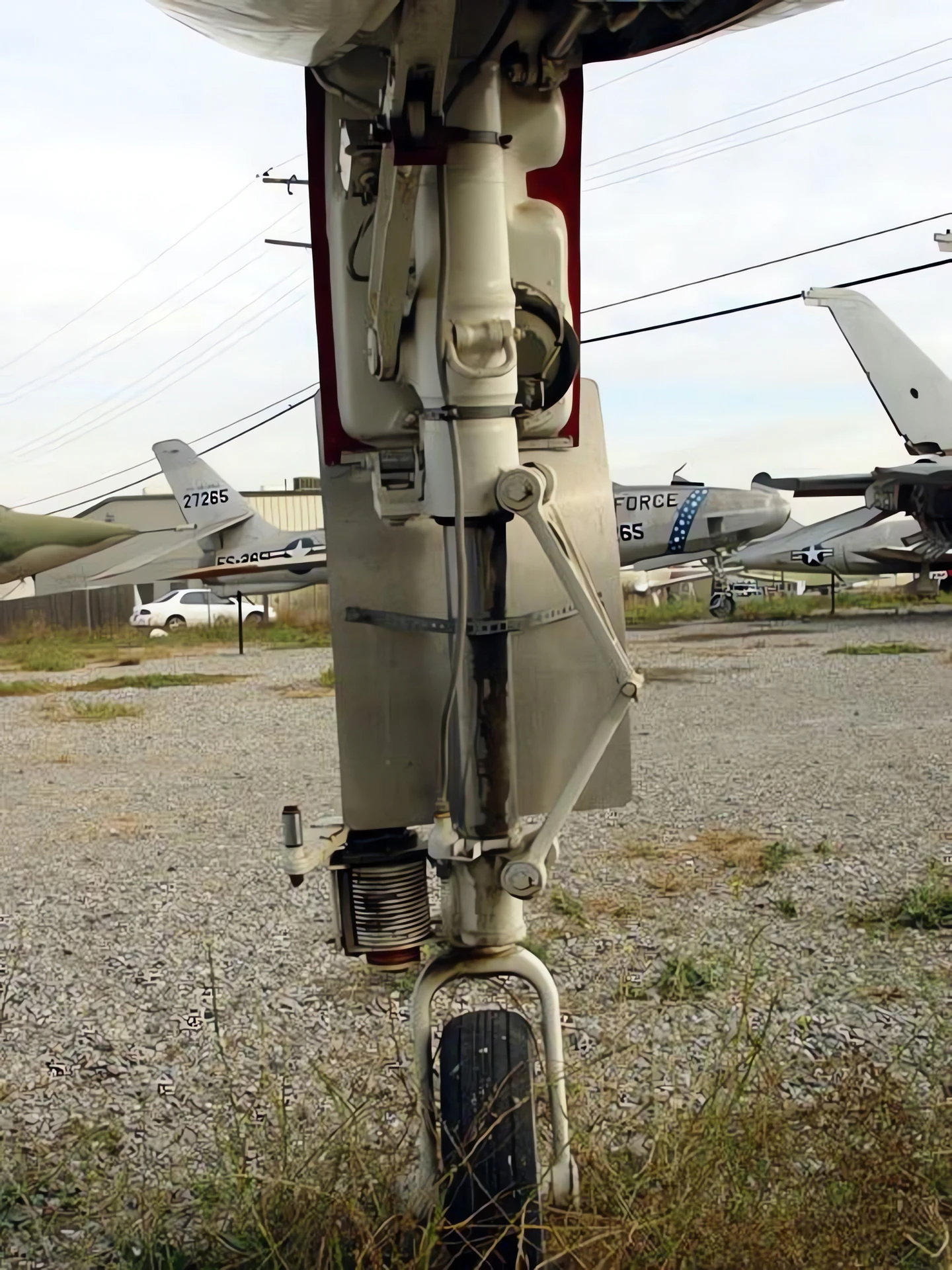
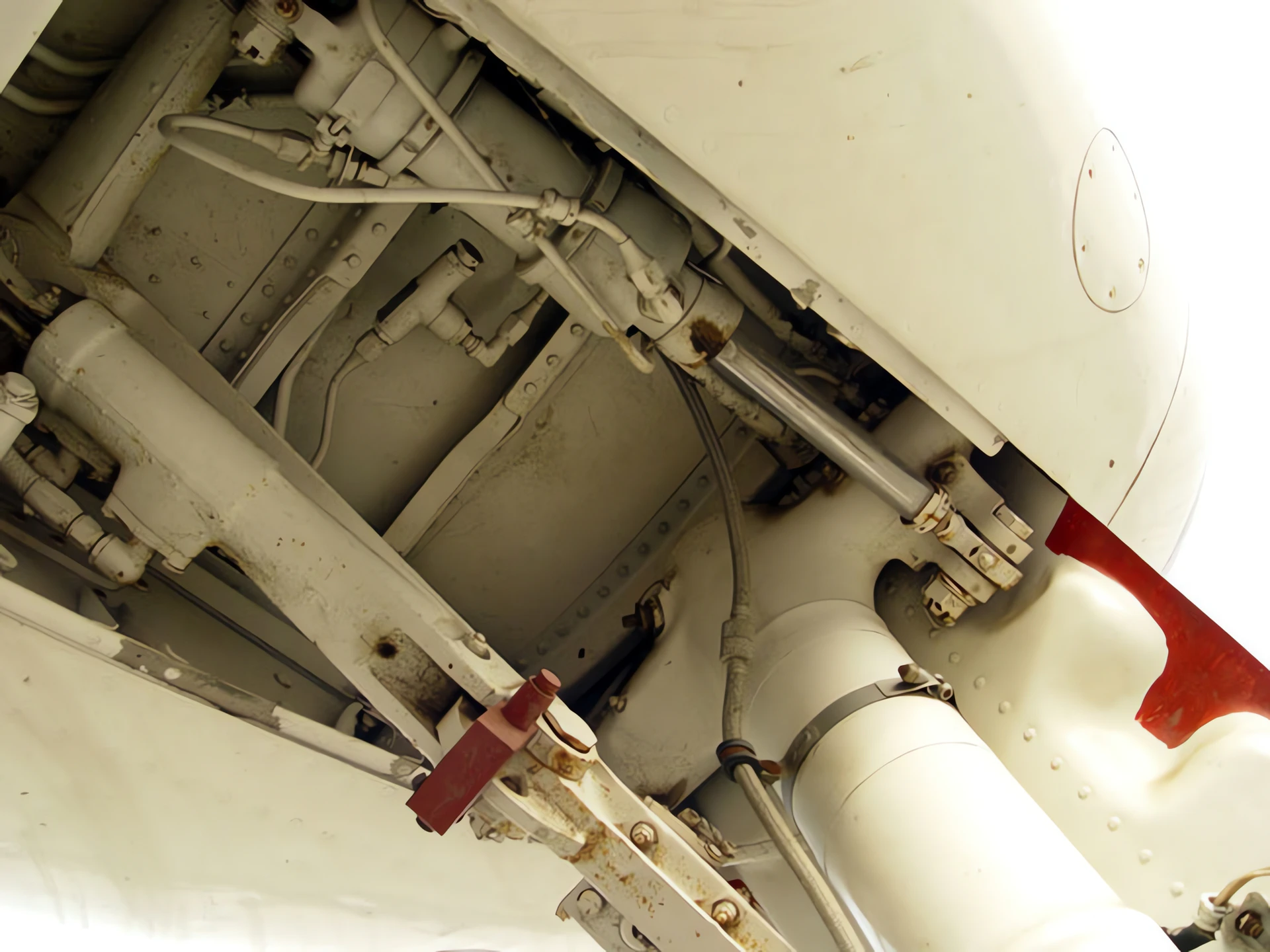
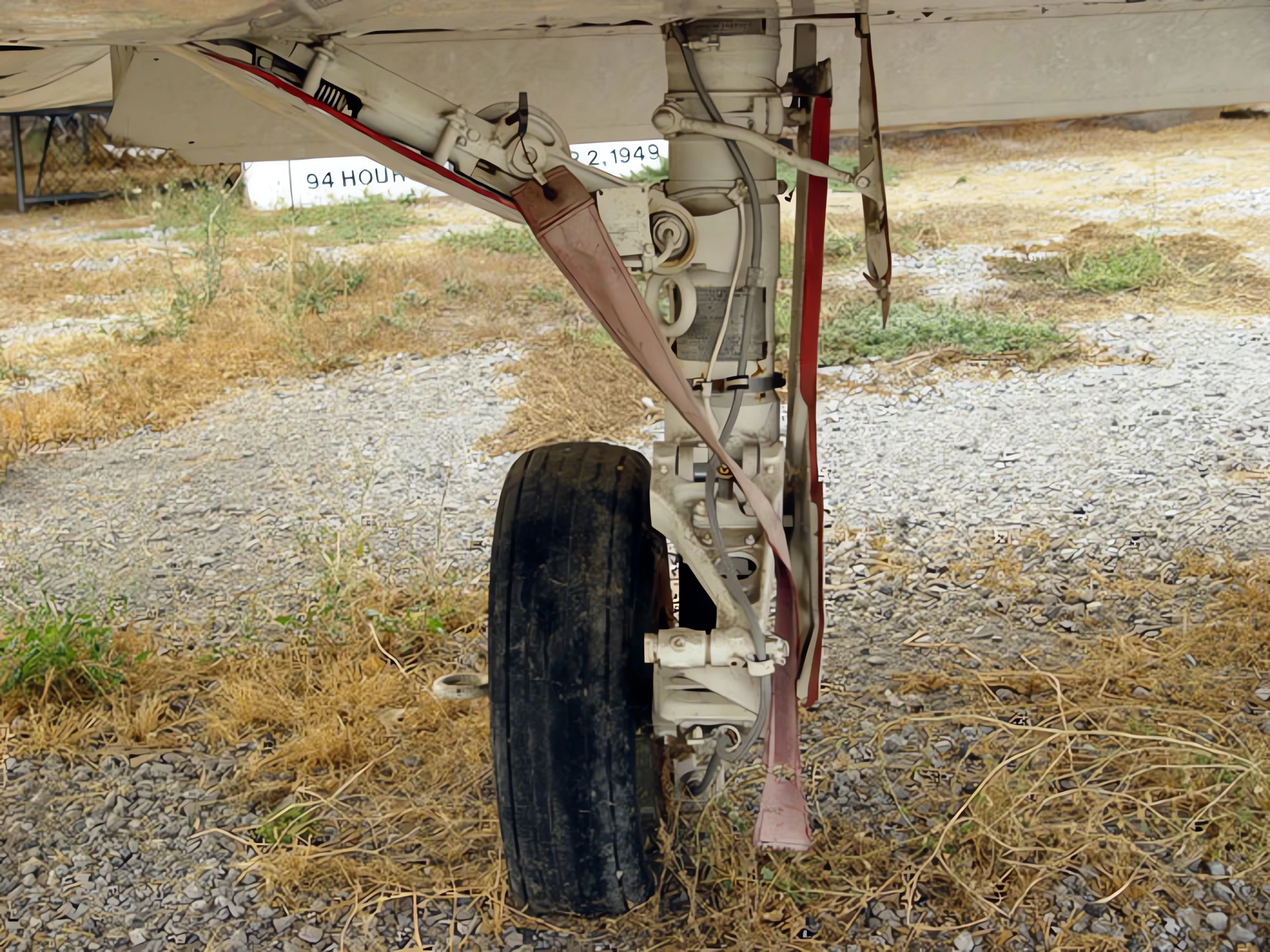
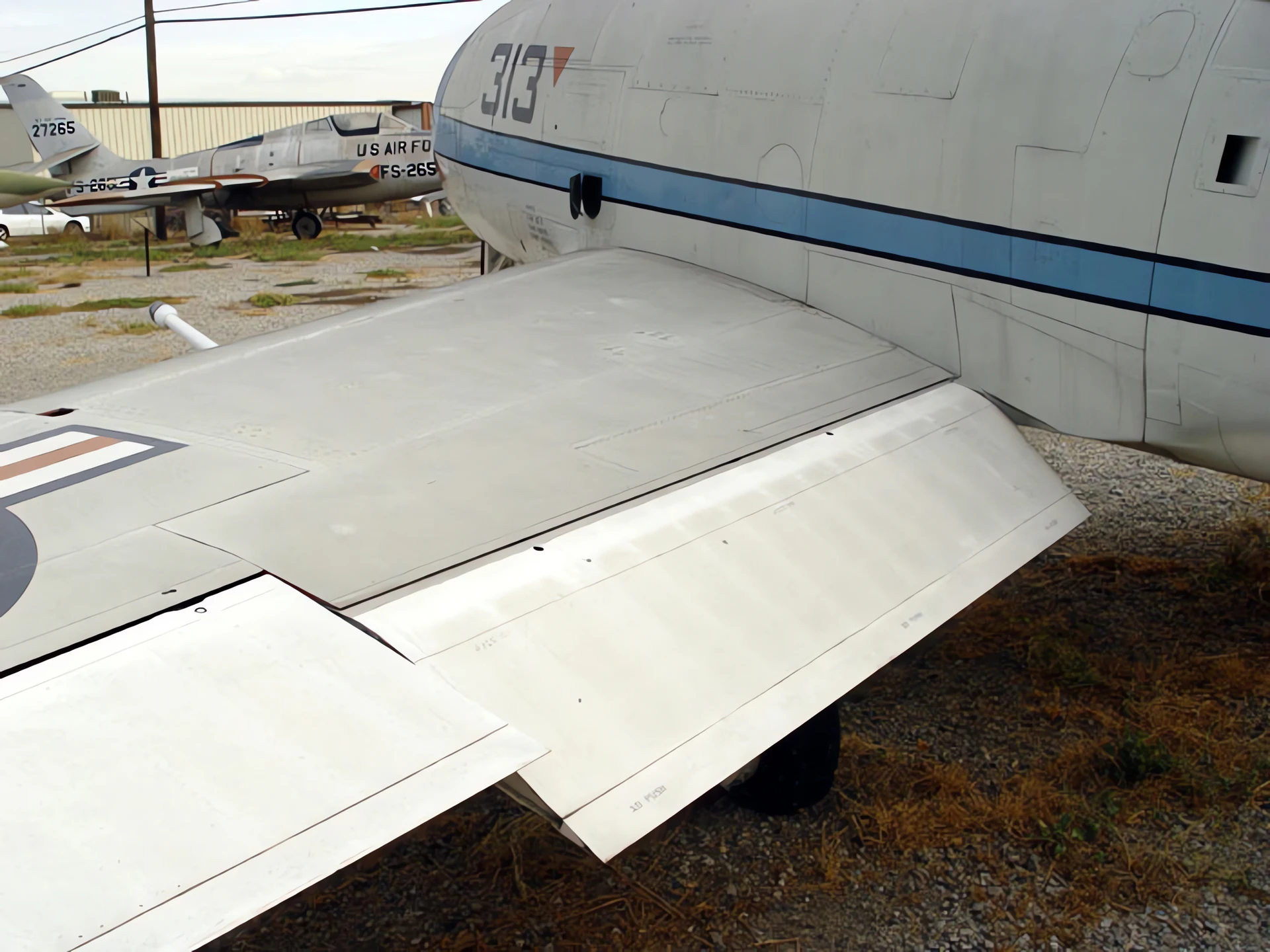
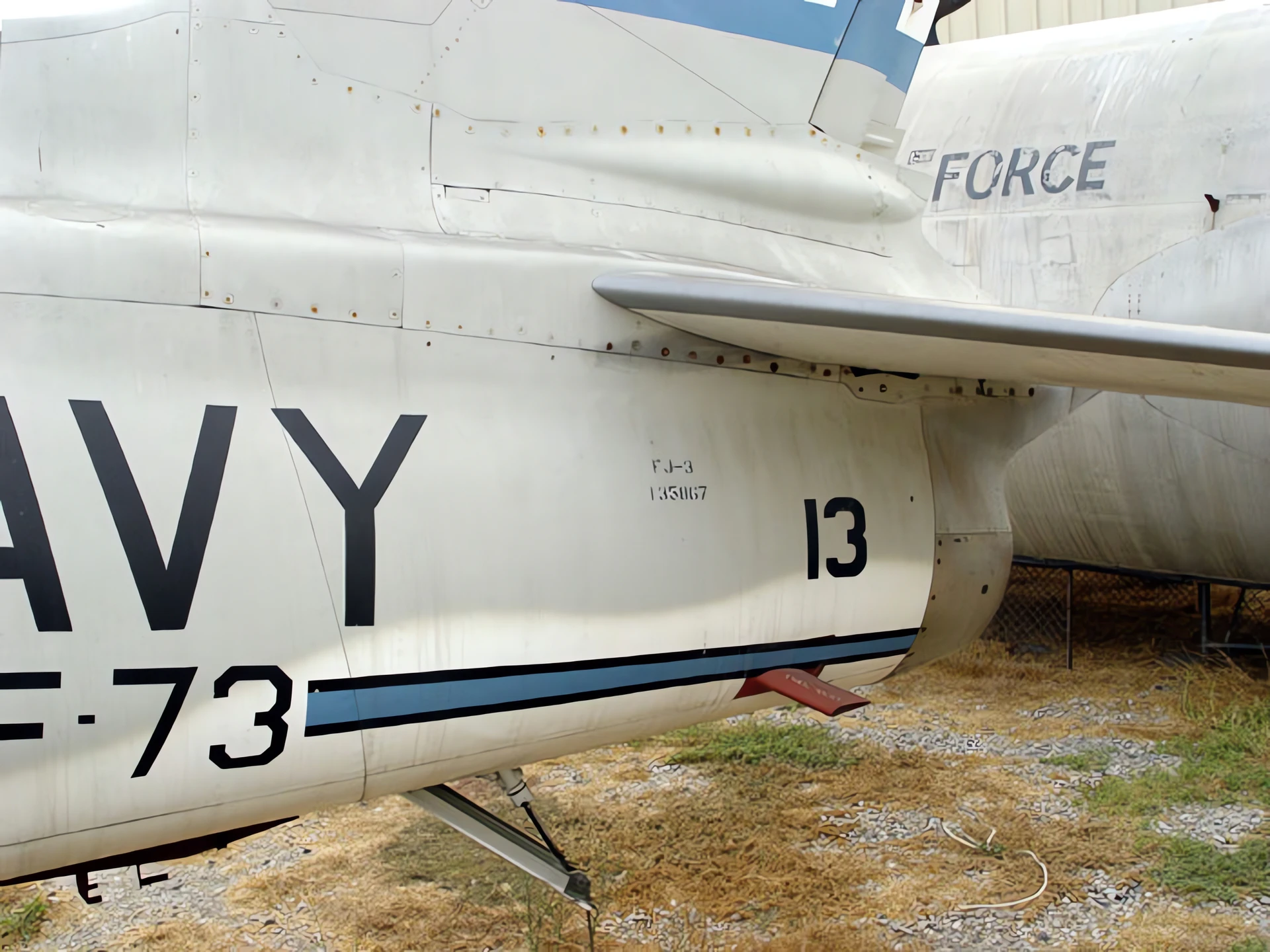
Συλλογή φωτογραφιών ενός Βορειοαμερικανική μανία FJ-3, The North American FJ-2/-3 Fury were a series of swept-wing carrier-capable fighters for the United States Navy and Marine Corps. The FJ-2 resulted from an effort to navalize the United States Air Force’s F-86 Sabre. These aircraft featured folding wings, and a longer nose landing strut designed to increase angle of attack upon launch and to accommodate a longer oleo to absorb the shock of hard landings on an aircraft carrier deck. Although sharing a U.S. Navy designation with its distant predecessor, the straight-winged North American FJ-1 Fury, the FJ-2/-3 were completely different aircraft. (The later FJ-4 Fury was again, a complete structural redesign of the FJ-3). The FJ-2 was one of the aircraft used to evaluate the first steam catapult on a US Navy aircraft-carrier.
| North American FJ-3 Fury | |
|---|---|
| Φωτογράφος | Τζον Χεκ |
| Εντοπισμού | Αγνοώ |
| Φωτογραφίες | 16 |

 Αγόρασέ μου έναν καφέ
Δείτε επίσης:


Teh Βορειοαμερικανική μανία FJ-3 was a jet fighter aircraft that served in the United States Navy and Marine Corps from 1954 to 1964. It was a navalized version of the F-86 Sabre, with a swept-wing design and a more powerful engine. The FJ-3 was designed to operate from aircraft carriers and perform various roles, such as air superiority, ground attack, and reconnaissance. The FJ-3 was the first Fury model to be armed with four 20 mm cannons and could carry up to 2,000 pounds of external ordnance, including rockets, bombs, and missiles.
Teh FJ-3 also had improved avionics and radar systems, as well as a longer range and endurance than its predecessors. The FJ-3 was deployed in several conflicts, such as the Suez Crisis, the Lebanon Crisis, and the Cuban Missile Crisis. It also participated in several training exercises and demonstrations, such as Operation Redwing and Operation Hardtack I. The FJ-3 was eventually replaced by more advanced fighters, such as the F-8 Crusader and the F-4 Phantom II. The FJ-3 was one of the most successful naval fighters of its era, with over 500 units produced and a low accident rate.
Views : 3314
Μπορείτε επίσης να δείτε:
 F-82 Twin Mustang της Βόρειας Αμερικής – Φώτο &; Βίντεο
 Βορειοαμερικανική μανία FJ-4 – Φωτογραφίες & Βίντεο
 Canadair Sabre – Φώτο & Βίντεο
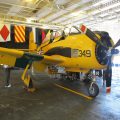 Βόρεια Αμερική T-28 Trojan – Φώτο &; Βίντεο
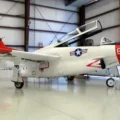 Βόρεια Αμερική T-2 Buckeye – Φώτο &; Βίντεο
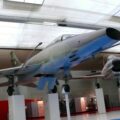 F-100 Super Sabre Βόρειας Αμερικής – Φώτο &; Βίντεο
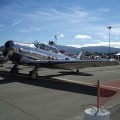 Βόρεια Αμερική AT-6D Texan – Φώτο &; Βίντεο
 A-36A Apache Βόρειας Αμερικής – Φώτο &; Βίντεο
 F-86 Sabre Βόρειας Αμερικής – Φώτο & Βίντεο
 QF-100D Super Sabre – Φώτο & Βίντεο