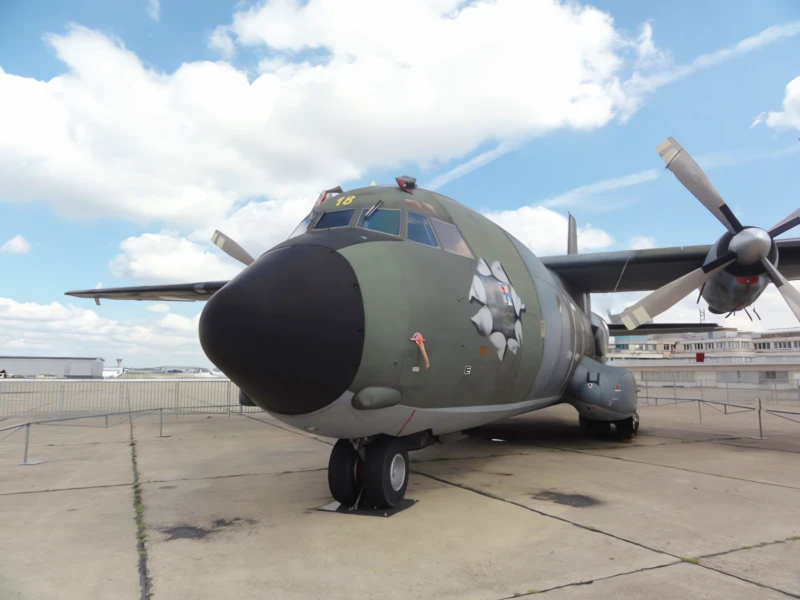
Transall C-160 | |
|---|---|
| Land | Frankreich-Deutschland |
| Rolle | Transportflugzeuge |
| Erstflug | 25. Februar 1963 |
| Gebaut | 214 |
das Transall C-160 (oft C.160 oder einfach Transall) ist ein militärisches Transportflugzeug, das als Joint Venture zwischen Frankreich und Deutschland entwickelt und hergestellt wird. Transall ist eine Abkürzung des eigens gegründeten Konsortiums Transporter Allianz, dem die Unternehmen MBB, Aerospatiale und VFW-Fokker angehören. Es wurde ursprünglich entwickelt, um die Anforderungen an ein modernes Frachtflugzeug für die französische und deutsche Luftwaffe zu erfüllen; Auch nach Südafrika und in die Türkei sowie in kleine Zahlen an zivile Betreiber wurden Exportverkäufe getätigt.
Quelle: Transall C-160 auf Wikipedia
| C-160R Transall | |
|---|---|
| Fotograf | Meindert de Vreeze |
| Lokalisierung | Unbekannter |
| Fotos | 53 |
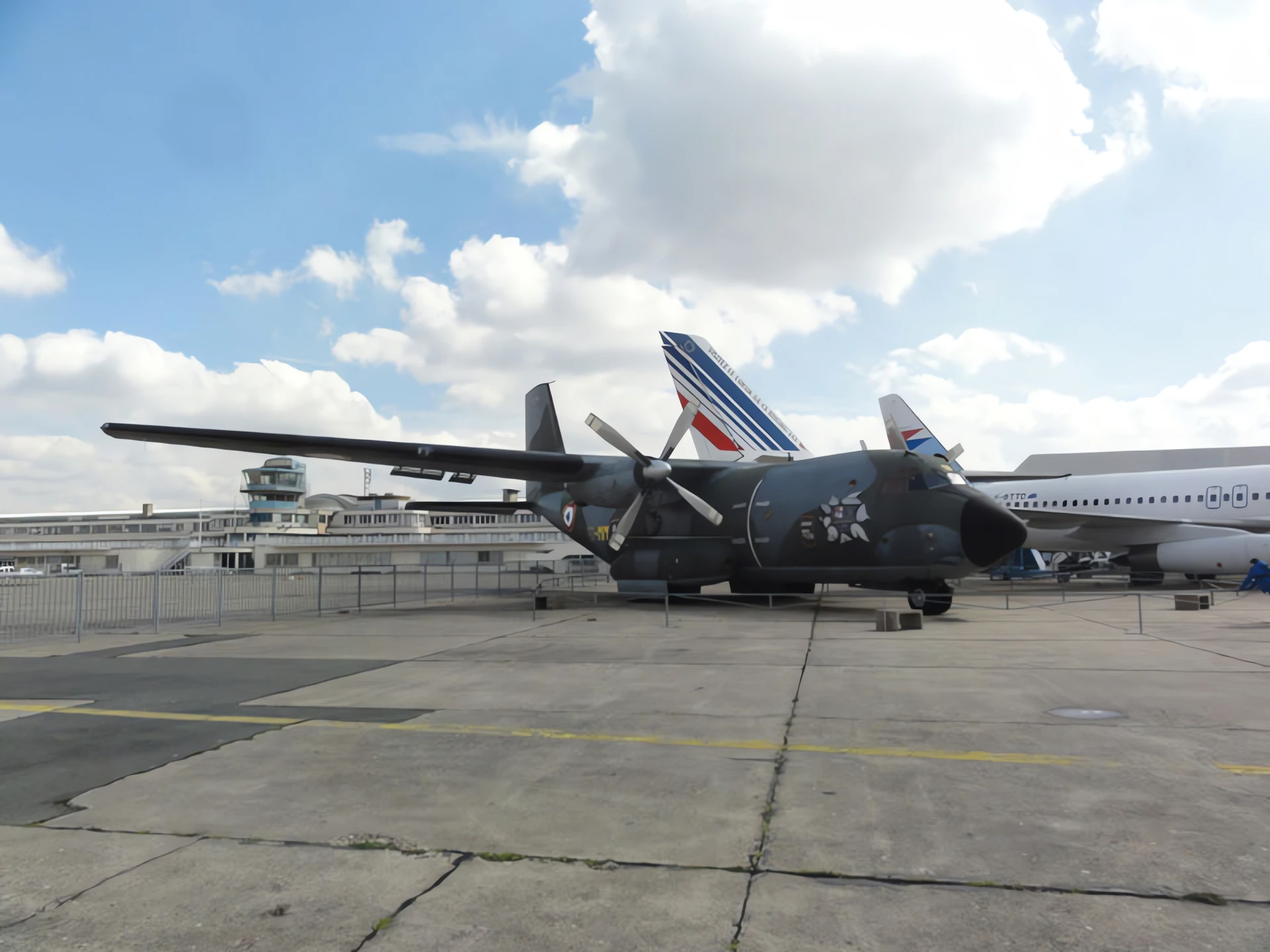
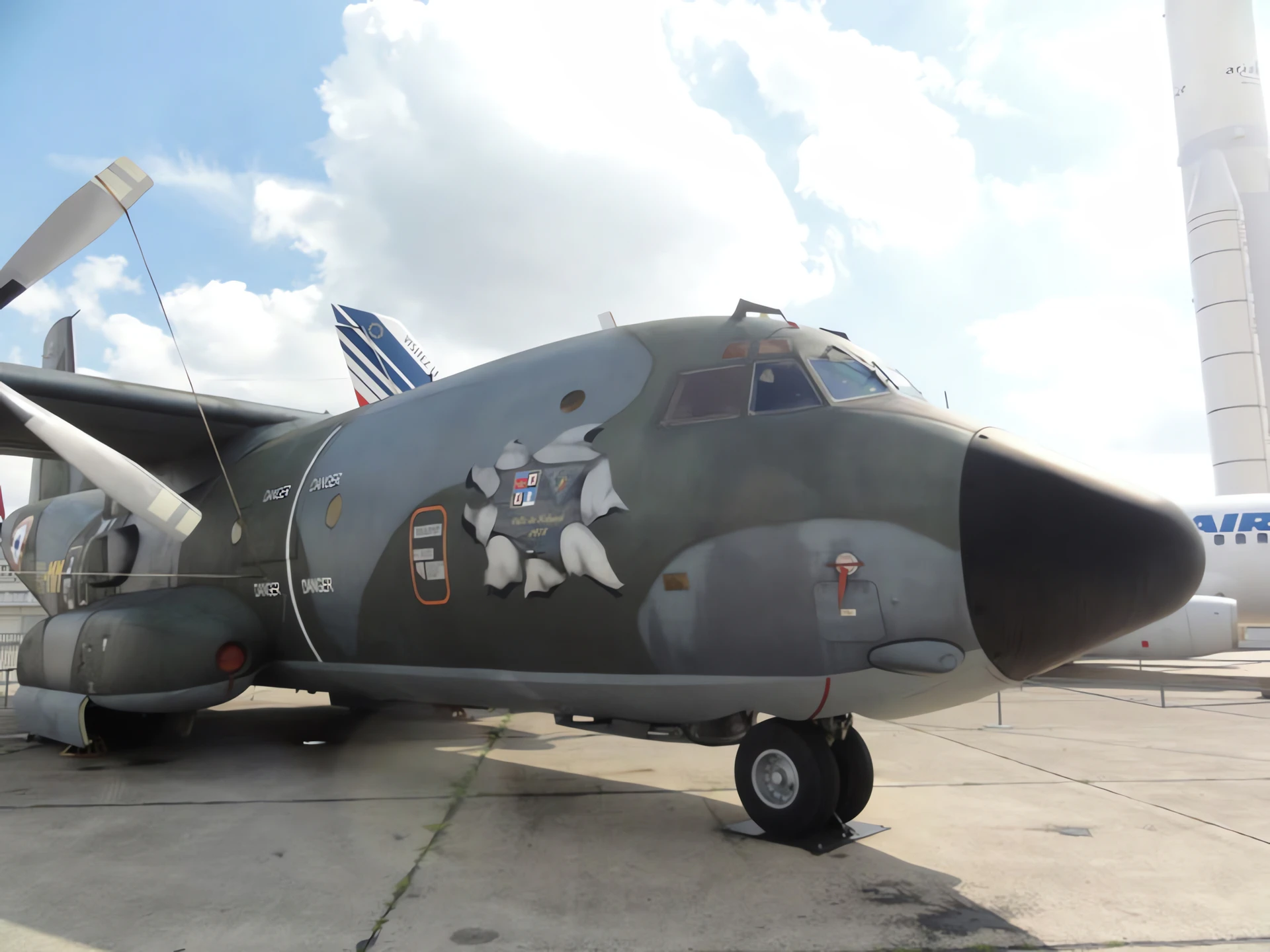
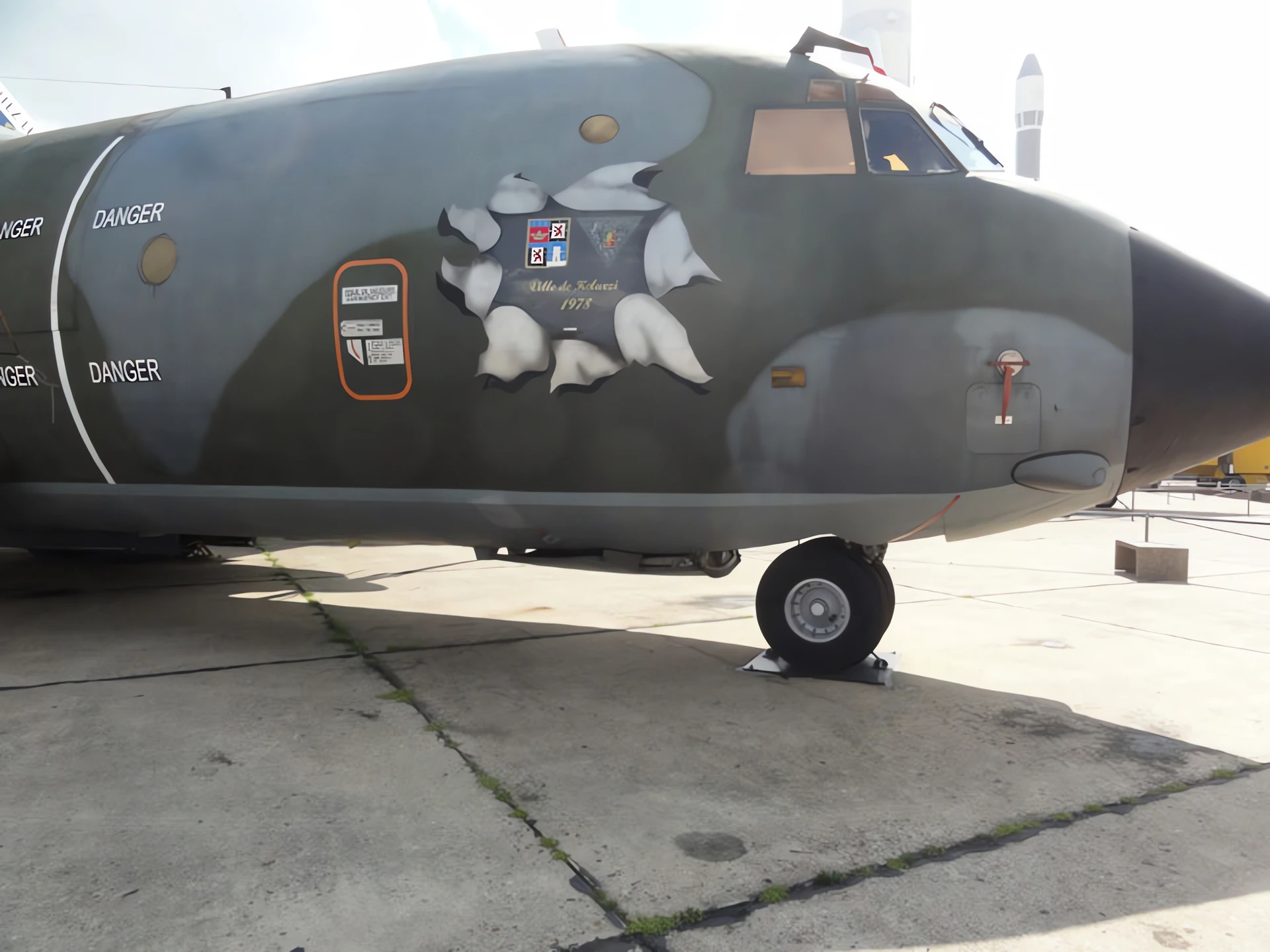
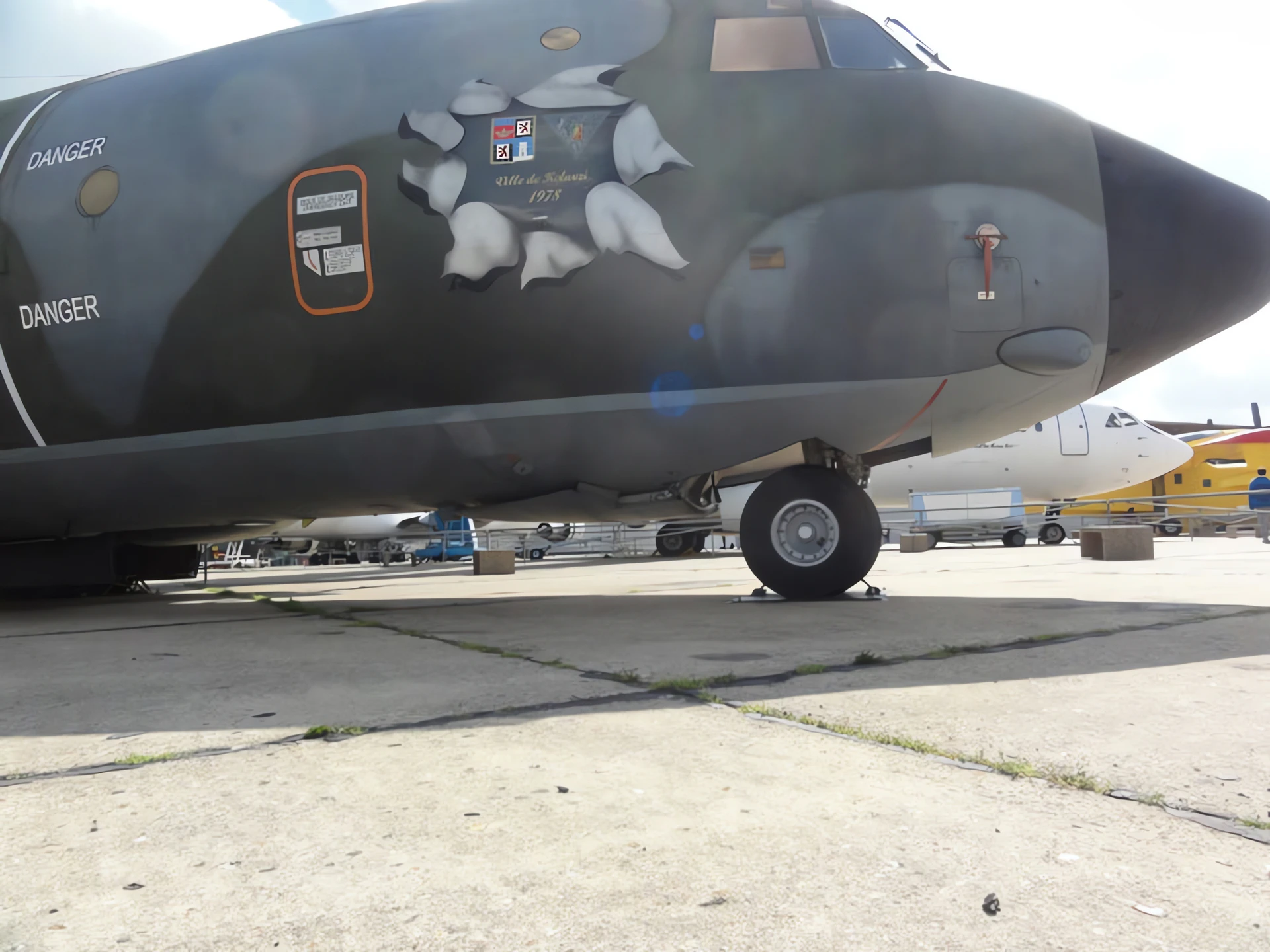
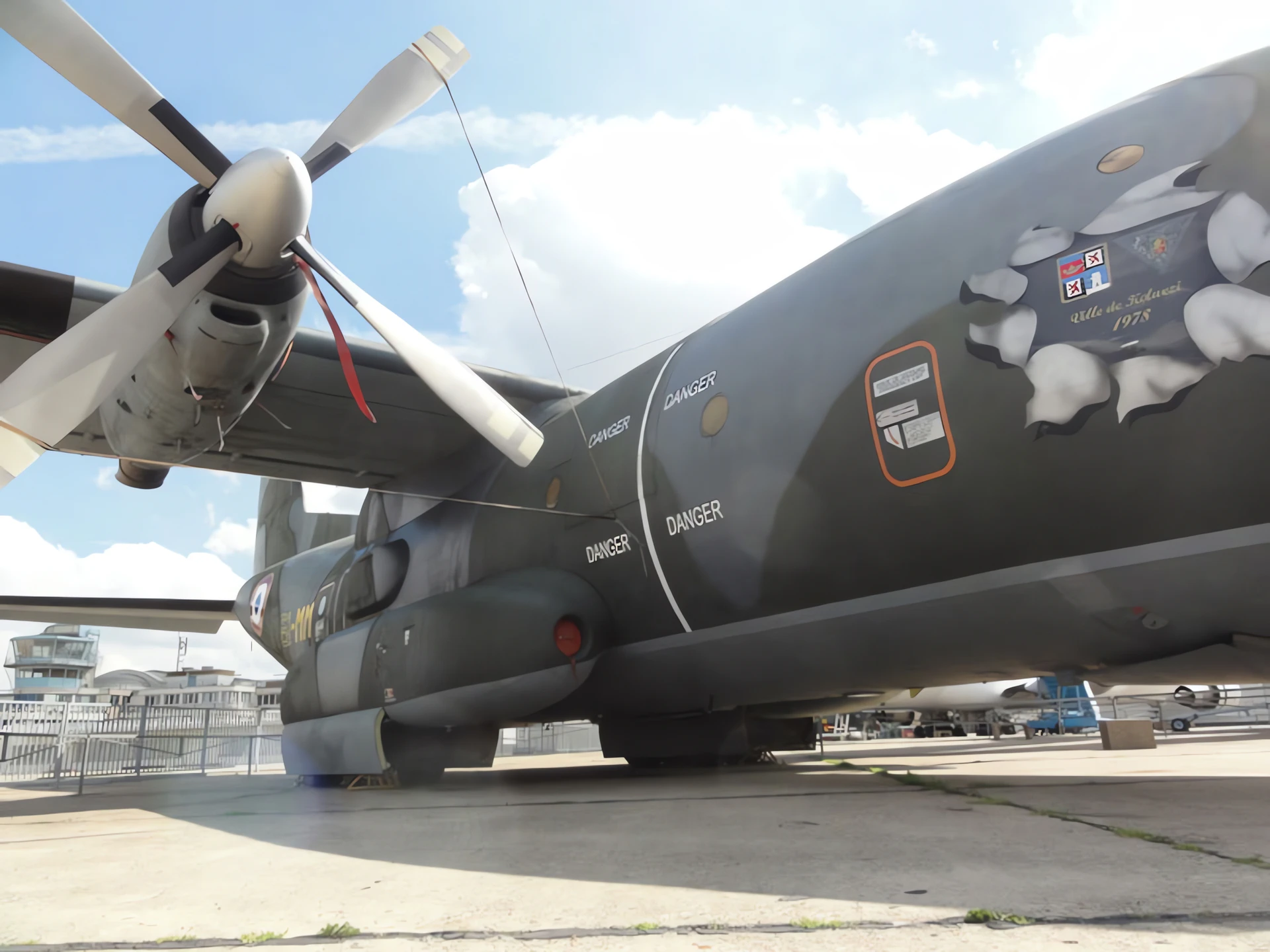
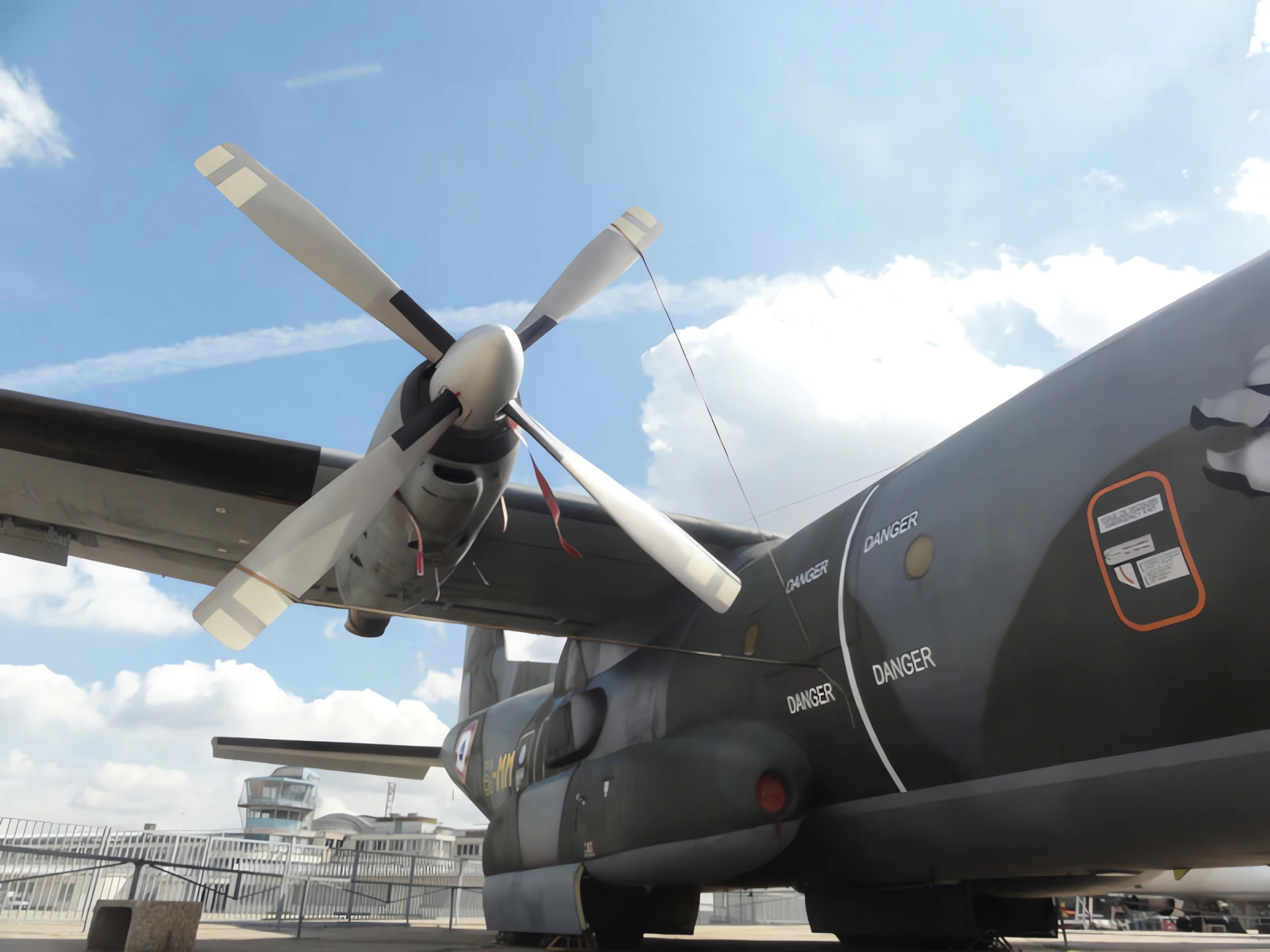
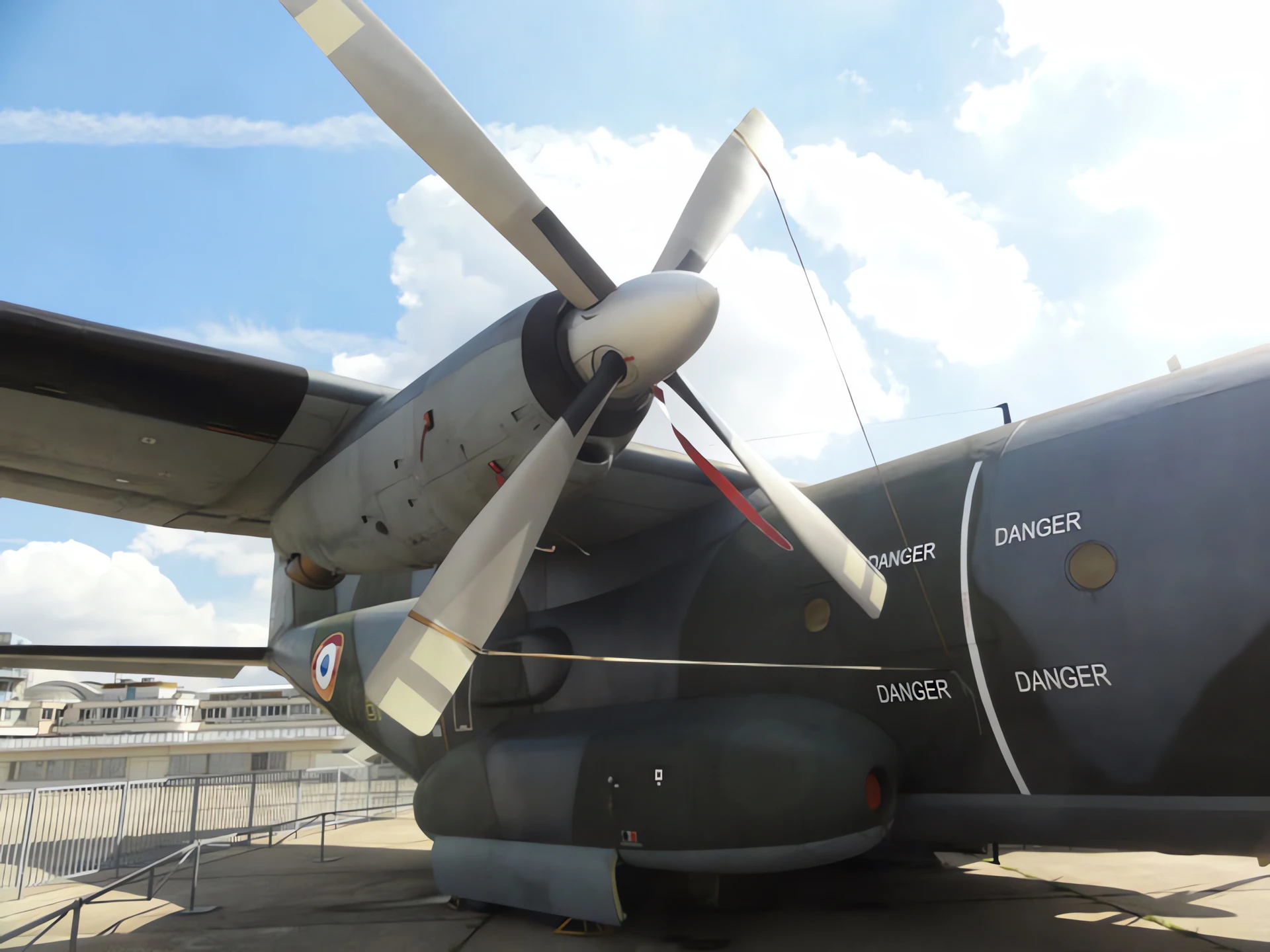

Siehe auch:


The European Workhorse
das Transall C-160 (Transport Allianz) was born from a unique post-war collaboration between France and West Germany. Designed specifically to replace the Nord Noratlas, it was built to operate from short, semi-prepared strips in harsh environments—from the Saharan sands to the Alpine snow. While it shares a similar silhouette to the American C-130 Hercules, the Transall is a twin-engine design optimized for European and African logistical requirements, known for its incredible stability at low speeds and its rugged, “unbreakable” landing gear.
| Attribute | Technical Specification (C-160NG) |
|---|---|
| Rolle | Tactical Transport / Multi-role Support |
| Crew | 3 (Two Pilots and one Flight Engineer) |
| First Flight | February 25, 1963 |
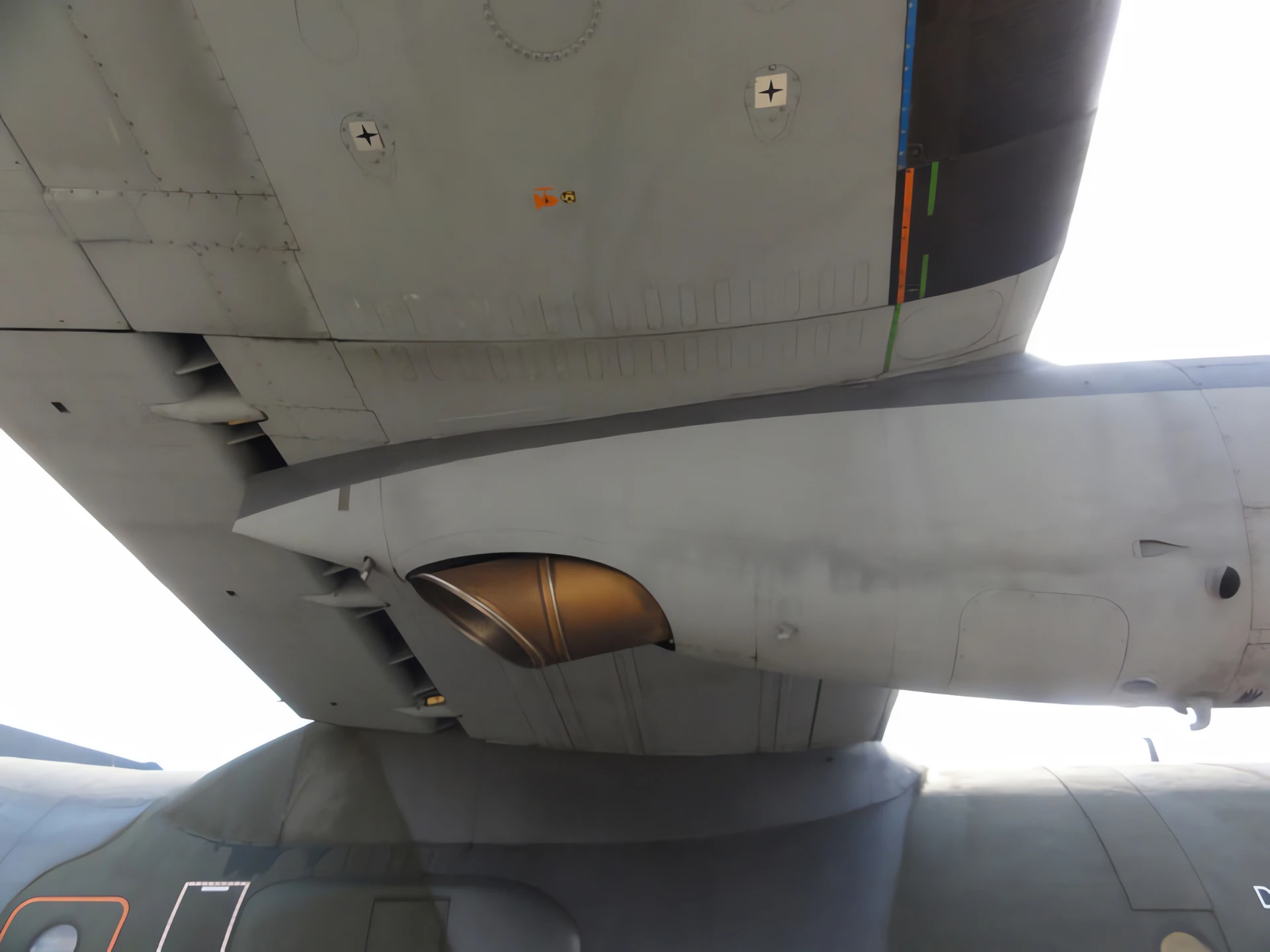
| Triebwerk | 2 × Rolls-Royce Tyne Mk.22 turboprops |
| Horsepower | 6,100 shp (4,549 kW) per engine |
| Höchstgeschwindigkeit | 320 mph (513 km/h) |
| Max Payload | 35,275 lbs (16,000 kg) |
| Service Ceiling | 27,000 feet (8,230 m) |
Tactical Design & Versatility
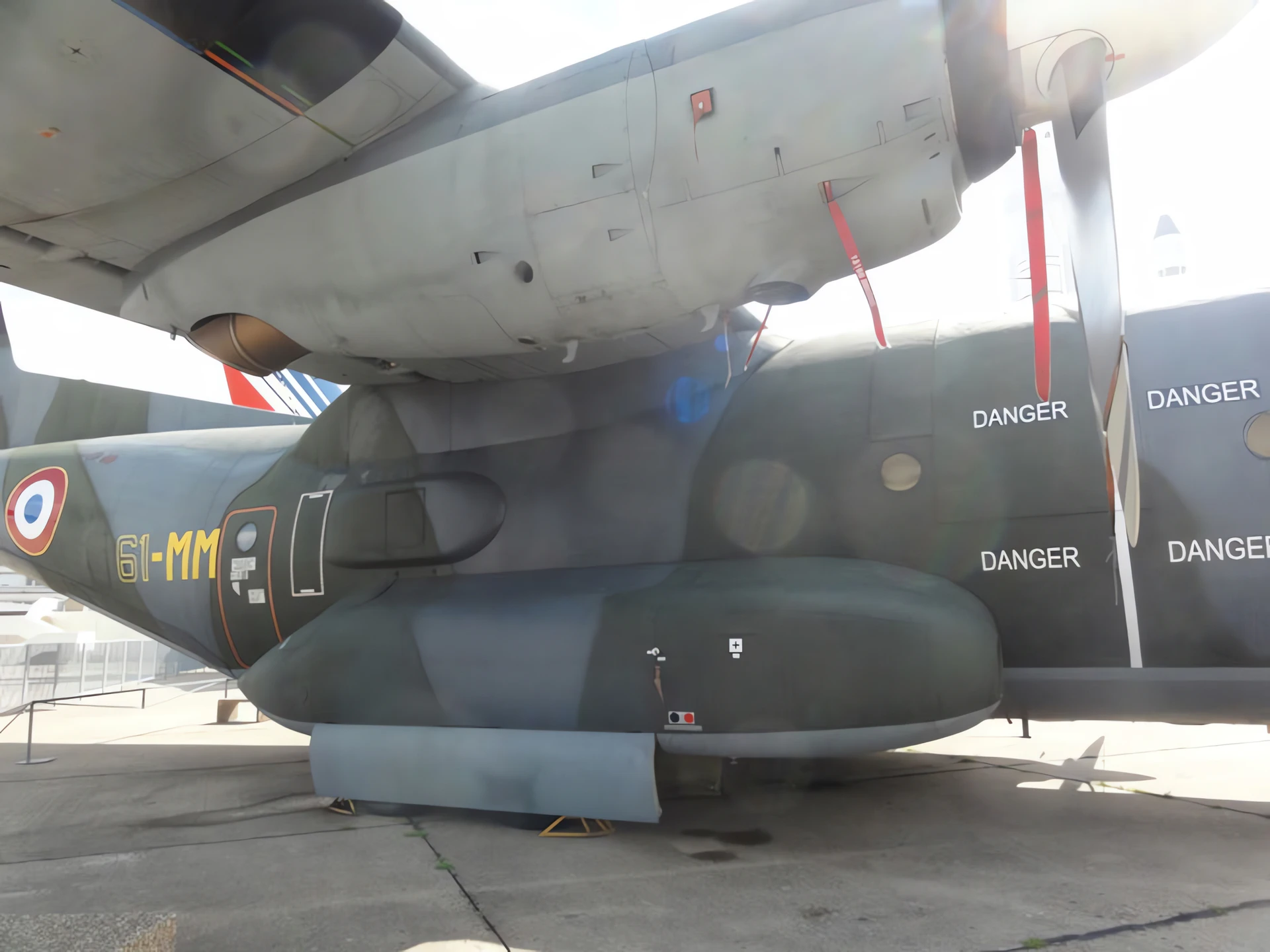
- High-Flotation Landing Gear: The C-160’s landing gear is a marvel of engineering, featuring large, low-pressure tires that retract into prominent “sponsons” on the side of the fuselage. This allows the plane to land on soft mud or deep sand without sinking.
- The “Gabriel” & “Astout” Variants: France developed highly specialized versions, including the C-160G Gabriel for electronic intelligence (ELINT) and the C-160H Astarté, which served as a flying communications relay for the French nuclear submarine fleet.
- Rolls-Royce Tyne Engines: The massive 18-foot (5.5m) four-bladed propellers provide immense low-speed thrust, giving the Transall impressive STOL (Short Take-Off and Landing) performance, often outperforming the C-130 on very short strips.
- Air-to-Air Refueling: The second-generation C-160NG (Nouvelle Génération) introduced a prominent refueling probe above the cockpit and the ability to act as a tanker themselves, extending the reach of French operations in Africa.
A Legacy of Service
- African Operations: The Transall was the backbone of French operations in Africa (Operation Serval and Barkhane) for decades, earning the nickname “The Angel” from troops on the ground for its reliability in delivering supplies and evacuating the wounded.
- Humanitarian Hero: During the 1984–1985 famine in Ethiopia, C-160s from Germany and France flew thousands of “low-level” drops of food and supplies into remote villages where no runways existed.
- The Retirement: After nearly 60 years of service, the C-160 was officially retired by the Luftwaffe in 2021 and the French Air Force in 2022, replaced by the much larger Airbus A400M.
- The “Retro” Farewell: For its retirement, the German Luftwaffe painted a C-160 (50+40) in a stunning “Retro-Brummel” scheme, featuring the various liveries the aircraft wore throughout its history.
Aufrufe : 2140
Sie können auch sehen:
 Hawker Siddeley Nimrod – Fotos & Video
 Dornier Do-27 – Fotos & Video
 Aero L-29 Delfín – Fotos & Video
 Verville-Sperry M-1 Messenger – Fotos & Video
 Mitsubishi A6M Zero – Zu Fuß um
 Hawker Hurricane – Walk Around
 Bell P-39N Airacobra – WalkAround
 Konsolidierter B-24M Liberator – WalkAround
 P-47D Thunderbolt – WalkAround
 A-20 Havoc – WalkAround