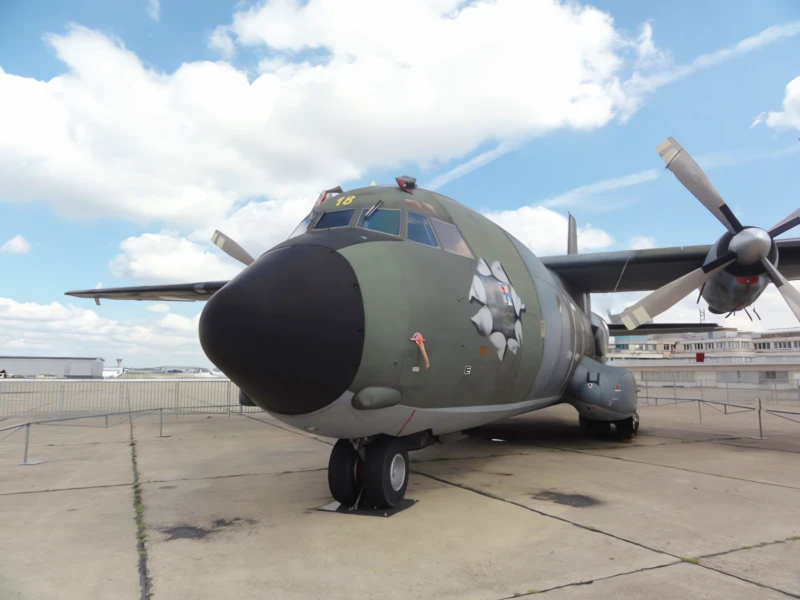
Transall C-160 | |
|---|---|
| Pays | France-Allemagne |
| Rôle | Avions de transport |
| Premier vol | Le 25 février 1963 |
| Construit | 214 |
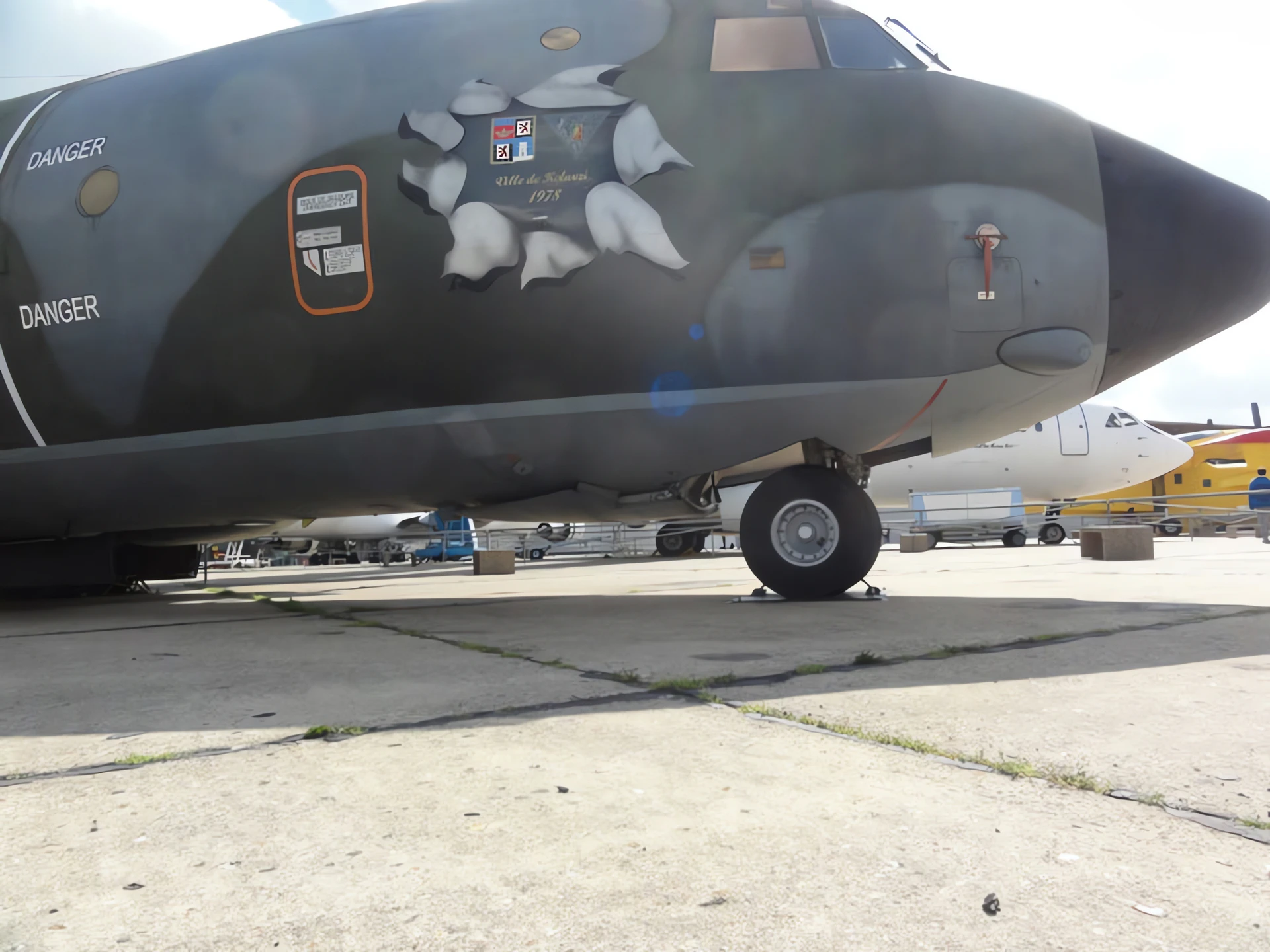
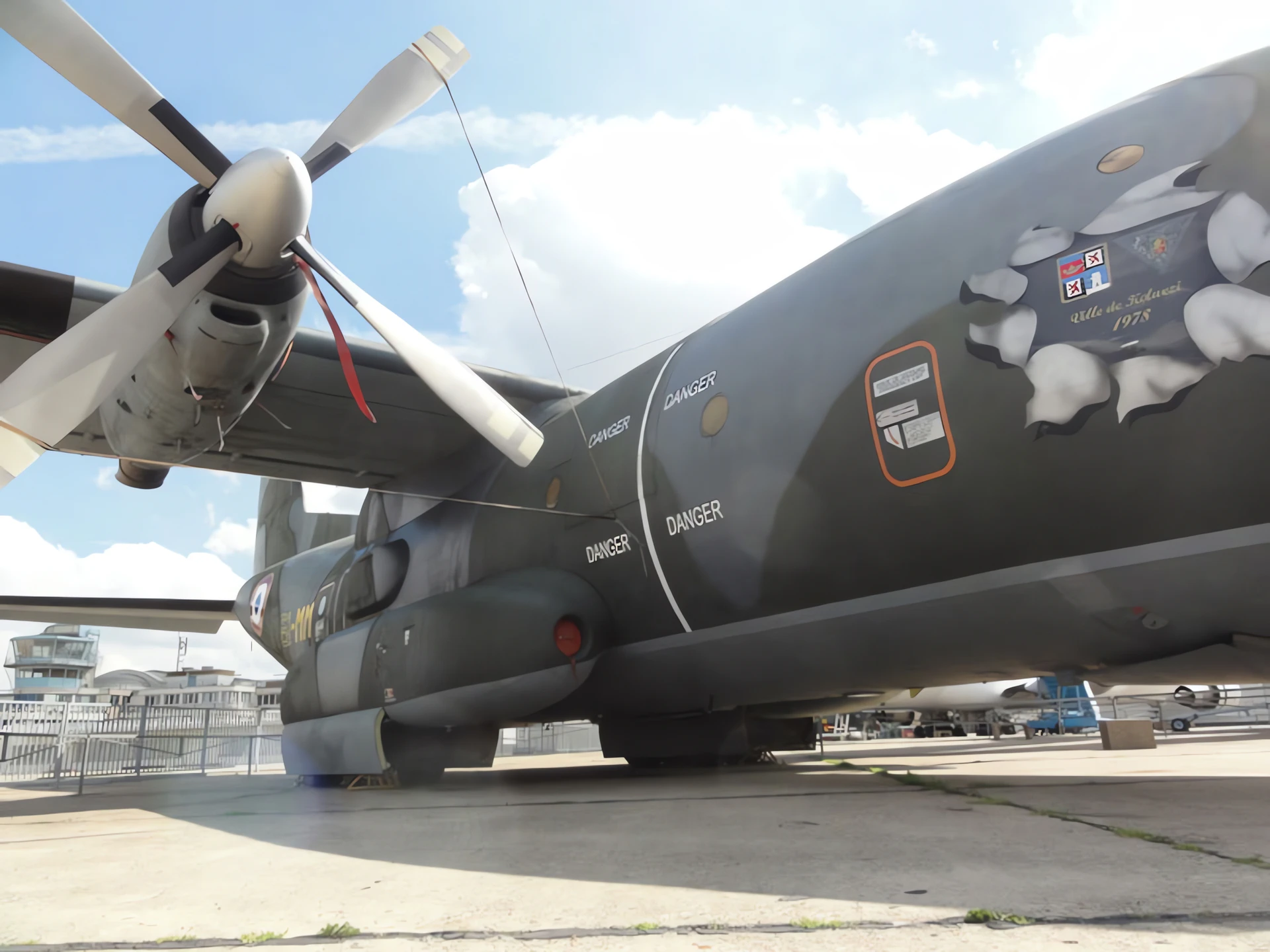
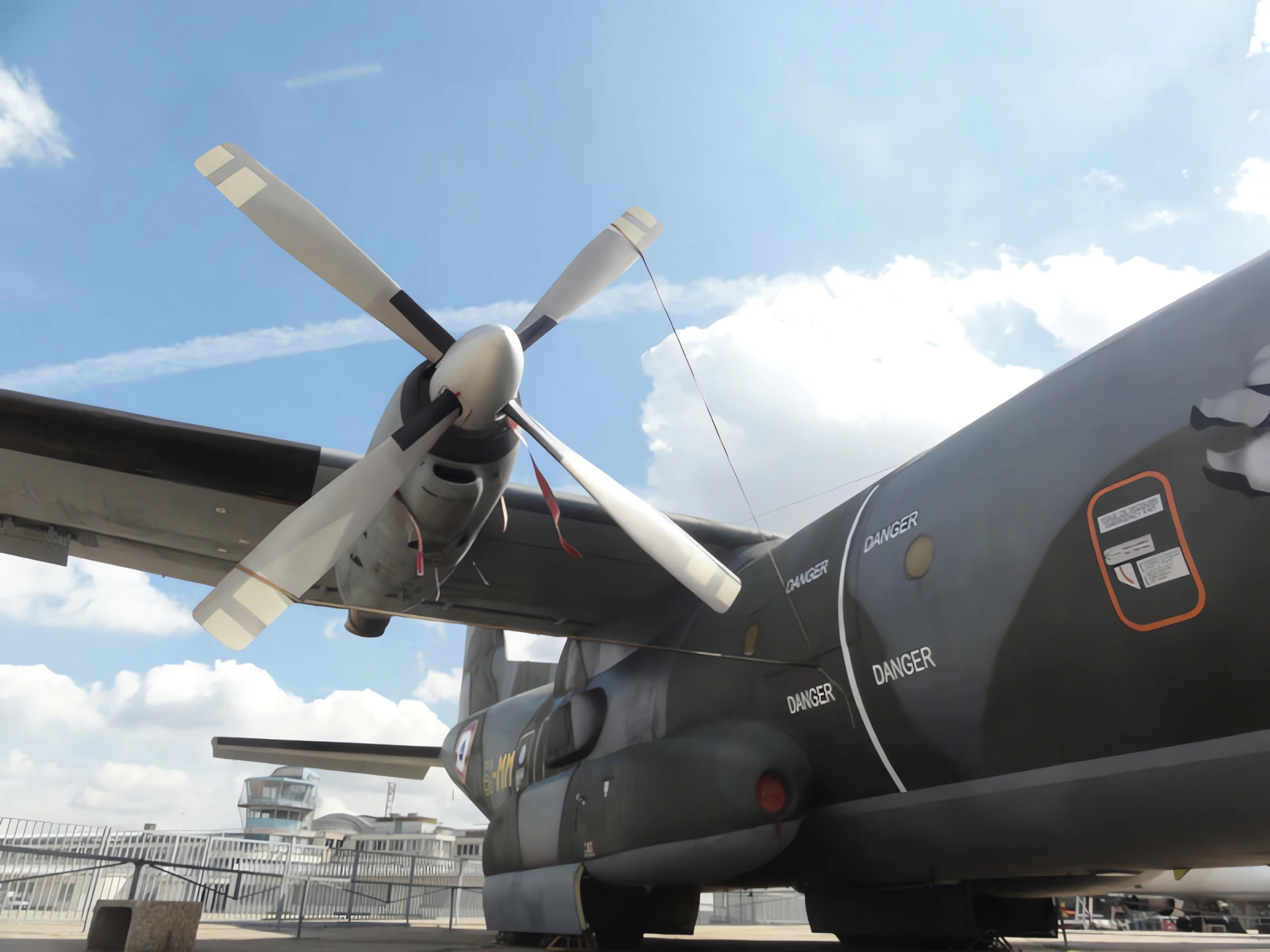
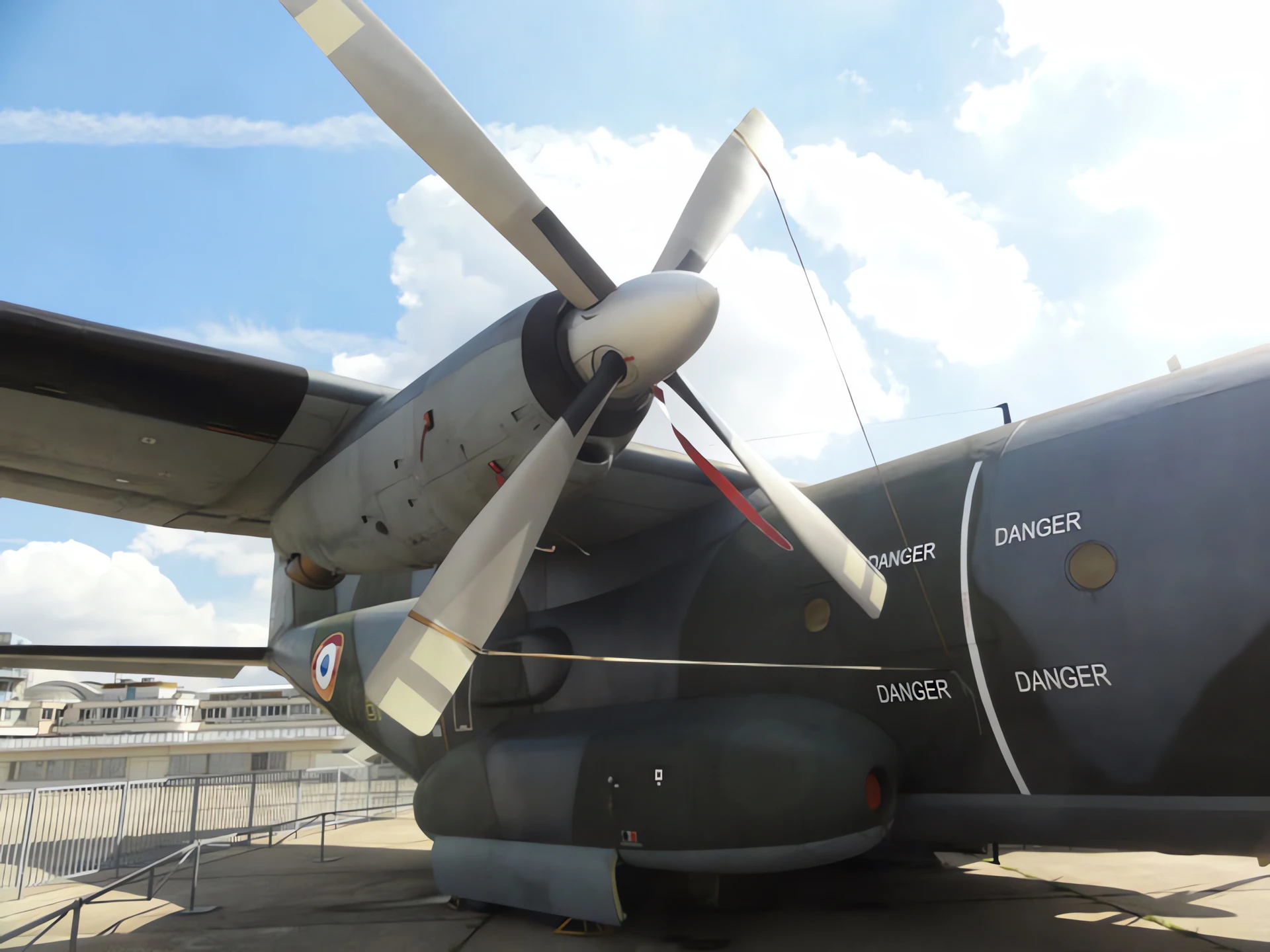
Lla Transall C-160 (souvent C.160 ou tout simplement Transall) est un avion de transport militaire, conçu et produit en joint-venture entre la France et l’Allemagne. Transall est une abréviation du consortium spécialement formé Transporter Allianz, comprenant les sociétés MBB, Aerospatiale et VFW-Fokker. Il a d’abord été développé pour répondre aux exigences d’un avion cargo moderne pour les forces Français et allemandes; les ventes à l’exportation ont également été réalisées vers l’Afrique du Sud et vers la Turquie, ainsi qu’un petit nombre pour les opérateurs civils.
Source: Transall C-160 sur Wikipedia
| C-160R Transall | |
|---|---|
| Photographe | Meindert de Vreeze |
| Localisation | Inconnu |
| Photos | 53 |
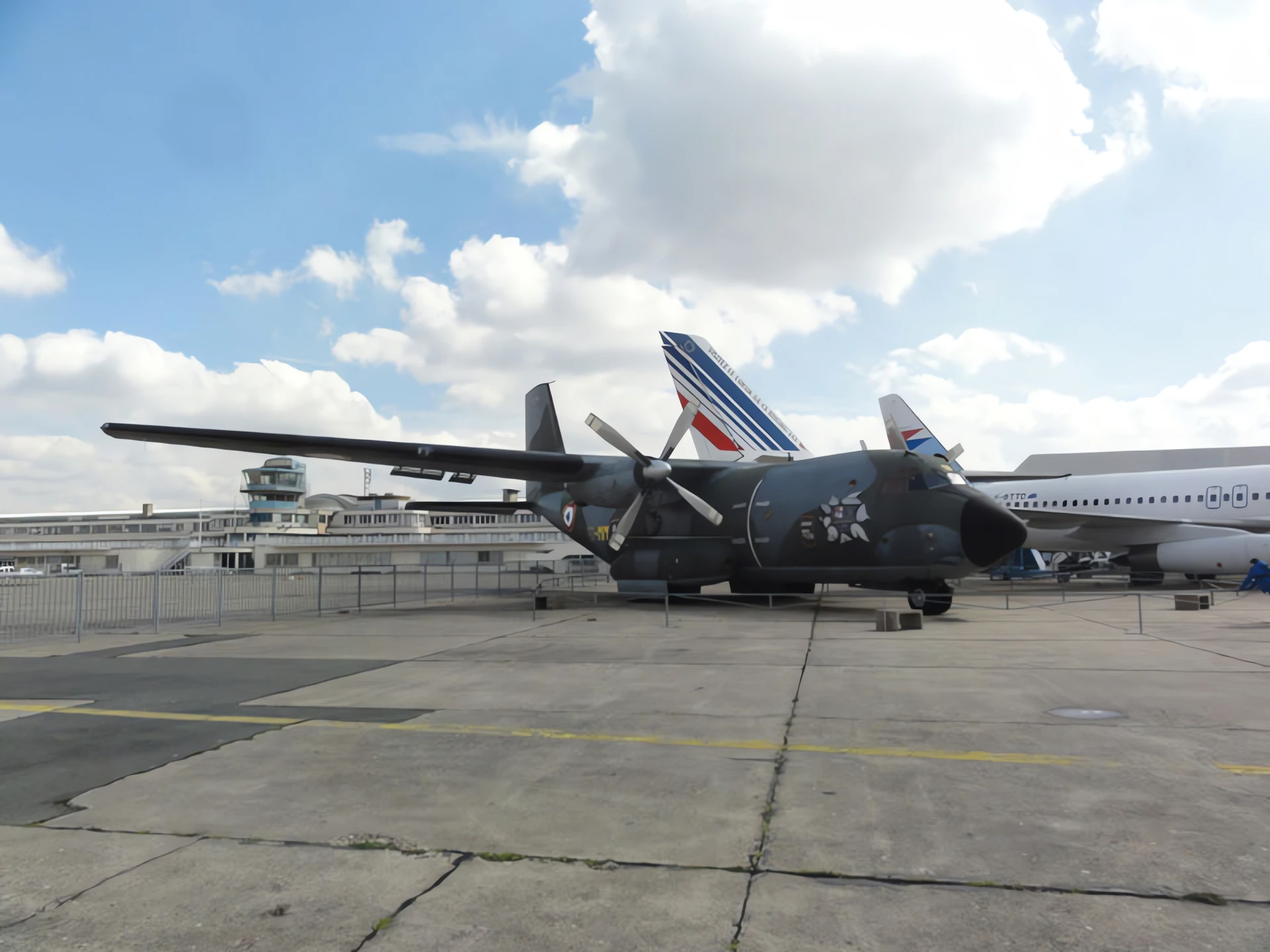
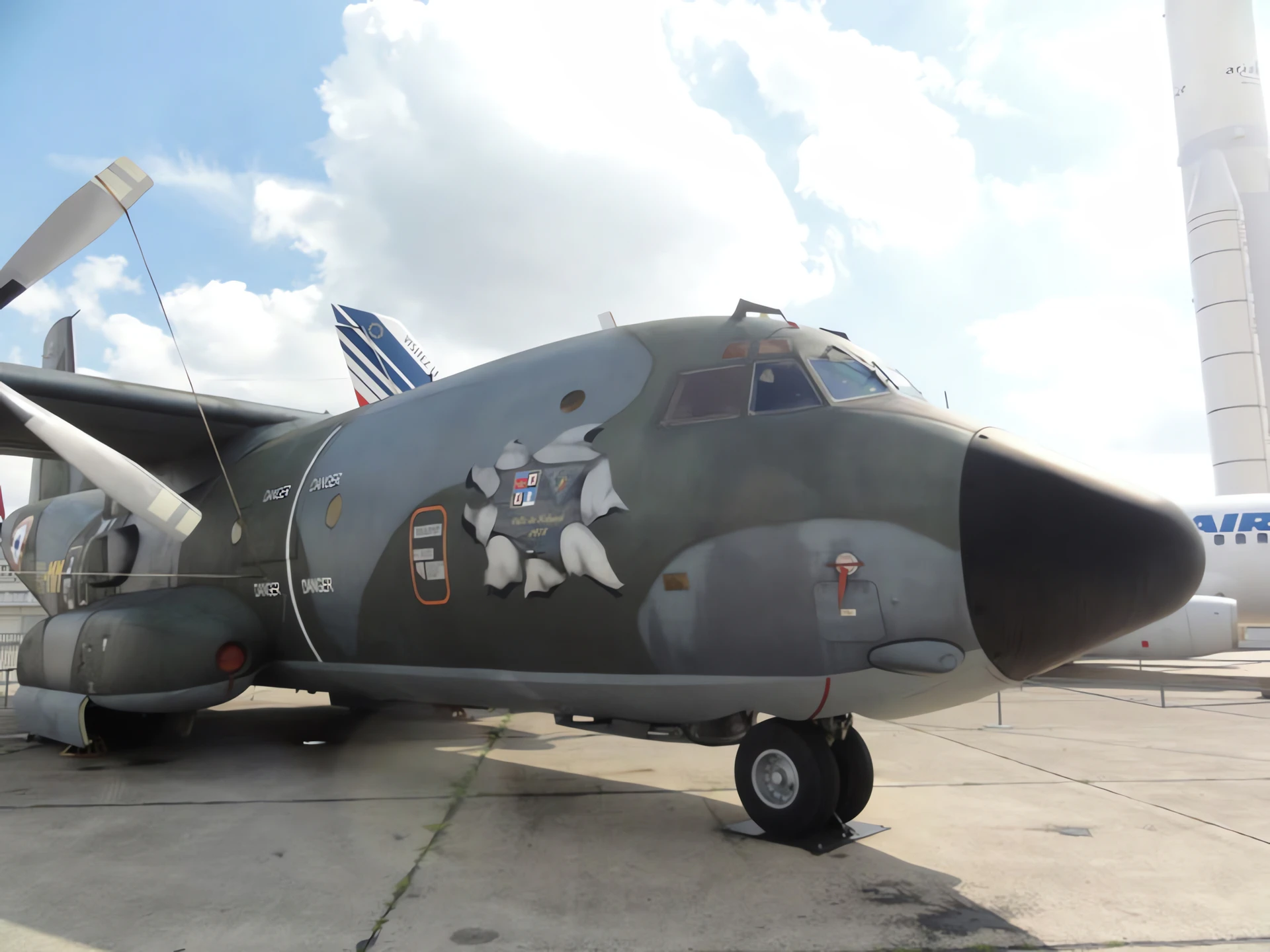
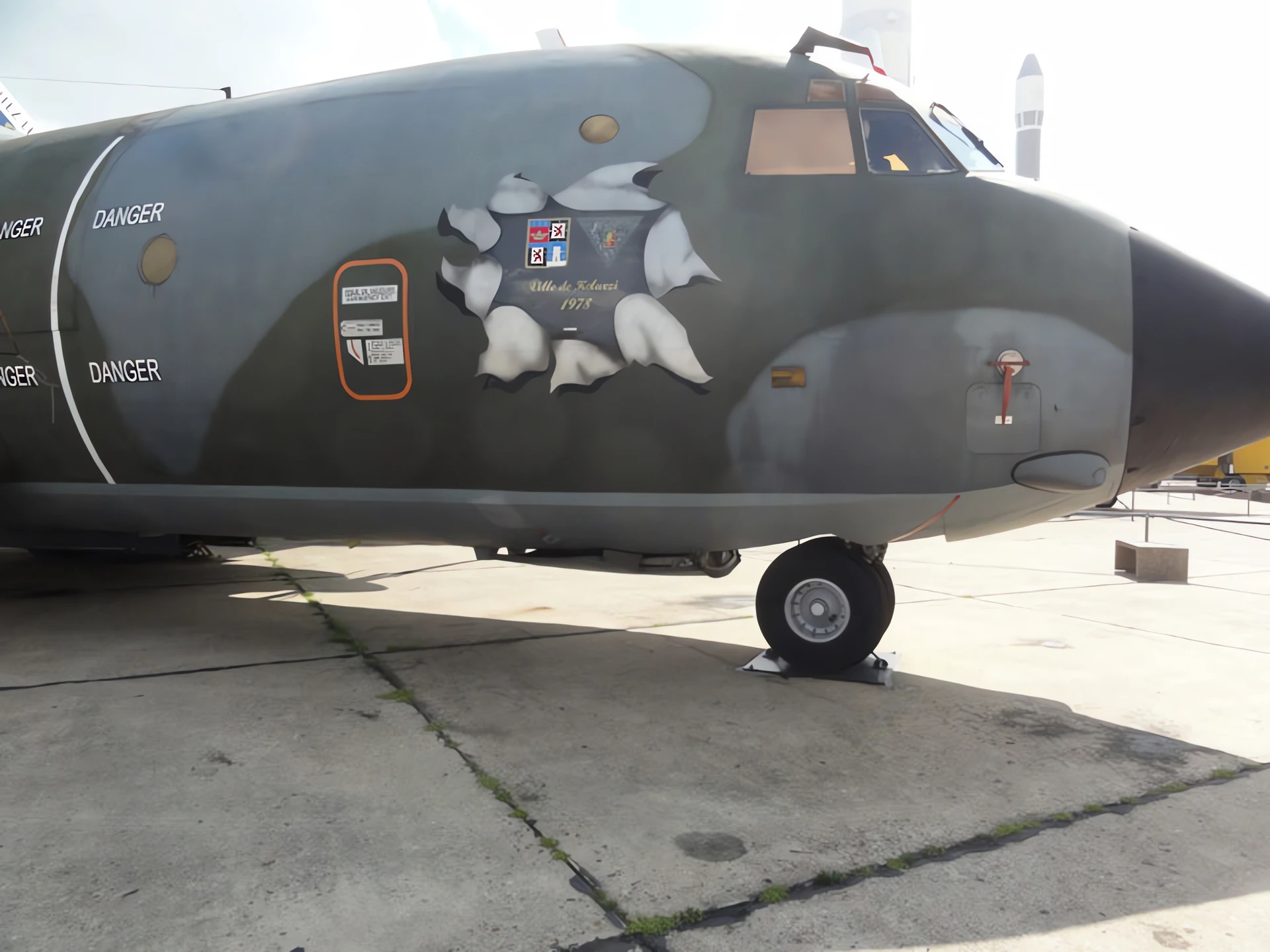

Voir aussi :


The European Workhorse
Lla Transall C-160 (Transport Allianz) was born from a unique post-war collaboration between France and West Germany. Designed specifically to replace the Nord Noratlas, it was built to operate from short, semi-prepared strips in harsh environments—from the Saharan sands to the Alpine snow. While it shares a similar silhouette to the American C-130 Hercules, the Transall is a twin-engine design optimized for European and African logistical requirements, known for its incredible stability at low speeds and its rugged, « unbreakable » landing gear.
| Attribute | Technical Specification (C-160NG) |
|---|---|
| Rôle | Tactical Transport / Multi-role Support |
| Crew | 3 (Two Pilots and one Flight Engineer) |
| First Flight | February 25, 1963 |
| Groupe motopropulseur | 2 × Rolls-Royce Tyne Mk.22 turboprops |
| Horsepower | 6,100 shp (4,549 kW) per engine |
| Vitesse maximale | 320 mph (513 km/h) |
| Max Payload | 35,275 lbs (16,000 kg) |
| Service Ceiling | 27,000 feet (8,230 m) |
Tactical Design & Versatility
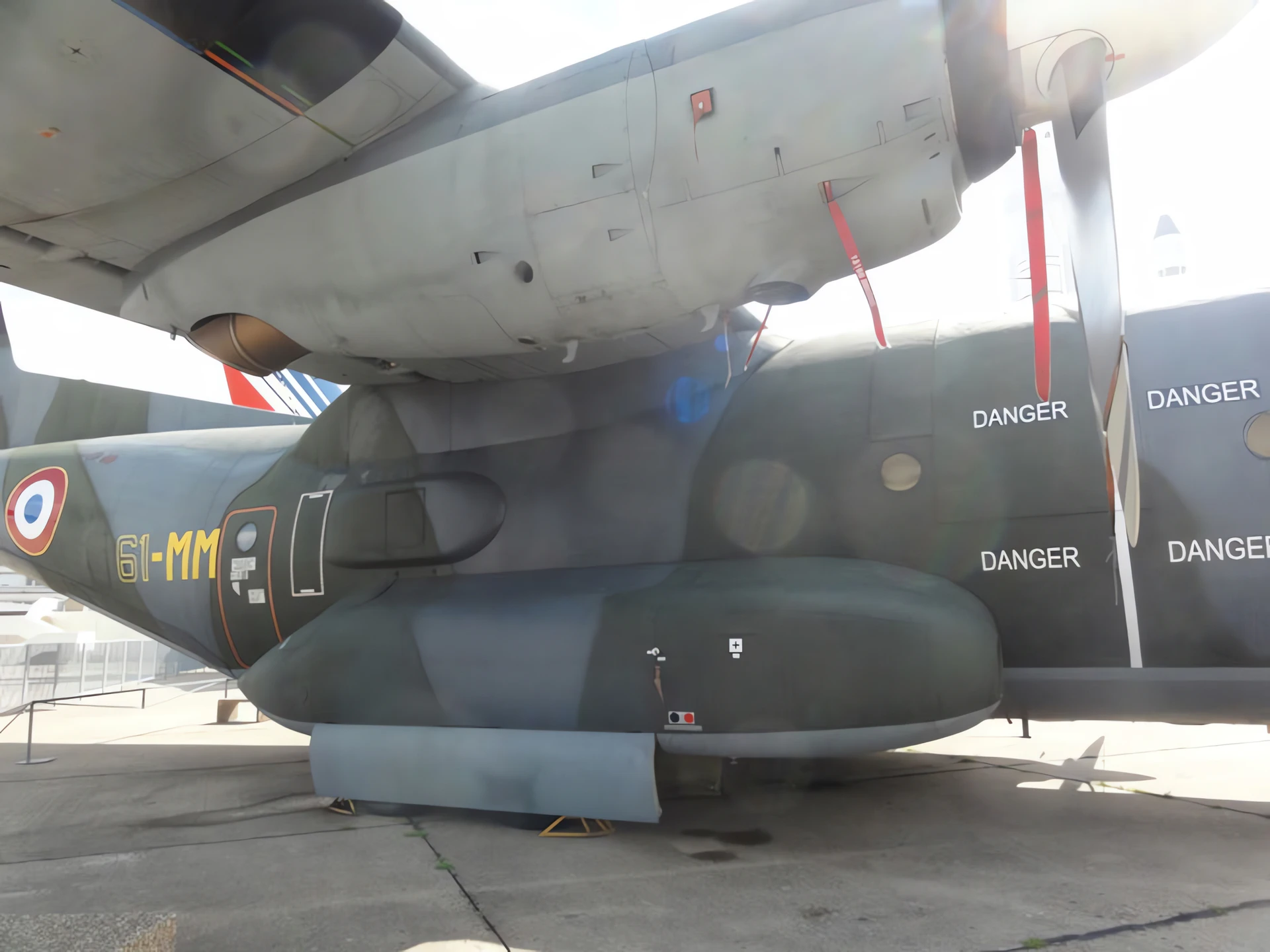
- High-Flotation Landing Gear: The C-160’s landing gear is a marvel of engineering, featuring large, low-pressure tires that retract into prominent « sponsons » on the side of the fuselage. This allows the plane to land on soft mud or deep sand without sinking.
- Lla « Gabriel » & « Astout » Variantes: France developed highly specialized versions, including the C-160G Gabriel for electronic intelligence (ELINT) and the C-160H Astarté, which served as a flying communications relay for the French nuclear submarine fleet.
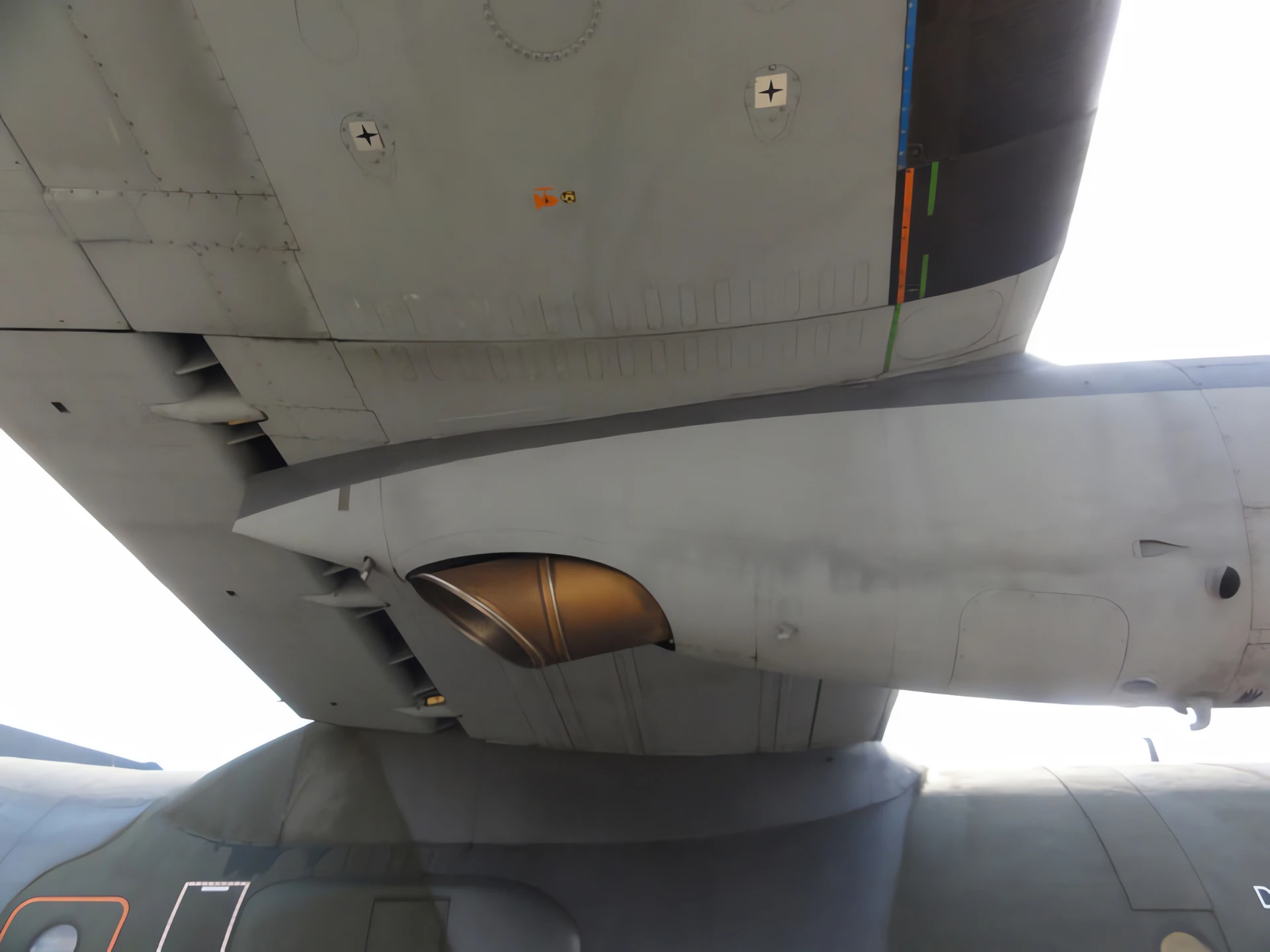
- Rolls-Royce Tyne Engines: The massive 18-foot (5.5m) four-bladed propellers provide immense low-speed thrust, giving the Transall impressive STOL (Short Take-Off and Landing) performance, often outperforming the C-130 on very short strips.
- Air-to-Air Refueling: The second-generation C-160NG (Nouvelle Génération) introduced a prominent refueling probe above the cockpit and the ability to act as a tanker themselves, extending the reach of French operations in Africa.
A Legacy of Service
- African Operations: The Transall was the backbone of French operations in Africa (Operation Serval and Barkhane) for decades, earning the nickname « The Angel » from troops on the ground for its reliability in delivering supplies and evacuating the wounded.
- Humanitarian Hero: During the 1984–1985 famine in Ethiopia, C-160s from Germany and France flew thousands of « low-level » drops of food and supplies into remote villages where no runways existed.
- The Retirement: After nearly 60 years of service, the C-160 was officially retired by the Luftwaffe in 2021 and the French Air Force in 2022, replaced by the much larger Airbus A400M.
- Lla « Retro » Farewell: For its retirement, the German Luftwaffe painted a C-160 (50+40) in a stunning « Retro-Brummel » scheme, featuring the various liveries the aircraft wore throughout its history.
Vues : 2140
Vous pouvez voir aussi :
 Hawker Siddeley Nimrod – Photos et vidéo
 Dornier Do-27 – Photos & Vidéo
 Aero L-29 Delfín – Photos & Vidéo
 Verville-Sperry M-1 Messenger – Photos & Vidéo
 Mitsubishi A6M Zero – Promenez-vous
 Hawker Hurricane – Promenez-vous
 Bell P-39N Airacobra - WalkAround
 Consolidated B-24M Liberator – WalkAround
 P-47D Thunderbolt - WalkAround
 A-20 Havoc – WalkAround