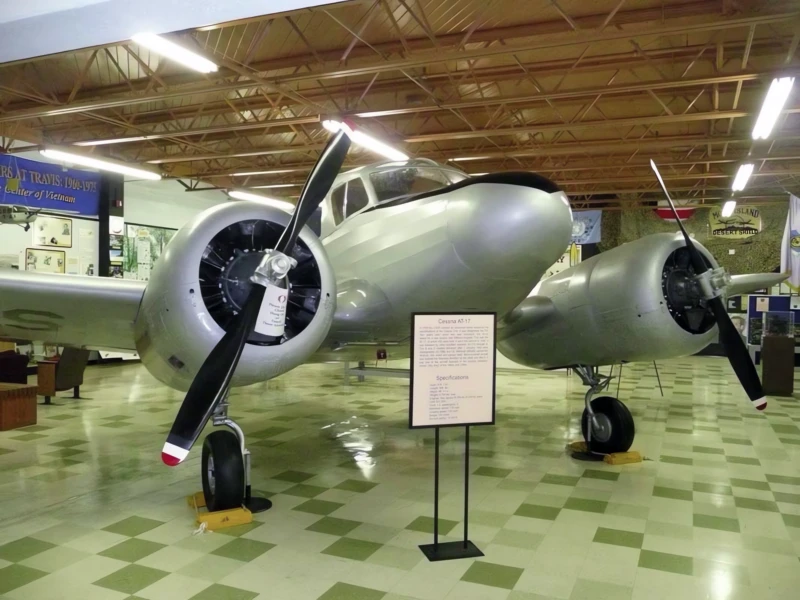
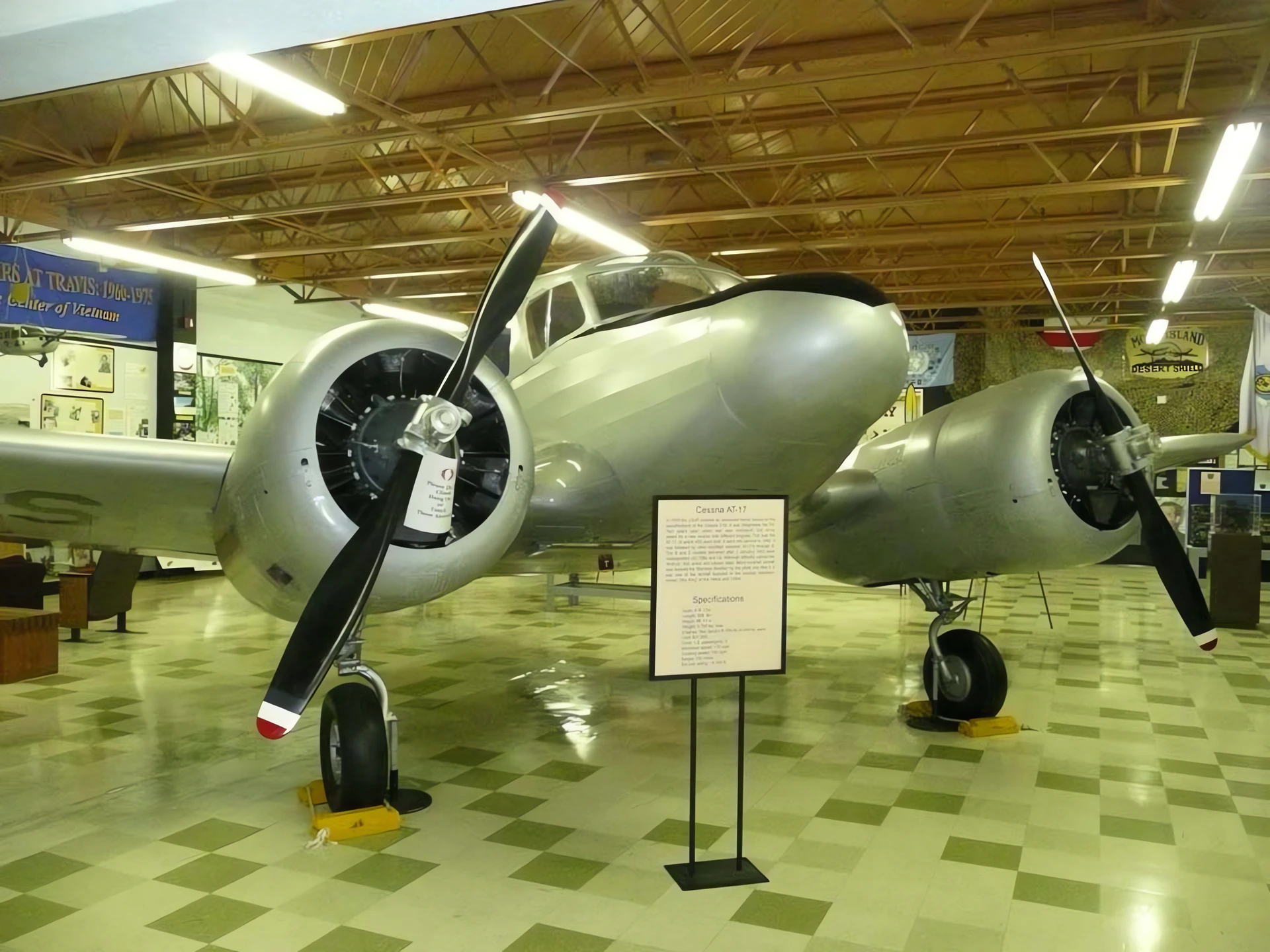
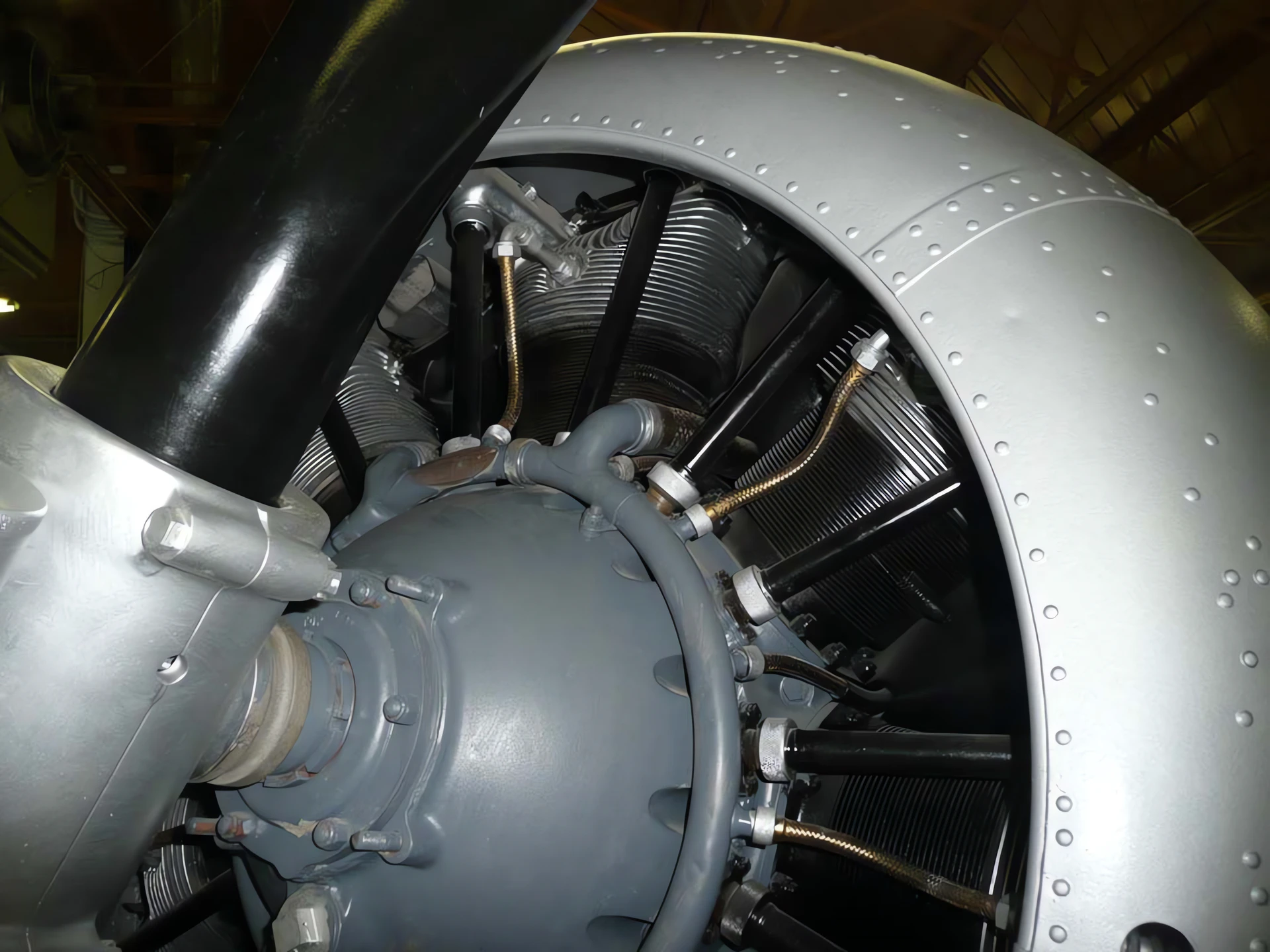
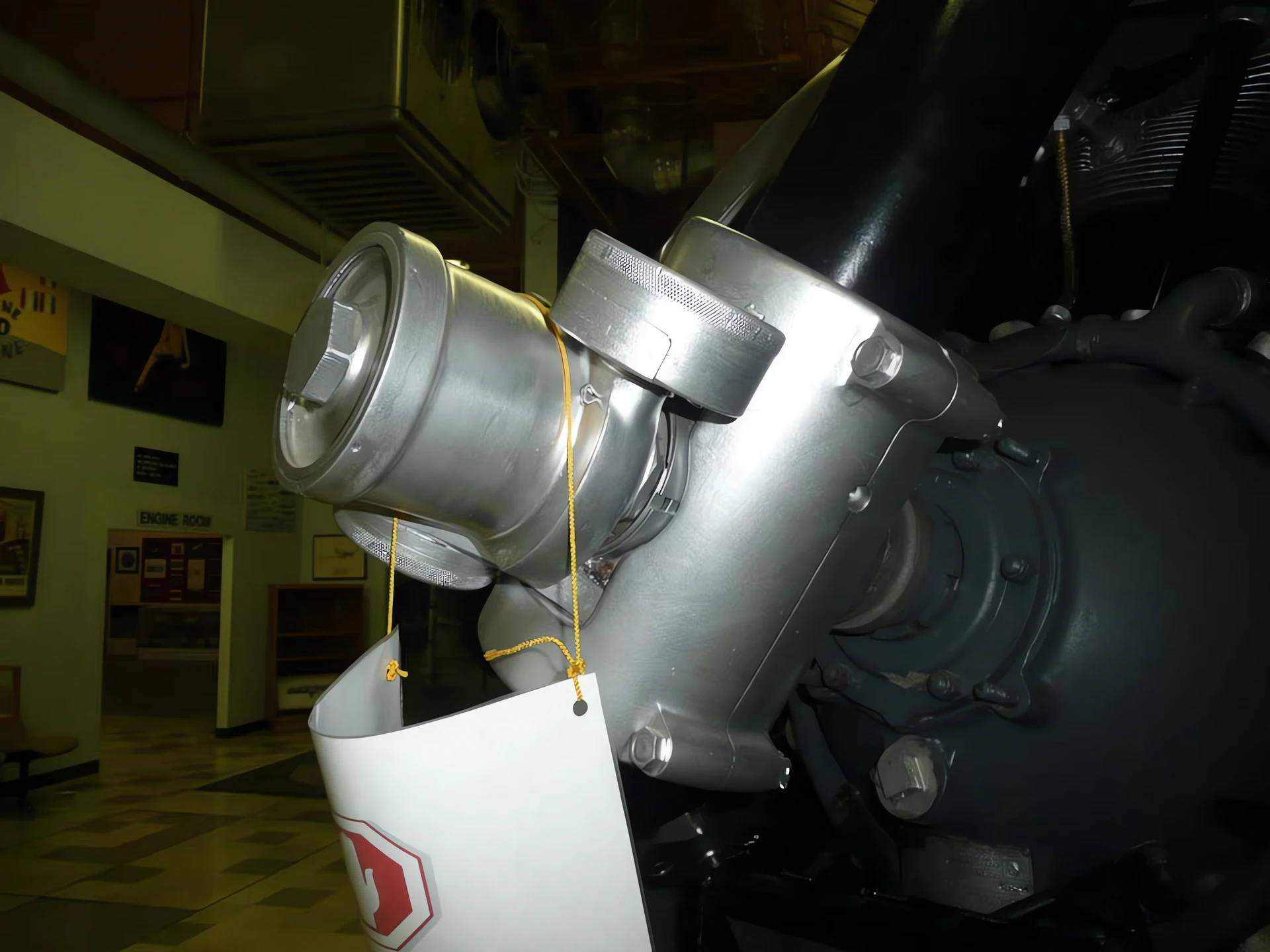
das Cessna AT-17 Bobcat war ein zweimotoriges Fort-Trainer-Flugzeug, das in den Vereinigten Staaten entwickelt und hergestellt wurde und während des Zweiten Weltkriegs verwendet wurde, um die Lücke zwischen einmotorigen Trainern und zweimotorigen Kampfflugzeugen zu überbrücken. Die AT-17 wurde von zwei Jacobs R-755-9 Radialmotoren angetrieben. Die kommerzielle Version war das Modell T-50, aus dem die AT-17 entwickelt wurde.
The Cessna AT-17 Bobcat, originally a civilian utility aircraft known as the **Cessna T-50**, was rapidly adapted for military use as an advanced multi-engine trainer during World War II. Its primary role was to teach U.S. and Commonwealth pilots the complex procedures required to fly twin-engine aircraft, preparing them for roles in bombers and transports like the B-25 Mitchell or the C-47 Skytrain. Due to its wooden construction and reliance on readily available components, the Bobcat was simple to manufacture quickly in large numbers. Despite a reputation for being somewhat difficult to handle on the ground, it was a vital component of the Allied pilot training pipeline.
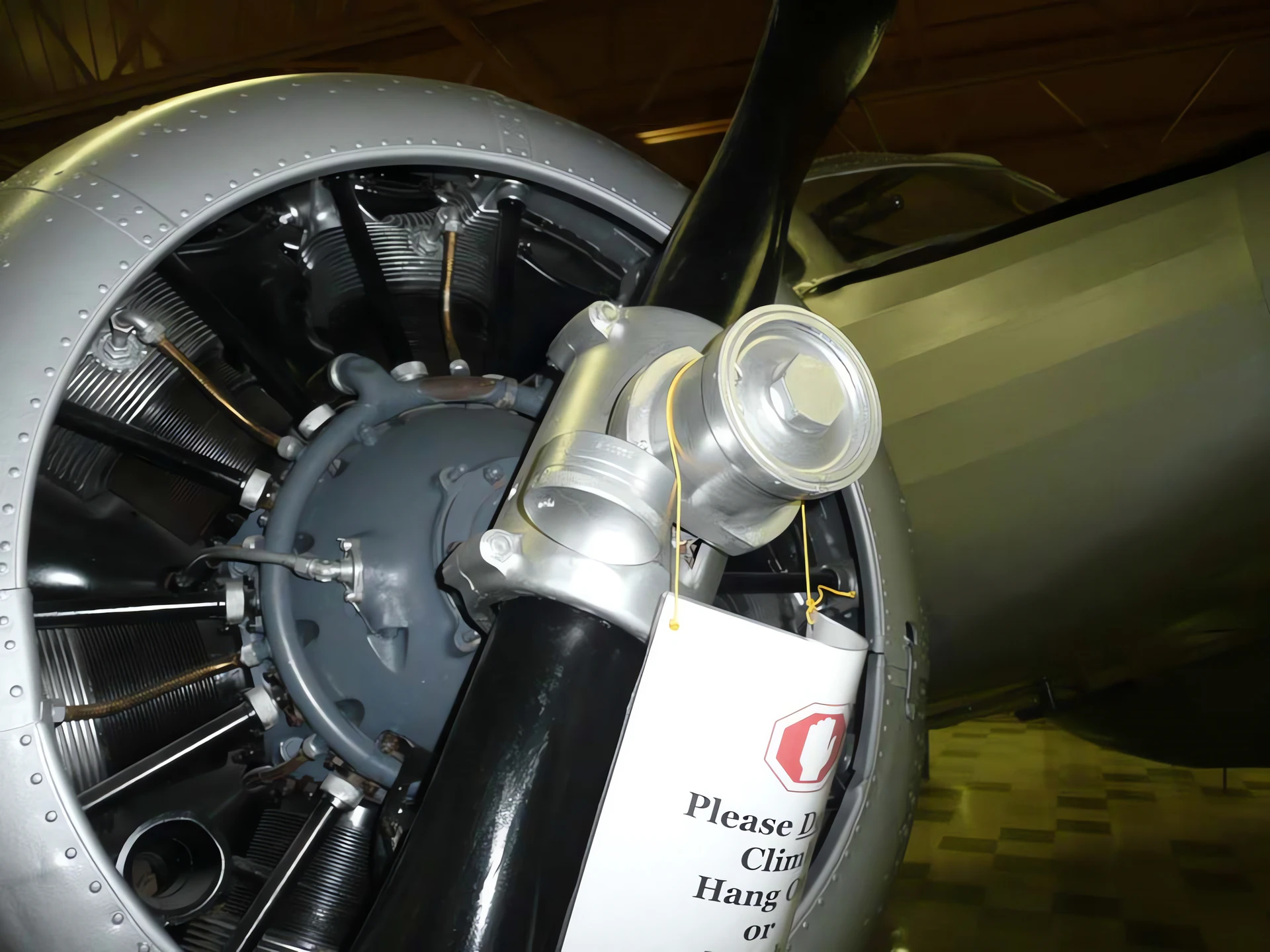
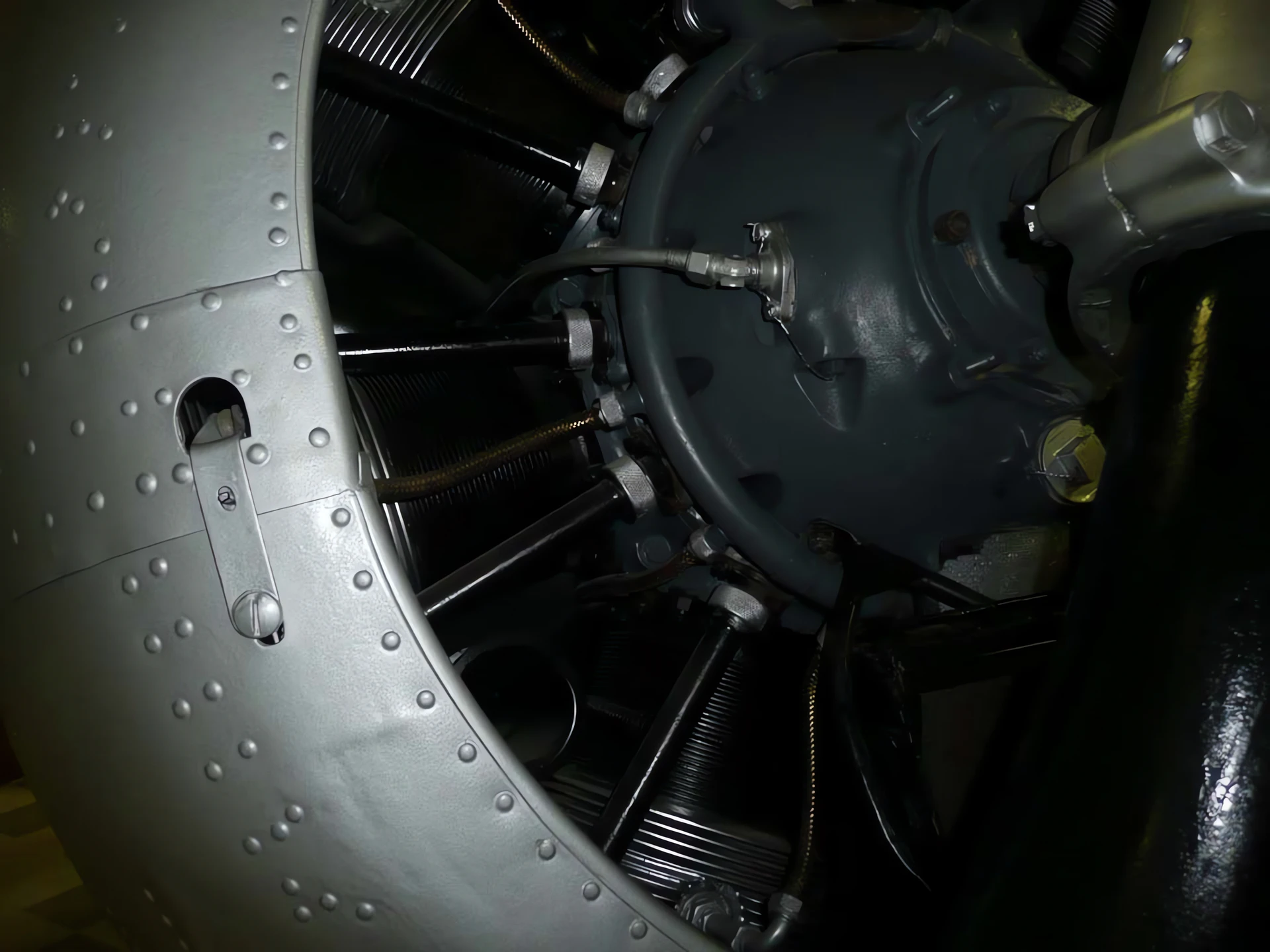
Engines: 2 x Jacobs R-755-9 seven-cylinder air-cooled radial engines.
Power Output: 245 hp (183 kW) each.
Maximum Speed: 306 km/h (190 mph; 165 knots).
Cruise Speed: 257 km/h (160 mph; 139 knots).
Construction Material: The aircraft featured a steel-tube fuselage covered in fabric, with wings constructed primarily of wood.
Service and Legacy
Primary Operator: United States Army Air Forces (USAAF) and Royal Canadian Air Force (RCAF – known as the Crane I or II).
Total Production: Over 5,400 T-50s/Bobcats were produced during the war years, highlighting the high demand for multi-engine training.
Fictional Fame: The Cessna T-50 gained wide recognition as the aircraft flown by the fictional characters Sky King and his nephew Clipper in the popular television show of the 1950s.
Post-War: Many Bobcats were sold off as surplus and were popular as low-cost private and light transport aircraft in the immediate post-war period.




 Cessna 185 Skywagon – Fotos & Videos
 Cessna 310 – Fotos & Videos
 Cessna T-37 Tweet – Fotos & Videos
 Cessna 150 – Fotos & Videos
 Cessna O-2A Skymaster – Fotos & Video
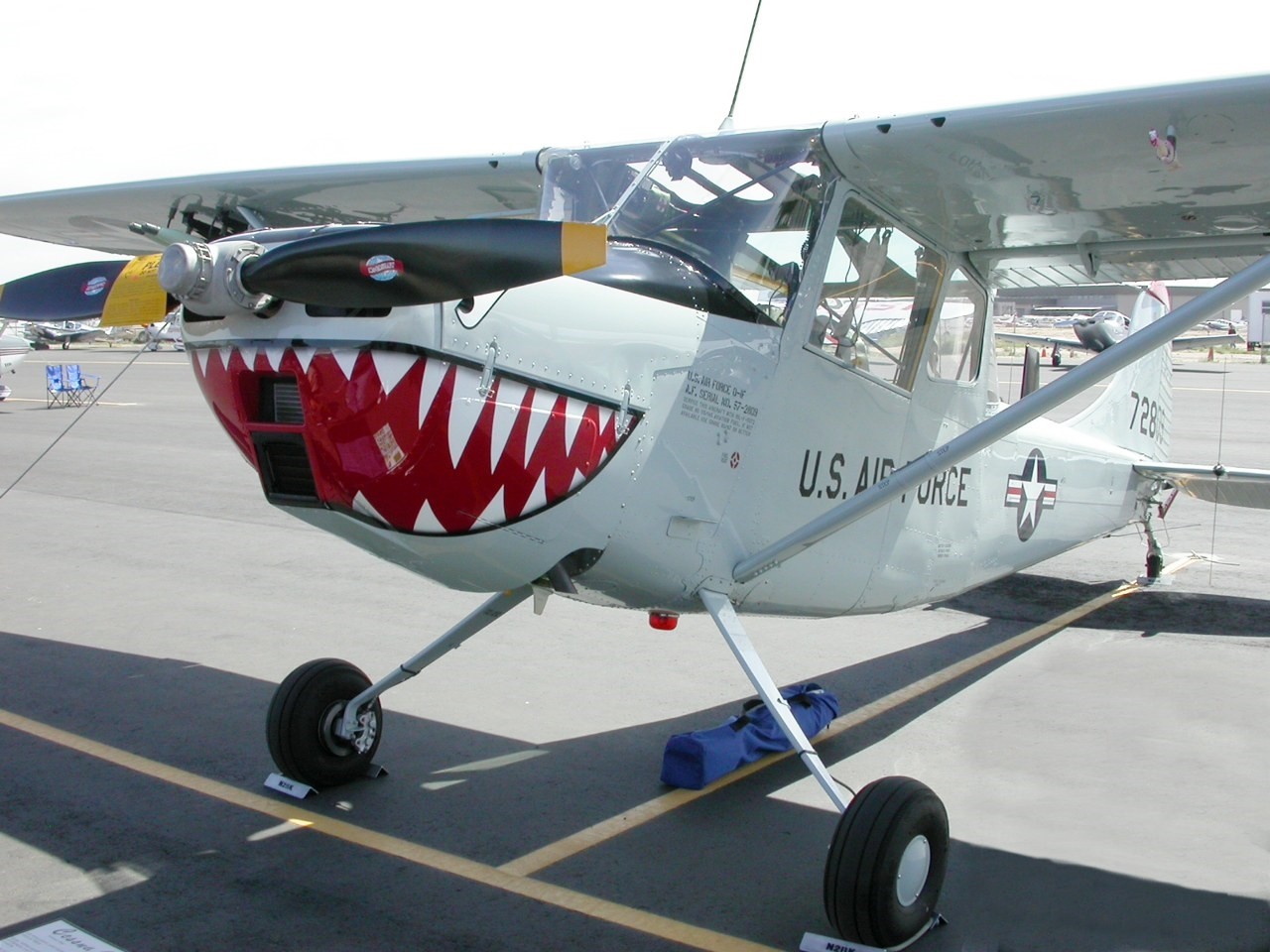 Cessna L-19 Bird Dog – Fotos & Video
 Cessna Dragonfly – Fotos & Video
 Junkers Ju-52 Tante Ju – Walk Around
 Messerschmitt Me-109E – Walk Around
 Supermarine Spitfire Mk.XVI – Walk Around