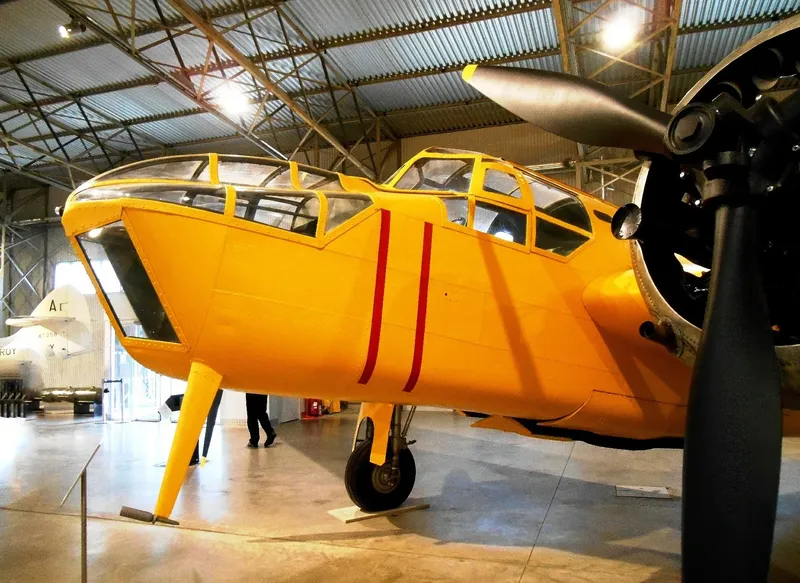
Bristol Beaufort | |
|---|---|
| Land | Großbritannien |
| Rolle | Seeaufklärungsflugzeug/-trainer |
| Erstflug | 14. September 1939 |
| Gebaut | 626 |
das Bristol Fairchild Bolingbroke Es ist ein Seeaufklärungsflugzeug und Schulflugzeug der Royal Canadian Air Force im Zweiten Weltkrieg. Es war eine Lizenzversion des Bristol Blenheim Mk IV Bombers.
Quelle: Bristol Beaufort auf Wikipedia
| Bristol Bolingbroke Mk.IVT Spaziergang | |
|---|---|
| Fotograf | Ondrej Skarka |
| Lokalisierung | Unbekannter |
| Fotos | 29 |
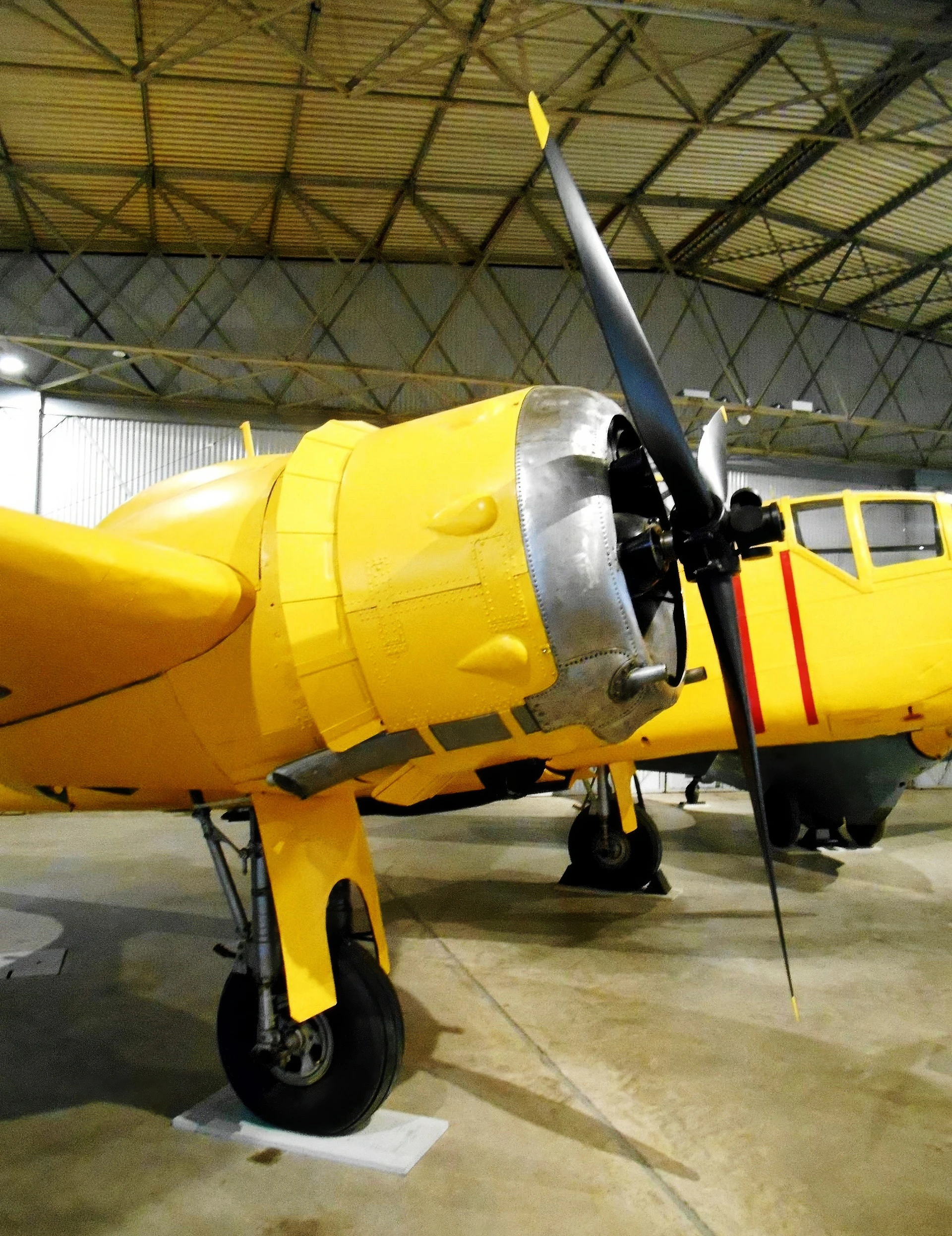
Bristol Bolingbroke Mk.IVT 02
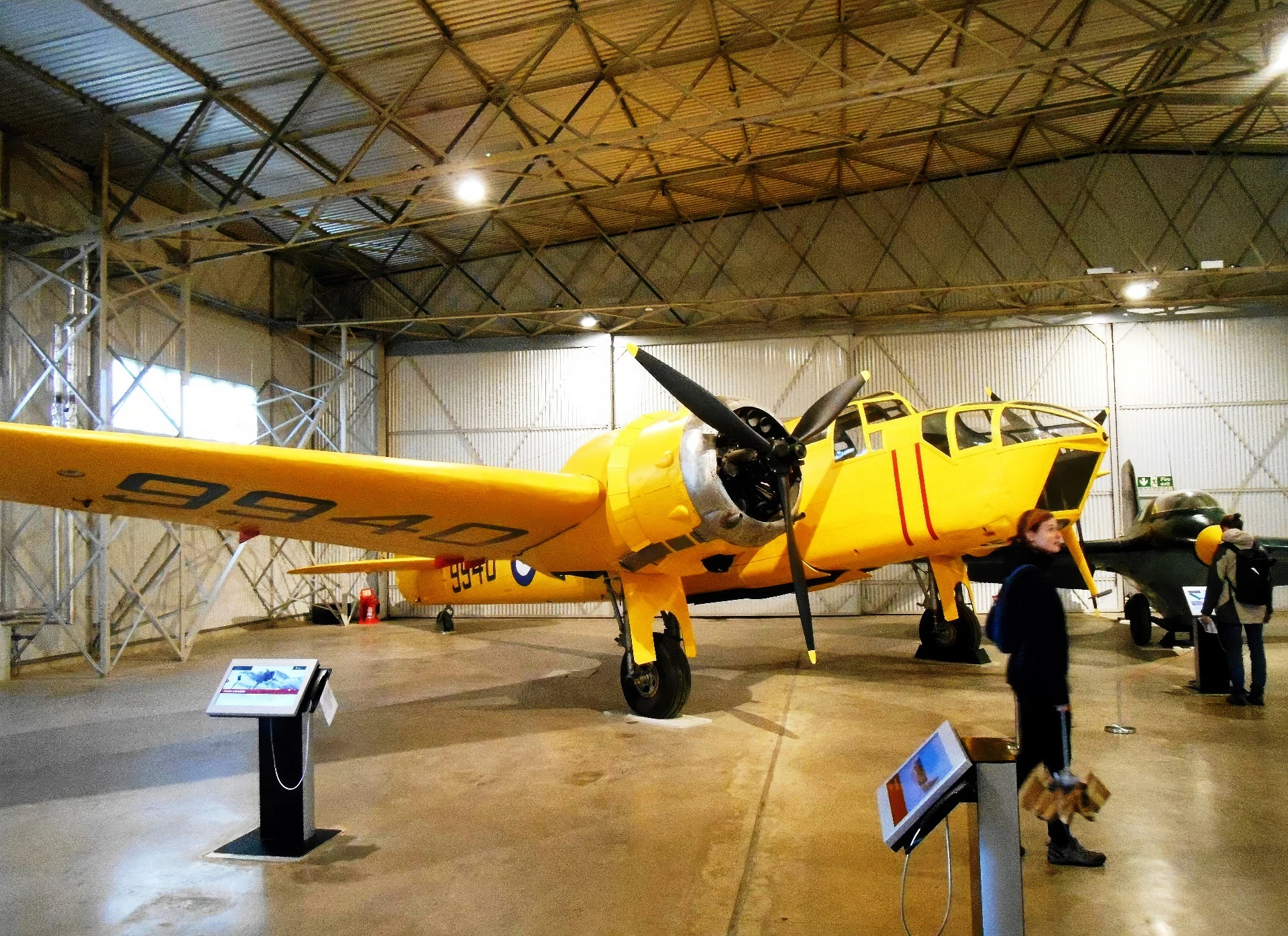
Bristol Bolingbroke Mk.IVT 01
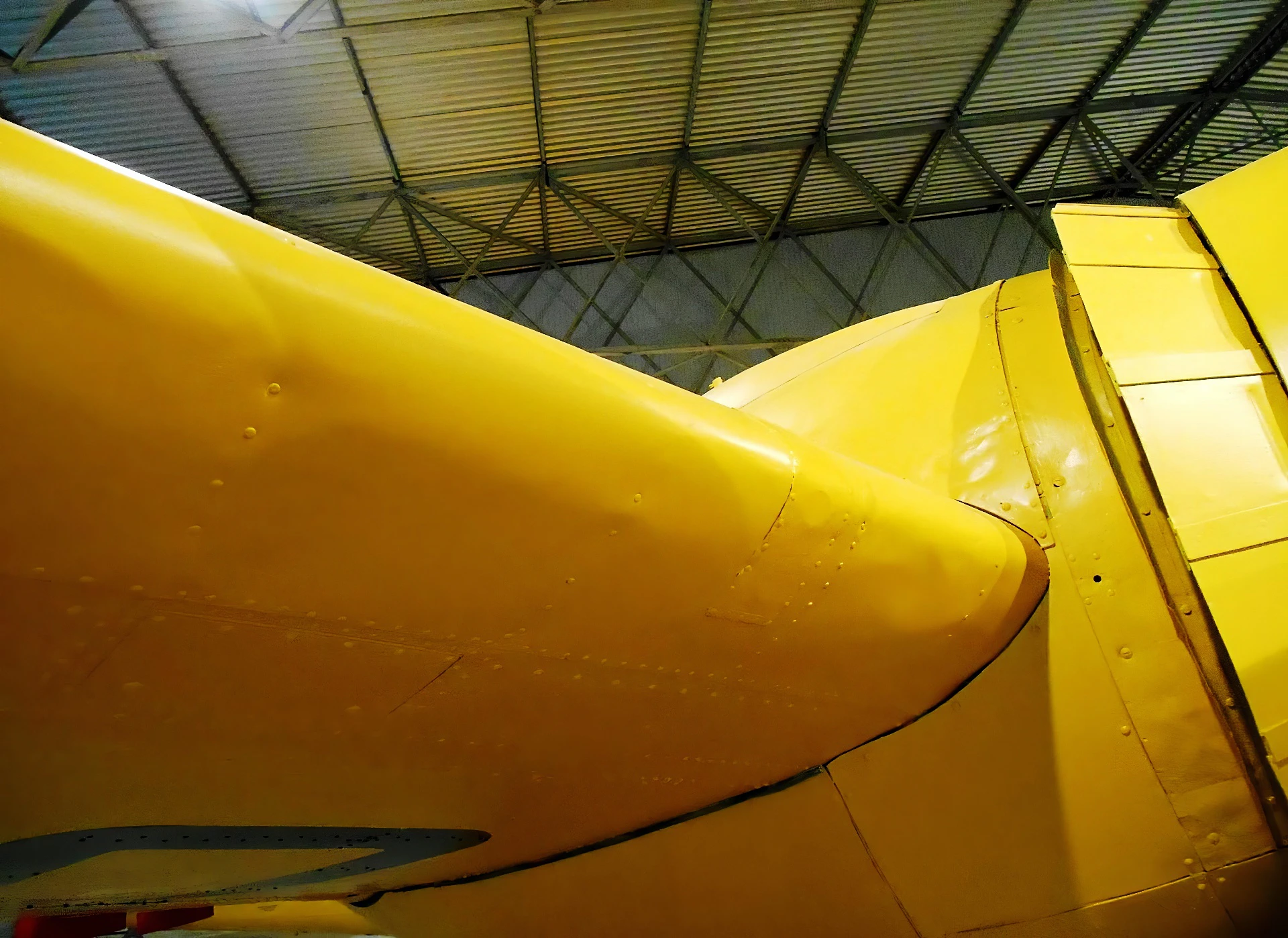
Bristol Bolingbroke Mk.IVT 03
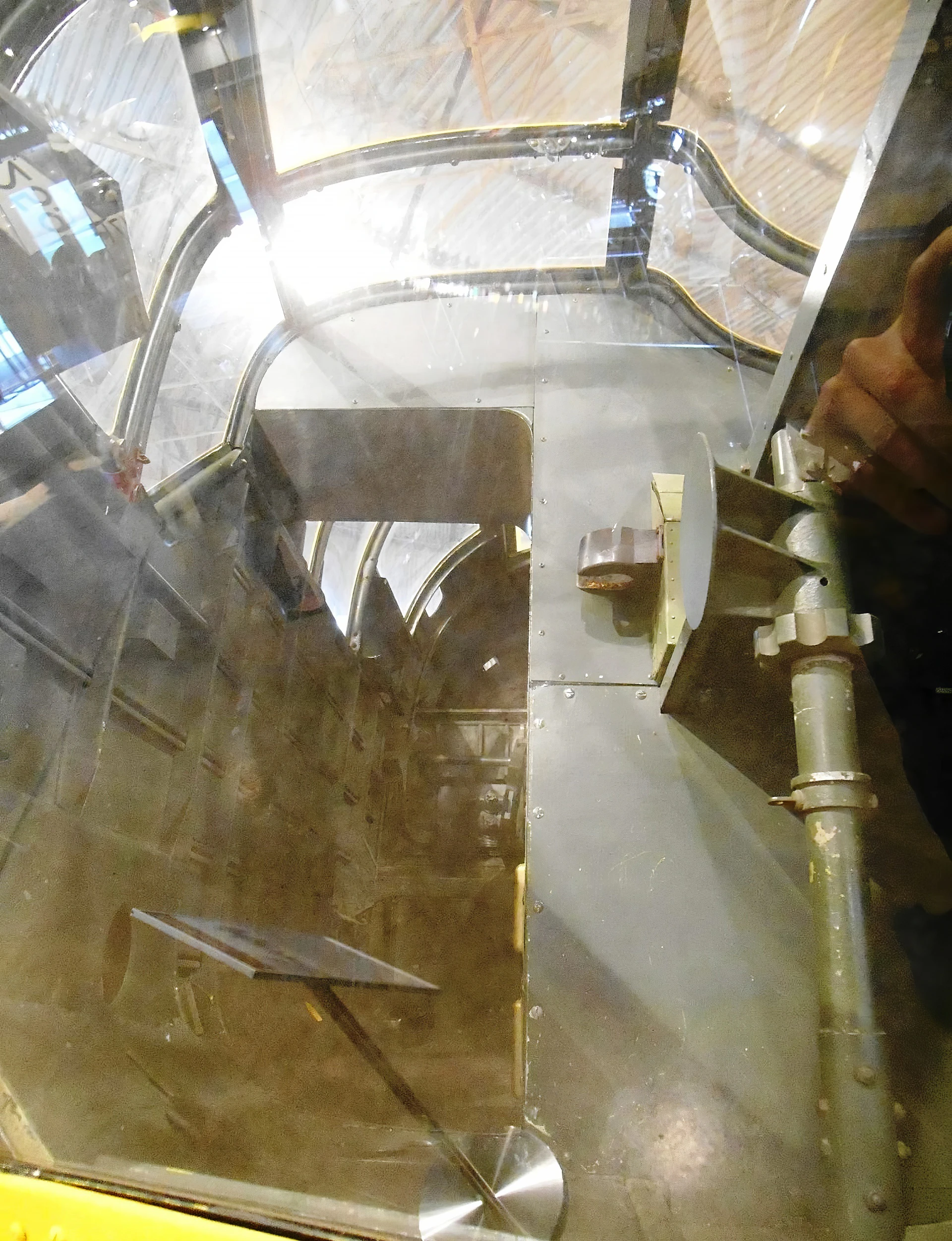
Bristol Bolingbroke Mk.IVT 04
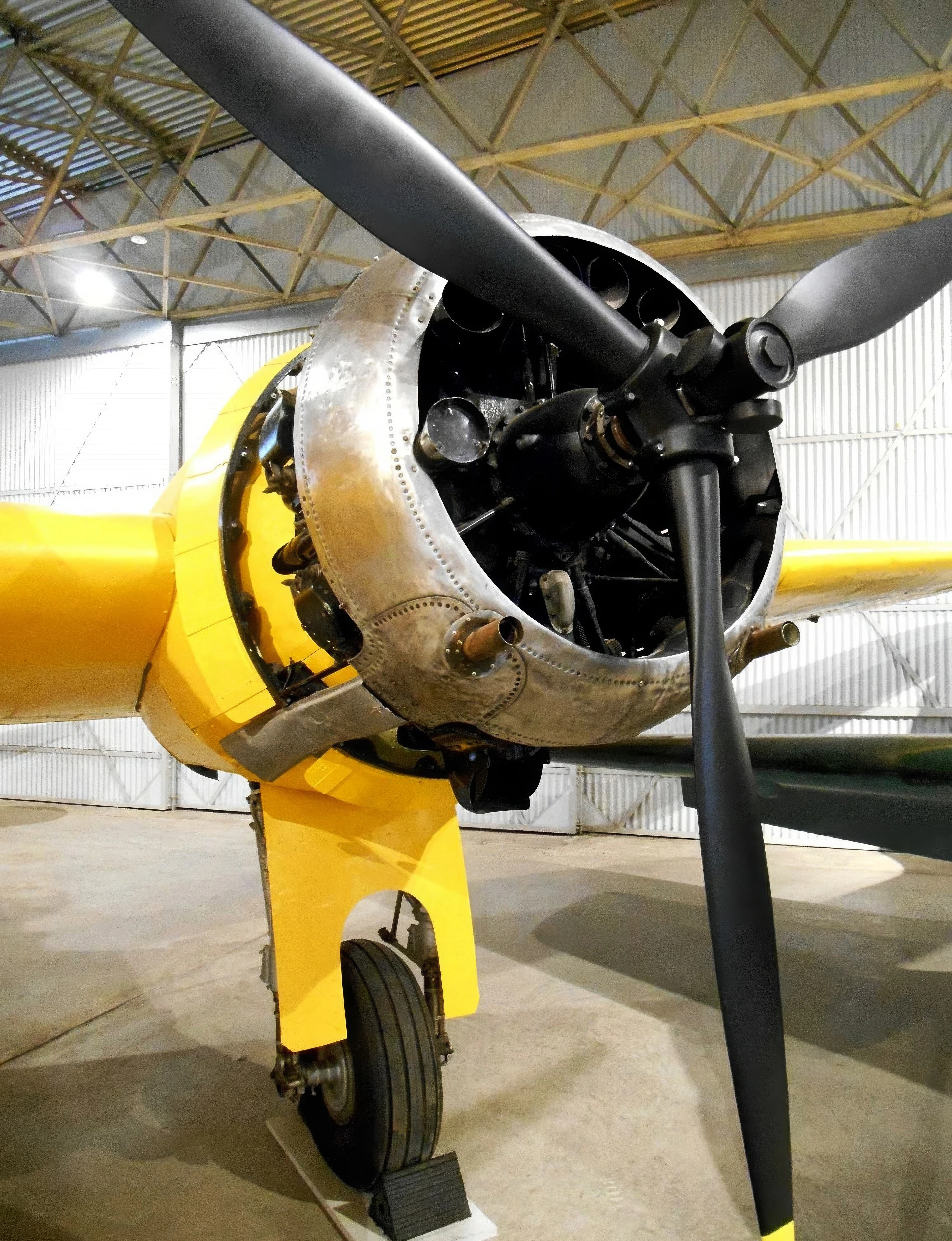
Bristol Bolingbroke Mk.IVT 05
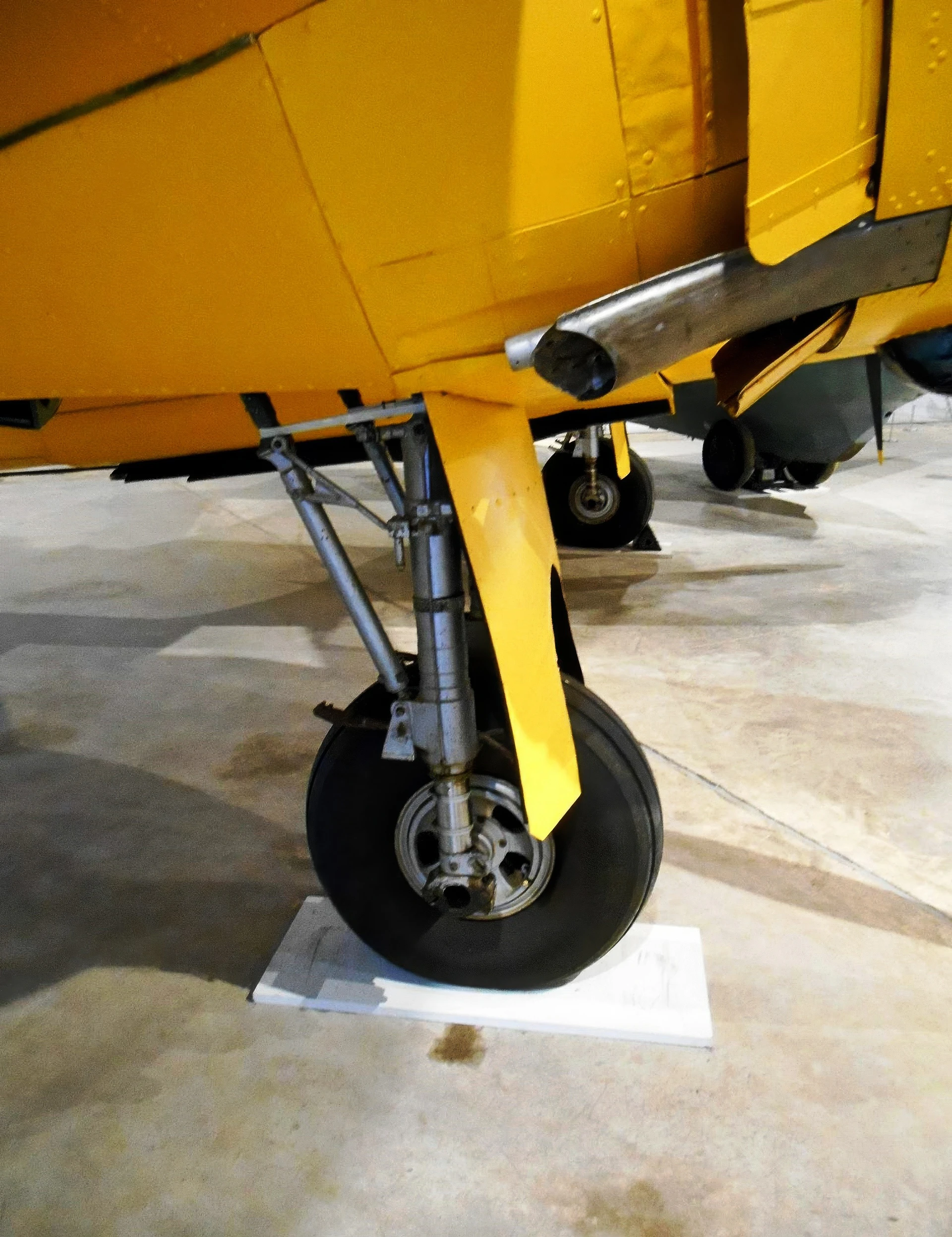
Bristol Bolingbroke Mk.IVT 07
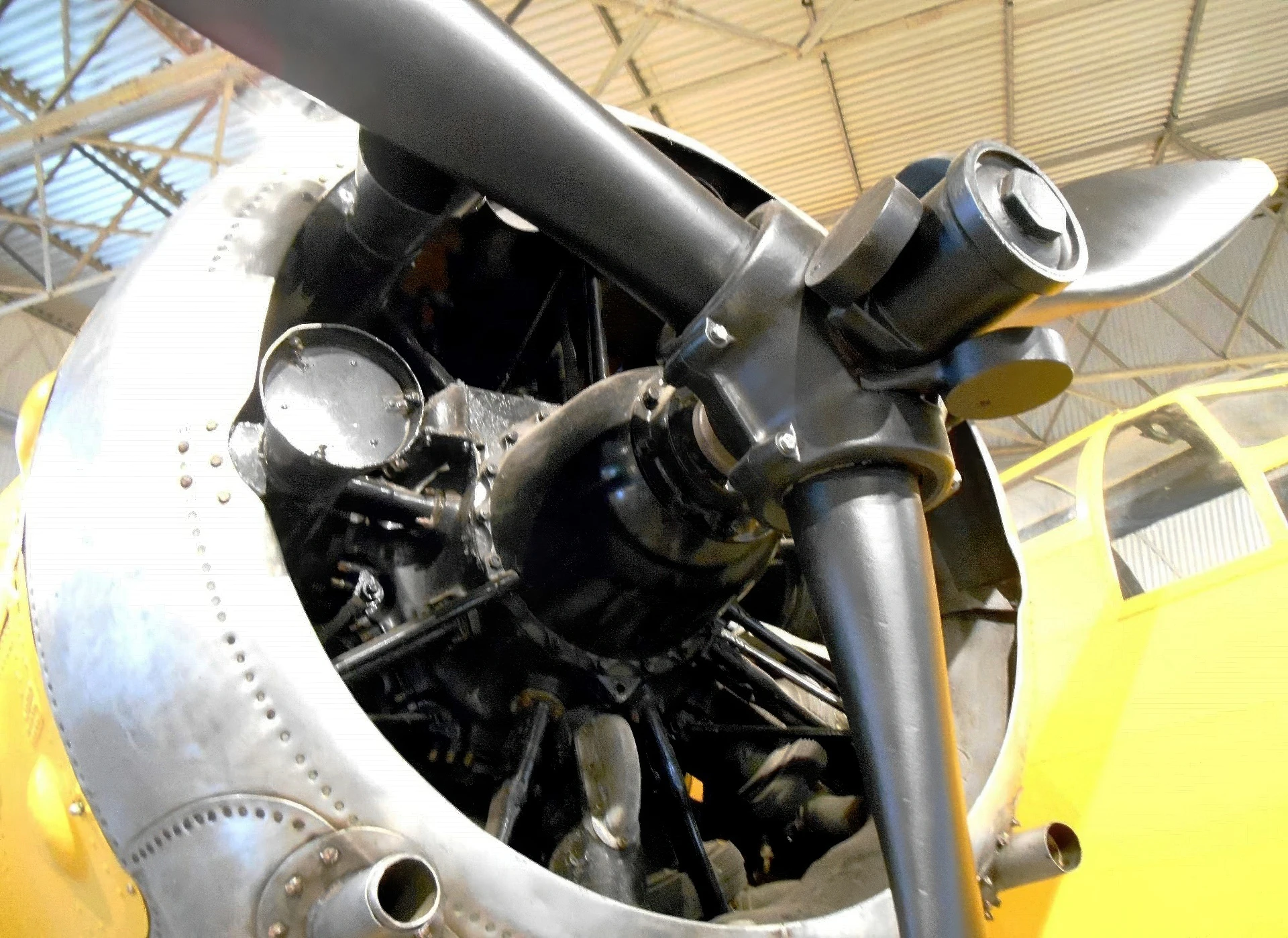
Bristol Bolingbroke Mk.IVT 06
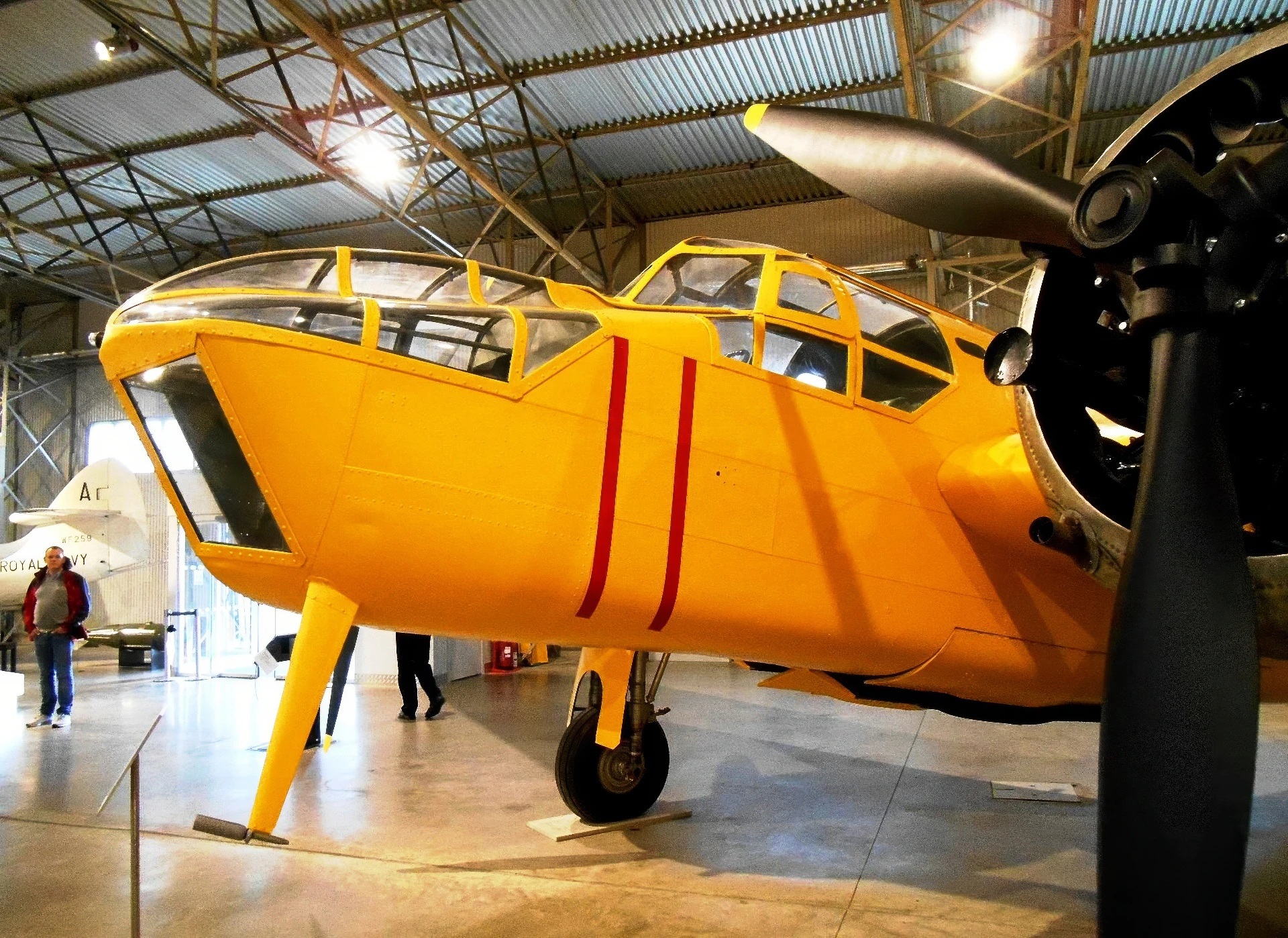
Bristol Bolingbroke Mk.IVT 08
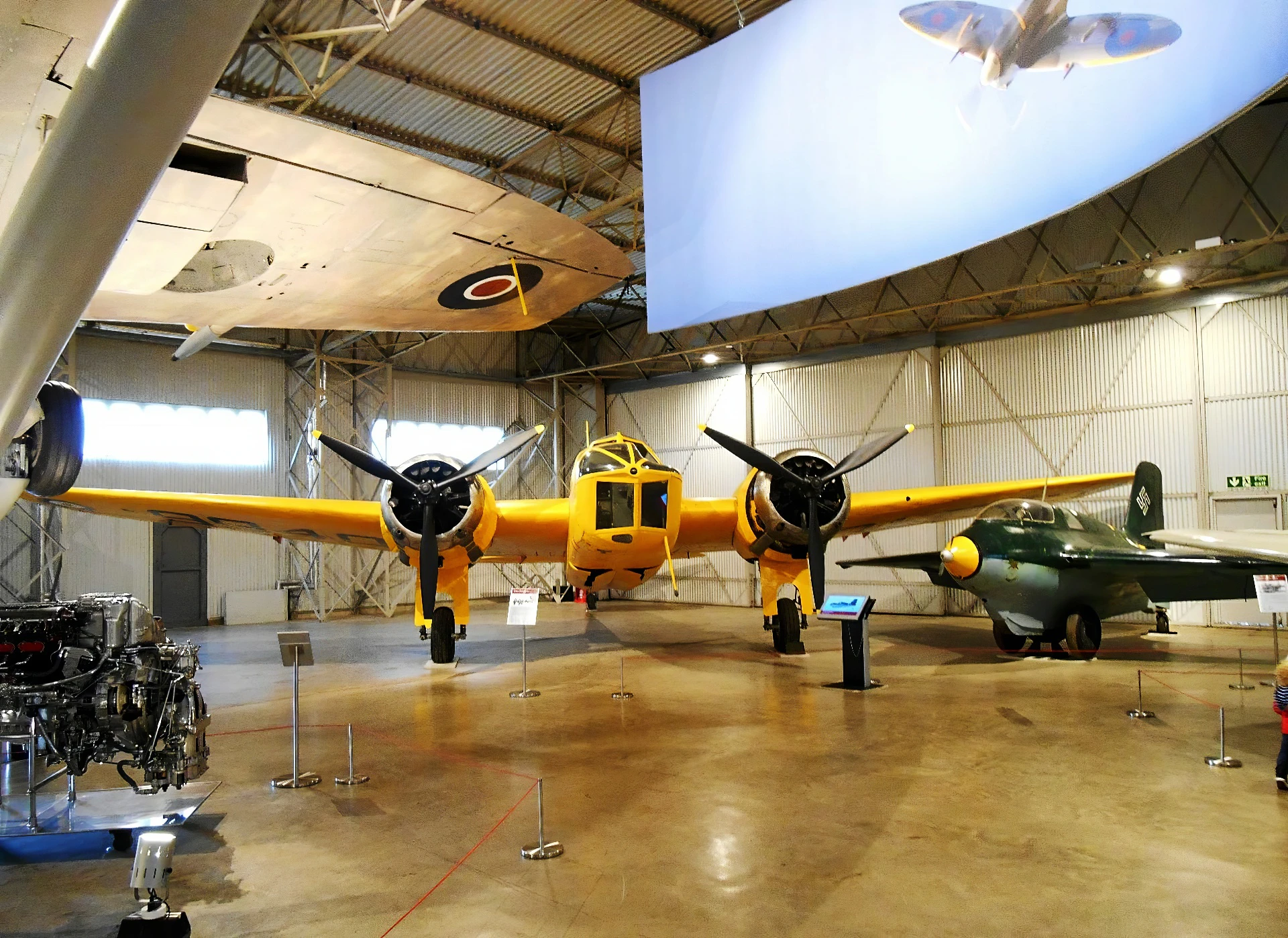
Bristol Bolingbroke Mk.IVT 09

Siehe auch:


Warten Sie, suchen Sie Bristol Bolingbroke für Sie...

General Characteristics (Fairchild-Canada Mk IV Variant)
The Bristol Bolingbroke was a Canadian license-built version of the British Bristol Blenheim Mk IV light bomber/maritime patrol aircraft. Built by Fairchild-Canada, it was adapted to meet the Royal Canadian Air Force (RCAF) requirement for a coastal reconnaissance and anti-submarine aircraft. It features a lengthened nose compared to the Blenheim I for improved bombardier space and pilot visibility.
| Property | Typical Value (Bolingbroke Mk IV) |
|---|---|
| Rolle | Maritime Patrol / Advanced Trainer / Target Tug |
| Hersteller | Fairchild Aircraft Ltd. (Canada) |
| First Flight (Canadian-Built) | September 14, 1939 |
| Crew | 3 (Pilot, Navigator/Bombardier, Wireless Operator/Gunner) |
| Länge | 13.03 m (42 ft 9 in) |
| Flügelspannweite | 17.17 m (56 ft 4 in) |
| Max Takeoff Weight | 6,532 kg (14,400 lb) |
Design and Powerplant
- Engines: Two Bristol Mercury XV 9-cylinder air-cooled radial piston engines.
- Power Output (each): Approximately 690 kW (925 hp) at take-off.
- Construction: One of the first all-metal, stressed-skin aircraft built in Canada.
- Variants: The most common production variant was the **Mk IV**, fitted with Canadian and American instruments. The **Mk IVT** was the primary multi-purpose trainer used extensively in the British Commonwealth Air Training Plan (BCATP).
- Naval Adaptation: Equipped with anti-icing boots and a dinghy for maritime operations.
Performance and Armament
- Maximum Speed: Up to 428 km/h (266 mph, 231 knots) at altitude.
- Cruise Speed: Approximately 319 km/h (198 mph).
- Service Ceiling: 8,310 m (27,260 ft).
- Range: 2,350 km (1,460 miles) with a 454 kg (1,000 lb) bombload.
- Fixed Armament: Typically one .303 in (7.7 mm) Browning machine gun in the port wing.
- Defensive Armament:
- Dorsal Turret: One or two .303 in (7.7 mm) machine guns (in a semi-retractable turret).
- Nose/Chin: Some variants carried a forward-firing or rear-firing gun in a blister/fairing.
- Bomb Load: Up to 540 kg (1,200 lb) internally, including general-purpose bombs and depth charges for anti-submarine missions.
Ansichten : 494
Sie können auch sehen:
 Bristol F.2 Fighter – Fotos & Videos
 Bristol Freighter – Fotos & Videos
 C-130J Hercules – Fotos und Videos
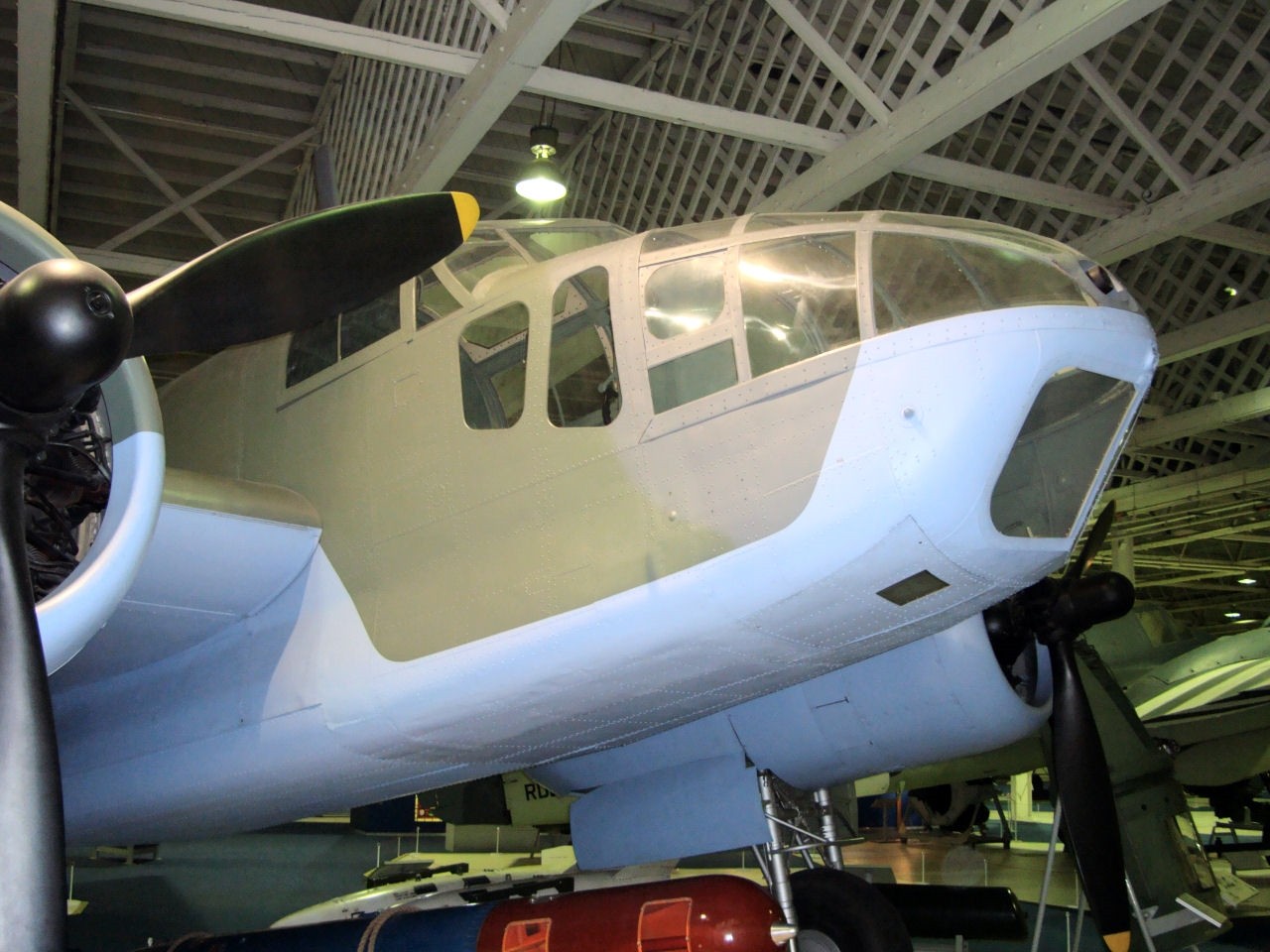 Bristol Beaufort – Fotos & Video
 PZL P.11 – WalkAround
 P-51 Mustang vol2 – Walk Around
 Bell P-63E KingCobra – WalkAround
 Vought F4U Corsair – WalkAround
 F4U-7 Corsair – WalkAround
 Douglas A-26 Invader – WalkAround