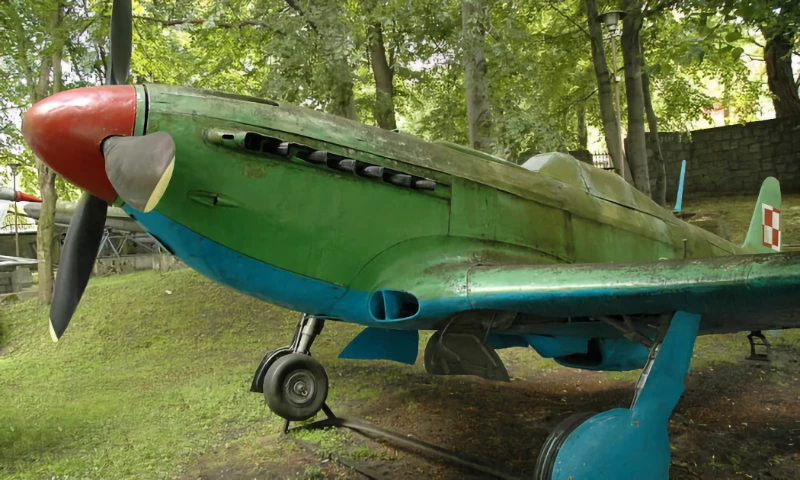
Yakovlev Yak-9 | |
|---|---|
| Land | URSS |
| Type | Kampfly |
| Første flyvning | Sommeren 1942 |
| Produktion | 16400+ |
Fotogalleri på en Yakovlev Yak-9, Yakovlev Yak-9 est un avion de chasse soviétique de la Seconde Guerre mondiale. Les premiers Yak-9 ankom i kampenheder for at deltage i den sovjetiske modoffensiv efter slaget om Stalingrad i vinteren 1943. Han blev hurtigt en stor kæmper i VVS sammen med Lavochkin La-5. I modsætning til sine forgængere svarede den relativt til Bf-109G og Fw-190A. Selvom det generelt var langsommere, var det mere manøvredygtigt.
Kilde: Yakovlev Yak-9 på Wikipedia
| Yakovlev Yak-9 | |
|---|---|
| Fotograf | Unknow |
| Lokalisering | Unknow |
| Billeder | 33 |
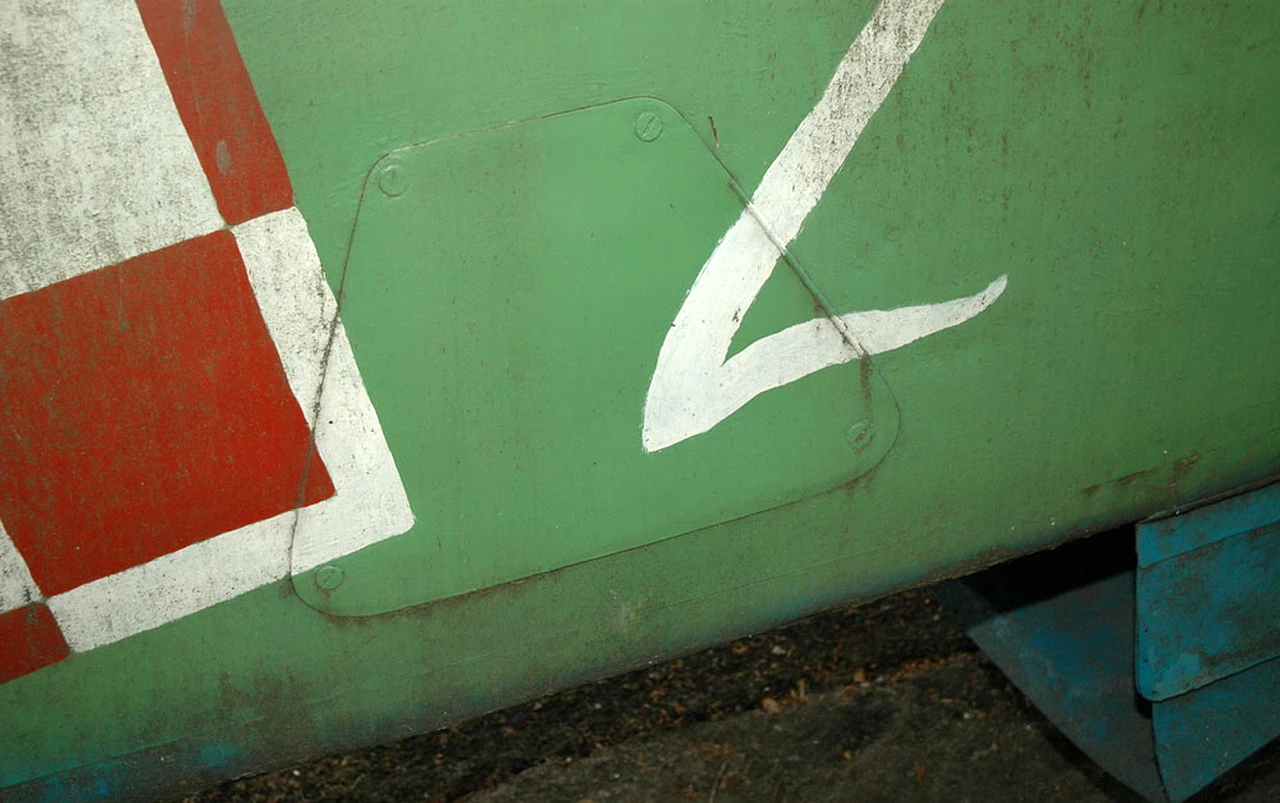
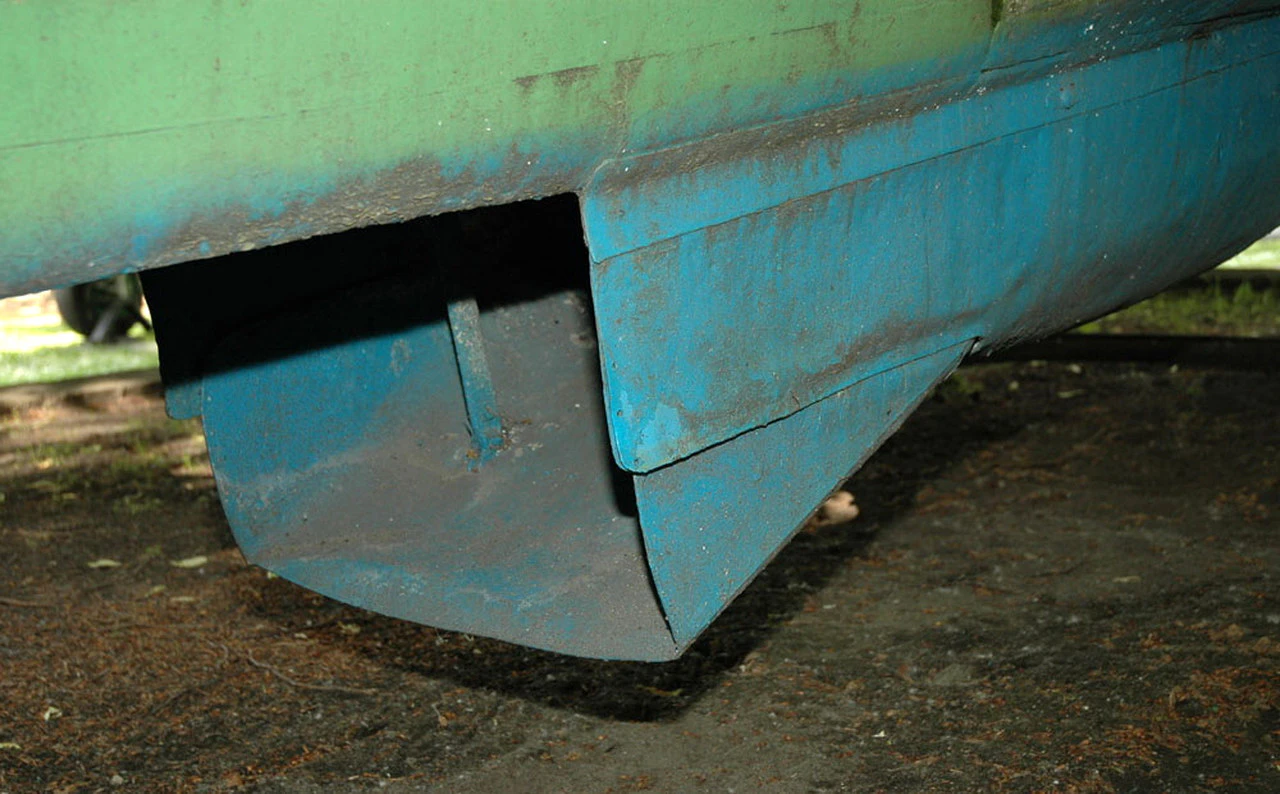
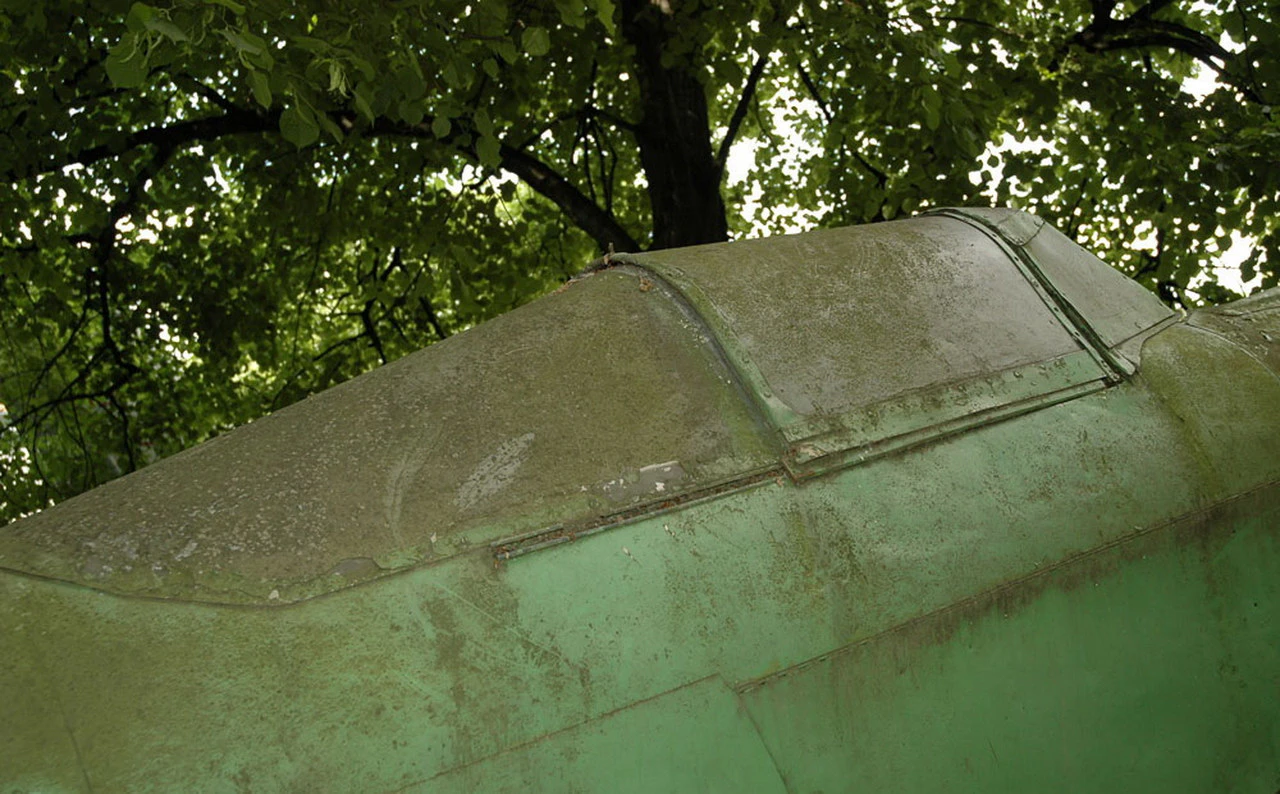
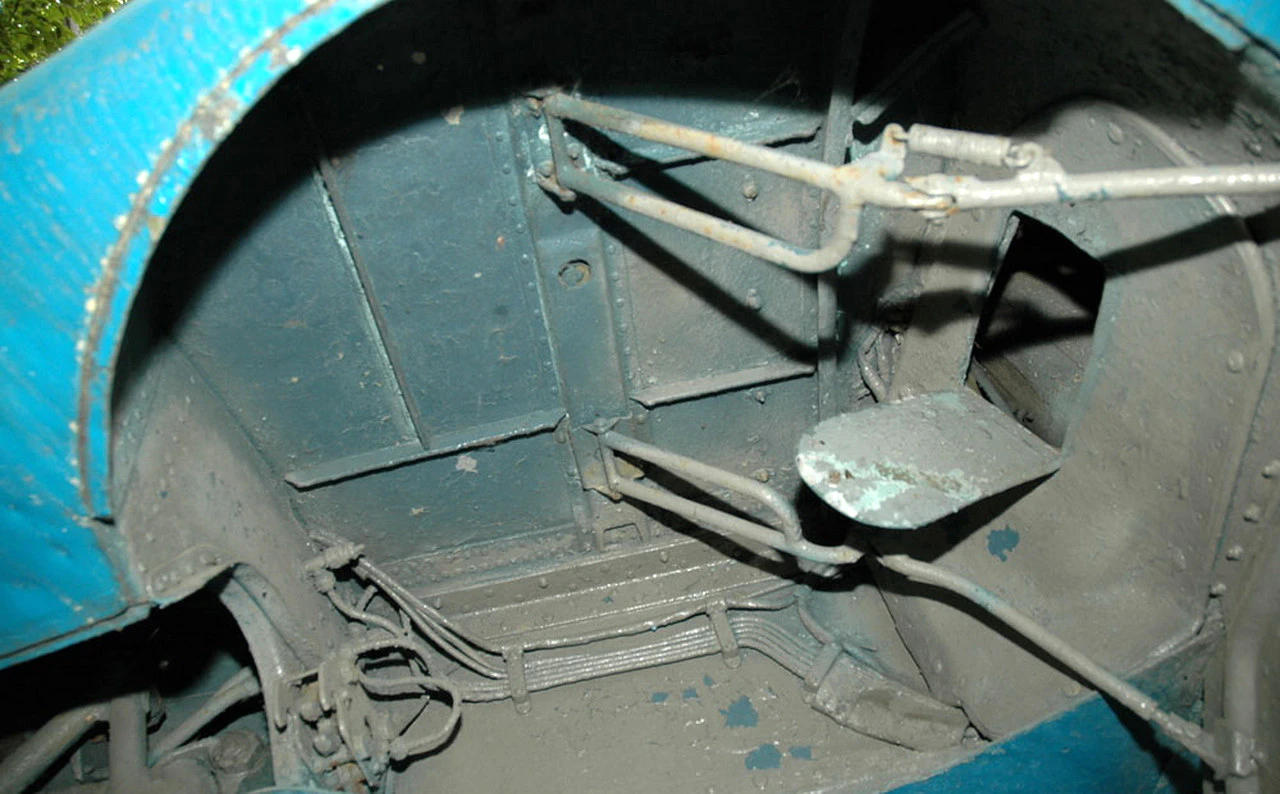
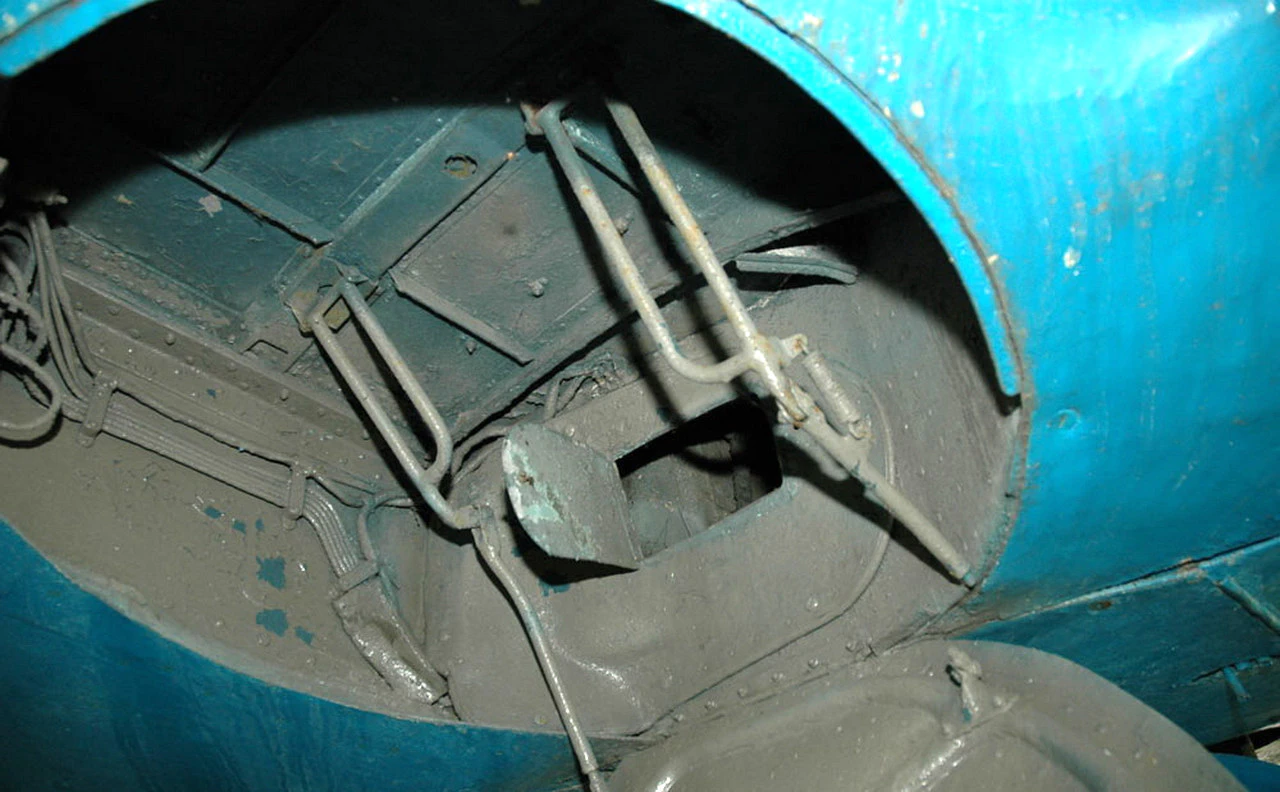
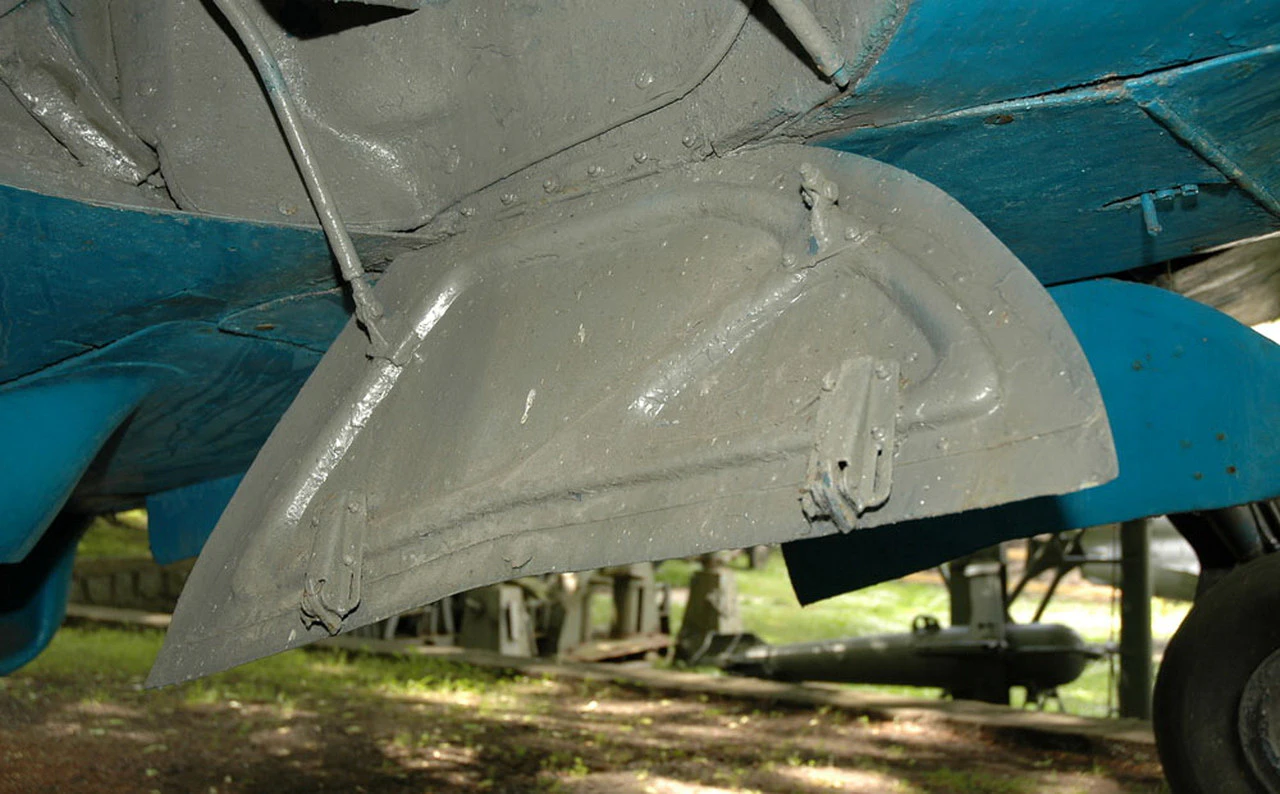
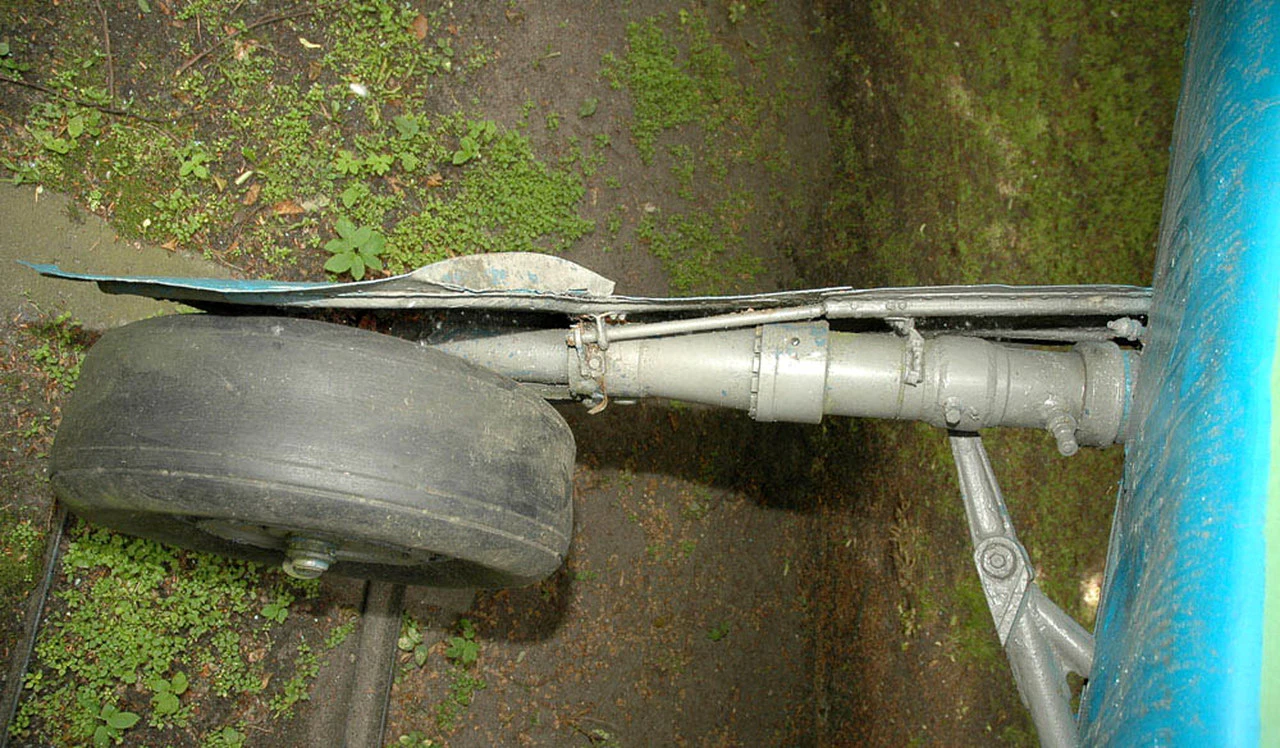
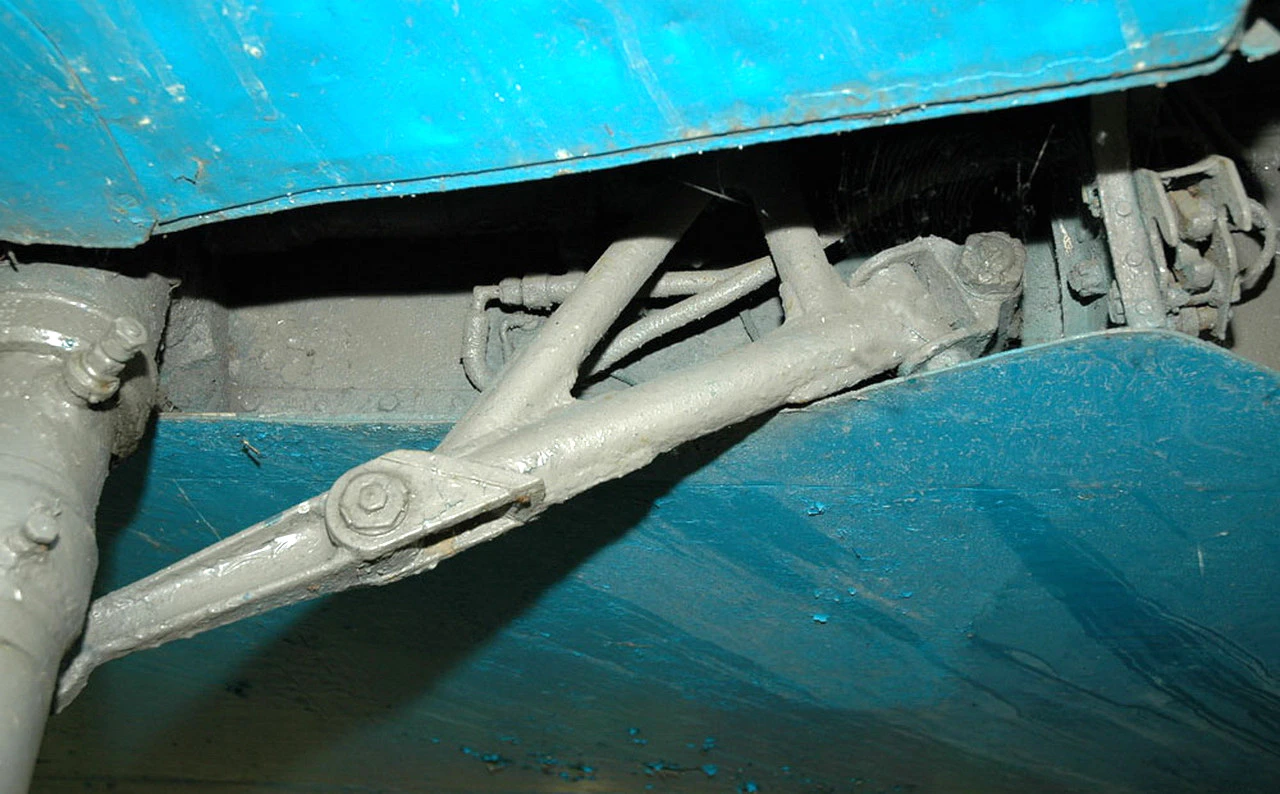
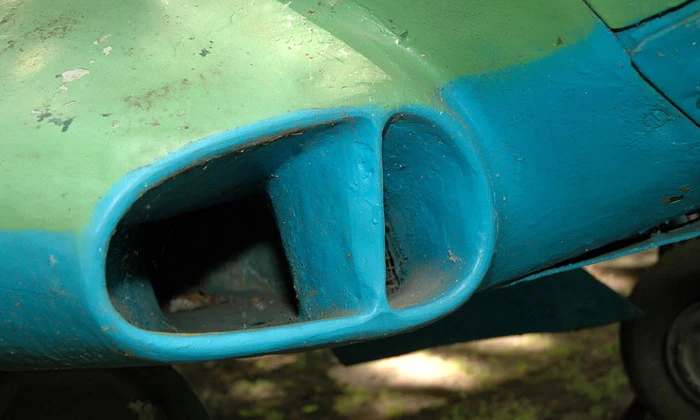

| Yak-9 gå rundt | |
|---|---|
| Fotograf | Dmitri Sribnyi |
| Lokalisering | Yakovlev Design Bureau museum |
| Billeder | 66 |
| Yak-9U gå rundt | |
|---|---|
| Fotograf | Jeff Herne |
| Lokalisering | Unknow |
| Billeder | 32 |
| Yakovlev Yak-9UM Walk Around | |
|---|---|
| Fotograf | Vladimir Yakubov |
| Lokalisering | Unknow |
| Billeder | 156 |
Se også:


| Yakovlev Yak-9 Walk Around | |
|---|---|
| Fotograf | Unknow |
| Lokalisering | Unknow |
| Billeder | 19 |
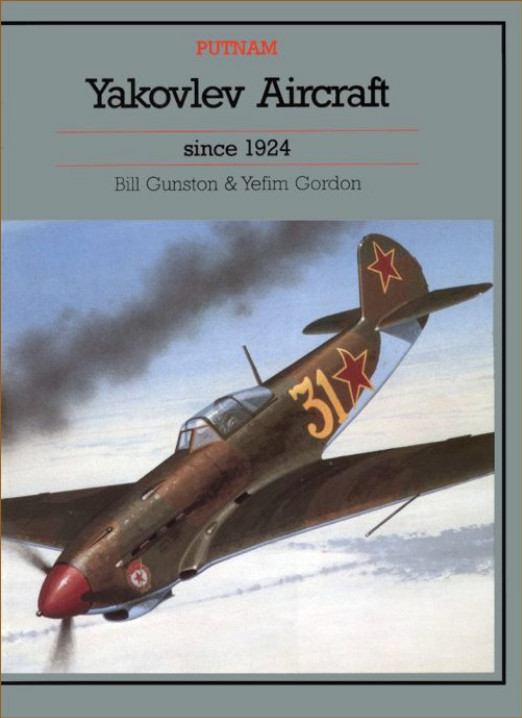
The Mass-Produced Masterpiece of the Eastern Front
Den Yakovlev Yak-9 was the definitive, most numerous, and most tactically flexible Soviet fighter aircraft of World War II. Entering the massive air battles over Stalingrad in late 1942, the Yak-9 was Alexander Yakovlev’s brilliant refinement of the earlier Yak-1 and Yak-7 series. It utilized lightweight duralumin to fix the structural weight problems of earlier wood-and-fabric Soviet designs. The result was a spectacularly agile, low-altitude dogfighter tailored perfectly to the specific demands of the Eastern Front, where nearly all air combat occurred under 15,000 feet to support ground troops. Cheap to manufacture, incredibly forgiving to fly for novice pilots, and rugged enough to operate from mud-churned front line grass strips, the Yak-9 wrestled air superiority away from the German Luftwaffe. It became the ultimate symbol of the rebirth and overwhelming industrial output of the Soviet Air Forces.
| Attribute | Technical Specification (Yak-9M Definitive Mid-War Baseline) |
|---|---|
| Rolle | Low-to-Medium Altitude Frontline Fighter / Interceptor |
| Besætning | 1 (Pilot) |
| Kraftværk | 1 × Klimov M-105PF V-12 liquid-cooled piston engine (1,180 hp) |
| Maximum Speed | 520 km/h (323 mph) at sea level | 591 km/h (367 mph) at 11,000 ft |
| Combat Weight | 2,875 kg (6,338 lbs) standard take-off weight |
| Operational Range | ~950 km (590 miles) internal fuel |
| Service Ceiling | 9,100 m (30,000 ft) |
| Standard Armament | 1 × 20mm ShVAK motor-cannon (firing through the propeller hub, 120 rounds) | 1 × 12.7mm Berezin UBS synchronized machine gun (200 rounds) |
| Production Legacy | 16,769 units built between 1942 and 1948, making it the most-produced Soviet fighter family of the war |
Design Engineering: Mixed-Material Resilience and the Motor-Cannon Core
- The Transition from Wood to Duralumin: Early in the war, Soviet metal reserves were severely limited, forcing aircraft designers to build planes mostly out of heavy pine wood and canvas fabric. By 1942, aluminum supplies stabilized, allowing Yakovlev to replace heavy wooden wing spars with thin, ultra-strong duralumin. This structural weight reduction allowed engineers to add larger fuel tanks and armor plating while actually improving the plane’s rate of climb and structural strength.
- The In-Line Motor-Cannon Concept: Unlike Western fighters that loaded their wings with heavy rows of machine guns, the Yak-9 centralized its punch. Its 20mm ShVAK autocannon was mounted directly between the engine cylinder banks, firing straight through the hollow central propeller hub. This concentrated all firepower perfectly down the center axis of the plane. It eliminated wing vibration and left the plane’s center of gravity untouched, ensuring laser-like accuracy during tight, high-speed banking turns.
- Rearward Cockpit Shift for Tactical Ergonomics: Beginning with the Yak-9D and M models, Yakovlev shifted the pilot’s cockpit nearly 16 inches backward along the fuselage spine. Combined with a fully transparent, low-profile bubble canopy, this design tweak dramatically improved the pilot’s field of vision both over the nose during landing runs and directly behind them—crucial for spotting sneaking Luftwaffe interceptors during messy dogfights.
- Extreme Tolerance for Frontline Hardship: The Yak-9 was intentionally engineered without complex or fragile hydraulic lines. Pneumatic air systems were used to operate the landing gear, brakes, and engine starters instead. This simplicity meant the plane could be fully serviced in sub-zero sub-arctic blizzards by mechanics using basic hand tools, operating entirely out of primitive dirt clearings without clean hangars.
Operational History: The Normandy-Niemen Regiment and Tank-Busting Variants
- The Tank-Busting “Flying Artillery” (Yak-9T): In 1943, the Soviets introduced the **Yak-9T**. This variant pulled out the standard 20mm center gun and shoved in a massive, high-velocity 37mm Nudelman-Suranov NS-37 autocannon. The recoil was so massive it could violently slow the plane down if fired in long bursts. However, a single 37mm shell could blow a German fighter to pieces instantly or pierce the thin top armor of Panzer IV and Tiger tanks during ground strafing runs.
- The Ultra-Heavy Cannon Experiment (Yak-9K): Pushing the motor-cannon concept to its absolute engineering limit, the experimental **Yak-9K** carried a monstrous 45mm cannon. The gun’s recoil was so punishing that it frequently cracked the engine oil lines and shattered cabin seals when fired at lower airspeeds. Because it required absolute precision and could easily damage its own airframe, it was built in limited numbers and reserved only for highly experienced elite aces.
- The Frenchmen of the Normandy-Niemen: In a unique show of wartime alliance, a group of free French fighter pilots volunteered to fight alongside the Red Army on the Eastern Front, forming the legendary *Normandy-Niemen* Regiment. Given the freedom to choose any Soviet or Western Lend-Lease aircraft, the French pilots overwhelmingly chose the nimble Yak-9 over American P-39s or British Hurricanes, using them to rack up over 270 confirmed aerial victories against the Luftwaffe.
- The Cold War Dawn and Korean War Deployment: The Yak-9’s operational history extended well beyond 1945. Upgraded, all-metal Yak-9P variants served as the backbone of several early Cold War satellite air forces. In 1950, North Korean Yak-9s flew the opening sorties of the Korean War, engaging in the conflict’s first air-to-air clashes against American propeller-driven F-82 Twin Mustangs and early F-80 Shooting Star jet fighters.
Views : 8820
Du kan også se:
 Yakovlev Yak-52 – Billeder & Video
 Yakovlev Yak-50 – Billeder & Video
 Yakovlev Yak-18 – Billeder & Video
 Yakovlev UT-2 – Billeder & Video
 Yak-11 – Billeder og video
 Yak-25 lommelygte – Billeder & Video
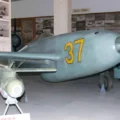 Yak-15 – Billeder & Video
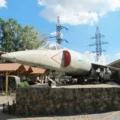 Yakovlev Yak-38 – Billeder & Video
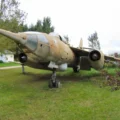 Yak-28 Firebar – Billeder & Video
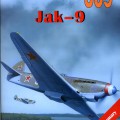 Yakovlev Yak-9 – Wydawnictwo 309
Denne Yak-9P er et billede af elendighed og fortvivlelse. Det er en skam, at noget sådant er muligt i Polen. En sådan værdifuld udstilling skal sikres og renoveres ordentligt. Det er stadig at håbe, at dette vil ændre sig en dag ...