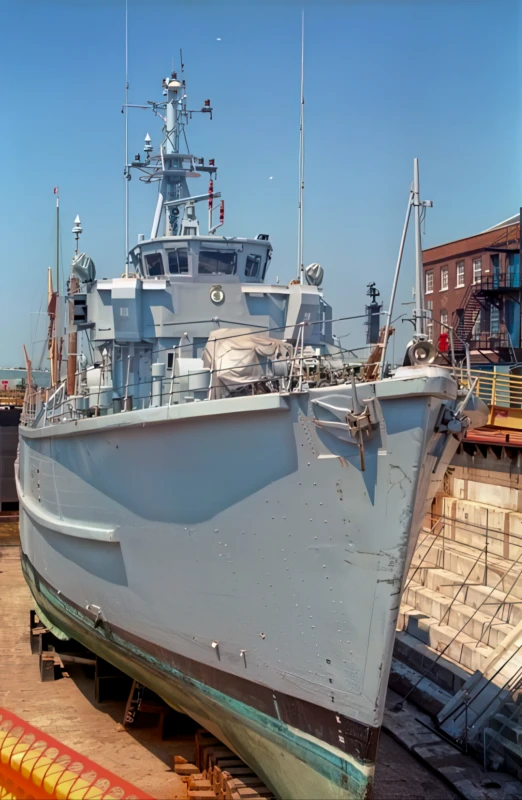
HMS Wilton | |
|---|---|
| Land | Uk |
| Klasse og type | Prototype coastal minesweeper/minehunter |
| Lanceret | 18 January 1972 |
| Ude af drift | 1994 |
HMS Wilton (M1116) was a prototype coastal minesweeper/minehunter for the Royal Navy.
Kilde: HMS Wilton on Wikipedia
| HMS Wilton – Wilton Class Minesweeper Walk Around | |
|---|---|
| Photographer | Unknow |
| Localisation | Unknow |
| Photos | 19 |
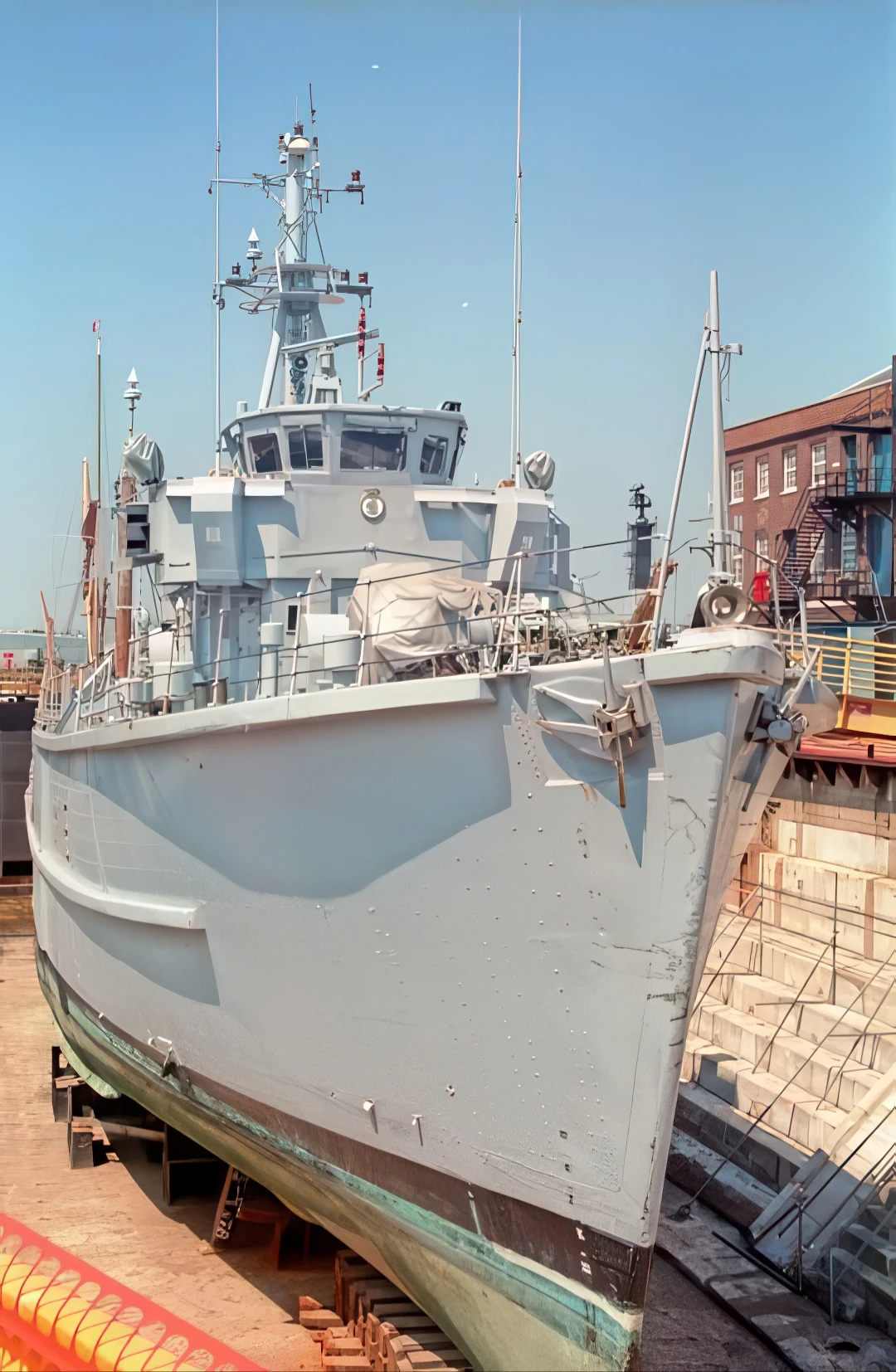
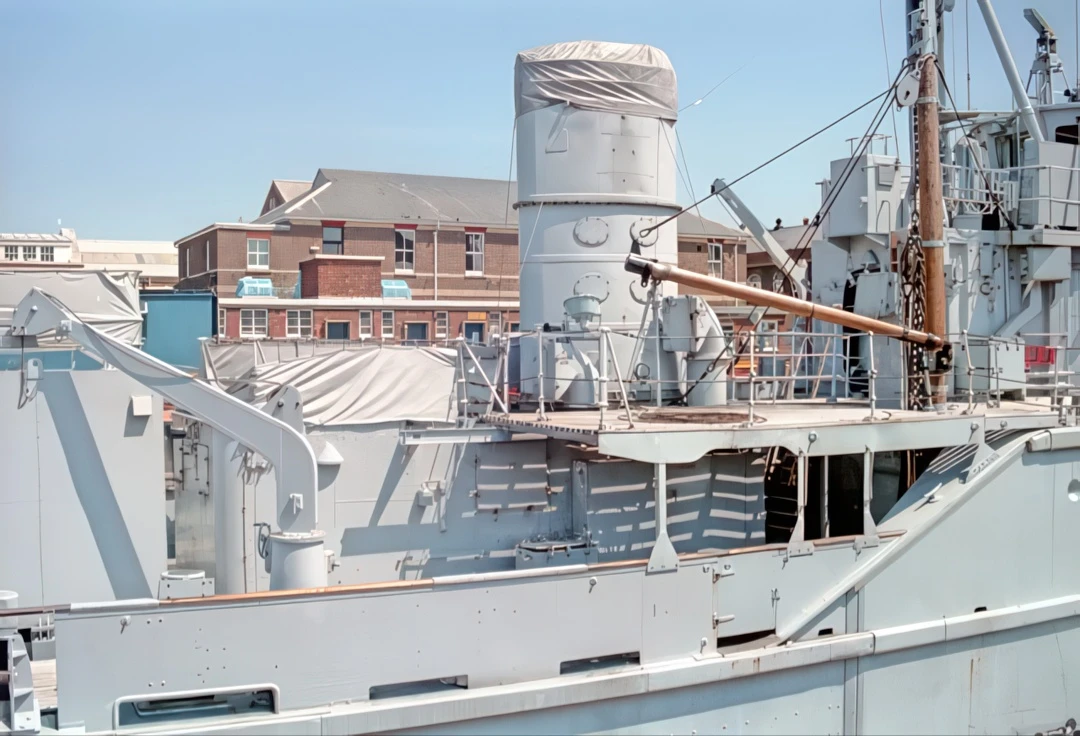
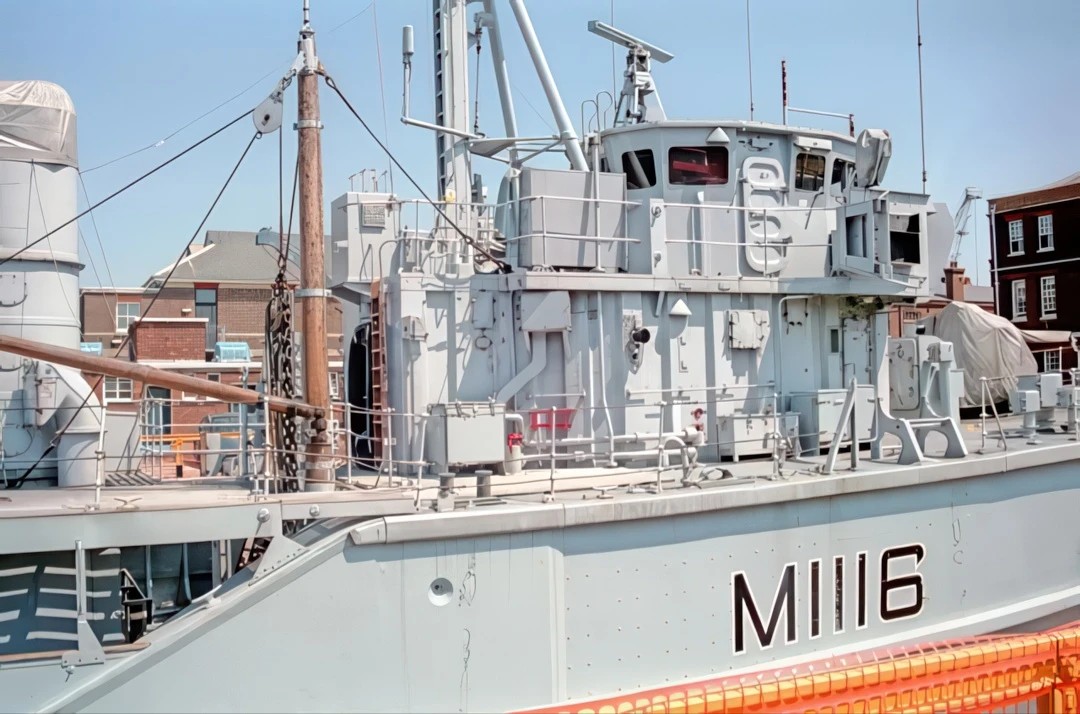
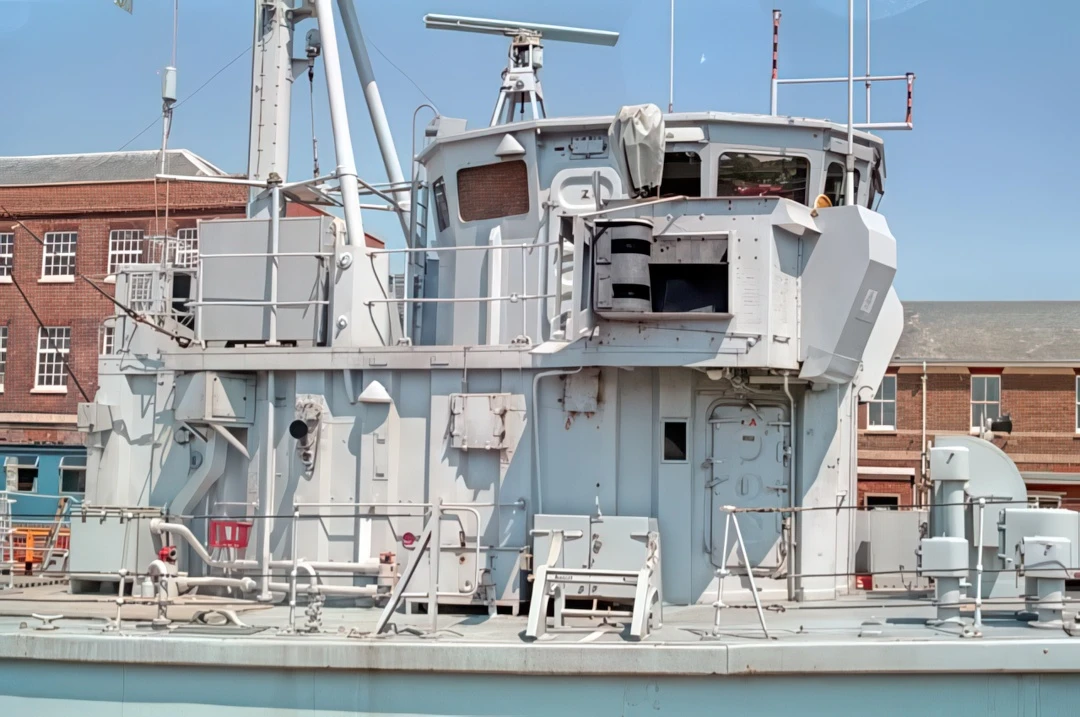
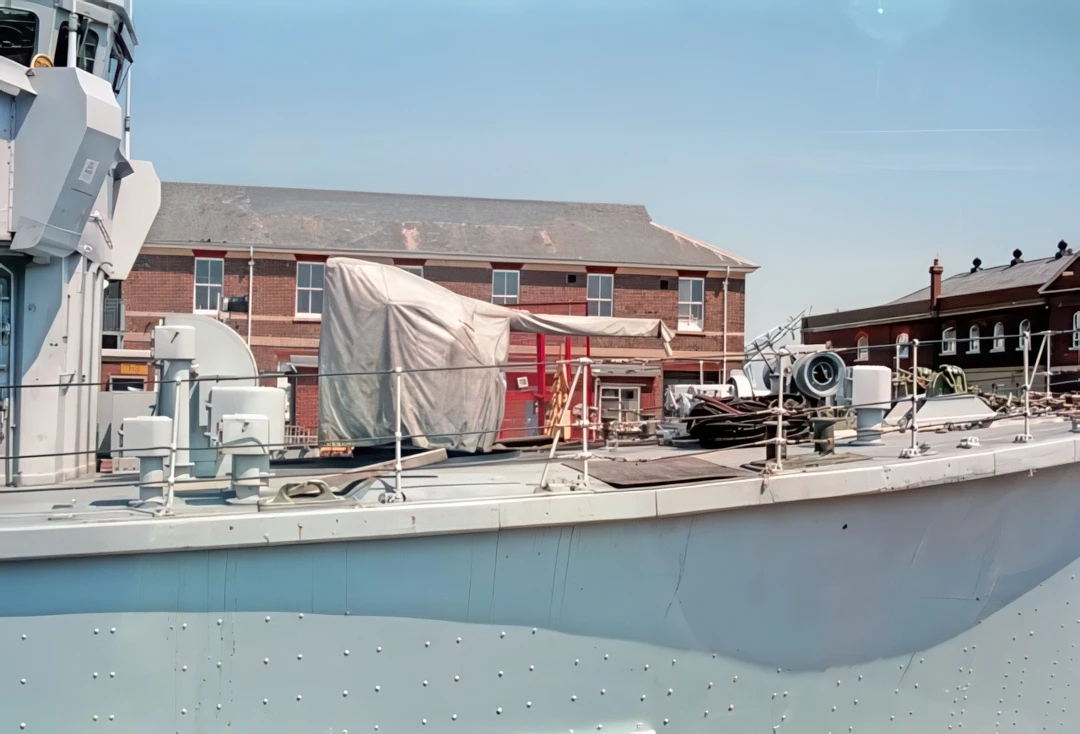
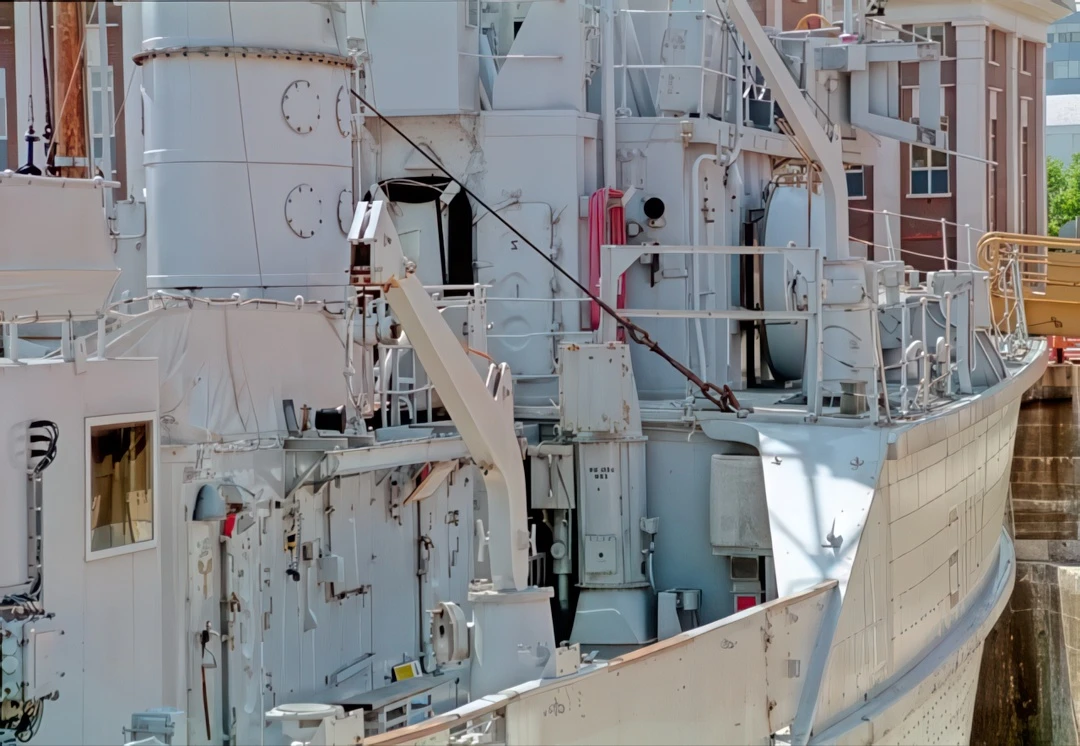
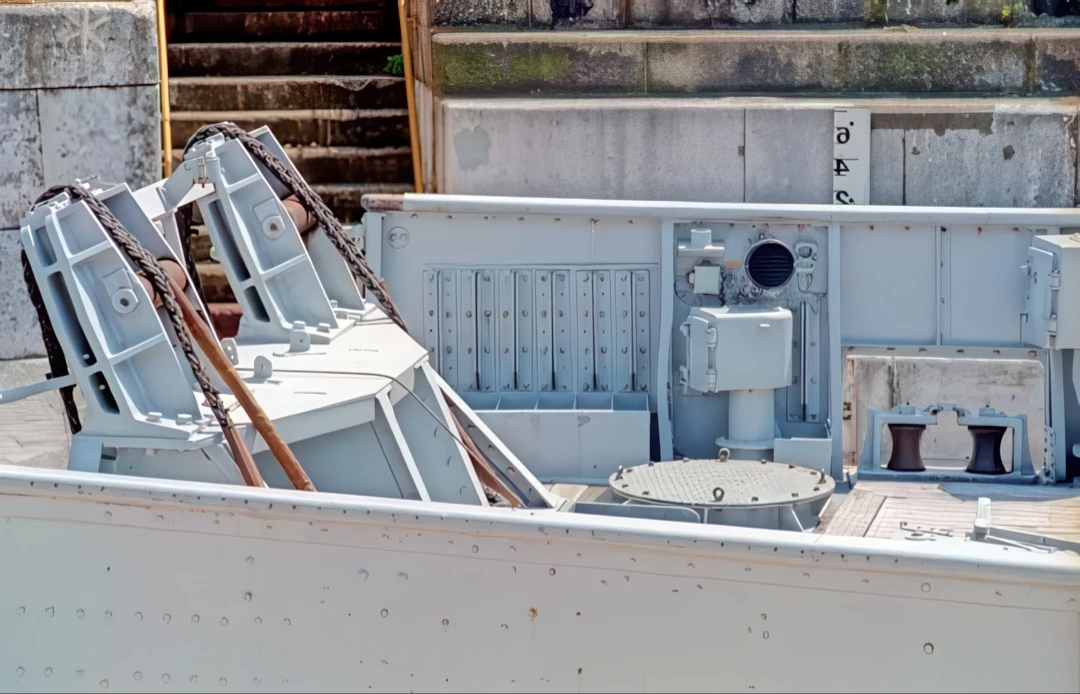
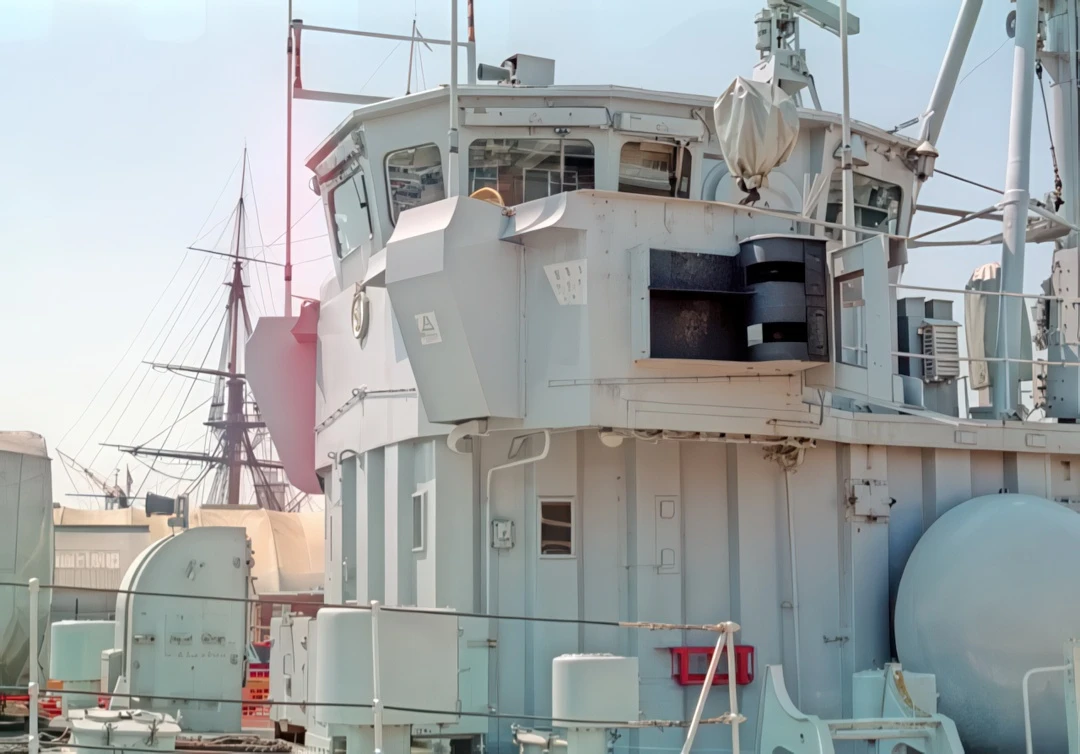
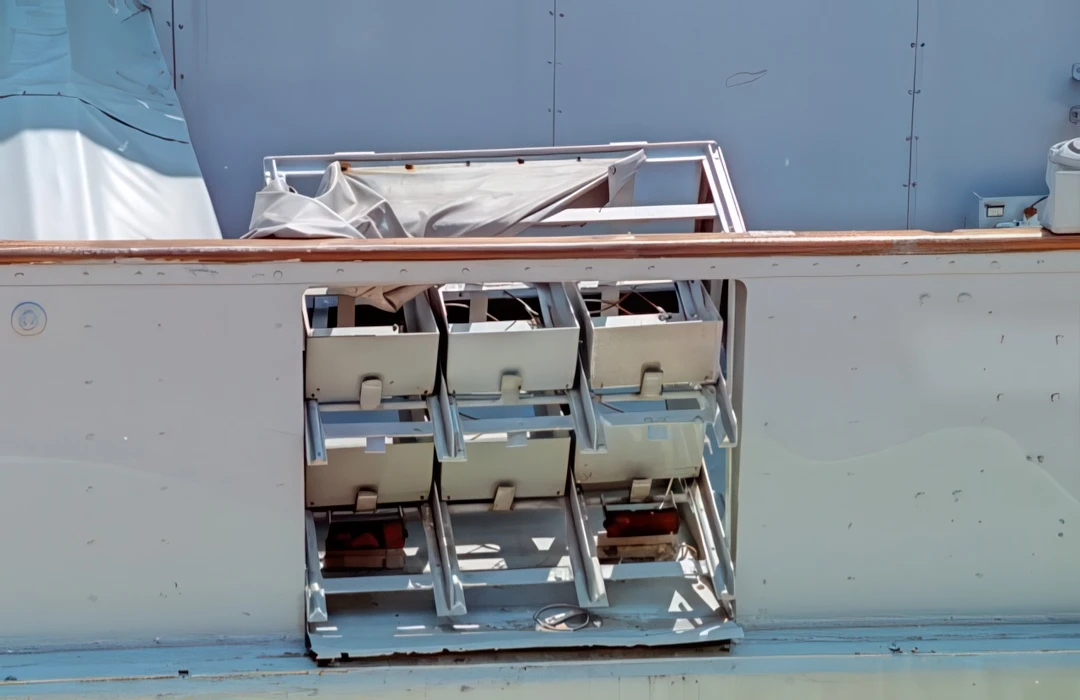

Se også:


The Glass Warship: Pioneer of Modern Mine Warfare
HMS Wilton (M1116) holds an incredibly historic position in naval architecture as the world’s first warship constructed entirely from glass-reinforced plastic (GRP), commonly known as fiberglass. Built for the Royal Navy in the early 1970s, this coastal minesweeper was structural experiment masquerading as a frontline ship. Mine warfare is uniquely perilous; modern naval mines detect the magnetic fields of steel-hulled ships or the acoustic vibrations of heavy machinery to detonate. By using the design lines of the existing wooden Ton-class minesweepers, HMS Wilton proved that a full-sized, non-magnetic plastic hull could survive the immense shocks of underwater explosions. This singular vessel paved the way for the composite hulls that define almost all modern mine countermeasures vessels today.
| Attribute | Technical Specification (HMS Wilton) |
|---|---|
| Rolle | Coastal Minesweeper / Experimental Minehunter |
| Besætning | ~30 officers and ratings |
| Hull Material | Monolithic Glass-Reinforced Plastic (GRP) |
| Propulsion | 2 × Deltic T18-27A twin-stroke diesel engines (3,000 bhp total); entirely non-magnetic build |
| Maximum Speed | 15 knots (28 km/h / 17 mph) |
| Displacement | 360 long tons standard | 450 tons full load |
| Dimensions | Length: 153 ft (46.6 m) | Beam: 28 ft (8.5 m) | Draft: 8.2 ft (2.5 m) |
| Bevæbning | 1 × Bofors 40mm/60 anti-aircraft gun (later upgraded/removed based on patrol duty) |
| Mine Countermeasures | Mechanical wire sweeps (Oropesa); Acoustic and Magnetic influence sweep arrays; Type 193 Sonar |
Design Engineering: Non-Magnetic Composites and Deltic Engines
- The GRP Composite Revolution: Prior to HMS Wilton, minesweepers were constructed of wood over aluminum frames to keep their magnetic signature low. Vosper Thornycroft engineered Wilton using a monolithic fiberglass structure. The hull was laid down in a massive, temperature-controlled laminating shop, using layers of glass-fiber cloth bound by a specialized polyester resin to form a incredibly tough skin that did not generate a magnetic footprint.
- Surviving the Shockwave: A primary concern with plastic construction was whether the hull would split or shatter under the intense hydrostatic shock of a near-miss underwater explosion. Engineers conducted brutal shock-testing on GRP mock-ups, demonstrating that the composite hull was actually more flexible and resilient than steel or wood, absorbing explosive pressures without breaking its watertight integrity.
- The Exotic Napier Deltic Engine: To eliminate magnetic metals from the engine room, the ship was powered by specialized Napier Deltic diesel engines. Featuring an unconventional triangular configuration with opposing pistons and three crankshafts, these compact engines were constructed almost entirely from non-magnetic aluminum alloys and stainless steels, ensuring the machinery wouldn’t trigger magnetic sensors beneath the waves.
- Total Magnetic Discipline: Achieving a non-magnetic warship required fanatical attention to detail during construction. Every screw, bolt, pipe fitting, electrical conduit, and galley tool had to be meticulously screened. Standard iron and steel components were replaced with phosphor-bronze, aluminum-bronze, brass, or specialized non-magnetic plastics throughout the vessel.
Operational History: From Active Fleets to a Floating Yacht Club
- The Ultimate Prototype Evaluation: Commissioned in 1973, HMS Wilton spent her early years undergoing intensive evaluation cruises with the Royal Navy’s mine countermeasure squadrons. She operated directly alongside traditional wooden ships, demonstrating that her composite hull required significantly less structural maintenance, didn’t suffer from wood rot, and held up flawlessly against the harsh corrosiveness of saltwater.
- Clearing the Suez Canal (Operation Rheostat): HMS Wilton saw critical frontline service in 1974 when she was deployed to the Mediterranean and Egypt. As part of a multinational task force, she helped clear thousands of explosive mines and unexploded ordnance from the Suez Canal following the Arab-Israeli wars, successfully reopening the vital global shipping lane to international commerce.
- The Blueprint for the Hunt Class: The operational data gathered from HMS Wilton was so overwhelmingly positive that it directly shaped the future procurement strategy of the Royal Navy and allied navies. Her testing led directly to the creation of the larger Hunt-class and Sandown-class minehunters, solidifying fiberglass as the mandatory standard material for mine countermeasure vessels worldwide.
- A Unique Floating Retirement: After being decommissioned by the Royal Navy in 1994, the historic hull was spared from the breaker’s yard. Her durable, rot-proof fiberglass hull made her an ideal permanent structure. In 2001, the vessel was purchased, partially dismantled, and towed to the River Thames in Essex, where she continues to serve today as the permanent floating clubhouse for the Essex Yacht Club.
Visninger : 59
Du kan også se:
 USS Wisconsin (BB-64) - Billeder og videoer
 USS Croaker - Billeder og videoer
 PTF-17 Patrol Torpedo Fast Boat – Billeder og videoer
 JDS Sawayuki – Billeder & Videoer
 USS Pampanito (SS-383) - Billeder og videoer
 USS Slater - Billeder og videoer
 USS Bowfin SS-287 - Billeder og video
 USS Stockdale (DDG-106) – Billeder og video
 HMAS Anzac (FFH 150) – Fotos og video
 USS Massachusetts BB-59 - Billeder og video