Den Arado Ar 234 Blitz(English: lightning) was the world’s first operational jet-powered bomber, built by the German Arado company in the closing stages of World War II.
Produced in very limited numbers, it was used almost entirely in the reconnaissance role, but in its few uses as a bomber it proved to be nearly impossible to intercept. It was the last Luftwaffe aircraft to fly over Britain during the war, in April 1945
Den Arado Ar 234 Blitzwas a technological marvel that entered service in the final year of World War II. While the Me 262 was the world’s first jet fighter, the Ar 234 was its bomber and reconnaissance counterpart. It was so fast that Allied piston-engine fighters found it virtually impossible to intercept. Originally designed as a reconnaissance platform, its ability to photograph Allied positions with impunity made it the most effective intelligence-gathering tool in the Luftwaffe’s arsenal during the Ardennes Offensive and the defense of the Rhine.
Attribute
Technical Specification (Ar 234 B-2)
Rolle
Jet Bomber / Reconnaissance Aircraft
Besætning
1 (Pilot)
First Flight
June 15, 1943
Kraftværk
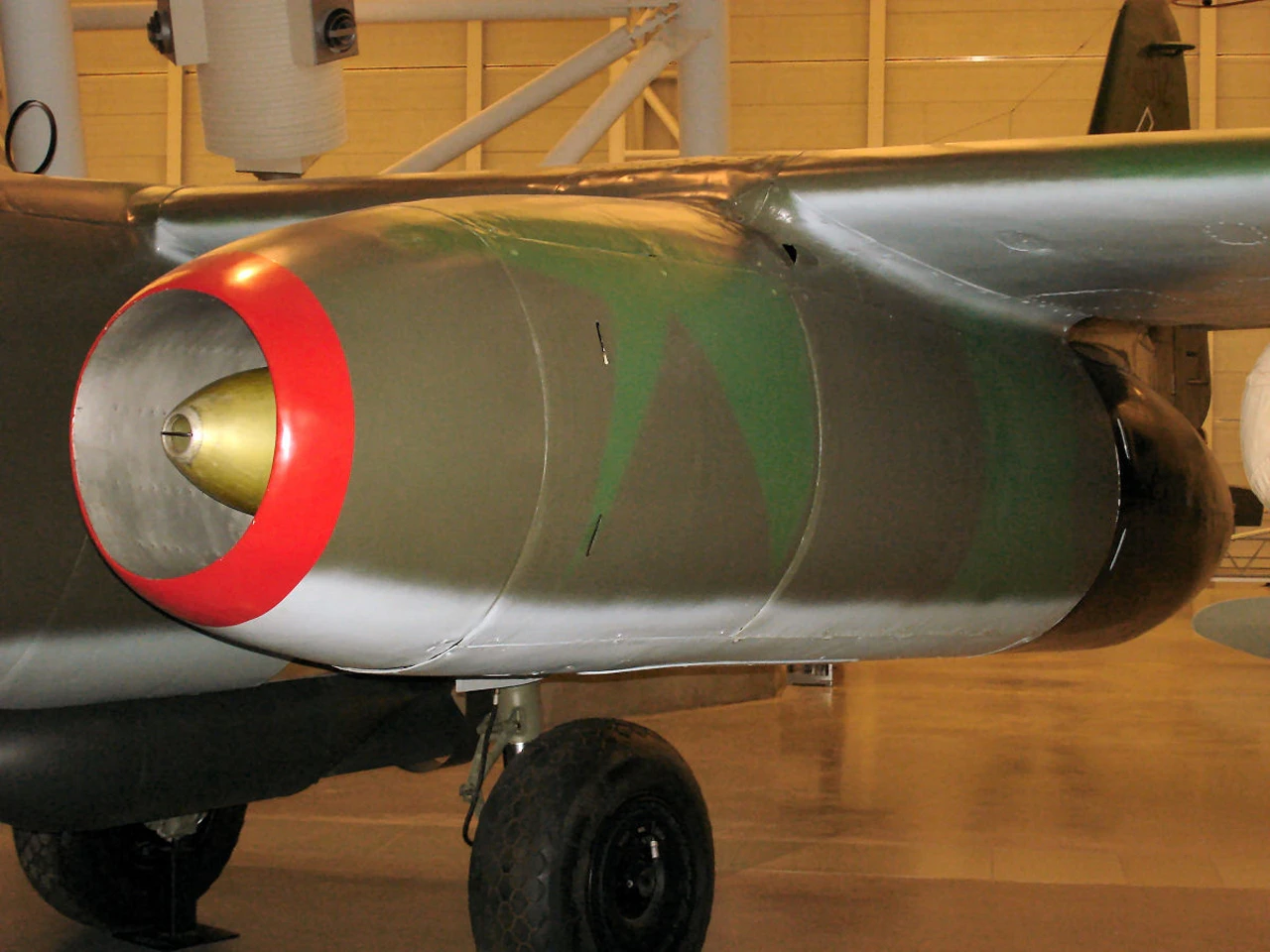
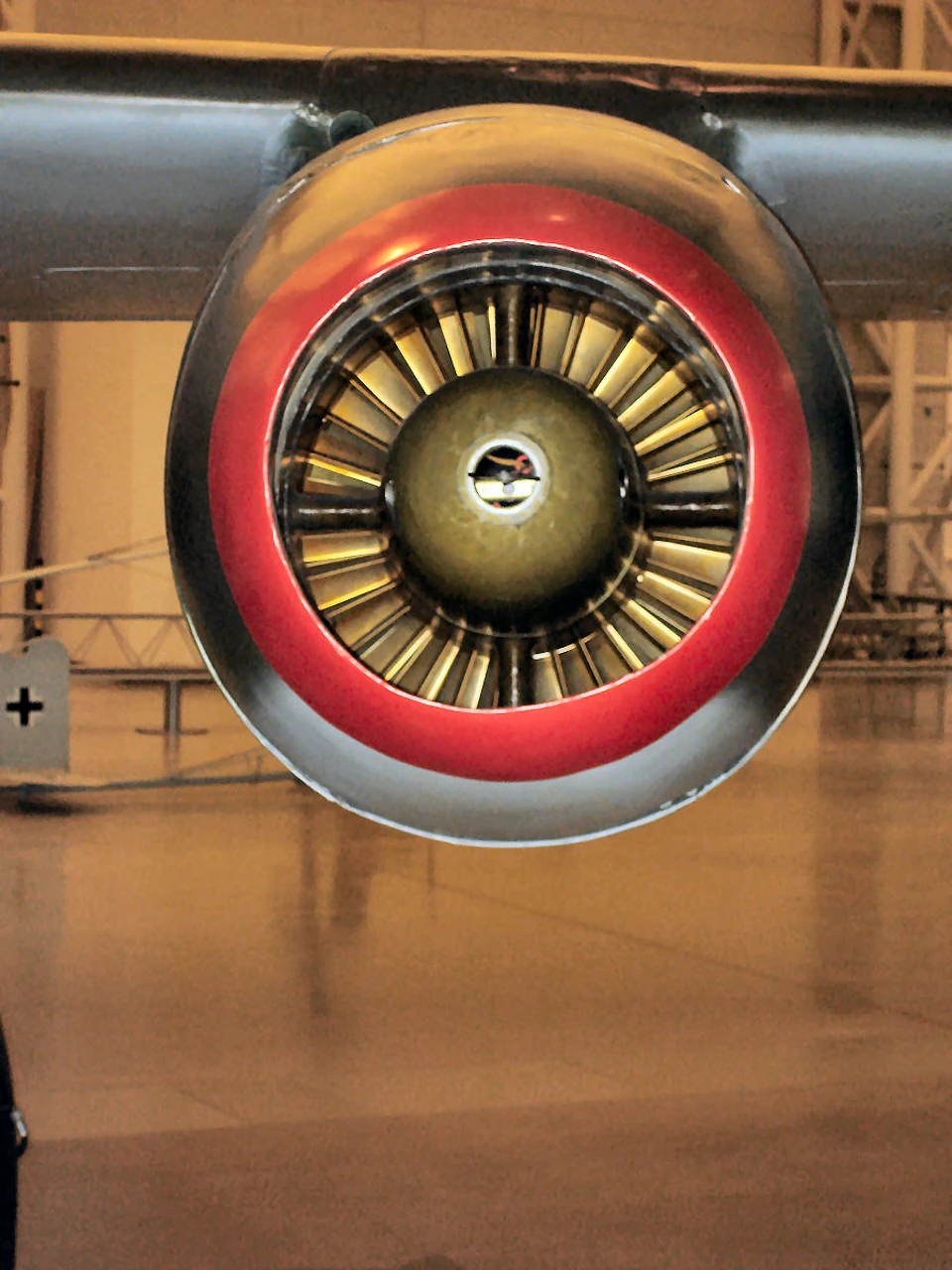
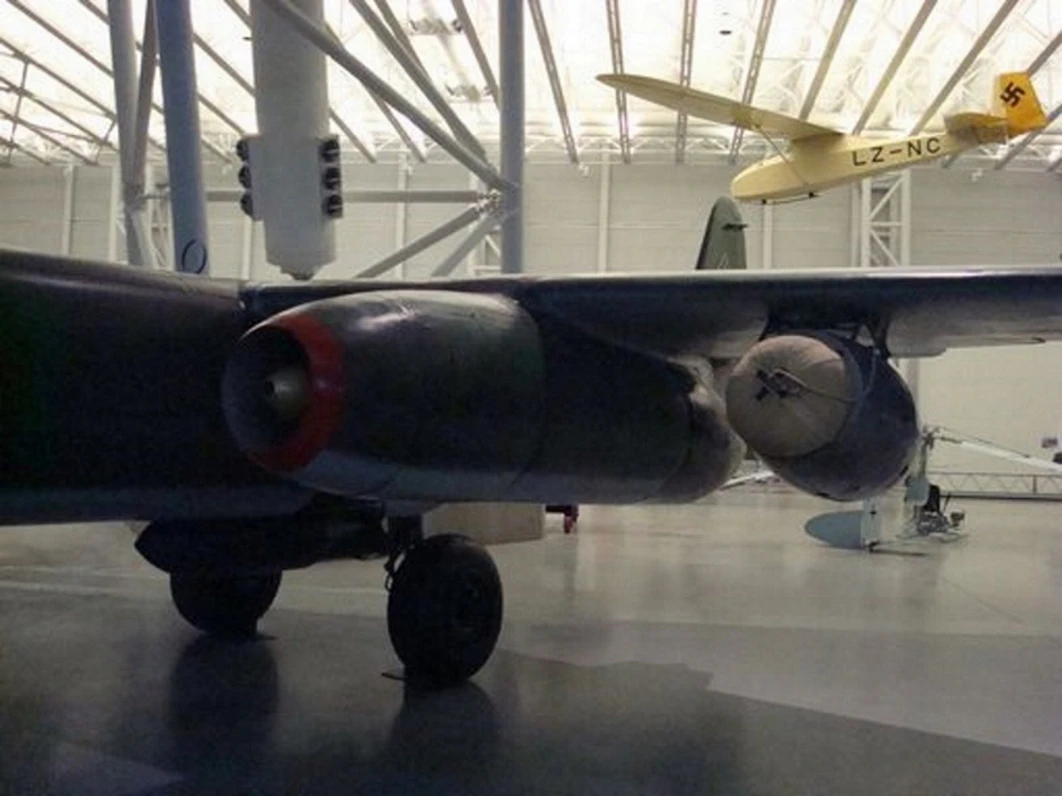
2 × Junkers Jumo 004B axial-flow turbojets
Thrust
1,980 lbf (8.8 kN) per engine
Maximum Speed
461 mph (742 km/h) at 20,000 ft
Service Ceiling
32,800 feet (10,000 m)
Bevæbning
2 × rear-firing 20mm MG 151 cannons; up to 1,500 kg of bombs
Revolutionary Aerodynamics & Equipment
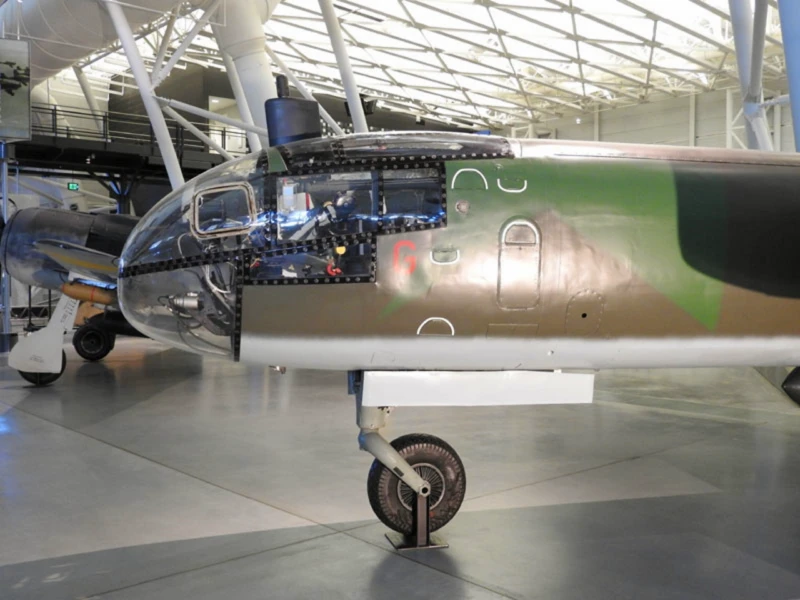
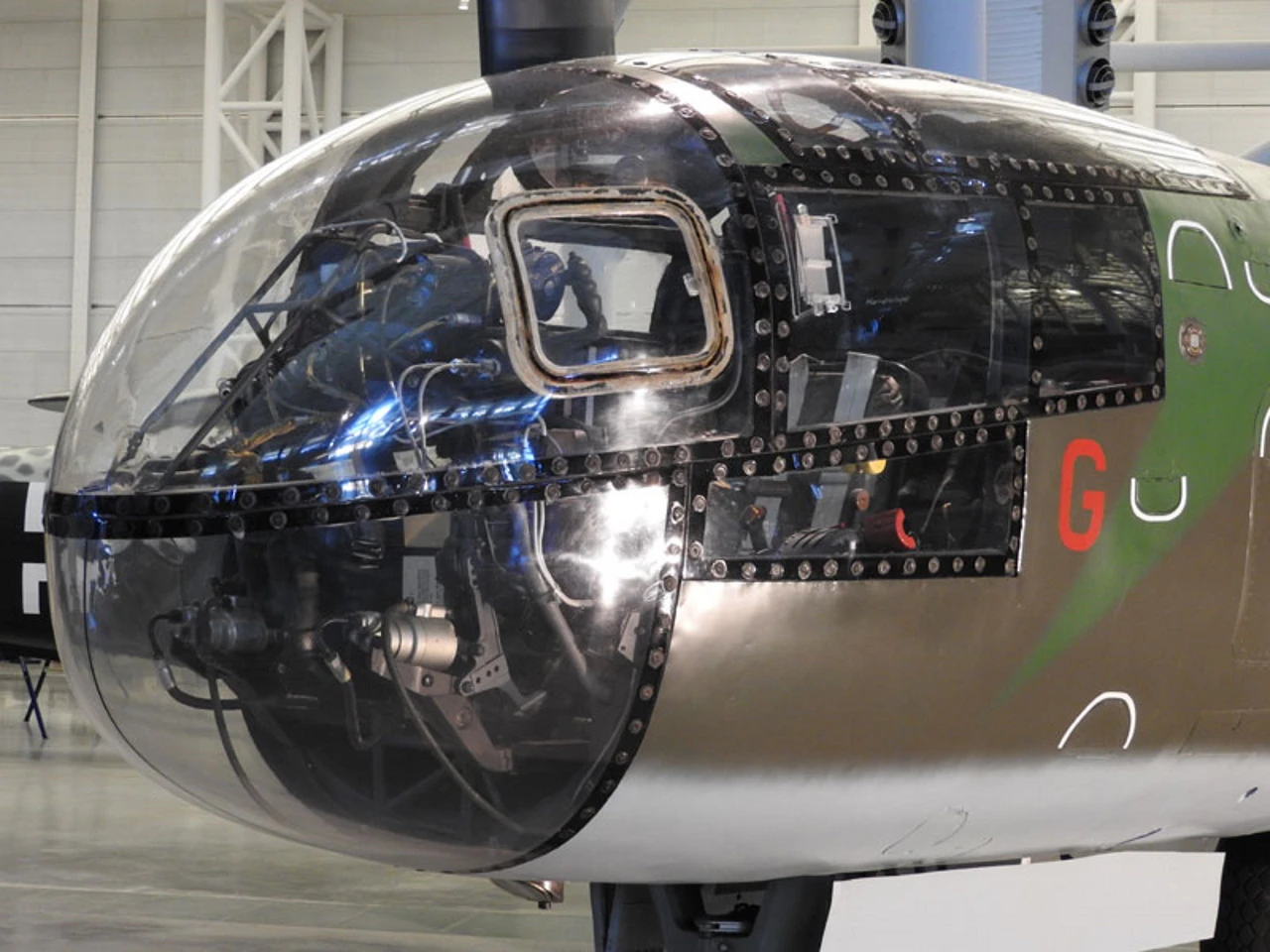
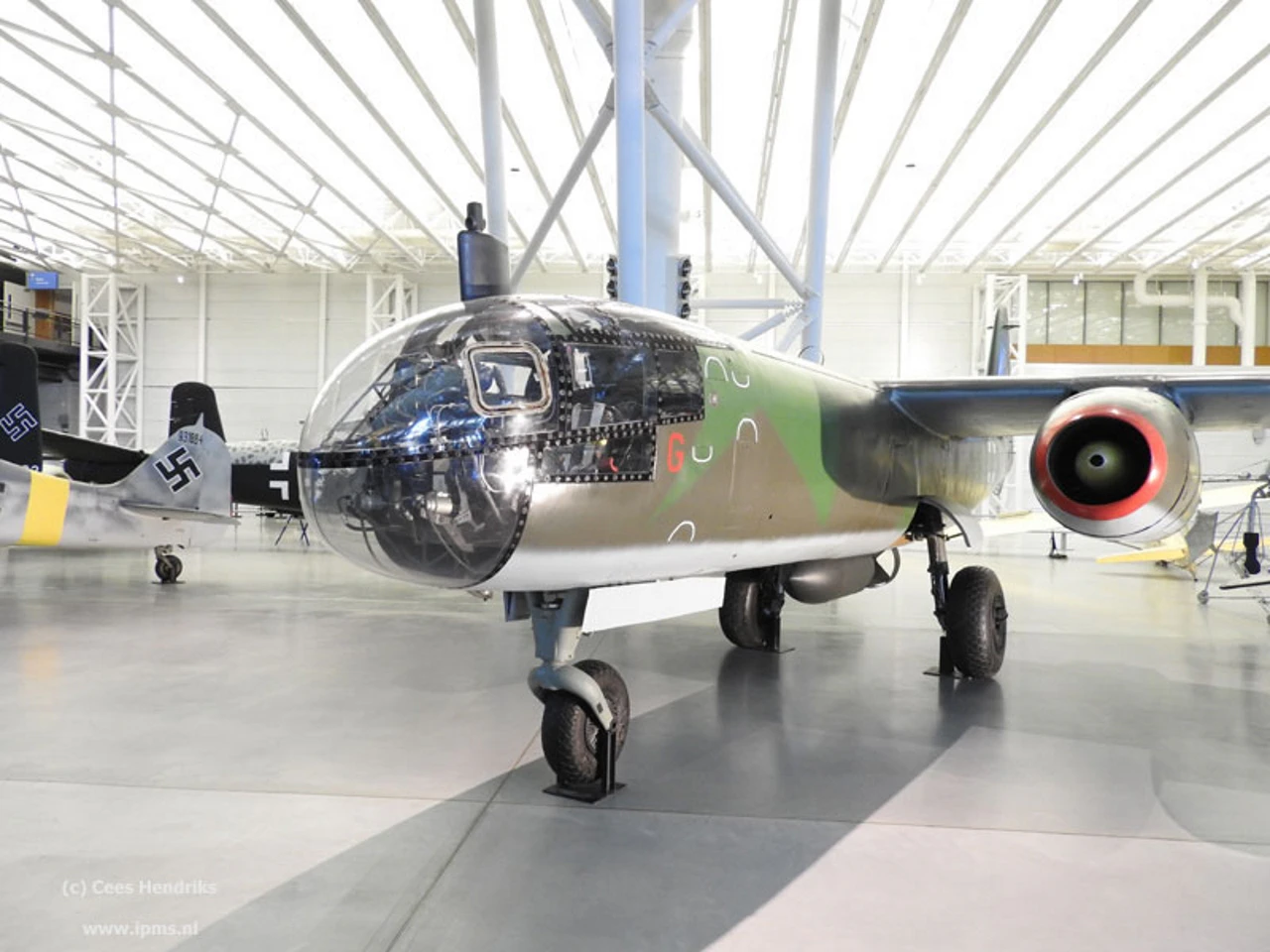
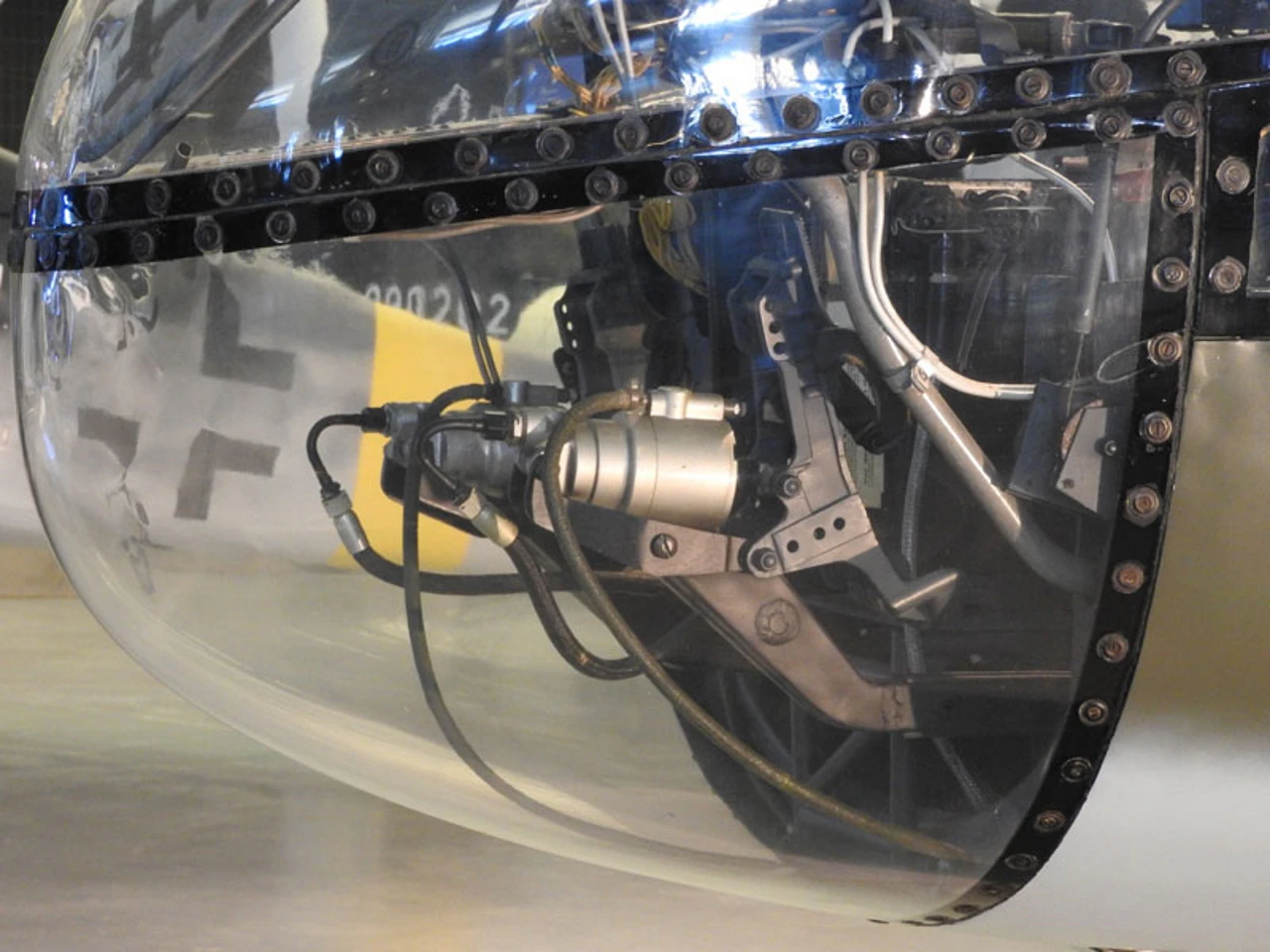
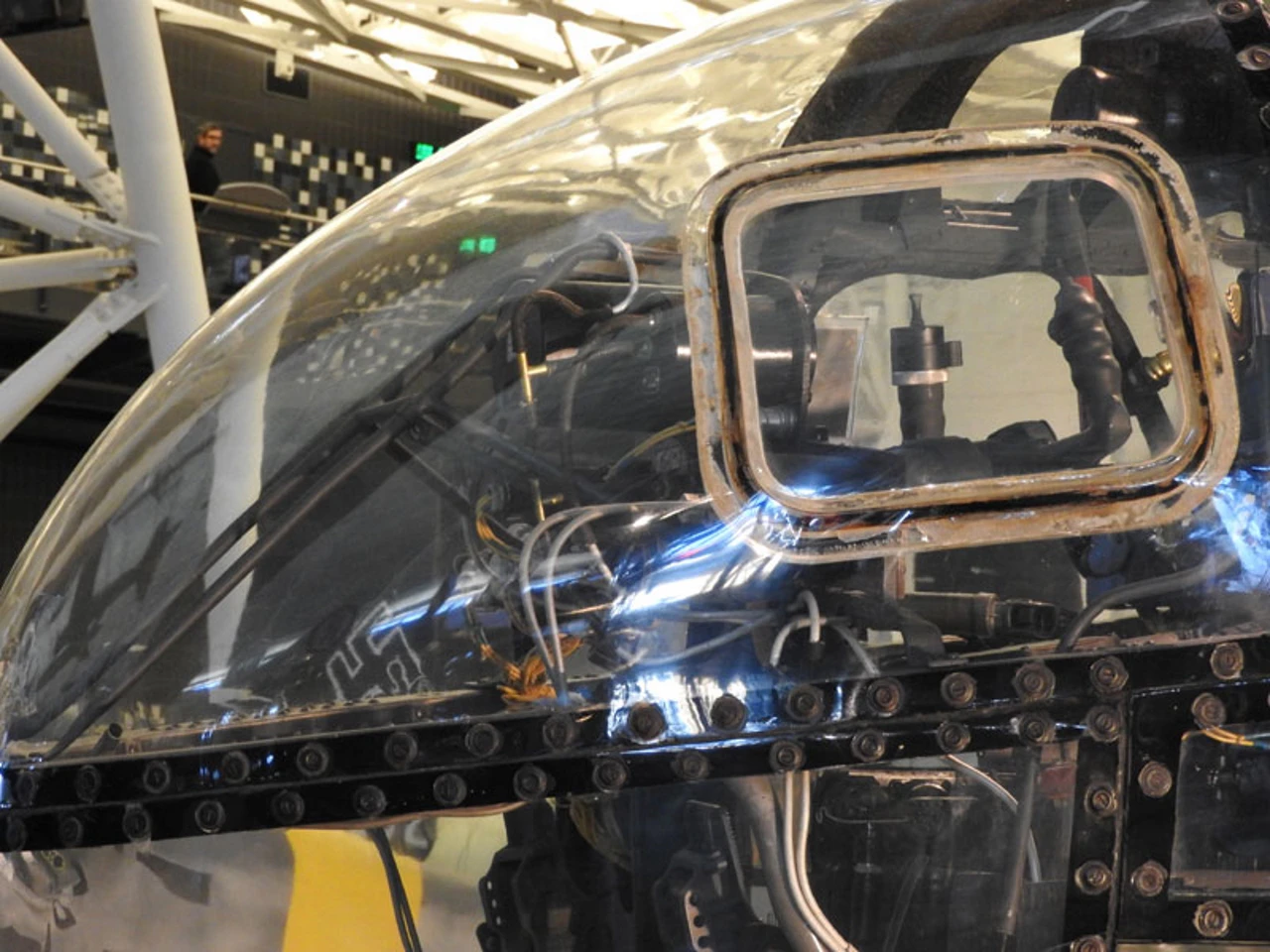
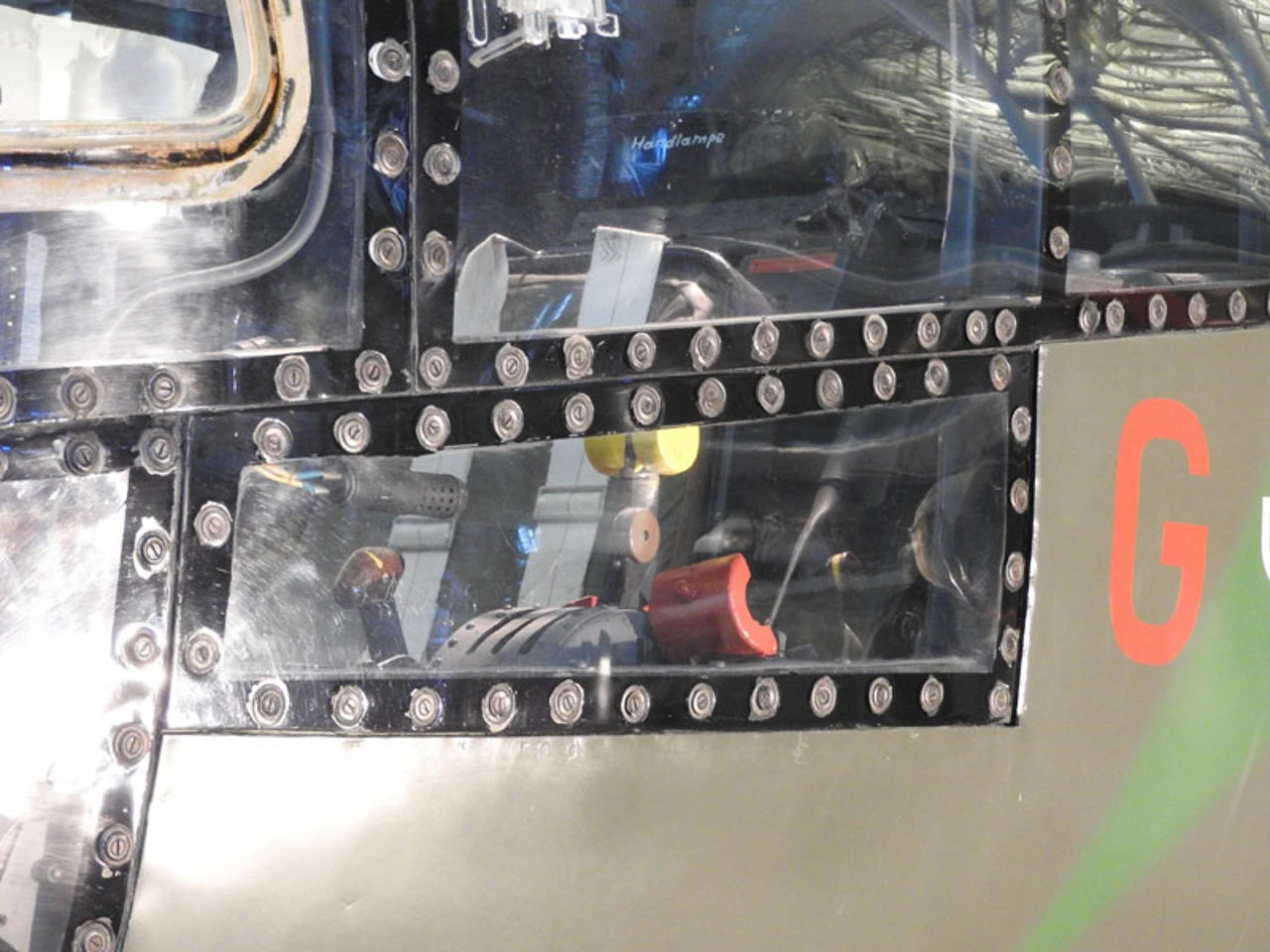
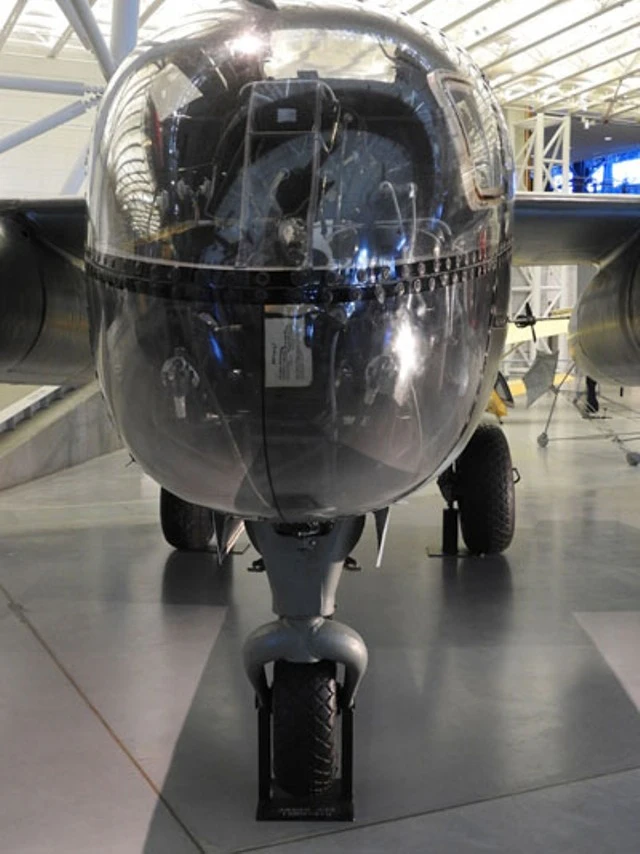
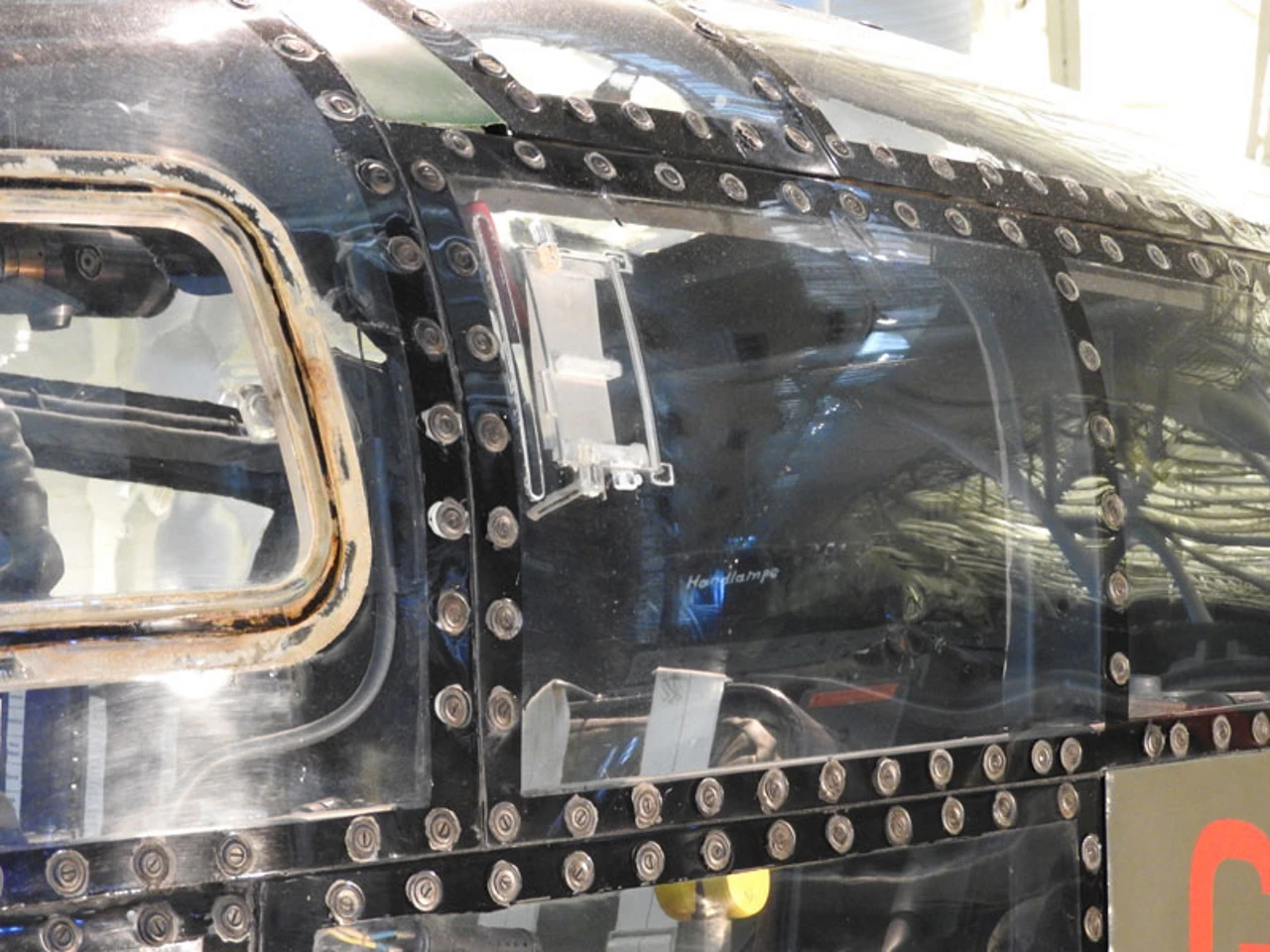
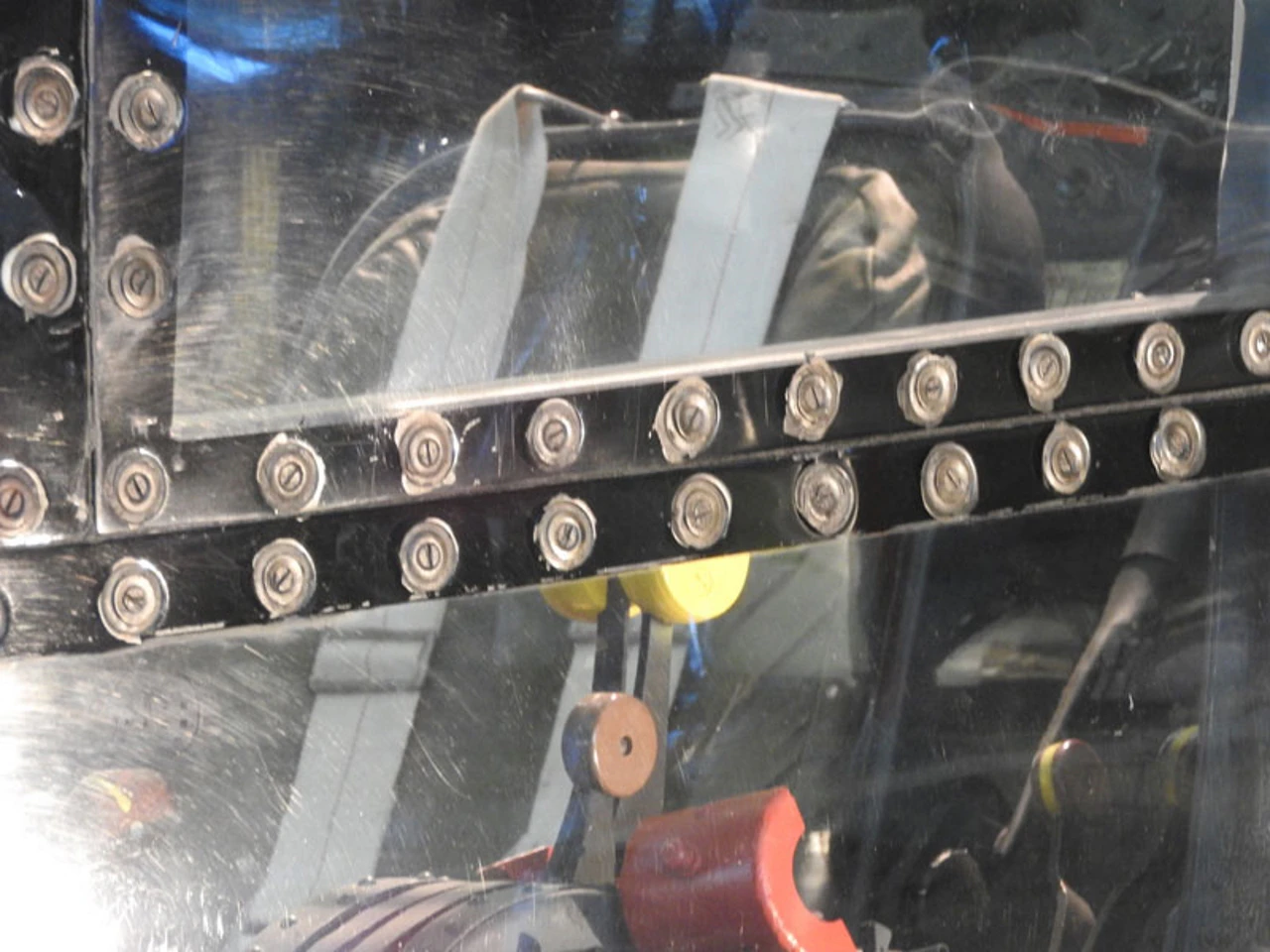
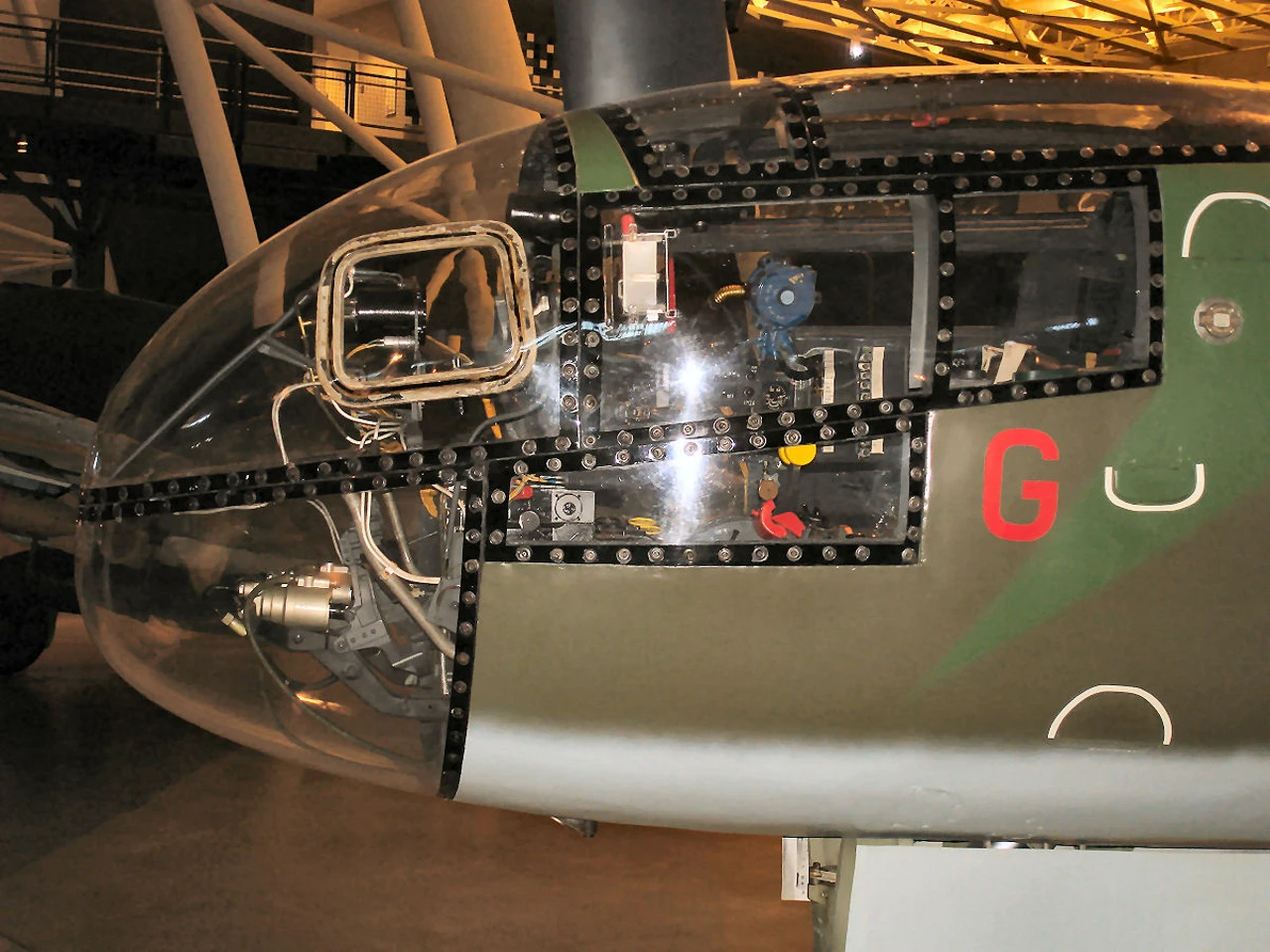
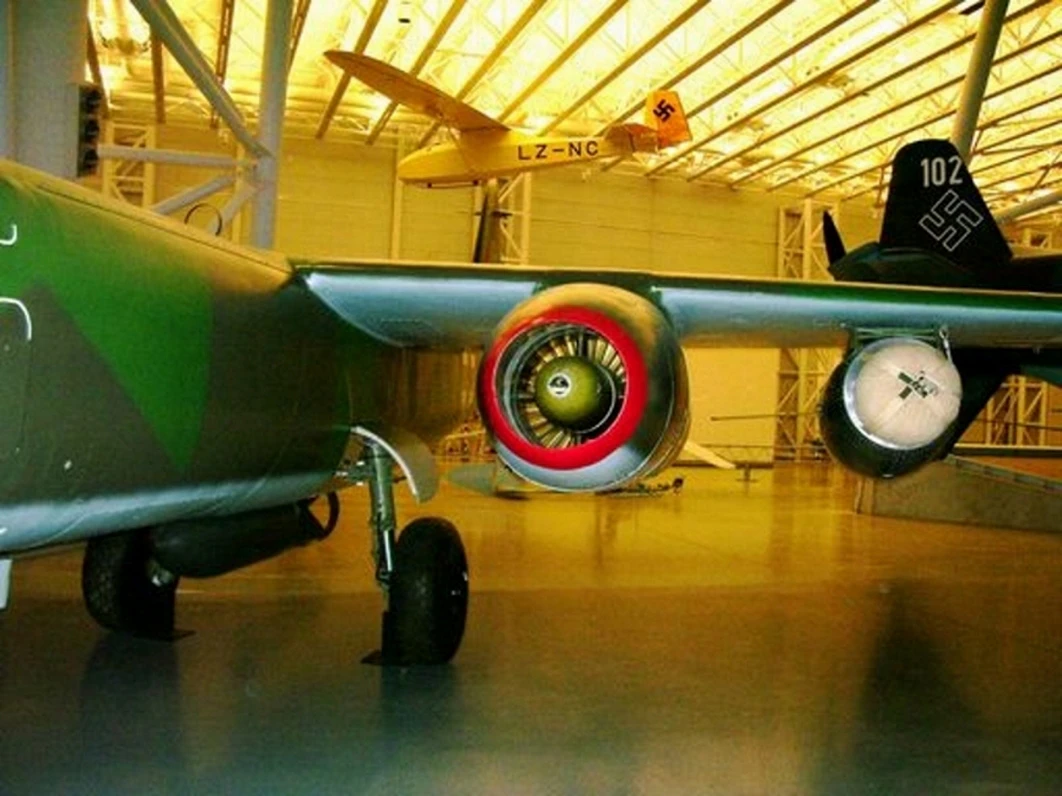
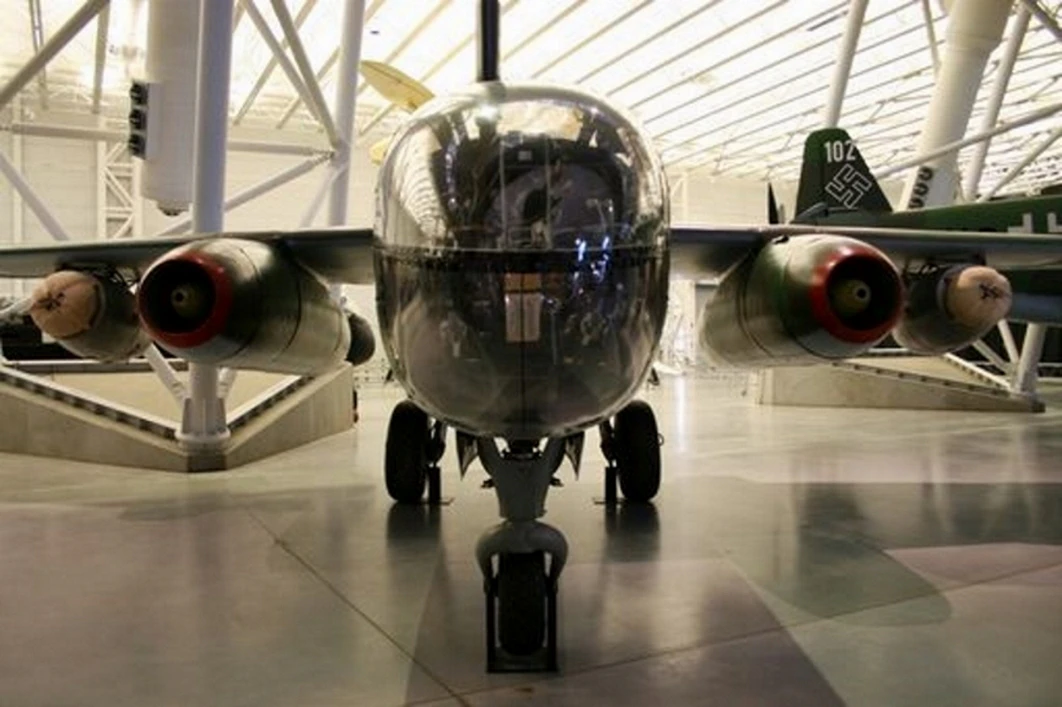
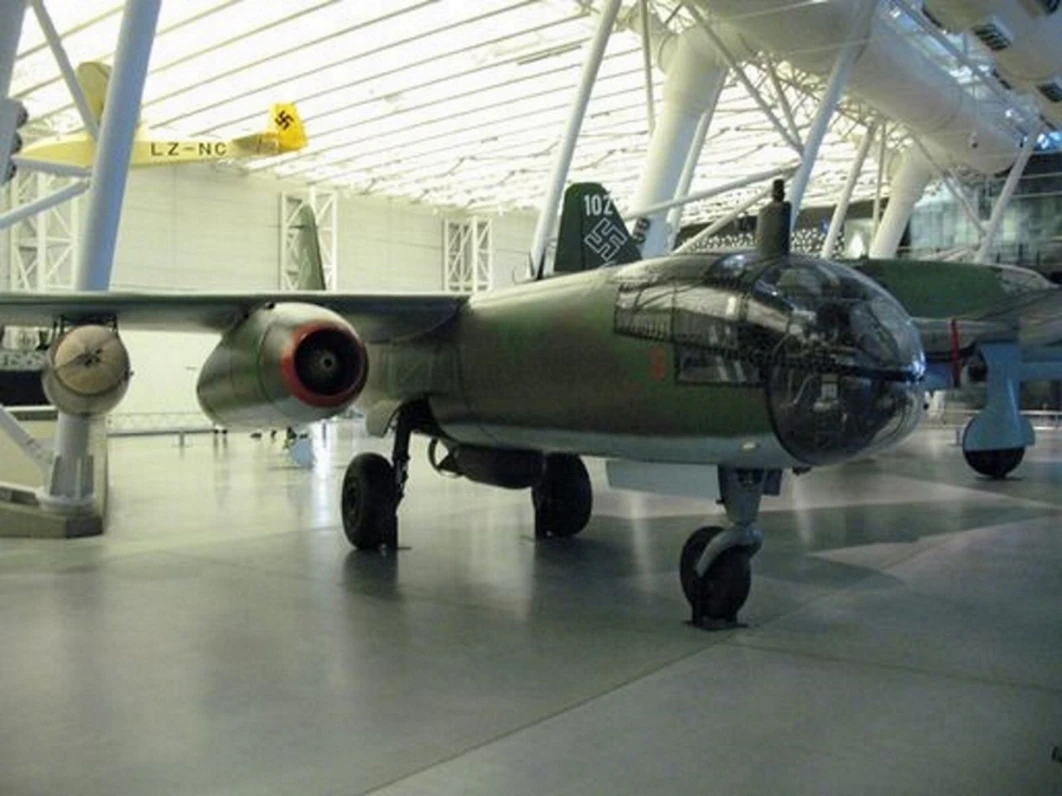
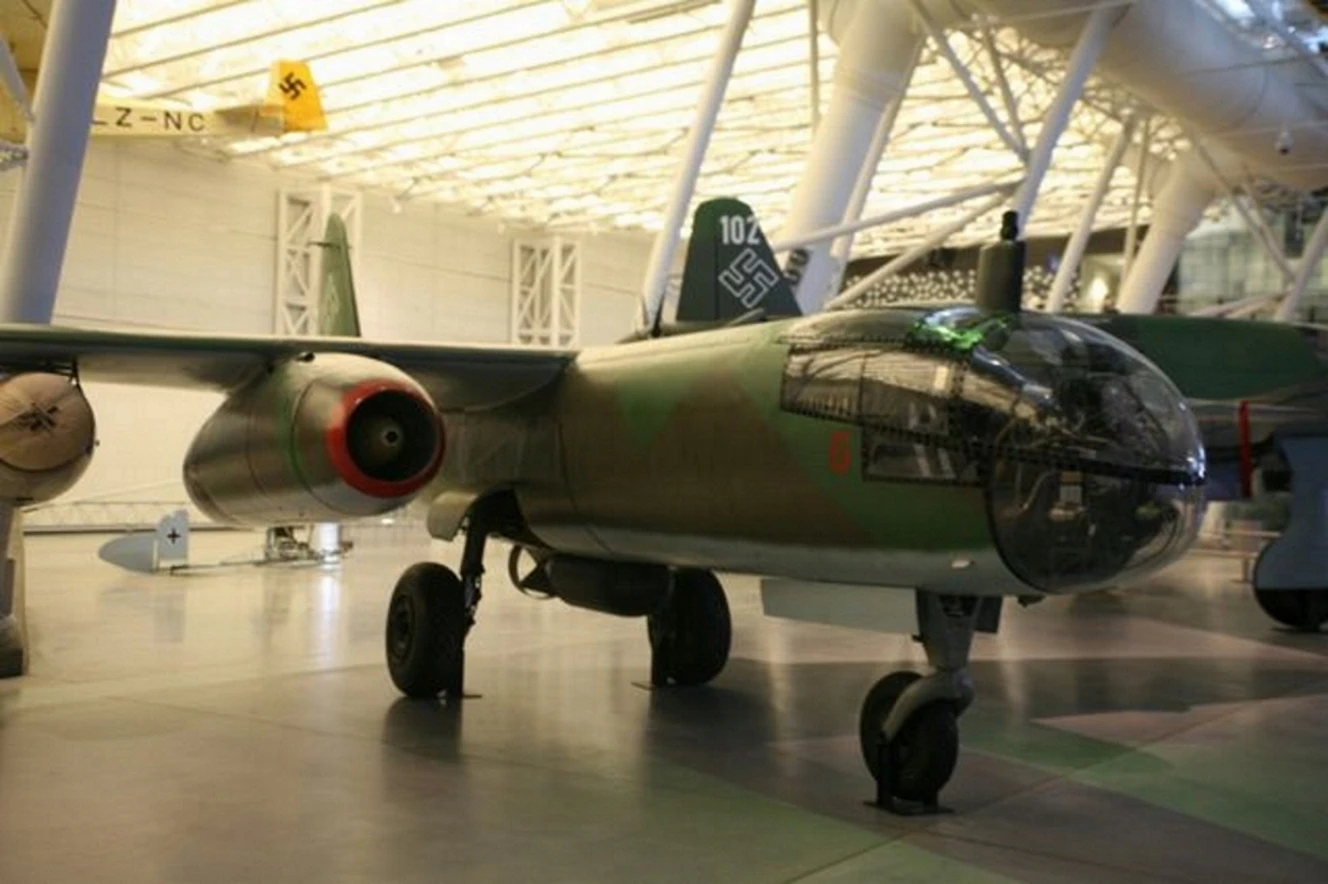
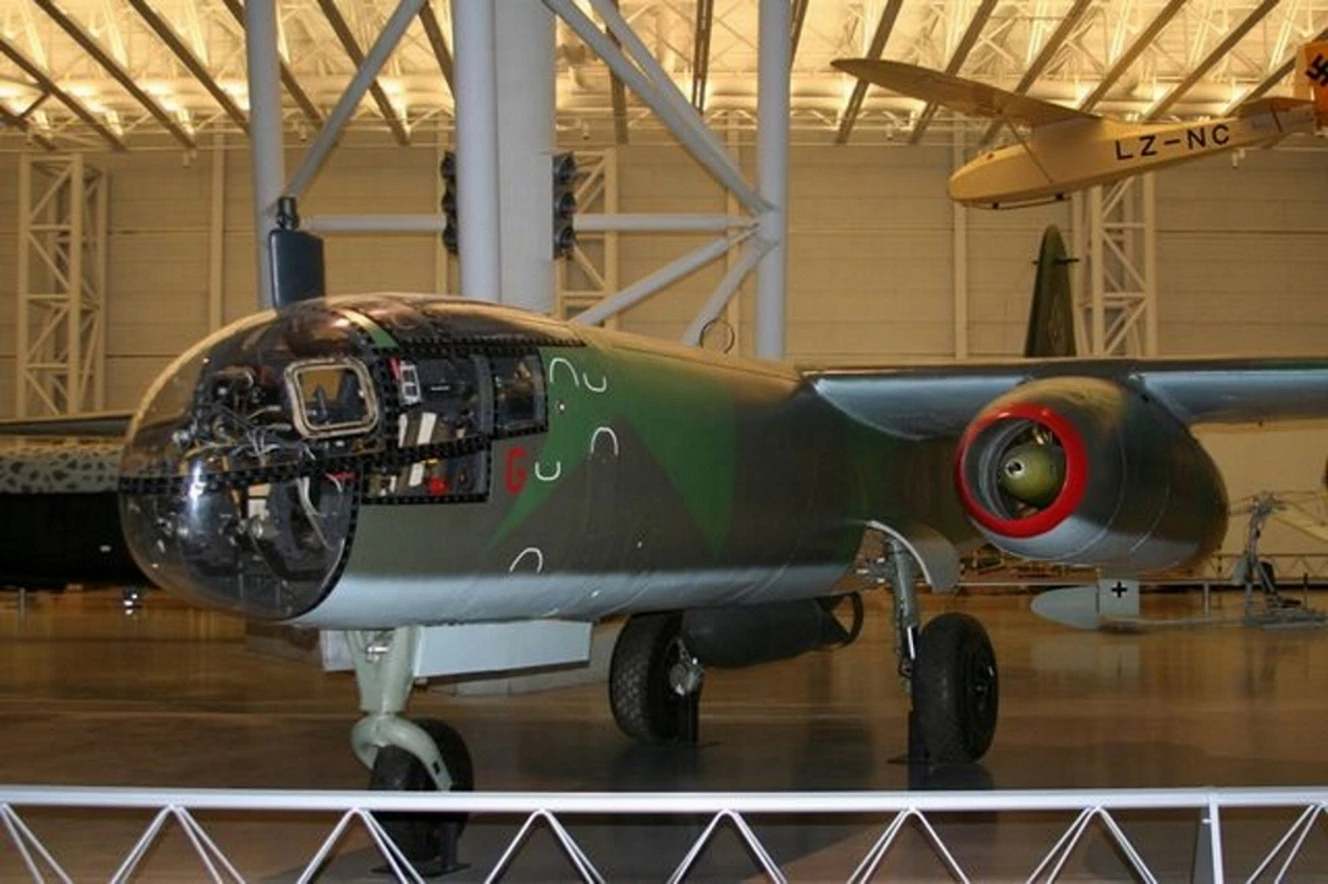
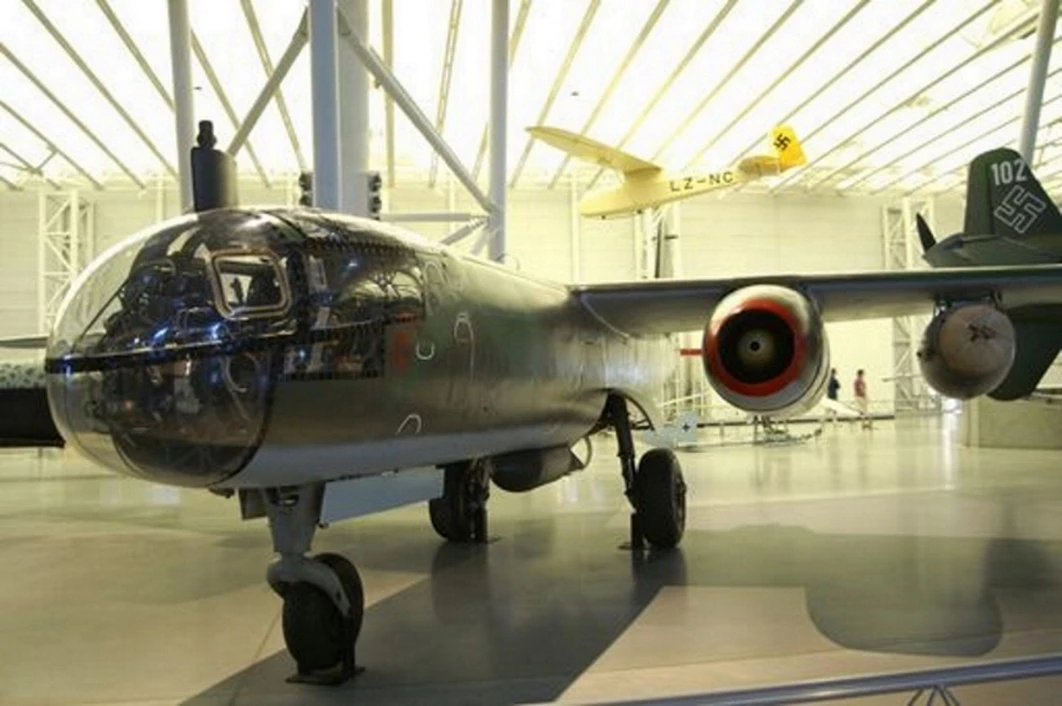
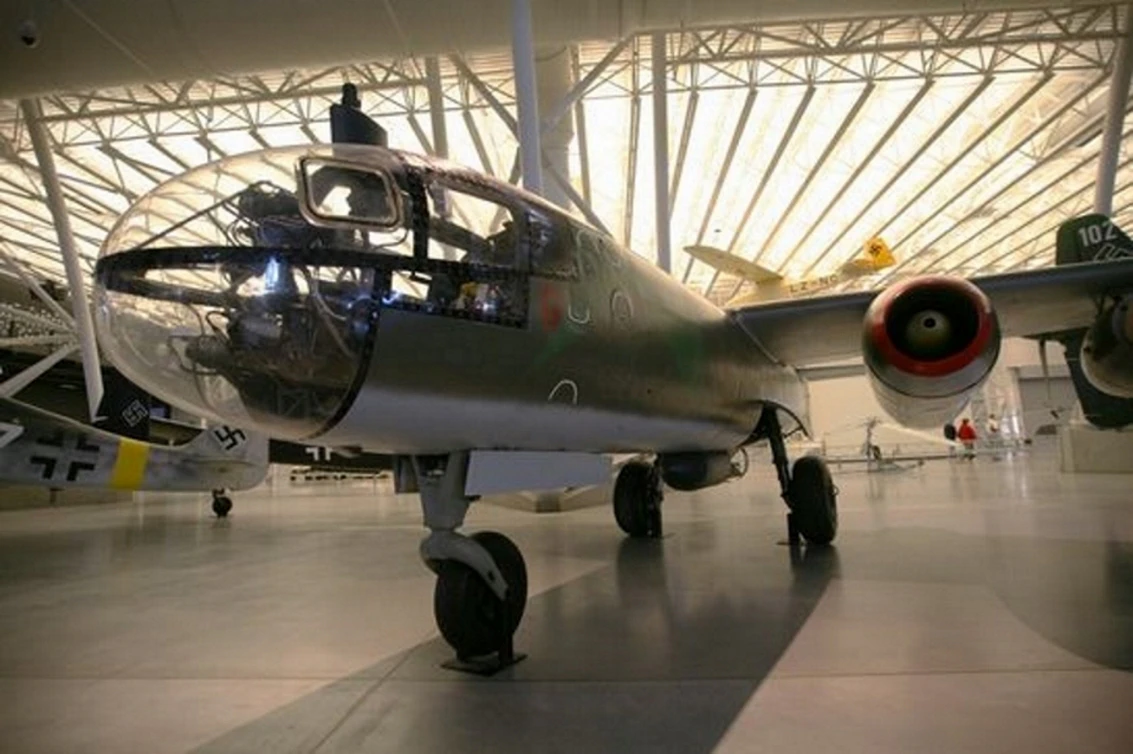
The “Fishbowl” Cockpit:The entire nose of the Ar 234 was composed of glass panels. This gave the pilot an unparalleled view of the target or the surrounding sky, though it left him feeling extremely exposed.
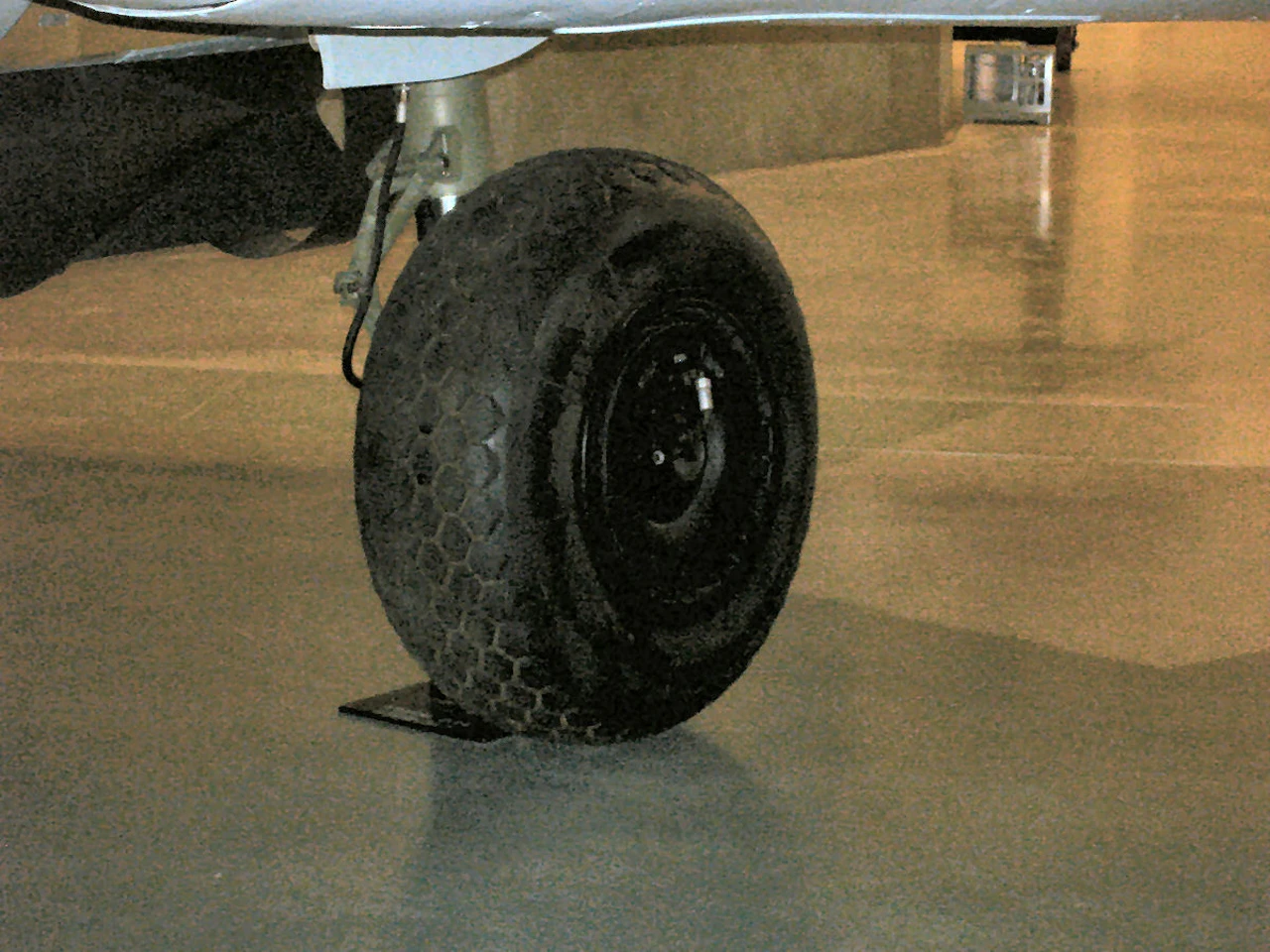
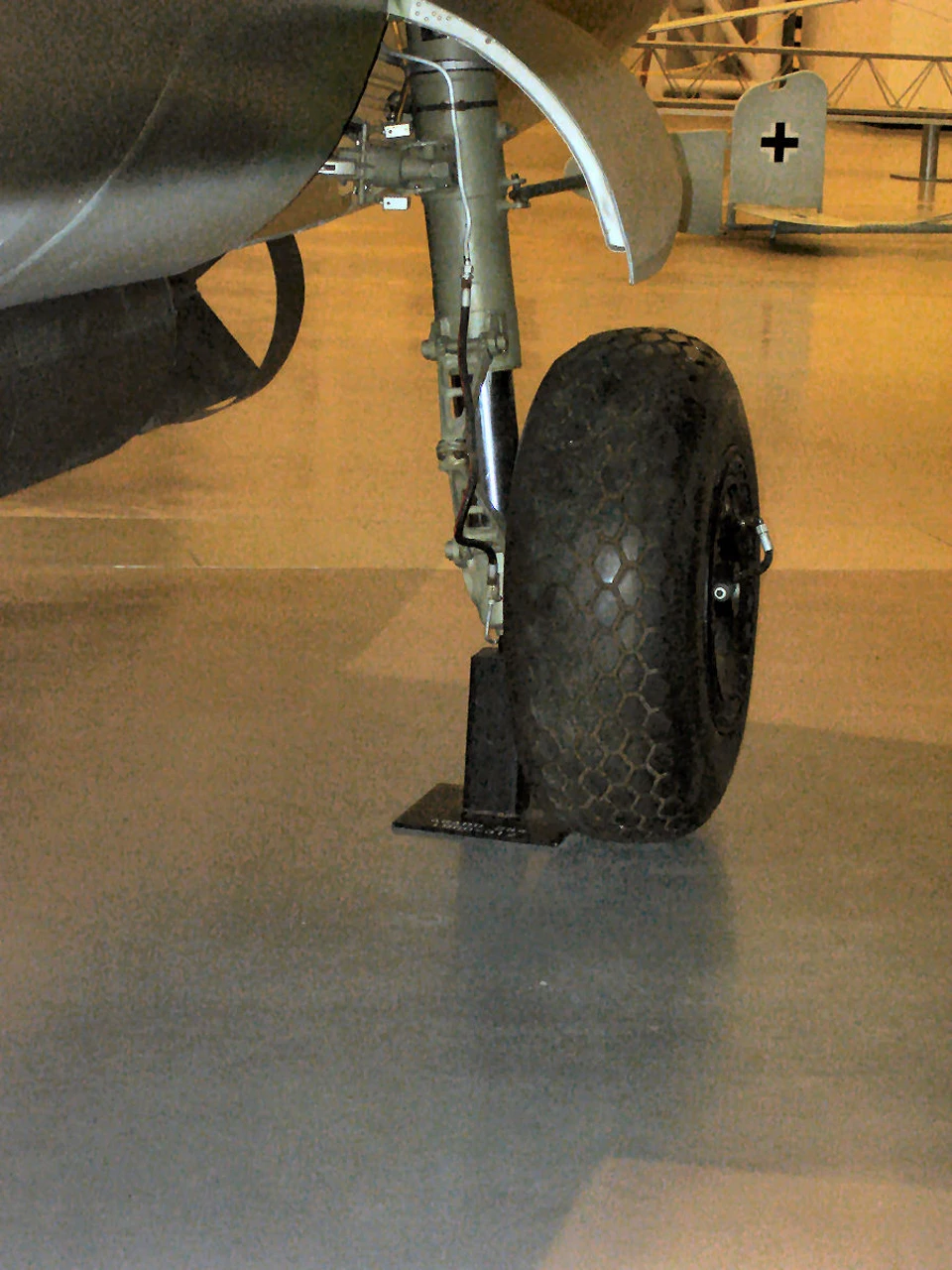
Tricycle Landing Gear:Early prototypes (Ar 234A) used a jettisonable three-wheeled trolley for takeoff and skids for landing to save weight and fuel. However, the production B-model introduced a fully retractable tricycle landing gear system, a rarity for the era.
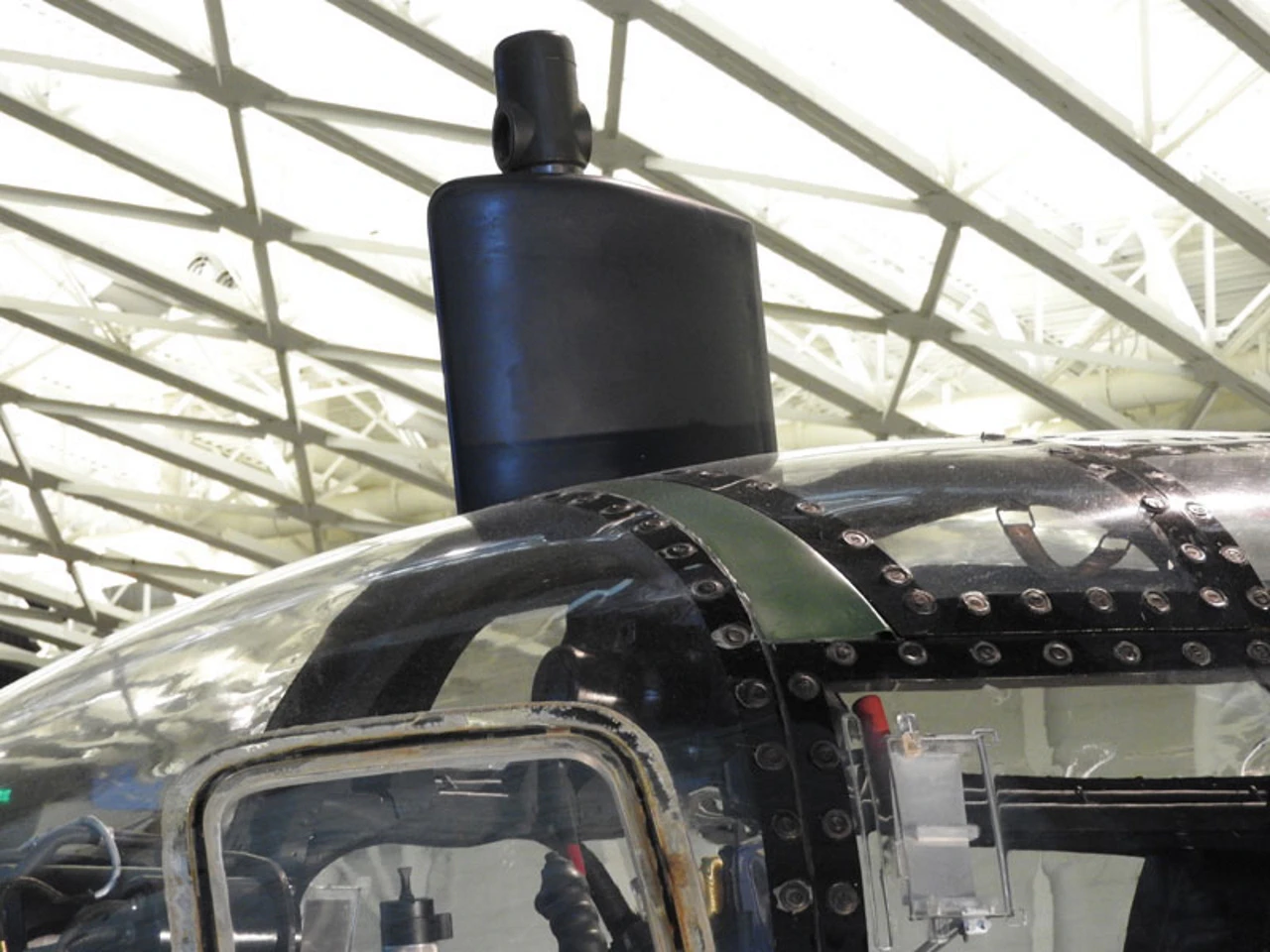
Periscopic Sight:Since the pilot was also the navigator and bomb-aimer, the Ar 234 featured a sophisticated periscope (RF2C) mounted through the roof. It allowed the pilot to see directly behind the aircraft to aim the rear-firing cannons or look down for level bombing.
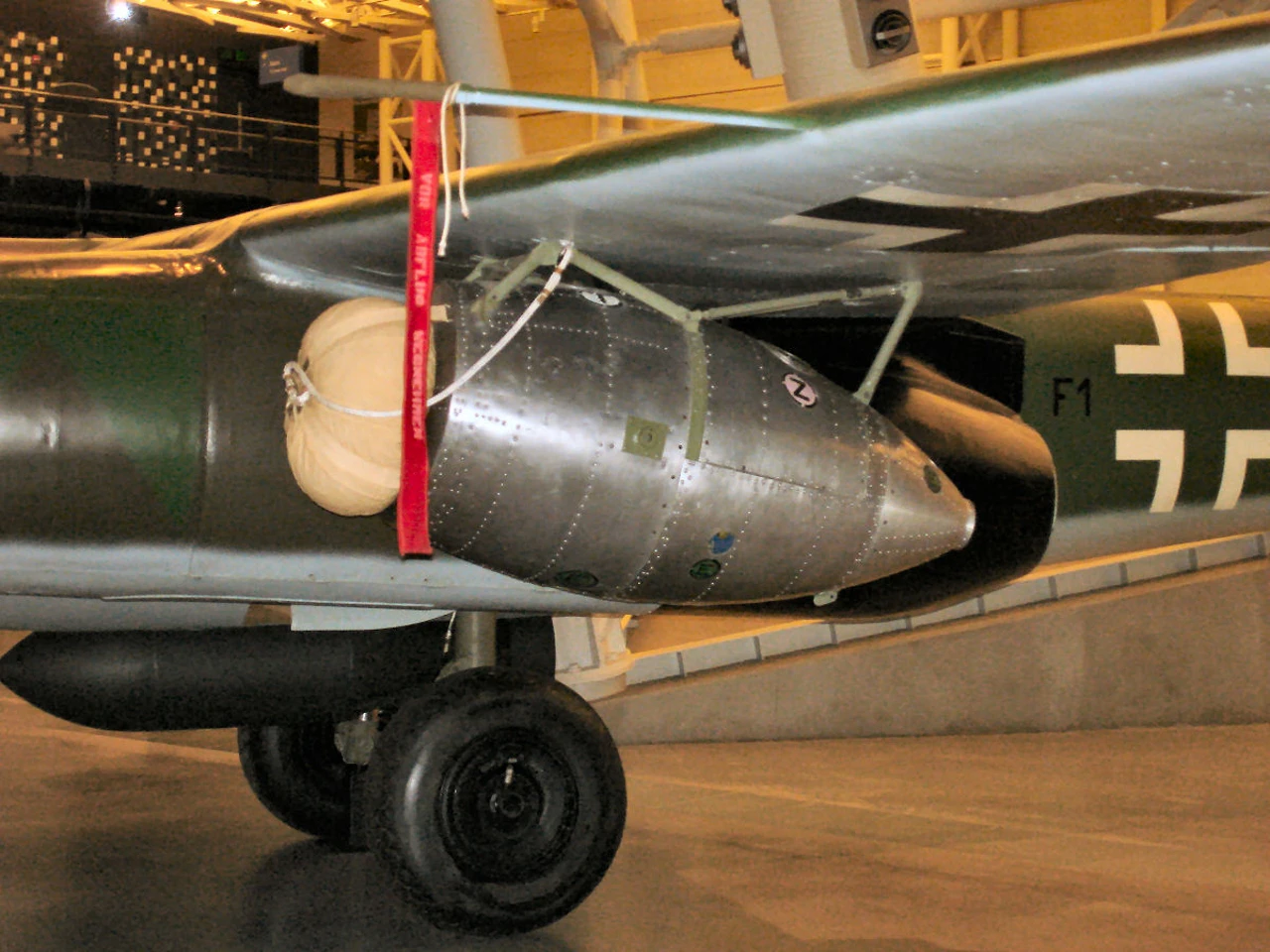
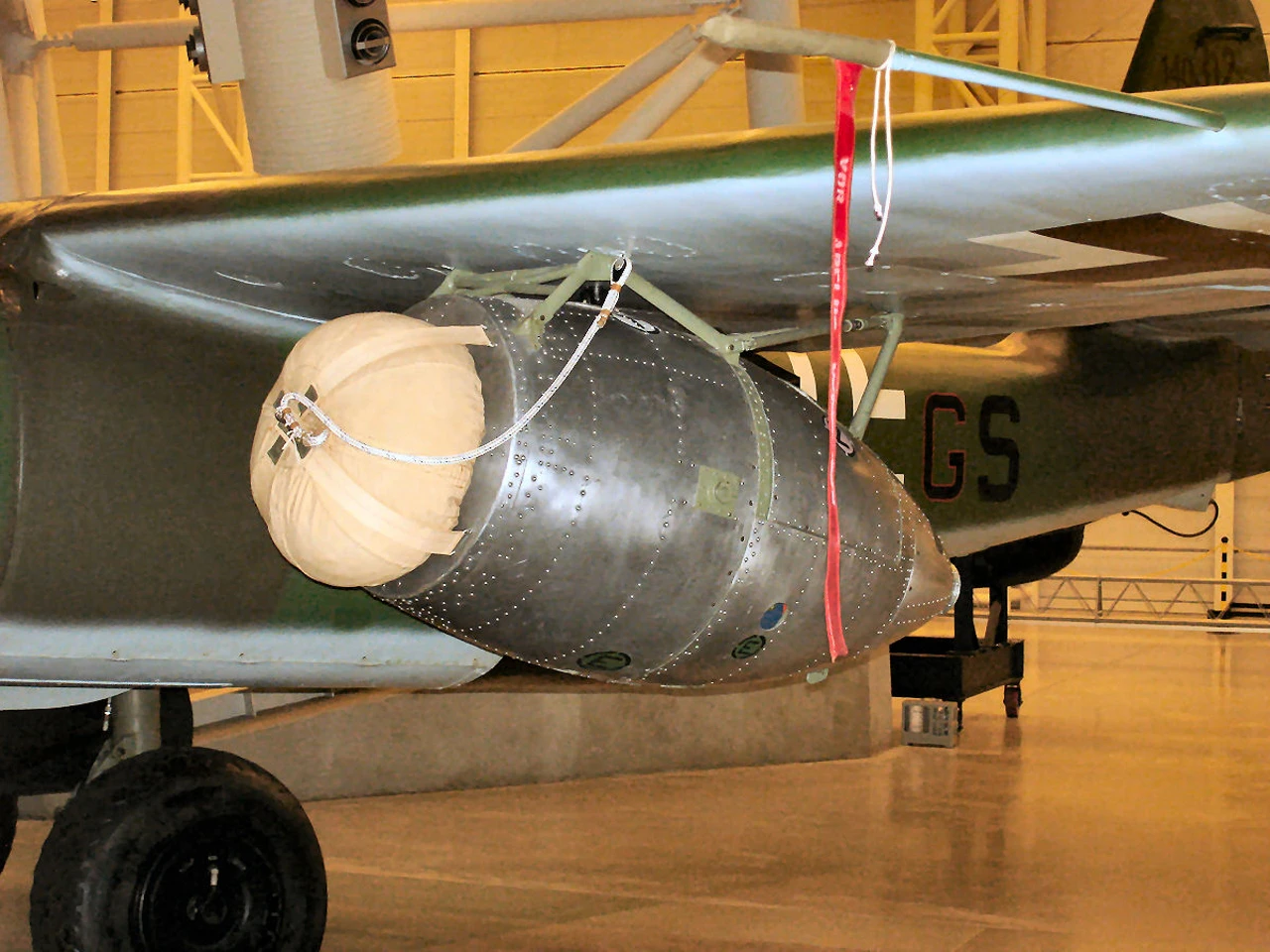
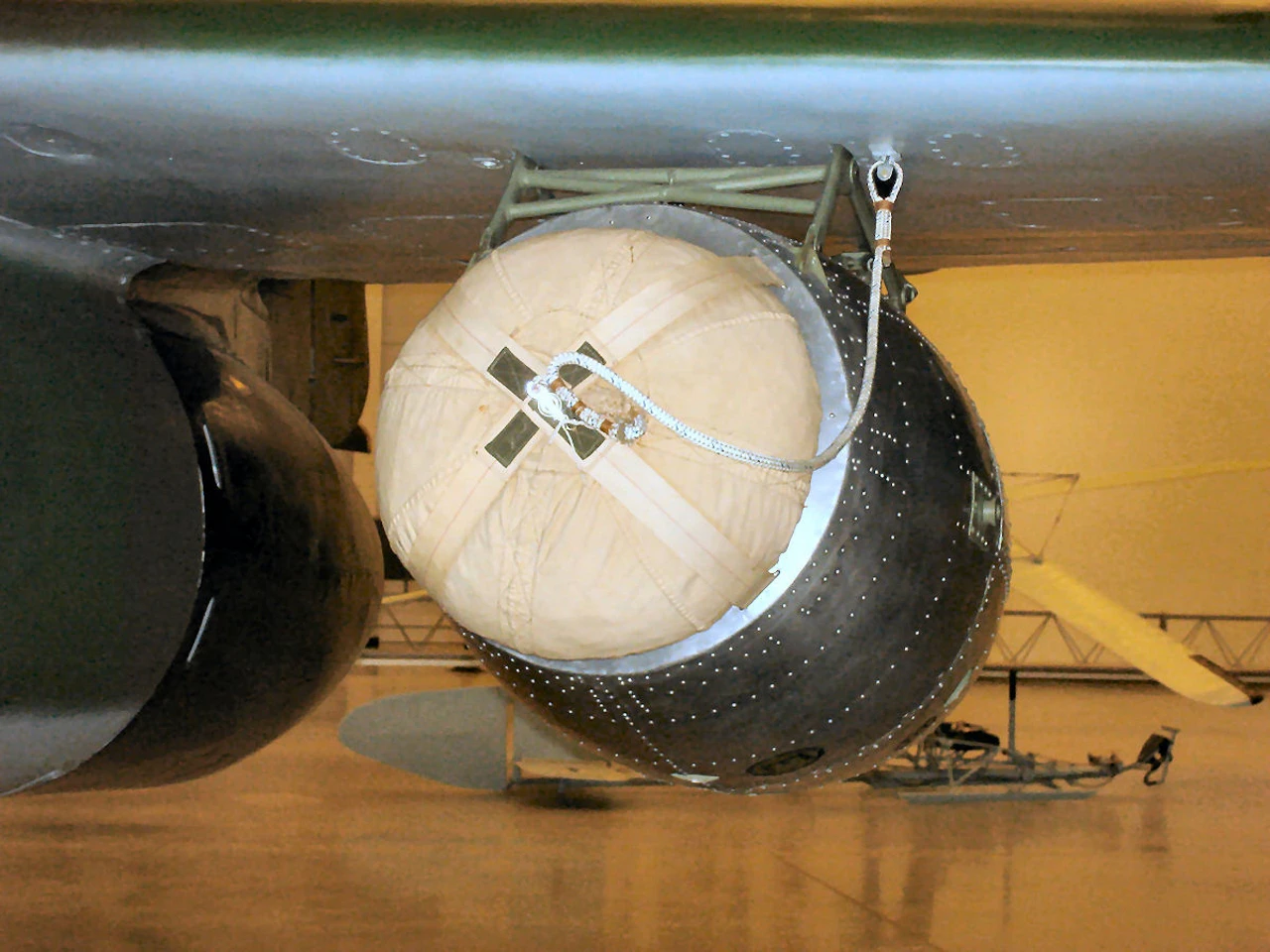
RATO (Rocket-Assisted Take-Off):Because early jet engines were sluggish on takeoff, the Blitz often carried two liquid-fuel Walter HWK rockets under the wings. Once the aircraft reached flying speed, the pilot would jettison the rocket pods, which descended by parachute for reuse.
Operational Impact & The Bridge at Remagen
The Remagen Missions:In March 1945, Ar 234s were tasked with destroying the Ludendorff Bridge at Remagen to stop the Allied advance. Despite several high-speed bombing runs, the bridge remained standing until it collapsed from structural damage days later.
Rear-Firing Defense:The Ar 234 carried two 20mm cannons that fired directlybackward. The pilot aimed these using the periscope. While rarely used to down fighters, the “tracer spray” was often enough to discourage Allied pilots from following too closely.
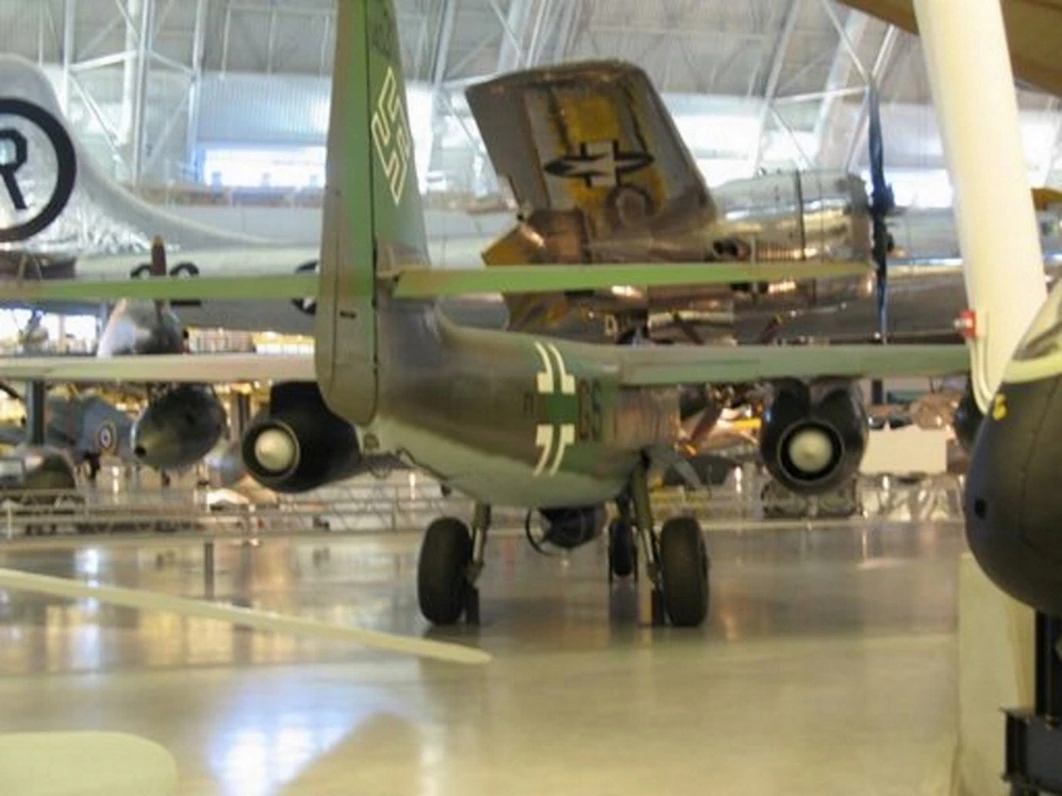
Four-Engine Variant (Ar 234C):To increase speed and reliability, the “C” model utilized four BMW 003 jet engines paired in two nacelles. Only a handful were completed before the war’s end, but they were significantly faster than the B-model.
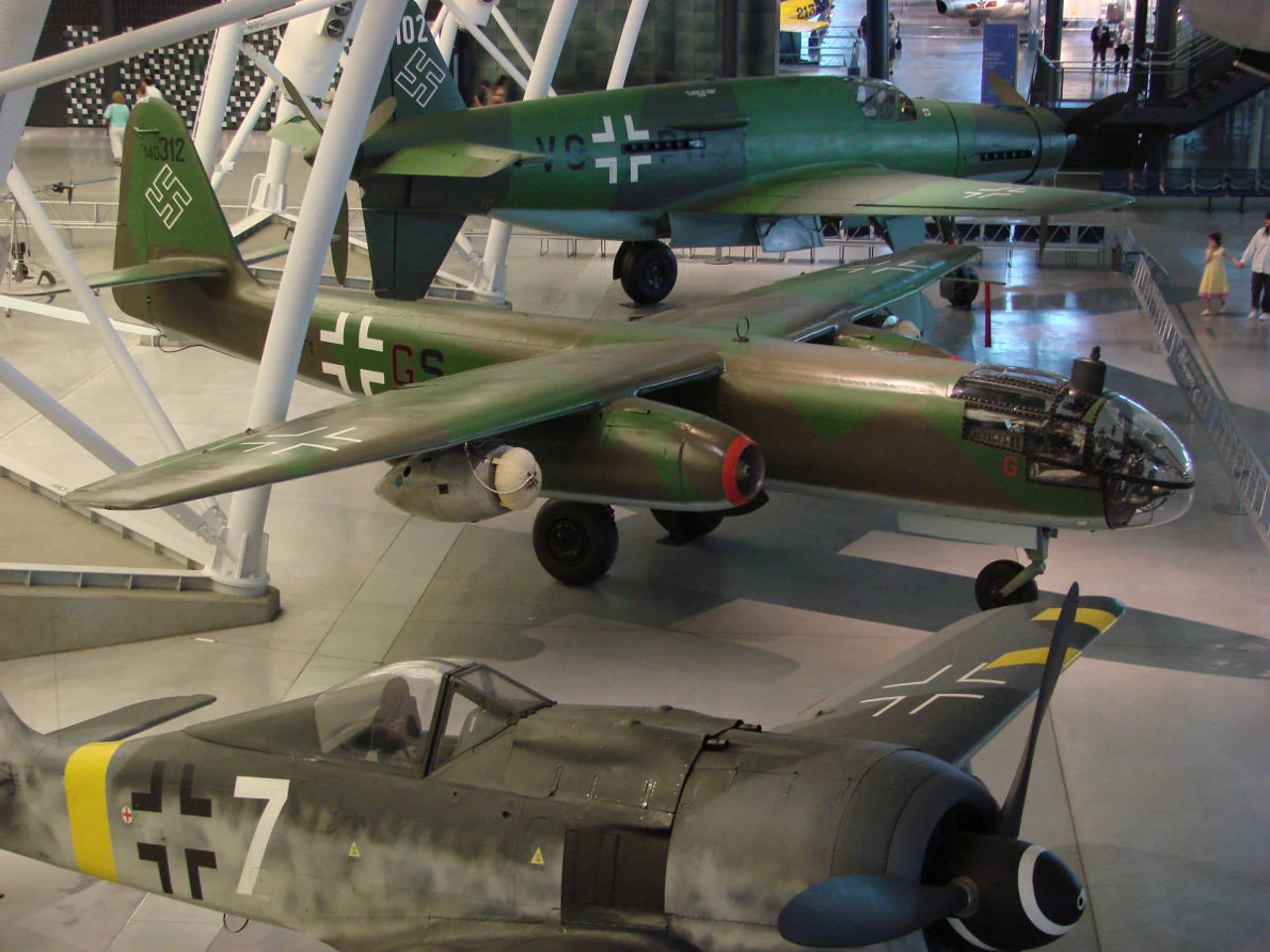
The Last Survivor:Only one Ar 234 exists in the world today. It was captured by British forces, transferred to the US, and is now perfectly restored at the **Steven F. Udvar-Hazy Center** in Virginia.



 Grumman AF Guardian – Billeder og videoer
 Fairey Delta 2 - Billeder og videoer
 Handley Page Halifax - Billeder & Videoer
 Grumman G-21 Goose – Billeder & Videoer
 British Aerospace Harrier II - Billeder og videoer
 Fokker D. XXI – Billeder & Videoer
 de Havilland DH.60 Moth – Billeder og videoer
 Vought F-8 Korsfarer - WalkAround
 Focke-Wulf FW-190 – Gå rundt
 Sukhoi Su-17UM3 – WalkAround