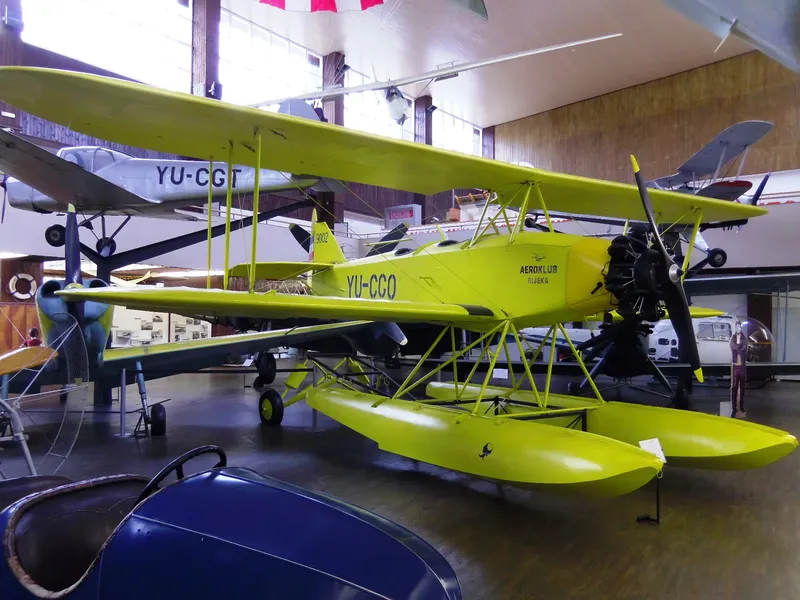
Zmaj Fizir FN | |
|---|---|
| Země | Jugoslávská |
| Roli | Trenažérová letadla |
| První let | květen 1929 |
| Postaven | 206 + 4 hydroplány |
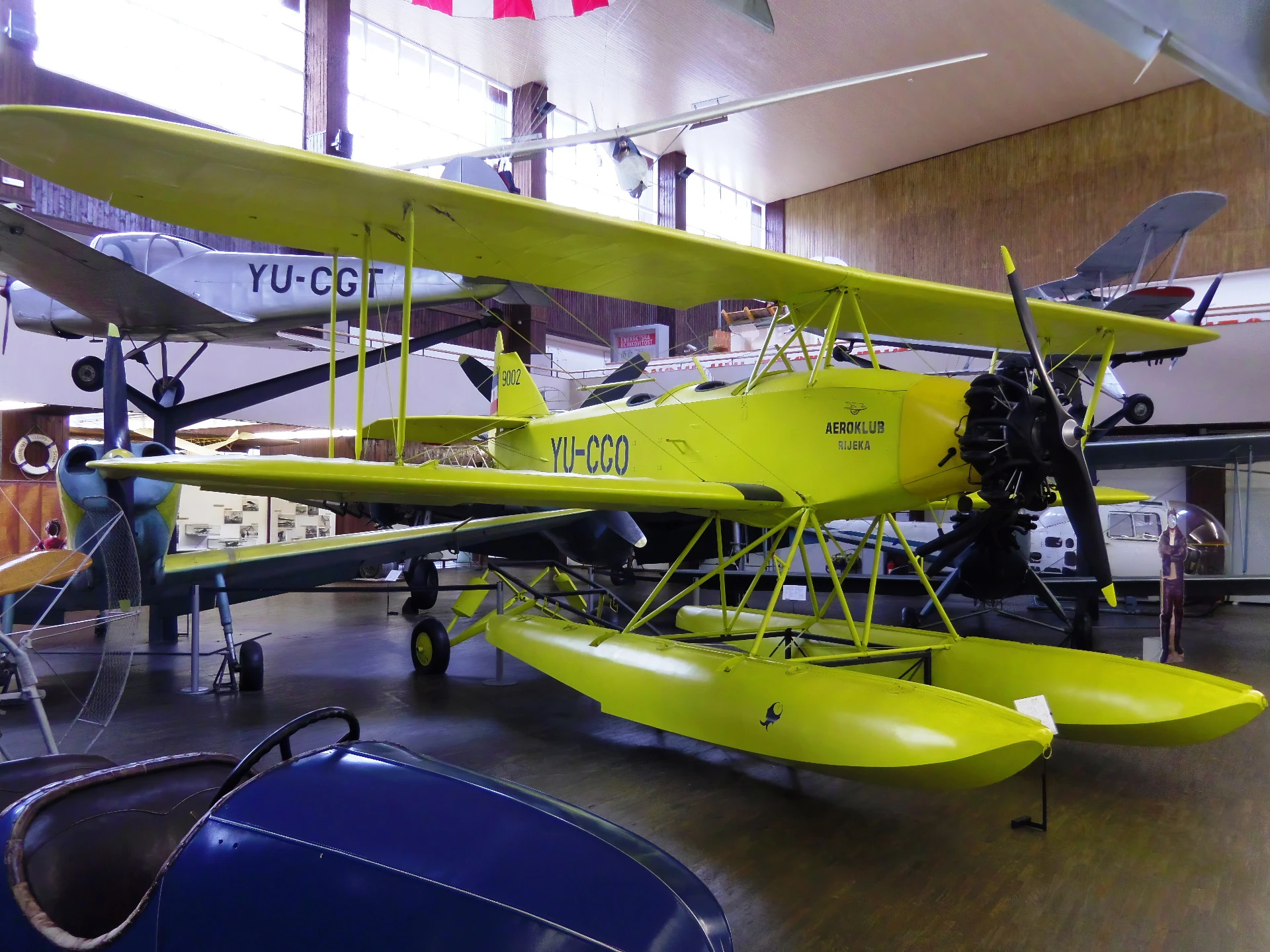
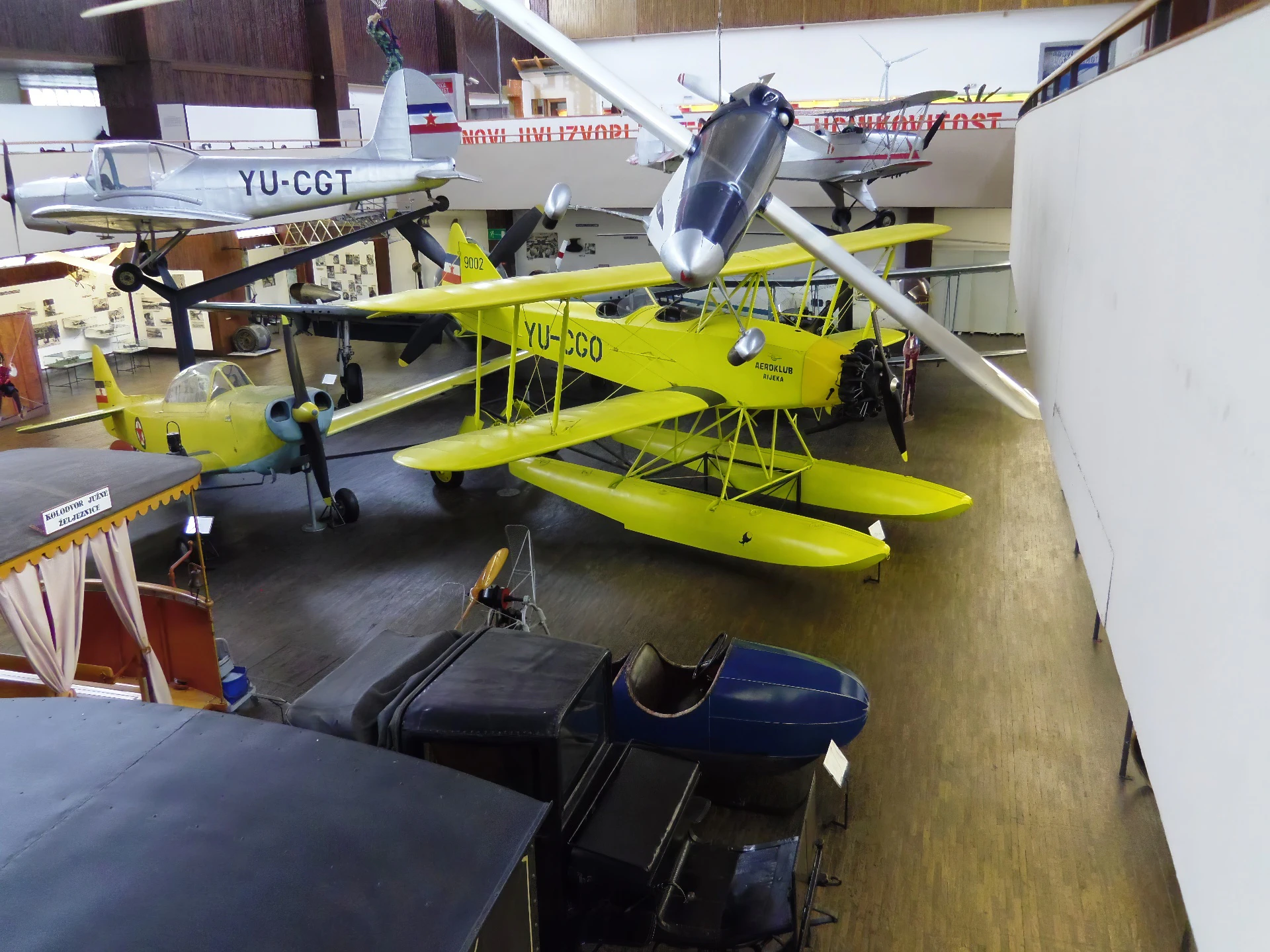
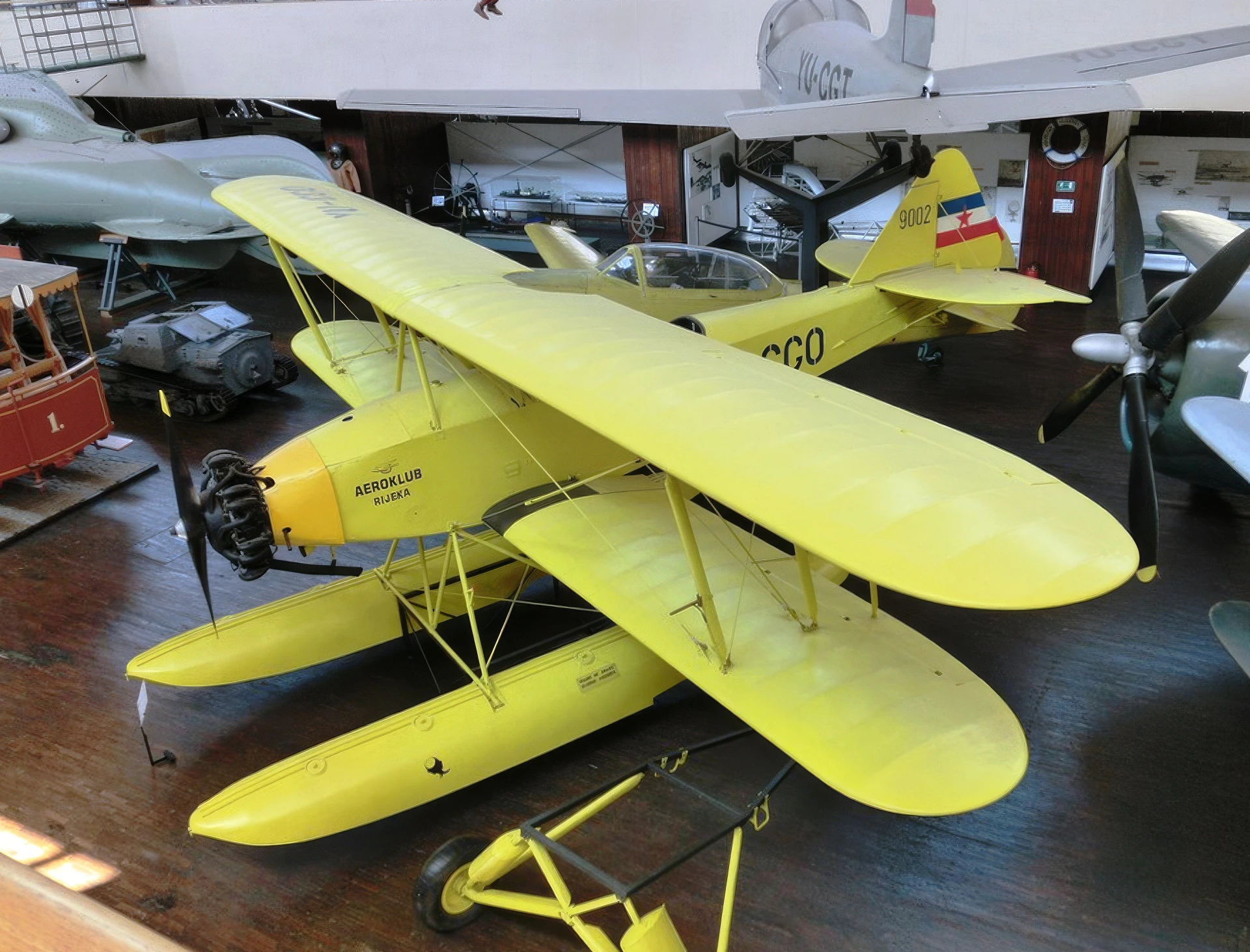
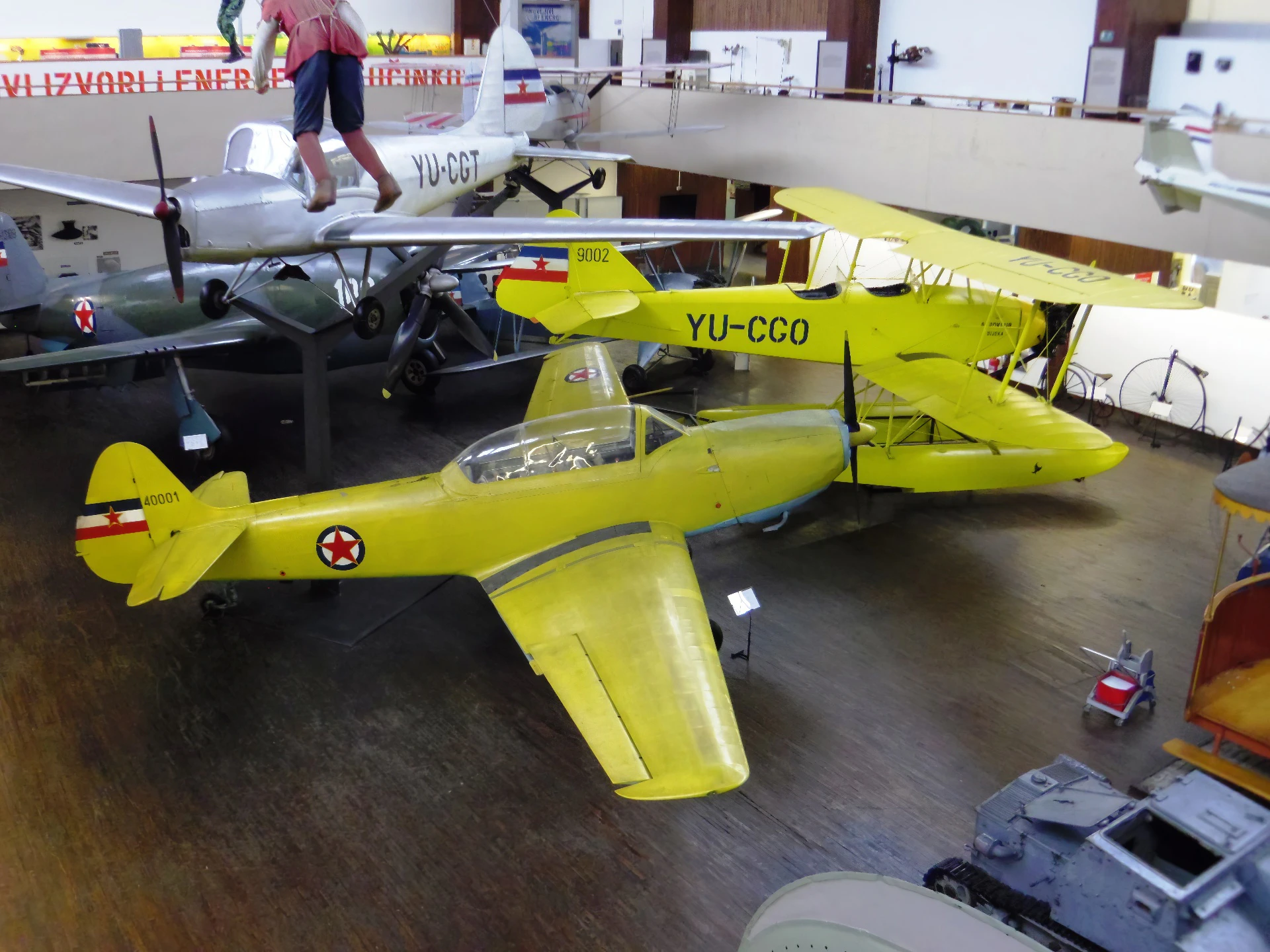
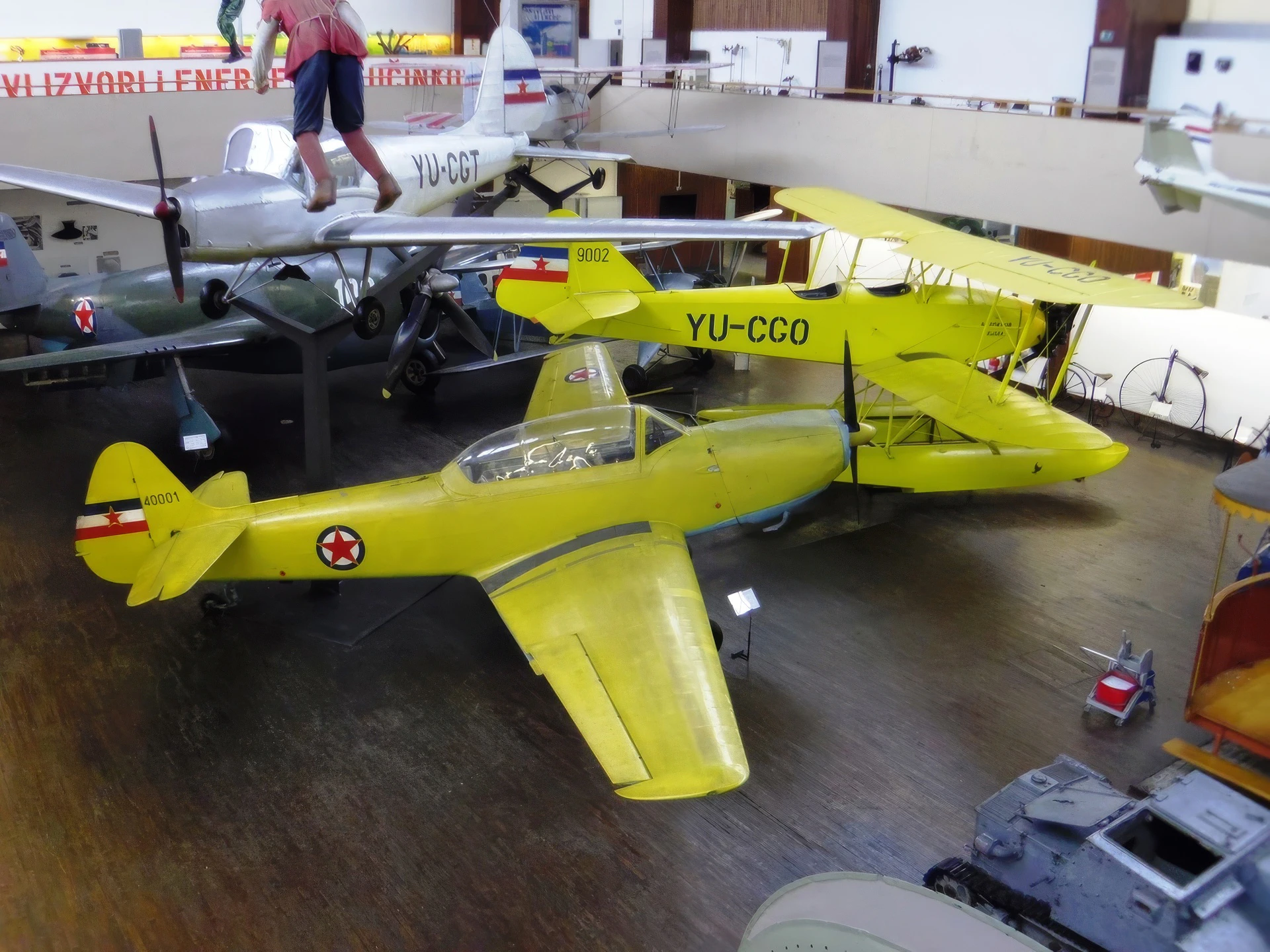
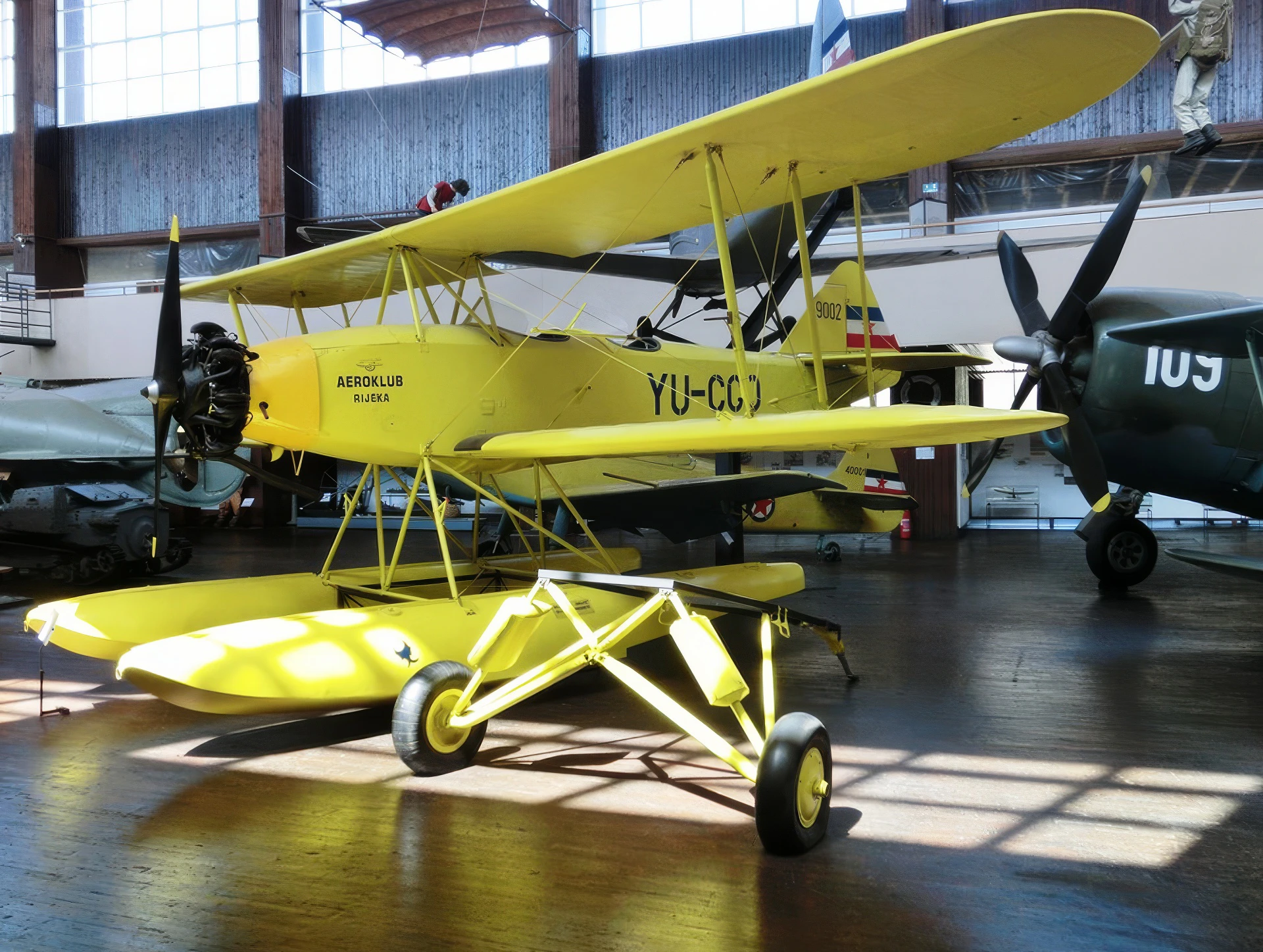
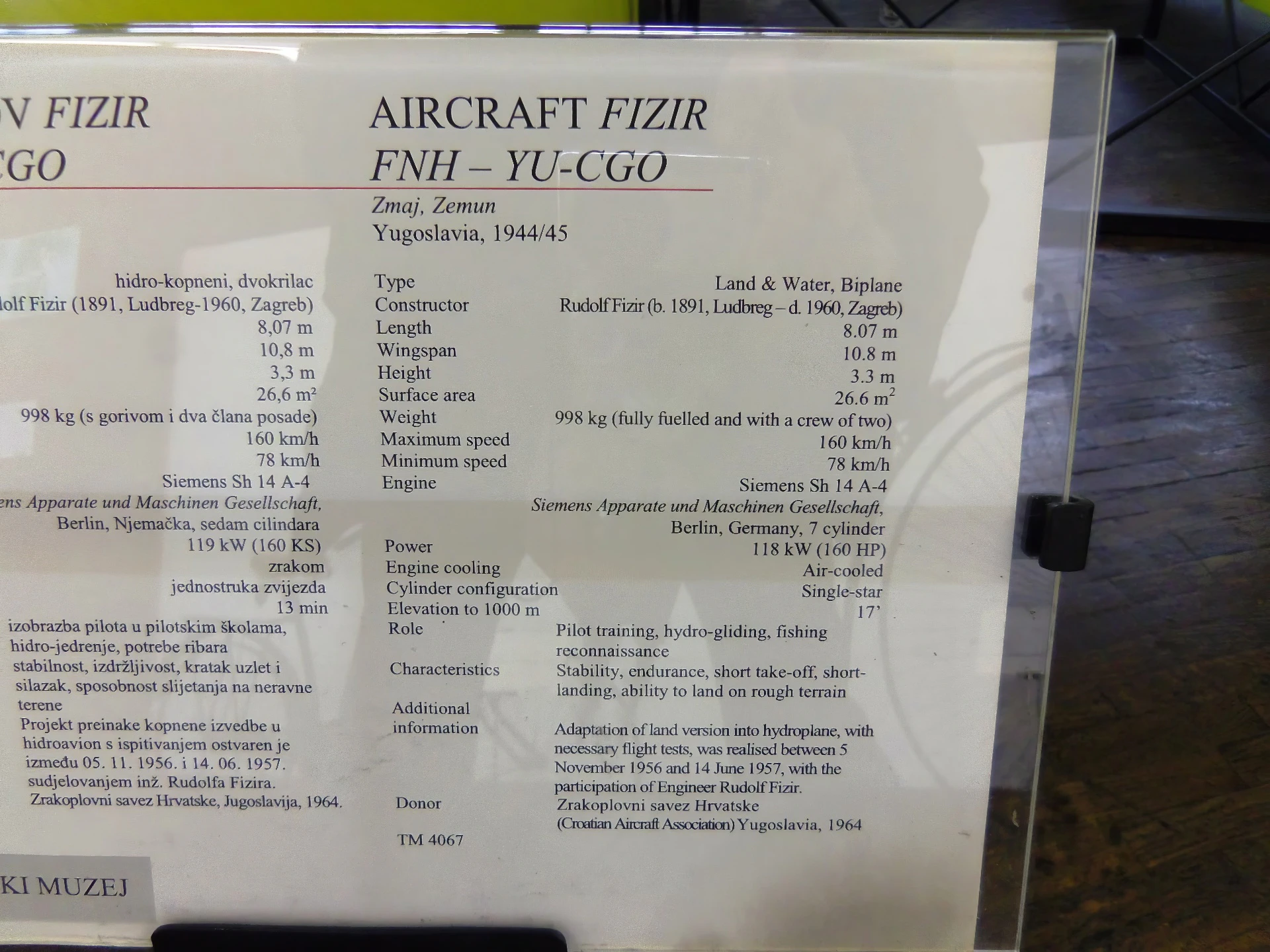
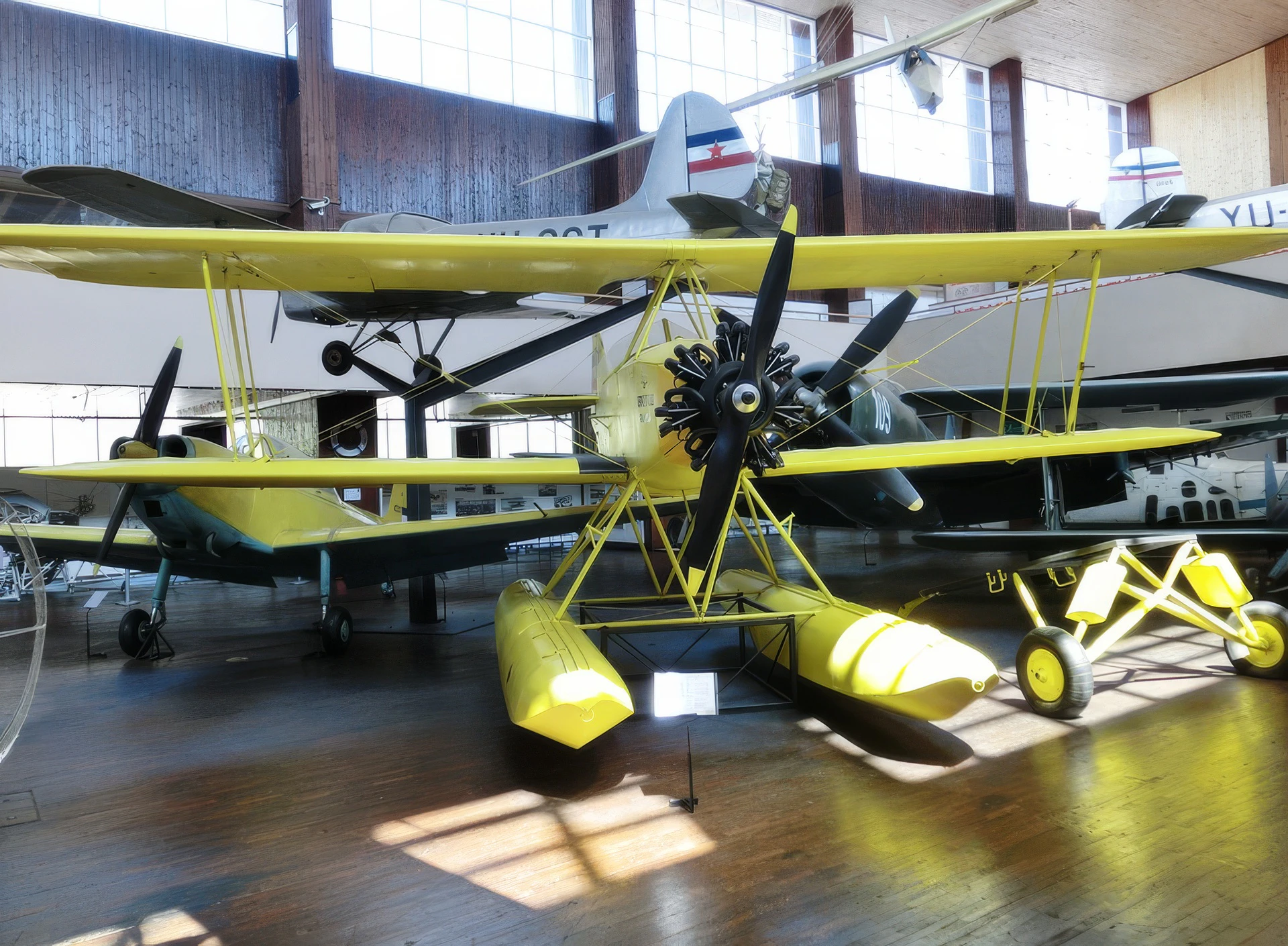
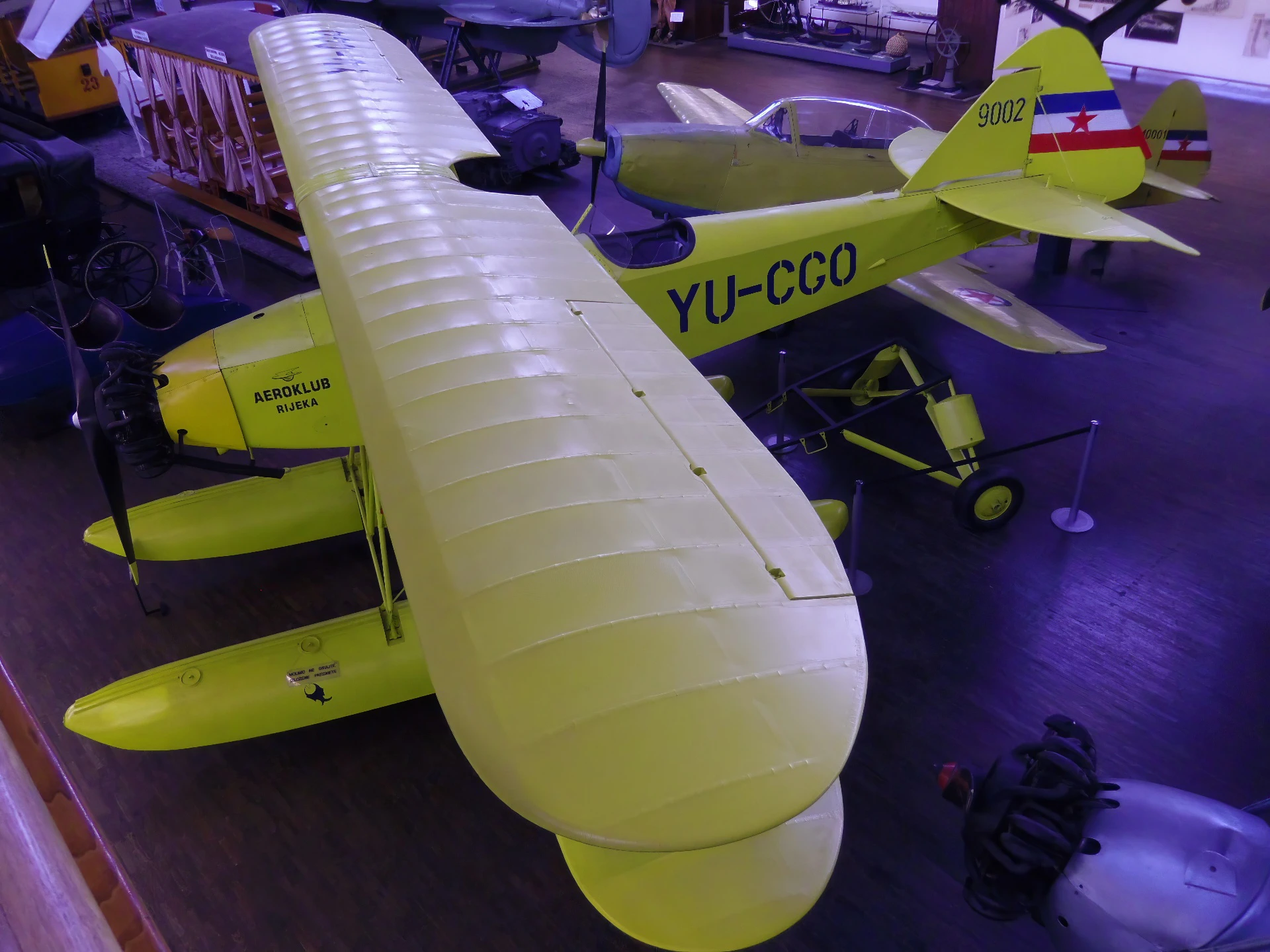
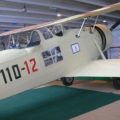
Tá Zmaj Fizir FN (Serbian Cyrillic: Змај Физир ФН) was a plane designed for primary (initial) training of pilots in Yugoslavia before World War II. It was constructed in Zmaj, a Zemun-based factory, in the Rogožarski factory in Belgrade, and Albatros in Sremska Mitrovica. Fizir FN had an exceptional low-speed stability, a desirable trait for a training aircraft, and was reliable and easy to maintain. It was also widely used as a sport aircraft.
Zdroj: Zmaj Fizir FN na Wikipedii
| ZMAJ Fizir FN Mars Walter I Walk Around | |
|---|---|
| Fotografů | Neznámé |
| Lokalizace | Neznámé |
| Fotografie | 09 |


Viz také:


General Characteristics
The Zmaj Fizir FN (*Fizir Nastavni* – Fizir Trainer) was a single-engine, two-seat biplane developed in the Kingdom of Yugoslavia. Designed by Rudolf Fizir, it became the most numerous and successful domestically-designed pre-war aircraft, serving as the standard primary trainer for the **Yugoslav Royal Air Force** from 1931 until the 1950s. It was praised for its robust construction, reliability, and excellent low-speed stability, an essential trait for a basic trainer.
| Property | Typical Value (Walter NZ 120 variant) |
|---|---|
| Roli | Primary Pilot Trainer / Sport Aircraft |
| National Origin | Jugoslávie |
| Výrobci | Zmaj, Rogožarski, Albatros |
| First Flight | květen 1929 |
| No. Built | Over 200 (plus 4 floatplane variants) |
| Posádky | 2 (Student and Instructor in tandem) |
| Délka | 8.80 m (28 ft 10 in) |
| Rozpětí křídel | 11.20 m (36 ft 9 in) |
| Max Takeoff Weight | 1,426 kg (3,144 lb) |
Design and Powerplant
- Engine: One Walter NZ 120 7-cylinder air-cooled radial piston engine. (Many variants existed with different engines).
- Power Output: 88 kW (118 hp).
- Construction: The airframe featured an all-wood structure, with the fuselage and wings covered in fabric.
- Configuration: Conventional two-bay biplane with fixed landing gear. The design included ailerons on both the upper and lower wings to provide excellent control for student pilots.
- Notable Variant: The Fizir FN – Walter Mars I was a floatplane (hydro) variant with a more powerful engine, used by the Navy Aviation.
Performance and Service
- Maximum Speed: Up to 140 km/h (87 mph, 76 knots).
- Cruise Speed: 120 km/h (75 mph, 65 knots).
- Service Ceiling: 6,500 m (21,300 ft).
- Range: 540 km (340 mi, 290 nmi).
- Operational History: Used extensively by the Yugoslav Royal Air Force and by aero clubs for sport flying. It continued in service with the post-war Yugoslav Air Force until its retirement around 1950.
- Endurance: Its high stability and reliability made it ideal for the demanding curriculum of basic flight training.
Počet zobrazení: 479
Můžete také vidět:
 Aero A-32 – Fotografie & videa
 Fokker C.V – Fotografie & Videa
 SPAD S.XIII – Fotografie & Videa
 Nový standard D-25 – Fotografie a videa
 Douglas O-38 – Fotografie & Video
 Loening OL – Fotografie & Video
 Naval Aircraft Factory N3N – Fotografie & Video
 Grumman F3F - Fotografie & Video
 IMAM Ro 37bis – Fotografie & Video
 Royal Aircraft Factory BE2A – Fotografie & Video