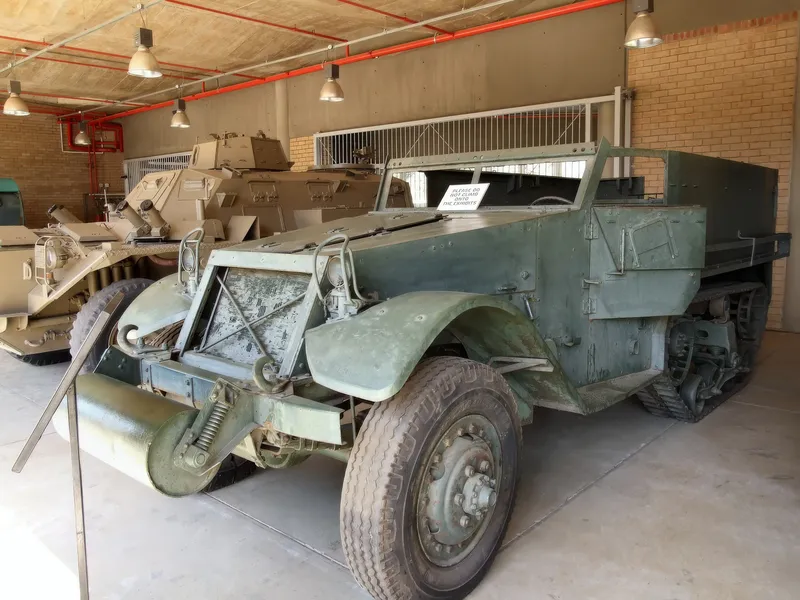
M9A1 | |
|---|---|
| Země | SPOJENÉ STÁTY |
| Typ | HalfTrack |
| Téma | Album 47 fotografie procházka kolem M9A1 |
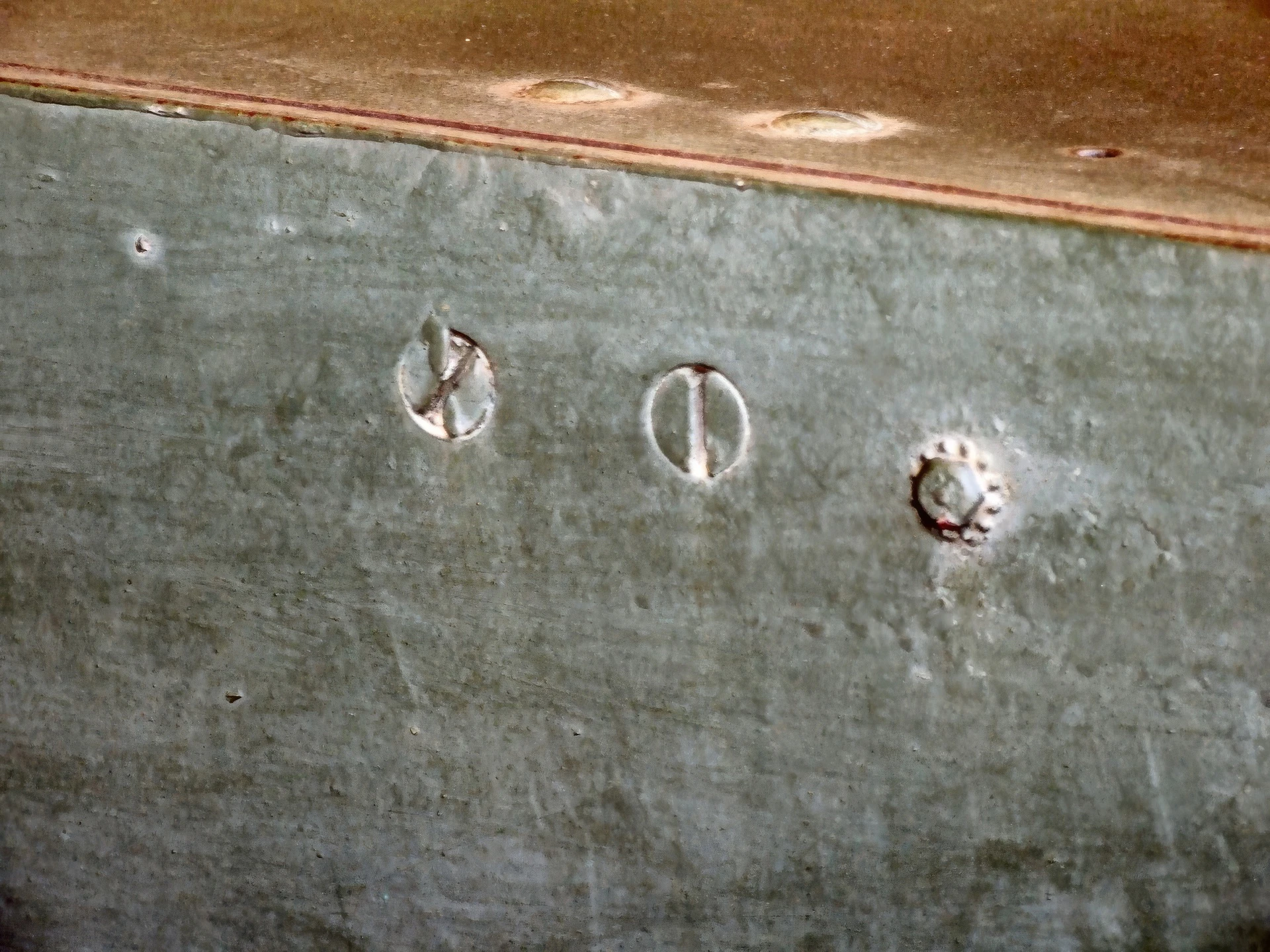
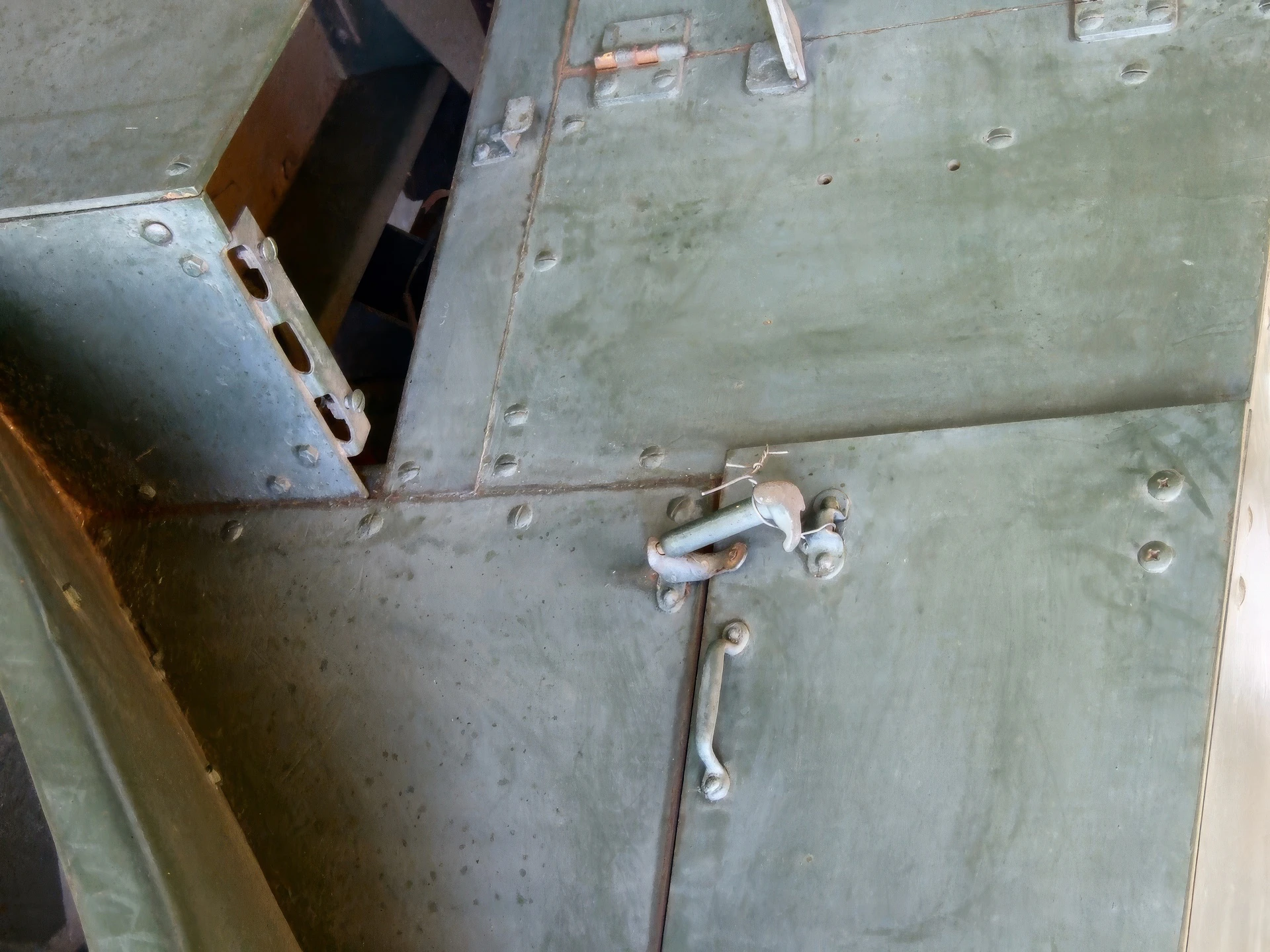
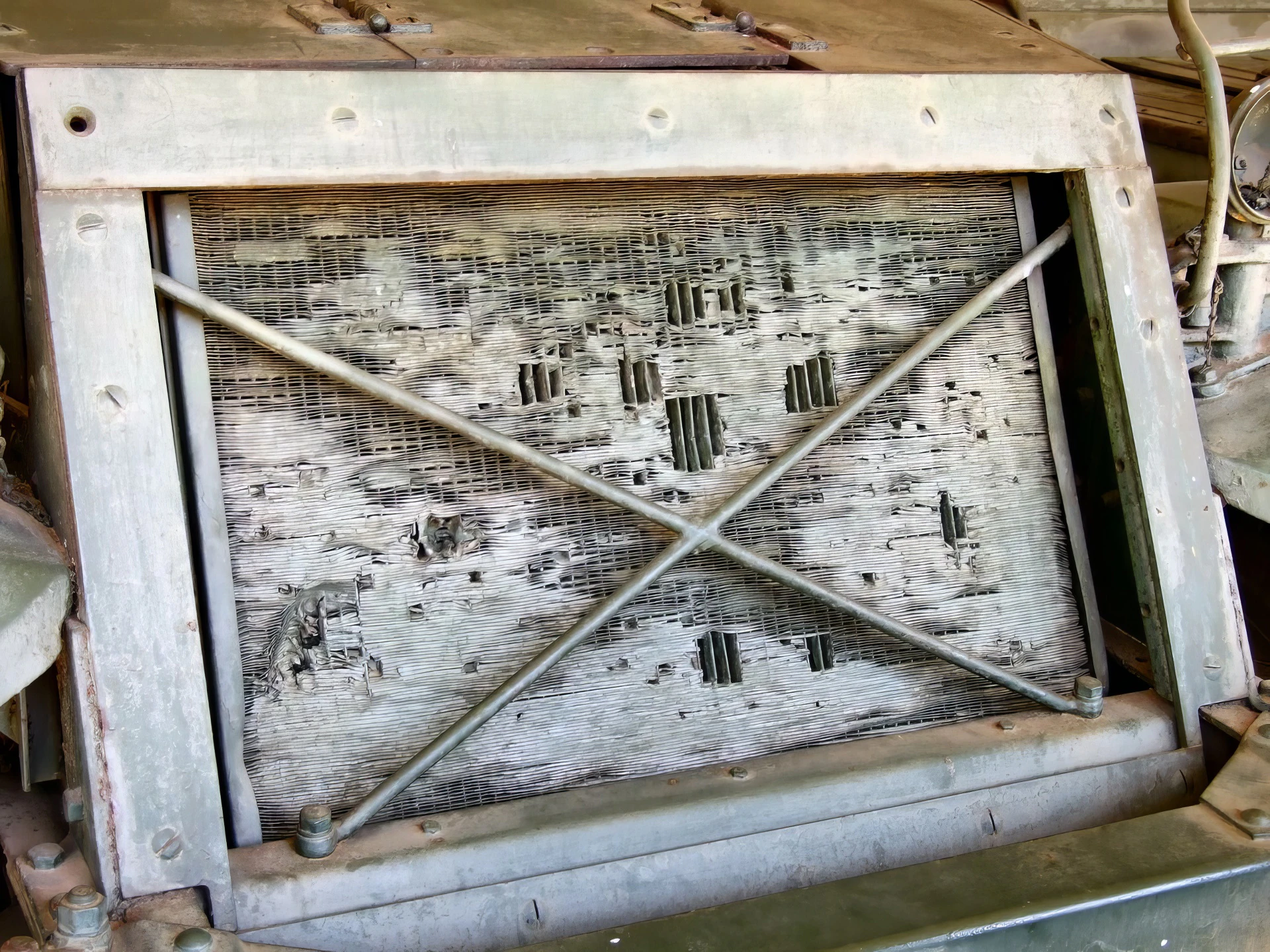
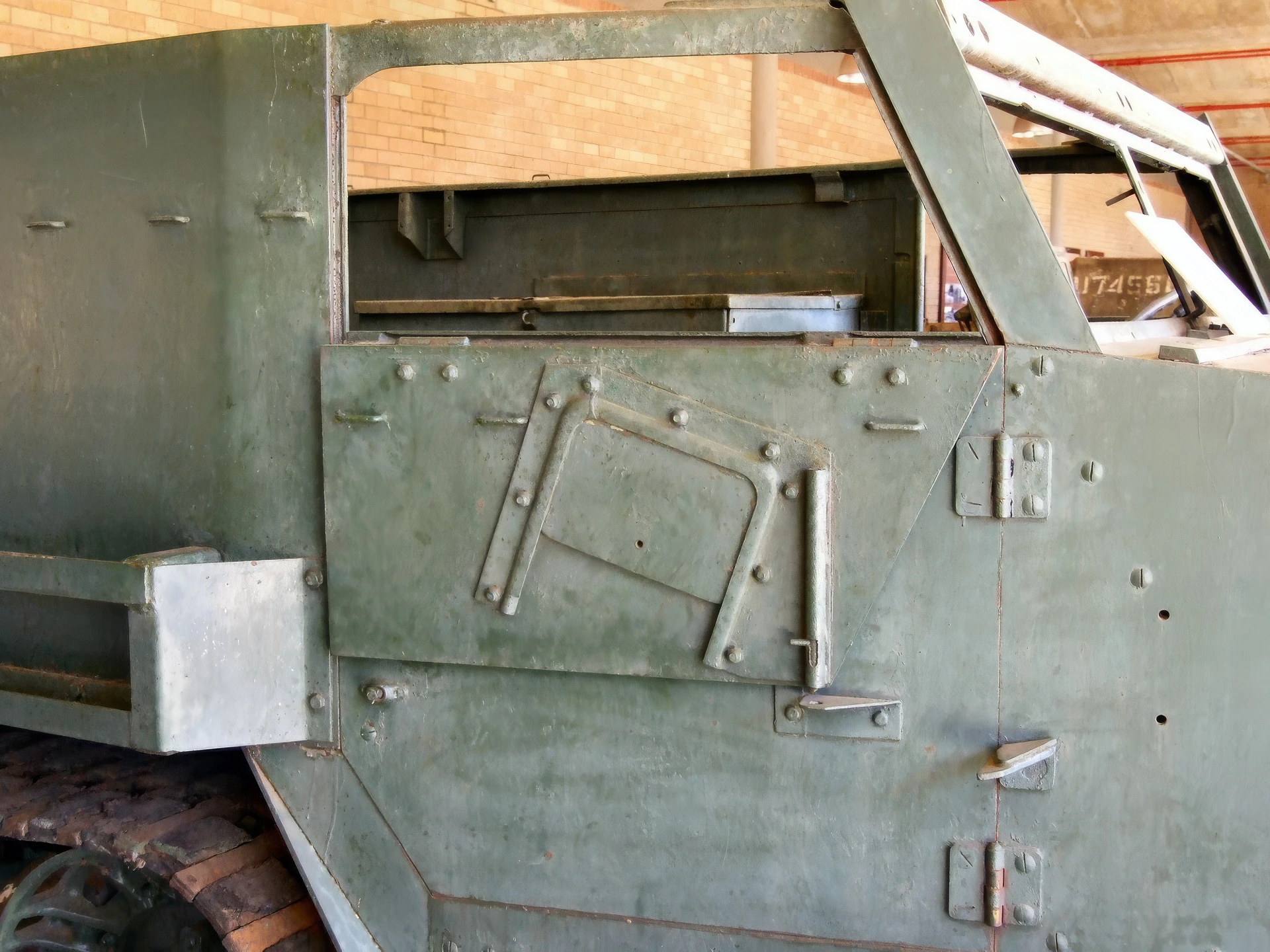
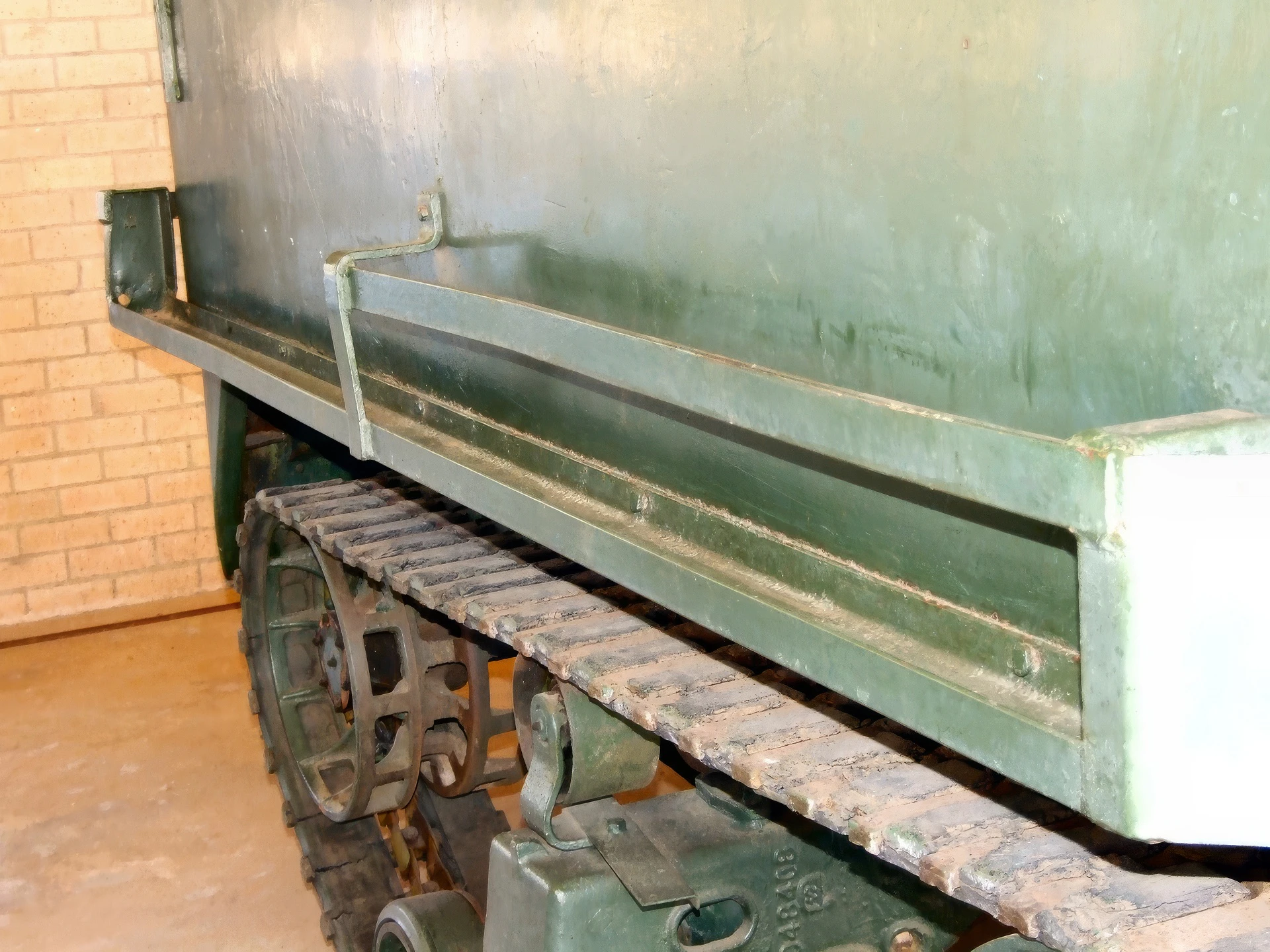
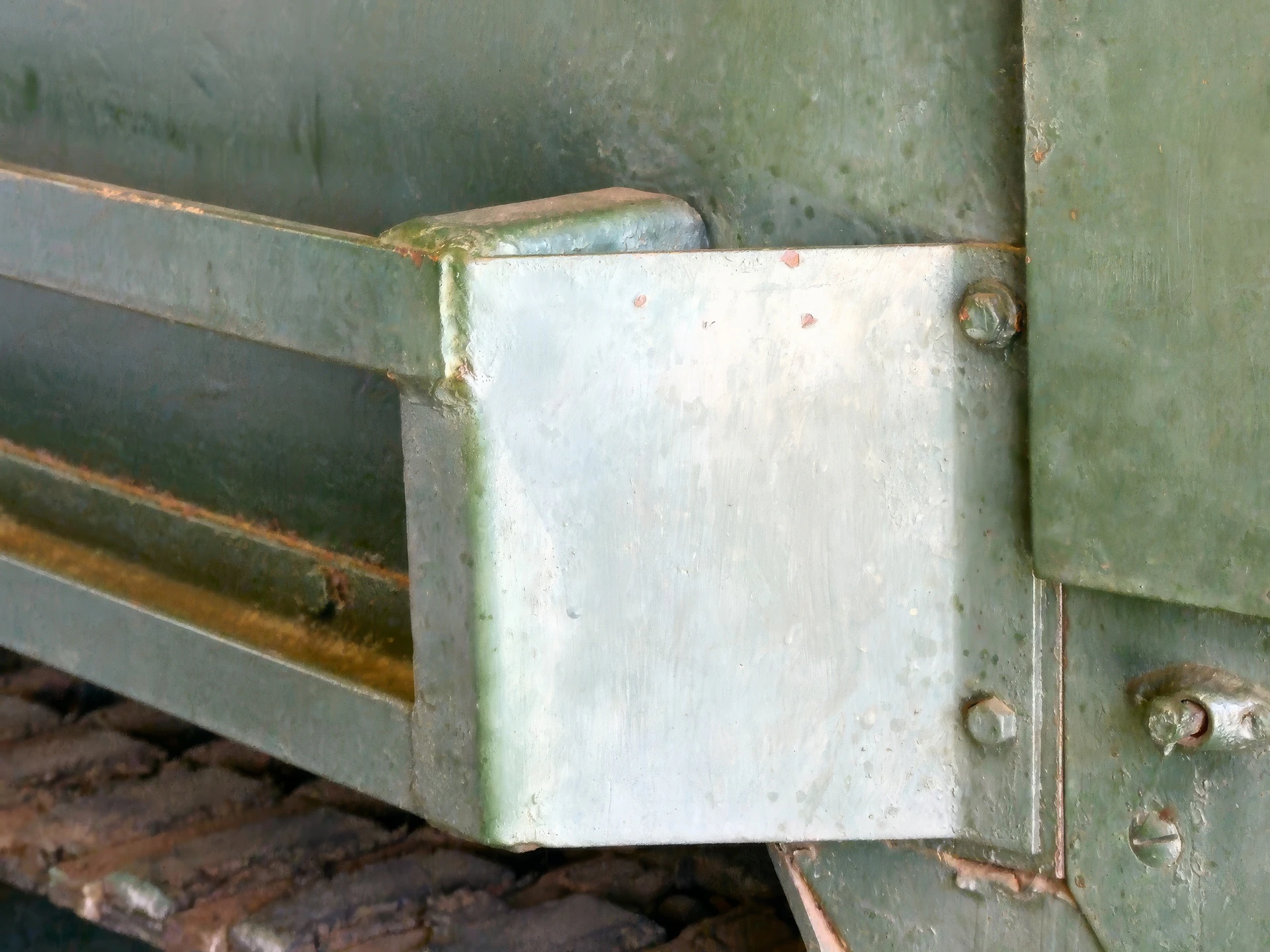
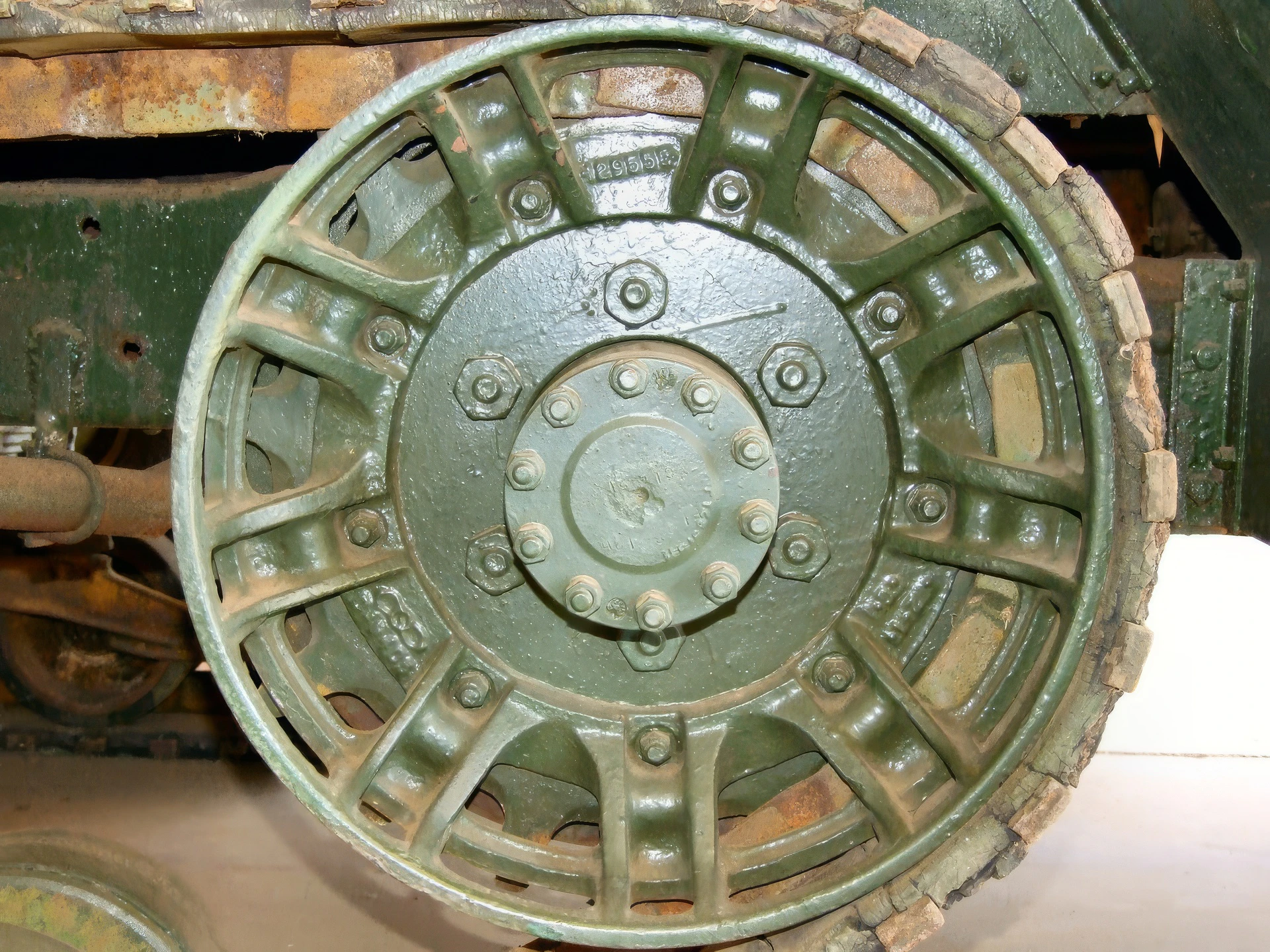
Fotogalerie M9A1 HalfTrack, The M9A1 vyplynou ze skutečnosti, že White a Autocar nedokázaly držet krok s poptávkou po polostopých vozech a byly analogické s poloviční tratí M2. M9A1 se však v několika ohledech lišily od M2A1. M9A1 postrádaly boční muniční prostory, zadní dveře, blatníky na M9A1 byly ploché v průřezu a na rozdíl od M2A1 bylo tělo M9A1 stejně dlouhé jako M5, jeho protějšek osobního nosiče. M9A1 také nikdy neměl velké světlomety namontované na blatníku. International Harvester použil na svých vozidlech válcované homogenní ocelové brnění, které umožňovalo svařit desky dohromady, což IHC polovičním stopám dodávalo hladší vzhled než šroubované poloviční koleje.
Zdroj: Afvdb

Viz také:


Tá M9A1 Half-Track Car was a variant of the M5 Half-Track produced by International Harvester (IHC) primarily for Lend-Lease to Allied nations during World War II, complementing the M2 and M3 Half-Tracks built by other manufacturers for US Army service. It served mainly as an armored personnel carrier and scout car.
Key Specifications and Features (M9A1)
| Characteristic | Detail |
|---|---|
| Roli | Armored Personnel Carrier (APC) / Scout Car |
| Výrobce | International Harvester (IHC) |
| Crew / Capacity | 3 Crew + 10 Troops |
| Weight (Combat) | Approx. 9.6 tonnes (21,200 lbs) |
| Engine / Speed | IHC RED-450-B 6-cyl gasoline engine (141 hp) / Max. 42 mph (68 km/h) |
| Brnění | Rolled Homogeneous Steel (approx. 8–16 mm) |
| Main Armament | 1 × .50 cal (12.7 mm) M2HB machine gun on an M49 Ring Mount |
| Secondary Armament | 1 or 2 × .30 cal (7.62 mm) M1919A4 machine guns on pintle mounts |
Design & Operational Context
The M9A1 was developed as an export version analogous to the US Army’s M2A1 Half-Track Car, but was based on the longer M5 chassis (similar length to the M3 APC). The key difference between the M9A1 and its M2/M2A1 counterparts were:
- It featured rear access doors for the troop compartment, unlike the standard M2.
- It used a different type of armor (Rolled Homogeneous Steel) which, though thicker, offered slightly less ballistic protection than the face-hardened armor on the M2/M3. This IHC armor gave it distinguishing rounded rear corners.
- It was fitted with the **M49 machine gun ring mount** over the co-driver’s seat, allowing a .50 cal machine gun 360-degree traverse, which was the key update over the base M9 model.
The M9A1 was widely supplied to Allies, particularly the French and British forces, who valued the vehicle for its role in transporting infantry squads, providing fire support, and acting as a motorized artillery prime mover during the Western Front and beyond. It was a rugged and reliable, though lightly armored, part of the Allied armored transport fleet.
Zobrazení: 3235
Můžete také vidět:
 Sd.Kfz. 11 – Fotografie & Videa
 SdKfz 251 Ausf D – Procházka Kolem
 Sdkfz 7 vol2 – Procházka Kolem
 SU-57 sur základna M3 – Procházka Kolem
 Sd.Kfz.4/1 Maultier – Procházka
 M3A1 Scout Car – Procházka Kolem
 Sdkfz 251 – WalkAround
 Sdkfz 7 – Procházka Kolem
 M16 Wasp Half-track – Procházka Kolem
 M3 Poloviční trať - Procházka Kolem