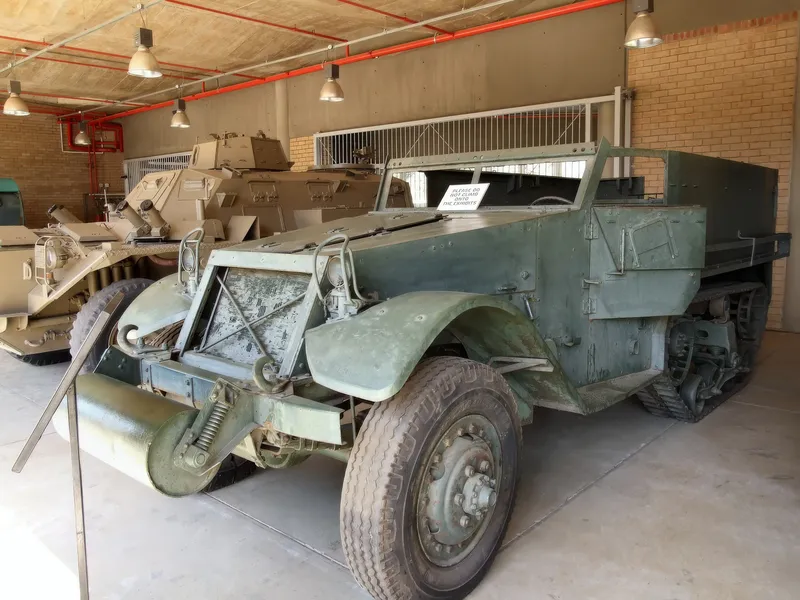
М9А1 | |
|---|---|
| Страны | США |
| Тип | Полутрек |
| Теме | Альбом 47 фотографии ходить вокруг М9А1 |
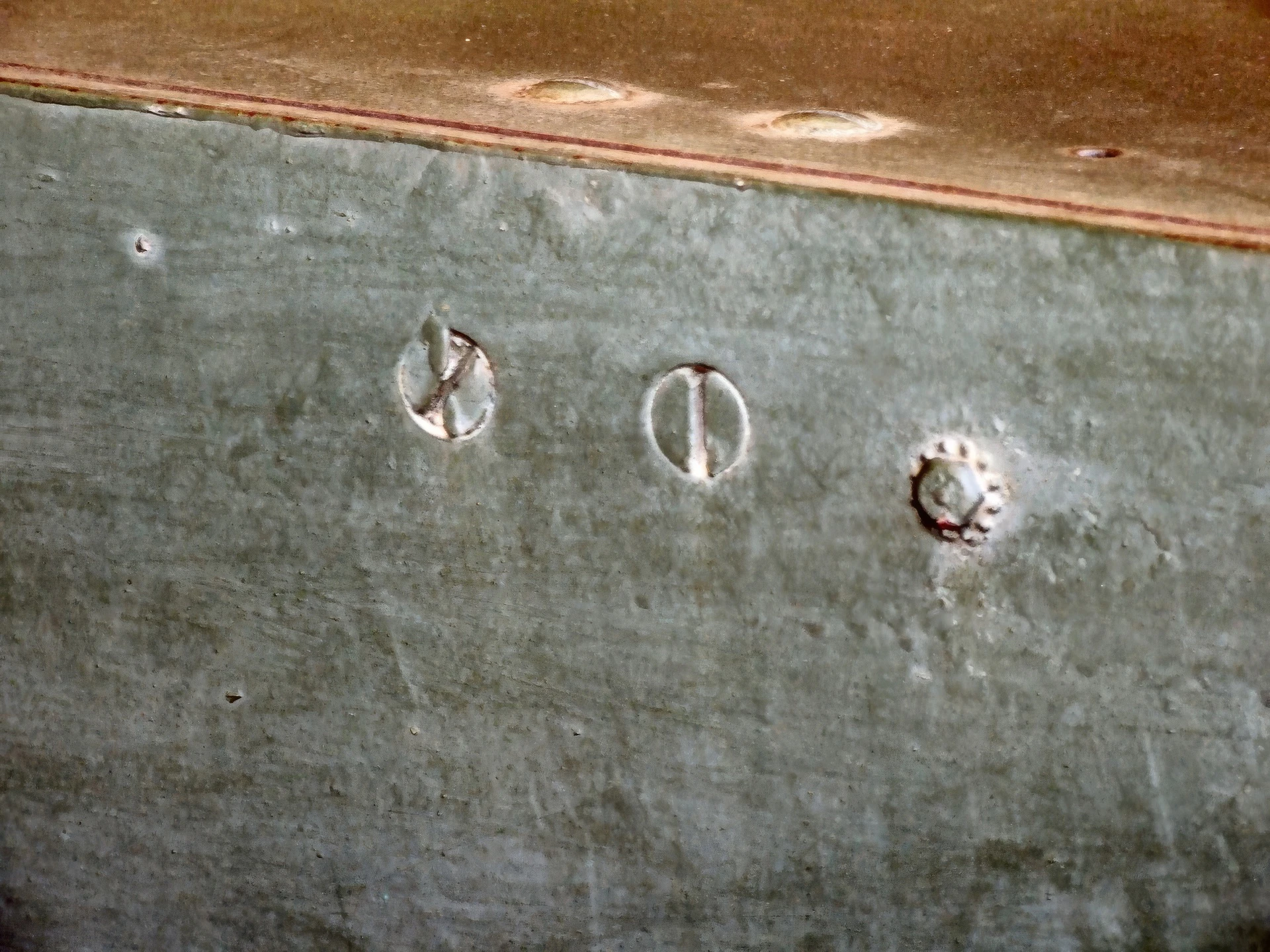
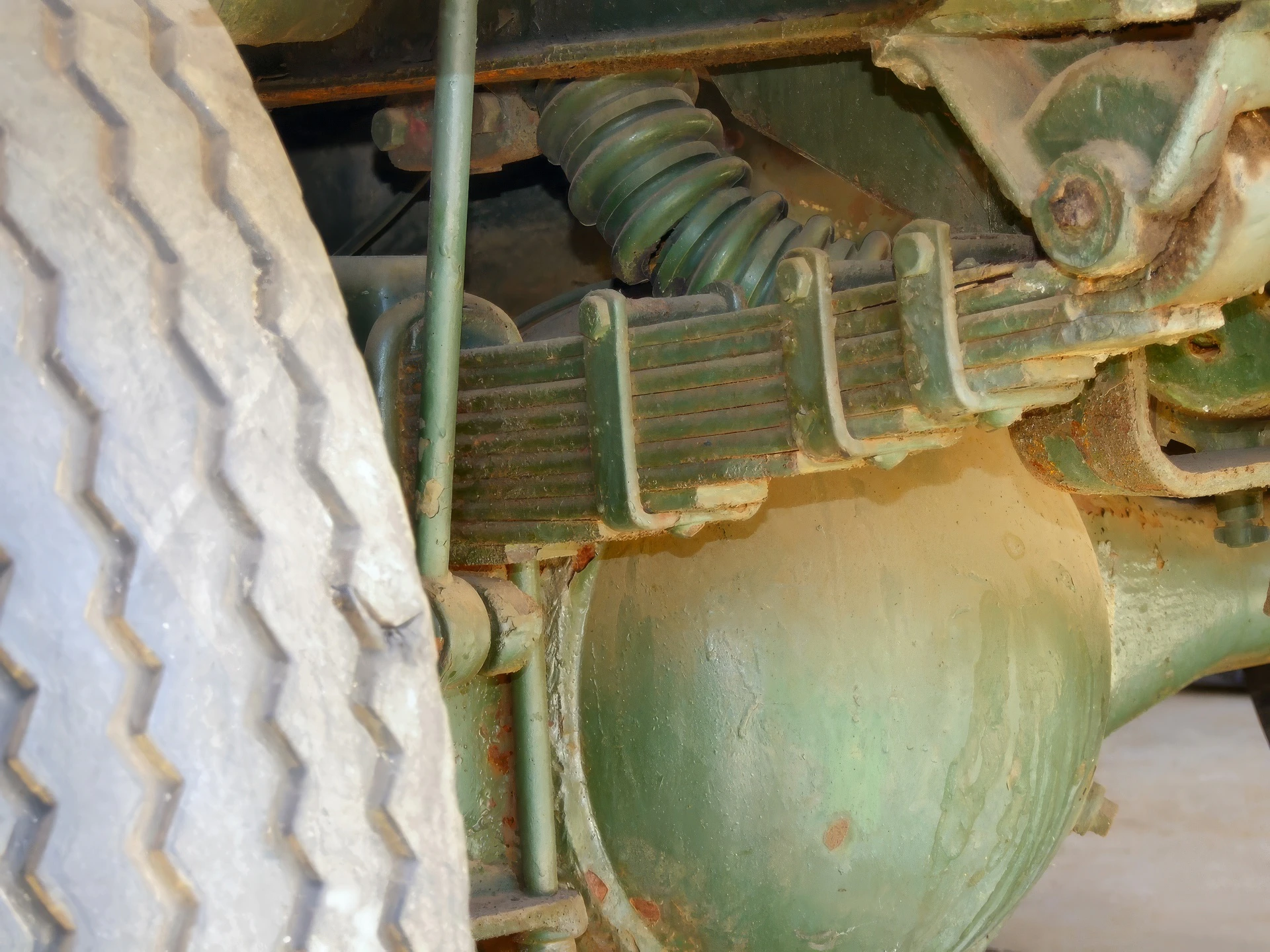
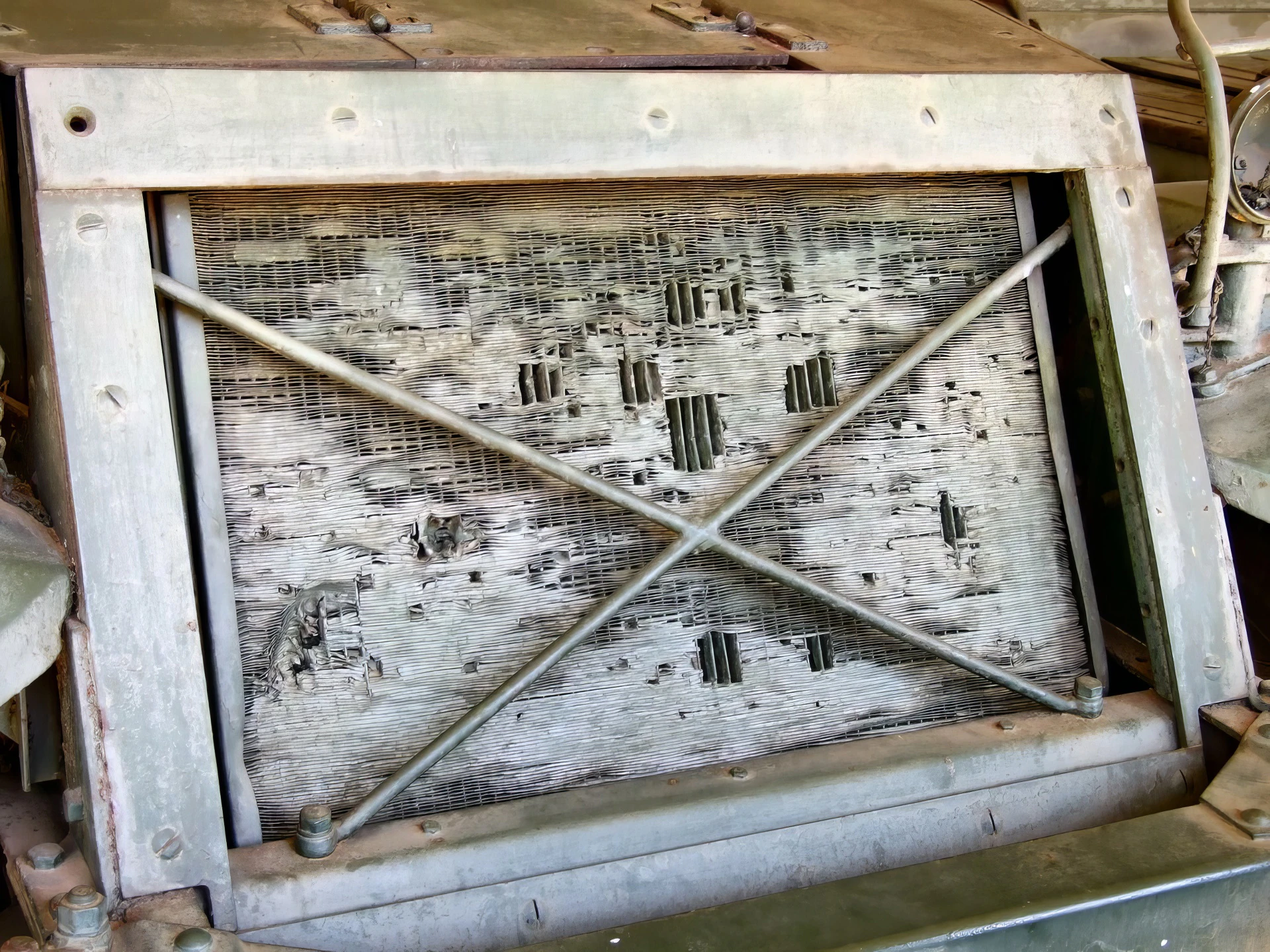
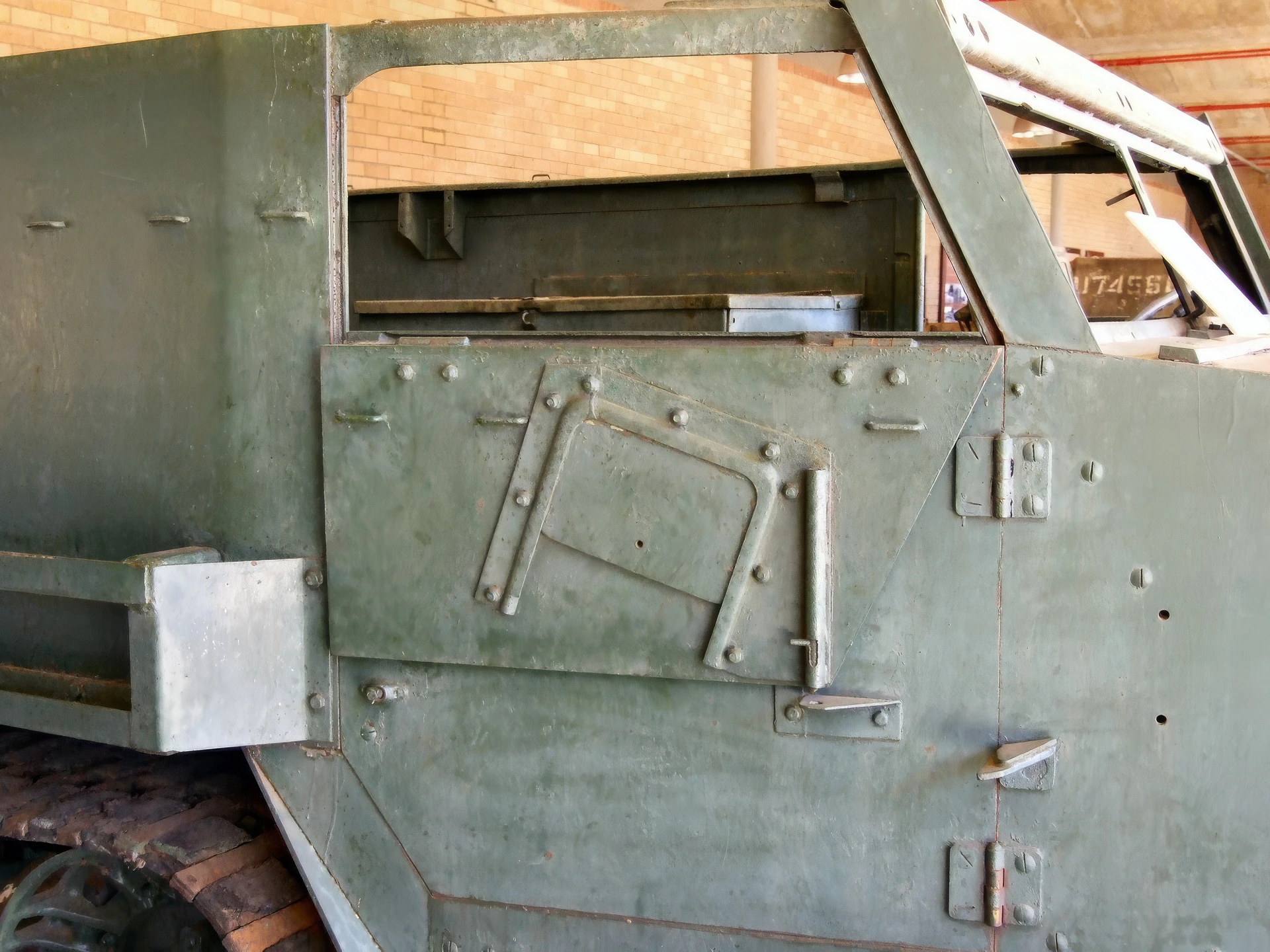
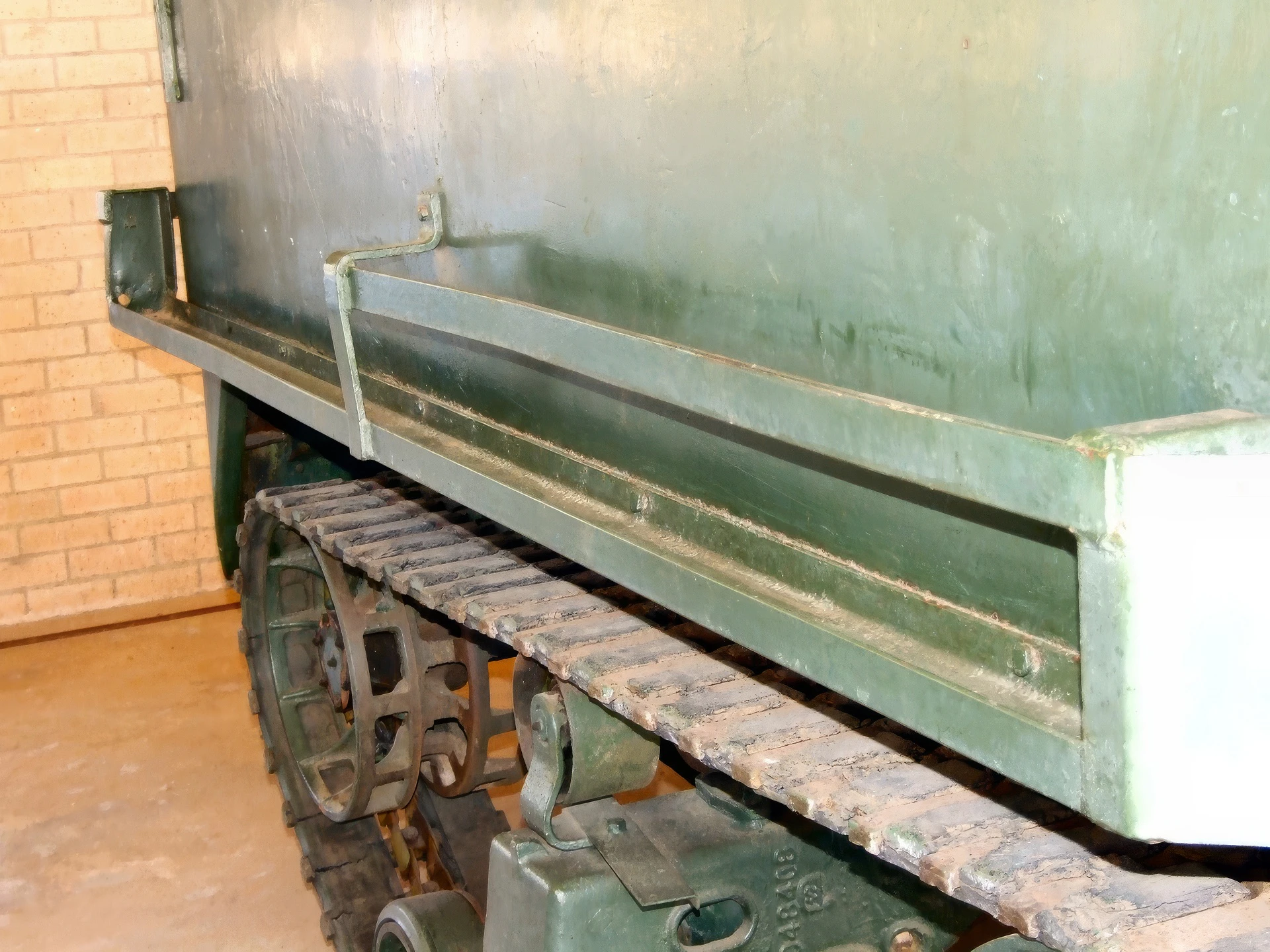
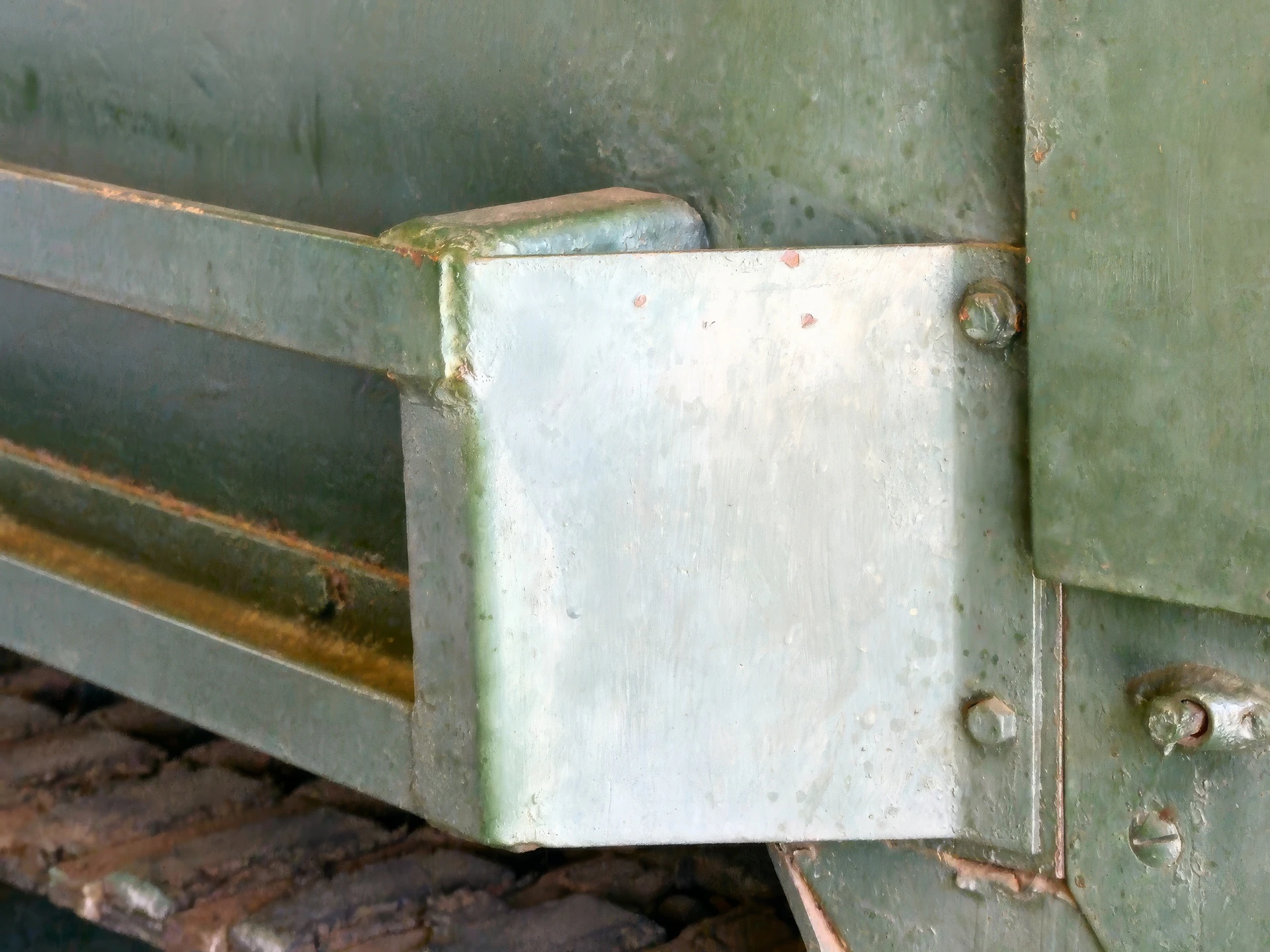
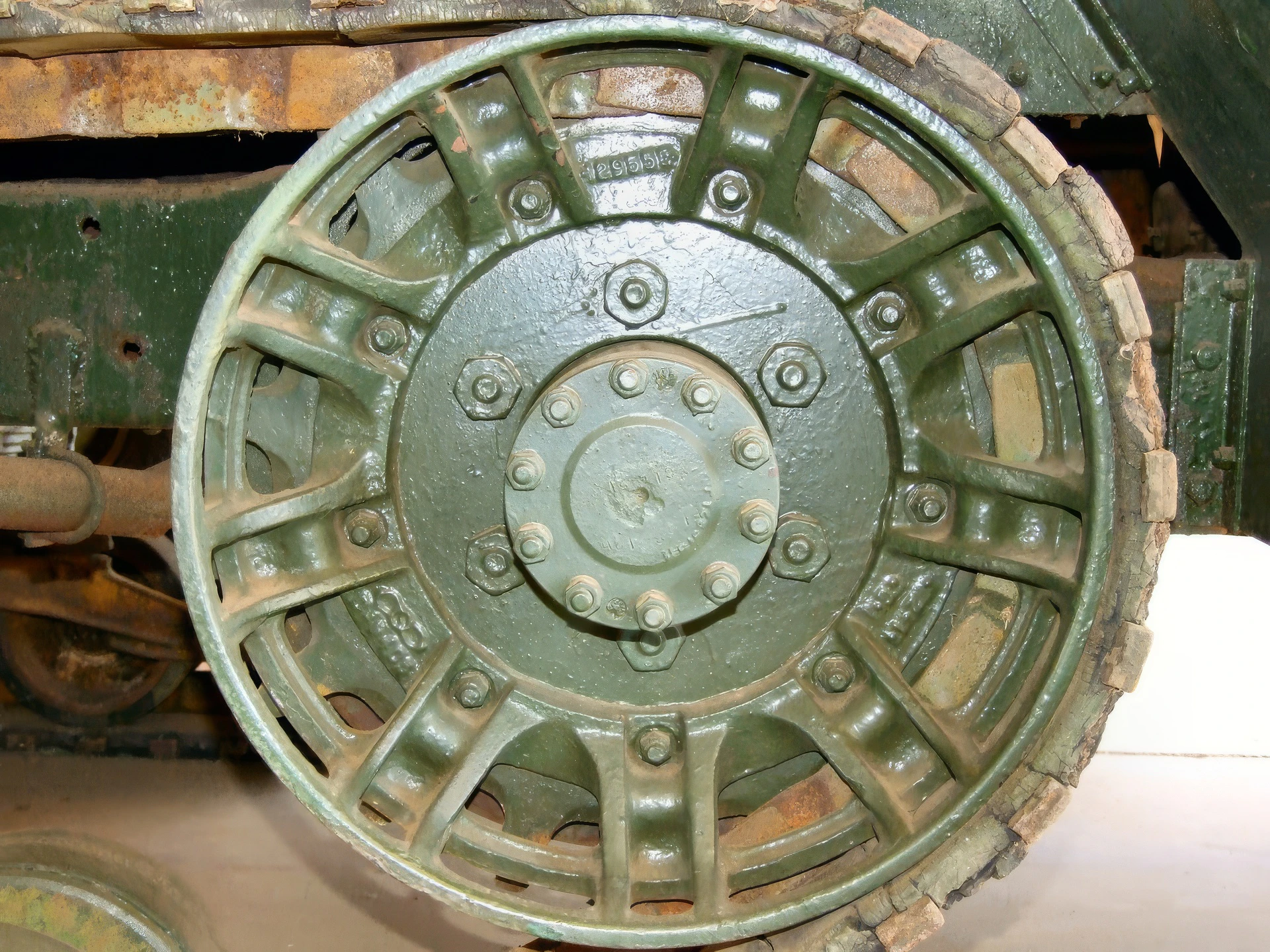
Фотогалерея полугусеничной дорожки M9A1, The М9А1 Это происходило из-за того, что White и Autocar не могли идти в ногу со спросом на полугусеничные автомобили, и были аналогичны полугусеничной M2. Однако M9A1 несколько раз отличались от M2A1. M9A1 не имели боковых отсеков для боеприпасов, имели задние двери, крылья на M9A1 были плоскими в поперечном сечении, и в отличие от M2A1 корпус M9A1 был такой же длины, как у M5, его аналога на человечном транспорте. M9A1 также никогда не имел больших фар, установленных на крыльях. International Harvester использовала на своих автомобилях прокатную однородную стальную броню, которая позволяла сваривать пластины вместе, придавая полугусеницам IHC более гладкий вид, чем болтовые полугусеницы.
Источник: Афвдб

Читайте также:


Teh M9A1 Half-Track Car was a variant of the M5 Half-Track produced by International Harvester (IHC) primarily for Lend-Lease to Allied nations during World War II, complementing the M2 and M3 Half-Tracks built by other manufacturers for US Army service. It served mainly as an armored personnel carrier and scout car.
Key Specifications and Features (M9A1)
| Characteristic | Detail |
|---|---|
| Роль | Armored Personnel Carrier (APC) / Scout Car |
| Производителя | International Harvester (IHC) |
| Crew / Capacity | 3 Crew + 10 Troops |
| Weight (Combat) | Approx. 9.6 tonnes (21,200 lbs) |
| Engine / Speed | IHC RED-450-B 6-cyl gasoline engine (141 hp) / Max. 42 mph (68 km/h) |
| Броня | Rolled Homogeneous Steel (approx. 8–16 mm) |
| Основное вооружение | 1 × .50 cal (12.7 mm) M2HB machine gun on an M49 Ring Mount |
| Вспомогательное вооружение | 1 or 2 × .30 cal (7.62 mm) M1919A4 machine guns on pintle mounts |
Design & Operational Context
The M9A1 was developed as an export version analogous to the US Army’s M2A1 Half-Track Car, but was based on the longer M5 chassis (similar length to the M3 APC). The key difference between the M9A1 and its M2/M2A1 counterparts were:
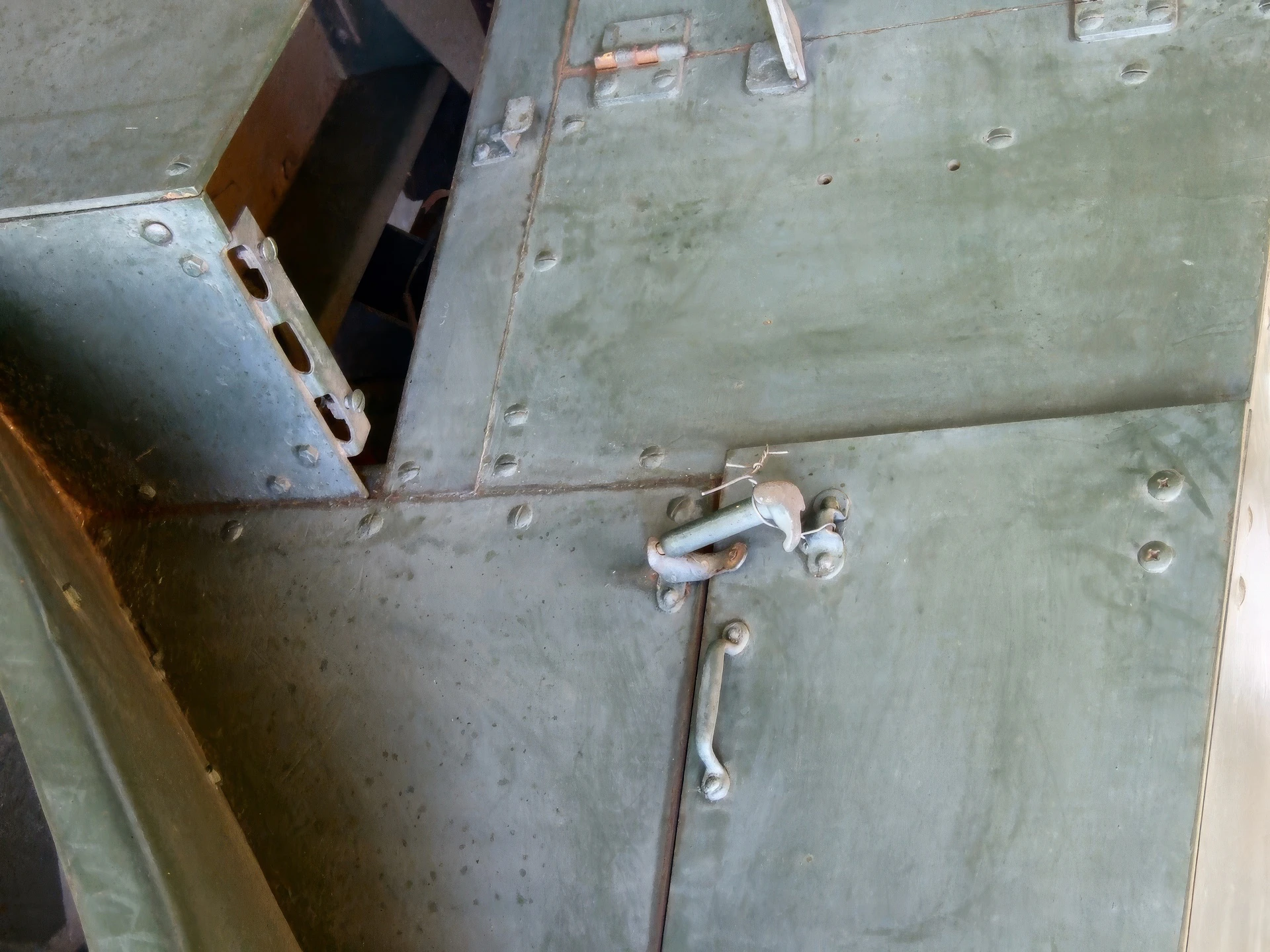
- It featured rear access doors for the troop compartment, unlike the standard M2.
- It used a different type of armor (Rolled Homogeneous Steel) which, though thicker, offered slightly less ballistic protection than the face-hardened armor on the M2/M3. This IHC armor gave it distinguishing rounded rear corners.
- It was fitted with the **M49 machine gun ring mount** over the co-driver’s seat, allowing a .50 cal machine gun 360-degree traverse, which was the key update over the base M9 model.
The M9A1 was widely supplied to Allies, particularly the French and British forces, who valued the vehicle for its role in transporting infantry squads, providing fire support, and acting as a motorized artillery prime mover during the Western Front and beyond. It was a rugged and reliable, though lightly armored, part of the Allied armored transport fleet.
Просмотров : 3239
Вы также можете увидеть:
 Sd.Kfz. 11 – Фото и видео
 SdKfz 251 Ausf D - Прогулка вокруг
 Sdkfz 7 vol2 - Прогулка вокруг
 Су-57 сюр базы M3 - Прогулка вокруг
 Sd.Kfz.4/1 Maultier - WalkAround
 M3A1 Скаутский автомобиль - Прогулка вокруг
 Sdkfz 251 - WalkAround
 Sdkfz 7 - Прогулка вокруг
 M16 Оса Half-track - Прогулка вокруг
 M3 Полуток - Прогулка вокруг