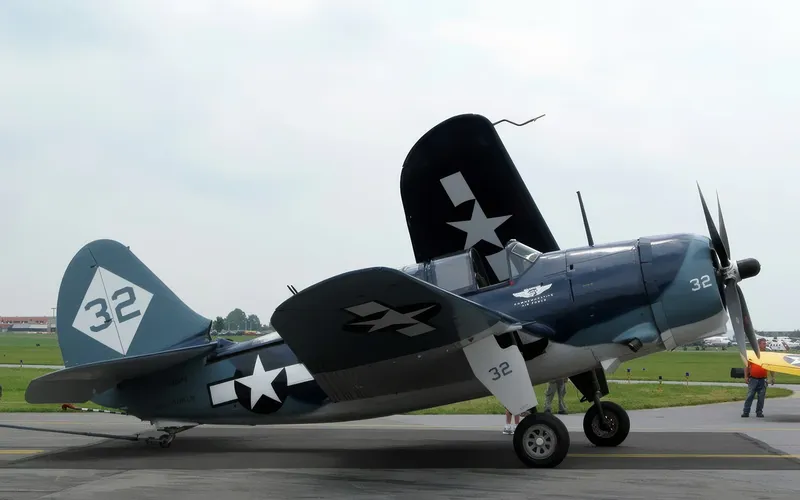
Curtiss SB2C-5 Helldiver | |
|---|---|
| Země | SPOJENÉ STÁTY |
| Typ | Bombardier |
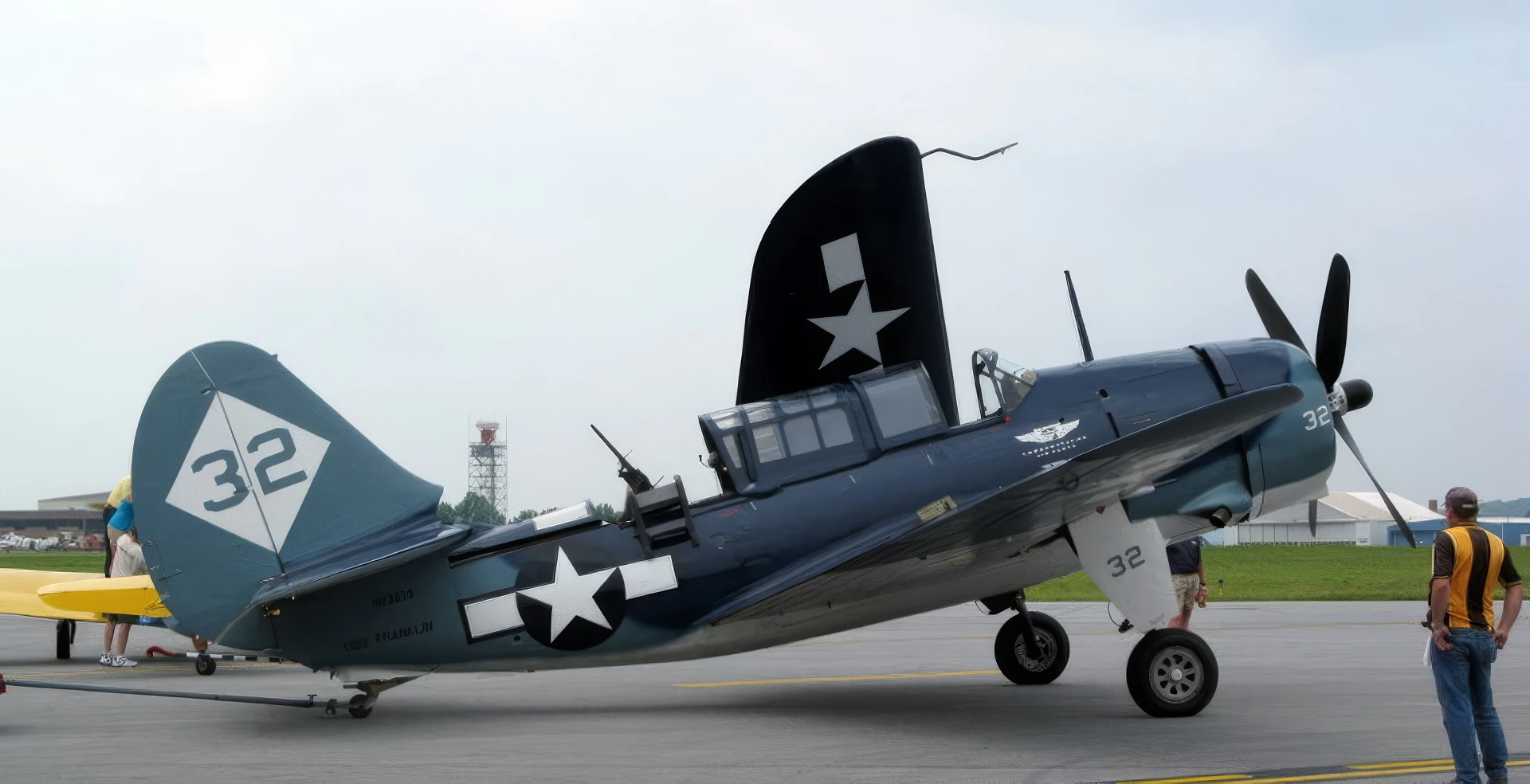
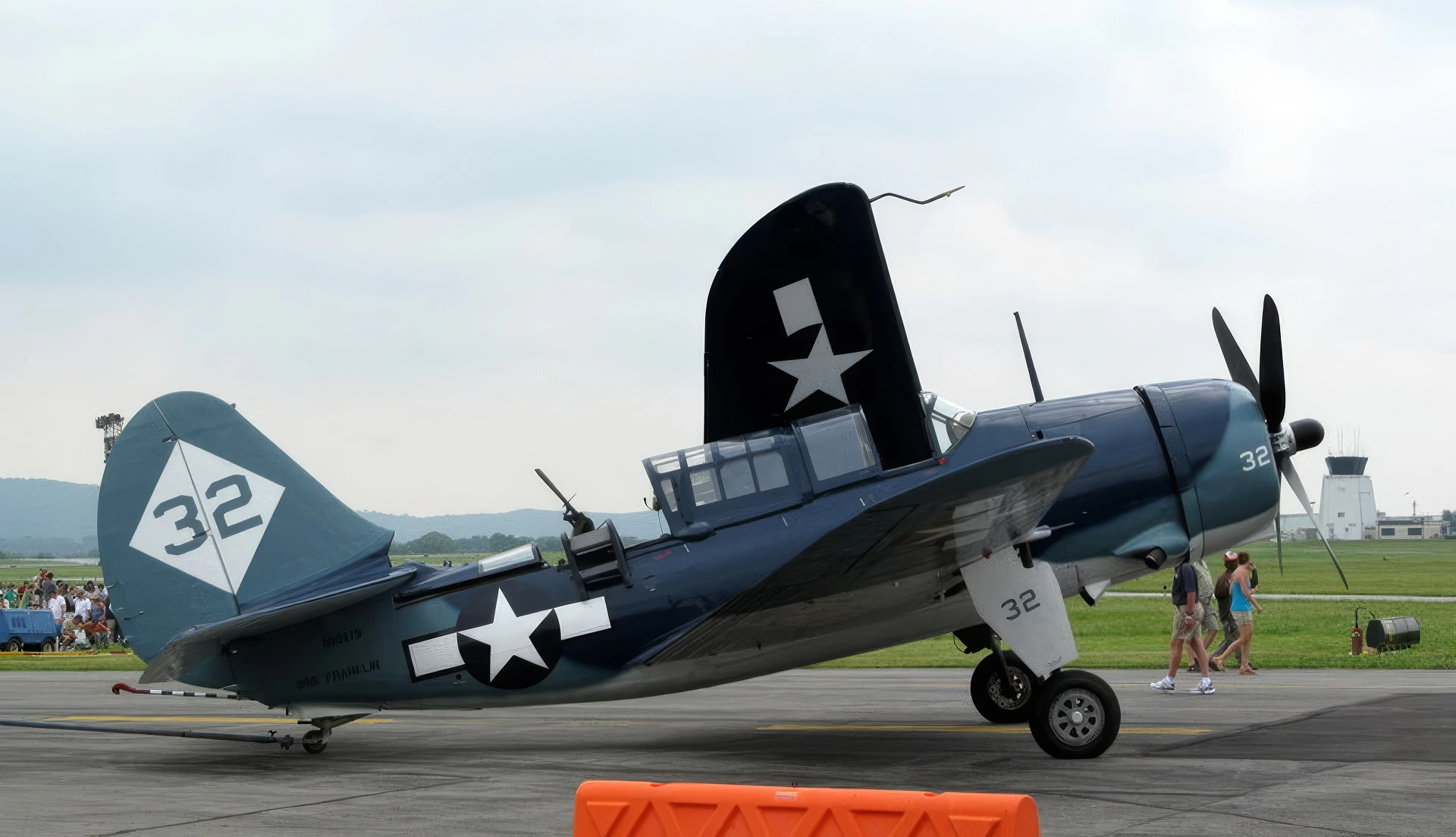
Fotogalerie na Curtiss SB2C-5 Helldiver, The Curtiss SB2C Helldiver surnommé « The beast » (La bête) par ses équipages est un avion militaire de la Seconde Guerre mondiale. L’usine Curtiss obdržel jako Brewster rozkaz od amerického námořnictva v květnu 1939 nahradit Douglas SBD Dauntless jako střemhlavý bombardér na amerických letadlových lodích. Prototyp poprvé vzlétl 18. prosince 1940, ale o několik dní později byl při nehodě zničen. Tento incident, stejně jako četné úpravy (zvýšená nosnost paliva, stopovací nádrže, posílení palubní výzbroje, zvýšená plocha driftu a kormidla) způsobily značné zpoždění, a přestože první série kopie letěla v červnu 1942, první válečná mise se uskutečnila až 11. listopadu 1943 bombardováním ostrova Rabaul.
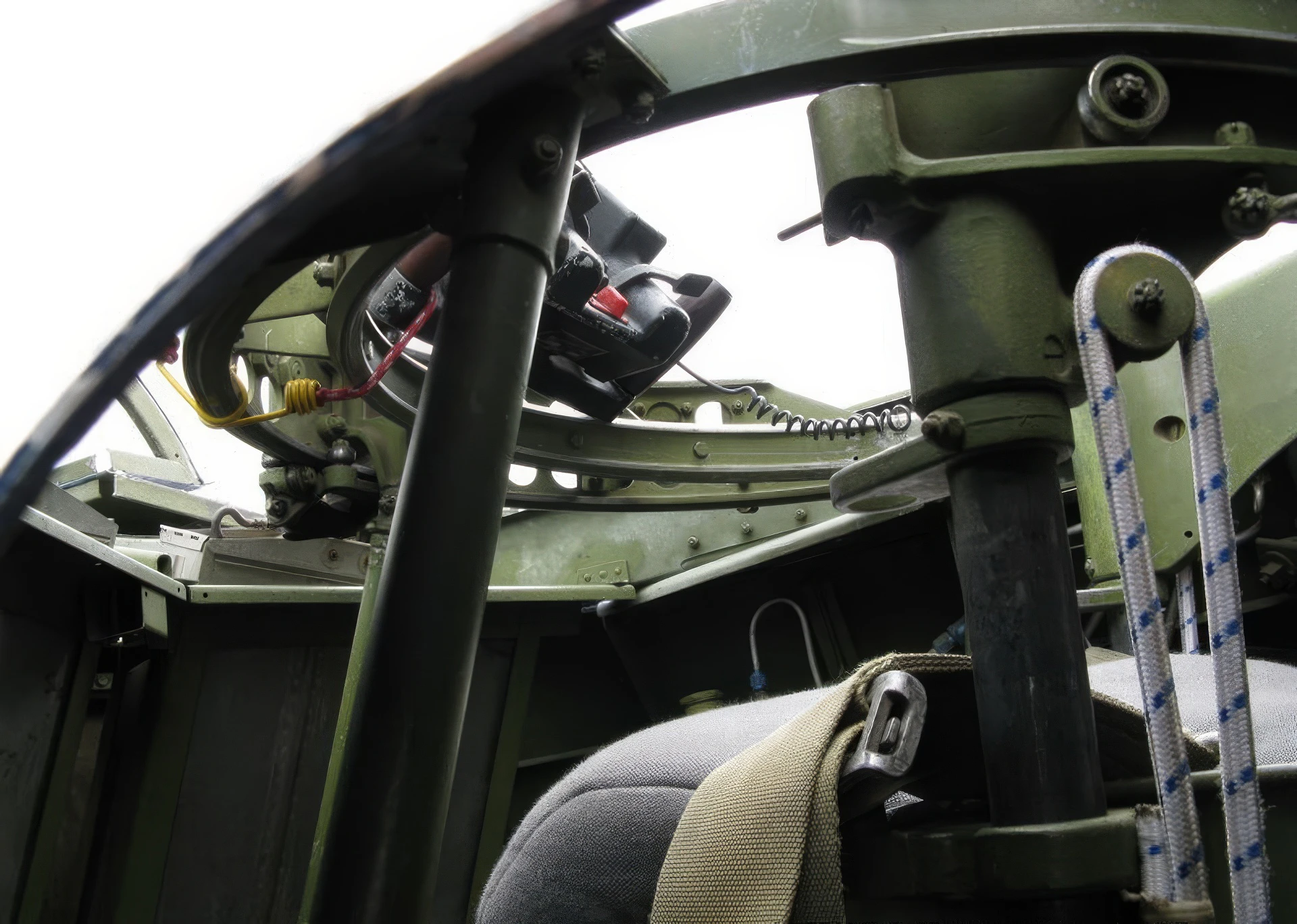
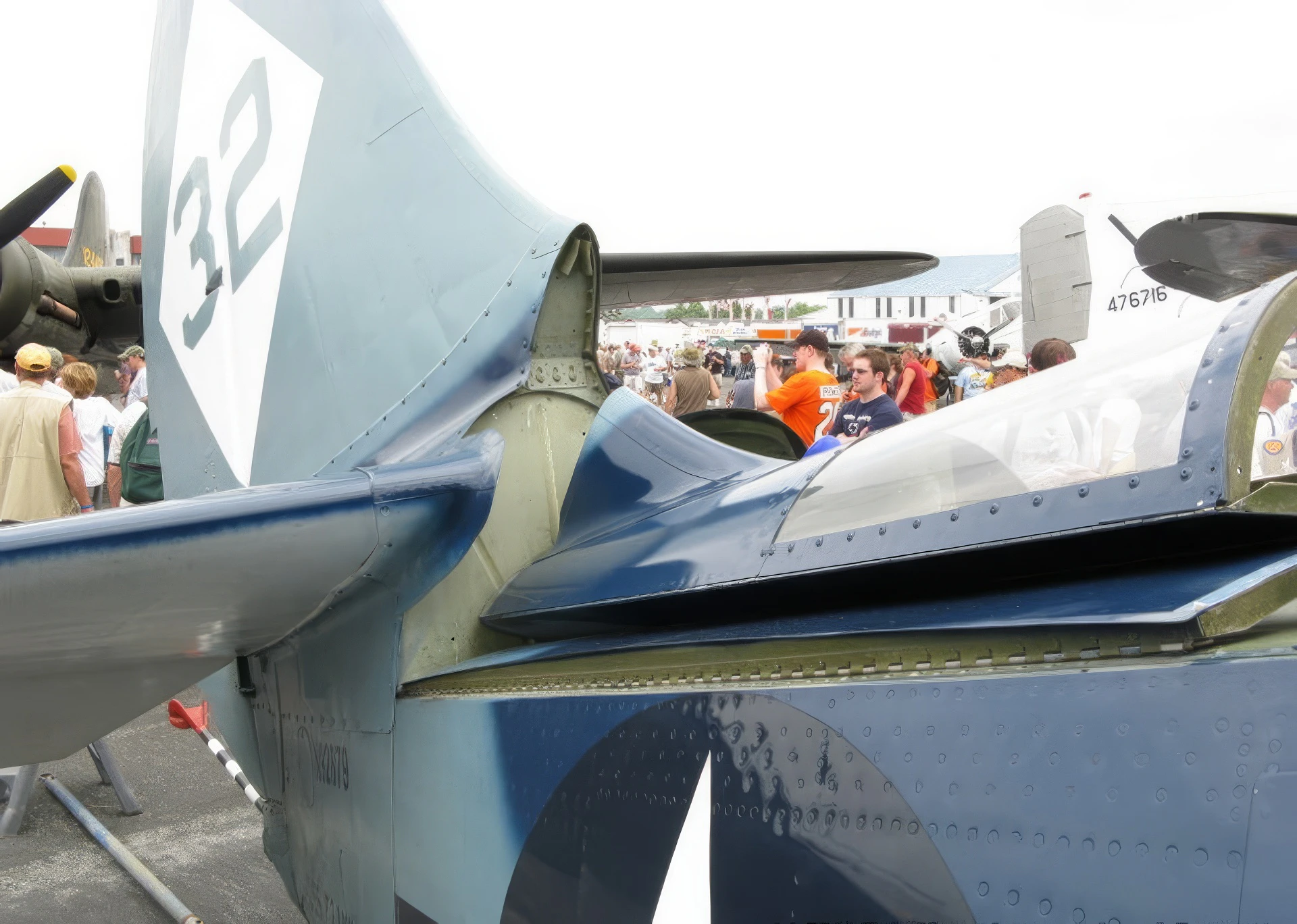
| Curtiss SB2C-5 Helldiver – WalkAround | |
|---|---|
| Fotograf | Neznámé |
| Lokalizace | Neznámé |
| Fotografie | 49 |

Viz také:


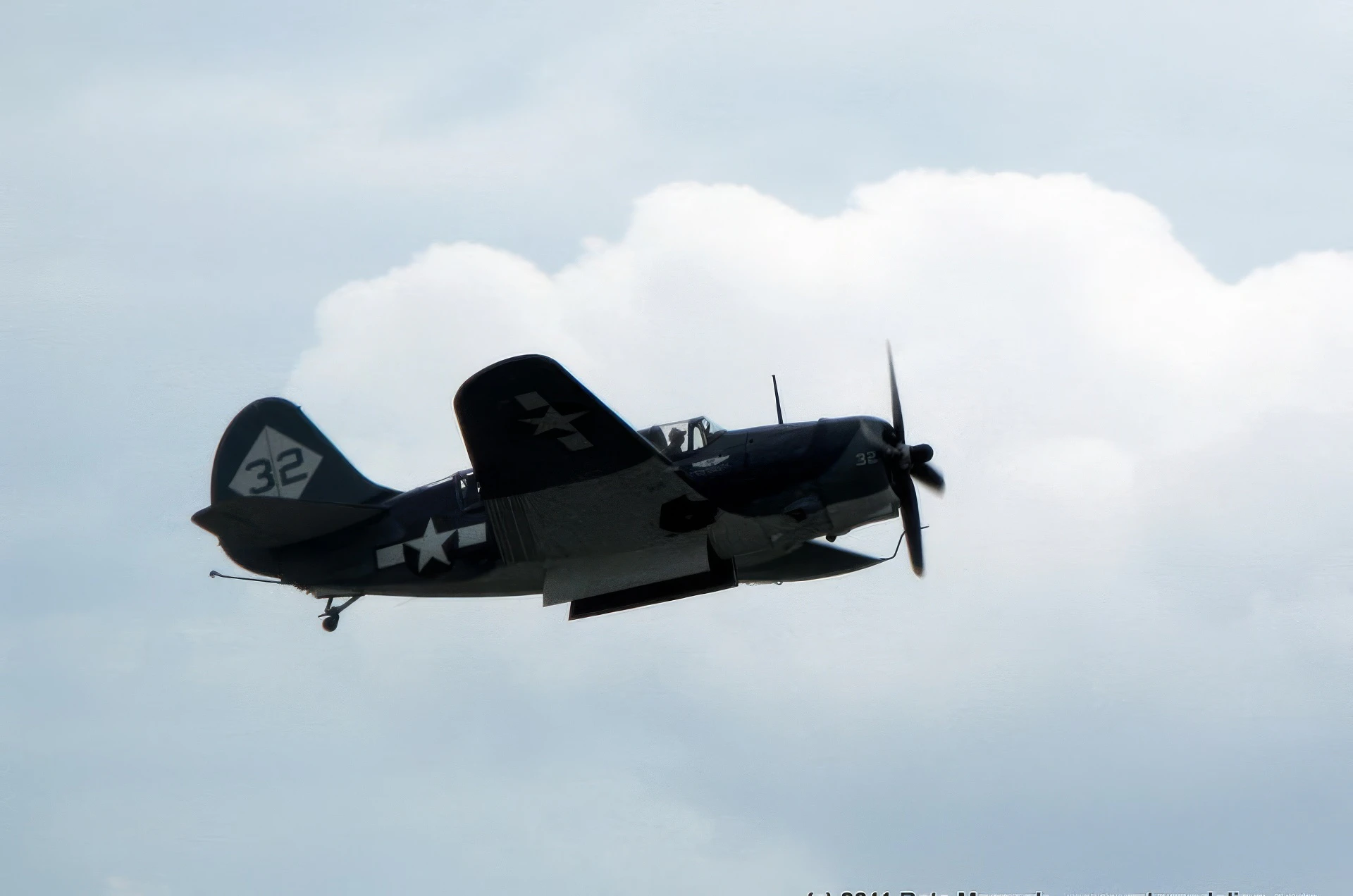
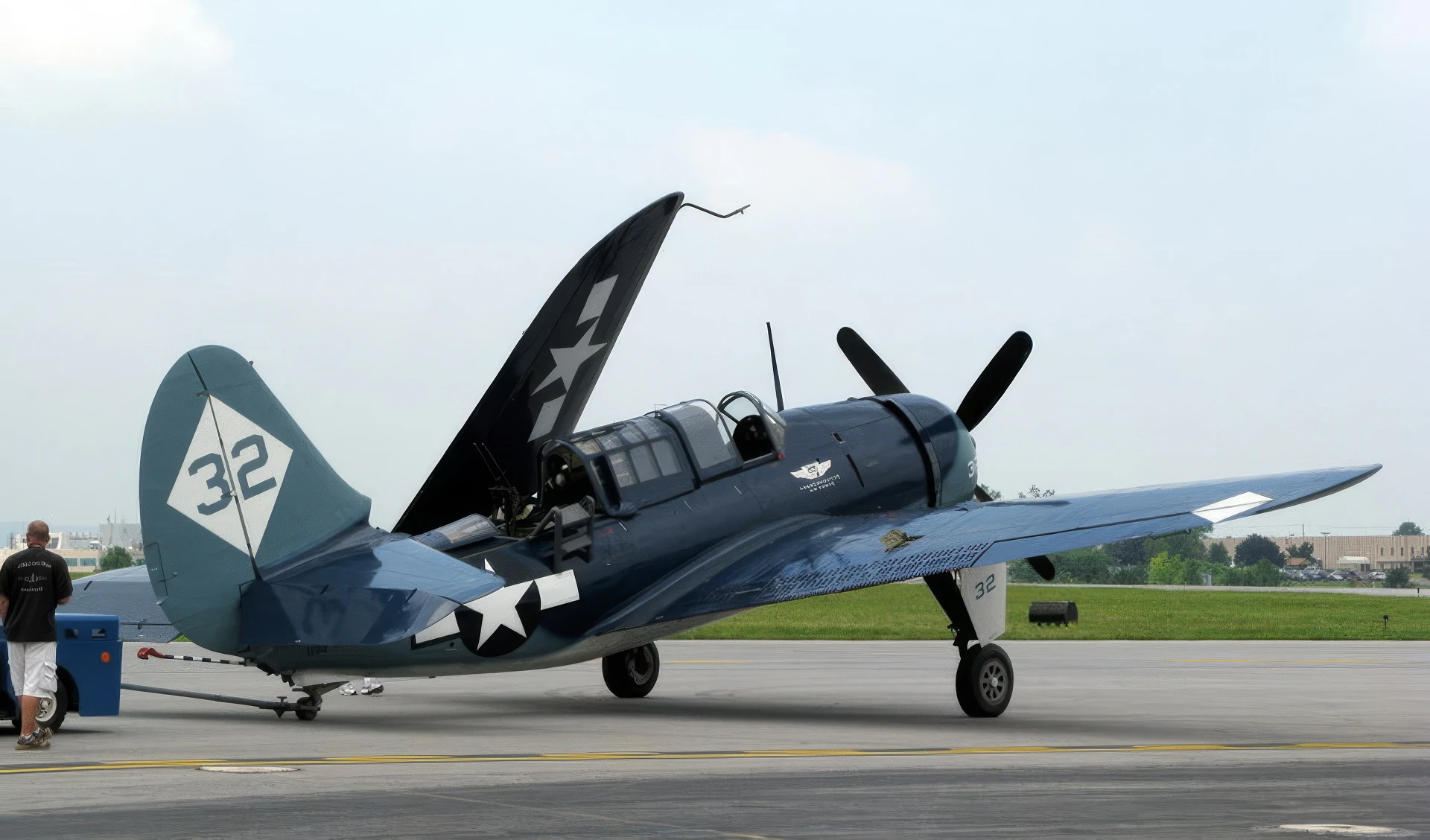
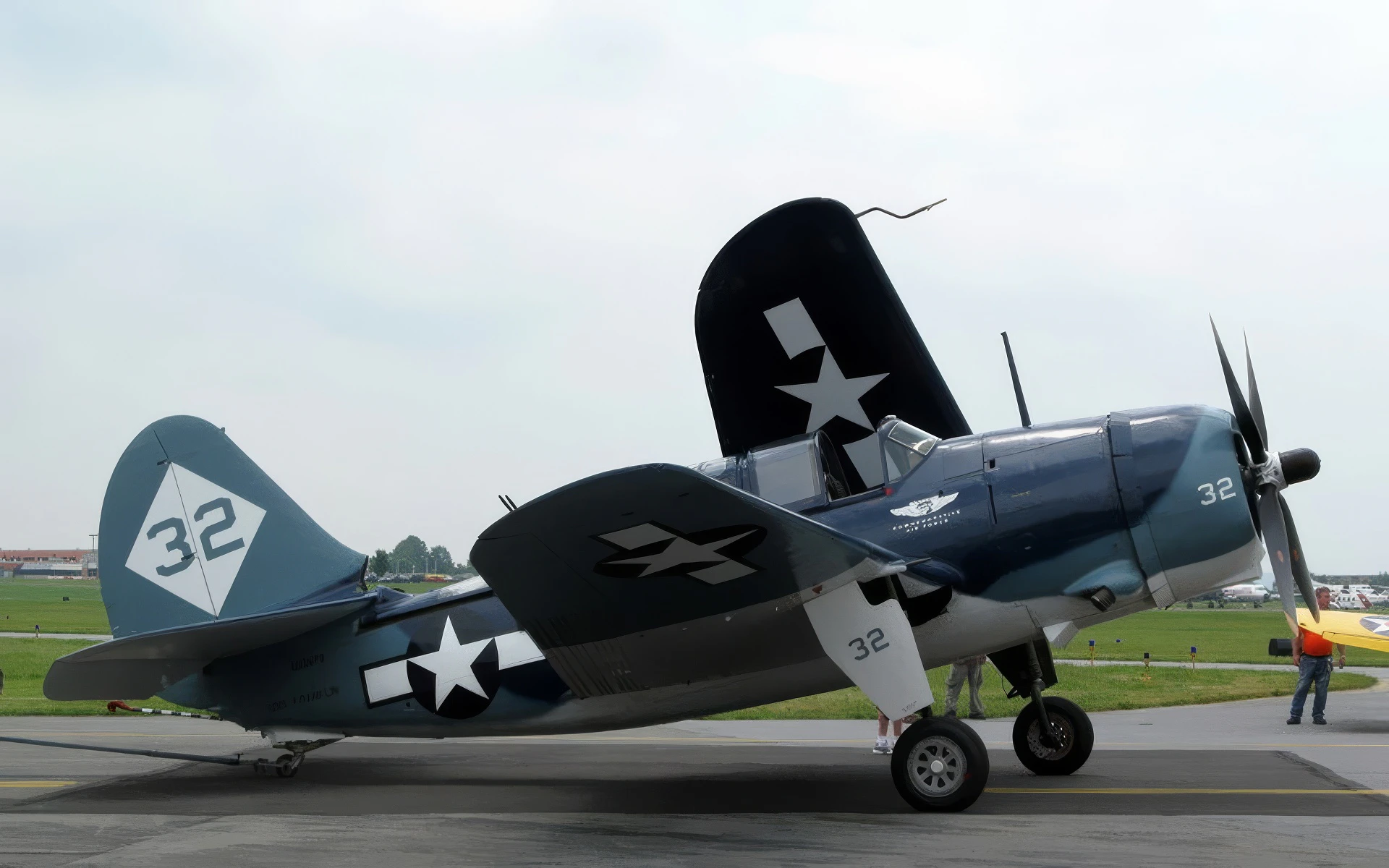
Tá Curtiss SB2C Helldiver was the U.S. Navy’s principal carrier-based dive bomber during the latter half of World War II. Intended to replace the venerable SBD Dauntless, the SB2C was a larger, faster, and much more powerful aircraft. The SB2C-5 was the final production variant, featuring key improvements that addressed many of the earlier model’s notorious handling issues, earning it a grudging respect despite its difficult reputation.
Key Specifications (SB2C-5 Variant)
- Role: Carrier-based Scout Bomber / Dive Bomber.
- Power Plant: One Wright R-2600-20 ‘Twin Cyclone’ radial engine, delivering 1,900 hp.
- Crew: Two (Pilot and Radio Operator/Gunner).
- Max Speed: Approximately 295 mph (475 km/h).
- Armament (Fixed): Dva 20 mm M2 cannons in the wings.
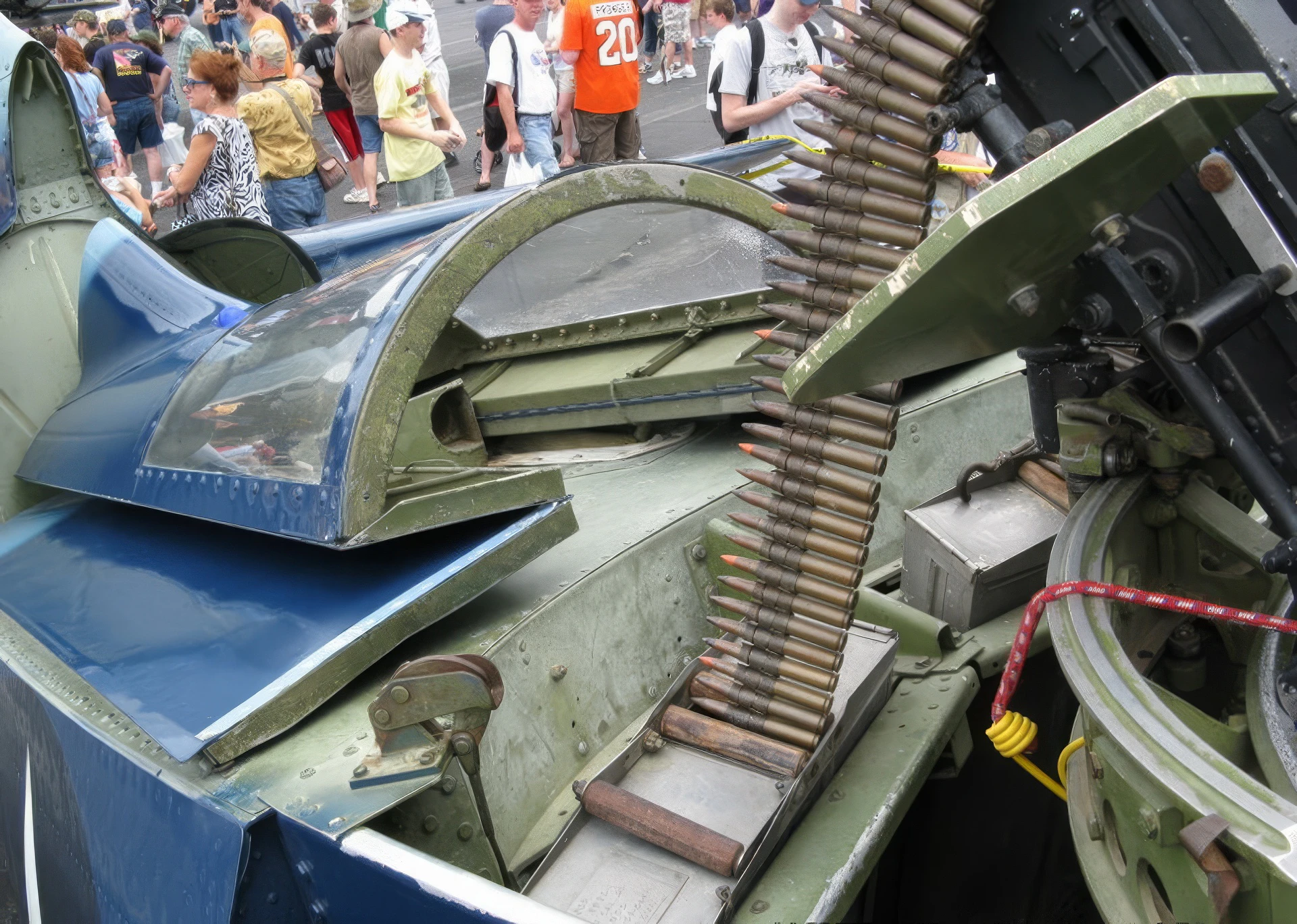
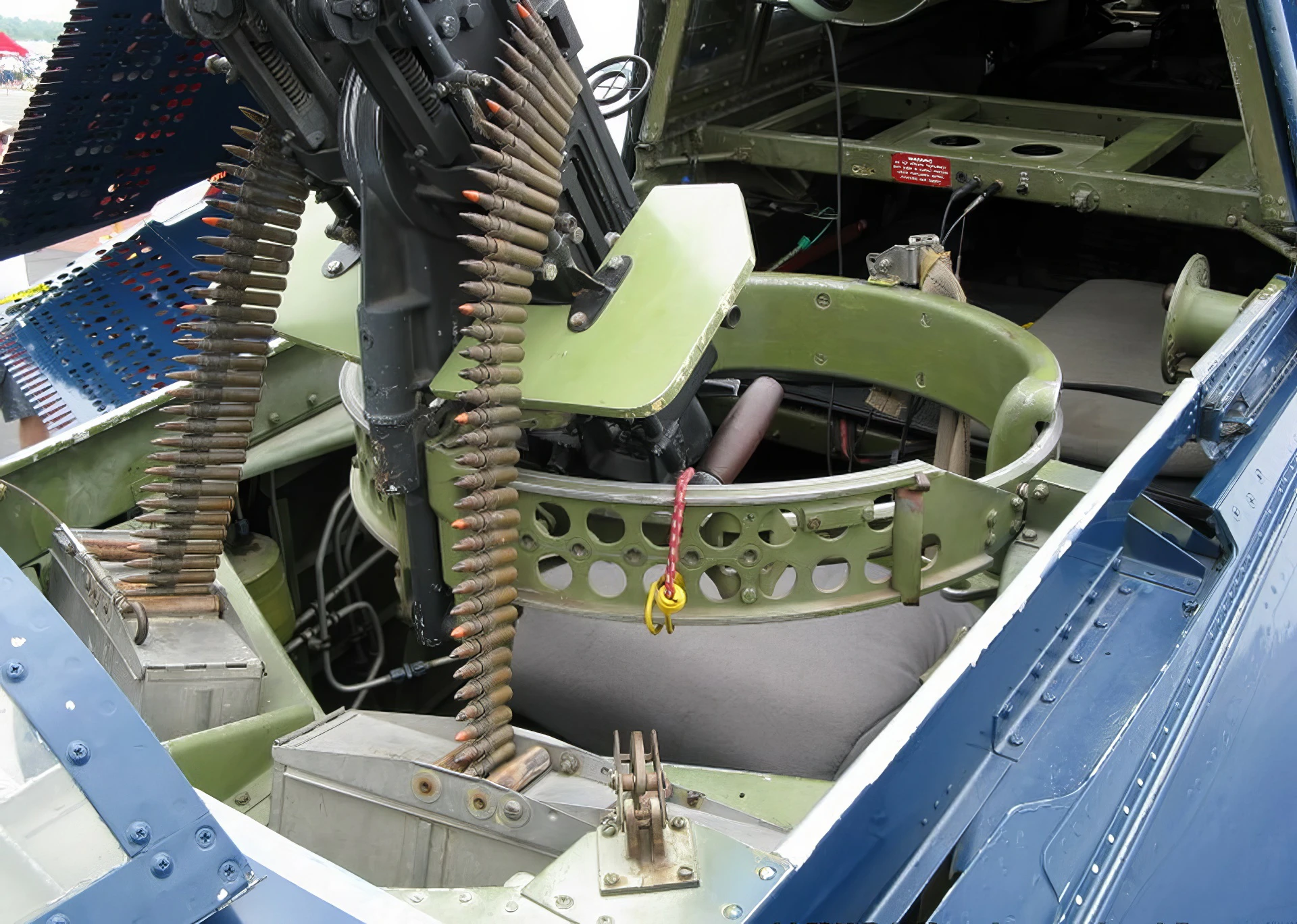
- Armament (Flexible): Two .30 cal M1919 Browning machine guns in the rear cockpit.
- Ordnance: Až k 2,000 lbs (907 kg) of bombs in an internal bomb bay or one Mark 13 torpedo (partially external), plus HVAR rockets or bombs on underwing hardpoints.
- Key Improvement: The -5 variant notably featured zvýšená kapacita paliva, extending its operational range.
Design and Operational History
The Helldiver’s development was protracted and plagued with issues, leading to its unflattering nicknames like the “Beast” or “Son of a Bitch Second Class.” The Navy’s requirement for a large aircraft with a substantial internal payload that could still fit two-abreast on carrier elevators forced Curtiss into a short-coupled design, which initially resulted in poor stability and difficult low-speed handling, especially during carrier landings.
However, once introduced, the later variants (like the SB2C-3, -4, and -5) became effective warplanes. They played a critical role in the major battles of the Pacific, including the Marianas, Leyte Gulf, and Okinawa, where their heavy bomb load and accurate diving attack contributed to the sinking of numerous Japanese warships.
Views : 7595
Můžete také vidět:
 Curtiss F11C Goshawk – Fotografie & videa
 Curtiss P-36 Hawk – Fotografie & Videa
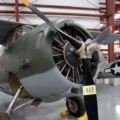 Curtiss O-52 Owl - Fotografie & Video
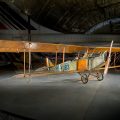 Curtiss JN-4D Jenny – Fotografie & Video
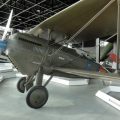 Curtiss P-6 Hawk – Fotografie & Video
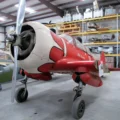 Curtiss-Wright SNC-1 Falcon – Fotografie & Video
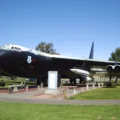 Boeing B-52D-80-BO Stratofortress – Fotografie & Video
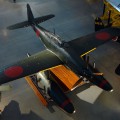 Aichi M6A1 Seiran - Fotografie & Video
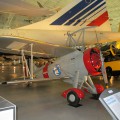 Curtiss F9C-2 Sparrowhawk – Fotografie & Video
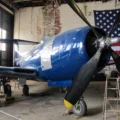 Curtiss XF15C-1 – Fotografie & Video