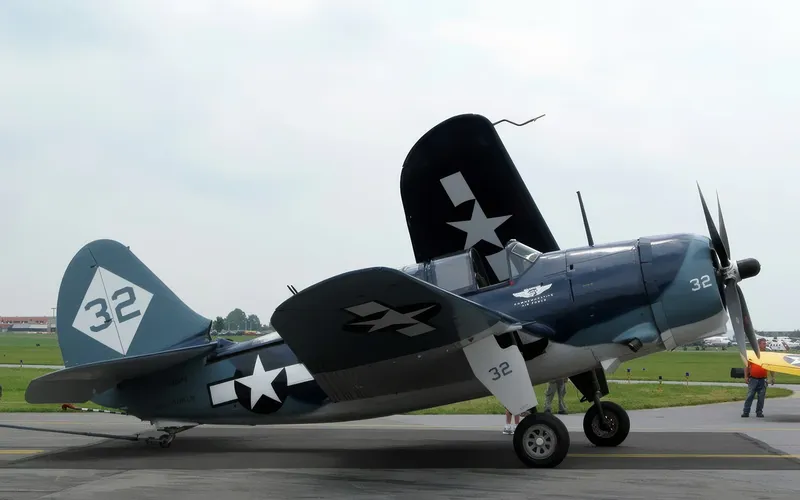
커티스 SB2C-5 헬다이버 | |
|---|---|
| 국가 | 미국 |
| 형식 | 봄 바르 디어 |
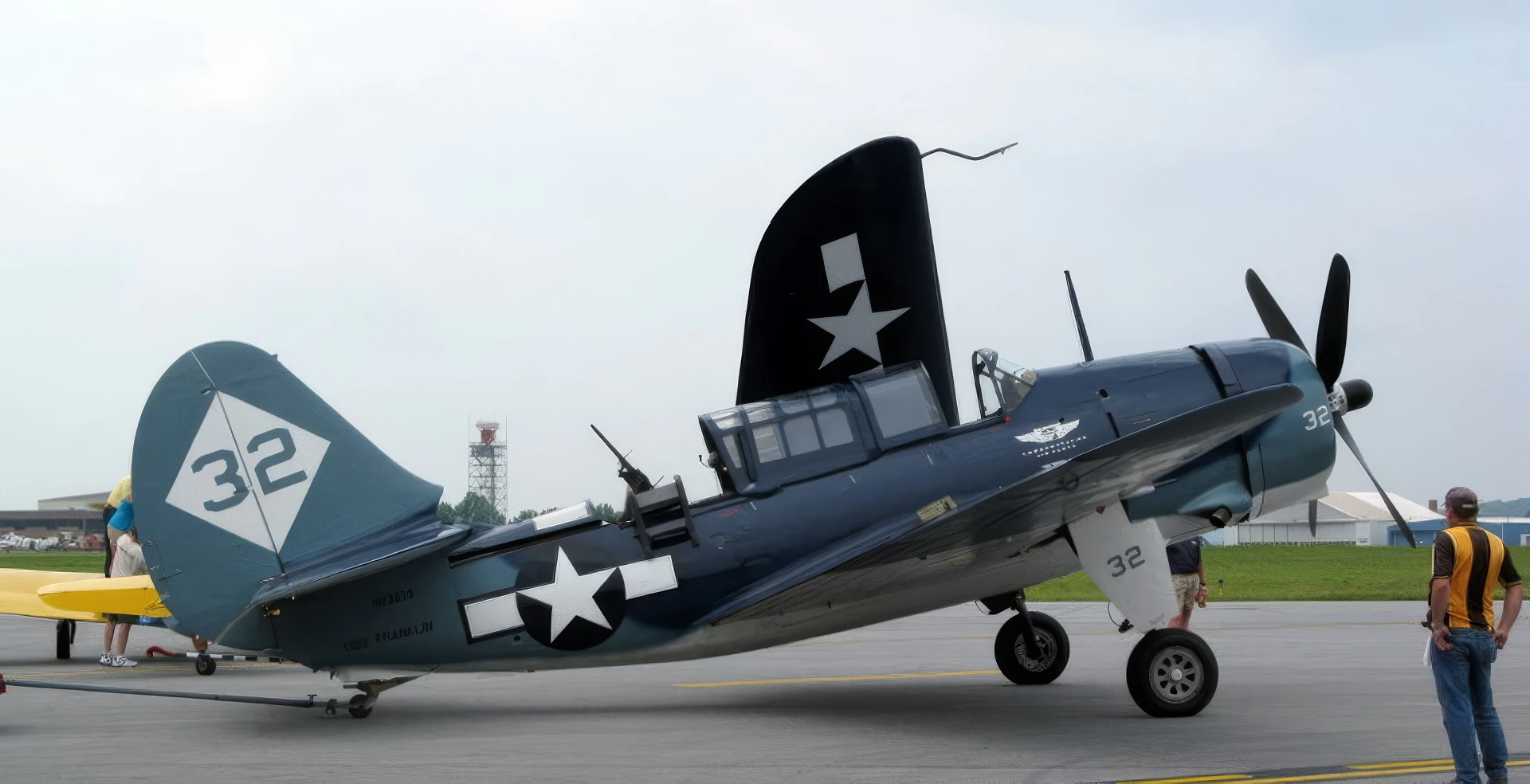
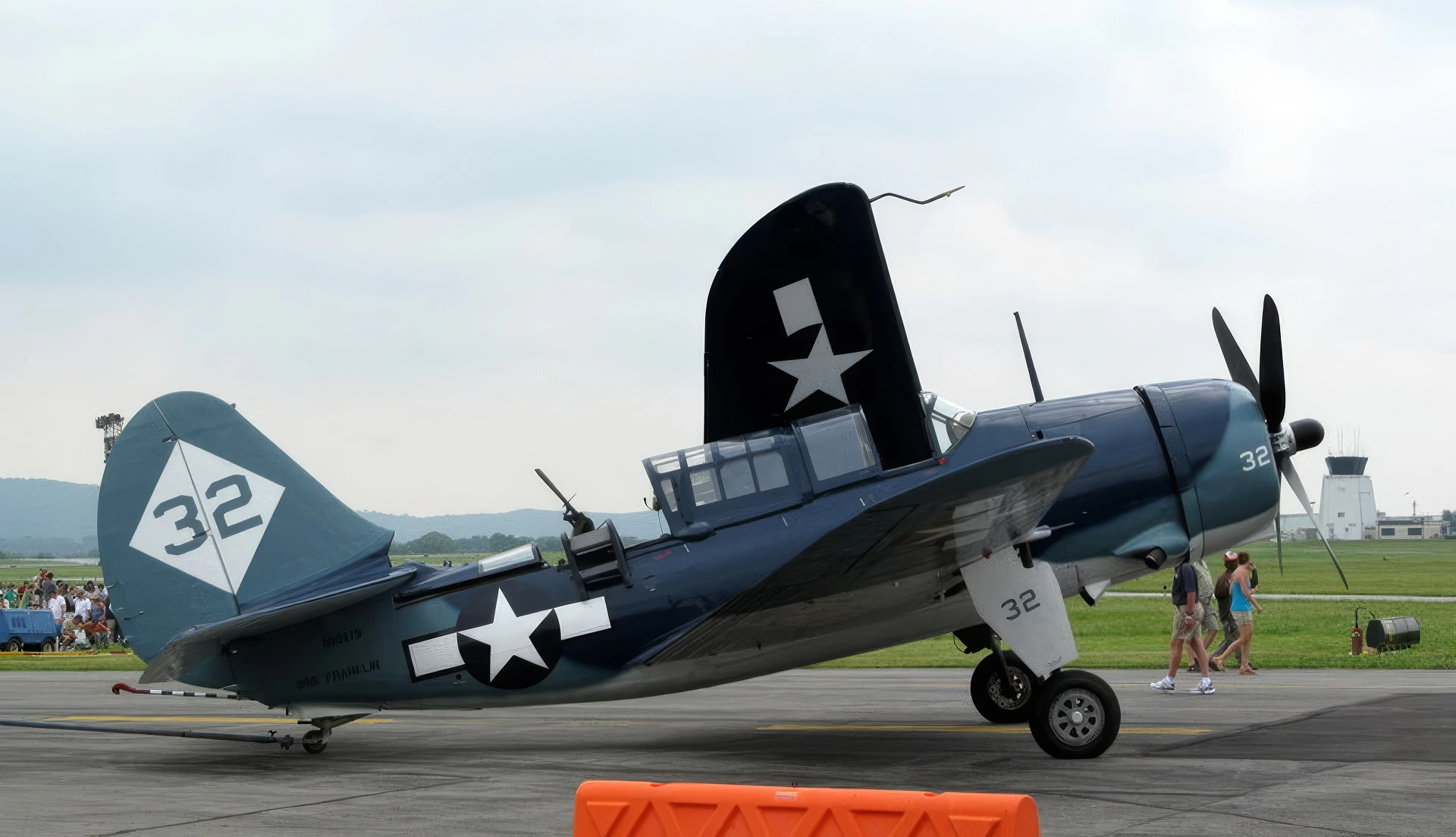
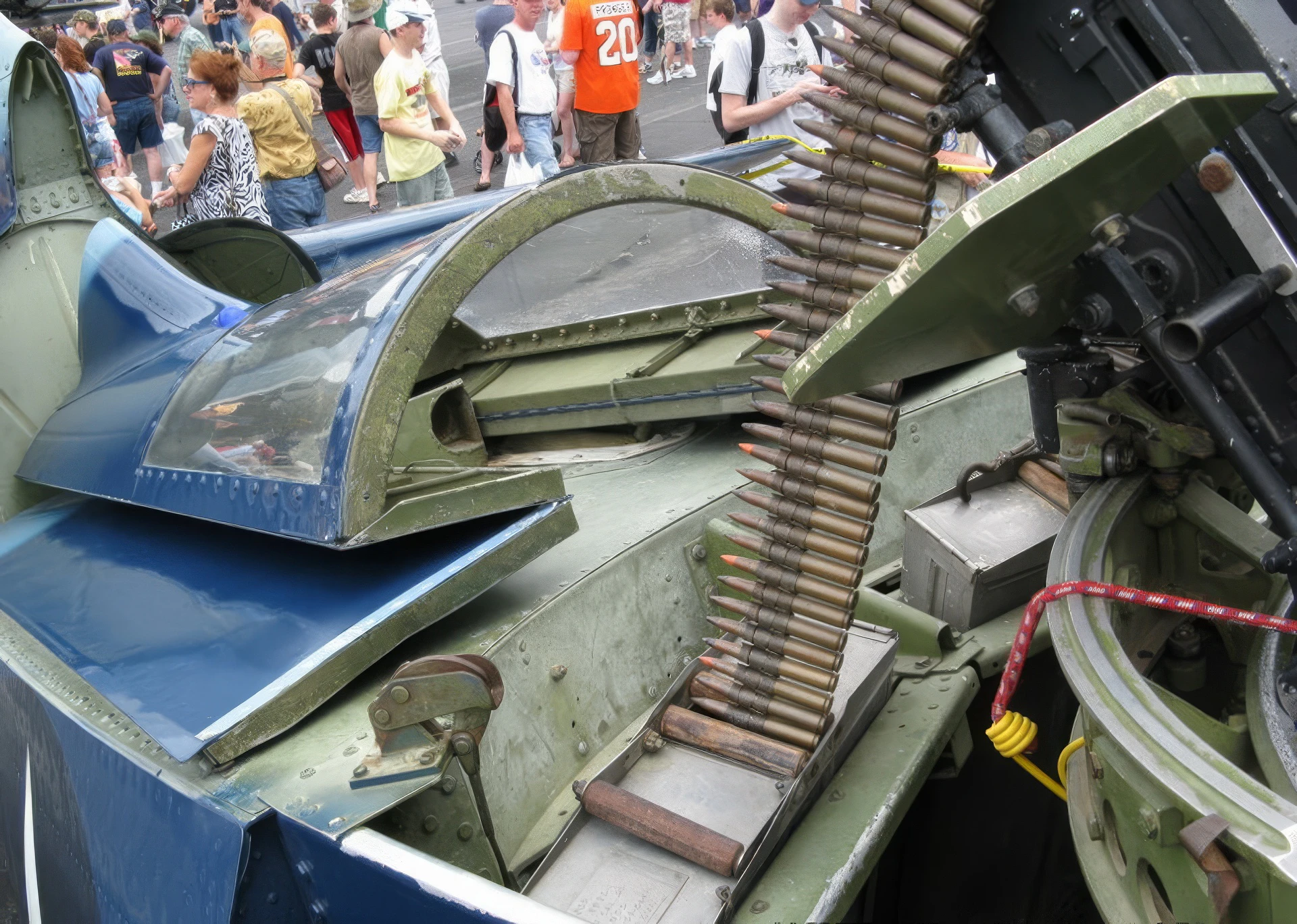
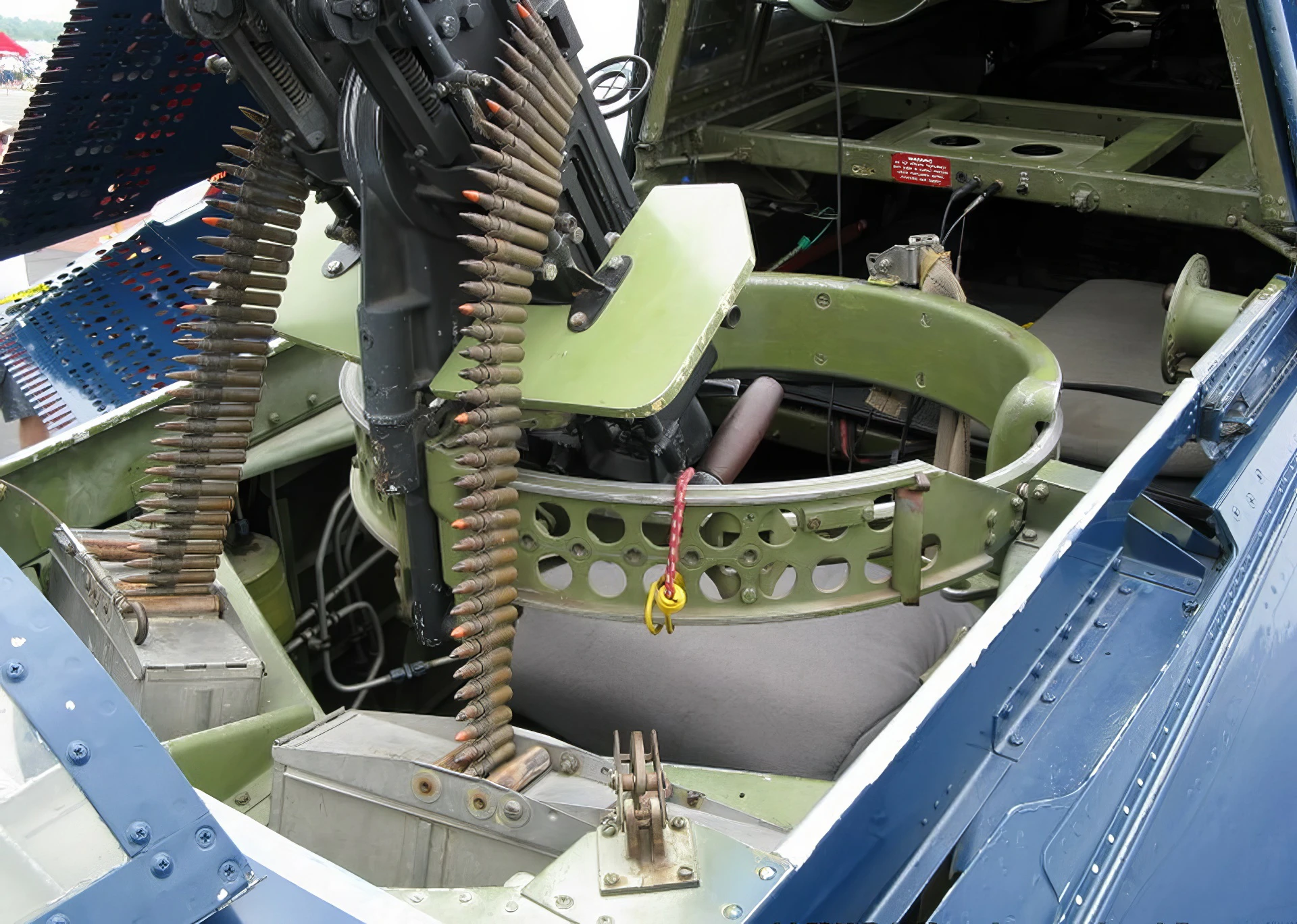
Curtiss SB2C-5 Helldiver, The The 사진 갤러리 커티스 SB2C 헬다이버 surnommé « The beast » (La bête) par ses équipages est un avion militaire de la Seconde Guerre mondiale. L’usine 커티스 브루스터처럼 1939년 5월 미 해군으로부터 미국 항공모함의 급강하 폭격기로 Douglas SBD Dauntless를 교체하라는 명령을 받았습니다. 프로토타입은 1940년 12월 18일에 처음 비행했지만 며칠 후 사고로 파괴되었습니다. 이 사건과 많은 수정 (연료 운반 능력 증가, 자체 히치 하이킹 탱크, 탑재 군비 강화, 지느러미 및 방향타 표면 증가)으로 인해 상당한 지연이 발생했으며 1942 년 6 월에 첫 번째 생산 사본이 날아 갔음에도 불구하고 첫 번째 전쟁 임무는 1943 년 11 월 11 일 라바울 섬의 폭격으로 수행되었습니다.
| Curtiss SB2C-5 Helldiver – WalkAround | |
|---|---|
| 사진 작가 | Unknow |
| 로컬라이제이션 | Unknow |
| 사진 | 49 |

참고 항목:


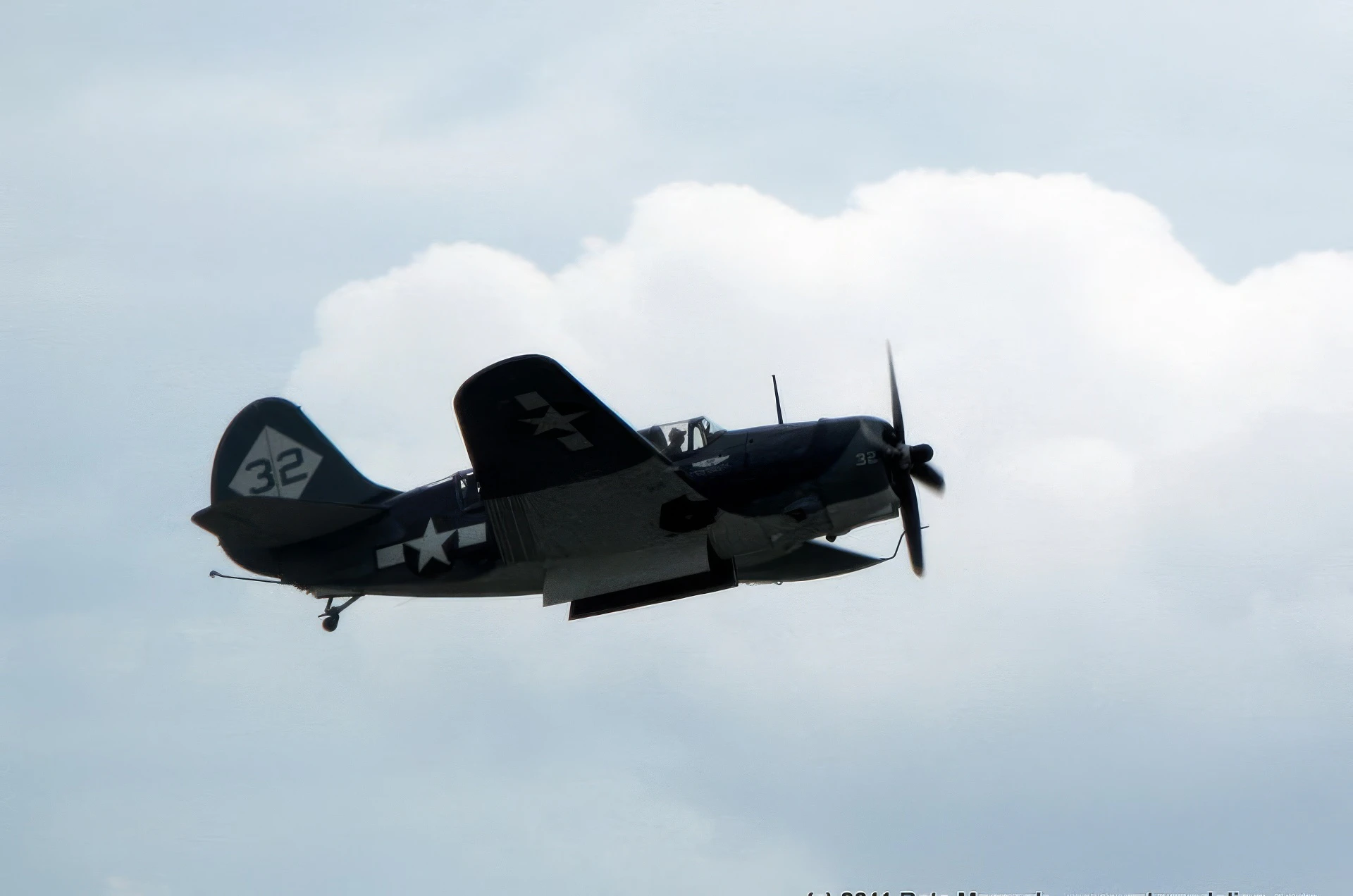
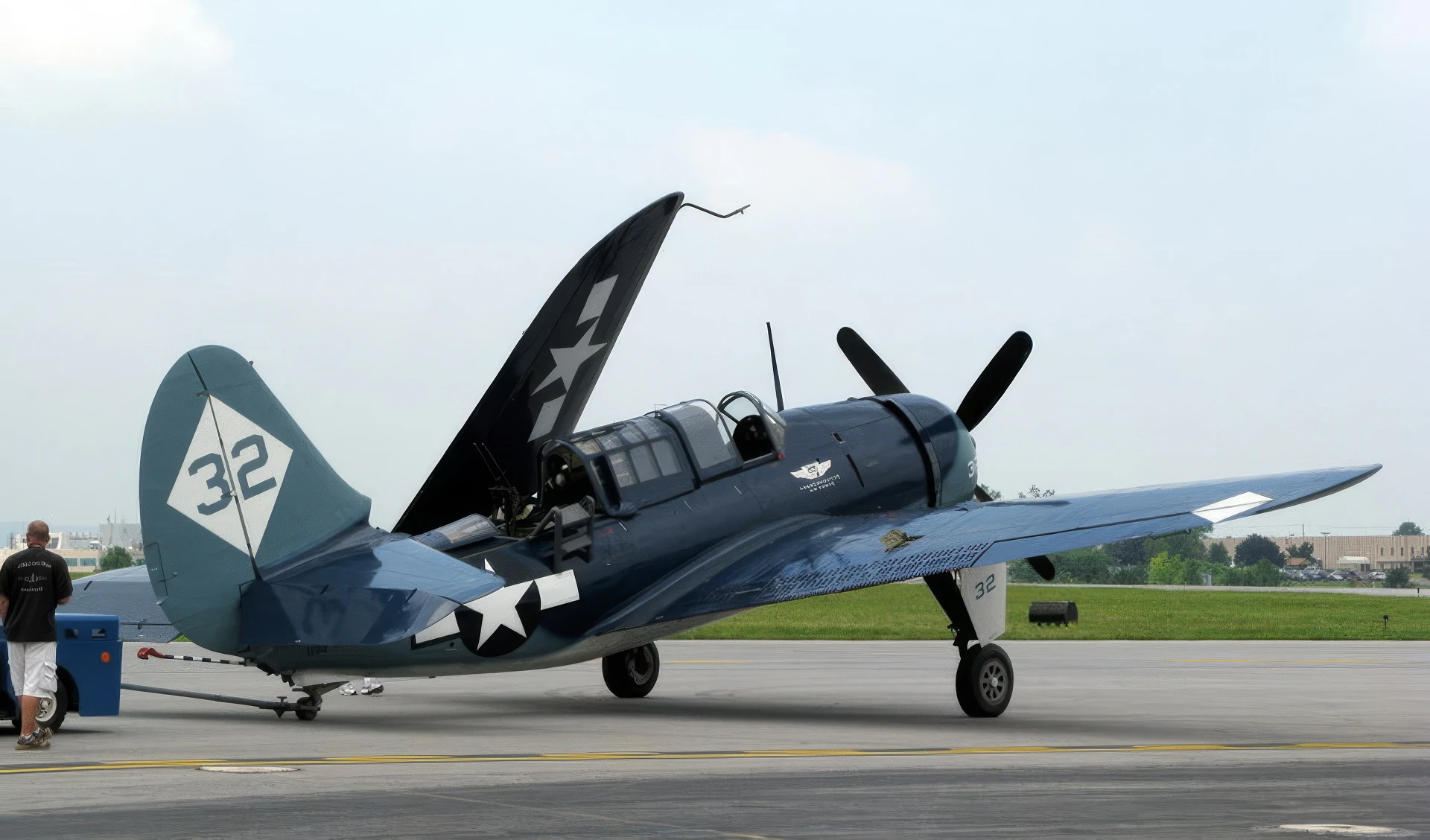
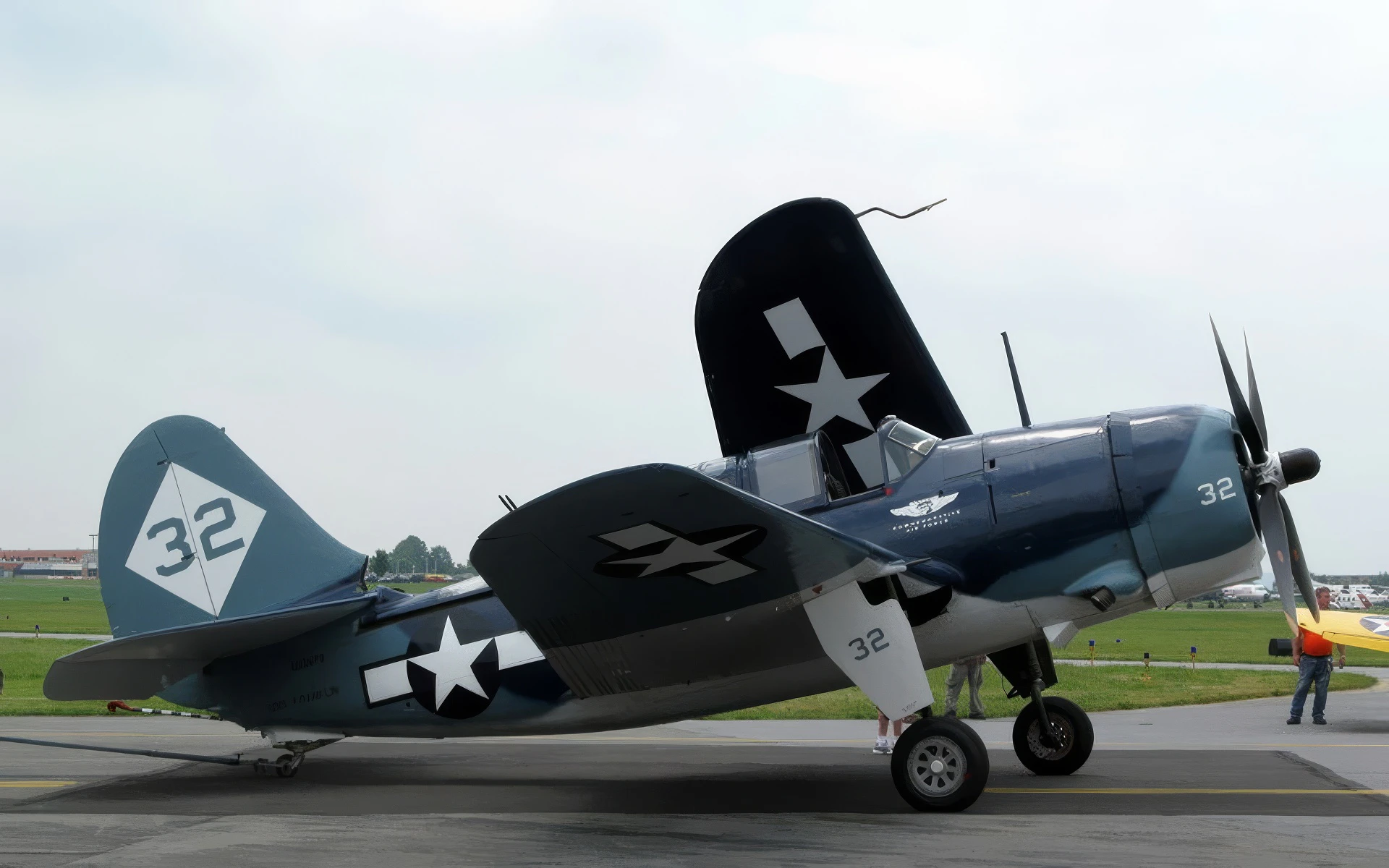
Tthe 커티스 SB2C 헬다이버 was the U.S. Navy’s principal carrier-based dive bomber during the latter half of World War II. Intended to replace the venerable SBD Dauntless, the SB2C was a larger, faster, and much more powerful aircraft. The SB2C-5 was the final production variant, featuring key improvements that addressed many of the earlier model’s notorious handling issues, earning it a grudging respect despite its difficult reputation.
Key Specifications (SB2C-5 Variant)
- Role: Carrier-based Scout Bomber / Dive Bomber.
- Power Plant: One Wright R-2600-20 ‘Twin Cyclone’ radial engine, delivering 1,900 hp.
- Crew: Two (Pilot and Radio Operator/Gunner).
- Max Speed: Approximately 295 mph (475 km/h).
- Armament (Fixed): 2 20 mm M2 cannons in the wings.
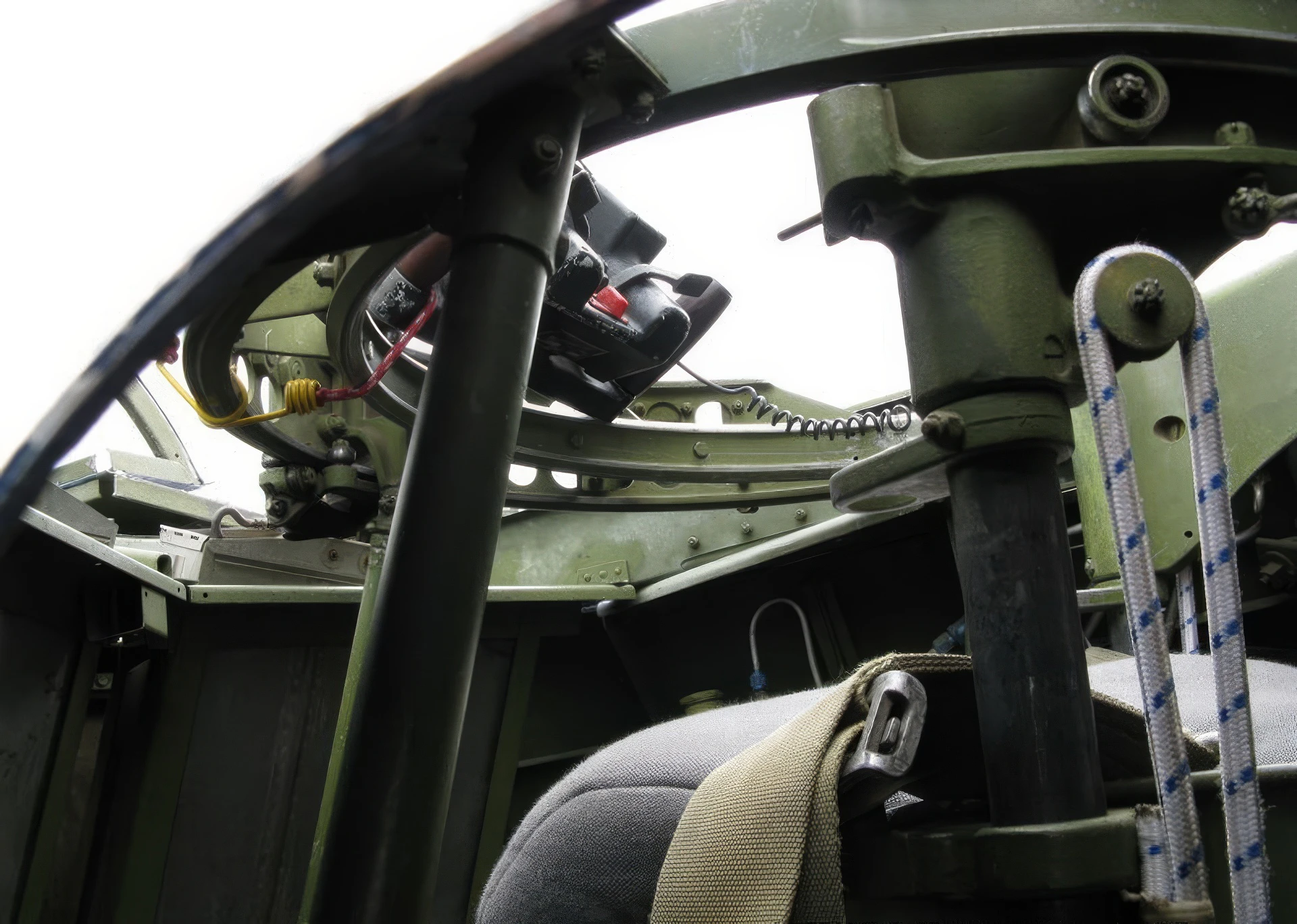
- Armament (Flexible): Two .30 cal M1919 Browning machine guns in the rear cockpit.
- Ordnance: 까지 2,000 lbs (907 kg) of bombs in an internal bomb bay or one Mark 13 torpedo (partially external), plus HVAR rockets or bombs on underwing hardpoints.
- Key Improvement: The -5 variant notably featured 연료 용량 증가, extending its operational range.
Design and Operational History
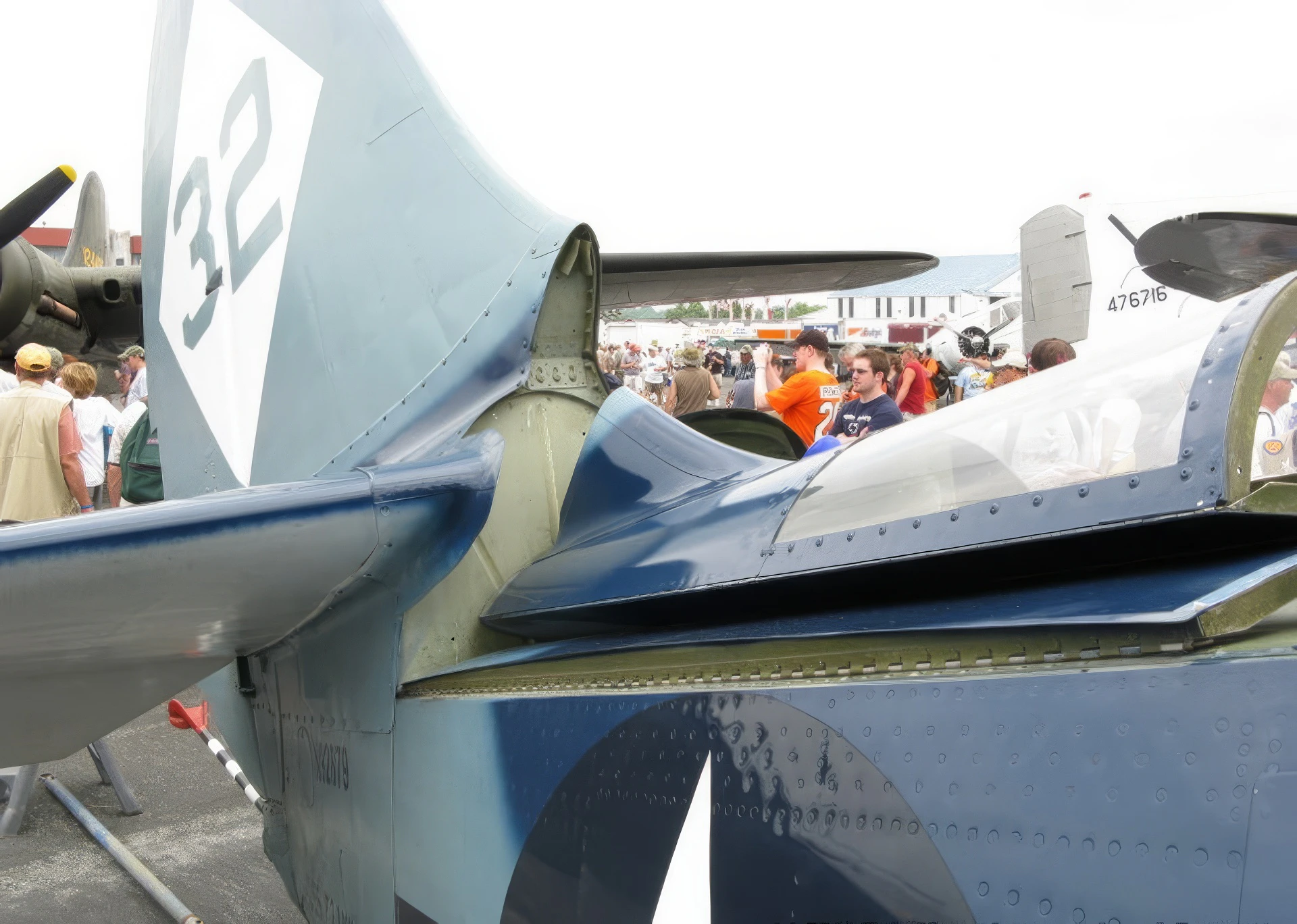
The Helldiver’s development was protracted and plagued with issues, leading to its unflattering nicknames like the “Beast” or “Son of a Bitch Second Class.” The Navy’s requirement for a large aircraft with a substantial internal payload that could still fit two-abreast on carrier elevators forced Curtiss into a short-coupled design, which initially resulted in poor stability and difficult low-speed handling, especially during carrier landings.
However, once introduced, the later variants (like the SB2C-3, -4, and -5) became effective warplanes. They played a critical role in the major battles of the Pacific, including the Marianas, Leyte Gulf, and Okinawa, where their heavy bomb load and accurate diving attack contributed to the sinking of numerous Japanese warships.
Views : 7340
당신은 또한 볼 수 있습니다 :
 Curtiss F11C Goshawk – 사진 및 비디오
 Curtiss P-36 Hawk - 사진 및 비디오
 Curtiss O-52 Owl – 사진 및 동영상
 Curtiss JN-4D Jenny – 사진 및 동영상
 Curtiss P-6 Hawk - 사진 및 비디오
 Curtiss-Wright SNC-1 Falcon – 사진 및 동영상
 보잉 B-52D-80-BO Stratofortress – 사진 및 비디오
 Aichi M6A1 Seiran – 사진 및 동영상
 Curtiss F9C-2 Sparrowhawk – 사진 및 비디오
 Curtiss XF15C-1 – 사진 및 동영상