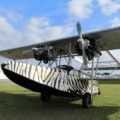
西科尔斯基 JRS-1 | |
|---|---|
| 国家 | 美国 |
| 作用 | 飞艇客机 |
| 介绍 | 1934 |
| 建立 | 53 |
这 西科斯基 S-43 was a twin-engine amphibious aircraft manufactured in United States during the 1930s by the American firm Sikorsky Aircraft.
The S-43 first flew in 1935, and was a smaller version of the Sikorsky S-42 “Clipper”. It accommodated between 18 and 25 passengers, with a separate two-crew forward cockpit. The S-43 was known as the “Baby Clipper” in airline service.
On April 14, 1936, an S-43 with a 500 kilograms (1,100 lb) payload, piloted by Boris Sergievsky, set an altitude record for amphibious aircraft when it reached an altitude of 27,950 feet above Stamford, Connecticut. Also aboard was designer Igor Sikorsky.
In total, approximately 53 S-43s were built, including examples of the twin-tailed S-43B
源: 维基百科上的西科斯基 JRS-1
| 西科斯基 JRS-1 四处走动 | |
|---|---|
| 摄影师 | 塞斯·亨德里克斯 |
| 本地化 | 未知 |
| 照片 | 27 |
Sikorksy JRS-1 18
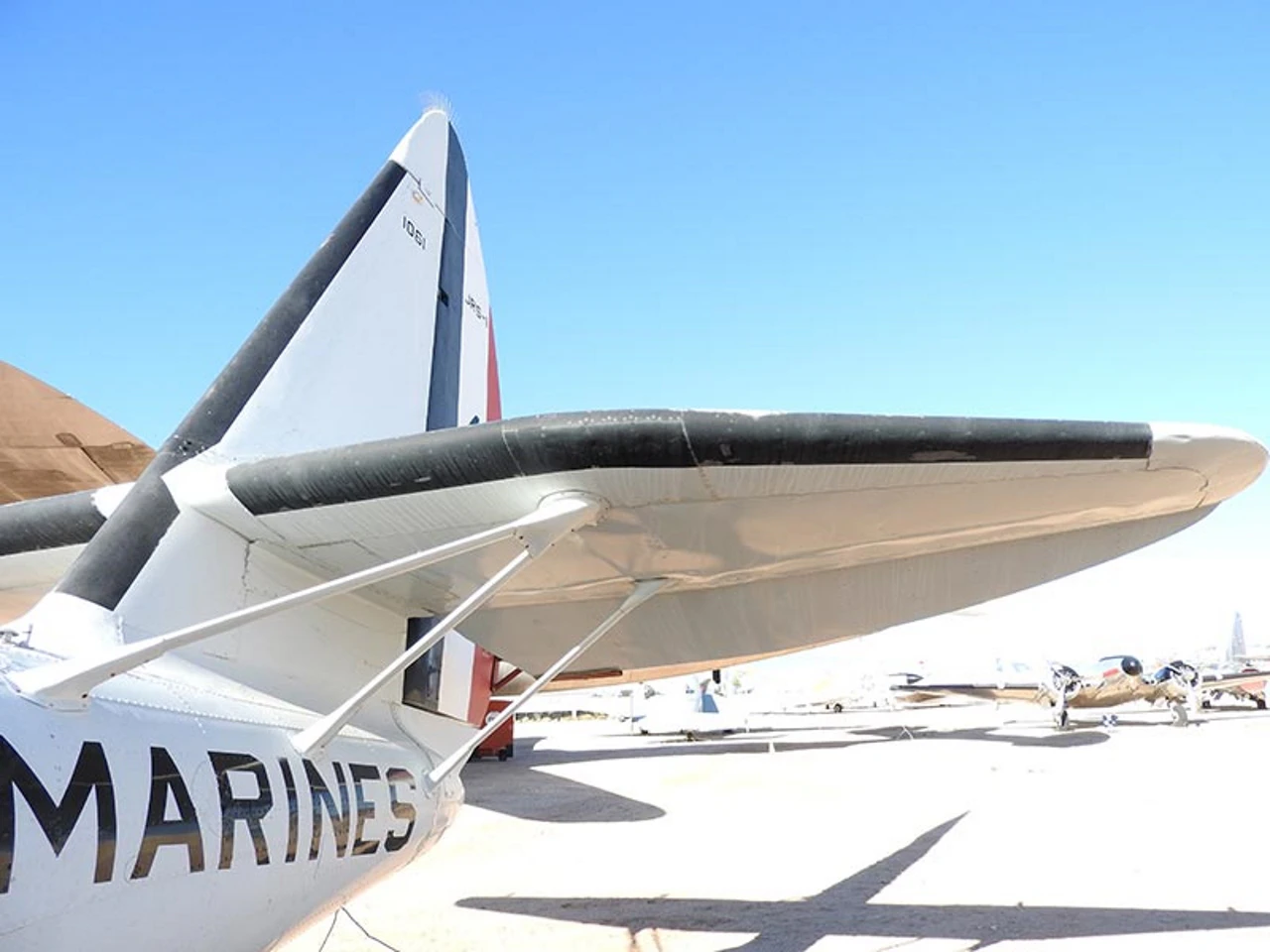
Sikorksy JRS-1 20
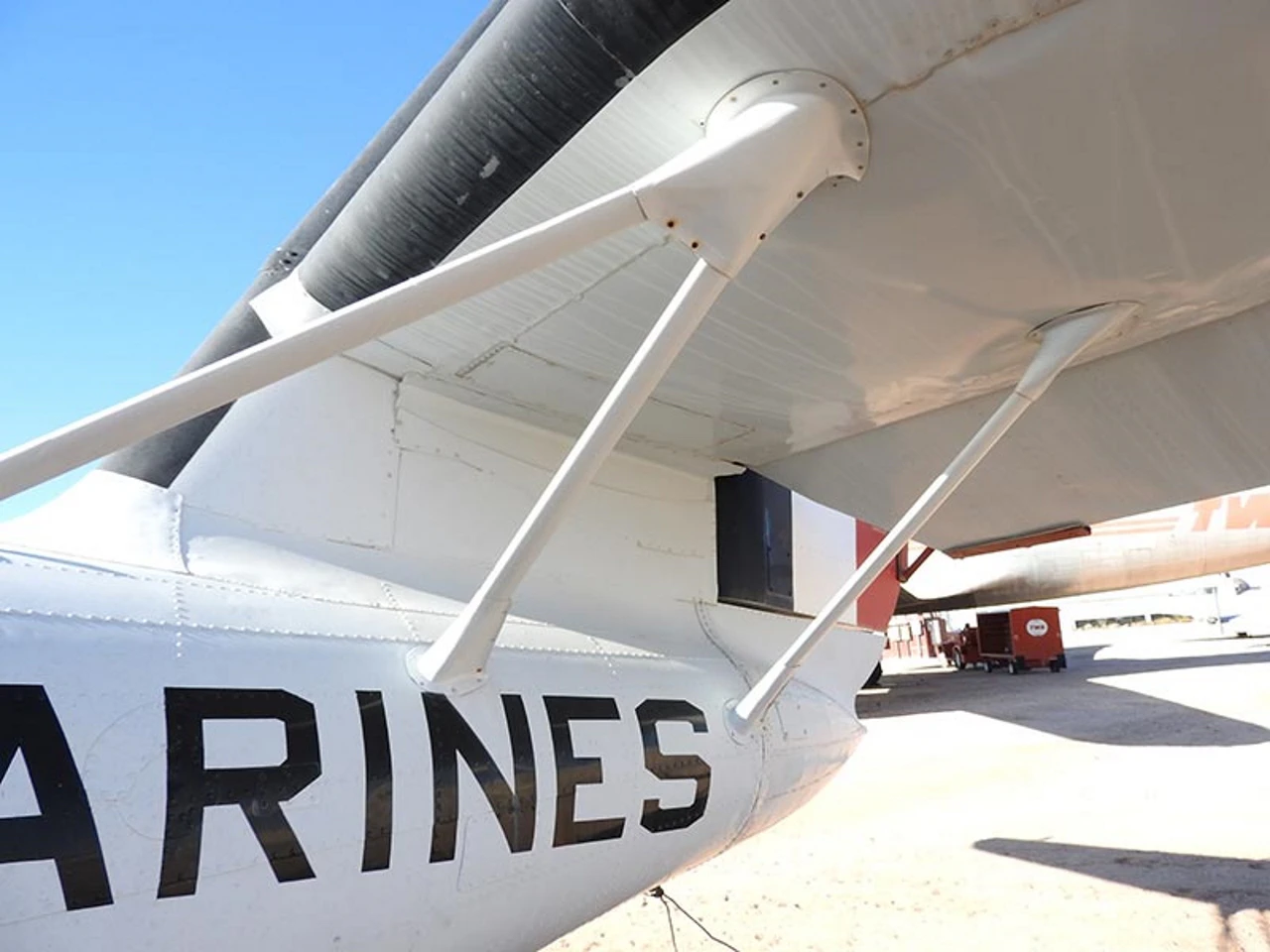
Sikorksy JRS-1 21
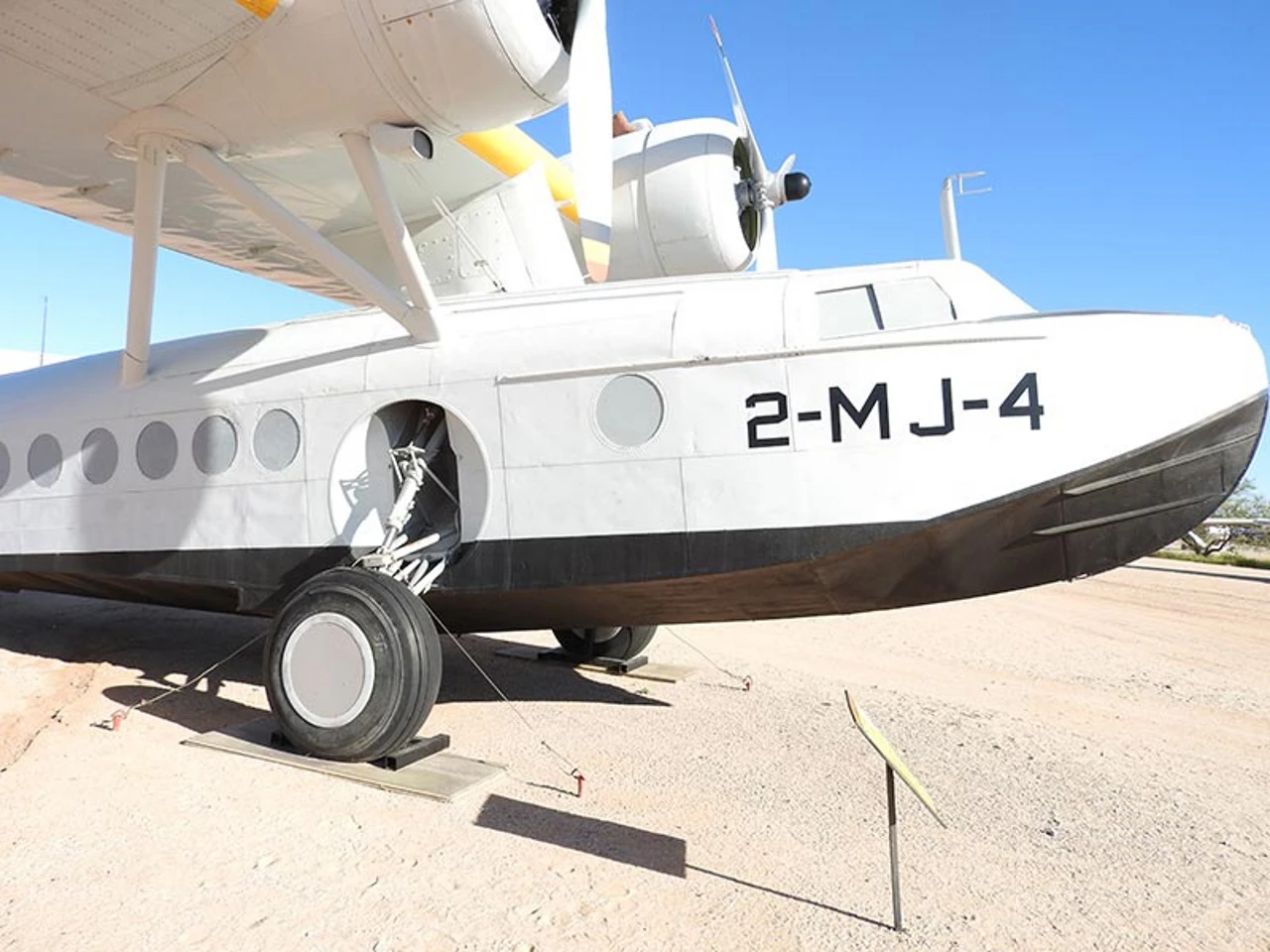
Sikorksy JRS-1 22
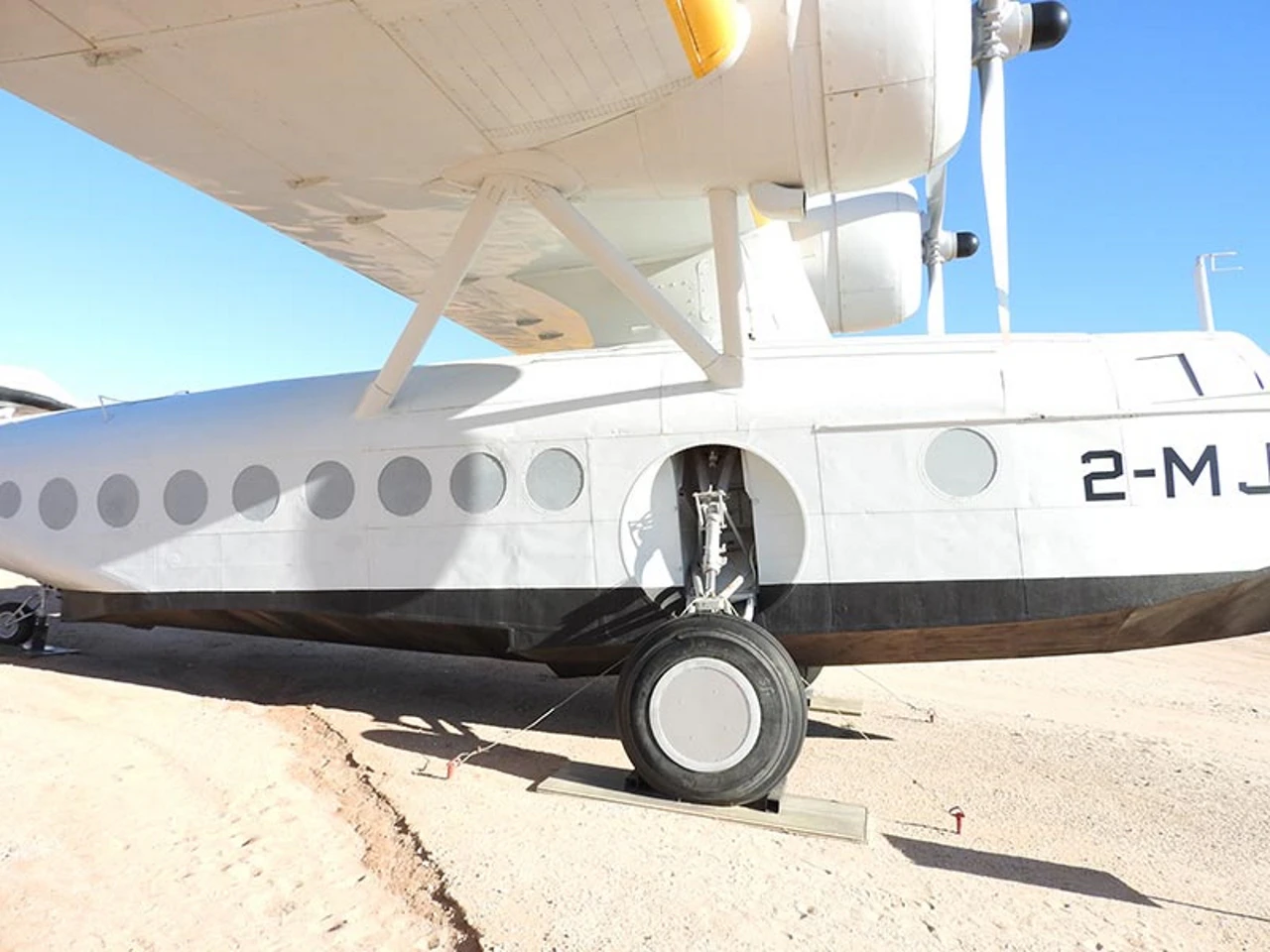
Sikorksy JRS-1 23
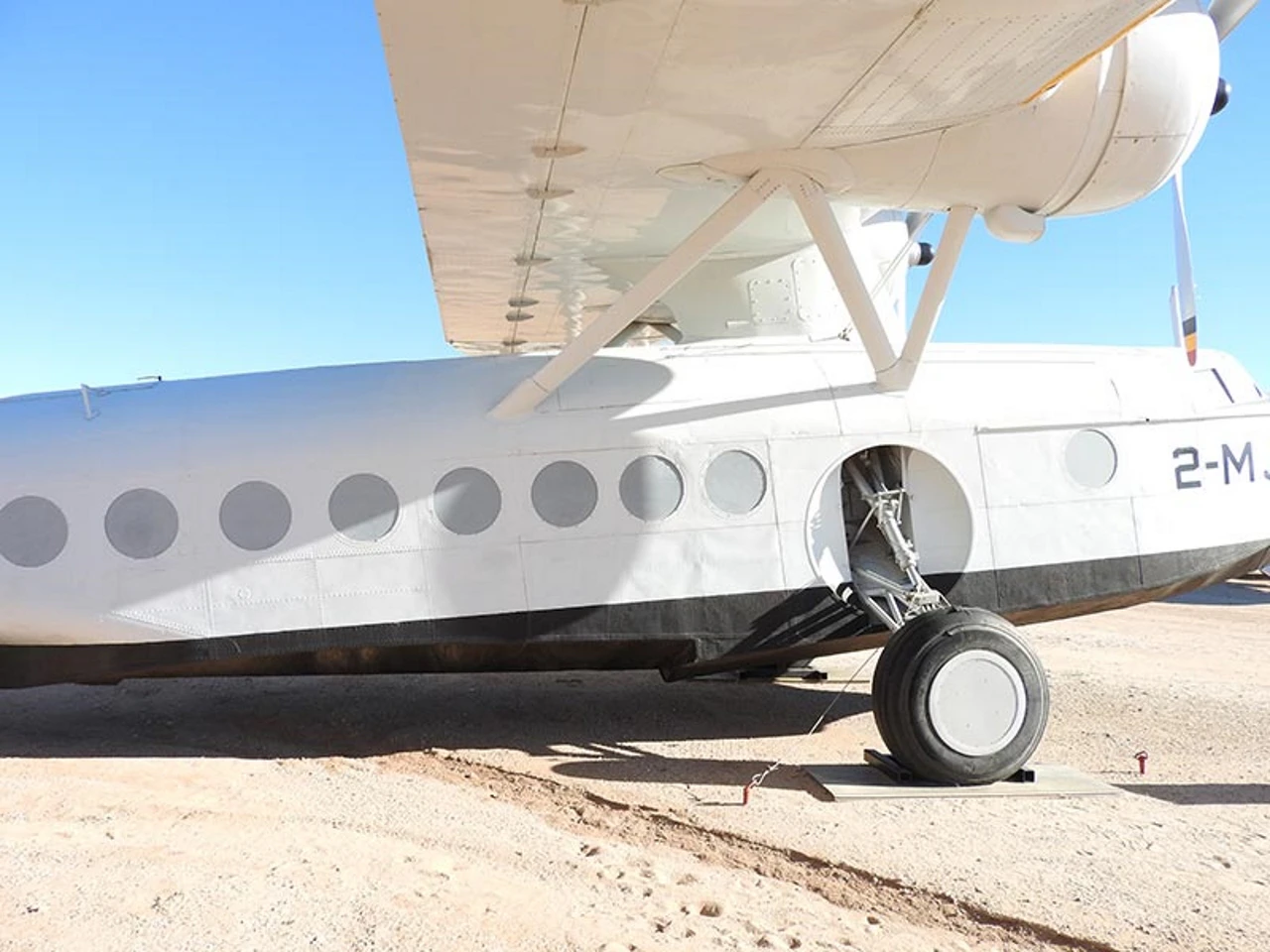
Sikorksy JRS-1 24
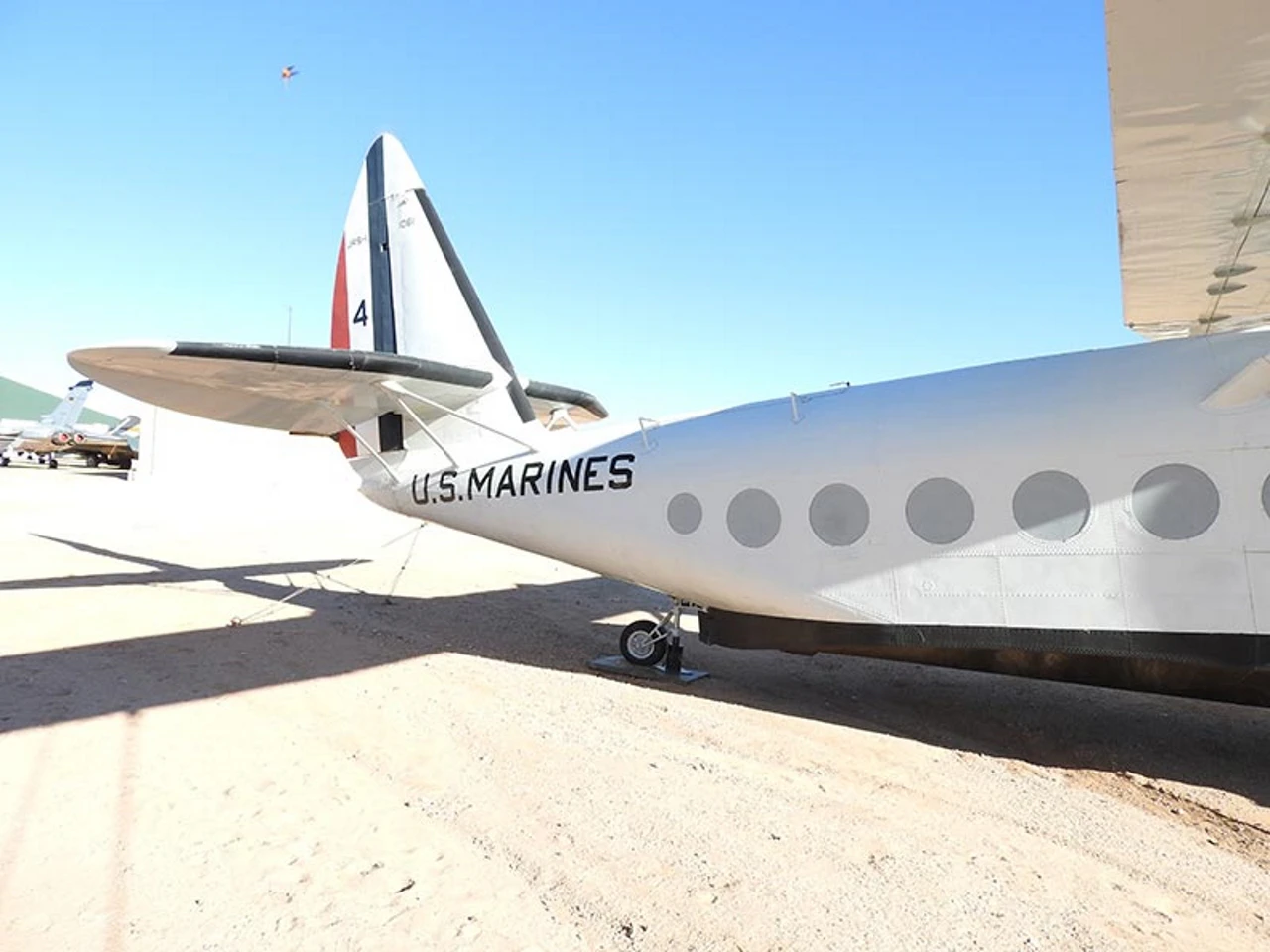
Sikorksy JRS-1 25
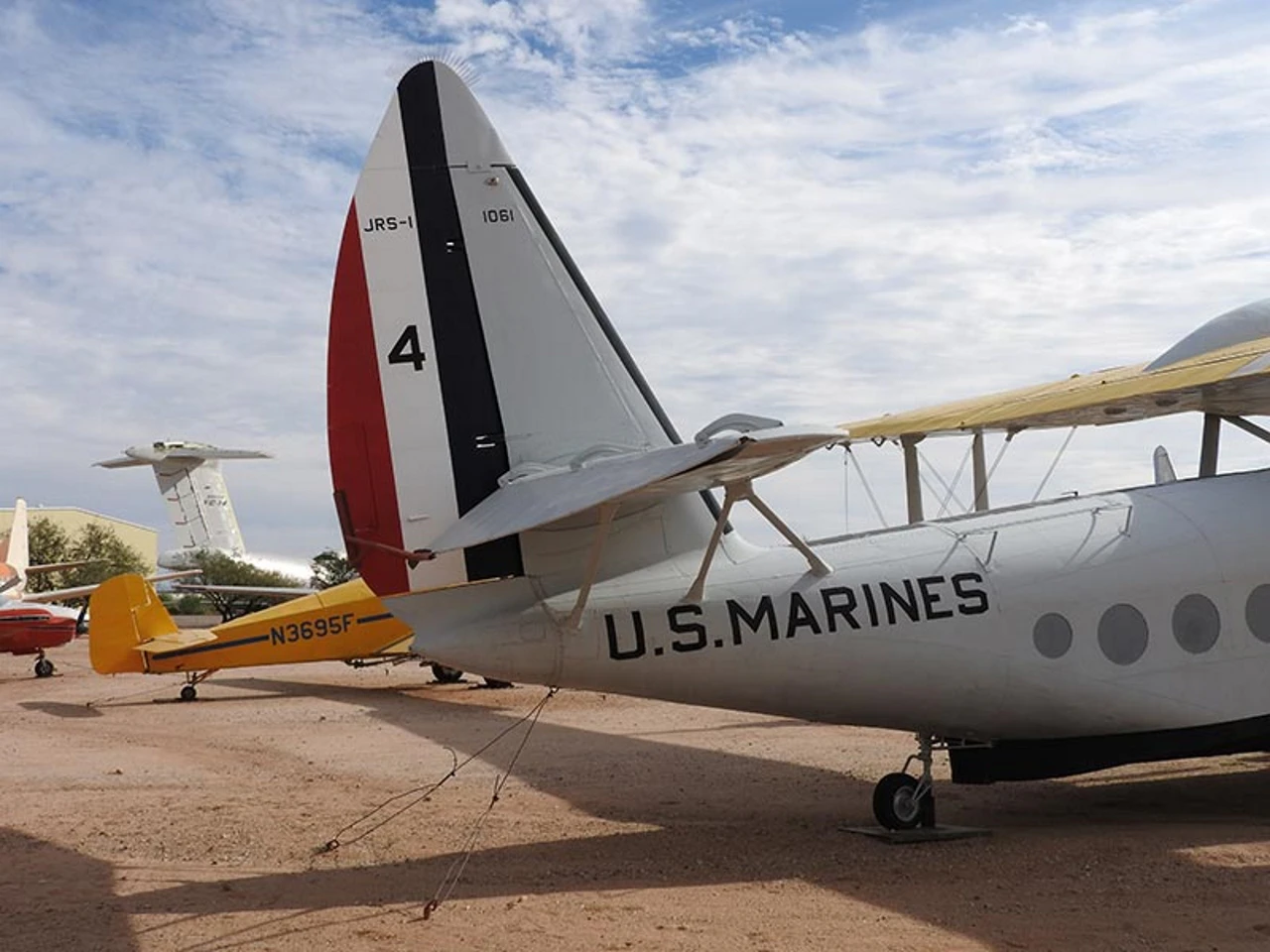
Sikorksy JRS-1 27
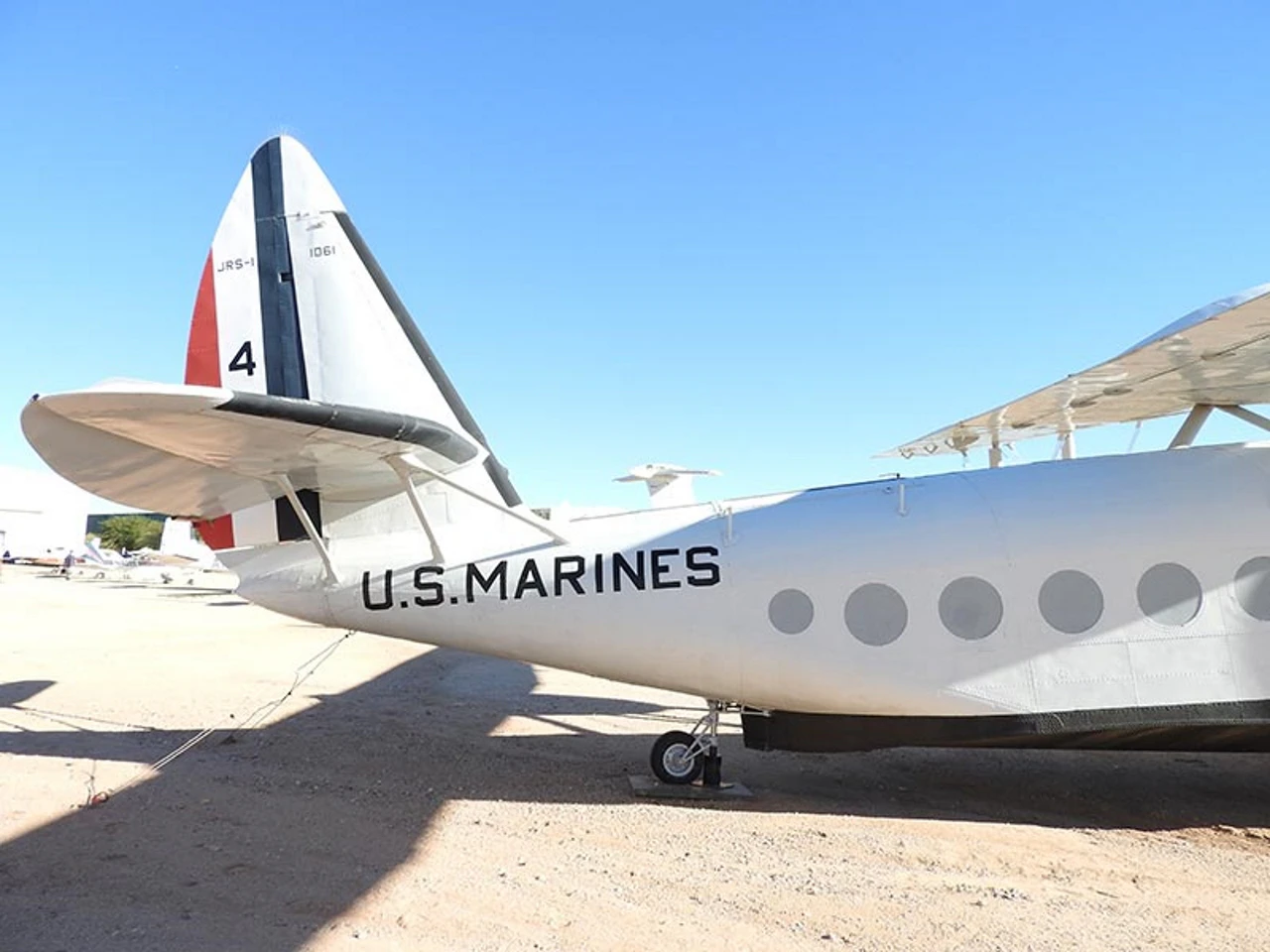
Sikorksy JRS-1 26
等等,为您搜索西科斯基JRS-1照片。。。

| 西科斯基 JRS-1 四处走动 | |
|---|---|
| 摄影师 | 伊戈尔·科洛科洛夫 |
| 本地化 | 未知 |
| 照片 | 53 |
另请参阅:


等等,为您搜索西科斯基照片...
A Flying “Pickup Truck” with a Heroic Legacy
这 西科尔斯基 JRS-1 was the military version of the S-43 “Baby Clipper,” a smaller, twin-engine sibling to the famous transoceanic flying boats. While its primary role was utility—transporting mail, VIPs, and towing targets—the JRS-1 secured its place in history on December 7, 1941. Stationed at Ford Island during the attack on Pearl Harbor, ten JRS-1s miraculously survived the Japanese strafing. They were immediately launched to scout for the enemy fleet, with crews famously armed only with bolt-action rifles fired out of the open windows.
| Attribute | Technical Specification (JRS-1) |
|---|---|
| 作用 | Utility Transport / Maritime Scout |
| 船员 | 2-3 (plus up to 19 passengers) |
| Service Entry | 1937 |
| 动力装置 | 2 × Pratt & Whitney R-1690-52 Hornet radials |
| Horsepower | 750 hp (560 kW) each |
| 最高速度 | 190 mph (306 km/h) |
| 范围 | 775 miles (1,247 km) |
| 装备 | Unarmed (Initially); later modified for 2 × depth charges |
Design Highlights: The Versatile Amphibian
- High-Mounted Parasol Wing: The wing was raised above the fuselage on struts to keep the engines and propellers clear of salt spray during water takeoffs and landings.
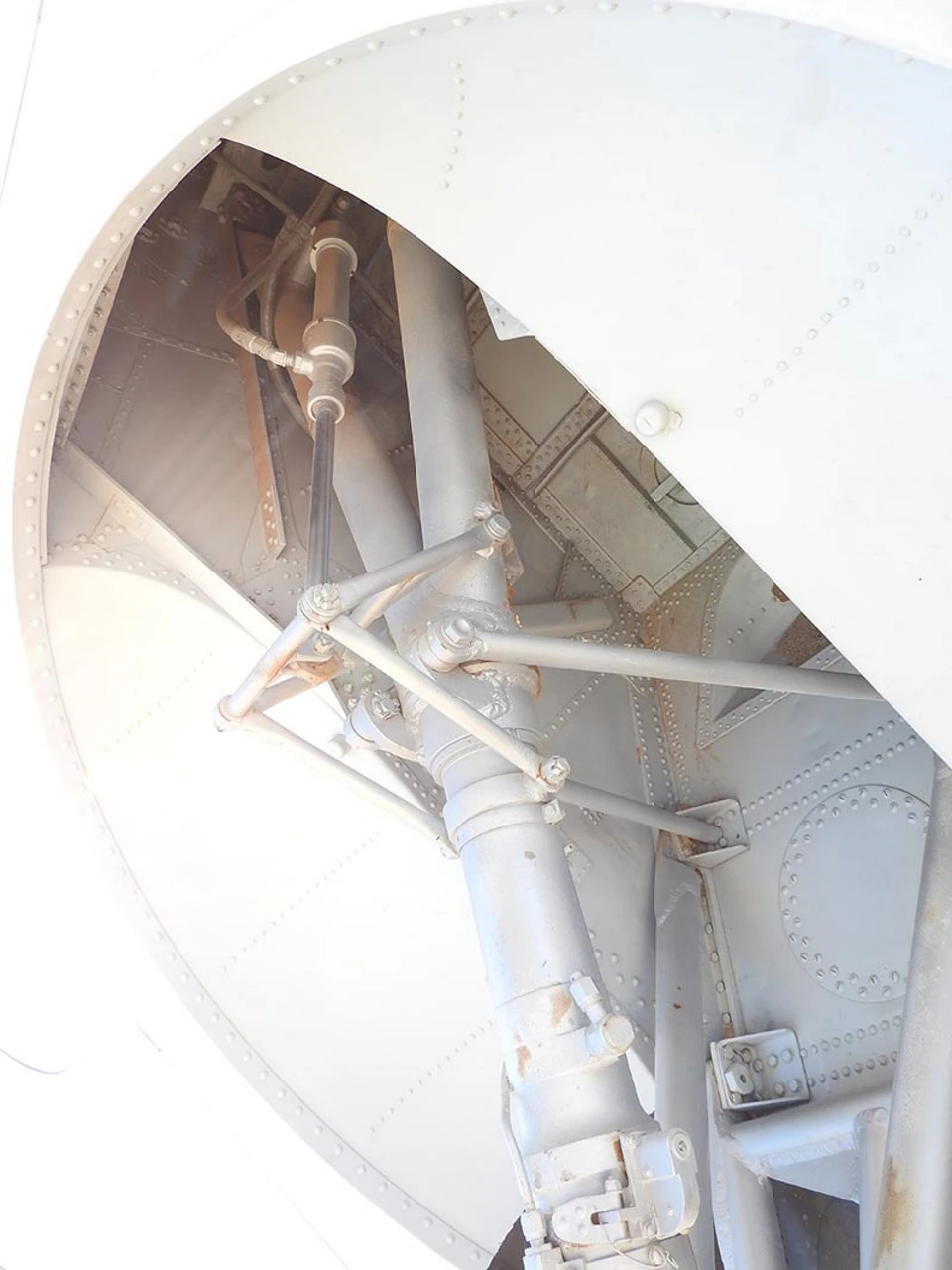
- Retractable Landing Gear: Unlike many flying boats of the era, the JRS-1 featured wheels that retracted into the side of the hull. This made it a true amphibian, capable of operating from paved runways or sheltered bays.
- All-Metal Construction: The JRS-1 utilized a duralumin-stressed skin hull, making it much more durable than the wood-and-fabric amphibians of the 1920s.
- “Saukopf” Cooling: The engines were enclosed in tight-fitting cowlings to maximize aerodynamic efficiency, a hallmark of Igor Sikorsky’s focus on streamlining his transport aircraft.
The Pearl Harbor Survivor
- The “Springfield” Interceptors: During the frantic search for the Japanese carriers on Dec 7, the JRS-1 crews had no mounted guns. Sailors sat at the rear hatches with M1903 Springfield rifles, prepared to fire at Zeros in a desperate attempt at self-defense.
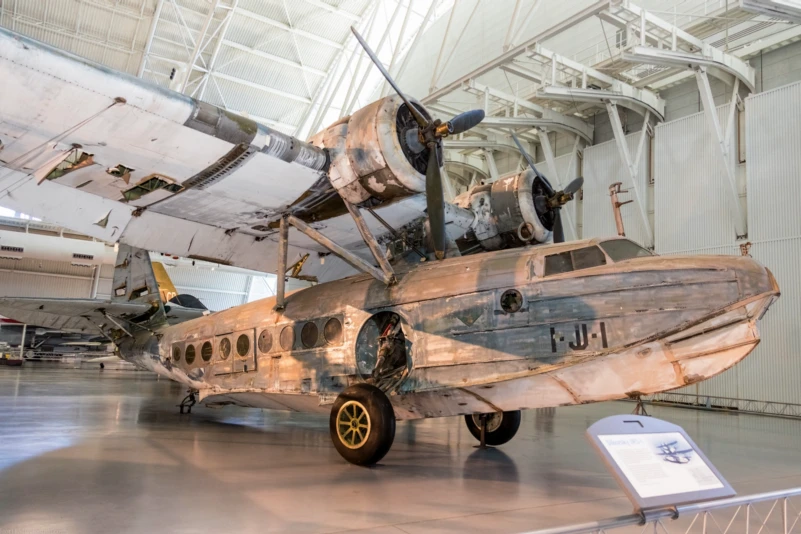
- The Last of Its Kind: Of the 17 JRS-1s purchased by the Navy, only one survives today (Bureau Number 1063). It is currently held by the Smithsonian National Air and Space Museum.
- Time Capsule Paint: The surviving JRS-1 at the Udvar-Hazy Center is uniquely unrestored. You can still see the pre-war “colorful” paint (orange-yellow wings) peeking through the hasty blue-gray camouflage applied just days after the Pearl Harbor attack.
- NACA Research: After the war, the surviving JRS-1 was used by the predecessor of NASA to study seaplane hull dynamics, contributing to the design of future maritime patrol aircraft like the P5M Marlin.
意见:2251