装甲三号 | |
|---|---|
| 国家 | 德国 |
| 类型 | 第二次世界大战装甲车 |
| 子类型 | 坦克 |
| 主题 | 专辑 69 照片在坦克周围走动 装甲三号 |
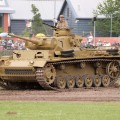
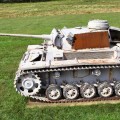
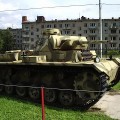
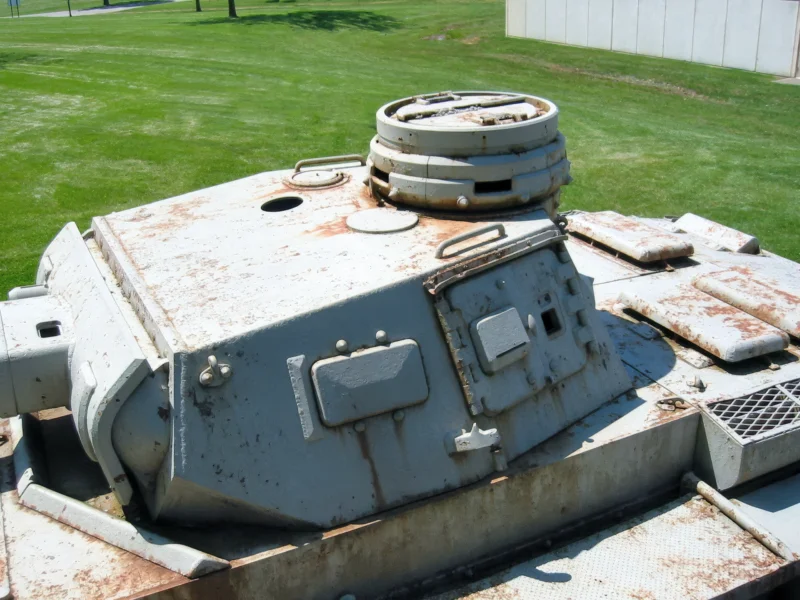
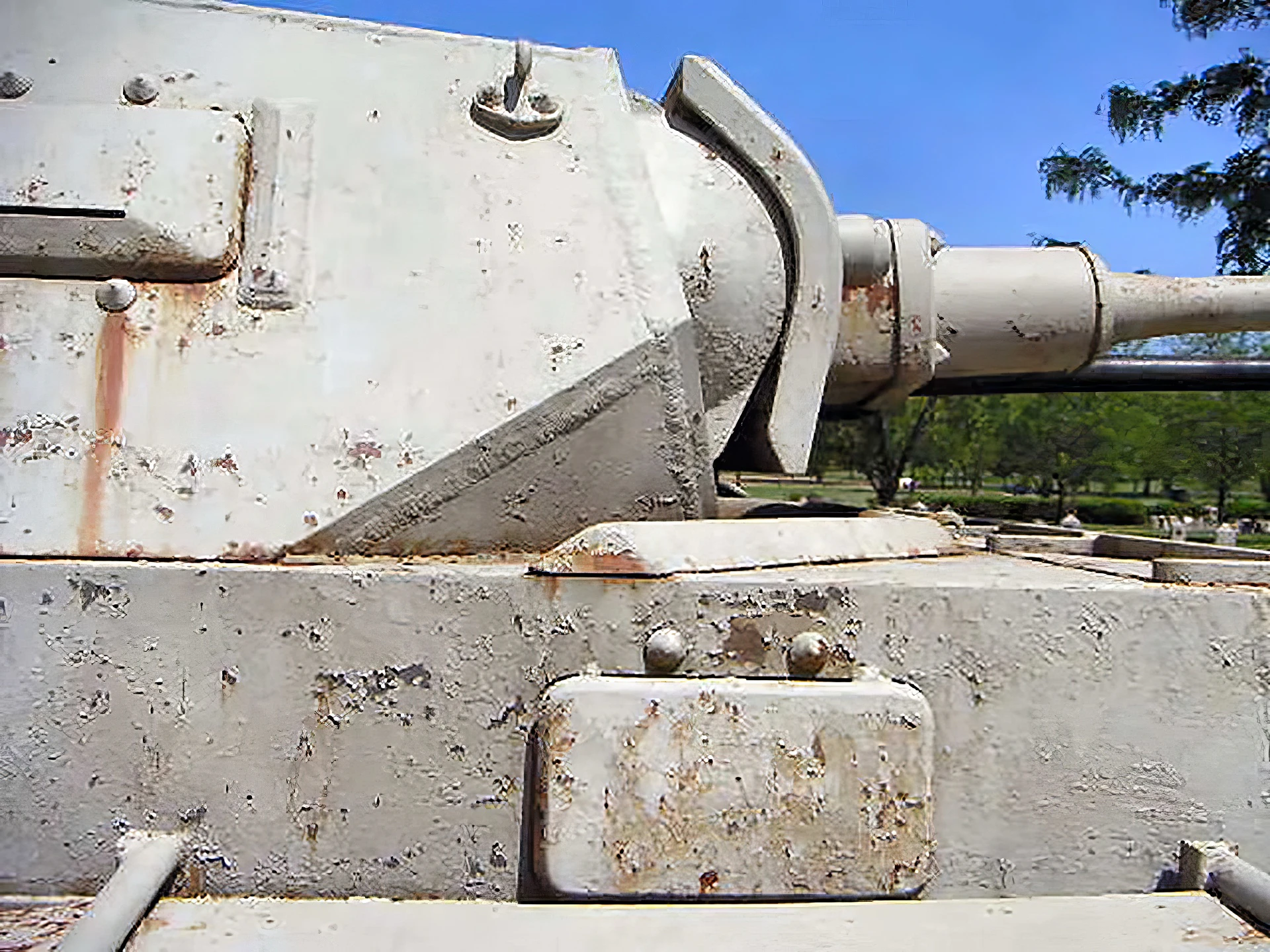
装甲三号的照片库, 装甲三号 是德国在20世纪30年代研制的中型坦克的通用名称,在第二次世界大战中被广泛使用。
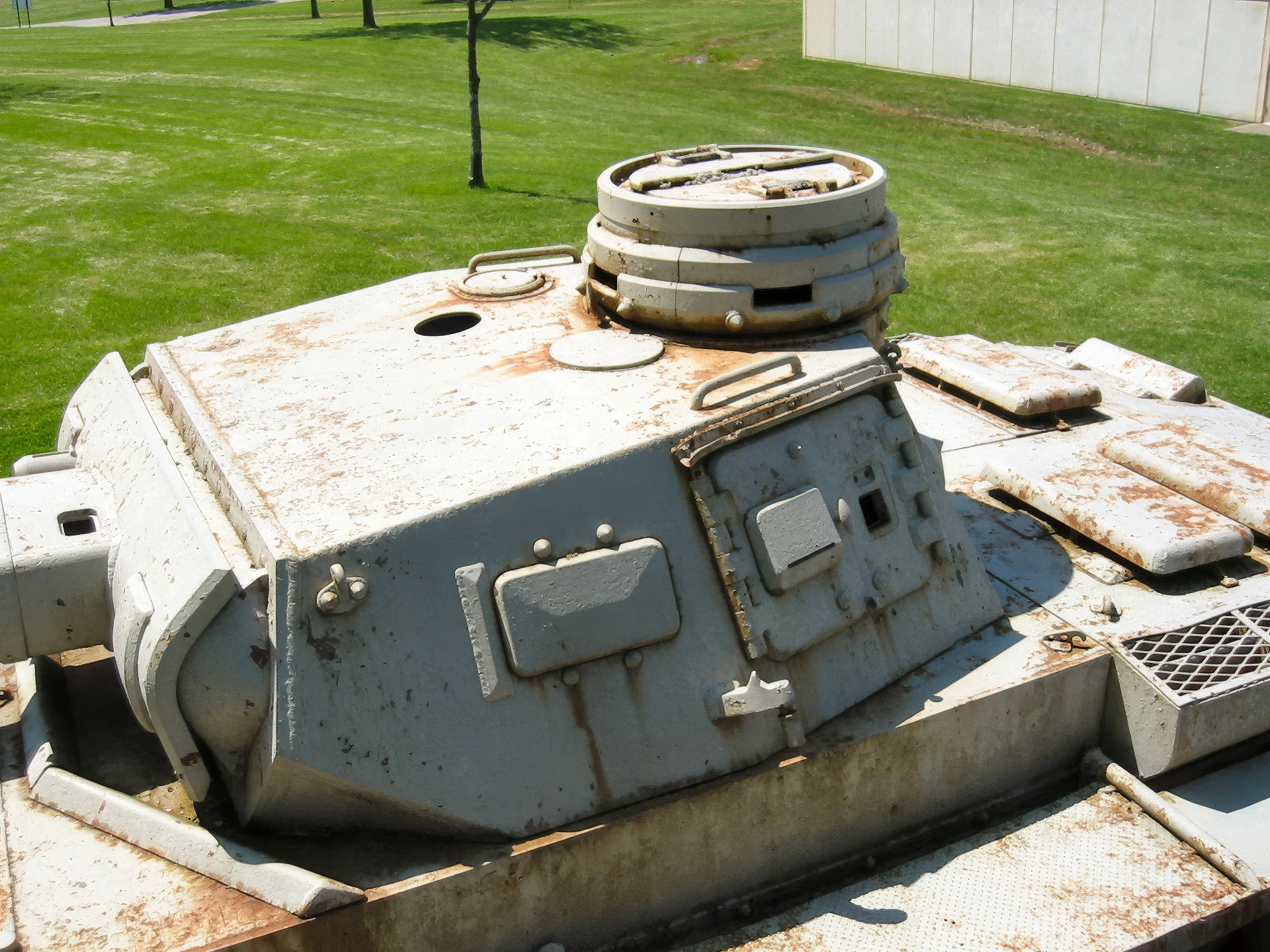
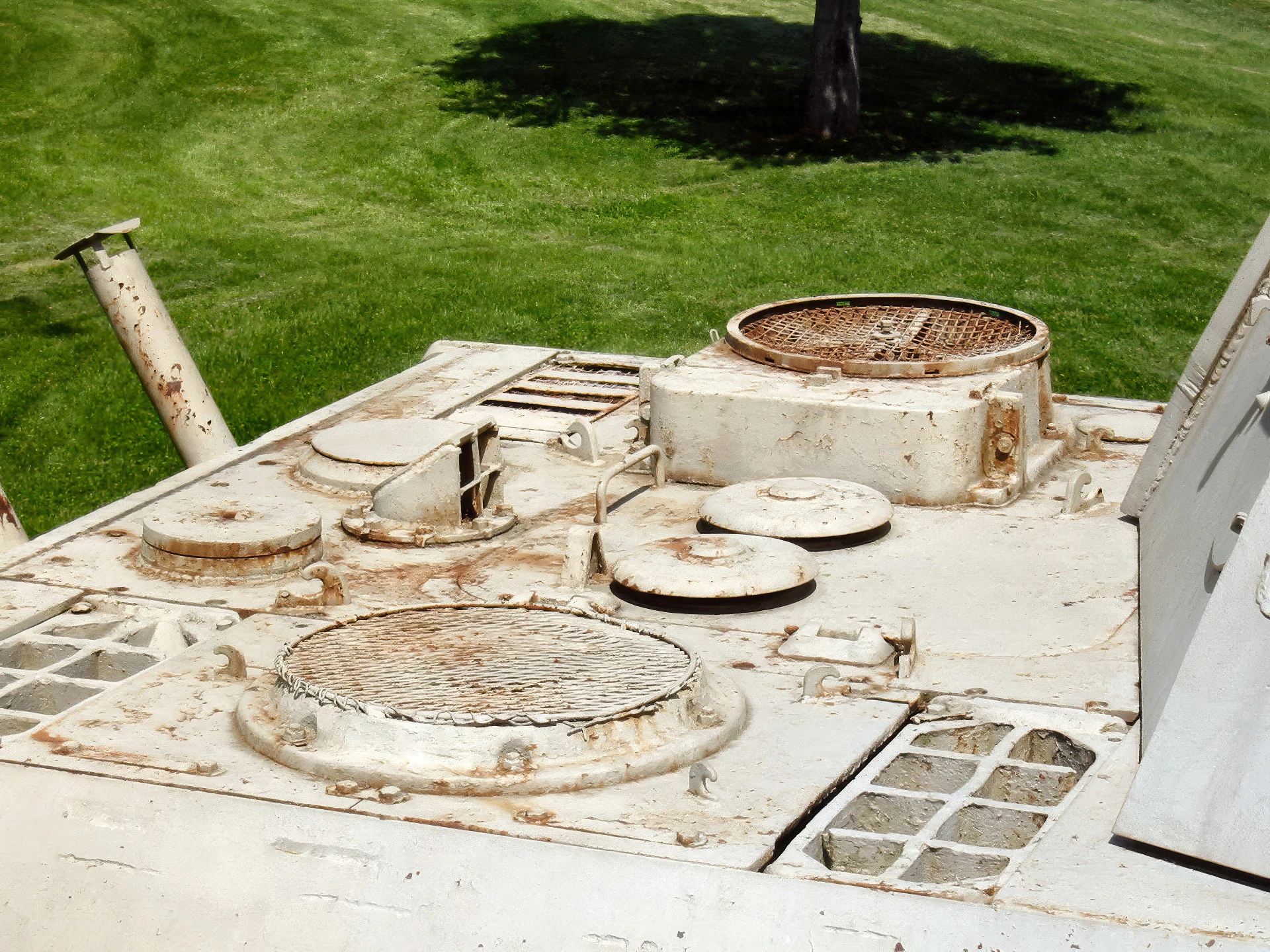
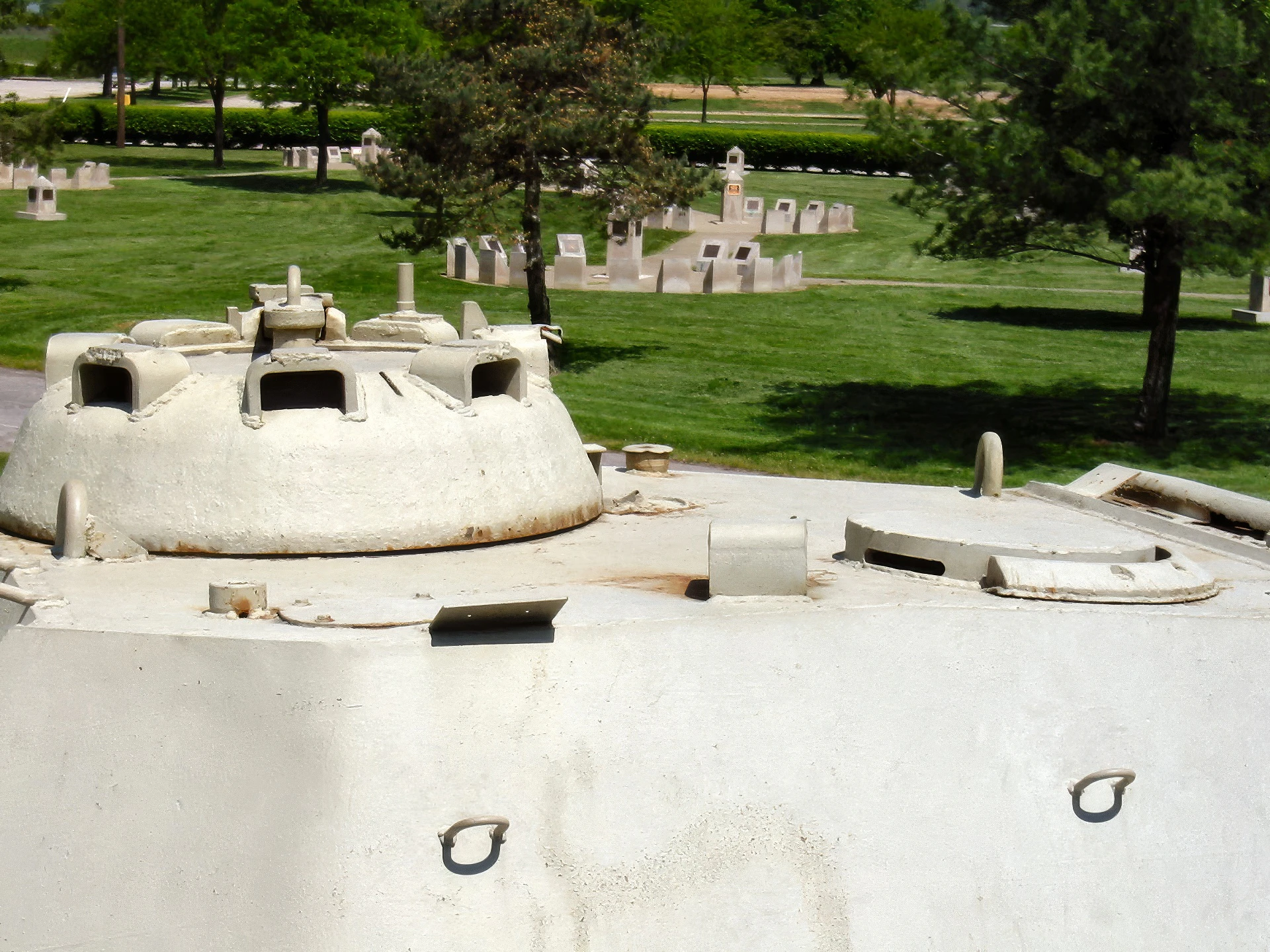
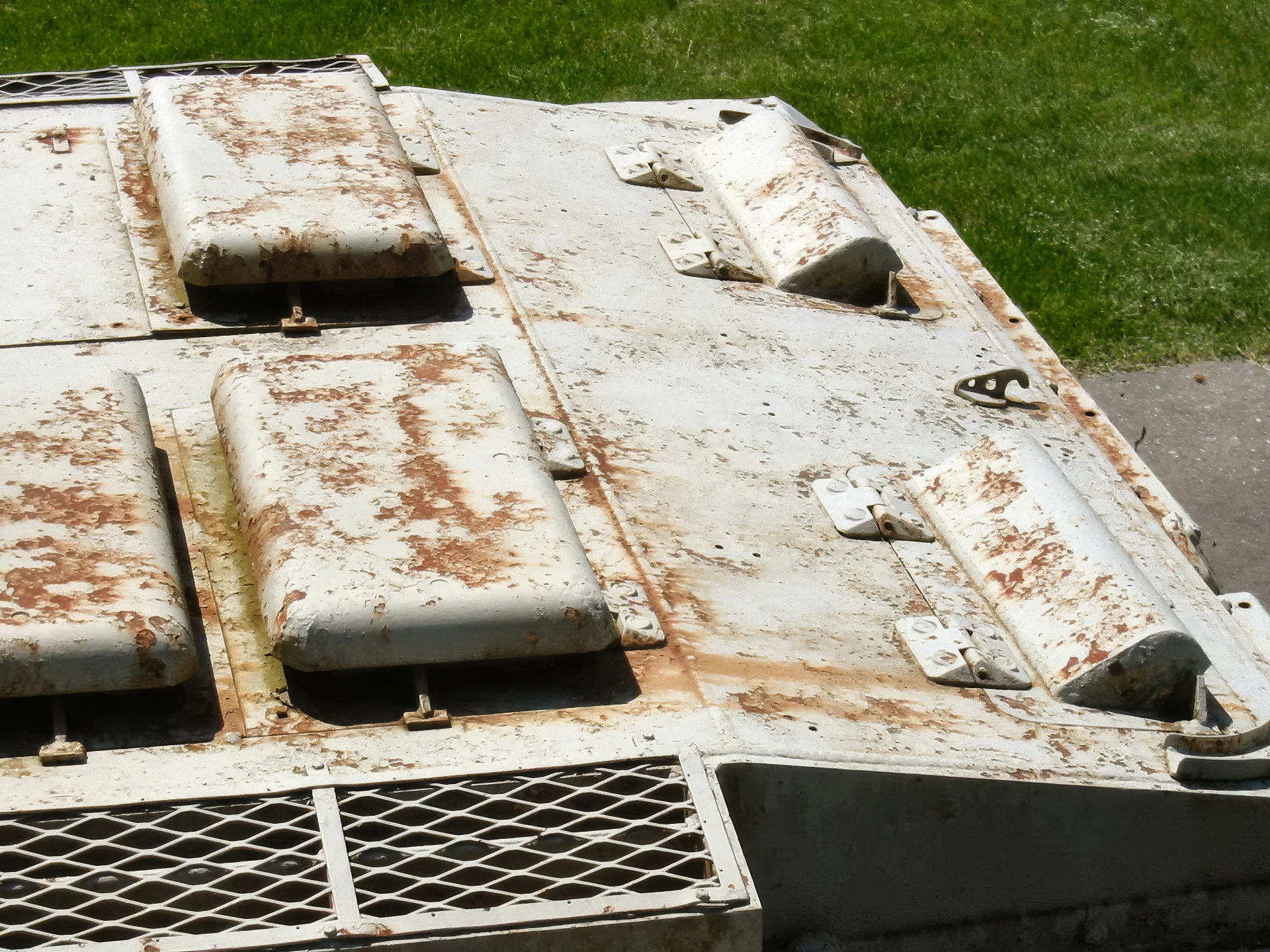
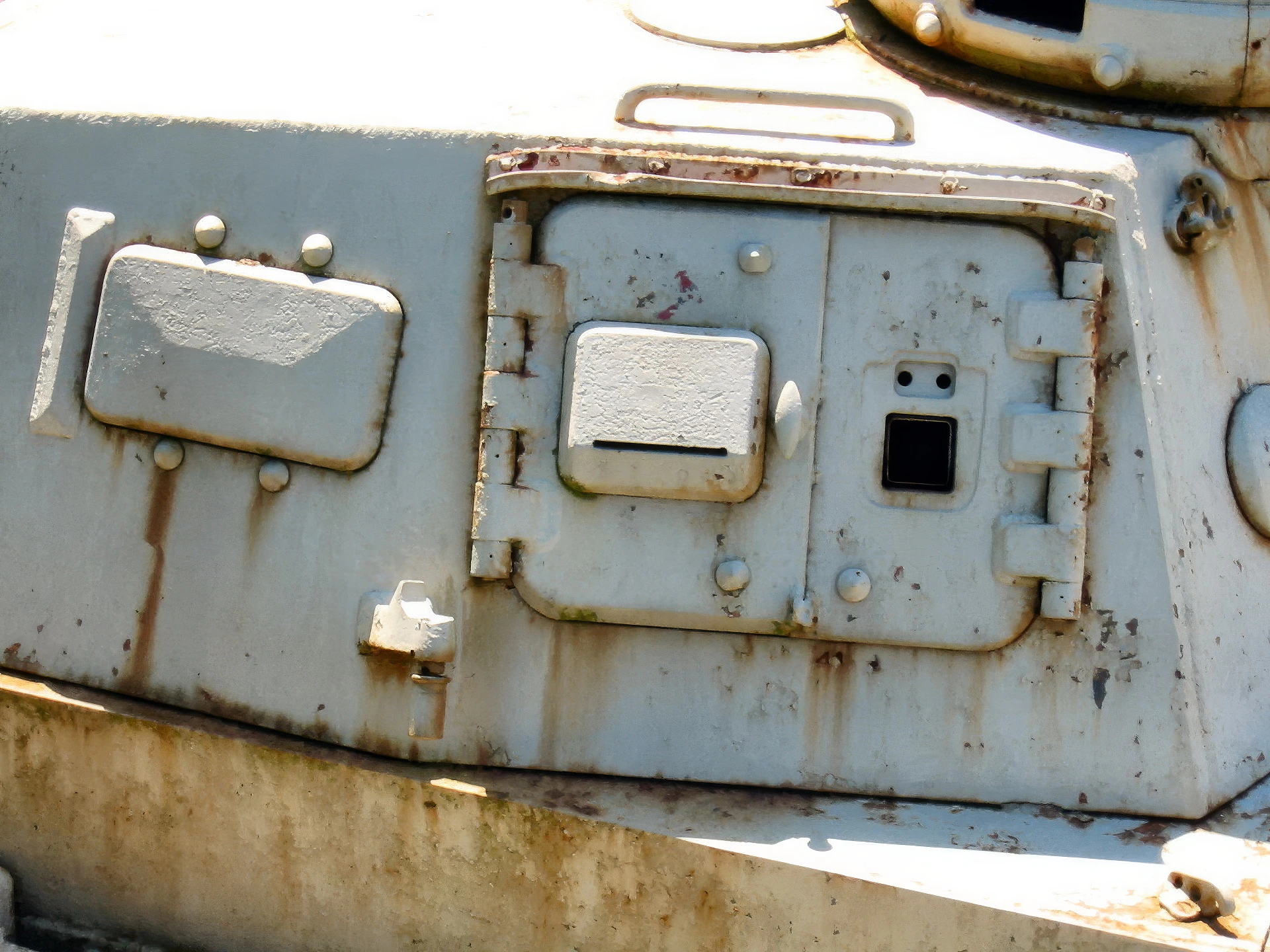
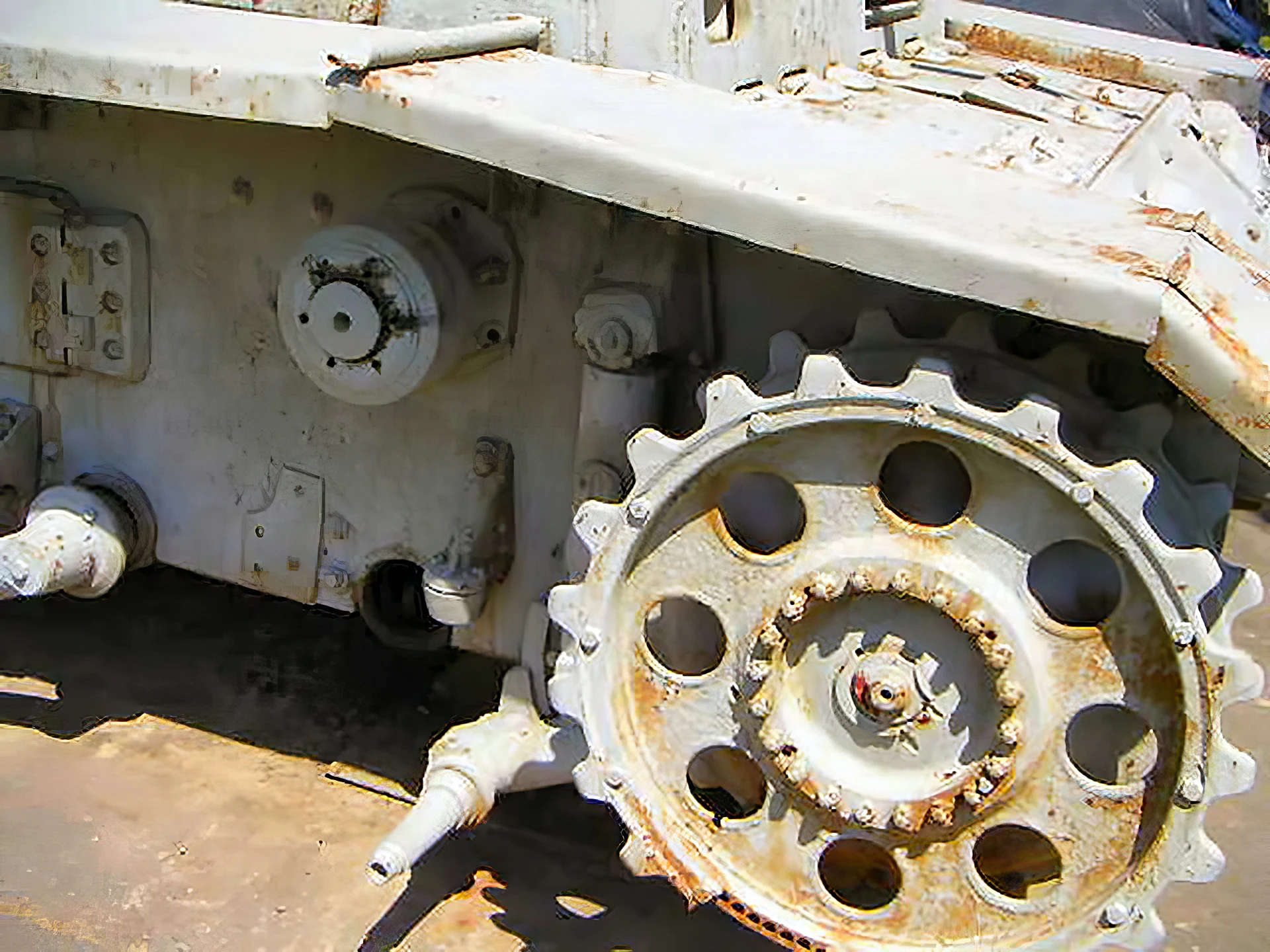
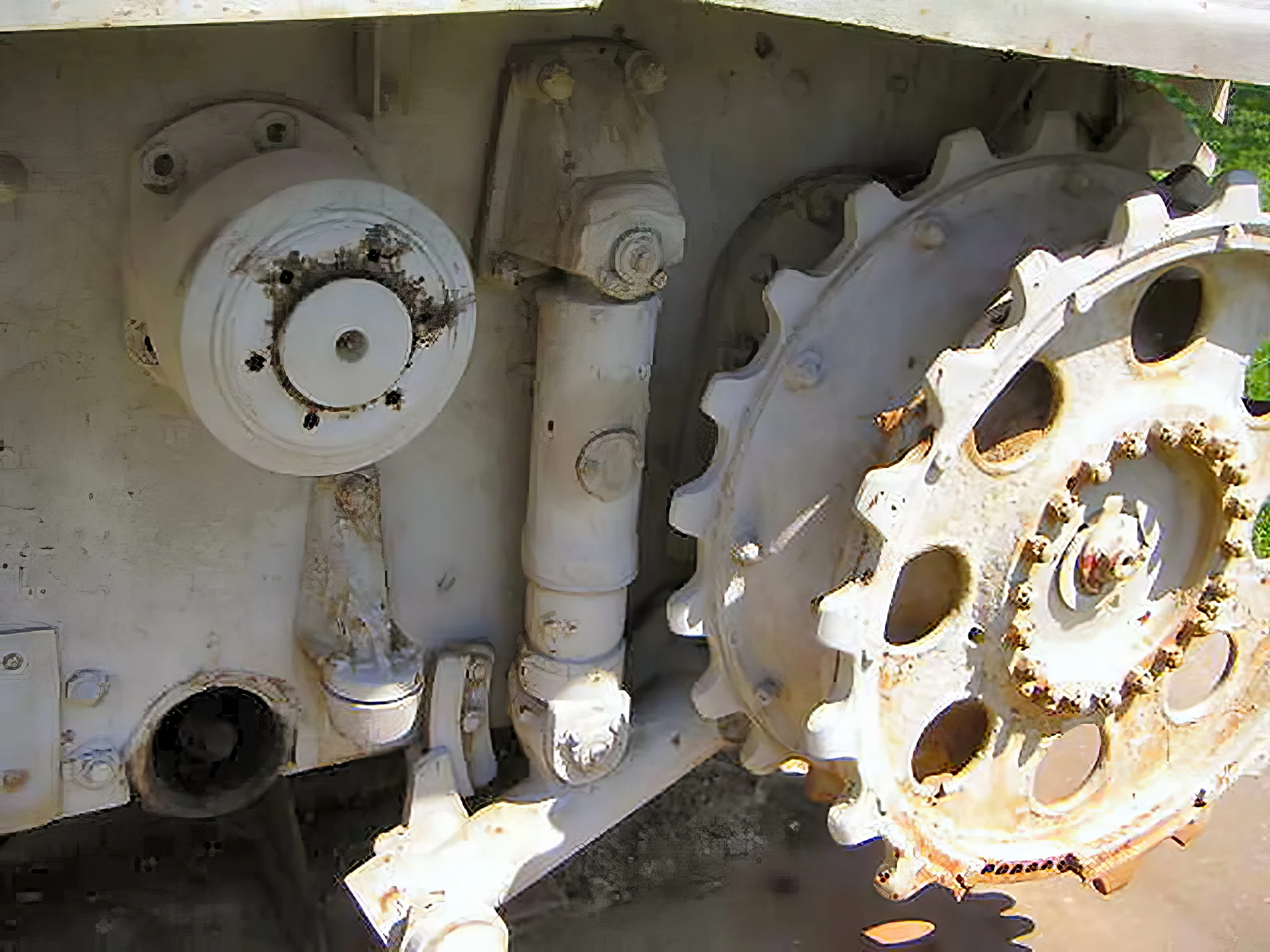
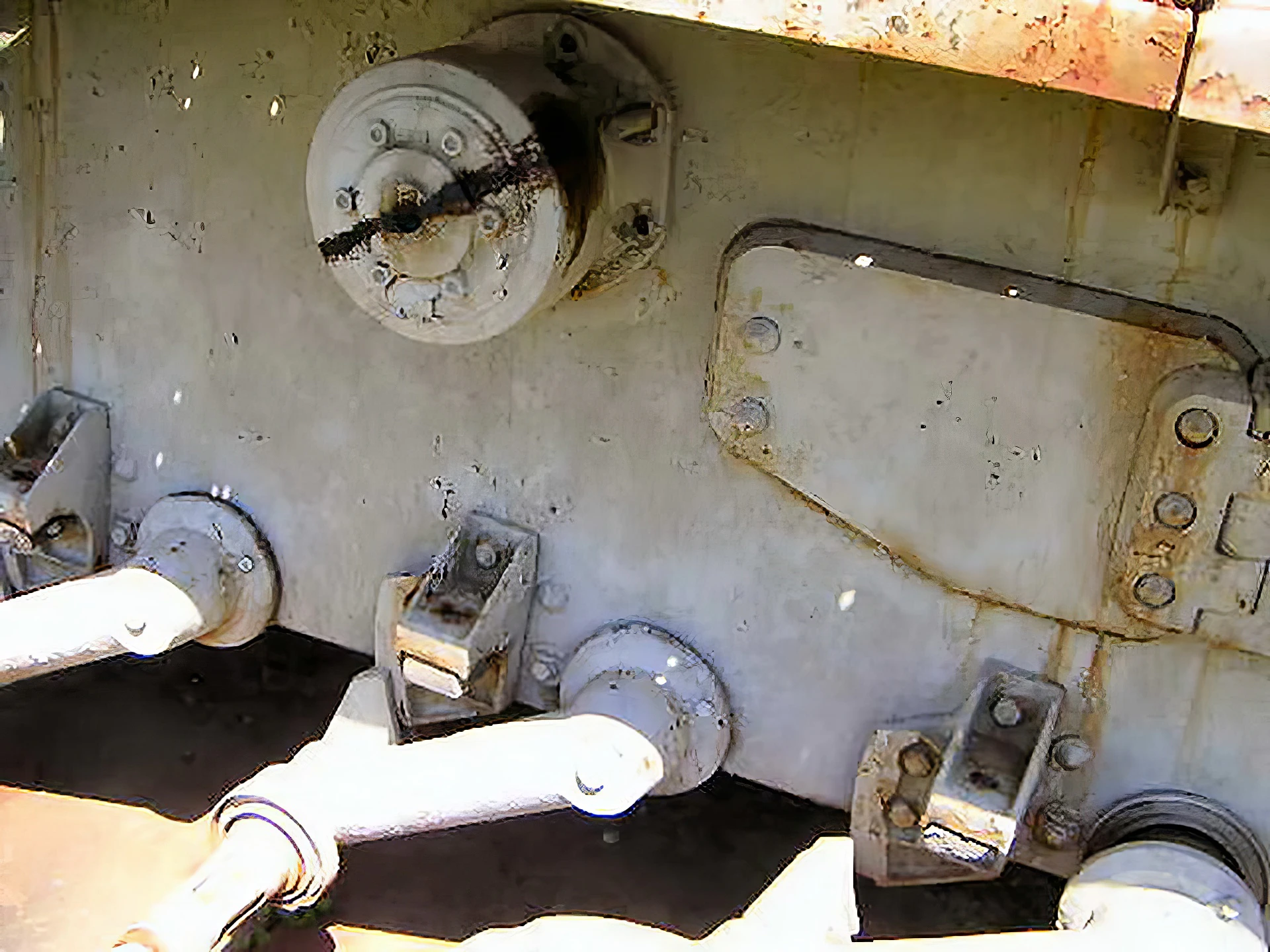
等等,为你寻找装甲车。。。

另请参阅:


The **Panzer III** was a German medium tank developed in the 1930s that served as the primary battle tank of the *Wehrmacht* during the early and middle stages of World War II, specifically designed for engaging and destroying enemy armor.
Design and Doctrine
- 角色: Originally conceived as the main tank-vs-tank vehicle, intended to operate alongside the slower, infantry-support **Panzer IV**.
- 船员: It featured a revolutionary five-man crew (driver, radio operator/bow gunner, loader, gunner, and commander). Crucially, the **three-man turret** allowed the commander to focus entirely on observation and command, providing a significant tactical advantage in the early war *Blitzkrieg* campaigns.
- 流动性: Powered by a Maybach engine, the tank was reliable and featured an advanced **torsion-bar suspension** system (on mass-production models), which provided good speed and cross-country performance.
Armament and Armor Evolution (Variants)
The Panzer III underwent continuous up-armoring and up-gunning to keep pace with Allied and Soviet tank development:
| 变体 | Key Armament | Max Frontal Armor (Approx.) | Primary Combat Period |
|---|---|---|---|
| Ausf. A–G (Early) | 3.7 cm KwK 36 L/46.5 | 30 mm | Poland, France (1939–1940) |
| Ausf. H–J (Mid) | 5 cm KwK 38 L/42 (shorter barrel) | 50 mm | North Africa, Early Eastern Front (1941) |
| Ausf. J¹–M (Late) | **5 cm KwK 39 L/60** (long barrel) | 50 mm + 20 mm spaced armor | Eastern Front, North Africa (1942–1943) |
| Ausf. N (Final) | **7.5 cm KwK 37 L/24** (short barrel) | 50 mm + *Schürzen* (skirt armor) | Infantry support role (1943) |
Combat History and Legacy
- Early Success: The Panzer III was highly effective in the invasions of **Poland (1939)** and **France (1940)**, where its superior doctrine and command structure outweighed any marginal differences in armor or gun power with enemy tanks.
- Eastern Front Challenge: Its limitations became brutally apparent during **Operation Barbarossa (1941)** upon encountering the heavily armed and armored Soviet **T-34** and **KV-1** tanks, against which the 3.7 cm and even the short 5 cm guns were largely ineffective.
- Obsolescence: Despite receiving the more powerful long 5 cm gun and thicker armor, the design reached its limits, as its turret ring was too small to accommodate the larger, long-barreled 7.5 cm gun needed to remain competitive.
- Final Role: The Panzer III was phased out of the tank-vs-tank role by late 1943, being replaced by the up-gunned Panzer IV and the new Panther tank. However, its robust chassis formed the basis for the highly successful **Sturmgeschütz III (StuG III)** assault gun, which served until the end of the war.
Views : 6552