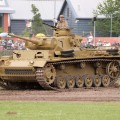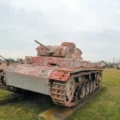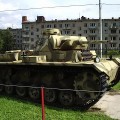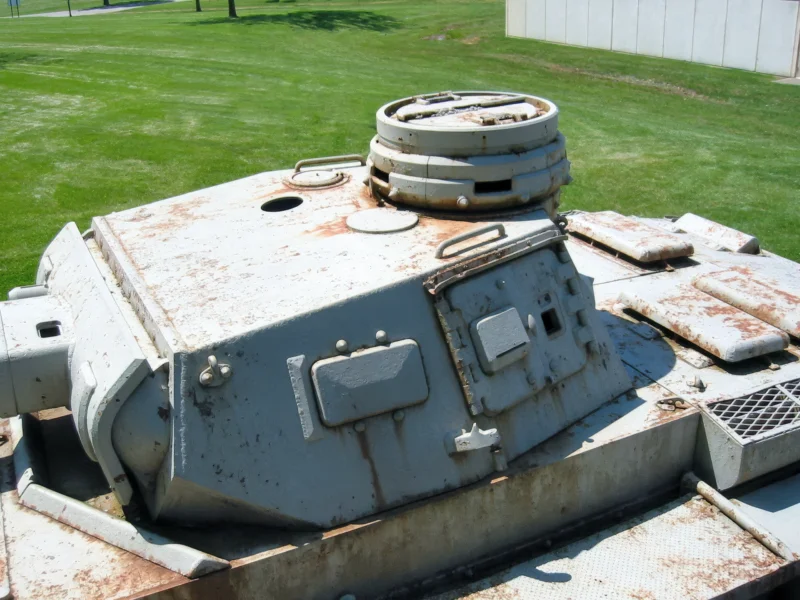
Panzer III | |
|---|---|
| Země | Německo |
| Typ | Obrněná vozidla z druhé světové války |
| Podtyp | Nádrže |
| Téma | Album 69 fotografie procházky kolem tanku Panzer III |
Fotogalerie tanku III, Panzer III byl běžný název středního tanku, který byl vyvinut ve 30. letech 20.
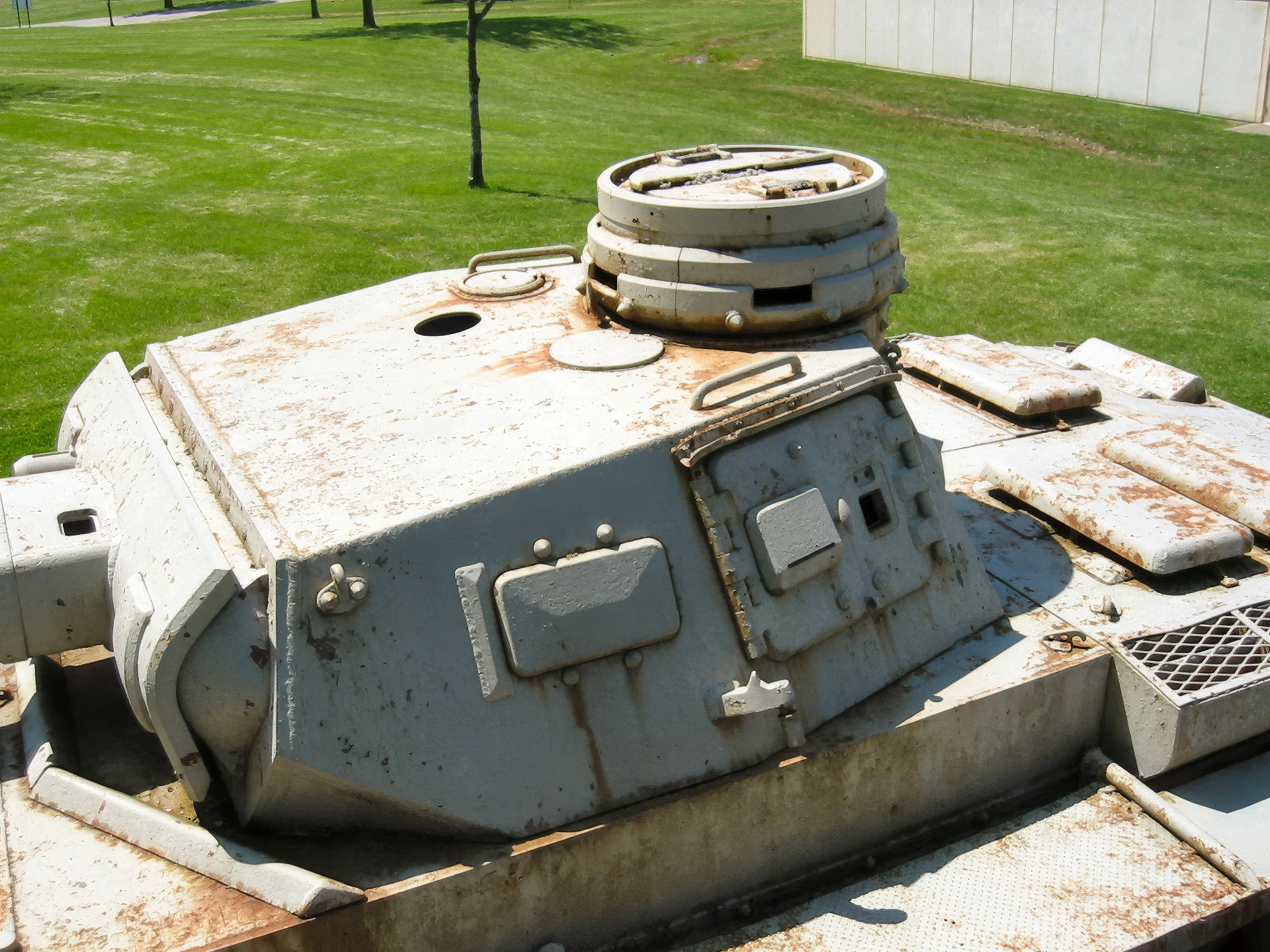
Panzer III 01
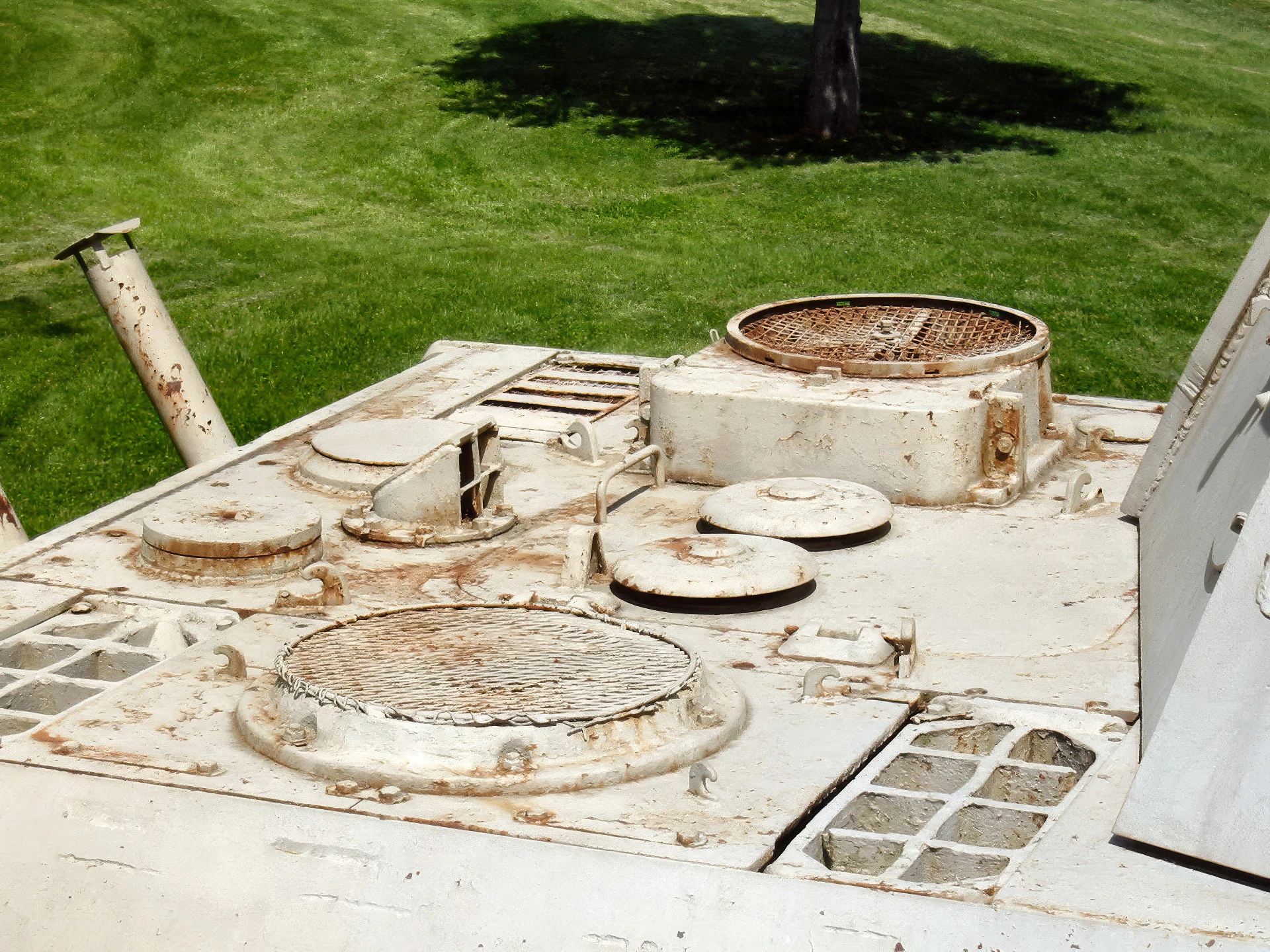
Panzer III 02
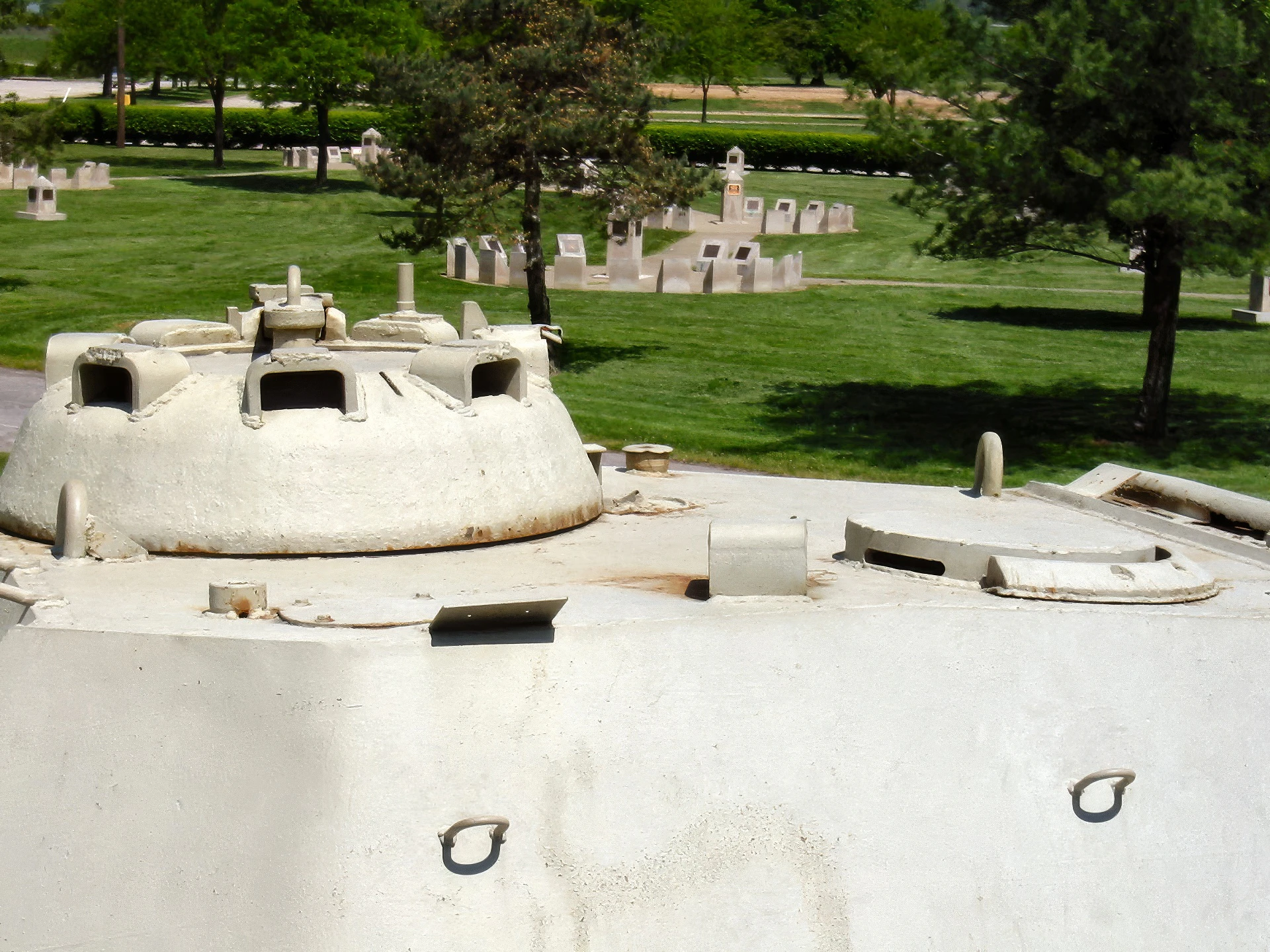
Panzer III 03
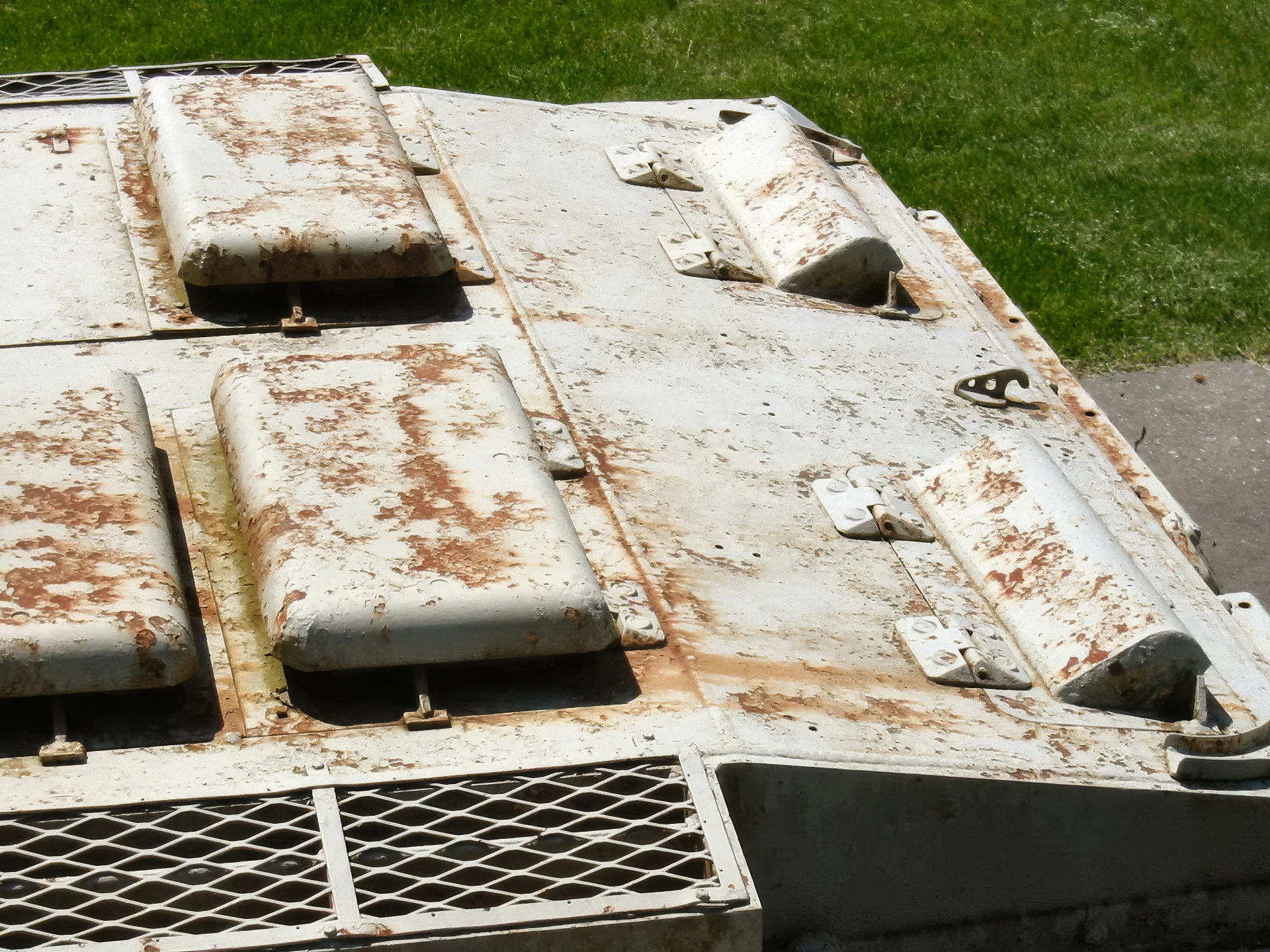
Panzer III 04
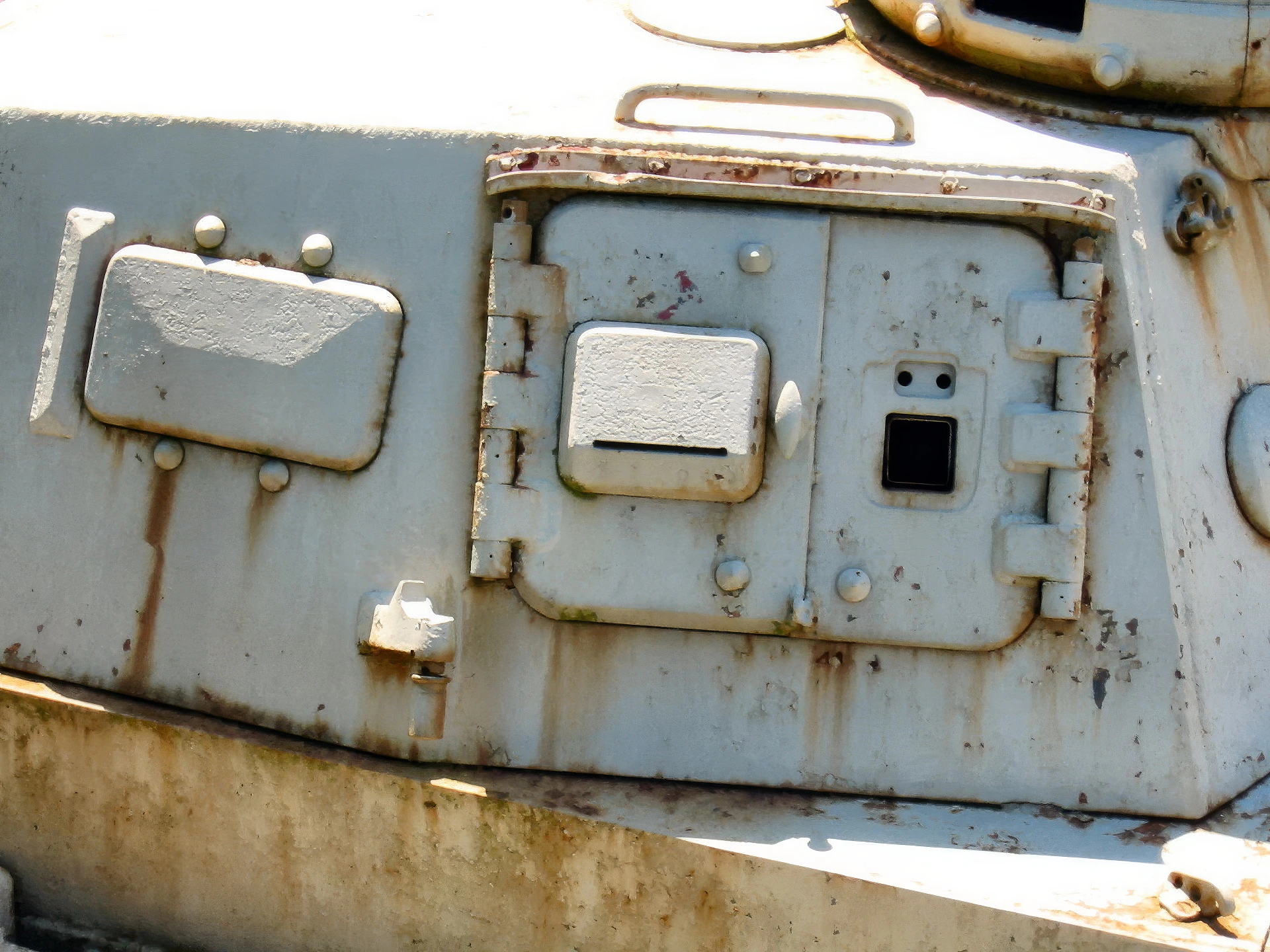
Panzer III 05
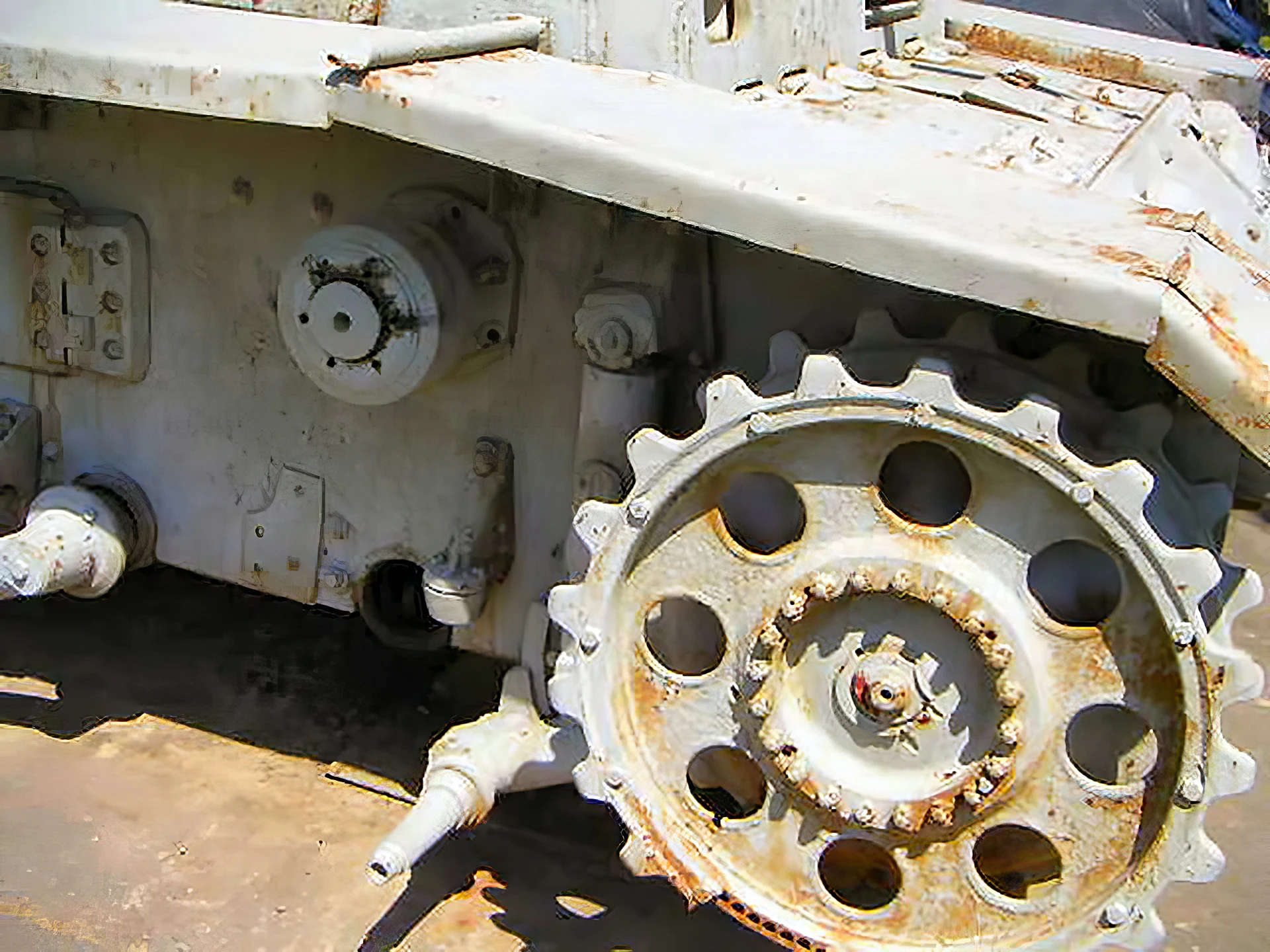
Panzer III 06
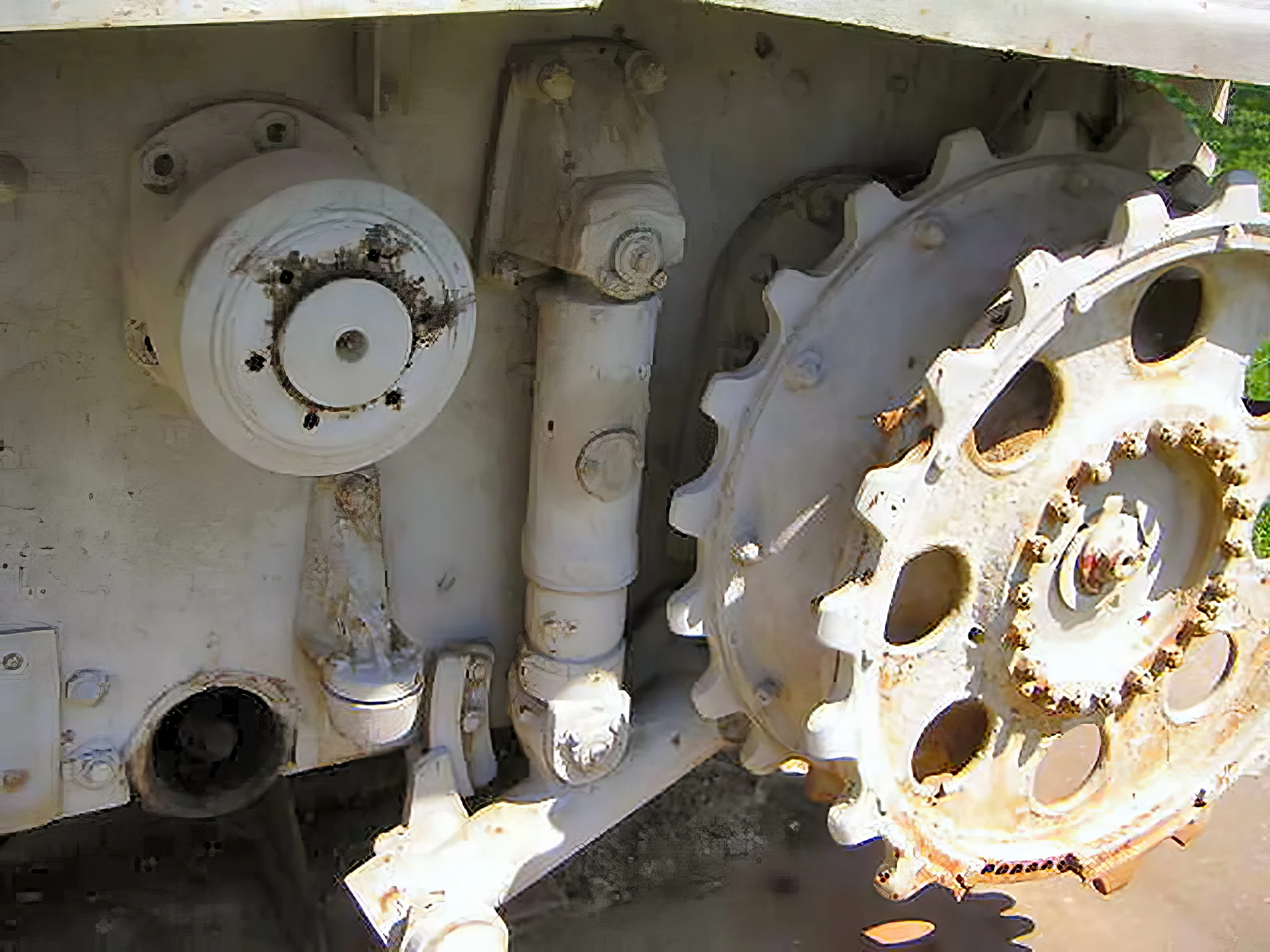
Panzer III 07
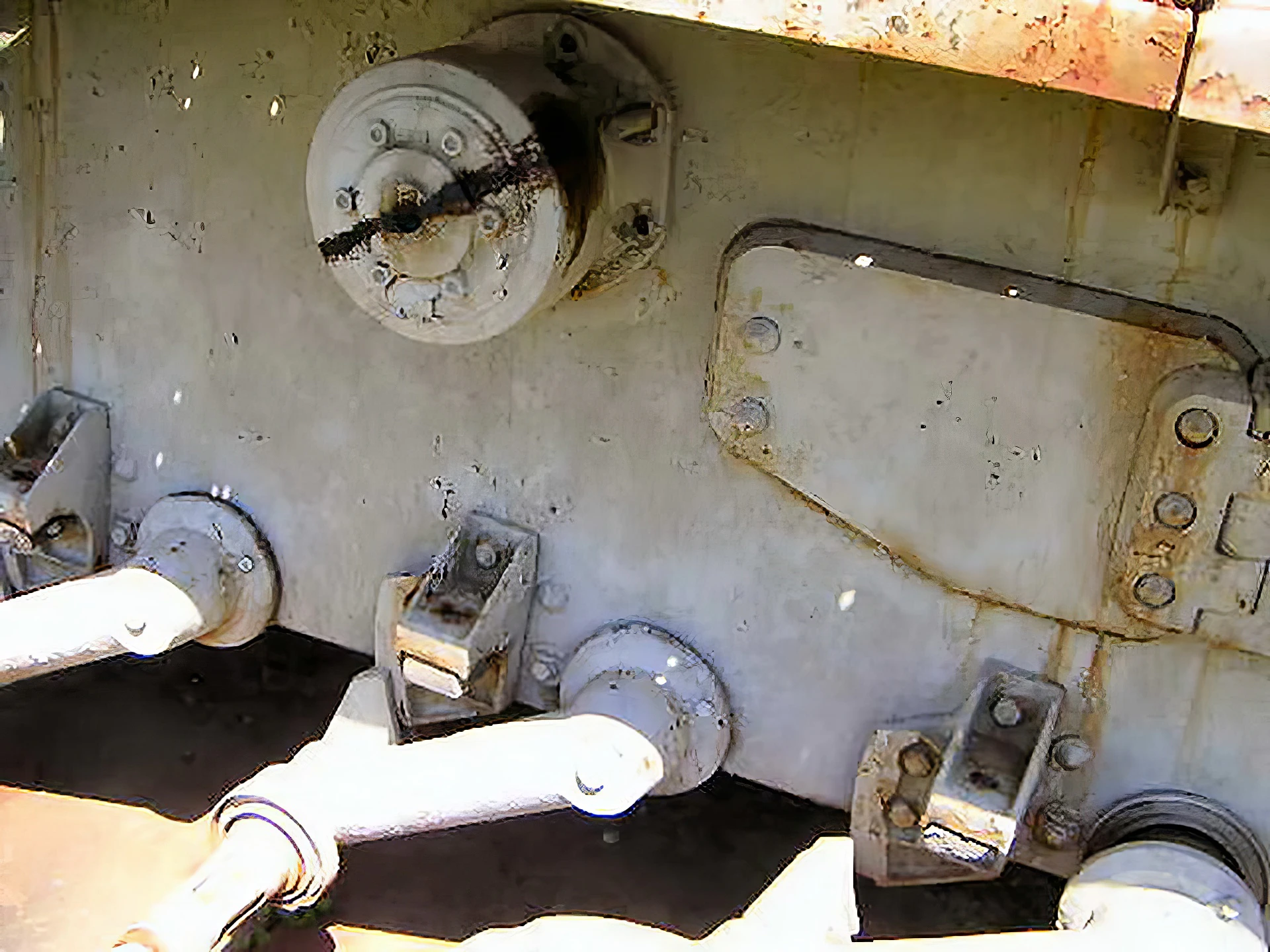
Panzer III 08
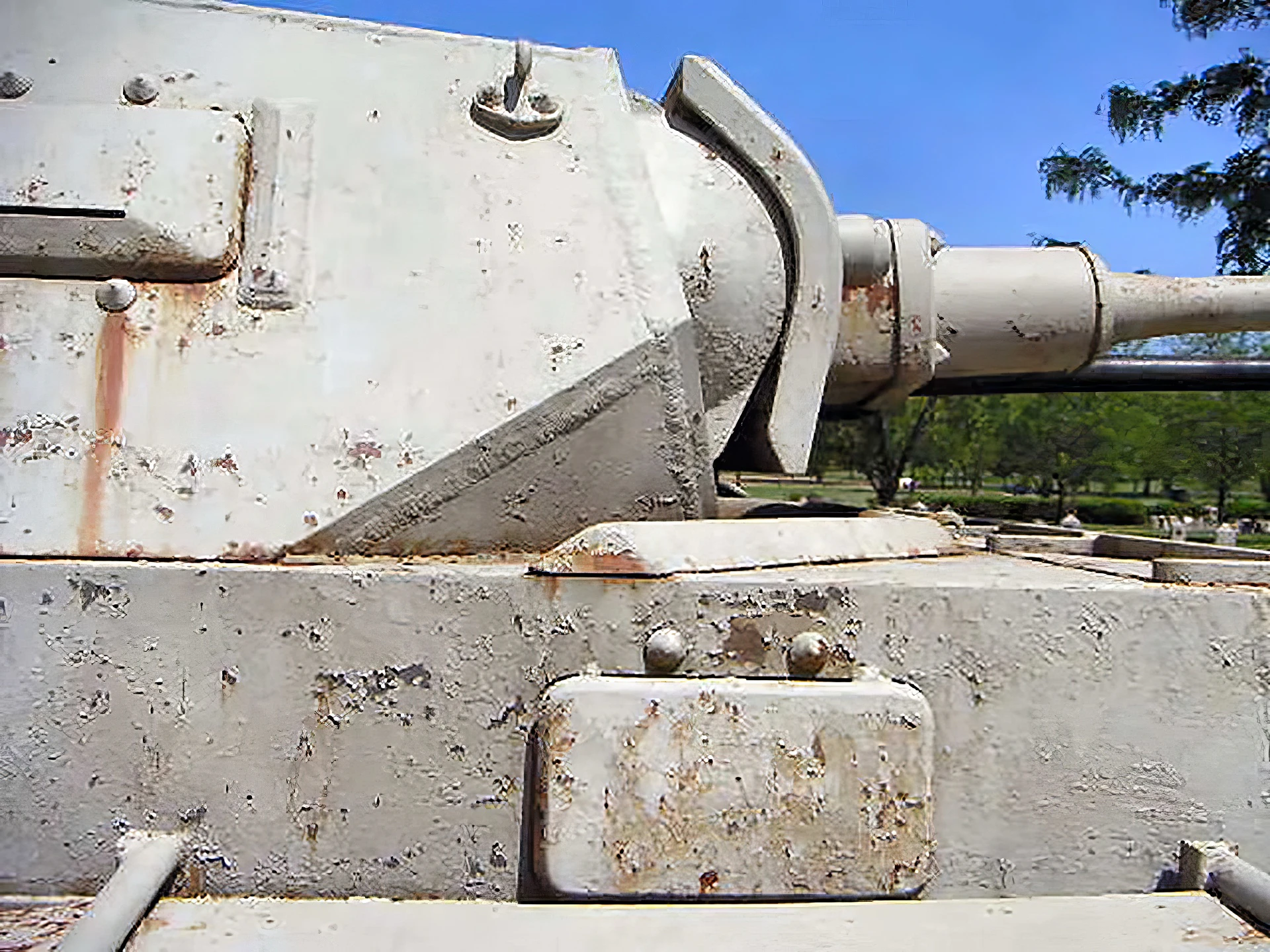
Panzer III 09
Počkej, Hledám pro tebe Panzer III...

Viz také:


The **Panzer III** was a German medium tank developed in the 1930s that served as the primary battle tank of the *Wehrmacht* during the early and middle stages of World War II, specifically designed for engaging and destroying enemy armor.
Design and Doctrine
- Role: Originally conceived as the main tank-vs-tank vehicle, intended to operate alongside the slower, infantry-support **Panzer IV**.
- Crew: It featured a revolutionary five-man crew (driver, radio operator/bow gunner, loader, gunner, and commander). Crucially, the **three-man turret** allowed the commander to focus entirely on observation and command, providing a significant tactical advantage in the early war *Blitzkrieg* campaigns.
- Mobilita: Powered by a Maybach engine, the tank was reliable and featured an advanced **torsion-bar suspension** system (on mass-production models), which provided good speed and cross-country performance.
Armament and Armor Evolution (Variants)
The Panzer III underwent continuous up-armoring and up-gunning to keep pace with Allied and Soviet tank development:
| Variant | Key Armament | Max Frontal Armor (Approx.) | Primary Combat Period |
|---|---|---|---|
| Ausf. A–G (Early) | 3.7 cm KwK 36 L/46.5 | 30 mm | Poland, France (1939–1940) |
| Ausf. H–J (Mid) | 5 cm KwK 38 L/42 (shorter barrel) | 50 mm | North Africa, Early Eastern Front (1941) |
| Ausf. J¹–M (Late) | **5 cm KwK 39 L/60** (long barrel) | 50 mm + 20 mm spaced armor | Eastern Front, North Africa (1942–1943) |
| Ausf. N (Final) | **7.5 cm KwK 37 L/24** (short barrel) | 50 mm + *Schürzen* (skirt armor) | Infantry support role (1943) |
Combat History and Legacy
- Early Success: The Panzer III was highly effective in the invasions of **Poland (1939)** and **France (1940)**, where its superior doctrine and command structure outweighed any marginal differences in armor or gun power with enemy tanks.
- Eastern Front Challenge: Its limitations became brutally apparent during **Operation Barbarossa (1941)** upon encountering the heavily armed and armored Soviet **T-34** and **KV-1** tanks, against which the 3.7 cm and even the short 5 cm guns were largely ineffective.
- Obsolescence: Despite receiving the more powerful long 5 cm gun and thicker armor, the design reached its limits, as its turret ring was too small to accommodate the larger, long-barreled 7.5 cm gun needed to remain competitive.
- Final Role: The Panzer III was phased out of the tank-vs-tank role by late 1943, being replaced by the up-gunned Panzer IV and the new Panther tank. However, its robust chassis formed the basis for the highly successful **Sturmgeschütz III (StuG III)** assault gun, which served until the end of the war.
Zobrazení: 6977