JS-7 tank | |
|---|---|
| 国家 | 苏联 |
| 作用 | 重型坦克 |
| 产生 | 1945 |
| 建立 | 6 个原型 |
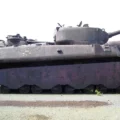
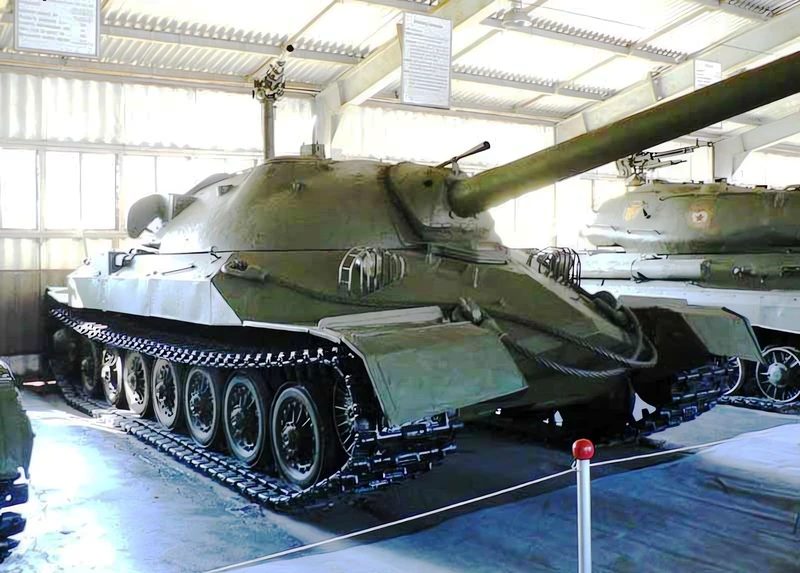
这 IS-7重型坦克,也以其项目名称而闻名 对象 260,是苏联的一种坦克,于1945年开始研制。该车仅以原型形式存在,并被取消以支持T-10坦克。
| JS-7 Walk Around | |
|---|---|
| 摄影师 | 未知 |
| 本地化 | 未知 |
| 照片 | 14 |
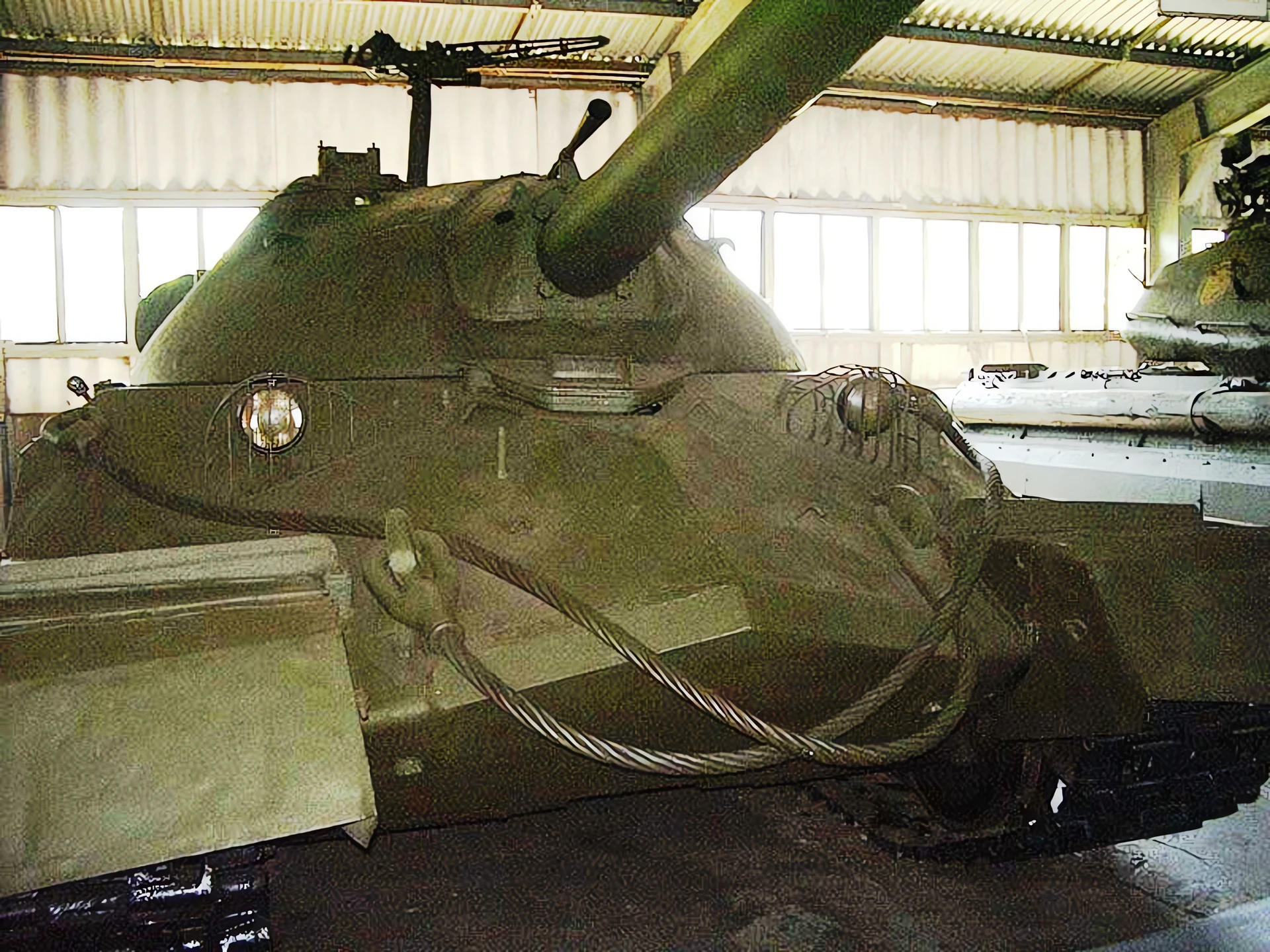
JS-7 1
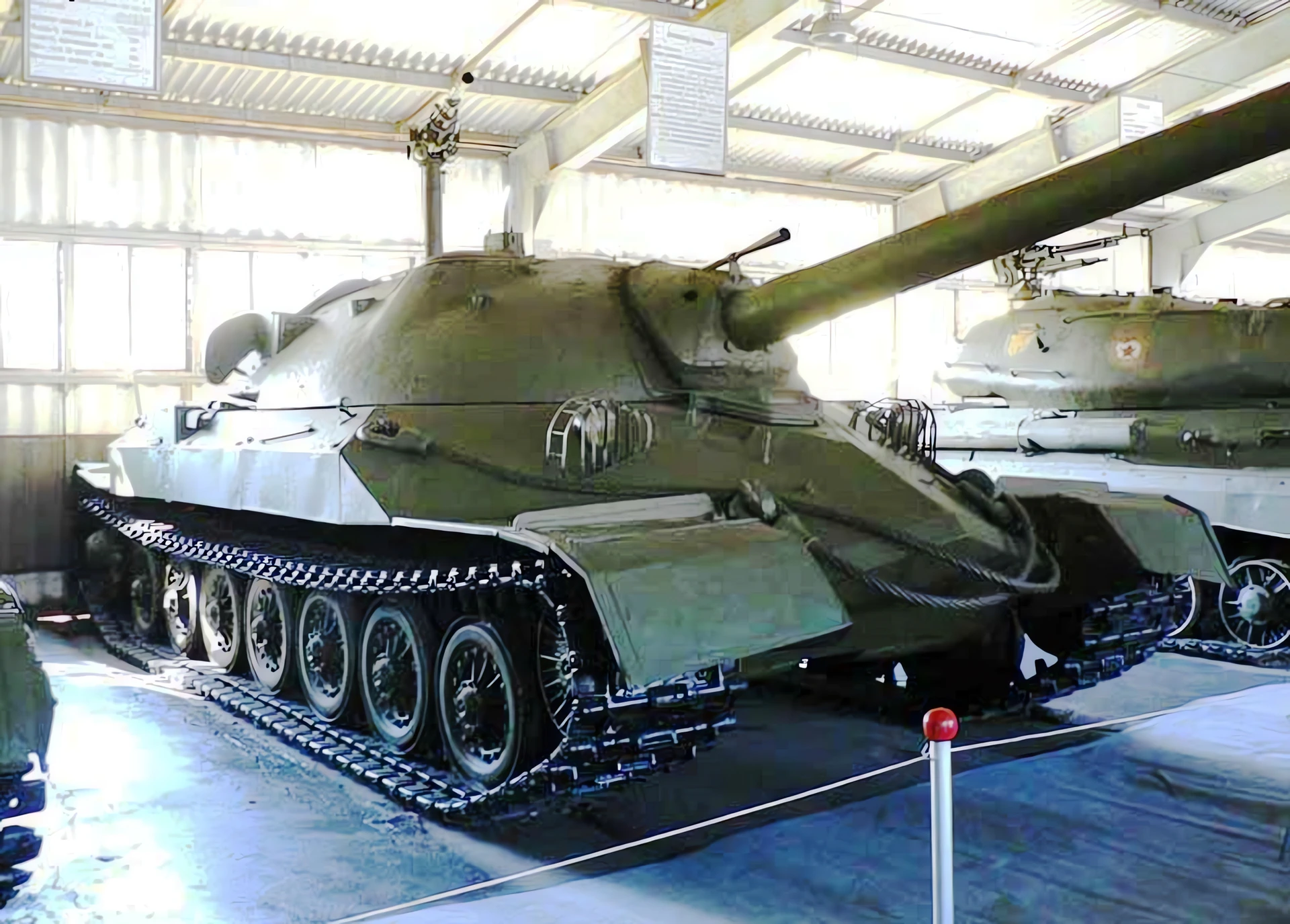
JS-7 2
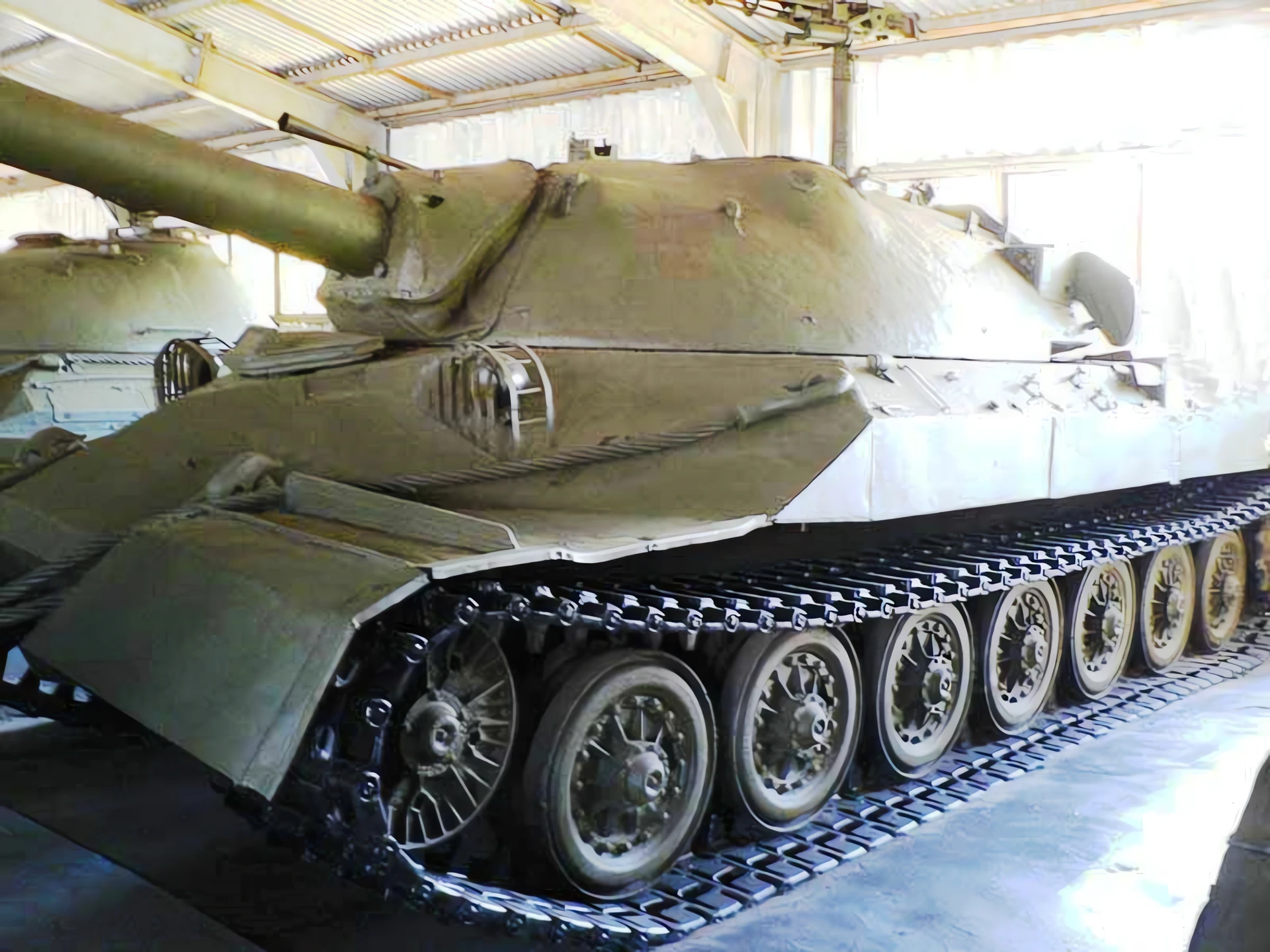
JS-7 4
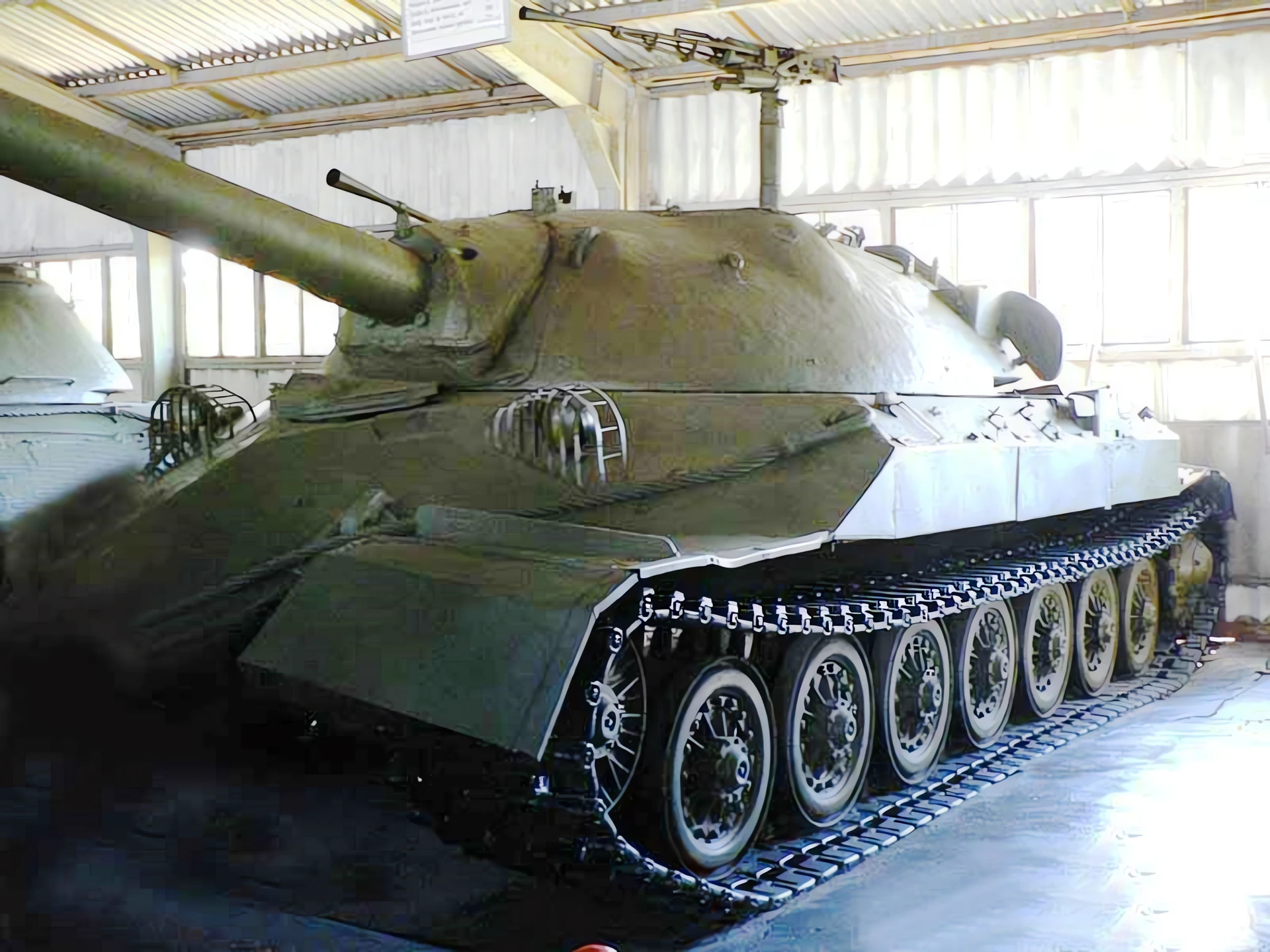
JS-7 3
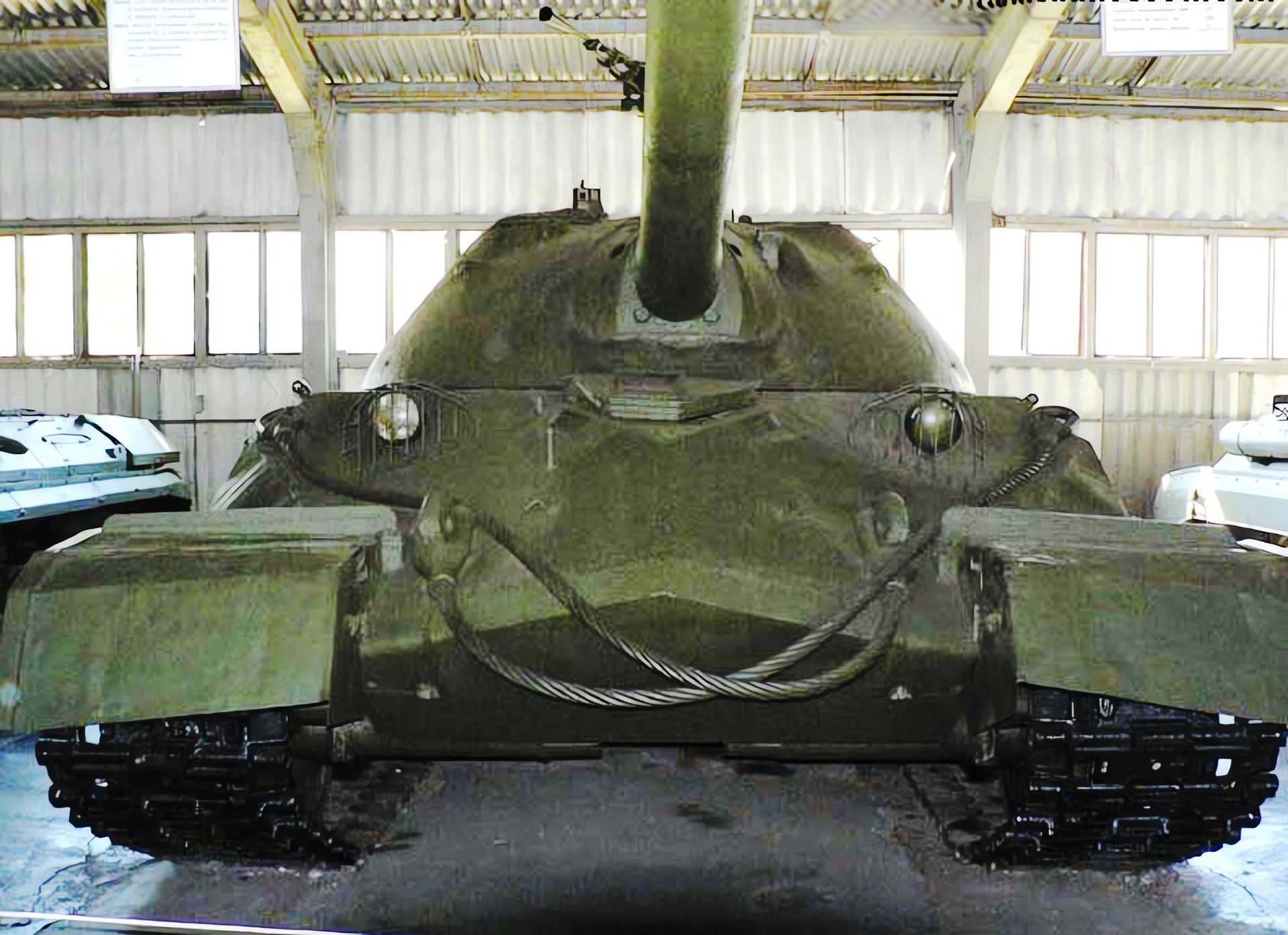
JS-7 5
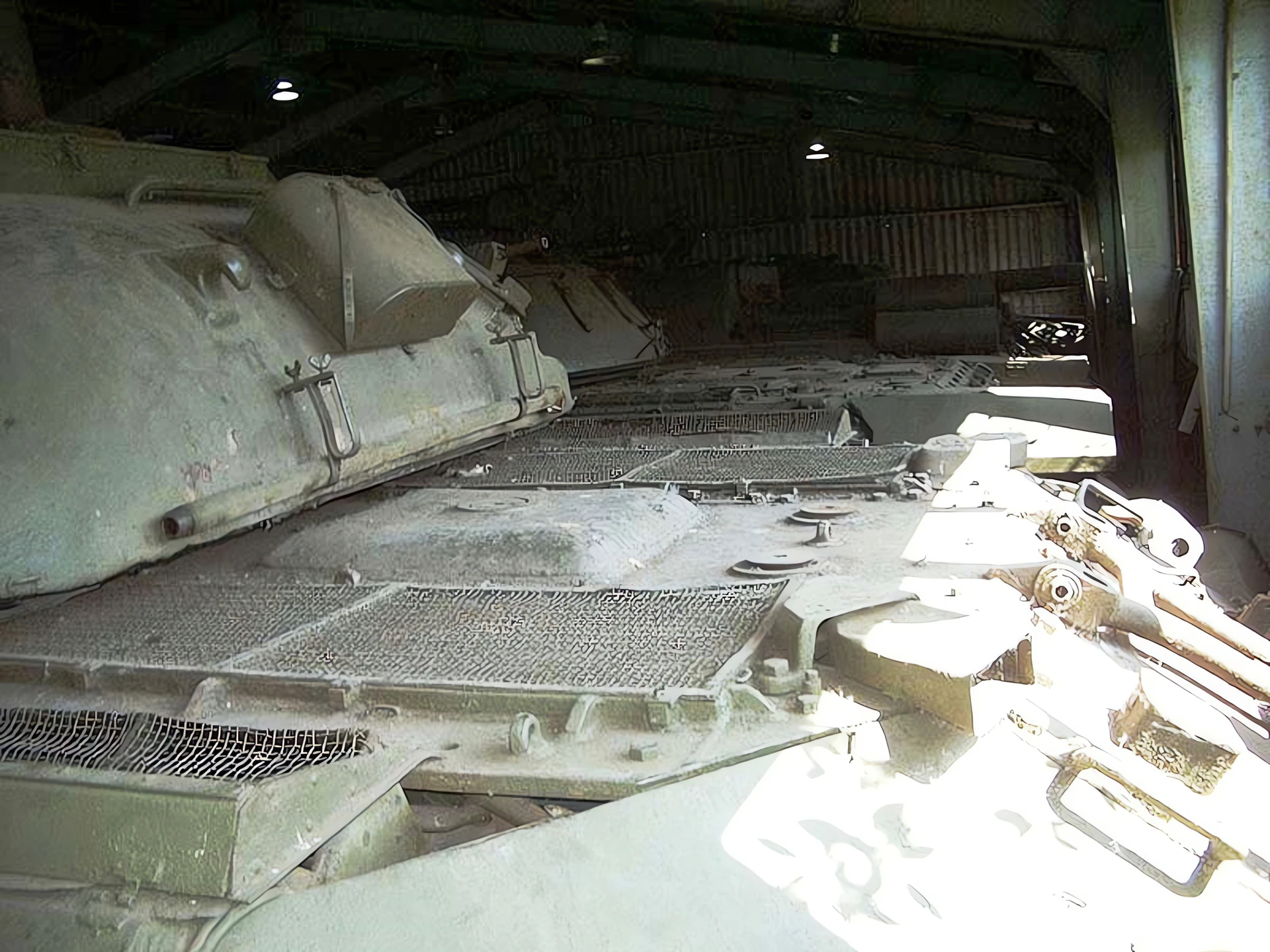
JS-7 6
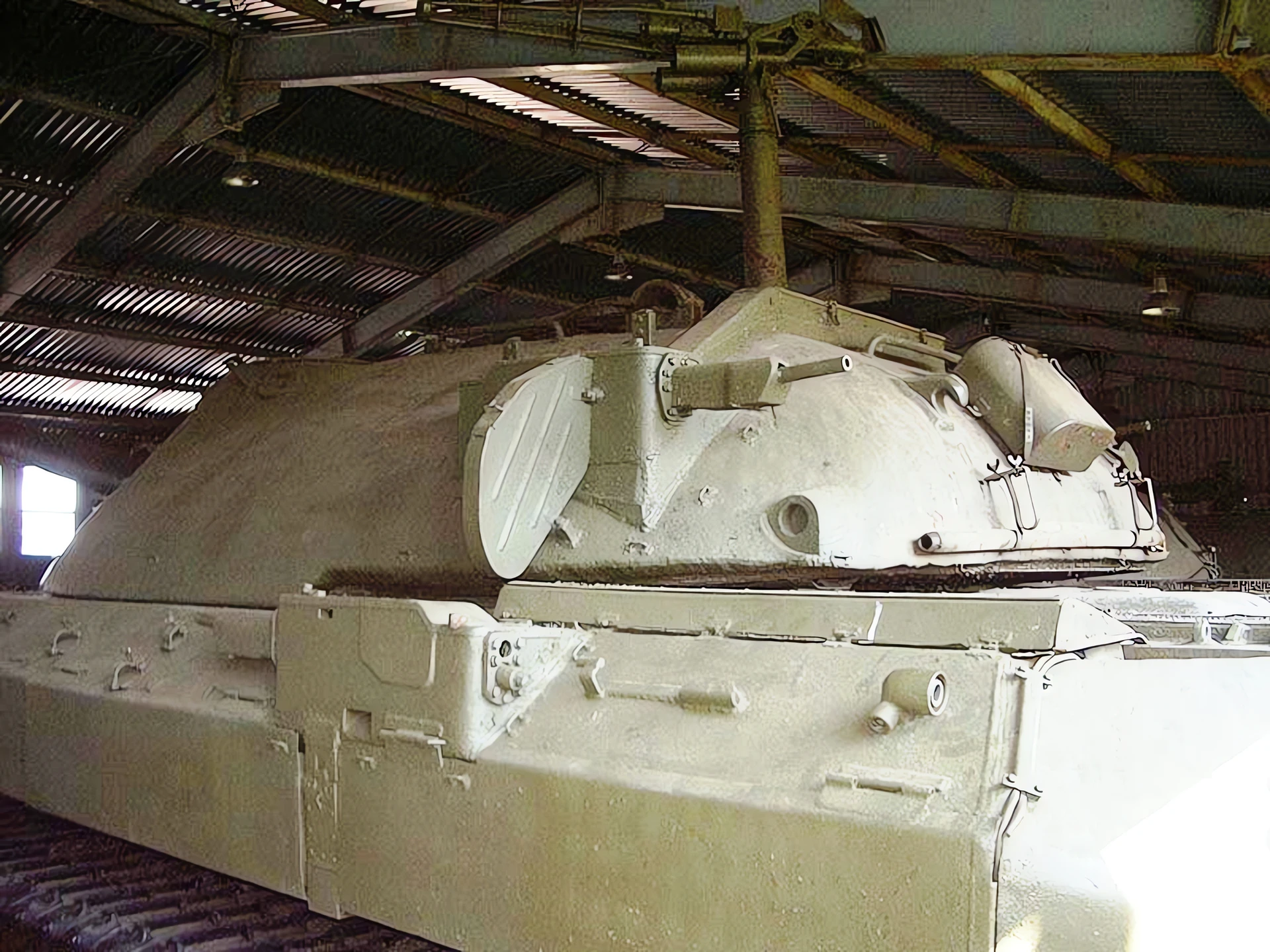
JS-7 8
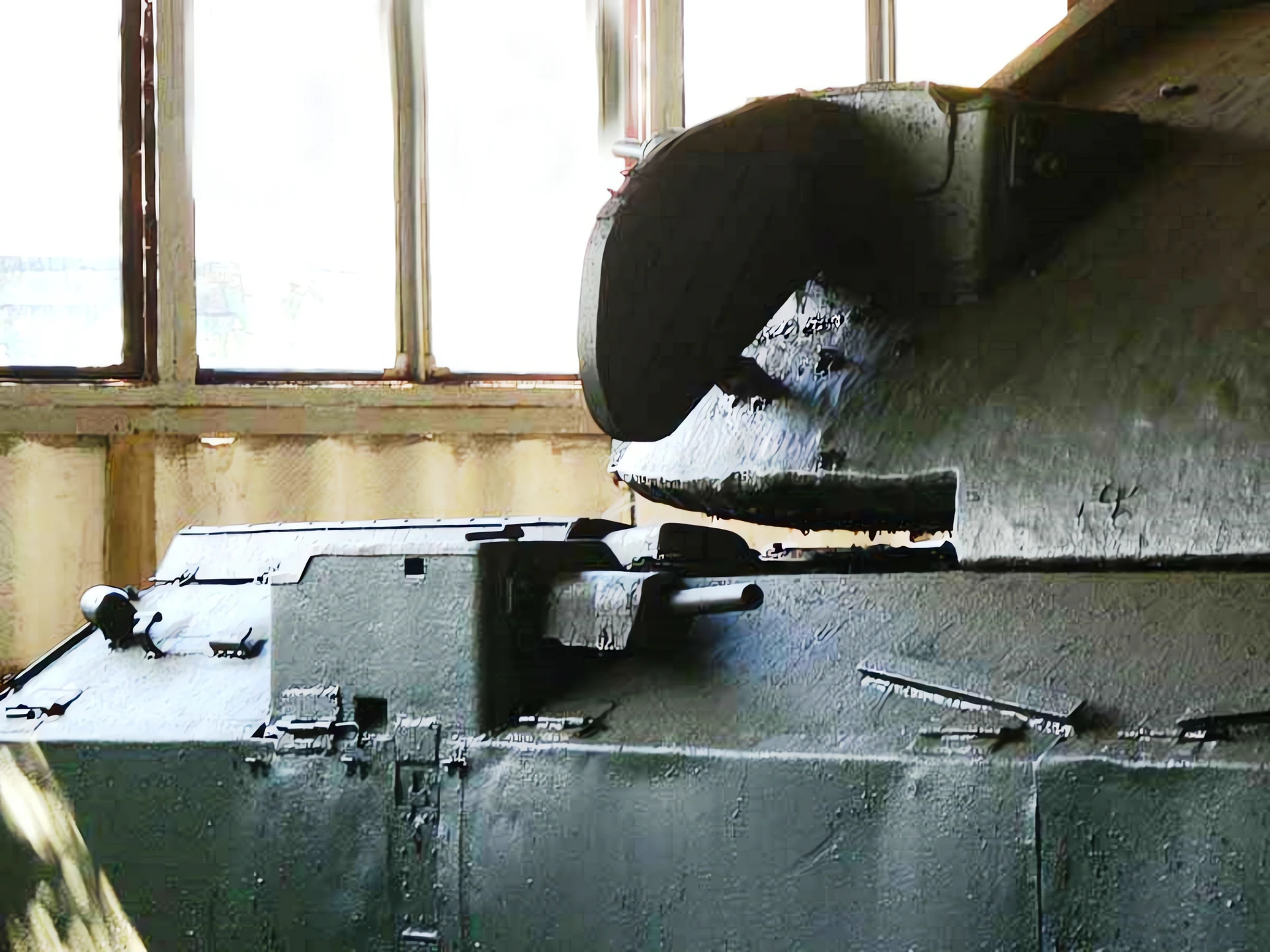
JS-7 7
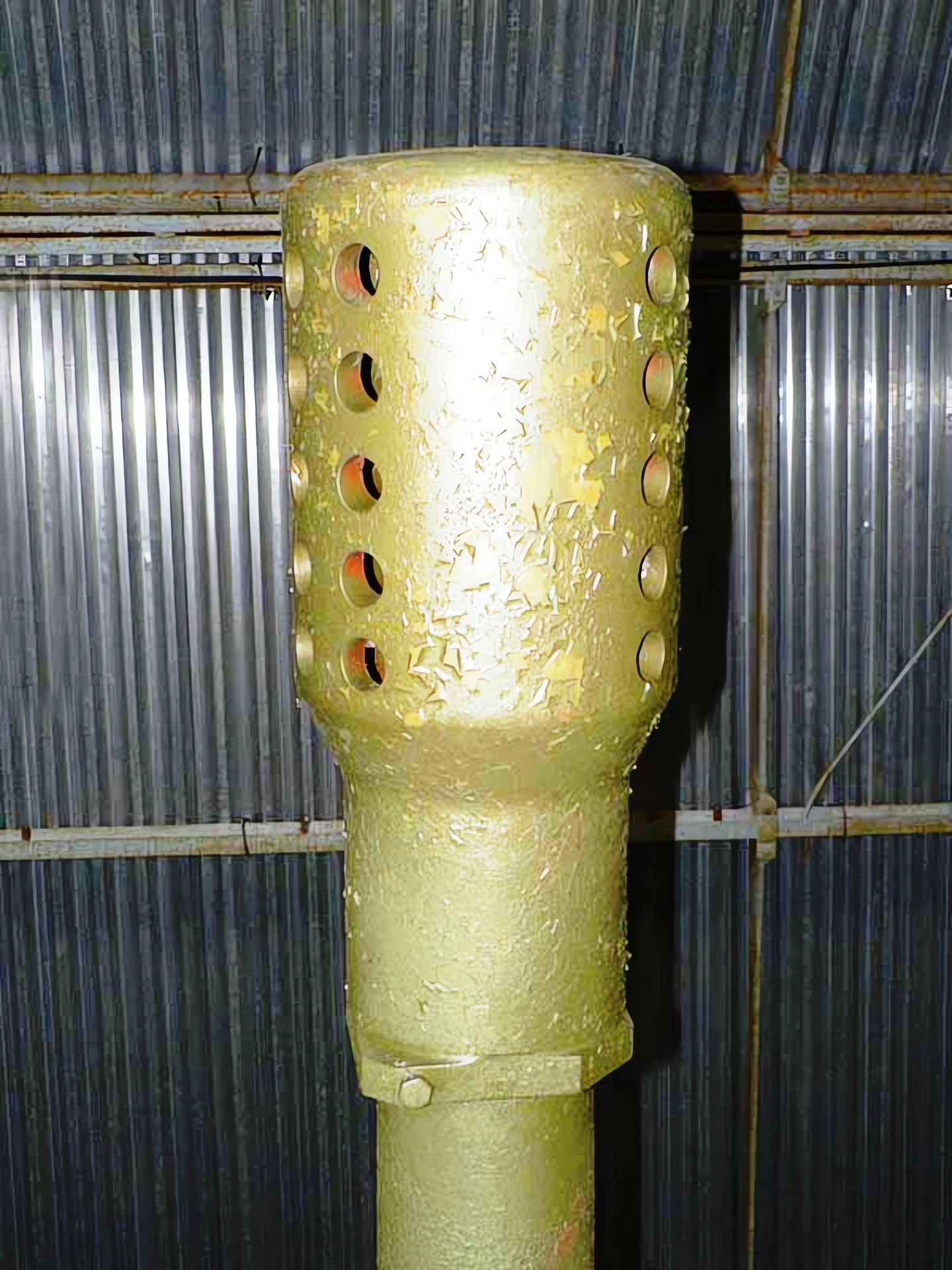
JS-7 10
等等,正在为您搜索JS-7坦克...

另请参阅:


General Characteristics (Post-WWII Prototype)
The IS-7 (Iosif Stalin) was a highly advanced Soviet heavy tank developed in the immediate post-World War II period. It was the largest and heaviest of the IS tank family, featuring radical armor design and impressive mobility, though it never entered mass production.
| Property | Value (Object 260 Prototype) |
|---|---|
| 作用 | Heavy Tank, Breakthrough Vehicle |
| 设计师 | Nikolai Fedorovich Shashmurin |
| 设计 | 1945–1948 |
| 船员 | 5 (Commander, Gunner, Driver, 2 Loaders) |
| Combat Weight | 68 tonnes (68,000 kg) |
| 已构建数量 | 6 (Prototypes only) |
Armament and Protection
- Main Armament: One 130 mm S-70 L/50 rifled tank gun (a conversion of a naval gun).
- Loading System: Features an assisted loading mechanism (autoloader) using a conveyor belt, allowing for a high rate of fire (6–8 rounds per minute).
- Secondary Armament: An exceptionally heavy battery, including two 14.5 mm KPVT heavy machine guns (one coaxial, one roof-mounted AA) and six 7.62 mm RP-46 machine guns (various forward and rear mountings).
- Frontal Armor (Hull): 150 mm, steeply sloped at 65 degrees in the “pike nose” configuration, designed to defeat German 12.8 cm guns.
- Frontal Armor (Turret): Up to 250 mm on the turret face and 350 mm on the mantlet, with heavy angling.
Powerplant and Mobility
- Engine: M-50T V12 water-cooled diesel engine (based on a naval engine).
- Power Output: 1,050 hp (780 kW).
- Maximum Road Speed: Up to 60 km/h (37 mph), which was exceptionally fast for a heavy tank of its size.
- Power-to-Weight Ratio: Approximately 15.4 hp/tonne, giving it superior mobility compared to many contemporary heavy tanks.
- Suspension: Advanced torsion bar suspension with hydraulic shock absorbers for a smooth ride.
- Cancellation Reason: Despite successful trials, the tank was deemed too large, complex, and heavy for rail transport and mass production in the post-war environment, leading to the adoption of the lighter T-10 (IS-8).
意见:1250