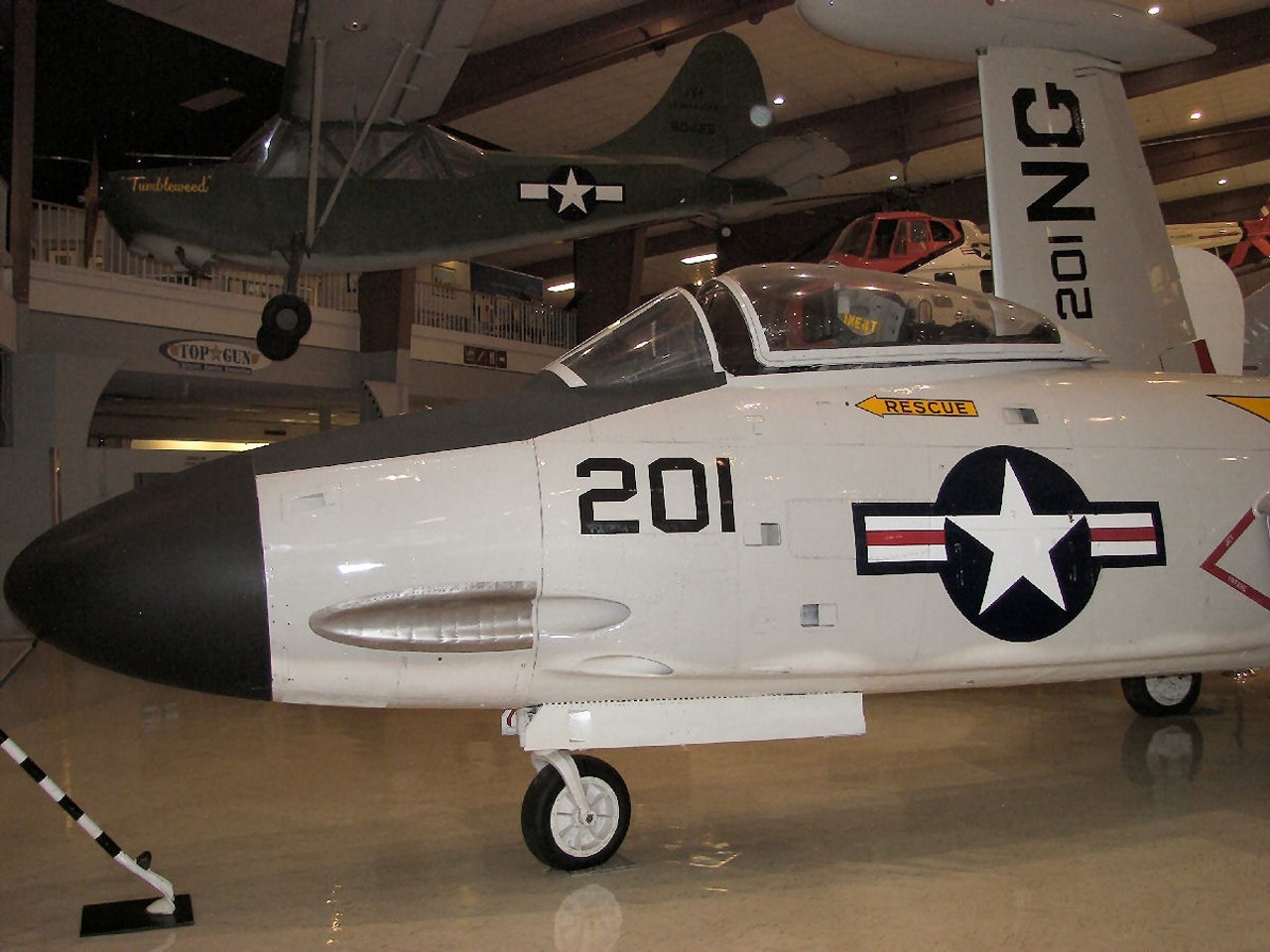
小贩西德利 P.1127 | |
| 国家 | 英国 |
| 类型 | 实验V/STOL飞机 |
| 首次飞行 | 1960年11月19日(第1127页)-1964年3月7日(凯斯特雷尔) |
| 建立 | 6 P.1127s–9凯斯特雷尔 |
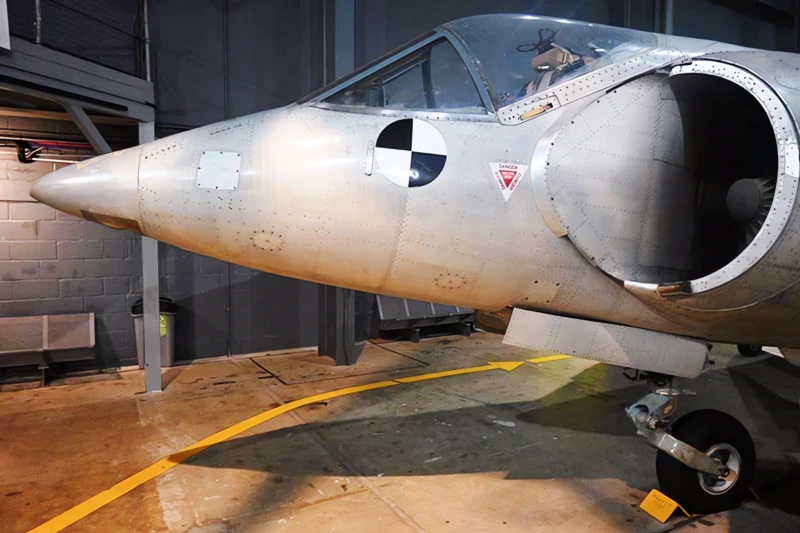
这 小贩 P.1127 和 小贩西德利·凯斯特雷尔·FGA.1 是实验和开发飞机,导致小贩西德利猎犬,第一个垂直和/或短起飞和降落(V/STOL)喷气式战斗机轰炸机。P.1127 开发始于 1957 年,利用布里斯托尔发动机公司选择投资制造飞马矢量推力发动机。测试始于1960年7月,到年底,飞机实现了垂直起飞和水平飞行。
| 小贩 Xv - 6a 凯斯特雷尔四处走动 | |
|---|---|
| 摄影师 | 弗拉基米尔·亚库博夫 |
| 本地化 | 弗吉尼亚航空航天中心,弗吉尼亚州汉普顿 |
| 照片 | 106 |
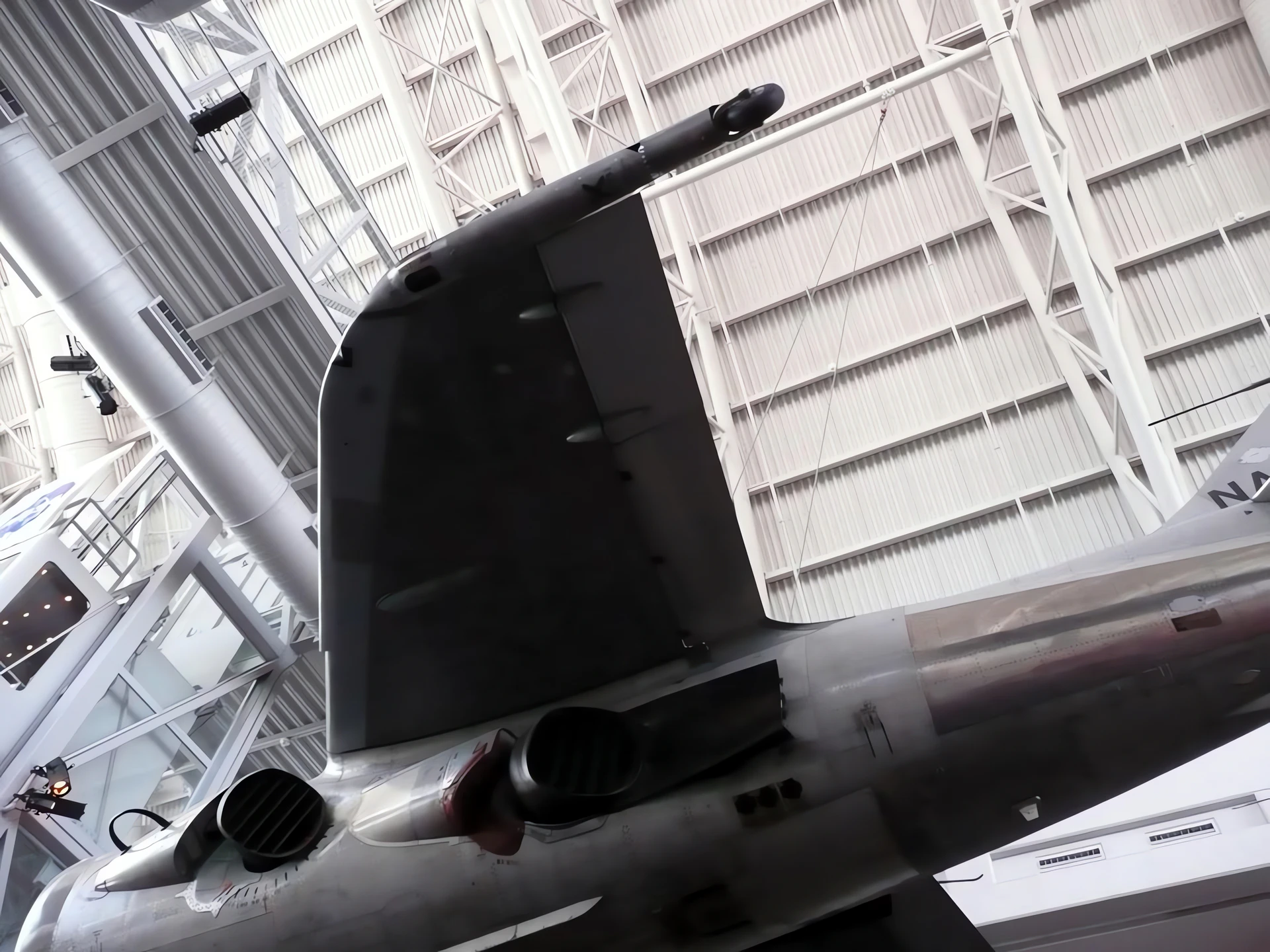
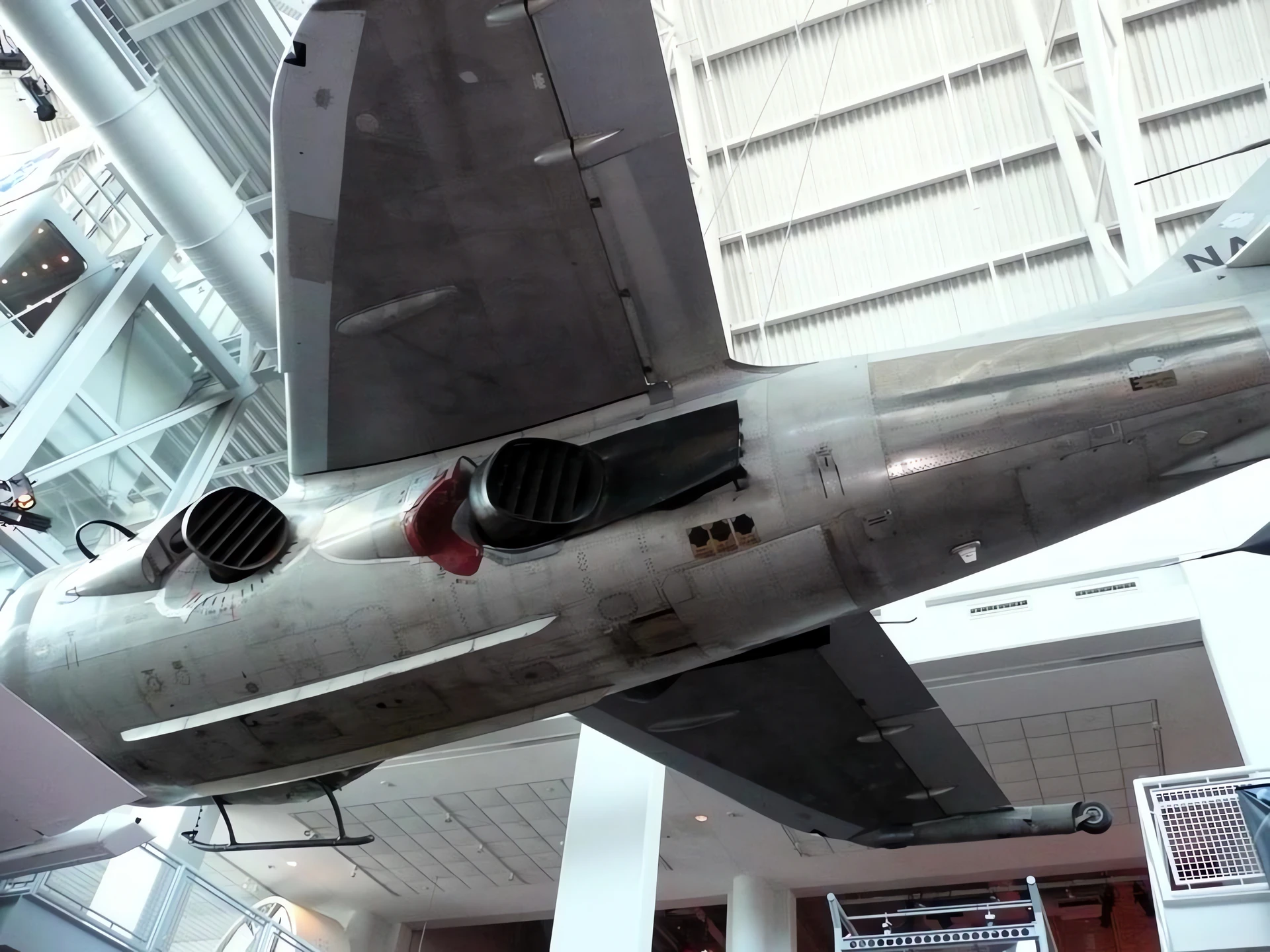
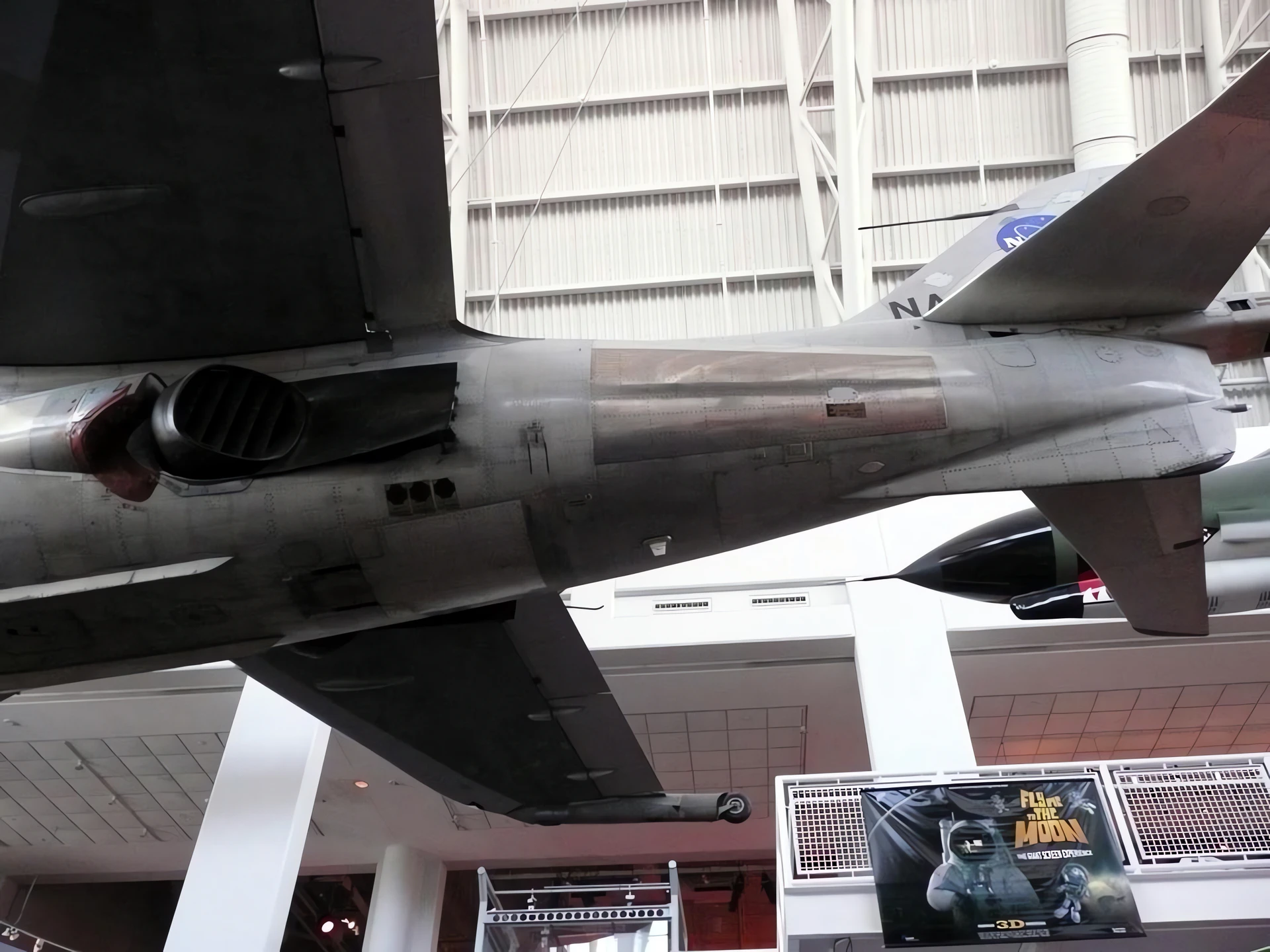
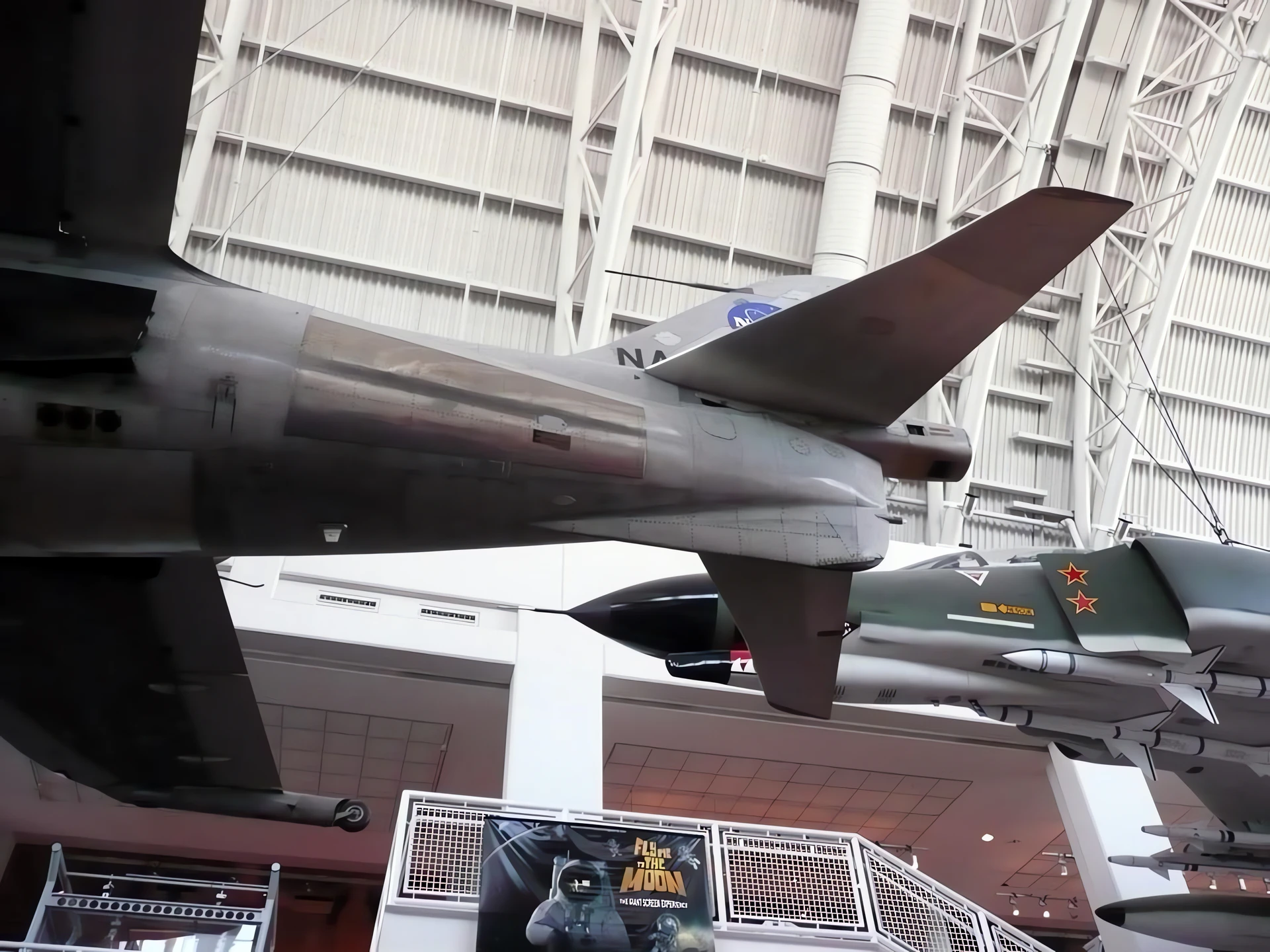
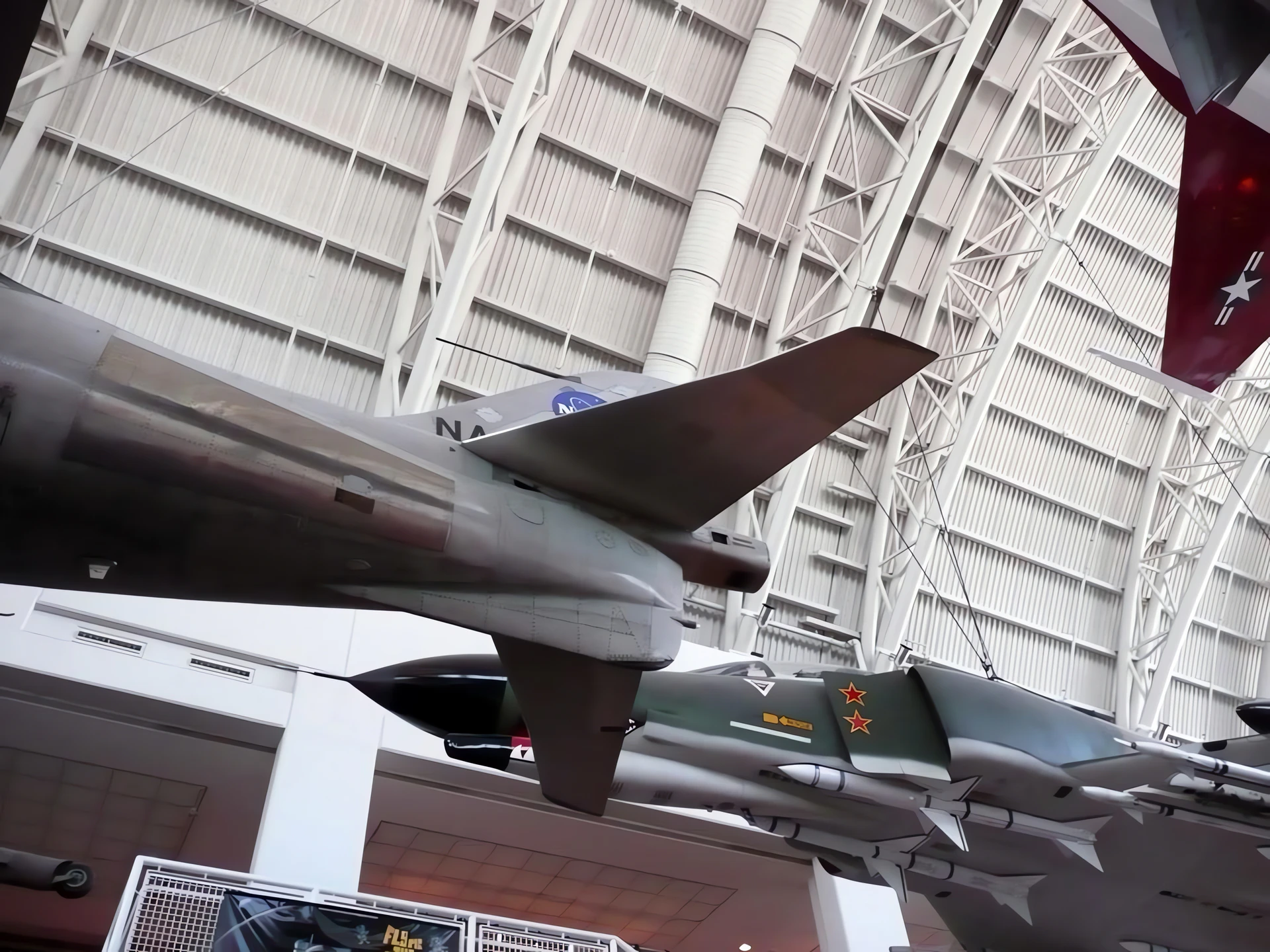
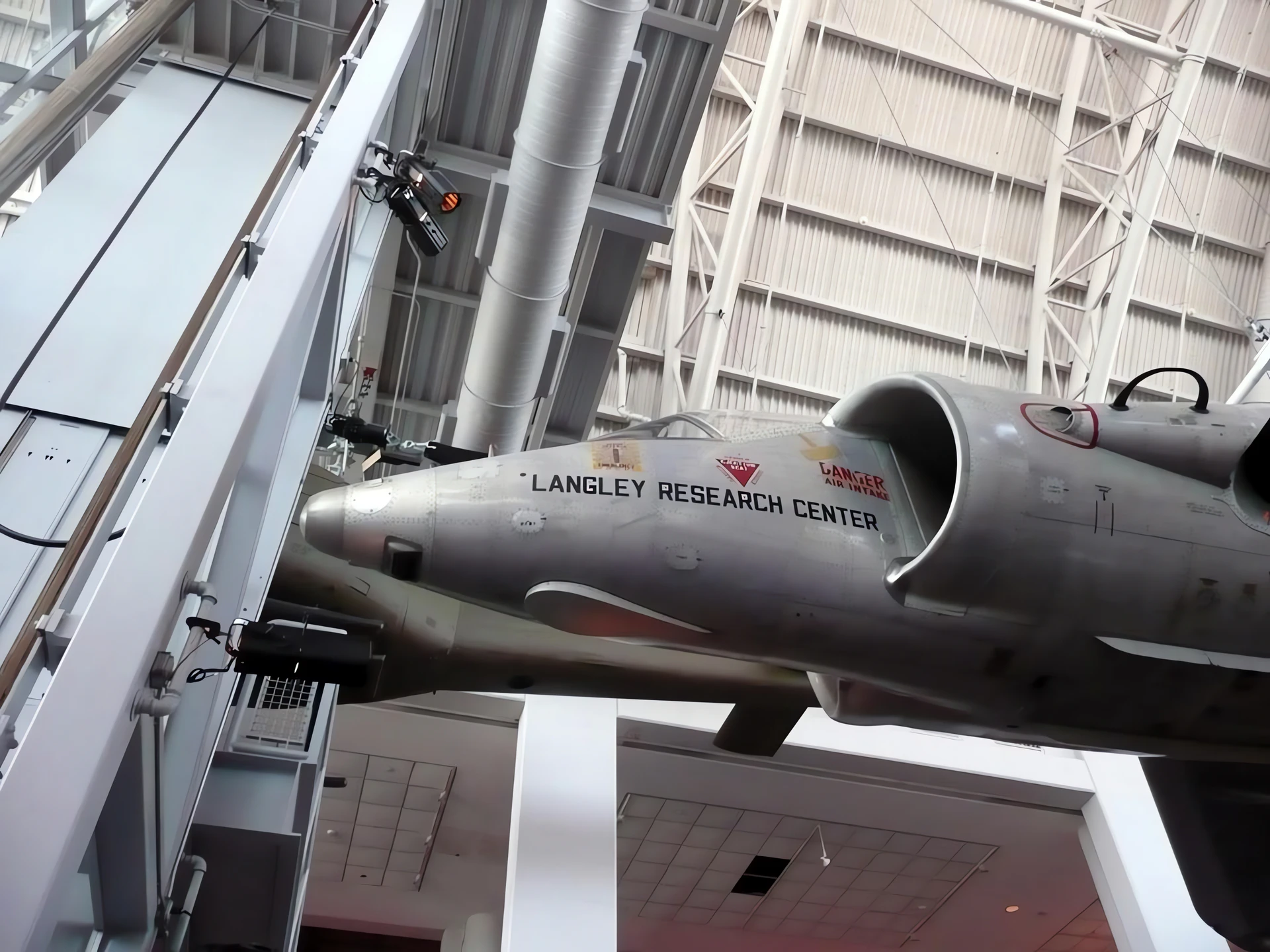
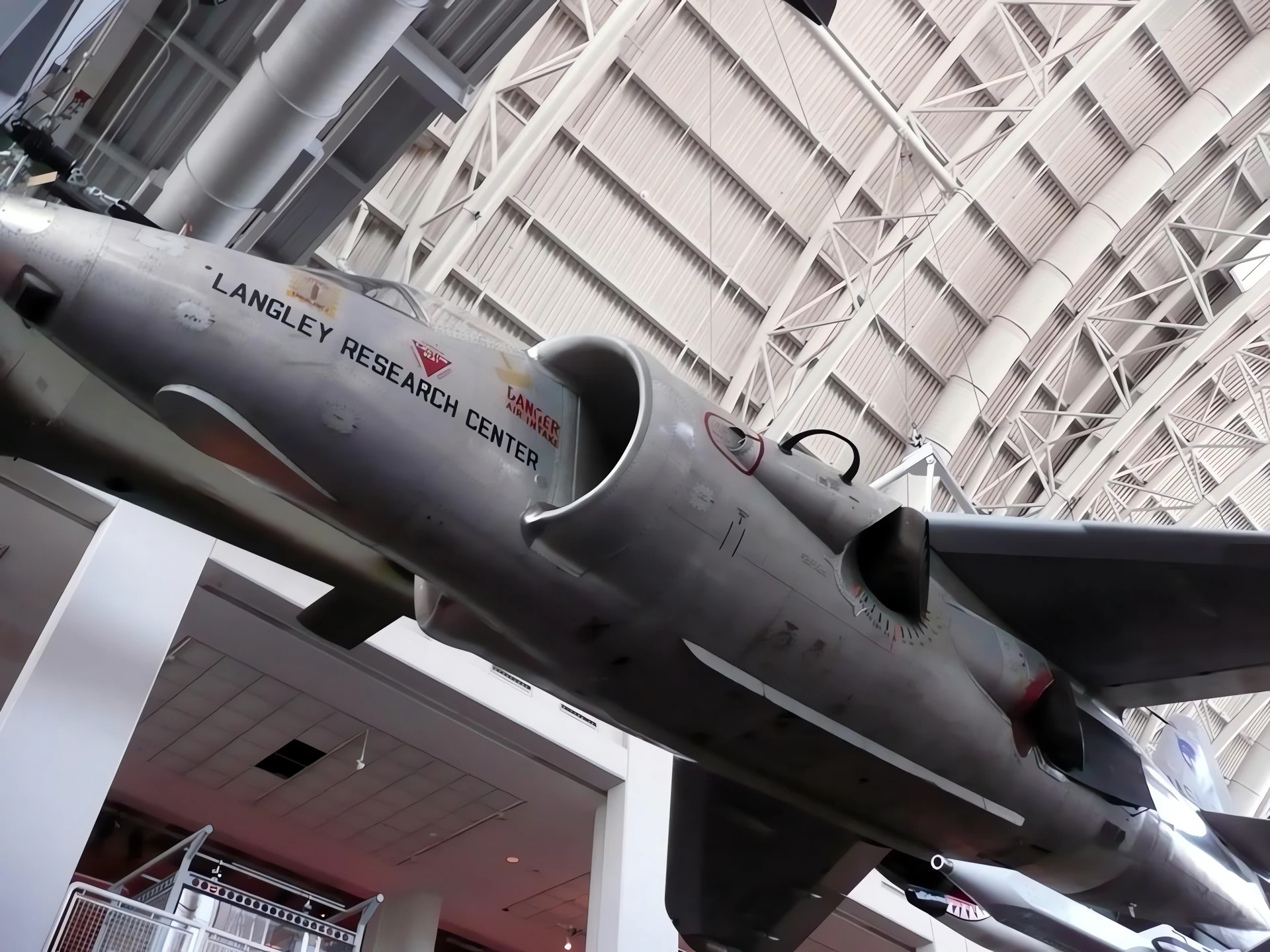
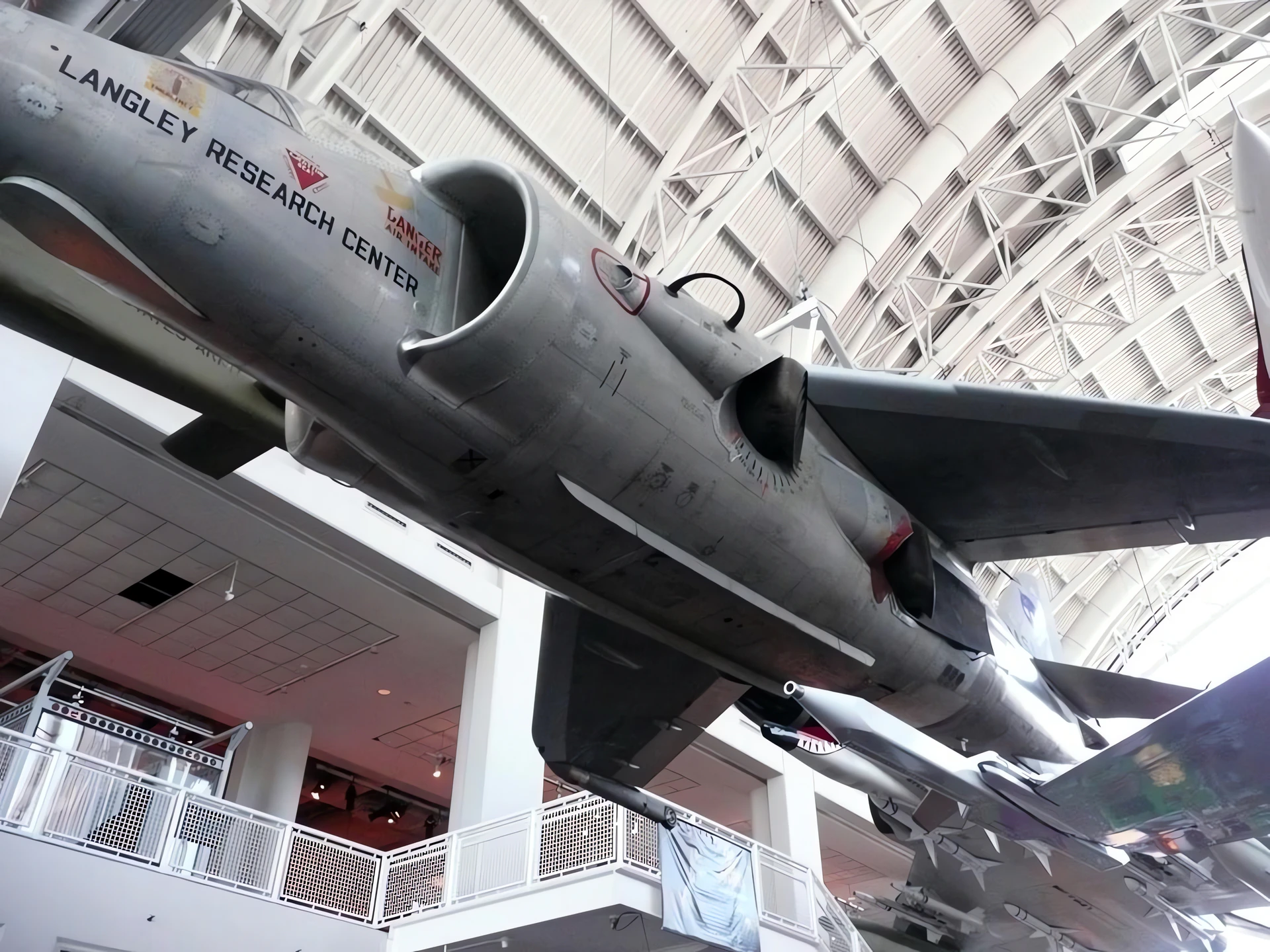
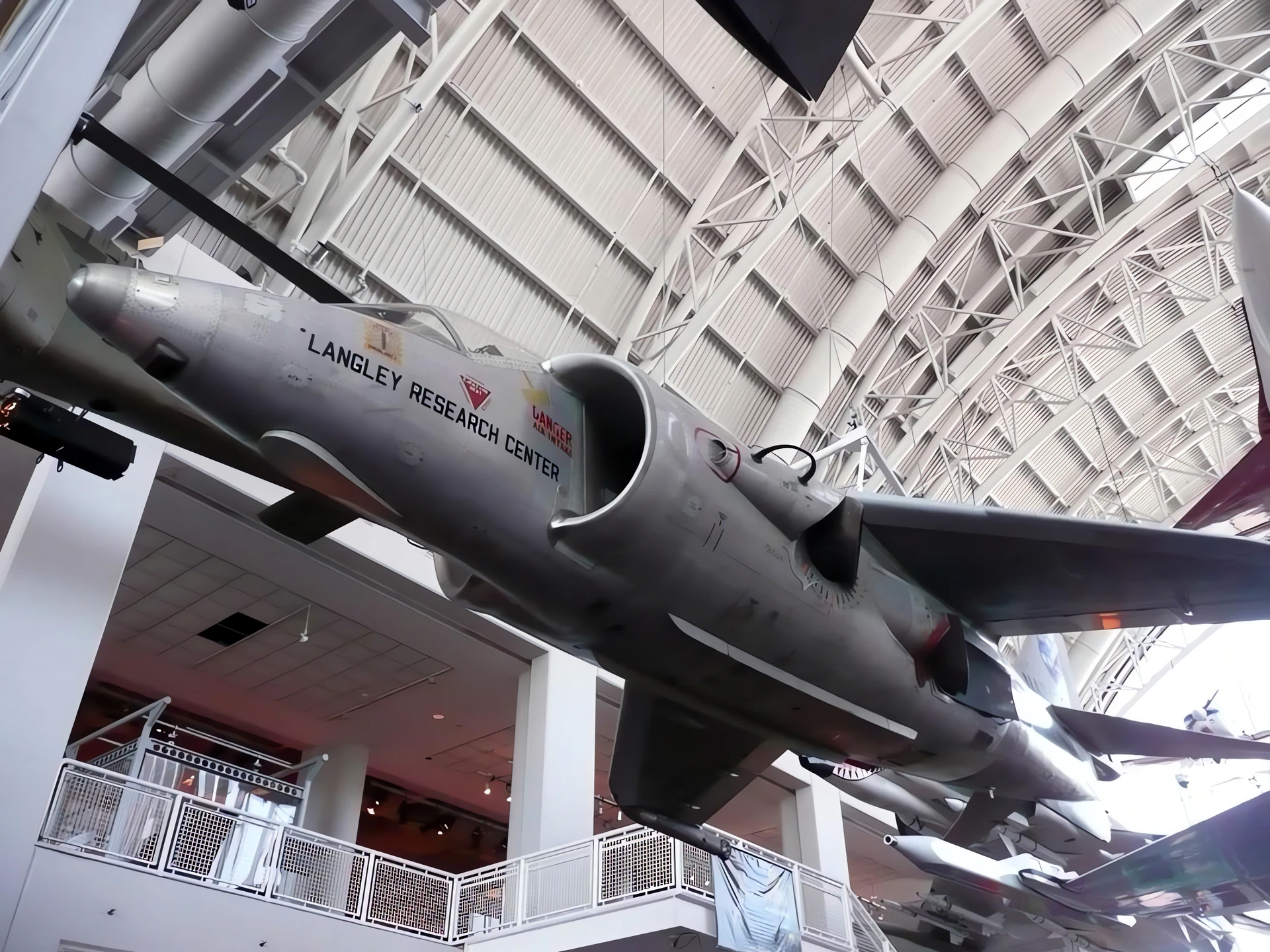

| Hawker Siddeley P.1127 Harrier Walk Around | |
|---|---|
| 摄影师 | Burhand Donke |
| 本地化 | 未知 |
| 照片 | 21 |
另请参阅:


| Hawker P.1127 Walk Around | |
|---|---|
| 摄影师 | 明德·德·弗瑞泽 |
| 本地化 | 未知 |
| 照片 | 41 |
Development and the Tripartite Evaluation
The Hawker Siddeley Kestrel was an experimental V/STOL (Vertical/Short Take-Off and Landing) aircraft developed in the early 1960s as a follow-up to the P.1127. It served as a critical technology demonstrator for the “vectored thrust” concept. In 1964, a unique “Tripartite Evaluation Squadron” was formed, consisting of pilots and ground crews from the UK, the United States, and West Germany. This joint team spent a year proving that a jet fighter could operate from unprepared fields, forest clearings, and small ship decks, effectively laying the operational groundwork for the future Harrier.
| Attribute | Standard Specification (Kestrel FGA.1 / XV-6A) |
|---|---|
| 作用 | V/STOL Evaluation Aircraft |
| 船员 | 1 (Pilot) |
| 动力装置 | 1 x Bristol Siddeley Pegasus 5 (15,200 lbf thrust) |
| 最高速度 | 1,142 km/h (710 mph) / Mach 0.92 at sea level |
| 长度 | 12.95 meters (42 ft 6 in) |
| 翼展 | 6.99 meters (22 ft 11 in) |
| Maximum Weight | 7,030 kg (15,500 lb) |
| First Flight | March 7, 1964 |
The Pegasus Engine and Vectored Thrust
- Single-Engine Solution: Unlike other VTOL designs that used multiple “lift engines,” the Kestrel used one Pegasus turbofan with four rotating nozzles to direct all thrust for both hover and forward flight.
- Reaction Control System: Because aerodynamic surfaces (flaps/rudders) don’t work in a hover, the Kestrel used “puffer” jets at the nose, tail, and wingtips, fed by engine bleed air, to maintain balance.
- Landing Gear: It featured a unique “zero-track” bicycle landing gear—two main wheels in tandem under the fuselage and small outrigger wheels on the wingtips for stability.
- VIFF Capability: During testing, pilots discovered they could “Vector In Forward Flight” (VIFF), rotating the nozzles during air combat to decelerate rapidly or turn tighter than conventional aircraft.
Transition to the United States
- The XV-6A Designation: After the tripartite trials ended in 1965, six of the aircraft were shipped to the US for further testing by the Army, Navy, and Air Force, receiving the American designation XV-6A.
- Marine Corps Interest: While the US Air Force and Army eventually passed on the design, the US Marine Corps was so impressed by the XV-6A trials that they pushed for the acquisition of its successor, the AV-8A Harrier.
- Preservation: Several Kestrels survive today, most notably at the National Museum of the US Air Force in Dayton, Ohio, and the Pima Air & Space Museum in Arizona.
意见 : 2107