| Piasecki HUP Retriever | |
|---|---|
| 国家 | 美国 |
| 作用 | 实用直升机 |
| 首次飞行 | 1948 年 3 月 |
| 建立 | 339 |
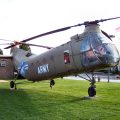
这 皮亚塞基 H-25 陆军骡子/HUP猎犬是一种紧凑型单径向发动机,双重叠串联旋翼通用直升机,由宾夕法尼亚州莫顿的Piasecki直升机公司在1940年代后期开发,并在1950年代初生产。该公司于1956年更名为Vertol飞机公司,随后于1960年被波音飞机公司收购,并成为波音- Vertol。
| 皮亚塞基HUP-3(H-25A)猎犬四处走动 | |
|---|---|
| 摄影师 | 弗拉基米尔·亚库博夫 |
| 本地化 | 皮马航空航天博物馆,塔斯康 |
| 照片 | 27 |
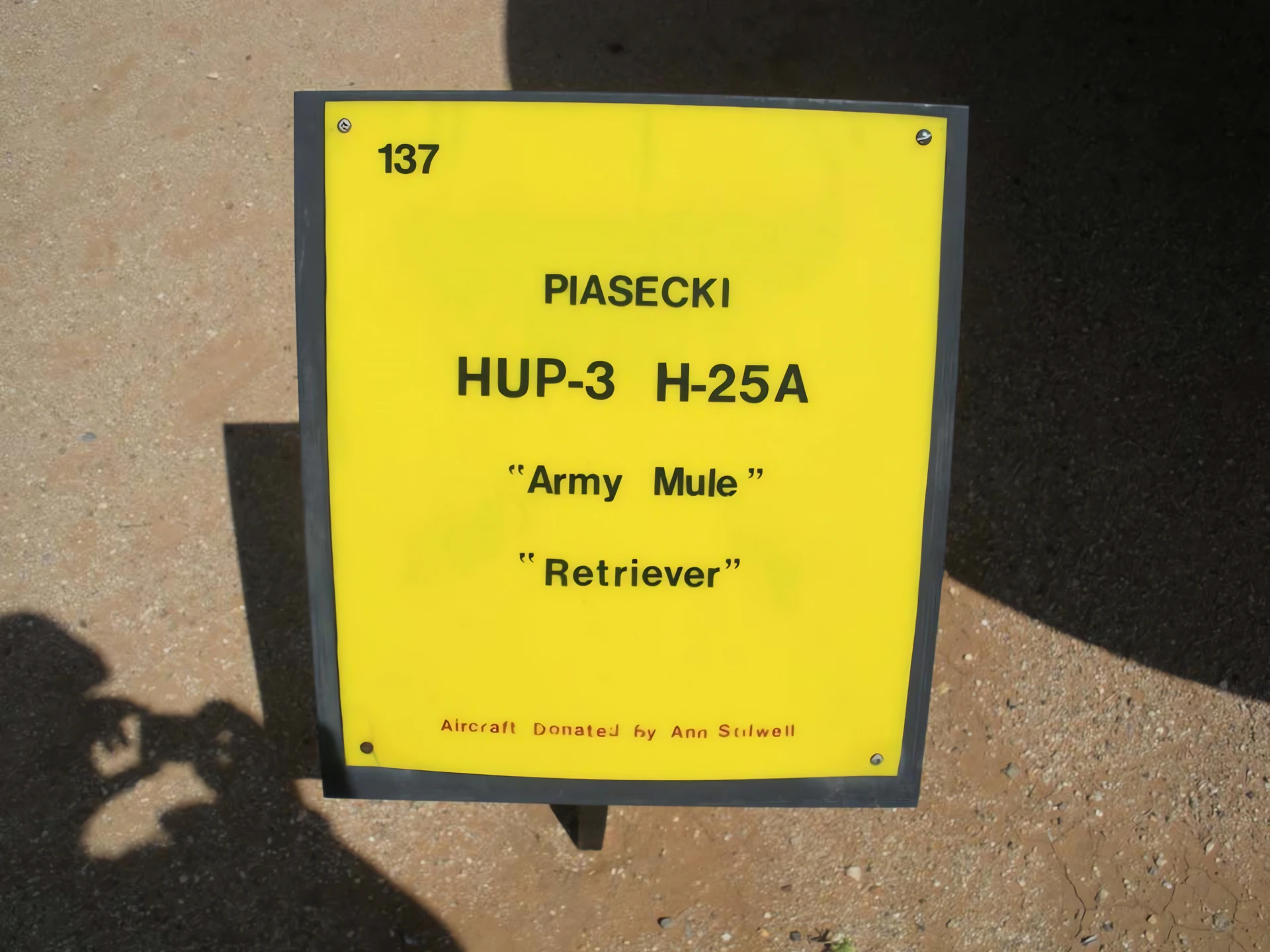
Piasecki HUP-3 Retriever 01
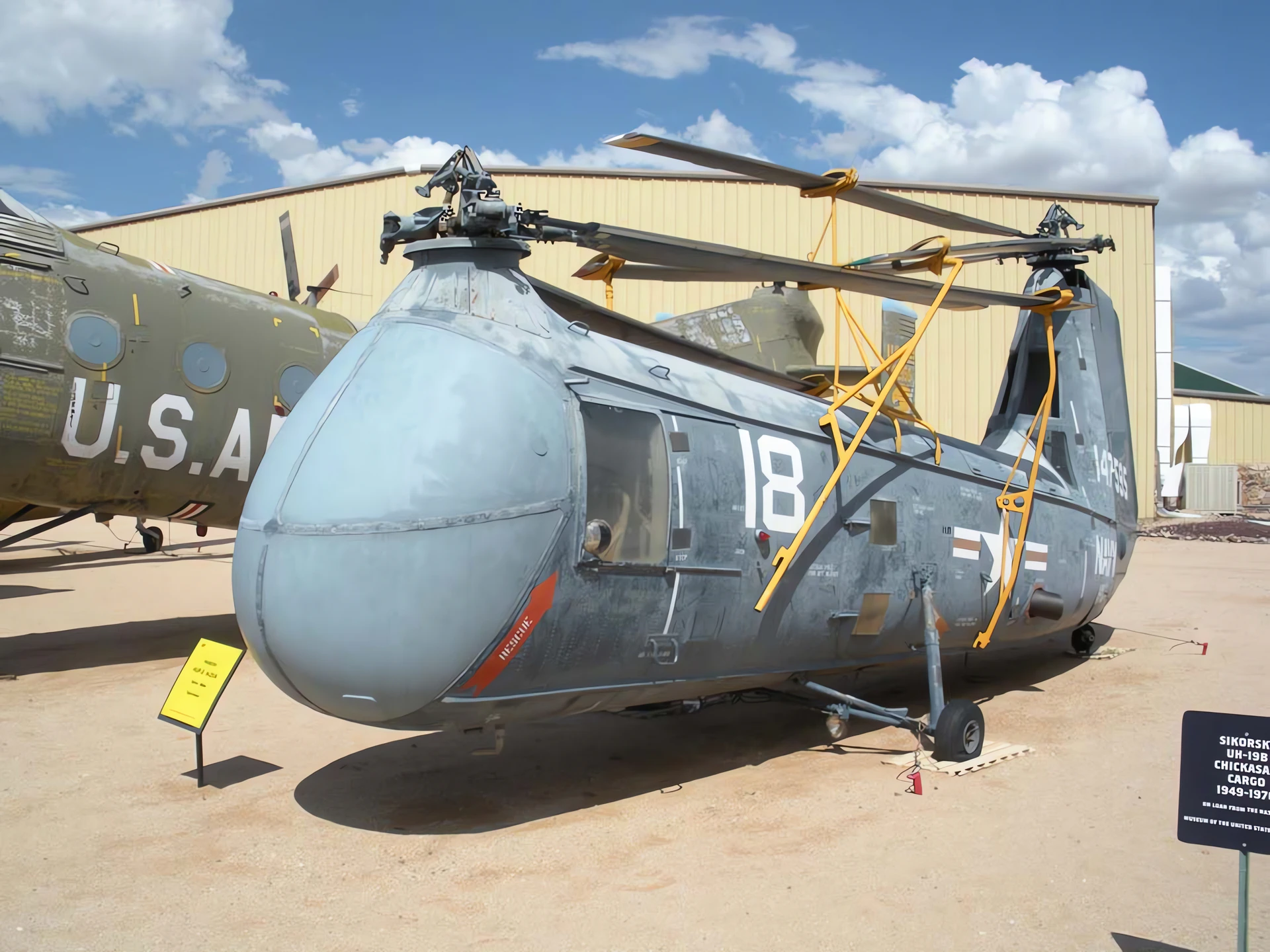
Piasecki HUP-3 Retriever 02
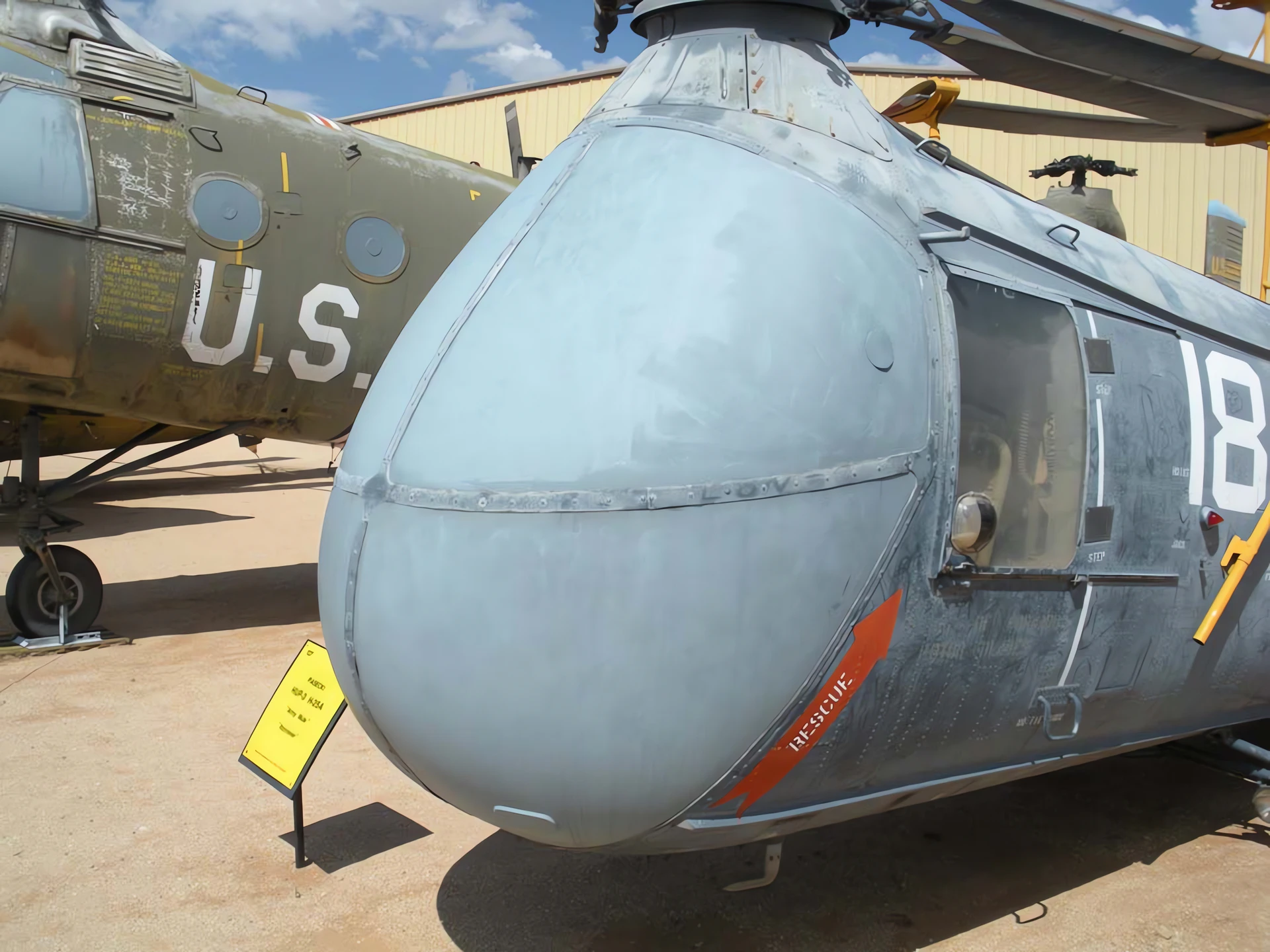
Piasecki HUP-3 Retriever 03
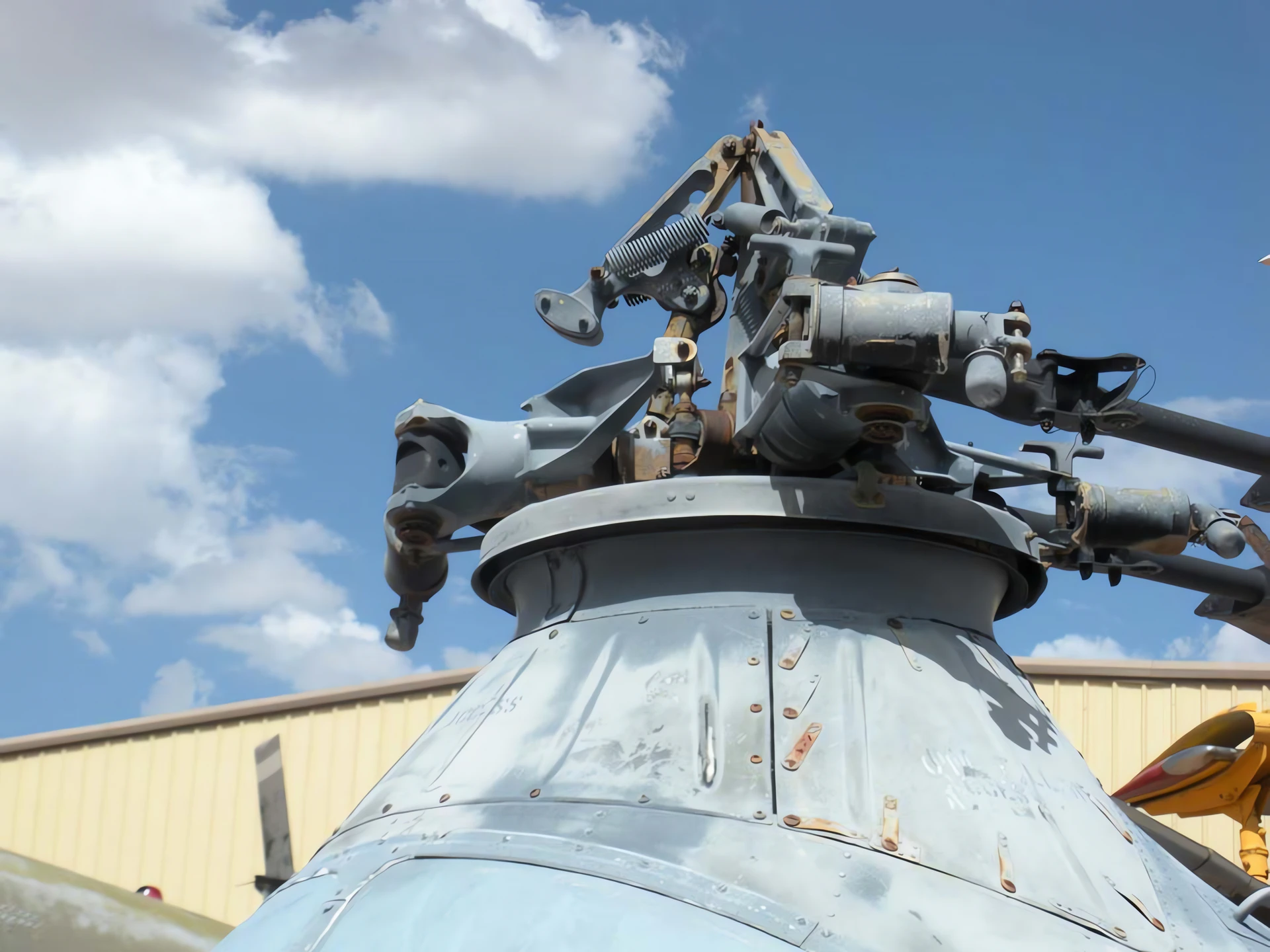
Piasecki HUP-3 Retriever 04
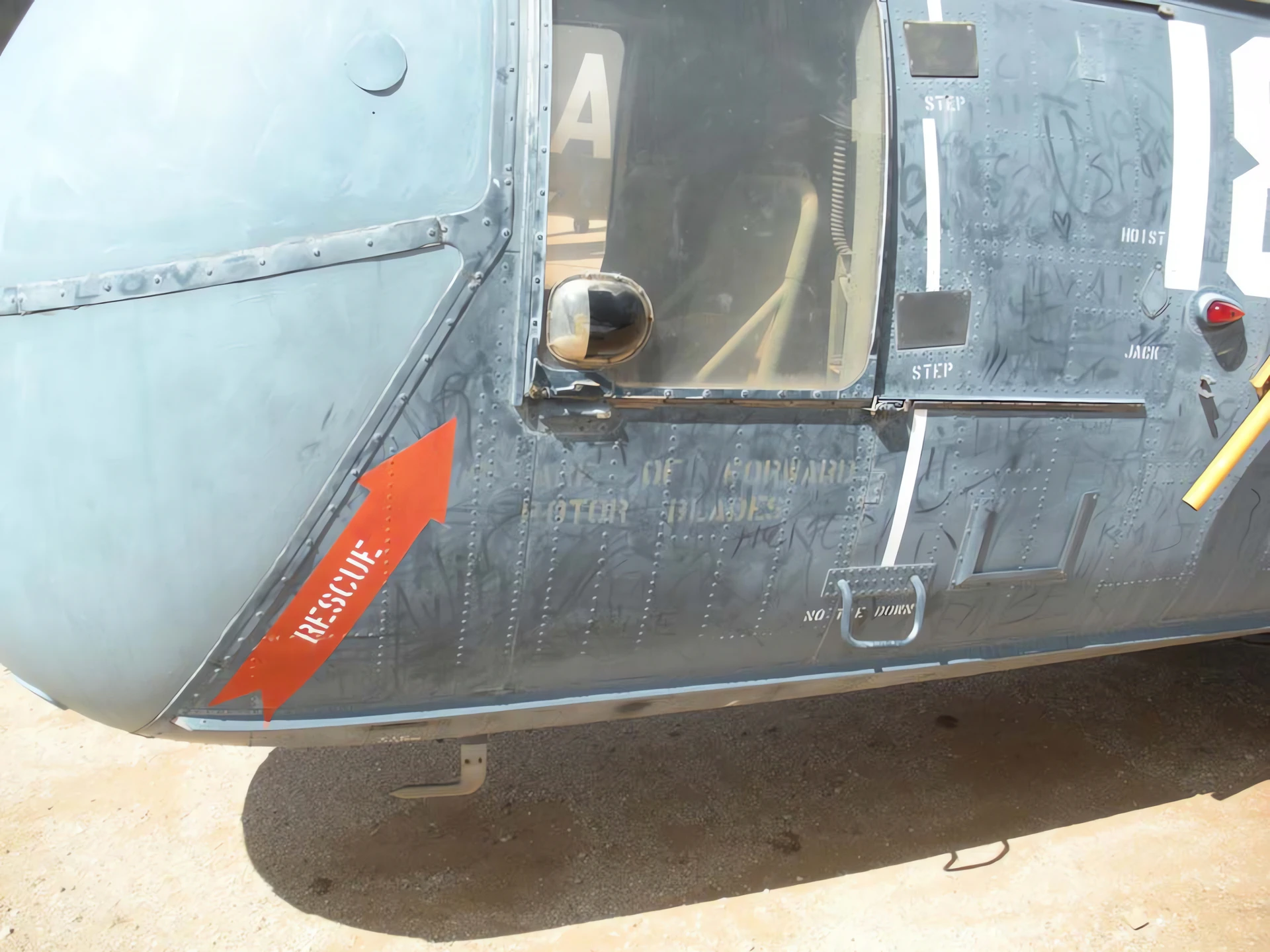
Piasecki HUP-3 Retriever 05
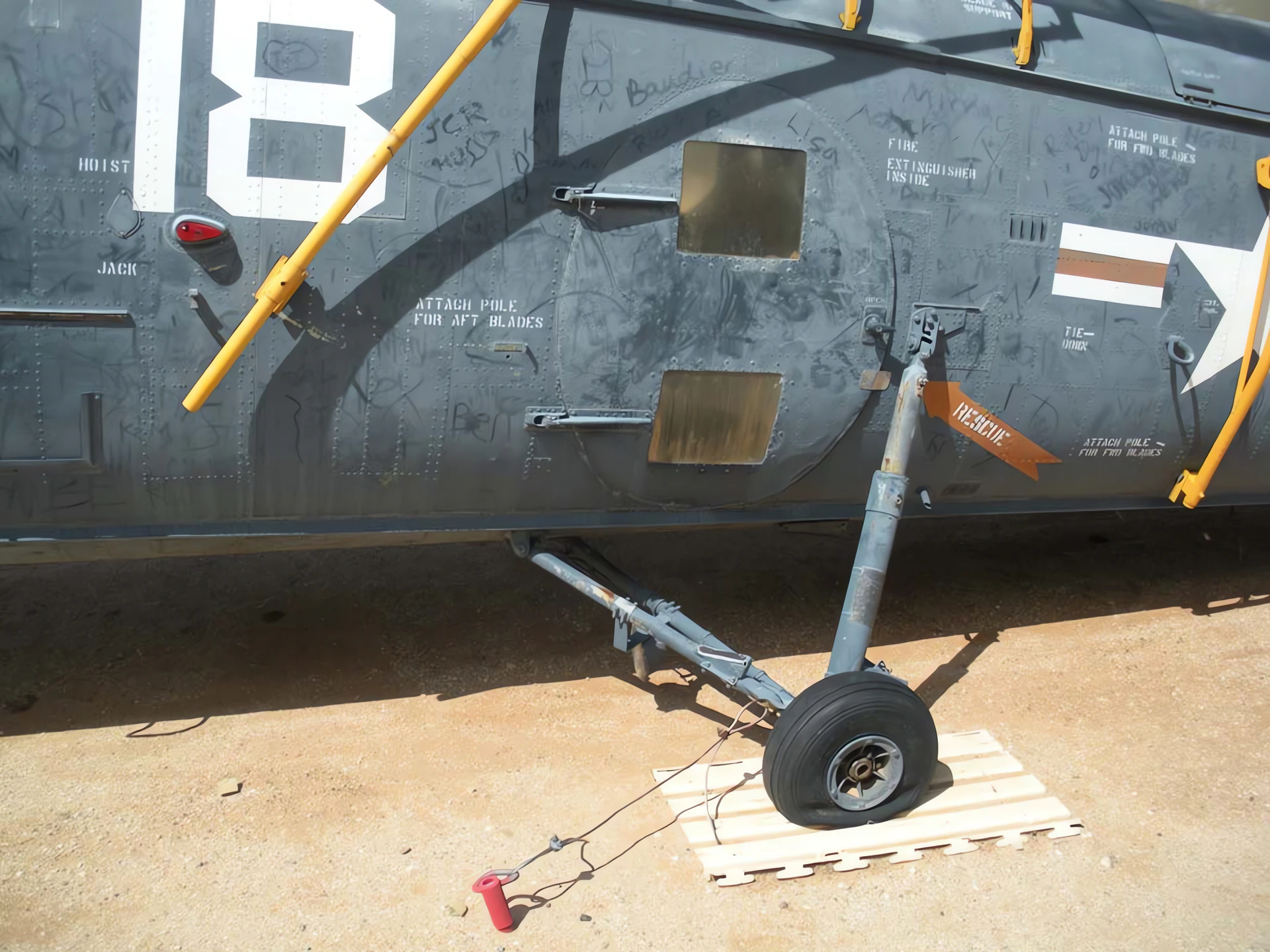
Piasecki HUP-3 Retriever 07
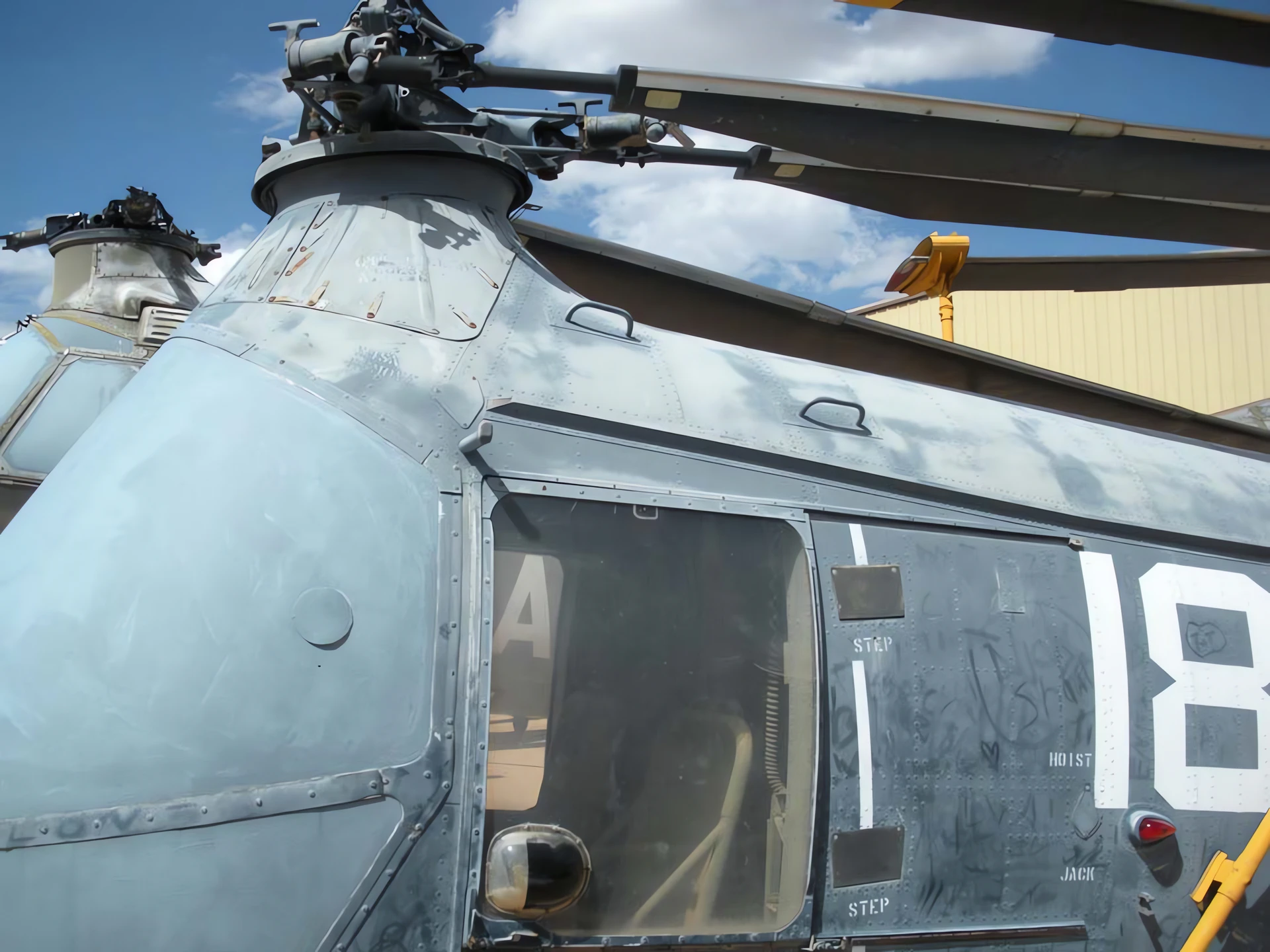
Piasecki HUP-3 Retriever 06
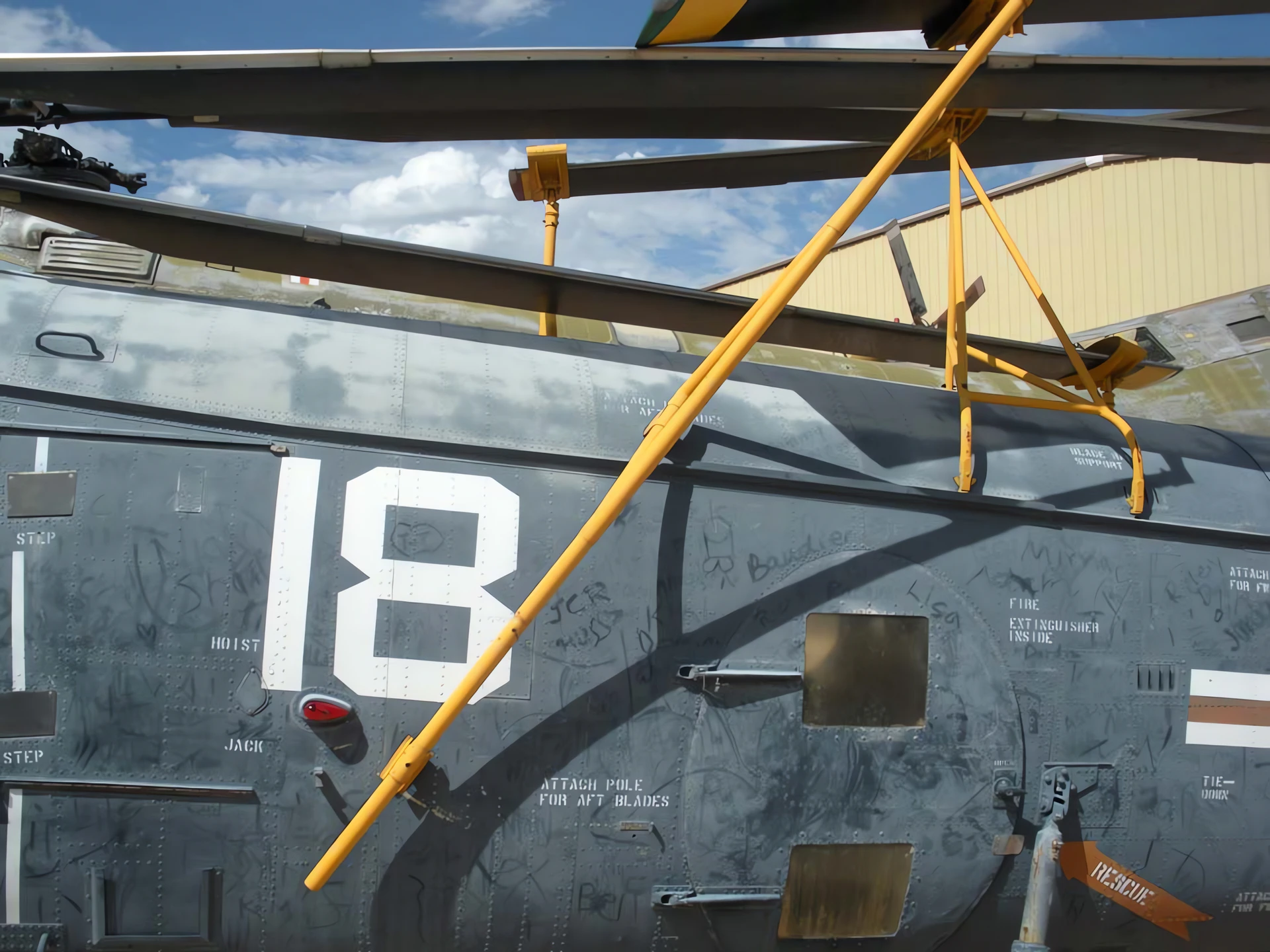
Piasecki HUP-3 Retriever 08
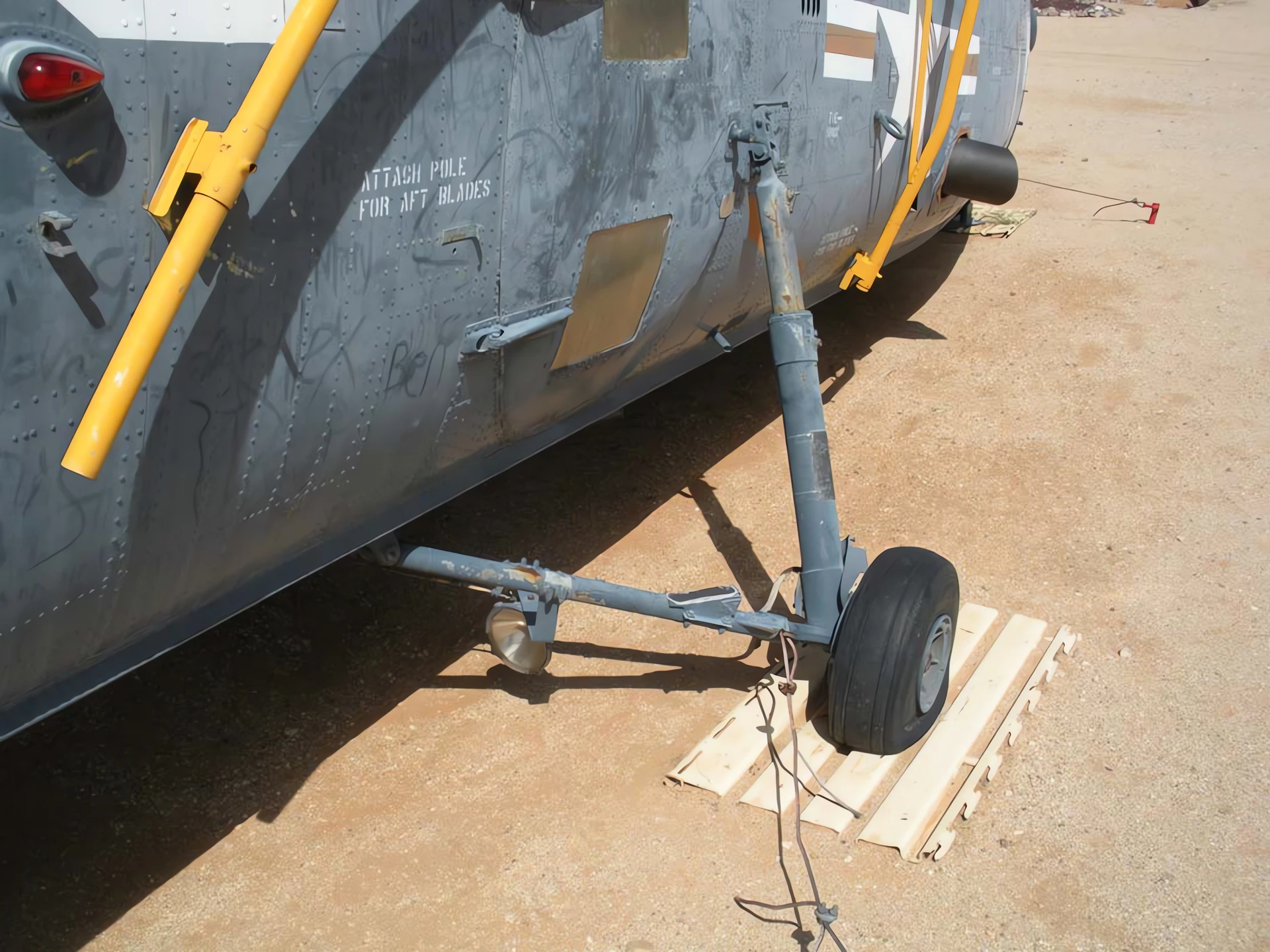
Piasecki HUP-3 Retriever 09
等等,搜索皮亚塞基HUP猎犬为你...

| 皮亚塞基 HUP-2 四处走走 | |
|---|---|
| 摄影师 | 未知 |
| 本地化 | 未知 |
| 照片 | 32 |
等等,搜索皮亚塞基HUP猎犬为你...
另请参阅:


The Compact Tandem Workhorse
这 皮亚塞基 HUP-3 猎犬 (known in the Army as the H-25 Army Mule) was a compact tandem-rotor helicopter designed specifically for the tight confines of aircraft carrier decks. By placing the rotors in a tandem configuration—one at the front and one at the rear—Piasecki eliminated the need for a tail rotor, which allowed the aircraft to be shorter and more stable in crosswinds. The HUP-3 was the refined version of the series, primarily serving in search and rescue (SAR) and utility roles during the early 1950s.
| Attribute | Technical Specification (HUP-3) |
|---|---|
| 作用 | Search and Rescue (SAR) / Utility Helicopter |
| Crew / Capacity | 2 Pilots / 4-5 Passengers or 3 Litters |
| First Flight (HUP series) | 1948 年 3 月 |
| 动力装置 | 1 × Continental R-975-46A radial engine |
| Horsepower | 550 hp (410 kW) |
| 最高速度 | 105 mph (169 km/h) |
| Rotor Diameter | 35 ft 0 in (10.67 m) each |
| Length (Rotors turning) | 56 ft 11 in (17.35 m) |
Engineering Innovations and Tandem Flight
- Overlapping Rotors: To keep the fuselage as short as possible for carrier elevators, the front and rear rotors were designed to overlap. They were synchronized via a drive shaft to ensure the blades never collided.
- No Tail Rotor Advantage: Because the two rotors counter-rotated, they cancelled out each other’s torque. This meant all engine power went toward lift and thrust, making the HUP series very efficient for its size and exceptionally stable during hovering.
- The Rescue Hatch: The HUP-3 featured a large rectangular hatch in the floor of the cabin. A rescue hoist was mounted directly above it, allowing the crew to lift a person straight up into the center of the aircraft while in a hover.
- Canted Vertical Fins: Early models lacked the large vertical fins seen on the HUP-3. These “end plates” on the rear pylon were added to improve directional stability during high-speed forward flight.
Service History and Variants
- Carrier Plane Guard: Before the HUP, destroyers often followed carriers to pick up downed pilots. The HUP-3 allowed the helicopter to act as the “Plane Guard,” hovering near the carrier during flight ops to provide immediate rescue capability.
- Army “Mule”: The Army version, the H-25A Army Mule, featured power-boosted controls and a reinforced floor for cargo. However, the Army found the tandem design less suited for field operations than the Navy did for sea duty.
- All-Metal Blades: The HUP-3 was among the first to benefit from all-metal rotor blades, which were far more durable in the humid, salty conditions of naval service than earlier wooden or fabric-covered versions.
- Preservation: Several HUP Retrievers are preserved in museums today, including the 国家海军航空博物馆 in Pensacola and the Pima Air & Space Museum in Arizona.
意见:2658