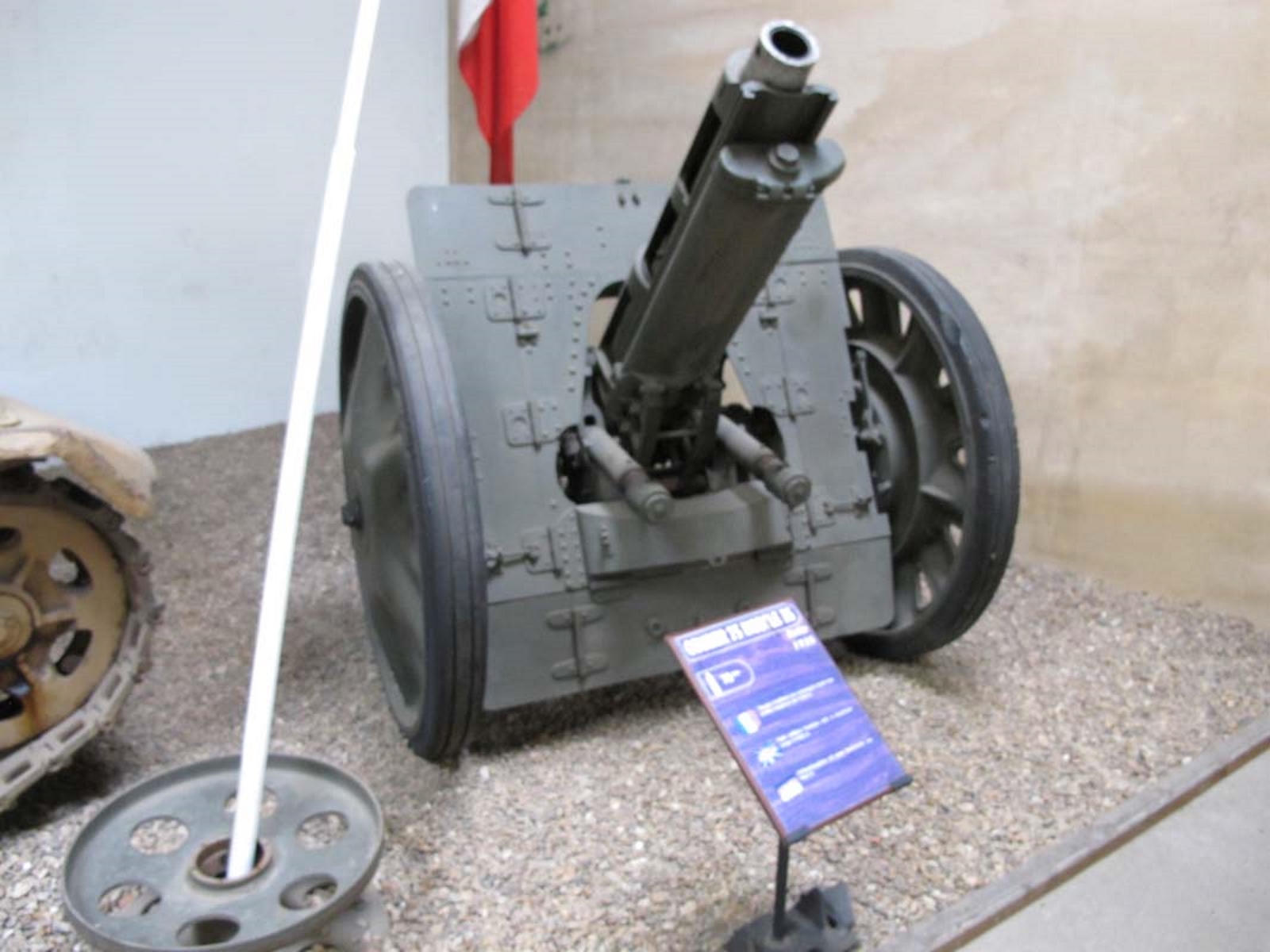
Obice da 75/18 modello 35 | |
|---|---|
| Land | Italien |
| Roll | Haubits |
| I bruk | 1934-1945 |
| Byggd | Unknow |
The borders of Italy are mountainous terrain, so the Italian army has always had an interest in mountain artillery. However, by the 1930s much of Italy’s mountain artillery was obsolescent and overdue for replacement. In 1934, the Italian firm of Ansaldo produced a new mountain howitzer design, the Obice da 75/18 modello 34, designad av överstelöjtnant Sergio Berlese som tjänstgjorde i det italienska artilleriet. Den Modello 34 kan delas upp i åtta laster för transport. För standardisering och logistik användes också en version av 75/18, modello 35, som lätt haubitskomponent i vanliga fältbatterier. Modello 35 gick inte sönder i mindre laster och hade en delad snarare än lådled
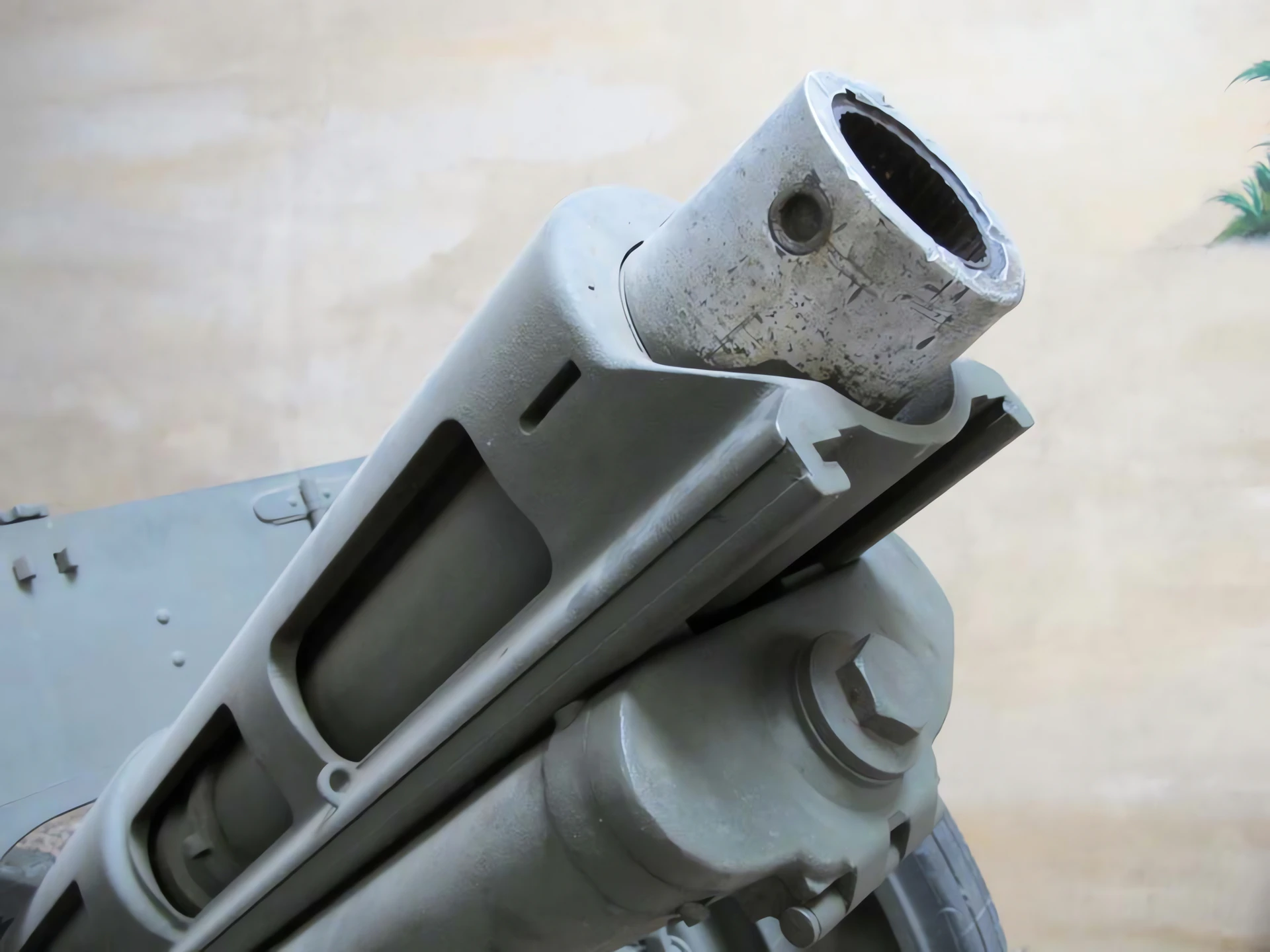
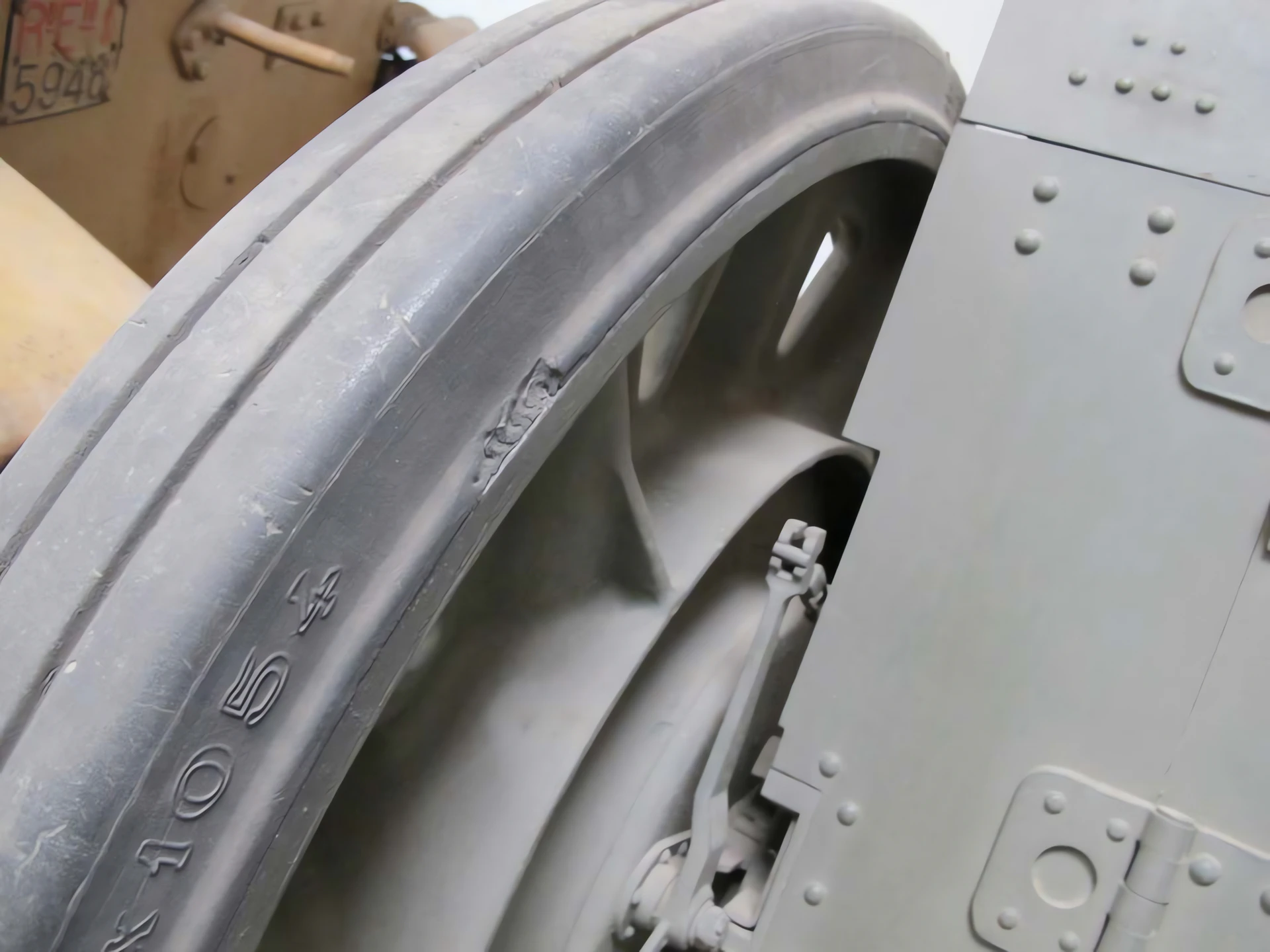
| Italienska Obice da 75mm/18 Modello 35 Gå runt | |
|---|---|
| Fotograf | Vladimir Yakubov |
| Lokalisering | Musee des Blindes, Saumur |
| Bilder | 42 |
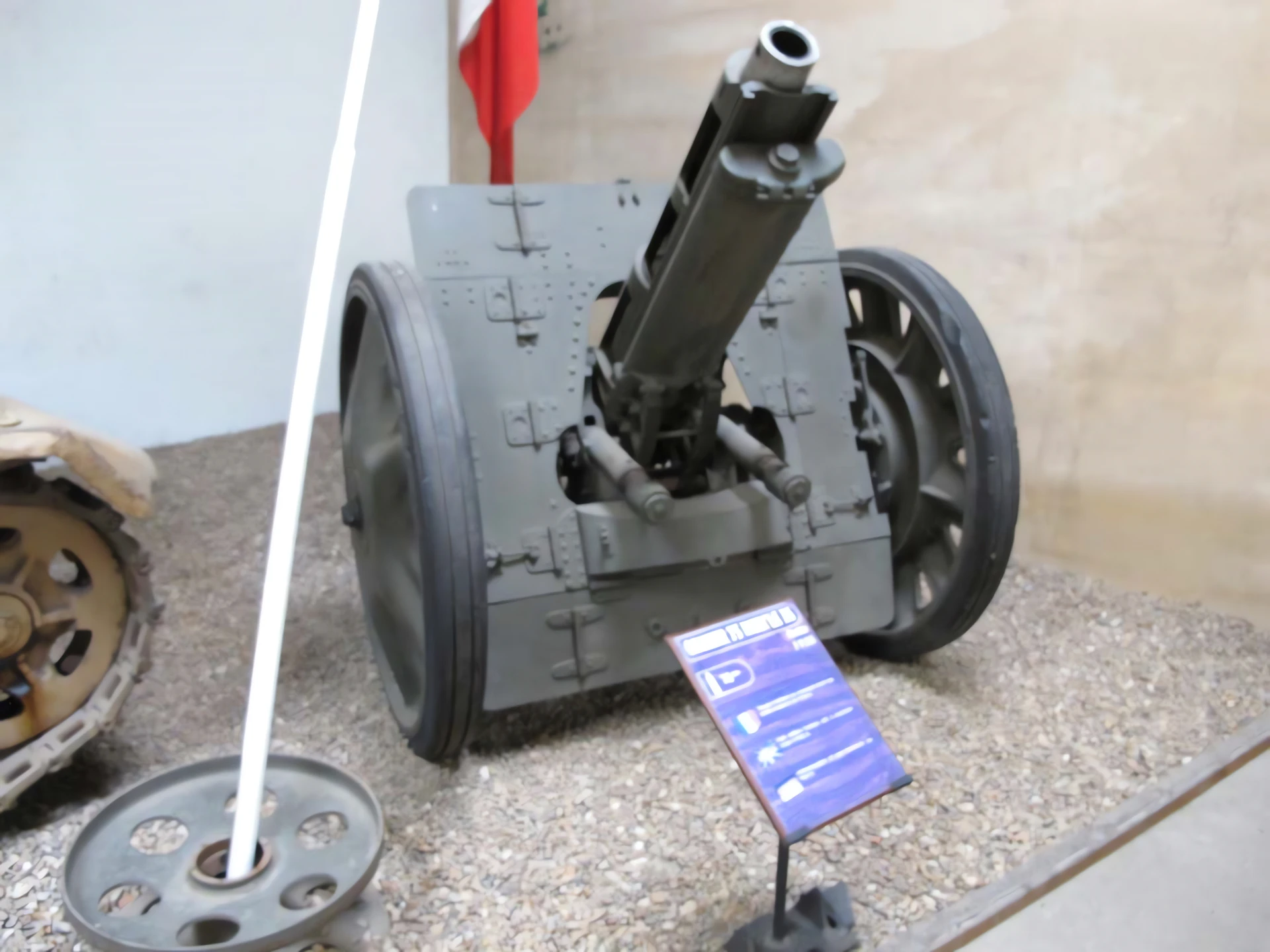
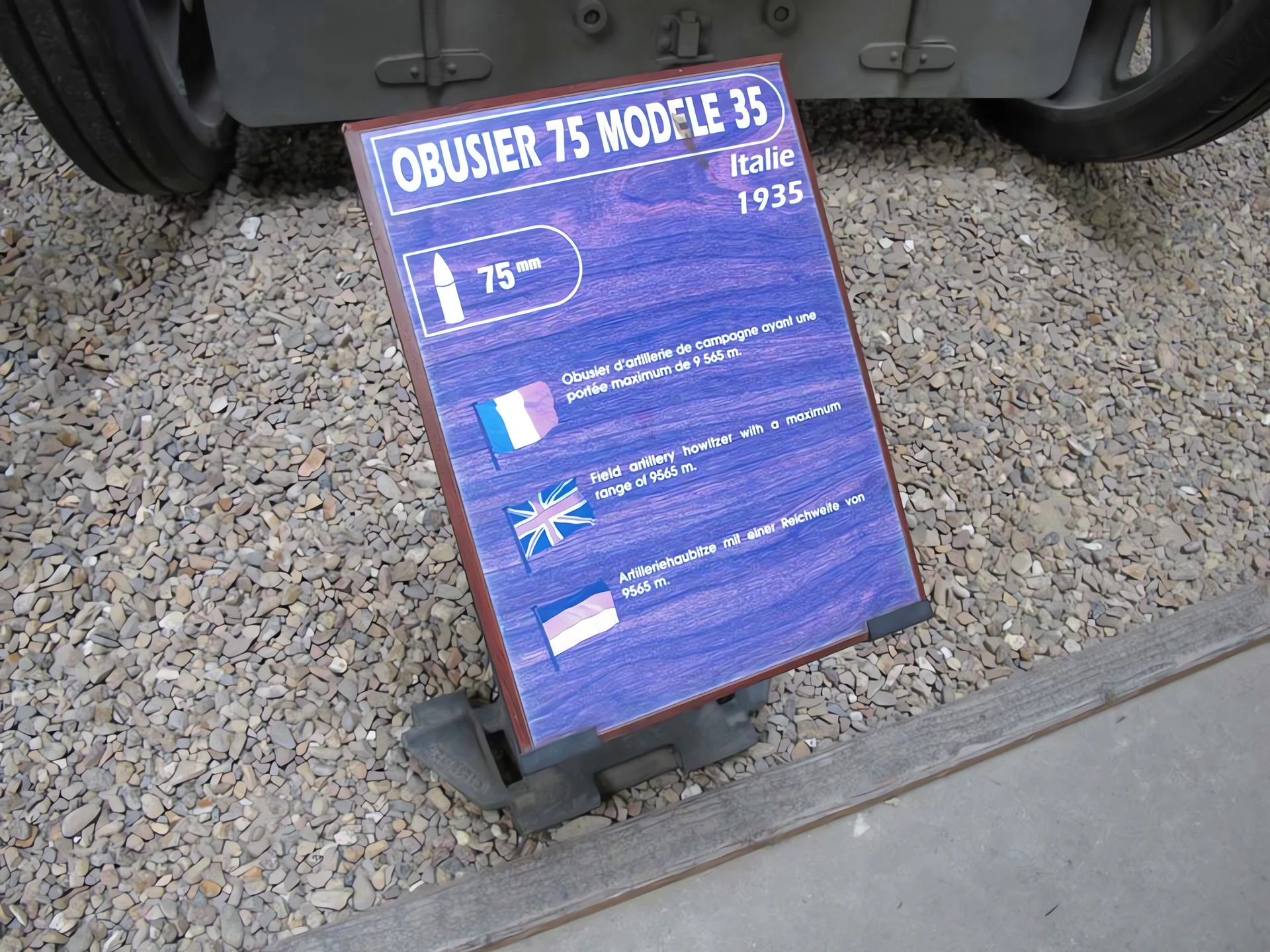
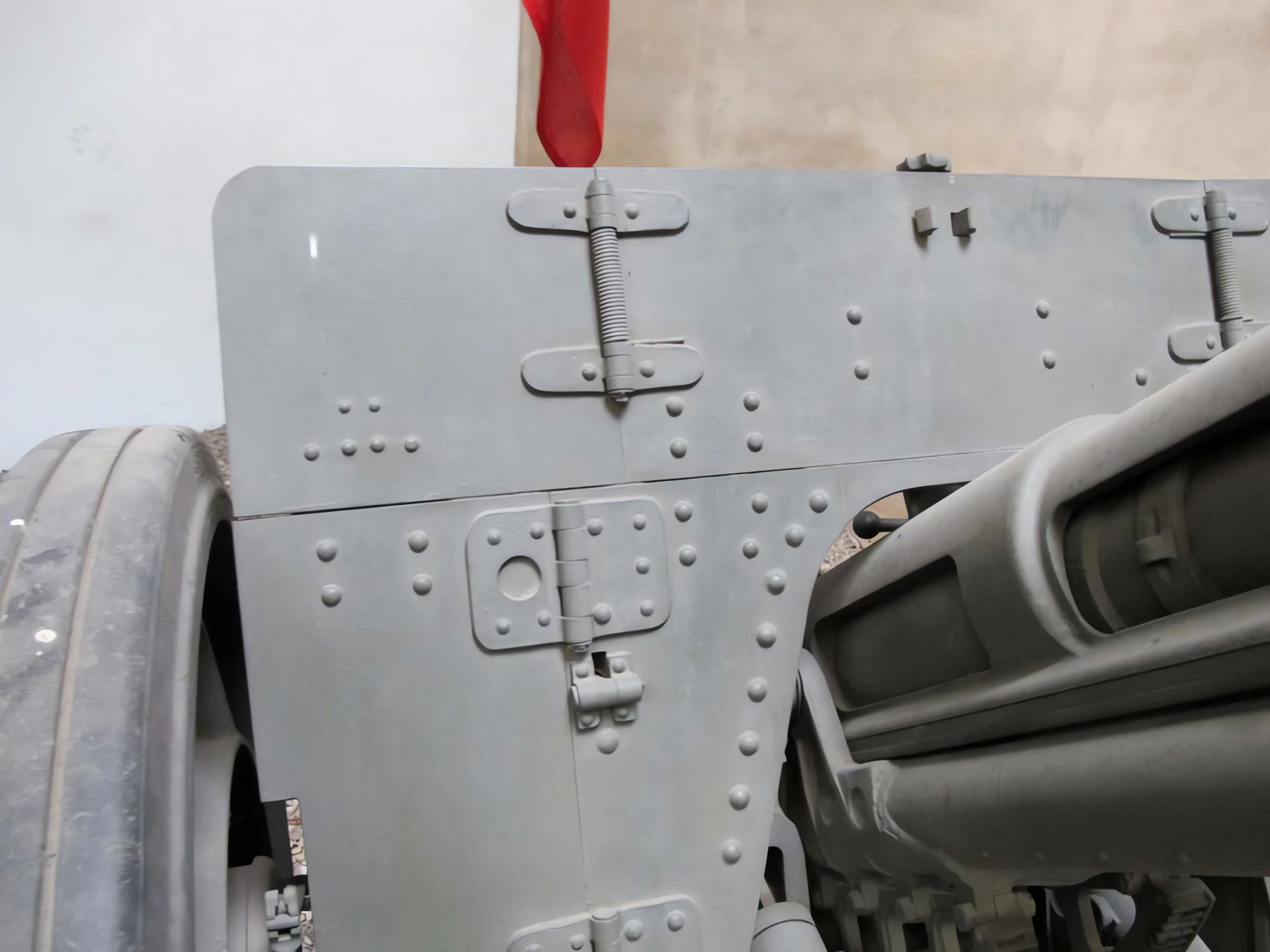
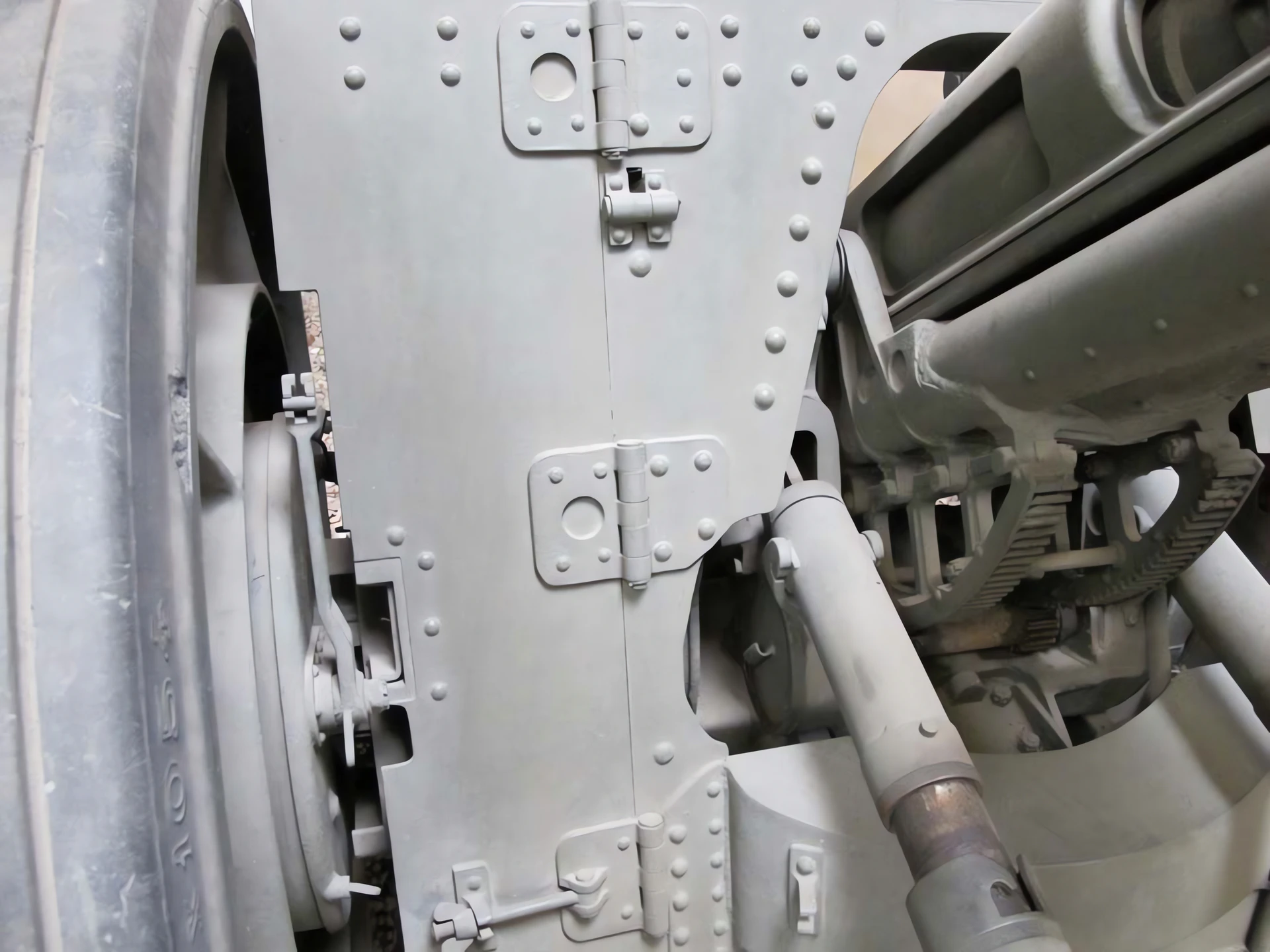
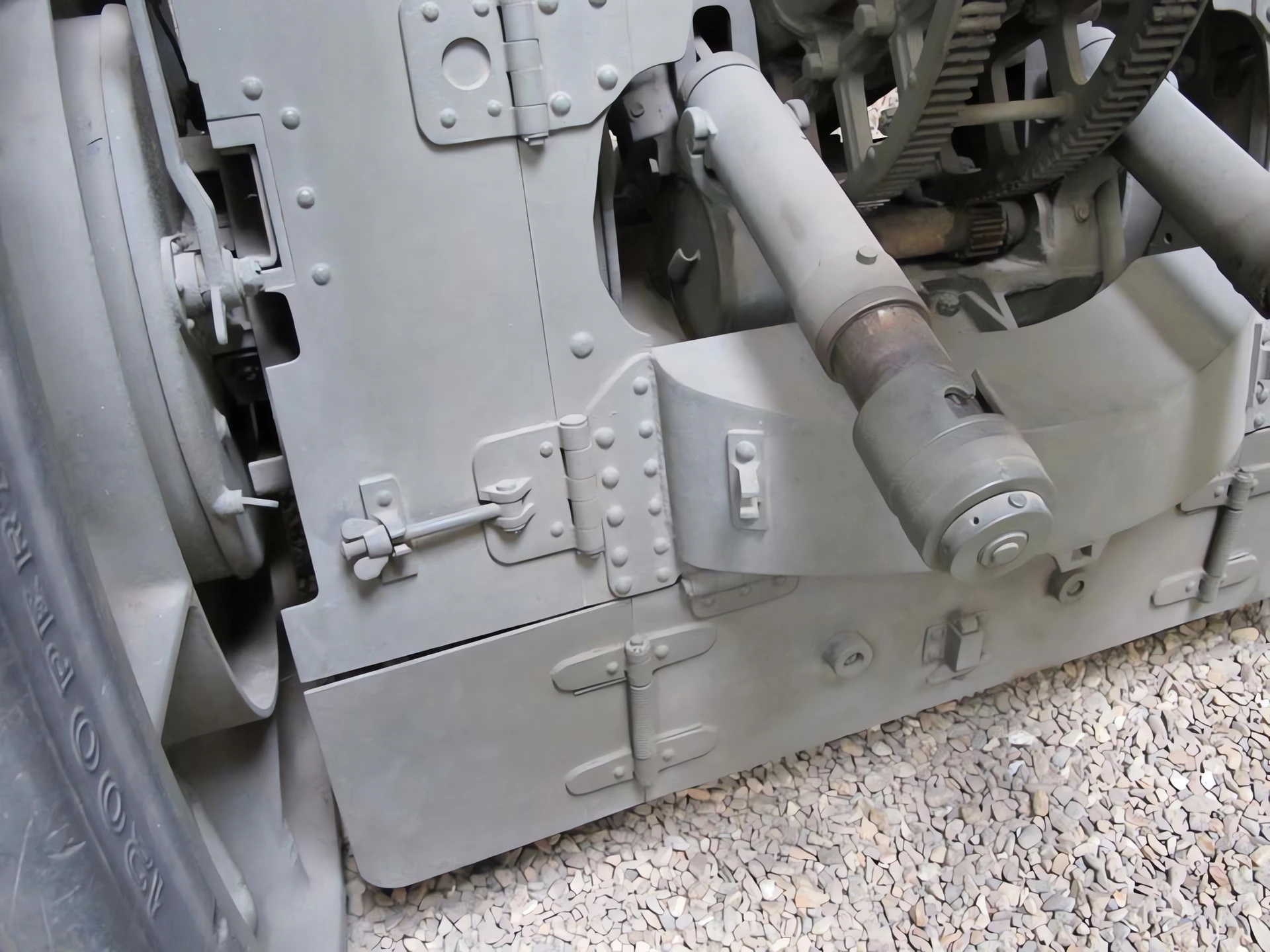
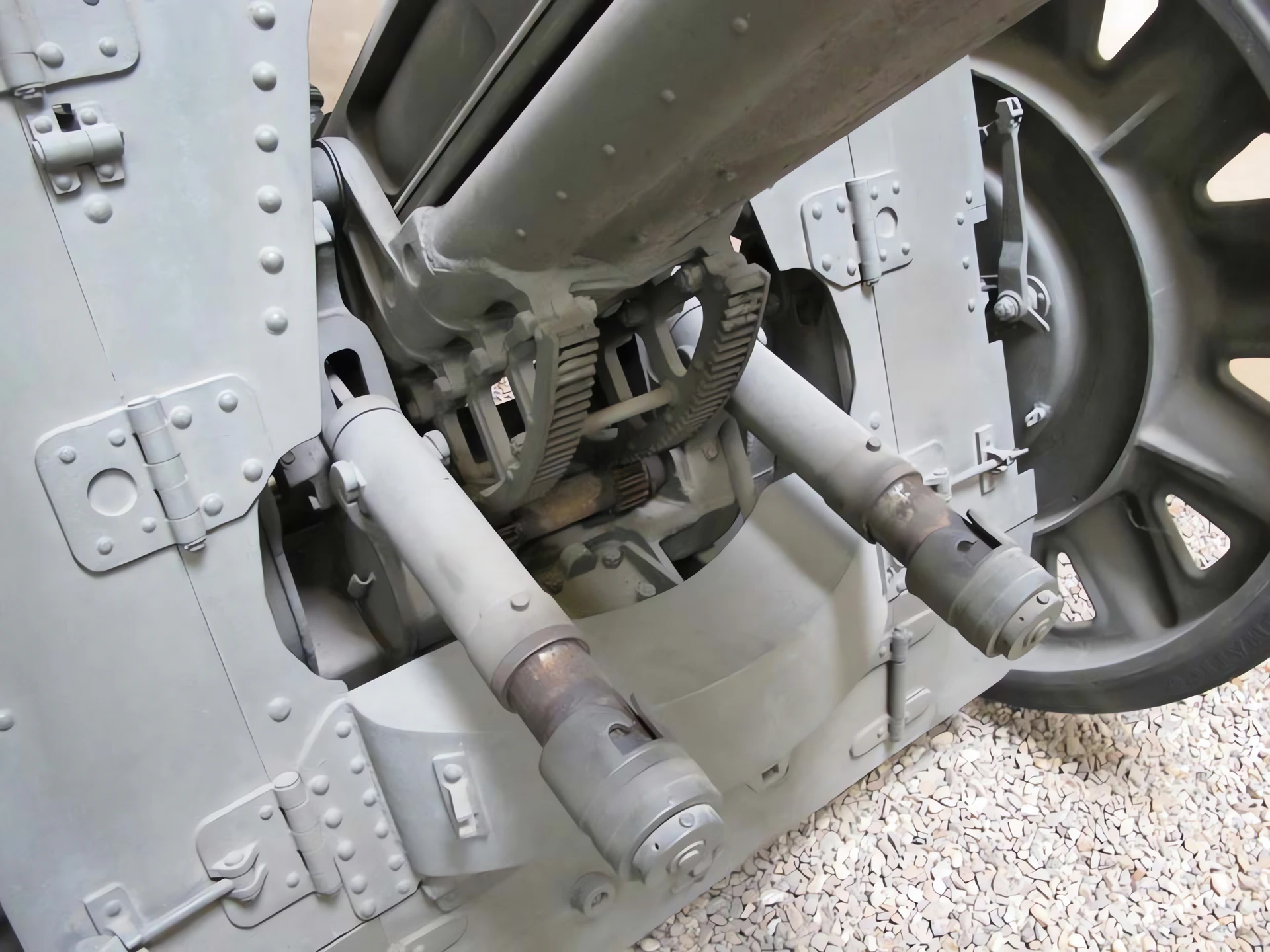
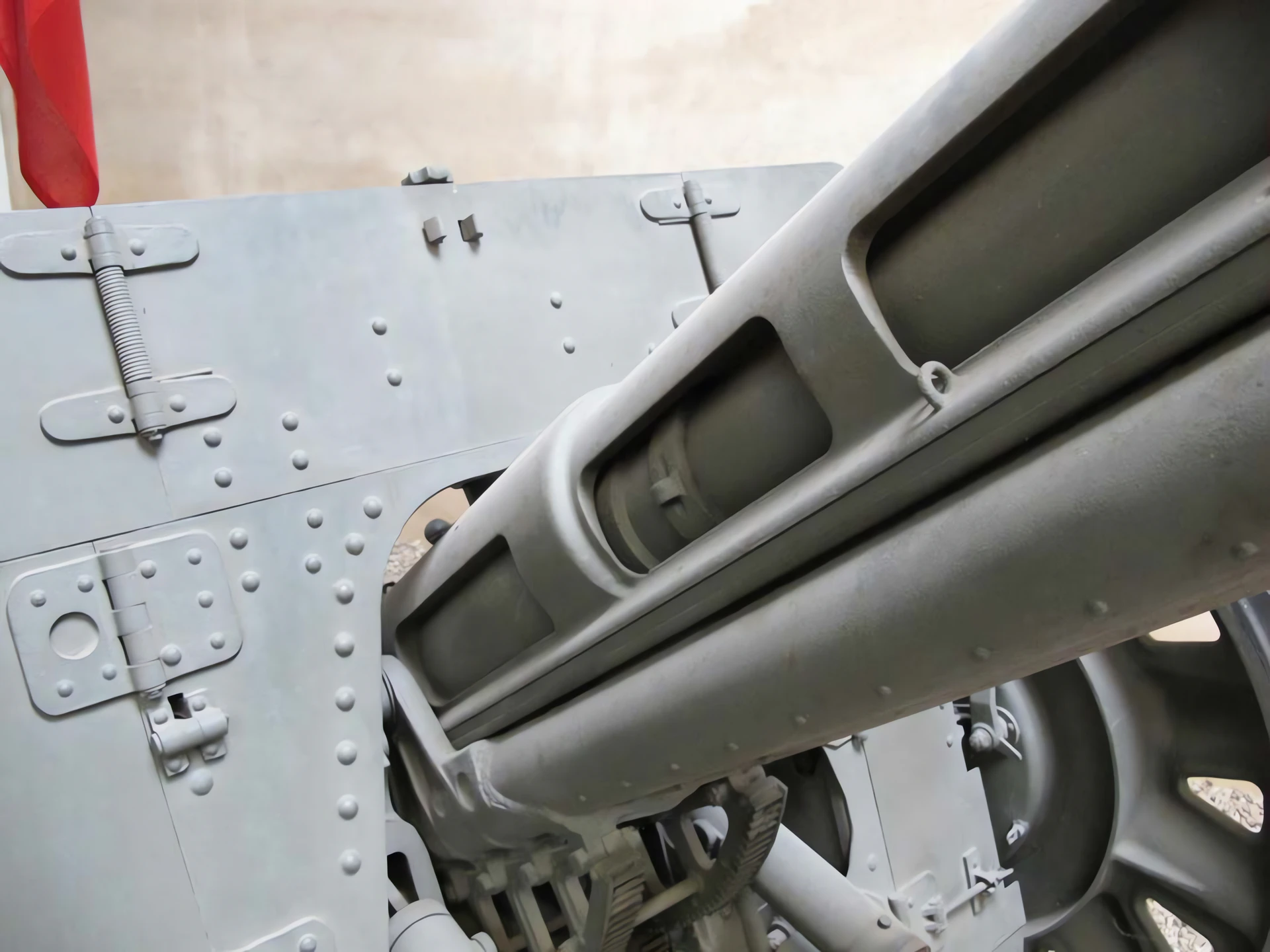

Se även:


The “Pack Howitzer” of the Alps
Den Obice da 75/18 Modello 35 was an Italian howitzer designed by the Ansaldo company. While primarily intended for mountain warfare (Alpini divisions), it became one of the most successful Italian artillery pieces of World War II. It was famous for its modularity; the gun could be broken down into eight separate loads for transport by pack animals across rugged terrain. Its design was so effective that it was later adapted to become the main armament for the Semovente 75/18 tank destroyer.
| Attribute | Technical Specification |
|---|---|
| Typ | Mountain Howitzer / Field Gun |
| Kaliber | 75 mm |
| Barrel Length | L/18 (1.35 meters) |
| Maximum Range | 9,570 meters (approx. 5.9 miles) |
| Elevation | -10° to +45° |
| Traverse | 50° |
| Weight (In Action) | 1,050 kg (2,315 lbs) |
| Rate of Fire | 6–8 rounds per minute |
Design Philosophy and Engineering
- The Split-Trail Carriage: The Modello 35 used a split-trail design, which allowed for a much wider horizontal traverse than older box-trail guns. This made it far easier to track moving targets, such as tanks, without repositioning the entire carriage.
- High-Explosive Anti-Tank (HEAT) Capability: Despite being a howitzer with a low muzzle velocity, it was highly effective against Allied armor. This was due to the “Effetto Pronto” (EP) and “Special Effetto Pronto” (EPS) shells—some of the earliest successful HEAT rounds used in combat.
- Modular Breakdown: For mountain service, the gun could be disassembled into 8 loads. The heaviest component was the barrel, which weighed roughly 150 kg. This allowed the 75/18 to be deployed in high-altitude positions where traditional wheeled artillery could never reach.
- Modernized Wheels: While early versions featured wooden-spoked wheels for horse traction, later models were fitted with pressed steel wheels and pneumatic tires for high-speed towing by trucks and tractors.
From Towed Gun to Tank Destroyer
- The Semovente 75/18: Recognizing the gun’s effectiveness against tanks like the British Crusader and American M3 Grant, Italian engineers mounted the 75/18 inside a low-profile armored hull on the M13/40 chassis. This created Italy’s most feared armored vehicle of the North African campaign.
- North African Service: In the desert, the 75/18 often acted as “tank snipers,” using their EPS shells to knock out heavier Allied tanks at ranges where their own armor would have been vulnerable.
- German Use: After the Italian armistice in 1943, the German Wehrmacht pressed hundreds of these guns into service, designating them as the 7.5 cm le.F.H.255(i).
- Post-War Service: The Modello 35 was so reliable that it remained in service with the Italian Army well into the 1950s as a training and reserve weapon.
Views : 1739
Du kan också se:
 K9 Thunder – Foton och videor
 M270 Raketsystem med flera uppskjutningar – foton och video
 10.5 cm leFH 16 – Foton &; Videor
 M109 haubits – Foton och videor
 FH70 haubits – Foton &; Video
 US 105mm M2A2 Field Gun - Foton &; Video
 M43 haubits motorvagn – Foton &; Video
 M7B2 Präst – Walkround
 Sovjetisk 122mm D-30 Haubits – gå runt
 M7 Priest – Walkround