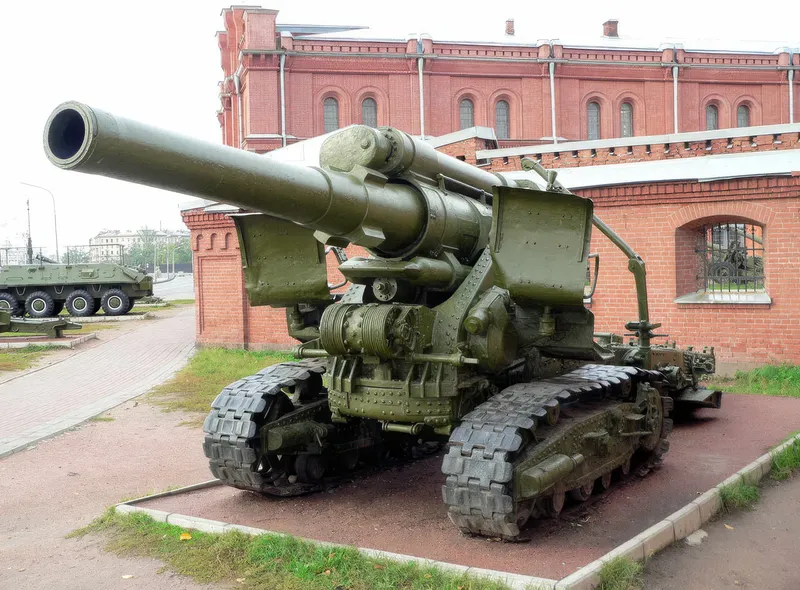
203 mm M1931 B-4 | |
|---|---|
| Zemlja | URSS |
| Tip | Teški haubica |
| Proizvodi | 1932-1940 |
| Izgradio | 871 |
Haubica M1931 od 203 mm je bila sovjetski teški haubica od 203 mm. Tokom Drugog svetskog rata bio je pod komandom Strateške rezerve Štali. Nemački vojnici su ga dobili pod nadimkom "Staljinovo sankanje". Ovi pištolji su korišćeni sa uspehom protiv teških nemačkih utvrđenja i u urbanoj borbi za razbijanje zaštićenih zgrada i bunkera. Ovo oružje je korišćeno do kraja rata u bici kod Berlina gde bi Crvena armija donela ove pištolje iz blizine da razbije nemačka utvrđenja svojim teškim granatama od 203mm. U proleće 1944. Težak trzaj od eksplozije brnjice bacio je posadu sa svojih sedišta i oštetio prenos, pa je tako otkazan.
| Howitzer 203mm M1931 B4 | |
|---|---|
| Fotograf | Nepoznato |
| Lokalizacija | Nepoznato |
| Fotografije | 200 |
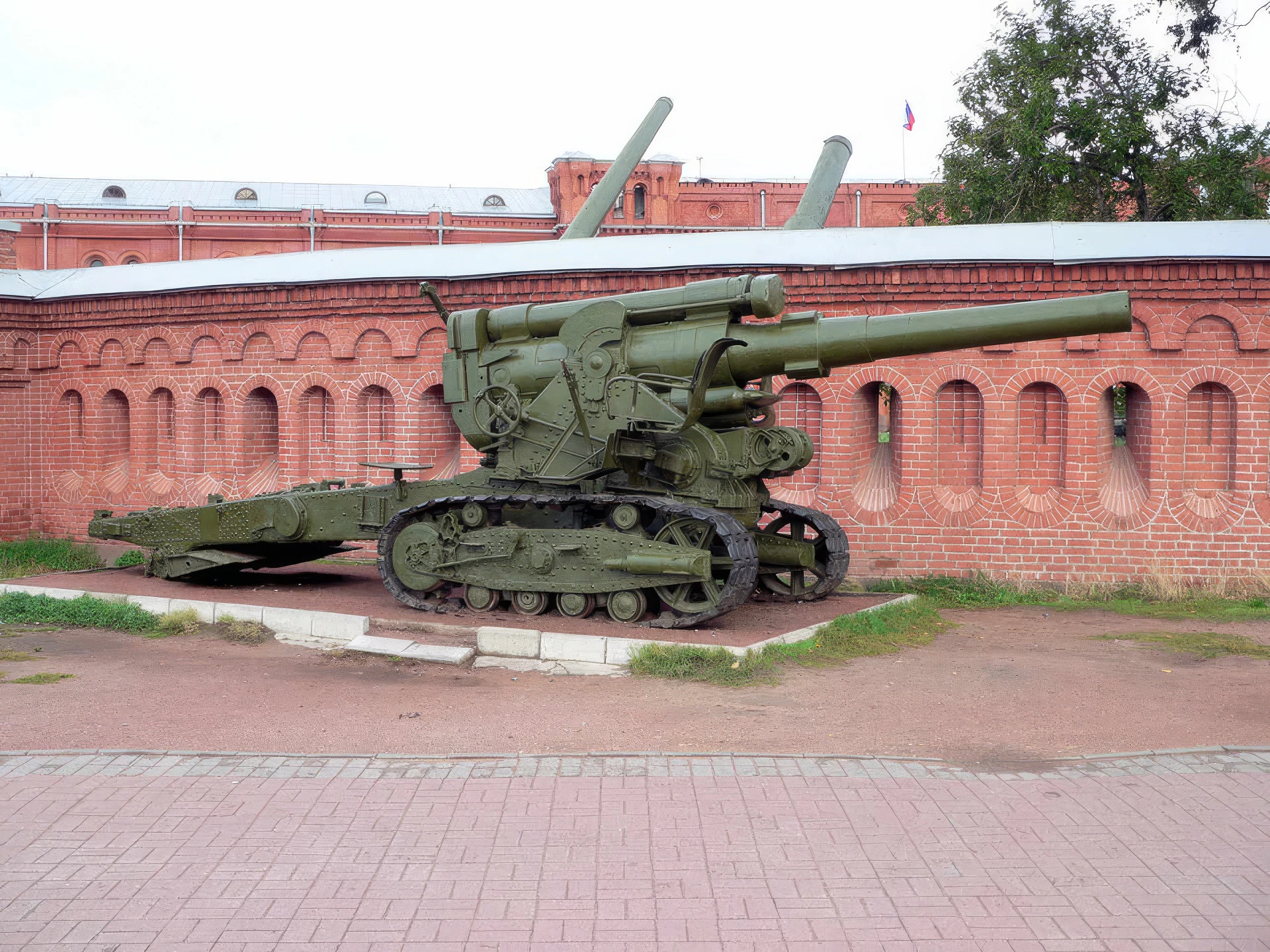
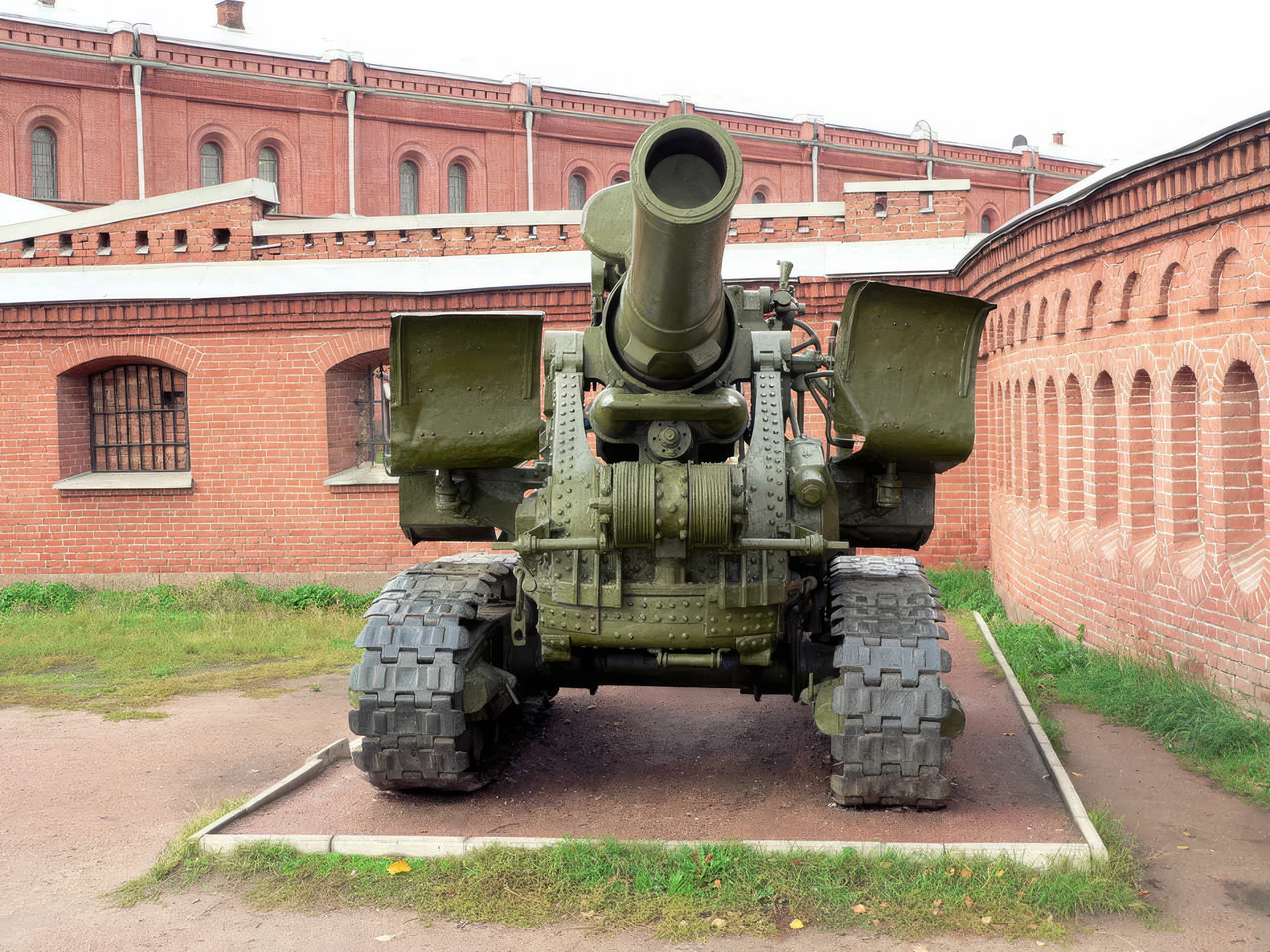
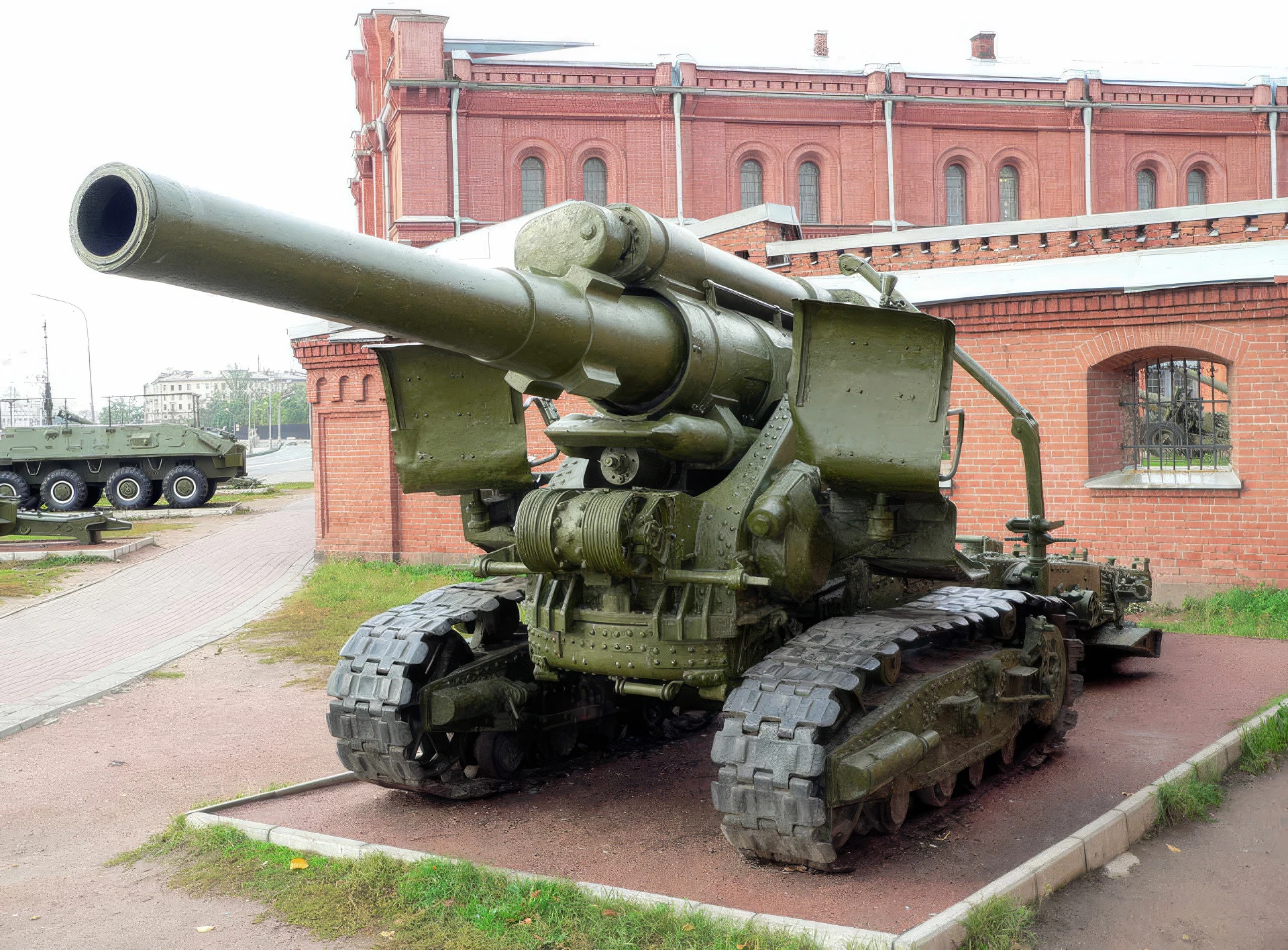
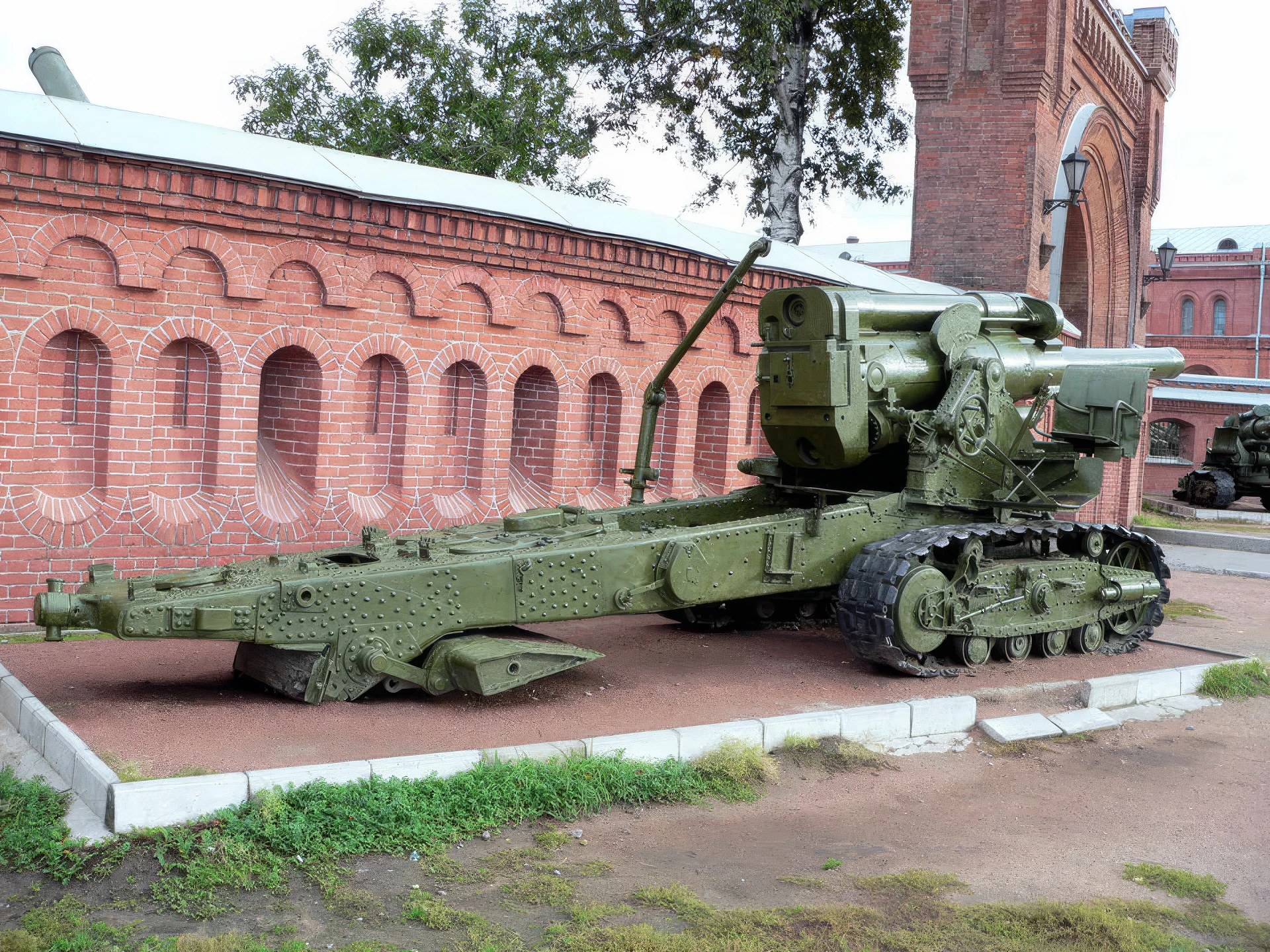
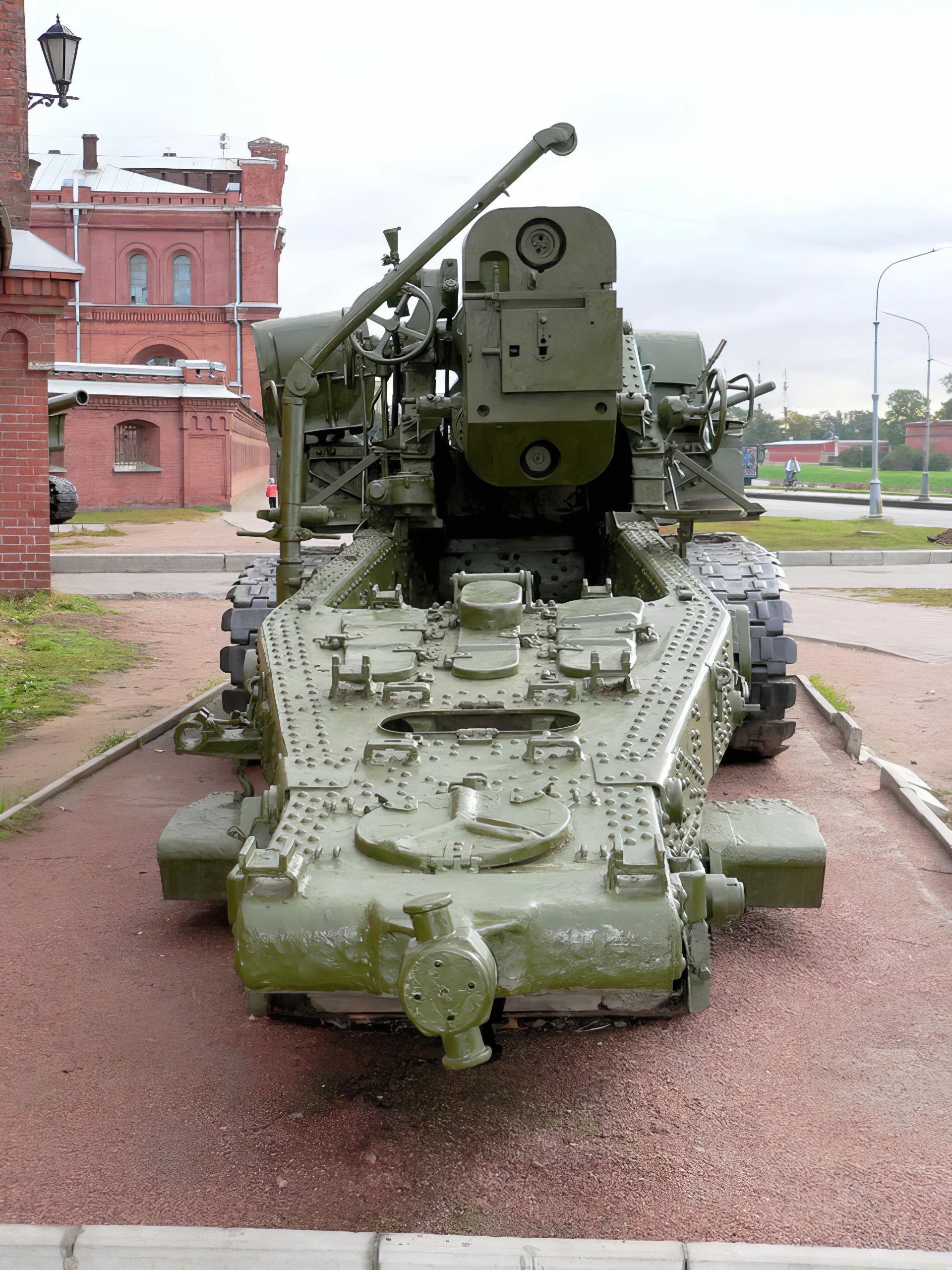
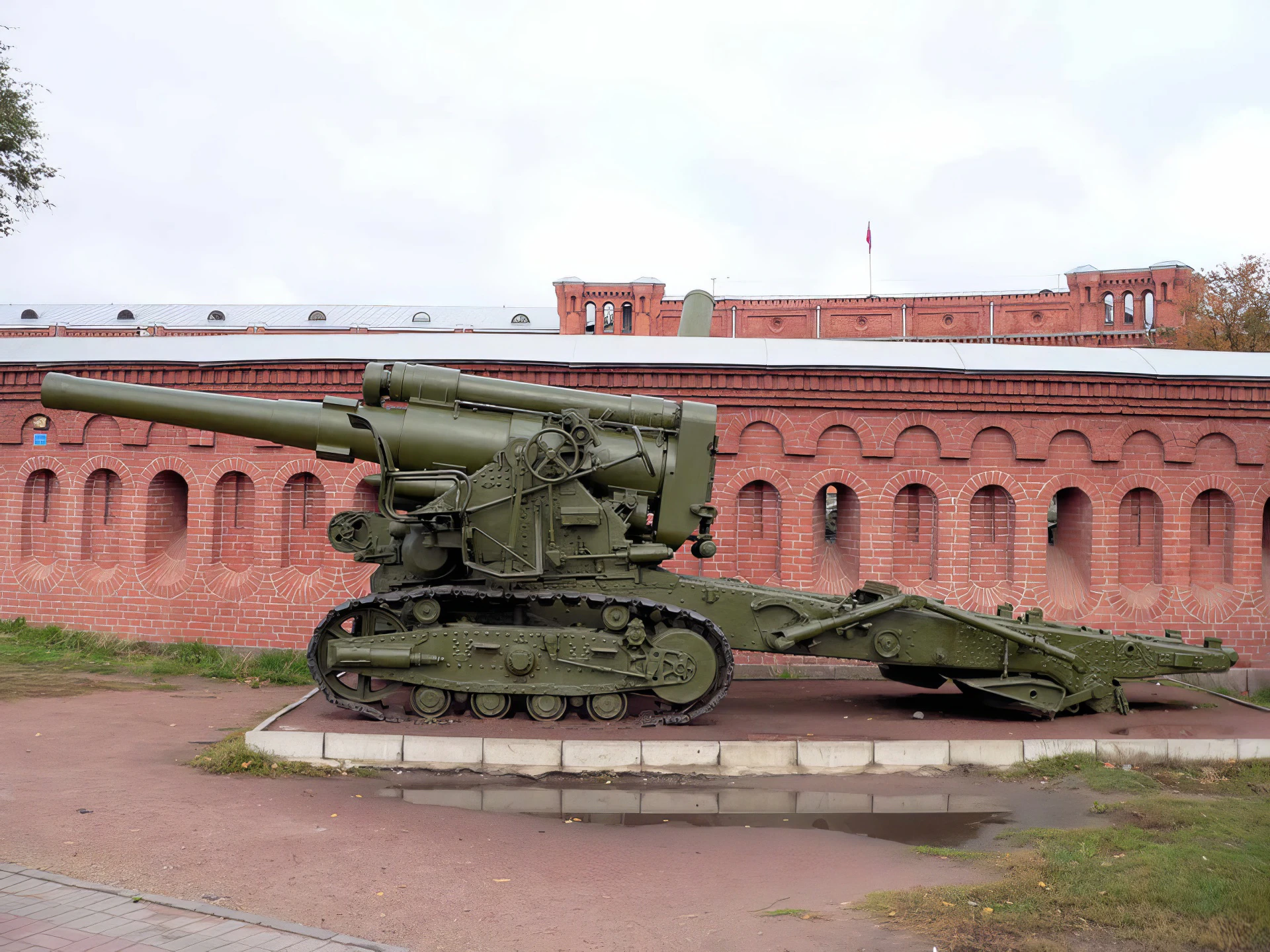
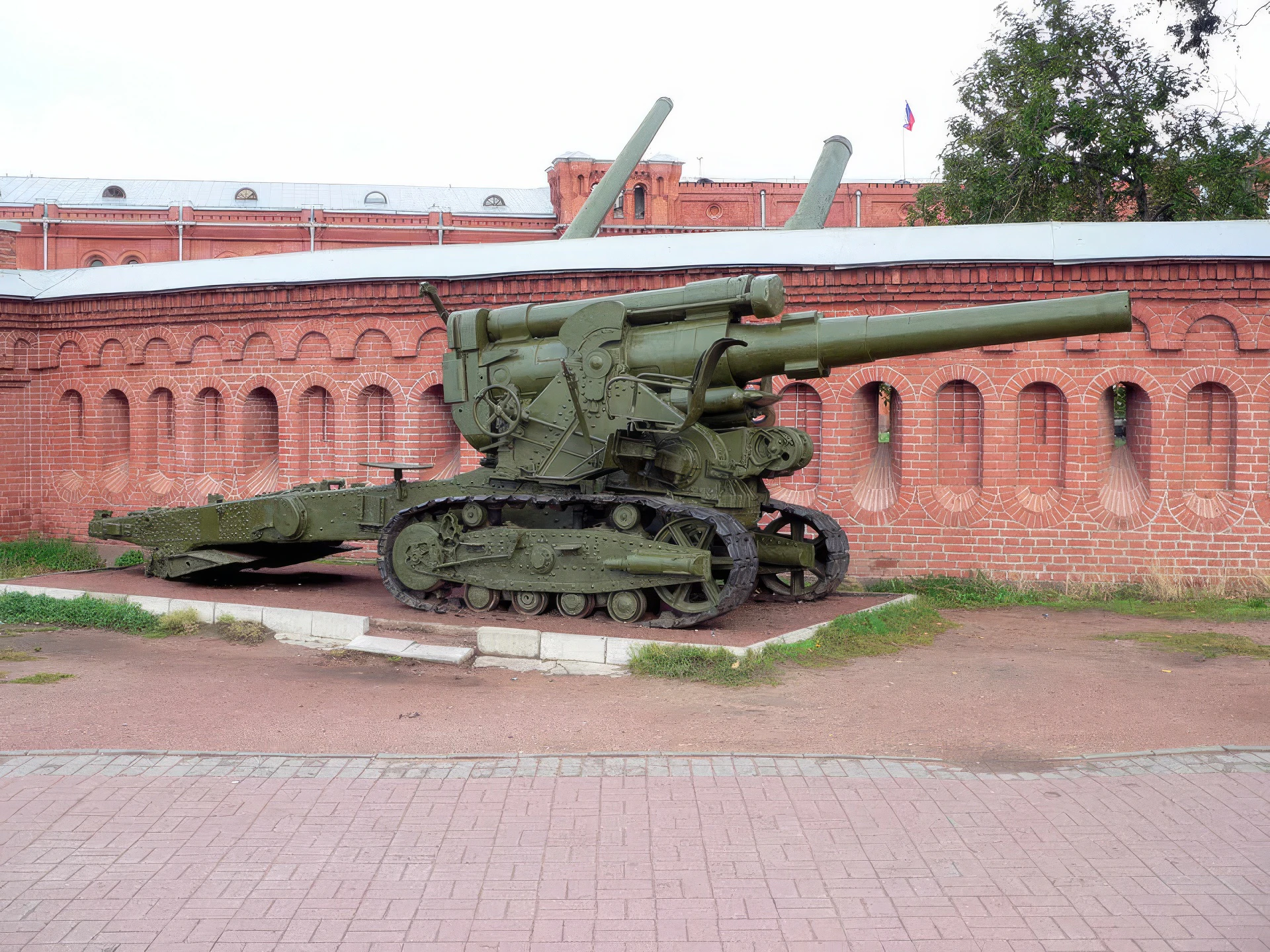
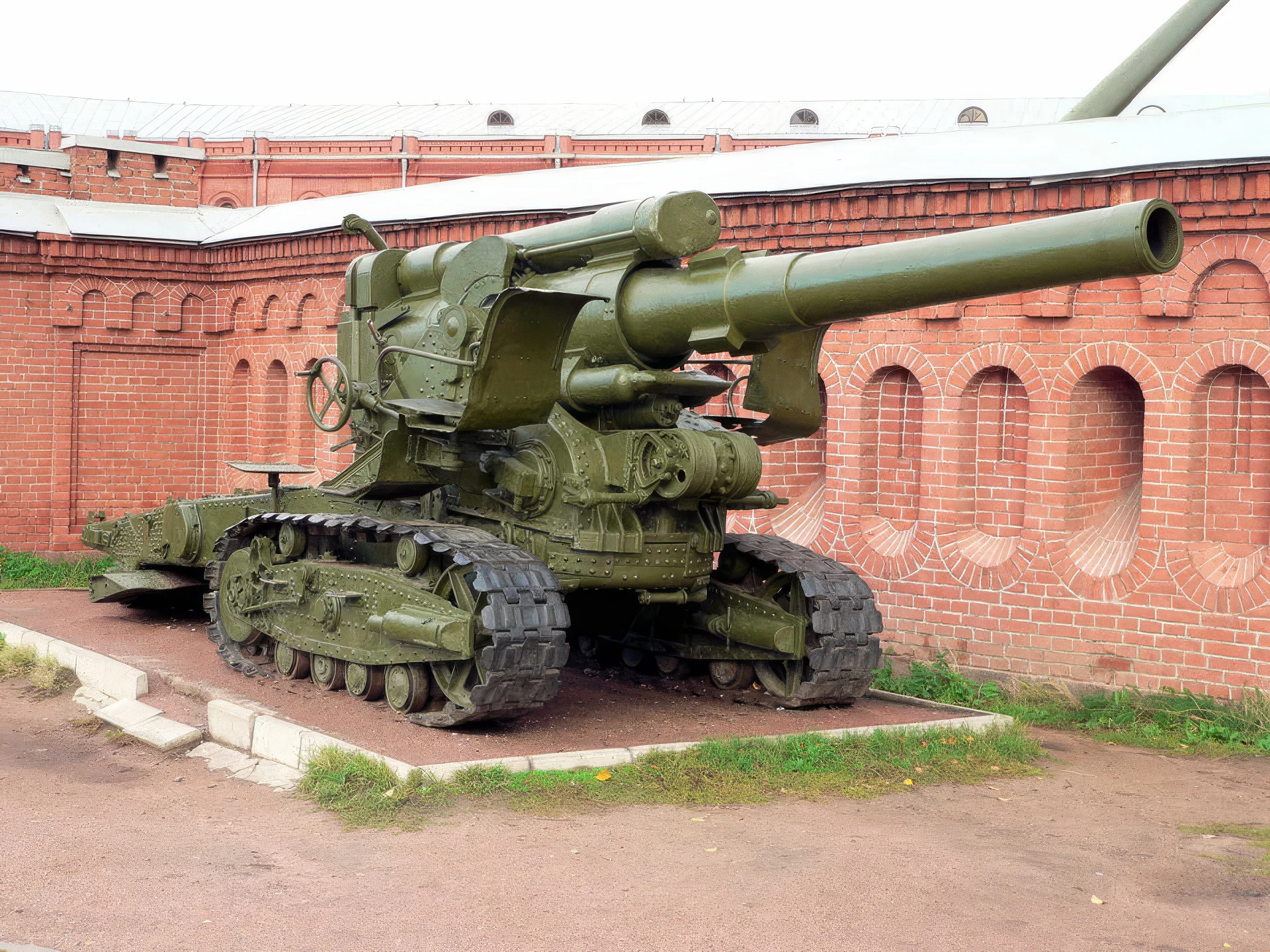
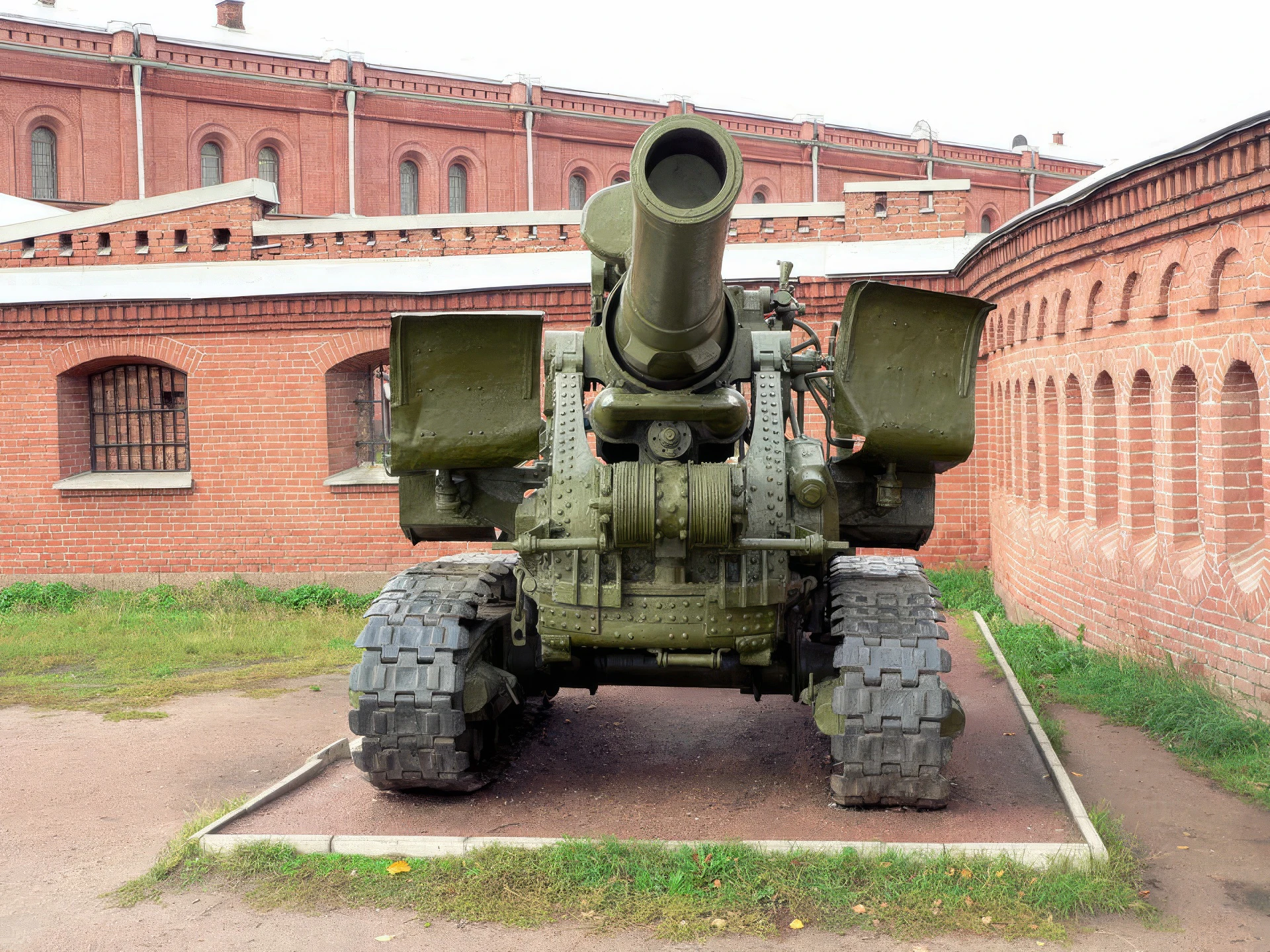

| 203 mm Howitzer Mod. 1931(B-4) | |
|---|---|
| Fotograf | Nepoznato |
| Lokalizacija | Nepoznato |
| Fotografije | 21 |
Pogledajte i:


General Overview
The B-4 was a Soviet high-power heavy howitzer used to destroy heavily fortified positions and bunkers during World War II.
| Official Name | 203 mm howitzer M1931 (B-4) |
|---|---|
| Place of Origin | Sovjetski Savez |
| Proizvođača | Barrikady Plant |
| Production Years | 1932–1945 |
| Primary Role | Siege Artillery / Crushing Fortifications |
| Nadimak | Stalin’s Sledgehammer (coined by German soldiers) |
Tehničke specifikacije
| Kalibar | 203 mm (8 inch) |
|---|---|
| Mass (Combat) | 17,700 kg (39,022 lbs) |
| Mass (Travel) | 19,000 kg (41,888 lbs) |
| Shell Weight (HE) | 100 kg (220 lbs) |
| Maximum Firing Range | 18 km (11 mi) |
| Rate of Fire | Approx. 1 round every 4 minutes (Slow due to shell weight) |
| Carriage Type | Tracked Carriage (Unique feature for stability) |
| Posada | 15 |
| Towing Vehicle | Voroshilovets or Komintern Artillery Tractor |
Operational Role in WWII
The B-4 was held under the direct command of the Stavka Strategic Reserve and was deployed only where its massive firepower was required.
- Winter War: Known as the “Karelia Sculptor” for its effectiveness against Finnish pillboxes on the Mannerheim Line.
- Urban Combat: Used for direct fire against German fortified buildings and bunkers, notably during the Battle of Berlinu in 1945.
- Loading Challenge: Due to the heavy 100 kg projectile, a special hoisting crane was often used to assist in loading the breech.
Key Innovation: The unique tracked carriage allowed the gun to be fired directly from the ground without a separate firing platform, a significant innovation for heavy artillery of that era.
Views : 11595
Možete videti i :
 Howitzer 149-19 – Photos & Video
 15 cm sFH 13 – Šetnja okolo
 M108 howitzer – Photos & Videos
 M119 howitzer – Photos & Videos
 Obice da 75/18 modello 35 – Photos & Videos
 British 9.2 inch Howitzer – Photos & Video
 105mm leFH auf Hotchkiss 39H – Photos & Video
 M55 Self Propelled Howitzer – Photos & Video
 21cm Morser 18 Howitzer – Walk Around
 70mm Tip 92 Howitzer – WalkAround
Nove fotografije