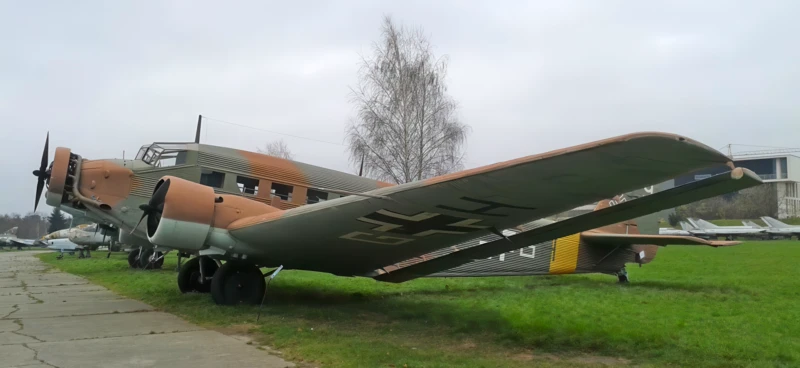
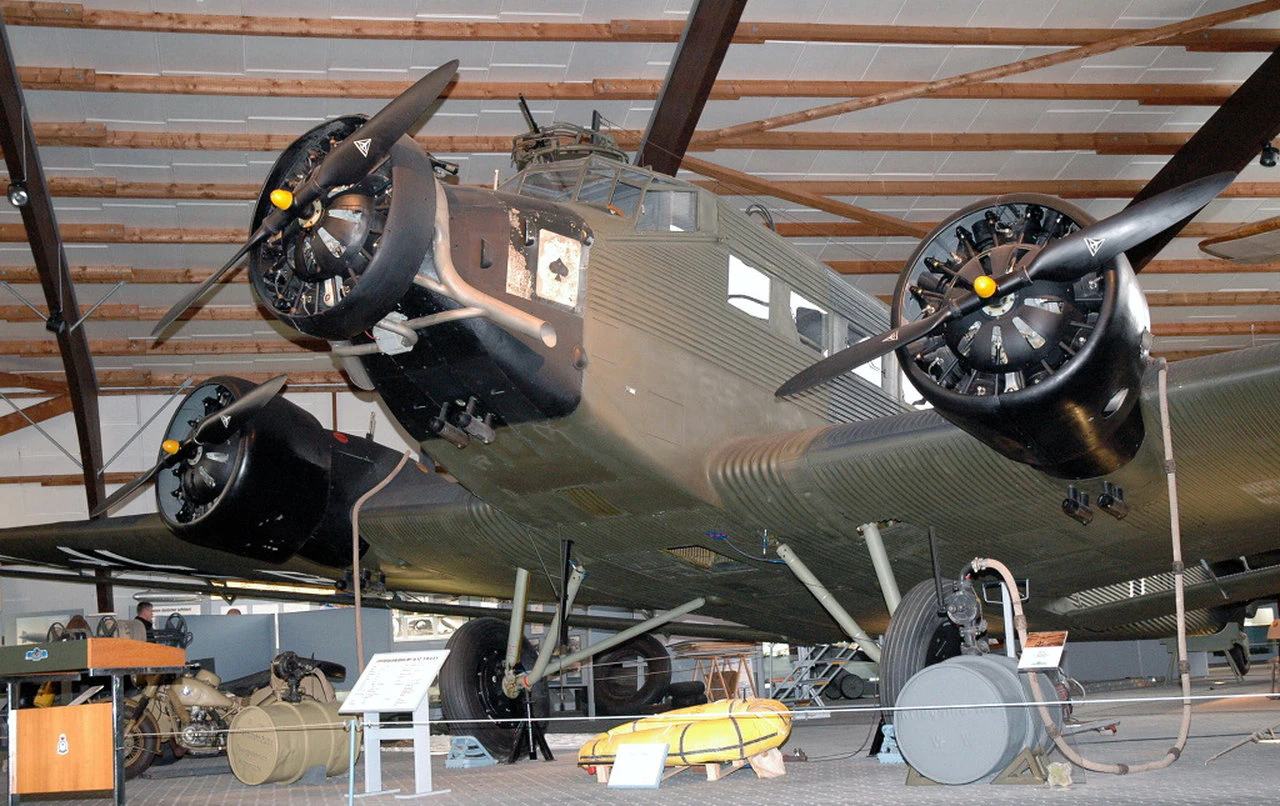
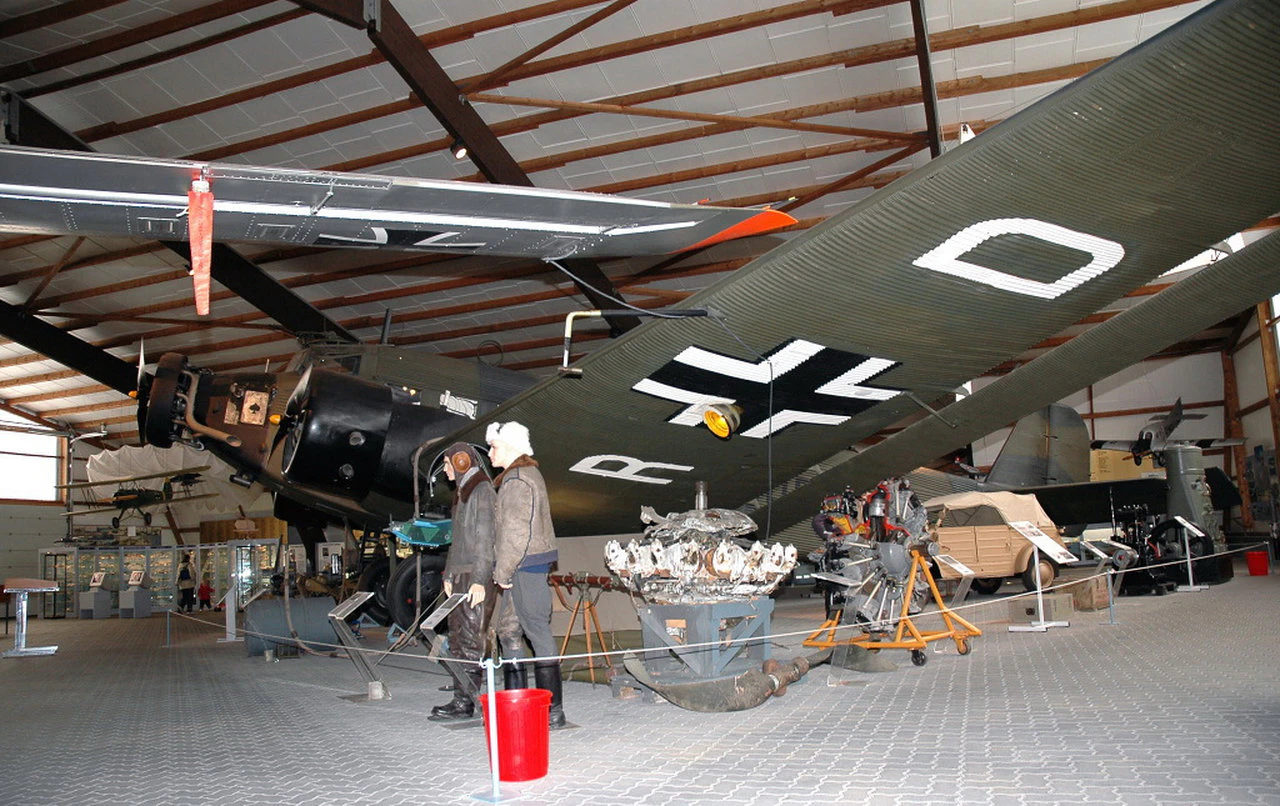
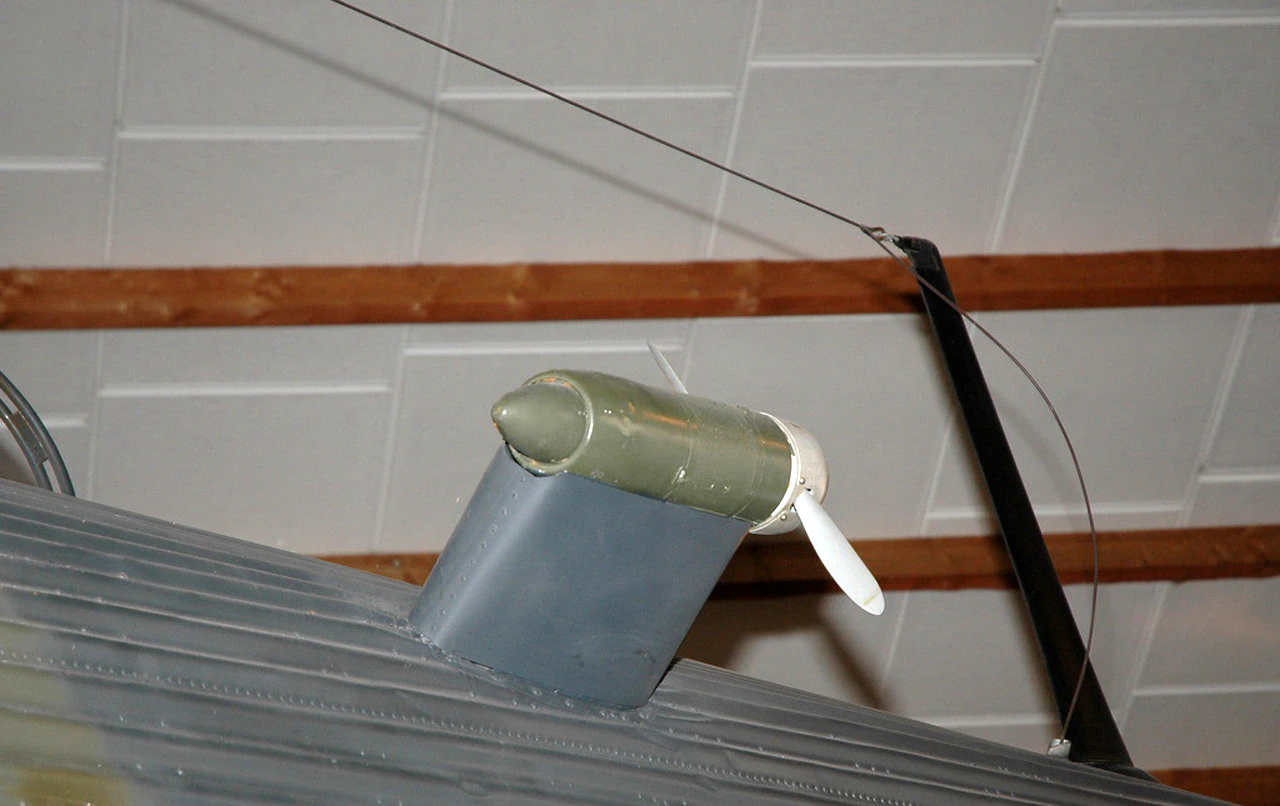
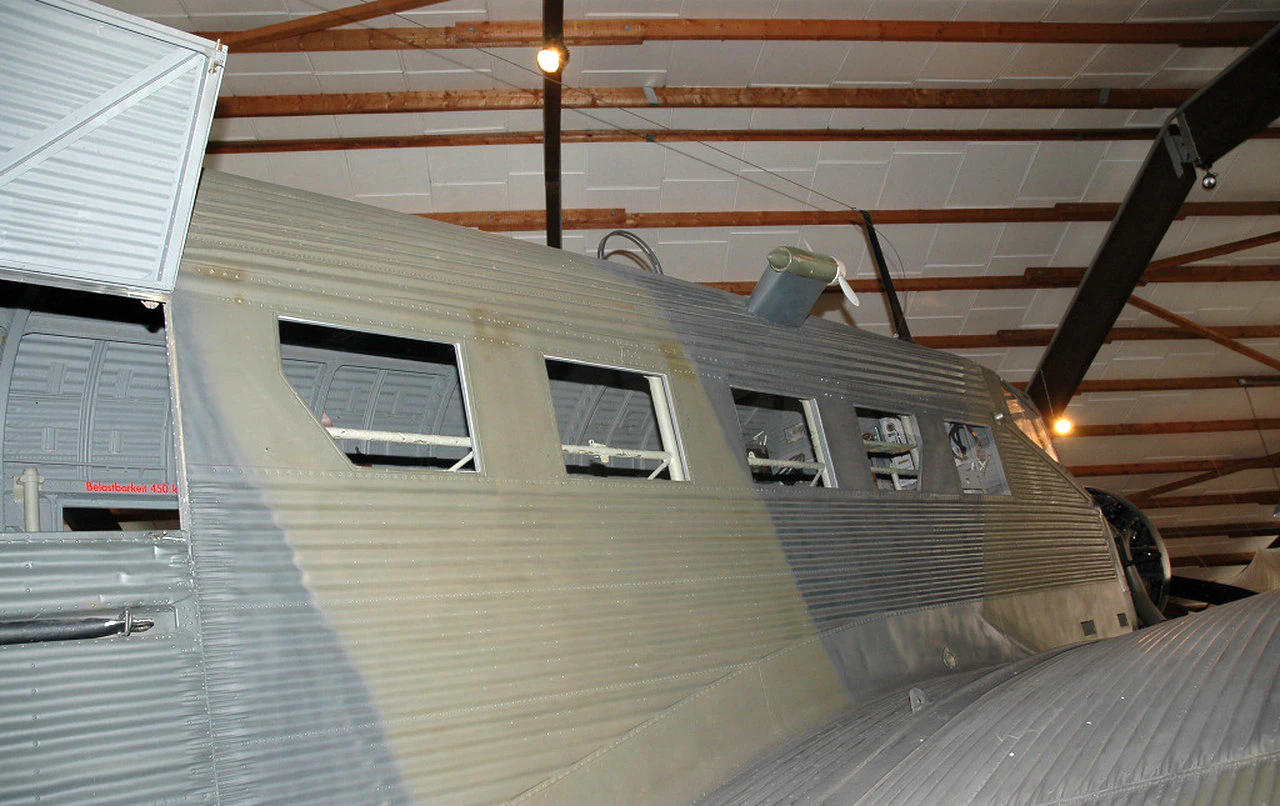
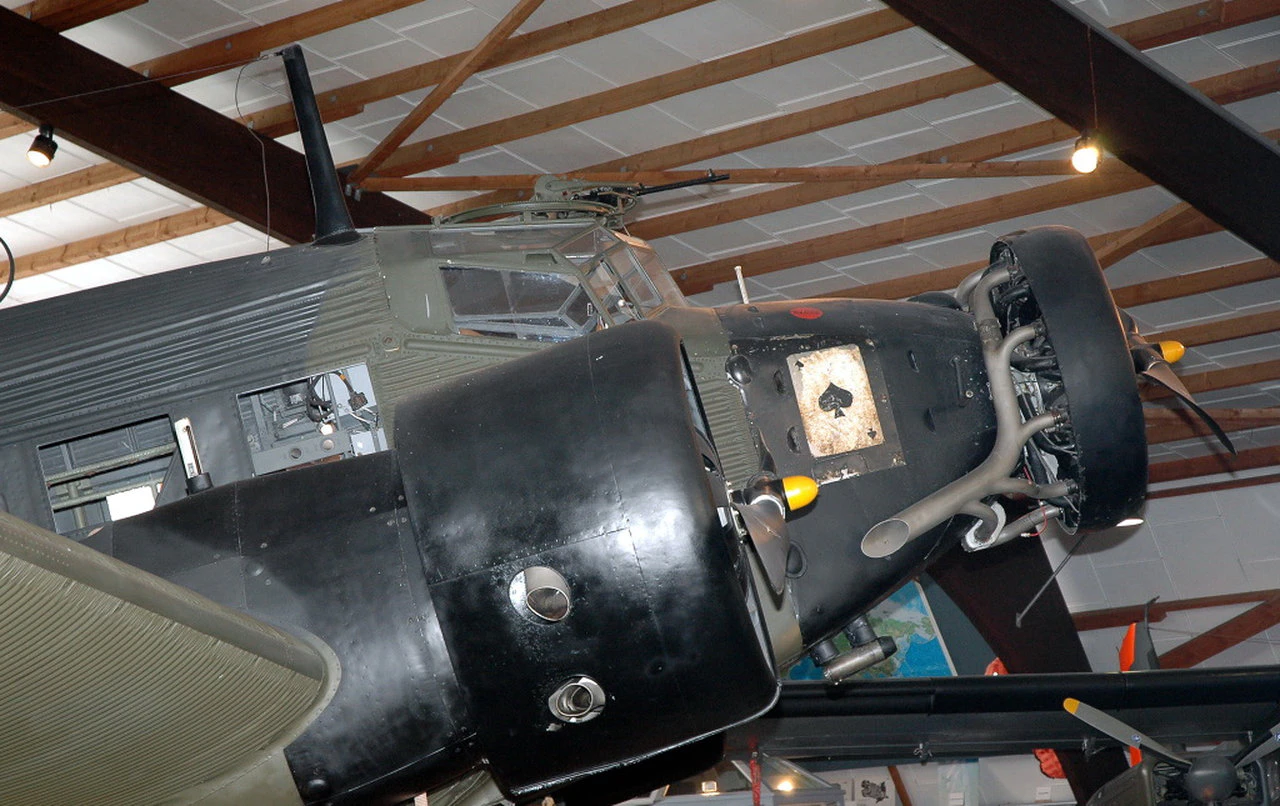
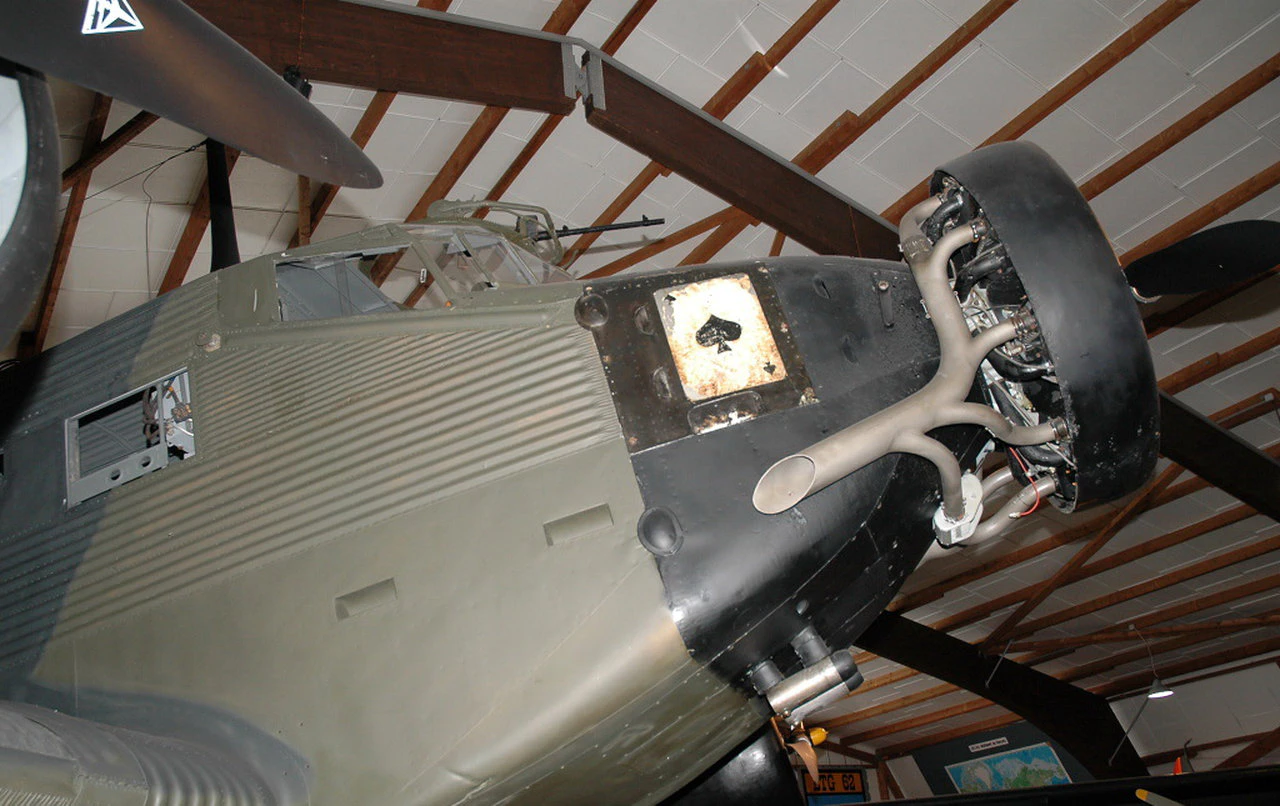
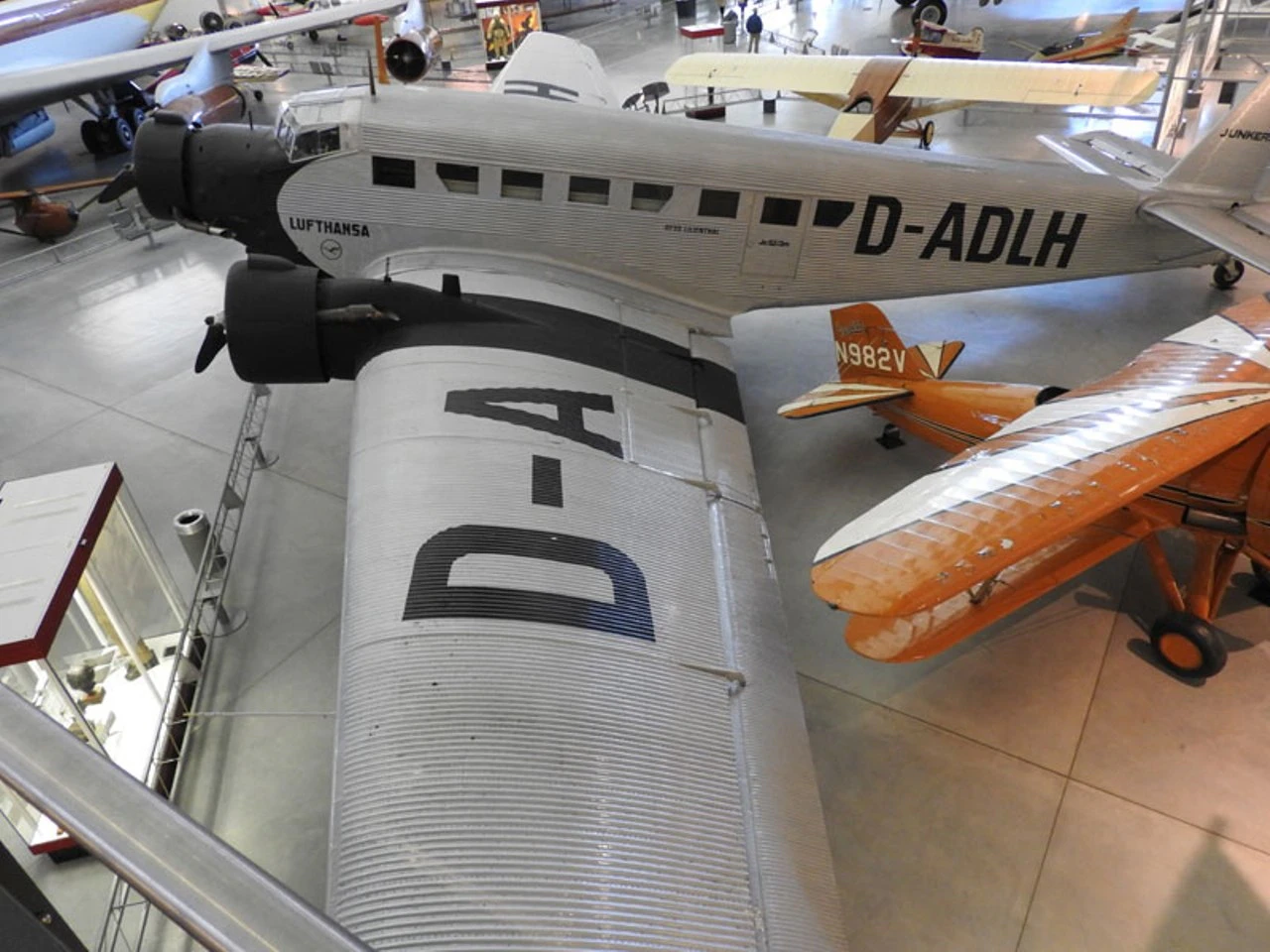
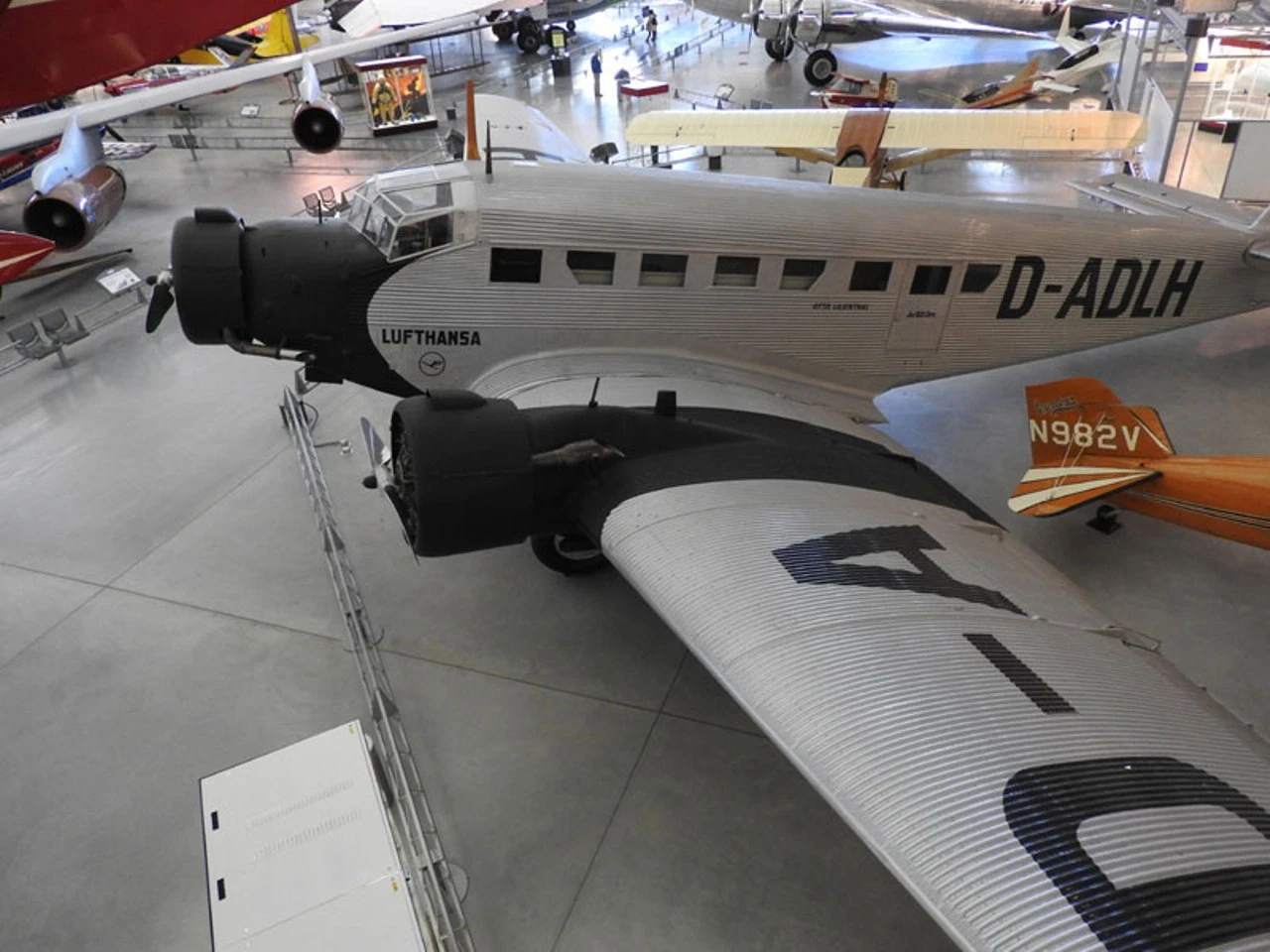
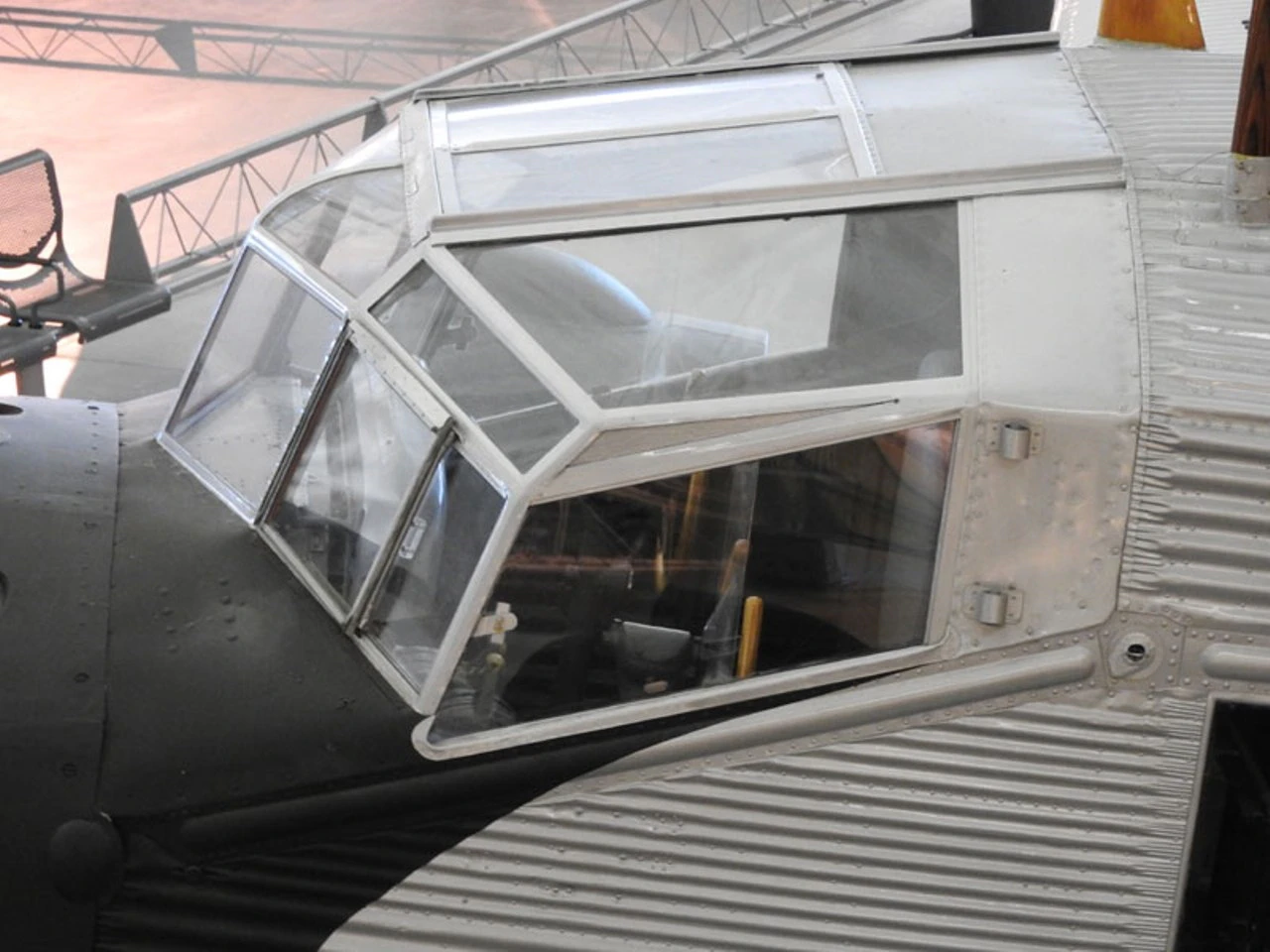
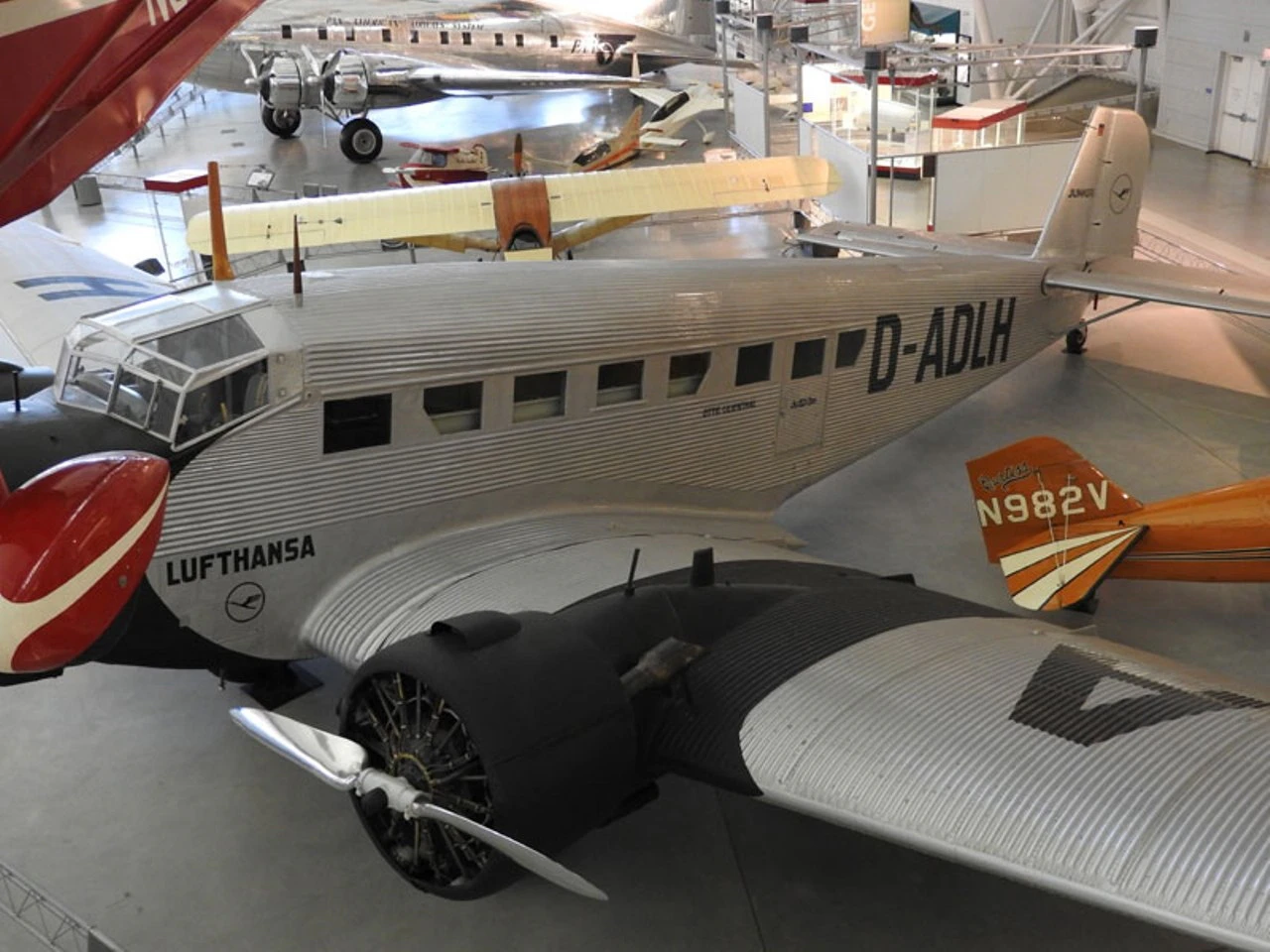
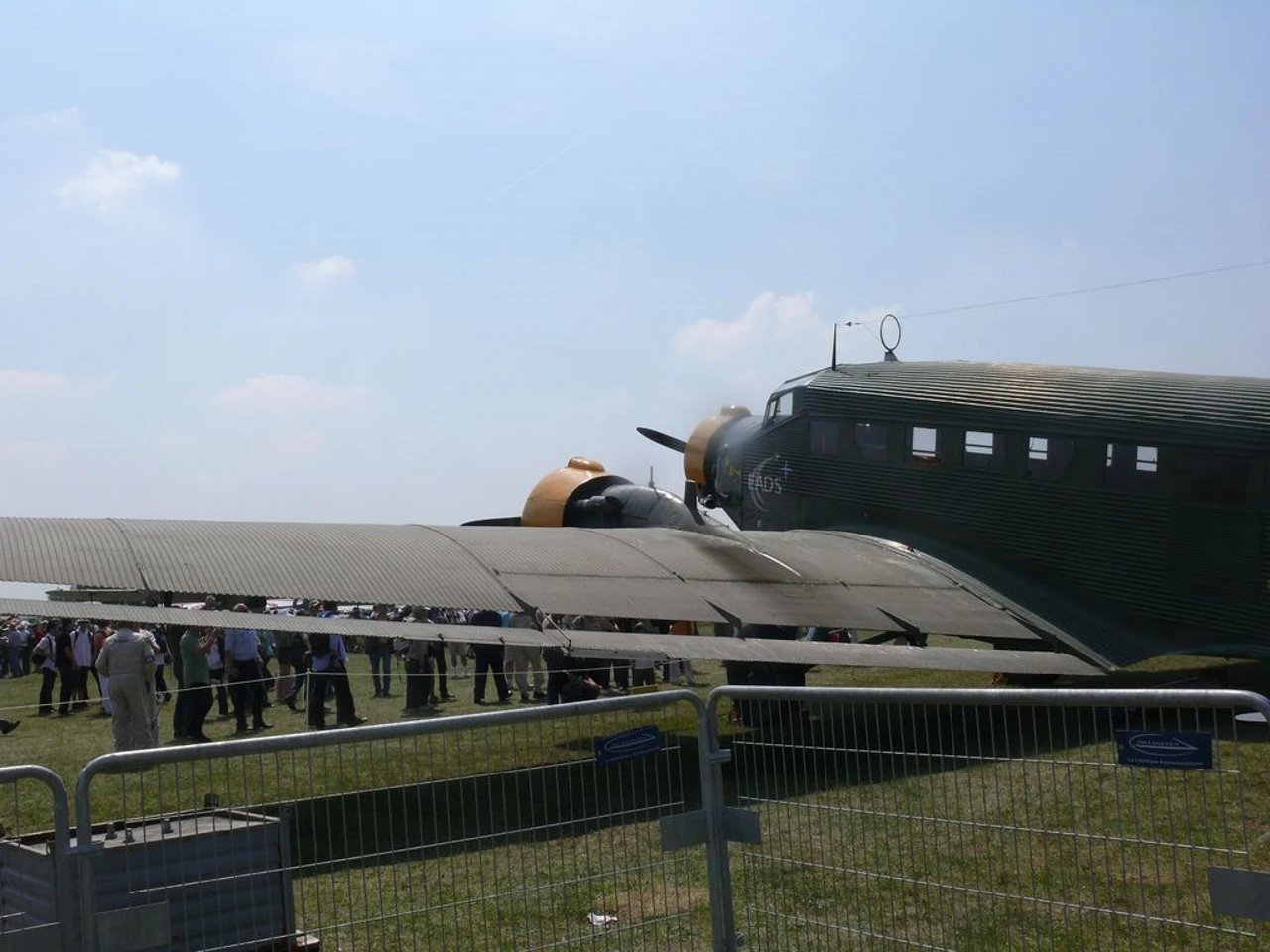
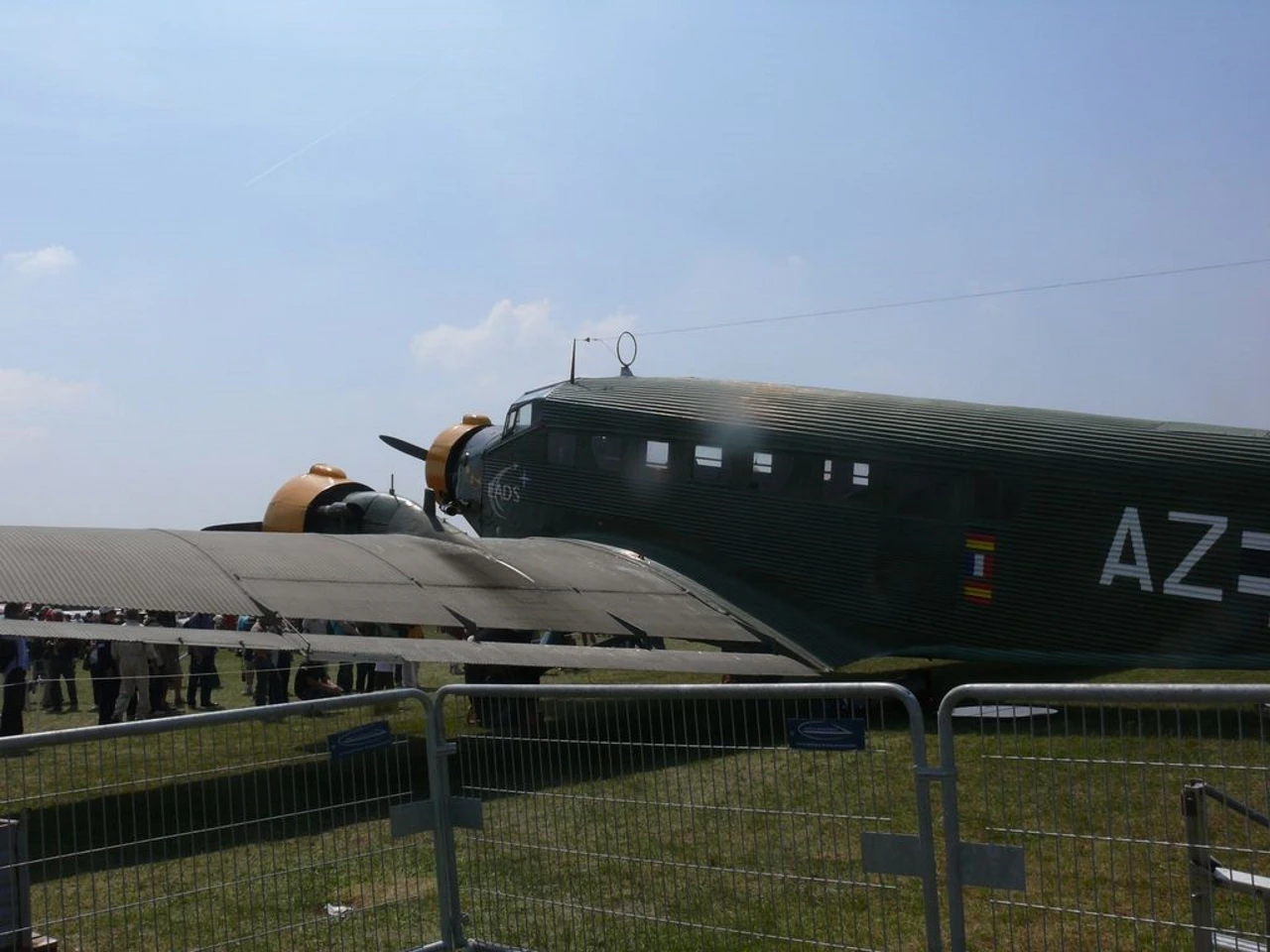
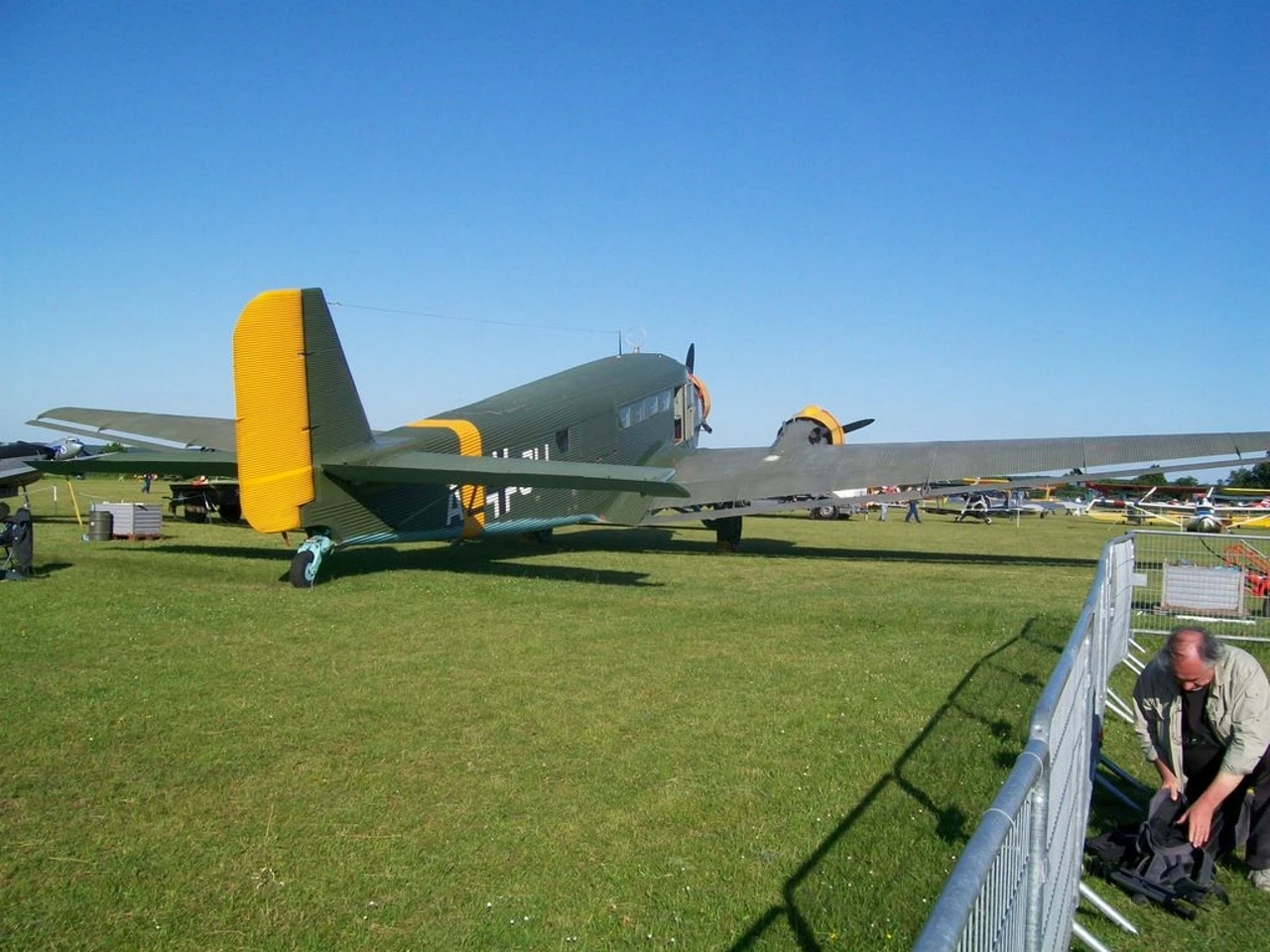
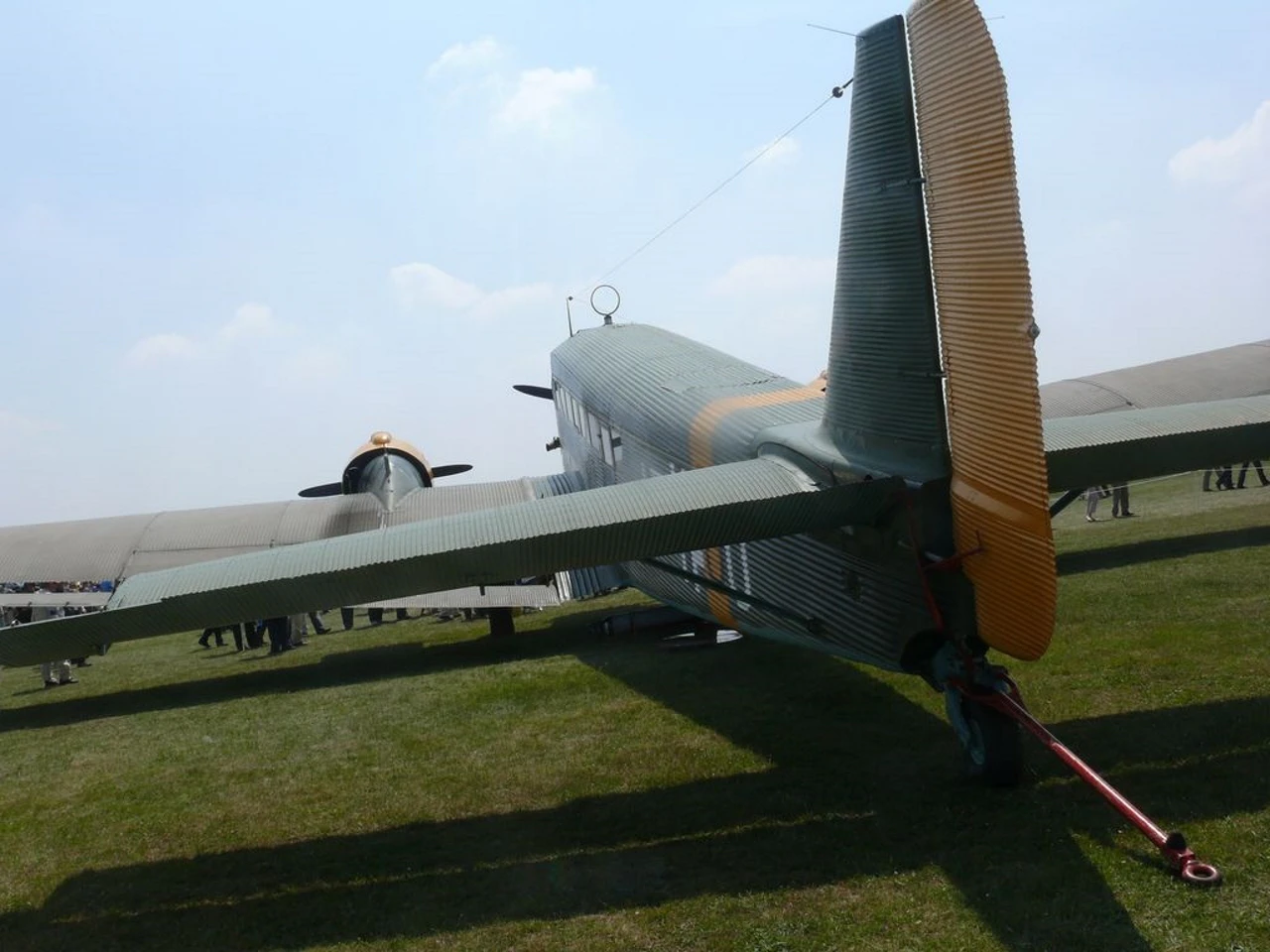
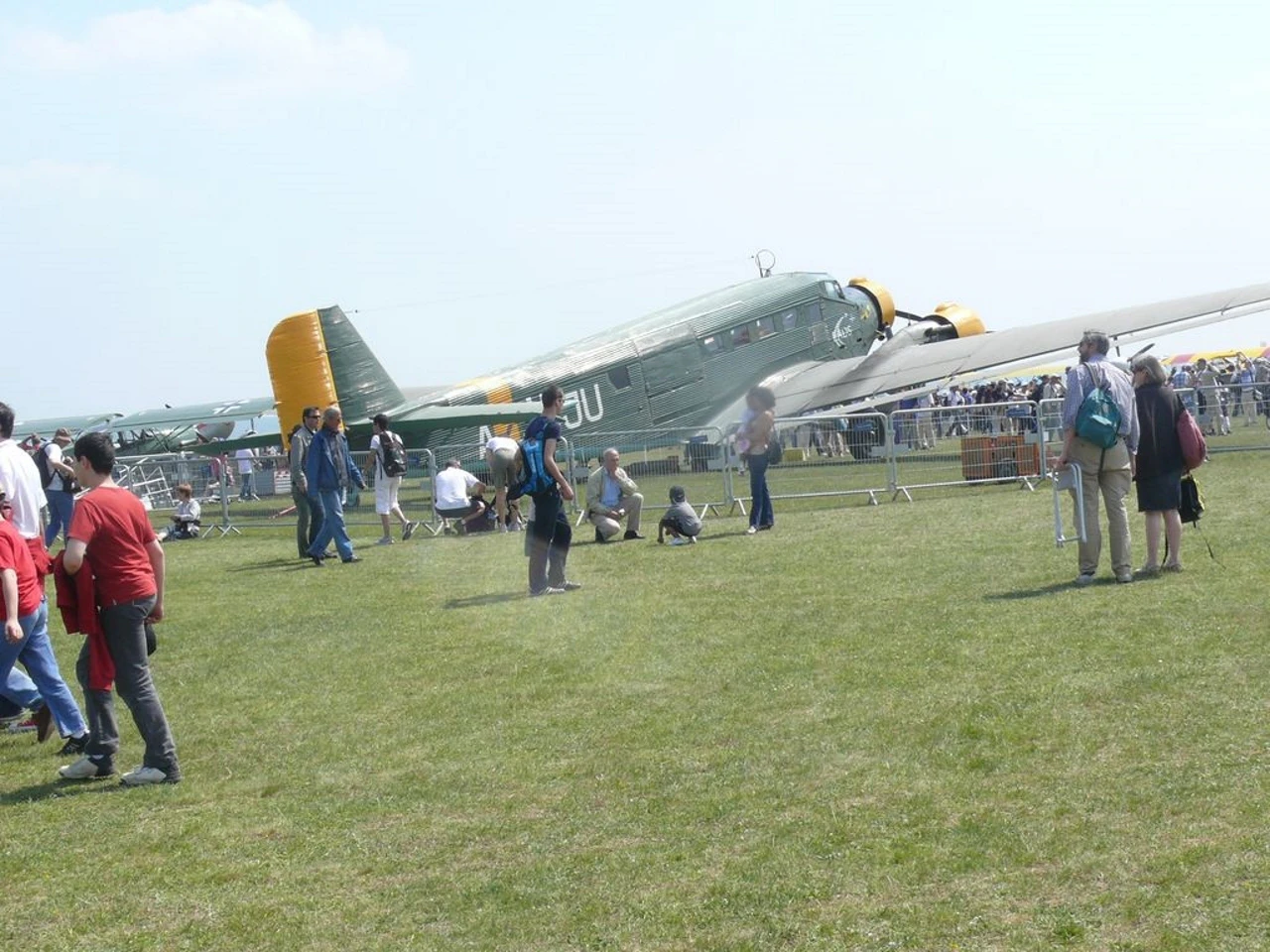
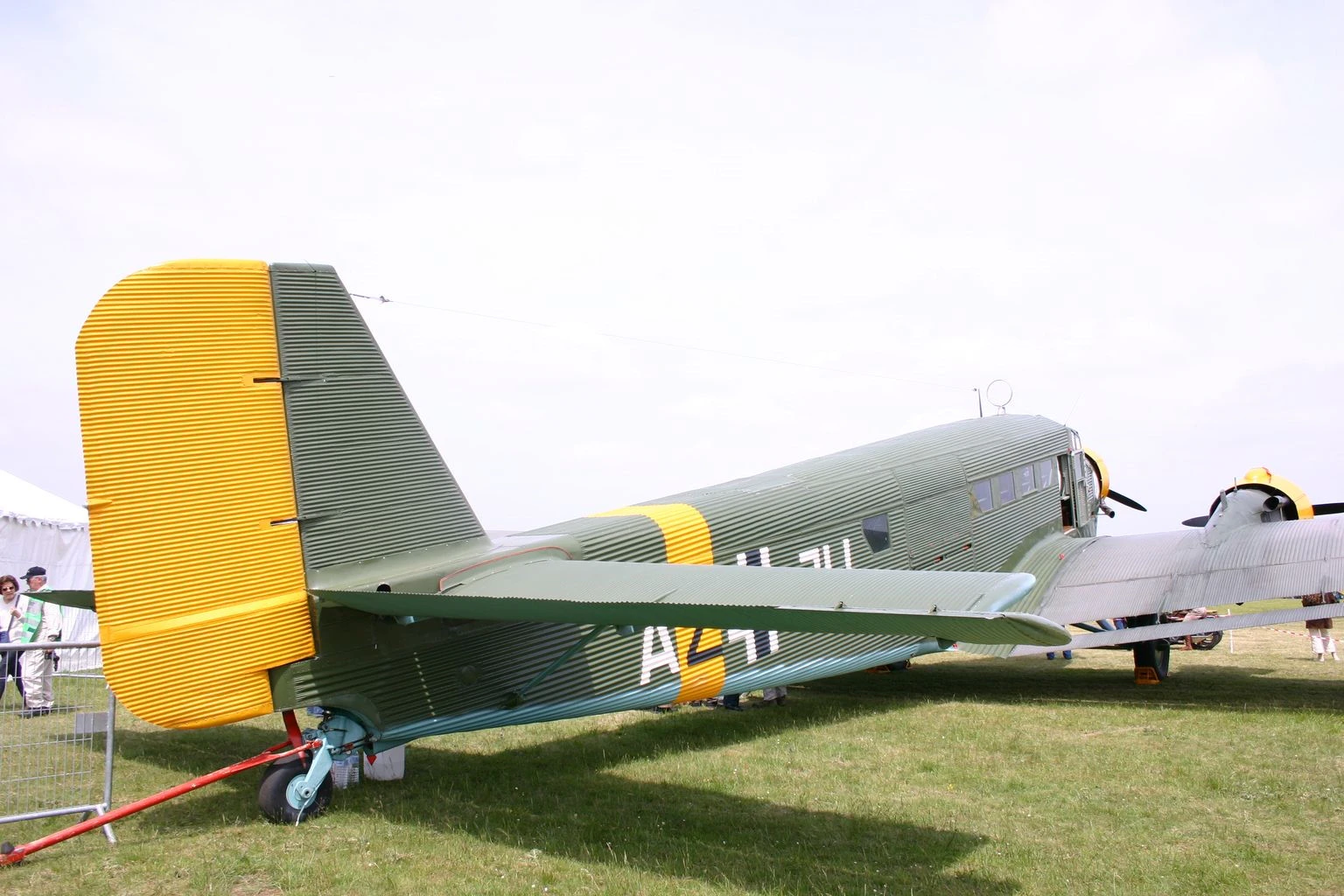
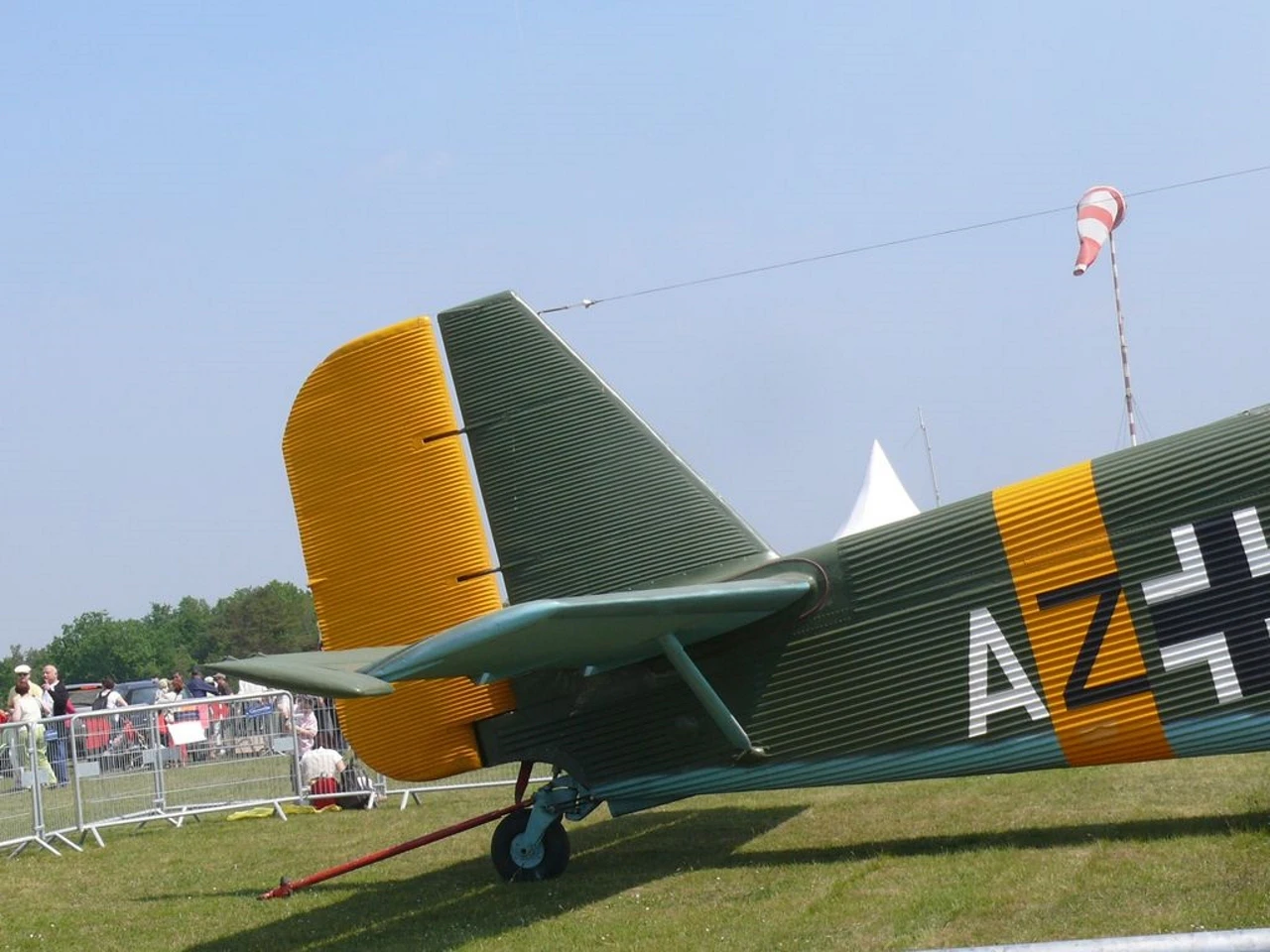
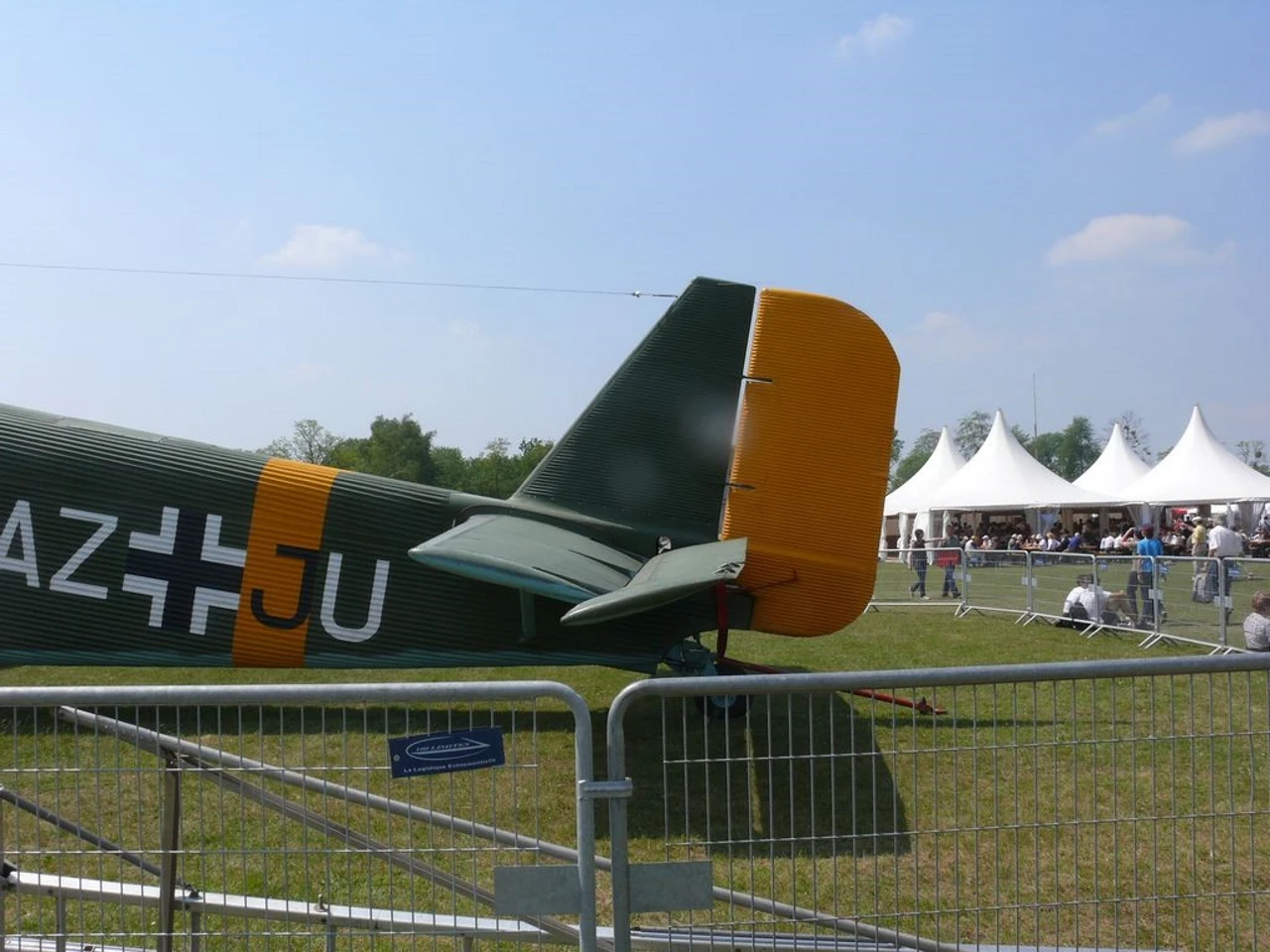
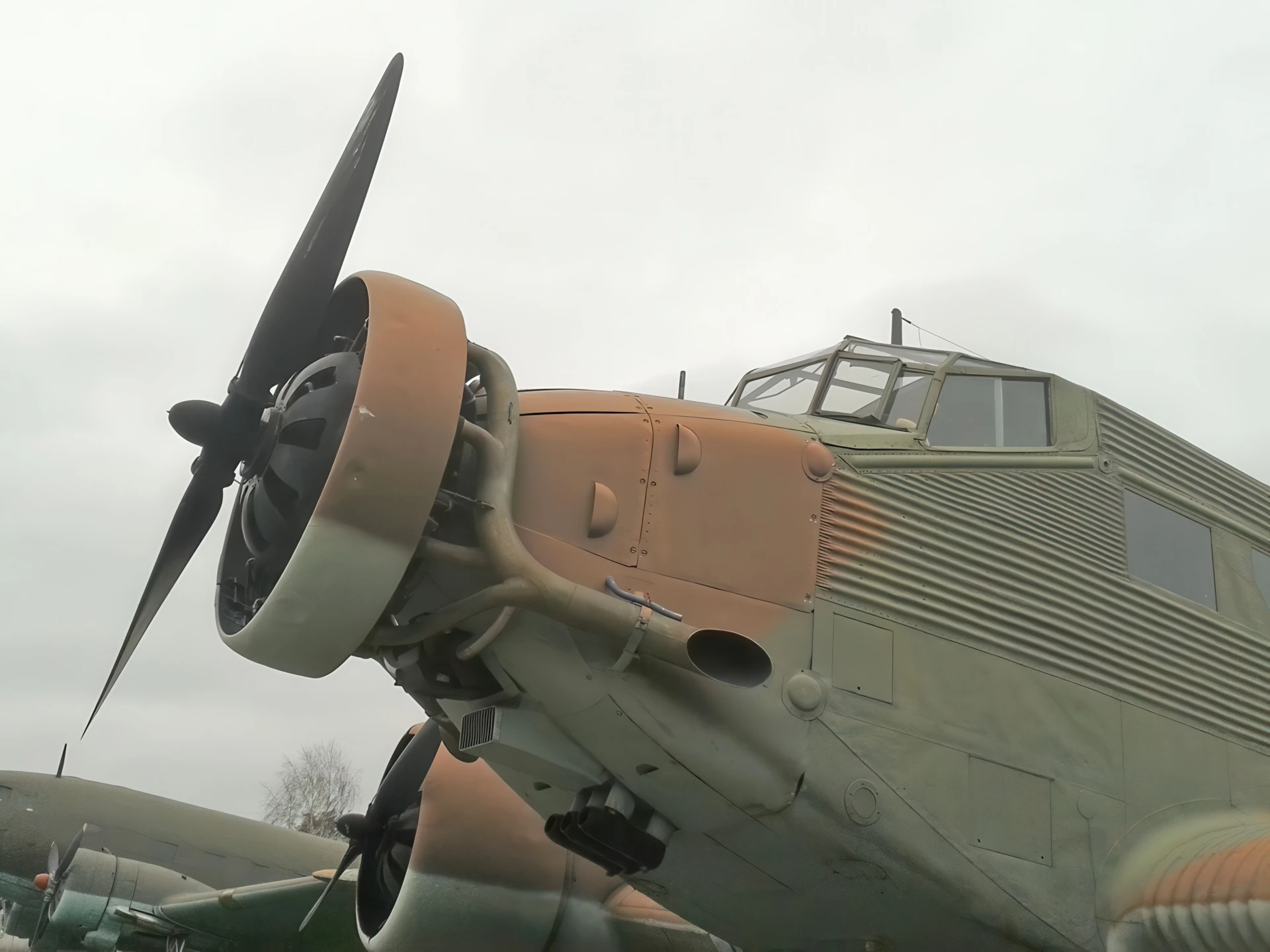
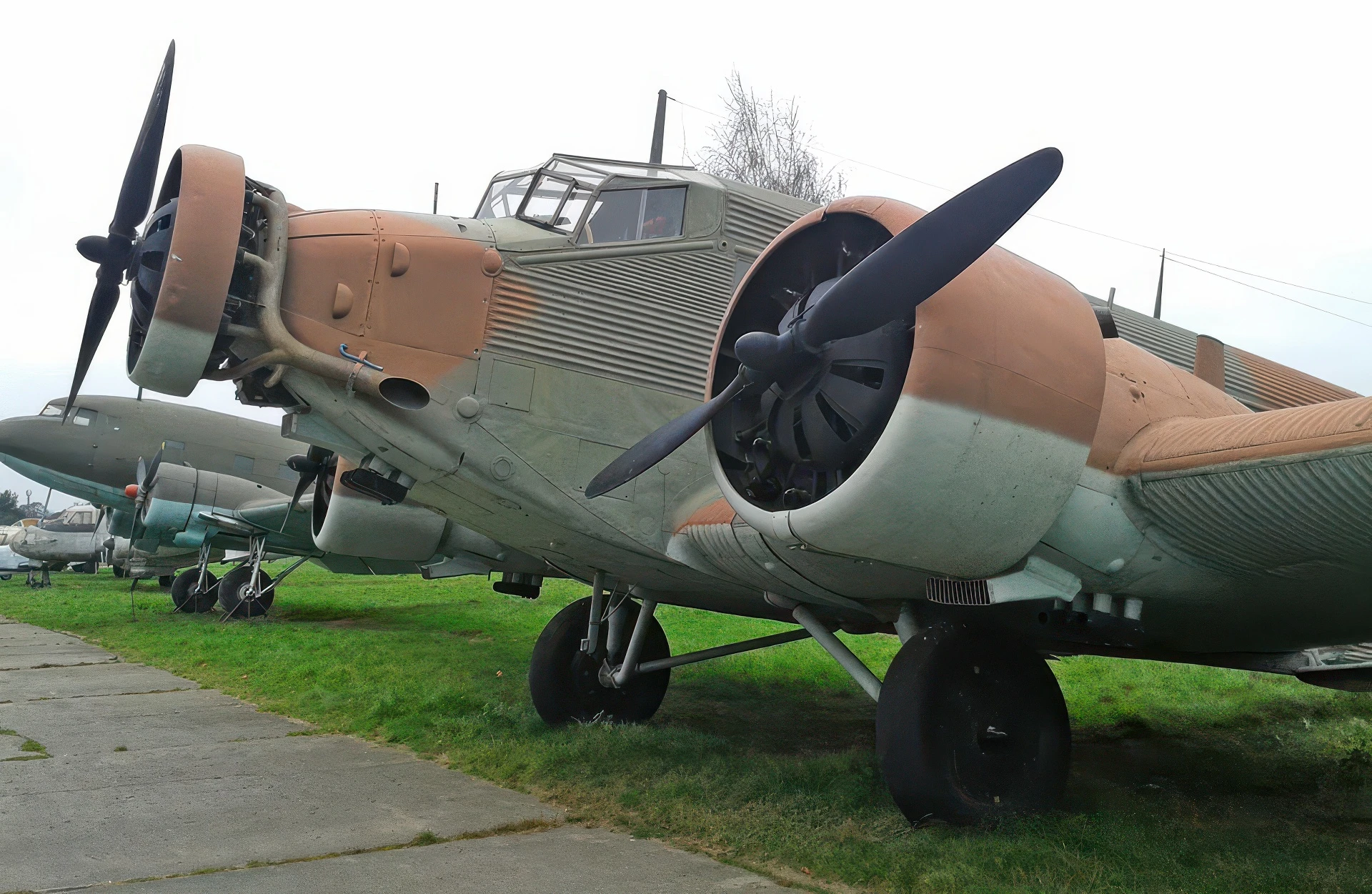
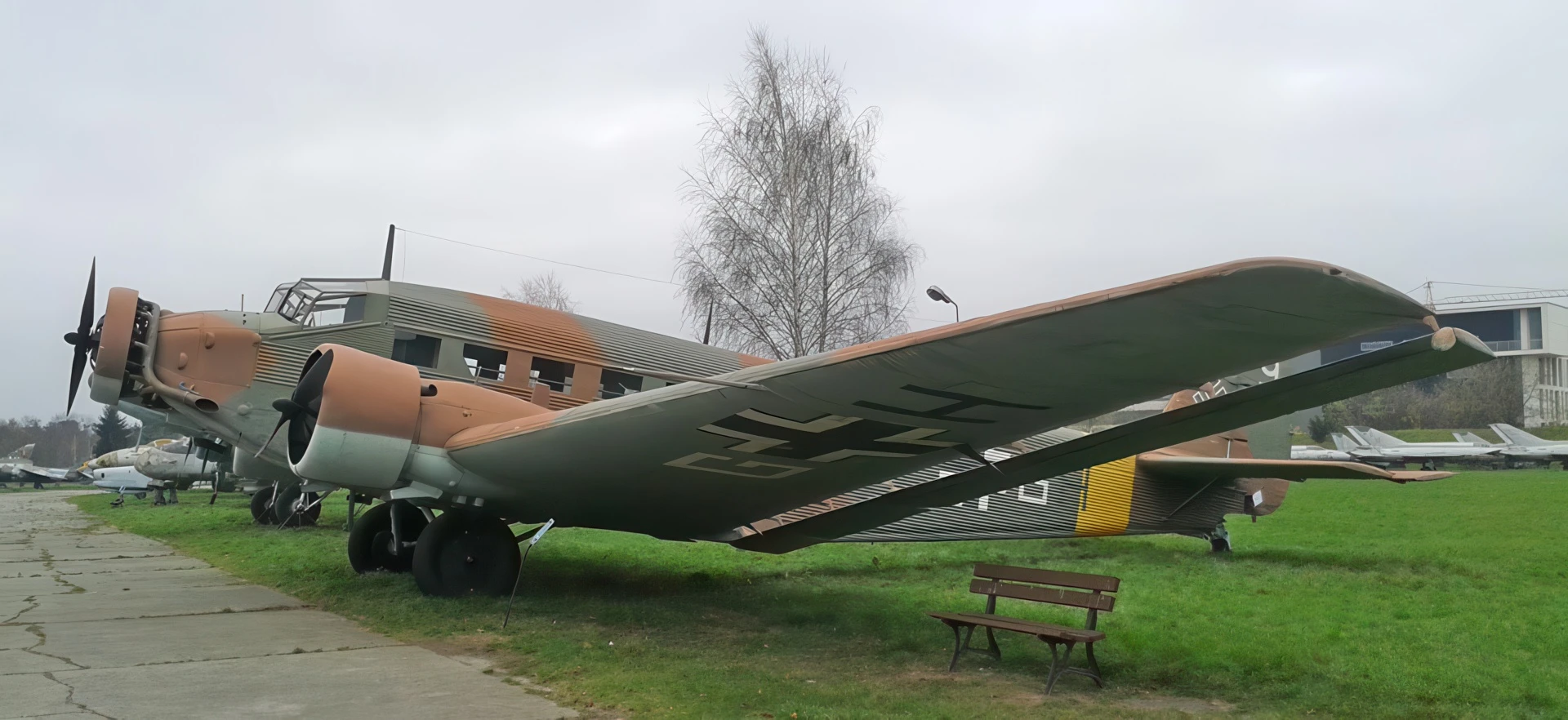
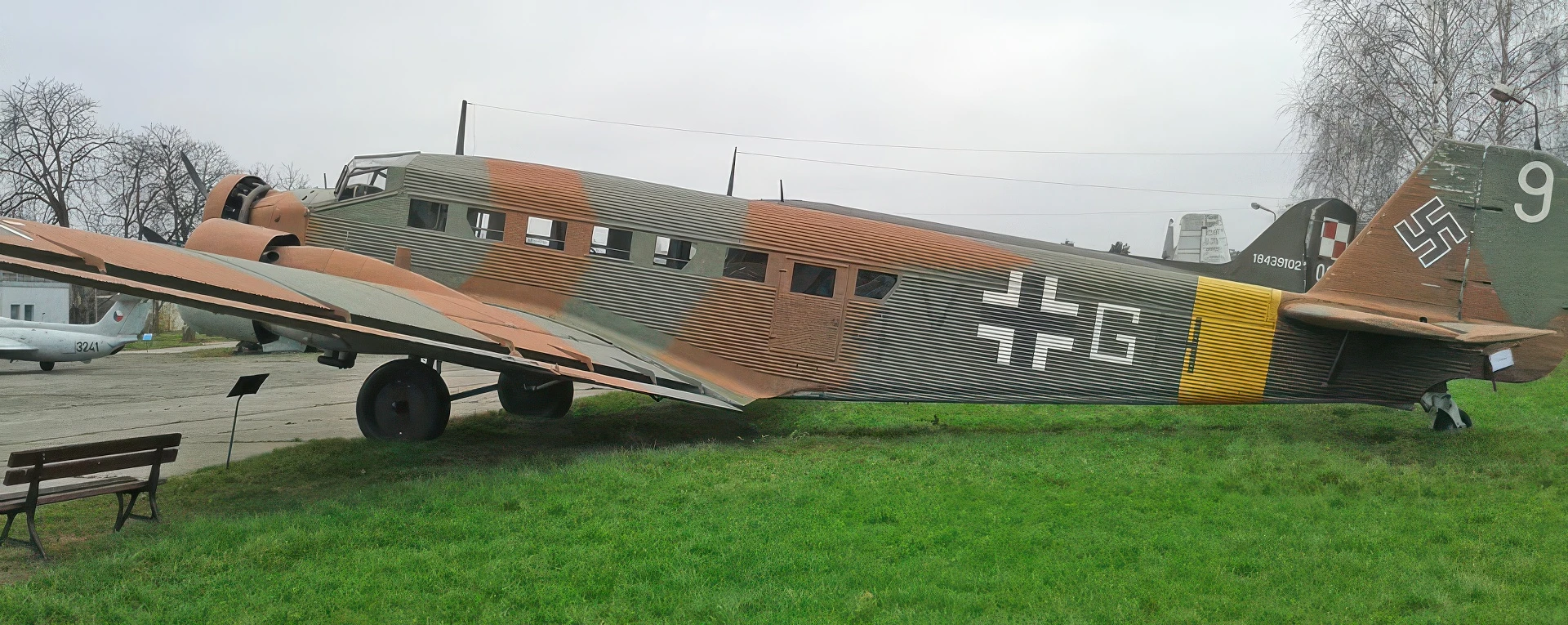
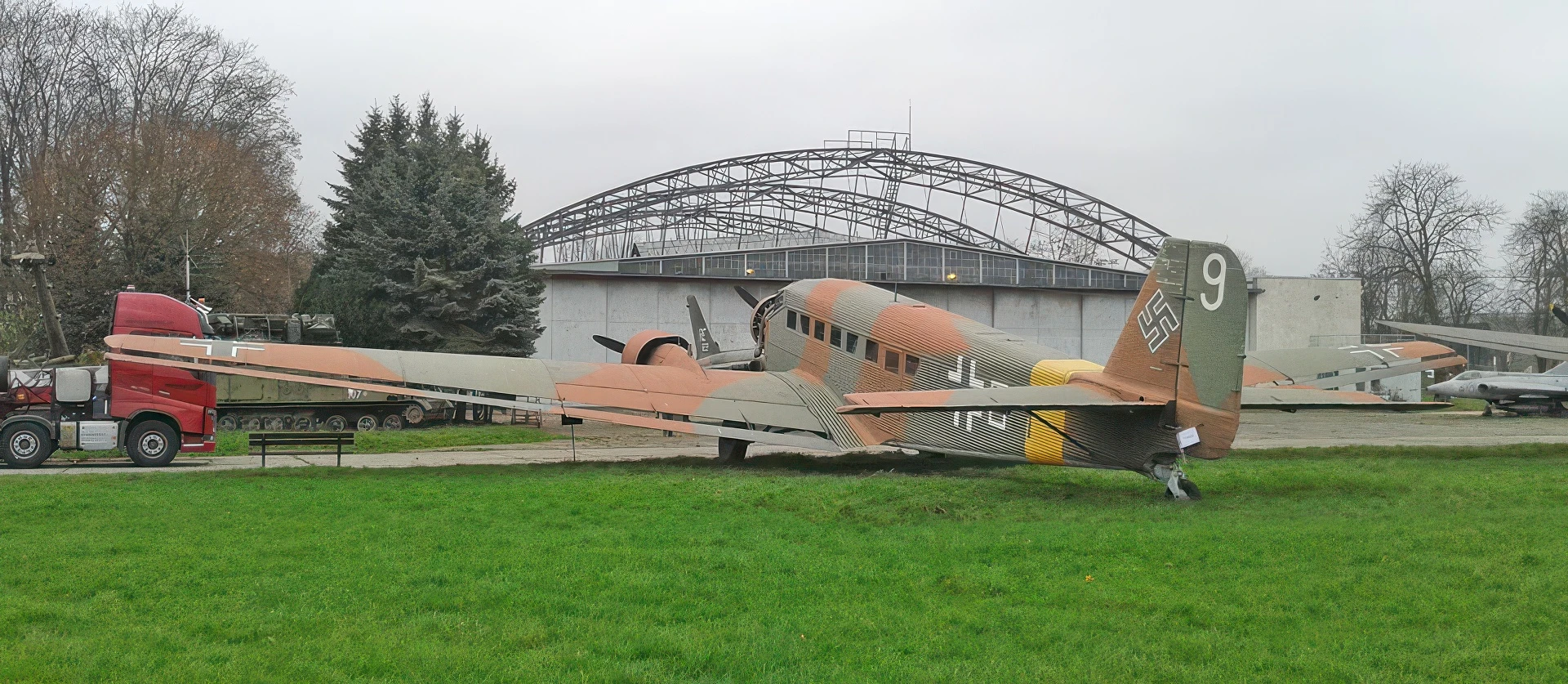
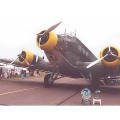
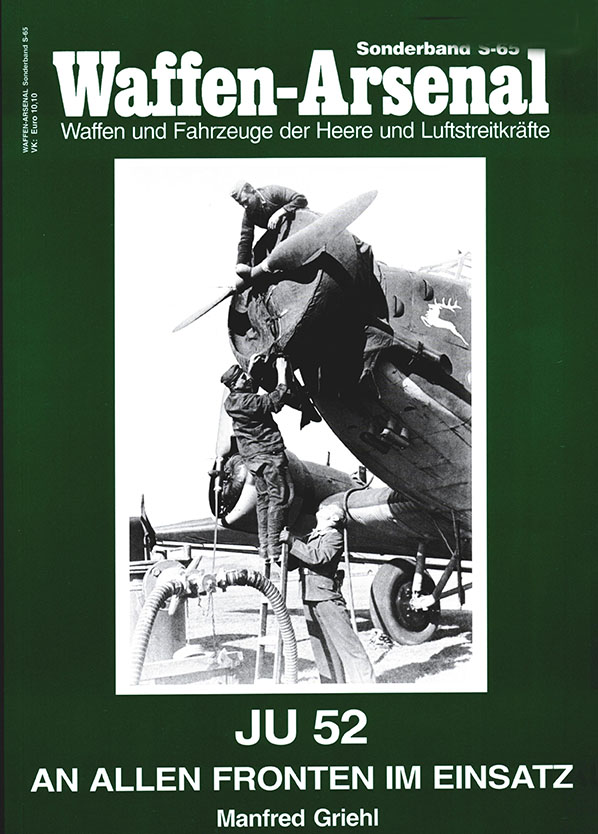
V Junkers Ju 52 (vzdevek Tante Ju ("Teta Ju") in Iron Annie) je bilo nemško trimotorno transportno letalo, izdelano med letoma 1932 in 1945. V 1930-ih in 1940-ih je služila civilno in vojaško službo. V civilni vlogi je letel z več kot 12 letalskimi prevozniki, vključno s Swissair in Deutsche Luft Hansa, kot potniško in tovorno prevoznik. V vojaški vlogi je letel z Luftwaffe kot prevoz vojakov in tovora ter kratek čas kot srednji bombnik. Ju 52 je nadaljeval povojno službo z vojaškimi in civilnimi letalskimi flotami tudi v 1980-ih.
V Junkers Ju 52/3mis one of the most recognizable aircraft in history, famous for its “three-motored” design and distinctive corrugated duralumin skin. Originally designed as a civilian airliner in 1930, it was forced into military service as the backbone of the Luftwaffe’s transport fleet. While slow and archaic-looking compared to the sleek C-47 Skytrain, the Ju 52 was incredibly rugged. It could land on almost any flat patch of ground, survive brutal winters, and absorb significant damage while continuing to fly, earning it the endearing nickname“Tante Ju”from its crews.
Attribute
Technical Specification (Ju 52/3m g7e)
Vlogo
Transport / Paratrooper Drop / Bomber (Early)
Posadke
3 (Pilot, Co-pilot, Radio Operator/Gunner)
Zmogljivost
17-18 fully equipped troops or 12 stretchers
Motorji
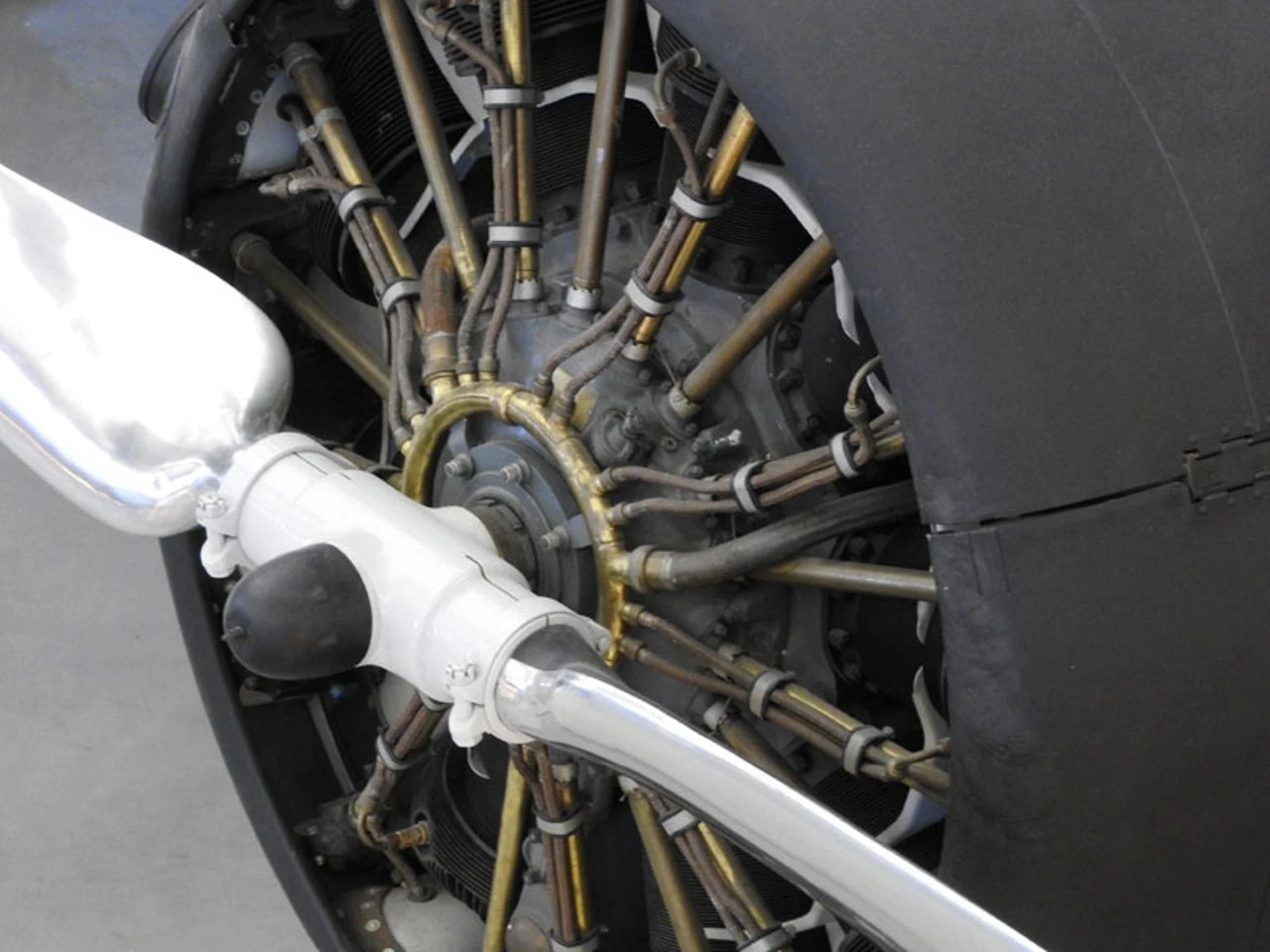
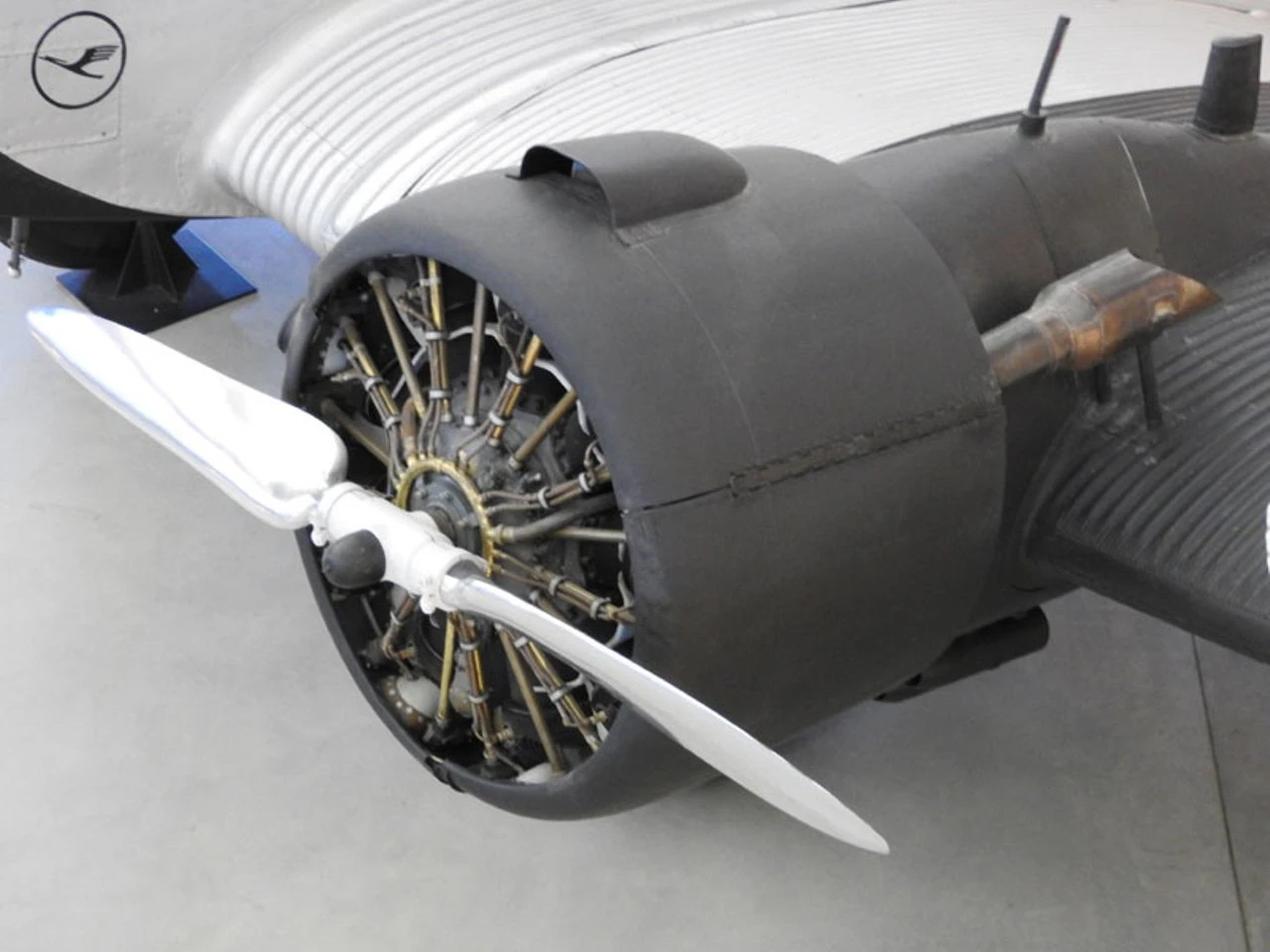
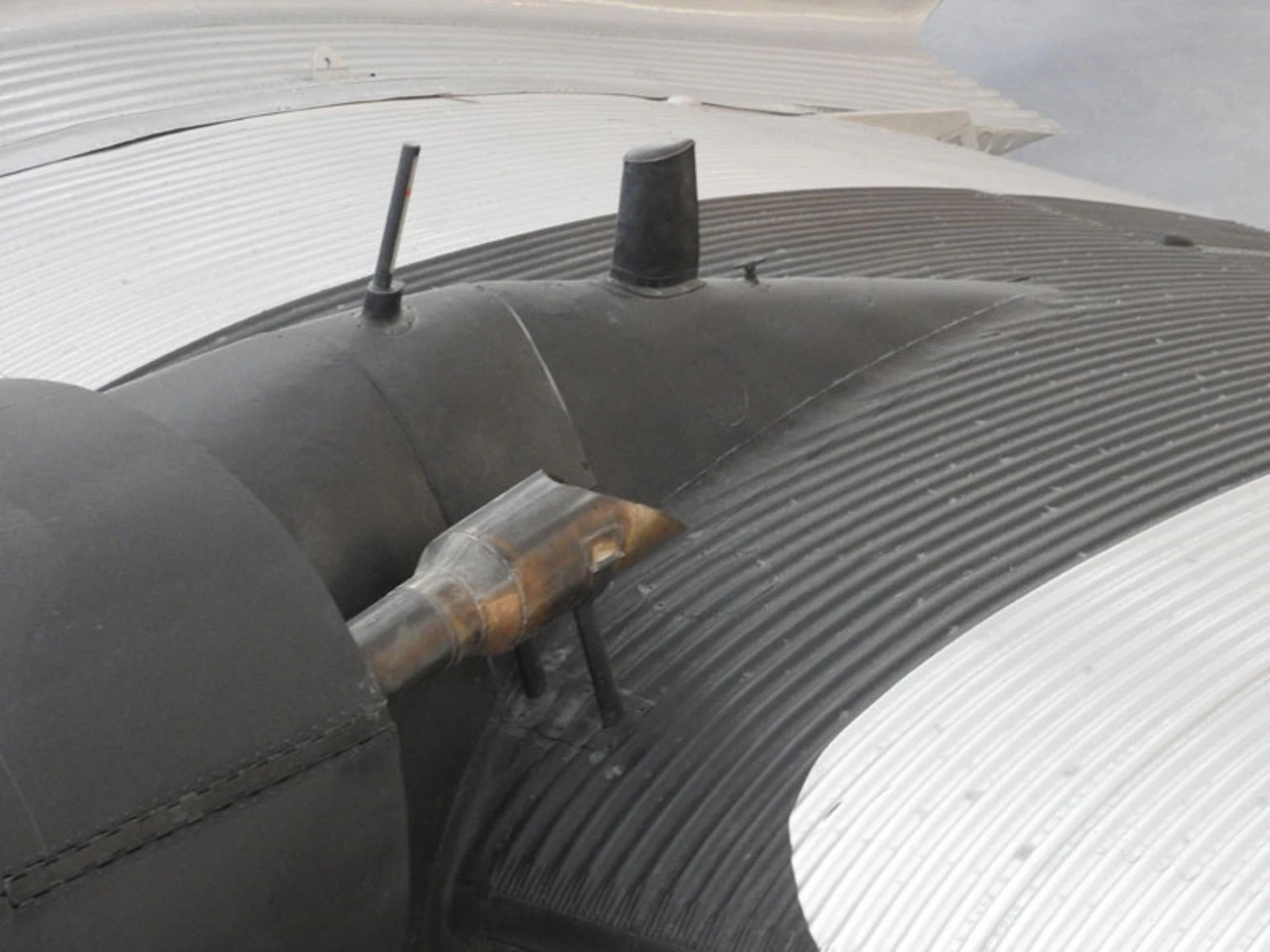
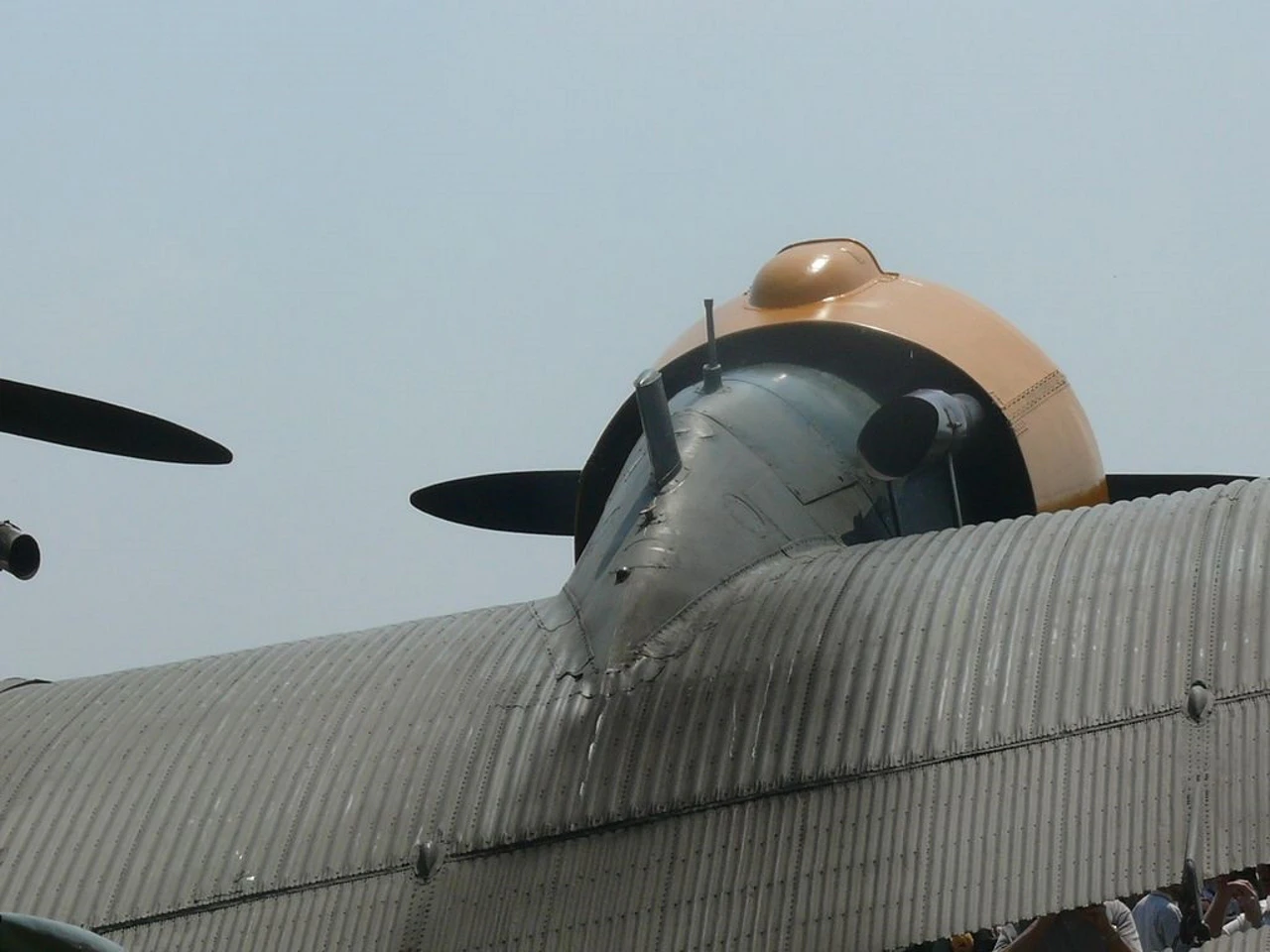
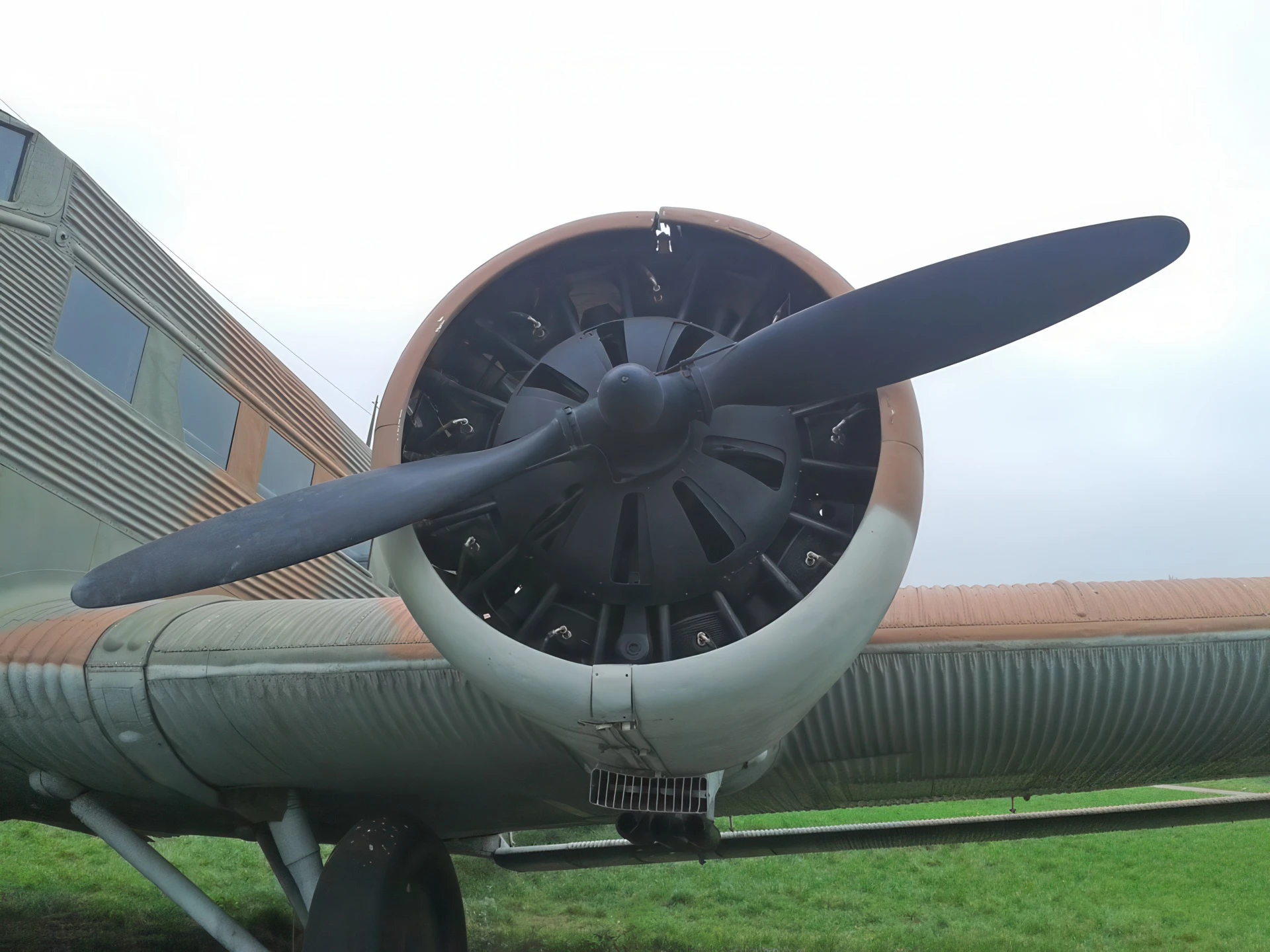
3 × BMW 132T 9-cylinder radial engines (approx. 725–830 hp each)
Maximum Speed
265 km/h (165 mph) at sea level
Razpon
870 km (540 miles) standard
Service Ceiling
5,900 meters (19,360 feet)
Defensive Armament
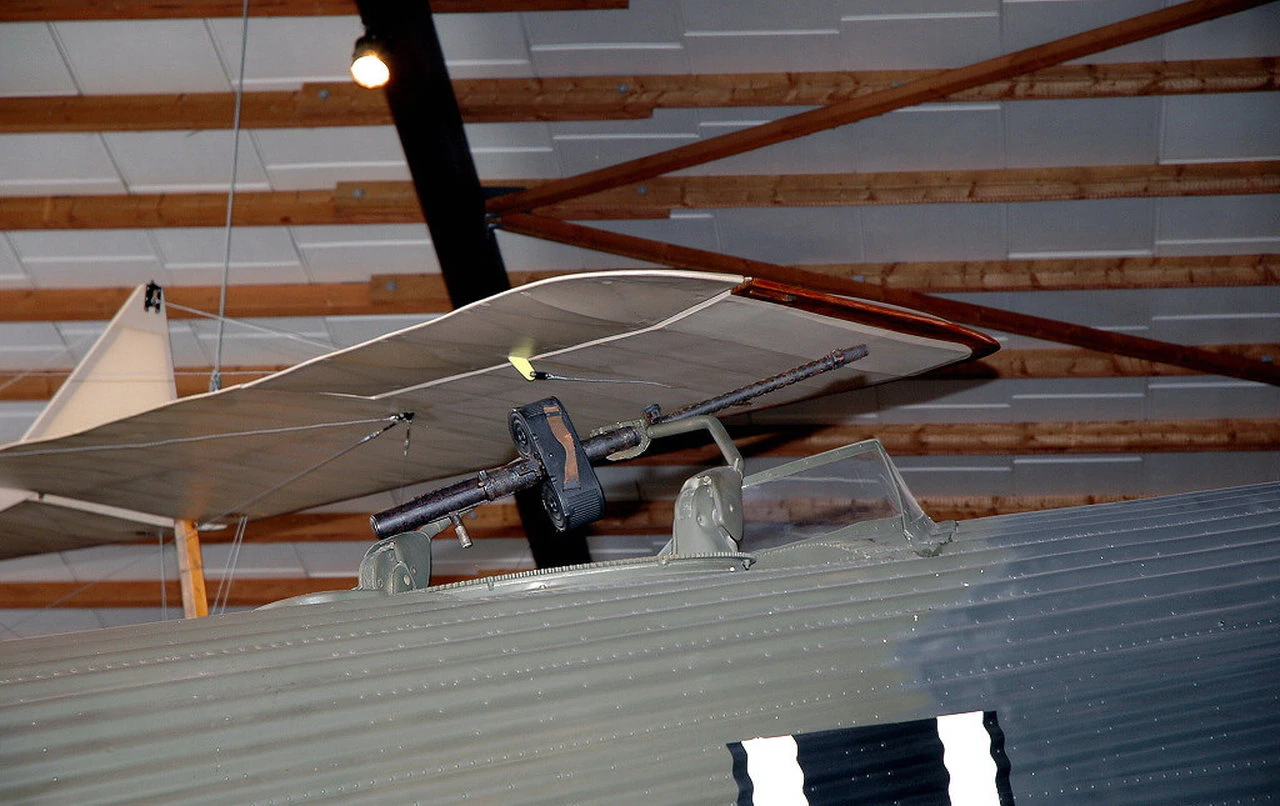
1 × 13 mm MG 131 (Dorsal) + 2 × 7.92 mm MG 15 (Beam)
Design Engineering: Corrugation and the “Double Wing”
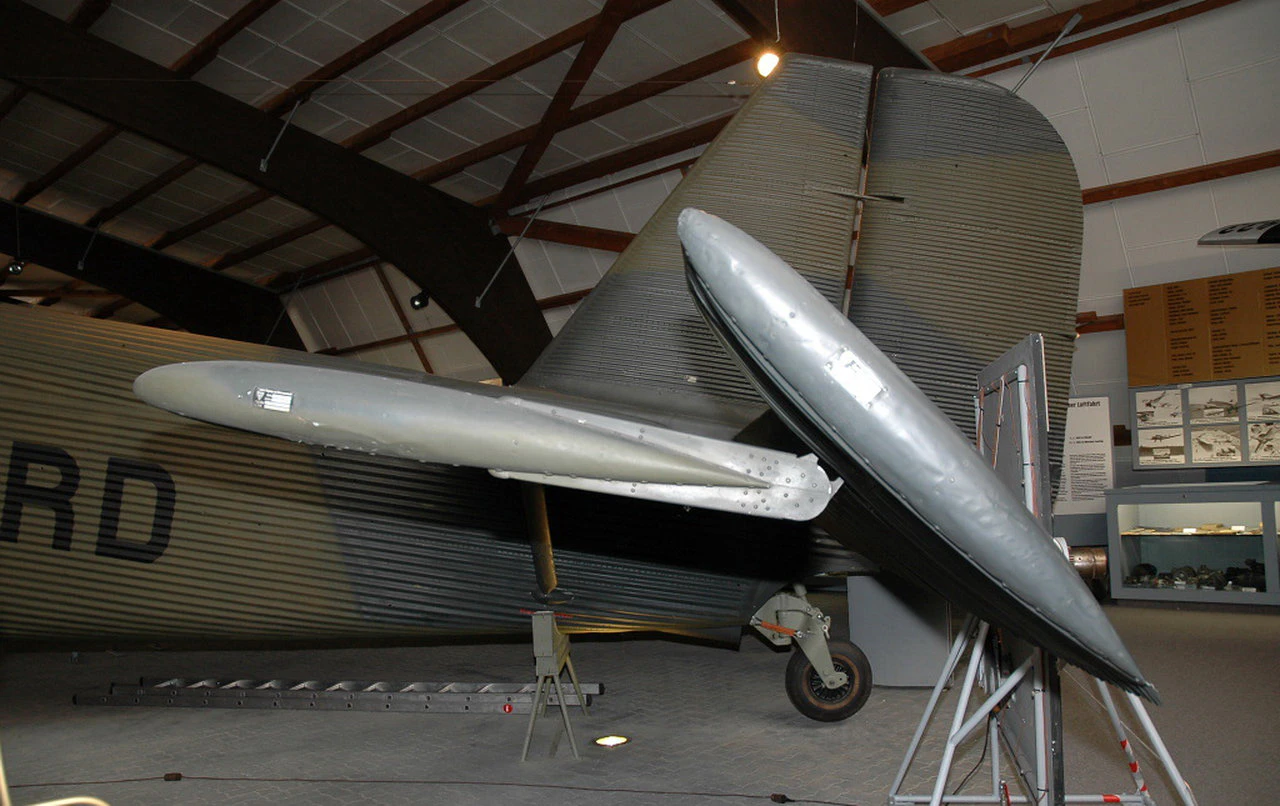
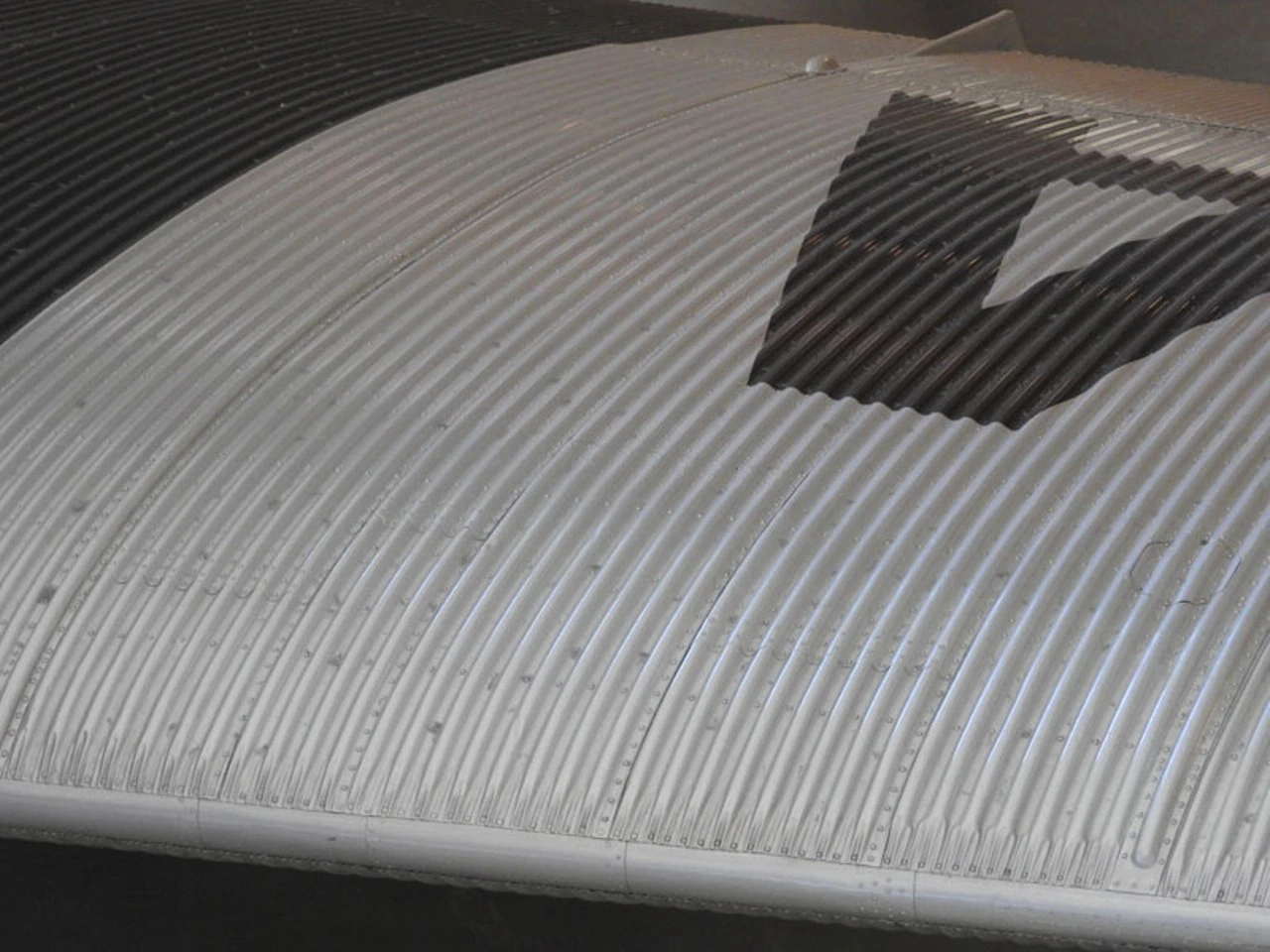
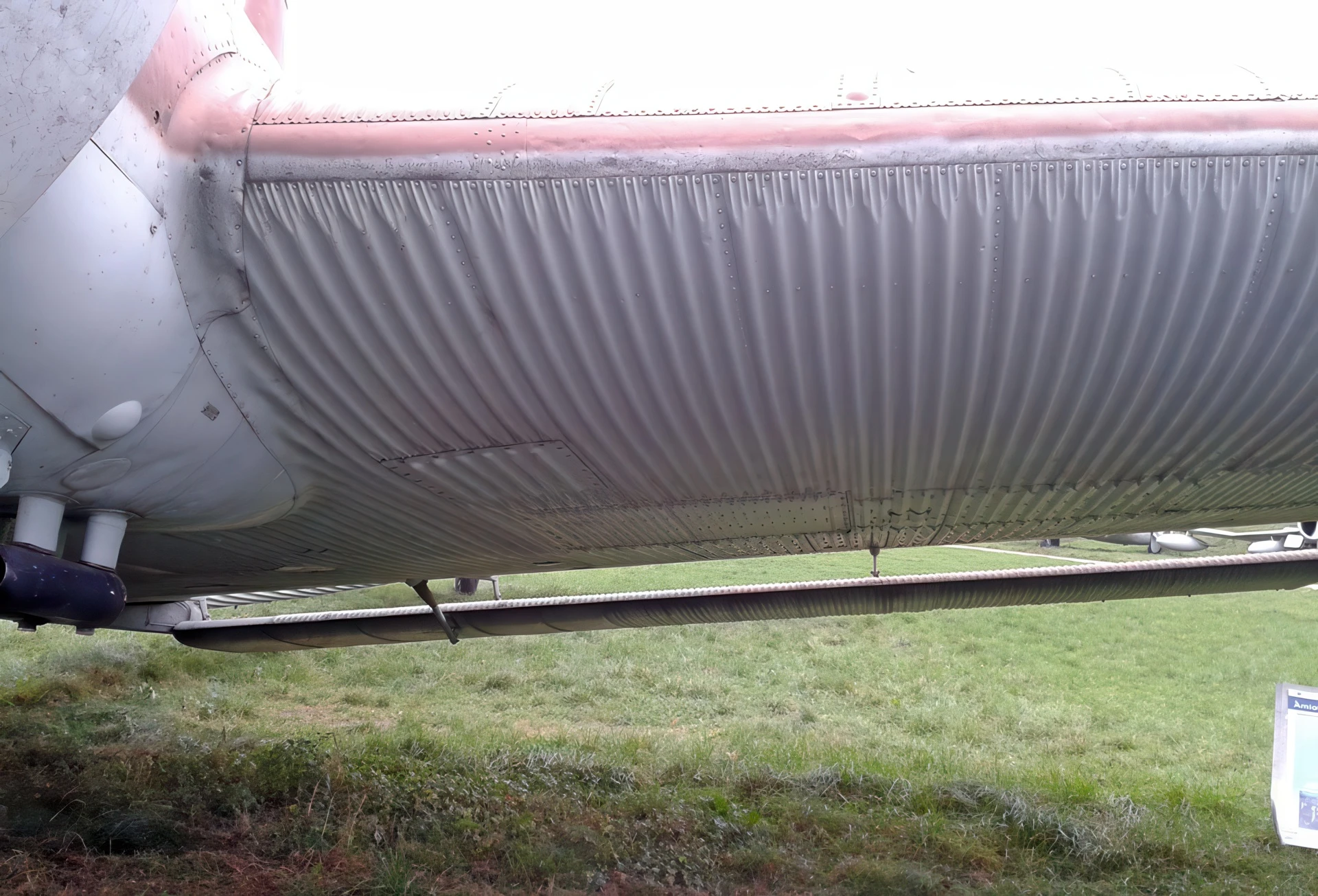
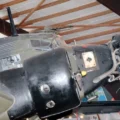
Corrugated Skin:The entire aircraft was covered in corrugated duralumin. This design provided incredible structural strength and rigidity without needing a heavy internal frame. While it created significant drag (slowing the plane down), it made the Ju 52 almost “unstoppable” on rough, unpaved airfields.
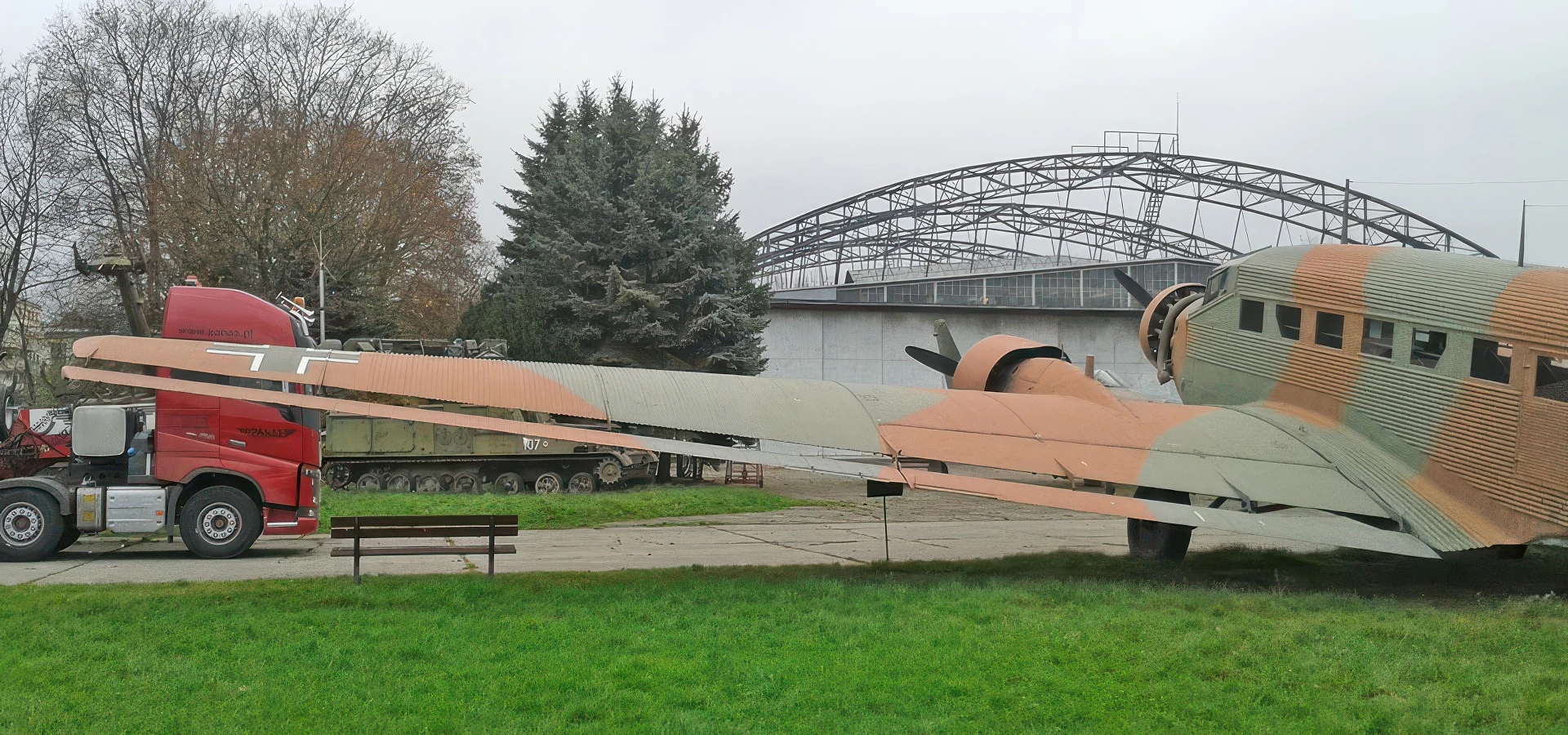
The “Junkers Double Wing”:The Ju 52 featured a unique full-span trailing-edge flap/aileron system that sat slightly below the main wing. This “double wing” design provided exceptional lift and low-speed control, allowing the massive plane to take off and land on incredibly short runways.
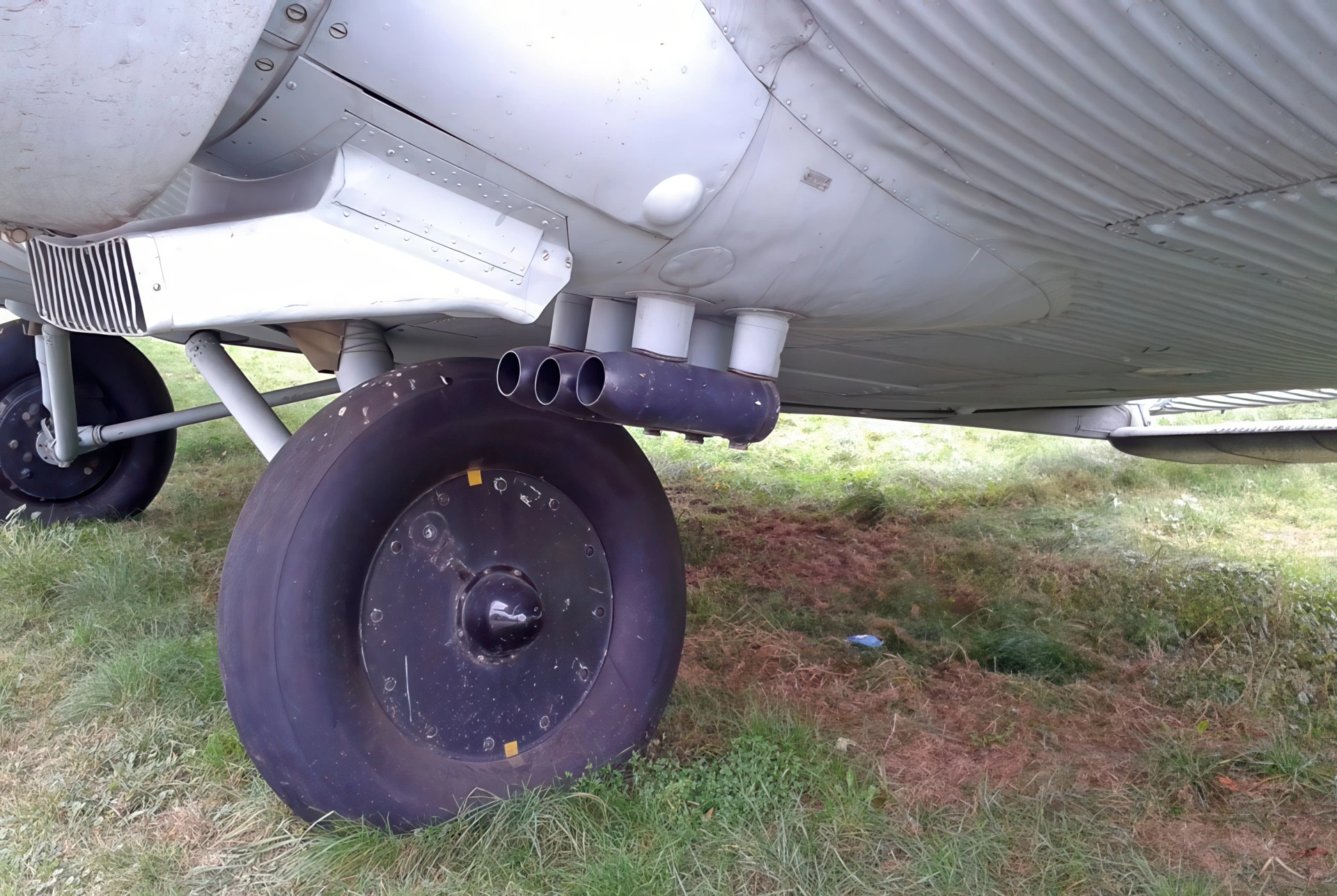
The “Mausi” Mine-Sweeper:One of the strangest variants was theMinensuch. It featured a massive 14-meter magnetic ring under the fuselage. The aircraft would fly low over the water, and the ring would generate a magnetic field to safely detonate underwater mines.
Reliable Radial Power:The three BMW 132 engines (licensed descendants of the Pratt & Whitney Hornet) were known for their simplicity. Even if the nose engine was knocked out, the two wing engines provided enough thrust to keep the “Auntie” in the air.
Operational History: From Civil Success to Military Toil
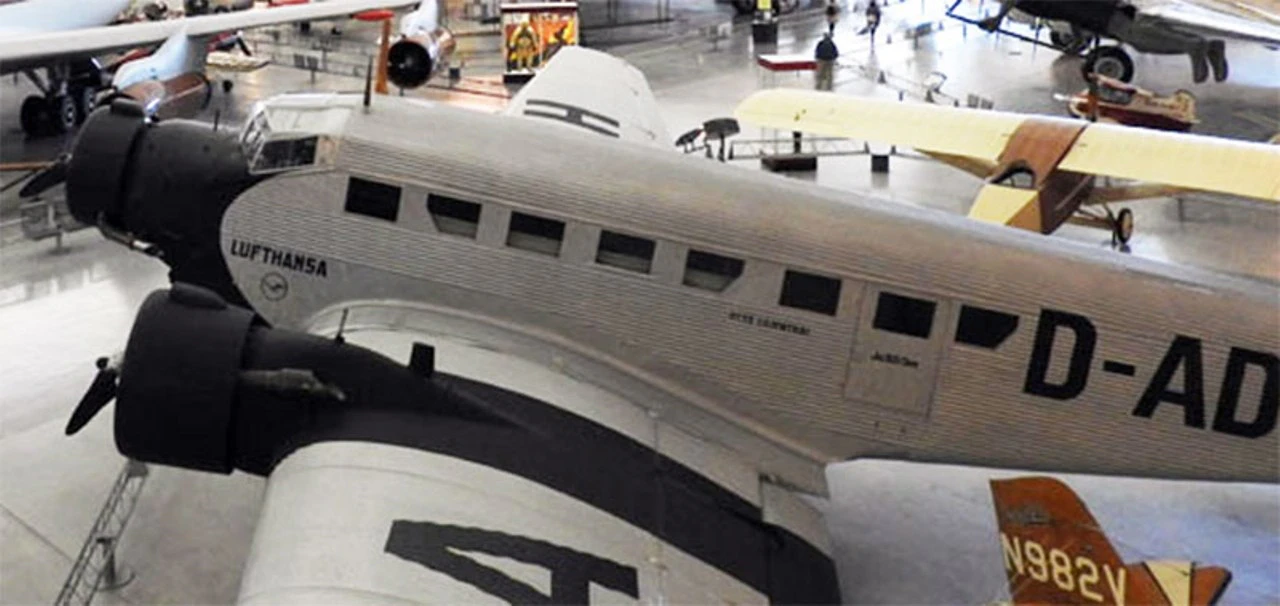
Lufthansa Pioneer:Before the war, the Ju 52 was the premier airliner of Europe, flying routes for Lufthansa across the continent and even into South America. It was so successful that it was built under license in Spain (as theCASA 352) and France (as theAAC.1 Toucan).
The Fallschirmjäger Taxi:The Ju 52 is inseparable from the history of German paratroopers. It carried theFallschirmjägerduring the invasions of Norway, the Netherlands, and most famously, the massive (and costly) airborne assault on Crete in 1941.
The Stalingrad Lifeline:During the siege of Stalingrad, Ju 52s were the only hope for the trapped German 6th Army. Flying through brutal blizzards and intense Soviet fire, they attempted to fly in supplies and evacuate the wounded until the very end.
Long-Lived Legacy:Because they were so reliable, Ju 52s continued to fly for decades after WWII. The Swiss Air Force didn’t retire theirs until 1982, and a few “Iron Annies” still fly today as living pieces of aviation history.