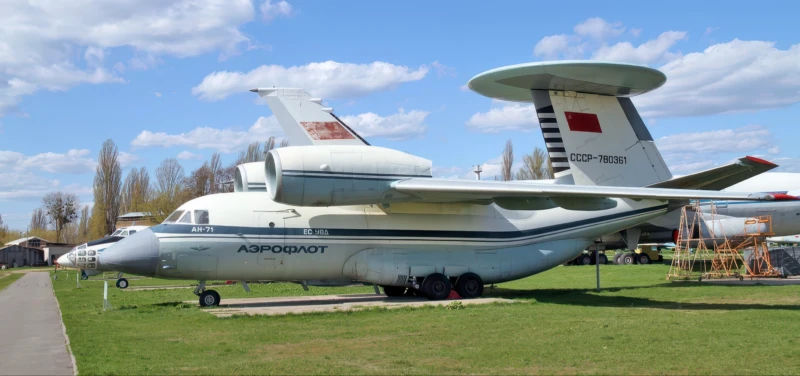
Antonov An-71 | |
|---|---|
| Državi | Sovjetski |
| Vlogo | Tactical AWACS |
| Prvi let | 12 July 1985 |
| Zgrajena | 3 |
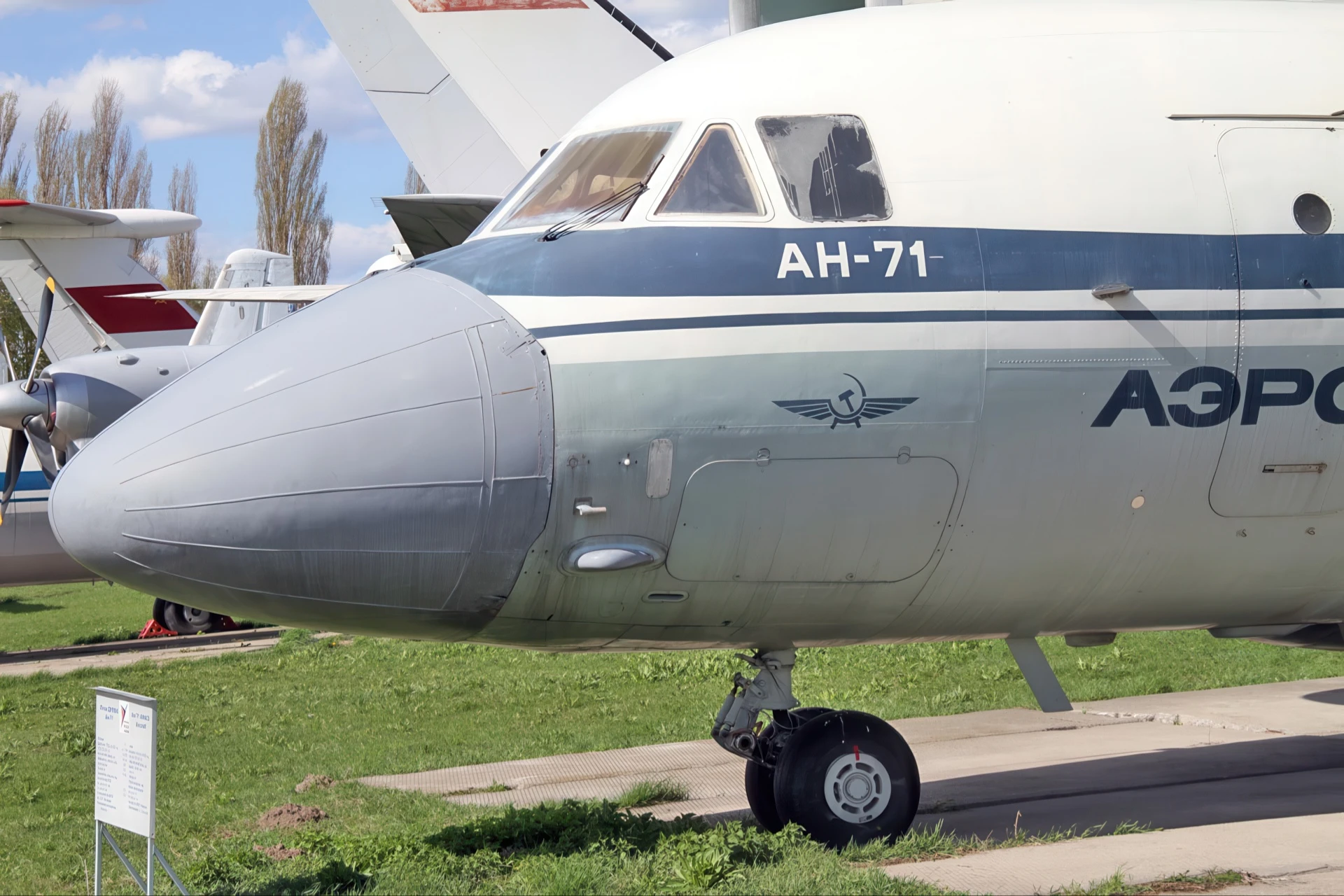
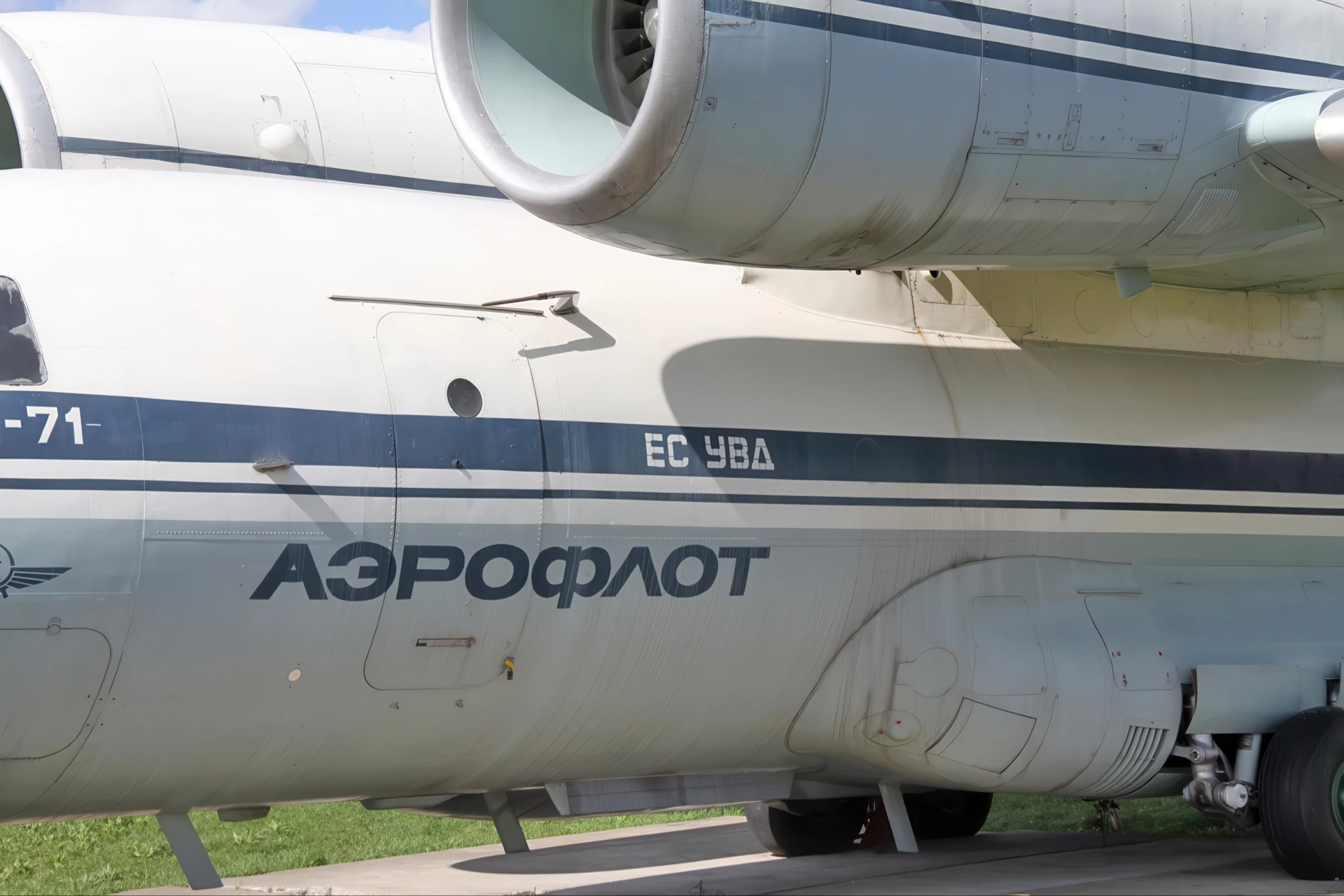
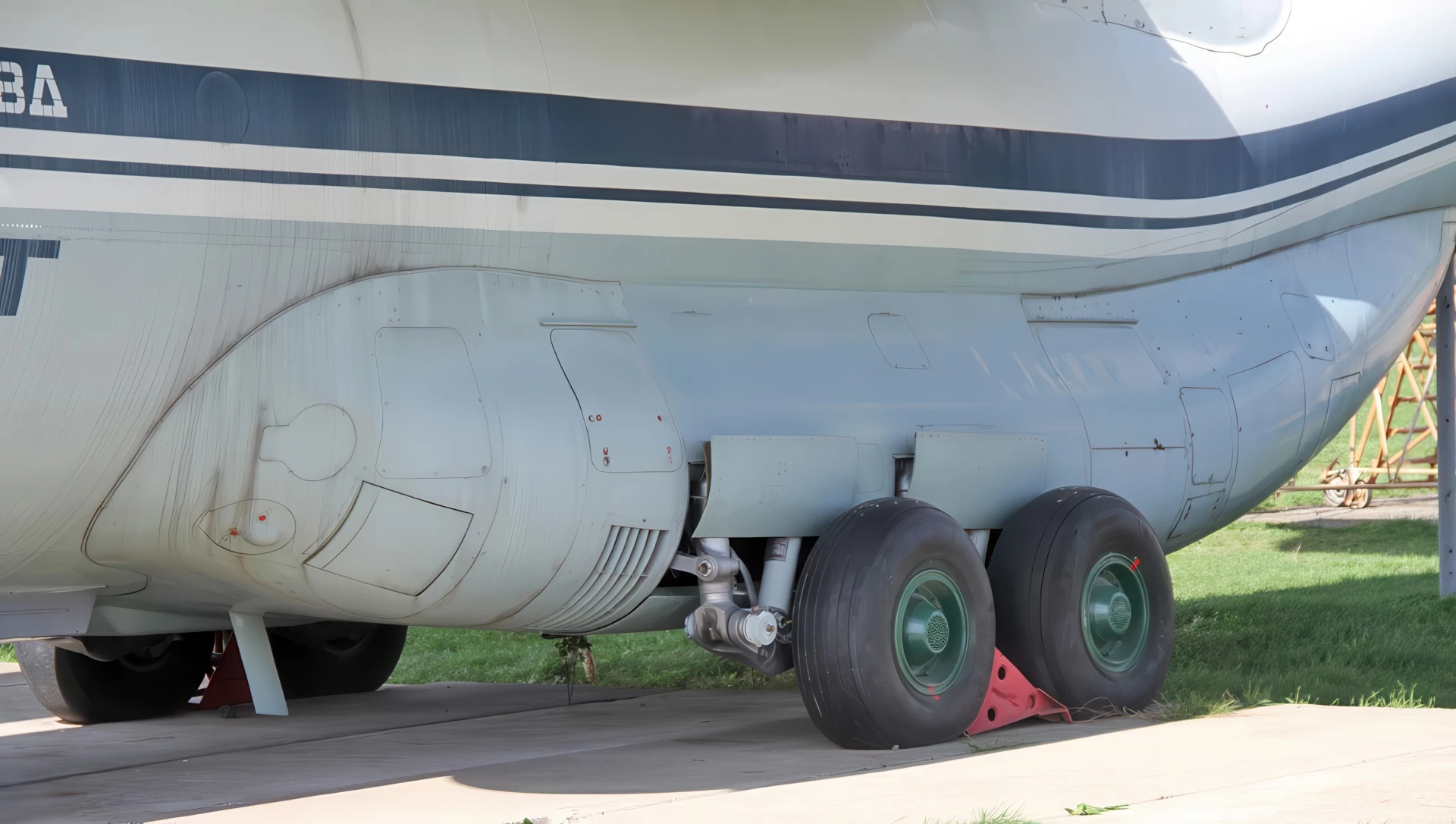
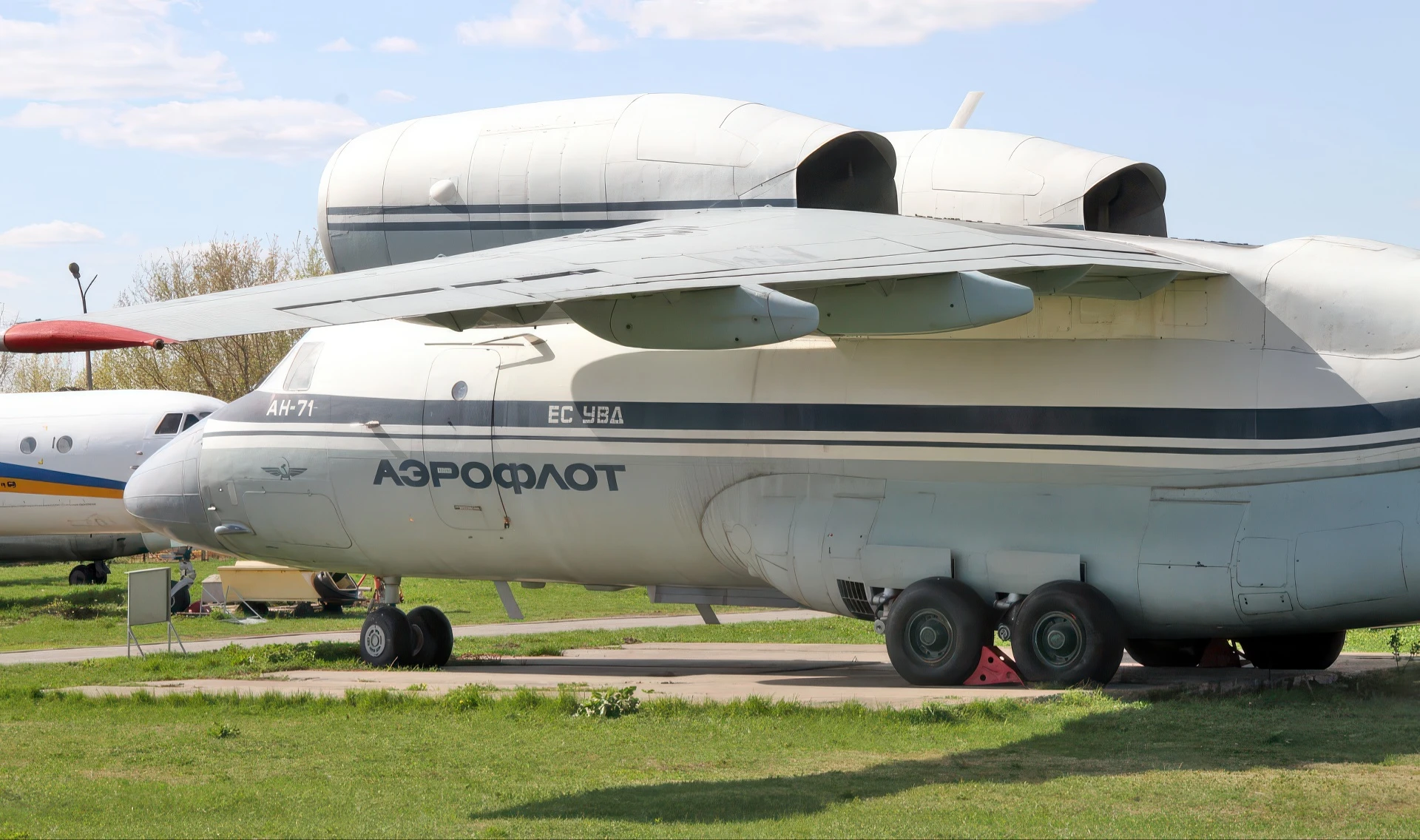
V Antonov An-71 (NATO reporting name: Madcap) is a Soviet AWACS aircraft intended for use with VVS-FA (Fighter Bomber) forces of the Soviet Air Force, developed from the An-72 transport.
| Antonov An-71 Madcap AWAC Walk Around | |
|---|---|
| Fotografi | Neznano |
| Lokalizacijo | Neznano |
| Fotografije | 21 |



Glej tudi:


The Madcap: Soviet Eyes in the Sky
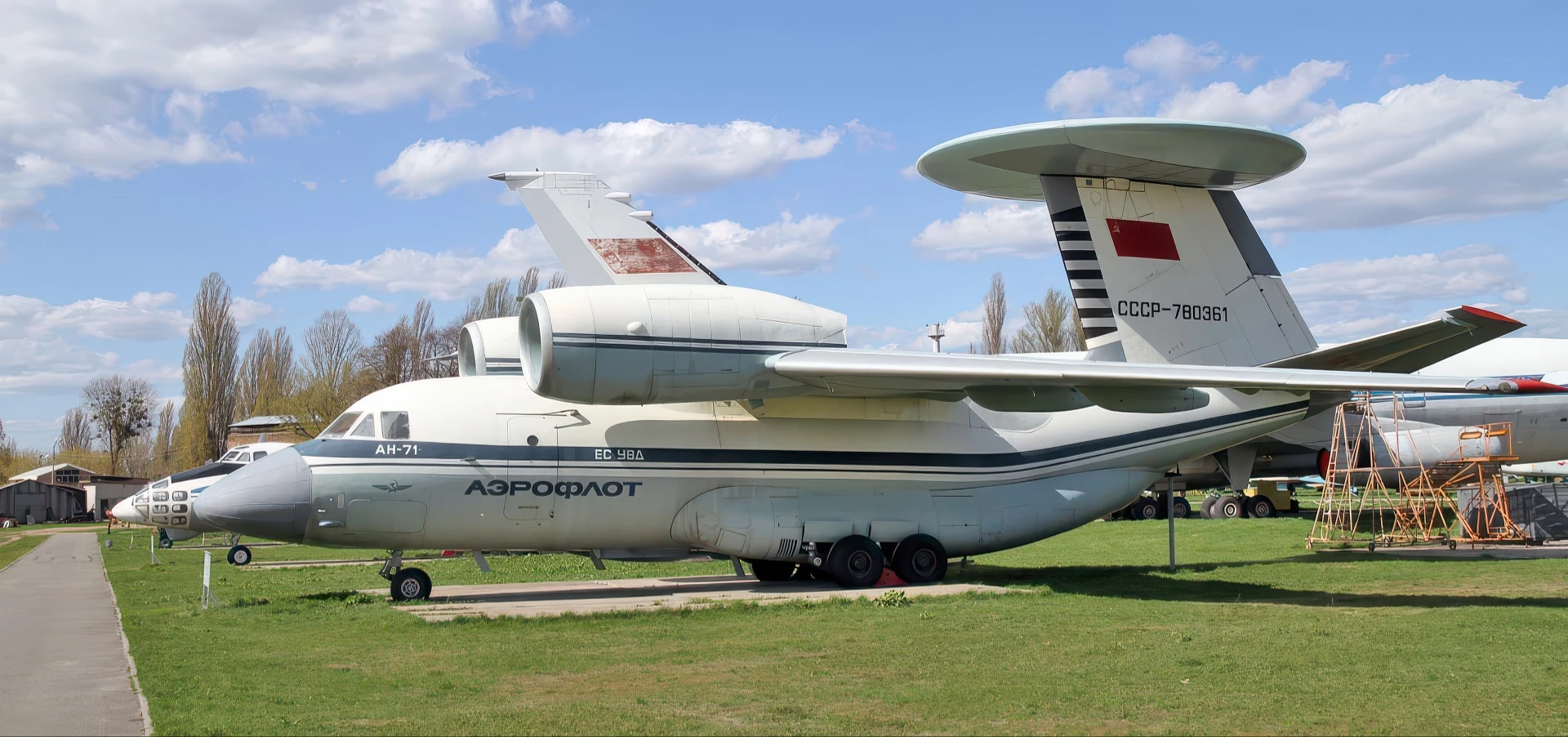
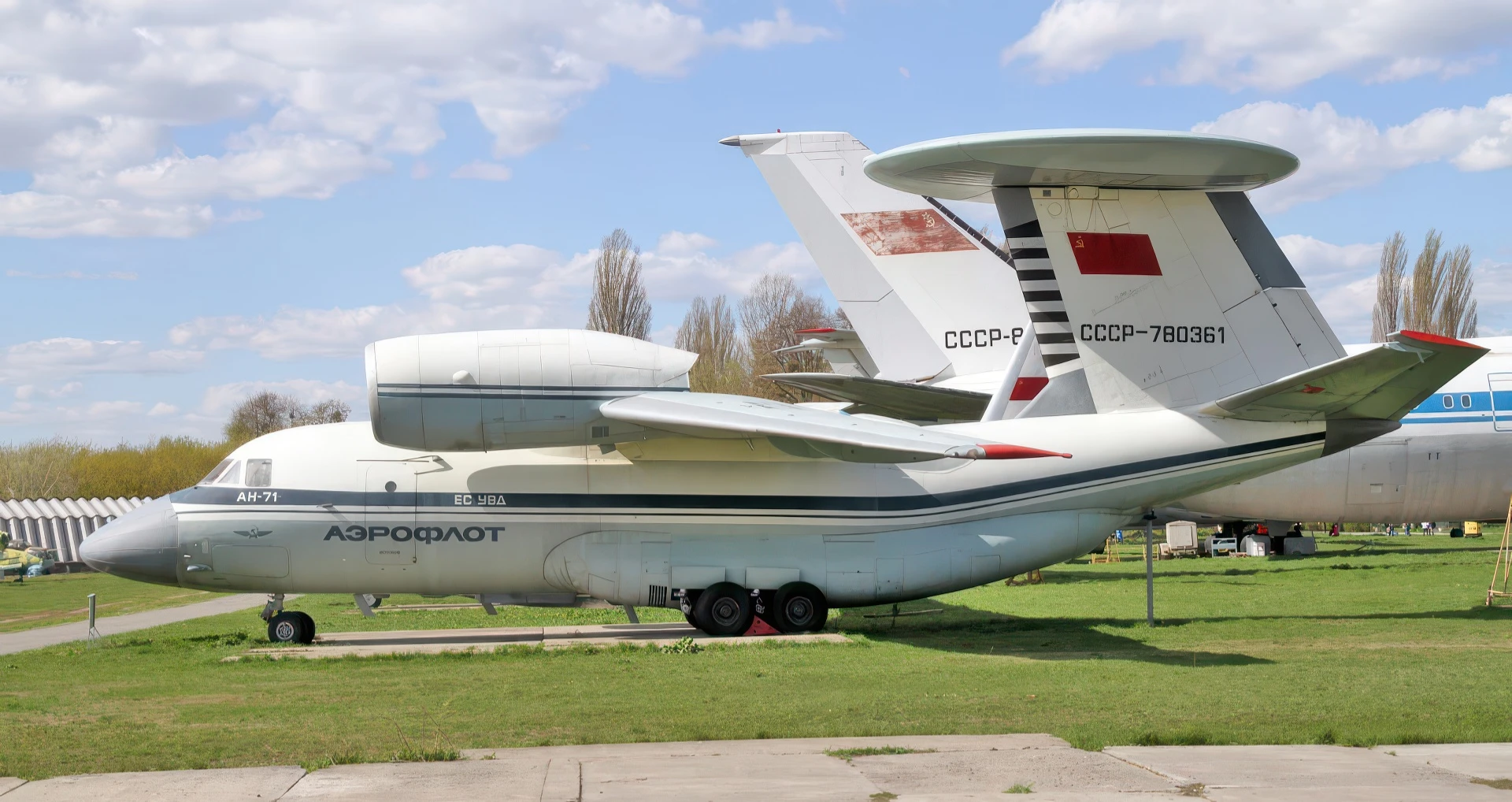
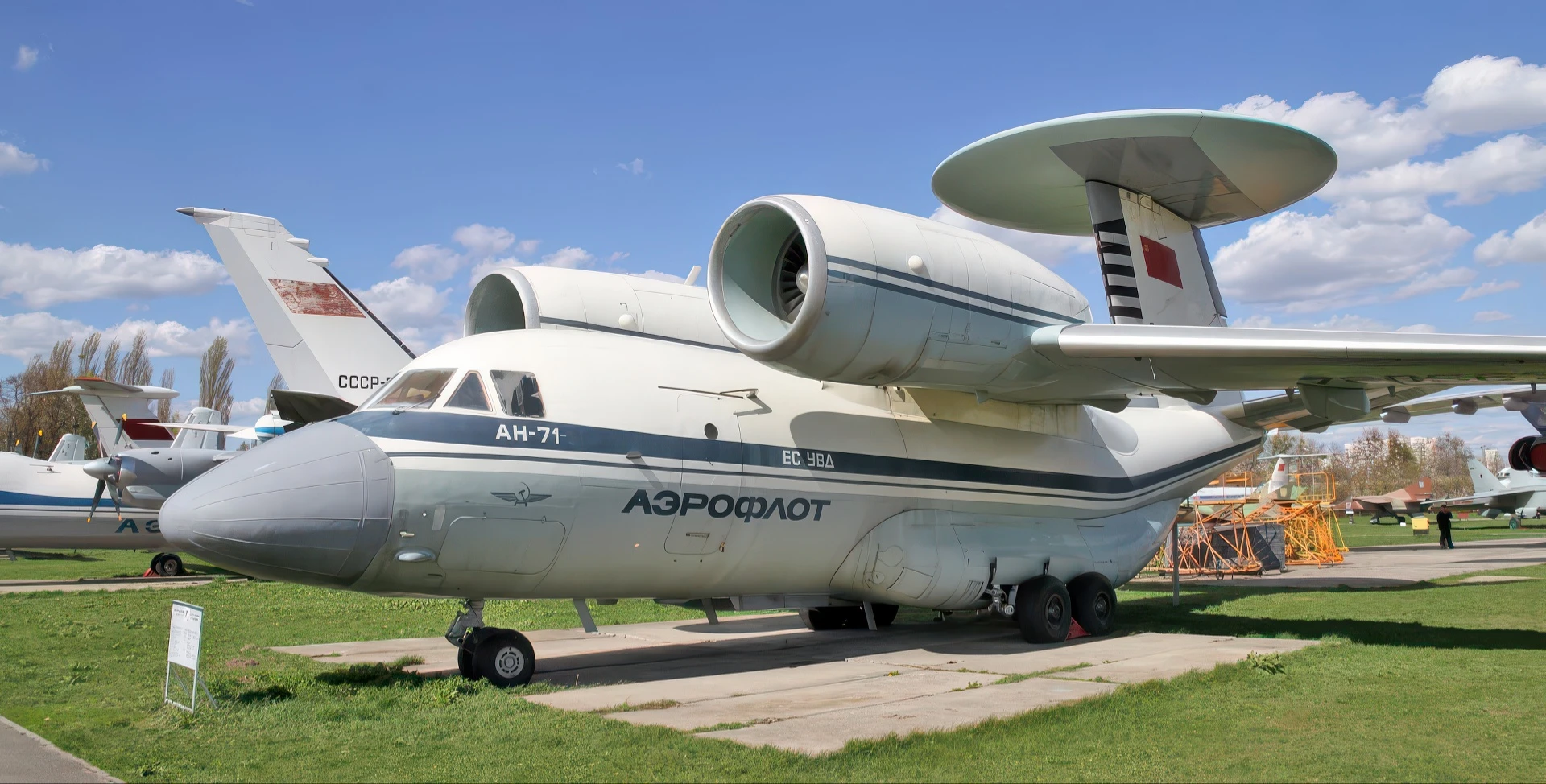
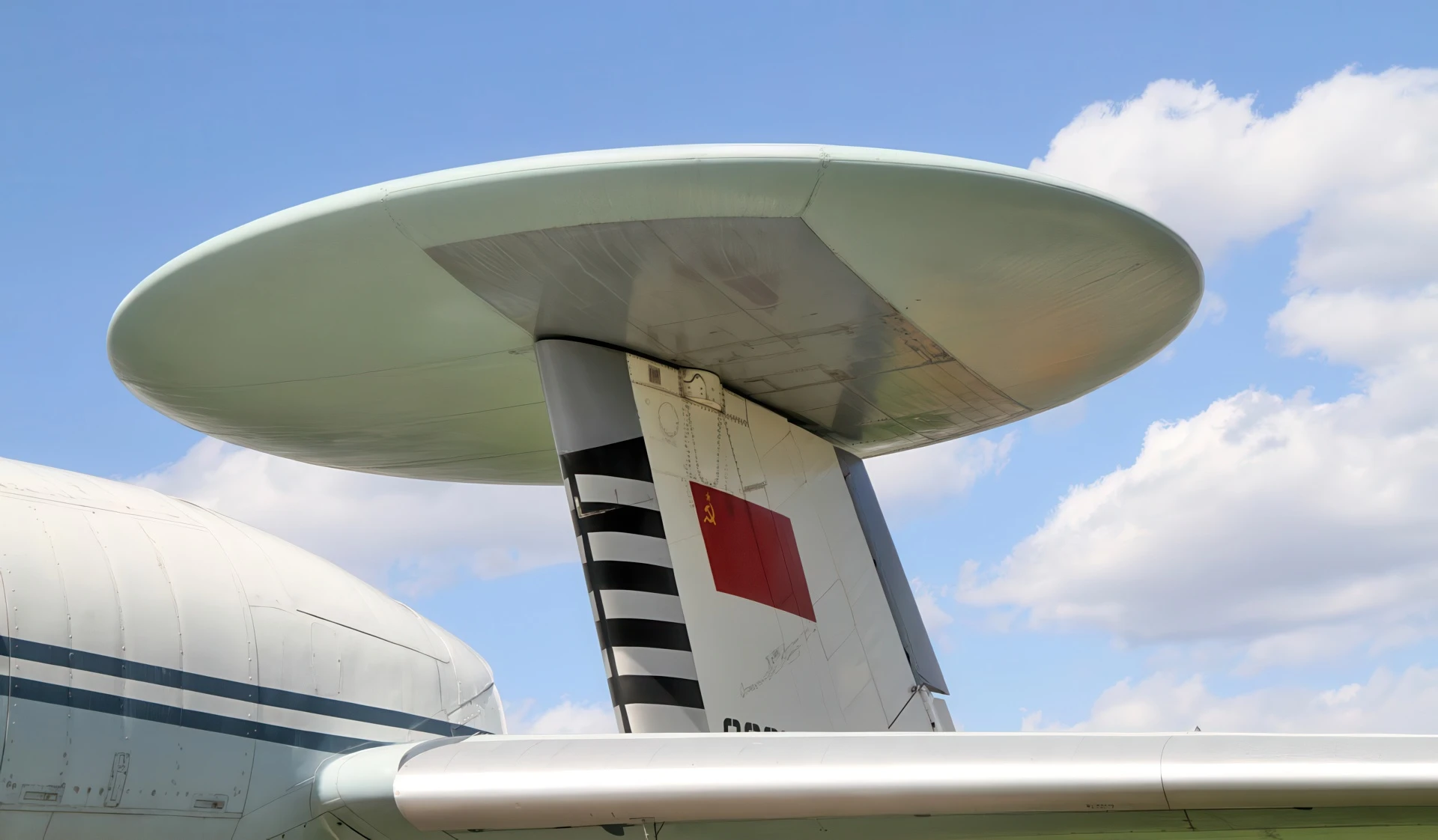
V Antonov An-71 (NATO reporting name: “Madcap”) remains one of the most visually striking and mechanically unconventional aircraft of the late Cold War era. Developed by the Soviet Union in the 1980s as a tactical Airborne Early Warning and Control (AEW&C) platform, it was meant to provide radar surveillance and battlefield management for Soviet tactical aviation. Built on the airframe of the An-72 STOL (Short Takeoff and Landing) transport, the An-71 famously mounted its massive radar rotodome forward-swept on top of its vertical stabilizer. Despite highly promising flight tests and advanced tech, the collapse of the Soviet Union brought a sudden end to the program, leaving it a rare aviation relic with only three prototypes ever constructed.
| Attribute | Technical Specification (Antonov An-71) |
|---|---|
| Vlogo | Tactical Airborne Early Warning and Control (AEW&C) |
| Posadke | 6 (Pilot, Co-pilot, and 4 Radar/Mission Systems Operators) |
| Propulsion | 2 × Progress D-436K turbofans (7,500 kgf each) plus 1 × Rybinsk RD-38A booster turbojet (in the tail) |
| Maximum Speed | 650 km/h (404 mph) | Cruise speed: 530 km/h |
| Service Ceiling | 10,800 m (35,433 ft) |
| Maximum Takeoff Weight | 48,000 kg (105,822 lbs) |
| Dimensions | Length: 23.5 m (77 ft) | Wingspan: 31.89 m (104 ft 7 in) |
| Mission Endurance | 4.5 to 5 hours on station |
| Radar Tracking Capacity | Up to 400 targets simultaneously; detects low-flying objects down to 0-30 meters altitude |
Design Engineering: The Tail-Mounted Rotodome and Coandă Effect
- The Forward-Swept Tail Rotodome: The defining visual hallmark of the An-71 is its massive radar dome placed on top of the vertical fin. Because the aircraft utilized high-mounted engines, placing the rotodome on the fuselage would cause extreme aerodynamic interference and blind spots from the hot exhaust. Designers solved this by sweeping the giant tail fin forward and anchoring the radar array at the peak to achieve clean, unobstructed 360-degree radar sweeps.
- Harnessing the Coandă Effect: Inherited from its transport twin (the An-72), the An-71’s engines were mounted high over the top surface of the wing. This utilized the Coandă Effect—the physical tendency of a fluid jet to stay attached to a convex surface—blowing high-velocity engine exhaust directly over the wing flaps to generate massive extra lift. This allowed the heavy radar plane to operate out of tiny, unpaved runways close to the front lines.
- The Hidden Tail Booster Engine: To offset the severe aerodynamic drag of the massive tail-mounted rotodome during critical takeoff and climb phases, Antonov engineers installed a third, hidden engine. A single Rybinsk RD-38A booster turbojet was buried inside the rear fuselage, drawing air from a dorsal intake and exhausting under the tail to provide an emergency kick of thrust when needed.
- The Vega Mission Suite: Inside the pressurized cargo hold area sat the “Kvant” radar system, developed by the Vega Radio Engineering Corporation. It was a sophisticated pulse-Doppler radar capable of tracking high-speed targets through intense ground clutter and electronic jamming, directly data-linking real-time threats to supersonic Soviet interceptors like the MiG-29 and Su-27.
Operational History: A Frozen Project of a Vanishing Empire
- A Specialized Frontline Scout: The An-71 first took to the skies on July 12, 1985. It was envisioned as a nimble, low-cost, tactical alternative to the massive, expensive Ilyushin A-50 Mainstay. While the A-50 handled strategic defense of the entire USSR, the An-71 was intended to fly directly alongside front-line combat groups, providing air coordination right at the edge of the battlefield.
- The Shadow of the Soviet Collapse: By the late 1980s, the three prototypes had logged hundreds of successful flight hours, proving the unique tail-radar architecture was highly functional and aerodynamically stable. However, as the Soviet economy splintered in 1990 and collapsed entirely in 1991, funding vanished instantly. The Russian and Ukrainian militaries could no longer afford to finance a specialized tactical radar fleet.
- The Museum Survivors: Production was officially canceled before the aircraft could enter active service. Today, of the three prototypes built, one was scrapped, one remains in storage at the Antonov facilities, and the most famous surviving prototype sits proudly on display at the State Aviation Museum in Kyiv, Ukraine, preserving the memory of the ultimate Soviet STOL radar experiment.
Ogledov : 2
Prav tako si lahko ogledate:
 Antonov An-28 – Photos & Video
 Antonov An-225 Mriya – fotografije in videoposnetki
 Antonov An-22 - Fotografije in video posnetki
 Douglas DC-3 – Fotografije & Video posnetki
 A-90 Orlyonok – Fotografije in video posnetki
 Boeing 307 Stratoliner – fotografije in videoposnetki
 Northrop Alpha - Fotografije in video
 Meddržavni kadet - fotografije in video
 Beechcraft Model 18 – Fotografije & Video
 Antonov An-2 – Fotografije & Video