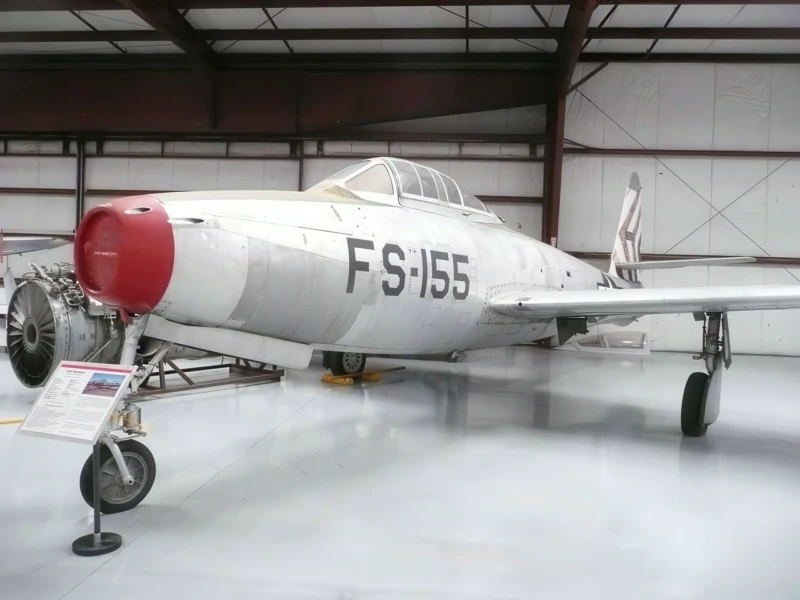
Республика F-84 Thunderjet | |
|---|---|
| Страны | США |
| Роль | Истребитель-бомбардировщик |
| Первый полет | 28 февраля 1946 года |
| Построен | 7524 |
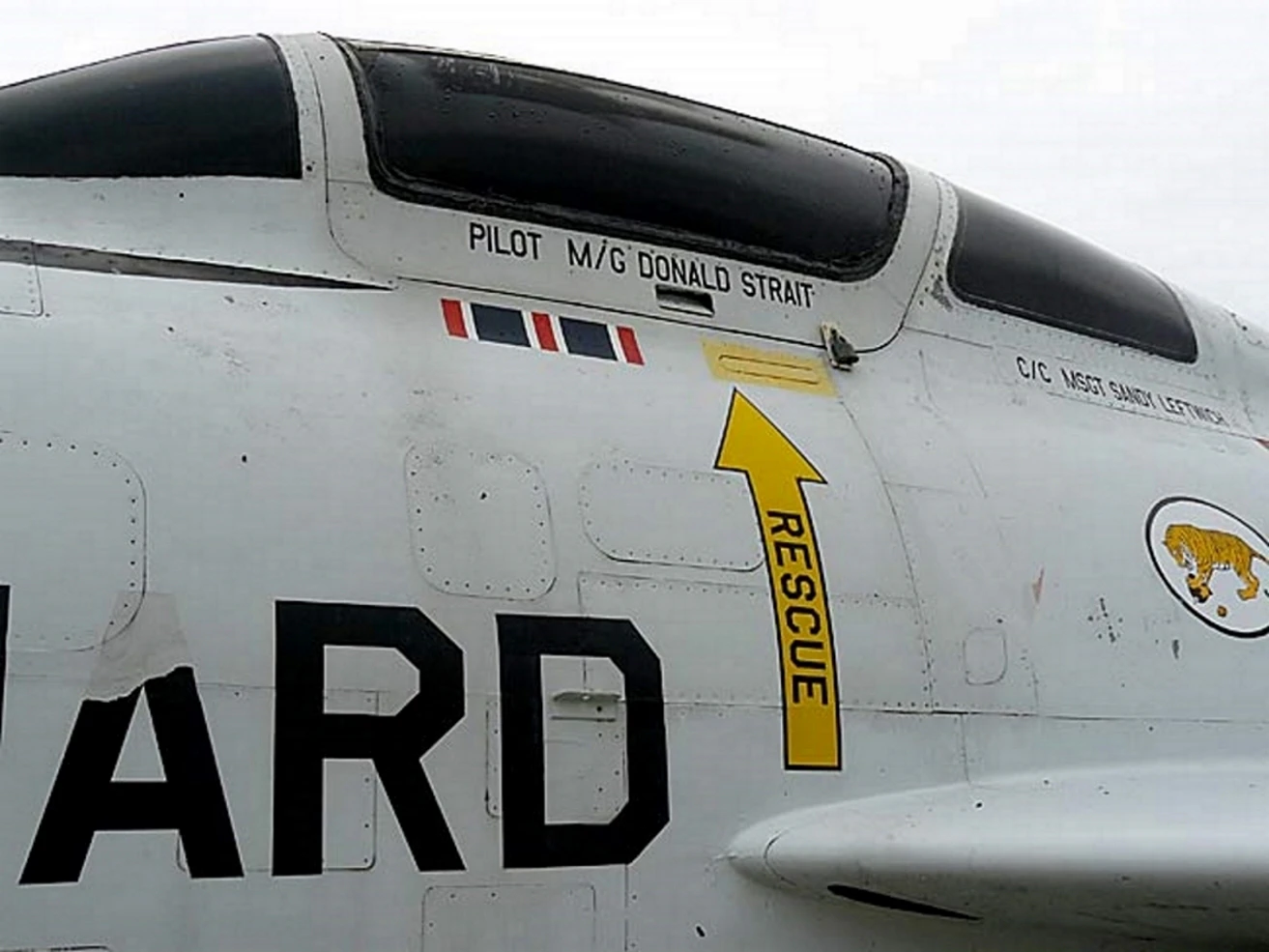
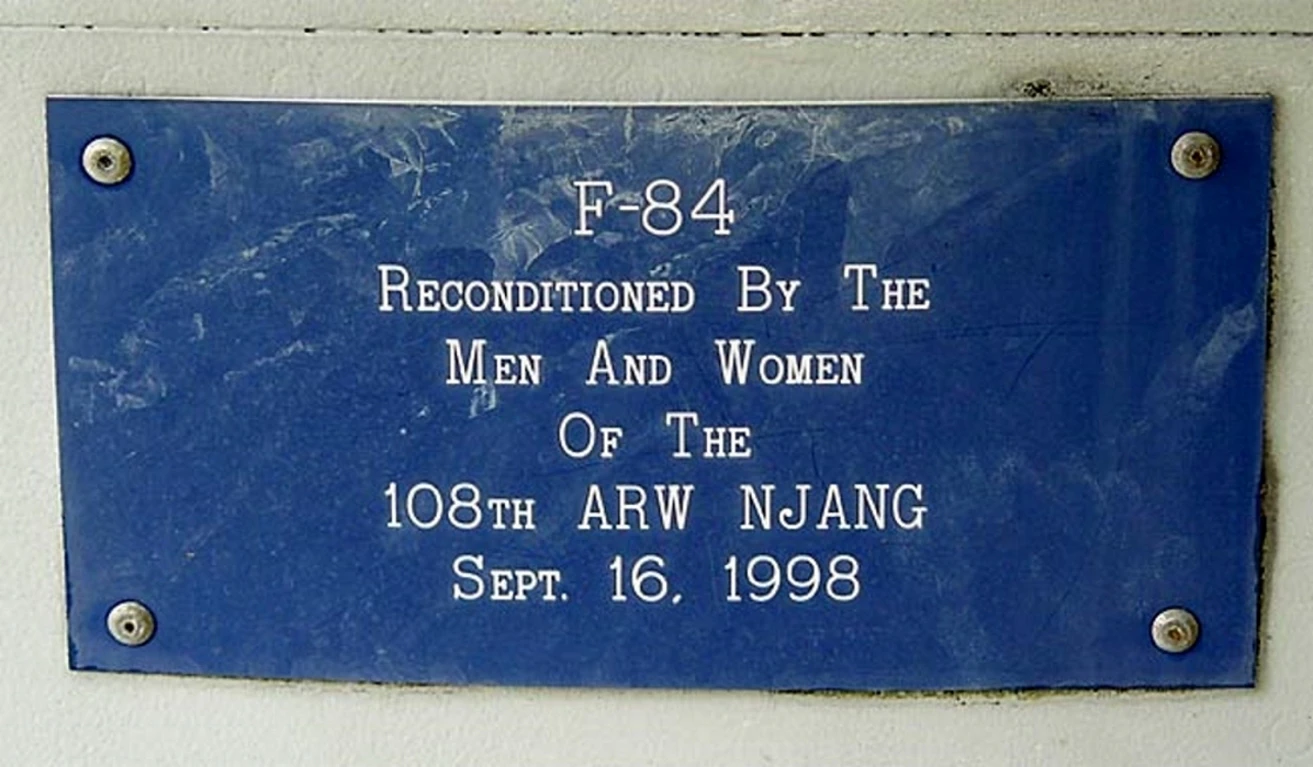
Фотогалерея Республика F-84 Thunderjet, The Republic F-84 Thunderjet was an American turbojet fighter-bomber aircraft. Originating as a 1944 United States Army Air Forces (USAAF) proposal for a “day fighter”, the F-84 first flew in 1946. Although it entered service in 1947, the Thunderjet was plagued by so many structural and engine problems that a 1948 U.S. Air Force review declared it unable to execute any aspect of its intended mission and considered canceling the program. The aircraft was not considered fully operational until the 1949 F-84D model and the design matured only with the definitive F-84G introduced in 1951. In 1954, the straight-wing Thunderjet was joined by the swept-wing F-84F Thunderstreak fighter and RF-84F Thunderflash photo reconnaissance aircraft.
Источник: Республика F-84 Thunderjet в Википедии
| Republic F-84 Thunderjet | |
|---|---|
| Фотограф | Владимир Якубов |
| Локализации | Музей воздуха янки |
| Фотографии | 99 |
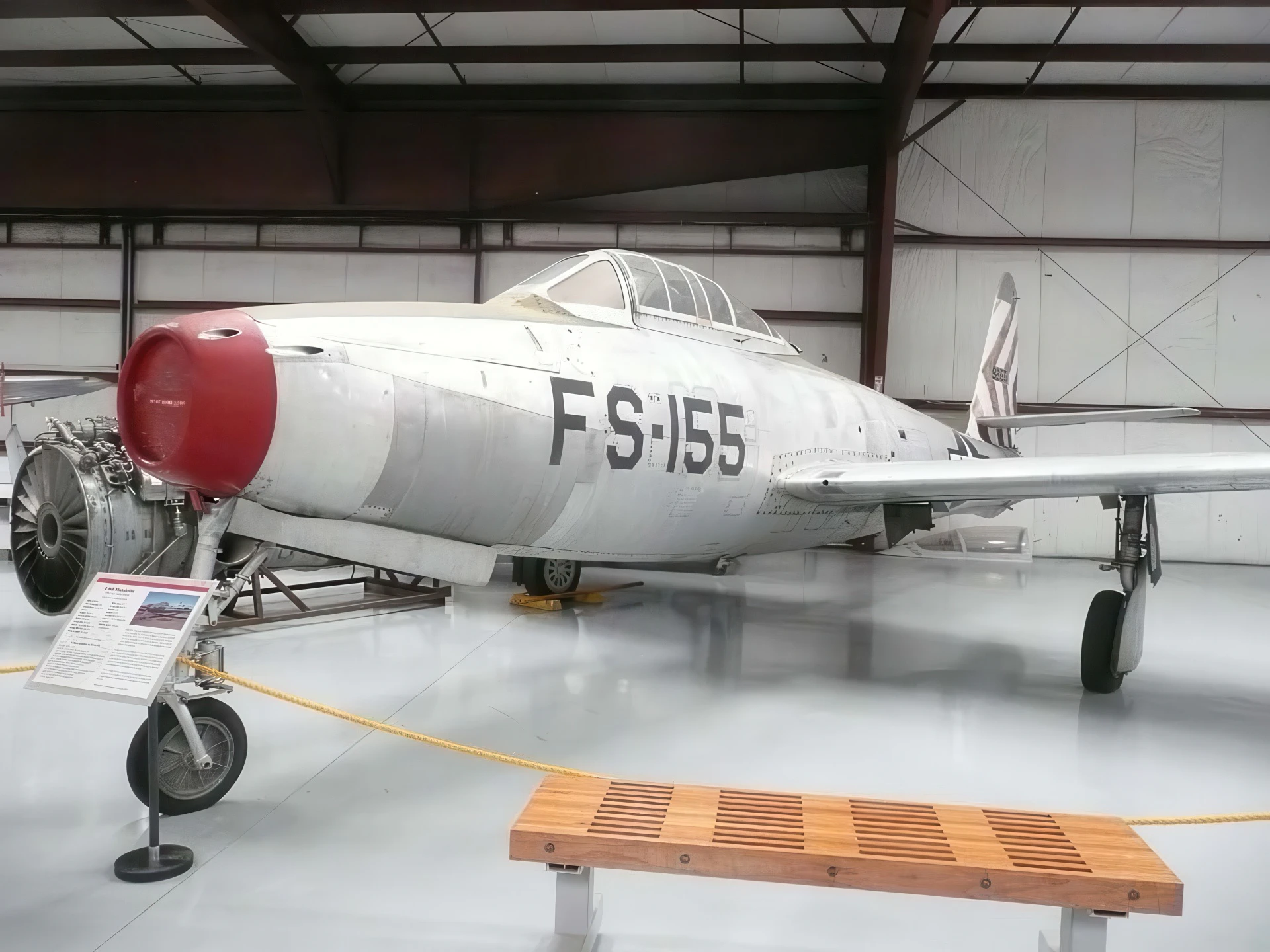
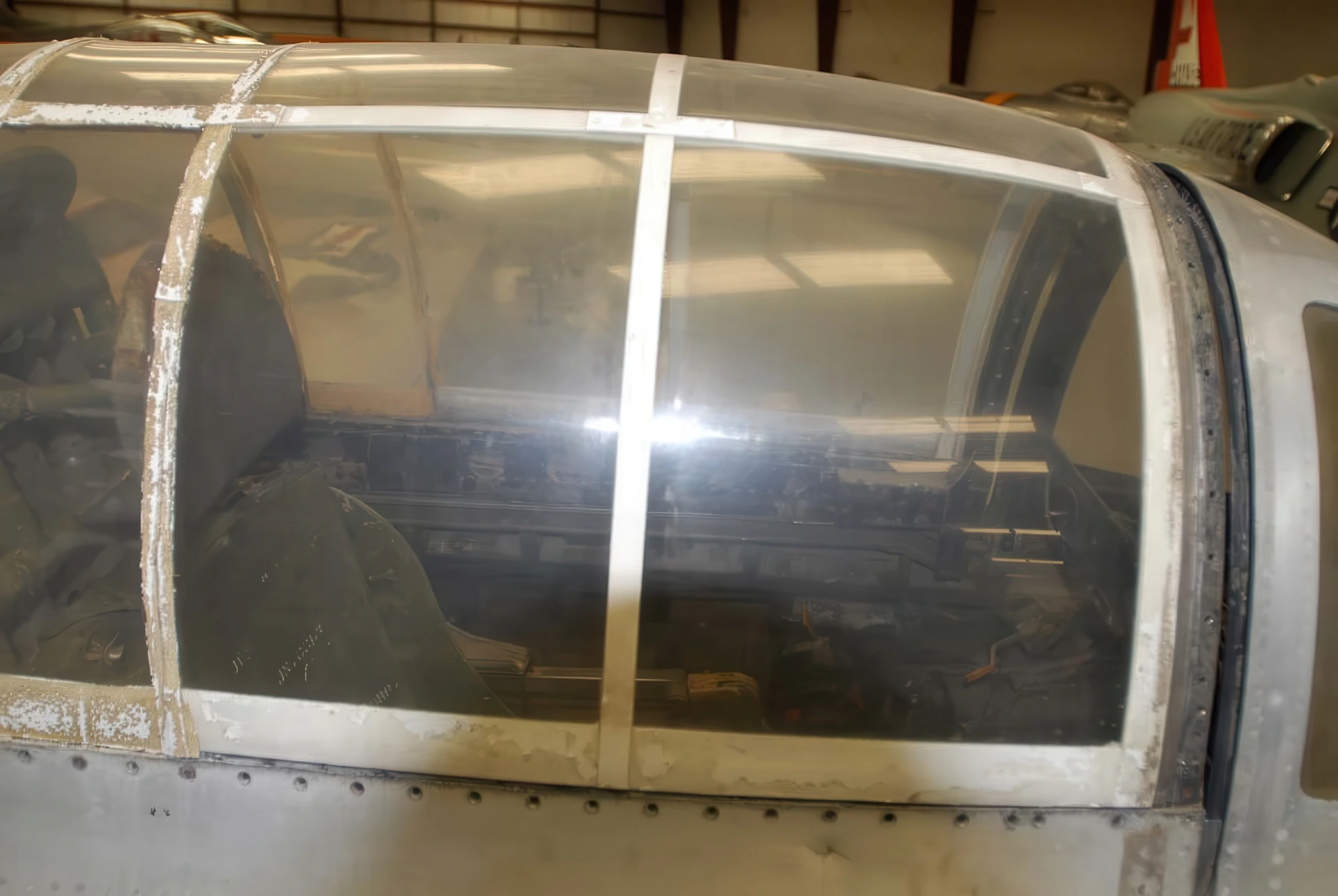
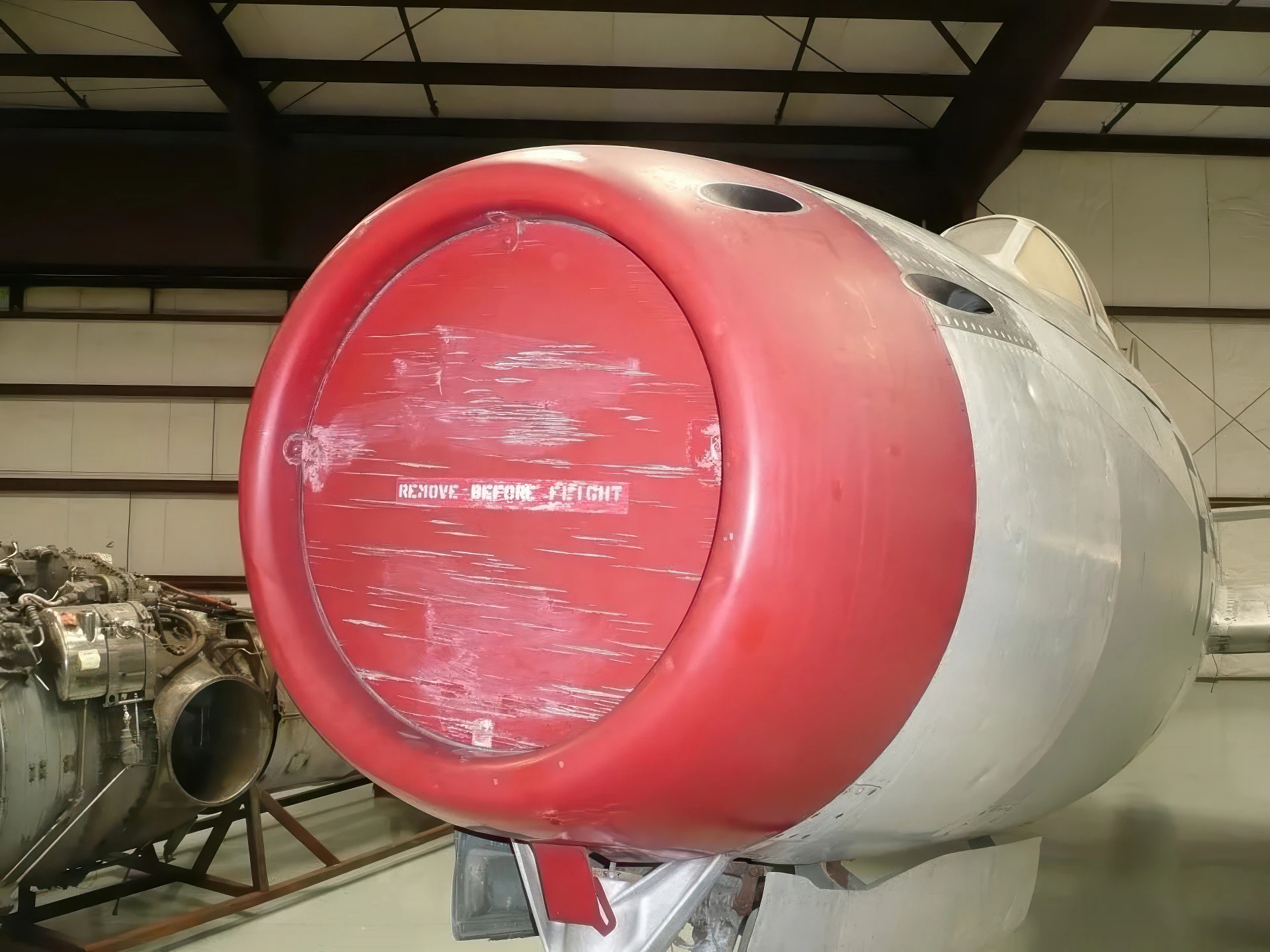
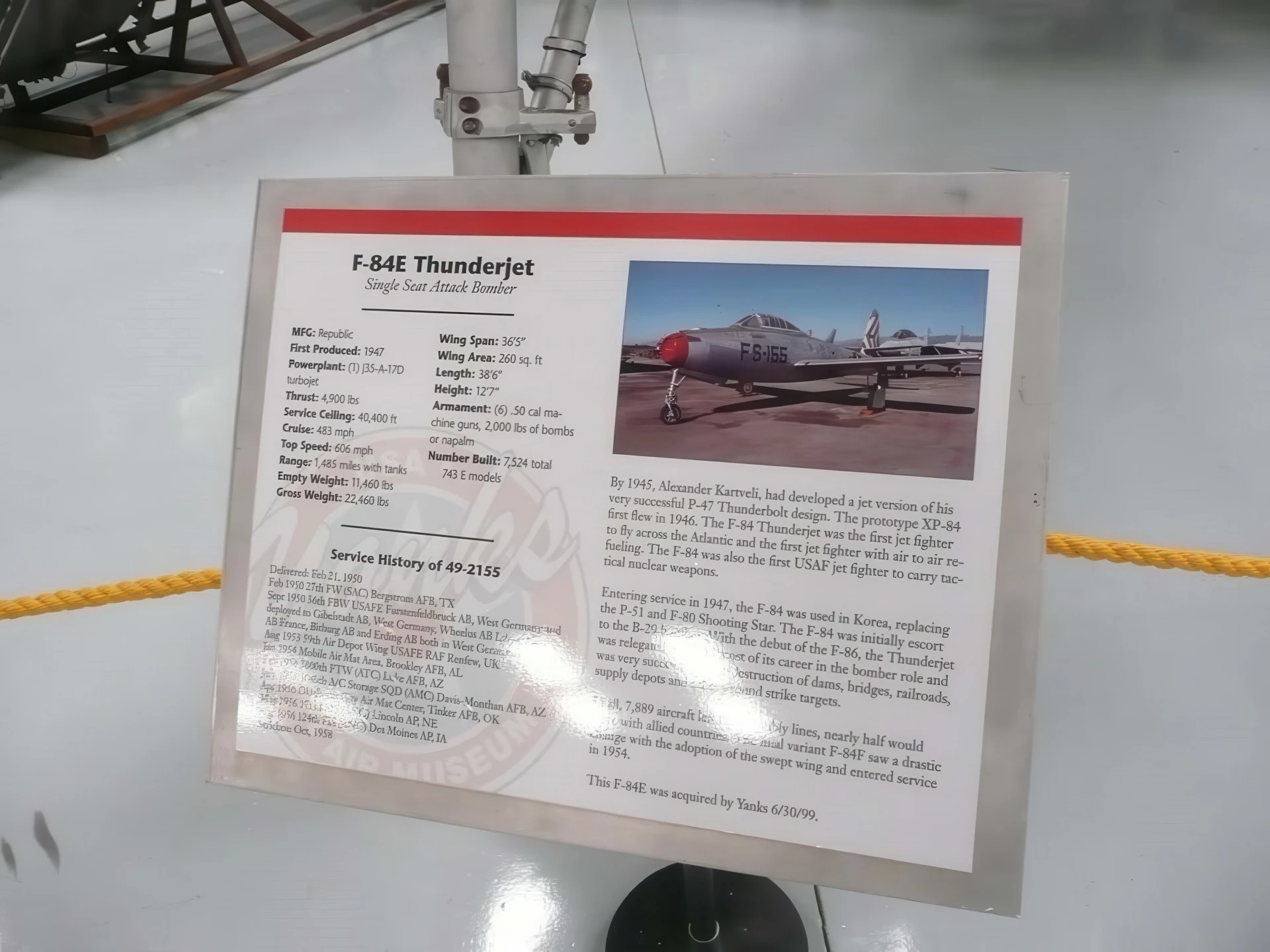
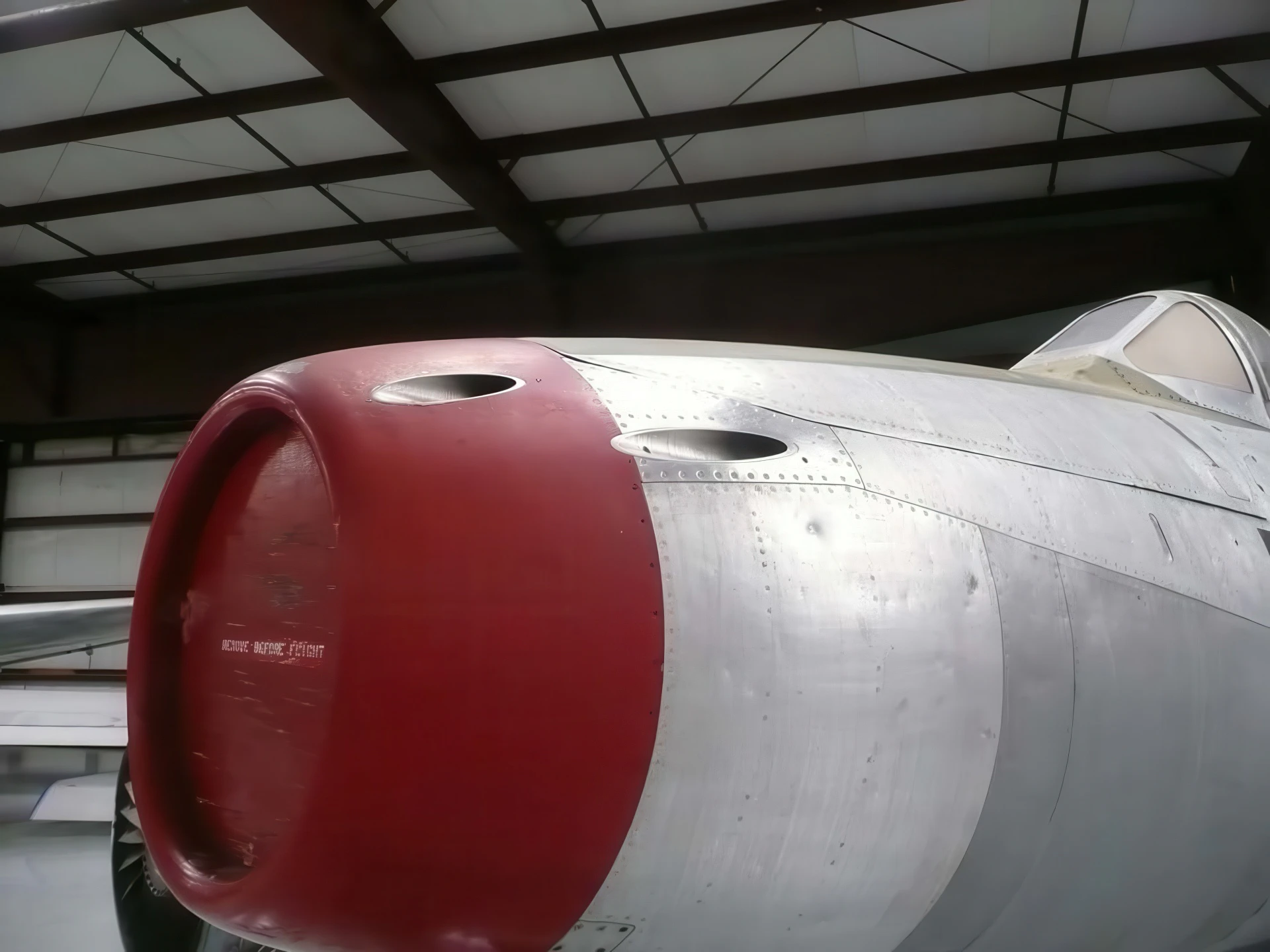
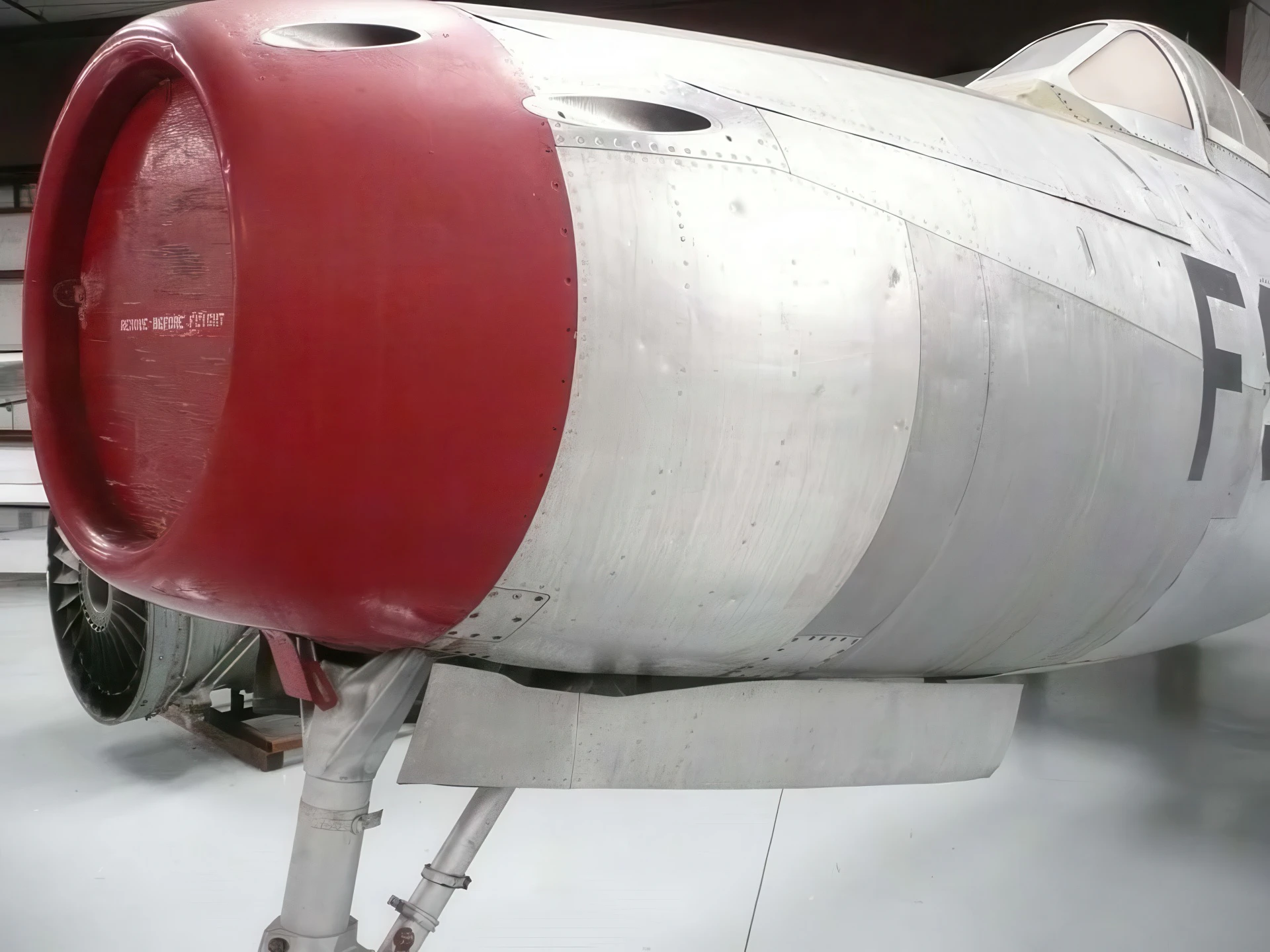
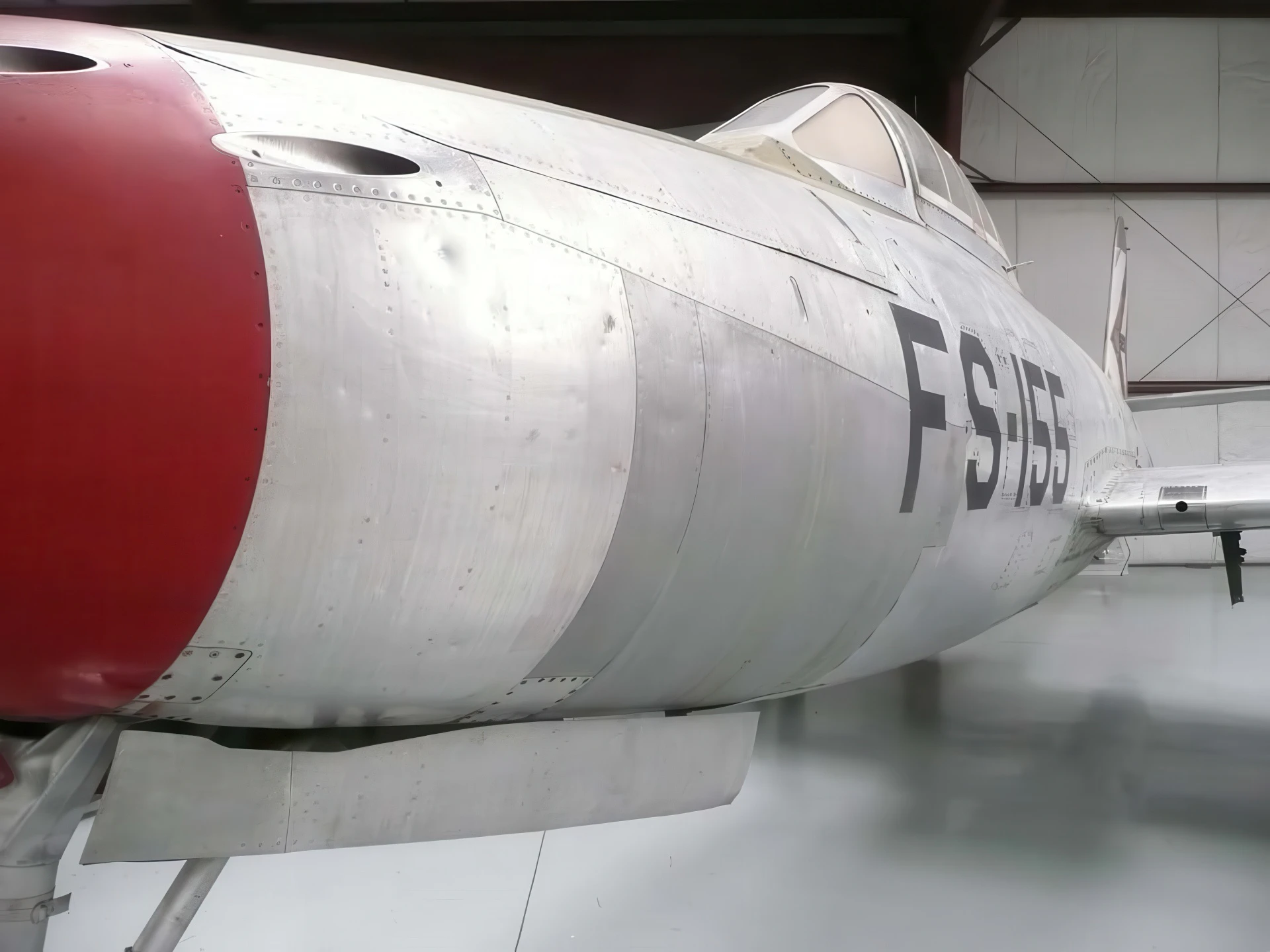
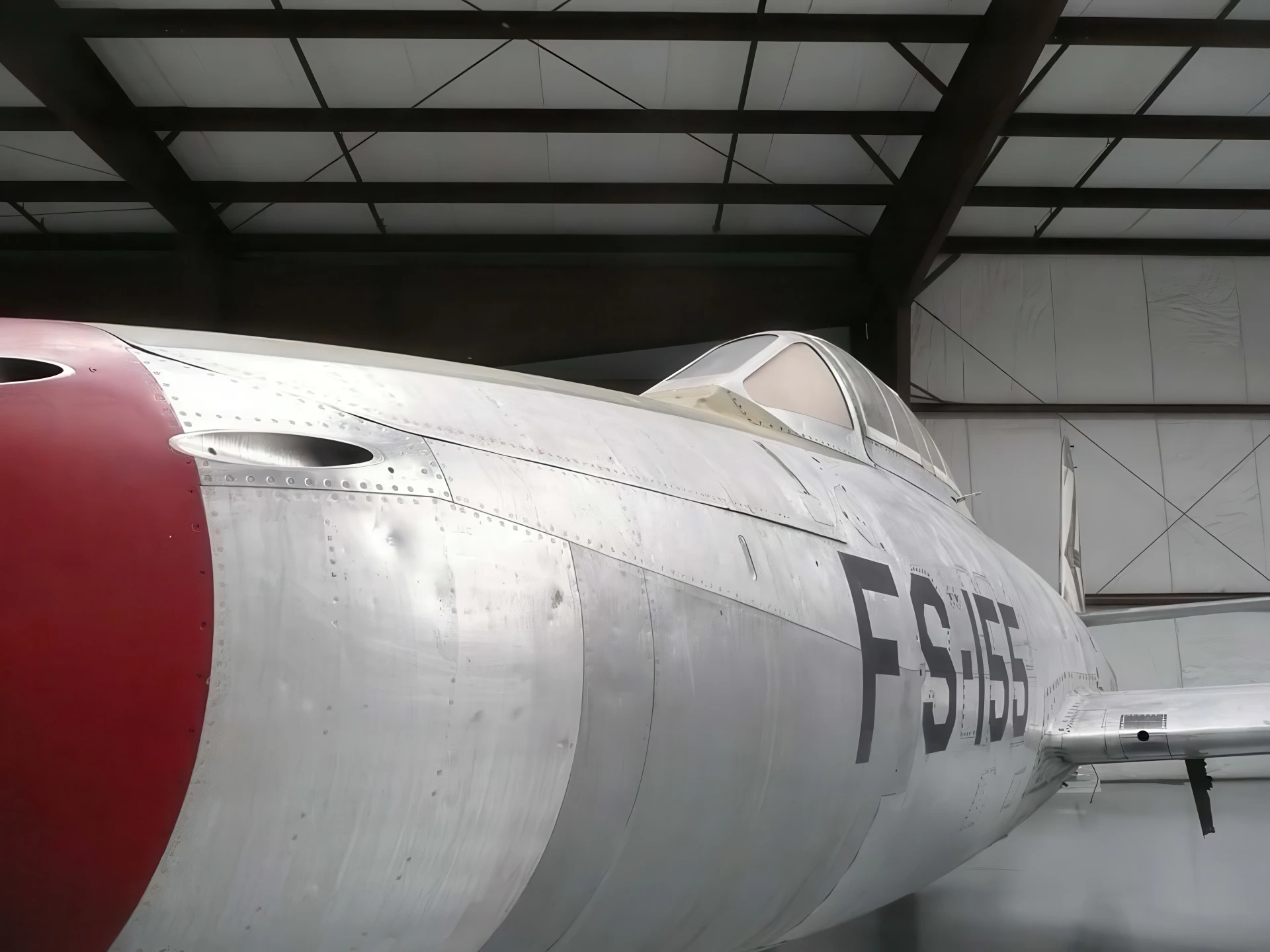
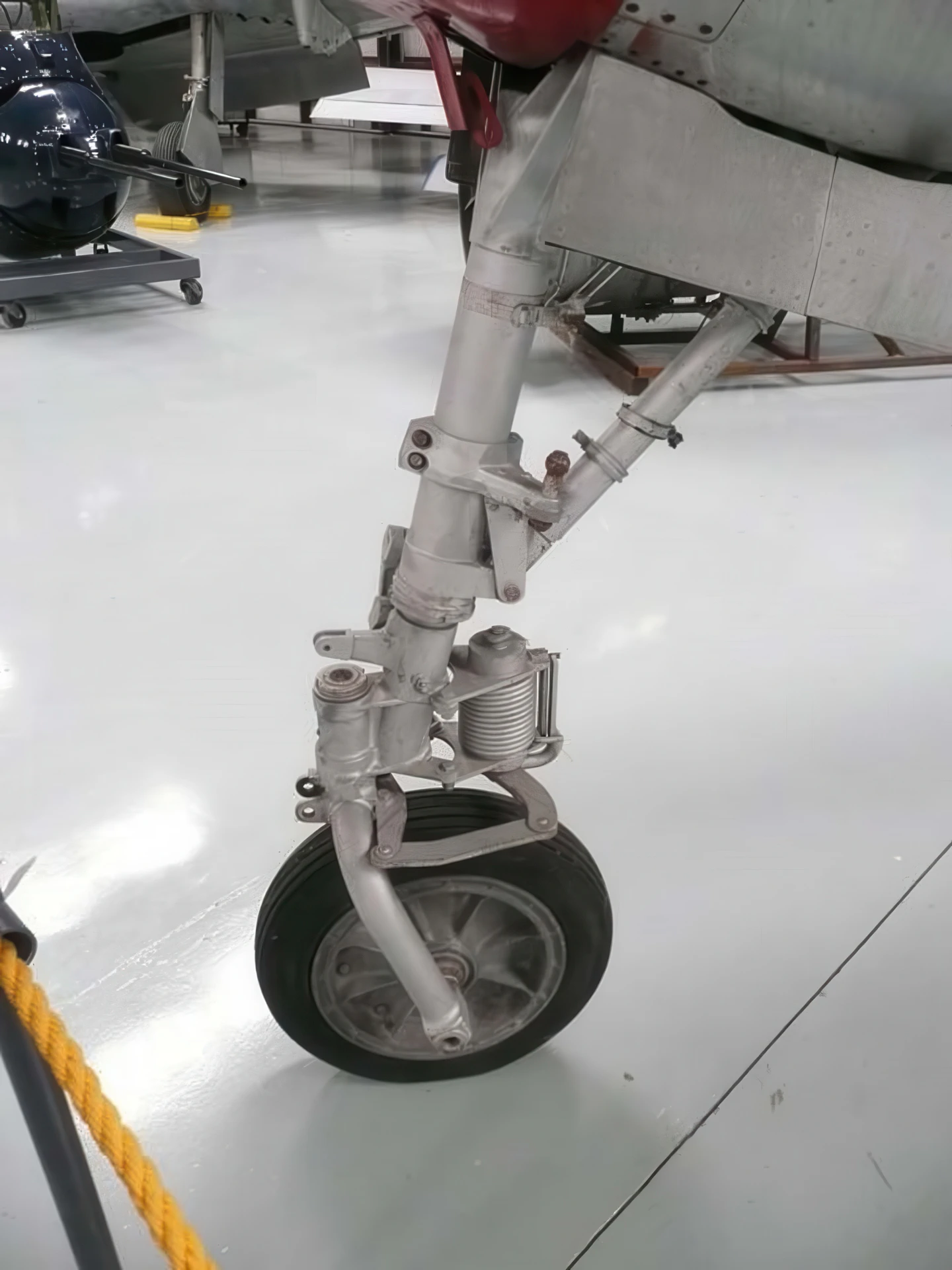

| Республика F-84F Громовой удар Прогулка вокруг | |
|---|---|
| Фотограф | Алекс |
| Локализации | Неизвестная |
| Фотографии | 24 |
 Купить мне кофе
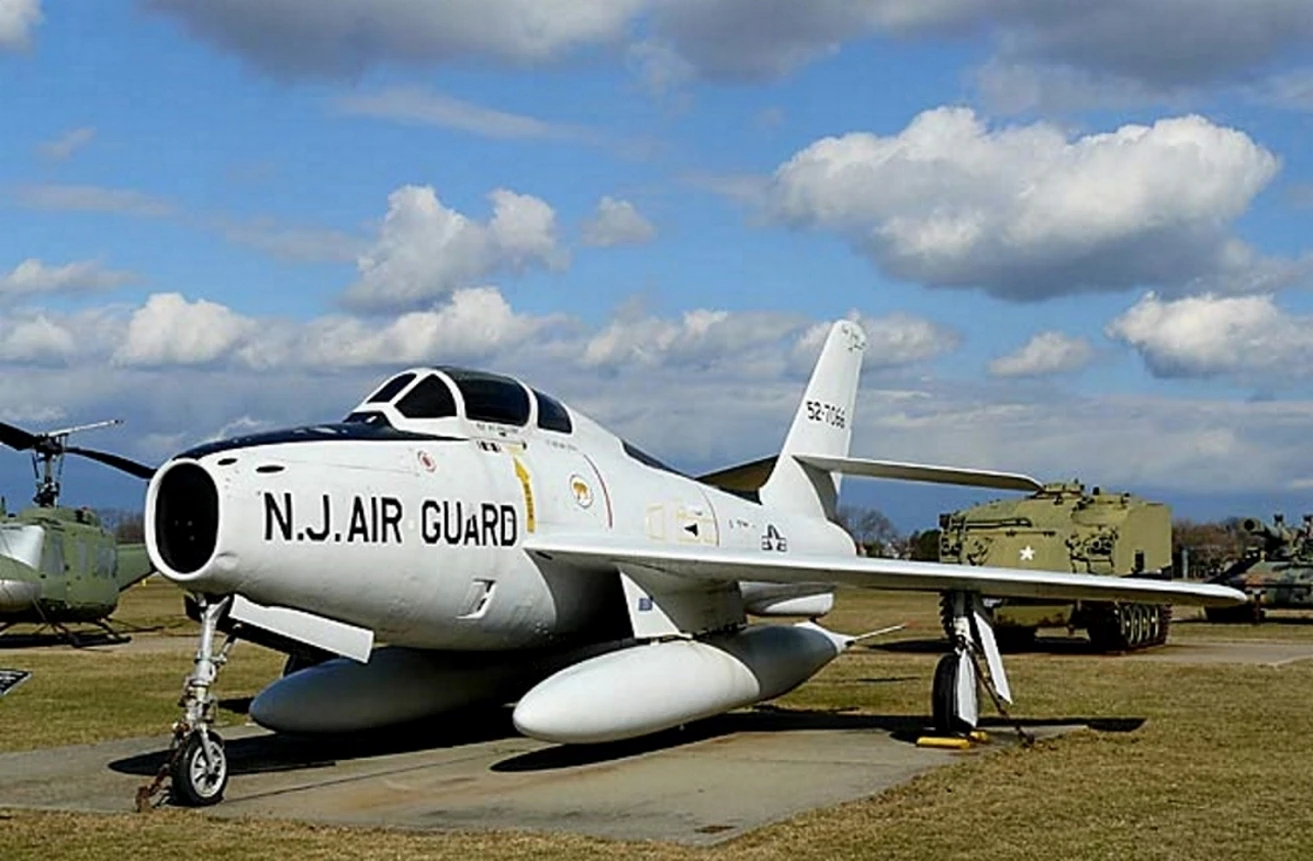
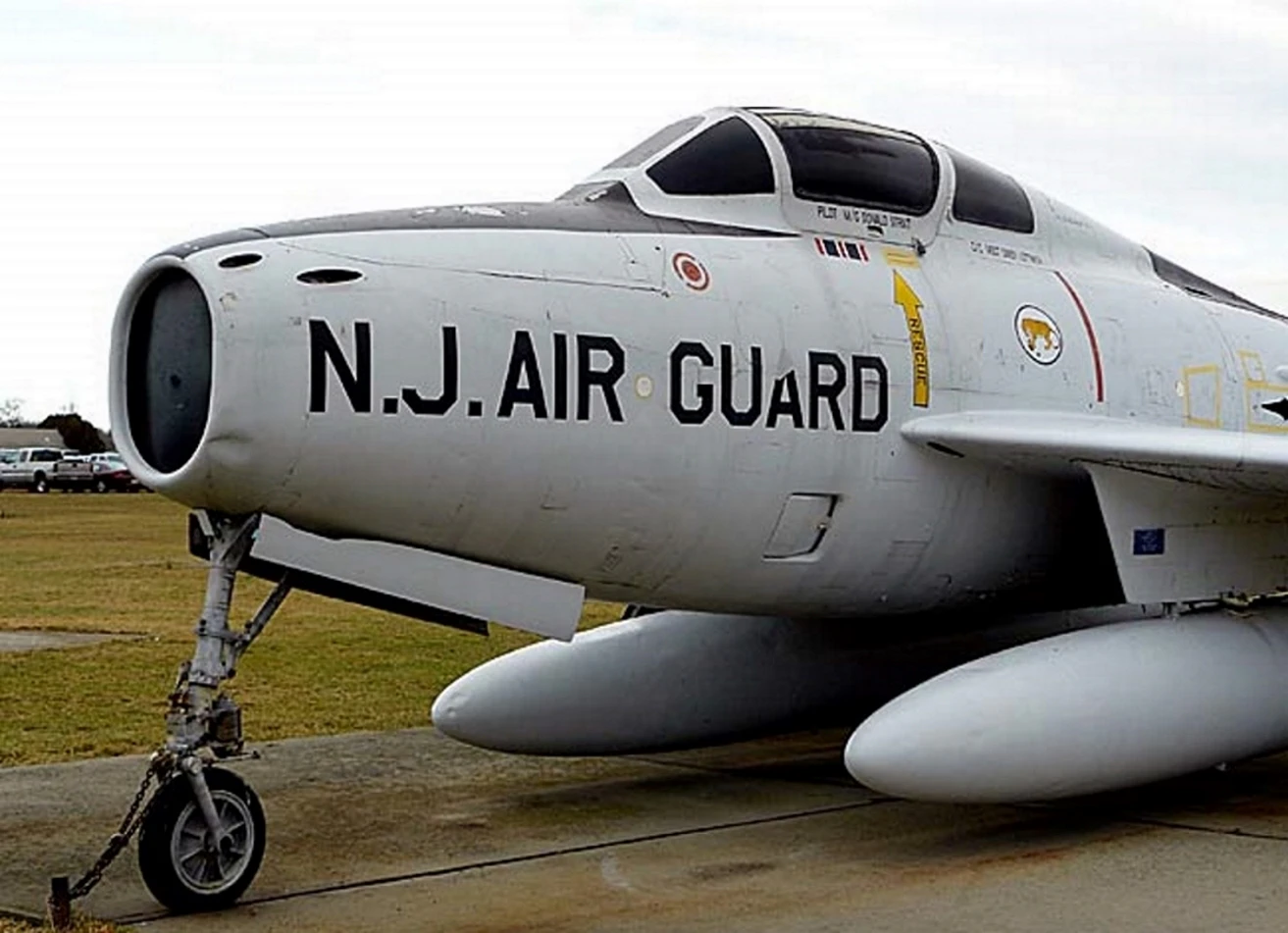
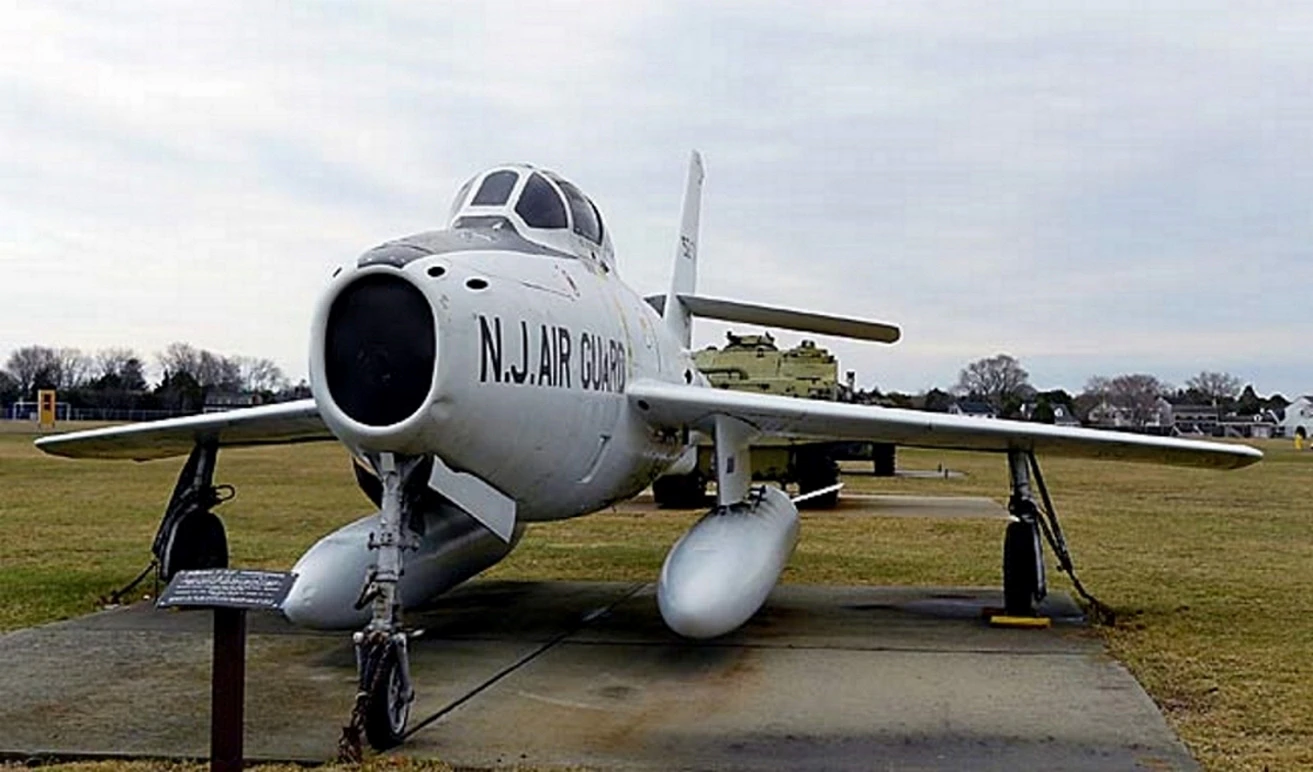
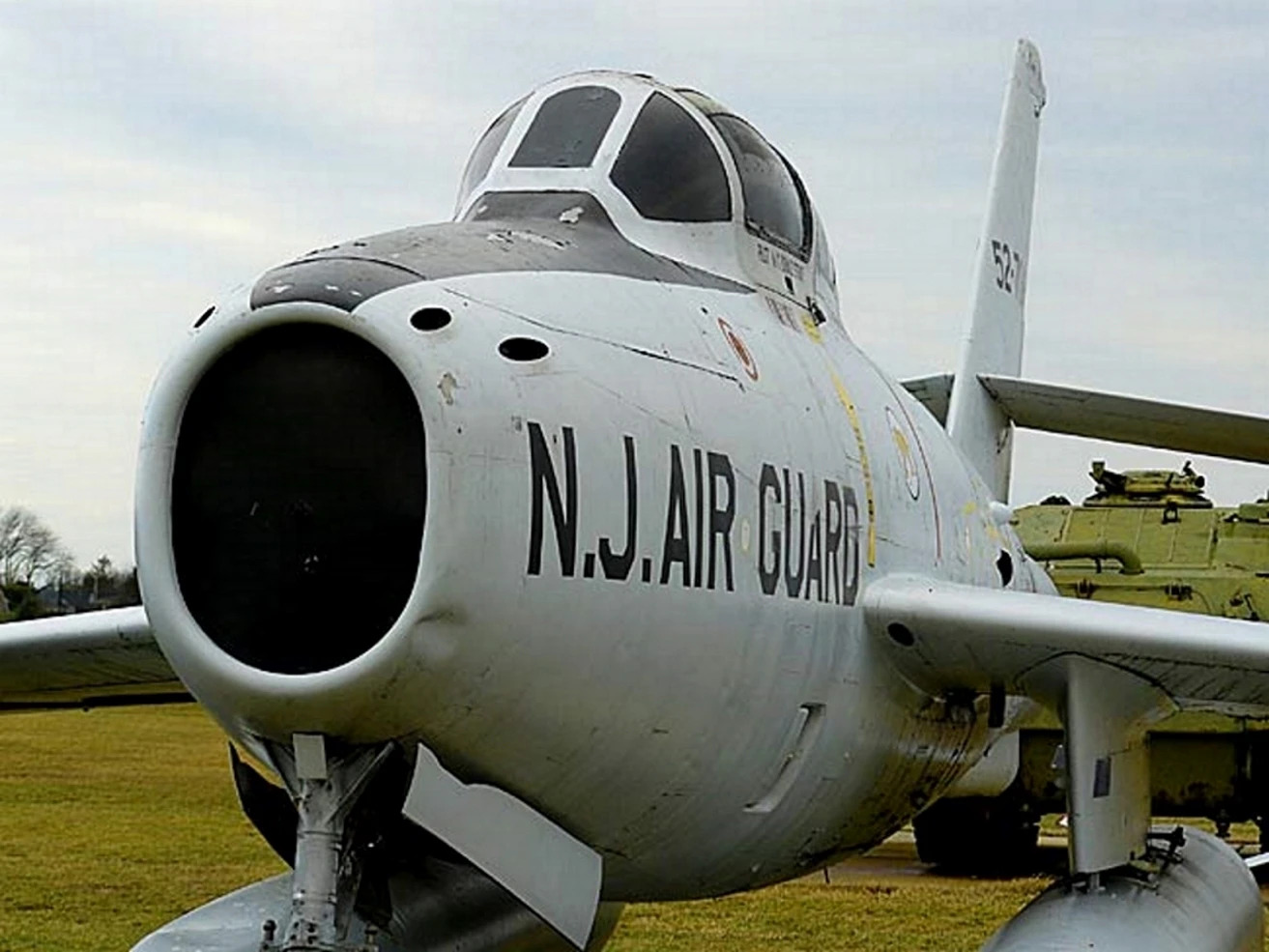
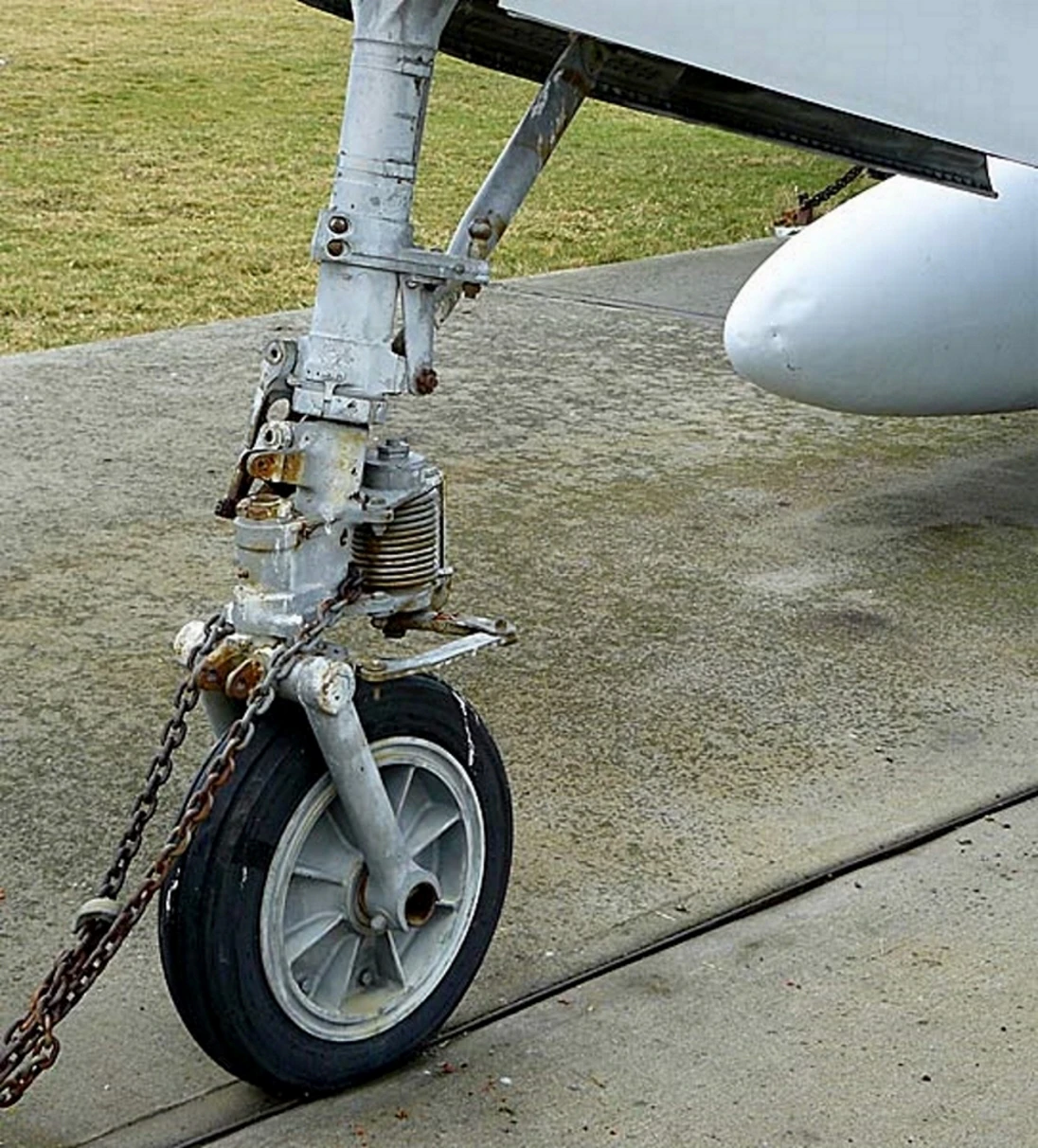
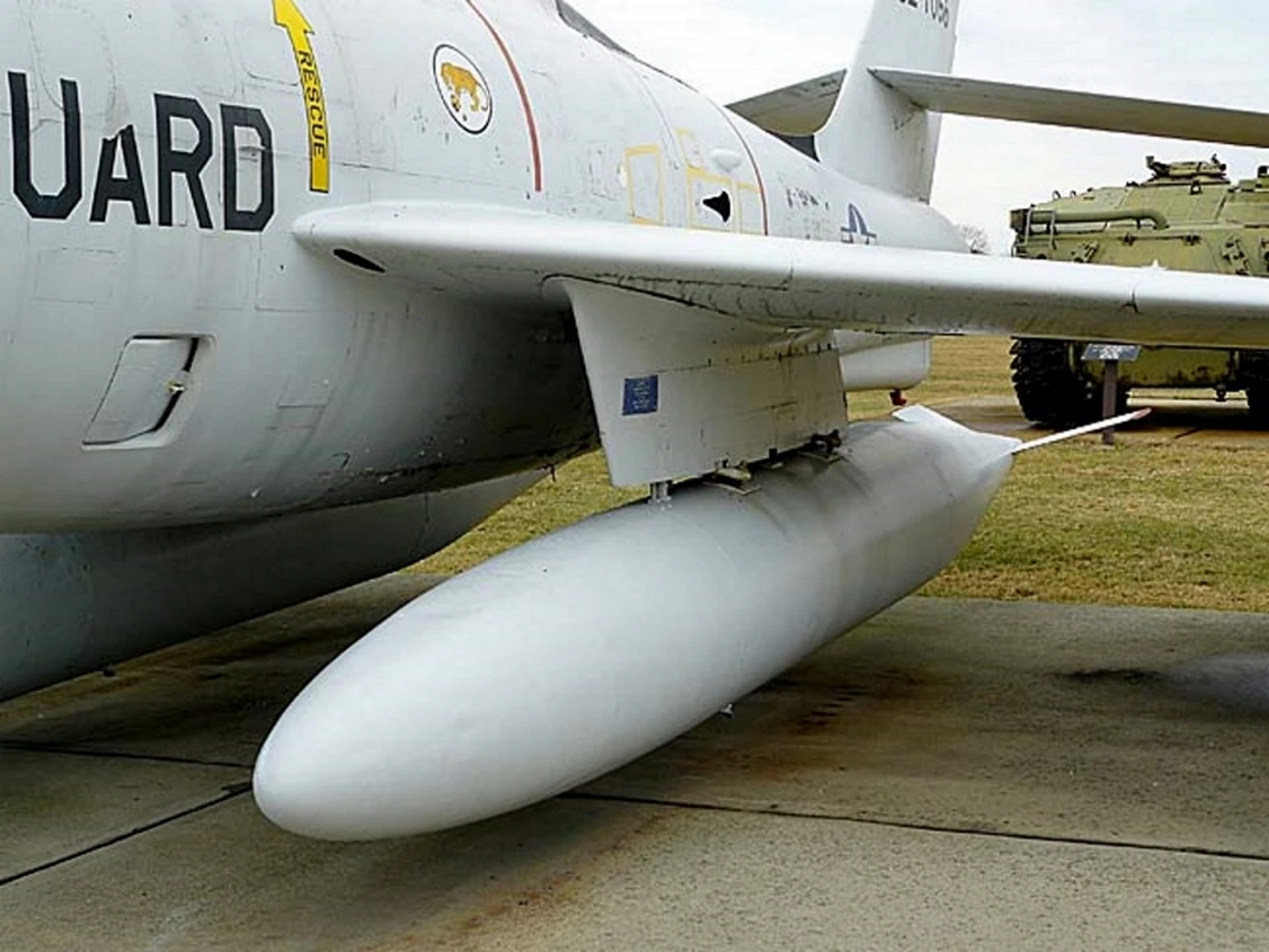
| Republic F-84F Thunder Streak Walk Around | |
|---|---|
| Фотограф | Билл Мэлони |
| Локализации | Музей милиции Нью-Джерси |
| Фотографии | 17 |

Читайте также:


The Blue-Collar Jet
Teh Республика F-84 Thunderjet was the United States’ primary strike fighter during the early Cold War. While the F-86 Sabre grabbed the headlines for dogfighting MiGs, the Thunderjet did the heavy lifting on the ground. It was the first “second-generation” American jet, designed to replace the P-47 Thunderbolt’s rugged legacy. Known for its massive fuel capacity and ability to carry heavy ordnance, it became a cornerstone of NATO’s early defense and the first jet fighter capable of carrying a nuclear weapon.
| Attribute | Technical Specification (F-84E) |
|---|---|
| Роль | Fighter-Bomber / Escort Fighter |
| Экипажа | 1 (Pilot) |
| Силовая установка | 1 × Allison J35-A-17 turbojet |
| Thrust | 4,900 lbf (21.8 kN) |
| Максимальная скорость | 1,001 km/h (622 mph / Mach 0.82) |
| Combat Radius | 1,370 km (850 miles) with external tanks |
| Вооружение | 6 × .50 cal (12.7mm) M3 Browning machine guns |
| Артиллерия | Up to 2,020 kg (4,450 lb) of bombs and rockets |
Design Engineering: Straight Wings and Tip Tanks
- The “Lead Sled”: Pilots gave it this nickname because the F-84 required enormous amounts of runway to take off when fully loaded. Its straight-wing design provided excellent stability for ground attack but made it sluggish to climb compared to swept-wing aircraft.
- Integrated Tip Tanks: To solve the short range of early jet engines, Republic added permanent fuel tanks to the wingtips. This increased range significantly but also acted as “end plates,” actually improving the aerodynamic efficiency of the wings at certain speeds.
- Nose Intake: The J35 engine breathed through a simple, direct nose intake. This design was efficient for air intake but meant the pilot sat high above a long air duct, giving the fuselage its deep, tubular appearance.
- Nuclear Strike Modification: The F-84G model introduced the LABS (Low-Altitude Bombing System), which allowed the pilot to perform a “toss bombing” maneuver to deliver a Mark 7 nuclear bomb while escaping the blast radius.
Combat History: Korea and the Cold War
- The Korean War: The F-84 flew over 86,000 sorties in Korea. While it couldn’t match the MiG-15 in a dogfight, it was devastatingly effective at destroying bridges, dams, and supply lines. It was responsible for 60% of all ground targets destroyed by the Air Force during the conflict.
- The “Thunderscreech”: One of the most famous (and painful) offshoots was the XF-84H, a turboprop version. Its propeller tips moved at supersonic speeds even while idling, creating a noise so intense it made ground crews physically ill.
- Parasite Experiment (FICON): The F-84 was used in the FICON project, where it was carried under a B-36 Peacemaker and launched mid-flight to act as a high-speed scout or escort, then “re-docked” to the bomber’s trapeze.
- NATO Proliferation: The F-84 was the “standard” fighter for many early NATO air forces, including France, Italy, Belgium, and Turkey, helping to rebuild European airpower in the late 1940s and 50s.
Views : 7755
Вы также можете увидеть:
 Republic XF-84H Thunderscreech – Фото и Видео
 Republic XF-91 – Фото и видео
 Republic RC-3 Seabee – фото и видео
 Fieseler Fi 156 – Фото и видео
 Curtiss C-46 Commando — фото и видео
 Northrop N-9MB – Фото и Видео
 Republic F-105 Thunderchief – Фото и Видео
 A-20 Havoc - WalkAround
 TBM-3E Avenger – Прогулка вокруг
 Fiat G-55 Центавро - Прогулка вокруг