
Lockheed P-80 Shooting Star | |
|---|---|
| Страны | США |
| Роль | Истребитель |
| Первый полет | 8 января 1944 года |
| Построен | 1715 |
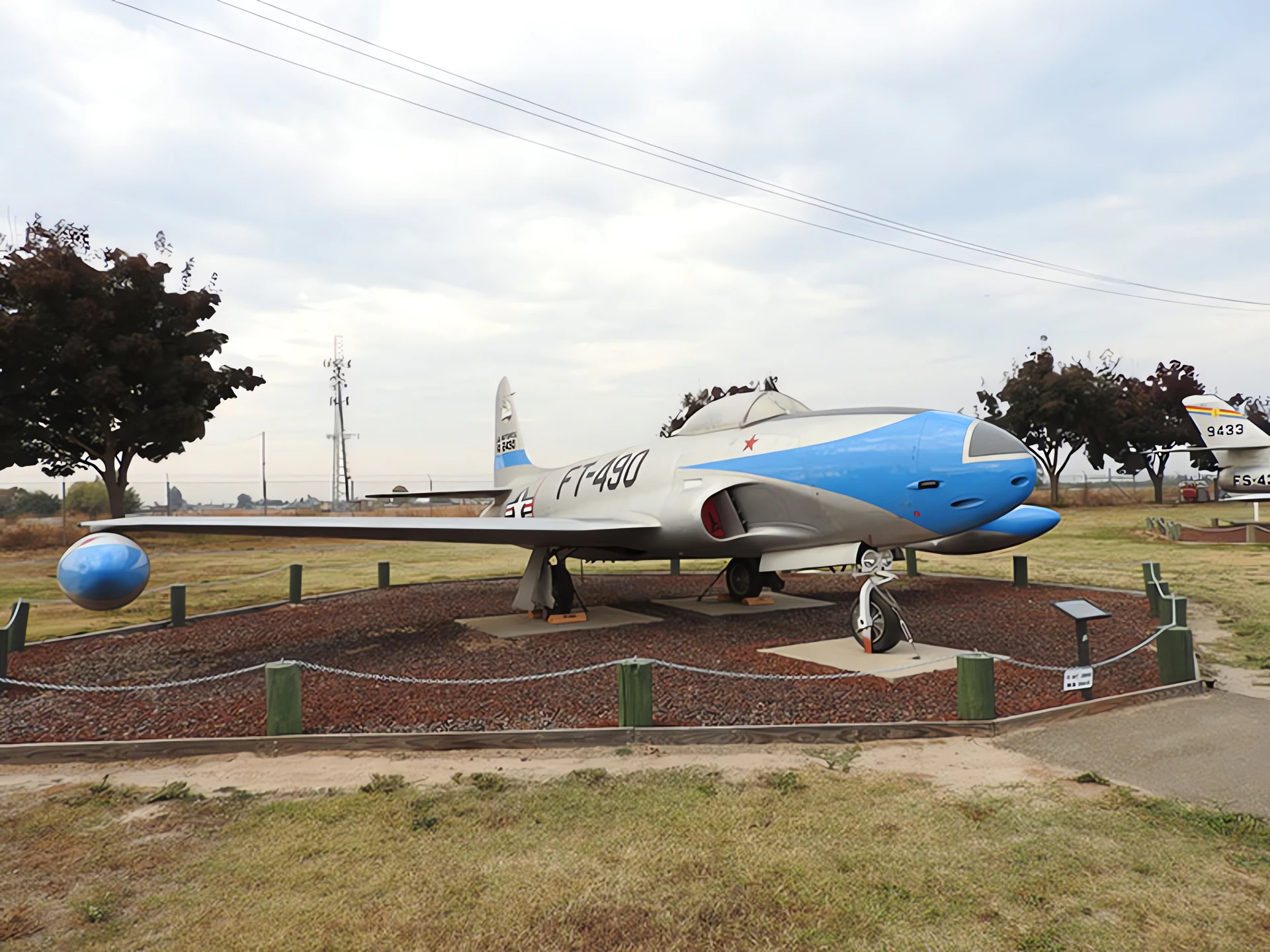
Teh Локхид P-80 Стрельба звезда был первым реактивным истребителем, используемым в оперативном порядке ВОЕННО-воздушными силами США (USAAF). Разработанные и построенные Lockheed в 1943 году и поставленные всего за 143 дня с начала процесса проектирования, производственные модели летали, и две предпродаговые модели видели очень ограниченное обслуживание в Италии незадолго до окончания Второй мировой войны. Разработанный с прямыми крыльями, тип видел обширные боевые действия в Корее с ВВС США (ВВС США) в качестве F-80.
Источник: Локхид P-80 Стрельба звезда на Википедии
| Локхид P-80/F-80 Стрельба Звезда Прогулка вокруг | |
|---|---|
| Фотограф | Сес Хендрикс |
| Локализации | Неизвестная |
| Фотографии | 37 |
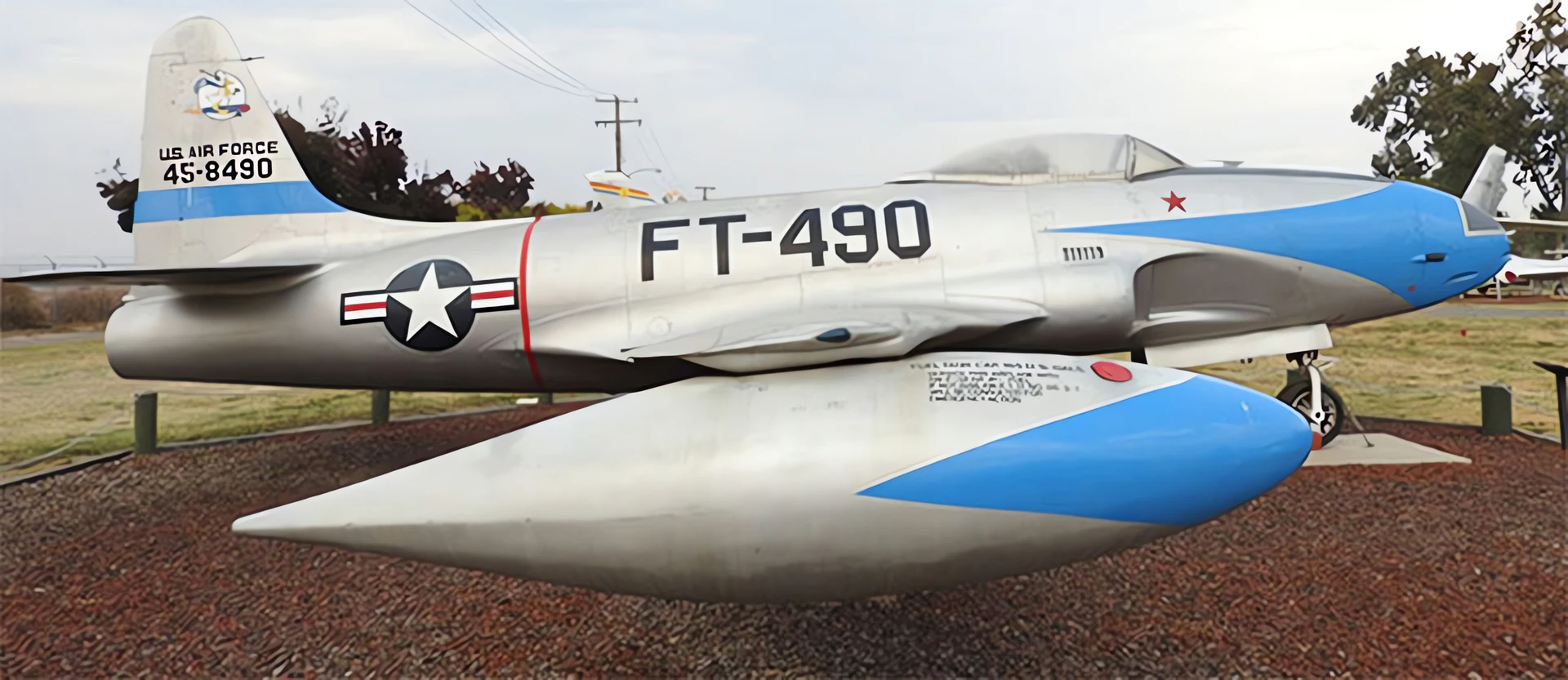
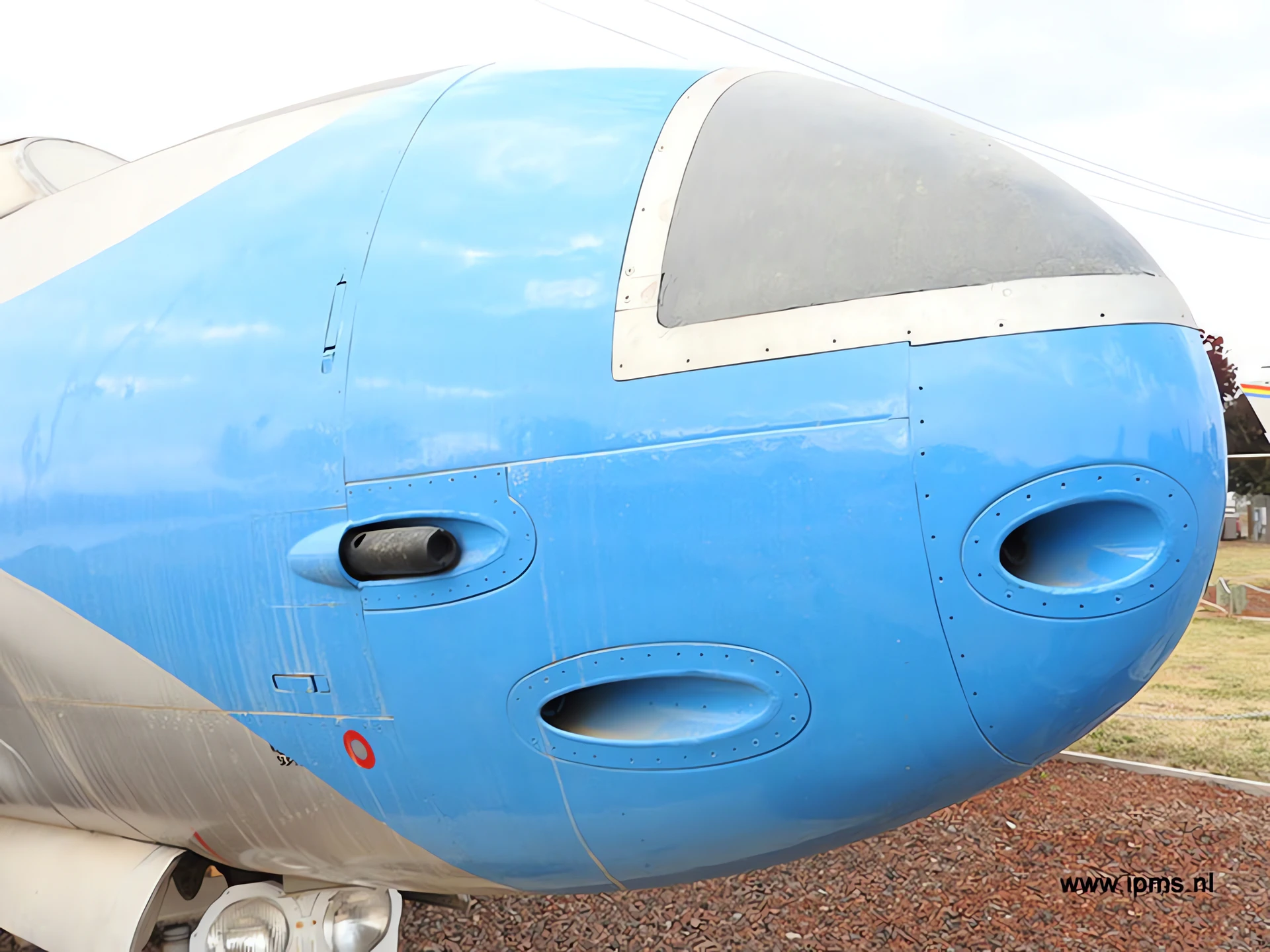
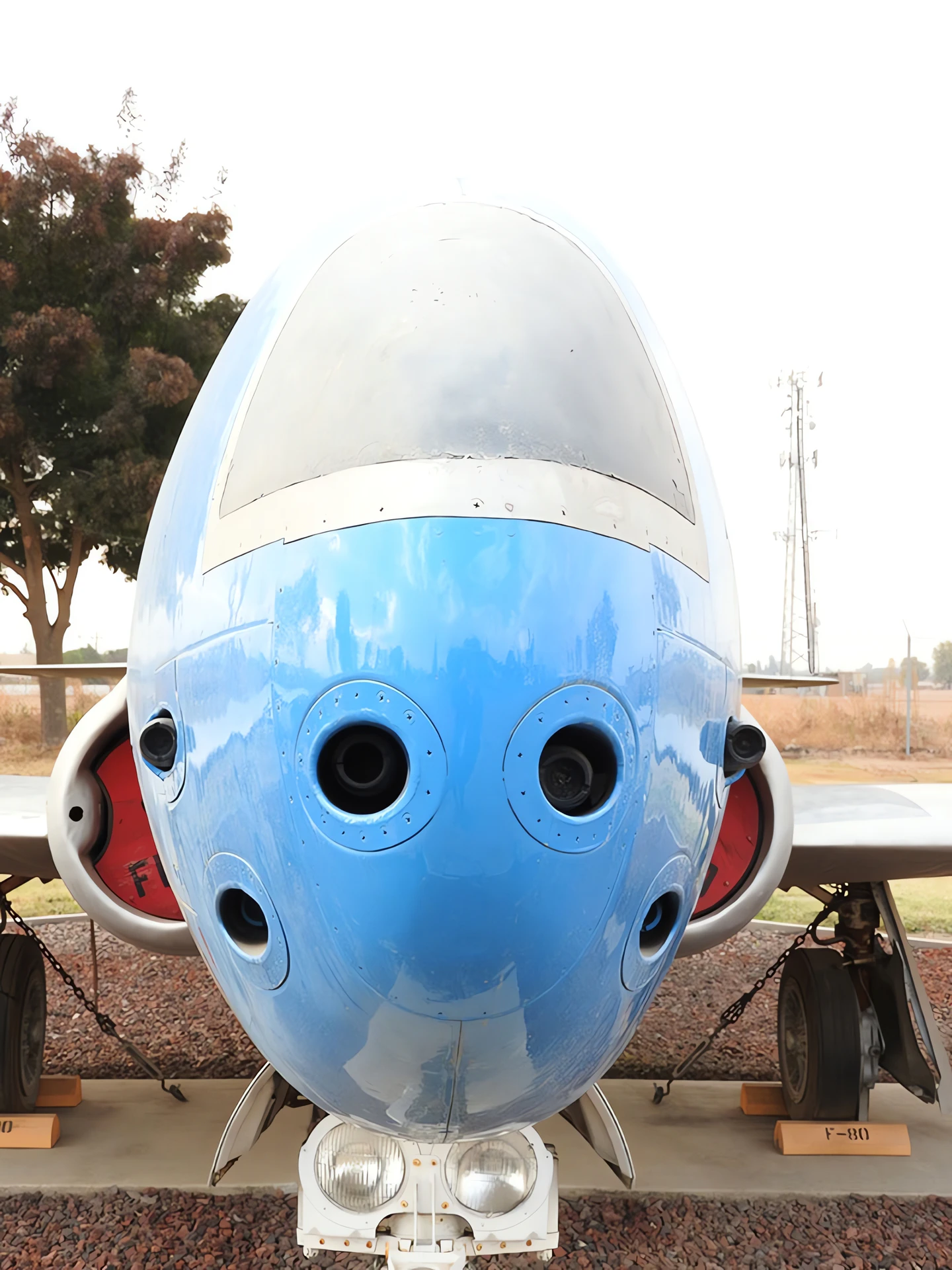
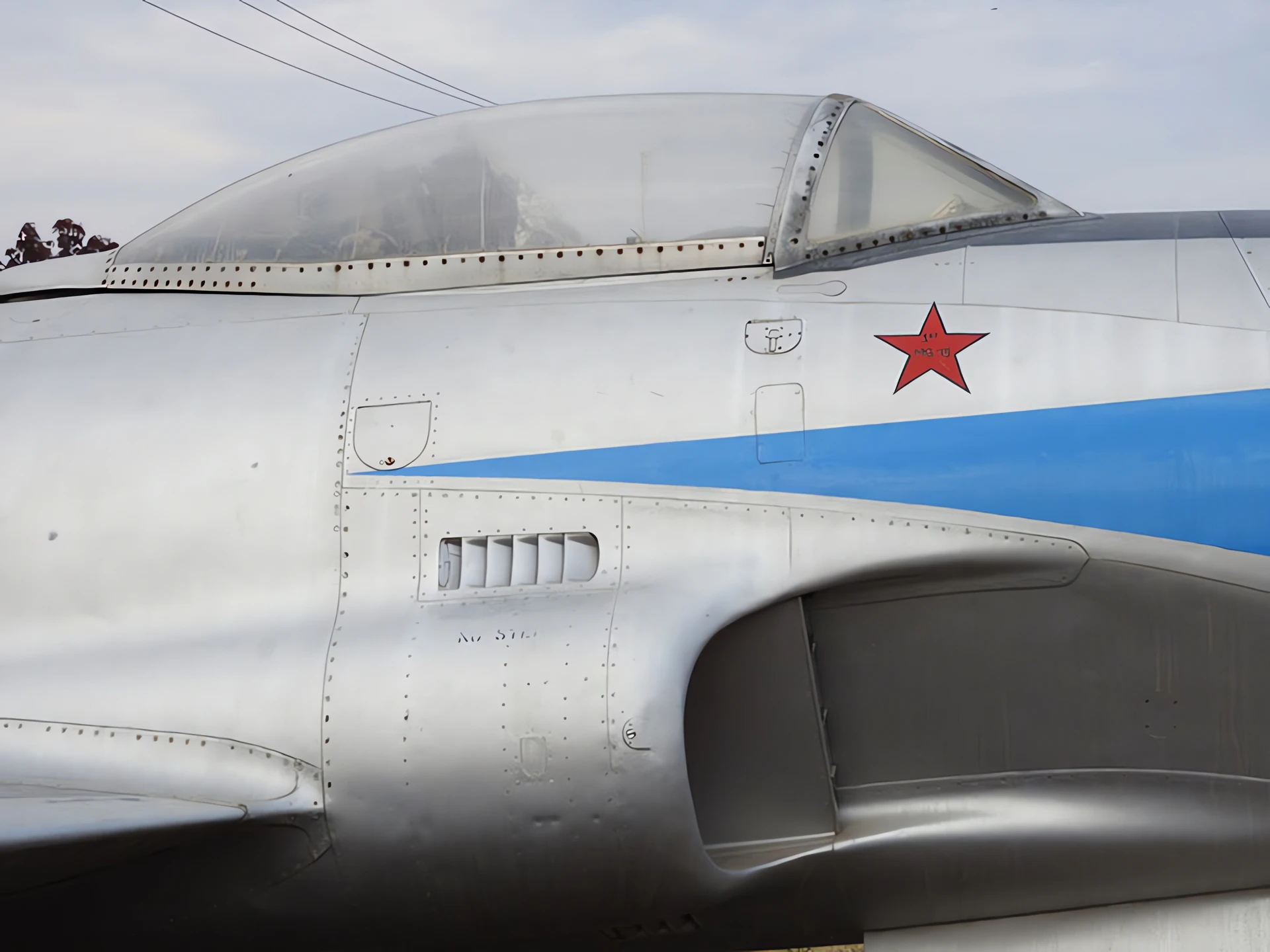
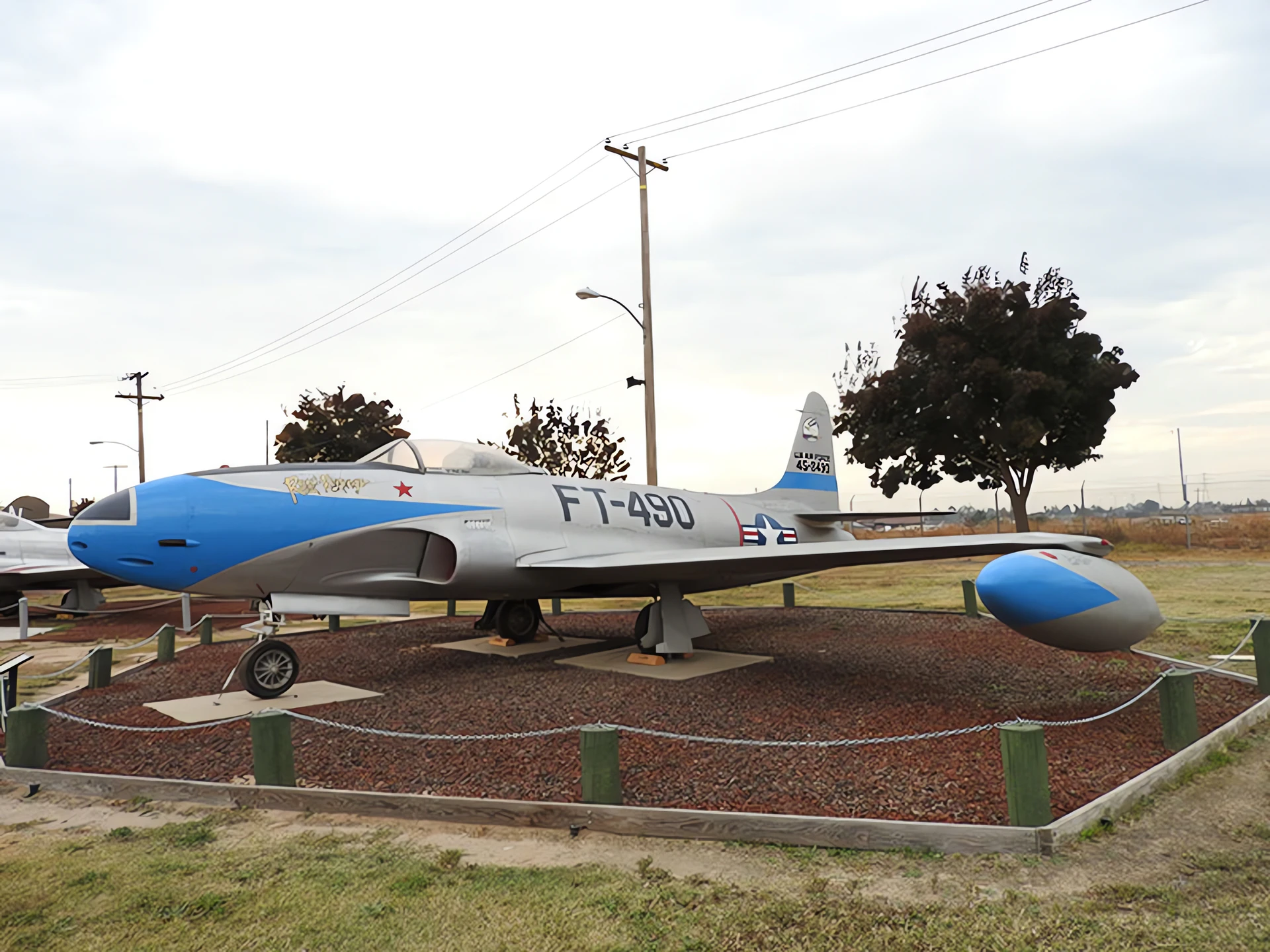

| Lockheed F-80C Walk Around | |
|---|---|
| Фотограф | Райт Паттерсон |
| Локализации | Неизвестная |
| Фотографии | 18 |
| Lockheed P-80 Shooting Star Walk Around | |
|---|---|
| Фотограф | Деннис Спаркс |
| Локализации | Неизвестная |
| Фотографии | 24 |
Читайте также:


The Dawn of the Jet Age
Teh Локхид P-80 Стрельба звезда (re-designated F-80 in 1948) was the first jet fighter used operationally by the United States Army Air Forces. Designed by Clarence “Kelly” Johnson and his Skunk Works team in just 143 days, it was a response to the German Me 262. While it arrived too late to see combat in WWII, it became the cornerstone of the early Cold War USAF and participated in the first-ever jet-versus-jet dogfight during the Korean War.
| Attribute | Technical Specification (F-80C) |
|---|---|
| Роль | Fighter-Interceptor / Fighter-Bomber |
| Экипажа | 1 (Pilot) |
| First Flight | January 8, 1944 |
| Силовая установка | 1 × Allison J33-A-35 centrifugal-flow turbojet |
| Thrust | 5,400 lbf (24 kN) |
| Максимальная скорость | 956 km/h (594 mph) at sea level |
| Вооружение | 6 × .50 cal (12.7 mm) M3 Browning machine guns (Nose) |
| полезная нагрузка | 2 × 1,000 lb bombs or 8 × 5-inch rockets |
Design and Engineering Milestones
- Centrifugal-Flow Turbojet: The P-80 utilized the Allison J33, based on the British Whittle design. Unlike modern axial-flow engines, the J33 used a large impeller to compress air, which gave the F-80 its characteristic “fat” mid-section.
- Nose-Concentrated Armament: By placing the six machine guns in the nose rather than the wings, the F-80 eliminated “convergence” issues, allowing for a concentrated stream of fire at any range.
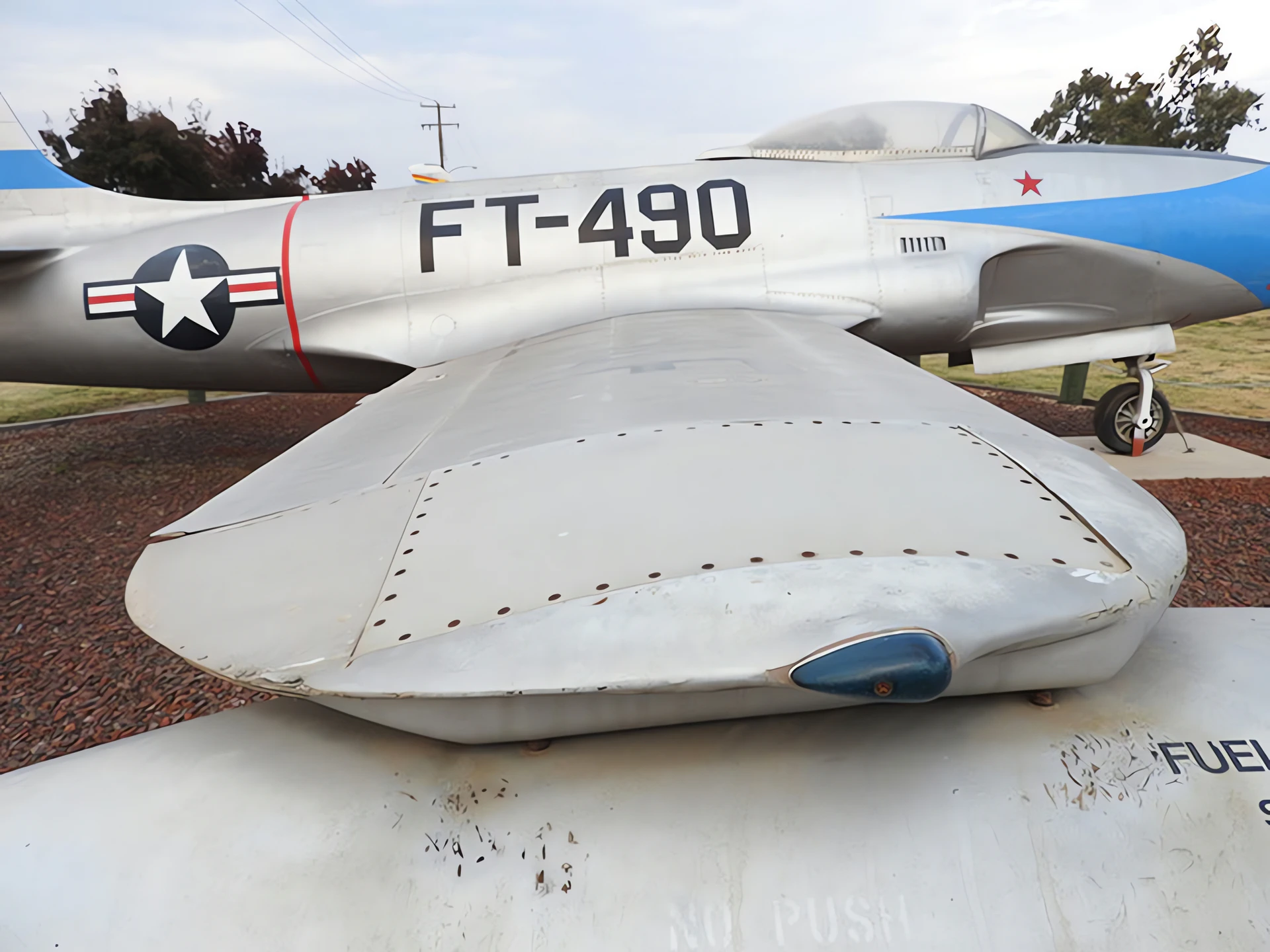
- The “Misery” Fuel Tanks: Early jets had poor range. The F-80 was iconic for its large, teardrop-shaped wingtip fuel tanks. These not only extended range but were found to improve the wing’s aerodynamic efficiency at high speeds.
- Skunk Works Beginning: The P-80 was the project that essentially birthed Lockheed’s “Skunk Works” division, establishing the culture of rapid prototyping and extreme secrecy.
The Korean War & Transition
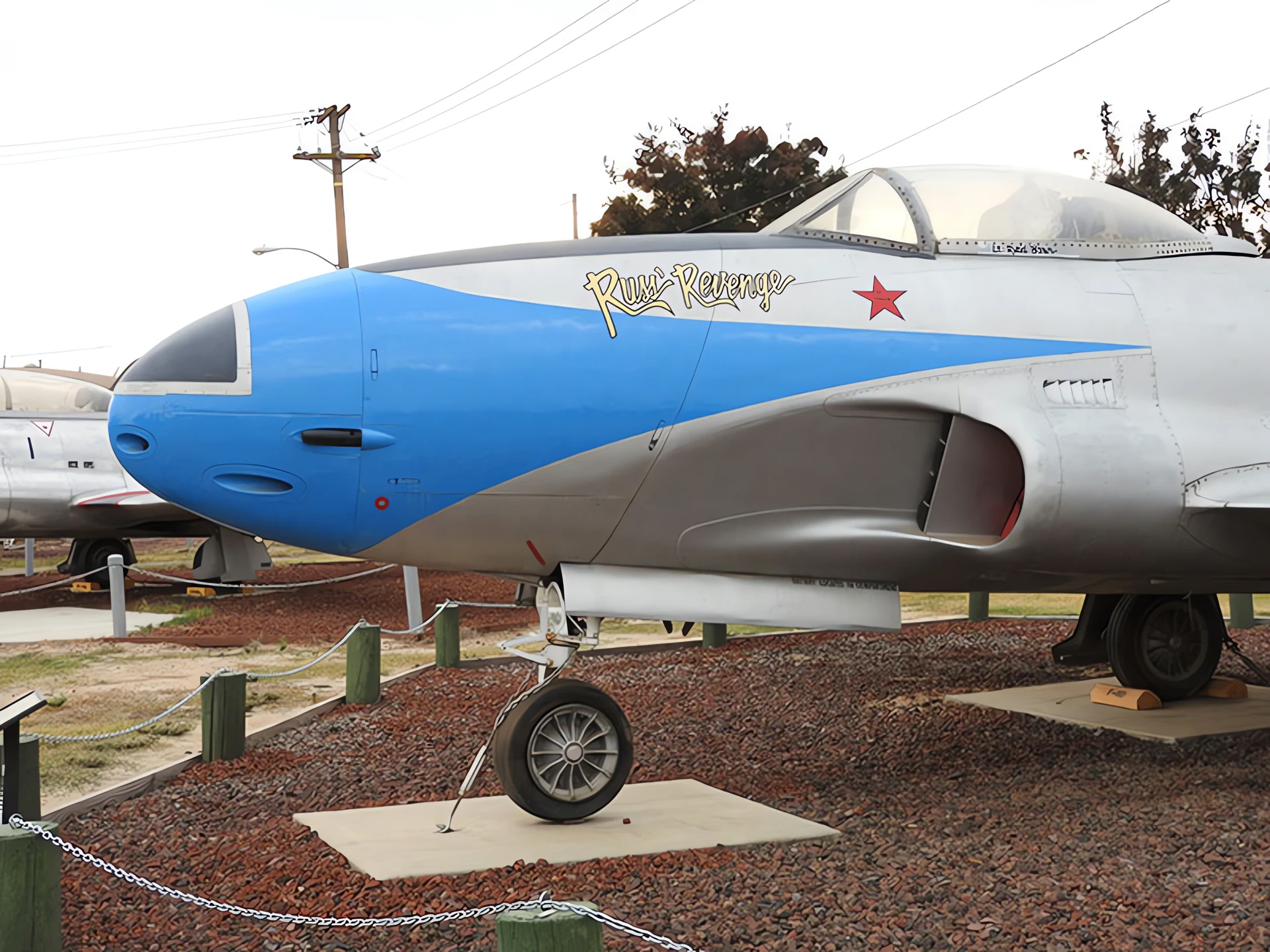
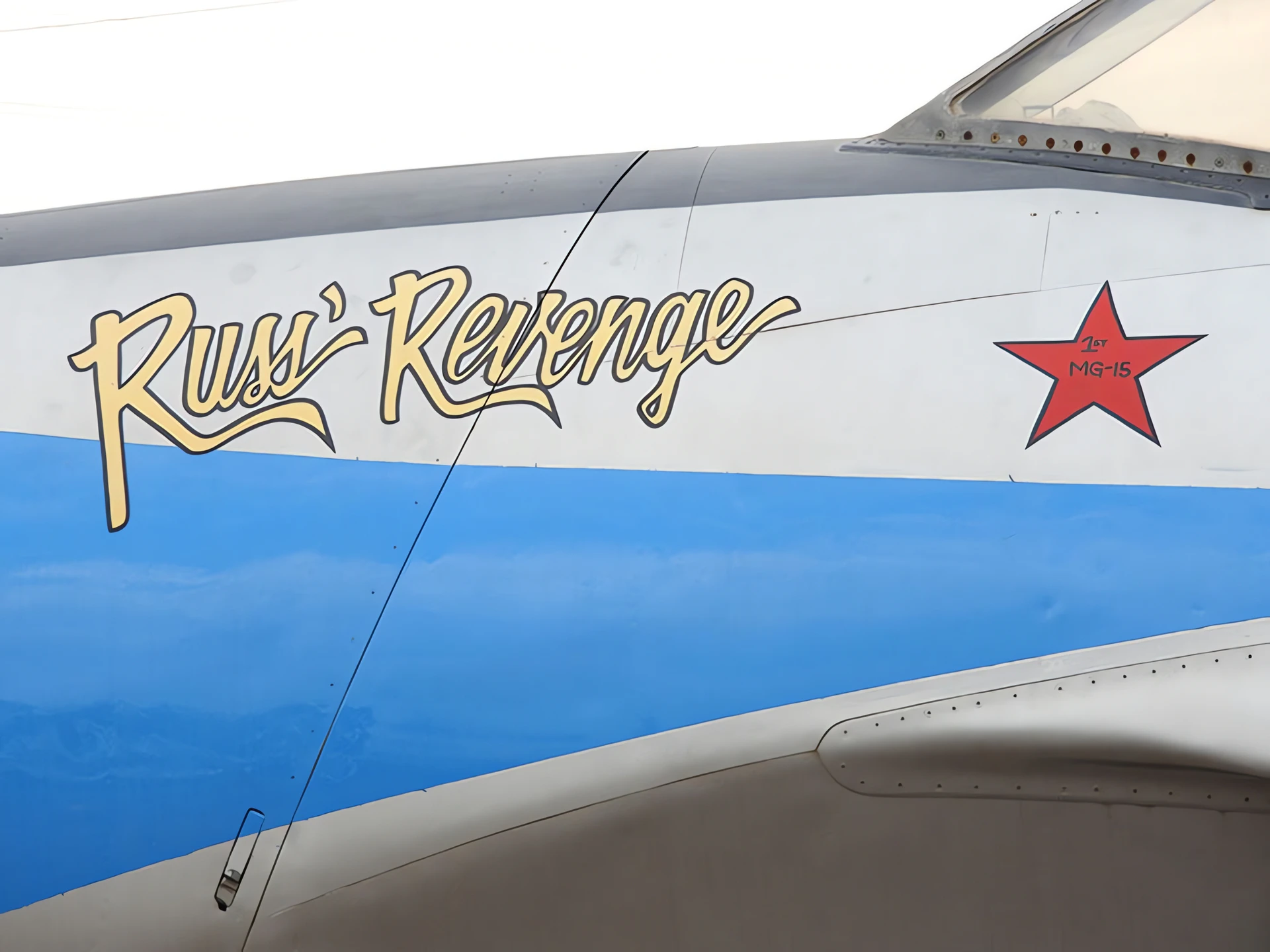
- The First Jet Dogfight: On November 8, 1950, Lieutenant Russell J. Brown, flying an F-80C, was credited with shooting down a Soviet-built MiG-15—the first victory in jet-versus-jet history.
- Straight vs. Swept Wings: The Korean War quickly proved that the straight-winged F-80 was outmatched in speed by the swept-wing MiG-15. The F-80 was soon shifted to the ground-attack role, where it excelled due to its stability as a gun platform.
- Training Legacy: The F-80 airframe was lengthened to create the T-33 “T-Bird”, which became the most successful jet trainer in history, used by over 40 countries for over half a century.
Просмотры : 4067
Вы также можете увидеть:
 Грумман АФ Гардиан – Фото и Видео
 Lockheed Electra 12 – Фото и видео
 Lockheed F-117 Nighthawk – Фото и видео
 Lockheed MC-130 – Фото и Видео
 Lockheed YO-3 – Фото и Видео
 Lockheed C-141 Starlifter – Фото и Видео
 Локхид C-121 Созвездие – Фото и Видео
 Lockheed T-1A – фото и видео
 Lockheed AC-130A Spectre – фото и видео
 F-104 Starfighter – фото и видео