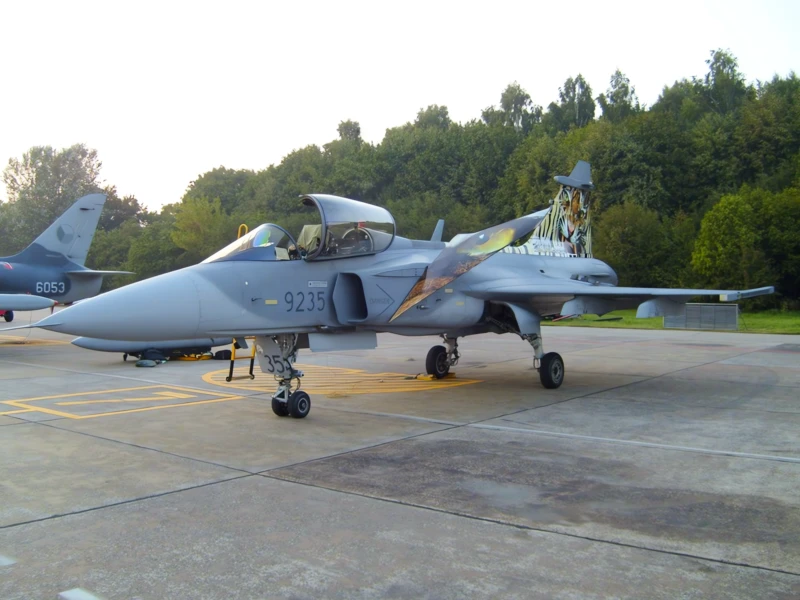
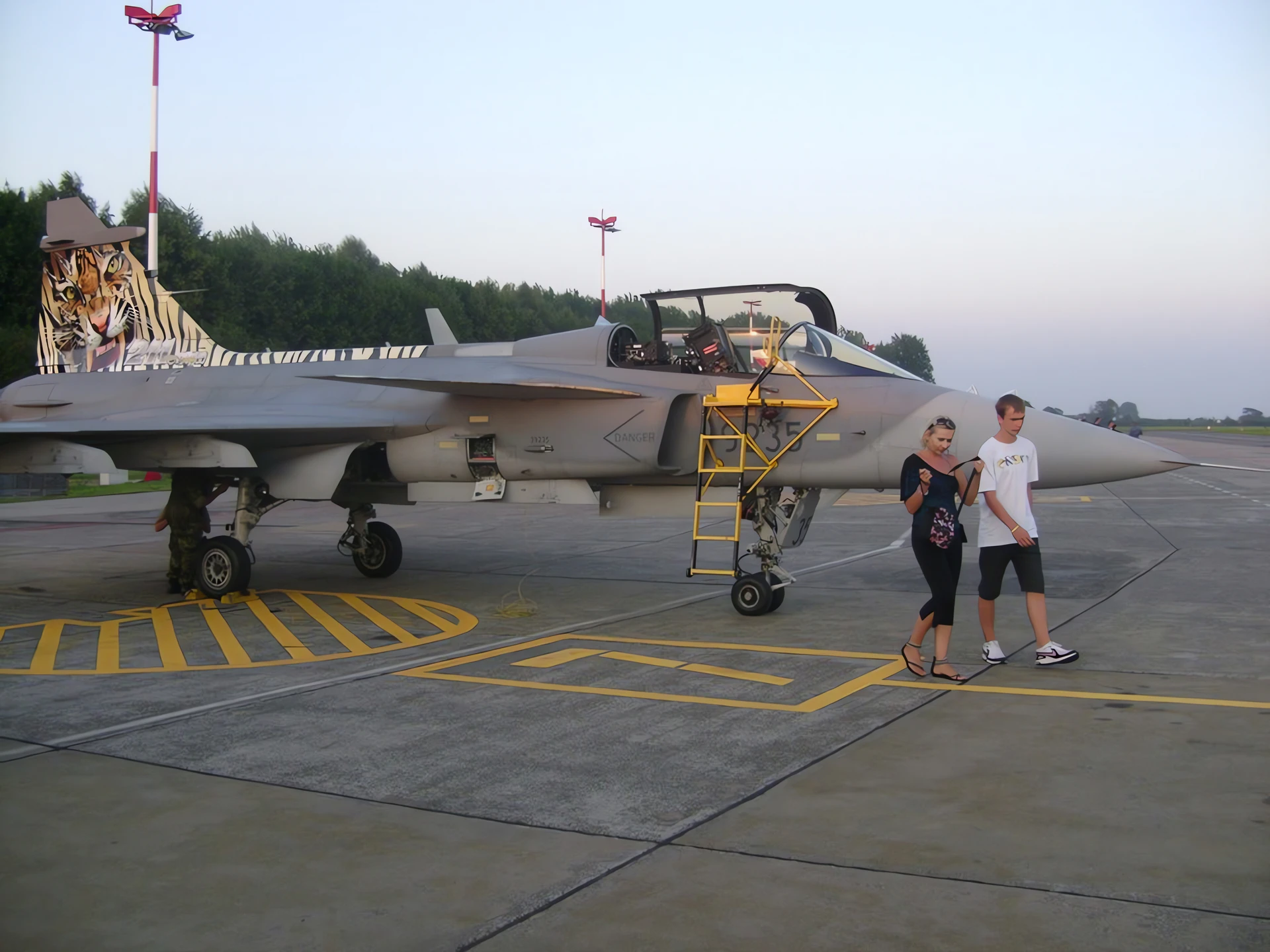
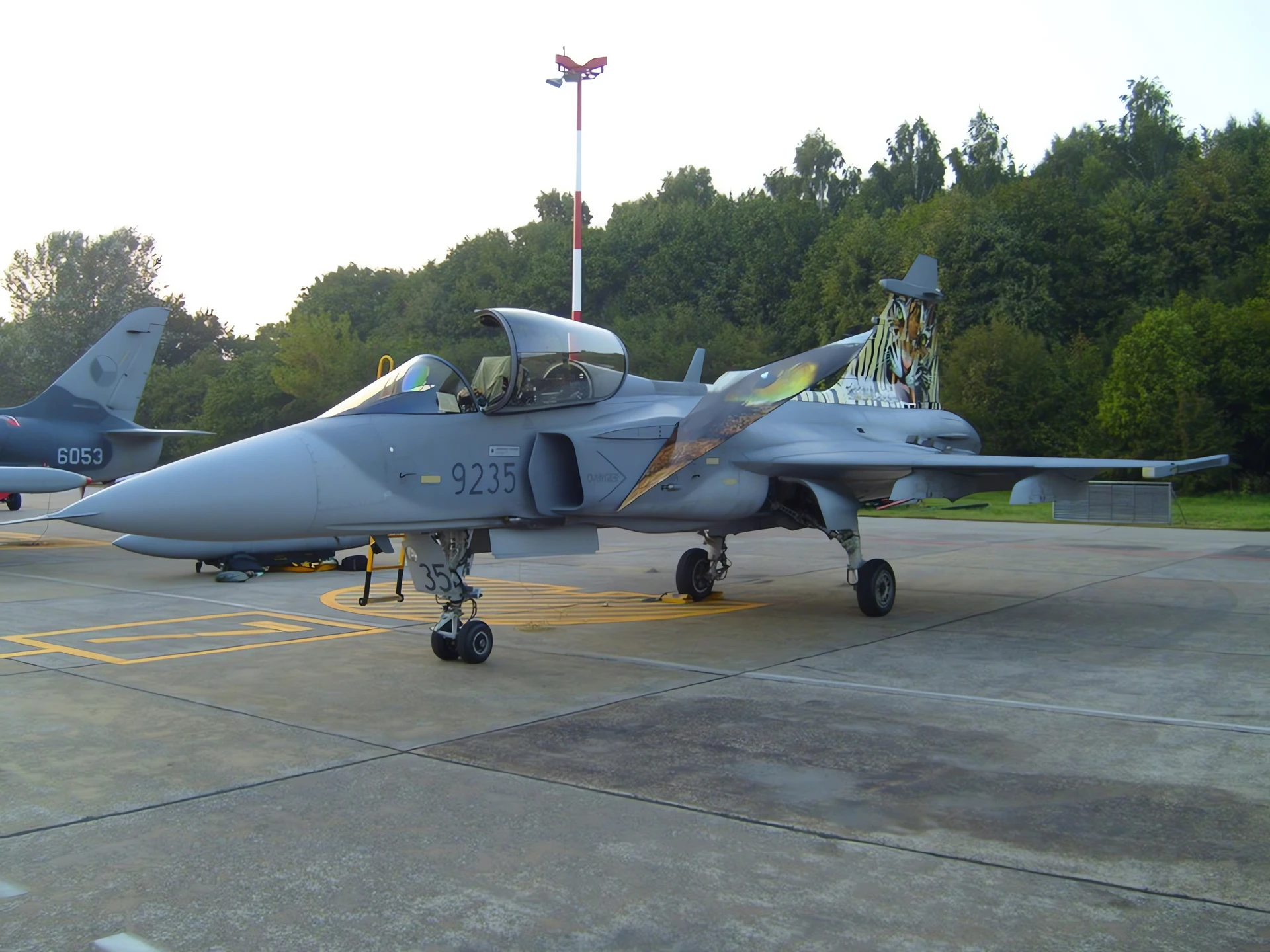
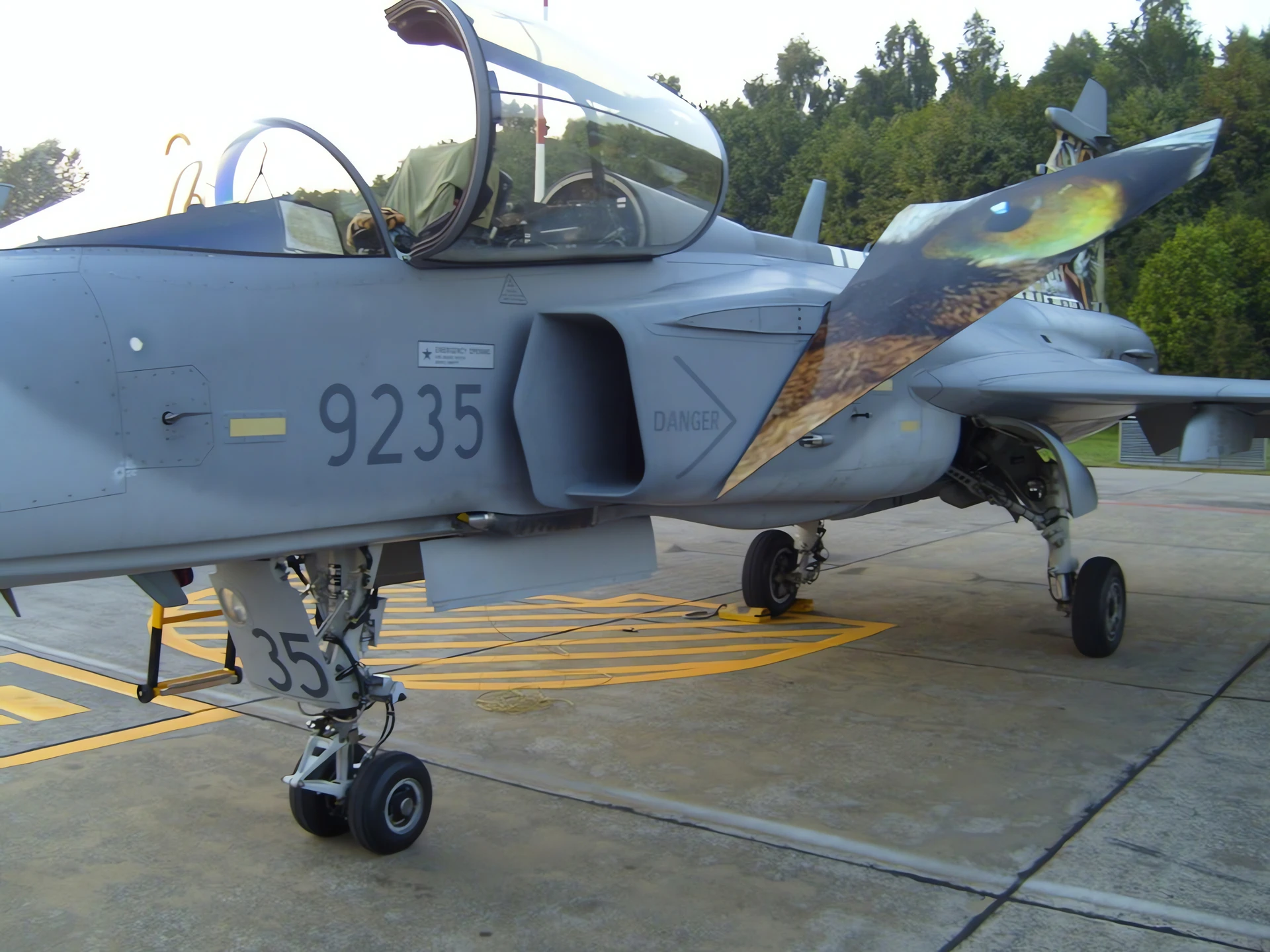
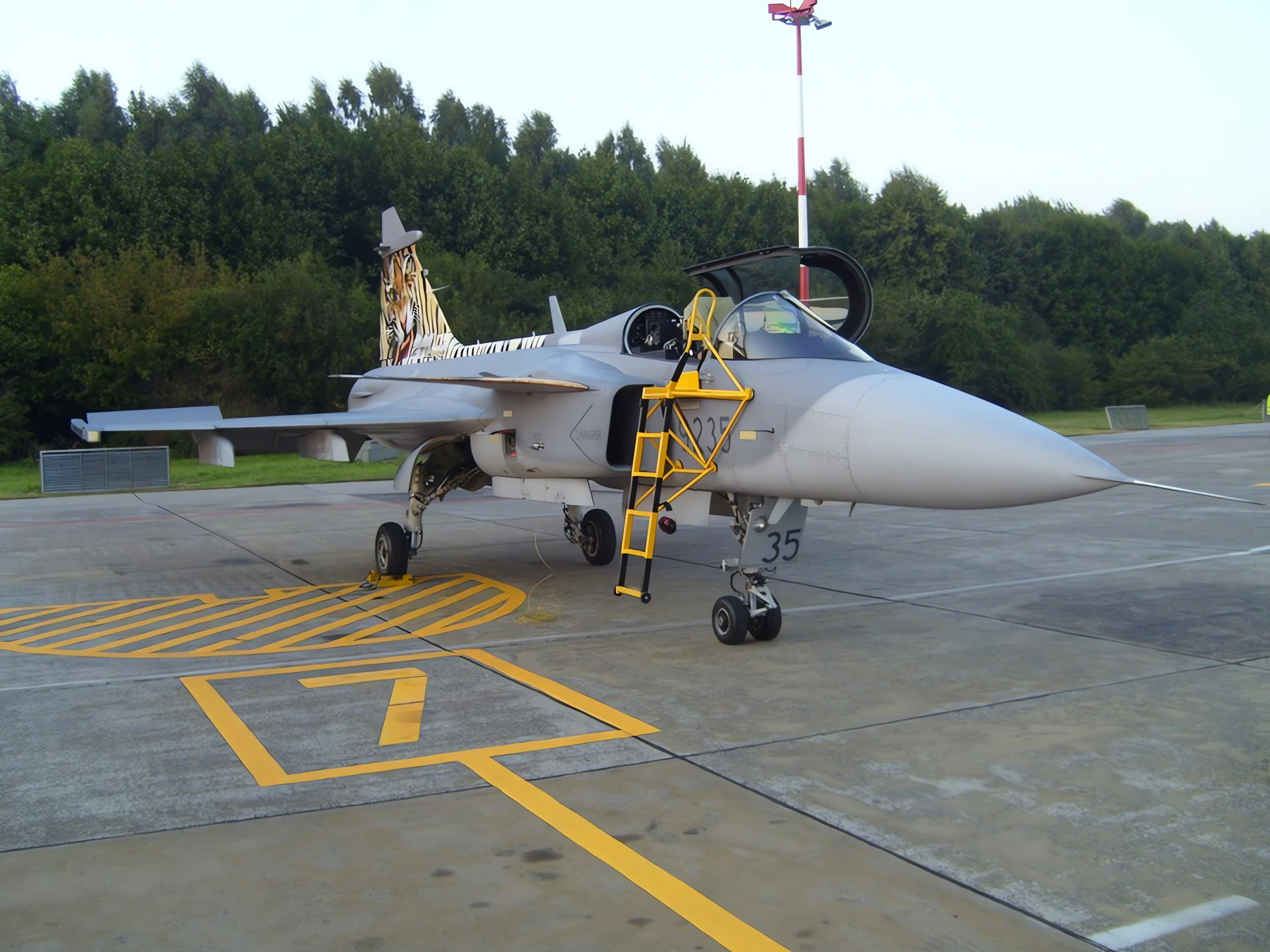
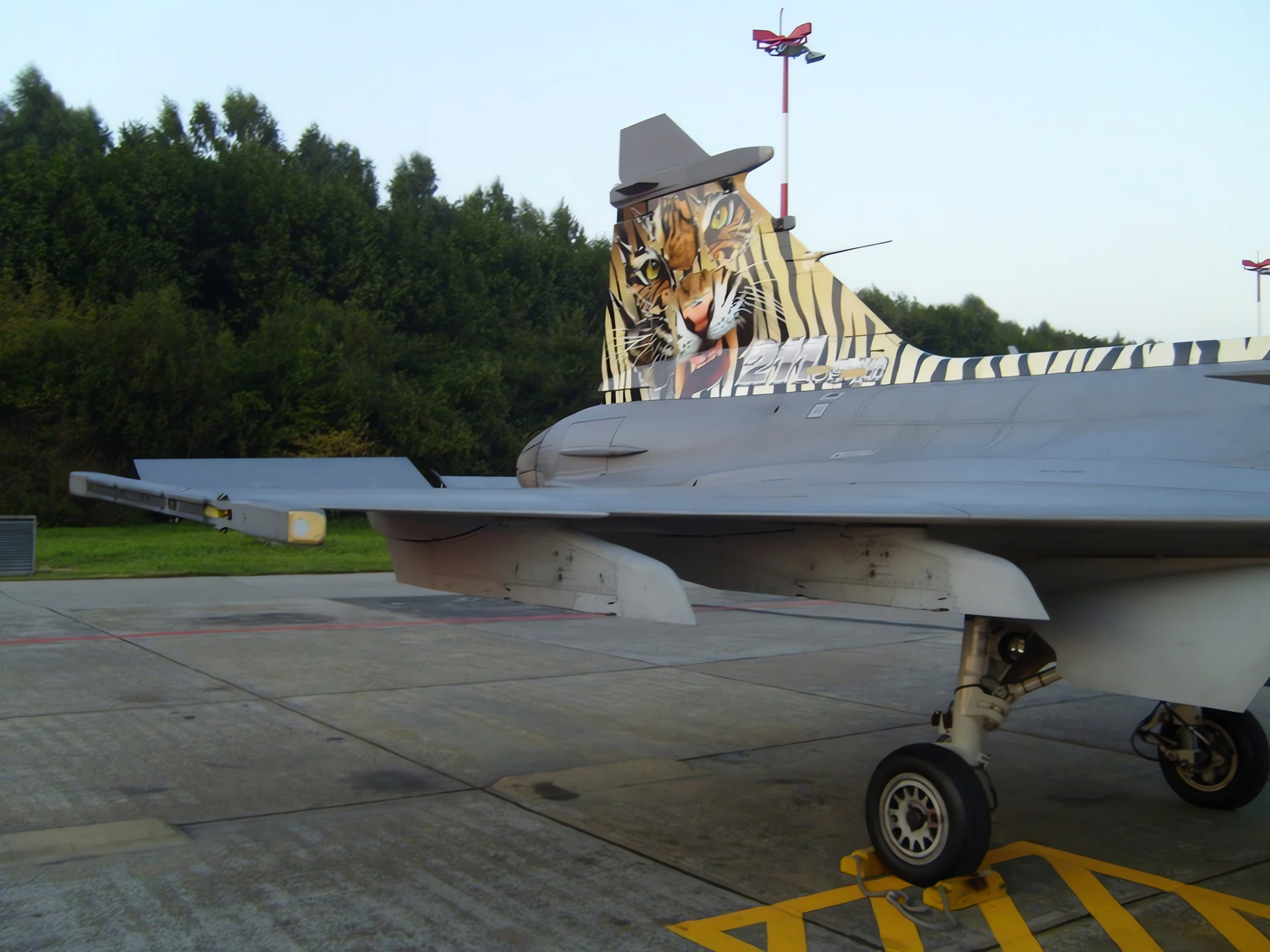
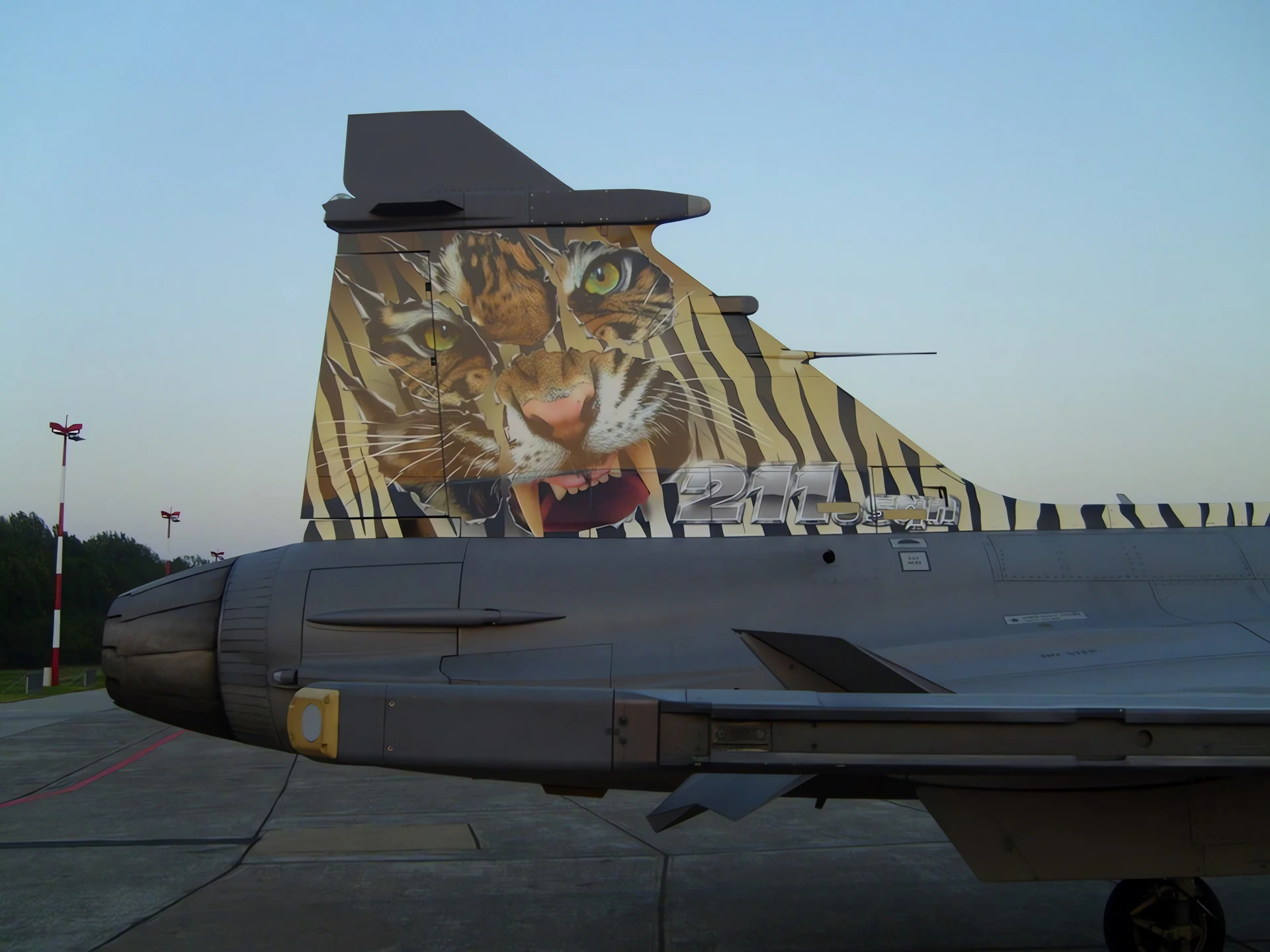
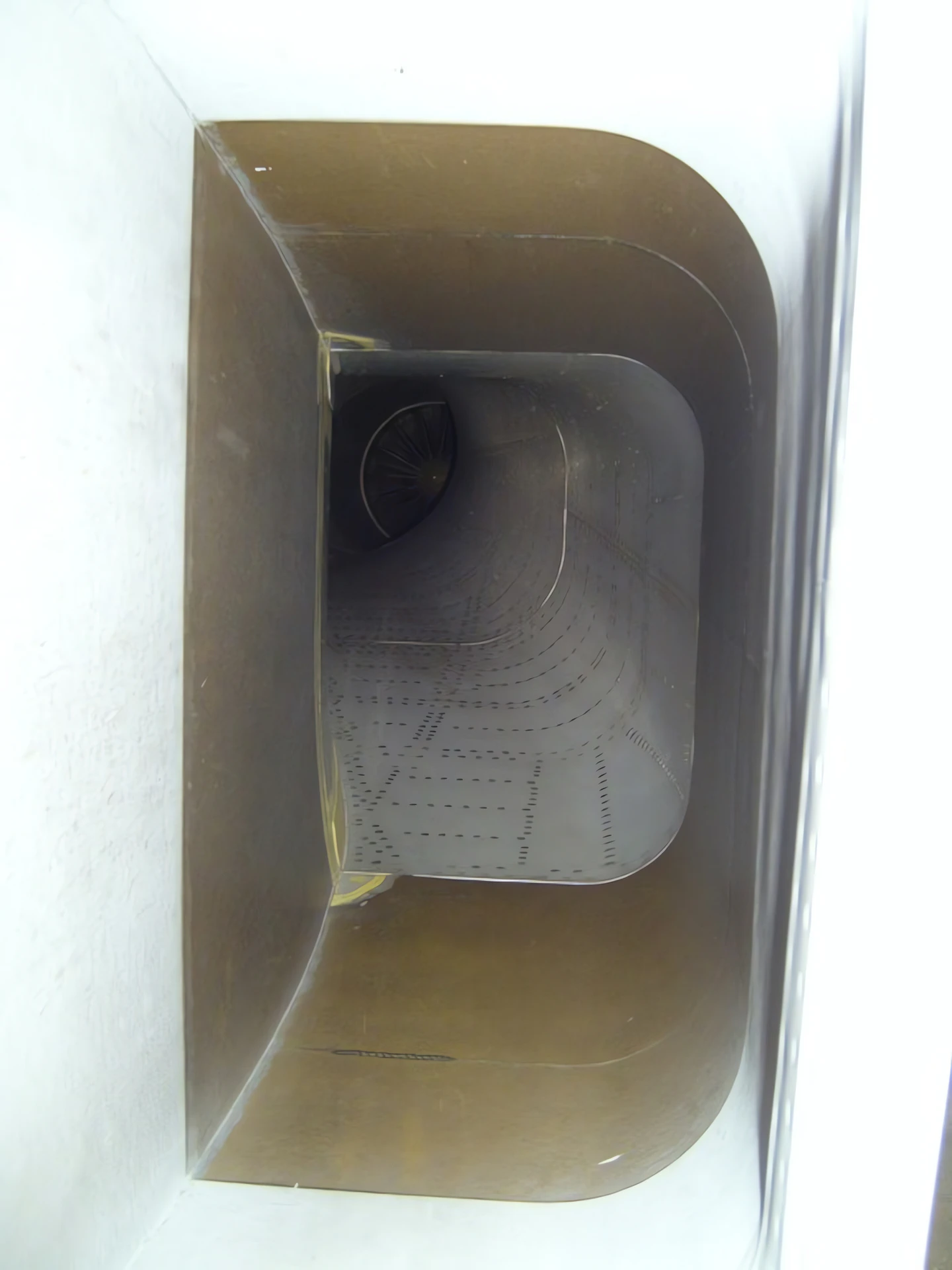
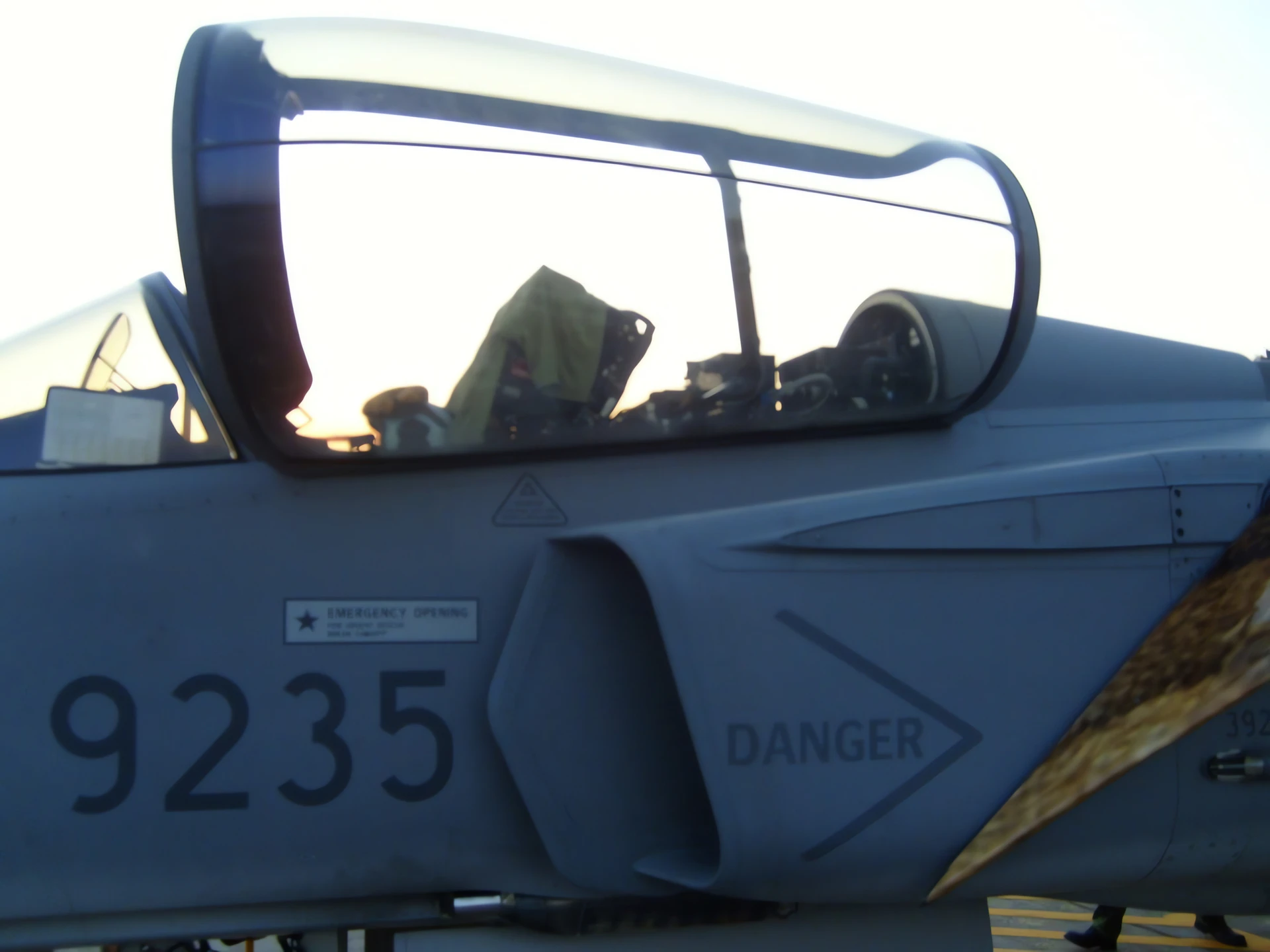
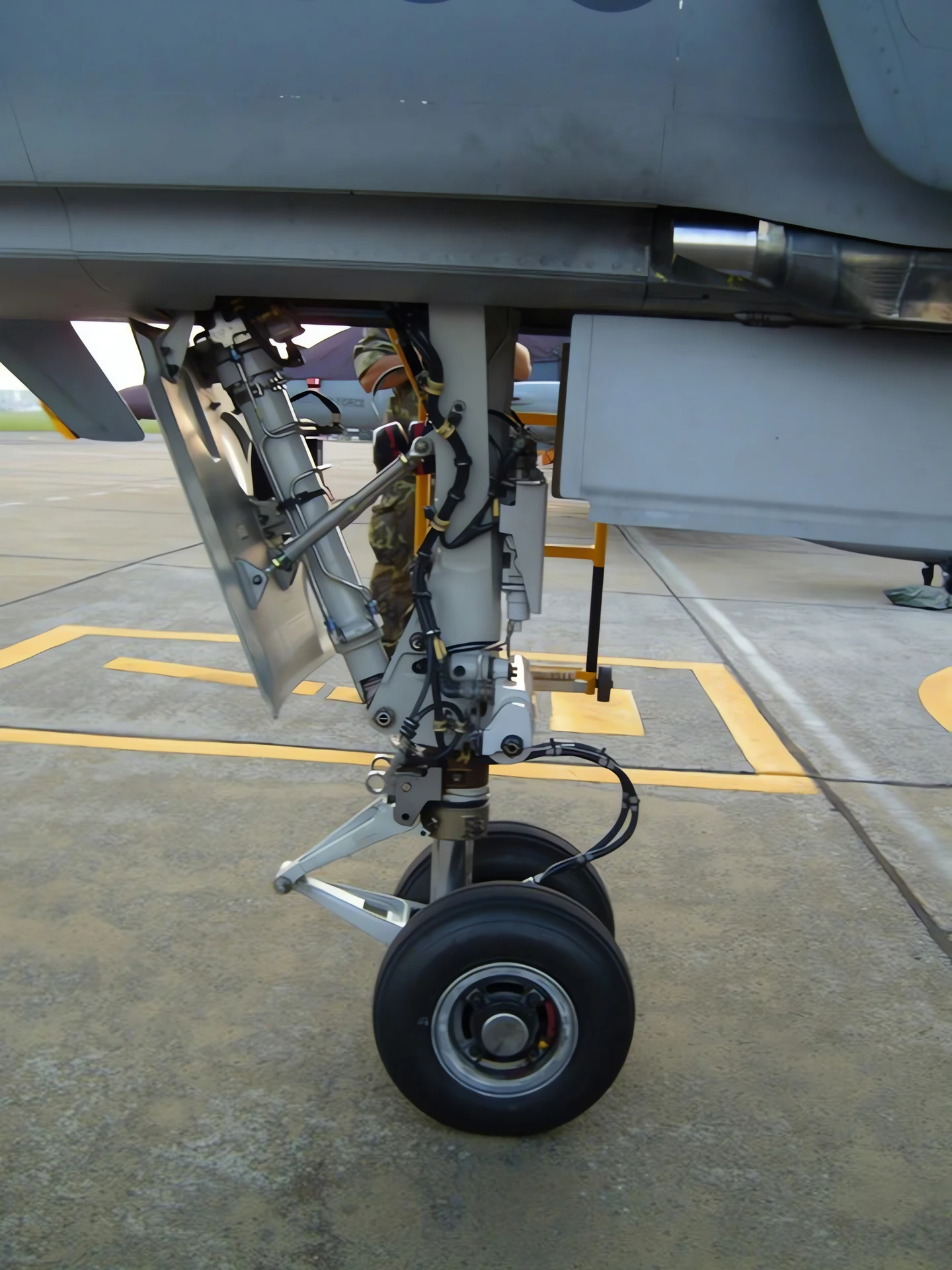
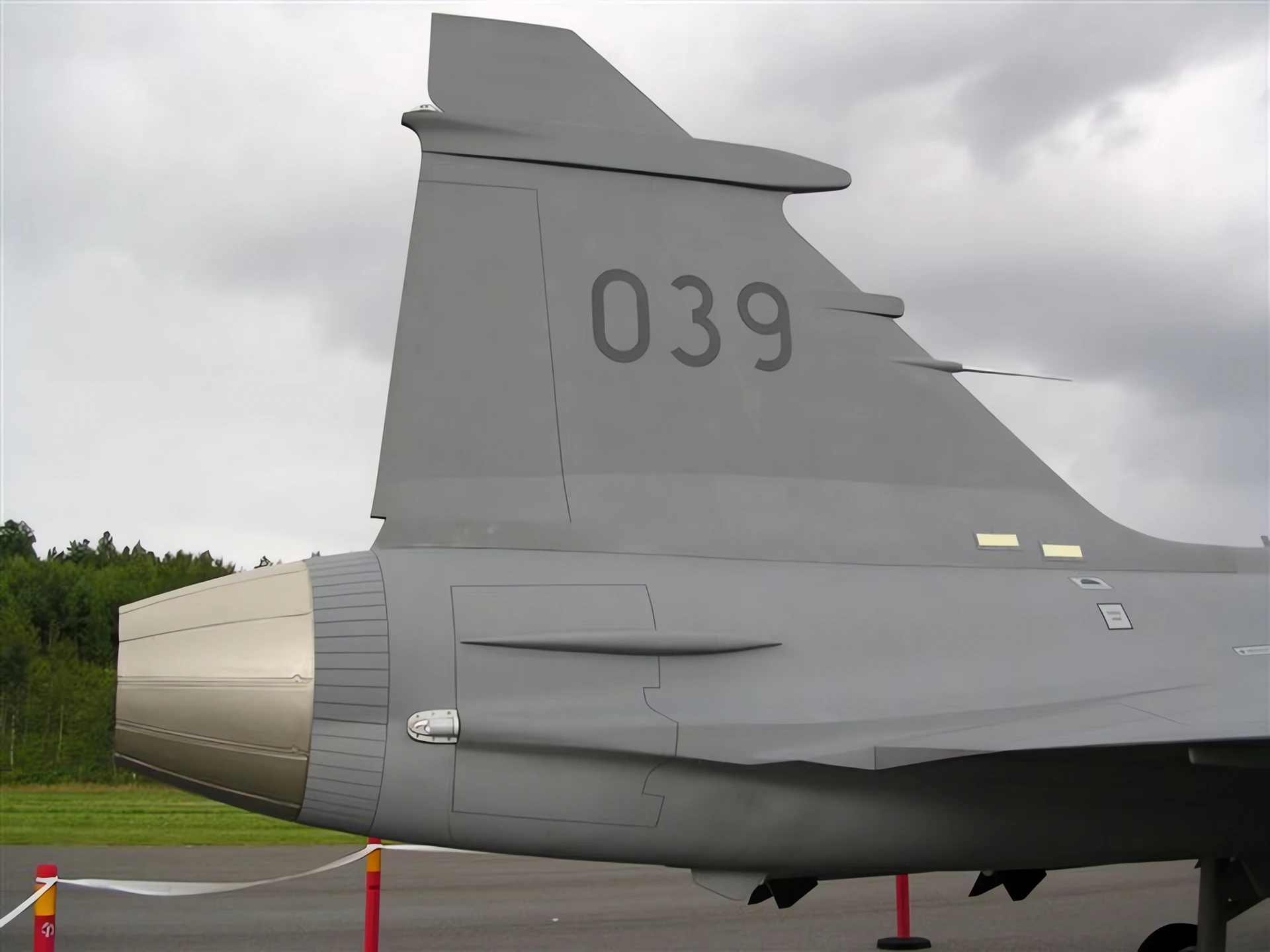
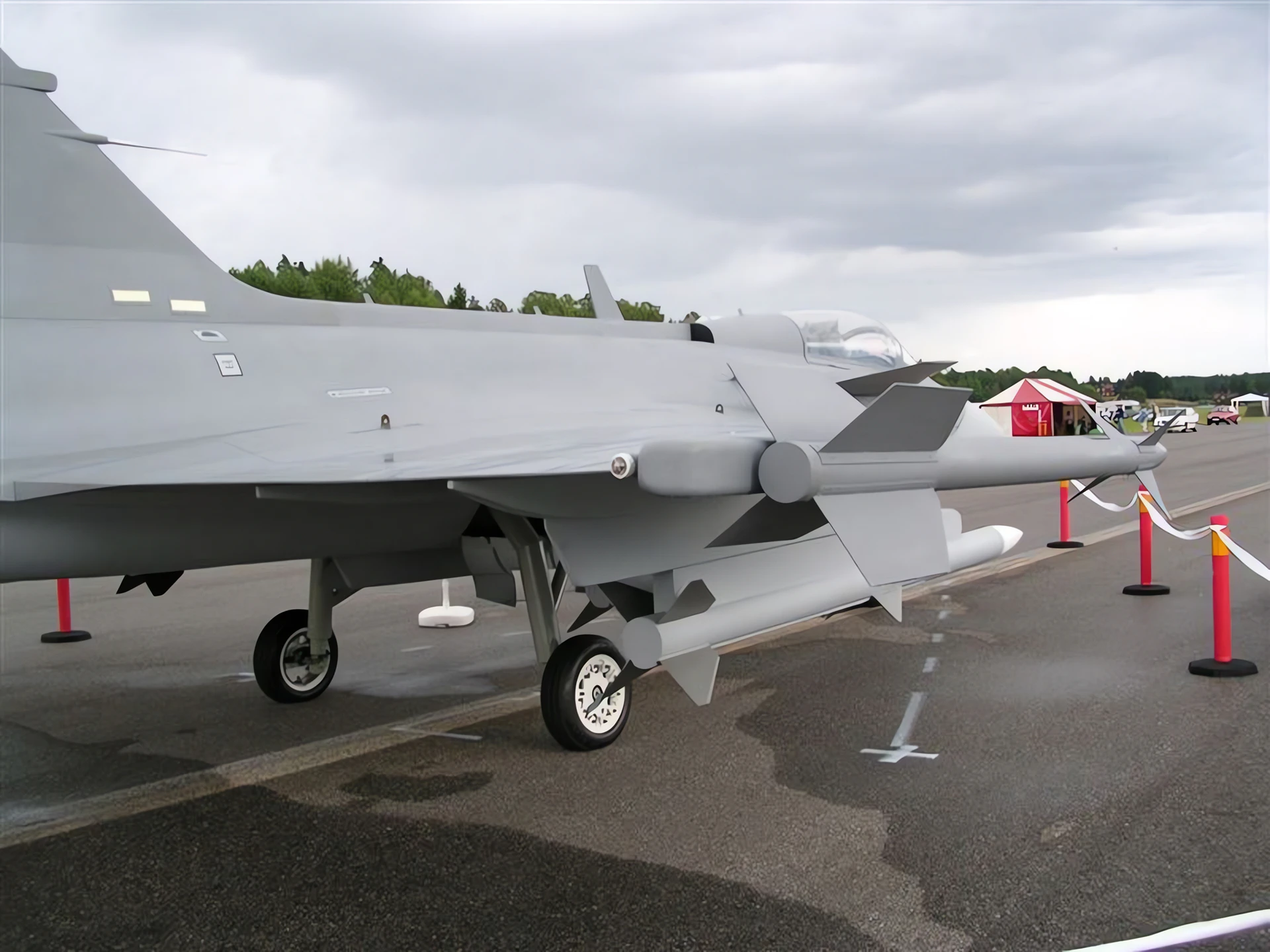
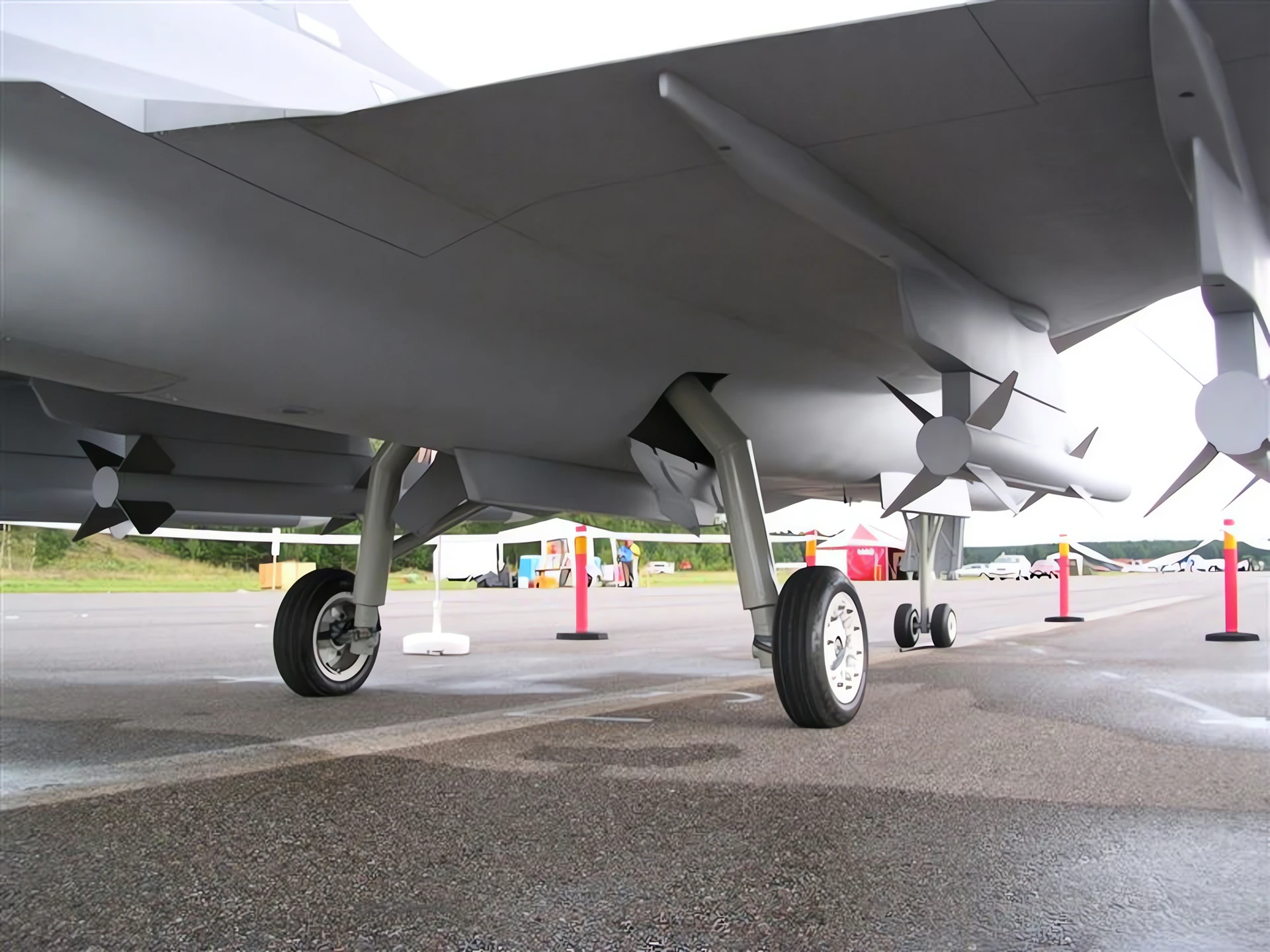
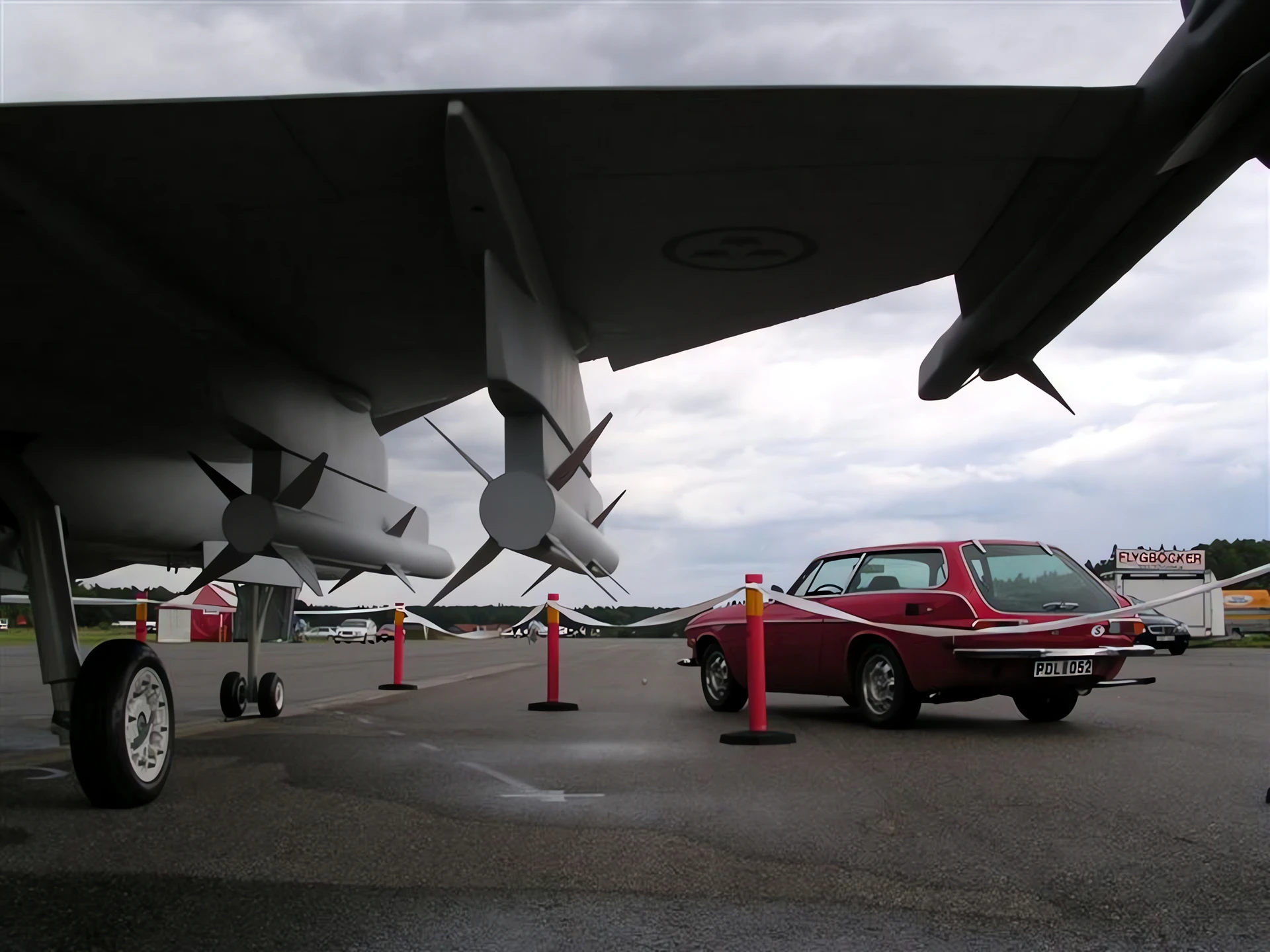
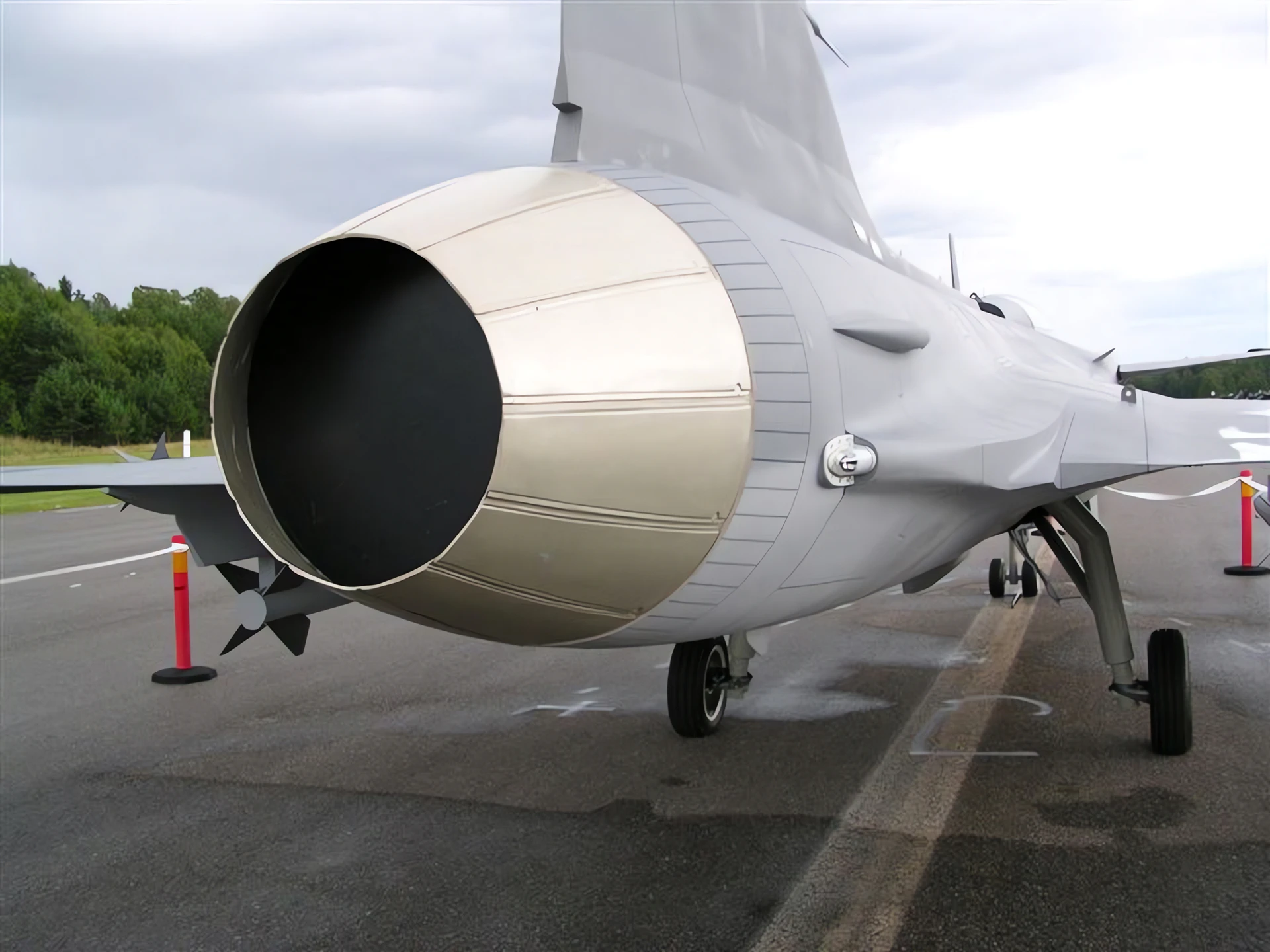
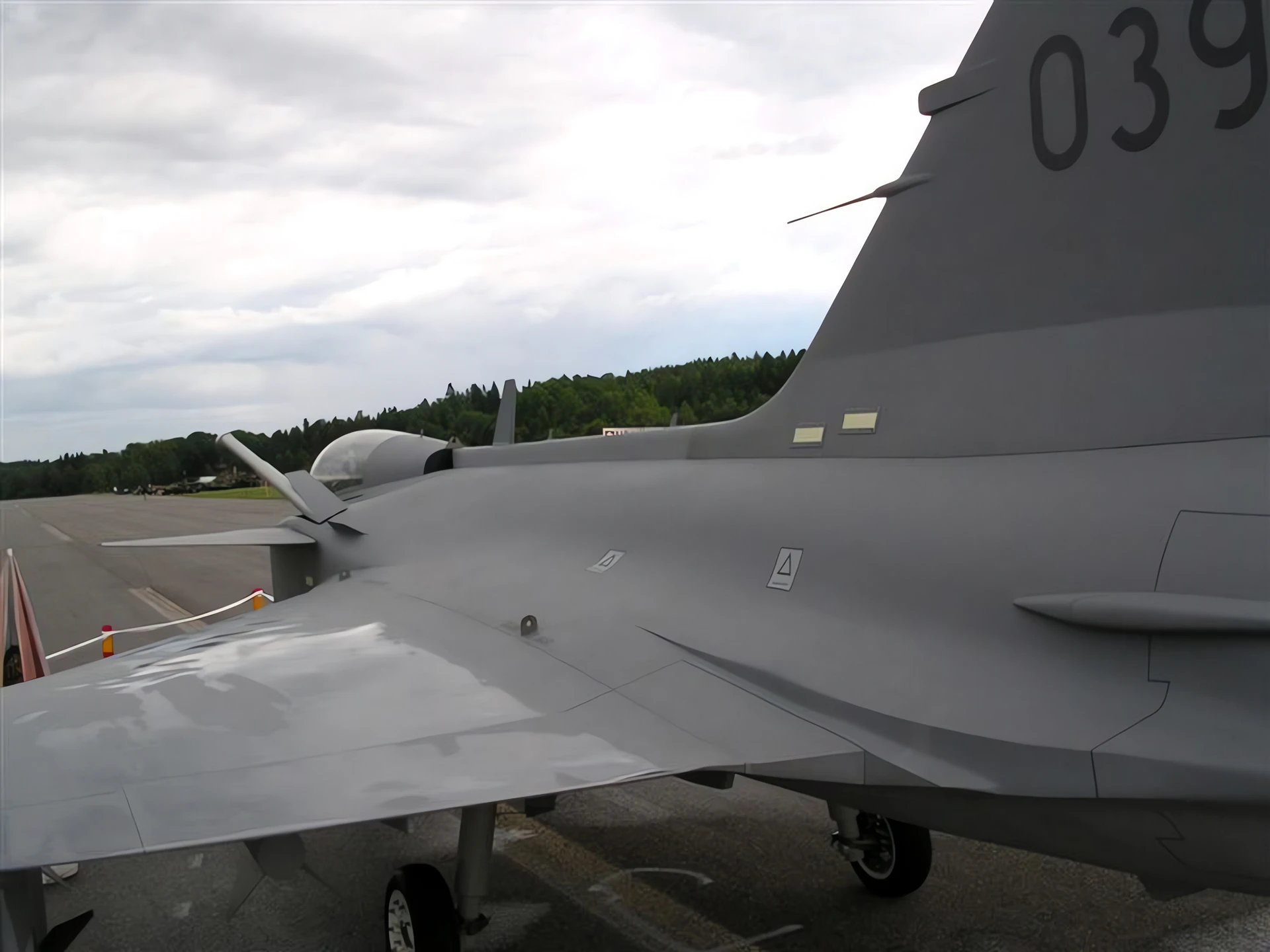
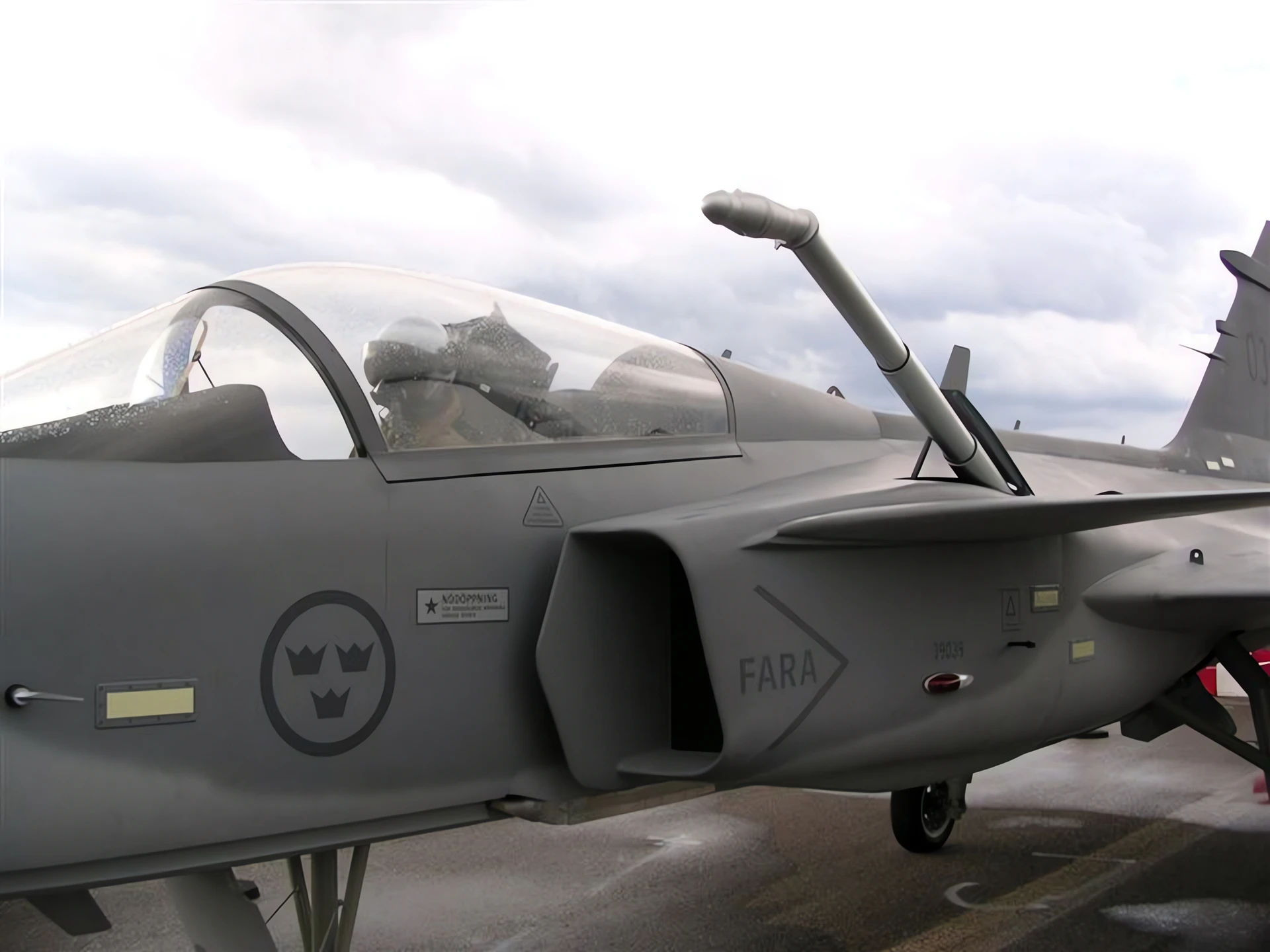
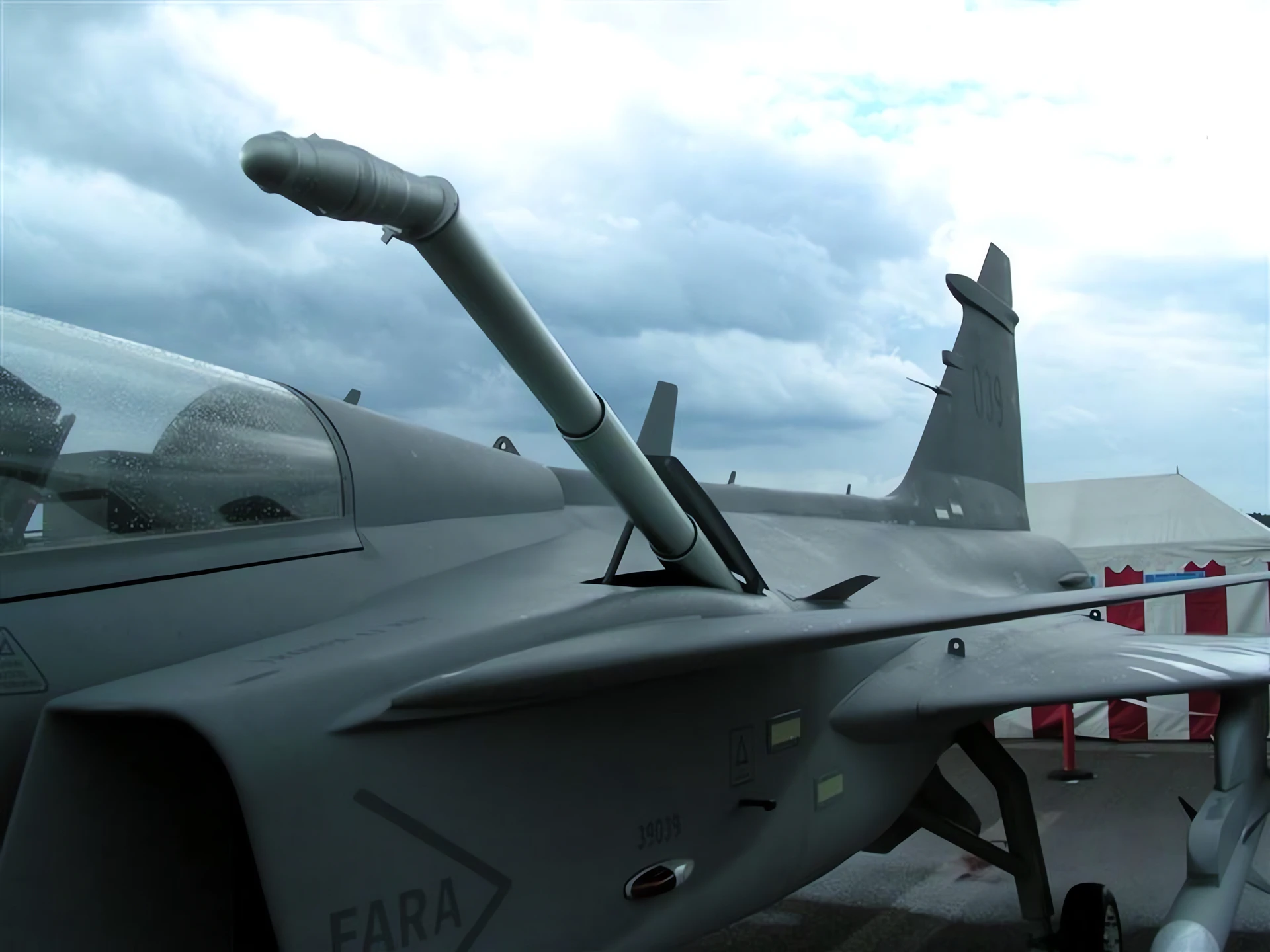
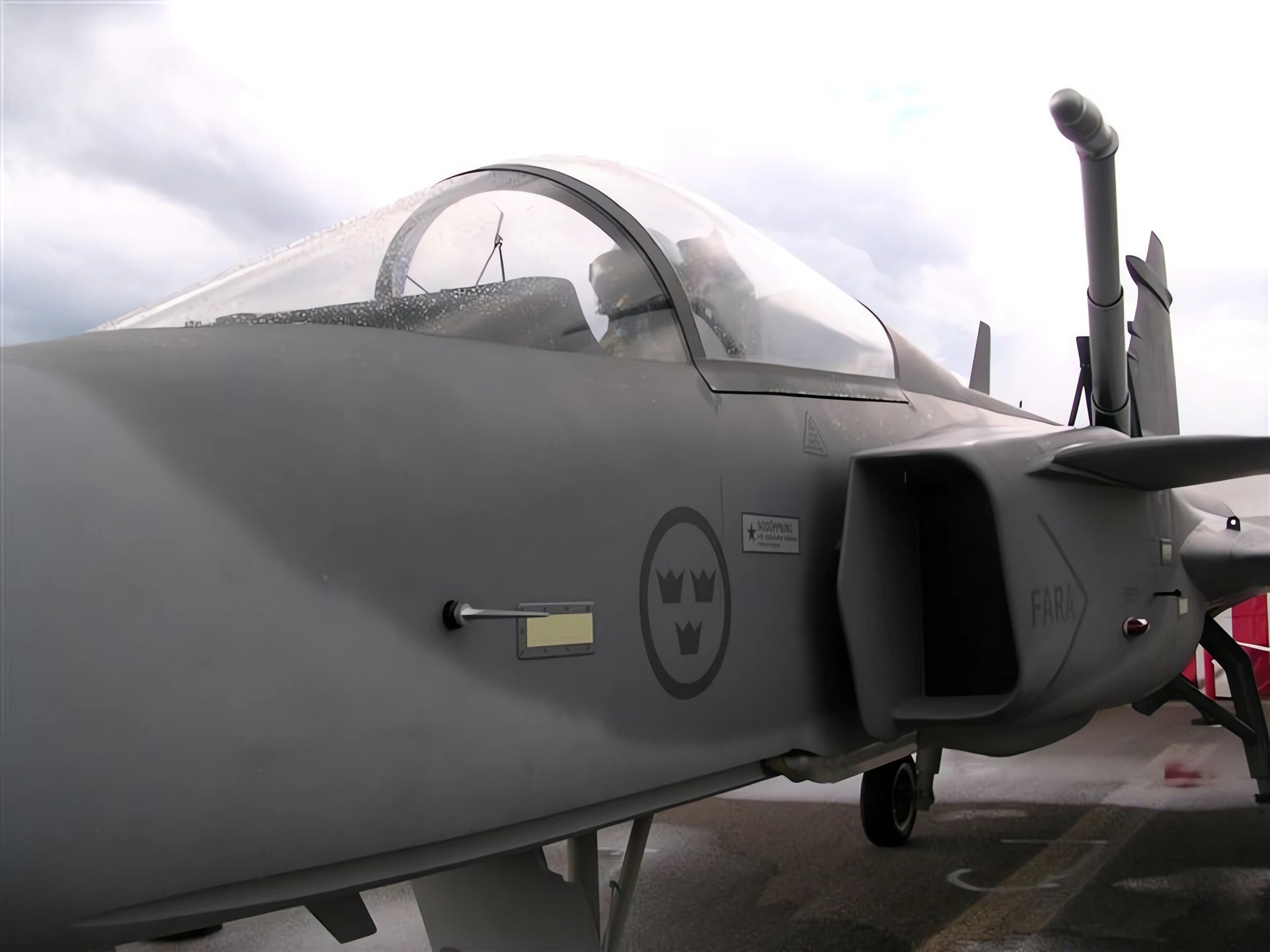
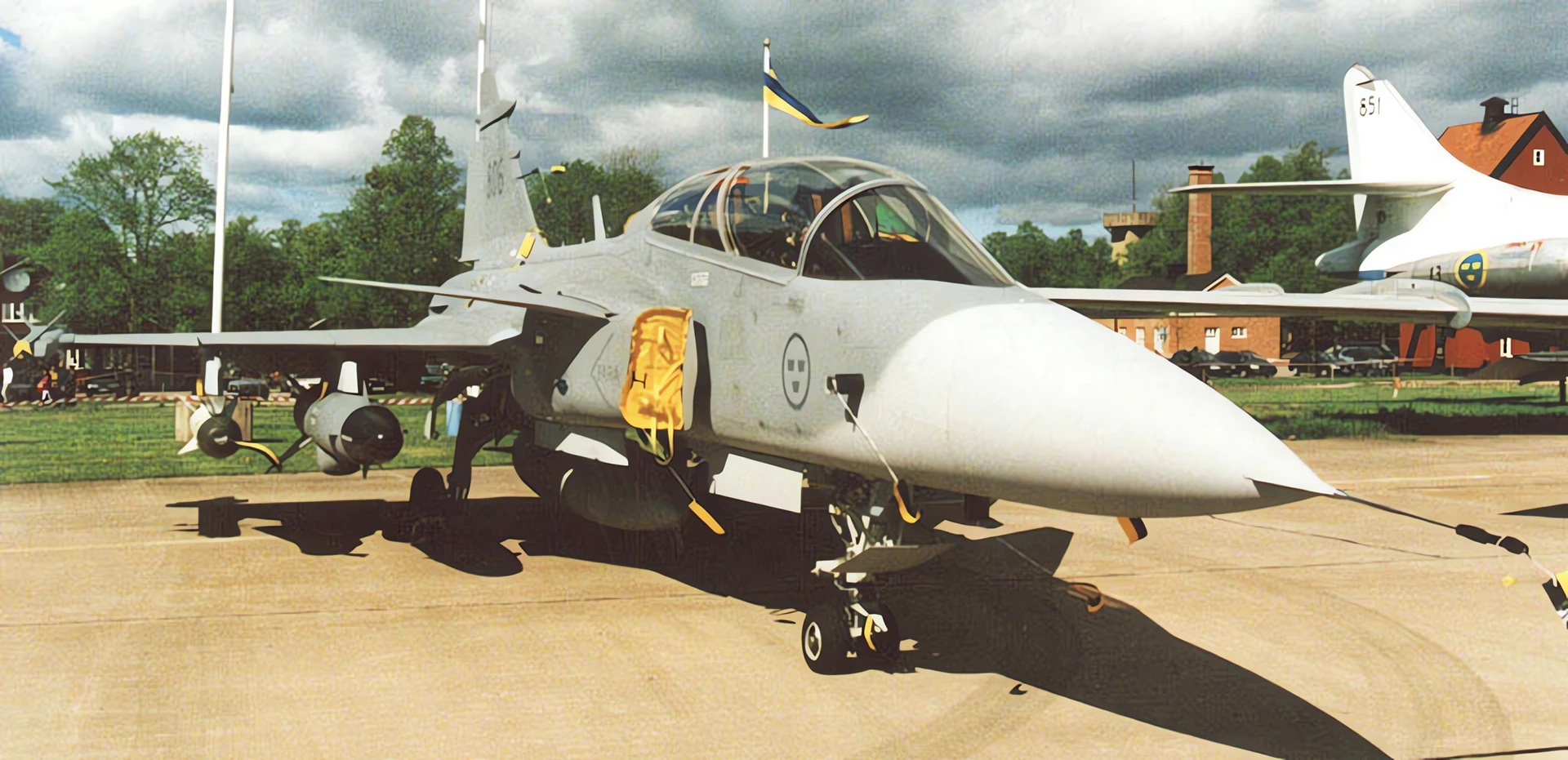
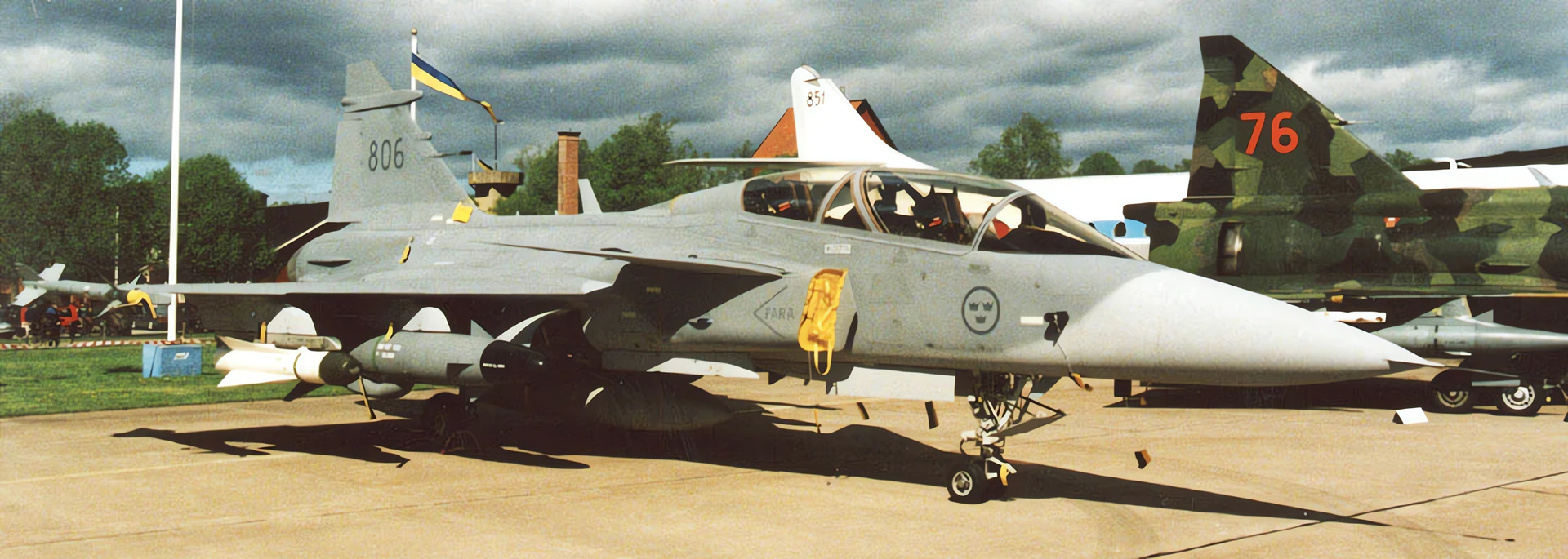
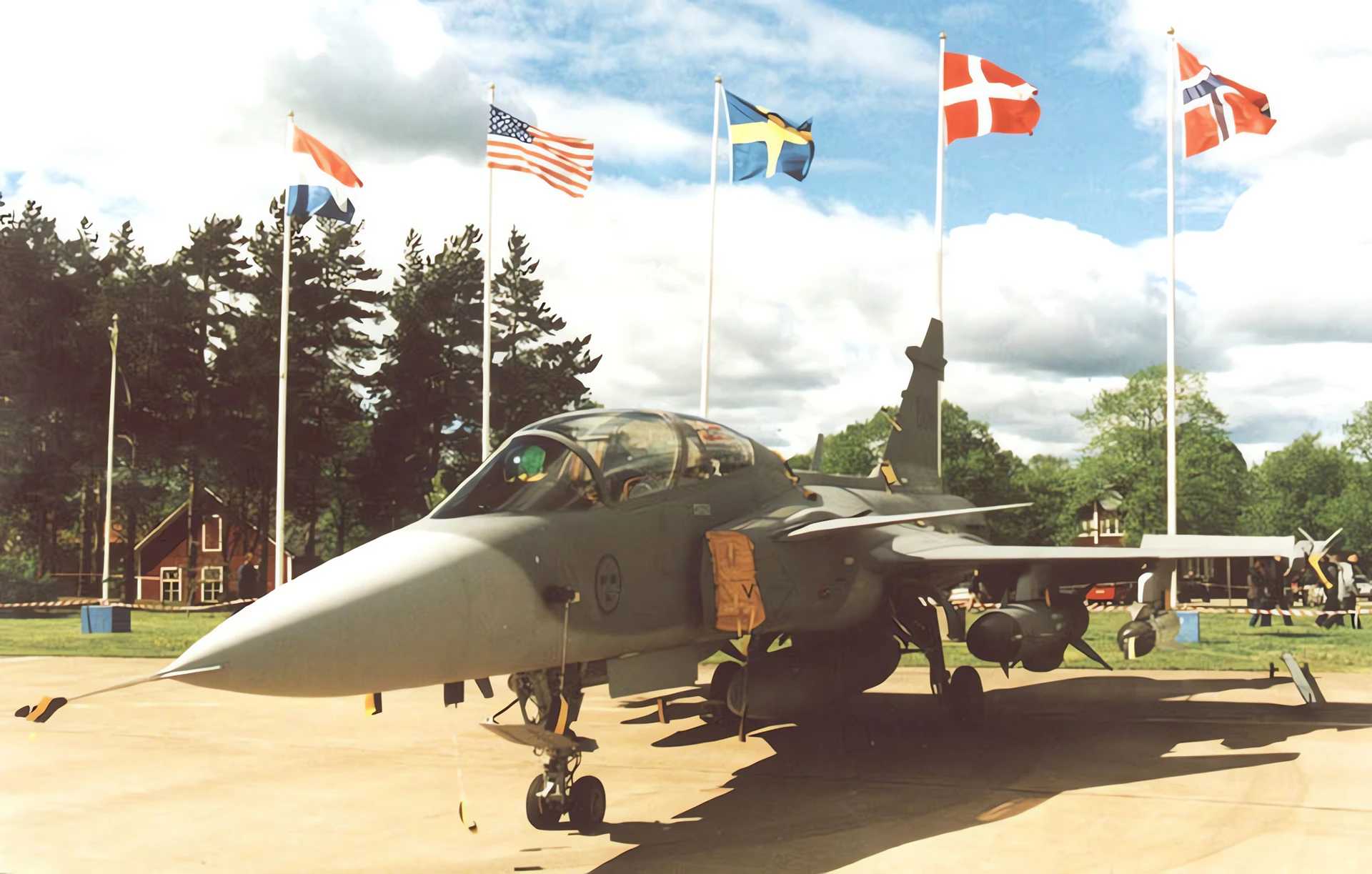
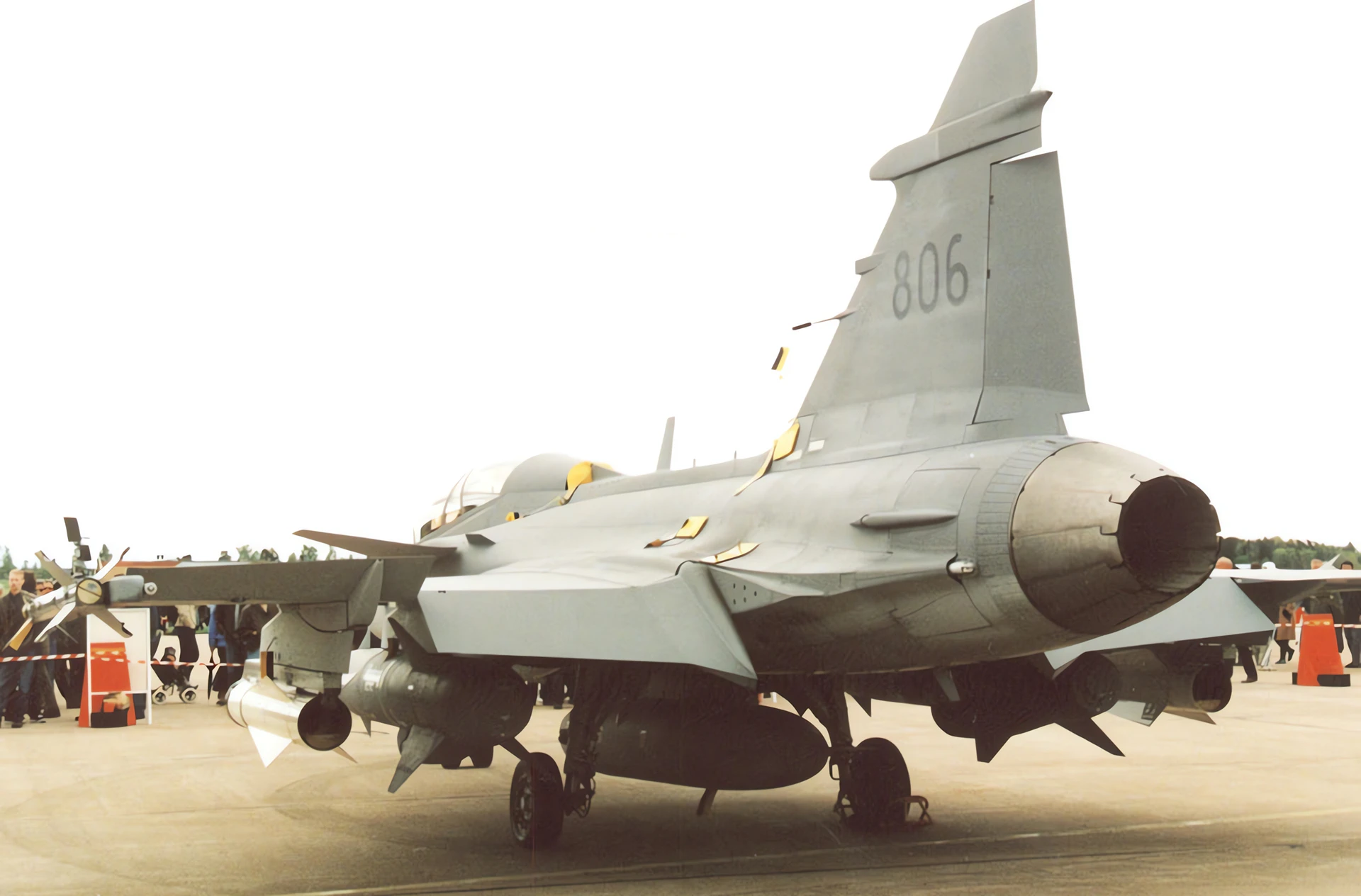
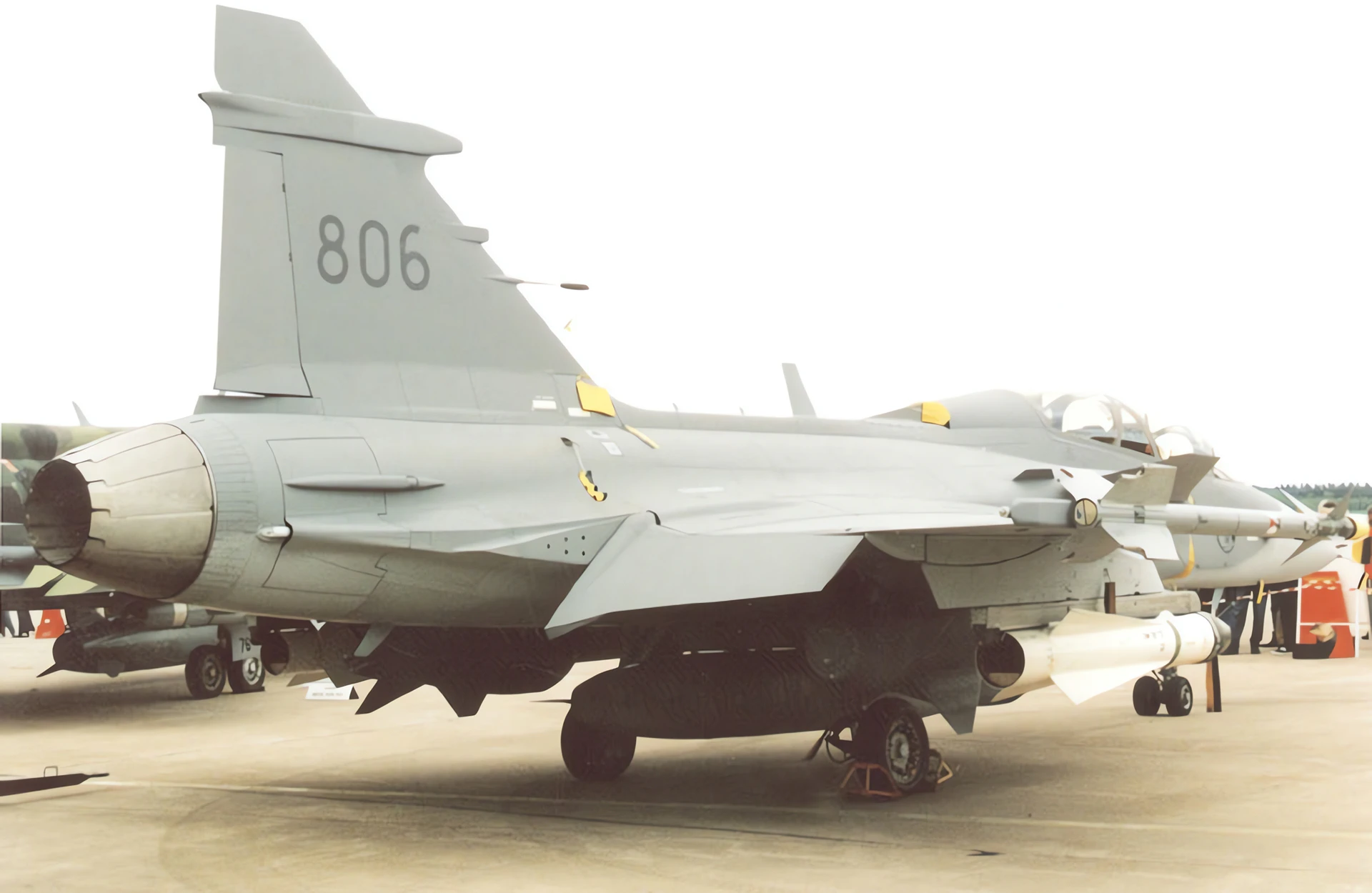
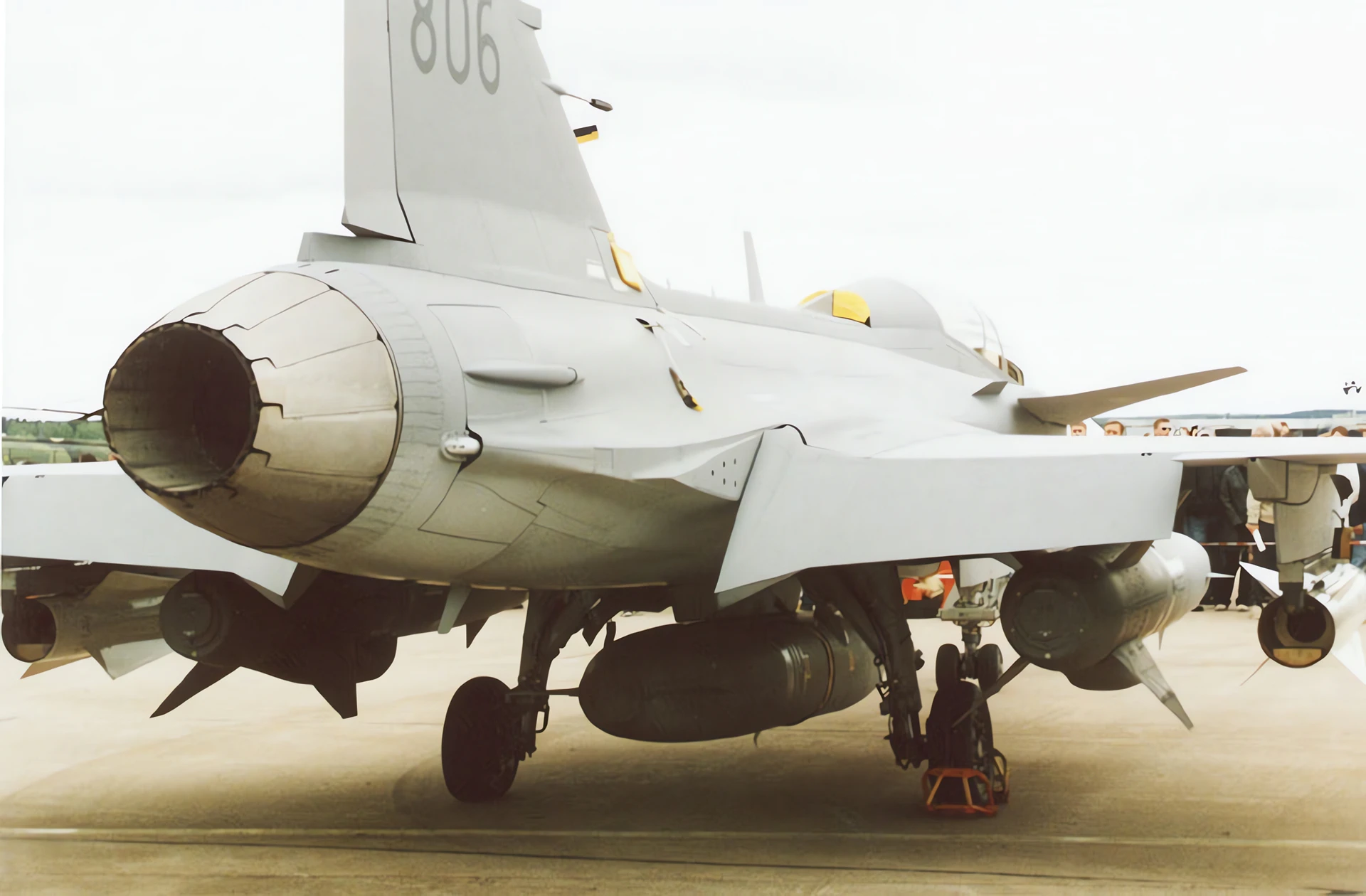
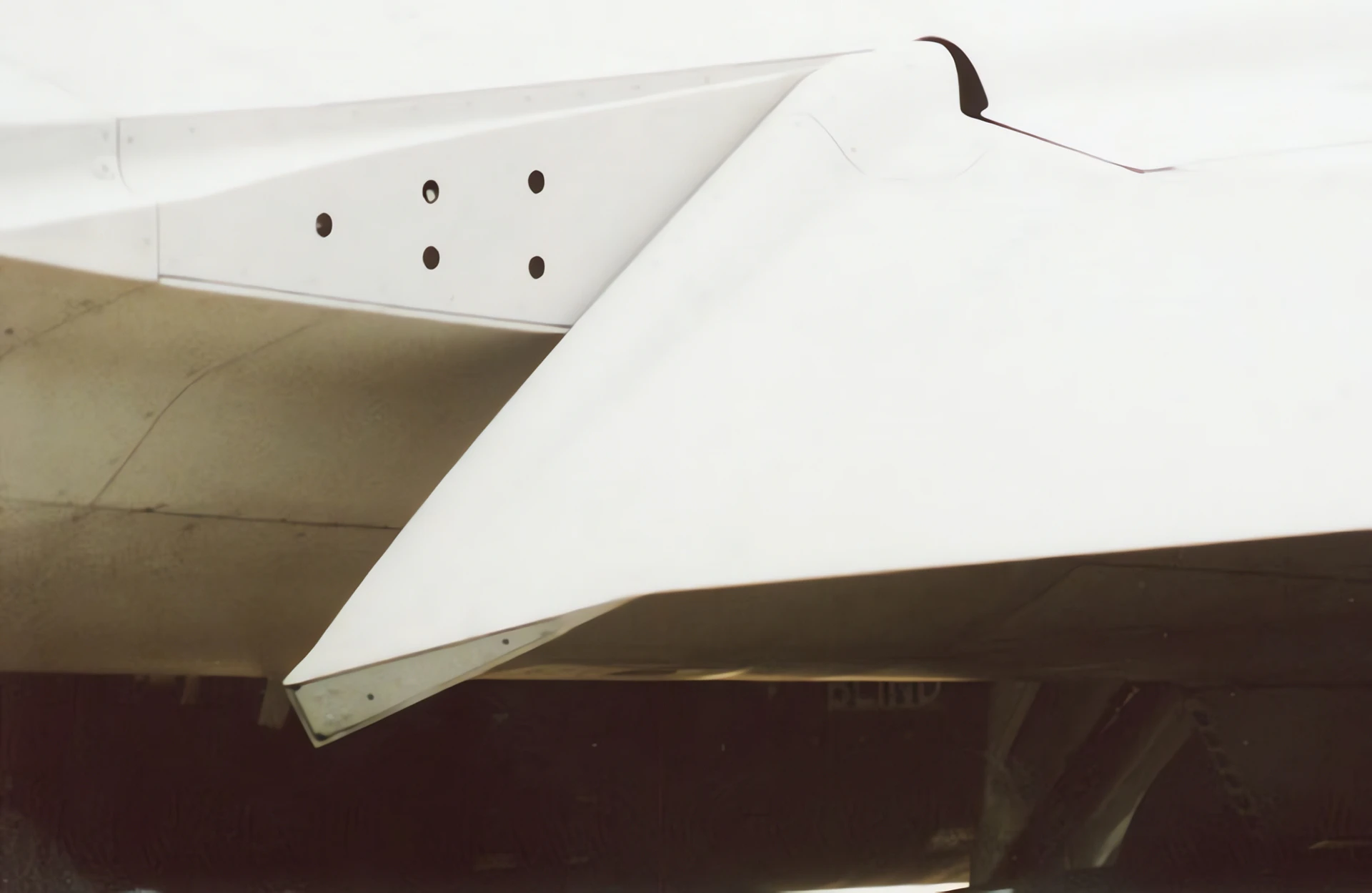
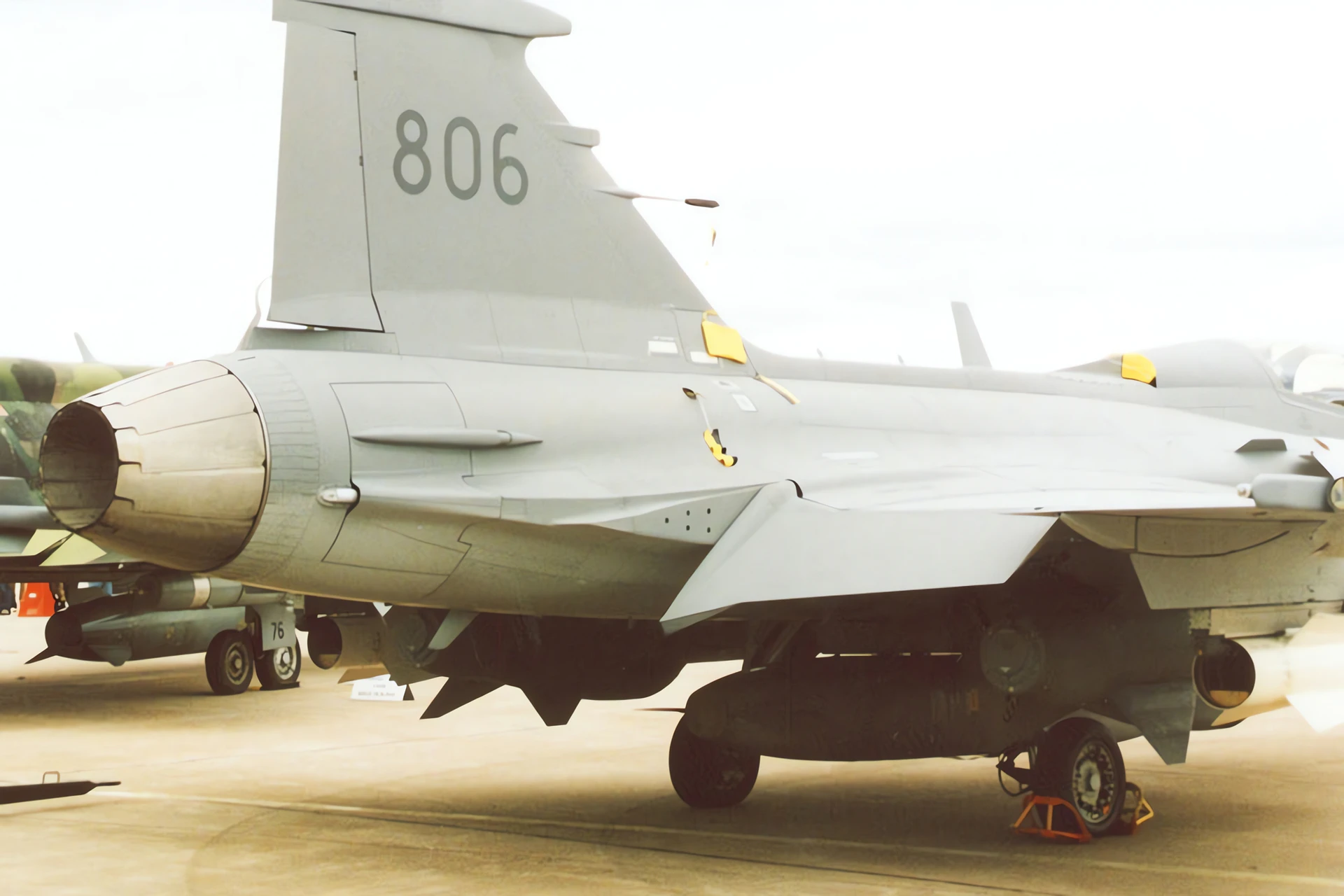
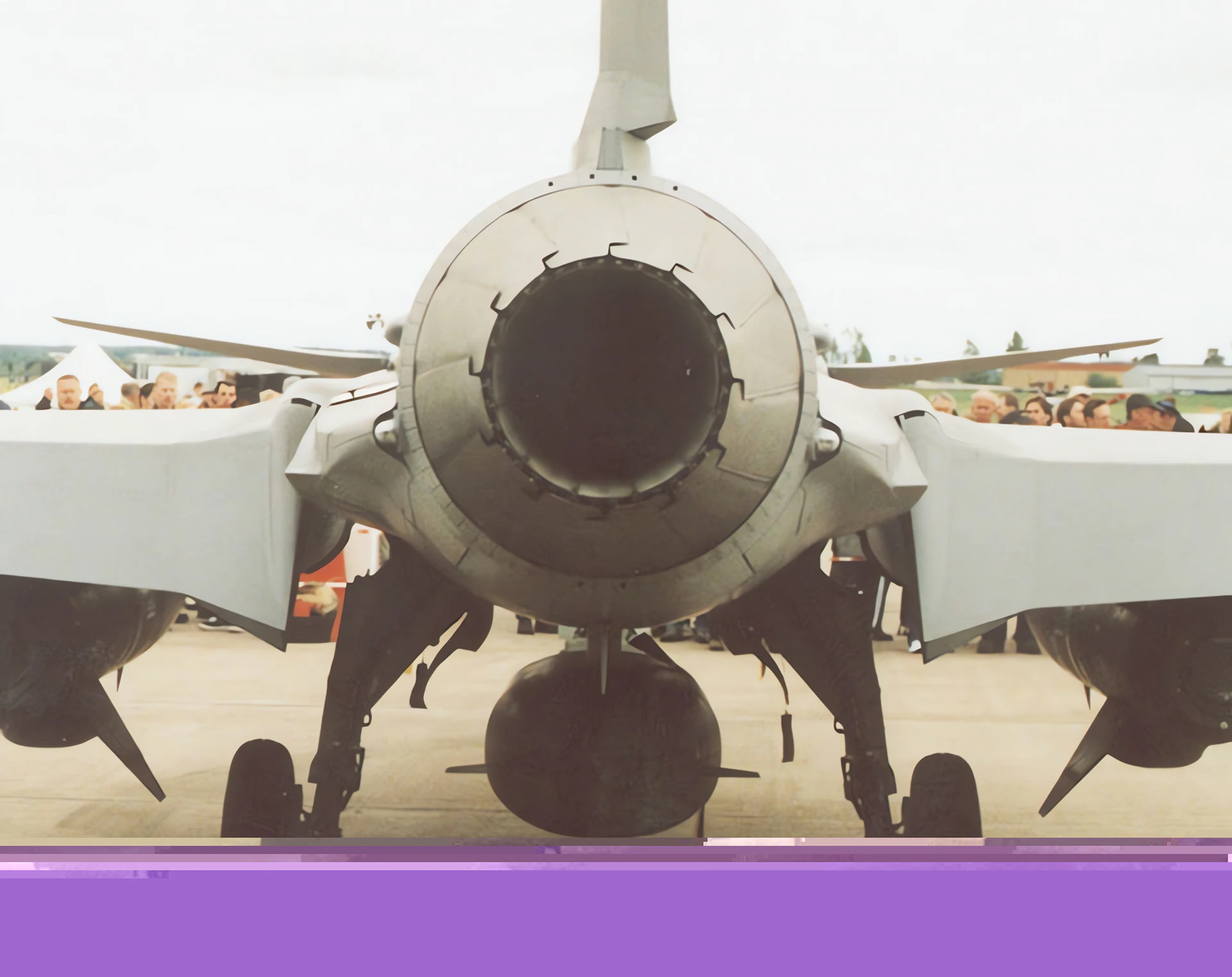
O Saab JAS 39 Gripen (Inglês: "griffin") é um caça multifunção de monomotor leve fabricado pela empresa aeroespacial sueca Saab. Foi projetado para substituir o Saab 35 Draken e 37 Viggen na Força Aérea Sueca (Flygvapnet). O Gripen tem uma configuração delta asa e canard com design de estabilidade relaxado e controles de voo fly-by-wire. É alimentado pelo Volvo RM12, e tem uma velocidade máxima de Mach 2. Aeronaves posteriores são modificadas para os padrões de interoperabilidade da OTAN e para realizar reabastecimento a bordo.
O Saab JAS 39C Gripenis a lightweight, single-engine multirole fighter designed to replace the Draken and Viggen. The acronymJASstands forJakt(Air-to-Air),Attack(Air-to-Surface), andSpaning(Reconnaissance). Unlike larger, more expensive fighters, the Gripen was built for “Total Defense”—the ability to be maintained by conscripts and operated from ordinary highways in the Swedish countryside during a conflict. It is widely considered one of the most cost-effective 4.5-generation fighters in existence.
Attribute
Technical Specification (JAS 39C)
Papel
Multirole / Swing-role Fighter
tripulação
1 (JAS 39D is the 2-seat variant)
First Flight (JAS 39A)
December 9, 1988
Usina
1 × Volvo RM12 (Licensed GE F404) turbofan
Thrust
18,100 lbf (80.5 kN) with afterburner
Maximum Speed
Mach 2.0 (High altitude)
Takeoff Distance
400 meters (1,300 feet)
Armamento
1 × 27mm Mauser BK-27 cannon; 8 hardpoints
Smart Design for Austere Conditions
Road Base Operations:The Gripen is specifically designed to land on a 800-meter stretch of highway. Its canards can be tilted forward after landing to act as massive air brakes, pushing the nose down and allowing for heavy braking without a parachute.
The “Turnaround” Speed:A team of just one technician and five conscripts can refuel, rearm, and inspect a Gripen for an air-to-air mission in under10 minutes. This high “sortie rate” allows a small fleet of Gripens to act like a much larger force.
Volvo RM12 Engine:Based on the General Electric F404 (used in the F/A-18 Hornet), Volvo modified the engine to be more reliable for single-engine operations and more resistant to bird strikes—a common hazard when flying low-level missions over Swedish forests.
Advanced Data Link (TIDLS):Sweden was a pioneer in data-linking. A Gripen can share its radar view with other Gripens or ground stations silently, allowing one aircraft to track a target while another, with its radar turned off, sneaks in for the kill.
Global Reach & Evolution
The “C” Standard:The JAS 39C was the first version to be fully NATO-compatible, featuring color cockpit displays, a retractable refueling probe, and English-language interfaces.
International Operators:Beyond Sweden, the Gripen C/D is operated by South Africa, Hungary, the Czech Republic, and Thailand. It is also used by the UK’s Empire Test Pilots’ School (ETPS) as a premier training platform for future test pilots.
Precision Arsenal:It was the first fighter in the world to be integrated with theMeteorolong-range missile and can carry a vast array of international weapons, including the IRIS-T, GBU-series bombs, and the RBS-15 anti-ship missile.
The Gripen E:The newest evolution, theJAS 39E(Gripen E), is currently entering service. It is a significantly larger aircraft with a more powerful engine (GE F414), AESA radar, and much greater fuel capacity.



 SAAB 340 AEW – Fotos e Vídeos
 Saab 37 Viggen – Fotos e Vídeos
 Saab 210 – Fotos e Vídeos
 SAAB B17 – Fotos e Vídeos
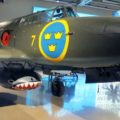 Saab 21R – Fotos e Vídeo
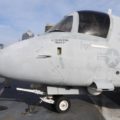 Lockheed S-3 Viking – Fotos e Vídeo
 McDonnell Douglas T-45 Goshawk – Fotos e Vídeo
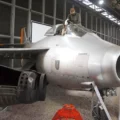 Saab J-29F Tunnan – Fotos & Vídeo
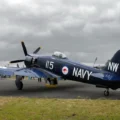 Hawker Sea Fury - Walk Around
 Junkers JU-52 - Ande por aí