
Samoloty wojskowe | |
|---|---|
| Kraju | Italia |
| Typu | Bombowiec |
| Modelu | SM-79 |
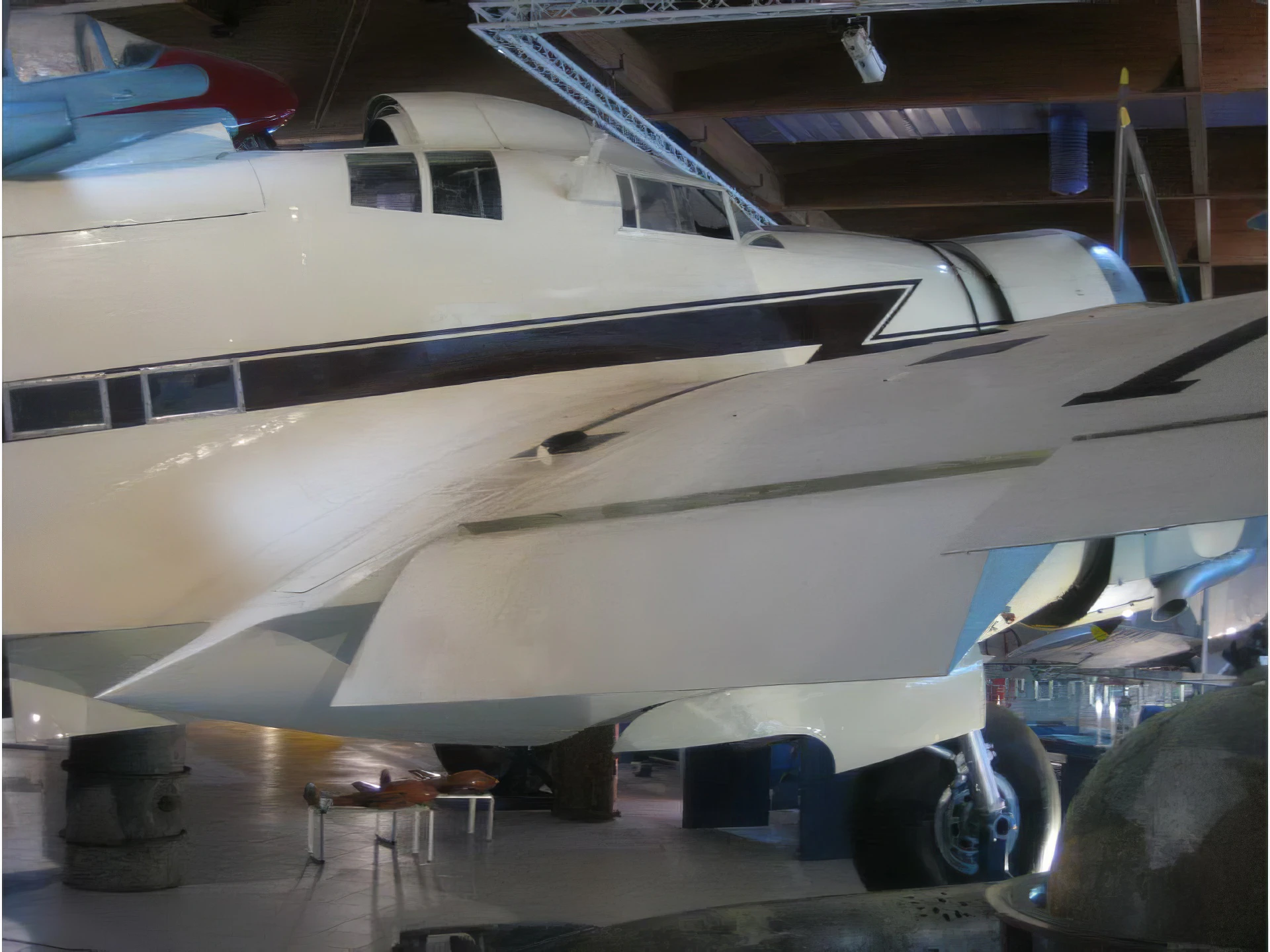
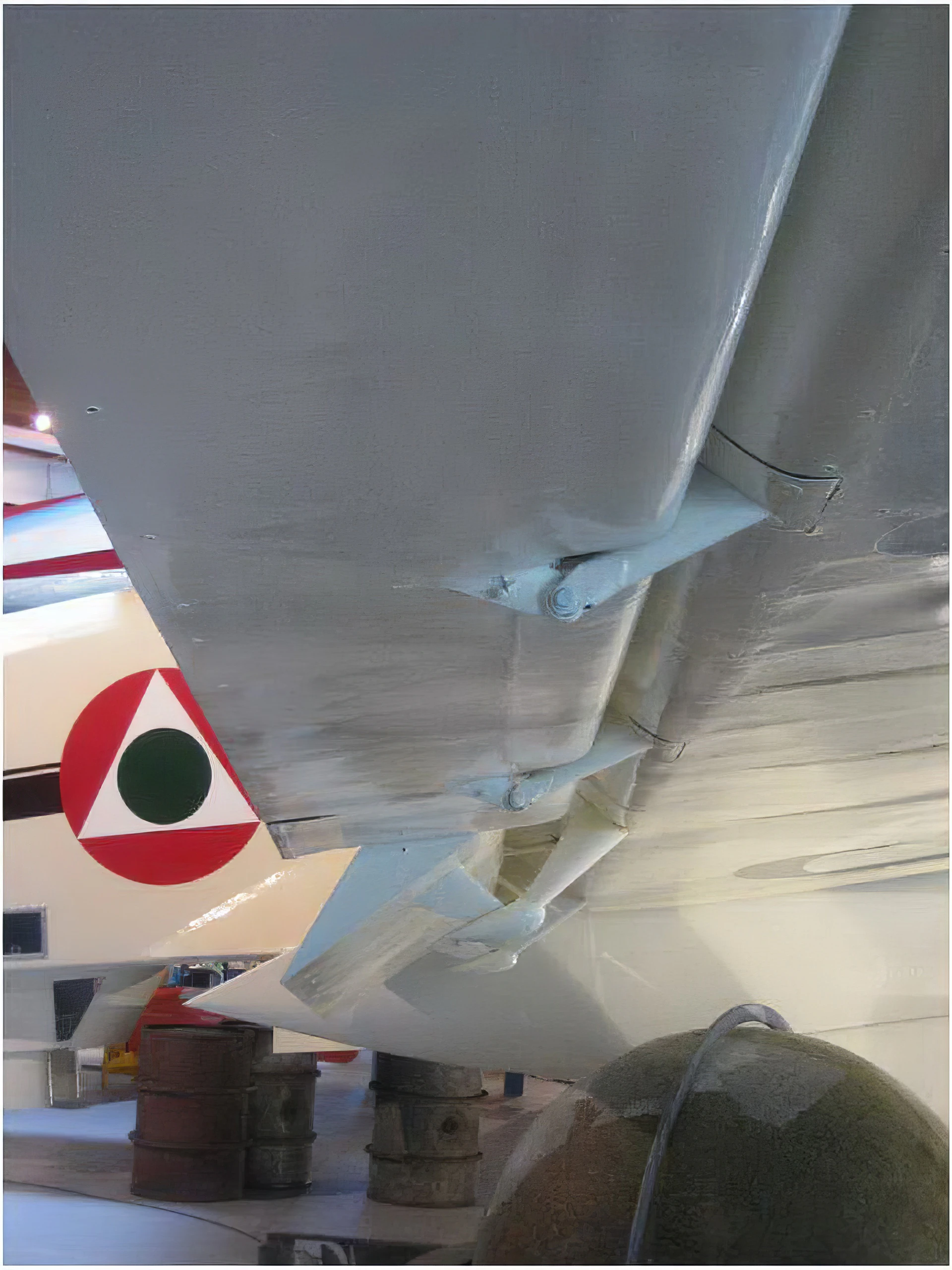
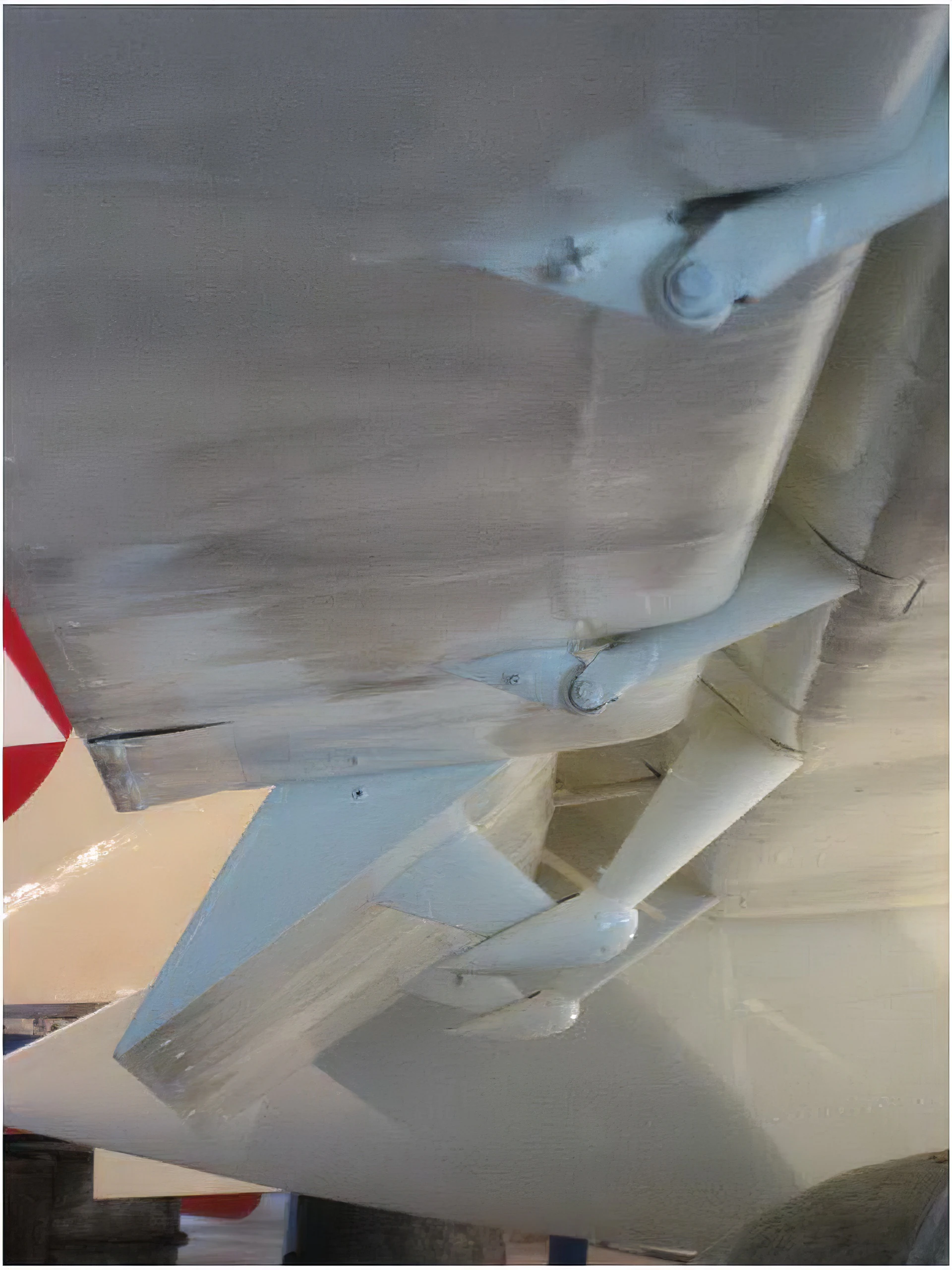
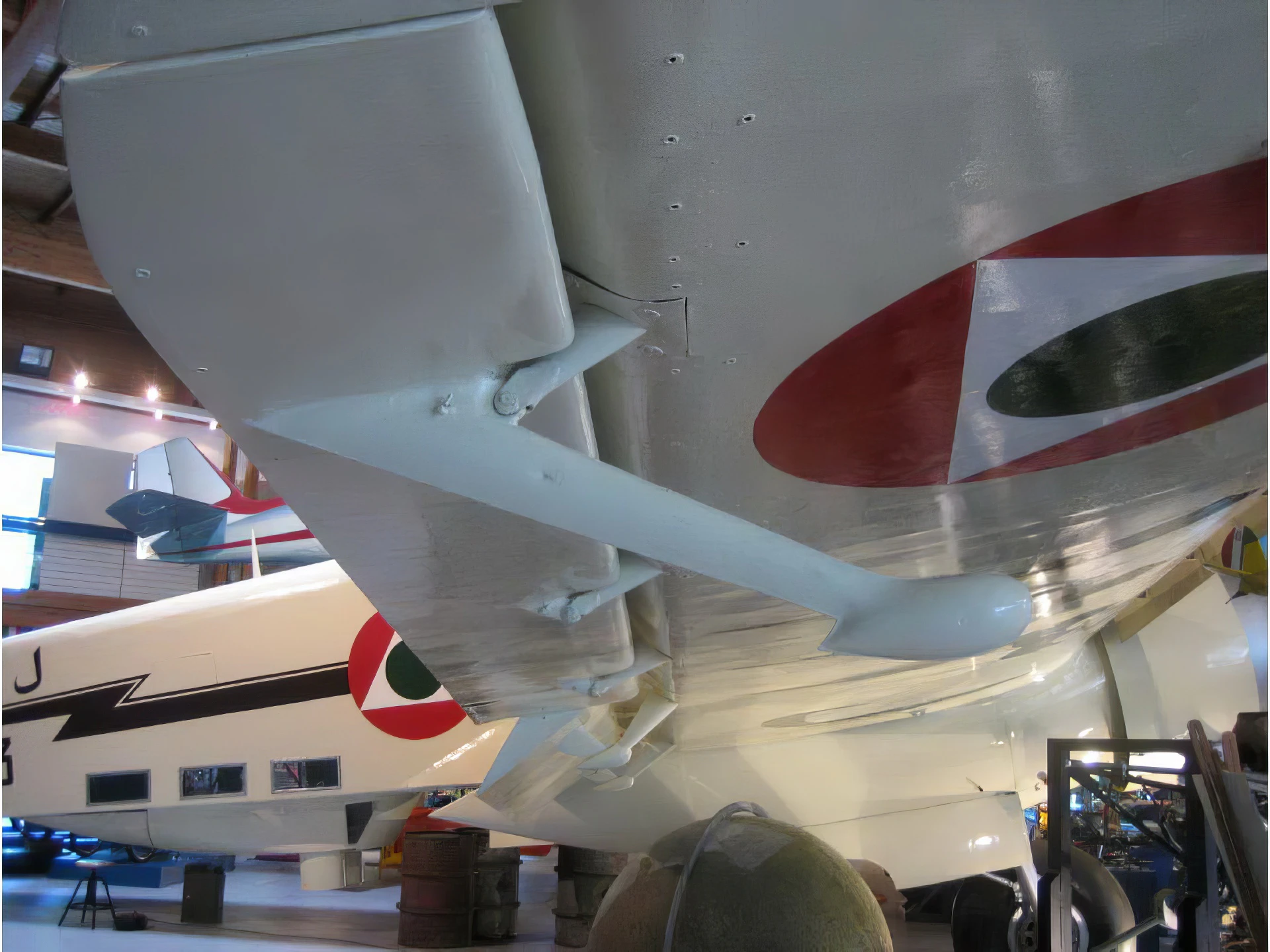
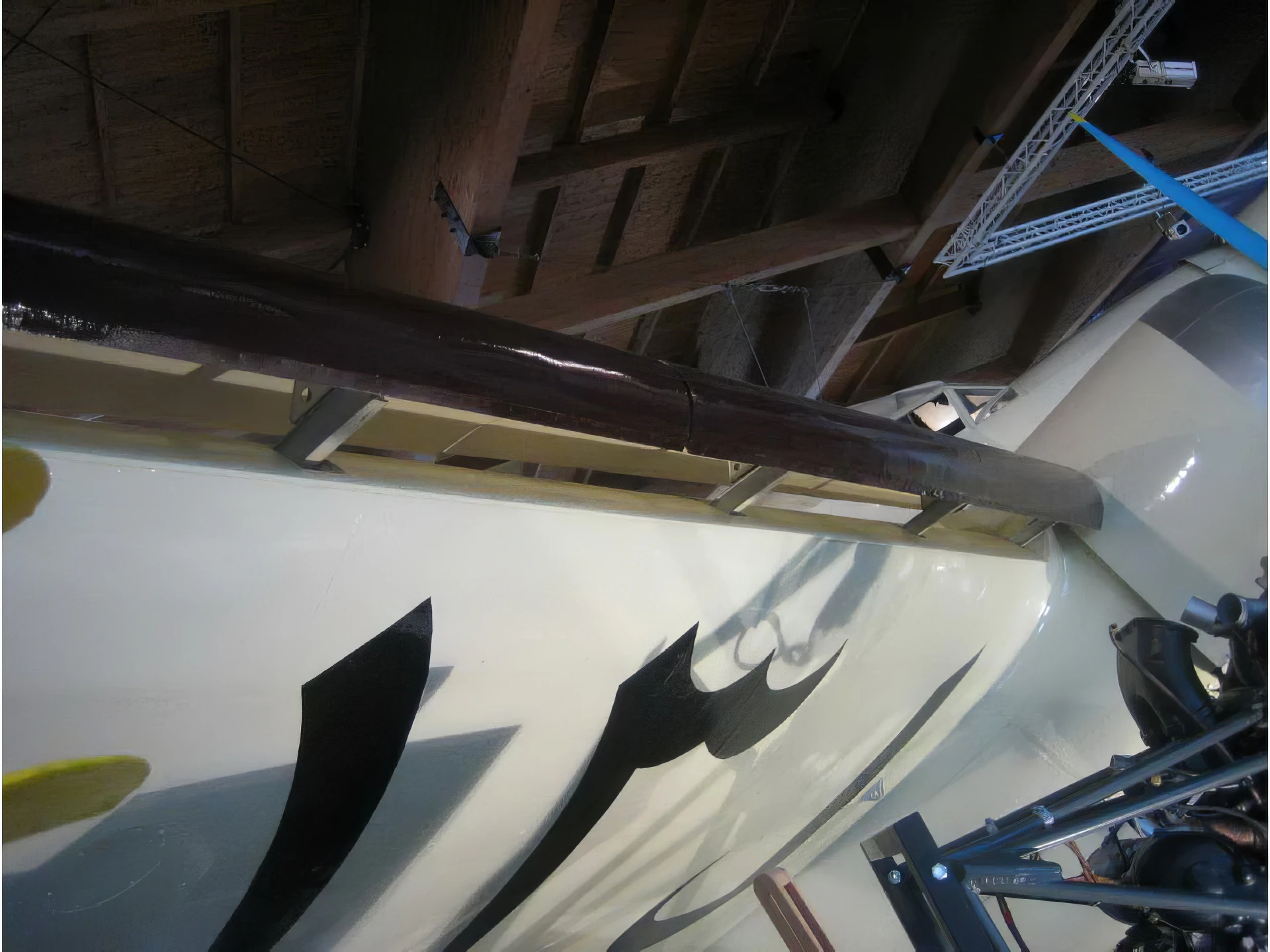
| Temat | Album 53 zdjęcia samolotu Savoia Marchetti SM-79 |
Savoia-Marchetti SM.79 Sparviero –włoski średni bombowiec z drewna i metalu. W latach 1937-39 został pierwotnie zaprojektowany jako szybki samolot pasażerski, ten niskoskrzydłowy jednopłatowiec, ustanowił 26 światowych rekordów, które zakwalifikowały go przez pewien czas jako najszybszy średni bombowiec na świecie.
Po raz pierwszy zobaczył działania podczas hiszpańskiej wojny domowej i poleciał na wszystkich frontach, w których Włochy były zaangażowane podczas II wojny światowej. Stał się sławny i osiągnął wiele sukcesów jako bombowiec torpedowy w teatrze śródziemnomorskim. SM.79 był wybitnym samolotem i z pewnością był najbardziej znanym włoskim samolotem II wojny światowej. Był łatwo rozpoznawalny ze względu na charakterystyczny kadłub grzbietowy "garb", i był lubiany przez jego załogi, które nazwał go Gobbo Maledetto ("damned hunchback"). Był to najszerzej produkowany włoski bombowiec z okresu II wojny światowej, z około 1300 zbudowany, pozostając w służbie włoskiej do 1952 roku.Źródła: SM-79 na Wikipedii
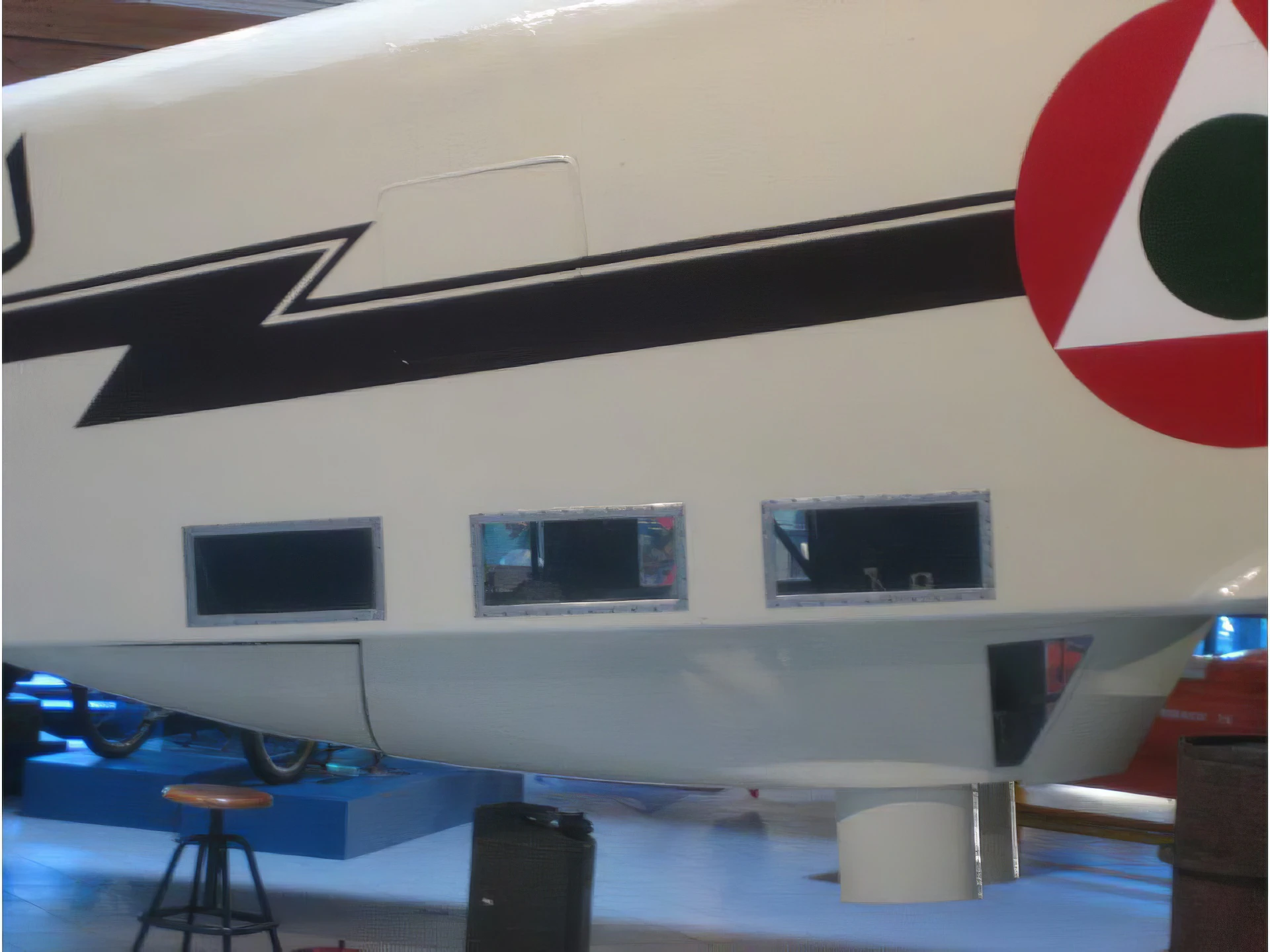
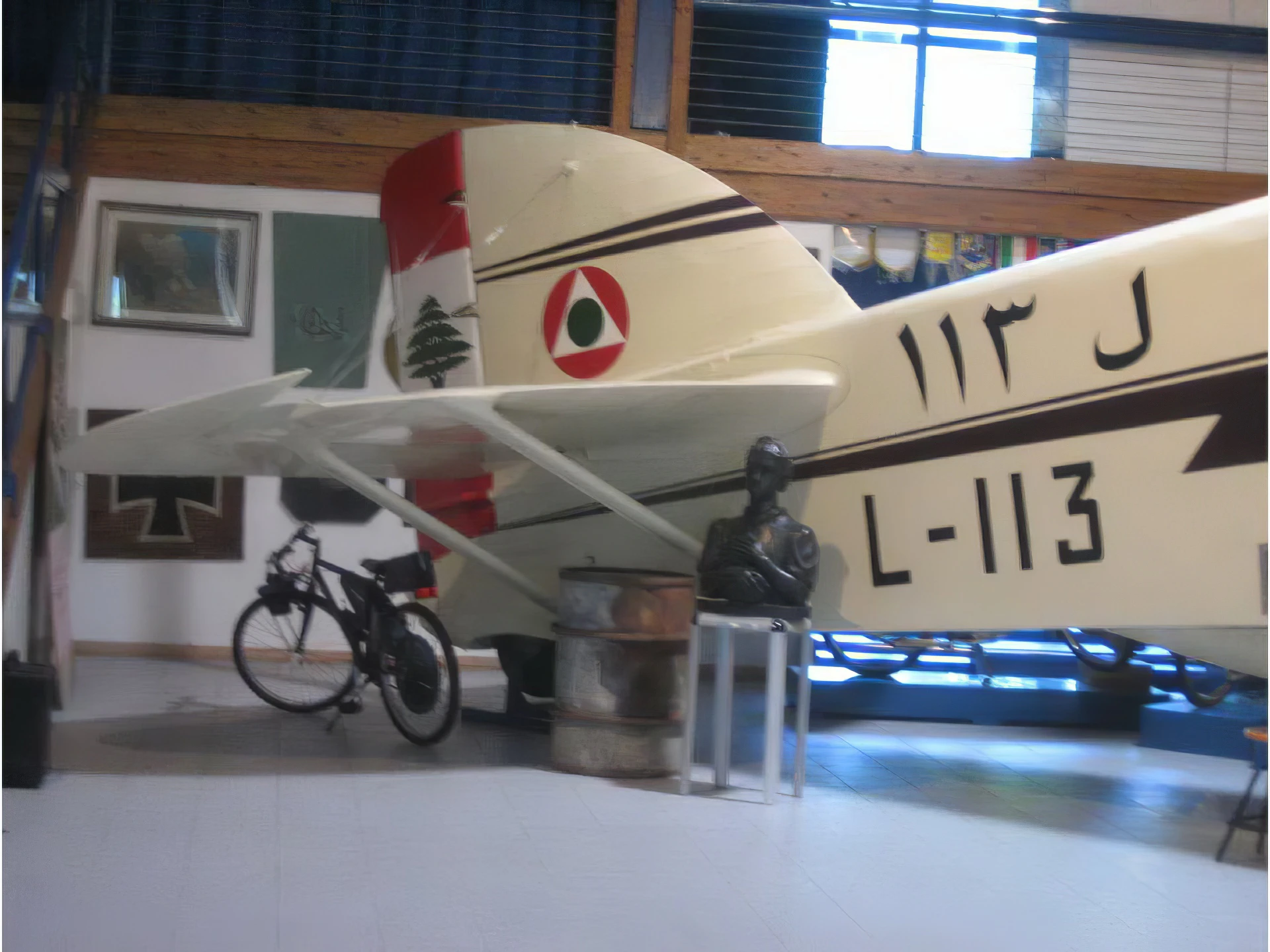
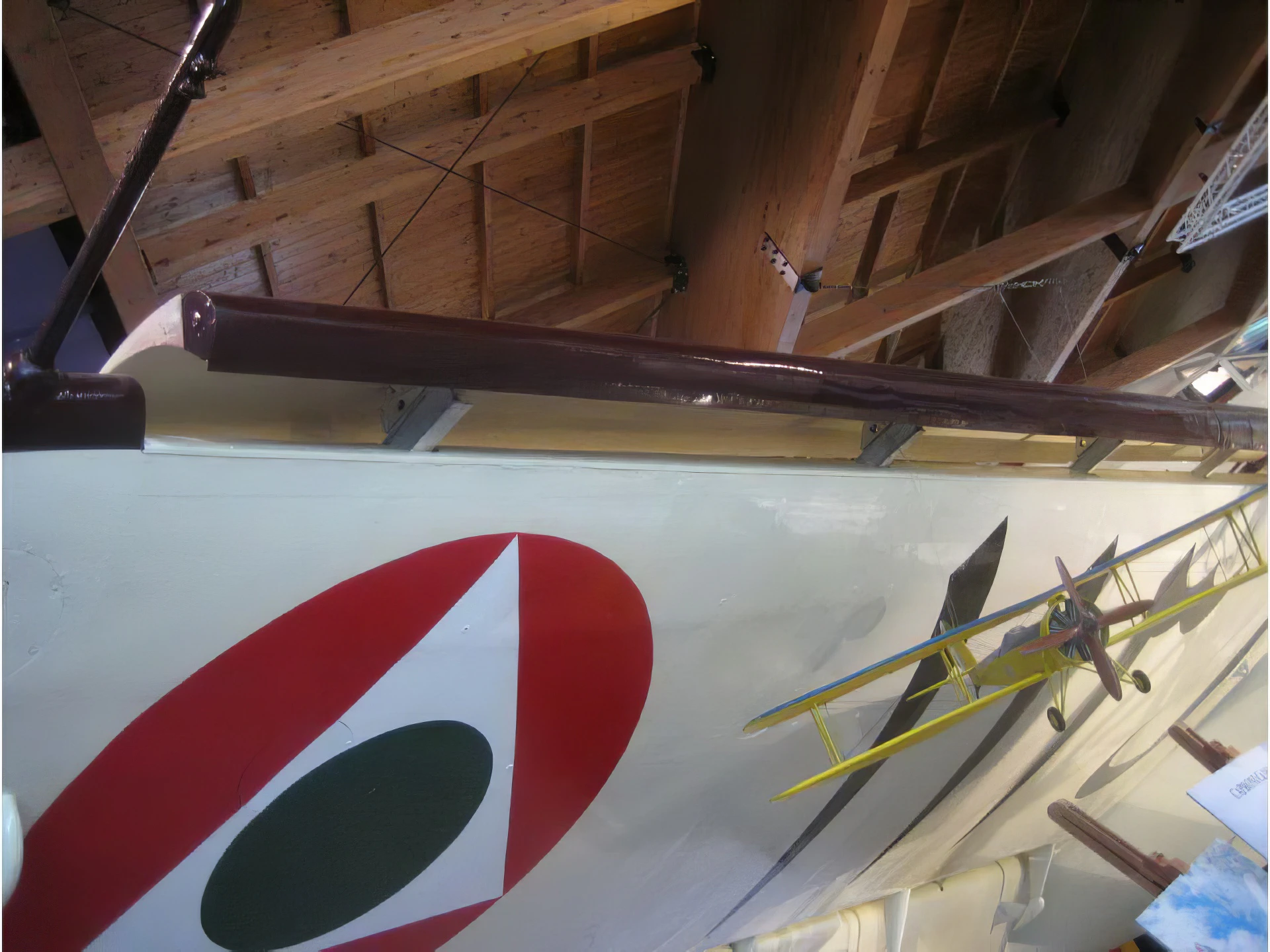
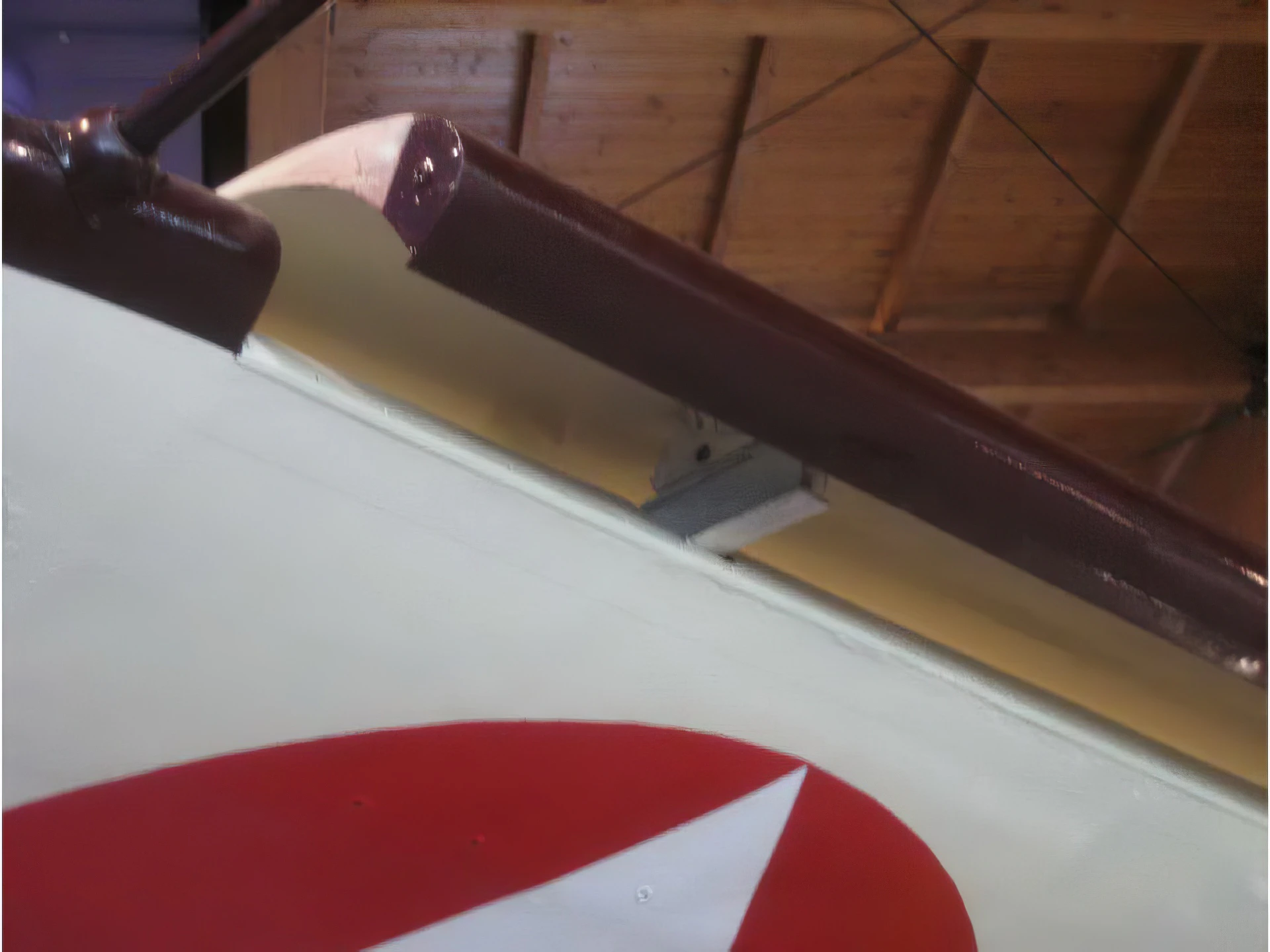

Zobacz też:


The Savoia-Marchetti SM.79 Sparviero was a famous Italian three-engined medium bomber and torpedo bomber that became arguably the best-known Italian aircraft of World War II. Initially designed as a fast, eight-passenger transport in the early 1930s, its excellent performance led to its adoption by the *Regia Aeronautica* (Italian Royal Air Force) for military service.
Design and Nickname
The SM.79 was a cantilever low-wing monoplane. Its construction was a combination of wood and metal, with a fuselage featuring a distinctive dorsal “hump” housing the fixed forward-firing machine gun and the dorsal gunner’s position. This unique silhouette earned it the crew nickname *il gobbo maledetto* (“damned hunchback”).
- Configuration: Trimotor (three engines), with one engine in the nose and one on each wing.
- Budowa: Welded tubular steel fuselage frame, covered with a mix of duralumin, plywood, and fabric. All-wood wings.
- Załoga: Typically 5 or 6 (pilot, co-pilot, flight engineer/gunner, radio operator, bombardier, rear gunner).
- Powerplant: Various radial engines, commonly three Alfa Romeo 126 RC.34 engines, each producing around 780 hp.
- Performance: Early versions set 26 world records between 1937 and 1939, giving it a reputation as one of the fastest medium bombers in the world at the time. Max speed was around 430 km/h.
Wartime Role
The SM.79 first saw combat during the Spanish Civil War and became the backbone of Italy’s bomber force at the start of World War II. It was the most numerous Italian bomber produced during the conflict, with over 1,300 units built.
- Medium Bomber: Used for conventional bombing on multiple fronts, including the Mediterranean, North Africa, and the Eastern Front. It carried an internal bomb load of up to 1,250 kg.
- Torpedo Bomber: In its most successful role, the SM.79-II variant was adapted to carry one or two external torpedoes (450 mm naval torpedoes) and achieved notable success attacking Allied shipping in the Mediterranean. These crews were highly celebrated in Italy.
- Uzbrojenie: Defensive weaponry typically included three to four machine guns: a fixed forward-firing 12.7 mm machine gun in the dorsal hump, one flexible 12.7 mm gun in the dorsal position, and a flexible 12.7 mm gun in the ventral “gondola” (a retractable belly position).
The type remained in Italian service until 1952.
Liczba wyświetleń : 4859
Możesz również zobaczyć:
 Avro 504 – Zdjęcia i filmy
 Nardi FN.305 – Zdjęcia i filmy
 Savoia-Marchetti SM.82 – Zdjęcia i filmy
 Northrop YC-125 Raider – zdjęcia i filmy
 Grumman AF Guardian – Zdjęcia i filmy
 Fairey Delta 2 – Zdjęcia i filmy
 Handley Page Halifax – Zdjęcia & Filmy
 Grumman G-21 Goose – Zdjęcia & filmy
 B-25J Mitchell – WalkAround
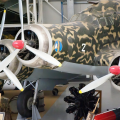 Savoia Marchetti SM-79 – Spacer