
Sõjalennukid | |
|---|---|
| Riik | Italia |
| Tüüp | Bomber |
| Mudel | SM-79 |
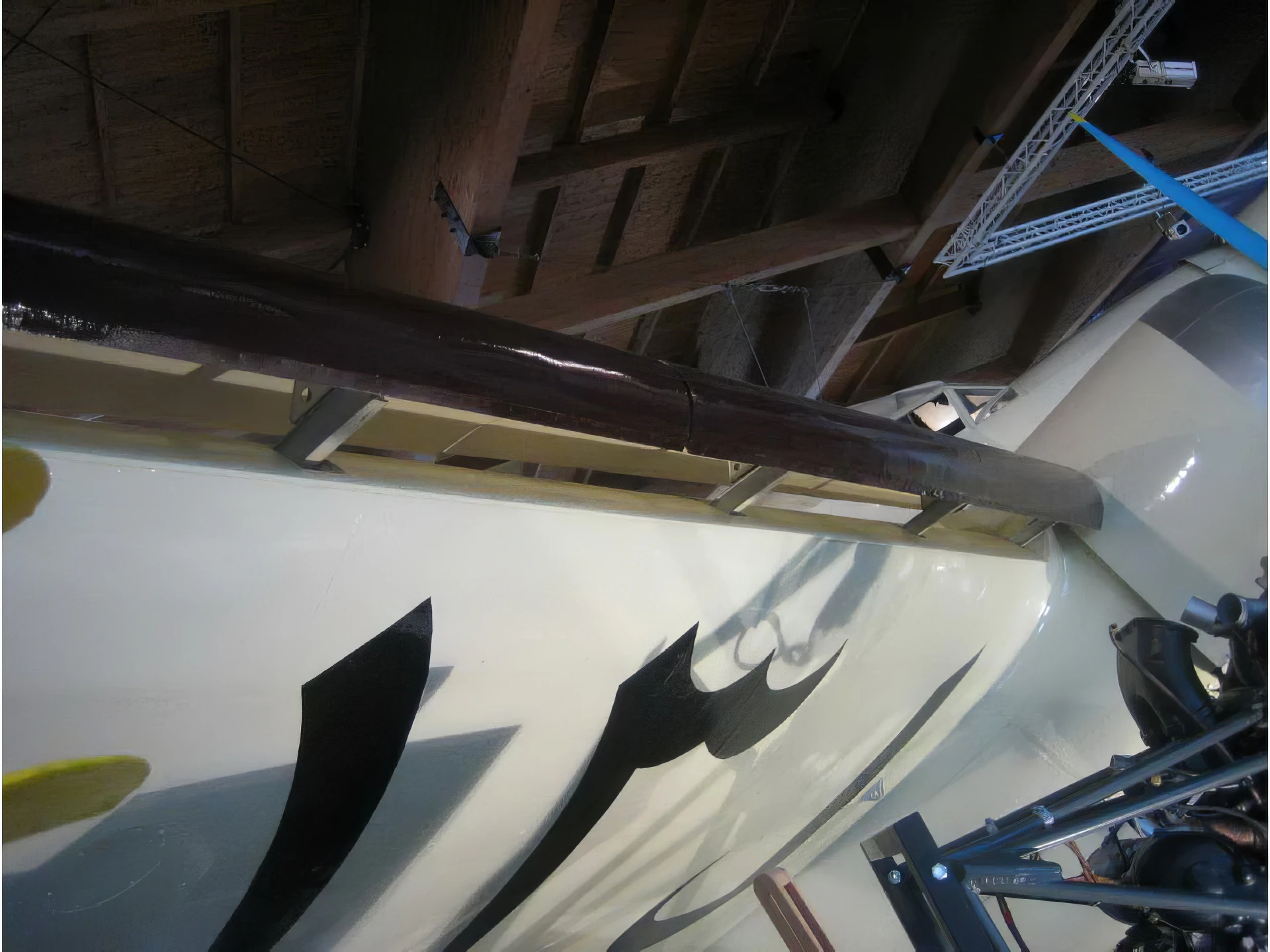
| Teema | Album 53 Fotod lennukist Savoia Marchetti SM-79 |
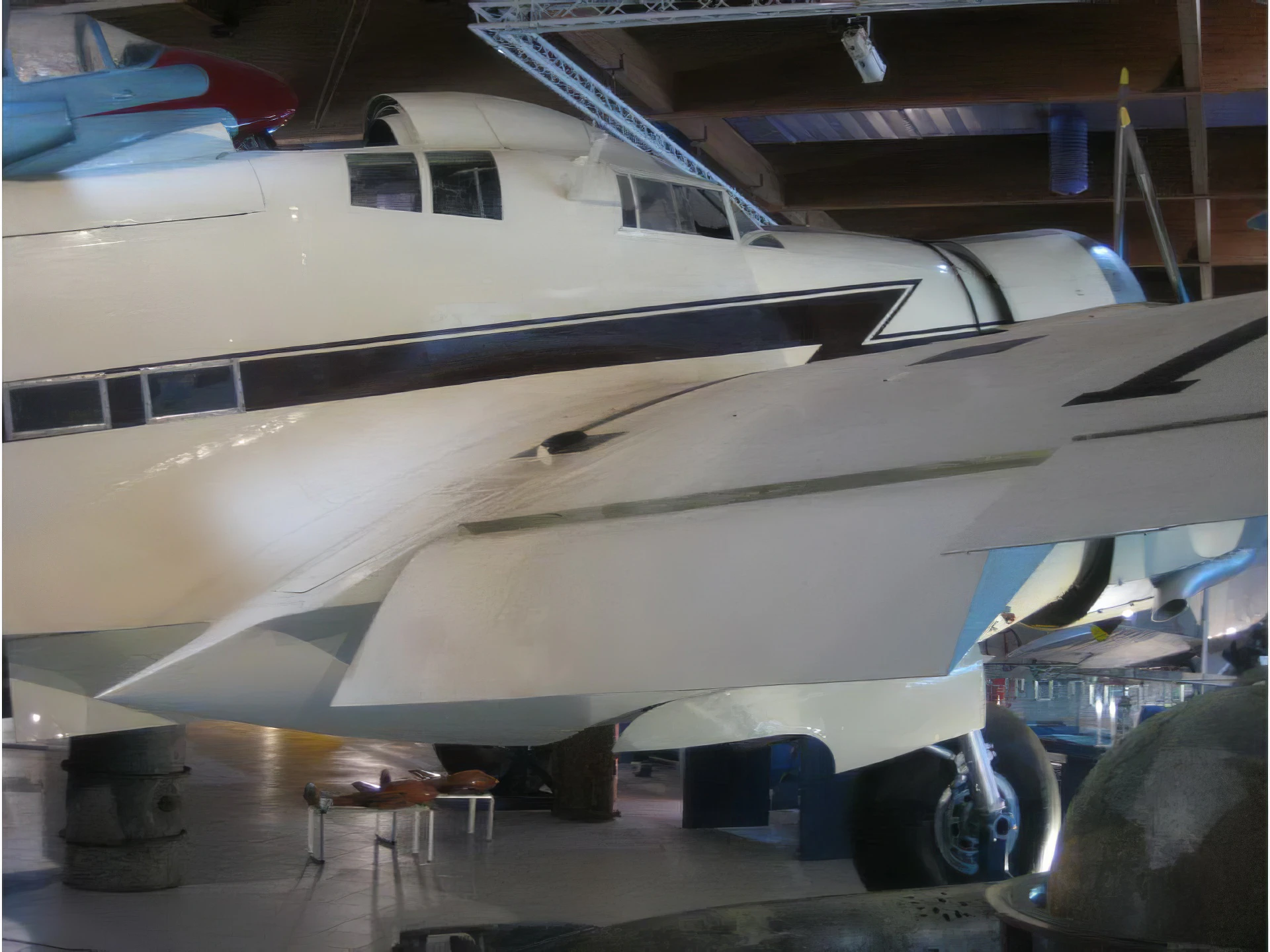
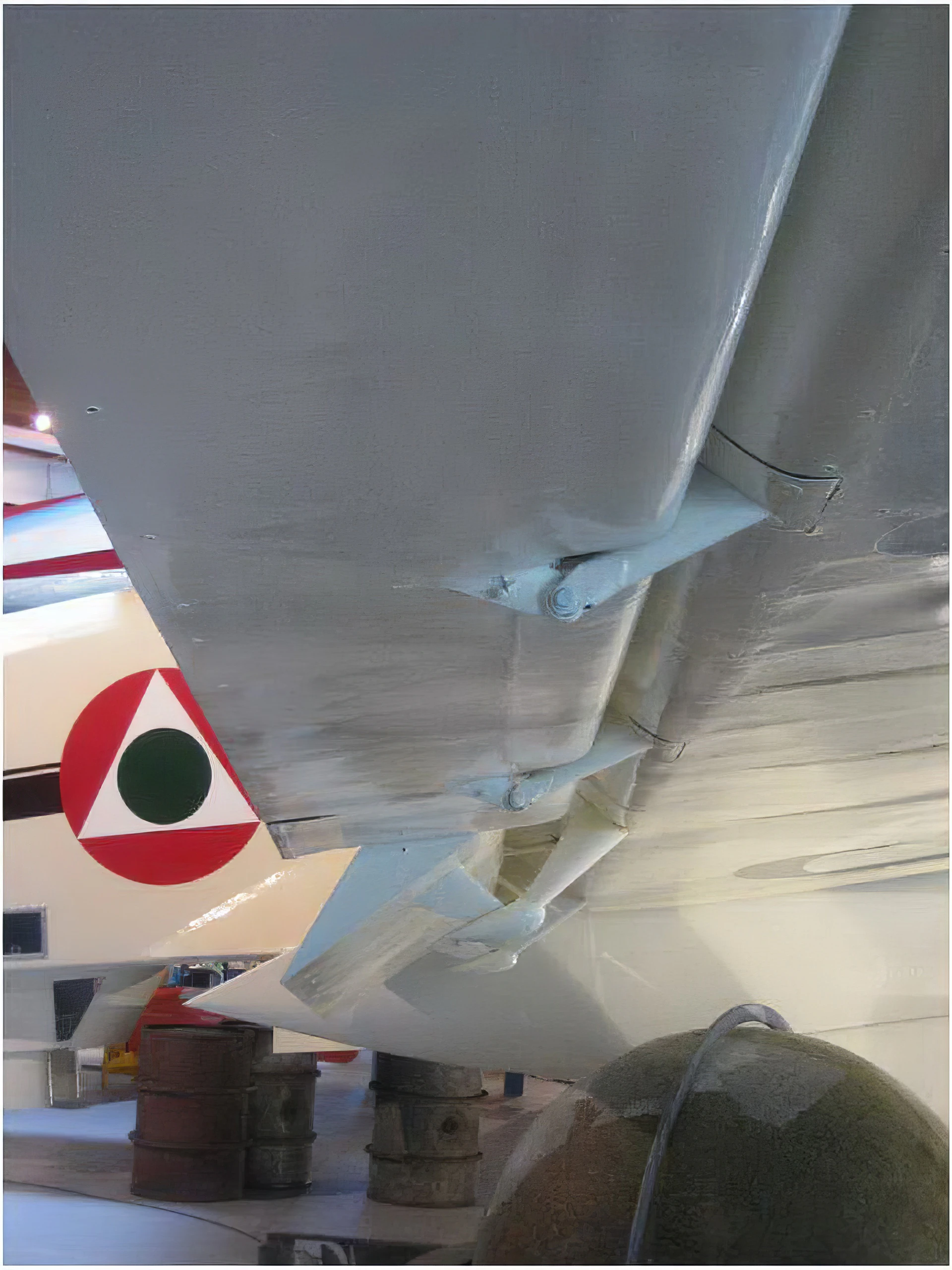
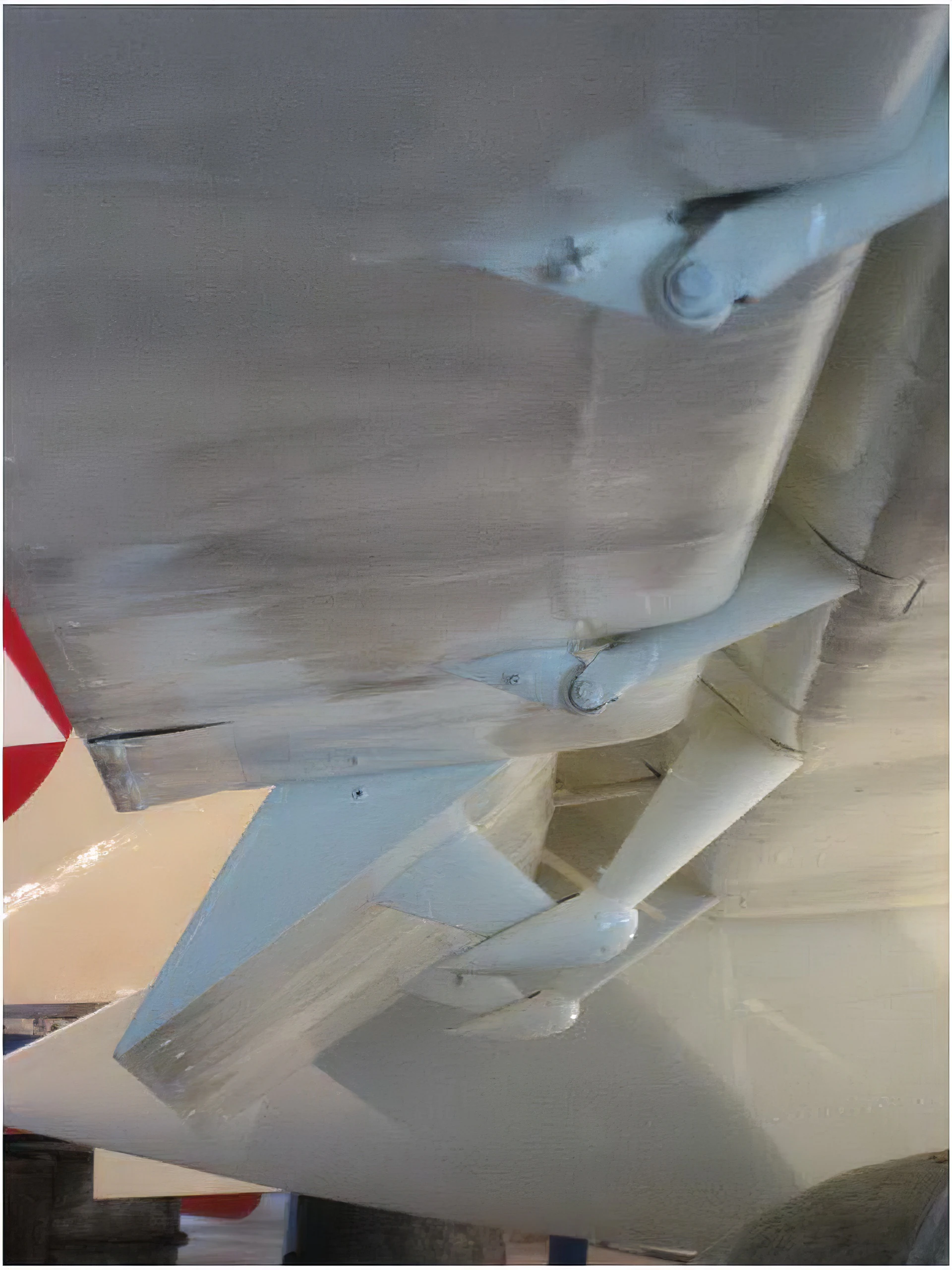
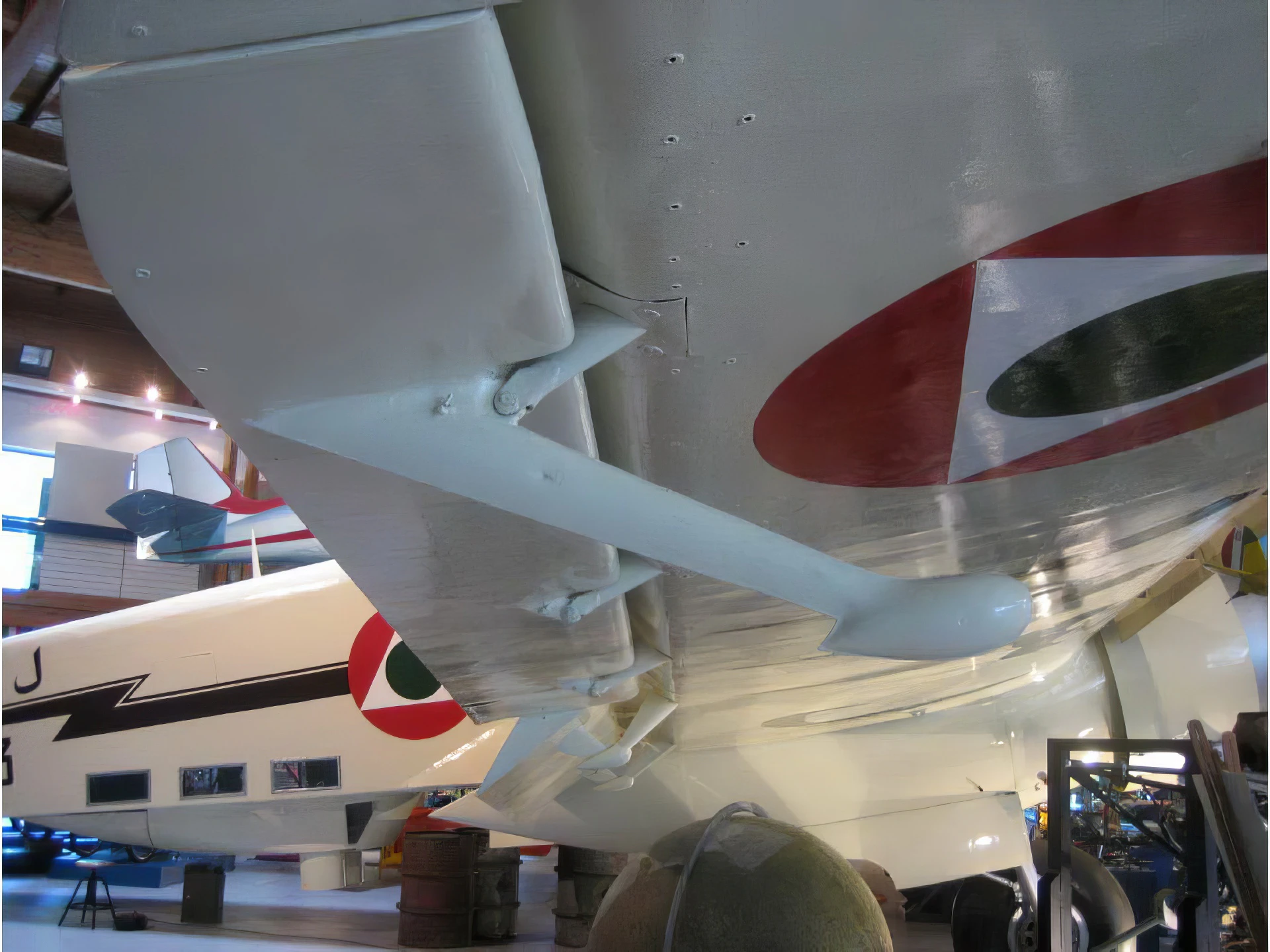
Savoia-Marchetti SM.79 Sparviero (itaalia keeles "Sparrowhawk") oli kolmemootoriline Itaalia keskmine pommitaja, millel oli puit- ja metallkonstruktsioon. Aastatel 1937–39 oli see algselt mõeldud kiireks reisilennukiks, see madala tiivaga monoplaan seadis 26 maailmarekordit, mis kvalifitseerisid selle mõnda aega maailma kiireimaks keskmiseks pommitajaks.
Esmakordselt nägi see tegevust Hispaania kodusõja ajal ja lendas kõigil rinnetel, kus Itaalia oli II maailmasõja ajal kaasatud. See sai kuulsaks ja saavutas Vahemere teatris torpeedo pommitajana palju edu. SM.79 oli silmapaistev lennuk ja oli kindlasti ii maailmasõja tuntuim Itaalia lennuk. See oli kergesti äratuntav tänu oma eripärasele kere seljaosale "hump" ja see meeldis hästi selle meeskondadele, kes panid sellele hüüdnime Gobbo Maledetto ("neetud hunchback"). See oli Teise maailmasõja kõige laialdasemalt toodetud Itaalia pommitaja, umbes 1,300 ehitatud, jäädes Itaalia teenistusse kuni 1952. aastani.Allikas: SM-79 Vikipeedias
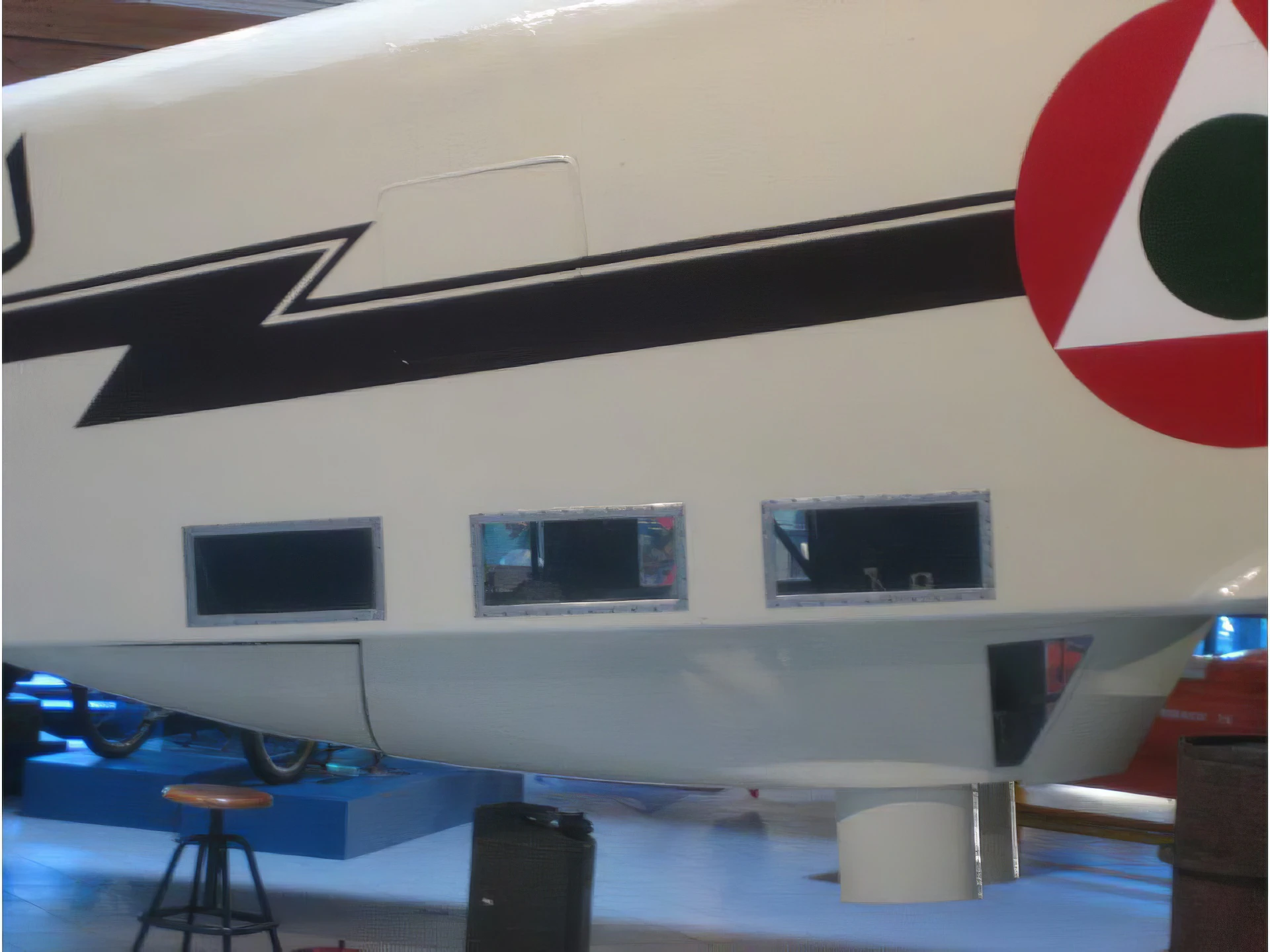
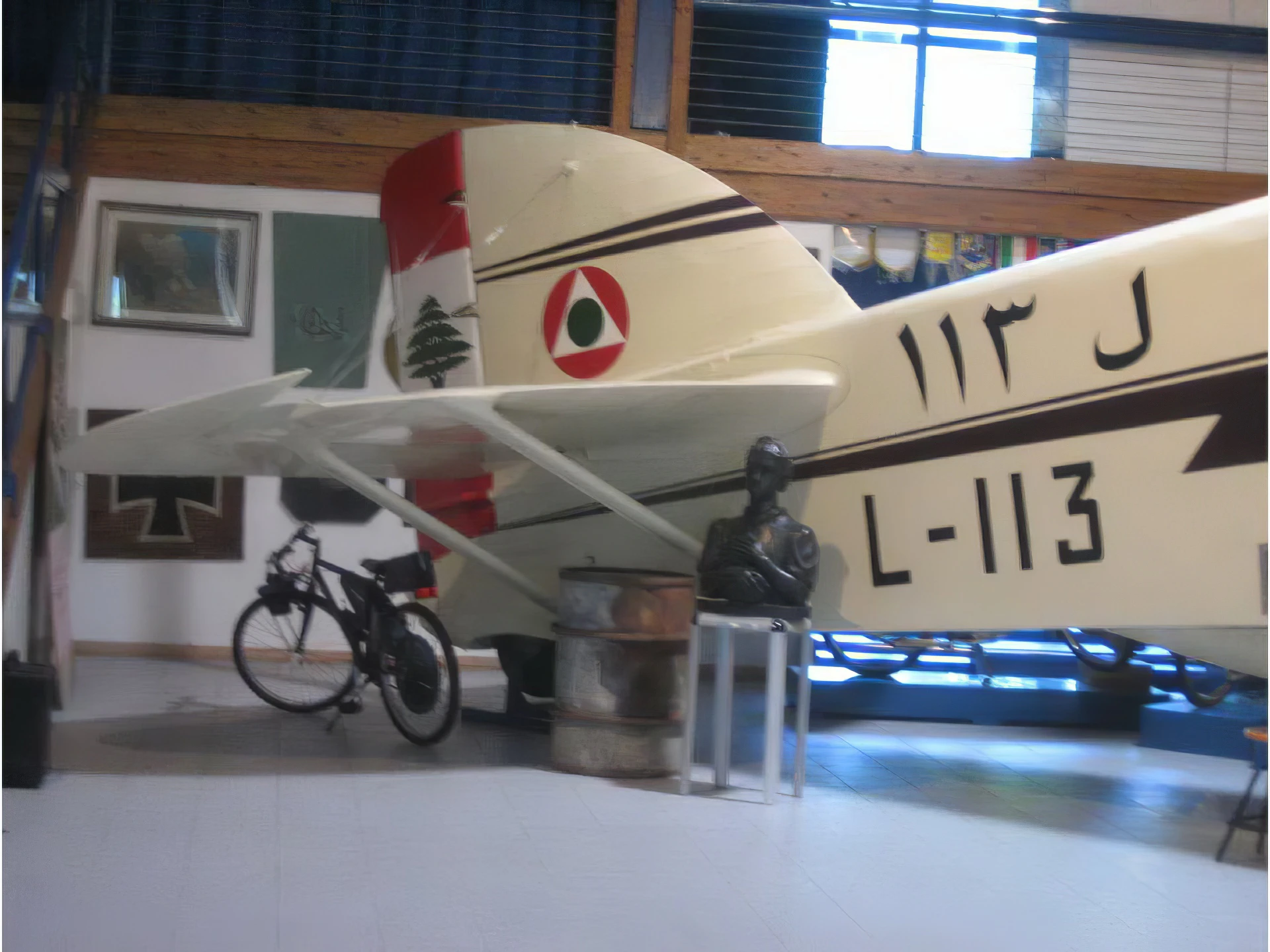
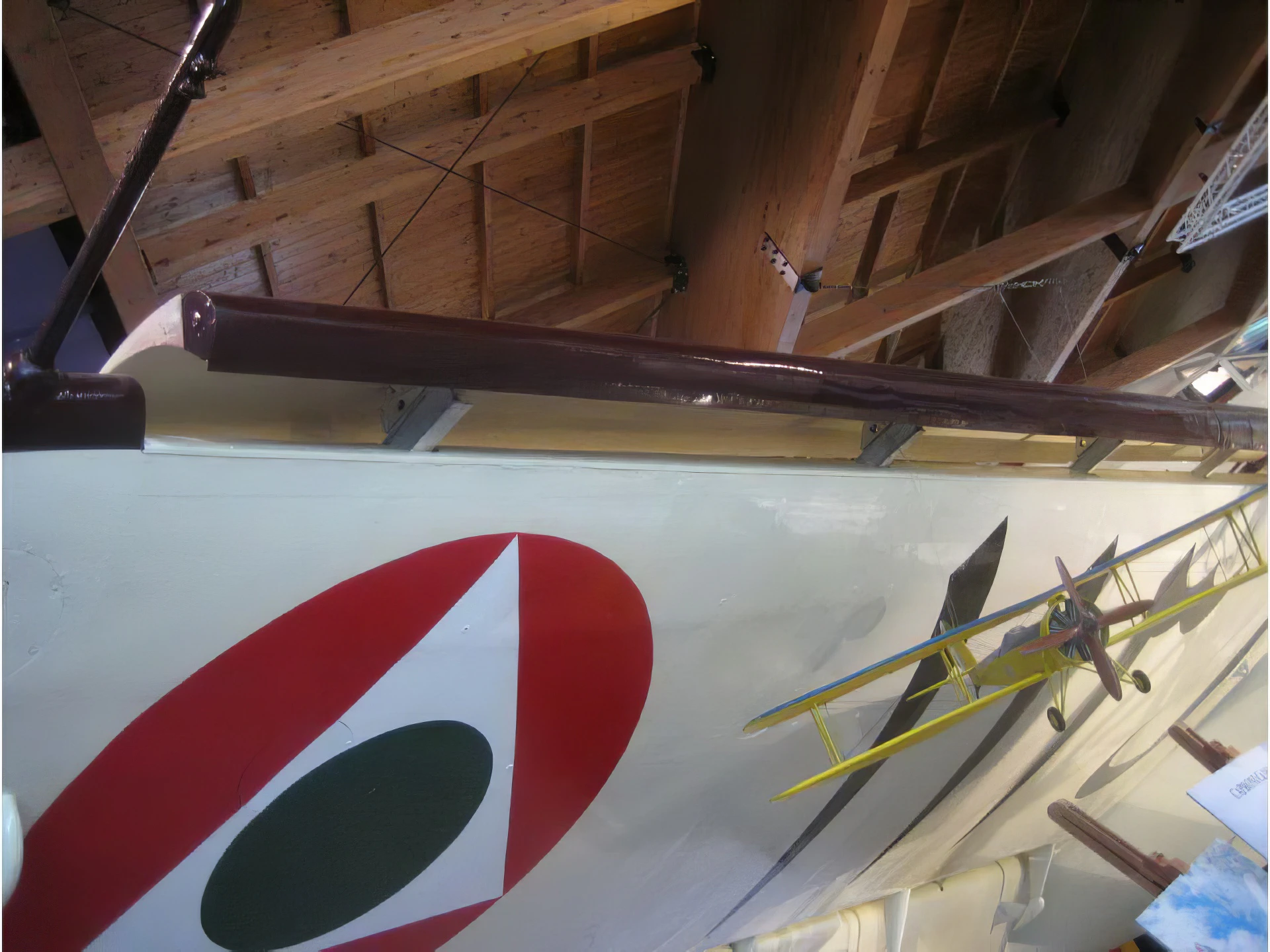
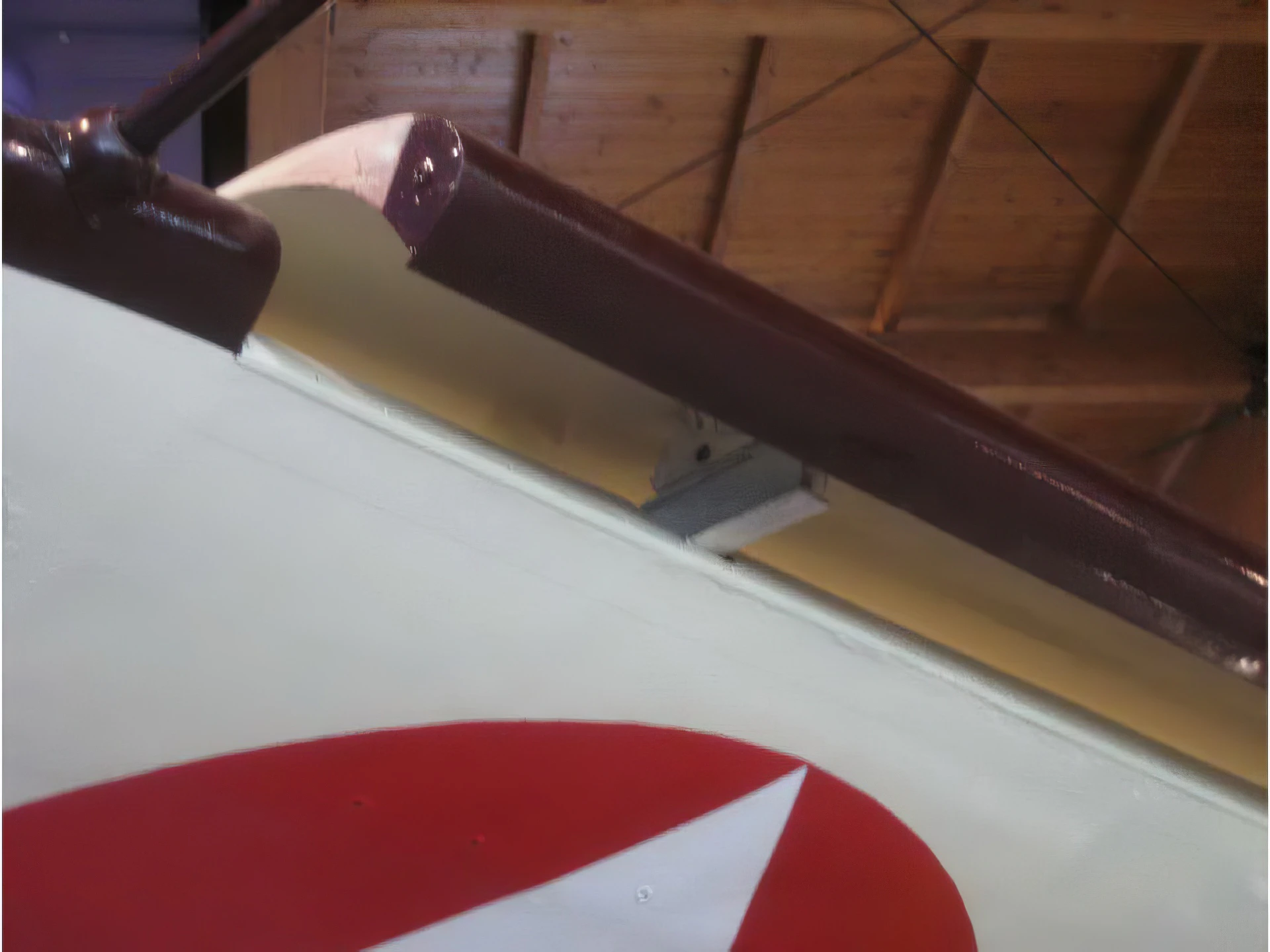

Vaata ka:


The Savoia-Marchetti SM.79 Sparviero was a famous Italian three-engined medium bomber and torpedo bomber that became arguably the best-known Italian aircraft of World War II. Initially designed as a fast, eight-passenger transport in the early 1930s, its excellent performance led to its adoption by the *Regia Aeronautica* (Italian Royal Air Force) for military service.
Design and Nickname
The SM.79 was a cantilever low-wing monoplane. Its construction was a combination of wood and metal, with a fuselage featuring a distinctive dorsal “hump” housing the fixed forward-firing machine gun and the dorsal gunner’s position. This unique silhouette earned it the crew nickname *il gobbo maledetto* (“damned hunchback”).
- Configuration: Trimotor (three engines), with one engine in the nose and one on each wing.
- Ehitamine: Welded tubular steel fuselage frame, covered with a mix of duralumin, plywood, and fabric. All-wood wings.
- Crew: Typically 5 or 6 (pilot, co-pilot, flight engineer/gunner, radio operator, bombardier, rear gunner).
- Powerplant: Various radial engines, commonly three Alfa Romeo 126 RC.34 engines, each producing around 780 hp.
- Performance: Early versions set 26 world records between 1937 and 1939, giving it a reputation as one of the fastest medium bombers in the world at the time. Max speed was around 430 km/h.
Wartime Role
The SM.79 first saw combat during the Spanish Civil War and became the backbone of Italy’s bomber force at the start of World War II. It was the most numerous Italian bomber produced during the conflict, with over 1,300 units built.
- Medium Bomber: Used for conventional bombing on multiple fronts, including the Mediterranean, North Africa, and the Eastern Front. It carried an internal bomb load of up to 1,250 kg.
- Torpedo Bomber: In its most successful role, the SM.79-II variant was adapted to carry one or two external torpedoes (450 mm naval torpedoes) and achieved notable success attacking Allied shipping in the Mediterranean. These crews were highly celebrated in Italy.
- Armament: Defensive weaponry typically included three to four machine guns: a fixed forward-firing 12.7 mm machine gun in the dorsal hump, one flexible 12.7 mm gun in the dorsal position, and a flexible 12.7 mm gun in the ventral “gondola” (a retractable belly position).
The type remained in Italian service until 1952.
Views : 4853
Näete ka :
 Avro 504 – Fotod ja videod
 Nardi FN.305 – Fotod ja videod
 Savoia-Marchetti SM.82 - fotod ja videod
 Northrop YC-125 Raider - fotod ja videod
 Grumman AF Guardian - fotod ja videod
 Fairey Delta 2 - fotod ja videod
 Handley Page Halifax - fotod ja videod
 Grumman G-21 hane - fotod ja videod
 B-25J Mitchell – WalkAround
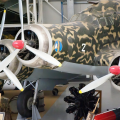 Savoia Marchetti SM-79 – Kõnni ringi