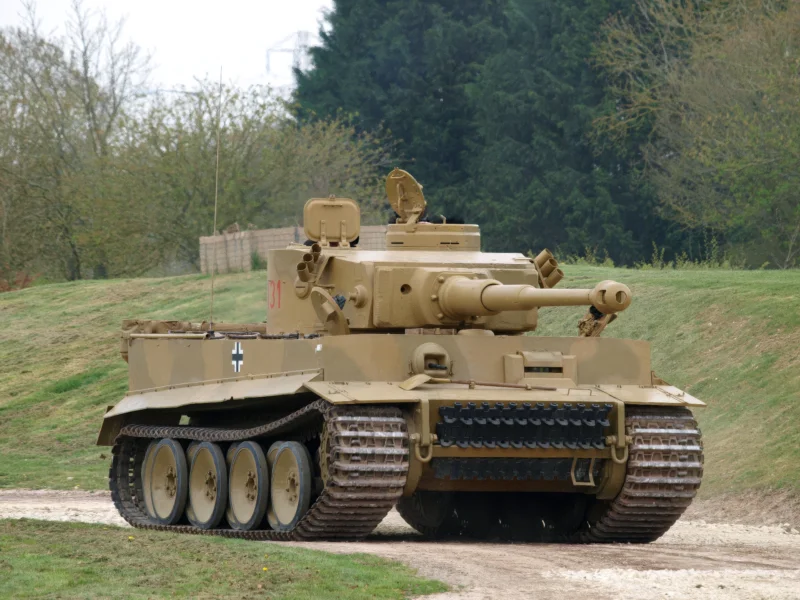
Tiger Tank | |
|---|---|
| Country | Germany |
| Type | Heavy Tank |
| Description | Album of 27 photos walk-around of a «Tiger Tank» |
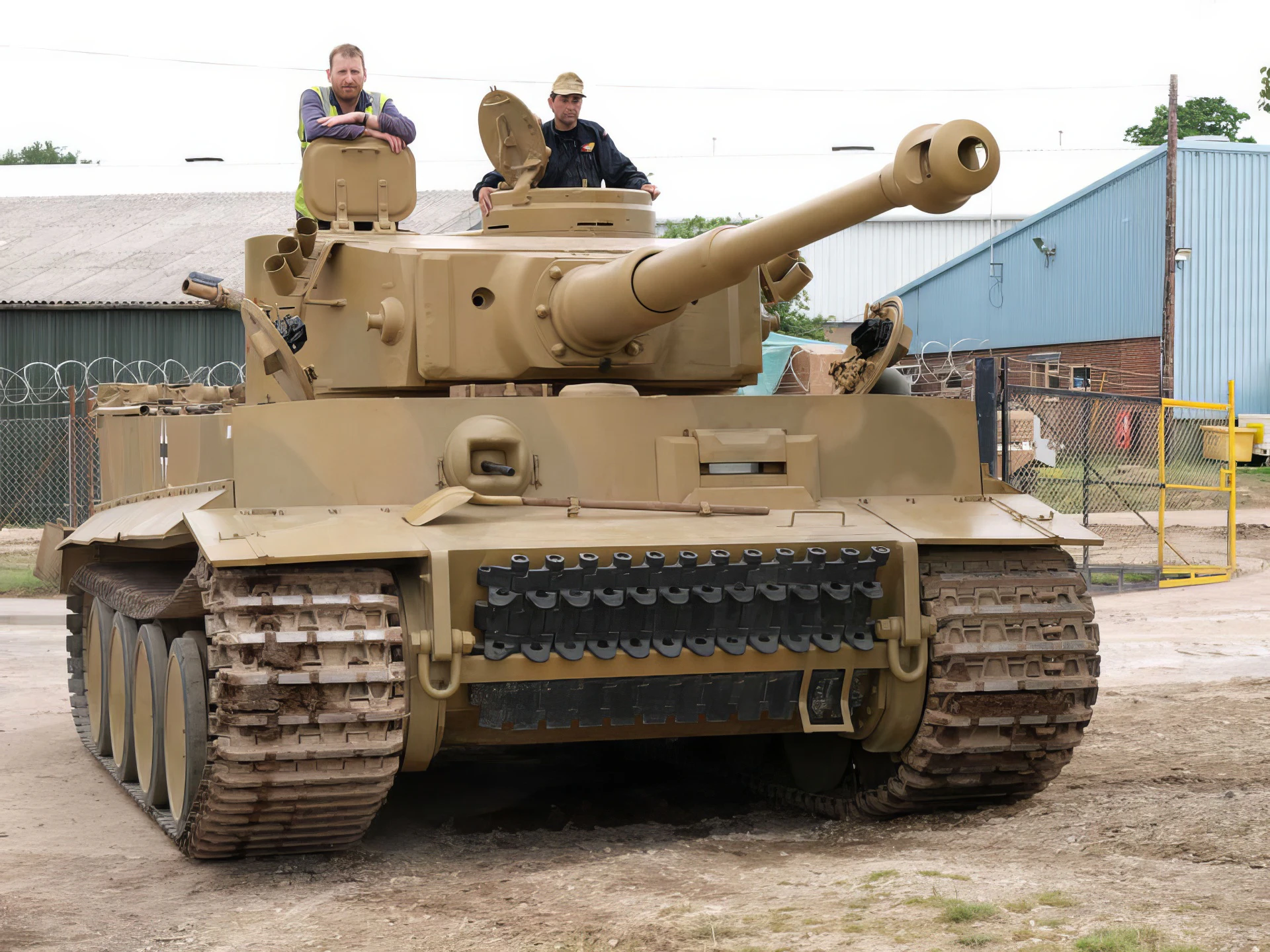
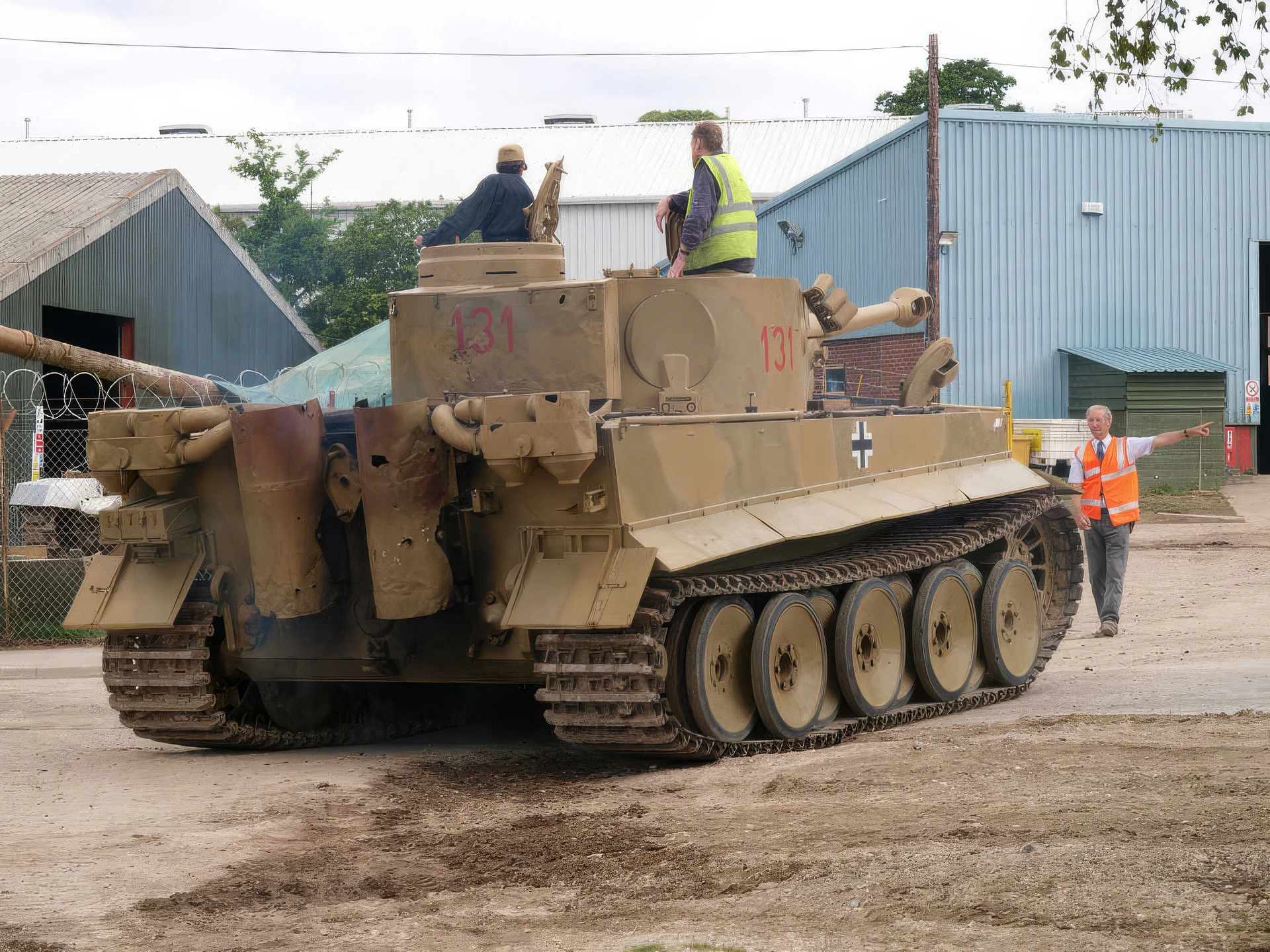
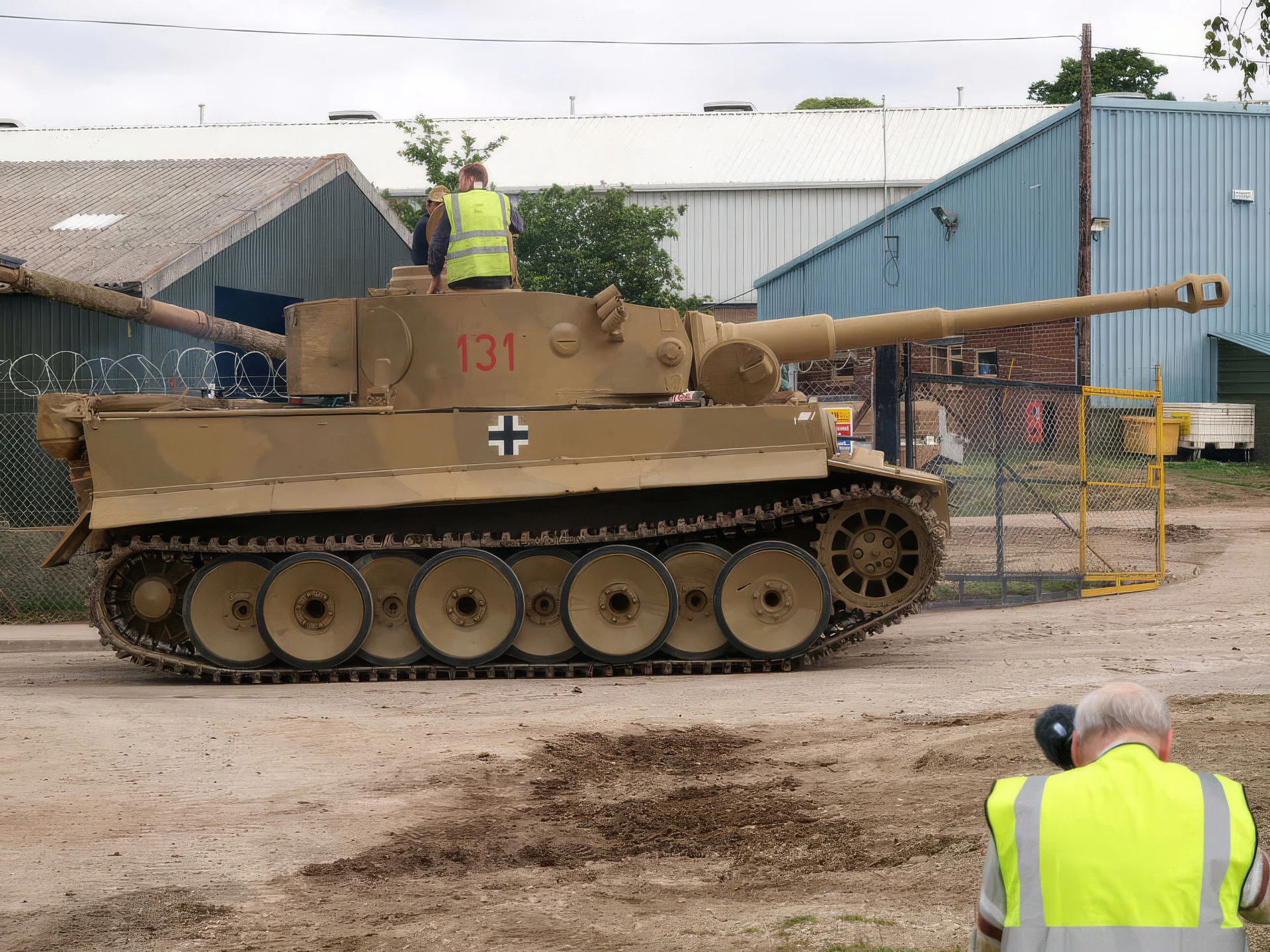
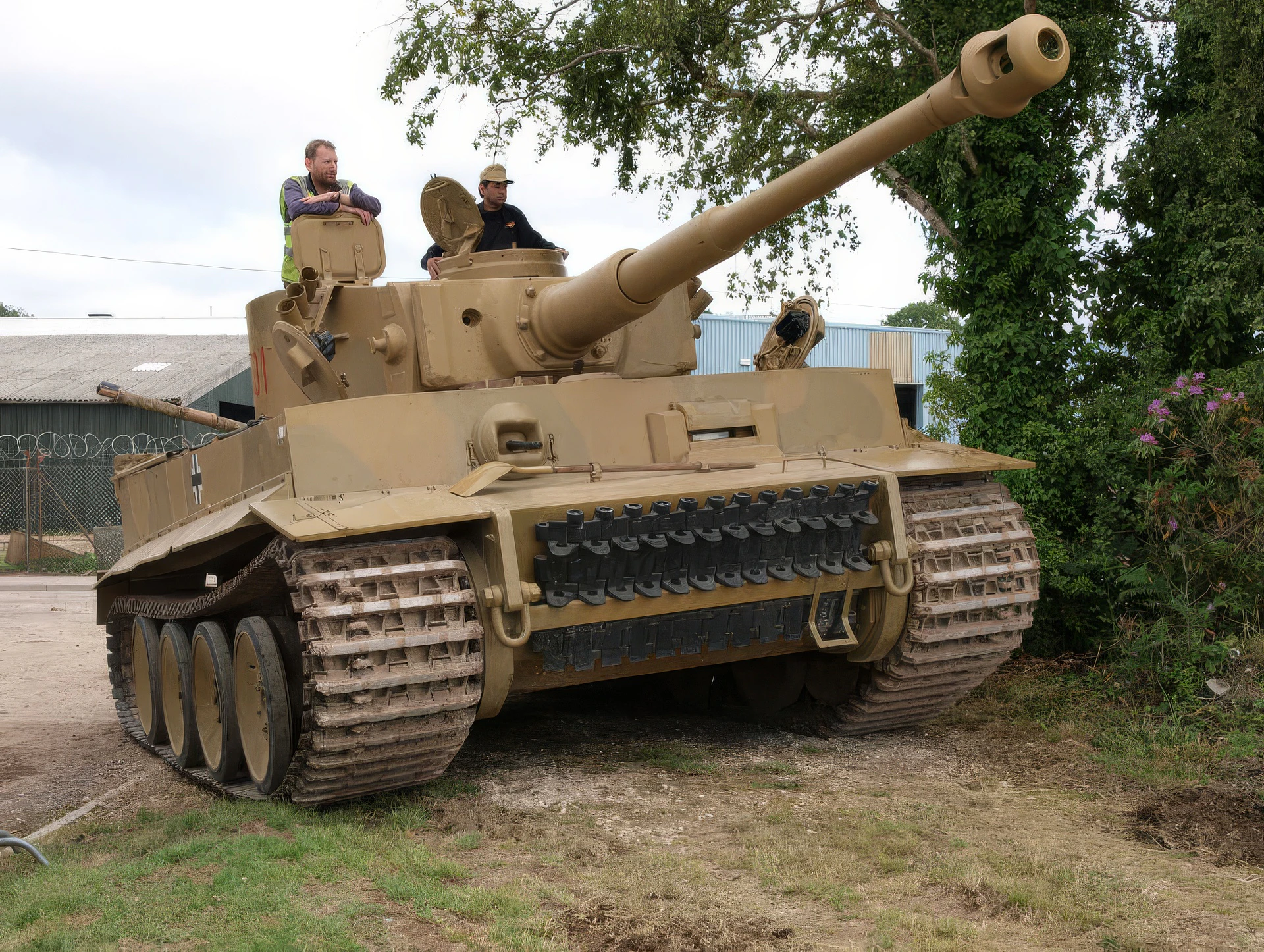
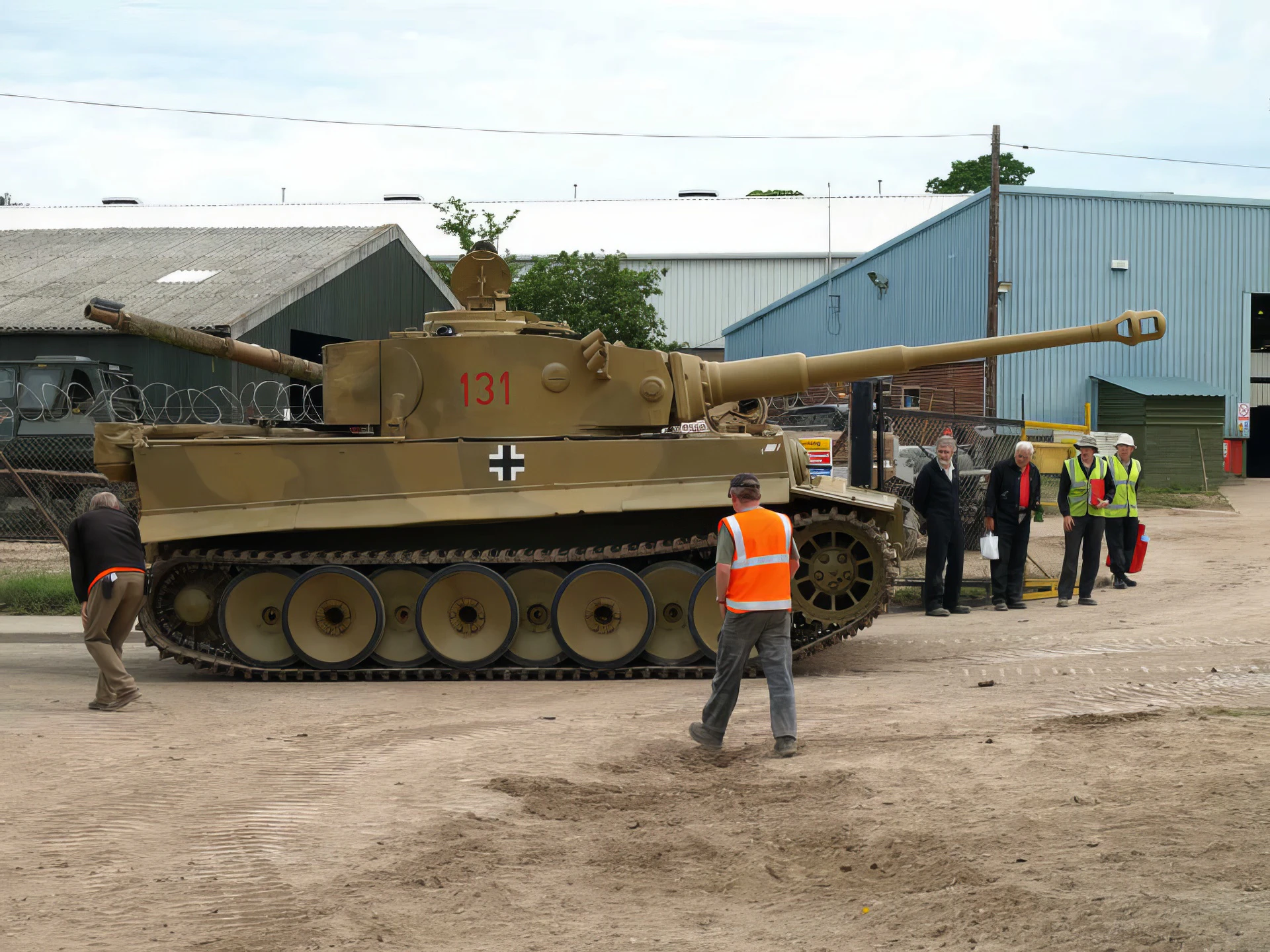
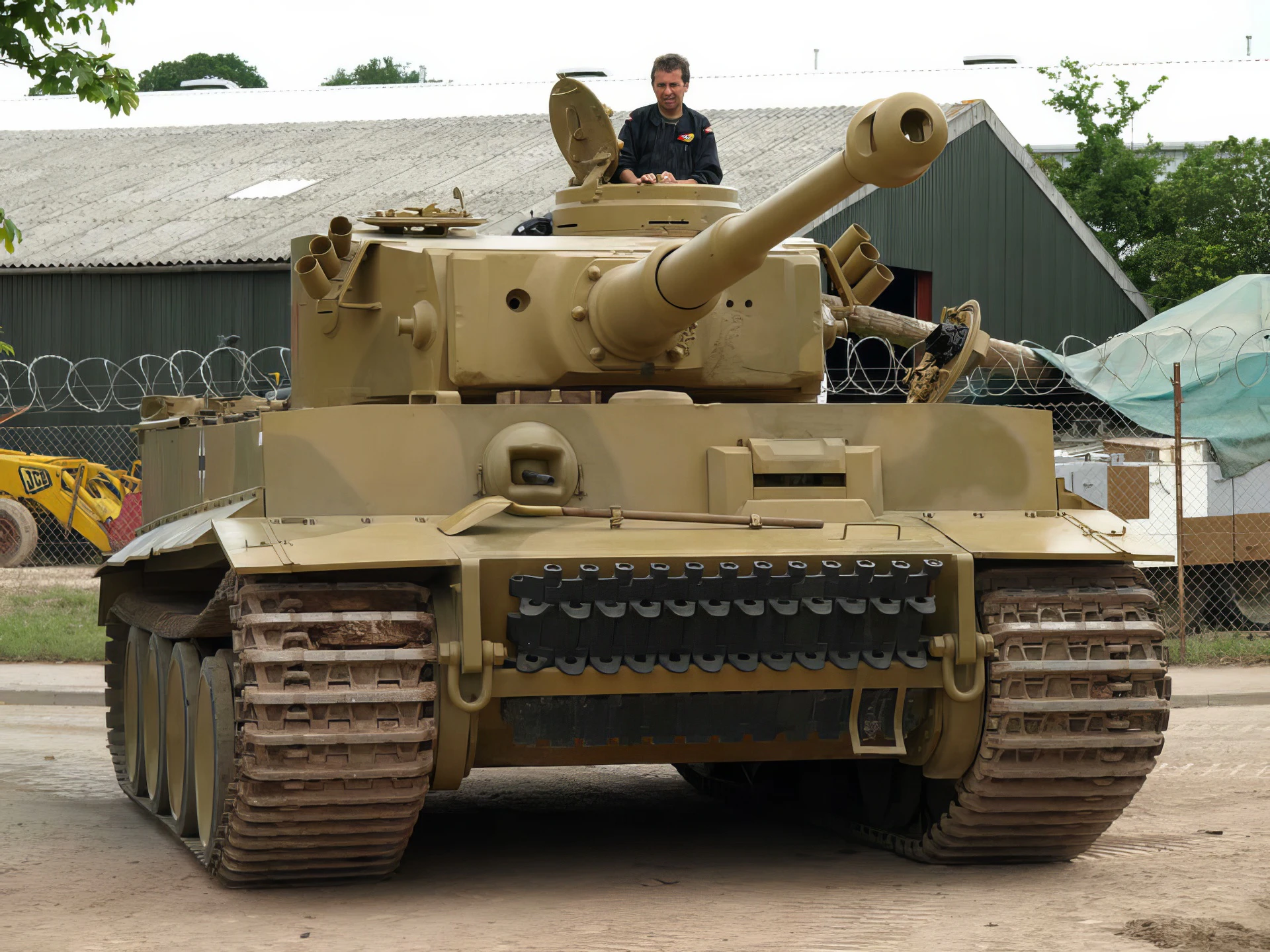
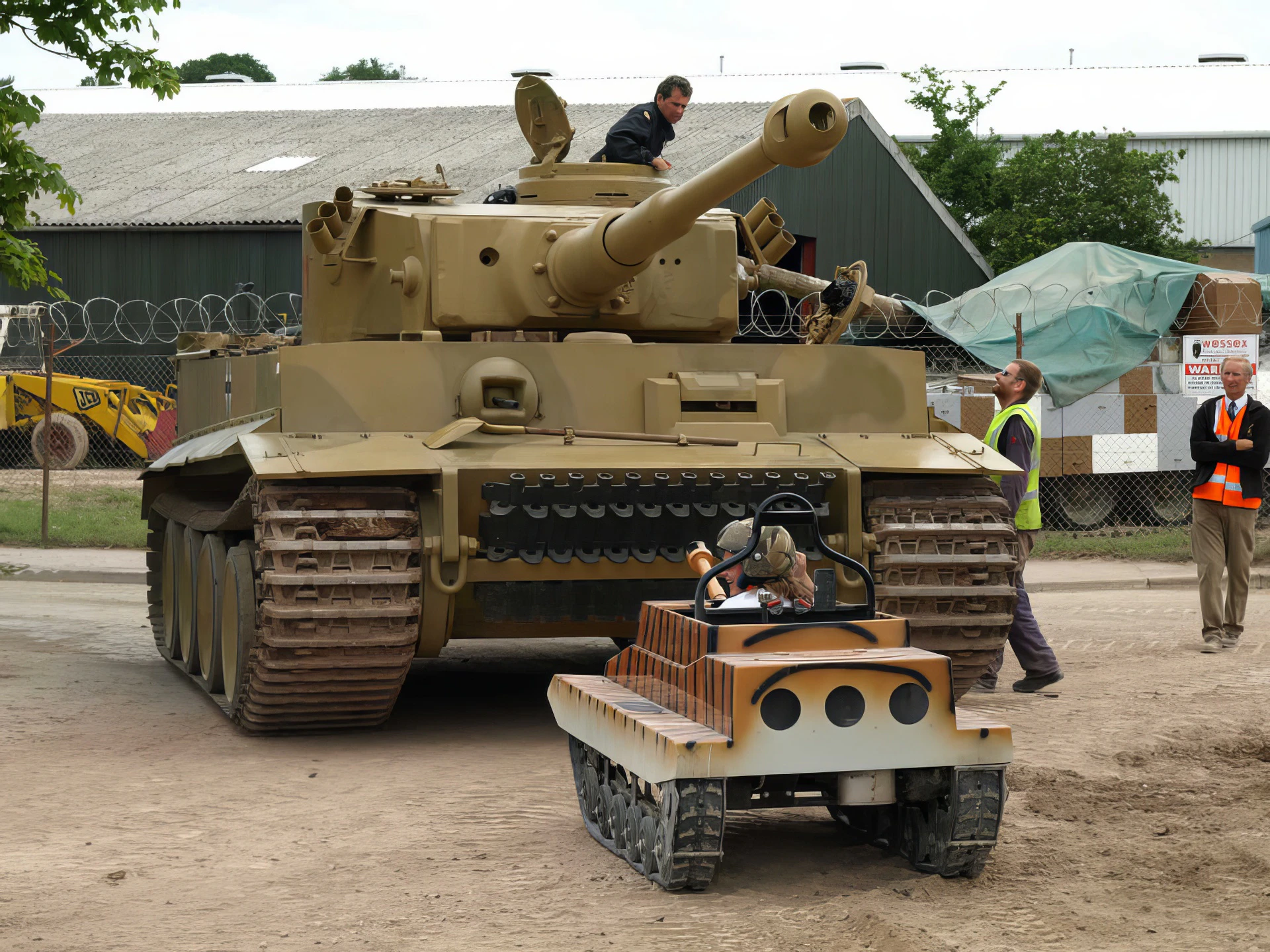
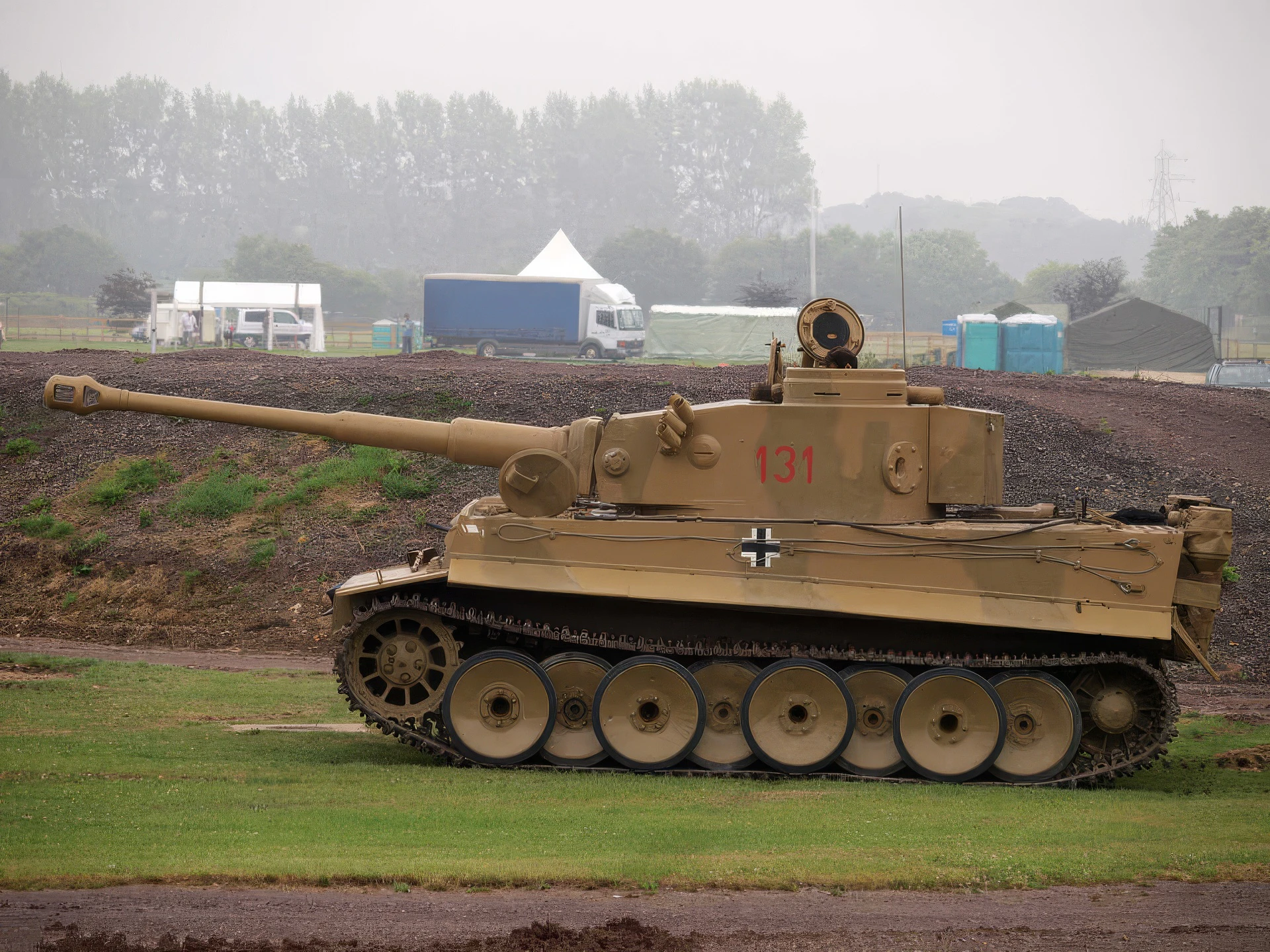
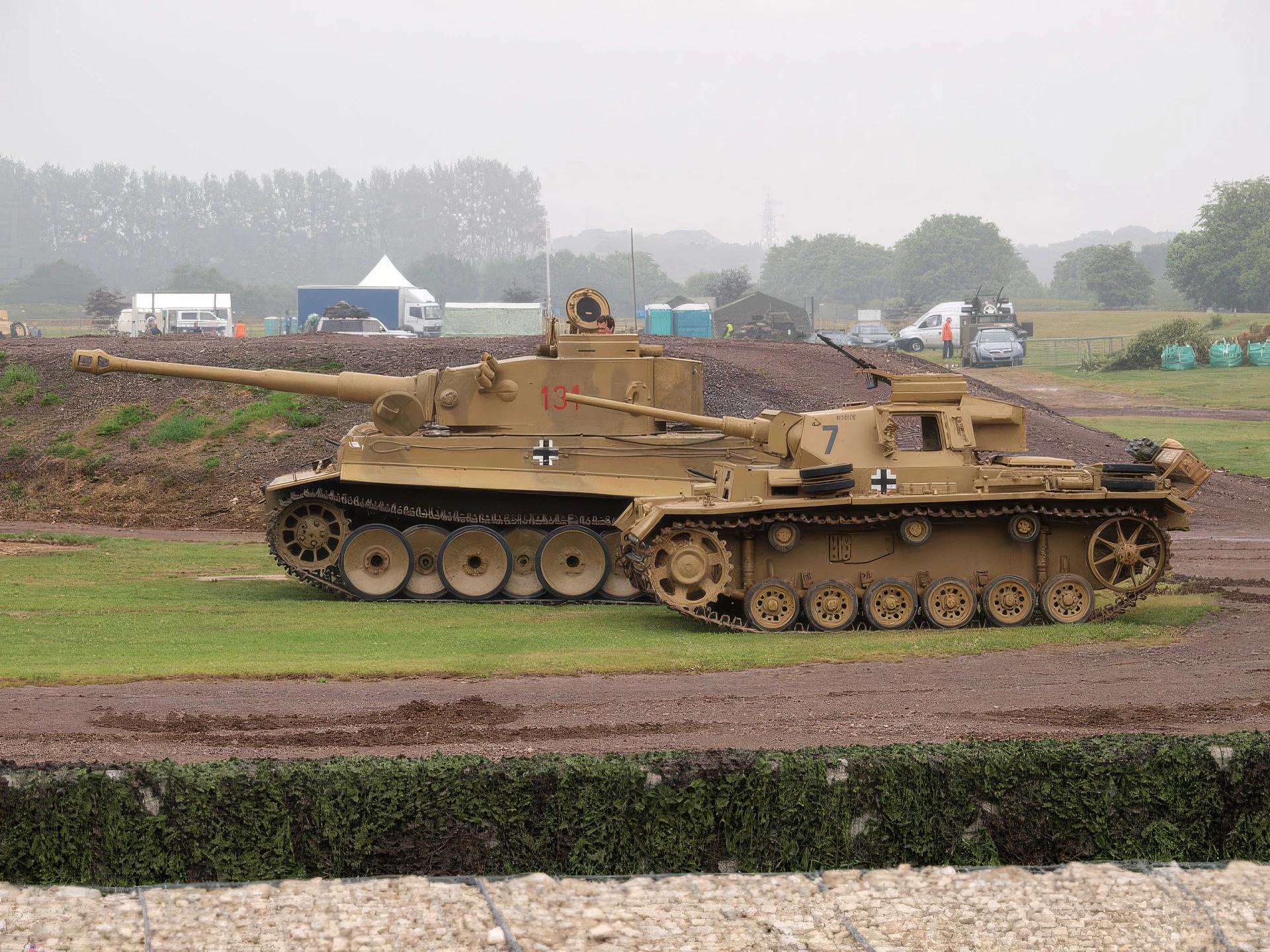
Photo gallery of a Tiger Tank in action, The Tiger I is the common name of a German heavy tank developed in 1942 and used in World War II. The final official German designation was Panzerkampfwagen VI Tiger Ausf.E, often shortened to Tiger. It was an answer to the unexpectedly formidable Soviet armour encountered in the initial months of the Axis invasion of the Soviet Union, particularly the T-34 and the KV-1. The Tiger I design gave the Wehrmacht its first tank mounting the 88 mm gun, in its initial armored fighting vehicle-dedicated version, which in its Flak version had previously demonstrated its effectiveness against both air and ground targets. During the course of the war, the Tiger I saw combat on all German battlefronts. It was usually deployed in independent tank battalions, which proved to be quite formidable.

See also:


The Panzerkampfwagen VI (Pz.Kpfw. VI), commonly known as the Tiger, was a series of German heavy tanks used during World War II. It was a formidable and revolutionary design, primarily known for its incredibly heavy armor and powerful main gun. The series includes two primary models: the Tiger I and the Tiger II.
1. Panzer VI Tiger I (Sd.Kfz. 181)
The original Tiger I was a response to the unexpectedly strong Soviet tanks encountered during the invasion of the USSR. It entered service in 1942 and quickly established a fearsome reputation.
- Role: Heavy Tank, designed for breakthrough and long-range engagement.
- Main Armament: The devastating 88 mm KwK 36 L/56 cannon, which could penetrate most Allied tank armor at extreme distances.
- Armor: Featured very heavy, though largely flat and vertical, armor. Frontal hull armor was typically 100 mm thick, with the gun mantlet up to 200 mm. Its protection relied on sheer thickness.
- Weight: Approximately 57 tonnes.
- Mobility: Powered by a 700 hp Maybach V-12 engine. Capable of speeds up to 38 to 45 km/h on roads. Its complex interleaved road wheel suspension provided good off-road performance but was mechanically demanding and maintenance-intensive.
- Crew: 5 (Commander, Gunner, Loader, Driver, Radio Operator).
2. Panzer VI Tiger II (Königstiger / King Tiger) (Sd.Kfz. 182)
The Tiger II, or “King Tiger,” was the successor to the Tiger I and represented an evolution in German tank design. It entered production in late 1943.
- Role: Heavy Tank.
- Main Armament: The superior 88 mm KwK 43 L/71 cannon. This longer-barreled gun significantly increased muzzle velocity and anti-tank performance.
- Armor: Combined the sheer thickness of the Tiger series with sloped armor. The frontal hull plate was 150 mm thick and angled at 50, making it virtually impervious to most Allied tank guns from the front.
- Weight: Nearly 68.5 tonnes, making it the heaviest tank used by Germany during the war.
- Drawbacks: Its extreme weight severely strained its powertrain, leading to significant mechanical reliability issues and placing a massive burden on German logistics and manufacturing.
Views : 9194
You can see also :
 TOG2 – Photos & Videos
 P26/40 tank – Photos & Videos
 T-28 Super Heavy Tank – Photos & Video
 Chieftain tank – Walk Around
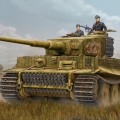 Pz.Kpfw. VI Tiger I – HOBBY BOSS 82601
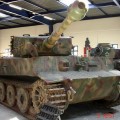 PzKpfw VIH Tiger – Walk Around
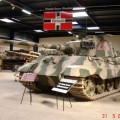 Tiger II – Königstiger vol3 – Walk Around
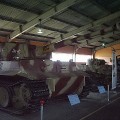 Tiger I – Walk Around
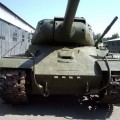 JS2-M - Walk Around
 Panzerkampfwagen VI – TIGER – Sdkfz.181 – Wydawnictwo Militaria 074