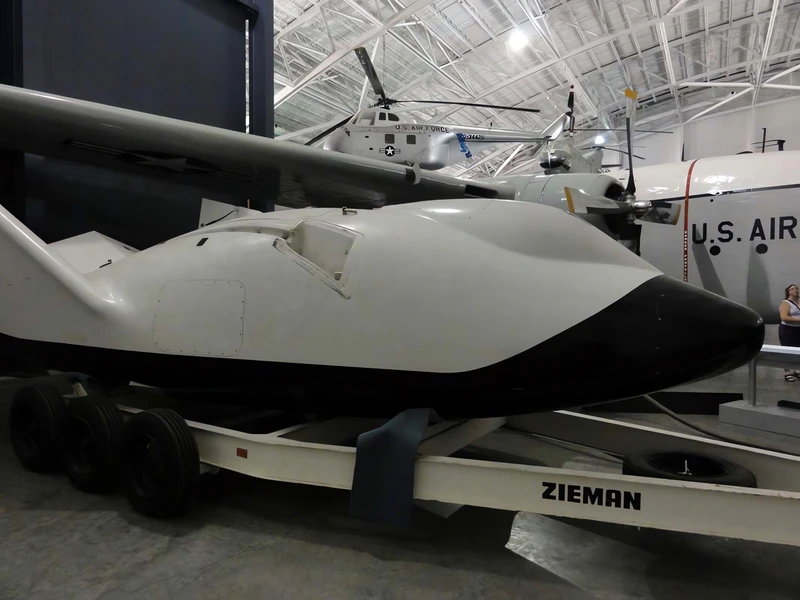
NASA X-38 | |
|---|---|
| Country | USA |
| Role | Return vehicle |
| Program | 1995–2002 |
| Built | Unknow |
The X-38 was an experimental re-entry vehicle designed by NASA to research a possible emergency crew return vehicle (CRV) for the International Space Station (ISS). The 1995–2002 program also developed concepts for a crew return vehicle design that could be modified for other uses, such as a possible joint U.S. and international human spacecraft that could be launched on the French Ariane 5 booster. The program would eventually develop a total of three test prototype flight demonstrators for the proposed Crew Return Vehicle, each having incremental improvements on its predecessor. All three were wingless lifting body vehicles used in drop tests. The X-38 program was cancelled in 2002 due to budget cuts.
Source: NASA X-38 on Wikipedia
| NASA X-38 Crew Return Vehicle Walk Around | |
|---|---|
| Photographers | Vladimir Yakubov and John Heck |
| Localisation | Strategic Air and Space Museum, Ashland |
| Photos | 55 |
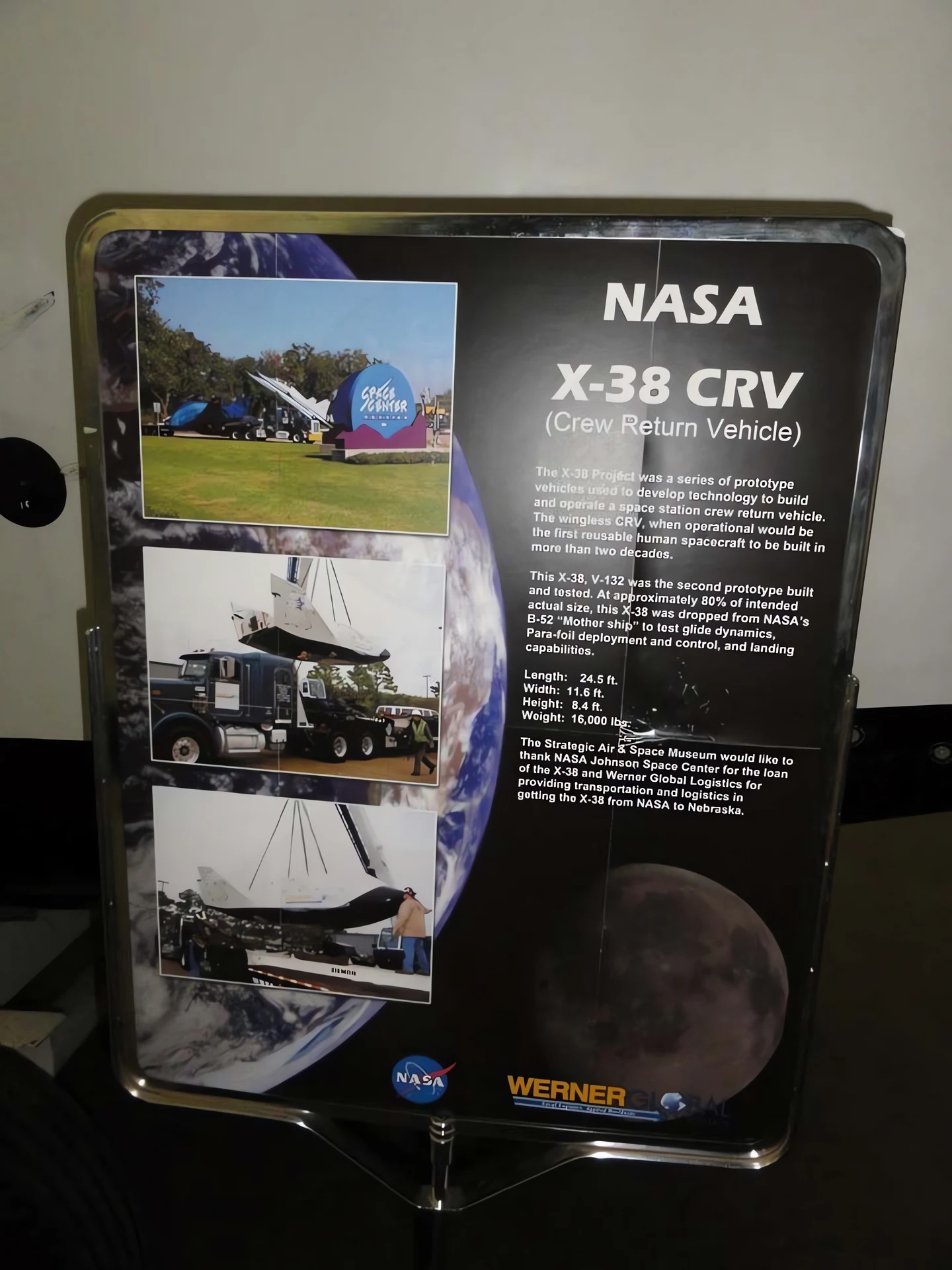
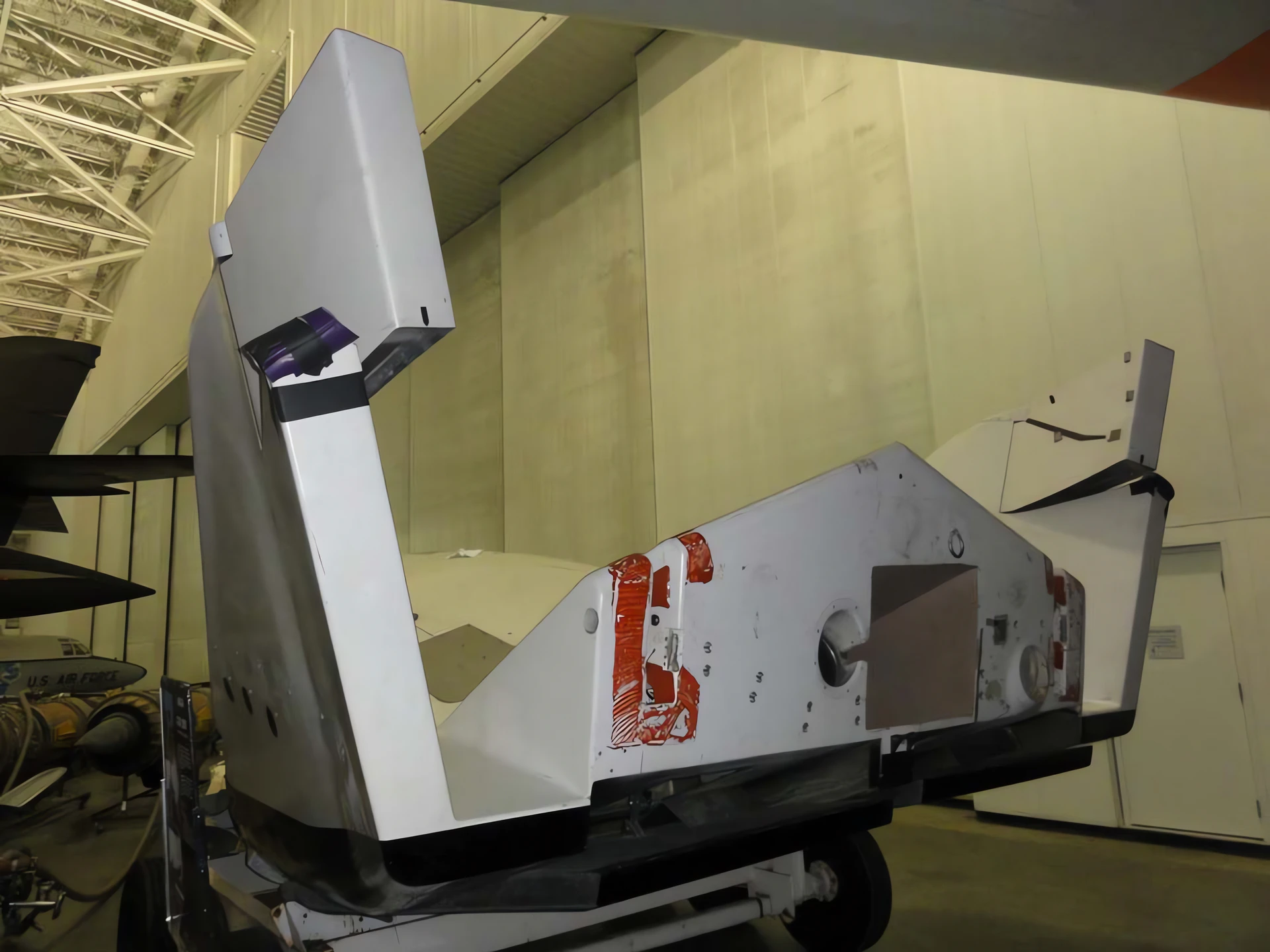
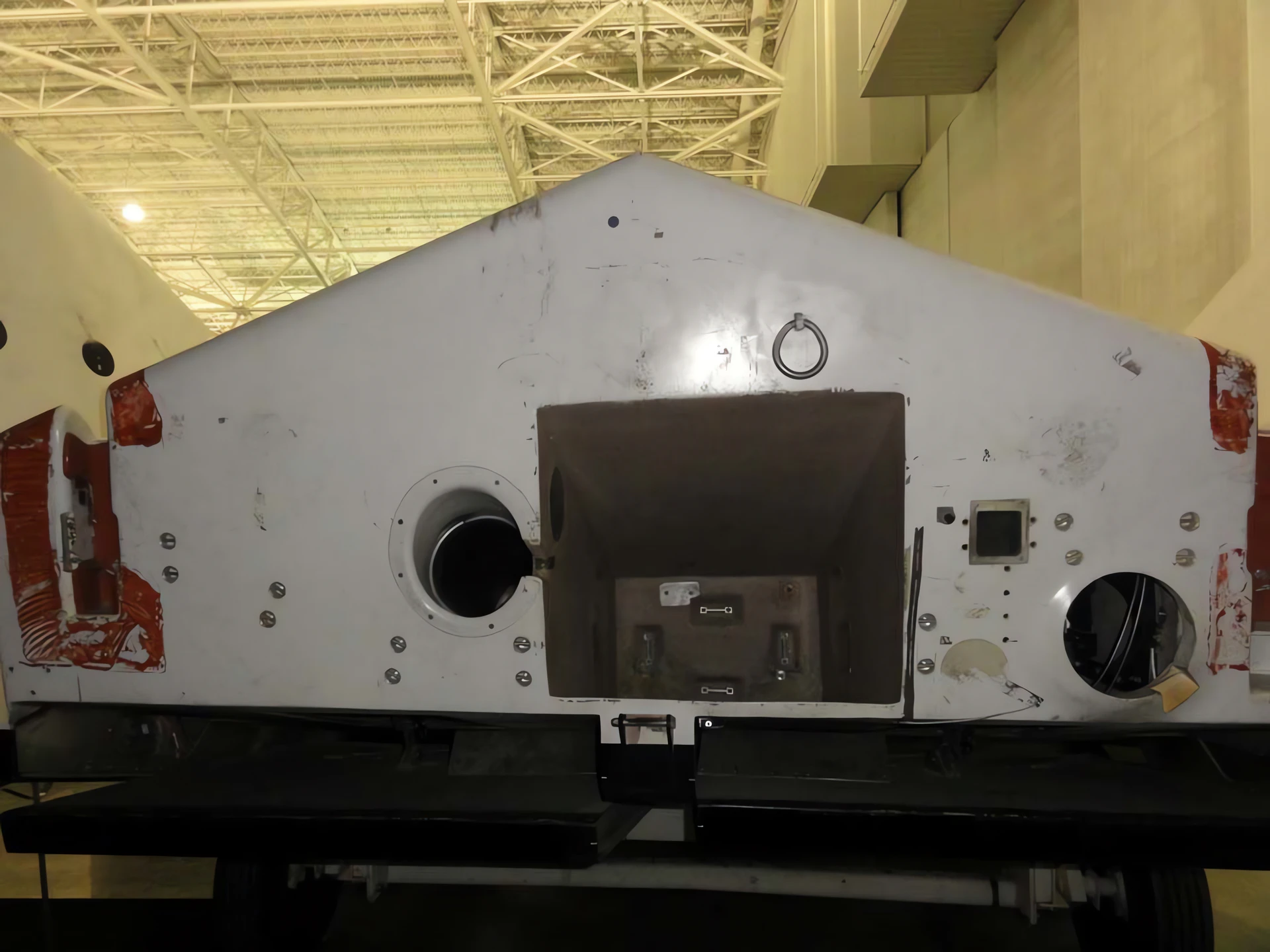
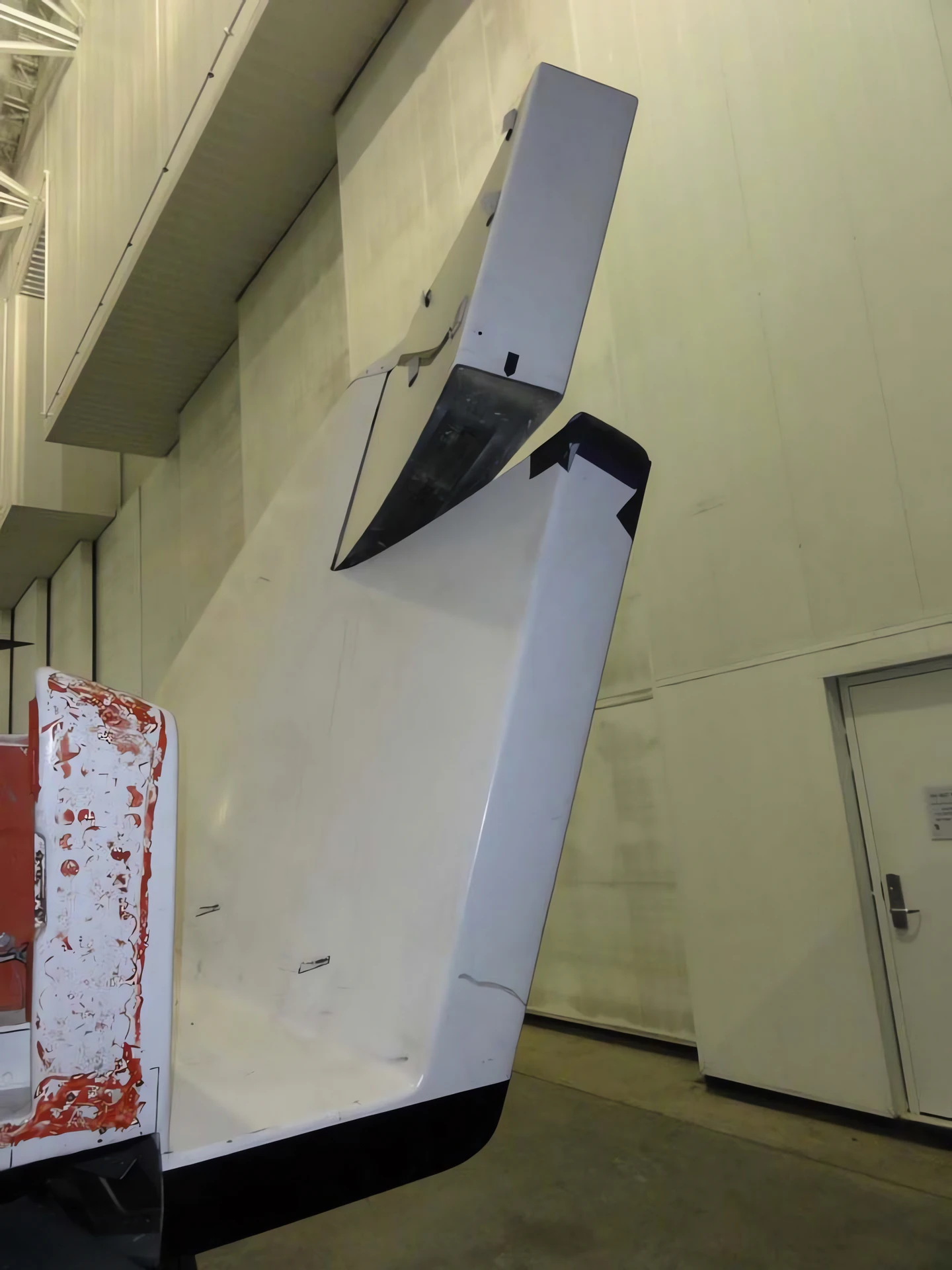
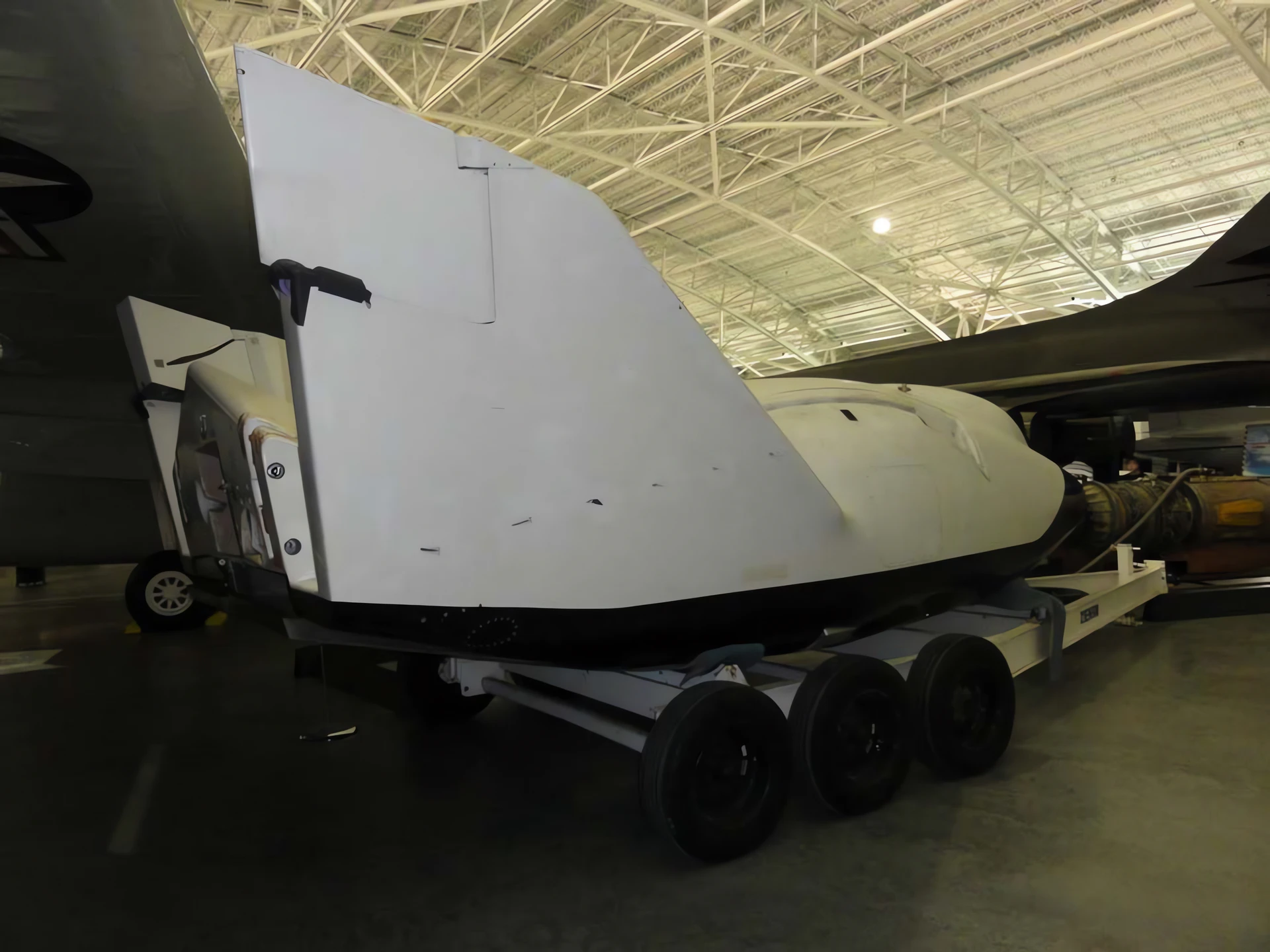
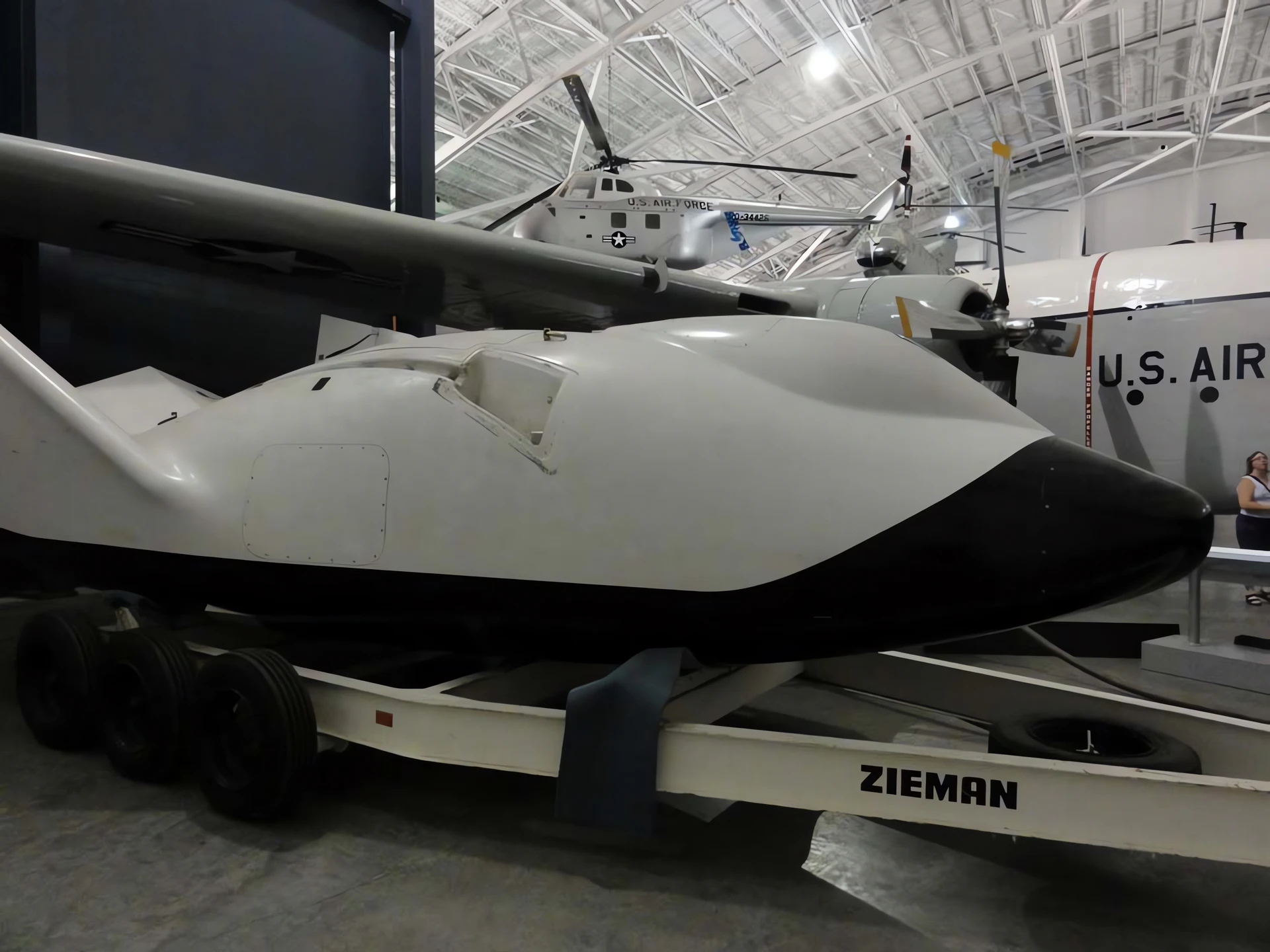
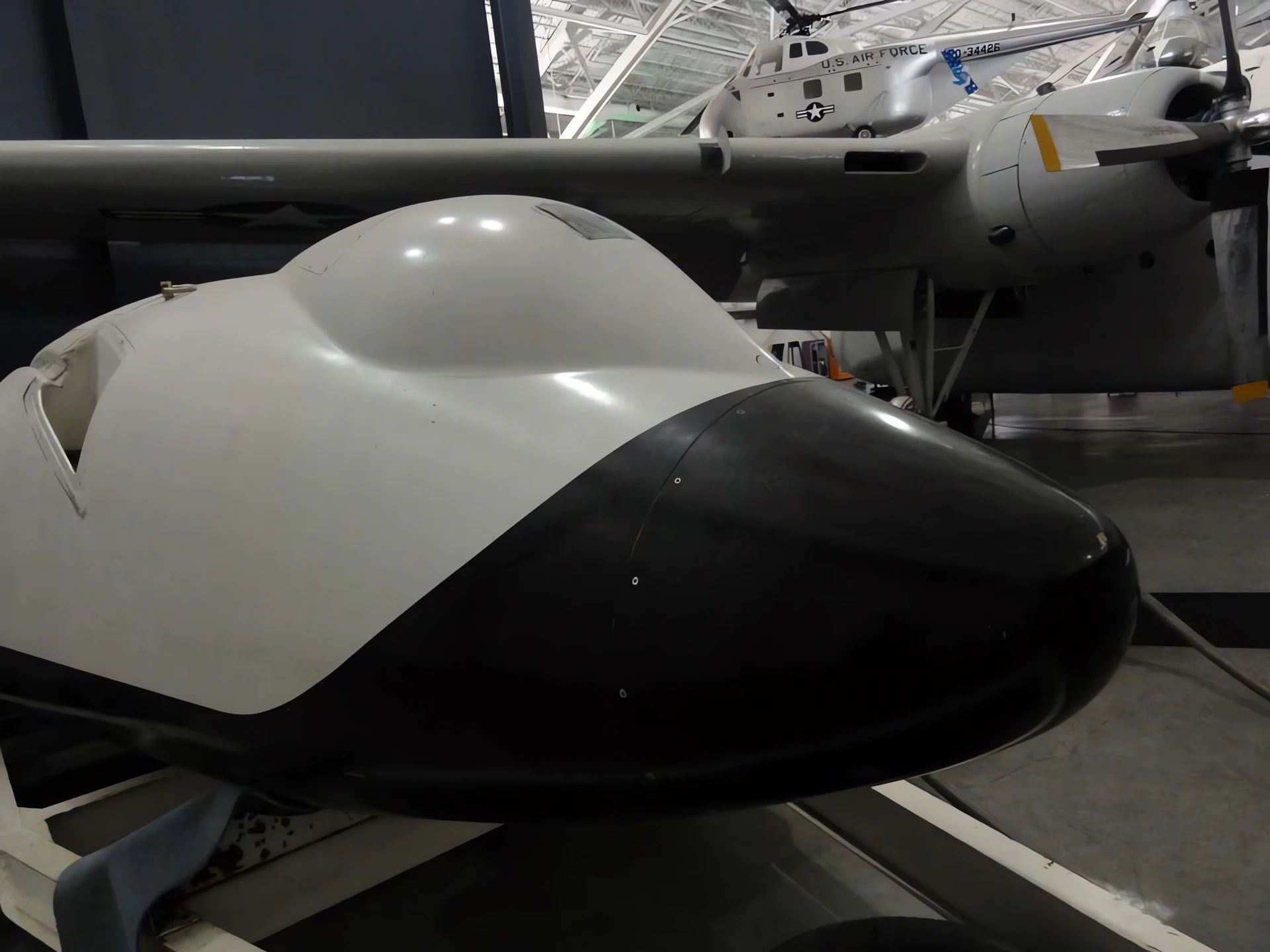
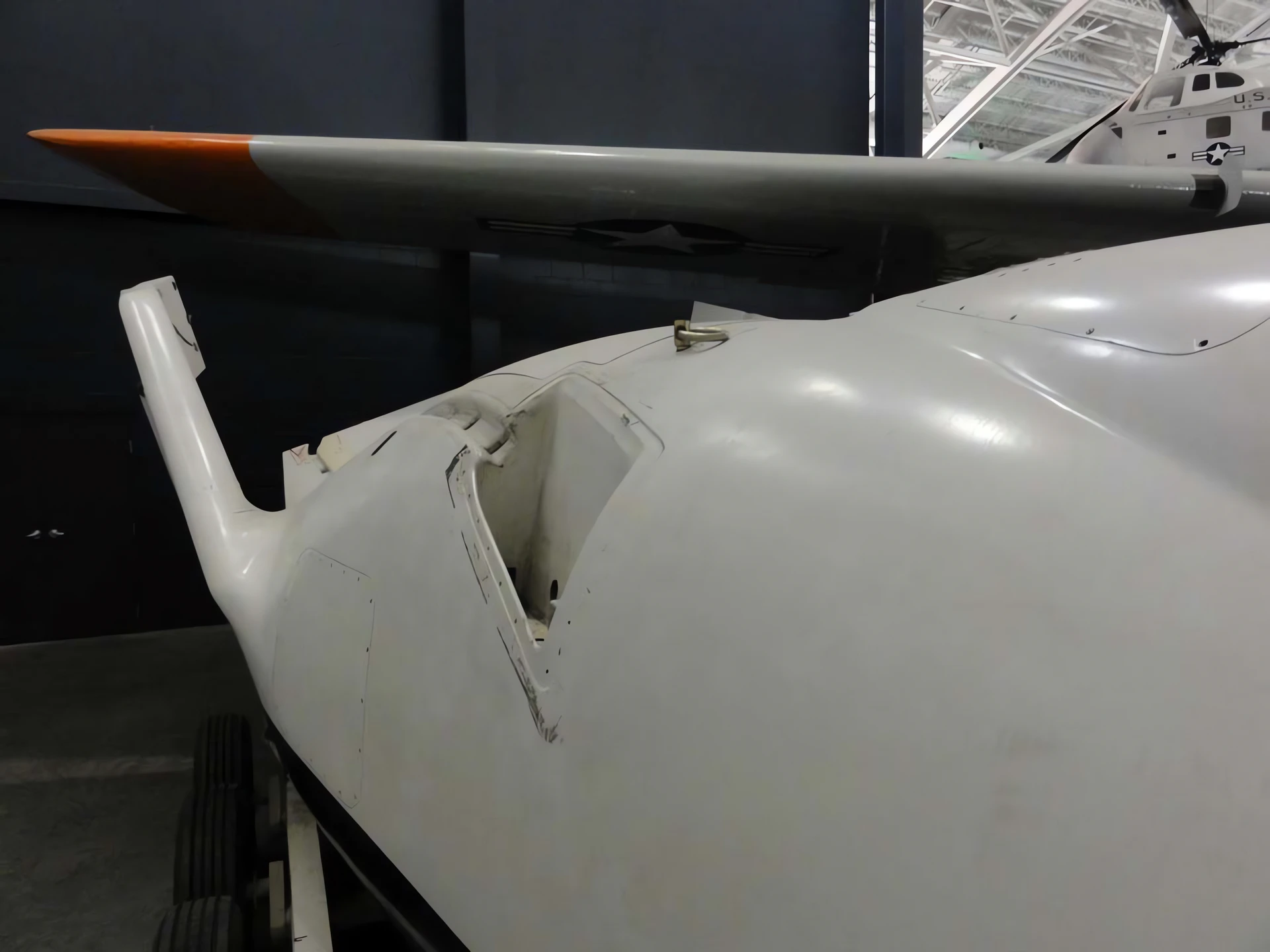
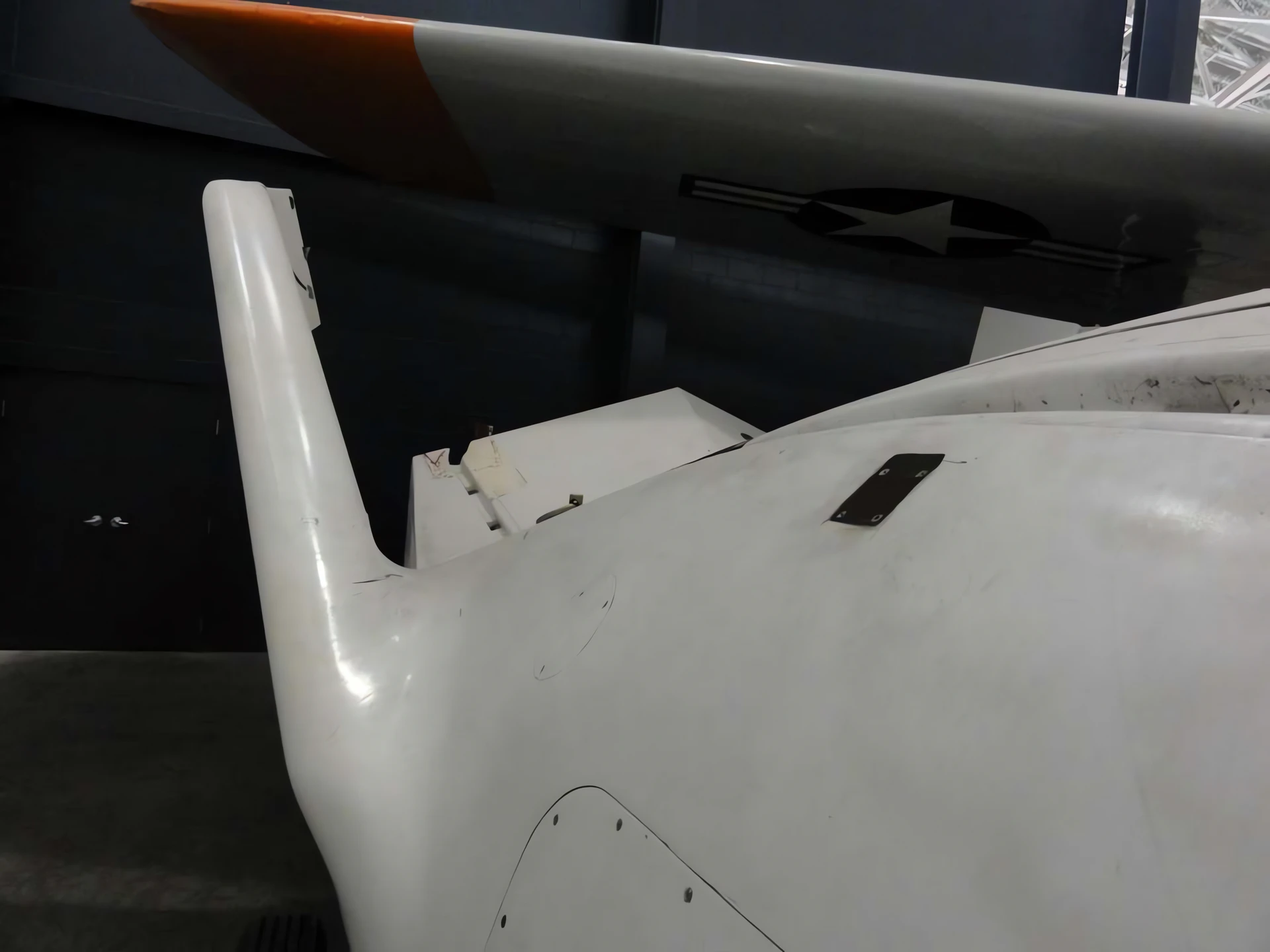

See also:


General Characteristics and Role
The NASA X-38 was an experimental prototype designed to test the technologies for a Crew Return Vehicle (CRV) intended for the International Space Station (ISS). Modeled on the aerodynamic shape of the Martin Marietta X-24A lifting body, the X-38 was designed to serve as a high-fidelity lifeboat that could bring up to seven astronauts back to Earth safely from the ISS in an emergency. The program focused on validating the autonomous flight control and guidance systems, as well as the use of a large, steerable parafoil for the final descent and landing. Although the program was ultimately canceled in 2002 due to budget cuts, the flight tests proved the CRV concept feasible.
| Property | Typical Value (X-38 V-131R) |
|---|---|
| Role | Crew Return Vehicle (CRV) Technology Demonstrator |
| National Origin | United States (NASA) |
| Manufacturer | NASA Johnson Space Center, with industry partners |
| First Flight (Glide) | 1997 |
| Crew (Planned CRV) | Up to 7 Astronauts |
| Length | 7.0 m (23 ft 0 in) |
| Wingspan/Width | 3.5 m (11 ft 6 in) |
| Configuration | Wingless Lifting Body (Similar to X-24A shape) |
| Gross Weight (Prototype) | 10,250 kg (22,600 lb) |
Launch Method and Recovery System
- Launch Method (Prototype): The X-38 prototypes were air-launched from a B-52 Stratofortress or carried aloft by NASA’s B-57 Canberra aircraft for high-altitude glide tests.
- Recovery System: The key recovery component was the world’s largest steerable parafoil (a blend of parachute and wing). The final prototype utilized a 7,500 sq ft (700 m²) parafoil for a soft, controlled landing.
- Autonomy: The CRV was designed to be virtually autonomous, guiding itself from orbit, through atmospheric reentry, and to a ground landing site using satellite navigation and on-board computers.
- Materials: Prototypes were constructed using highly durable aluminum for testing, with the final operational CRV planned to use a heat-resistant reinforced carbon-carbon thermal protection system.
Program Outcome and Legacy
- Test Success: The prototypes successfully conducted six atmospheric drop tests, validating the autonomous flight control, navigation, and the crucial parafoil deployment and steerability.
- Cancellation: Despite technical success and the need for a non-Russian ISS crew return vehicle, the program was canceled in 2002 due to cost overruns and subsequent budget redirection towards other exploration programs.
- Influence: The lifting body concept and the tested parafoil recovery methods influenced subsequent vehicle designs, notably the autonomous flight control systems now employed in uncrewed reentry capsules.
- Preservation: The full-scale, flight-rated prototype (V-201, originally planned for orbital testing) is now stored at the Johnson Space Center in Houston, Texas.
Views : 1079
You can see also :
 Sikorsky S-39 – Photos & Videos
 North American NA-64 Yale – Photos & Videos
 Sud-Ouest Triton – Photos & Video
 Culver PQ-14 Cadet – Photos & Video
 Northrop F-20 Tigershark – Photos & Video
 Aeronca L-3 – Photos & Video
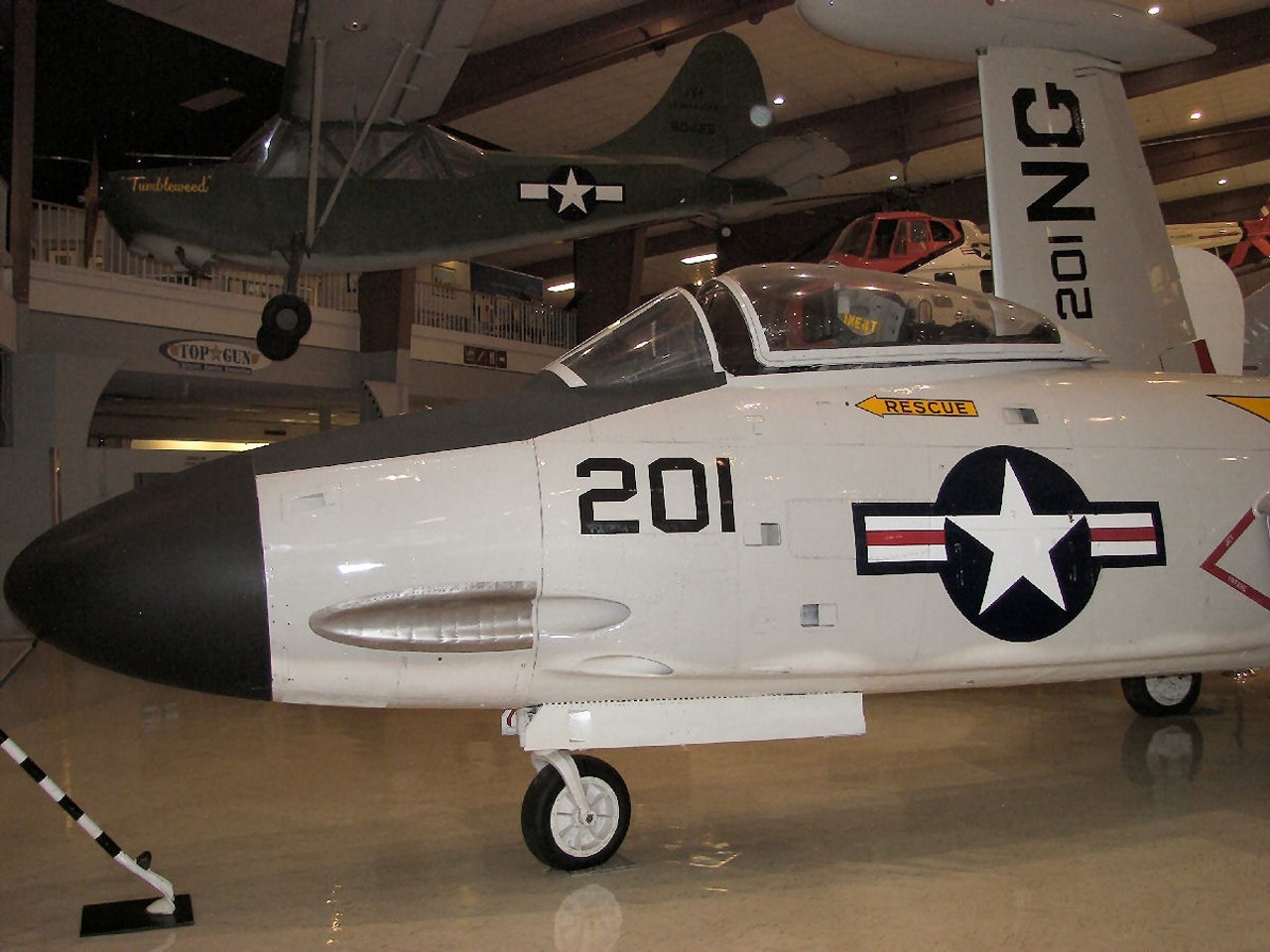 McDonnell F2H Banshee – Photos & Video
 Macchi MC-202 – WalkAround
 Fairey Battle – WalkAround
 Hawker Sea Fury – Walk Around