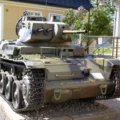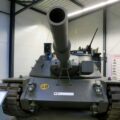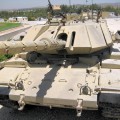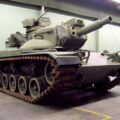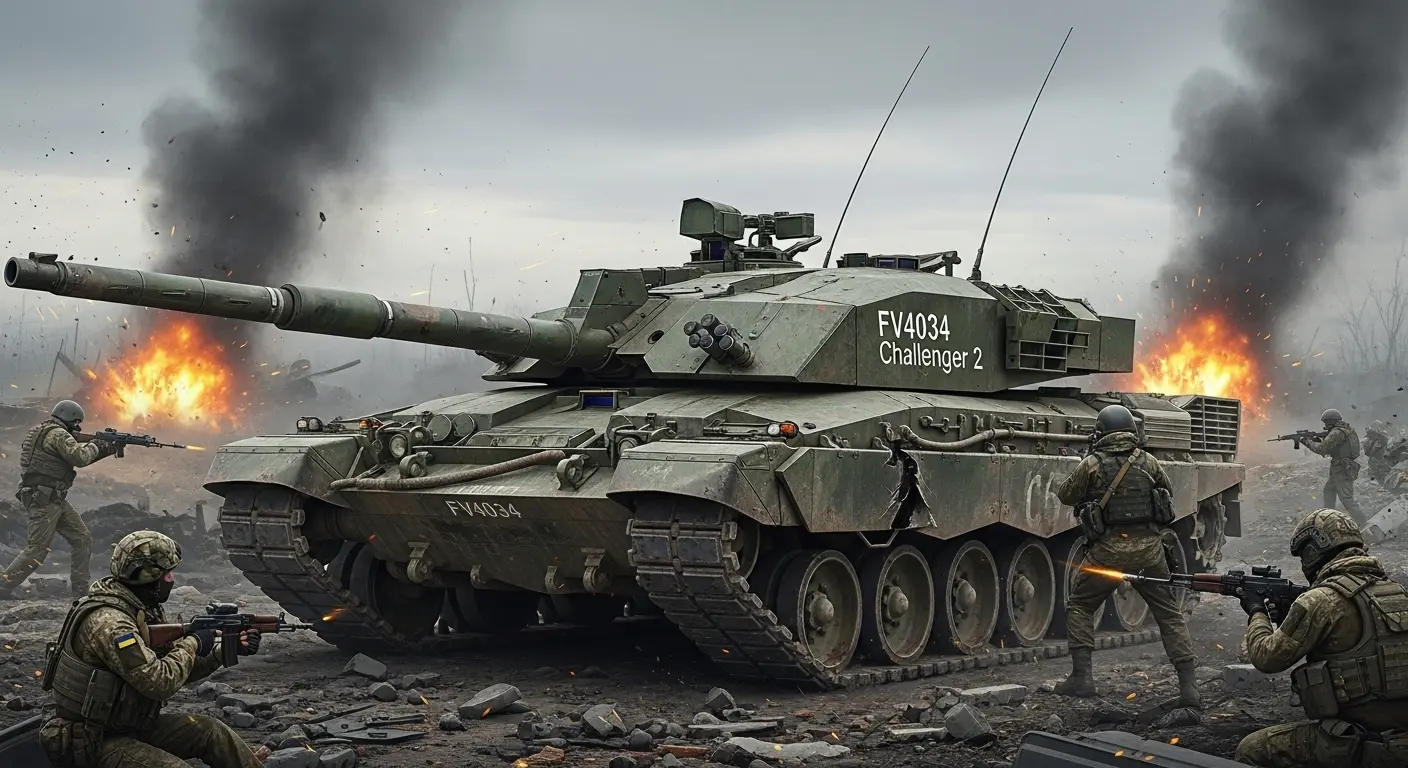
FV4034 Challenger 2 | ||
| Country | UK | |
| Role | Main battle tank | |
| In service | 1998–present | |
| Built | 447 | |
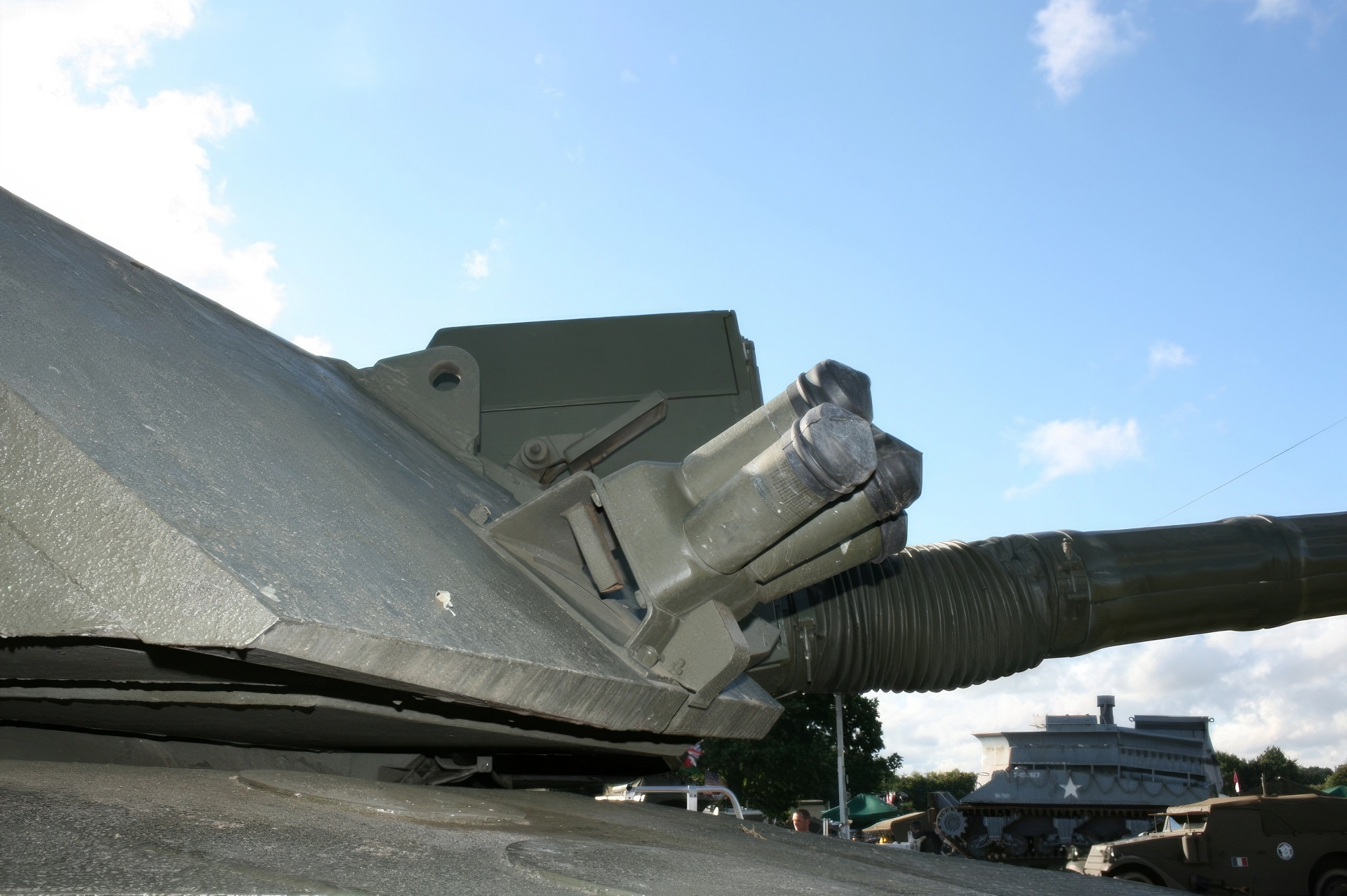
The FV4034 Challenger 2 (MOD designation “CR2”) is a third generation British main battle tank (MBT) in service with the armies of the United Kingdom and Oman. It was designed and built by the British company Vickers Defence Systems (now known as BAE Systems Land & Armaments).
Source: FV4034 Challenger 2 on Wikipedia
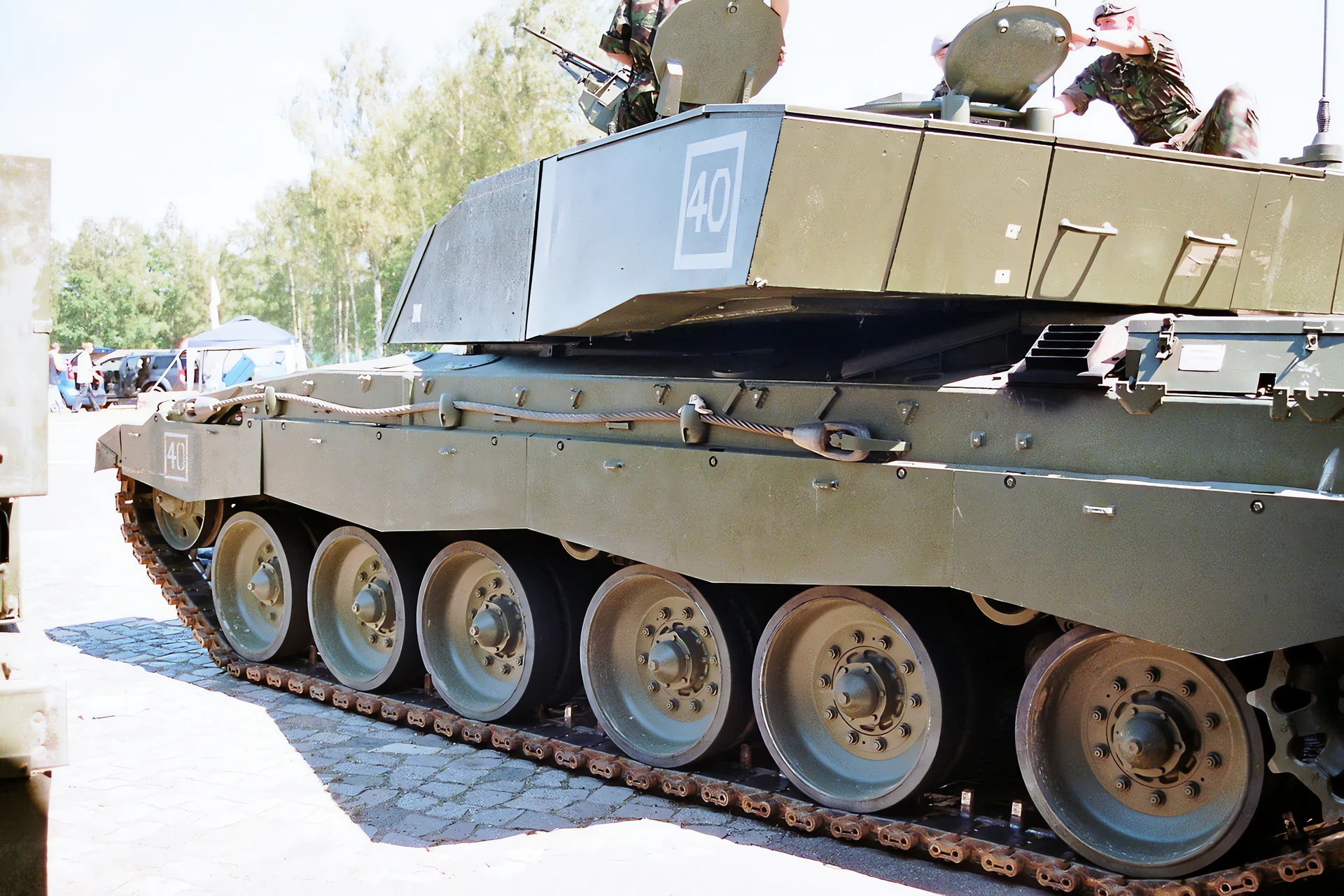
| Challenger II Walk Around | |
|---|---|
| Photographer | Unknow |
| Localisation | Unknow |
| Photos | 34 |
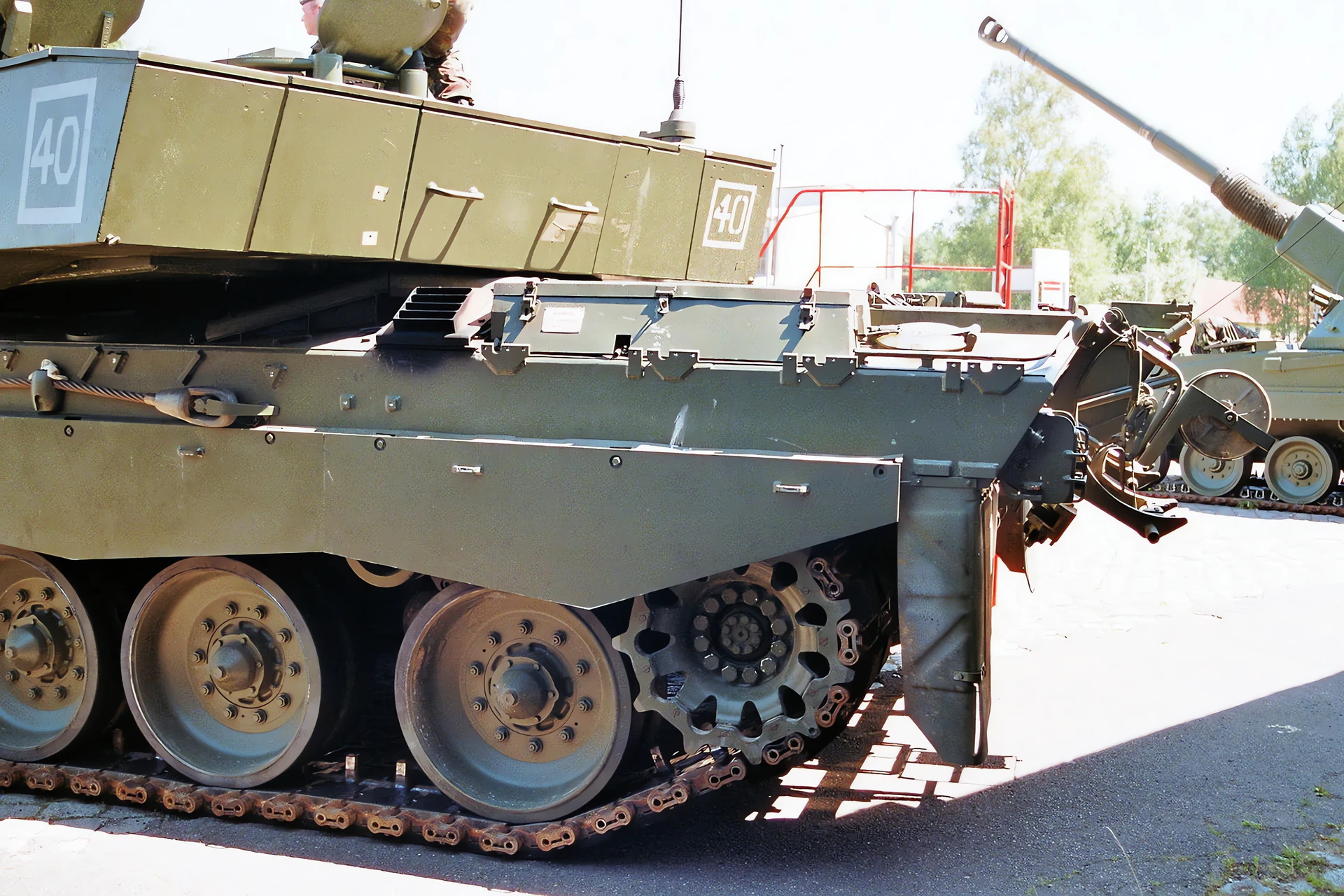
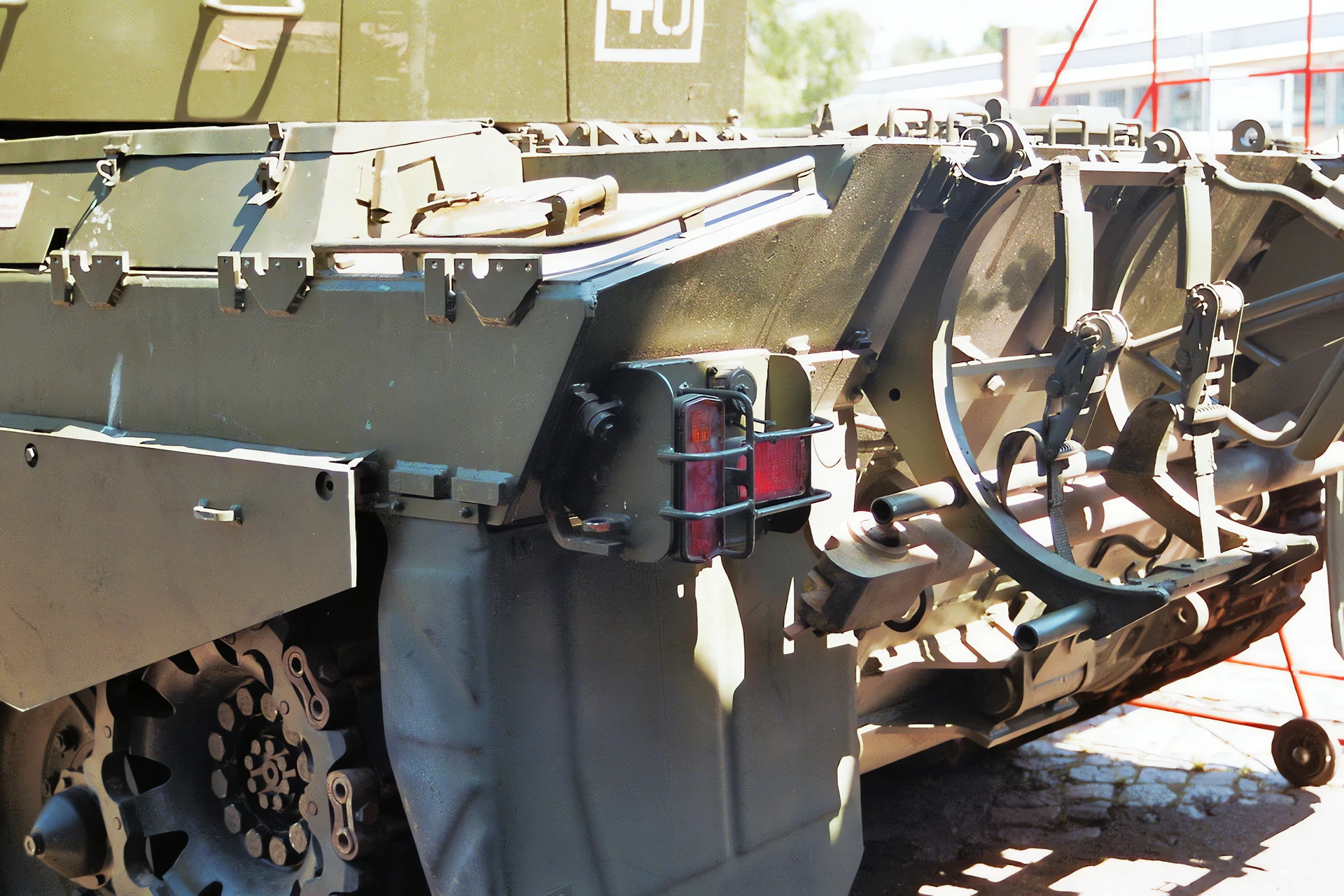
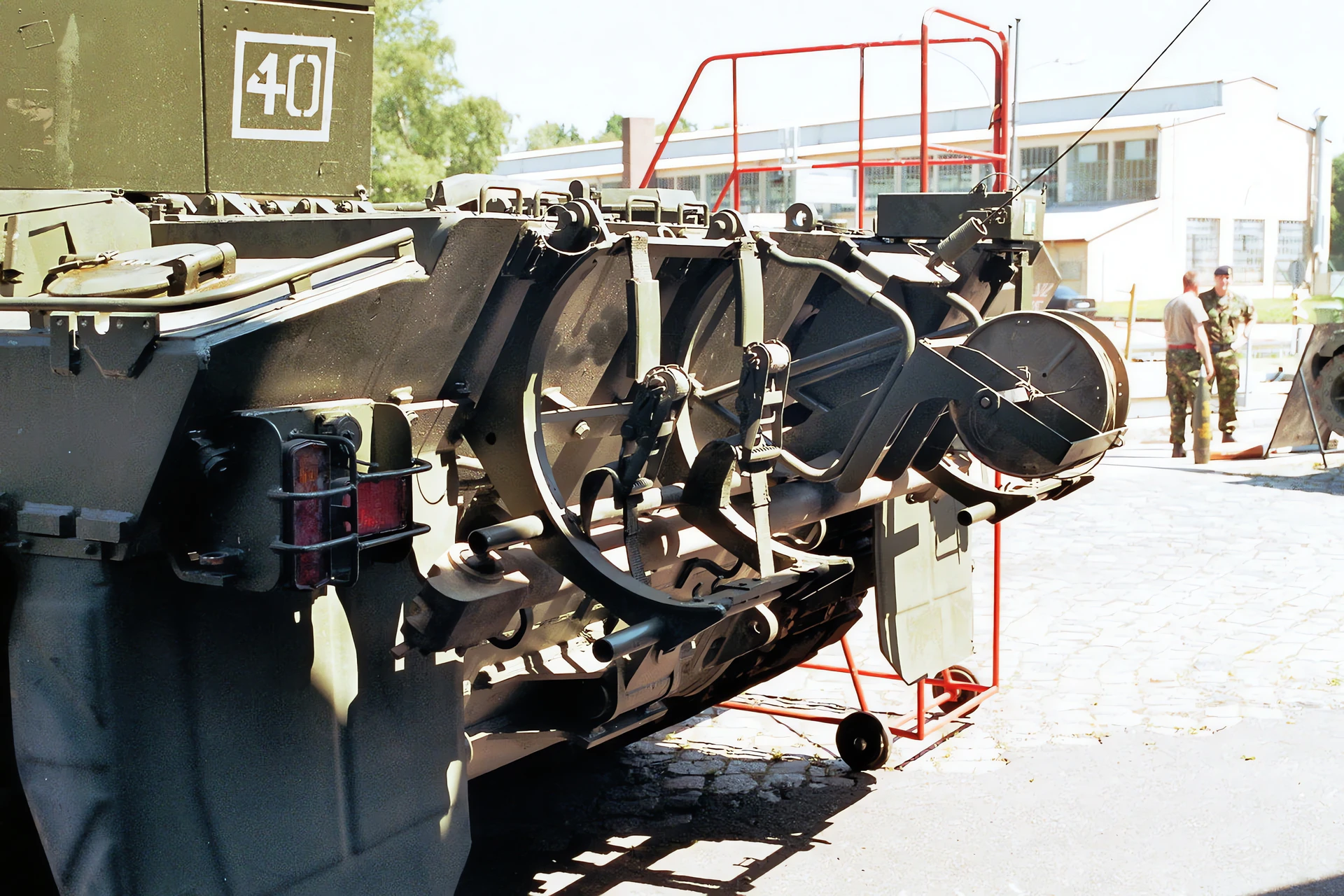
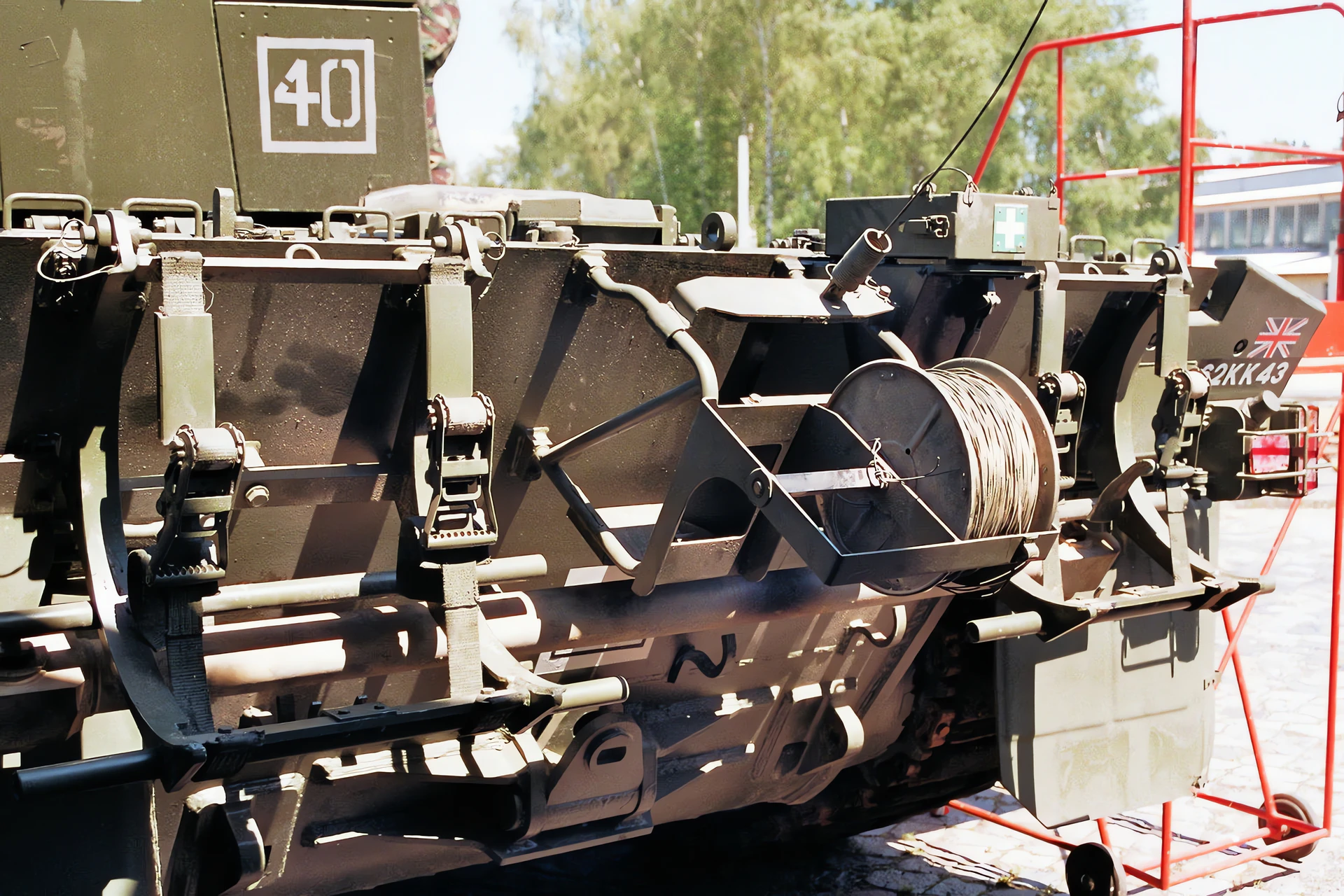
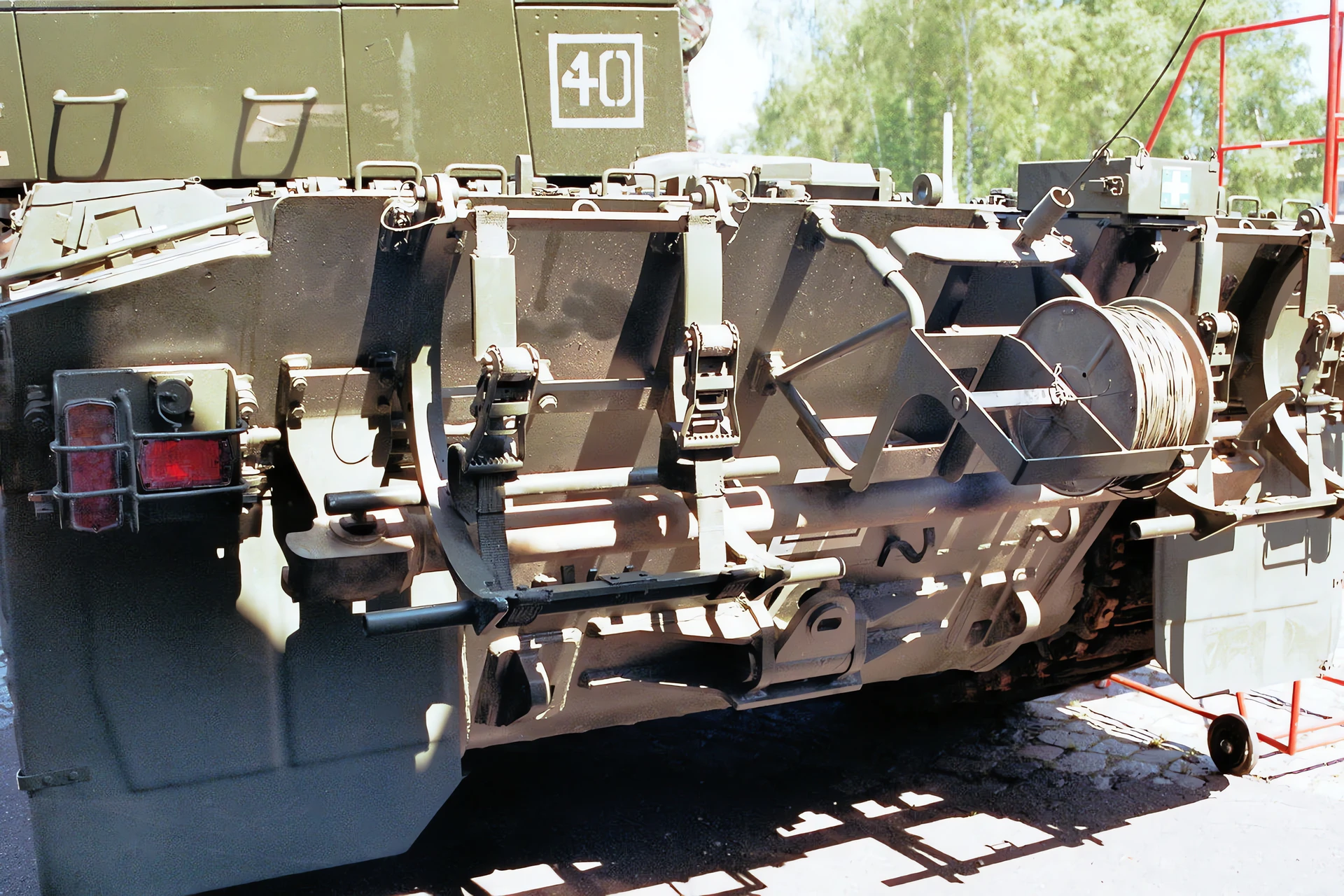
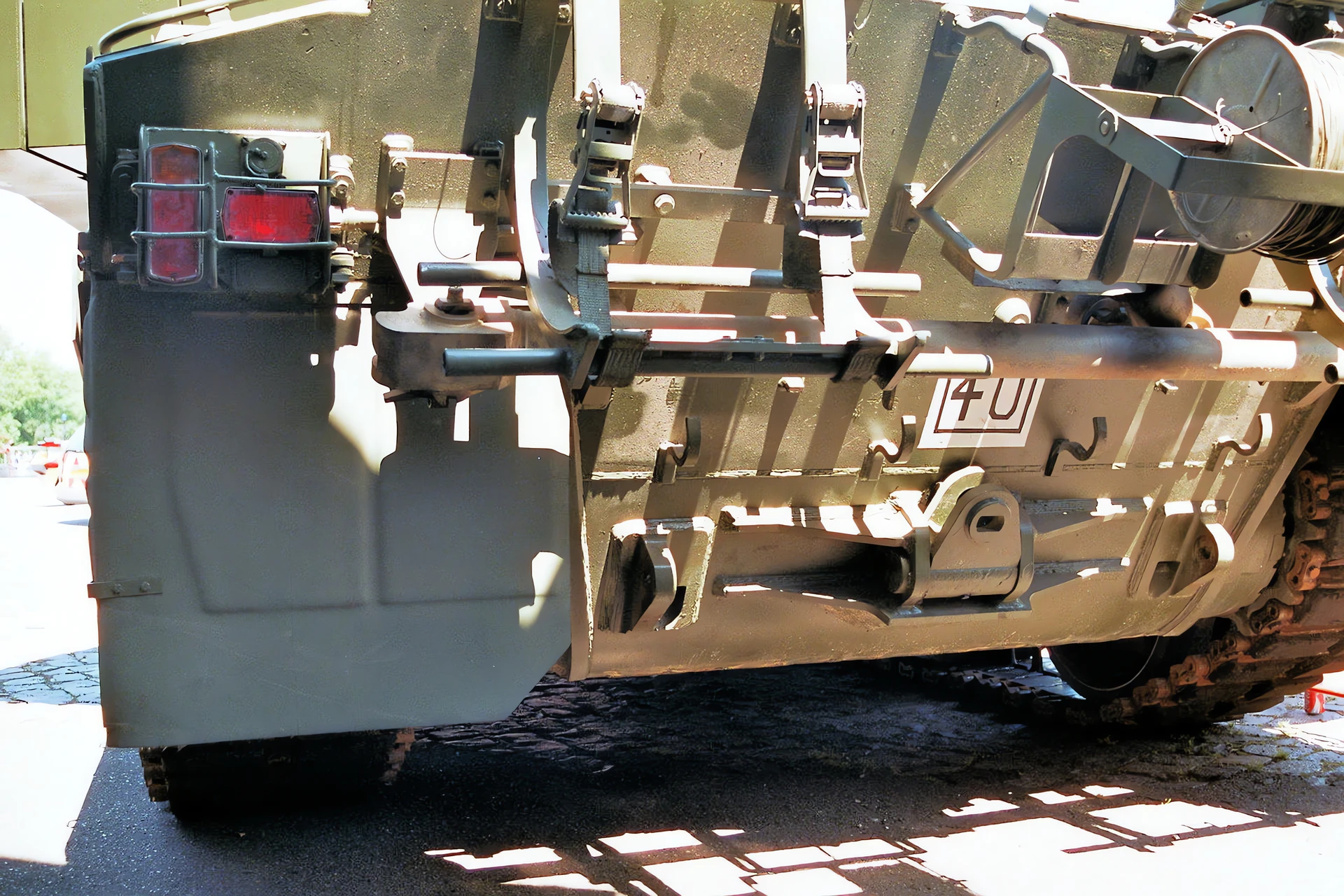
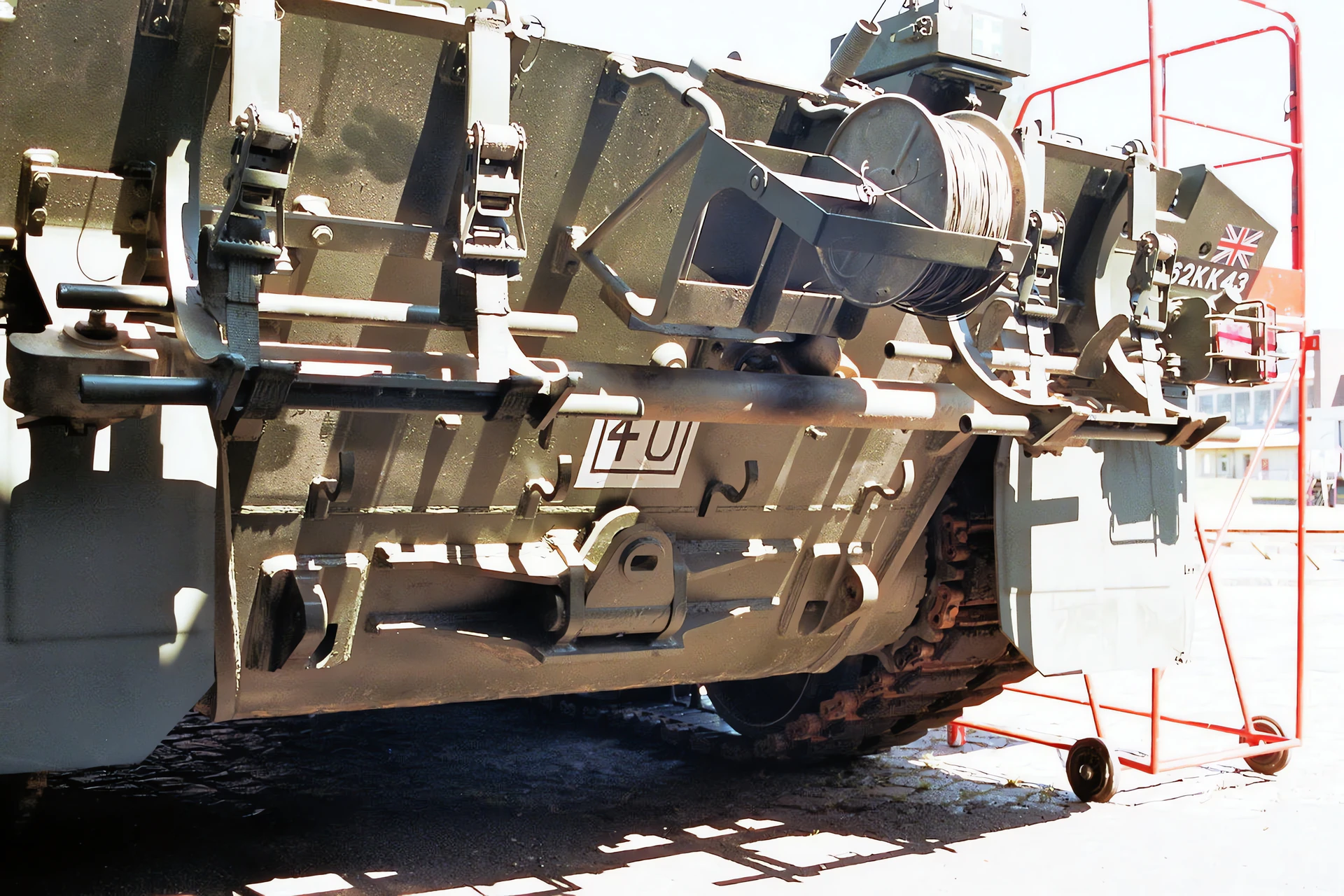
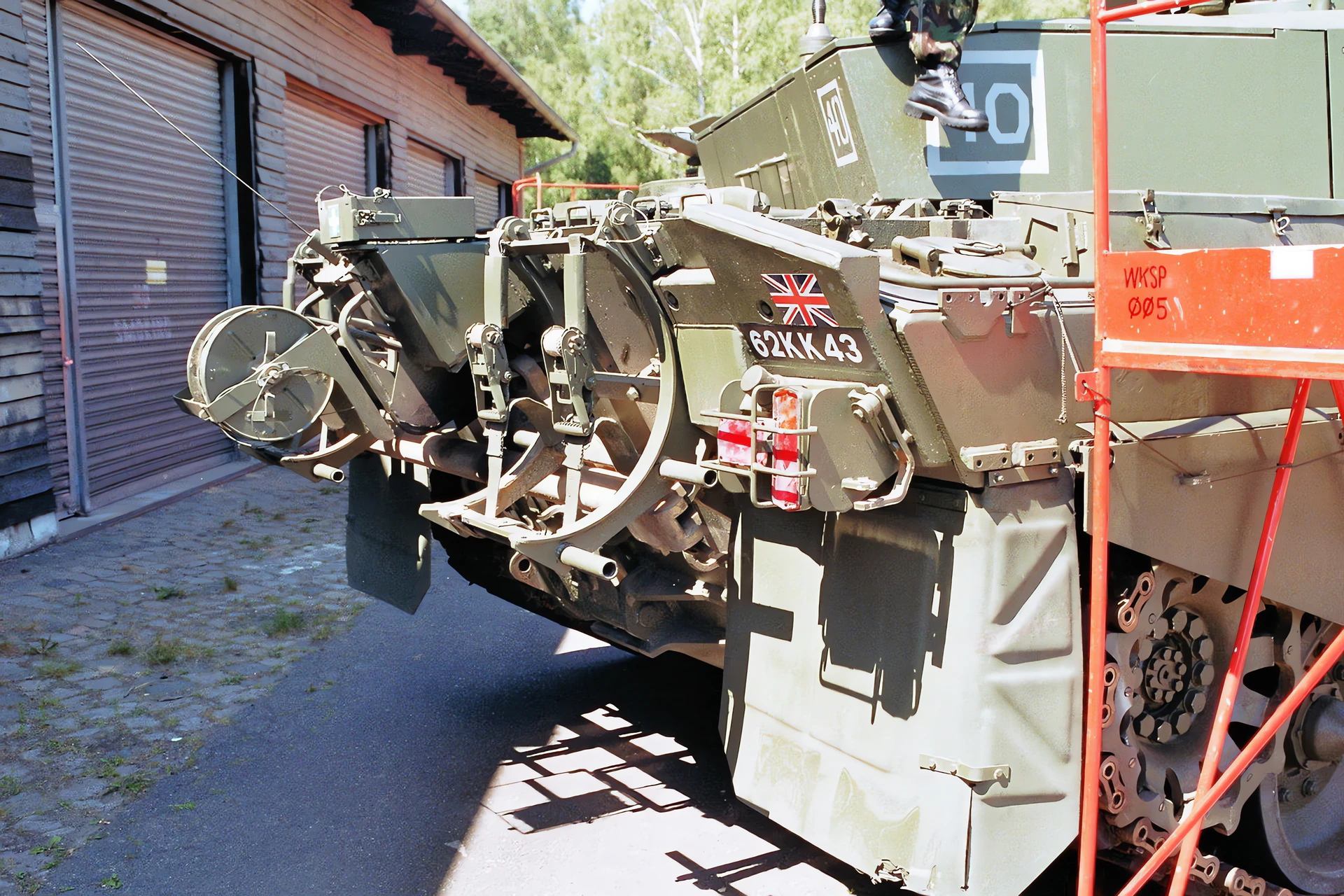


| Challenger Mk.I Walk Around | |
|---|---|
| Photographer | Unknow |
| Localisation | Unknow |
| Photos | 27 |
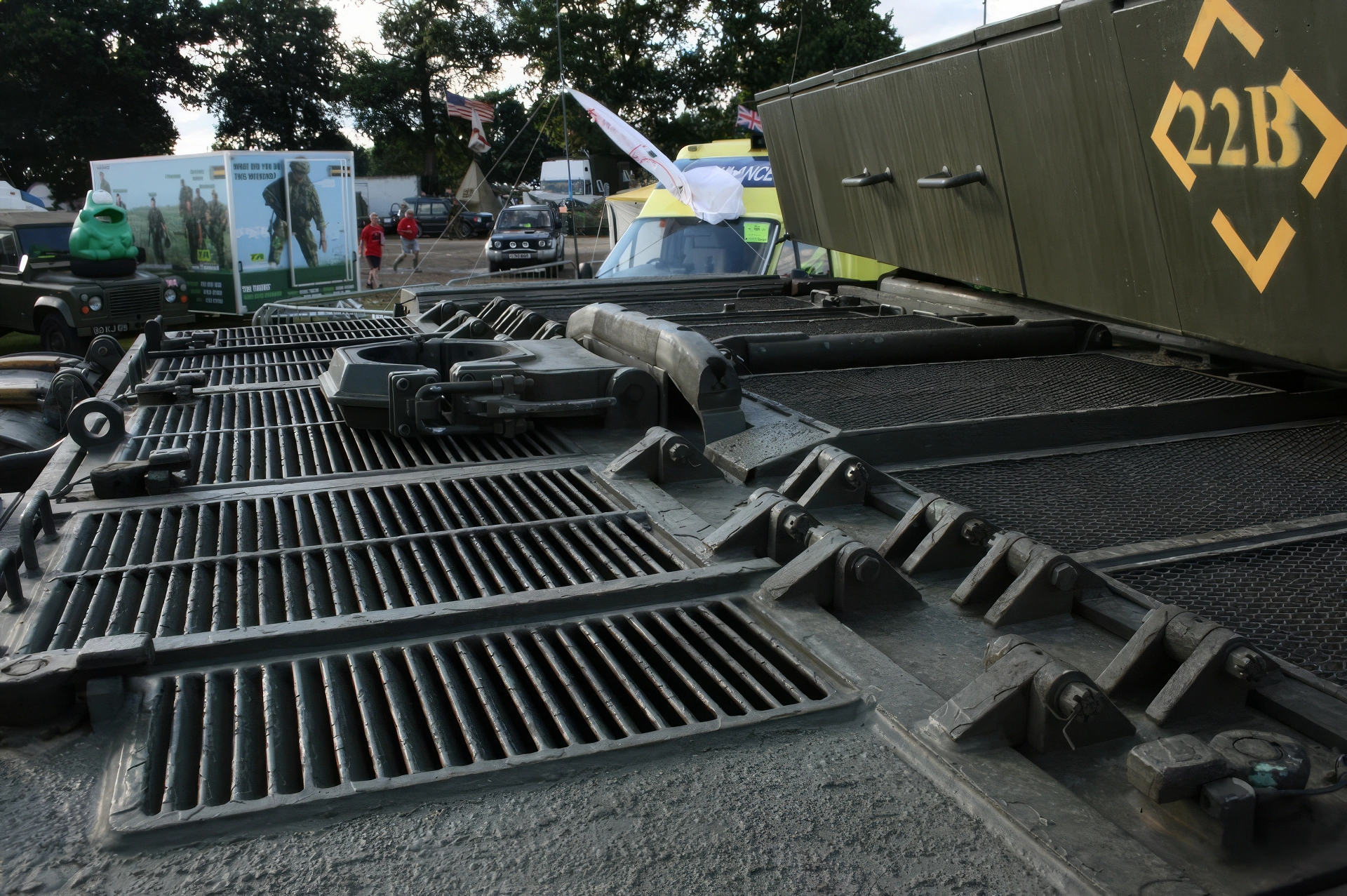
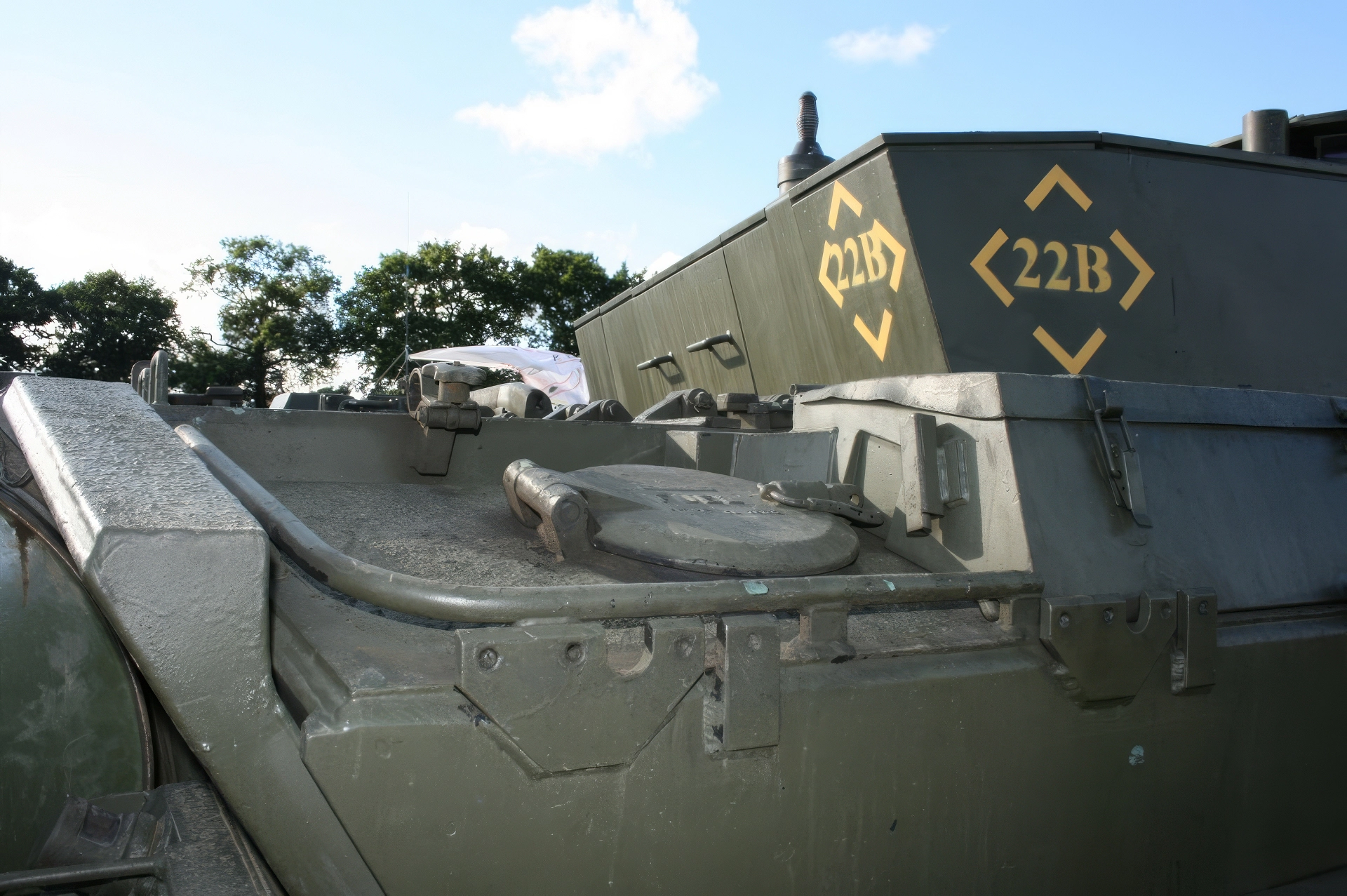
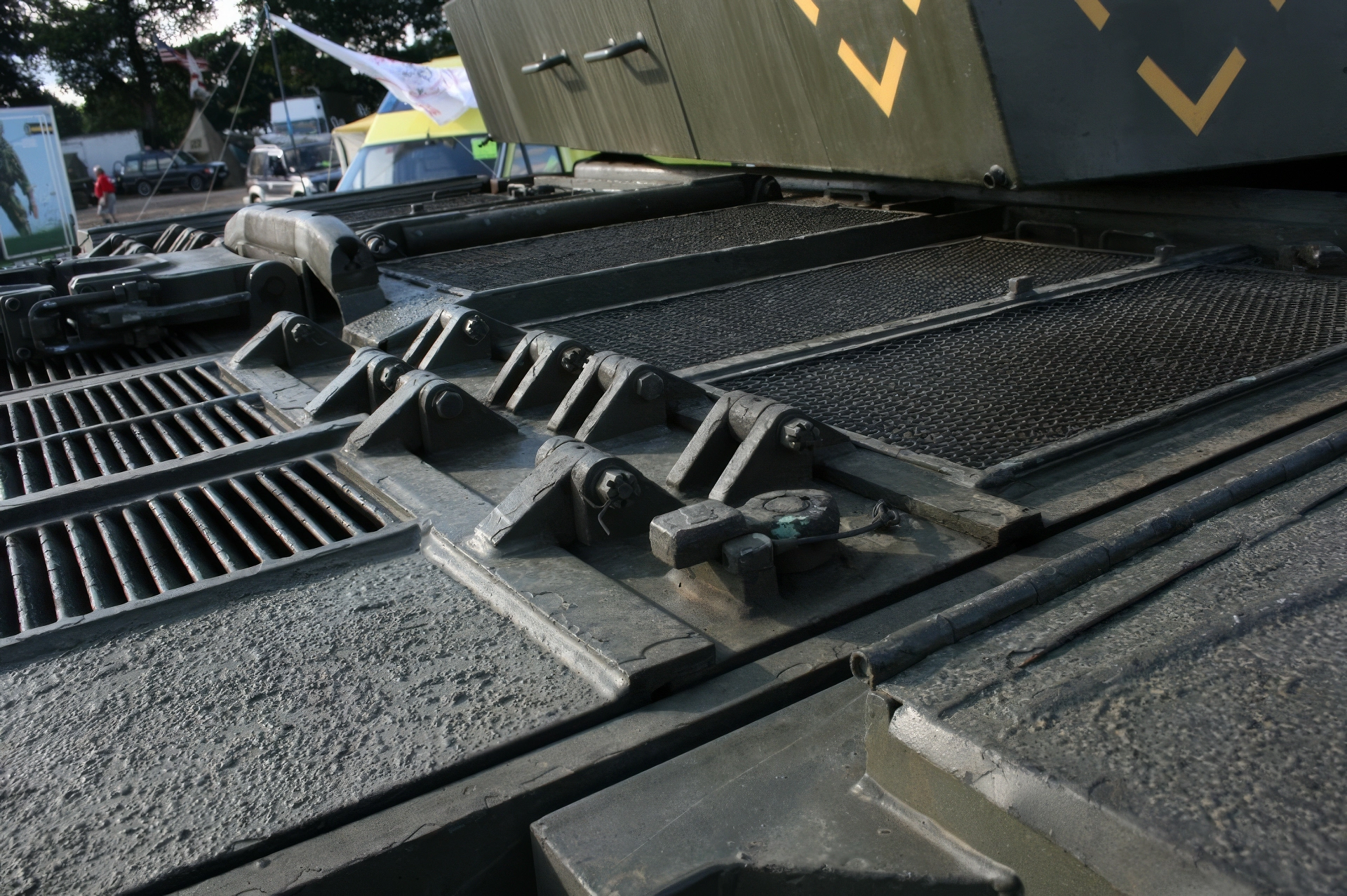
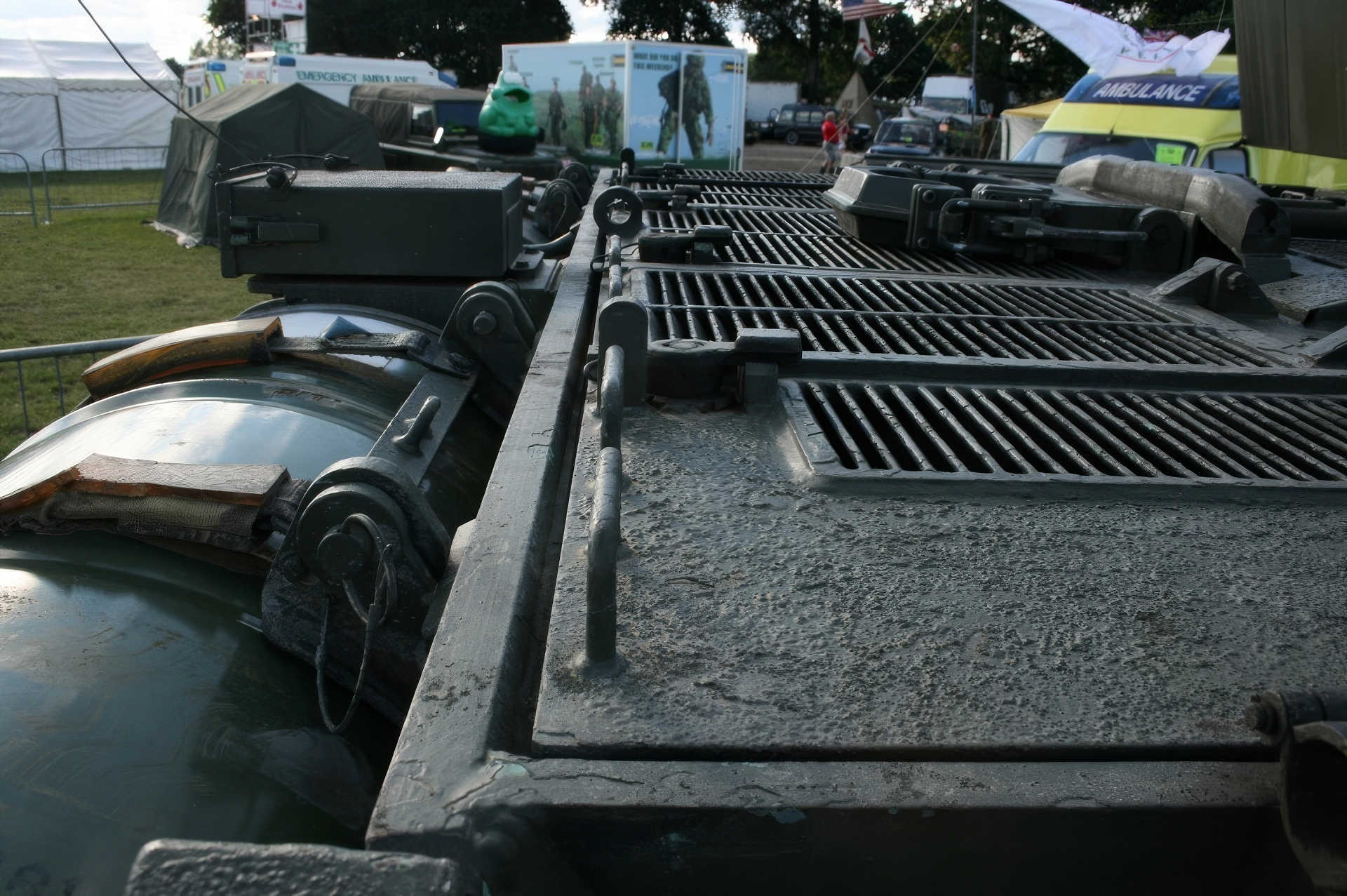
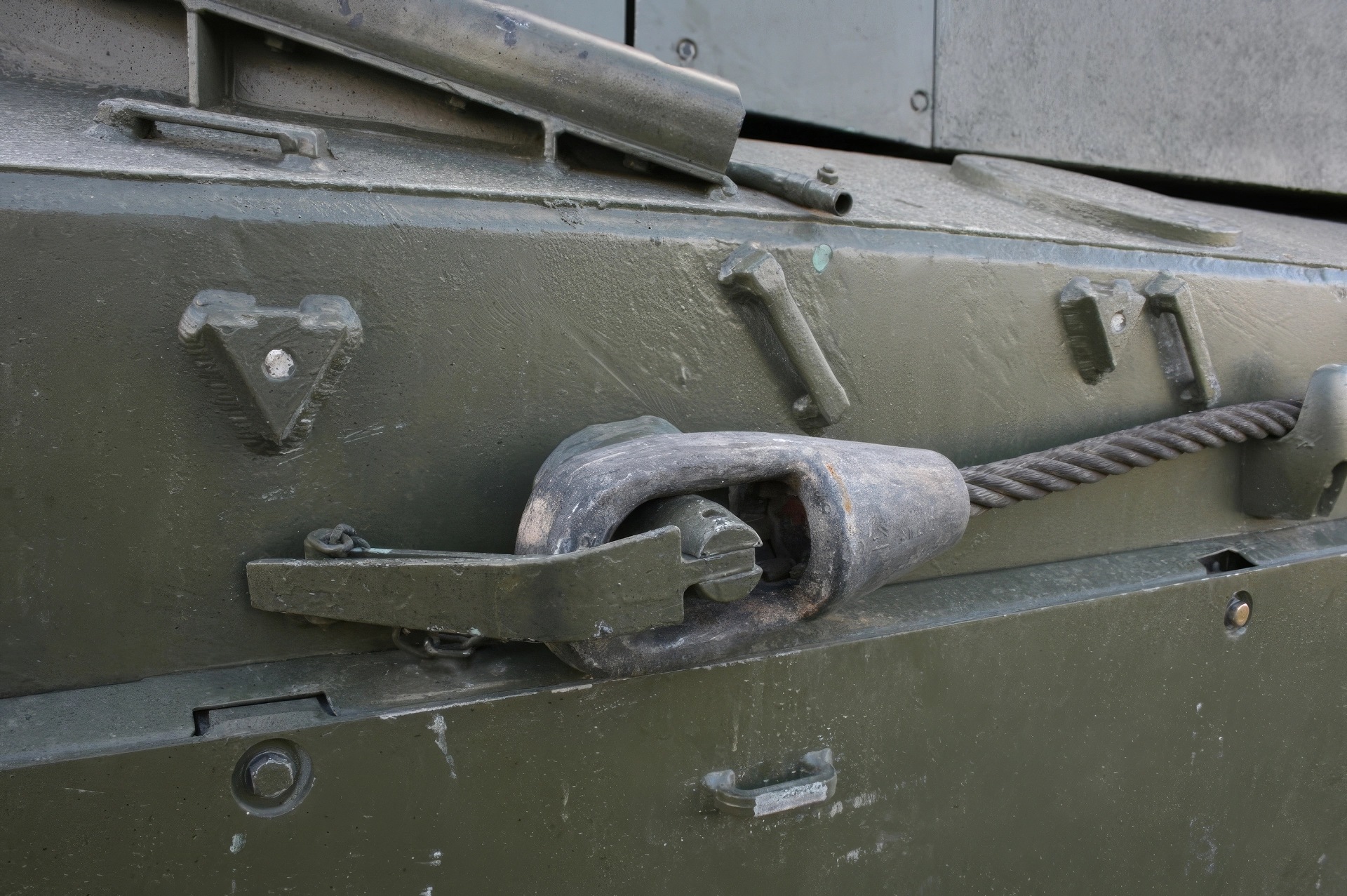
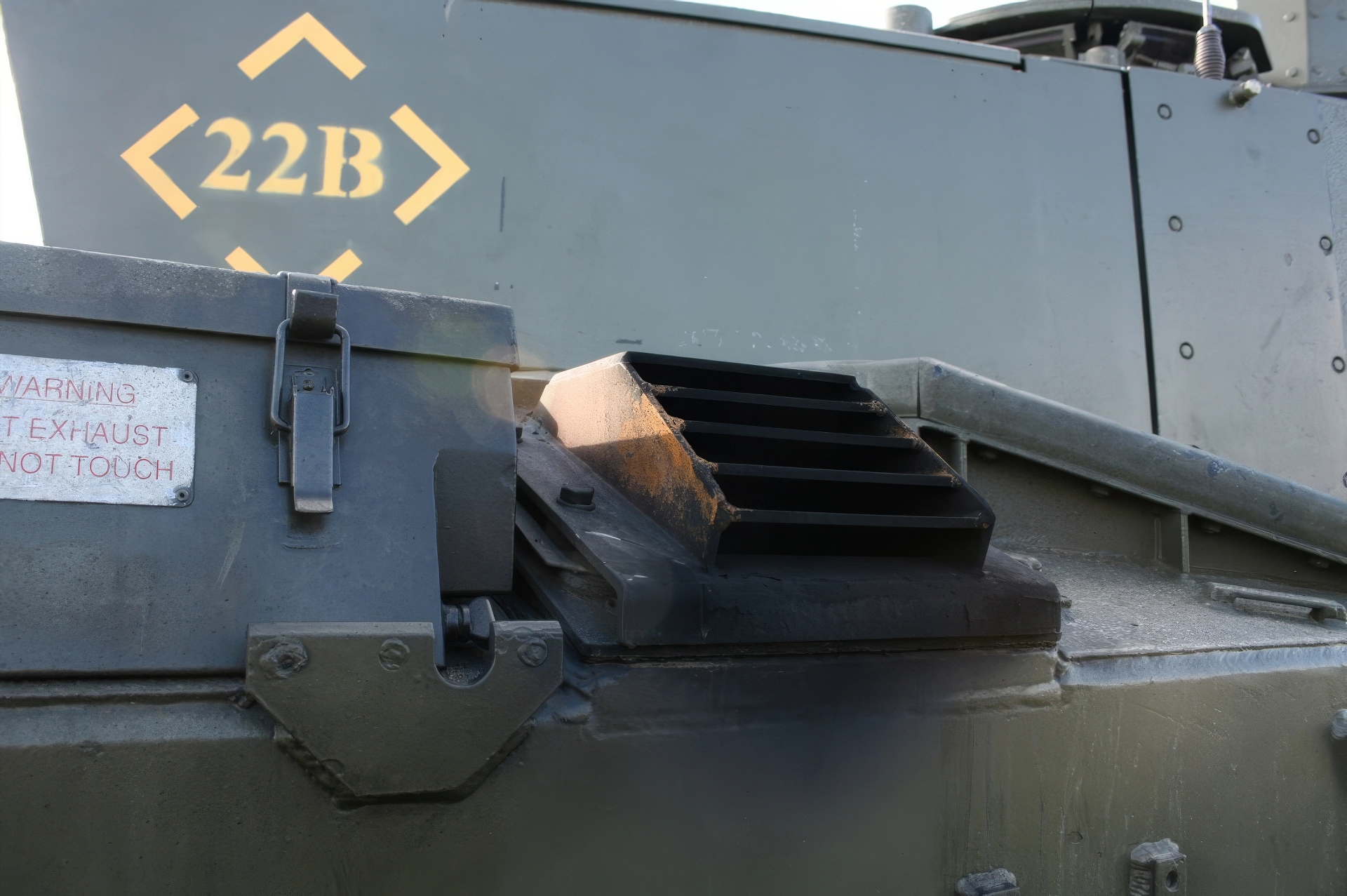
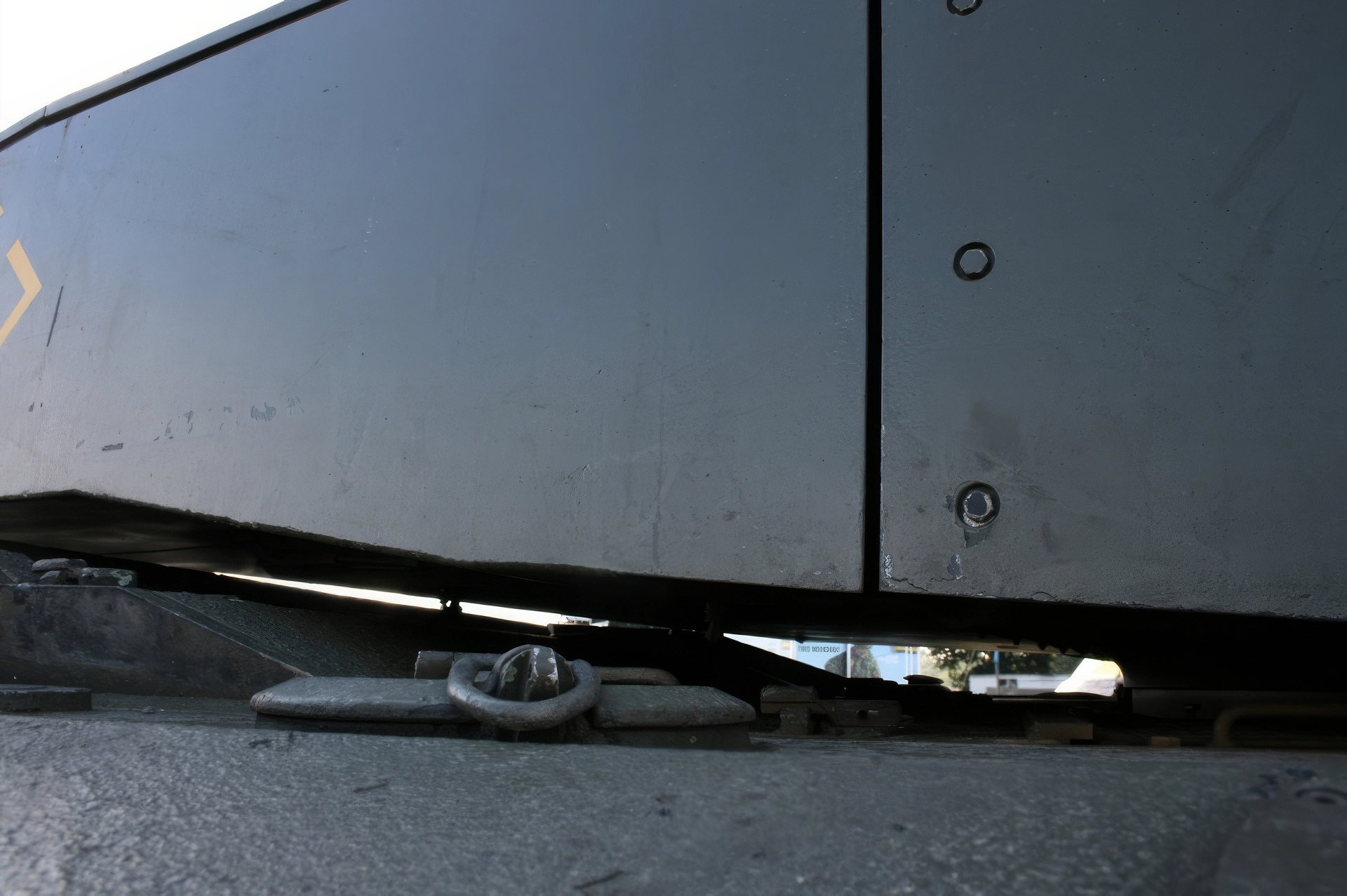
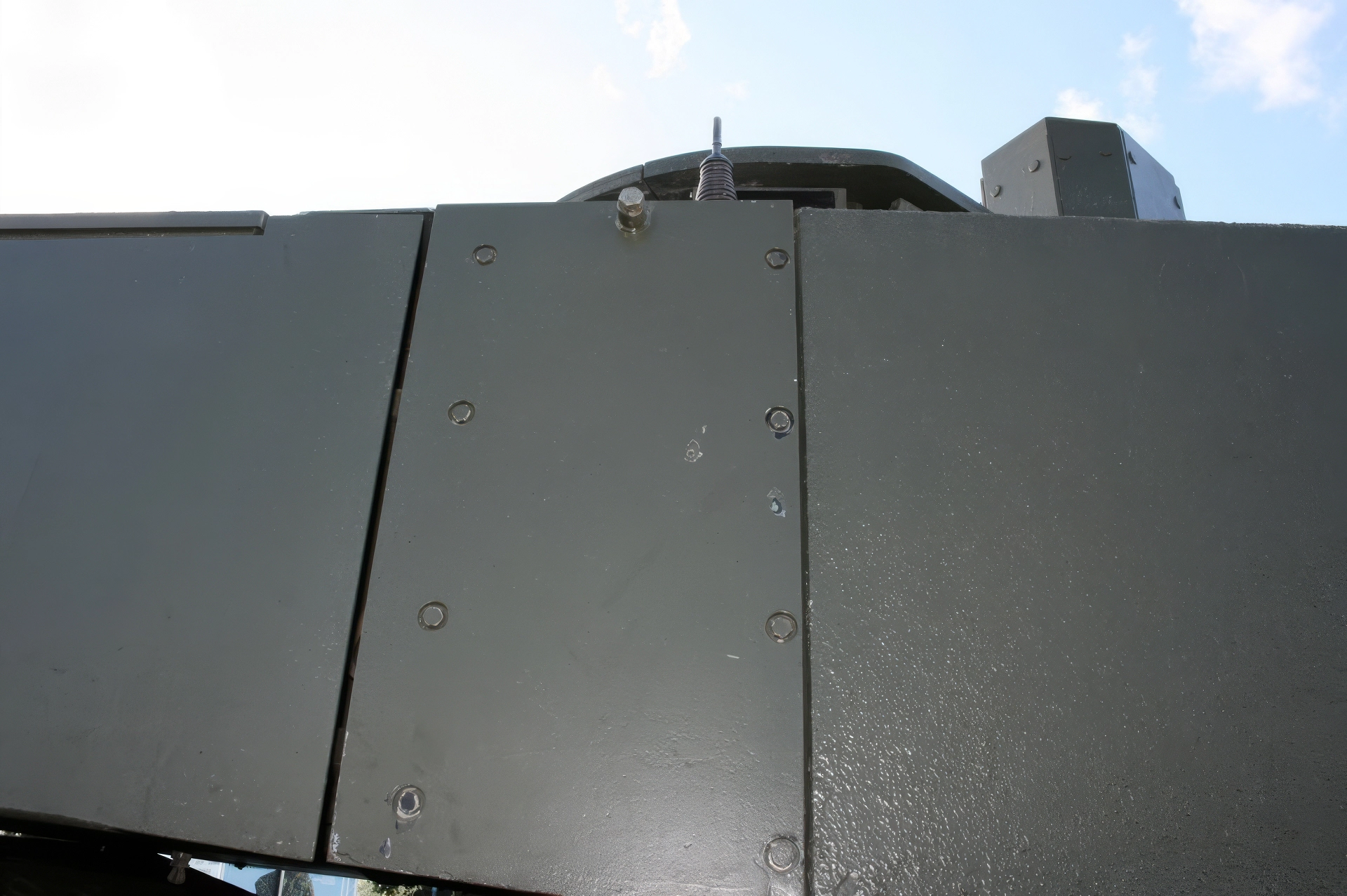
| Challenger 2 Megatron Walk Around | |
|---|---|
| Photographer | Darren Baker |
| Localisation | Unknow |
| Photos | 71 |
See also:


| Challenger II Walk Around | |
|---|---|
| Photographer | Ian Barraclough |
| Localisation | Unknow |
| Photos | 60 |
The World’s Toughest Tank?
The Challenger 2 is the United Kingdom’s primary main battle tank, renowned for being one of the best-protected armored vehicles in existence. Built by Vickers Defence Systems (now BAE Systems), it entered service in 1998 as a total redesign of the Challenger 1. Unlike its NATO peers (the Abrams and Leopard 2), the Challenger 2 retains a rifled main gun, a choice driven by the British Army’s preference for specialized ammunition types. It is famously durable, with a legendary combat record of zero losses to enemy fire during the entire Iraq War.
| Attribute | Technical Specification (Challenger 2) |
|---|---|
| Role | Main Battle Tank (MBT) |
| Crew | 4 (Commander, Gunner, Loader, Driver) |
| Main Armament | 120 mm L30A1 Rifled Gun |
| Secondary Armament | 7.62 mm L94A1 chain gun (coaxial), 7.62 mm L37A2 machine gun |
| Armor Type | Dorchester Level 2 (2nd Gen Chobham Composite) |
| Engine | Perkins CV12-6A V12 Diesel (1,200 hp) |
| Max Speed | 59 km/h (37 mph) on road / 40 km/h (25 mph) off-road |
| Weight | 62.5 tons (standard) / up to 75 tons (with TES upgrade) |
| Operational Range | 550 km (340 miles) on road |
Unique British Features
- The Rifled Advantage & HESH: The L30A1 gun is rifled, which allows it to fire HESH (High-Explosive Squash Head) rounds with extreme accuracy. HESH “smears” plastic explosive against a target’s armor before detonating, creating a shockwave that kills the crew inside without needing to penetrate the hull.
- Dorchester Armor: The secret composite armor, codenamed Dorchester, is an evolution of the famous Chobham armor. In 2003, a Challenger 2 in Basra survived being hit by roughly 70 RPGs and multiple anti-tank missiles in a single engagement, returning to service just hours later.
- The Boiling Vessel (BV): True to British tradition, the Challenger 2 is equipped with an internal kettle/heater known as a “Boiling Vessel.” This allows the crew to make tea and heat rations without leaving the safety of the armored hull.
- Separate Loading: Unlike the 1-piece shells used by the Abrams, the Challenger 2 uses 3-piece ammunition (projectile, propellant charge, and primer). This allows for safer storage in the turret and hull “wet stowage” bins.
Combat History & Future
- The Longest Tank-to-Tank Kill: A British Challenger 1 (the C2’s predecessor) holds the world record for the longest confirmed tank kill in history, knocking out an Iraqi T-55 at a distance of 5.1 kilometers (3.2 miles).
- Service in Ukraine (2023-Present): In 2023, the UK sent 14 Challenger 2s to Ukraine. These have seen heavy combat, where their protection has been praised by crews for saving lives even when the vehicle is disabled.
- Challenger 3 (The Next Step): The UK is currently upgrading 148 hulls to the Challenger 3 standard. This will replace the rifled gun with a NATO-standard smoothbore gun (the Rheinmetall L55A1) and introduce a fully digital turret.
Views : 6790