Churchill Crocodile | |
|---|---|
| Country | UK |
| Role | Infantry tank/Flame tank |
| In service | 1944-1945 |
| Built | Unknow |
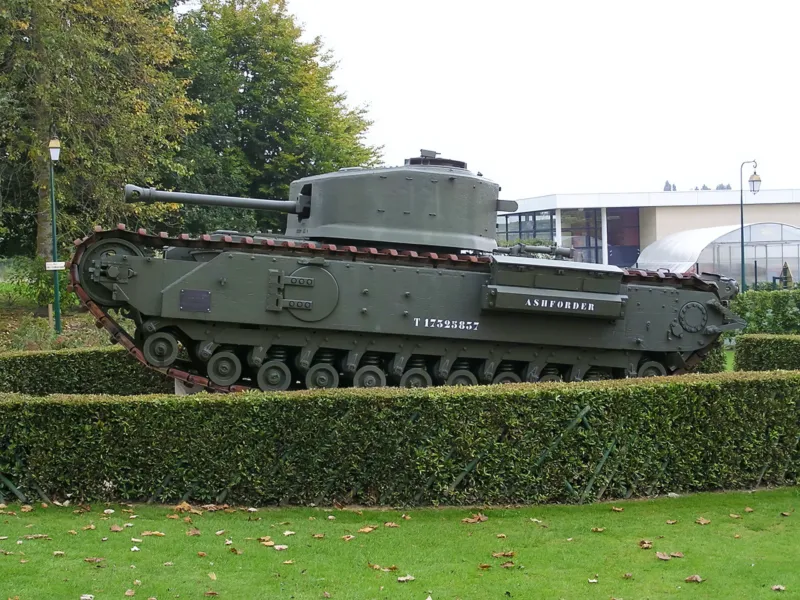
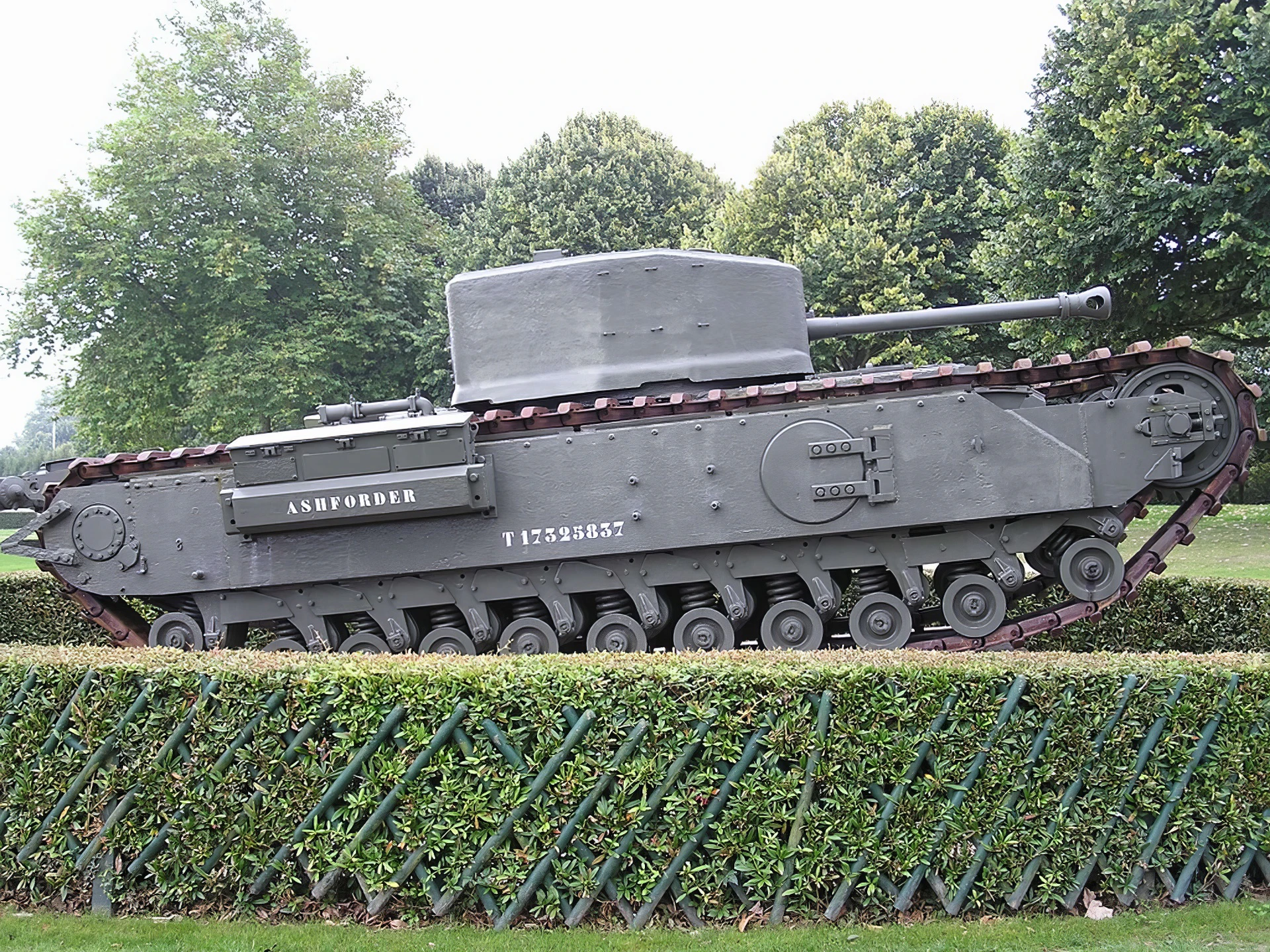
Gallery Photo of Churchill Crocodile, The Crocodile was a Churchill VII which was converted by replacing the hull machine gun with a flamethrower. The fuel was in an armoured wheeled trailer towed behind. It could fire several 1 second bursts over 150 yards. The Crocodile was one of “Hobart’s Funnies” – another vehicle used by the 79th Armoured Division.
| Churchill Crocodile | |
|---|---|
| Photographer | Unknow |
| Localisation | Unknow |
| Photos | 30 |
Churchill Crocodile 19
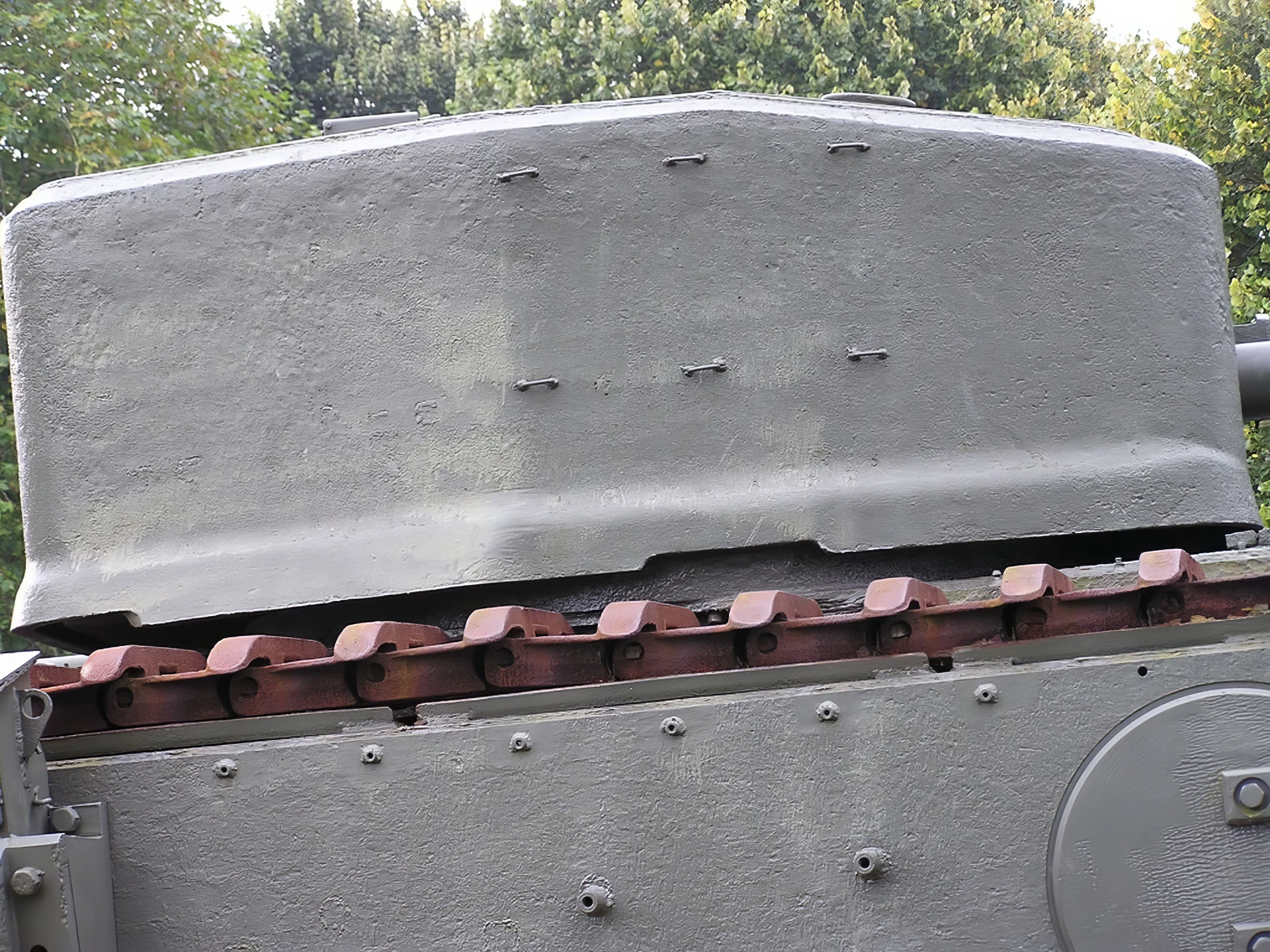
Churchill Crocodile 20
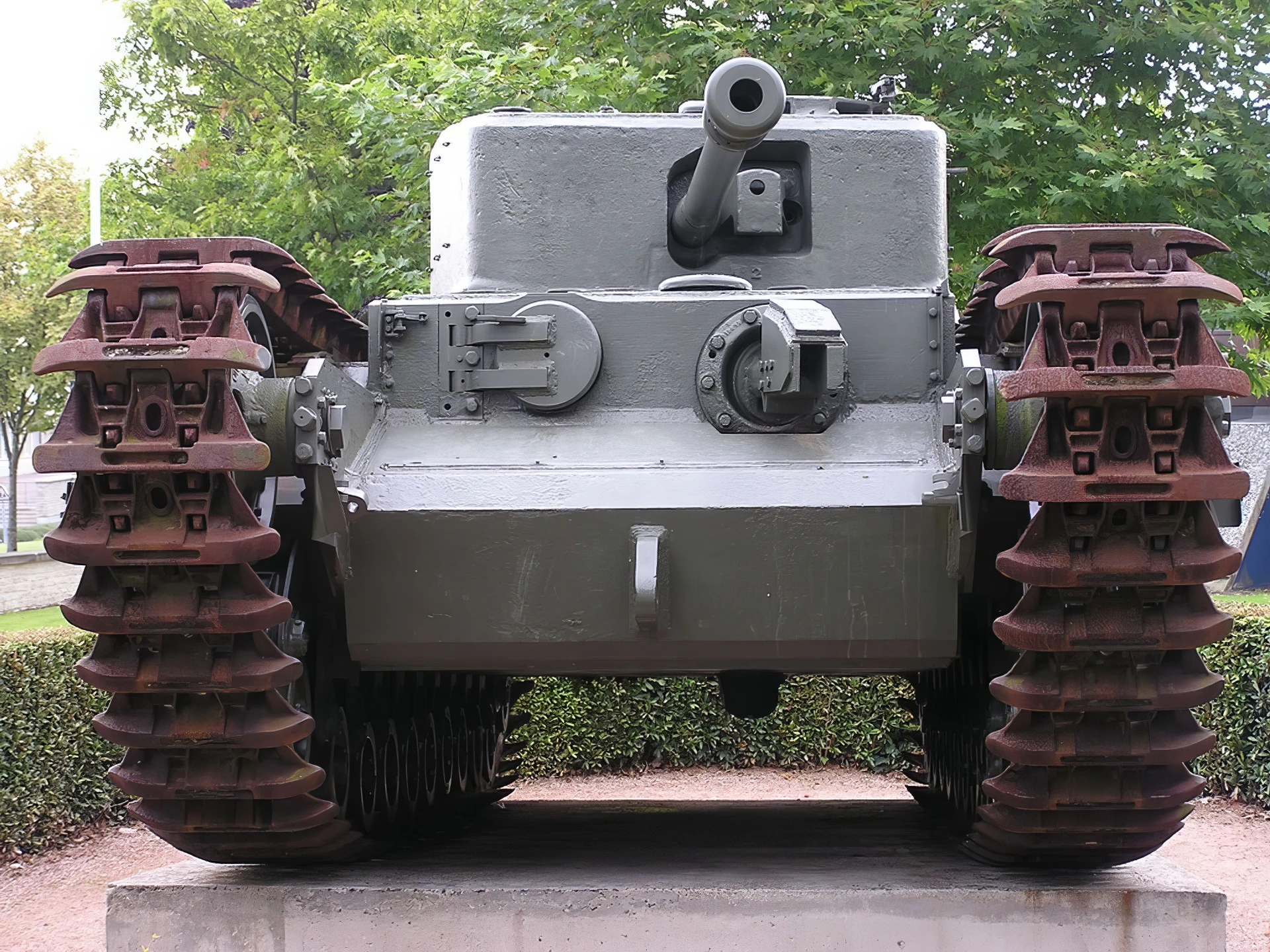
Churchill Crocodile 21
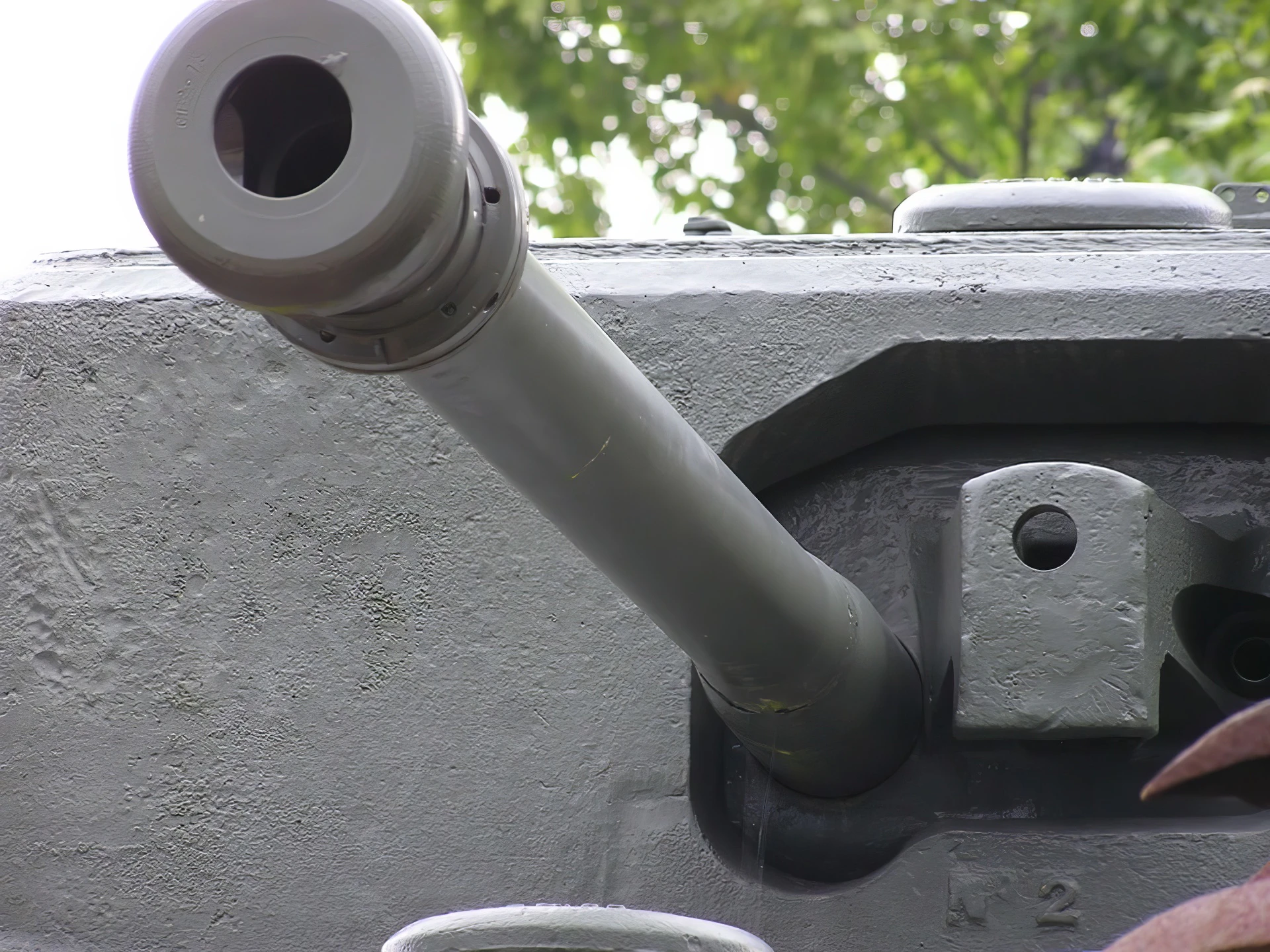
Churchill Crocodile 22
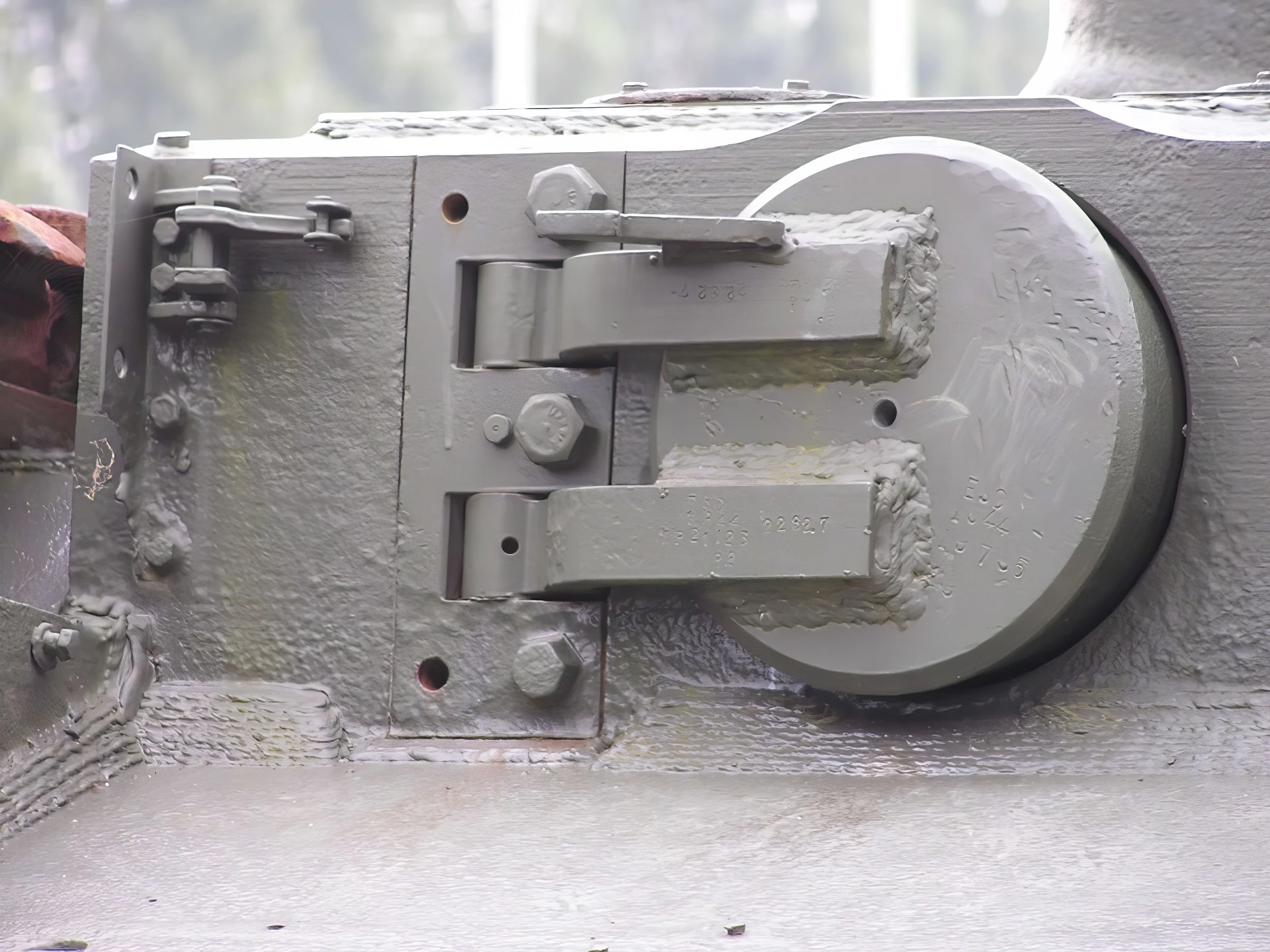
Churchill Crocodile 23
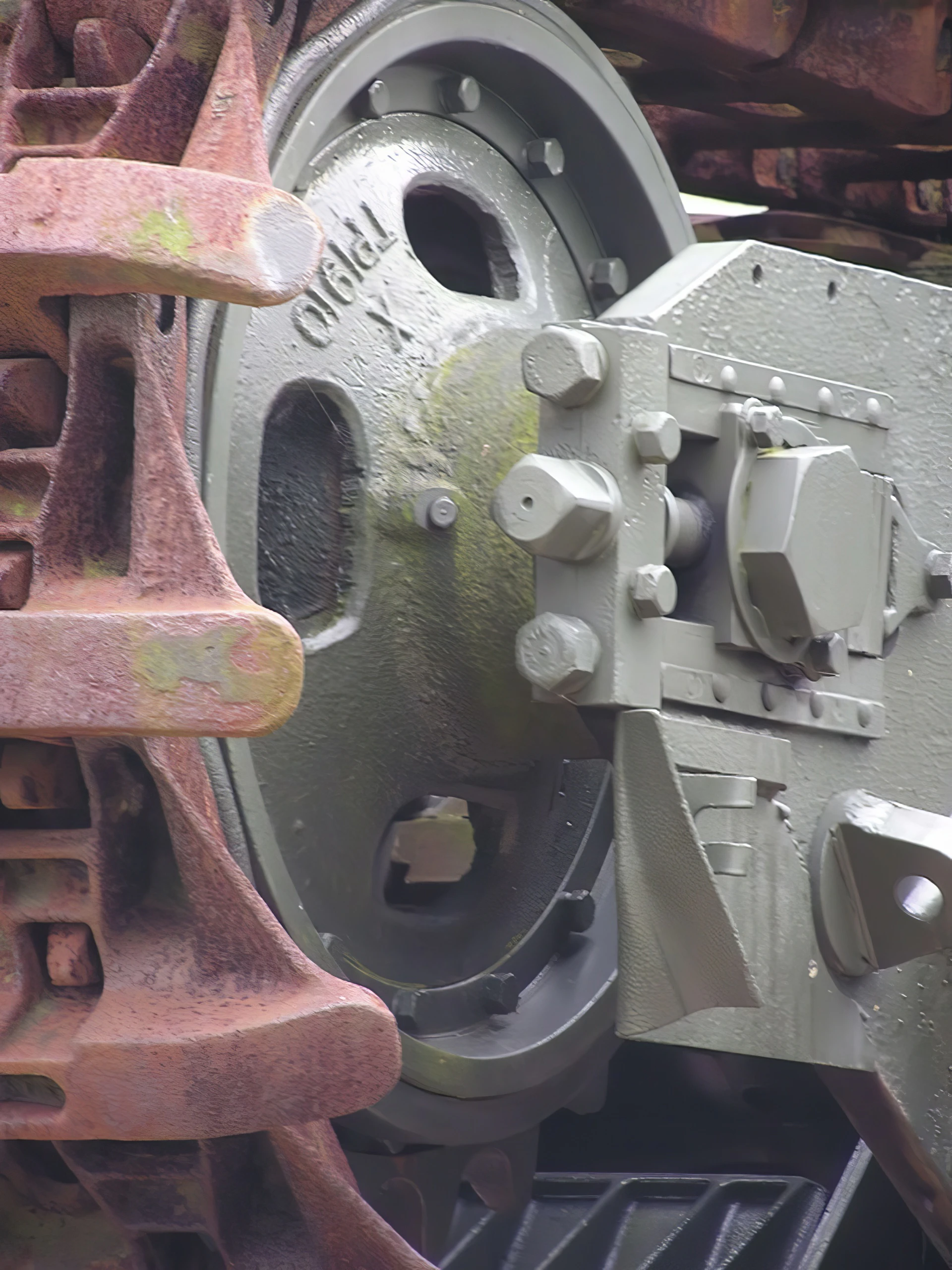
Churchill Crocodile 24
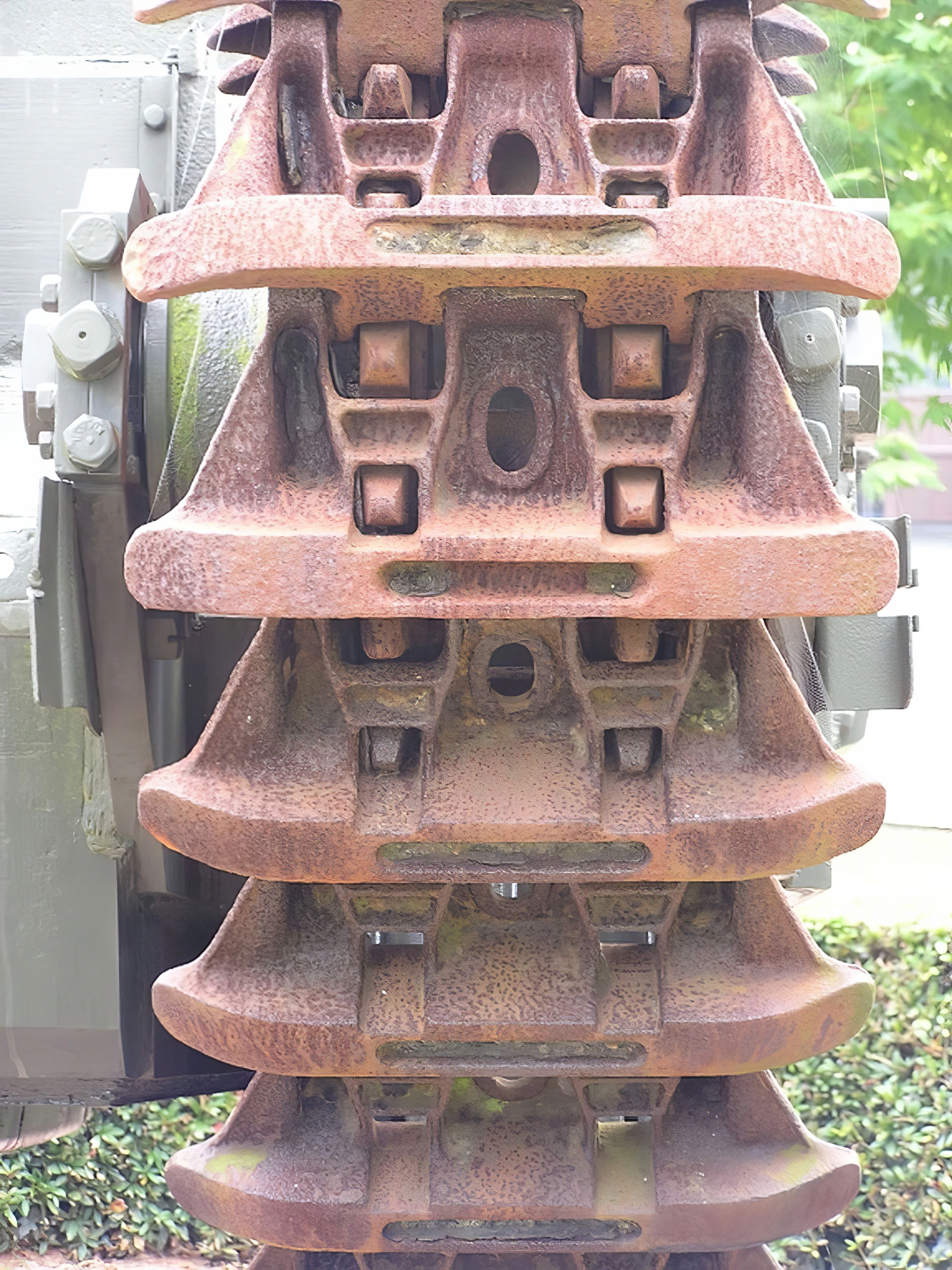
Churchill Crocodile 25
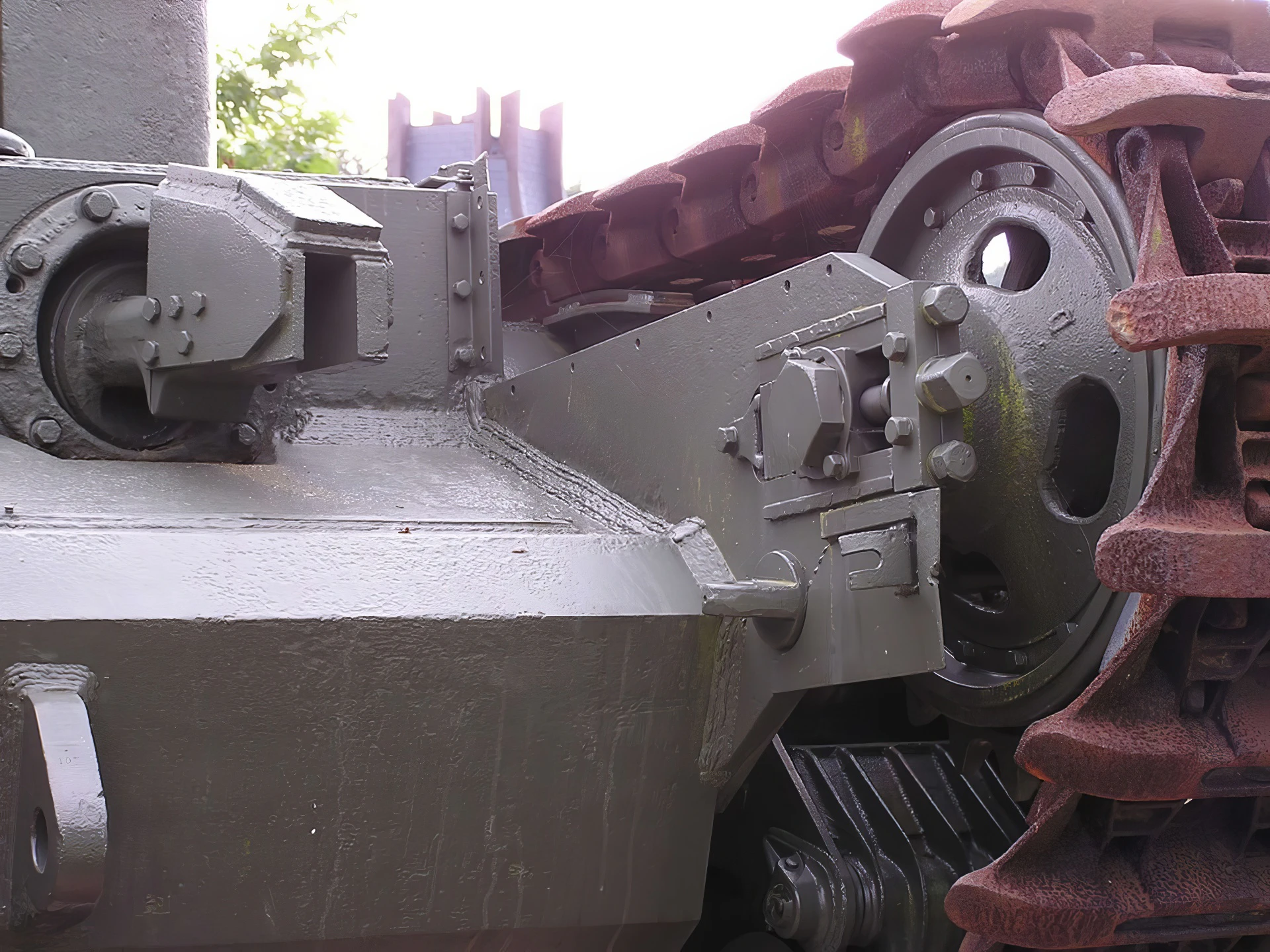
Churchill Crocodile 26
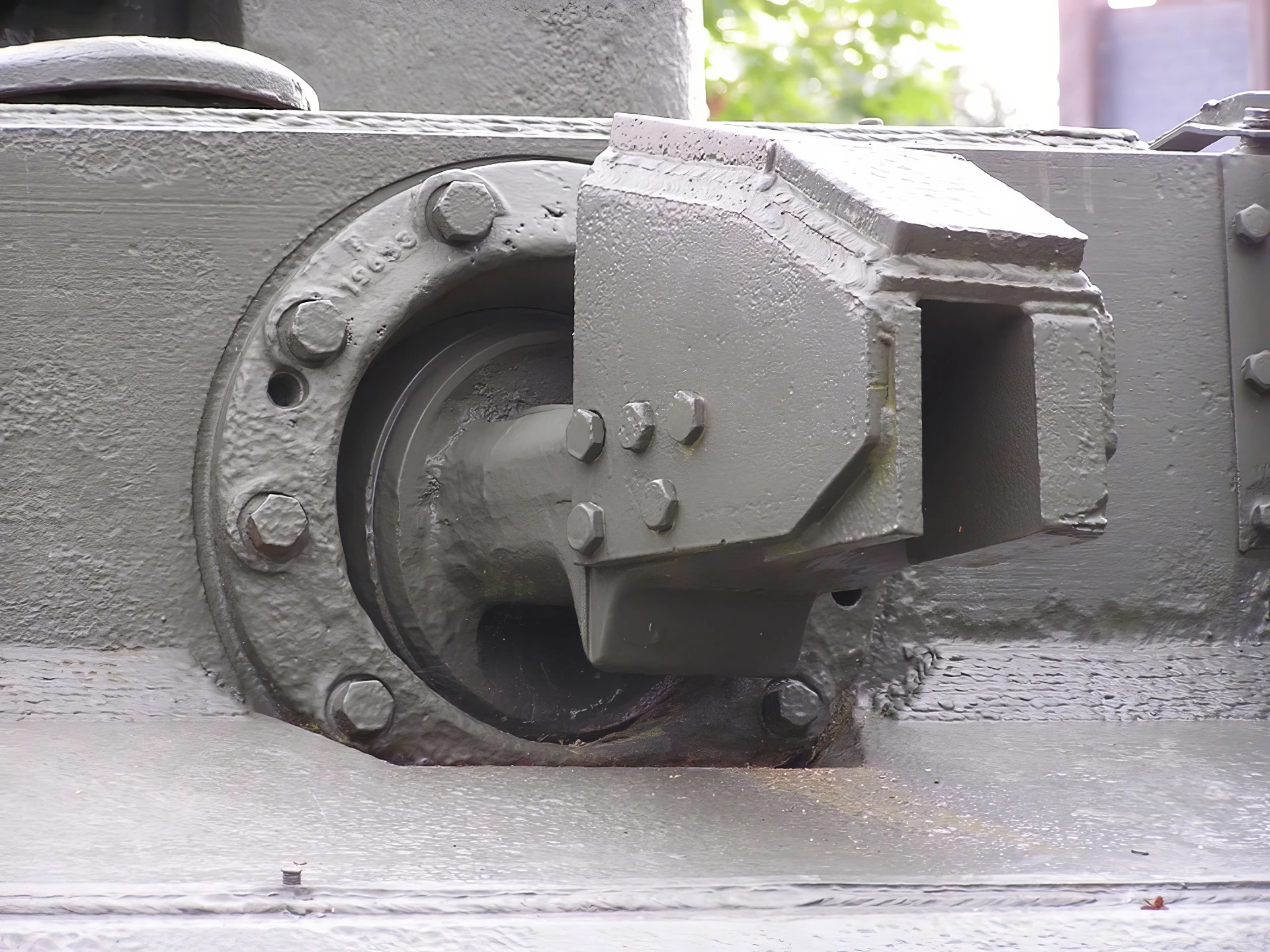
Churchill Crocodile 27
Wait, Searching Churchill Crocodile photos for you…

| Churchill Crocodile Walk Around | |
|---|---|
| Photographer | Daryl Nightingale |
| Localisation | Unknow |
| Photos | 50 |
See also:


The **Churchill Crocodile** was a British flamethrower tank developed during World War II, based on the reliable **Churchill Mark VII Infantry Tank**. It was one of the specialized assault vehicles, collectively known as “Hobart’s Funnies,” created for the D-Day landings and subsequent operations to breach enemy fortifications.
Design and Flamethrower System
- Base Vehicle: The conversion kit was primarily fitted to the Churchill Mark VII, a tank known for its heavy armor and good cross-country mobility, albeit slow speed. This heavy armor allowed the Crocodile to withstand the intense fire it often drew as a primary assault weapon.
- Flamethrower Location: The fixed flamethrower projector was installed in the hull, replacing the bow-mounted Besa machine gun.
- Armament Retained: Crucially, the Crocodile retained its main turret armament—the **75 mm QF gun** and a coaxial machine gun—allowing it to engage enemy armor and provide conventional fire support, a key advantage over many other flame-tanks.
- The Trailer: The unique feature of the Crocodile was its **armored, two-wheeled trailer** towed behind the tank.
- Capacity: This trailer carried about **400 gallons (1,800 liters)** of flame fuel (a thickened incendiary mixture) and a supply of pressurized nitrogen gas (the propellant).
- Range/Bursts: This capacity was enough for approximately **80 one-second bursts** of flame, with an effective range of up to **120–150 yards (110–140 meters)**.
- Safety/Tactics: The trailer was connected to the tank via a flexible, armored pipe and, most importantly, could be **jettisoned** from inside the tank in an emergency (like being hit or running out of fuel), allowing the tank to continue fighting as a standard gun tank. In action, the crew would keep the tank positioned to shield the vulnerable trailer from enemy fire.
Combat Role and Psychological Effect
- Primary Role: The Churchill Crocodile was designed for close-range assault on fortified positions like bunkers, pillboxes, and strongpoints that standard artillery struggled to neutralize.
- Psychological Weapon: Its terrifying capability—shooting a jet of intense flame over a long distance—had an immense **psychological effect**. German troops were often so demoralized by its presence that they would surrender immediately upon seeing the flamethrower fire a warning shot, saving the Allies from bloody fighting.
- Deployment: The Crocodiles were assigned to specialist armored units, most famously the **79th Armoured Division**, and were used successfully throughout the Normandy campaign, the push through Western Europe, and later in Italy and even the Korean War.
Views : 3329